By Milton Kirby | Atlanta, GA | August 21, 2025
Elaine Read and Matt Weyandt’s backpacking trip to the jungles of Costa Rica led them to build one of Atlanta’s most unique food businesses.
Their passion for ethically sourced, small-batch chocolate has grown into Xocolatl (pronounced chock-oh-LAH-tul), a nationally recognized bean-to-bar chocolate company with roots deeply planted in community and sustainability. Xocolatl became carbon-neutral certified by The Change Climate Project in October 2023.
The couple’s journey began in 2012, when they moved with their toddler and newborn to a sleepy Costa Rican town where the jungle meets the sea. There, they discovered dark chocolate made from locally grown cacao—intensely flavorful, unprocessed, and unlike the candy bars of their childhood. Their passion for chocolate was ignited as they quickly realized that chocolate from different farms had noticeably different flavor profiles. It was an entirely new experience of what chocolate could be.
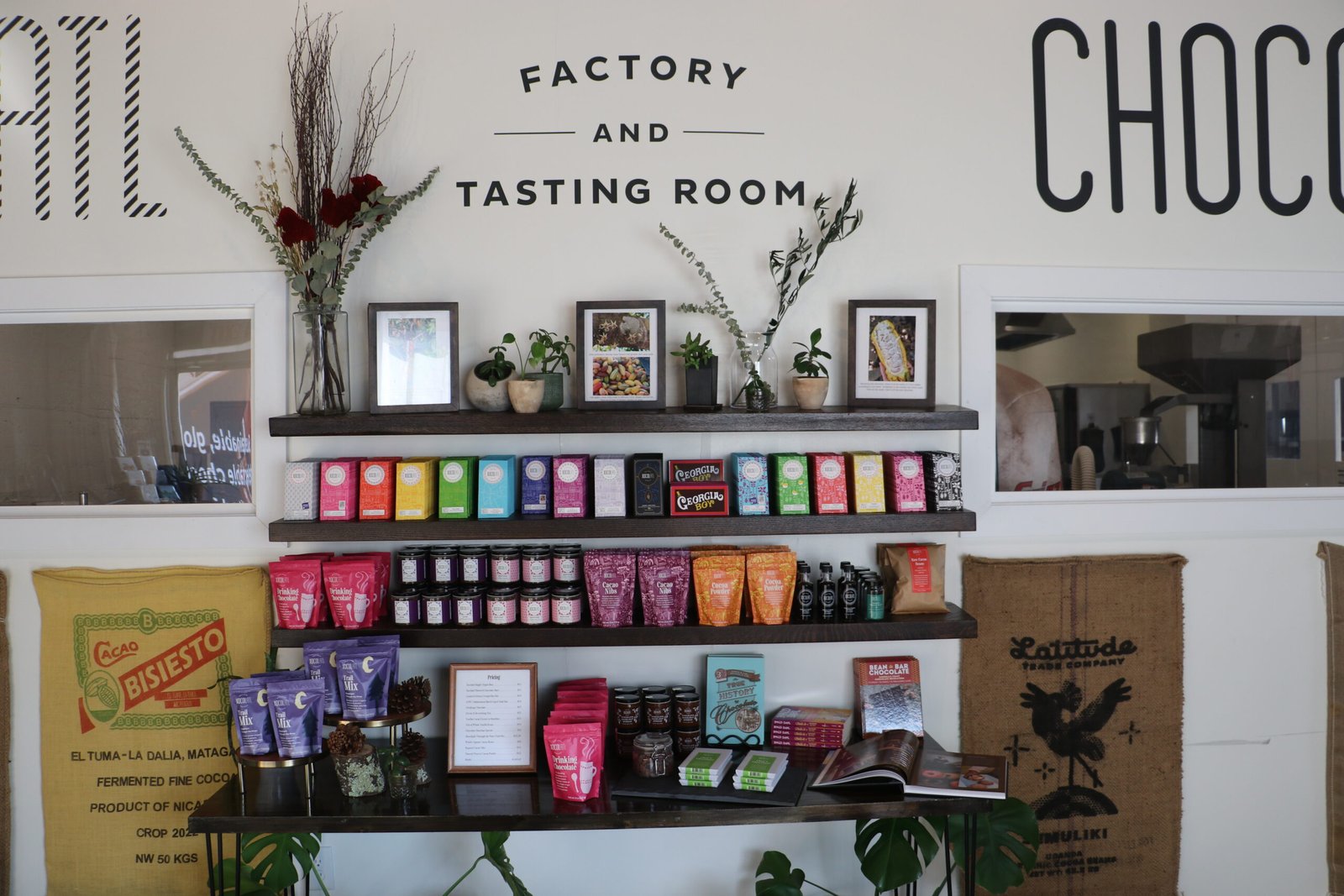
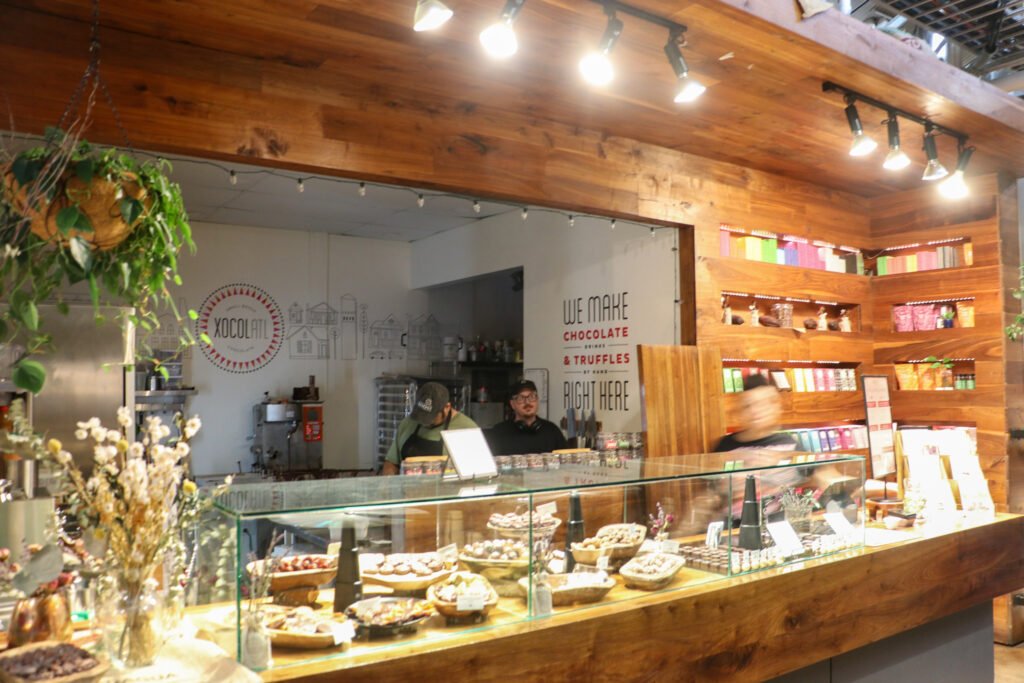
They returned to Atlanta with bags of cacao and a new vision: to introduce craft chocolate to their hometown. After a year of experimenting with recipes and sourcing beans directly from farmers, they opened their micro-factory and retail store at Krog Street Market in late 2014.
Today, Xocolatl has grown significantly, employing 19 full- and part-time staff, operating a micro-factory in Atlanta, and shipping its award-winning chocolate across the United States. This growth is a testament to their dedication and the quality of their products.

Bean-to-Bar, Start to Finish
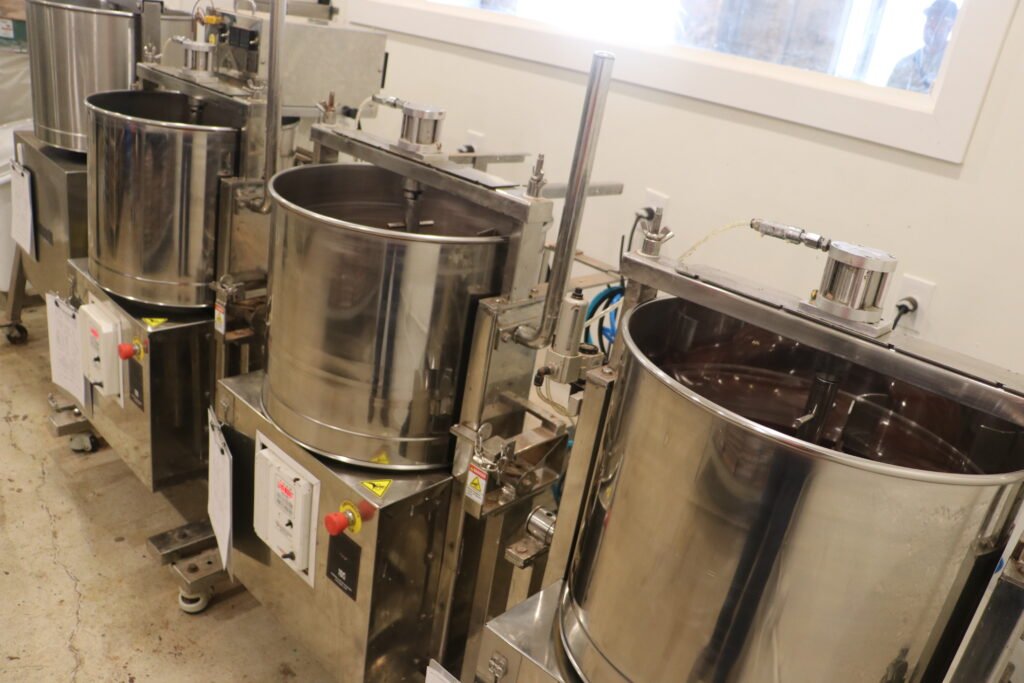
Unlike many chocolatiers who melt down mass-produced chocolate, Xocolatl makes its products from scratch. The process starts with hand-sorting cacao beans sourced from farmer co-ops in Brazil, Peru, Nicaragua, Uganda, and Tanzania. This commitment to ethical sourcing ensures that the beans are of the highest quality and that the farmers are fairly compensated. After roasting to highlight unique flavor notes, the beans are cracked into nibs and ground for days until the chocolate develops its smooth texture. Only organic cane sugar is added for single-origin bars, while other bars feature carefully chosen flavor inclusions.
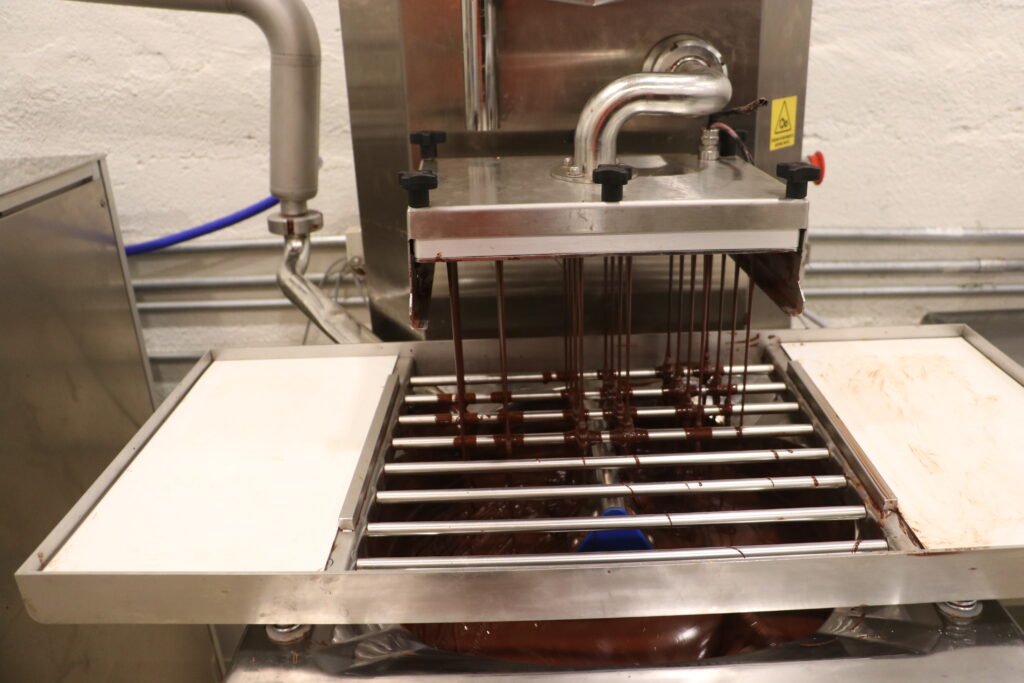
The final step is tempering and molding the chocolate into bars, each wrapped by hand in sustainably produced paper designed and printed locally. “It takes about a week for one batch, start to finish,” Matt said. “It’s labor-intensive, but that’s what makes the difference.”
Social Justice Through Chocolate
Xocolatl’s mission extends beyond flavor. Matt, a former campaign manager for the late Congressman John Lewis, and Elaine, a former Peace Corps volunteer and nonprofit professional, are determined to use their company as a force for good.
This commitment has not gone unnoticed. Xocolatl has won multiple awards, including recognition from the Academy of Chocolate, a Good Food Award, and even a feature in O, The Oprah Magazine.
Challenges and Growth
Like many small businesses, Xocolatl faces hurdles. Tariffs on imported goods and a volatile economy have made planning difficult. The company has limited storage capacity and often partners with other chocolatiers in New York, North Carolina, and California to share import container space for cacao and sugar.
Despite the challenges, demand remains strong. Nearly half of Xocolatl’s revenue comes from retail sales, with another 29 percent from wholesale accounts—including Whole Foods and local businesses like Big Softie ice cream, who uses Xocolatll chocolate in their ice cream coating process, and several Atlanta coffee shops that use Xocolatl chocolate in their mocha drinks. Online sales make up about 16 percent of revenue.
“We’re careful with our cash right now, but we’re excited about the future,” Elaine said. Plans for a second retail location are in the works, though tempered by caution in the current economic climate.
More Than a Chocolate Bar
Beyond retail, Xocolatl has expanded into company gifting, offering custom sets and branded chocolate for corporate clients. They also host weekly chocolate tastings at their Atlanta factory, where guests can learn about cacao farming, taste single-origin chocolates, and experience the bean-to-bar process firsthand.
Their name, Xocolatl, pays homage to the Aztec and Mayan word for chocolate, meaning “bitter water.” It reflects both the ancient origins of chocolate and the company’s Atlanta roots—cleverly highlighted in the “ATL” at the end of their name.
For Elaine and Matt, every bar of chocolate represents more than a treat. It is a celebration of culture, craft, and connection. “We hope people feel the same sense of adventure and contentment that first inspired us.”
Please consider supporting open, independent journalism – no contribution is too small!