From COLA to Copays: How 2026 Reshapes Retirement Security

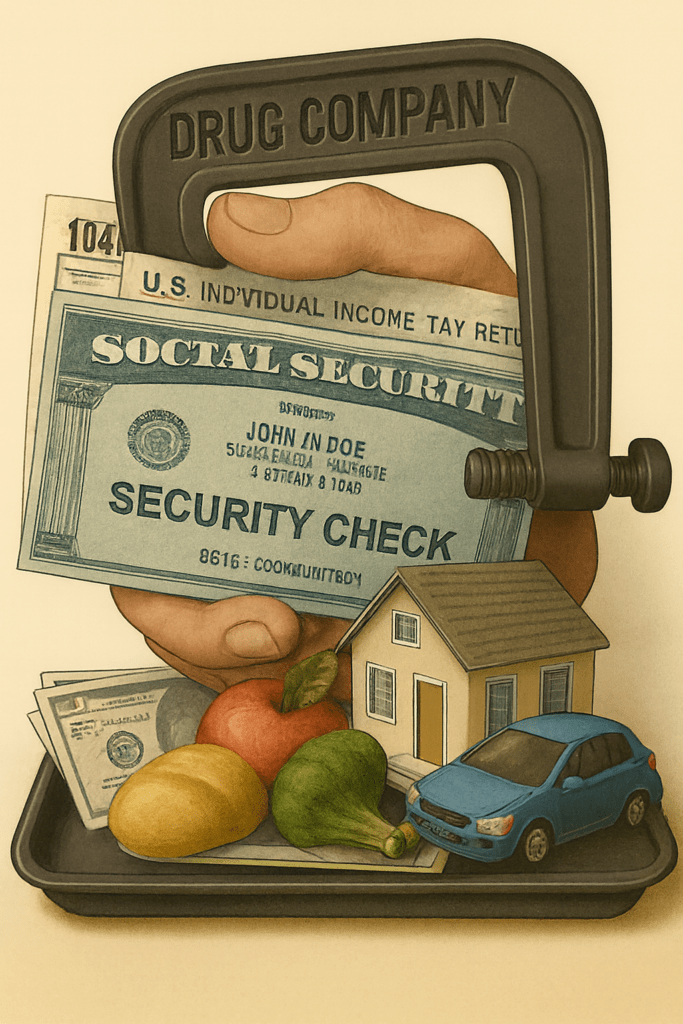
Social Security and Medicare changes in 2026 include higher COLA payments, rising premiums, new senior tax breaks, negotiated drug prices, and potential Medicare coverage for weight-loss drugs.

By Milton Kirby | Atlanta, GA | January 10, 2026

Americans who rely on Social Security and Medicare entered 2026 facing a series of significant changes that will shape monthly incomes, health care costs, taxes, and access to prescription drugs. From a higher cost-of-living adjustment to the long-awaited launch of negotiated Medicare drug prices, the updates reflect both inflation pressures and years of policy debate.

Here is a breakdown of the most important changes now in effect.

Higher Social Security Payments, Modest but Meaningful

Social Security recipients received a 2.8 percent cost-of-living adjustment (COLA) on January 1, reflecting rising inflation late last year. That increase is slightly higher than the 2.5 percent COLA granted in 2025.

According to the Social Security Administration, the average monthly retirement benefit rises by about $56, from roughly $2,015 to about $2,071. While not dramatic, the increase offers some protection against rising food, housing, and medical costs.

Medicare Premiums and Deductibles Rise Sharply

Medicare enrollees are seeing steeper increases.

  • Medicare Part B premiums climbed nearly 10 percent, rising to $202.90 per month, up from $185 in 2025.
  • The Part B deductible increased to $283, up from $257.
  • The Part A inpatient deductible is now $1,736, compared with $1,676 last year.

These increases mean many seniors will see a noticeable portion of their COLA absorbed by health care costs.

Higher Payroll Taxes for Top Earners

Workers continue to pay 12.4 percent of earnings toward Social Security—split evenly between employees and employers, or fully paid by the self-employed. In 2026, however, the maximum amount of earnings subject to that tax increased to $184,500, up from $176,100 in 2025.

The change affects higher-income workers most directly, modestly strengthening Social Security’s funding base.

New Tax Break for Older Americans

A new federal tax deduction aimed at older adults also took effect this year. Eligible taxpayers 65 and older can now reduce taxable income by up to $6,000, or $12,000 for married couples.

The deduction phases out for individuals earning more than $175,000 and couples earning more than $250,000. The provision was backed by AARP and included in the One Big Beautiful Bill Act passed last summer.

Earnings Test Adjustments for Working Beneficiaries

Seniors resources are being squeezed by the cost of living, medicine, food in some instances, taxes

For Social Security beneficiaries who have not yet reached full retirement age—now between 66 and 67—the earnings test threshold also increased.

In 2026, beneficiaries who will not reach full retirement age during the year will have $1 withheld for every $2 earned above $24,480, up from $23,400 in 2025. Once full retirement age is reached, the earnings test no longer applies.

Higher Threshold to Earn Social Security Credits

Workers still need 40 Social Security credits to qualify for retirement benefits, earning up to four credits per year. In 2026, the income needed to earn one credit increased.

You now earn one credit for every quarter in which you make at least $1,890 in taxable earnings, about $80 more per quarter than last year.

Weight-Loss Drugs Poised for Medicare Breakthrough

Beyond core benefits, one of the most closely watched developments involves GLP-1 weight-loss medications.

Roughly 32 million American adults have used GLP-1 drugs, including about one-fifth of women ages 50 to 64, according to a recent report by RAND Corporation. Monthly prescriptions often exceed $1,000, placing them out of reach for many seniors.

A deal announced last fall between the Trump administration and manufacturers Eli Lilly and Novo Nordisk promises sharply lower prices through a new direct-to-consumer platform called TrumpRx, expected to launch in early 2026.

President Biden signed the Inflation Reduction Act of 2022 lowering the cost of 10 widely prescribed medications

Officials say prices could fall to about $350 per month through TrumpRx. If the oral GLP-1 drug orforglipron receives approval from the U.S. Food and Drug Administration, it would be priced similarly. An initial pill version of Wegovy could cost as little as $150 per month, pending approval.

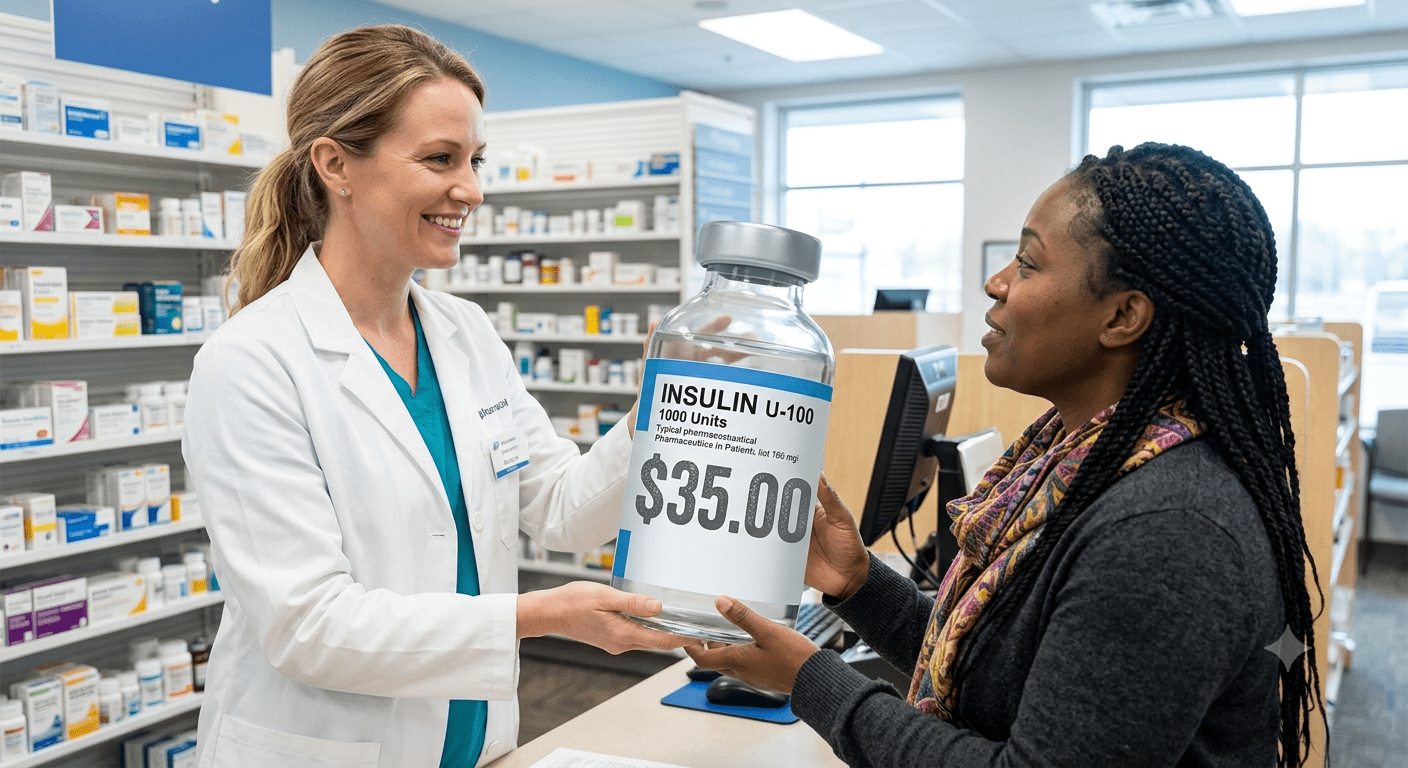
Under Medicare, officials estimate GLP-1 prices could average $245 per month, with typical copays around $50, a dramatic reduction if fully implemented.

Medicare Drug Price Negotiations Finally Begin

Another landmark change arrived quietly on January 1: the first 10 Medicare Part D drugs with negotiated prices officially became available.

After Congress passed a law in 2022 requiring negotiations between drugmakers and the federal government, the Centers for Medicare & Medicaid Services finalized prices that slash costs for some of the most widely used medications.

Savings are substantial. For a 30-day supply:

  • Januvia            $527                $113                79%   reduction
  • Eliquis             $521                $231               56%   reduction
  • Jardiance         $573                $197                66%   reduction
  • Enbrel             $7,106             $2,355             67%   reduction
  • Jardiance         $197               $573                66%   reduction
  • Stelara             $4,695             $13,836           66%   reduction
  • Xarelto            $197                $517                62%   reduction
  • Eliquis             $231                $521                56%   reduction
  • Entresto          $295               $628                53%   reduction
  • Imbruvica       $9,319             $14,934           38%   reduction

Advocates say the move represents the most significant shift in Medicare drug pricing since the program’s creation.

A Year of Tradeoffs

Taken together, the 2026 changes deliver both relief and new pressures for older Americans. Monthly Social Security checks are larger, tax breaks are broader, and drug prices are finally falling—but Medicare premiums and deductibles continue to climb. For seniors living on fixed incomes, 2026 may be remembered less as a year of sweeping reform than one of careful tradeoffs, where every increase comes with a corresponding cost.

Thank you for reading. If this reporting matters to you, consider subscribing to The Truth Seekers Journal and supporting independent, community-focused journalism.

DeKalb Targets Illegal Tire Dumping With $250K Initiative

DeKalb County launches a $250,000 initiative to combat illegal tire dumping, removing over 37,000 tires and targeting major dump sites across neighborhoods and commercial corridors.

By Milton Kirby | Decatur, GA | December 12, 2025

DeKalb County officials on Friday announced one of the most aggressive environmental cleanup efforts in the county’s history, unveiling a $250,000 initiative that has already removed more than 37,000 illegally dumped tires from neighborhoods, commercial corridors, and private property across the county.

The announcement came during a press conference led by DeKalb County Chief Executive Officer Lorraine Cochran-Johnson, who framed the effort as both an environmental response and a community restoration campaign.

“This is not just a cleanup. This is a reclaiming of our communities,” Cochran-Johnson said. “To put this into perspective, if the 37,000 tires we have removed were laid end to end, they would stretch 20 to 25 miles — the equivalent of the entire Atlanta BeltLine loop or the distance from Midtown Atlanta to Hartsfield-Jackson Airport. That is what our neighborhoods have been forced to live beside.”

Photo by Milton Kirby -Varkel Lane

The cleanup is being carried out by DeKalb County’s Sanitation Division and Beautification Unit, with Ricky Crockett serving as the county’s lead coordinator. Crews are targeting some of the most hazardous and logistically challenging illegal tire dump sites in DeKalb, many located on steep slopes, in wooded ravines, or near abandoned structures.

Eight Priority Sites Targeted

County officials initially identified nine priority locations for remediation. One site, at 3747 Presidential Parkway, was previously cleaned by the Georgia Environmental Protection Division. The remaining eight sites form the backbone of the current initiative.

Four of those sites have already been fully cleared and are scheduled for final inspection and approval on December 3, 2025. The remaining four locations require more complex retrieval methods due to limited access and safety concerns but are projected to be completed by the week of December 24, weather permitting.

The eight priority cleanup sites include:

  • 5986 Marbut Road, Lithonia (behind a residence)
  • 3041 Northeast Expressway, Atlanta (former State Farm property with steep slope)
  • 4221 Covington Highway, Decatur (former tire store)
  • 3590 Covington Highway, Decatur (burned building)
  • 3486 Covington Highway, Decatur (behind rehabilitation facility)
  • 6941 Brannon Hill Road, Clarkston (residential neighborhood)
  • 1785 Continental Way SE (commercial landscaping area)
  • 1700 Corey Boulevard, Decatur (church property)

Officials estimate the total volume of tires removed from these locations is in the tens of thousands, with several sites requiring specialized equipment and extended timelines.

“Organized Environmental Crime”

Cochran-Johnson did not mince words when describing the scale and intent behind many of the dumping incidents.

“We must confront a difficult truth,” she said. “Much of this dumping is not accidental. It is organized environmental crime. We have documented cases where a business drives into our county at night and dumps 3,000 tires in a single incident, leaving taxpayers and communities to pick up the pieces. That is unacceptable.”

Photo by Milton Kirby – 2285 Randall Rd

Illegal tire dumping poses serious environmental and public safety risks. Stockpiled tires create fire hazards, attract mosquitoes, and often become magnets for additional illegal dumping and criminal activity. County leaders said the cleanup effort is part of a broader strategy that combines enforcement, prevention, and long-term restoration.

Push for Statewide Reform

Beyond local cleanup, DeKalb County is advocating for changes to Georgia’s tire remediation laws to help counties better address widespread dumping.

The county supports amendments to O.C.G.A. § 12-8-40.1 that would allow Solid Waste Trust Fund reimbursements for projected cleanup costs in hard-to-reach areas, permit counties to seek reimbursement on behalf of municipalities when intergovernmental agreements are in place, and provide additional state funding for large counties with populations over 500,000.

County leaders said those reforms are critical to sustaining long-term cleanup efforts and deterring repeat offenders.

Legal Disposal and What Comes Next

Residents are reminded that they can legally dispose of up to 10 tires per trip at the Seminole Road Landfill, located at 4203 Clevemont Road in Ellenwood. Tires are transported from the site to approved recycling facilities. Additional information is available by calling the landfill at (404) 687-4040.

Cochran-Johnson also announced that the county is developing a permanent solution to address tire disposal. In early 2026, DeKalb plans to introduce an option allowing all residents and businesses to legally dispose of tires, a move officials hope will undercut illegal dumping at its source.

The current initiative aligns with the county’s Reimagine DeKalb agenda, focusing on reducing blight, improving safety, and restoring pride in heavily impacted communities.

During a recent drive through Lithonia, The Truth Seekers Journal observed multiple tire dump sites at varying stages, many of which appeared to have begun with just a handful of discarded tires before rapidly expanding. Once visible, the piles often grew rapidly, reinforcing a pattern county officials say underscores the need for swift cleanup and consistent enforcement.

Related articles

Dekalb County GA Fall Paper Shredding Event             

New Challenges, New Approaches: DeKalb County Strengthens Regional Ties and Invests in Community Growth

DeKalb CEO  Cochran-Johnson Calls for Focus and Discipline in Reform Rollout

Truth Seekers Journal thrives because of readers like you. Join us in sustaining independent voices.

DeKalb County Approves $78 Million Contract to Improve Ambulance Response and Expand EMS Coverage

DeKalb County approved a five-year, $78 million ambulance contract that expands coverage to 600 daily unit hours and continues cutting EMS response times across all emergencies.

By Milton Kirby | Decatur, GA | November 20, 2025

DeKalb County leaders have approved a five-year, nearly $78 million contract to strengthen ambulance coverage, boost emergency medical staffing, and continue lowering EMS response times across the county.

The Board of Commissioners voted unanimously Tuesday to adopt the new contract with American Medical Response (AMR), setting a maximum value of $77,773,900 based on performance. County officials say the agreement will support long-term growth, expand coverage, and build on the measurable improvements achieved over the past year.


Daily Ambulance Coverage to Reach 600 Unit Hours

The new contract increases daily unit hours—the number of hours ambulances are staffed and in service—to 600 per day, the highest in county history. The agreement also launches several major upgrades, including:

  • More ambulances in service daily
  • Improved response-time compliance through additional units and resources
  • A supplemental ambulance provider during peak call times
  • Expansion of the Nurse Navigator program and social-services outreach
  • A whole-blood program for trauma care
  • A third ambulance deployment center
  • AI-based analytics to improve ambulance posting and enhance patient care

County officials said these investments will help stabilize the system, especially during peak call periods and high-demand events.


County Leaders Say the System Is Moving in the Right Direction

CEO Lorraine Cochran-Johnson said the new contract continues the county’s push to build a modern, high-performing EMS system.

“As we continue to reimagine how EMS is provided in DeKalb County, I am excited at the progress we have made and expect this contract will allow us to better serve our residents,” Cochran-Johnson said. “We will have a world-class emergency medical service.”

Fire Chief Darnell Fullum also praised the results from earlier investments and said the new agreement positions the county for long-term success.

“I am excited about the positive outcomes we’ve achieved since the beginning of the year,” Fullum said. “This contract is a roadmap for success.”

Commissioner LaDena Bolton, who chairs the Employee Relations and Public Safety (ERPS) Committee, said the final agreement reflects community concerns raised during last year’s debate over an extension.

“Earlier this year I voted against an 18-month extension with AMR to push for a competitive RFP process that would secure a long-term contract meeting the service delivery our community deserves,” Bolton said. “Tuesday’s agreement not only ensures improved emergency response, but also provides real-time support for non-emergency calls and alternative ambulatory options. Through deliberation and compromise, we have positioned DeKalb County to deliver excellence in emergency medical services for the next five years.”


Improvements in 2025: Faster Response Times and More Unit Hours

In 2025, the county implemented an AMR contract extension that included a $4.9 million subsidy to increase ambulance availability. The investment immediately raised average daily unit hours from 456 in 2024 to 583 in the third quarter of 2025—a 28 percent increase.

According to county officials:

  • Response times for critical emergencies, such as heart attacks, are now 23 percent lower than at the peak of the COVID-19 pandemic.
  • All major emergency call types recorded their fastest response times since early 2020 through September 2025.

County leaders credit the gains to more ambulances, the Nurse Navigator system, additional county-funded EMS staff, and improved deployment strategies.


Audit Showed the System Was Underfunded

In 2024, DeKalb County hired Fitch and Associates to conduct a full review of EMS operations. The assessment found that the system was underfunded and recommended an investment between $12.6 million and $16.5 million, depending on the preferred design.

Key recommendations included:

  • Ensuring long-term financial and operational sustainability
  • Improving response-time performance
  • Reducing hospital offload delays
  • Expanding unit availability during peak hours
  • Updating EMS unit deployment locations

County officials say these findings guided both the 2025 contract extension and the new competitive RFP process that shaped the five-year agreement approved this week.


Years of Concerns Led to System Overhaul

DeKalb has spent years working to resolve concerns about slow ambulance response times. In 2024, leaders in Brookhaven and Dunwoody raised alarms after emergencies sometimes exceeded 20 minutes—well above the 12-minute benchmark for high-priority calls. Some residents reported waits of more than 25 minutes.

Earlier issues date back to 2018, when the county negotiated staffing and reporting reforms with AMR following service-related complaints.

But by mid-2025, county reports showed major improvement. A June 2025 update documented ambulances arriving nearly three minutes faster on average than before February 2024.


What’s Next

County officials say a press conference is planned for next week to outline the implementation timeline, explain upcoming deployment changes, and discuss additional components of the AMR contract.

The new agreement takes effect in 2026 and is expected to guide the county’s emergency medical services strategy for the next five years.

Related articles

DeKalb Commissioners Approve Sky Harbour Plan

Please consider supporting open, independent journalism – no contribution is too small!

Just 83 Shy: Atlanta Seniors Nearly Break Guinness Record at Wellness Celebration

By Milton Kirby | Atlanta, GA | October 21, 2025

ATLANTA — On Saturday, October 18, hundreds of seniors filled the Wolf Creek Amphitheater for a joyful and determined attempt to set a new Guinness World Record. The goal: the largest senior health awareness fitness class ever organized.

Led by energetic fitness coach DaShaun Johnson, the crowd stretched, stepped, and moved in sync for nearly an hour. The effort came just 83 participants shy of setting a new global mark, but the day was far from a loss.

“What we did here today was bigger than any record,” Johnson said. “We moved together — as one community — and that’s what this is all about.”

The event, presented by the City of South Fulton in partnership with The Guru of Abs, drew seniors, caregivers, and family members from across metro Atlanta. Volunteers, sponsors, and local wellness organizations filled the amphitheater with energy, resources, and encouragement.


A Day of Movement and Motivation

The day began with warm ups and motivational music before Johnson led a full-body session designed to be inclusive for all mobility levels. From chair-based stretches to low-impact cardio, participants showed that age is no barrier to movement.

“While we did not break the Guinness record, to see all of these seniors here investing in their health is truly amazing,” said Leslie McGuffie, Chief Operating Officer of Axxess Benefit Consultants.

Many seniors said they came not for a record, but for connection.

“It feels good to know we’re part of something that celebrates us,” said participant Margaret Allen of East Point. “You’re never too old to take care of yourself.”


Why Senior Fitness Matters

According to the Centers for Disease Control and Prevention (CDC), adults aged 65 and older need at least 150 minutes of moderate physical activity each week, along with muscle-strengthening exercises twice a week. Regular activity helps reduce the risk of chronic diseases such as diabetes, heart disease, and certain cancers.

The popular SilverSneakers program, which provides free gym access for many older adults through Medicare, reports that consistent exercise improves balance, boosts mood, and reduces falls — the leading cause of injury among seniors.

“Events like this do more than raise awareness,” said wellness coordinator Tasha Greene. “They remind our elders that they are seen, valued, and capable.”


Building a Culture of Wellness

Organizers say the near-record turnout has inspired plans for a larger attempt next year. The City of South Fulton plans to continue promoting senior wellness programs throughout 2026, including walking clubs, nutrition workshops, and free exercise classes.

“We may have missed the record this time,” Johnson said with a smile, “but next year, we’ll make sure the world knows Atlanta’s seniors are unstoppable.”

No matter your age, the fitness journey can continue. With proper guidance and a consistent regimen, movement at any stage of life can improve health outcomes and quality of living.


Senior Fitness by the Numbers

  • 150 minutes of weekly activity recommended for adults 65+.
  • 28% of adults over 65 are inactive, per CDC.
  • 25% reduction in risk of early death for active seniors.
  • 40% fewer falls reported among seniors who exercise regularly.

The Power of Community Wellness

  • Social engagement improves mental health and reduces isolation.
  • Group exercise increases consistency and motivation.
  • Community-based programs can improve local health outcomes by up to 20%, according to public health studies.

Related videos

Seniors Exercising to Break Guinness World Record – 1                       

Seniors Exercising to Break Guinness World Record – 2

Related articles

October Marks 40 Years of Breast Cancer Awareness: Every Story Is Unique, Every Journey Matters

SilverSneakers and Kroc Atlanta Center Bring Seniors Together for 2K Walk

Skin Cancer Is Trickier Than You Think

Golden Years, Golden Goals: DeKalb County Hosts 36th Annual Senior Olympics

Please consider supporting open, independent journalism – no contribution is too small!

October Marks 40 Years of Breast Cancer Awareness: Every Story Is Unique, Every Journey Matters

October marks 40 years of Breast Cancer Awareness Month. Know the signs, close the gaps, and act early. Every story is unique. Every journey matters. Get screened

By Milton Kirby | Decatur, GA | October 19, 2025


Why This Month Still Matters

This October marks 40 years of Breast Cancer Awareness Month — four decades of breakthroughs, bravery, and a global pink movement.

The 2025 theme, “Every Story Is Unique, Every Journey Matters,” is both a reflection and a rallying cry. Behind every pink ribbon is a story of survival, strength, and ongoing struggle.

According to the National Cancer Institute (NCI), breast cancer remains the most common cancer among women in the United States. About 316,000 new invasive cases are expected this year. Earlier detection, modern therapies, and awareness campaigns have improved survival rates, saving over half a million lives since 1989.


Understanding Breast Cancer

Breast cancer begins when cells in the breast grow out of control. Most cases (70–80%) start in the milk ducts, while others begin in the lobules (10–15%).

When cancer spreads into nearby tissue, it becomes invasive breast cancer. If it reaches distant parts of the body — such as the lungs, liver, or bones — it becomes metastatic breast cancer (MBC).

Today, about 170,000 women in the U.S. live with MBC. Though not curable, it can be managed with targeted therapies and compassionate care. Organizations like Susan G. Komen, Breastcancer.org, and the National Breast Cancer Foundation offer trusted information and support networks for patients and caregivers.


When Breast Cancer Affects Men

Breast cancer in men is rare — less than 1% of all cases — but it does occur. The lifetime risk is about 1 in 1,000 for men, compared with 1 in 8 for women. Symptoms include a painless lump, nipple changes, or redness.

The Breast Cancer Research Foundation (BCRF) notes that men are often diagnosed later because they’re less likely to recognize the signs.


Inflammatory Breast Cancer: Fast and Fierce

Inflammatory breast cancer (IBC) represents 1–5% of all diagnoses and is one of the most aggressive forms. It typically appears as redness or swelling rather than a lump.
According to the NCI, IBC progresses rapidly and is more common among younger and African American women.

Treatment involves a multimodal approach — chemotherapy, surgery, and radiation. Foundations like the Dr. Susan Love Research Foundation and Lynn Sage Cancer Research Foundation are leading targeted studies to better understand and treat this form of the disease.


The Power of Progress

Since 1989, U.S. breast-cancer deaths have declined 44%, according to the National Breast Cancer Foundation, Inc.

That progress reflects improved screenings, expanded research, and the courage of survivors who share their stories. Still, racial and economic disparities persist — Black women are 40% more likely to die from breast cancer than white women. Closing that gap remains a central goal of the awareness movement.


Screenings Save Lives

Early detection changes everything. The American Cancer Society and Living Beyond Breast Cancer (LBBC) recommend individualized screening schedules based on age and risk.

Know the signs:

  • New lump or thickening in the breast or underarm
  • Change in breast shape or size
  • Dimpling, puckering, or redness
  • Nipple inversion or unusual discharge
  • Pain or swelling in the breast or chest

A Survivor’s Voice: “It’s Going to Be Alright”

For Beverly, a 24-year breast cancer survivor from North Carolina, Breast Cancer Awareness Month is far more than an annual observance — it’s a celebration of endurance, faith, and family.

She was first diagnosed in 2002 at just 48. “The mammogram caught it early,” she recalled. “I was afraid of everything — the diagnosis, the treatment, the unknown.” Before surgery, she remembers hearing her late grandmother’s voice say softly, “It’s going to be alright.”

“When I told my mother, who had also survived breast cancer, she said, ‘That’s nothing,’” Beverly laughed, remembering that first round of treatment. “My family has lived this — my mother, grandmother, my aunt, who’s now less than 30 days from 85 years strong, and even my great-grandfather. We’ve all faced it.”

Twelve years later, Beverly discovered a small lump under her arm. “I was just looking and feeling my armpits when I noticed it,” she said. “It had come back — same side, left side.” Her oncologist confirmed the cancer had returned in her lymph nodes.

This time, the treatment was more aggressive — chemotherapy, radiation, and years of medication. She credits her husband, Ted, as her constant support. He’s been my listener, my quiet presence, and my driver. When I didn’t need words, he just stayed close — and he’s become an expert tea brewer” she smiled.

One of her hardest moments came when she had to tell her then nine-year-old son. “He saw the calls and cards and said, ‘I hope you don’t have cancer.’ That opened the door for us to talk openly — to face it together.”

It has now been ten years since Beverly completed her second bout with breast cancer, including the aggressive treatment and follow-up medication regimen. This past August, her care team finally permitted her to discontinue the inhibitors.

Since that first diagnosis, Beverly has made gratitude and wellness her daily focus. “Every day, I try to live with intention and thankfulness,” she said. “Even on tough days, I remind myself: I’m still here — and that’s reason enough.”


The 10 Screenings Women Should Know

(Source: National Breast Cancer Foundation, Inc.)

Health ScreeningWho Needs ItWhy You Need It
Well-Woman ExamWomen 18+Preventive check-up for overall and reproductive health.
Breast Cancer ScreeningWomen 40+*Mammograms detect breast cancer early, when treatment is most effective.
Cervical Cancer ScreeningWomen 21+*Detects abnormal cervical cells before they become cancerous.
Colorectal Cancer ScreeningWomen 45+*Identifies and removes precancerous polyps to prevent colorectal cancer.
Lung Cancer ScreeningWomen 50+* at high riskDetects lung cancer early, when it’s most treatable.
Skin Cancer ScreeningWomen at high risk*Detects early skin cancers for prompt treatment.
Cholesterol ScreeningWomen 40+* (can start in 20s)Detects high cholesterol linked to heart disease and stroke.
Blood Pressure ScreeningWomen 18+*Identifies hypertension, a leading risk for heart attack and stroke.
Diabetes ScreeningWomen with risk factors*Detects diabetes or prediabetes before symptoms appear.
Bone Density ScreeningWomen 60+*Measures bone strength to prevent fractures and osteoporosis.
  • Certain factors such as family history, prior cancer, gene mutations, or other risks may require earlier or more frequent screenings. Always consult your healthcare provider for personalized recommendations.

Beyond Medicine: The Human Side of Healing

A breast-cancer diagnosis tests both body and spirit. Emotional and financial support are vital.
CancerCare offers free counseling and grants. Living Beyond Breast Cancer connects survivors through education and peer support. Clinical partners like Medpace Oncology continue advancing therapies to improve quality of life worldwide.


Research and Clinical Trials

Clinical trials are shaping the future of breast cancer care. The National Cancer Institute Clinical Trials Database lists open studies nationwide. Participation helps move science forward — for patients today and those yet to be diagnosed.


Every Story Matters

From lab breakthroughs to late-night conversations in waiting rooms, every act of awareness is an act of care.

This October, honor the survivors, remember the lost, and encourage someone you love to schedule their screening. Because after 40 years, the message still holds true: every story is unique, every journey matters.


Resources for More Information

OrganizationFocusWebsite
Susan G. Komen FoundationResearch, advocacy, and community supportkomen.org
National Breast Cancer Foundation, Inc.Awareness, early detection, and educationnationalbreastcancer.org
National Cancer Institute (NCI)Research, statistics, and trialscancer.gov
Breastcancer.orgPatient education and treatment supportbreastcancer.org
Breast Cancer Research Foundation (BCRF)Global breast-cancer research fundingbcrf.org
CancerCareCounseling, grants, and supportcancercare.org
Living Beyond Breast Cancer (LBBC)Survivor education and peer networklbbc.org
Dr. Susan Love Research FoundationPrevention and research innovationdrsusanloveresearch.org
Lynn Sage Cancer Research FoundationResearch, education, and patient carelynnsage.org

Related articles

Children’s Healthcare of Atlanta Celebrates Opening of $1.5 Billion Arthur M. Blank Hospital

Arthur M. Blank Foundation Commits $50 Million to Atlanta University Center HBCUs

Please consider supporting open, independent journalism – no contribution is too small!

Denied Care, Divided Nation: How America Fails Its Sickest Patients—and the People Fighting Back

By Stacy M Brown | BlackpressUSA Newsiwre | October 9, 2025

Across America, families are being broken not by illness alone, but by the quiet cruelty of denial letters from insurance companies. Patients in crisis are told their care is not medically necessary. Others learn too late that their coverage has been canceled. The denials come swiftly, the appeals take months, and the system often feels rigged against the very people it was built to protect.

A ProPublica investigation revealed just how devastating those denials can be. In North Carolina, Teressa Sutton-Schulman and her husband, identified as “L” to protect his privacy, endured escalating mental health crises. After two suicide attempts in 11 days, Highmark Blue Cross Blue Shield repeatedly denied payment for psychiatric treatment. Hidden on page seven of a denial letter was a single line about a right to an external review. Desperate, Sutton-Schulman filed for that review. An independent physician overturned the insurer’s decision and forced the company to pay for more than $70,000 in care, ProPublica reported. “Appeal, appeal, appeal, appeal,” said Kaye Pestaina, a vice president at the nonprofit health policy group KFF, who has studied external appeals. “That’s all you have,” she told ProPublica.

The right to an external appeal was expanded by the Affordable Care Act in 2010, but the protections are uneven. Karen Pollitz, who helped draft the federal regulations under the Obama administration, told ProPublica that insurance lobbyists weakened the process. She said only a fraction of denials are eligible for external review and, in most cases, insurers still choose the reviewers who decide the fate of patients’ appeals. “There are all kinds of ways they could strengthen the laws and the regulations to hold health plans more accountable,” she said. Even when laws exist, few Americans know where to turn. That is why state-based consumer assistance programs, established under the Affordable Care Act, have become a vital safety net — though many states never created them, and others have defunded theirs. About 30 states still operate programs that guide patients through internal and external appeals, while the rest leave families largely alone.

“Every state needs one of these programs,” said Cheryl Fish-Parcham, director of private coverage at Families USA. “Health care is so complicated, and people really need experts to turn to,” she told ProPublica. Those experts are often housed in attorney general offices, state insurance departments, or nonprofit agencies. Maryland’s Health Education and Advocacy Unit, for example, has been a lifeline for residents struggling with denied care. “The numbers are low because some people just give up. They’re frustrated. They’re tired. They’re battling cancer,” said Kimberly Cammarata, the unit’s director. “And sometimes the information about why the claim was denied or about how to appeal is terribly unclear. A lot of these outcome letters will say you have a right to an external appeal, but they don’t exactly tell you where to go,” she told ProPublica.

In New York, the Community Service Society operates a similar program, where advocates draft detailed appeals on behalf of patients. “We can help people write their appeals,” said Elisabeth Benjamin, vice president of health initiatives at the Community Service Society. “We write appeals for them, sometimes going through thousands of pages of medical records and writing 15- to 20-page appeals,” she told ProPublica. Across the nation, CMS documents show an uneven patchwork of help. In California, consumers can call the Department of Insurance Ombudsman at 1-800-927-4357 for help with denied claims. In Georgia, the Office of Insurance and Fire Safety Commissioner fields appeals and complaints from residents at 1-800-656-2298. In Illinois, the Department of Insurance maintains a consumer hotline at 1-866-445-5364. New York’s Department of Financial Services handles cases through its consumer division, while Pennsylvania residents can reach the state Insurance Department at 1-877-881-6388. Maryland, Virginia, and the District of Columbia all continue to run active programs through their respective attorney general or ombudsman offices.

Still, millions of Americans remain in states without fully funded consumer assistance programs. For those individuals, even knowing that an external appeal exists is a struggle. ProPublica found that the process is buried under jargon, hidden in small print, or placed deep within denial letters that few patients have the time or emotional strength to decode. Experts say one step can make a difference: persistence. “Appeal, appeal, appeal” has become a mantra not only for patients but for advocates who have watched insurers exploit confusion and fatigue to wear people down.

For urgent cases, the law allows expedited reviews that must be resolved within 72 hours. If the independent reviewer overturns the denial, the insurer is required by law to pay. When that happens, the victory is binding. But the system was never designed for easy victories. Most patients never reach that point. Many die waiting. And yet, despite the exhaustion and the heartbreak, people keep fighting. From North Carolina to California, from New York to Georgia, they continue to challenge billion-dollar corporations that have learned to profit from denial. What unites them is not just the pursuit of care, but a demand for fairness — a demand that too often goes unanswered. “Every state needs one of these programs,” Fish-Parcham said again. “Health care is so complicated, and people really need experts to turn to.”

Please consider supporting open, independent journalism – no contribution is too small!

SilverSneakers and Kroc Atlanta Center Bring Seniors Together for 2K Walk

Nearly 30 Atlanta seniors joined SilverSneakers and Kroc Atlanta Center’s free 2K walk, highlighting fitness, fellowship, and healthy aging in the Pittsburgh community.

Milton Kirby | Atlanta, GA | October 1, 2025

Nearly 50 local seniors laced up their walking shoes on Tuesday morning as SilverSneakers and The Salvation Army’s Kroc Atlanta Center teamed up to host a free 2K walk in the heart of Atlanta. The event gave older adults of all fitness levels a chance to get moving, meet new friends, and discover resources for healthy living.

The walkers, wearing numbered bibs, circled the Kroc Center’s indoor track 16 times to complete the 2K distance. Along the way they enjoyed a group warm-up, music, prize giveaways, and a cool-down session to finish strong. For some, it was their first organized walk; for others, it was another step in a lifelong commitment to staying active.

“Seeing the energy and camaraderie at this event in Atlanta displayed the power of community,” said Melissa Anthony, Regional Growth Manager for SilverSneakers. “More than just a run, it was incredible to witness the visible boost in confidence each participant demonstrated when they completed those 16 laps. Our top walker got in more than 10,000 steps.”

The program highlights an important message: staying active is central to healthy aging. With seniors now the fastest-growing age group in the United States, SilverSneakers has built its reputation by providing fun, low-pressure opportunities to help older adults maintain mobility and confidence.

Local partners Humana, Paradise Smoothies & Juice Bar, and JenCare Senior Medical Center joined in to support the event, providing refreshments and information about senior health resources.

The Kroc Atlanta Center, a 53,500-square-foot community hub in the city’s Pittsburgh neighborhood, provided a fitting backdrop. More than a gym, the center offers space for worship, arts, education, and recreation. Its facilities range from a multi-use gymnasium and computer labs to performing arts stages and community meeting rooms.

“Our mission is to be a beacon of hope and a gathering place for all,” said a Kroc Center representative. “This walk shows how seniors can come together to strengthen not only their bodies, but also their sense of belonging.”

The Salvation Army Kroc Centers trace their roots back to Joan Kroc, wife of McDonald’s founder Ray Kroc. After seeing firsthand how underserved communities lacked safe, welcoming spaces, she donated more than $1.5 billion to build centers nationwide. Today, 26 Kroc Centers carry forward her vision of nurturing children’s potential, supporting families, and strengthening neighborhoods.

Tuesday’s walk was the first of two group events planned this year. Organizers say seniors of all abilities are invited to join the next one.

For the participants, however, it wasn’t just about distance or steps—it was about being seen, supported, and celebrated. As one participant remarked after crossing the finish line, “It feels good to know I can still do this—and I’m not doing it alone.”

Related Videos

Carol Fluid The Cool DownWalking the trackA Word from an expert

Please consider supporting open, independent journalism – no contribution is too small!

Charlie Kirk shooting suspect Tyler Robinson flaunted chilling gun obsession in family photos

Charlie Kirk’s accused assassin, Tyler Robinson, had childhood firearm obsession; investigators cite rooftop sniper attack, political motive, and disturbing family photos in Utah arrest.

By Mataeo Smith | Orem, UT | September 12, 2025 

Investigators claim that the alleged assassin who killed Charlie Kirk had a childhood obsession with firearms.

The 22-year-old Tyler Robinson was identified on Friday as the suspected assailant who shot Kirk during the conservative influencer’s protest on Wednesday at Utah Valley University. Robinson was spotted liking firearms as a child and seemed to regularly visit shooting ranges, according to social media posts from his family.

One photo from when Robinson looked like a teenager showed him holding a scoped rifle, while another showed him with an M2 Browning 50. caliber machine gun. A bazooka was in his hand in a third picture.

His mother shared pictures of Robinson and his two younger siblings at military functions and shooting ranges on Facebook. Amber Robinson was pictured clutching a US Army machine gun with pride in one of her posts.

As his family dressed in similar red clothes for Christmas 2017, Tyler Robinson was spotted with a brand-new iPhone and his brother a “build it yourself” gun kit.
Another photo from that year’s social media posts by Robinson’s mother showed him dressed as Donald Trump for Halloween. FBI Director Kash Patel and other officials identified Robinson as the suspected assassin who killed Kirk from a rooftop about 200 yards away using a Mauser 98 bold-action rifle on Friday.

Robinson was arrested Thursday evening in southern Utah, according to law enforcement authorities who spoke to the Daily Mail. Approximately 260 miles south of Kirk’s killing site in Orem, he resides in a six-bedroom, $600,000 mansion in Washington, Utah.

According to people who spoke to the Mail, the accused murderer confessed to his father, Matt. He was persuaded to talk to a local youth preacher who was also employed by the US Marshals Service after he allegedly told his father that he would rather commit suicide than give himself in.

Amber Robinson, his mother, is employed by Intermountain Support Coordination Services, a state-contracted organization that assists in the care of individuals with disabilities. According to internet records, both of his parents are registered Republicans.

According to individuals who spoke to the Daily Mail, Robinson attended Utah State University on a scholarship for just one semester in 2021.

Robinson attended Utah State University on a scholarship for just one semester in 2021 © Reach Publishing Services Limited

According to a probable cause affidavit, he is charged with aggravated murder, felony discharge of a handgun causing serious bodily damage, and obstruction of justice.

At a press conference Thursday evening, authorities stated that Robinson would be executed if found guilty. Utah Governor Spencer Cox opened his remarks at a press conference Friday morning by saying, “We got him.”

“The question is, what sort of watershed?” Cox said, referring to Kirk’s killing as a ‘watershed point’ in American history.

He stated that Robinson’s relatives had told detectives that he had recently become more political and had told them that he didn’t like Kirk, calling him “full of hate.”

Please consider supporting open, independent journalism – no contribution is too small!

Skin Cancer Is Trickier Than You Think

Skin cancer can appear in unexpected ways, beyond the classic mole warning signs. Learn how to spot “ugly ducklings,” reduce risks, and protect yourself with timely checks


The disease can show up in unexpected ways on your body. Here’s what to look for

By Abby Alten Schwartz | August 31, 2025

CAN I SHOW you one more thing?”

I was at the dermatologist’s office for my semiannual skin check, and he’d just finished the exam. But something was still gnawing at me.

“I have this tiny rough spot on the bridge of my nose. If I scrub it off, it bleeds,” I said.

He looked at it under the magnifying light.

“It could be precancerous. Let’s freeze it and see if it comes back,” he said, spraying it with liquid nitrogen. It did come back, twice, so I made an appointment for a biopsy. I felt only a pinch of the needle numbing the area before the doctor shaved off a thin layer of skin for testing.

A week later he called with the results: squamous cell carcinoma in situ. In situ meant it had not spread past the top layer, but because this early-stage cancer could become invasive, my doctor recommended Mohs surgery to ensure all of it was removed. The following week I had the procedure.

What Is Mohs Surgery? ALSO KNOWN as Mohs micrographic surgery, this procedure—performed under local anesthesia with the patient awake—is successful up to 99 percent of the time for untreated skin cancer (94 percent for reoccurring cancers) and produces minimal scarring. The surgeon removes a thin layer of tissue and, while you wait, examines it under a microscope. The process is repeated until the tissue shows clean margins (no cancer cells remain).

SEE SOMETHING, SAY SOMETHING

My father died of stage 4 melanoma when he was 76, so I take skin cancer seriously. Yet even though I was religious about getting annual exams, it turns out that wasn’t enough. On top of dermatology exams every year (or more frequently, based on your history), monthly self-checks at home are important, says Karen Stolman, M.D., a board-certified dermatologist with Park City Dermatology in Utah and a spokesperson for the Skin Cancer Foundation.

“You’re just looking for something that’s new or unexpected or a change that you don’t think is right for your skin,” Stolman explains. “You don’t have to know what you’re looking at or diagnose it.”

When I began seeing a dermatologist in my early 40s, I was skeptical I’d notice any new moles or marks. But by paying attention, I’ve become familiar with the landscape of my skin. I’m learning that skin cancer (and precancer) can take on a different texture or appearance than the classic signs people are usually told to watch out for.

LOOK FOR THE UGLY DUCKLINGS

Dermatologists have done a pretty good job educating the public about malignant melanoma, says Mix J. Charles, M.D., a board-certified dermatologist and chairman of the department of dermatology at Duly Health and Care in Hinsdale, Illinois. One of the deadliest forms of skin cancer, melanoma often begins as a brown or black mole that becomes larger or irregular. When you google “warning signs of skin cancer,” what you’ll typically get are the ABCDE’s of melanoma:

  • Asymmetry: Two halves that don’t match
  • Border: Irregular, scalloped or poorly defined edges
  • Color: Multiple colors or shades
  • Diameter: The size of a pencil eraser (can start smaller)
  • Evolving: Changes in size, shape, color or presentation (itching, bleeding, crusty, raised)

While these signs are important, the two most common types of skin cancer—basal cell carcinoma and squamous cell carcinoma—typically present in other ways, including:

  • A reddish irritated area or open sore that persists (may crust, bleed or ooze)
  • A pearly bump or nodule (clear or pink; may be pigmented in people of color)
  • A small pink or elevated growth (crusted indentation in center, raised edges, may bleed)
  • A scar-like area (often with poorly defined borders)
  • A wart-like growth (may crust or bleed)

The precancers that dermatologists find daily, called actinic kera-toses, start out pink or red and scaly, “and they’re typically where we’ve had the most sun,” Stolman says.

A good takeaway is to look for the “ugly duckling,” says Kelly Nelson, M.D., a board-certified dermatologist and professor of dermatology at the University of Texas MD Anderson Cancer Center in Houston. “If you have one thing on your skin that is looking or behaving in a way that’s different, that one thing should probably be evaluated by a doctor,” she explains.

Though skin cancer occurs most often in people with fair complexions, Nelson says it can strike anyone, even in patients with very dark skin. Because of misperception that people of color don’t develop skin cancer, they – and their physicians – may not be on the lookout. As a result, skin cancer is often diagnosed at later stage in patients of color. (Several brands of sunscreen – such as Black Girl Sunscreen, Bold Brightening Moisturizer and EltaMD UV Clear – that are now available can protect people with darker skin without leaving a dull white coating.)

PREPARE FOR YOUR NEXT CHECKUP NOW

Skin cancer is of increasing concern as we age. Stolman says today’s precancer may be from sun damage 10 to 20 years ago, but it can also build over time with each exposure. In addition, “with age, our immune system becomes less capable of protecting us from all forms of cancer, including skin cancer.”

Staying on top of your risk positions you to take advantage of breakthrough skin cancer treatments. In February 2024, the Food and Drug Administration approved Amtagvi (lifileucel), the first cellular therapy for advanced melanoma. It follows a number of recent breakthroughs on this form of skin cancer, which accounts for the majority of fatalities from the disease.

I keep a list on my phone of suspicious spots to ask about at my next checkup. If something new appears that I’m especially worried about, I’ll make an appointment right away. It doesn’t hurt to take a photo of anything that looks odd so you can track how it changes over time.

If you don’t already have a dermatologist, it can be a long wait for an opening. Try elsewhere if a practice can’t see you within three months. You can also ask your primary care provider to take an initial look and help with a referral or next steps.

A Dose of Prevention

If you’ve had multiple precancerous or cancerous spots in one area (especially on sun-exposed parts), several therapies can help prevent future cancers. These “field treatments” are intended only for actinic keratoses or superficial skin cancers (early basal cell and squamous cell carcinomas affecting the top layer of skin).

Fluorouracil (5-FU), a topical chemotherapy cream, is applied once or twice a day for several weeks to target cancer cells near the skin’s surface. The treated skin can become red and sensitive until it heals.

Photodynamic therapy (PDT) uses a topical light-sensitive drug that is absorbed into precancerous cells. A special light activates the drug and destroys them. The therapy usually needs to be repeated every Ito 5 years.

Additional therapies for sun damage include fractional laser therapy as well as carbon dioxide laser and chemical peels, which may be less effective.

Abby Alten Schwartz has reported on health and relationships for Wired, Salon and other publications.

Please consider supporting open, independent journalism – no contribution is too small!

From Pecans to Hospitals: Warnock Highlights Tariff and Health Care Struggles in Georgia

Senator Raphael Warnock visited Georgia farms, hospitals, and small businesses, warning Trump tariffs and GOP tax cuts threaten farmers, rural hospitals, and small business survival statewide.


By Milton Kirby | Atlanta, GA | August 20, 2025

U.S. Senator Reverend Raphael Warnock spent the past week crisscrossing Georgia, meeting with farmers, health care providers, and small business owners to highlight the economic risks he says stem from former President Donald Trump’s tariff policies and the recently passed GOP tax bill.

Tariffs Burden Georgia Farmers

On Saturday, Warnock toured Three Bees Pecan Farm in Wrens with owner Jeb Barrow Jr., meeting local producers to discuss the financial uncertainty surrounding U.S. tariff policy. Georgia farmers, already operating on thin margins, said shifting trade rules make it difficult to plan investments and sustain jobs.

“I just know how hard farmers work in this state, and if you talk to them, they’re not interested in aid, they’re interested in trade,” Warnock said. “They want to see their products make it to India. But right now, this whole thing is being operated willy-nilly, from Donald Trump’s back pocket. One announcement, then a reversal. How do you plan a farm around that?”

Barrow praised Warnock’s approach: “He takes a genuine interest in our problems, and when we sit down at the table, he listens.”

Georgia is the nation’s top pecan producer, and nearly 28% of U.S. pecans are exported, making access to foreign markets critical. In 2022, Warnock helped lower India’s trade barriers on pecans by 70%, opening a major market for Georgia growers.

Senator Raphael Warnock visited Georgia pecan farm

As Ranking Member of the Senate Finance Subcommittee on Trade, Warnock has pressed administration officials for relief, voting to roll back tariffs on Canada, urging expedited USDA action on pecan exports, and demanding answers on how tariffs impact small producers.

Rural Hospitals Under Pressure

In Claxton, Warnock visited Evans Memorial Hospital, which faces an annual shortfall of $3.3 million due to cuts embedded in the GOP tax bill. The hospital, already forced to close its labor and delivery unit, now risks cutting intensive care or cardio-pulmonary rehab services.

“This is a matter of life and death,” Warnock said. “We’re cutting services and endangering rural health care, all to give billionaires a tax cut. That’s bad public policy.”

According to the Georgia Hospital Association, more than 16,000 rural health care jobs could be at risk statewide. Medicaid cuts would remove up to 93,000 Georgians from coverage, while raising premiums for 1.2 million.

Warnock previously secured $1 million for Evans Memorial to replace its leaking roof, protecting equipment and patient safety. He continues to push the Health Care Affordability Act to prevent premium hikes for Georgians on the state’s insurance marketplace.

Tariffs Strain Small Businesses

On Tuesday, Warnock traveled to Atlanta’s XocolATLChocolate Factory, where owners Matt Weyandt and Elaine Read described the challenges of importing cacao beans from Central America and Africa, as well as sugar from Brazil. Tariffs on those products have spiked between 10% and 50%, forcing the business to raise prices and stockpile raw materials.

Warnock Visits Candy Factory

“We don’t even know what our cost of goods will be in six months,” Weyandt said. “Setting a price for customers is almost impossible.”

Warnock called the tariff policy “a job killer,” emphasizing that small businesses are the backbone of Georgia’s economy. “Congress could put forward a coherent tariff policy, but so far, my Republican colleagues have ceded all their power to the executive branch,” he said.

During his visit, the Senator joined employees in grinding cocoa beans and mixing sugar, joking, “I can’t even wrap my Christmas gifts. This is a tough job, but somebody’s got to do it.”

Broader Message

The Senator tied the week’s visits together with a broader critique: tariffs, tax cuts for the wealthy, and health care reductions are connected by what he sees as misplaced priorities. “When you center politics rather than people, you hurt farmers, you hurt families, and you hurt the very businesses that fuel Georgia’s economy,” Warnock said.

For Georgia’s farmers, small business owners, and rural health workers, the message was clear: the fight over tariffs and tax policy is not just about Washington politics — it’s about survival at home.

Please consider supporting open, independent journalism – no contribution is too small!

Exit mobile version