The Playbook: Ladies Learn All Things Football is a unique initiative by Melissa Anthony and Michael Haynes, merging football, empowerment, and community-building to enhance sports knowledge and foster inclusivity for women and individuals with disabilities.
By Milton Kirby | Atlanta, GA January 10, 2025
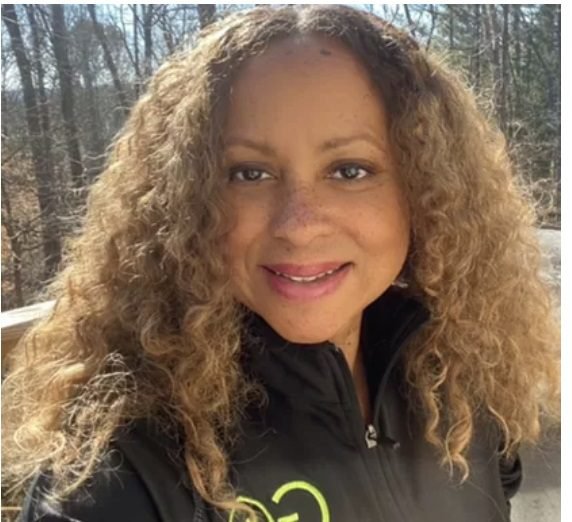
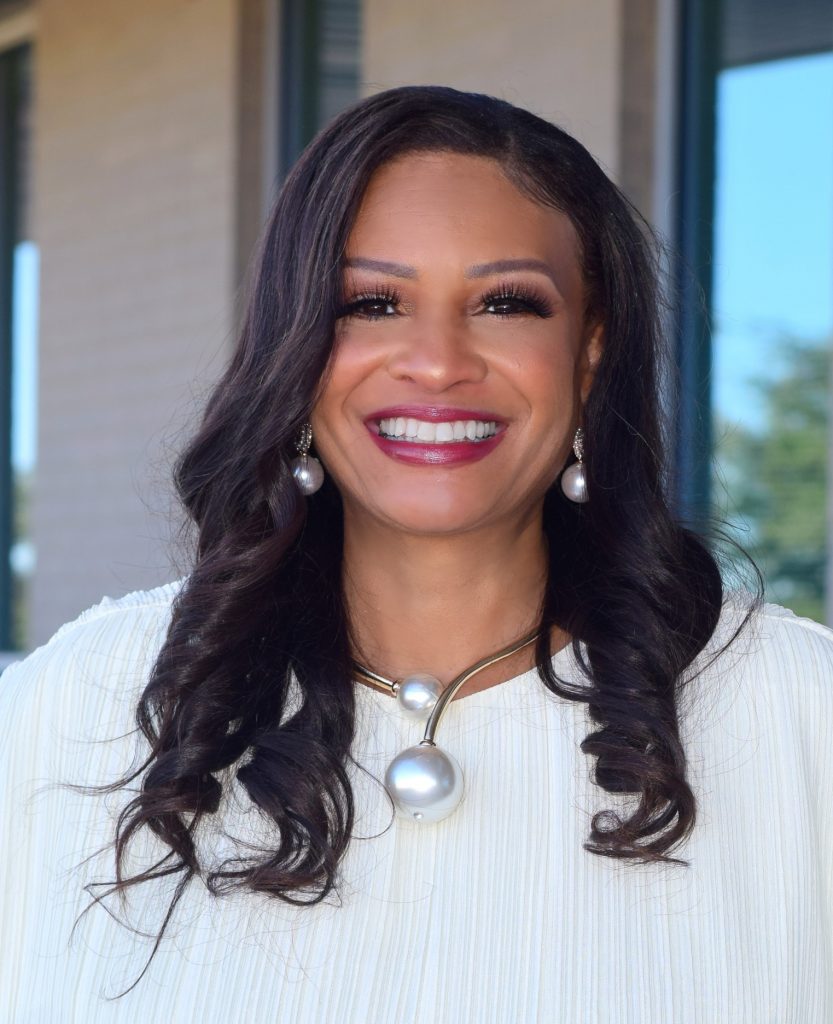
Melissa Anthony, the Chief Empowerment Officer of What Just Happened Sports, joined forces with Michael Haynes, the Executive Director of the North Metro Miracle League (NMML) and former Atlanta Falcon and New Orleans Saint, to host The Playbook: Ladies Learn All Things Football (Guys are always welcome). This unique initiative highlights the intersection of football, empowerment, and community-building, focusing on enhancing sports knowledge and fostering inclusivity.
Photo Courtesy What Just Happened Sports – Melissa Anthony
The Mission Behind NMML
The North Metro Miracle League provides comprehensive programming for children, youth, and adults with disabilities, promoting healthier lifestyles, social competence, and emotional well-being. Recognizing that disabilities impact entire families, NMML offers proactive support to parents and siblings alike.
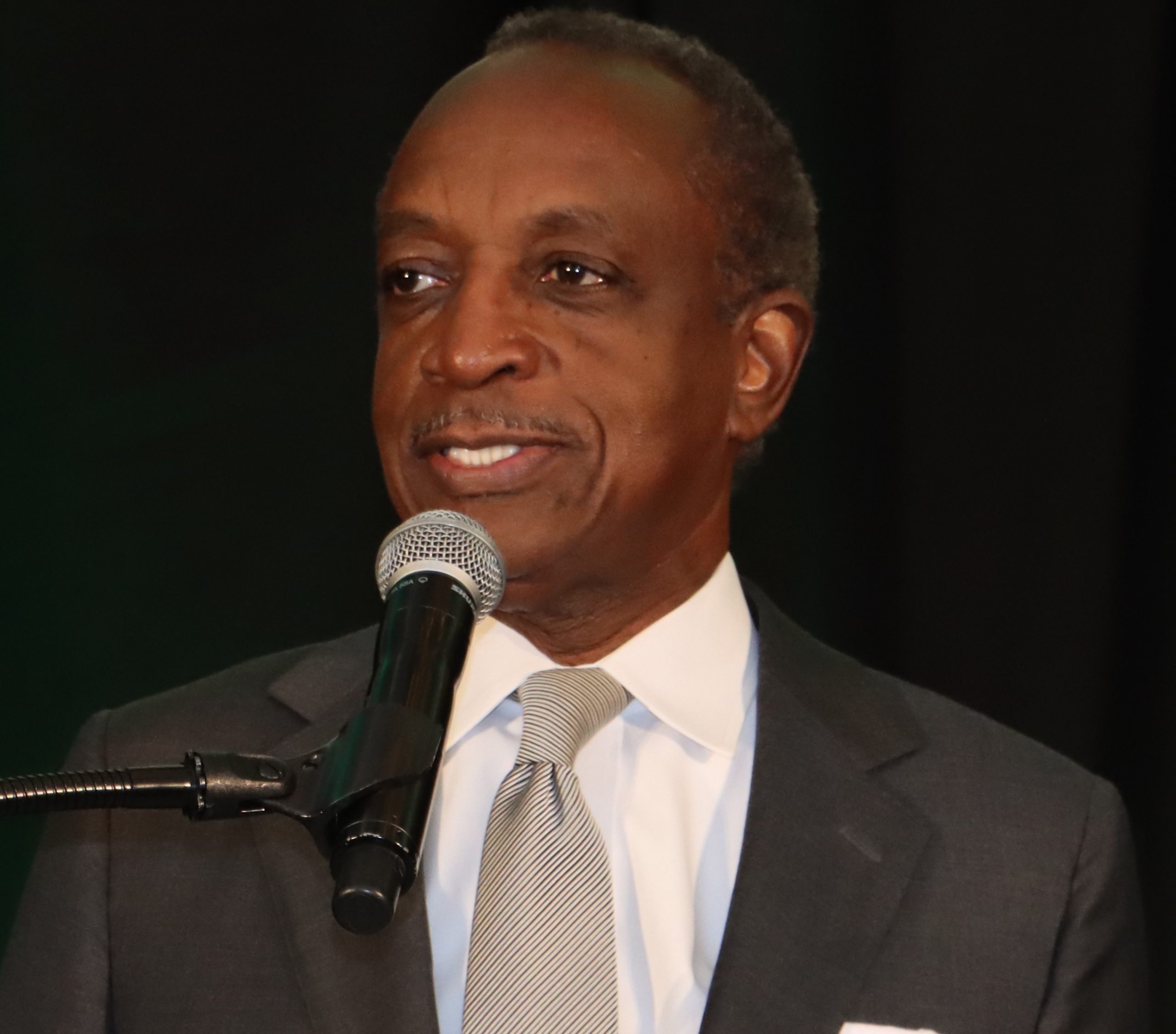
Photo by Milton Kirby – Michael Haynes
NMML Programs:
Family Support: NMML maintains an extensive database of resources, including access to professionals such as doctors, lawyers, dentists, and therapists. Families can also find guidance on navigating complex systems like Medicare, SSDI, Medicaid, and Peach Care applications.
Social Events and Field Trips: Participants engage in experiential learning through visits to sports and entertainment venues. These outings introduce participants to vibrant environments of crowds and noise, supported by a trusted network of family, teammates, and buddies.
Volunteer Opportunities: Volunteers play a vital role, from assisting on the field as buddies and coaches to contributing behind the scenes as staff and board members. Those interested in volunteering can find more information and register online at NMML’s website.
NMML employs a buddy system to ensure participants of all ages and abilities, ranging from four to 92 years old, are paired with able-bodied companions. In 2024 alone, the league supported more than 135 families through programs like summer and fall softball leagues and trips to see Atlanta’s professional sports teams, including the Braves, Falcons, and Gladiators.
A Legacy of Leadership
Founded by John McLaughlin, NMML has touched hundreds of families over the years. Since becoming Executive Director in 2022, Michael Haynes has continued this legacy of community service. A former NFL player, Haynes’ illustrious football career includes being selected by the Atlanta Falcons in the 1988 NFL Draft and playing with the team from 1988 to 1993 and again in 1997. Over his career, Haynes recorded 428 receptions, 6,588 yards, and 47 touchdowns, with a standout season in 1991 where he achieved 1,122 receiving yards and 11 touchdowns.
Partnering with What Just Happened Sports
Melissa Anthony founded What Just Happened Sports in 2014 to empower women to engage with sports confidently. Her organization emphasizes the importance of sports knowledge in personal and professional settings, hosting events and training that feature professional athletes and sports personalities.
“Understanding sports can open doors to professional relationships and boardroom success,” Anthony explained. “Through our programs, we ensure women are always ‘in the game.’”
The Playbook: Ladies Learn All Things Football
The collaboration between Anthony and Haynes, The Playbook: Ladies Learn All Things Football, embodies their shared commitment to empowerment and education. The event introduces women (and men) to the nuances of football, enhancing their ability to participate in conversations about the sport and fostering a deeper appreciation for the game. Click here to register.
As Anthony and Haynes continue their efforts to merge sports and community empowerment, initiatives like The Playbook and NMML’s programs demonstrate the transformative power of inclusivity, education, and teamwork. Whether through the cheers of a Falcons game or the enthusiastic support of a buddy system, their impact reverberates across Atlanta and beyond.
Ted Knorr proposes changes to the Classic Baseball Committee’s rules to increase Negro League representation, suggesting a special committee and annual elections to address the lack of recognition for deserving players.
By Ted Knorr | Harrisburg, PA | January 8, 2025
Just following up on Milton Kirby’s article, December 8, 2024, in The Truth Seekers Journal, about my two-decade-long effort to get Negro League outfielder Rap Dixon inducted into the National Baseball Hall of Fame. As mentioned, Dixon failed even to make this year’s Ballot, but I had hoped on the day of that article that at least one of the two Negro League candidates on the Ballot might gain the necessary 75% for induction. Alas, neither Vic Harris nor John Donaldson topped 25% of the votes. However, two deserving candidates from the recent past – Dick Allen and Dave Parker – were voted into the National Baseball Hall of Fame. While it is always good to see deserving athletes like Allen & Parker achieve the ultimate prize, the fact that those two great players were pitted, on the Ballot, against players whose prime was before either of the two inductees was born. There is something wrong with a system that has inducted 137 players from either the NL or AL debuting during baseball’s segregated era, only 28 from the Negro Leagues.
Photo By Milton Kirby – Ted Knorr
Let me present the current rules (to be followed), and I suggested new rules for the Classic Baseball Committee, which shall consider retired Major League Baseball players, managers, umpires, and executives whose greatest contributions to the game were realized prior to 1980.
Membership: The Committee shall consist of 16 members, comprised of members of the National Baseball Hall of Fame, executives, and veteran media members.
Time and Place of Election – Beginning in 2024, an election shall be held once every three years.
Eligible Candidates – must be selected from managers, umpires, executives, and players, who meet the following criteria related to their classification:
· Players who played in at least 10 major league seasons.
· Managers and umpires with 10 or more major league seasons.
· Executives
Ballot Size
The final Ballot shall consist of eight candidates.
Voting
The Committee shall consider all candidates and may vote for as few as zero and as many as three eligible candidates.
Number to be Elected
All candidates receiving votes on at least 75% of ballots will earn election.
Amendments
The Board of Directors of the National Baseball Hall of Fame and Museum, Inc. reserves the right to revoke, alter or amend these rules at any time.
The above rules failed to deliver more than 25% of ballots cast for either of the two Negro League candidate; further, no set of Hall of Fame rules have inducted any Negro League players since 2006. The following is my recommendation:
Special Committee on the Negro Leagues (This will be the third time, joining predecessors in 1971-1977 and 2006, that this name has been used, and the Committee will have the same purpose as before to identify Negro League players, managers, umpires and executives meriting additional consideration.)
Membership: The Committee shall consist of 16 members, all of whom will have sufficient knowledge of the Negro Leagues. The Society for American Baseball Research Negro League Committee will be glad to offer advice to assist in selecting the members.
Time and Place of Election – Beginning in 2025, an election shall be held annually until justice is achieved.
Eligible Candidates must be selected from managers, umpires, executives, and players, who meet the following criteria related to their classification:
· Players who played in at least 10 major league seasons.
· Managers and umpires with 10 or more major league seasons.
· Retired Executives
Ballot Size
The final Ballot shall consist of 21 candidates including the 20 remaining from 2006 plus Vic Harris. Ideally, as a deeper “cap tip” to the successful 2006 process it could include 39 candidates.
Voting
The Committee shall consider all candidates and will provide an up or down vote for each.
Number to be Elected
All candidates receiving votes on at least 75% of ballots will earn election.
I feel the above changes to the Classic Era Committee will enable the Hall, rather quickly, to address the lack of sufficient Negro League representation. With 21 longtime recognized consideration deserving candidates given an up/down vote December I would anticipate 10 new Negro League Hall of Famers. That would be a good start. In addition, to offering my opinion here on a very important topic; I see The Truth Seekers Journal as a good home for periodical discussion on Negro League baseball and, should any readers have questions on Negro League history, I’d love to take a crack at answering them.
A remarkable journey spanning a century, marked by dedication, faith, and service. He served as the 39th US President, championed environmental conservation, and dedicated his post-presidency to humanitarian efforts.
By Milton Kirby | Atlanta, GA – January 2, 2025
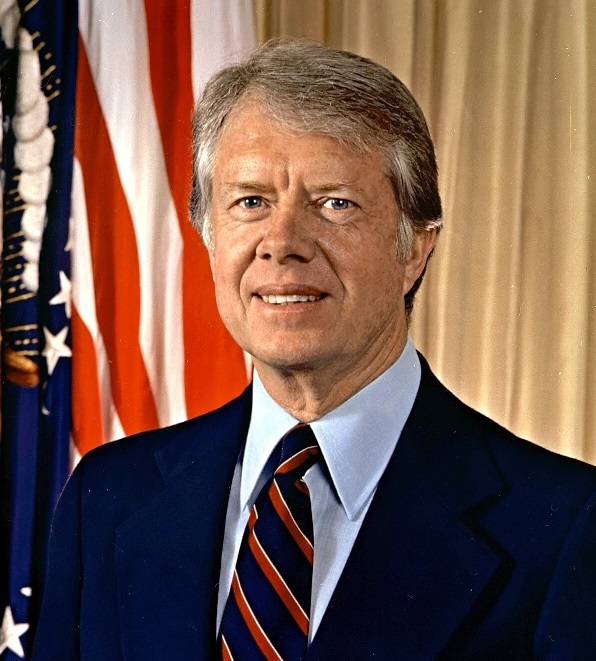
Jimmy Carter’s life—a remarkable journey spanning a century—is a testament to the profound impact of dedication, faith, and service. Born James Earl Carter Jr. on October 1, 1924, in Plains, Georgia, his journey began in the small farming town and nearby community of Archery. Raised by James Earl Carter Sr., a farmer and businessman, and Lillian Gordy Carter, a registered nurse, young Jimmy would lead an extraordinary life defined by humility and an unyielding commitment to the betterment of humanity.
Carter’s early years were marked by academic and naval success. Educated in the public schools of Plains, he pursued higher education at Georgia Southwestern College, Georgia Institute of Technology, and the United States Naval Academy, where he earned a B.S. in 1946. As a submariner in the Navy, Carter served with distinction, rising to the rank of lieutenant and playing a pivotal role in the emerging nuclear submarine program. Under the guidance of Admiral Hyman Rickover, he took graduate coursework in reactor technology and nuclear physics at Union College.
In 1946, Carter married Rosalynn Smith, a partnership that would define much of his life. When his father passed away in 1953, Carter returned to Plains to manage the family farms and their seed and farm
Photo courtesy Maranatha Baptist Church – Jimmy & Rosalynn Carter
supply business. It was here that he began his political career, serving on community boards and eventually winning a seat in the Georgia Senate in 1962. Despite an initial gubernatorial defeat in 1966, Carter persevered, becoming Georgia’s 76th governor in 1971. His national political career was launched with his announcement of candidacy for the U.S. presidency in 1974. He was elected as the 39th president in 1976, serving from January 20, 1977, to January 20, 1981.
As president, Carter championed environmental conservation, setting aside more land for national parks and wildlife refuges than any of his predecessors. He was a pioneer in energy conservation, advocating for reduced reliance on foreign oil and alternative energy sources, symbolized by the installation of solar panels on the White House roof. His administration also established the Department of Energy, emphasizing the importance of sustainability long before it became a global priority.
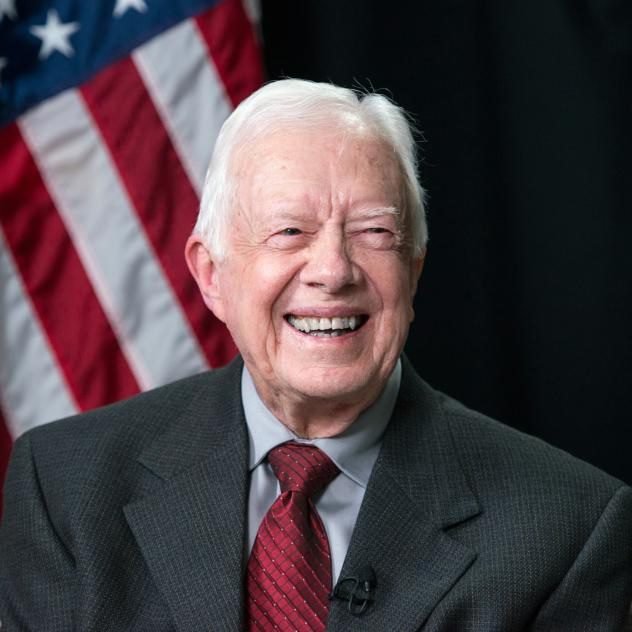
Post-presidency, Carter dedicated his life to humanitarian efforts. In 1982, he founded The Carter Center in Atlanta, a nonpartisan institution addressing public policy issues, promoting democracy, and eradicating diseases such as Guinea worm disease. His work with Habitat for Humanity—building homes for impoverished families worldwide—further solidified his legacy of compassion. Recognized with the Nobel Peace Prize in 2002, Carter joined the ranks of Theodore Roosevelt, Woodrow Wilson, and Barack Obama as the only U.S. presidents to receive the honor.
Photo Courtesy of the Carter Center
The Carters’ partnership extended to their shared advocacy for mental health. Rosalynn chaired The Carter Center’s Mental Health Task Force and hosted annual symposia to address critical issues in the field. Together, they demonstrated the power of collaborative leadership rooted in their shared values and commitment to service.
A prolific author, Carter wrote over 30 books on topics ranging from politics to poetry, faith, and human rights. Despite his global influence, he remained deeply connected to his roots, teaching Sunday school for over 40 years at Maranatha Baptist Church in Plains. His Christian faith was a cornerstone of his life, shaping his moral and ethical compass and inspiring countless others.
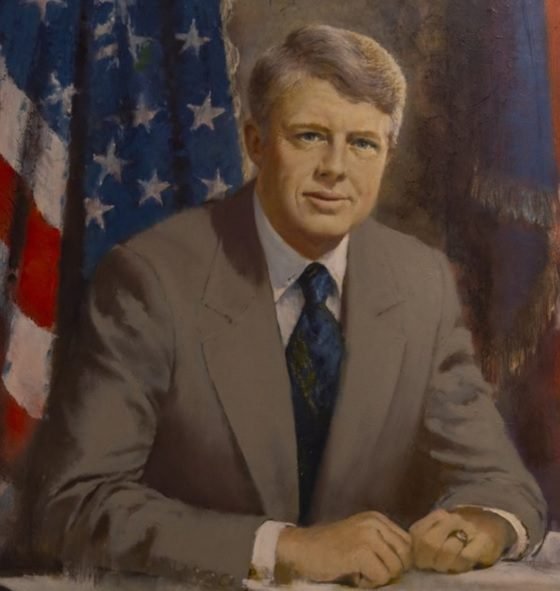
Carter’s life was a “dash” filled with purpose—from humble beginnings as a peanut farmer to his presidency and beyond. He concluded each Sunday school lesson with a challenge: perform one good deed for someone else. This simple yet profound message encapsulated his belief in the power of kindness to change the world.
Courtesy – National Governors Association
On December 29, 2024, Jimmy Carter completed his dash at the age of 100. His legacy endures through the countless lives he touched, the causes he championed, and the enduring message of love and service he imparted. Indeed, the dash in Jimmy Carter’s life symbolizes a life well-lived, defined by unwavering dedication to making the world a better place.
New Year’s Resolutions have been a tradition for over 4,000 years, but often fail due to unrealistic goals and lack of planning. Experts suggest setting smaller goals, creating detailed plans, and seeking accountability for success.
By Milton Kirby | Atlanta, GA | December 29, 2024
As January 1st approaches, millions of Americans prepare to start 2025 with New Year’s resolutions. This tradition of self-improvement dates back more than 4,000 years to the Babylonians, who celebrated the New Year in March with the Akitu festival. They pledged to their gods to repay debts and return borrowed items, laying the foundation for modern resolutions.
The Challenge of Resolutions
Despite their popularity, New Year’s resolutions often falter. A recent poll revealed that around 52% of resolutions are abandoned by March. Common reasons for failure include setting unrealistic goals, lacking a concrete plan, and losing motivation. Experts suggest setting smaller, achievable goals, finding accountability partners, and creating detailed plans to improve success rates.
A Historical Perspective
The Babylonians were among the first to mark the New Year with resolutions, but their year began in mid-March. During their 12-day religious festival, they crowned a new king or reaffirmed loyalty to the reigning one and made promises to their gods. Similarly, the Romans shifted their New Year to January 1st in 46 B.C., honoring Janus, the two-faced god who looked to the past and the future. Sacrifices and resolutions for good behavior marked the occasion.
By the 18th century, Christians adopted the practice as a time to reflect and set goals for personal growth. The phrase “New Year’s resolution” first appeared in print in 1813 and has since become a cultural staple.
The Most Popular Resolutions
Year after year, health-related goals top the list of resolutions, including eating healthier, exercising more, and losing weight. Saving money and reducing stress are also common themes. For instance:
In 2020, 44% of Americans resolved to eat healthier, alongside similar percentages in the UK and Poland.
In 2019, over half of Americans aimed to exercise more (59%), eat healthier (54%), and lose weight (48%).
A 2017 Stockholm University study found that 70% of resolutions focused on physical health, followed by self-improvement (10%) and psychological health (5%).
Expert Insights
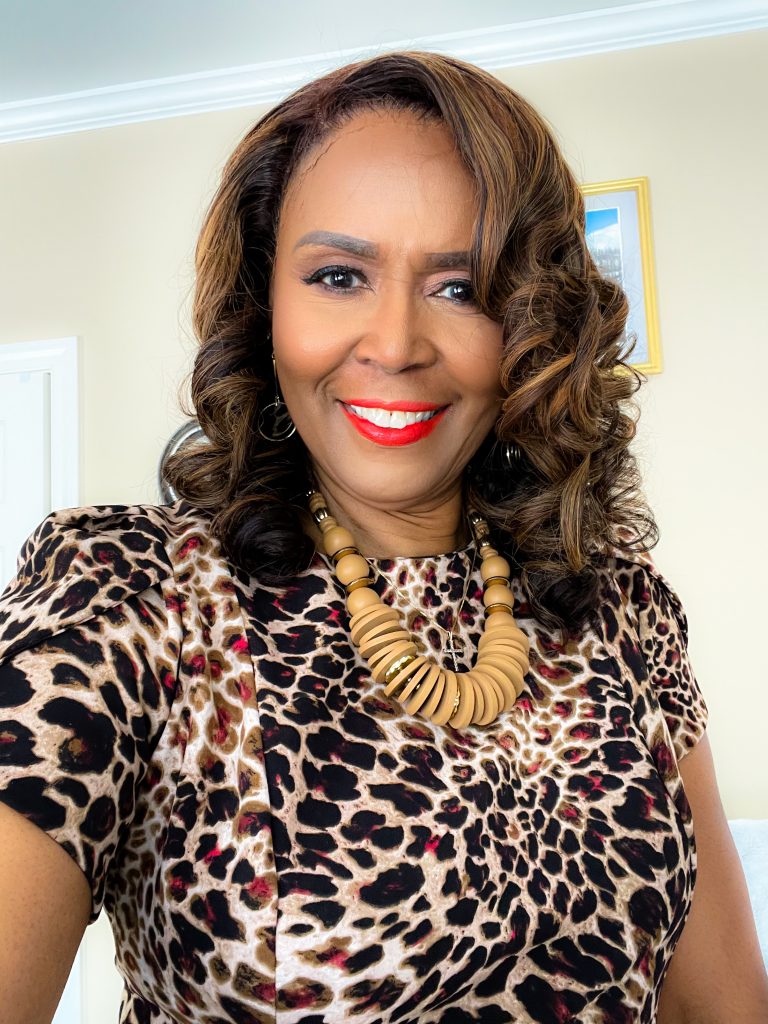
Dr. Lawana Gladney, a Dallas, TX-based Success Psychologist, advises setting “intentions” rather than vague resolutions. “Success requires a clear goal, a detailed plan, and consistent execution,” she says.
Photo Courtesy Dr Lawana Gladney
Dr. Gladney helps clients establish realistic goals and actionable steps. For example, if one resolves to stay connected to family, then we have to have a plan and schedule to make the phone calls and make the trips to see the family. It is all about the goal, the plan, and the steps to execute the plan.
Dr. Gladney, a Ph.D. in Instructional Psychology and Technology specializing in human behavior and the brain’s role in behavioral change, has been practicing for over two decades. For more information about Dr. Gladney or to schedule an appointment, she can be reached at her website and across the following social media platforms: Facebook, Instagram, and LinkedIn.
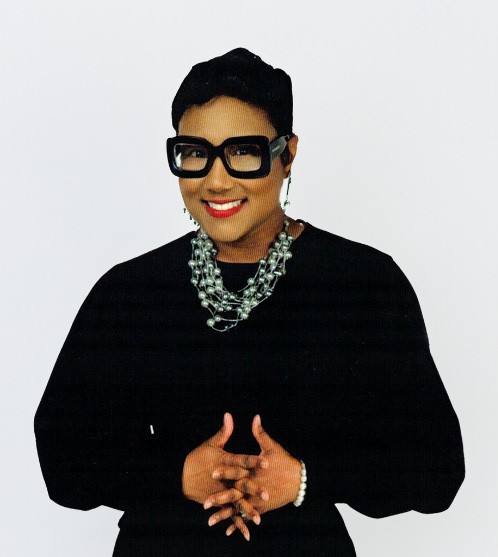
Dr. Nancy J. Lewis, an Atlanta-based leadership coach, emphasizes the importance of accountability. . “Resolutions often fail because they are too generic,” she explains. Dr. Lewis has guided countless individuals to achieve their goals by fostering discipline and consistency.
Photo courtesy Dr Nancy J Lewis
Setting specific goals with tactical actions and having an accountability partner significantly improves the chances of success.
Dr. Lewis is a transformational management and leadership development trainer and strategist who helps organizations leverage generations, talent, people, and processes to positively impact the bottom line. Dr. Lewis has authored multiple books. She is accessible via email at nancy@progressivetechniquesinc.com, her website, LinkedIn, and by telephone at (770) 964-5533.
A Success Story
Katie Allison, a 34-year-old mother, serves as an inspiration. After giving birth to her first child in 2017, she set a New Year’s resolution to lose 75 pounds. Within six months, she reached her goal weight of 145 pounds through daily gym visits, a sugar-free and reduced carbohydrate diet, no red meat, no dairy, and a disciplined routine and meal plan. Katie’s commitment has helped her maintain a healthy lifestyle for five years. Now pregnant with her second child, Katie plans to resume her fitness routine as soon as medically cleared.
Katie Allison lost 75 pounds in six months after her January 1, 2019, New Year’s Resolution
Tips for Success
Experts recommend the following strategies to stick to resolutions:
· Set realistic goals: Break down larger objectives into smaller, achievable steps.
· Create a detailed plan: Outline specific actions and timelines.
· Track progress: Regularly measure success to stay motivated.
· Seek accountability: Work with a coach or partner to stay on track.
Whether you call them resolutions or intentions, the key to success lies in thoughtful planning, discipline, and a commitment to change. The New Year can be a time for meaningful transformation with these strategies.
Black Americans face higher credit card swipe fees, exacerbating existing financial burdens and racial wealth disparities. The Credit Card Competition Act aims to introduce competition and reduce fees, benefiting consumers and small businesses.
By Dr. Benjamin F. Chavis Jr., President and CEO, National Newspaper Publishers Association | December 27, 2024
America’s financial system is quietly reinforcing old inequities. Black American communities — historically denied access to wealth-building tools due to practices like redlining and restrictive banking — now face a new predatory financial hurdle: credit card swipe fees.
For Black Americans, swipe fees — which credit card companies use to fund luxury points programs — act as yet another layer of systemic discrimination, forcing many to pay more while receiving less in return.
Consider how credit card swipe fees work. Every time someone uses a credit card, the merchant is charged a fee — usually between 2% and 4% — which is often passed on to consumers through higher prices. Wealthier cardholders benefit from this system, recouping costs through rewards like fancy hotel stays and airline miles. But a legacy of discrimination has left Black families with fewer wealth-building opportunities, resulting in lower homeownership rates, lower credit scores, and higher debt burdens — putting those premium credit card and their luxury rewards out of reach for many.
In simple terms, Black Americans and other communities of color are left to foot the bill for the flights and perks of those who are considerably more affluent.
Black Americans are less likely to hold credit cards — 72% ownership compared to 88% for White Americans — and often face higher interest rates. 58% of Black Americans have more credit card debt than emergency savings, compared to 30% of White Americans. Black college graduates carry $25,000 more in student loan debt than their White counterparts, which can further harm their credit scores and financial stability.
It’s a painful irony: Black Americans, who are systematically excluded from wealth-building tools, end up paying more to access the same basic financial services. These financial pressures make it hard to escape revolving debt, and harder still to enjoy the rewards that banks offer. The promise of “free” rewards from swipe fees is an illusion for those who can barely afford to pay down their balance every month. While swipe fees aren’t solely responsible for racial wealth disparities, they compound existing financial burdens, making it even harder for Black families to build savings and financial security.
Black Americans are far from the only group that would benefit from comprehensive swipe fees reform: Small business owners and advocates across the country have been sounding the alarm and leading the calls. For small merchants, swipe fees are often their second-highest monthly cost after labor. These businesses — which operate on razor-thin profit margins — are forced to raise prices to stay afloat. The average American family pays more than $1,100 a year in higher prices due to these fees.
The current swipe fee structure exists because the Visa-Mastercard duopoly controls 90% of the U.S. credit card processing market, allowing them to set and increase rates for merchants while blocking out competitors.
Swipe fee reform isn’t radical; it’s about fair competition and a level playing field. The Credit Card Competition Act (CCCA) — a bipartisan bill being considered in Congress — aims to introduce competition into this marketplace by requiring at least two competing processing networks on each credit card. This could save American consumers and businesses an estimated $15 billion annually.
The CCCA won’t end rewards programs — only the banks that offer them can decide that. In fact, a recent study found that the CCCA would have little to no impact on rewards. What the bill would do is end a broken system that preys on those with the least and benefits those with the most.
Reducing swipe fees through pro-competition reform won’t undo generations of economic inequality, but it’s a step toward dismantling one of the structures that reinforce it. A fairer financial landscape benefits everyone, not just those most impacted — and Black Americans have paid more to receive less for too long. It’s time for that to change. An inequality anywhere is a threat to equality everywhere.
Dr. Benjamin F. Chavis Jr. is President and CEO of the National Newspaper Publishers Association (NNPA) representing the Black Press of America and Executive Producer of The Chavis Chronicles on PBS TV Network. Dr. Chavis can be reached at dr.bchavis@nnpa.org.
The Associated Credit Union (ACU) Foundation offers the Ronald K. Ford Memorial Scholarship, awarding $3,500 to high school seniors who embody Mr. Ford’s commitment to education, sportsmanship, and community service, with a deadline of March 31, 2025.
By Milton Kirby | Atlanta, GA December 24, 2024
The Associated Credit Union (ACU) Foundation is honoring the legacy of Ronald K. Ford, a former member of its Board of Directors, by awarding $3,500 scholarships to exceptional high school seniors. The Ronald K. Ford Memorial Scholarship celebrates Mr. Ford’s 12 years of service on the board, his influential career in education, and his pioneering contributions to the credit union industry.
The scholarship recognizes students who embody Mr. Ford’s commitment to education, sportsmanship, and community service. Abigail, a 2024 scholarship recipient, expressed her gratitude, highlighting how the award has supported her academic and personal goals.
Eligibility Criteria
High school seniors graduating in 2025 are encouraged to apply if they meet the following requirements:
Maintain a minimum GPA of 3.0
Gain acceptance to an accredited college, university, or technical school
Submit all application materials by Monday, March 31, 2025
Application Process
Applicants must submit:
A public link to a 60-second YouTube video addressing one of the following prompts:
Describe your most impactful community service activity.
Share your favorite academic subject and why it inspires you.
Two reference letters:
One from a school official (e.g., coach, counselor, or teacher).
One from a non-family member (e.g., employer, friend, or neighbor).
An official high school transcript and a college acceptance letter.
If you are a high school senior passionate about education, innovation, and community service, consider applying for the Ronald K. Ford Memorial Scholarship. This $3,500 award could be your stepping stone to a brighter future. For more details and application instructions, visit the Associated Credit Union Foundation’s website.
Don’t miss your chance—apply by March 31, 2025, and take a step closer to achieving your dreams!
For those seeking more affordable options, Georgia is home to some of the nation’s most economical colleges. Institutions like Dalton State College ($5,532 annual net price) and Abraham Baldwin Agricultural College ($7,260 annual net price) provide quality education at accessible costs.
Here are some reliable sources to estimate college costs in Georgia:
College Websites – Visit the official websites of individual colleges and universities in Georgia. Most institutions provide detailed information about tuition, fees, room, board, and other expenses.
Georgia Student Finance Commission (GSFC) – The GSFC offers tools and resources for understanding college costs, including information on tuition assistance programs like HOPE and Zell Miller Scholarships on their website.
BestColleges.com – Provides rankings and average annual costs for colleges in Georgia, including public and private institutions. Website: www.bestcolleges.com
College Navigator (NCES) – The National Center for Education Statistics (NCES) offers a tool to search and compare costs for colleges nationwide, including detailed breakdowns for Georgia institutions.
University System of Georgia (USG) – The USG website lists tuition and fee schedules for public colleges and universities in Georgia.
College Board – The College Board’s “Trends in College Pricing” report includes average tuition and fees by state, along with tools to estimate overall college costs.
Scholarship and Financial Aid Platforms – Websites like Fastweb.com and Scholarships.com often include information on estimated college costs and financial aid options.
Consumer-Focused Financial Tools – NerdWallet and CollegeSimply can provide estimates and comparisons of college costs across Georgia.
Websites like Best Colleges can also provide a wealth of information.
Lorraine Cochran-Johnson will be sworn in as DeKalb County’s sixth CEO on January 10, 2025, marking a historic milestone as the first African American woman to hold the position.
By Milton Kirby | Atlanta, GA December 22, 2024
Lorraine Cochran-Johnson will be sworn in as the sixth Chief Executive Officer (CEO) of DeKalb County, Georgia, on January 10, 2025. She will mark a historic milestone as the first African American woman to hold the position. This momentous occasion highlights a significant chapter in DeKalb County’s governance history, showcasing its evolution and progress over the decades.
A Journey of Dedication and Public Service
Cochran-Johnson’s rise to leadership is rooted in her extensive background in public administration and community engagement. Originally from Greenville, Alabama, and an eighteen-year resident of DeKalb County, GA, she attended Troy University, where she earned a Bachelor of Science degree in Political Science and Criminal Justice. Her academic journey continued at Auburn University, where she received a Master of Public Administration with a concentration in Economic Development and Grant Writing. She later attended John Marshall Law School, further broadening her expertise.
Before entering politics, Cochran-Johnson held various roles emphasizing public service and community development. Her active involvement in civic organizations across DeKalb County helped her gain an in-depth understanding of the challenges faced by its residents. In 2017, she was elected to represent District 7 on the Board of Commissioners, which includes areas such as Stonecrest and Lithonia. Her tenure as commissioner brought innovative ideas and transformative leadership to the district.
Celebrating Leadership: A Panel with Past CEOs
As part of her inaugural activities, Cochran-Johnson will moderate a panel discussion featuring four of DeKalb County’s previous CEOs: Liane Levetan, Vernon Jones, Burrell Ellis, and Michael Thurmond. This historic gathering will reflect on the county’s past challenges and achievements while setting the stage for its future. The panel will honor Manuel Maloof, DeKalb County’s first CEO, who served from 1984 to 1992 and passed away in 2004.
DeKalb County: A Unique Governance Model
DeKalb County is Georgia’s fourth-most populous county and boasts the highest population density in the Atlanta metropolitan area. Its transition to a CEO-led government in 1981 marked a pivotal shift in its governance structure, distinguishing it from other Georgia counties. The CEO model was designed to centralize leadership and streamline decision-making, addressing inefficiencies under the previous commission-led system.
Under this governance framework, the CEO serves as the county’s chief executive, responsible for day-to-day operations, appointing department heads, and proposing budgets. Meanwhile, the Board of Commissioners retains legislative authority, approving ordinances, budgets, and policies. This balance aims to foster accountability and efficient administration.
A Legacy of Leadership
DeKalb County’s CEO position has been instrumental in shaping its governance and growth. Each CEO brought distinct strengths and faced unique challenges during their tenure:
Manuel Maloof (1984–1992): As the inaugural CEO, Maloof centralized governance and prioritized infrastructure improvements. His tenure set the foundation for DeKalb’s transformation into a bustling suburban community.
Liane Levetan (1993–2000): The first woman to serve as CEO, Levetan championed environmental preservation, economic growth, and inclusivity in leadership. Her omnipresence set the tone for strong executive leadership at the helm of county government.
Vernon Jones (2001–2008): The first African American CEO, Jones emphasized infrastructure development and greenspace expansion. He championed DeKalb County’s emergence as a metropolitan epicenter.
Burrell Ellis (2009–2016): Ellis worked to restore the county’s fiscal stability in the aftermath of the Great Recession, emphasizing government reorganization, community engagement, and laying the foundation for renewed economic growth through water and sewer system reconstruction. His ONE DeKalb initiative was renowned as a model for civic engagement.
Lee May (Interim, 2013–2016): Appointed following Ellis’ suspension, May worked to restore trust and stability during a turbulent period.
Michael Thurmond (2017–present): Thurmond’s leadership has been characterized by fiscal responsibility, infrastructure improvements, and a focus on public safety.
The Evolution of DeKalb County’s Governance
DeKalb County’s adoption of the CEO model was a response to its rapid growth and urbanization during the late 20th century. This change was adopted to address the county’s increasing complexity by creating a centralized executive role. Voter approval in a 1981 referendum signaled strong public support for the modernization of its governance.
Key reasons for this transition included:
Improved Accountability: The CEO model centralized decision-making, providing clear leadership and accountability.
Administrative Efficiency: Streamlined operations reduced inefficiencies in managing the county’s growing population and services.
Adaptation to Urban Growth: The shift reflected DeKalb’s evolution from a rural area to a major suburban hub within the Atlanta metropolitan region.
Public Support: Voters recognized the need for a more robust governance structure to address emerging challenges.
Spotlight on Leadership: Past CEOs’ Achievements and Challenges
Manuel Maloof (1984–1992)
As DeKalb’s first CEO, Manuel Maloof played a pivotal role in defining the position’s responsibilities. His leadership focused on modernizing governance, investing in public infrastructure, and advocating for community needs. While balancing growth and resident concerns, Maloof laid the groundwork for DeKalb’s future development. He championed initiatives to streamline the permitting process for small businesses and fostered partnerships between the government and local entrepreneurs.
Photo Courtesy Atlanta Magazine – Manuel Maloof
Maloof is remembered as a leader who brought accountability, growth, and a personal touch to DeKalb County’s government. His work established DeKalb as a model for suburban governance in Georgia and the broader Southeast. Maloof’s influence extended beyond politics through his ownership and work at Manuel’s Tavern, cementing his place as a beloved figure in Atlanta’s civic life.
One of Maloof’s quotes: “Leadership isn’t about sitting behind a desk. It’s about rolling up your sleeves and solving real problems for real people.”
Liane Levetan (1993–2000)
Liane Levetan broke barriers as the first female CEO of DeKalb County. Her tenure emphasized environmental preservation, balanced development, and inclusivity. Signature initiatives included expanding parks, promoting recycling programs, and advocating for transit-oriented development. Her leadership inspired future generations of women in politics.
Levetan’s emphasis on green space preservation and environmental sustainability left a lasting impact on the county’s landscape. Her administration set a precedent for diversity and inclusion in DeKalb County governance.
Expansion of the Mason Mill Park and improvements to its facilities, including trails and picnic areas. The creation of the PATH trail system, connecting neighborhoods and parks with multi-use trails, was a major milestone.
Photo Courtesy of Liane Levetan
Her tireless efforts have ensured that Arabia Mountain will be a focal point for conservation and recreation for years to come. Located in southeast DeKalb County, it is a granite outcrop similar to Stone Mountain surrounded by diverse ecosystems, including forests, wetlands, and lakes. She quipped, “Arabia Mountain isn’t just a place—it’s a legacy. Preserving it ensures future generations can experience its wonder.”
Levetan personally participated in trail-blazing events, often walking alongside community volunteers to mark potential trail routes. She was known to say:
Levetan quoted on being the first female CEO: “Breaking barriers is never easy, but every step forward creates a path for others. I’m proud to be the first woman in this role, but I look forward to the day when it’s no longer remarkable.”
Vernon Jones (2001–2008)
One of the main highlights of Jones’ administration was his focus on economic development and improving the infrastructure of DeKalb County. He sought to attract businesses, improve housing, and revitalize the county’s commercial areas. Under his leadership, several major projects aimed at boosting the county’s economy were initiated, including the development of new commercial properties, industrial sites, and improved transportation systems.
Photo Courtesy Vernon Jones
Jones was instrumental in advocating for improved infrastructure in DeKalb, including the expansion and modernization of roads, public transportation services, and the county’s water and sewer systems. He focused on improving traffic flow, which had become a significant concern as the county’s population grew.
CEO Jones prioritized public safety, increasing funding for police and fire services. He also worked to modernize emergency services, including the establishment of new fire stations and improvements to police equipment and training programs.
Jones created several community engagement programs focused on youth development, senior services, and improving the quality of life for residents. His administration introduced initiatives such as the DeKalb Summer Youth Employment Program, which provided job opportunities and training for young people in the county.
Mr. Jones also worked to improve the environmental conditions in DeKalb County. This included efforts to improve waste management and increase recycling programs. He also promoted green space preservation and conservation efforts.
Vernon Jones focused on infrastructure improvements and economic development. Despite notable achievements, including public safety enhancements and community engagement programs.
Burrell Ellis (2009–2016)
Burrell Ellis was elected CEO (Chief Executive Officer) of DeKalb County in 2008. He took office in January 2009. Prior to serving as CEO, Ellis had a history of public service, having served as a member of the DeKalb County Commission from 2000 to 2008, representing District 5.
Photo By Milton Kirby – Burrell Ellis
Like many other local governments, DeKalb County faced significant fiscal challenges during Ellis’ tenure as CEO. These included the effects of the Great Recession, which made budgeting more challenging. Ellis worked to manage the county’s budget through a combination of cost-cutting measures and increased revenue efforts.
Ellis focused on improving the county’s government’s efficiency and accountability. He introduced initiatives to reduce waste and fraud in county departments.
CEO Ellis prioritized public safety by focusing on expanding police services and addressing high crime rates in certain areas of the county. He advocated for additional resources for law enforcement agencies and emergency services
Ellis’ administration prioritized fiscal management and government reform during a challenging economic period. However, legal troubles dampened his accomplishments, culminating in a conviction that was later reversed on appeal.
His tenure highlighted the complexities of balancing governance, public trust, and fiscal responsibility.
Michael Thurmond (2017–present)
Michael Thurmond’s Leadership brought stability to DeKalb County after a tumultuous period. His focus on fiscal responsibility, infrastructure revitalization, and public safety has been widely praised. Thurmond’s collaborative approach has strengthened community trust and positioned the county for continued growth.
Photo by Milton Kirby – Michael Thurmond
DeKalb County will close the 2024 fiscal year with a $150 million rainy day fund, a major turnaround from the $27 million deficit the county faced in 2017 when Thurmond took office. Thurmond launched a financial recovery plan upon taking office, and his administration has worked with county leaders to erase the deficit and build up a substantial reserve.
Looking Ahead: Cochran-Johnson’s Vision
As DeKalb County’s newly elected CEO, Lorraine Cochran-Johnson aims to build on the successes of her predecessors while addressing the county’s evolving needs. Her background in public administration and commitment to community engagement provide a strong foundation for her leadership. By fostering dialogue with past leaders, she seeks to honor DeKalb’s rich history while charting a bold course for its future.
Cochran-Johnson plans to tackle DeKalb’s housing affordability crisis, accelerate infrastructure modernization, and expand programs to support small businesses, all while emphasizing transparency and civic engagement.
Cochran-Johnson’s inauguration marks a new chapter in DeKalb County’s journey, one defined by innovation, inclusivity, and a shared commitment to progress.
President Joe Biden grants clemency to nearly 1,500 Americans, the largest single-day grant in modern history, commuting sentences and pardoning individuals convicted of non-violent crimes.
By Milton Kirby | Washington, DC | December 12, 2024
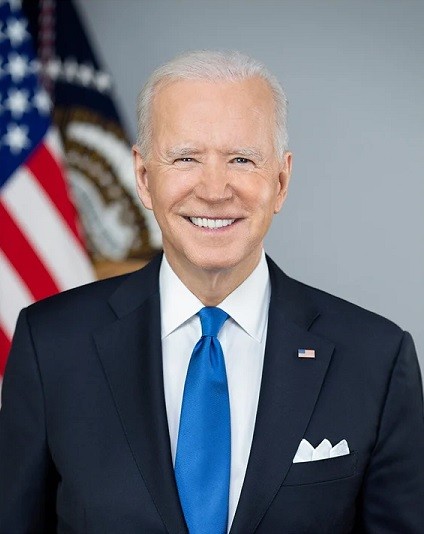
In a historic move, President Joe Biden has granted clemency to nearly 1,500 Americans, the largest single-day grant in modern history. This action includes commuting the sentences of close to 1,500 individuals placed on home confinement during the COVID-19 pandemic and pardoning 39 individuals convicted of non-violent crimes. These individuals have demonstrated successful rehabilitation and a strong commitment to making their communities safer. The White House said, “the 1,500 people had been serving long prison sentences that would have been shorter under today’s laws and practices.”
A Historic Day for Clemency
This unprecedented act builds on President Biden’s commitment to criminal justice reform, aiming to reunite families, strengthen communities, and help individuals reintegrate into society. At this point in his presidency, Biden has issued more commutations than any of his recent predecessors. Notably, he is the first president to grant categorical pardons for simple marijuana possession and for certain LGBTQI+ service members convicted due to their sexual orientation.
A decorated military veteran and pilot who helps church members with health challenges and strenuous tasks.
A nurse who led emergency response efforts during natural disasters and spearheaded COVID-19 vaccination campaigns.
An addiction counselor who volunteers to mentor young people, helping them avoid destructive behaviors and gang involvement.
As President Biden has often stated, the United States is a nation of second chances. Through clemency, he seeks to advance equal justice under the law and remedy the harms caused by outdated practices.
Commutations and Pardons in Detail
The nearly 1,500 individuals receiving sentence commutations have been serving time on home confinement under the CARES Act for at least one year. They have shown their commitment to rehabilitation by securing employment, pursuing education, and reintegrating into their communities. The 39 individuals granted pardons were convicted of non-violent crimes, including drug offenses, and have since turned their lives around. These recipients are parents, veterans, healthcare professionals, teachers, and advocates who use their experiences to inspire others.
President Biden’s Clemency Record
President Biden has consistently used his clemency power to address injustices and provide second chances. Key clemency actions throughout his administration include:
April 2022: Granted clemency to individuals with drug-related offenses and those on CARES Act home confinement, including three pardons and 75 commutations.
December 2022: Pardoned six individuals with drug- and alcohol-related offenses.
April 2023: Issued 31 commutations to individuals on CARES Act home confinement.
December 2023 & April 2024: Pardoned 11 individuals and commuted 16 sentences for non-violent drug offenses.
These actions have positively transformed lives by addressing barriers such as housing, employment, education, and healthcare often faced by those with federal convictions.
Categorical Clemency Actions
In addition to individual clemency, President Biden has taken bold steps with categorical clemency:
October 2022: Issued a full pardon for simple possession of marijuana.
December 2023: Expanded marijuana-related pardons to include attempted possession and use offenses.
June 2024: Granted categorical pardons to former service members convicted of offenses based on consensual, private conduct related to their sexual orientation between 1951 and 2013.
These systemic actions have inspired states like Maryland and Massachusetts to follow suit, granting categorical clemency for marijuana convictions and helping individuals rebuild their lives.
Moving Forward
While today’s announcement marks significant progress, President Biden’s work is far from over. The administration will continue reviewing clemency petitions to advance equity, justice, and public safety. By promoting rehabilitation and reentry, the President reaffirms his belief in second chances and the transformative power of justice reform.
I-285 Express Lanes Project: GDOT proposes new express lanes to reduce congestion, improve mobility, and enhance regional connectivity, with projected travel time reductions of up to 39% and toll-based pricing for market-based traffic management.
By Milton Kirby | Atlanta, GA – December 12, 2024
The Georgia Department of Transportation (GDOT) is holding a series of public meetings to inform residents and gather input on the proposed I-285 Express Lanes projects. These projects, part of GDOT’s Major Mobility Investment Program (MMIP). The MMIP is a grouping of projects expected to yield considerable reductions in congestion along key freight and passenger corridors. The projects are expected to significantly improve mobility along the heavily congested I-285 corridor, including the Top End, Eastside, and Westside segments.
Addressing Congestion
According to GDOT, the northern stretch of I-285 is among the most traveled and congested highways in the United States, with over 240,000 vehicles traversing it daily. Meanwhile, the Eastside and Westside sections each see nearly 200,000 vehicles daily. To address this, GDOT plans to construct two new barrier-separated express lanes alongside the existing general-purpose lanes in both directions. These express lanes are designed to offer drivers a choice to by-pass traffic congestion and provide more reliable trip times. The express lanes will be toll roads which will utilize market-based pricing to reflect real-time congestion. The new are projected to reduce travel times by up to 39% for express lane users and over 8% for those in general-purpose lanes.
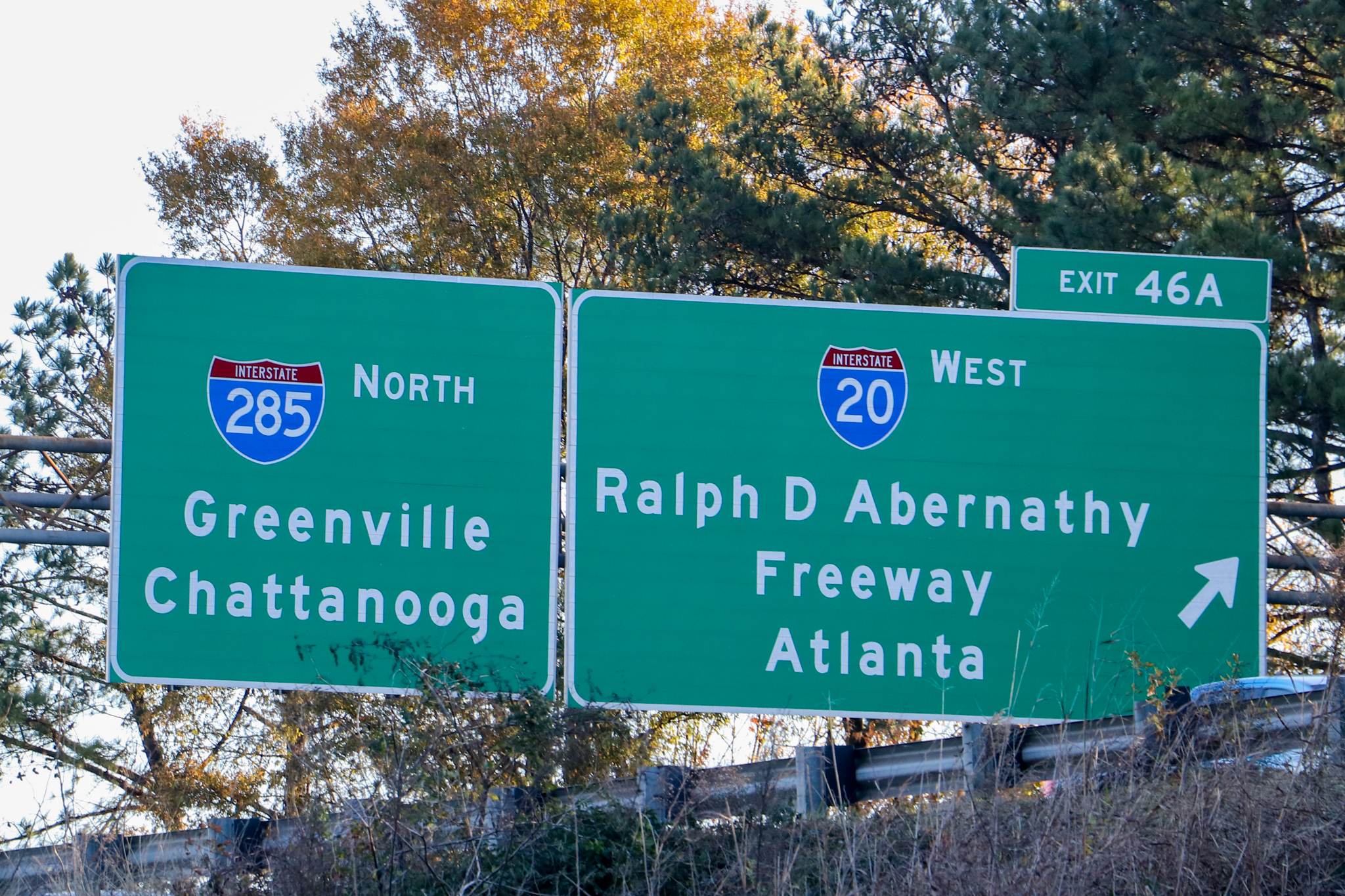
Photo by Milton Kirby | I-285 northbound @ Covington Highway in DeKalb County, GA – morning rush
All drivers will be able to use the optional express lanes, by registering and obtaining a Peach Pass regardless of the number of passengers traveling. Transit vehicles and state registered vanpools will be able to utilize the express lanes without paying a toll.
Transit Integration and Regional Connectivity
In parallel, MARTA is conducting a planning study to optimize transit connectivity along I-285. The I-285 Express Lanes Transit Study will explore how these lanes can enhance regional mobility and provide equitable transportation options. The study will focus on:
Identifying infrastructure enhancements, including ramps and station locations, to support transit access.
Developing operations plans for new express lanes transit services.
Ensuring equitable access to transportation, particularly for underserved communities.
The study will assess the corridor’s capacity to connect individuals to employment clusters, healthcare facilities, and other key destinations as part of the broader transit initiative. Population and job growth projections in the study area are 42% and 33%, respectively, by 2050. This projected growth underscores the urgency of these infrastructure improvements.
MARTA is accepting public comment from November 13 – December 18, 2024 on their website.
Other Public Engagement and Environmental Considerations
To foster community involvement, GDOT held a Public Hearing Open House (PHOH) series in July 2024, which included both in-person and virtual sessions to gather input regarding the environmental impact. Residents were invited to comment on the Draft Environmental Impact Statement (EIS), Mitigation Plan, and design concepts. Additional hearings are expected as the environmental studies progress. Federal regulations require an environmental impact study for any project utilizing federal funds.
Photo by Milton Kirby | Fly over construction @ I-285 & I-20 in DeKalb County, GA
Project Timeline and Benefits
The I-285 Top End Express Lanes project will be executed in three phases: procurement, design, and construction. Some segments will be at-grade, while others will feature elevated lanes. GDOT estimates that the lanes will enhance travel reliability, provide free access for transit vehicles and vanpools, and support economic growth by connecting consumers to businesses and workers to jobs.
GDOT has also partnered with the private sector to design, construct, finance, operate, and maintain the lanes, with toll revenue funding their operations.
Learn More
GDOT has made additional resources available, including a video gallery detailing the I-285 Top End Express Lanes proposals. Residents can monitor the GDOT website for further updates and attend upcoming public meetings.
These projects promise to alleviate traffic congestion, enhance regional connectivity, and support equitable transit solutions across metro Atlanta, setting the stage for sustainable growth and improved quality of life.
President Biden’s historic 40th Black female judge, Tiffany Rene Johnson, was confirmed to the federal bench, tying the record for most Black lifetime judges confirmed during a presidency.
By Gerren Keith Gaynor – TheGrio | December 10, 2024
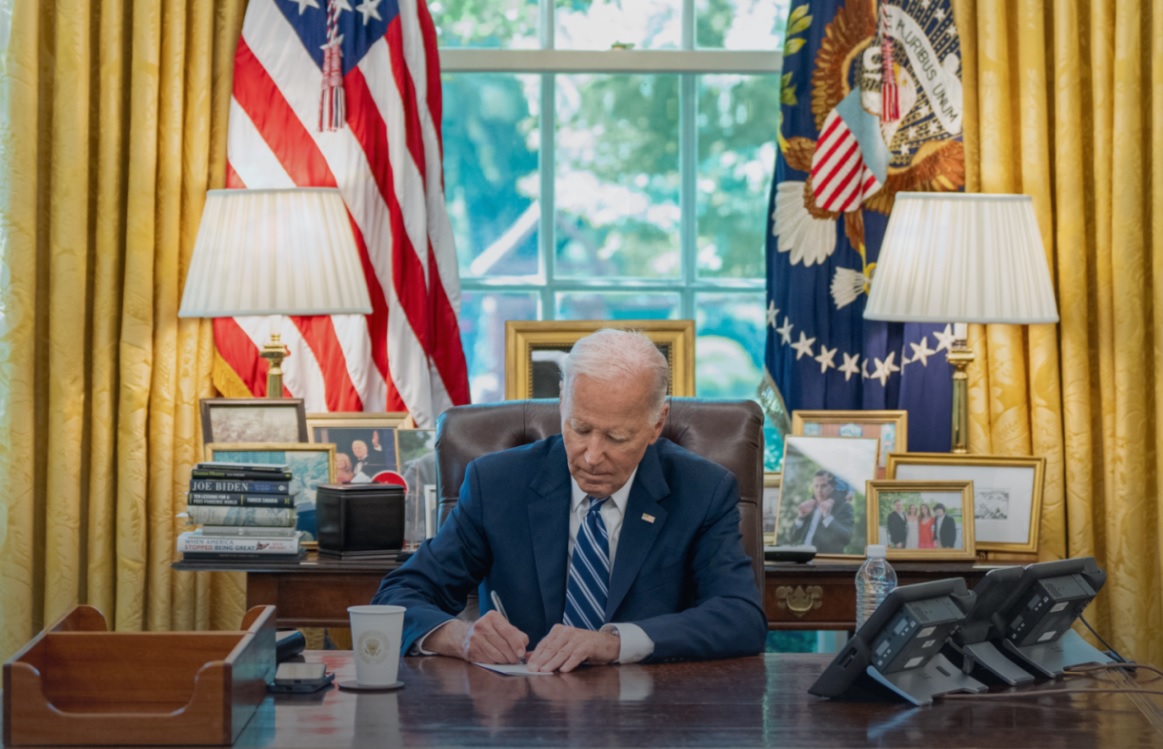
President Joe Biden marked yet another historic moment for his administration in his final days in office on Monday when the U.S. Senate confirmed his 40th Black female judge to the federal bench.
As part of an effort to seat as many federal judges before President-elect Donald Trump returns to the White House on Jan. 20, the Senate confirmed Tiffany Rene Johnson to serve on the Northern District of Georgia. Judge Johnson is only the third Black woman to serve a lifetime appointment on the court. Johnson’s confirmation also ties the record for the most Black lifetime judges (62) confirmed during a presidency.
According to data tracked by The Leadership Conference on Civil and Human Rights, President Biden’s appointment of 62 Black lifetime judges is the highest in a single term. During his one term in office, President Jimmy Carter appointed 37 Black lifetime judges, as did President Bill Clinton during his first term. Over the course of their two terms in office, President Barack Obama and Clinton each appointed 62 Black judges.
During his first term, President Trump appointed only two Black women out of 234 judges to the federal bench, which is less than 1% of his appointments. Trump nominated no Black judges to federal circuit courts.
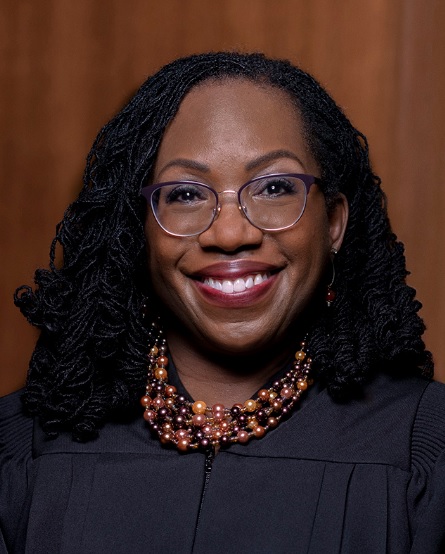
Since taking office, President Biden has vowed to reshape the federal judiciary to reflect America’s diversity. His most historic and notable appointment was Justice Ketanji Brown Jackson, who was confirmed as the first Black woman to serve on the U.S. Supreme Court in April 2022.
Courtesy Supreme Court
Ketanji Brown Jackson
Biden has appointed several “first” Black judges across the nation’s district courts and courts of appeals, including Tiffany Cunningham, the first Black judge to serve on the U.S. Court of Appeals for the Federal Circuit; Dana Douglas, the first Black woman to serve on the U.S. Court of Appeals for the Fifth Circuit; and Jerry Edwards, Jr., the first Black judge to serve on U.S. District Court for the Western District of Louisiana.
In addition to this record appointment, the Leadership Conference also noted that among President Biden’s Black female judicial selections, more than half of them bring what advocates celebrate as important professional experiences to the federal bench as former civil rights lawyers and public defenders.
The steady appointments from President Biden (and confirmations by the Senate) are seen as necessary in his final 41 days in the Oval Office, not only to fulfill his goal of transforming the federal judiciary but also to preserve his legislative legacy. Many of his policies — and those enacted by President Trump in his second term — could be challenged in the courts in the coming months and years. The ideological bent of federal judges will undoubtedly have major implications.