Howard University President Ben Vinson III to Step Down After Two Years

Howard University President Ben Vinson III will step down on August 31 after less than two years. Former President Wayne Frederick returns as interim leader during the transition.


By Milton Kirby | Washington, D.C. | August 22, 2025

Howard University announced Friday that President Ben Vinson III will step down on August 31, less than two years into his tenure as the school’s 18th president. His departure comes just days into the start of the fall semester at the historically Black university in Washington, D.C.

Vinson, who assumed office in September 2023, said in a statement that he intends to spend more time with his family while continuing his research.

“Over the course of my tenure as president, I have worked with unwavering commitment to advance the strategic vision I believe best serves the future of this institution, including in the areas of AI, data science and analytics, and global and diasporic engagement,” Vinson said. “My foremost priority has always been the well-being and success of this community, and I remain committed to ensuring a smooth and constructive transition.”

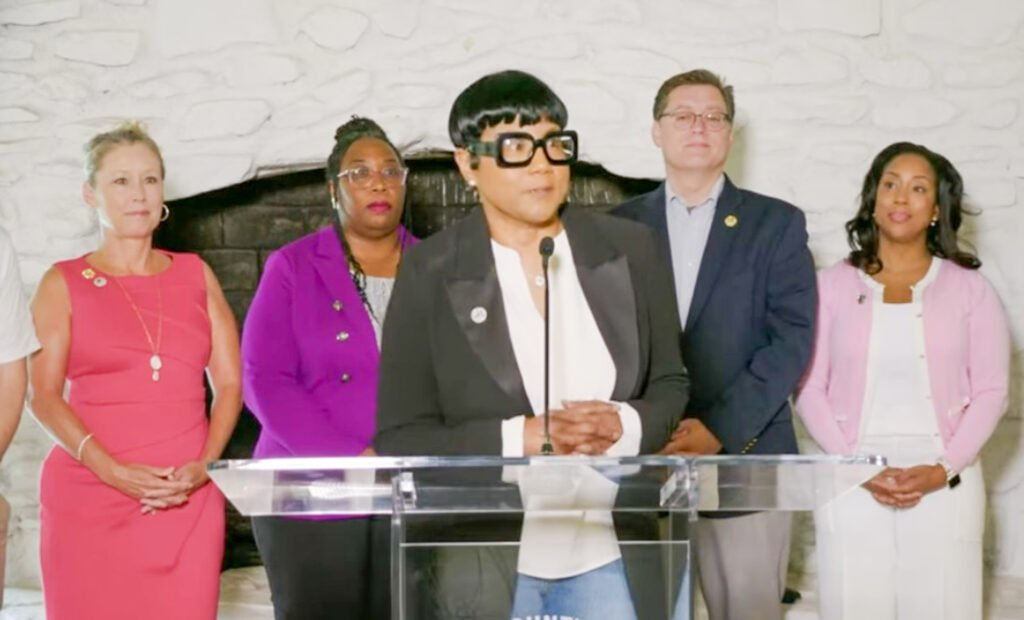
The university’s Board of Trustees praised Vinson’s leadership while announcing that Wayne A. I. Frederick, the school’s former president, will come out of retirement to serve as interim president beginning September 1.

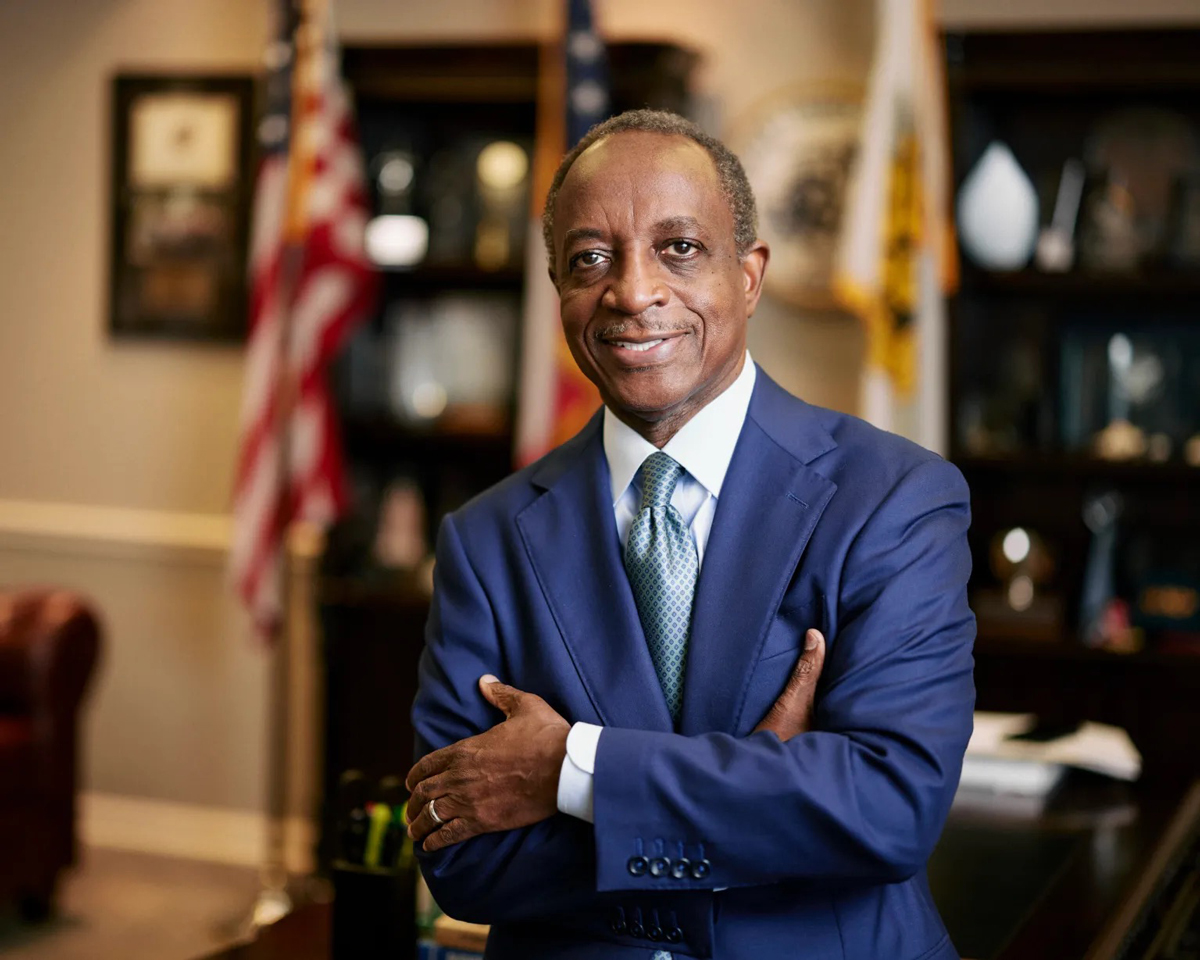
Courtesy Howard University – President Ben Vinson

“On behalf of the Howard University Board of Trustees, we extend our sincere gratitude to Dr. Vinson for his service and leadership,” said board chair Leslie D. Hale. “Given our focus and commitment, the board has selected an interim president who is uniquely equipped to serve the university during this time of transition.”

Frederick previously served as Howard’s 17th president from 2014 to 2023, a period marked by record fundraising, campus modernization, and expansion of student support services. His deep ties to Howard include three degrees from the university. The board said his return would ensure “stability, continuity, and continued progress” as Howard undergoes a nationwide search for its 19th president.

Vinson’s departure is one of the shortest presidencies in the school’s 158-year history. The university did not provide a reason beyond his personal statement, but the change comes as Howard faces several challenges. Recent reporting by the student newspaper, The Hilltop, highlighted frustrations over student account billing errors and limited housing availability. Meanwhile, federal funding battles have placed Howard under financial pressure, with recent attempts to cut the university’s congressional appropriation by tens of millions of dollars. These challenges have put a strain on the university’s leadership and resources.

At the same time, Howard has celebrated historic achievements. In February, the university became the first HBCU to earn Carnegie’s coveted Research One classification, a prestigious designation that reflects its significant growth in research spending and doctoral programs. Enrollment has also surged, topping nearly 15,000 students last fall—up from fewer than 10,000 in 2019.

Despite the sudden leadership transition, Howard officials stressed that the university’s mission remains firm. “Together with our community, we are unwavering in our commitment to build on the university’s positive momentum and accelerate its upward trajectory,” Hale said. This reassurance underscores the continuity of Howard’s values and goals.

Frederick will serve until a permanent successor is selected following a nationwide search.

Related articles

MacKenzie Scott Gift to Howard University

MacKenzie Scott Gift to NC A&T State University

MacKenzie Scott Gift to Alabama State University

MacKenzie Scott Gift to Prairie View A&M University

MacKenzie Scott Gift to Bowie State University

MacKenzie Scott Gift to Philander Smith University

From Exclusion to Excellence: The Birth of Negro League Baseball

The Negro National League’s first game on May 2, 1920, marked a historic turning point for Black baseball, led by visionary founder Rube Foster.


By Milton Kirby | Atlanta, GA | Updated August 22, 2025

On May 2, 1920, thousands gathered at Washington Park in Indianapolis, Indiana. They came to witness a moment that would change baseball forever. That day, the Negro National League (NNL) played its first official game. The Indianapolis ABCs beat the Chicago American Giants 4 to 2. Between 6,000 and 8,000 fans filled the stands, making history together.

The man behind it all was Andrew “Rube” Foster. A former star pitcher and manager, Foster dreamed of a league for Black players. At the time, Black athletes were banned from white baseball leagues due to segregation. Foster wanted to give them a stage of their own. His goal was simple but powerful: create a profession for Black players that paid well and made the race proud.

Earlier that year, Foster met with team owners at a YMCA in Kansas City. Together, they formed the Negro National League. Foster boldly declared, “We are the ship, all else the sea.” He became the league’s first president.

The NNL began with eight teams: the Chicago American Giants, Chicago Giants, Indianapolis ABCs, Cuban Stars, Detroit Stars, Dayton Marcos, St. Louis Giants, and the Kansas City Monarchs. While other Negro Leagues had been attempted in the past, none had lasted. Foster made sure this league was different. He worked 15-hour days and even loaned his own money to keep teams going. He shifted players between teams to keep games exciting and fair. He believed in excellence and often reminded players always to be ready, because integration would come one day.

The energy at that first game was electric. Though the American Giants lost, they would later become league champions. And the game itself lit a fire in Black communities across the country. Baseball was the favorite sport of the day. Just like football and basketball are now, Black baseball was the heart of the community. People gathered on weekends to cheer for their local teams in small towns and big cities. The game was easy to play and cheap to set up. All you needed was a bat, a ball, and some open land.

Negro League games were full of energy, speed, and flair. Stars like Satchel Paige wowed crowds with their talent and showmanship. Paige, a tall and confident pitcher, sometimes made his outfield sit down while he struck out batters. “Cool Papa” Bell, one of the fastest men in the sport, could steal two bases on one pitch. Josh Gibson, known as the “Black Babe Ruth,” hit home runs over 575 feet. Oscar Charleston, called the “Black Ty Cobb,” thrilled fans with speed and power.

But life in the Negro Leagues wasn’t easy. Players faced racism daily. They couldn’t eat in most restaurants or stay in white-owned hotels. Some slept on the bus for days. Ted Radcliffe once said, “We didn’t get a chance sometimes to take a bath for 3 or 4 days because they wouldn’t let us.”

Still, the league brought people together. By the 1940s, Black-owned ballparks were places of pride and celebration. Owners gave back to the community, raising money for civil rights causes and Black colleges.

Then came 1947. Jackie Robinson joined the Brooklyn Dodgers and broke the color barrier. Within five years, more than 150 players from the Negro Leagues had joined Major League Baseball. Without its stars and with fewer fans, the Negro Leagues faded away.

But what they built was lasting. The first game on May 2, 1920, wasn’t just a win for the ABCs. It was a win for Black history, sports, and the fight for equality. Rube Foster’s dream came true and paved the way for future generations.

Rap Dixon: Beyond Baseball is screen at the BronzeLens  Film Festival,

Sunday August 24, 2025 at 11:15am

Related Articles:

Shadow Ball: Learning More About Negro League History

Negro League Conference Unveils More History and Takes on Future Challenges

Baseball Historian Ted Knorr Brings Negro League Legacy to Life in new TSJ Column

Willie Mays, Baseball Legend and Hall of Famer, Passes Away at 93

Please consider supporting open, independent journalism – no contribution is too small!

This post contains affiliate links, which means a small commission may be earned if a purchase is made through them, at no extra cost to you.

MARTA Safety Briefing Highlights Technology, But My Experience Exposed Gaps in Rider Assistance

MARTA’s safety briefing showcased advanced crime-fighting tools, but my frustrating experience finding the event revealed lapses in accessibility, raising concerns about rider assistance and emergency readiness.

By Milton Kirby | Atlanta, GA | August 21, 2025

The Metropolitan Atlanta Rapid Transit Authority (MARTA) Police Department invited reporters Thursday to its Chamblee rail station for a press conference on safety and security, including a tour of the Real-Time Crime Center (RTCC) and Emergency Operations Center (EOC). But for at least one attendee, the effort to highlight safety underscored a different problem: accessibility.

I arrived at the station around 9:35 a.m., well ahead of the 10 a.m. start time. With no signs directing the press to the proper entrance, I approached the east side of the station near New Peachtree Road and attempted to use one of the white assistance phones. It did not work. I tried a nearby blue police phone—also dead.

Photo by Milton Kirby – MARTA Team Addressing Media

After several minutes of circling, I spotted a uniformed officer inside the fare gate. The officer was courteous, but admitted he was not assigned to the press detail. He radioed his dispatcher for guidance, only to be told that they had no information on where the briefing was being held. I expected more of an effort to help. I then walked the station’s perimeter, still with no luck.

From about 9:40 to 10:20, I searched for assistance. I called MARTA’s help line, where an agent transferred me to customer service—without response. It was not until a MARTA researcher, who happened to park at the station, escorted me that I finally found the briefing area. Ironically, the event was staged in the same lot where she normally parked, which had been closed off.

Along the way, I encountered a young rider whose MARTA card showed a zero balance. To help, I gave her my own card so she could make it to work. That’s what community looks like.

Photo by Milton Kirby – RealTime Crime Center

Chief Scott Kreher, who addressed the media, had stressed in the press release that “hundreds of MARTA police officers patrol rail stations, trains, buses, and parking lots 24-hours a day… responding immediately when someone breaks the law.” Yet on Thursday, even with police nearby, help proved elusive.

This was particularly disappointing given my history with the system. Since I arrived in Atlanta in 1983, I have been a regular MARTA patron, boarding and or exiting from every station in the system except Bankhead. At one point, when my office was located on Forsyth Street in downtown Atlanta, I boarded at Indian Creek and arrived at Five Points just 22 minutes later—a testament to the convenience MARTA can provide.

Over the decades, I have also been a vocal advocate for the transit system because I understand the need for affordable and reliable transportation. To MARTA’s credit, since requesting to be added to the media distribution list, I have consistently received communications—both favorable and not so—which reflects a degree of transparency. I continue to believe MARTA is, overall, a safe and reliable system. Still, Thursday’s incident was a stark reminder of how lapses in attention to detail can leave a casual or first-time visitor with the impression of poor standards and a lack safety measures.

Photo by Milton Kiby – Emergency Command Center

Once inside, the displays were impressive. The Real-Time Crime Center and Emergency Operations Center showcased MARTA’s technological backbone, while the motorcycles, armored car, and drones demonstrated its ability to respond quickly to investigate incidents.

Chief Kreher later explained that many of the system’s elements are currently being upgraded. Renovations include updated fare collection, station improvements, and new trains designed to ease operations. He was apologetic for the confusion, but I could not help thinking: in an actual emergency, my morning experience “could” have been a matter of life or death. In my view, MARTA failed miserably in that respect.

MARTA police officials used the briefing to emphasize preparations for the busy Labor Day weekend and next summer’s World Cup. But the lack of signage, nonfunctional assistance phones, and scarce direction raised serious questions about how accessible help truly is—for both reporters and riders.

As someone who has seen MARTA evolve since the days of eight-car trains with cushioned seats, I found the morning disheartening. With a press event expected to draw outsiders, the authority could have easily provided clear signage or attendants to guide the way. For everyday riders, however, the stakes are higher than a missed briefing. Needing assistance in an emergency should never mean waiting half an hour for answers—or finding only silence on the other end of the phone.

Related articles

MARTA rolls out Big Changes with New Fare System Upgrades

MARTA Unwraps the Holidays with Free Rides, Festive Buses, and Gifts for Riders

MARTA Rolls Out an Outkast Tribute Across Atlanta

MARTA Completes Garnett Station Platform Renovation

From Tokens to Tap-to-Pay: MARTA Unveils Better Breeze

MARTA to Close Five Points Peachtree Entrance as Next Phase of Transformation Begins

MARTA Interim CEO Charts Course for Safer, Faster, More Reliable Transit Ahead of World Cup

Atlanta Beltline Nears 2030 Completion with Big Progress and Bigger GoalsWorld-Class Transit for World-Class Soccer: MARTA Steps Up

Please consider supporting open, independent journalism – no contribution is too small!
BronzeLens Film Festival Opens with Stirring Tribute to Blues Legend Eddie Taylor

The 16th Annual BronzeLens Film Festival opened in Atlanta with The Rhythm & The Blues, a moving tribute to Eddie Taylor, celebrating diverse stories and filmmakers of color.


By Milton Kirby | Atlanta, GA | August 21, 2025

A near-capacity crowd filled the historic Tara Theatre Wednesday night for the opening of the 16th Annual BronzeLens Film Festival, a celebration of filmmakers of color that has become a cornerstone of Atlanta’s cultural calendar.

The festival launched with the premiere of The Rhythm & The Blues, a feature directed and written by Darryl Pitts. “We started this project back in 2014,” Pitts said. “Through a series of twists and turns, the film came to fruition.” The film shines a long-overdue spotlight on blues guitarist Eddie Taylor, a key but often overlooked figure in American music. Actor Leon Robinson delivered a moving portrayal of Taylor, whose career was marked by artistic brilliance and exploitation by a music industry that too often erased or commodified Black artists.

When asked how he approaches his varied roles, Robinson explained, “In order to be someone real, you have to be them. With that, I do not feel like I am acting.”

Photo by Milton Kirby – Leon Robison & Darryl Pitts

Preserving a Musical Legacy

Founded in 2009, BronzeLens has dedicated itself to showcasing stories by and about people of color while positioning Atlanta as a global hub for filmmaking. This year’s hybrid edition runs August 20–24, with online screenings extending beyond the festival dates.

At precisely 7:45 p.m., the curtain rose on The Rhythm & The Blues, a narrative infused with recollections from Taylor’s son, Chicago bluesman Larry Taylor, and journalist Bonni McKeown. The cast includes Guy Davis as Jimmy Reed and Toni Belafonte as Vera Taylor, Eddie’s wife, whose presence added emotional depth to the story. The soundtrack, featuring contributions from Larry Taylor and the late Eddie Taylor Jr., gave the film an authenticity that resonated deeply with the audience.

BronzeLens Film Festival

The film previously sold out its New York debut at Lincoln Center during May’s African Film Festival. Its Atlanta premiere further cemented its reputation as a work that blends cultural history with personal struggle.


Shorts Highlight Diverse Narratives

Opening day also featured a series of shorts that reflected the variety and spirit of BronzeLens:

  • The Off-Brands, directed by Shayla Racquel, followed Constance McKinney, a quirky Black teenager with sickle cell disease, navigating small-town high school life. The story drew on Y2K nostalgia while addressing disability, culture, and belonging.
  • Grounded: Creating Space for Black Peace, directed by Brittney Brackett, explored how Black and Brown communities confront trauma and mental health struggles, emphasizing healing through art and safe spaces for youth.
  • Curtain Call, a poignant drama, chronicled a teenager’s choice between the streets and possible incarceration and freedom, ultimately finding redemption through resilience.

A Passing of the Torch

The evening closed with a bittersweet announcement. Deidre McDonald, BronzeLens’s founding artistic director, shared that 2025 will be her final year leading the festival. Since its inception, McDonald has been the festival’s guiding force, cultivating an event that attracts filmmakers from Angola, Canada, Jamaica, and Georgia alike.

“The mission of BronzeLens has always been to elevate diverse voices and to celebrate stories that inform and inspire,” McDonald said. “That mission will continue.”


Looking Ahead

With opening night behind it, BronzeLens now turns to a week of programming that includes documentaries, panel discussions on AI’s role in film and representation, and screenings from filmmakers around the globe.

For many, The Rhythm & The Blues set the perfect tone for the days ahead—a reminder that music and film are both powerful acts of protest, legacy, and cultural preservation.

The festival continues through Sunday, promising to showcase stories that challenge, uplift, and reflect the richness of communities often left out of mainstream narratives.

Please consider supporting open, independent journalism – no contribution is too small!

From Costa Rica to Krog Street: The Journey of Xocolatl

Atlanta’s Xocolatl crafts award-winning bean-to-bar chocolate, ethically sourced from small farms, blending bold flavors with social justice, sustainability, and community impact in every handmade bar.


By Milton Kirby | Atlanta, GA | August 21, 2025

Elaine Read and Matt Weyandt’s backpacking trip to the jungles of Costa Rica led them to build one of Atlanta’s most unique food businesses.

Their passion for ethically sourced, small-batch chocolate has grown into Xocolatl (pronounced chock-oh-LAH-tul), a nationally recognized bean-to-bar chocolate company with roots deeply planted in community and sustainability. Xocolatl became carbon-neutral certified by The Change Climate Project in October 2023.

The couple’s journey began in 2012, when they moved with their toddler and newborn to a sleepy Costa Rican town where the jungle meets the sea. There, they discovered dark chocolate made from locally grown cacao—intensely flavorful, unprocessed, and unlike the candy bars of their childhood. Their passion for chocolate was ignited as they quickly realized that chocolate from different farms had noticeably different flavor profiles. It was an entirely new experience of what chocolate could be.

They returned to Atlanta with bags of cacao and a new vision: to introduce craft chocolate to their hometown. After a year of experimenting with recipes and sourcing beans directly from farmers, they opened their micro-factory and retail store at Krog Street Market in late 2014.

Today, Xocolatl has grown significantly, employing 19 full- and part-time staff, operating a micro-factory in Atlanta, and shipping its award-winning chocolate across the United States. This growth is a testament to their dedication and the quality of their products.

Grinding the beans

 Bean-to-Bar, Start to Finish

Unlike many chocolatiers who melt down mass-produced chocolate, Xocolatl makes its products from scratch. The process starts with hand-sorting cacao beans sourced from farmer co-ops in Brazil, Peru, Nicaragua, Uganda, and Tanzania. This commitment to ethical sourcing ensures that the beans are of the highest quality and that the farmers are fairly compensated. After roasting to highlight unique flavor notes, the beans are cracked into nibs and ground for days until the chocolate develops its smooth texture. Only organic cane sugar is added for single-origin bars, while other bars feature carefully chosen flavor inclusions.

Molding the chocolate

The final step is tempering and molding the chocolate into bars, each wrapped by hand in sustainably produced paper designed and printed locally. “It takes about a week for one batch, start to finish,” Matt said. “It’s labor-intensive, but that’s what makes the difference.”


Social Justice Through Chocolate

Xocolatl’s mission extends beyond flavor. Matt, a former campaign manager for the late Congressman John Lewis, and Elaine, a former Peace Corps volunteer and nonprofit professional, are determined to use their company as a force for good.

This commitment has not gone unnoticed. Xocolatl has won multiple awards, including recognition from the Academy of Chocolate, a Good Food Award, and even a feature in O, The Oprah Magazine.


Challenges and Growth

Like many small businesses, Xocolatl faces hurdles. Tariffs on imported goods and a volatile economy have made planning difficult.  The company has limited storage capacity and often partners with other chocolatiers in New York, North Carolina, and California to share import container space for cacao and sugar.

Despite the challenges, demand remains strong. Nearly half of Xocolatl’s revenue comes from retail sales, with another 29 percent from wholesale accounts—including Whole Foods and local businesses like Big Softie ice cream, who uses Xocolatll chocolate in their ice cream coating process, and several Atlanta coffee shops that use Xocolatl chocolate in their mocha drinks. Online sales make up about 16 percent of revenue.

“We’re careful with our cash right now, but we’re excited about the future,” Elaine said. Plans for a second retail location are in the works, though tempered by caution in the current economic climate.

More Than a Chocolate Bar

Beyond retail, Xocolatl has expanded into company gifting, offering custom sets and branded chocolate for corporate clients. They also host weekly chocolate tastings at their Atlanta factory, where guests can learn about cacao farming, taste single-origin chocolates, and experience the bean-to-bar process firsthand.

Krog Street Retail Store

Their name, Xocolatl, pays homage to the Aztec and Mayan word for chocolate, meaning “bitter water.” It reflects both the ancient origins of chocolate and the company’s Atlanta roots—cleverly highlighted in the “ATL” at the end of their name.

For Elaine and Matt, every bar of chocolate represents more than a treat. It is a celebration of culture, craft, and connection. “We hope people feel the same sense of adventure and contentment that first inspired us.”

Please consider supporting open, independent journalism – no contribution is too small!
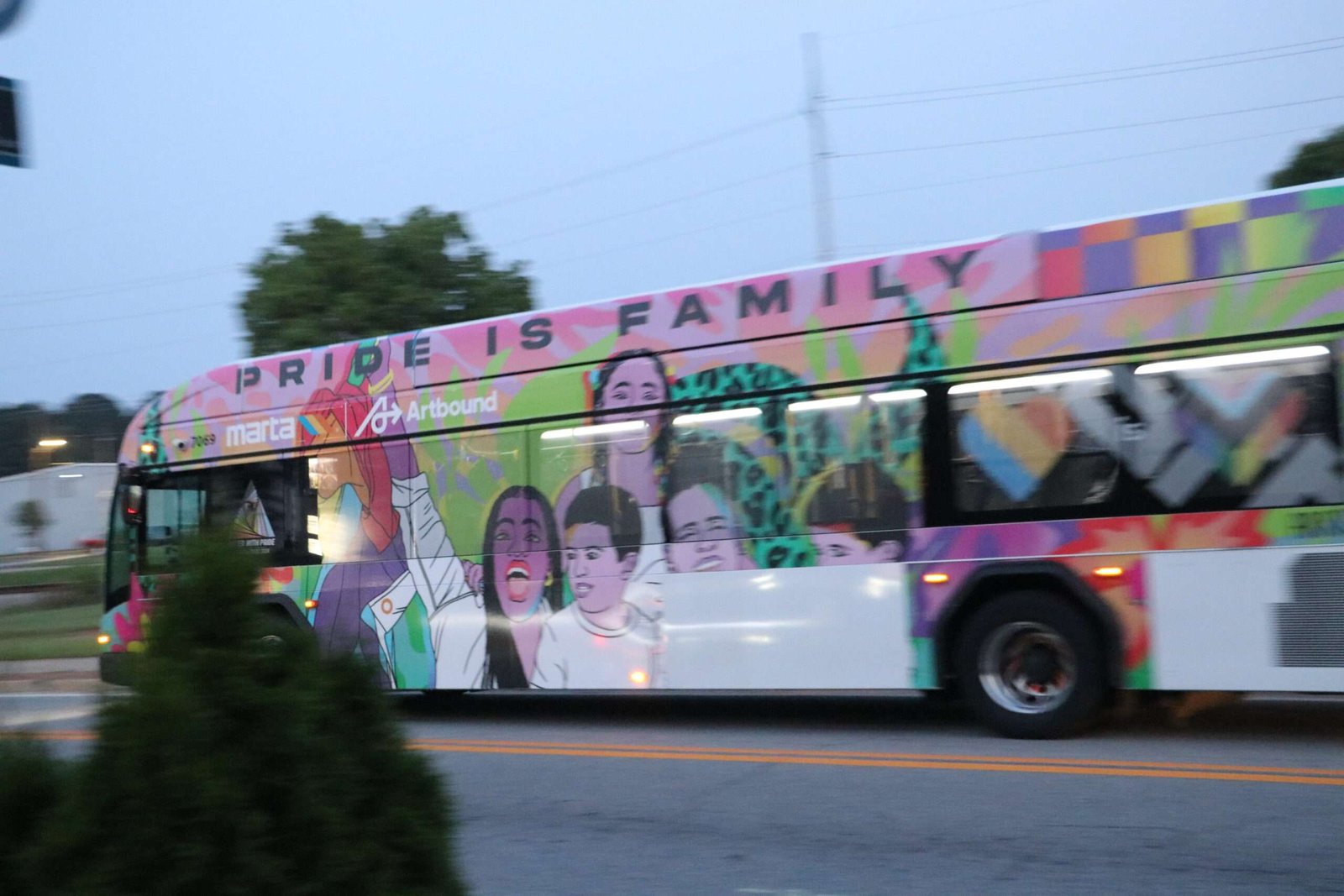
From Pecans to Hospitals: Warnock Highlights Tariff and Health Care Struggles in Georgia

Senator Raphael Warnock visited Georgia farms, hospitals, and small businesses, warning Trump tariffs and GOP tax cuts threaten farmers, rural hospitals, and small business survival statewide.


By Milton Kirby | Atlanta, GA | August 20, 2025

U.S. Senator Reverend Raphael Warnock spent the past week crisscrossing Georgia, meeting with farmers, health care providers, and small business owners to highlight the economic risks he says stem from former President Donald Trump’s tariff policies and the recently passed GOP tax bill.

Tariffs Burden Georgia Farmers

On Saturday, Warnock toured Three Bees Pecan Farm in Wrens with owner Jeb Barrow Jr., meeting local producers to discuss the financial uncertainty surrounding U.S. tariff policy. Georgia farmers, already operating on thin margins, said shifting trade rules make it difficult to plan investments and sustain jobs.

“I just know how hard farmers work in this state, and if you talk to them, they’re not interested in aid, they’re interested in trade,” Warnock said. “They want to see their products make it to India. But right now, this whole thing is being operated willy-nilly, from Donald Trump’s back pocket. One announcement, then a reversal. How do you plan a farm around that?”

Barrow praised Warnock’s approach: “He takes a genuine interest in our problems, and when we sit down at the table, he listens.”

Georgia is the nation’s top pecan producer, and nearly 28% of U.S. pecans are exported, making access to foreign markets critical. In 2022, Warnock helped lower India’s trade barriers on pecans by 70%, opening a major market for Georgia growers.

Senator Raphael Warnock visited Georgia pecan farm

As Ranking Member of the Senate Finance Subcommittee on Trade, Warnock has pressed administration officials for relief, voting to roll back tariffs on Canada, urging expedited USDA action on pecan exports, and demanding answers on how tariffs impact small producers.

Rural Hospitals Under Pressure

In Claxton, Warnock visited Evans Memorial Hospital, which faces an annual shortfall of $3.3 million due to cuts embedded in the GOP tax bill. The hospital, already forced to close its labor and delivery unit, now risks cutting intensive care or cardio-pulmonary rehab services.

“This is a matter of life and death,” Warnock said. “We’re cutting services and endangering rural health care, all to give billionaires a tax cut. That’s bad public policy.”

According to the Georgia Hospital Association, more than 16,000 rural health care jobs could be at risk statewide. Medicaid cuts would remove up to 93,000 Georgians from coverage, while raising premiums for 1.2 million.

Warnock previously secured $1 million for Evans Memorial to replace its leaking roof, protecting equipment and patient safety. He continues to push the Health Care Affordability Act to prevent premium hikes for Georgians on the state’s insurance marketplace.

Tariffs Strain Small Businesses

On Tuesday, Warnock traveled to Atlanta’s XocolATLChocolate Factory, where owners Matt Weyandt and Elaine Read described the challenges of importing cacao beans from Central America and Africa, as well as sugar from Brazil. Tariffs on those products have spiked between 10% and 50%, forcing the business to raise prices and stockpile raw materials.

Warnock Visits Candy Factory

“We don’t even know what our cost of goods will be in six months,” Weyandt said. “Setting a price for customers is almost impossible.”

Warnock called the tariff policy “a job killer,” emphasizing that small businesses are the backbone of Georgia’s economy. “Congress could put forward a coherent tariff policy, but so far, my Republican colleagues have ceded all their power to the executive branch,” he said.

During his visit, the Senator joined employees in grinding cocoa beans and mixing sugar, joking, “I can’t even wrap my Christmas gifts. This is a tough job, but somebody’s got to do it.”

Broader Message

The Senator tied the week’s visits together with a broader critique: tariffs, tax cuts for the wealthy, and health care reductions are connected by what he sees as misplaced priorities. “When you center politics rather than people, you hurt farmers, you hurt families, and you hurt the very businesses that fuel Georgia’s economy,” Warnock said.

For Georgia’s farmers, small business owners, and rural health workers, the message was clear: the fight over tariffs and tax policy is not just about Washington politics — it’s about survival at home.

Please consider supporting open, independent journalism – no contribution is too small!

I Pledge Allegiance – Not!

At Atlanta City Council, reflection on the Pledge of Allegiance revealed America’s unfulfilled promises of liberty and justice, systemic racism, and enduring struggles for Black equality

By Richard Rose | August 20, 2025

I attended a recent Atlanta City Council recognition of a community organizing colleague. The custom is the delivery of the invocation and recitation of the Pledge of Allegiance. The protocol is to stand, face the flag, and place one’s right hand over the heart. “I pledge allegiance to the flag of the United States of America, and to the republic for which it stands, one nation under God, indivisible, with liberty and justice for all.”

As I stood, I reflected on today’s America and how it currently tends toward yesterday’s America. I could not recite the pledge, although the words echoed in my mind. There is no liberty and justice for all in America. There was no justice for all in 1942 when the pledge was adopted. At that time, Black citizens across America were denied the right to vote, especially in the states of the short-lived yet ever-present Confederate States of America.

The systems of American society have limited access to its benefits for descendants of African enslavement in America that continues today. Then, as now, there were two flags. Southern states proudly flew versions of both the Confederate battle flag and that of the Confederate States of America, and in doing so proclaimed, and still proclaims, white supremacy and its evil progeny, racism.

It would be another 6 years before the American military was desegregated by executive order of Democrat President Harry Truman, and 12 years before the Supreme Court ruled that the concept of “separate but equal” is a cruel myth, ushering in Federal troop protection of six-year-old schoolgirls and boys past screaming white adults and teenagers.

Still today, there are obstacles to voting designed to suppress Black votes, some of which rely on the generational economic and educational barriers of racism.

I wish that the “pledge” truly reflected the realities of America and not just the aspirations of equality. I wish that Federal, state, county, and city governments would immediately abolish all systems and policies that promote and maintain racism and all forms of bigotry. I wish that the statues and monuments that promote and teach racism would be removed from public property. I wish that the state of Georgia would repeal its statutes that protect and fund the largest shrine to white supremacy in the history of the world at Stone Mountain Park. I wish that Black politicians would recognize the neo-colonialism in their service that maintains the barriers to liberty and justice for all. I wish that the words I learned in my segregated Tennessee elementary school, sitting at pockmarked desks supplied with 15-year-old books with missing pages, really meant something for me and the next generations.

Until then, I cannot, will not, and should not recite America’s pledge of allegiance.

Please consider supporting open, independent journalism – no contribution is too small!

Exports, Tariffs, and Tradition, Pecan Farmers Seek Relief in Global Market

Georgia pecan farmers met with Senator Raphael Warnock to discuss tariffs, exports, and resilience as the state leads U.S. production and expands into global markets


By Milton Kirby | Keysville, GA | August 18, 2025

In the rolling orchards of middle and south Georgia, pecan farming is more than a business. It is a heritage rooted in resilience, family, and faith in the land. Saturday, three longtime growers sat down with U.S. Senator Reverend Raphael Warnock to talk about the future of their crop and the pressures of international trade.

Photo by Milton Kirby – Pecan farmers at the table with Senator Raphael Warnock

Georgia is the nation’s leading pecan producer, with over 144,000 acres planted across the state. For 17 consecutive years, Georgia has outpaced all others, producing an average of 88 million pounds annually. In strong years, like 2020, output climbed above 142 million pounds. Nearly one-third of the state’s harvest is exported, with the Port of Savannah serving as a major hub for shipments to Asia, Europe, and South America.

A Legacy Crop with Deep Roots

The pecan tree, native to North America, can bear edible nuts for more than 300 years. Commercial planting in Georgia began in the early 1900s, especially in the sandy soils of the southwest. Albany and Dougherty County quickly became known as the “Pecan Capital of the World.”

The crop has endured both natural and economic tests. Hurricane Michael in 2018 wiped out more than 26,000 acres of pecan trees, cutting yields nearly in half. Recovery has been slow, as new trees can take close to a decade to mature. But farmers persevered, and by 2020, Georgia reclaimed its top spot in production, thanks to improved yields and strategic replanting.

Governor Brian Kemp underscored the crop’s importance by declaring the pecan the official state nut in April 2021. Legislation like Senate Bill 222 further spotlighted Georgia Grown products, boosting the visibility of local agriculture.


Farmers at the Table

Jeb Barrow

In Keysville, Jeb Barrow runs Three Bee’s Farms, a pecan orchard his family has operated for nearly 130 years. Generations of Barrows have lived through storms and market swings, but recent years have been particularly rough. “Last year I lost around 40% of my crop,” Barrow said. Hurricane Helene damaged three-quarters of his trees, and he has worked steadily to replant. “It takes all of us—farmers here on the ground, support from Washington, and smart trade decisions. That’s what keeps us moving forward.”

Barrow praised Senator Warnock’s willingness to listen. “He’s serious about supporting Georgia agriculture. He didn’t come here to lecture—he came here to sit at the table and hear us out,” he said.

R G Lamar

For R.G. Lamar, pecans have always been a family business. His parents, John and Carol Lamar, started Lamar Pecan Company in Hawkinsville during the late 1970s. At first, the family could not afford large equipment, so much of the work was done by hand. “My dad and my brother built this place through sweat,” Lamar recalled. By 1992, they had constructed a cleaning plant, and by the early 2000s, they were exporting pecans to China.

Today, R.G. and his stepbrother Grant manage more than 2,300 acres. The farm produces over 2.5 million pounds annually, with varieties such as Desirable, Stuart, Schley, and Sumner. Their retail brand, Front Porch Pecans, offers roasted snacks sold on Amazon and in stores across the country. “We believe Georgia pecans can compete anywhere in the world,” Lamar said. “But we need stability in trade policy.”

Sam Pennington

Sam Pennington, who operates Pennington Farms, Inc. in Wrens, emphasized the delicate balance of farming in a global economy. His operation, like many, depends on steady exports to remain profitable. “We know we grow a world-class product,” Pennington said. “But tariffs can close doors overnight. That uncertainty is the hardest part.”


Exports and Tariffs

Georgia’s export market has shown resilience. The Port of Savannah reported a 20% increase in nut exports in 2020 over 2019, a sign of strong international demand. Still, China, once a top buyer, pulled back during the trade disputes of the Trump administration. Farmers and state officials now view India as a promising market to help fill that gap.

Warnock addressed those concerns directly. “I’m not opposed to tariffs,” he told the farmers, “but we need a strategic, thoughtful, coherent approach to trade. A blanket 10% increase in consumer goods doesn’t help farmers or families.”

The senator noted that Congress, not the executive branch, holds constitutional authority over trade policy. “Congress does have the power and the ability to bring some common sense approach to this if it chooses to do so,” he said.


Walking with the Farmers

Warnock said his visit was about more than policy. “It was really important for me to be here in the region today,” he said. “I promised Georgians that I would always walk with them, even while working for them. Our farmers are the best among us. It’s very hard work, with a lot of uncertainty. We should do everything we can to try to lighten that burden.”

As the meeting ended, the farmers returned to their orchards, where new trees take root alongside old ones. For them, the work is as much about legacy as livelihood. And with the backing of policymakers, Georgia’s pecan growers hope to keep the state’s title as the nation’s top producer for generations to come.

Please consider supporting open, independent journalism – no contribution is too small!

DeKalb County, Urban League Launch Water Rate Assistance Program to Support Families

DeKalb County and the Urban League of Greater Atlanta launch WRAP, a water rate assistance program to help low-income families manage rising bills and protect access.


By Milton Kirby | DeKalb County, GA | August 17, 2025

DeKalb County has partnered with the Urban League of Greater Atlanta (ULGA) to launch the Water Rate Assistance Program (W.R.A.P.), a new initiative designed to help low-income households manage rising water costs. The program comes as the county implements a decade-long plan to modernize its aging water and sewer infrastructure, which requires a 10% rate increase each January for the next ten years.

County leaders say the rate adjustments are critical to reducing water main breaks, preventing service disruptions, and ensuring safe, clean water for decades to come. But they also acknowledge that the increases could pose financial challenges for vulnerable families.

“We understand that any increase can be difficult for some households,” said DeKalb CEO Lorraine Cochran-Johnson. “That is why we have partnered with the Urban League of Greater Atlanta to launch WRAP. This program will help keep water service affordable for our most vulnerable residents while we make the necessary investments to protect public health and support our county’s growth.”

How WRAP Works

The WRAP program ensures that eligible households spend no more than 4.5% of their annual income on water and sewer bills, a threshold below federal and international affordability standards. Families whose bills already fall under that percentage are not eligible.

Benefits include:

  • Reduced water and sewer bills based on income and family size
  • Protection from service disconnections
  • Flexible payment plan options
  • Confidential and respectful service

Eligibility requires residents to be DeKalb County account holders, with income at or below 60% of HUD’s 2025 Adjusted Home Income Limits for the Atlanta metro area. Households receiving SNAP, SSI, or Social Security benefits may also qualify. The Urban League of Greater Atlanta will manage applications and verify eligibility.

“Access to clean, affordable water is a basic human necessity,” said Nancy Flake Johnson, President and CEO of ULGA. “Through W.R.A.P., we are ensuring that no family has to choose between paying their water bill and meeting other essential needs.”

Urban League’s Longstanding Role

Founded in 1920 as the Atlanta Urban League, the organization began as an affiliate of the National Urban League to support African American families migrating from rural Georgia to industrial Atlanta. At a time when the city was deeply segregated, the League provided pathways to jobs, housing, health care, and education.

In 2011, the agency became the Urban League of Greater Atlanta, a name that reflects its regional focus. Today, its mission is to “Empower Communities and Change Lives!” through programs that prepare the workforce for 21st-century jobs, improve graduation rates, foster homeownership, support entrepreneurs, and advocate for equity in education, civic life, and economic development.

The League’s initiatives extend across five pillars:

  • Human Services, Health & Wellness: Stabilizing families and promoting long-term economic security.
  • Workforce Development: Offering career pathways, education, and upskilling.
  • Entrepreneurship Center: Providing coaching and resources to help small businesses grow.
  • Housing and Homeownership: Delivering counseling, financial preparedness, and access to safe, affordable housing, including through the Housing Urban Blueprint (HUB) launched in 2023.
  • Policy and Civic Engagement: Building coalitions to advocate for systemic change in public safety, justice, and civic participation.

The National Urban League, founded in 1910, now leads 98 affiliates in 36 states, making it one of the most influential community-based networks in the nation.

How to Apply for WRAP

Applications open August 15 and can be submitted by:

Fill Out Interest Form for the Water Rate Assistance Program

For more information on WRAP, rate increases, and water service resources, visit DeKalbWaterAssist.org.

Please consider supporting open, independent journalism – no contribution is too small!
MARTA Escalator, Cleared by State, Back in Service at Vine City

MARTA reopens Vine City escalator after Beyoncé concert overload incident. Safety upgrades, inspections, and new crowd control measures aim to protect passengers during future stadium events.


By Milton Kirby | Atlanta, GA | August 16, 2025

MARTA has officially reopened the escalator at Vine City Station following a thorough investigation and extensive safety checks, one month after a chaotic incident left multiple concert-goers injured.

Incident Recap & Injury Report

Just after midnight on July 15, following the final performance of Beyoncé’s Cowboy Carter tour at Mercedes-Benz Stadium, panic erupted at Vine City Station. A concert-goer’s scream—reportedly triggered by spotting a bug—spurred a crowd to surge onto the escalator. The escalator then suddenly accelerated and came to an abrupt halt, leading to a terrifying cascade of riders collapsing over one another.

According to MARTA, 11 people were injured in the incident:

  • One suffered a broken ankle.
  • Seven were hospitalized with cuts and scrapes.
  • Three others received or declined medical care, including two who requested assistance after reaching their destinations.

Witnesses described the situation as horrific. One concertgoer with his family, Henry Dogan said, “It went from the best night of our lives to worst night of our lives. The escalator collapsed, it was a free fall.”

Investigation & Reopening

State inspectors arrived the next morning and found no inherent mechanical failures. Maintenance records showed the escalator had passed routine inspection less than a week before the incident, with all motor belts in place. Investigators concluded the sudden crowd surge caused dislodgement of motor belts from their pulleys, triggering the emergency braking system.

Since then, MARTA and manufacturer Schindler replaced all impacted components, conducted a multi-point systems inspection, and passed a final safety review by state inspectors. The escalator was cleared and reopened on August 15.

Safety Measures Going Forward

To prevent a recurrence, MARTA announced a suite of enhanced safety protocols for large-event traffic:

  • Crowd metering, including barricades, staff, and high-visibility signage encouraging single-file boarding.
  • Increased deployment of rail station staff and police officers.
  • MARTA Load and Go teams to manage platform flow.
  • Presence of MARTA’s Office of Vertical Transportation personnel and Schindler staff at stations and the Emergency Operations Center.
  • EMS support staff at key stations to provide immediate medical attention.

MARTA, Schindler, and the state routinely inspect all escalators and perform maintenance, repairs, and cleanings on a regular schedule,” said MARTA Chief Safety & Quality Assurance Officer Ralph McKinney. “These units are safe to use, and we ask customers to follow the staff and sign instructions and board them single file.”

Context & Criticism

The Vine City escalator often handles overflow crowds during stadium events, though the nearby GWCC station typically sees the highest ridership. Despite having extra staff during the concert series, MARTA later acknowledged that staffing levels were about half what was needed for adequate crowd control. This gap has fueled scrutiny over its event-day protocols.

The MARTA board convened shortly after the incident to address accountability, and riders—including those injured—have voiced concerns that better staffing might have prevented the crisis.

Looking Ahead

MARTA is nearing the completion of a multi-year Elevator and Escalator Rehabilitation Program covering all 150 units across 38 stations. However, this incident underscores that equipment upgrades must be paired with robust safety and crowd management protocols—especially in bustling city contexts. As Atlanta gears up for future large-scale events, including the upcoming 2026 FIFA World Cup, MARTA’s response to the Vine City escalator mishap serves as a critical test of its commitment to passenger safety.

Please consider supporting open, independent journalism – no contribution is too small!

Exit mobile version