Court of Appeals clears path for Republicans to take over NC Board of Elections. Stein to appeal


By Will Doran WRAL state government reporter | April 30, 2025

Republicans have been trying for years to take control of elections decisions away from the governor’s office under Democrats Roy Cooper and Josh Stein. Those efforts have all been ruled unconstitutional, until now.

Control over elections administration in North Carolina could flip from Democratic to Republican control within hours, following a decision late Wednesday from the state Court of Appeals.

Elections decisions in North Carolina are made by political appointees, who make calls on issues such as where and when to open early voting sites, which allegations of campaign finance violations or voter fraud to refer to prosecutors, and whether to confirm election results.

Last week, a trial court ruled that Republican state lawmakers violated the constitution when they tried taking control of the elections board away from Democratic Gov. Josh Stein.

Today, the Republican-controlled state Court of Appeals overturned that decision. The two-sentence ruling offered no explanation for why the judges were overruling the trial court; it also didn’t name the judges who made the decision. And it came despite the judges hearing no oral arguments on the case.

The 15-judge court of appeals typically hears cases in panels of three judges. Because the court has 11 Republicans and four Democrats, its panels are almost always majority-Republican.

Wednesday’s ruling means that as soon as Thursday, the elections board could switch to GOP control. After Stein defeated Republican challenger Mark Robinson for governor in 2024, Republican legislators passed a law — which former Democratic Gov. Roy Cooper unsuccessfully vetoed — putting elections in the hands of the new state auditor, Republican Dave Boliek, who is close with GOP legislative leadership.

With protested override, NC lawmakers sap power from governor, attorney general, other incoming Democrats

The state and county election boards all have five members. For years state law has given three of those five seats to the governor’s political party. The other two seats go to the next-largest political party. But ever since Democrat Roy Cooper unseated Republican Gov. Pat McCrory in 2016, Republican lawmakers have been trying to change that law to make sure Republicans, not Democrats, have control over elections. They’ve been unsuccessful, at least until now, with numerous attempts either struck down in court as unconstitutional or rejected at the ballot box by voters.

Republican state Senate leader Phil Berger has presided over all of those past unconstitutional efforts to shift power over elections to his party. Berger praised Wednesday’s ruling, which broke with those past legal precedents.

“Stein is desperately grasping to keep a partisan stranglehold on the Board of Elections, instead of working to make commonsense changes to improve election administration,” Berger wrote in a statement. “North Carolinians deserve to have a Board of Elections that works for them.”

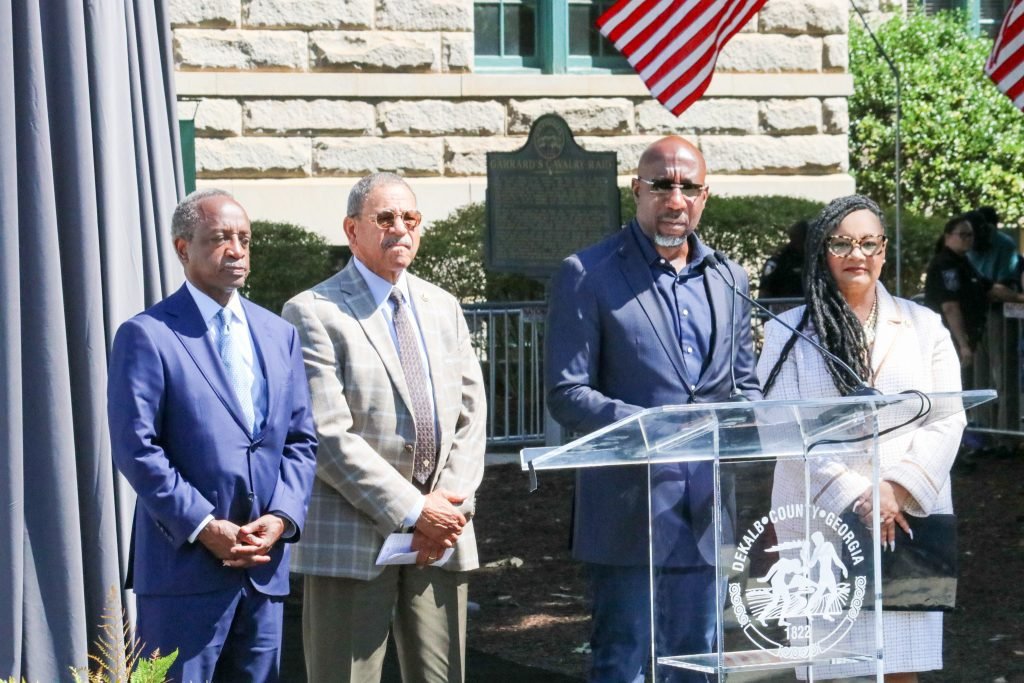
A spokesman for the State Board of Elections declined to comment on Wednesday’s ruling. Stein said the ruling injects chaos into elections, and is unconstitutional. “Today’s Court of Appeals decision about the Board of Elections poses a threat to our democracy and the rule of law,” Stein wrote in a statement. “The Supreme Court should not allow it to stand.”

The ruling could affect administration of the 2026 midterms and beyond. But it could also affect the outcome of a still-uncalled race from 2024. The elections board has been at the center of a politically contentious lawsuit over whether to throw out thousands of ballots in Republican Jefferson Griffin’s attempt to unseat Democratic state Supreme Court Justice Allison Riggs.

Legal battle over NC ballots now plays out on two fronts with Supreme Court seat on the line

Griffin’s fellow Republicans on the Court of Appeals also overturned a trial court ruling in that case, in order to rule in his favor. Griffin also later won a partial victory at the Republican-controlled state Supreme Court. But Riggs and the elections board have been fighting that decision in federal court, and a GOP takeover of the elections board in the middle of those federal court fights could help Griffin if the new elections board begins siding with him.
Stein suggested that in addition to the lack of details explaining why the Court of Appeals was overturning past precedent on this issue, the fast timing of the ruling also indicated politics were at play rather than legal reasoning.
“I fear that this decision is the latest step in the partisan effort to steal a seat on the Supreme Court,” Stein wrote. “No emergency exists that can justify the Court of Appeals’ decision to interject itself at this point. The only plausible explanation is to permit [Boliek] to appoint a new State Board of Elections that will try to overturn the results of the Supreme Court race.”

A spokesman for Boliek didn’t respond to a request for comment on Stein’s accusation that he’s part of a broader GOP plot to steal last year’s election.

Also Wednesday, Stein immediately sent word to the North Carolina Supreme Court that he intends to appeal the ruling. Typically, big changes such as the proposed elections overhaul are put on hold while being appealed. However, it’s unclear what might happen if Boliek takes steps to overhaul the elections board quickly on Thursday before the Supreme Court can potentially step in. The state law, which the Court of Appeals put back into place Wednesday, transfers control of elections to Boliek starting Thursday.

Boliek’s office also didn’t respond to a request for comment on when he might appoint new elections board members.

Please consider supporting open, independent journalism – no contribution is too small!

How to Avoid Credit Card Late Fees After a Court Threw Out a Proposed Cap


By Cora Lewis | Associated Press | April 28, 2025

A Texas judge earlier this month threw out a federal rule that would have capped credit card late fees at $8.

The Consumer Finance Protection Bureau finalized the rule last year as part of the Biden administration’s efforts to do away with what it called junk fees. It was paused by the courts before it could take effect.

At the time, the CFPB estimated that American families would have saved more than $10 billion in late fees annually had the fees been capped at $8, significantly less than the $32 average.

Banks and industry groups argued that the rule didn’t allow card issuers to charge fees high enough to deter late payments and discourage repeat violations.

The Texas judge’s ruling earlier this month came a day after a collection of major industry groups and the CFPB under President Donald Trump announced that they had reached an agreement to throw out the rule.

Here’s what to know about credit card late fees:

What is the average credit card late fee?

The average late fee for major issuers has steadily ticked up since the 2010s, going from $23 at the end of 2010 to $32 in 2022, according to the CFPB. WalletHub, which tracks financial data, found the average late fee in 2025 to be $30.50, with the maximum $41.

A September 2023 Consumer Reports study estimated that 1 in 5 American adults, or about 52 million people, paid a credit card late fee in the previous year. People with lower incomes pay proportionately bigger fees, according to the CFPB, with the highest burden falling on communities of color and those living paycheck to paycheck.

How can consumers avoid the fees?

Enrolling in auto-pay for your credit cards can help you avoid making late payments, and there are some credit cards that don’t charge late fees at all (though it’s important to note that these cards may have other fee or penalty structures, or higher interest rates.)

Citi Simplicity and the Apple card do not currently charge late fees, and Discover offers a card that will automatically waive the first late fee.

It’s also possible to appeal credit card late fees charged by your credit card company by calling them directly. The companies will often reverse the fees, especially if it’s your first late payment.

You may also want to consider making payments on your credit card balances during the month. That means you’ll have paid more of the balance by the time the amount comes due, and keeping your balance low relative to your credit limit can improve your credit score.

If you’re having trouble making ends meet, you can ask your credit issuers about hardship programs. These are typically available to people affected by job loss, illness or medical conditions, natural disasters, or other emergencies.

What was the CFPB credit card late fee cap rule about?

Concerned that credit card companies were building a business model based on high penalties, Congress passed the Credit Card Accountability Responsibility and Disclosure Act of 2009 (CARD Act), which banned the companies from charging excessive late fees and established clearer disclosures and consumer protections.

In 2010, the Federal Reserve Board of Governors voted to issue a regulation implementing the CARD Act, which said that banks could only charge fees to recover costs associated with late payment.

However, the rule included an “immunity provision” that let some banks charge $25 for the first late payment and $35 for subsequent late payments, adjusted for inflation each year. Those amounts subsequently grew to $30 and $41.

After a review of market data, the CFPB finalized a rule that would have capped late fees at $8 and ended automatic inflation adjustments. Based on records analyzed by the CFPB, a late fee of $8 would be sufficient for card issuers, on average, to cover collection costs incurred as a result of late payments.

How have banking groups responded to the court decision?

Industry groups, including the Consumer Bankers Association, American Bankers Association, the U.S. Chamber of Commerce, and others, said they welcomed the court’s decision eliminating the cap.

The groups said that the rule would have led to higher interest rates and reduced credit access for card holders. The groups also said the rule would have “reduced important incentives for consumers to manage their finances.”

The CFPB has estimated that banks bring in roughly $14 billion in credit card late fees a year.

How have consumer advocates responded?

Horacio Méndez, president and CEO of Woodstock Institute, an organization for advancing economic equity, called the ruling a “devastating blow.”

“By tossing out the CFPB’s common-sense rule to cap these predatory late fees — some as high as $41 — a federal judge is putting corporations over the lives of everyday consumers,” he said. “The CFPB’s rule was borne out of clear evidence: the credit card industry was using inflated late fees as a profit engine, forcing families with the least financial cushion to pay.”

Méndez said that while consumers have come to expect fees for services, those fees needn’t be punitive to be effective.

Please consider supporting open, independent journalism – no contribution is too small!

15 Small Steps, Big Impact: How You Can Help the Planet

Protect the planet with 15 simple tips—from reducing plastic and food waste to conserving energy and water—that make eco-friendly living easy and impactful every day.

By Milton Kirby | Atlanta, GA | April 29, 2025

You don’t have to be a scientist or activist to make a difference. Protecting the environment can start with small, everyday choices. Here are 15 easy and impactful steps you can take to help protect the planet:


1. Switch to a Reusable Water Bottle

Using a reusable water bottle helps reduce plastic waste, conserves energy and water used in production, and limits harmful emissions from transporting single-use plastic bottles around the world.

2. Don’t Always Preheat the Oven

Unless you’re baking, many dishes don’t need a preheated oven. Skipping preheating saves up to 20% of energy and reduces unnecessary strain on your home’s power usage.

3. Use LED Bulbs Instead of Incandescent

LED light bulbs use up to 80% less energy, last longer, and provide the same brightness. Turning off lights when you leave a room boosts your energy savings.

4. Unplug Devices When Not in Use

Electronics continue drawing power when plugged in, even if turned off. Unplugging or using a power strip helps eliminate phantom energy waste and lowers your monthly electric bill.

5. Buy Household Staples in Bulk

Purchasing items like soap, rice, and pasta in bulk reduces plastic and cardboard waste. It also cuts energy used in packaging and transportation, making it better for the planet.

6. Run Full Loads in Your Machines

Only run your dishwasher or washing machine when they’re full. Scraping plates instead of rinsing also saves water, energy, and time while keeping your kitchen efficient and eco-friendly.

7. Use Safer, Non-Toxic Cleaners

Choose green-certified or homemade cleaners using baking soda and vinegar. These reduce indoor air pollution, are safer for your family, and limit chemical runoff into soil and water systems.

8. Cut Down on Food Waste

Plan meals, store food correctly, and use leftovers. Americans waste about a pound of food per person daily. Reducing waste saves money and decreases landfill methane emissions.

9. Cook More Efficiently

Match your pan to the burner size and use lids—a small pan on a large burner wastes over 40% of heat. Lids cut cooking time and energy use.

10. Always Bring Reusable Grocery Bags

Reusable bags can replace hundreds or thousands of plastic ones over time. Leave a few in your car or bag so you’re never without one at the store.

11. Recycle Paper and Cardboard

Recycling saves trees, water, and energy while lowering greenhouse gas emissions. In 2019, the U.S. landfilled over 60 million tons of paper. Do your part to reverse that trend.

12. Compost What You Can

Food scraps, leaves, coffee grounds, and newspapers can all be composted. Composting reduces landfill waste, enriches soil naturally, and lowers emissions from organic materials that would otherwise rot.

13. Choose Laptops Over Desktops

Laptops use about 80% less electricity than desktop computers. Their energy-efficient design makes them a more intelligent choice when upgrading your tech or setting up a home workspace.

14. Reduce Idling in Your Vehicle

Turn off your engine if parked for more than a minute. Reducing idling saves fuel, lowers emissions, and helps fight climate change by improving air quality and efficiency.

15. Conserve Water at Home

Fix leaks, shorten showers, and turn off taps when brushing. Conserving water helps protect groundwater, save energy, and maintain healthier ecosystems for wildlife and future generations.

Why Shedeur Sanders Dropped in the 2025 NFL Draft — And Why It Makes Sense

Despite his talent, Shedeur Sanders fell to the fifth round of the NFL Draft—because leadership, humility, and team chemistry matter more than hype.


By George Gentry | April 29, 2025

As the dust settles on the 2025 NFL Draft, analysts and fans alike are scratching their heads over one name that remained on the board far longer than expected: Shedeur Sanders. Once projected as a potential Day 2 selection, Sanders fell to the fifth round—a surprising development for a quarterback with strong statistics and a recognizable name. But to me, the real surprise is that anyone expected otherwise.

I’m not a die-hard college football fan, nor did I follow the Colorado Buffaloes closely last season. But over the past four days, I’ve been inundated with hours of draft coverage and punditry. One thing has become clear: NFL teams didn’t just pass on Sanders because of his performance. They passed because they saw warning signs of something more damaging than inconsistent play—they saw a potentially toxic presence.

Courtesy – Shedeur Sanders

In that same four-day window, I heard no more than 90 seconds combined of Shedeur Sanders and his father, Deion Sanders, speaking. Yet, in that brief time, both made it clear that humility is in short supply. The elder Sanders declared publicly that there were certain teams he wouldn’t “allow” his son to play for—an audacious statement in a league where no player, especially a rookie, gets to make such demands. Meanwhile, Shedeur’s own remarks suggested he was used to being singled out, subtly positioning himself above the scrutiny that every other draft prospect faces.

That alone raises red flags. Football is not an individual sport; it thrives on leadership, selflessness, and unity. A successful quarterback doesn’t just complete passes—they inspire belief in the locker room, command respect in the huddle, and own their mistakes when things go wrong. Yet the public persona of Shedeur Sanders, with his designer cars and performative flash, suggests a man more interested in optics than accountability.

Let’s call this what it is: classic signs of a toxic potential employee.

Toxic employees aren’t always obvious at first glance. Sometimes they’re talented, even charismatic. But beneath the surface, their actions can poison a culture. In any workplace—including an NFL franchise—these individuals exhibit behaviors that hurt morale, sabotage progress, or create rifts among teams. They may bully teammates, dodge responsibility, or take credit for others’ efforts. They’re often overly competitive, insensitively brash, or blind to their own egos.

Is that Shedeur Sanders? That remains to be seen—but NFL scouts and executives are trained to spot those red flags. They look not just at arm strength and accuracy, but at attitude, composure, and fit. If they believed Sanders projected the warning signs of a toxic presence—overconfidence, entitlement, insensitivity—then dropping him down the draft board wasn’t a mistake. It was strategy.

And let’s not ignore the role of his father, Deion Sanders. A generational talent and now a high-profile coach, Deion has shown little interest in letting his son develop a public image separate from his own. Instead, he’s wrapped Shedeur in his shadow, defending him, controlling narratives, and framing adversity as conspiracy. But there’s a fine line between support and interference—and in this case, Deion may have taught his son all the wrong lessons about leadership.

The NFL doesn’t just want talent—it demands maturity. If a player walks in acting like the CEO before they’ve proven themselves on the field, they alienate teammates, challenge authority, and distract from the goal of winning.

Some may argue that Shedeur Sanders is simply misunderstood, that confidence is being mistaken for arrogance. But leadership is not about how you shine alone—it’s about how you elevate others. And humility, not hype, is what builds a winning culture.

So why did Shedeur Sanders fall to the fifth round? Because NFL teams weren’t just picking a quarterback. They were protecting their locker rooms.

Please consider supporting open, independent journalism – no contribution is too small!

2025 New Orleans Jazz & Heritage Festival Delivers Hot Music and Even Hotter Vibes

The 2025 New Orleans Jazz & Heritage Festival blended hot music, rich traditions, and global flavors across a sunlit, unforgettable first weekend.


By Milton Kirby | New Orleans, LA | April 28, 2025

The 2025 New Orleans Jazz & Heritage Festival opened on Thursday, April 24. Excitement filled the air as crowds poured into the Fair Grounds. The sounds of jazz, soul, and rock echoed across the city.

The first weekend wrapped up on Sunday, April 27. It ended with a bang. Big-name artists and local legends took the stage. Performers included the Dave Matthews Band, HAIM, Burna Boy, and The Revivalists.

By Milton Kirby – Randi & Phillip M, enjoying the music

Fans also enjoyed Cyril Neville, known as The Uptown Ruler. James Bay, The Soul Rebels, and Tab Benoit kept the energy high—the Branford Marsalis Quartet wowed jazz lovers with their smooth sounds.

Gospel music filled the air as Bishop Paul S. Morton and The Greater Sound Choir of Greater St. Stephen FGBC performed. Their voices lifted spirits and brought many to tears.

Guitar wizard Eric Gales lit up the stage. Jake Shimabukuro amazed crowds with his ukulele skills. C.J. Chenier & the Red Hot Louisiana Band got everyone dancing.

There was something for everyone. Boyfriend brought flair and fun. Hans Williams kept things mellow with his soft melodies. Big Freedia joined the New Orleans Gospel Soul Children for a lively show.

Local bands like the New Orleans Nightcrawlers and the Judith Owen Big Band kept the hometown pride strong. Steve Riley & the Mamou Playboys brought the sounds of Cajun country.

Jazz fans enjoyed an exceptional performance by the Louis Armstrong Hot 5 and 7 Centennial, featuring Nicholas Payton and Dr. Michael White.

The festival celebrated world music too. Etran de L’Aïr of Niger and RAM of Haiti performed, showcasing global sounds.

Big Chief Monk Boudreaux & The Golden Eagles honored the Mardi Gras Indian traditions. People Museum added a new indie-pop flavor.

Tributes were also part of the weekend. Paul Varisco & the Milestones honored the late Luther Kent. Trickbag, featuring Jonathon “Boogie” Long, joined the tribute.

Legendary guitarist Bill Frisell teamed up with Brian Blade and Thomas Morgan. Their set was soulful and moving. Tuba Skinny and Charlie Gabriel and Friends closed out smaller stages with traditional jazz favorites.

Everywhere you looked, music filled the air. From the opening bell at 11:00am to the last note at 7:00pm, there was a tune for every soul.

By Milton Kirby – Friends gathering for a good time

There truly was something for everyone. Young, old, and even the unborn were part of the celebration. Many expectant mothers could be seen walking from stage to stage, enjoying the sunshine and music.

The temperature on the festival grounds reached 86 degrees. But the music was even hotter. Fans danced, sang, and celebrated despite the heat.

Kids had their own place to play and learn. The children’s venue offered music, crafts, and storytelling. Parents relaxed nearby, knowing their little ones were entertained.

Food was a major highlight. More than 60 vendors were set up in nine different areas. The smells of gumbo, jambalaya, and crawfish pies filled the air.

Cultural blending happened everywhere. Music, dance, and food from around the world came together. It was an authentic New Orleans experience.

The festival grounds were alive with color. People wore hats, beads, and colorful shirts. Some brought umbrellas, not for rain, but to twirl and dance with.

Artisans sold handmade jewelry, paintings, and crafts. Every corner offered a new surprise.

You could hear musicians practicing or playing small sets even when moving between stages. Every inch of the festival vibrated with life.

The spirit of New Orleans was strong. Smiles were everywhere. Strangers became friends. Families reconnected.

Security and volunteers kept things safe and fun. Water stations were easy to find. Medical tents stayed ready but mostly handed out sunscreen and water.

By Milton Kirby – New Orleans Jazz Festival

The Jazz Fest isn’t just about music. It’s about culture, community, and celebration.

Tommy and Elizabeth of Fair Hope, AL, return to the festival year after year for the music, the food, and the march.

For others, Jazz Fest is a long-time tradition. Tori McKenny of Boston, who has New Orleans roots, has been coming for 30 years.

“It’s not just about the music,” McKenny said. “It’s about meeting old friends, making new ones, and blending two worlds. This festival is home for me.”

Festival organizers made sure everyone felt welcome. Maps and event guides were available. Volunteers guided guests to stages, food areas, and art villages.

Families with kids found shady areas to rest. Grandparents shared memories while little ones danced. Teens enjoyed discovering new bands and posting their experiences online.

Vendors offered tastes from every corner of Louisiana. Crawfish étouffée, shrimp po’boys, beignets, and sno-balls were just a few of the favorites.

“The food alone is worth the trip,” said Julie Sanders of Houston. “I’m eating my way through every booth.”

The blend of cultures was more than just food and music. Dance groups from across the globe performed throughout the grounds. African drum circles, Cajun dancers, and Caribbean steel drum bands gave nonstop shows.

Workshops taught traditional crafts. Guests could learn to weave baskets, make Mardi Gras masks, and carve wooden instruments.

Jazz Fest shows the world that New Orleans is still one of the greatest cultural cities.

As the final notes drifted into the night, everyone knew the magic would last. Memories were made. Songs were shared. And hearts were full.

The 2025 New Orleans Jazz & Heritage Festival once again is proving why it remains one of the most beloved events in the world.

With great food, hot music, and happy crowds, this first weekend no one will soon forget.

In New Orleans, the music never stops. And neither does the joy.

More music, more food, and excitement are on tap for next weekend.

Please consider supporting open, independent journalism – no contribution is too small!

A Life of Grace and Grit: The Legacy of Coretta Scott King

Coretta Scott King, civil rights leader and activist, built a legacy of justice, peace, and equality, championing causes worldwide while preserving Dr. King’s dream.


By Milton Kirby | Atlanta, GA |April 27, 2025

Coretta Scott King was born in rural Heiberger, Alabama, on April 27, 1927. Her family lived modestly but comfortably. She was descended from enslaved people and had Irish ancestry as well. She showed strong values, discipline, and a love for music from a young age.

Coretta graduated valedictorian from her high school, Lincoln Normal School, in 1945. She then attended Antioch College in Ohio. King broke racial barriers as one of the first Black students to study there. Later, she earned a degree in voice and violin from the New England Conservatory of Music in Boston, intending to become a concert vocalist.

While in Boston, she met a young minister named Martin Luther King Jr. They fell in love and married in 1953. They soon became partners in the fight for civil rights.

Coretta gave up her dream to be a concert singer and took up the march for freedom. She used her voice differently. She sang at rallies and held “freedom concerts” to raise money for the cause.

In 1956, their home in Montgomery, Alabama, was bombed. She and her infant daughter were inside. Thankfully, neither was hurt. But it showed the danger of their work.

Coretta stood firm. She marched, spoke out, and supported her husband’s mission. After Dr. King was killed in 1968, Coretta kept going. Just four days later, she gave a speech at Morehouse College in his place.

She led the effort to create the Martin Luther King Jr. Center for Nonviolent Social Change. The center became a place for learning about justice and peace.

Coretta also fought for other causes. She opposed the Vietnam War. She stood up for women’s rights and helped found the National Organization for Women. She spoke out against apartheid in South Africa. She was an early supporter of LGBTQ rights, saying, “Homophobia is like racism and anti-Semitism.”

Coretta pushed hard for a national holiday to honor Dr. King. For more than 15 years, she lobbied leaders. In 1983, President Ronald Reagan signed the bill. Martin Luther King Jr. Day became a federal holiday.

At the signing, President Reagan said, “Mrs. King, I am pleased to sign this legislation that honors your husband’s legacy. Your efforts have been instrumental.”

Tributes to Coretta Scott King for various accomplishments

  1. President Reagan: “Her courage kept Dr. King’s dream alive.”
  2. Senator Ted Kennedy: “Mrs. King showed the same strength her husband had.”
  3. Vice President George H. W. Bush: “Your husband’s dream is now a national commitment.”
  4. Senator Joe Biden: “Well done.”
  5. Nelson Mandela: “She was a soldier for peace around the world.”
  6. President Bill Clinton: “She stood for love, not hate. For hope, not fear.”
  7. Hillary Clinton: “She built her own legacy of justice and peace.”
  8. Bishop Desmond Tutu: “She was a moral leader, full of grace.”
  9. President Jimmy Carter: “Coretta’s dignity inspired millions.”
  10. Barack Obama: “She fought for the rights of all people—Black, white, straight, gay.”
  11. Oprah Winfrey: “Mrs. King was a queen in every sense.”
  12. Maya Angelou: “She wore hope like a crown.”
  13. Jesse Jackson: “She was the glue that held the movement together.”
  14. Andrew Young: “Her wisdom guided us in dark times.”
  15. Rep. John Lewis: “She walked the walk and never turned back.” 

Coretta Scott King received over 60 honorary degrees. She met world leaders like Pope John Paul II and Mandela. She wrote her memoir, My Life with Martin Luther King Jr., in 1969.

By Milton Kirby – Martin Luther King Jr & Corretta Scott King Tombs

In 2006, she passed away. Georgia honored her by allowing her body to lie in state at the Capitol—the first Black woman to receive that honor. She was laid to rest beside her husband at The King Center in Atlanta, near the eternal flame of justice.

Her life was one of courage, vision, and heart. She was more than Dr. King’s wife. She was a leader, a fighter, and a voice for those unheard. Her light still shines.

Please consider supporting open, independent journalism – no contribution is too small!

Governor Wes Moore Draws Buzz as Democrats Look Ahead

Maryland Gov. Wes Moore is gaining national attention as a unifying Democratic leader and potential presidential contender praised for his service, charisma, and crisis leadership.

By Stacey M Brown | April 21, 2025

As the Democratic Party continues to search for a new identity and fresh leadership, attention is turning to Maryland Gov. Wes Moore, who is rapidly emerging as a rising national figure — and a potential presidential contender. Moore, who gained national acclaim alongside Baltimore Mayor Brandon Scott for their steady leadership following the deadly Francis Scott Key Bridge collapse, has received praise for his charisma, military service, executive leadership, and ability to unite a fractured party. Hollywood heavyweight George Clooney, a vocal critic of President Joe Biden’s now-abandoned reelection bid, told CNN this week that Moore was “levitating” above the rest of the Democratic field. “There’s one person in particular I think is spectacular,” Clooney said in an interview, where he was also promoting his Broadway portrayal of legendary journalist Edward R. Murrow. “I think [Moore] is a guy that has handled this tragedy in Baltimore beautifully. He does two tours of duty in Afghanistan — active duty. He speaks beautifully. He’s smart. He ran a hedge fund — the Robin Hood Foundation. He’s a proper leader.”

The Academy Award winner, whose July 2024 op-ed helped accelerate Biden’s decision to exit the race, praised other Democratic governors like Andy Beshear of Kentucky and Gretchen Whitmer of Michigan. But his focus remained squarely on Moore. “We say Democrats fall in love and Republicans fall in line,” Clooney added. “I think he could be someone we could all join in behind. We have to find somebody rather soon.” Moore, 46, became Maryland’s first Black governor in 2023. While speculation about his national ambitions grows, he insists he remains focused on his state. “I am not focused on anything, except for making sure this is Maryland’s decade,” Moore said in a televised interview this week. He highlighted a new state tax cut and added, “I’m really proud of what Maryland is doing, and I’m focused on making sure we keep that progress going.”

Still, admiration for Moore comes from across the country — and within his party. “The governor has been incredible and I’m proud to be working with him,” Baltimore Mayor Brandon Scott told the Washington Informer at this week’s African American Mayors Conference in D.C. Najaa Rice, who traveled from Atlanta for the event, echoed that sentiment. “Wes Moore — President Wes Moore,” she said. “It’s not just because he’s Black. Sen. Tim Scott is Black and I wouldn’t dream of supporting him. Gov. Moore is what we all hoped a politician, a governor, and a civil servant would be. He’s the definition of ‘man of the people,’ and he’s not only the biggest hope Democrats have, but he’s the real hope this country has to right the ship.” United Negro College Fund President Michael Lomax also weighed in. “When our elected leaders not only talk the talk but also walk the walk, progress follows. Maryland Governor Wes Moore is doing just that,” Lomax said.

Please consider supporting open, independent journalism – no contribution is too small!

Bill Pickett Invitational Rodeo National Finals Nominated for USA TODAY’s Best Rodeo Award


By Milton Kirby | Truth Seekers Journal | April 21, 2025

The Bill Pickett Invitational Rodeo National Finals—a cultural and competitive cornerstone celebrating African American cowboy legacy—has been nominated for Best Rodeoin USA TODAY’s 10BEST Readers’ Choice Awards.

The prestigious national contest invites the public to vote once per day over the next four weeks. Balloting will remain open until Monday, April 28, at 11:59 a.m. EDT. The final Top 10 winners, as determined by reader votes, will be officially announced on Wednesday, May 7 at noon EDT.

Named for the legendary African American cowboy and rodeo pioneer Bill Pickett, the rodeo has gained nationwide acclaim for its thrilling competition and commitment to preserving and showcasing Black Western heritage. The nomination underscores the rodeo’s rising prominence on the national stage.

Supporters can cast their votes daily by visiting the USA TODAY 10BEST website. A strong showing would place the Bill Pickett Invitational Rodeo among the nation’s most beloved and celebrated rodeo events.

The recognition comes at a time when interest in the rich legacy of Black cowboys is gaining renewed attention in both popular culture and sporting circles. Organizers hope the nomination inspires new and old fans to continue elevating this historic event.

Click here to cast your vote for the Bill Pickett Invitational Rodeo

Related articles

Bill Pickett Invitational Rodeo Names 2025 Champions After a Year of Grow and New Partnerships and a Powerful Legacy

Bill Pickett Invitational Rodeo Celebrates 40 Years of Tradition and Excellence

Martin Luther King, Jr. African-American Rodeo of Champions Thrills Denver Audience

Please consider supporting open, independent journalism – no contribution is too small!

Sharpton Meets with Target CEO Over DEI Rollback

Rev. Al Sharpton met with Target CEO Brian Cornell to address the company’s DEI rollback, amid ongoing boycott efforts and activist concerns over corporate accountability.

By Milton Kirby | Atlanta, GA | April 21, 2025

On Thursday, April 17, 2025, Rev. Al Sharpton met with Target CEO Brian Cornell at the National Action Network (NAN) headquarters in Harlem to discuss the company’s recent rollback of its diversity, equity, and inclusion (DEI) initiatives. NAN’s National Board Chair, Dr. W. Franklyn Richardson, and Senior Adviser Carra Wallace attended the meeting

Courtesy NAN – Al Sharpton

​Following the meeting, Sharpton described the discussion as “very constructive and candid,” as reported by the National Action Network and The Guardian. He stated, “I am going to inform our allies, including Rev. Dr. Jamal Bryant, of our discussion and my feelings, and we will go from there.” ​

Rev. Dr. Jamal Bryant, senior pastor at New Birth Missionary Baptist Church, Lithonia, GA, who initiated a 40-day boycott of Target during Lent through his campaign TargetFast.org, confirmed his attendance at the meeting. Sharpton emphasized their alignment, stating, “We must make it clear, on the record, that he and I are aligned, especially as those seeking to dismantle DEI will sow divisions to advance their cause.”

However, some local activists expressed concerns about the meeting. Nekima Levy Armstrong, a Minneapolis-based civil rights attorney and one of the initial organizers of the Target boycott, questioned Sharpton’s involvement. She told the Minnesota Star Tribune, “Sharpton had absolutely zero involvement in the Target boycott,” suggesting that Target’s outreach to Sharpton might be an attempt to “control the narrative.” ​

In January, Target announced significant changes to its DEI policies, including ending its three-year DEI goals, withdrawing from external DEI surveys, and concluding its Racial Equity Action and Change (REACH) program by 2025. The company also plans to shift from “supplier diversity” to a broader “supplier engagement” approach. ​

Sharpton has been vocal about corporate accountability regarding DEI commitments. In a statement, he remarked, “If an election determines your commitment to fairness, then fine—you have a right to withdraw from us. But we have a right to withdraw from you.” ​

As of now, Target has not indicated any changes to its DEI policies following the meeting. The National Action Network has not released additional details. Activists and consumers continue to monitor the situation, emphasizing the importance of sustained corporate commitment to diversity, equity, and inclusion.

Please consider supporting open, independent journalism – no contribution is too small!

Black Golfers, the Masters, and the Economic Power of Augusta National

The 2025 Masters highlighted golf’s evolving legacy—spotlighting Black pioneers, Augusta’s exclusivity, and a $140M economic impact—while diversity efforts continue to reshape the sport.


By Milton Kirby | Atlanta, GA | April 18, 2025

As the 89th Masters Tournament concluded Sunday, April 13, 2025, the storylines that emerged weren’t just about the iconic green jacket or record-breaking putts. Behind the meticulously groomed fairways of Augusta National Golf Club lies a deeper story—one that speaks to the history of exclusivity, the slow march toward diversity, and the staggering economic footprint of one of America’s most prestigious sporting events.


Black Golfers in America: Progress and Persistence

Golf in the United States is still largely dominated by white players, but Black athletes have made important strides—though the road remains steep. As of 2024, about 3% of the 28.1 million on-course golfers in the U.S. were Black, totaling roughly 843,000 players. This marks a decline from 1.1 million Black golfers in 2015, highlighting ongoing struggles with access, affordability, and representation.

Despite these challenges, a number of Black golfers have not only made it to the PGA Tour but also achieved remarkable success:

  1. Charlie Sifford became the first African American to earn a PGA Tour card in 1961, later winning two events and earning a place in the World Golf Hall of Fame.
  2. Pete Brown was the first Black golfer to win a PGA Tour event in 1964.
  3. Lee Elder made history in 1975 as the first Black player to compete in the Masters Tournament.
  4. Calvin Peete, known for his accuracy, won 12 PGA Tour events, including the 1985 Players Championship.
  5. Jim Thorpe secured three PGA Tour wins and 13 on the Champions Tour.

Modern Black golfers continue to carry the torch:

  • Tiger Woods, with 82 PGA Tour wins and 15 majors, remains one of the most dominant and influential golfers of all time.
  • Harold Varner III made history as the first Black golfer to advance to the PGA Tour via the Web.com Tour.
  • Joseph Bramlett became the first Black player to graduate from PGA Tour Q-School since Tiger.
  • Cameron Champ, a rising star, is known for his long drives and advocacy for racial equity in the sport.
  • Cheyenne Woods, Tiger’s niece, has competed on the LPGA Tour and earned international victories.

Organizations like the Advocates Professional Golf Association (APGA) Tour are also working to provide competitive platforms for aspiring Black professionals, seeking to increase diversity at golf’s highest levels.

Tiger Woods is presented with his Green Jacket by the Tournament chairman Hootie Johnson after Woods’ 3rd victory in the US Masters Golf Tournament at the Augusta National Golf Club in Georgia on 14th April 2002. (Photo by Leonard Kamsler/Popperfoto via Getty Images)© GETTY

Inside Augusta National: Membership and Milestones

Perhaps no course is more symbolic of golf’s complex relationship with race than Augusta National Golf Club, home of the Masters since its debut in 1934. Known for its tightly guarded membership and tradition-heavy culture, the club did not admit its first Black member—Ron Townsend, a television executive—until 1990. This move came amid national pressure after a similar exclusion scandal at Alabama’s Shoal Creek Club drew widespread backlash.

Since then, Augusta has added other Black members, including Condoleezza Rice, who also broke barriers as one of the club’s first two female members in 2012, and former NFL great Lynn Swann. The exact number of Black members today remains confidential, in line with Augusta’s longstanding policy of secrecy. Still, reports suggest several African Americans now hold roles in membership and business operations.

Augusta’s exclusivity persists: membership is by invitation only, with estimated initiation fees between $100,000 and $300,000, and annual dues under $30,000. The club typically hosts around 300 members, often referred to as “green jackets.”


Masters Champions: Legends of the Tournament

In its 89-year history, only a few players have won the Masters multiple times—a rare achievement that cements their place in golf legend.

  • Jack Nicklaus leads with 6 victories (1963, 1965, 1966, 1972, 1975, 1986).
  • Tiger Woods, the most dominant Black golfer in history, has won 5 times (1997, 2001, 2002, 2005, 2019).
  • Arnold Palmer claimed 4 wins (1958, 1960, 1962, 1964).

Tiger Woods’ historic 1997 win not only redefined the sport but also symbolized a new chapter in its racial history. His enduring legacy continues to inspire young golfers of color across the globe.

The 2025 Masters added yet another chapter to the tournament’s historic legacy when Rory McIlroy won after a dramatic sudden-death playoff against Justin Rose. With the victory, McIlroy became the sixth player—and the first European—to complete the modern career Grand Slam, doing so on his 11th attempt. His long-awaited triumph underscored the global prestige of the Masters and highlighted how the event continues to shape the narratives of golf’s greatest champions.

By Milton Kirby East Lake Golf Course Atlanta, GA – Location of Ryder Cup 1963

The Masters and Georgia’s Economy: A Championship Boost

The Masters isn’t just a sporting event—it’s an economic juggernaut. Held each April, the tournament injects between $120 million and $140 million into Augusta’s local economy. From luxury rentals to booming restaurant business, the city transforms into a hub of global commerce during Masters Week.

Across Georgia, golf drives even larger gains. In 2022, the industry generated a $5.3 billion statewide economic impact, supporting over 55,000 jobs and contributing $2.7 billion in wages.

Hospitality rates spike dramatically during the tournament:

  • Hotel rates surge up to 800%, averaging $500 per night.
  • Local hotels generate about $26 million in revenue.
  • Short-term rentals average $5,300 per week, with some homeowners earning up to $28,000, often enough to pay a year’s mortgage.

Transportation sees a bump too. Augusta Regional Airport handles over 2,100 private flights during Masters Week—more than five times its normal daily volume.

And then there’s merchandise. Augusta National’s iconic shop generates an estimated $50 million in sales annually during the event, with items like Masters-themed gnomes becoming collector’s favorites.


The Legacy and the Future

Despite Augusta National’s secretive culture and its late adoption of inclusive practices, the club and the Masters remain fixtures in American sport and business. But the story of Black golfers—past, present, and future—is still being written.

The legacy of exclusion still casts a long shadow. Yet with champions like Tiger Woods, pioneers like Charlie Sifford and Lee Elder, and grassroots efforts like the APGA Tour pushing for change, the fairways are slowly becoming more welcoming.

Golf, like America, is a work in progress—full of tradition, potential, and the constant challenge to do better.

Exit mobile version