truthseekersjournal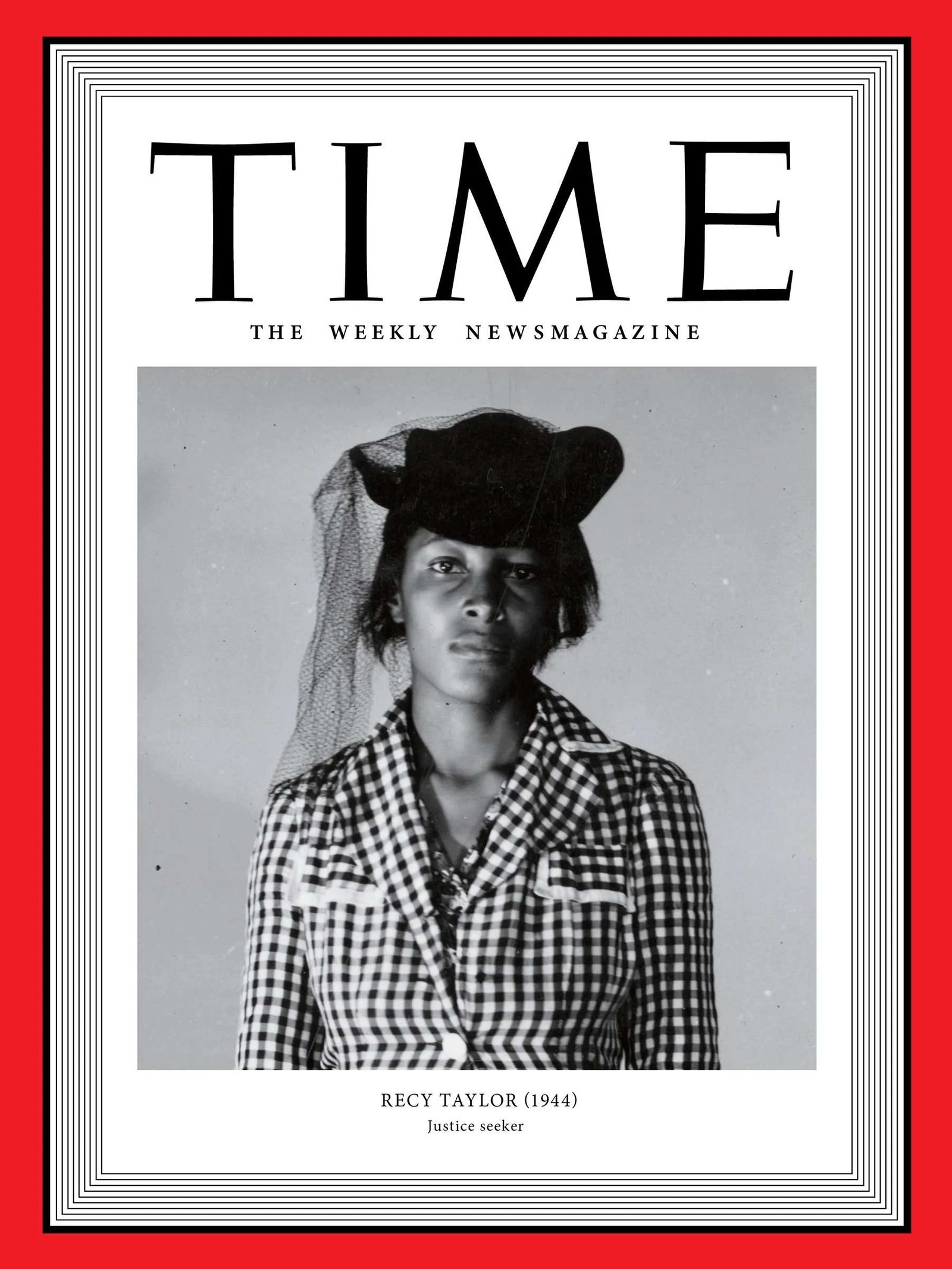
By Milton Kirby | Abbeville, AL | December 2, 2025
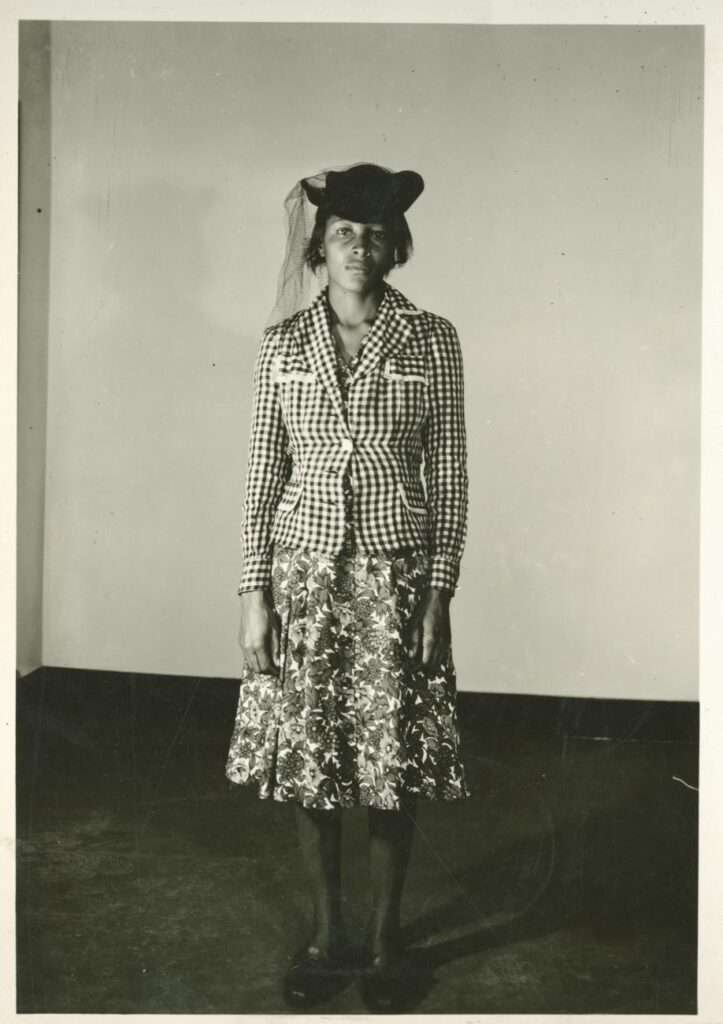
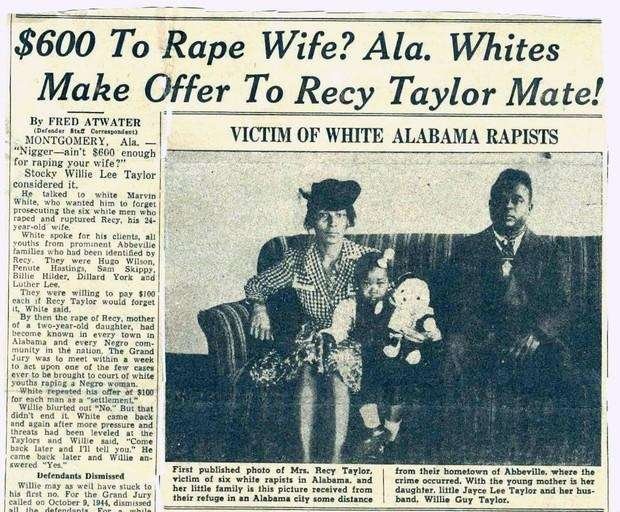
On a warm September night in 1944, a 24-year-old Black mother from Abbeville, Alabama walked home from a revival service. Her name was Recy Taylor, and what happened next would echo far beyond the unpaved roads of Henry County. It would ignite a national outcry, embolden a generation of activists, and lay down one of the earliest steppingstones of the modern Civil Rights Movement.
Taylor’s kidnapping and brutal gang rape by six white men was not only an act of racial terror; it was a defining moment of resistance. And though Alabama’s all-white legal system refused to prosecute her attackers — even after multiple confessions — Taylor refused silence. Her insistence on justice, and the national movement built in her name, helped shape the path later traveled by Rosa Parks, Claudette Colvin, and the freedom fighters who changed America.
In 2020, TIME Magazine retroactively named Recy Taylor its “1944 Woman of the Year,” an acknowledgment long overdue. She did not hold office, command an army, or lead a corporation. She wielded something more dangerous: truth, courage, and the refusal to surrender her dignity.
A Crime Meant to Silence — and the Woman Who Would Not Be Silenced
On September 3, 1944, Taylor walked home from Rock Hill Holiness Church with friends Fannie and West Daniels. A green Chevrolet circled them repeatedly before seven armed white men jumped out. At gunpoint, they forced Taylor into the car, drove her into the woods, blindfolded her, and raped her one after another.
Her friend Fannie Daniel immediately reported the kidnapping. Taylor was later found near the center of town by her father and a former police officer. Despite being traumatized, she insisted on reporting the assault to authorities.
Her courage produced immediate results — and an immediate backlash.
The sheriff identified the car’s owner, Hugo Wilson, who confessed and named the other men involved. Instead of being arrested, he was allowed to go home.
The next day, the Taylor home was firebombed.
Rosa Parks Before Montgomery
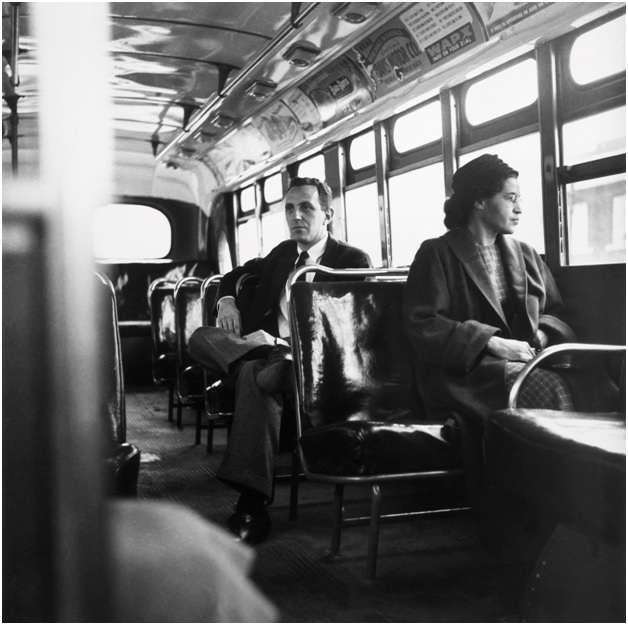
The NAACP, outraged by the sheriff’s refusal to act, dispatched its best investigator: Rosa Parks, already deeply engaged in documenting sexual violence against Black women. Parks traveled to Abbeville, interviewed witnesses, and began organizing a national campaign.
Her work in the Taylor case became the blueprint for what she would later do in Montgomery.
Parks and other leaders formed the Committee for Equal Justice for Mrs. Recy Taylor, uniting voices likeW.E.B. Du Bois, Mary Church Terrell, Langston Hughes, and activists across the country. The national pressure pushed Alabama’s governor to order not one, but two grand jury hearings.
Both — all-white and all-male — refused to indict.
Yet the movement did not fade. It grew.
A Catalyst of the Civil Rights Movement
Decades before the world called Rosa Parks “the mother of the Civil Rights Movement,” Parks herself pointed back to Recy Taylor’s case as a catalyst. Historian Danielle L. McGuire later documented that the fight for Taylor marked the first major statewide campaign against sexualized violence toward Black women — and the roots of women-led resistance that shaped the 1955 Montgomery Bus Boycott.
Black women’s testimonies — often dismissed, ignored, or punished — became acts of political resistance. Recy Taylor stood among the bravest of them, risking everything to tell the truth.
Life After the Headlines
The assault left Taylor unable to have additional children and forced her family to live under constant threat. She separated from her husband, later moved to Florida for work, and ultimately returned to home in Abbeville as her health declined. Her only child, Joyce Lee, died in a car accident in 1967.
For nearly seven decades, the state of Alabama refused to acknowledge its failure. That changed in 2011, when the Alabama Legislature issued a formal apology — a victory made possible by the scholarship and activism that had resurrected Taylor’s story.
Taylor died on December 28, 2017, at 97 years old. She lived long enough to witness the world finally naming the injustice she endured.
NMAAHC
Legacy: A Thread Woven Into America’s Freedom Story
TIME Magazine’s selection of Recy Taylor as “1944 Woman of the Year” reframed the era: history is not shaped only by presidents, generals, or magnates. It is also shaped by a sharecropper’s daughter who refused to be erased.
Her courage galvanized Rosa Parks.
Her testimony inspired a movement.
Her story helped change the national conversation around sexual violence, Black women’s rights, and dignity under the law.
Taylor’s life reminds us that all justice movements are connected. The Civil Rights Movement did not begin on a Montgomery bus in 1955. It began in places like Abbeville — under pecan trees, along dirt roads, in the voices of Black women who refused to be silenced.
Recy Taylor’s bravery laid the groundwork for the world we continue building today.
The Life and Legacy of Rosa Parks: A Quiet “No” That Still Echoes
Thurgood Marshall: The People’s Lawyer Who Became America’s First Black Supreme Court Justice
Broadway Royalty and Civil Rights Warrior: Lena Horne Remembered
Brown v. Board of Education: The Supreme Court Ruling That Changed America
A Life of Grace and Grit: The Legacy of Coretta Scott King
Loretta Green, 89, Wears Her Poll Tax Certificate as a Badge of Perseverance
Truth Seekers Journal thrives because of readers like you. Join us in sustaining independent voices.