truthseekersjournal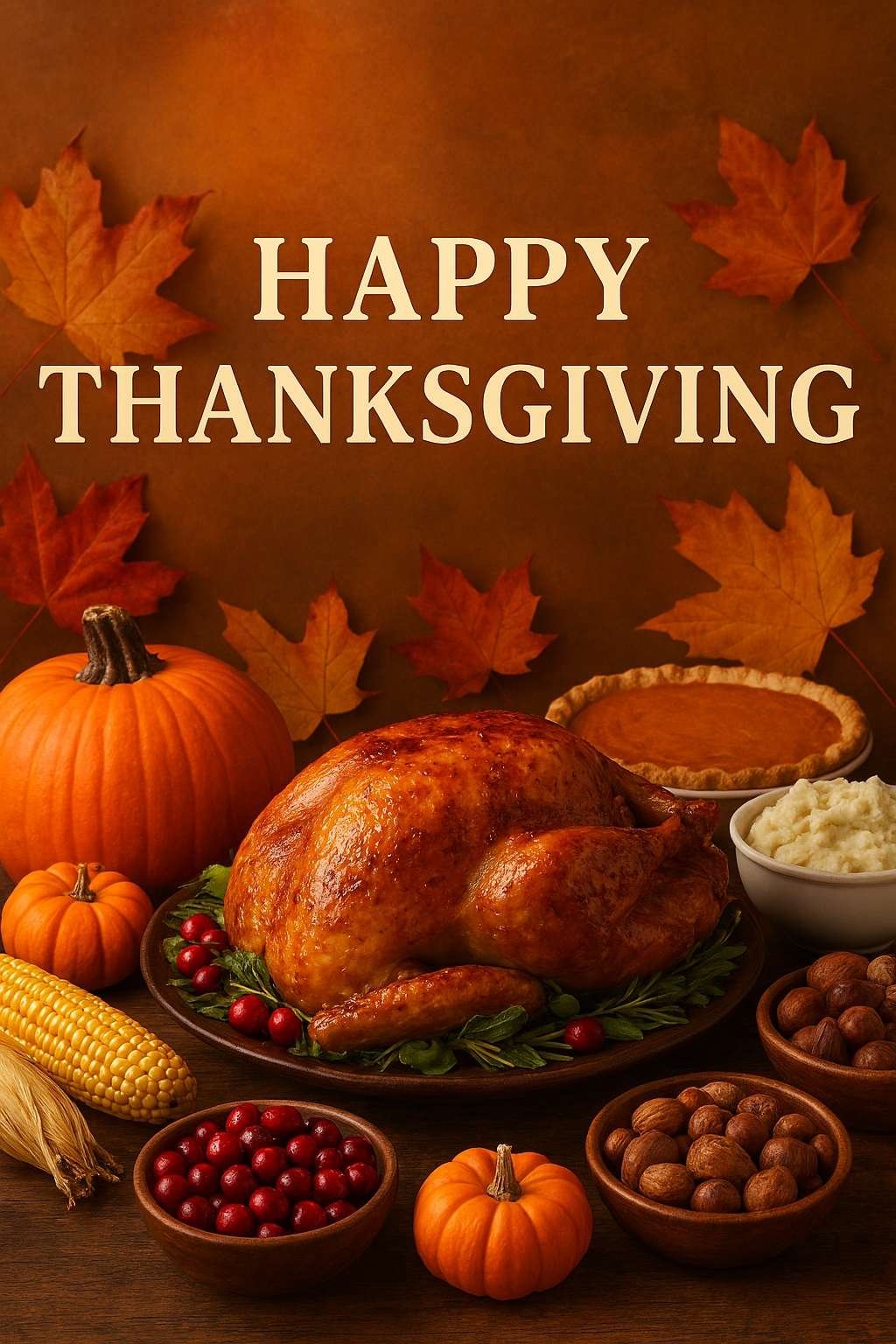
By Milton Kirby | Atlanta, GA | November 25, 2025
The Origins: A Feast of Survival and Alliance
Thanksgiving began long before football games, parades, or busy airports. The moment most Americans learn about—the 1621 harvest feast in Plymouth Colony—was a gathering shaped by hardship. The Pilgrims arrived in December 1620. Their first winter was cold, brutal and deadly. Only about half survived.
The Wampanoag people, led by Massasoit, chose to help the newcomers. They showed them how to plant corn, grow crops, and fish in local waters. When the Pilgrims held a harvest celebration that fall, roughly 90 Wampanoag arrived—likely after hearing gunfire and thinking the colony was under attack. Instead, they joined the feast.
For three days the groups shared food like venison, fowl, fish, stews, squash, and corn. They raced, fired muskets, and tried to communicate across two very different cultures. The uneasy peace held for decades, until the violent years of King Philip’s War.
Though not the first thanksgiving in North America—Spanish settlers in Florida held one in 1565, and Jamestown colonists in 1610—Plymouth became the story Americans chose to remember.
From Regional Tradition to National Holiday
Thanksgiving stayed mostly local for two centuries. That changed in the 1800s when writer Sarah Josepha Hale championed the holiday in her 1827 novel Northwood, describing a classic New England meal centered on roast turkey. Her influence helped popularize the menu we know today.
During the Civil War, President Abraham Lincoln proclaimed a national day of thanksgiving in 1863, hoping to unite a divided nation. In 1941, Congress fixed Thanksgiving as the fourth Thursday in November.
The Fowl History: How Turkeys Took Center Stage
Turkeys were not the star of the 1621 feast, but they became the centerpiece of the modern table because they were large, plentiful, and could feed a family. By the late 1800s, gifting turkeys to the White House became a tradition.
In 1947, farmers sent live hens to protest a government effort to discourage poultry consumption. A peace offering followed: the National Turkey Federation brought President Harry Truman a turkey. Over time, the presentation morphed into myth. Some claimed Truman “pardoned” the bird. Others pointed to an earlier story about Lincoln sparing a Christmas turkey at the request of his son Tad. But no official pardons existed until 1989, when President George H.W. Bush formally granted a turkey clemency—launching a ritual that now draws national attention every year.
Modern Traditions: Food, Travel, Football, and the Shopping Frenzy
Today’s Thanksgiving is a blend of old customs and new habits. What began as a harvest celebration is now a major cultural event shaped by food, travel, entertainment, and commerce.
The Feast
Most households serve roast turkey with dressing or stuffing, mashed potatoes, cranberry sauce, green bean casserole, and pumpkin pie. Many families add regional favorites—macaroni and cheese in the South, tamales in Latino households, or seafood in coastal communities. Some swap the turkey entirely for beef tenderloin, ham, or vegetarian dishes.
The holiday has also become a place where cultural humor shows up. Comedian Rickey Smiley often jokes about the difference between simple Thanksgiving menus and the long, elaborate spreads that show up in many Black households. On his nationally syndicated radio show, he playfully contrasts a straightforward plate of turkey, honey-baked ham, green bean casserole, pumpkin pie, and cranberry sauce with the “two-minute roll call” he remembers from his own family gatherings. He jokes that the list could include roasted turkey, two kinds of fried turkey, macaroni with white cheese, macaroni with yellow cheese, multiple greens, dressing, sweet potatoes, and desserts “too many to name.” His humor captures a real truth: every family’s Thanksgiving table reflects their culture, their region, and their own way of celebrating.
Friendsgiving gatherings have grown in popularity, offering a relaxed, potluck-style meal with a chosen family.
The Morning Rituals
Turkey Trots—charity 5Ks and community fun runs—have become a fast-growing tradition. The Macy’s Thanksgiving Day Parade remains a national favorite, with huge balloons and marching bands marking the official start of the holiday.
Gratitude and Service
Many families hold a gratitude circle, sharing something they are thankful for. Volunteers prepare meals at shelters and food banks, keeping alive the holiday’s spirit of giving.
The National Spectacle: Football and Parades
NFL games dominate the afternoon. The combination of food, family, and football is now as traditional as the turkey itself.
The Consumer Shift: Thanksgiving and Black Friday
Thanksgiving also marks the unofficial start of the holiday shopping season. Black Friday has crept earlier and earlier, with many retailers opening on Thursday evening. What was once a day of rest and reflection is now tied tightly to doorbuster sales and early holiday deals.
Travel: The Busiest Week of the Year
Thanksgiving remains the country’s biggest travel holiday. TSA expects nearly 18 million passengers during the week, and U.S. airlines plan to carry a record 31 million travelers from Nov. 21 through Dec. 1. The FAA says this will be the busiest Thanksgiving period in 15 years.
The Sunday after Thanksgiving is expected to break screening records, with more than 3 million people moving through airports in a single day.
But most people travel by car. AAA predicts about 81.8 million Americans will drive 50 miles or more—another all-time record.
Working on Thanksgiving: The Rules Depend on the State
For many workers, Thanksgiving is not guaranteed. In Wisconsin, for example, state law does not require private employers to give the day off, nor do they have to offer holiday pay. Only federal, state, and municipal workers are automatically guaranteed the day. A few New England states still restrict businesses from opening, based on laws more than 300 years old.
A Holiday With Many Meanings
Thanksgiving is celebrated in different ways across the country—some joyful, some reflective. Since 1970, many Native Americans have gathered in Plymouth for the National Day of Mourning to remember their ancestors and challenge the historical narrative that overlooks centuries of trauma and displacement.
For immigrant families, Thanksgiving is often a chance to blend cultures—mixing traditional dishes with foods that reflect their heritage.
Whether seen as a celebration, a commemoration, or a day of service, Thanksgiving continues to evolve while remaining one of America’s most meaningful and complicated holidays.
Please consider supporting open, independent journalism – no contribution is too small!