Milton Kirby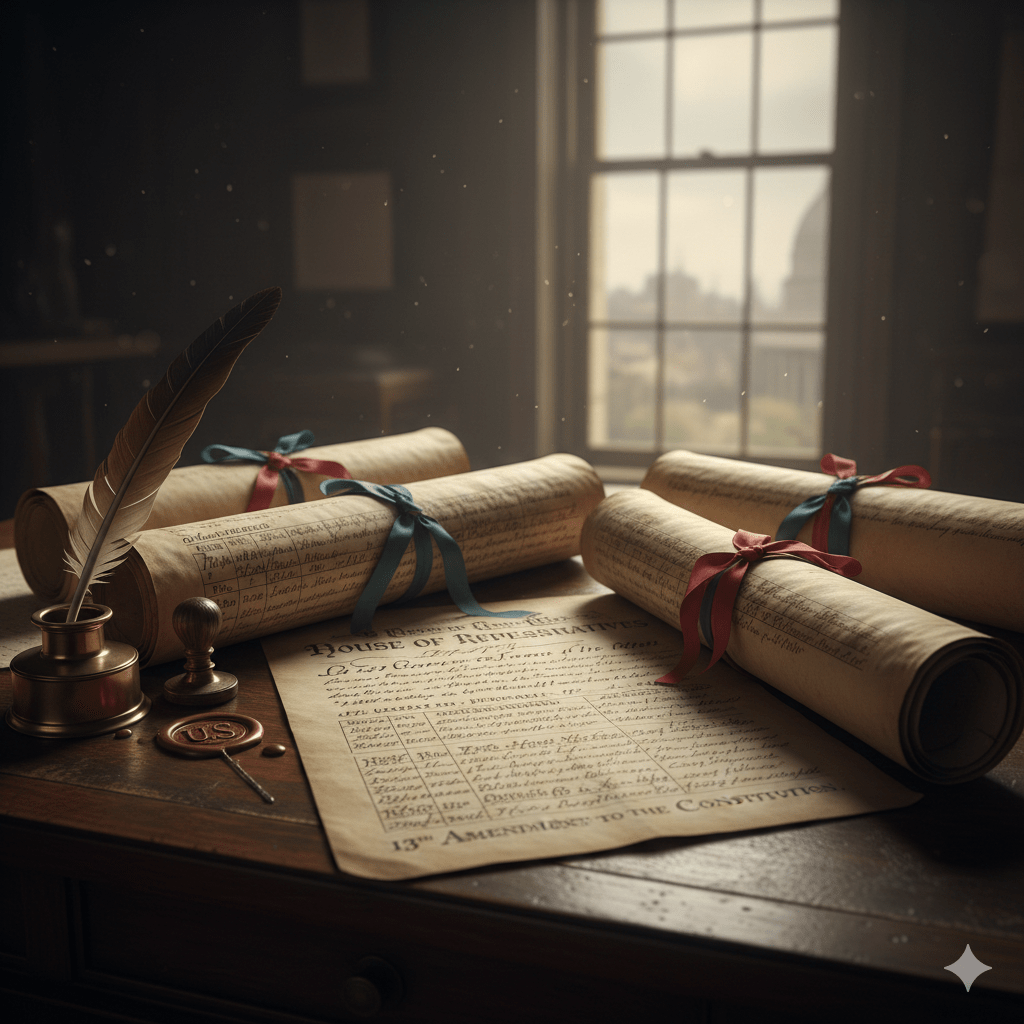
Reflecting on the 161st Anniversary of the 13th Amendment – A Nation at War Takes a Defining Step Toward Freedom
By Milton Kirby | Atlanta, GA | January 31, 2026
Today marks a date that should be etched into the mind of every American who values the sanctity of the law and the progress of human liberty. On this day, January 31, 1865, the United States House of Representatives sat in a chamber thick with the scent of tobacco and the heavy weight of history. They were there to decide if the “peculiar institution” of slavery would finally be purged from our national charter.
The amendment’s language was stark in its clarity:
“Neither slavery nor involuntary servitude… shall exist within the United States, or any place subject to their jurisdiction.”
As we at The Truth Seekers Journal spend our days digging through modern court authorizations and federal actions, it is vital to look back at the most significant “court-authorized” action in our history: the passage of the 13th Amendment.
A House Divided, A Gallery Overflowing
The atmosphere in Washington 161 years ago was electric. The Civil War was grinding toward its bloody conclusion, but President Abraham Lincoln knew that his Emancipation Proclamation was merely a wartime measure, a temporary fix that could be undone by a future court or a hostile peace. He needed a “King’s cure,” a permanent constitutional seal that would ensure freedom was not just a policy, but a foundational right.
The vote was far from a sure thing. Just months earlier, the House had failed to reach the necessary two-thirds majority. But through the relentless political maneuvering of James Mitchell Ashley and the unwavering moral clarity of Thaddeus Stevens, the tide began to turn.
When the final tally was announced—119 to 56—the House erupted. Reports from the time describe a “tumult of joy” that broke all decorum. Members wept openly. The galleries cheered so loudly the rafters shook. For the first time, the word “Slavery” was used in the Constitution not to protect it, but to abolish it forever.
The vote came nearly four years into the Civil War, at a moment when the Union’s military fortunes had begun to turn and the moral urgency of abolition had become inseparable from the nation’s survival. President Abraham Lincoln, who had issued the Emancipation Proclamation two years earlier, had long argued that only a constitutional amendment could permanently end slavery across all states including those loyal to the Union.
The Power of the Record
What strikes me, as I review the FBI’s recent confirmations regarding election record custody in Union City, is the parallel of accountability. In 1865, the struggle was over the custody of human lives; today, our struggle is often over the custody of the truth and the integrity of our democratic processes.
The 13th Amendment succeeded because of a transparent, recorded vote. It succeeded because men like Lincoln and Stevens weren’t afraid to push against the status quo to ensure that the law reflected the will of a free people.
Why We Remember
At The Truth Seekers Journal, we believe that history is a living document. When we ask the FBI about the statutory basis for a search warrant, we are standing on the shoulders of those who demanded that the federal government operate under the light of constitutional authority.
The 13th Amendment didn’t just end a dark chapter; it set a precedent that the Constitution belongs to the people, and its amendments are our tools for course correction.
As we continue to investigate the events unfolding at the Fulton County Election Hub, let us remember the lesson of January 31, 1865: Truth and transparency are the only path to a more perfect union.
Truth Seekers Journal thrives because of readers like you. Join us in sustaining independent voices.

 Ted Knorr