
By Milton Kirby | Knoxville, TN | February 10, 2026
On a cold Monday morning in February, the future of a nationally watched American whiskey brand was argued not through press releases or filings, but inside a quiet federal courtroom in Knoxville, where tone, preparation, and credibility carried as much weight as any document.
At 10:00 a.m., the question before U.S. District Judge Charles E. Atchley Jr. was deceptively simple: should the court-ordered receivership overseeing Uncle Nearest Premium Whiskey continue, or had it outlived its purpose?
What unfolded during several hours of testimony revealed a case less about a single balance sheet and more about control, delay, and whether a receivership meant to stabilize a company had instead become a constraint on its recovery.
A Courtroom Prepared for Conflict
Entry into the courtroom underscored the seriousness of the proceeding. All electronic devices were barred entirely collected in secured bins at the security checkpoint. Even attorneys granted special permission were required to keep phones powered off. The rule was absolute, creating a room focused entirely on testimony, documents, and the judge’s questions.
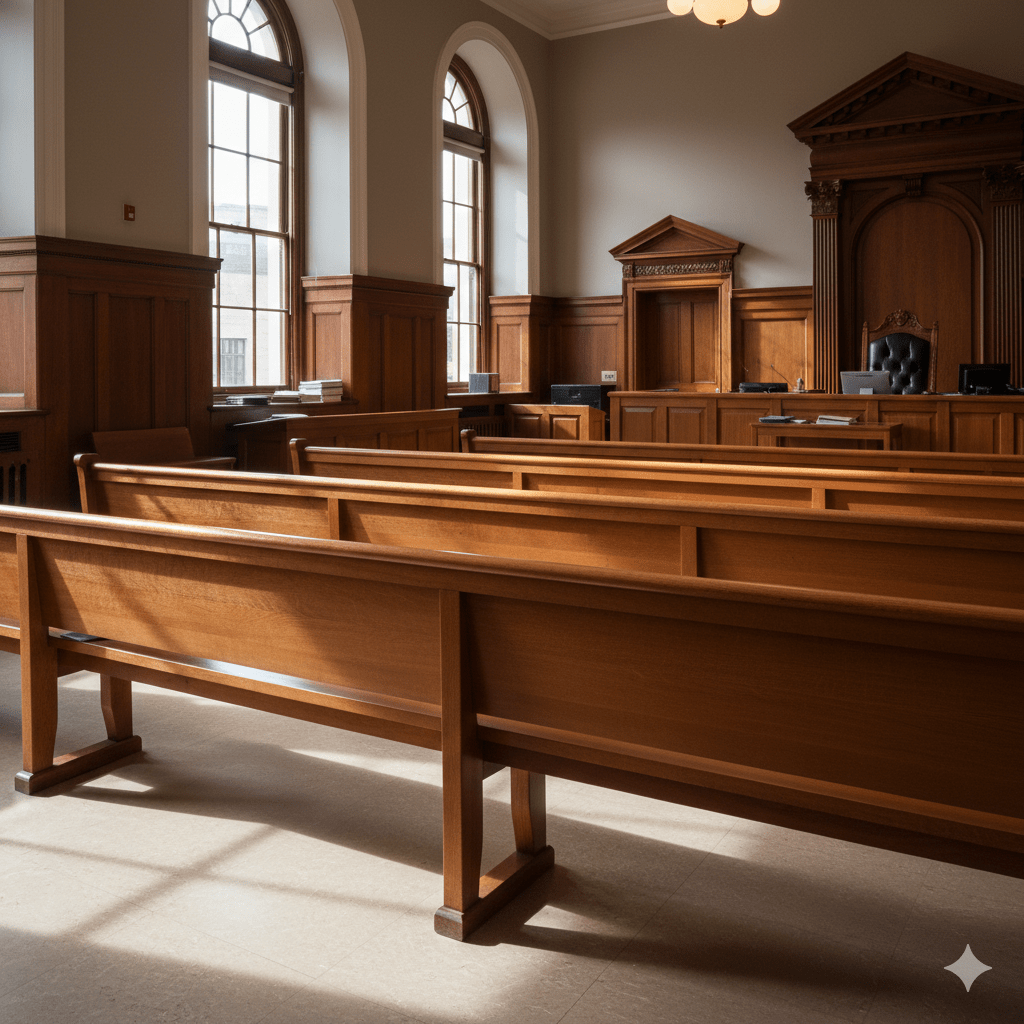
The courtroom itself had been configured in advance for a document-heavy hearing. Multiple viewing screens lined the walls. Counsel tables formed an L-shaped arrangement, with the receiver and his attorney seated directly before the judge and attorneys for Farm Credit Mid-America positioned against the wall to the receiver’s left.
By 9:15 a.m., Farm Credit’s legal team was the first to arrive, carrying boxes of documents and thick binders that would later populate the screens. Attorneys for Uncle Nearest arrived shortly afterward, carrying only backpacks. As the gallery filled, suited observers took seats on both sides of the aisle, some exchanging brief greetings the attorneys also greeted each other across party lines, suggesting professional familiarity despite opposing positions.

The Case Against the Receivership
Attorneys for Uncle Nearest opened by challenging the effectiveness of the receivership itself. They argued that the company’s financial decline coincided not with internal mismanagement, but with the filing of Farm Credit’s lawsuit in July 2025 and the subsequent appointment of a receiver the following month.
Central to that argument was market data. Counsel pointed to Nielsen reporting showing that Uncle Nearest outperformed the broader spirits market from January through July 2025. After the lawsuit was announced and the receivership imposed, they argued, the brand underperformed the market through January 2026—by double-digit percentages, in some months approaching 27 percent.
The receiver, Phillip G. Young Jr., was called as the first witness. Under questioning, he maintained that Uncle Nearest was cash-flow negative, insolvent, and unable to meet obligations as they became due. He testified that his mandate was not to grow the business but to stabilize it, preserve lender interests, and explore a potential sale.
Attorneys for Uncle Nearest countered that stabilization had come at the cost of operational paralysis. They argued that decision-making which once took minutes began to stretch into weeks after the receiver’s appointment, undermining sales execution and marketing strategy.
Operational Friction Under Oath
That theme was reinforced by testimony from Katherine Jerkins, the company’s Chief Business Officer. Jerkins testified that prior to the receivership, management decisions including promotions and pricing could be made in as little as 20 minutes. Afterward, decisions requiring receiver approval could take up to 30 days.
She pointed specifically to Limited Time Offers, a sales tool she described as critical to the brand’s momentum. According to her testimony, delays in approval rendered those programs ineffective, contributing to declining sales.
Independent third-party witnesses echoed concerns about disruption. Daniel Romano of Romano Beverage, a major distributor, testified that his company had sold the first case of Uncle Nearest whiskey and maintained a long-standing relationship with the brand. He emphasized the importance of founder Fawn Weaver’s personal presence, testifying that events featuring Weaver routinely sold out and that she remained central to the brand’s identity.
Anthony Severini, CFO of Global Genesis, testified that his firm continued processing Uncle Nearest payroll prior to the receivership based on trust in management and extended payment terms. He testified that after the receiver’s appointment, he was instructed that prior obligations would be stayed, with assurances only for future payroll. Severini further testified that he was not informed of the company’s cash-flow problems until January 2026.
Data, Doubt, and Credibility
The hearing also turned on competing interpretations of financial data. Kevin Laurin of NewPoint Advisors testified regarding documents submitted to the receiver but struggled under questioning to clearly explain how those materials captured the company’s financial condition.
Economist David Ozgo, president of Advocacy Analytics, testified in support of the Nielsen data relied upon by Uncle Nearest. Ozgo described Nielsen as a reliable industry benchmark covering roughly 40 percent of the spirits market, primarily national brands. While conceding that independent sellers were underrepresented, he testified that volume trends among large and small sellers generally move together. Under cross-examination, Ozgo acknowledged that he was compensated for his testimony.
At several points during testimony, Judge Atchley leaned forward in his chair, closely tracking witness responses and attorney questioning.
The Founder Takes the Stand

The final witness for Uncle Nearest was founder and CEO Fawn Weaver. Early in her testimony, Judge Atchley admonished Weaver for addressing the court directly, instructing her to wait for questions and respond only through counsel.
Weaver testified that management had begun cutting expenses prior to the receivership, reducing costs by approximately 40 percent. She further testified that the company paid $7.5 million in debt service to Farm Credit during 2025 before the receiver’s appointment.
Weaver described herself as the public face of the brand, testifying that her travel was frequently offset by paid speaking engagements and appearances. She asserted that the company’s consumer base is uniquely loyal, recounting that after the receivership was confirmed, she urged supporters on social media to purchase remaining inventory—and that they did.
She testified that with control returned, she could reengage that base and restore momentum. Weaver asked the court to return operational control to management while leaving the receiver in an oversight role, stating that consumers “still believe in me” and that she could rebuild the company.
Sidebar | Who Testified — and Why It Mattered
Phillip G. Young Jr. — Court-Appointed Receiver
Young testified that Uncle Nearest was insolvent, cash-flow negative, and unable to meet financial obligations as they became due. He emphasized that his mandate was not to grow the business but to stabilize it, preserve lender interests, and explore a potential sale—framing the receivership as protective rather than operational.
Katherine Jerkins — Chief Business Officer, Uncle Nearest
Jerkins testified that decision-making slowed sharply after the receiver’s appointment. She said actions that once took minutes could take weeks, weakening sales execution. Her testimony focused on the disruption of Limited Time Offers, which she described as key to prior growth.
Daniel Romano — Romano Beverage (Chicago)
Romano testified that his company sold the first case of Uncle Nearest whiskey and has maintained a long-standing distributor relationship. He emphasized founder Fawn Weaver’s role as the face of the brand, stating that events featuring Weaver routinely sold out.
Anthony Severini — CFO, Global Genesis
Severini testified that his firm continued processing payroll before the receivership based on trust in management and extended payment terms. He stated that after the receiver’s appointment, prior obligations were stayed, assurances applied only to future payroll, and that he was not informed of cash-flow problems until January 2026.
Kevin Laurin — NewPoint Advisors Corporation
Laurin testified about financial documents prepared for the receiver. Under questioning, he struggled to clearly explain how certain materials reflected the company’s financial condition, drawing scrutiny to the data relied upon during the receivership.
David Ozgo — President, Advocacy Analytics
Ozgo testified that Nielsen market data used by Uncle Nearest was valid and widely relied upon in the spirits industry. He stated that the brand outperformed the market prior to the receivership. Under cross-examination, he acknowledged being compensated for his testimony and that Nielsen does not fully capture independent sellers.
Fawn Weaver — Founder and CEO, Uncle Nearest
Weaver testified that management reduced expenses by roughly 40 percent before the receiver’s appointment and that $7.5 million in debt service was paid in 2025. She argued that her leadership and consumer loyalty are central to the brand’s success and asked the court to return control to management with the receiver in an oversight role.
No Ruling Yet
After hearing testimony, Judge Atchley offered an opportunity for additional evidence, then made clear that all existing orders would remain in effect. He directed the parties to submit briefs outlining what they believed should happen next and stated that he would rule after reviewing those submissions.
The hearing ended without a decision but not without signals. What the court ultimately decides may turn less on any single metric than on whether continued control by a receiver is stabilizing Uncle Nearest or quietly constraining the very recovery it was meant to protect.
Related articles
Is the Cure Worse Than the Crisis? Judge Weighs Uncle Nearest Receivership
Fight for a Billion-Dollar Brand: Weavers Move to Halt Receiver’s Actions
Uncle Nearest: A Billion-Dollar Brand, a $25 Million Question & The Unanswered Future
Receiver’s Report Says Uncle Nearest Can Be Reorganized
Uncle Nearest at Legal Crossroads
Truth Seekers Journal thrives because of readers like you. Join us in sustaining independent voices.
This article reflects the accuracy of the events that happened in the courtroom. Milton, provided a great summarization of the events. I was present during the hearing where things unfolded. Great article.
Thank you so much for sharing your thoughts. Hearing this kind of feedback from someone who was actually in the courtroom means a great deal. We work hard to make sure our reporting reflects what truly unfolded, and your confirmation reinforces the importance of that commitment to accuracy and clarity.
I hope you’ll stay connected with The Truth Seekers Journal beyond this case as well. We’re building a body of work that digs into the stories, systems, and decisions that shape our communities, and we’d love to have you continue with us as we publish more reporting and analysis.
Thank you again for reading and for lending your voice — it strengthens the work.