
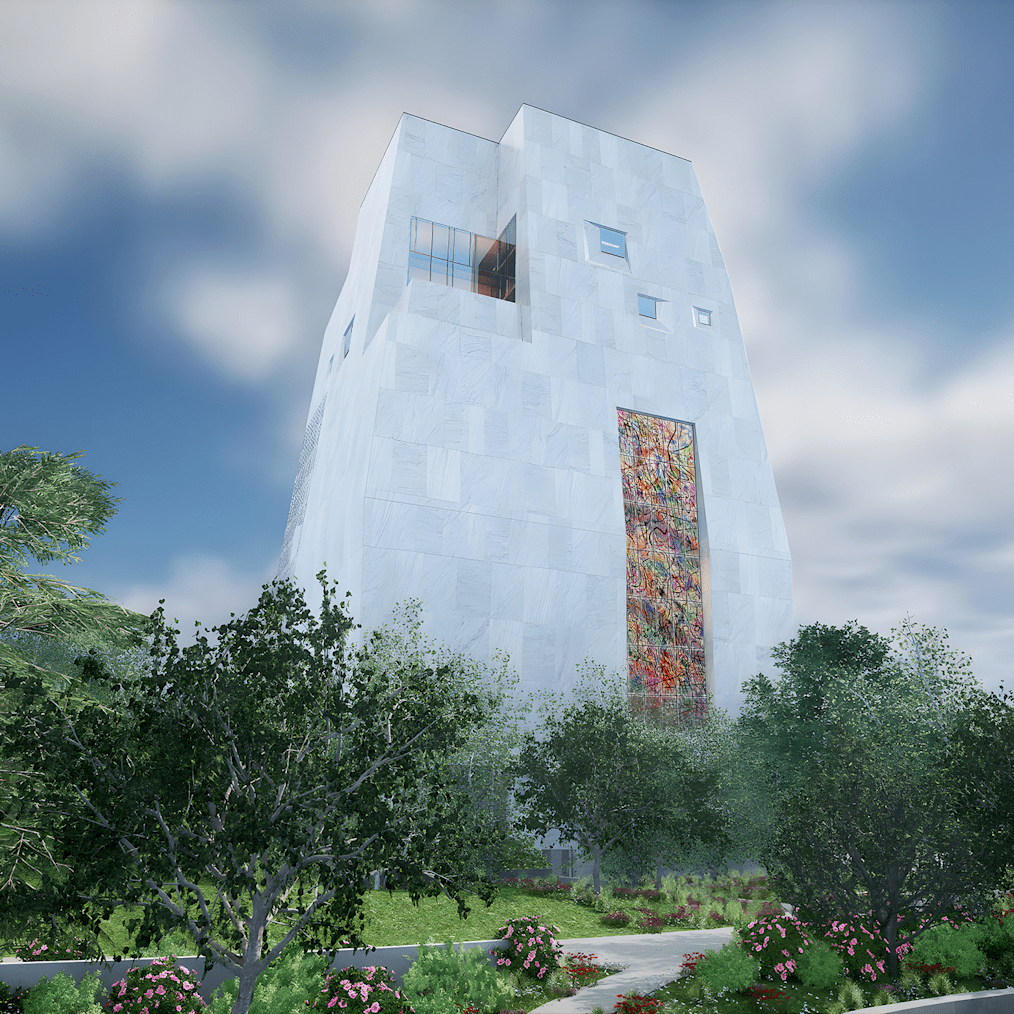
By Milton Kirby | Chicago, IL | July 26, 2026
For many visitors, a trip to the Obama Presidential Center is an opportunity to experience the story of the nation’s first Black president through exhibits, artifacts, and interactive displays. Beginning this summer, it also offers something far less common: the chance to sit down face-to-face with the people responsible for preserving that history.
The Obama Foundation and the National Archives and Records Administration (NARA) have launched “Ask the Archivist,” a new public program that gives visitors direct access to professional presidential archivists inside the Obama Presidential Center.
The initiative reflects the continuing partnership between the Obama Foundation and NARA to make the records of the Obama Administration more accessible to researchers, students, historians, and the general public.
Bringing History Within Reach
Under the new program, a NARA archivist will be available every Thursday from July 23 through October 8, 2026, from 10 a.m. to 6 p.m. Central Time, at the Obama Presidential Center Branch of the Chicago Public Library.
Visitors can ask questions about presidential records, learn how to conduct research using the Barack Obama Presidential Library’s digital collections, and better understand how presidential archives are preserved and made available to the public.
Rather than simply viewing history behind glass, guests will have an opportunity to learn directly from the professionals who manage one of the nation’s largest presidential archives.
A Different Kind of Presidential Library
Unlike earlier presidential libraries built primarily around paper documents, the Obama Presidential Library represents a new chapter in presidential recordkeeping.
Approximately **95 percent of the Obama Administration’s records were created digitally**, making it one of the first presidential libraries designed around a predominantly digital archive.
That distinction has required an unprecedented effort to preserve millions of electronic records while also digitizing the remaining physical documents.
The Obama Foundation has committed more than $4.5 million to support NARA’s work digitizing those remaining materials, allowing more of the collection to become accessible online.
The result is a library model that extends far beyond a single building, enabling researchers across the country to explore presidential records through digital collections while still preserving original historical materials.
Continuing a Historic Partnership
Foundation leaders say the new program builds naturally on an already successful collaboration between the two organizations.
“The National Archives have been a tremendous partner to us as we work to illuminate the work of the Obama Administration at the Obama Presidential Center, particularly in the artifact lending program and digitization of records,” said Valerie Jarrett, Chief Executive Officer of the Obama Foundation.
Jarrett said “Ask the Archivist” represents another step toward making President Barack Obama’s administration accessible and transparent for the public.
Dr. Kenvi Phillips, Director of the Barack Obama Presidential Library, said the partnership gives visitors a richer understanding of the presidential collection.
“We are excited to partner with the Obama Foundation to provide another avenue for public awareness and access to the records of the Obama Administration,” Phillips said.
He noted that visitors can now experience both museum artifacts and personal conversations with archivists who can explain how the Library’s digital holdings are organized and accessed.
Beyond Museum Exhibits
The new program expands the educational mission of the Obama Presidential Center beyond traditional museum experiences.
Numerous artifacts and historical records owned by NARA are already on loan and displayed throughout the Center’s museum, allowing visitors to encounter original presidential materials while learning about the policies, decisions, and events that shaped the Obama presidency.
The addition of on-site archivists transforms that experience into an interactive one, helping visitors understand not only what they are seeing but also how presidential history is documented, preserved, and researched.
For students beginning research projects, educators seeking classroom resources, genealogists, journalists, and historians, the opportunity to speak directly with a presidential archivist offers practical guidance that is rarely available outside the National Archives.
Preserving a Digital Presidency
As government increasingly conducts its work electronically, preserving digital records has become one of the greatest challenges facing modern archivists.
Emails, digital photographs, electronic memoranda, social media content, and other born-digital records require preservation methods very different from traditional paper archives.
The Obama Presidential Library has become one of the nation’s leading examples of how those records can be organized, protected, and eventually made available to the public while meeting legal requirements governing presidential records.
Programs such as “Ask the Archivist” help explain that work to visitors while encouraging greater public engagement with one of the country’s most significant historical collections.
A Living Institution
The program also reflects the broader vision behind the Obama Presidential Center itself.
Rather than functioning solely as a traditional presidential museum, the Center was designed to be an active civic institution that encourages public participation, lifelong learning, and community engagement.
Adding direct access to presidential archivists reinforces that mission by inviting visitors not only to reflect on history but also to explore it firsthand.
For anyone curious about how presidential history is preserved, or how to begin researching one of the most consequential administrations of the 21st century, the answer may now be as simple as asking the archivist.
Support open, independent journalism. Your contribution helps us tell the stories that matter most.