

By Milton Kirby | Decatur, GA | January 14, 2026
DeKalb County entered 2026 with a shift in political leadership and a community still wrestling with one of the most consequential land‑use debates in its history. On Tuesday, the Board of Commissioners elected new officers while also voting to delay action on proposed data center zoning rules, a pause that reflects both rising public pressure and the county’s struggle to balance economic opportunity with environmental and neighborhood protections.
The meeting drew a packed room of residents from South and East DeKalb, many of whom have spent months demanding transparency, clearer communication, and stronger safeguards as data center proposals continue to surface across the county.
A New Leadership Team for a Critical Moment

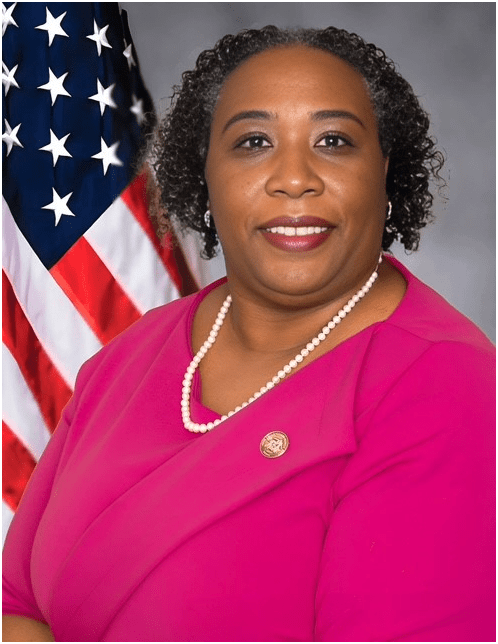
Commissioners unanimously selected Chakira Johnson (District 4) as Presiding Officer and elected LaDena “Dr. B” Bolton (Super District 7) as Deputy Presiding Officer, a pairing that blends deep engineering expertise with community‑rooted advocacy.
Chakira Johnson: Engineering Mindset Meets Procedural Power
Johnson brings more than two decades of experience in civil engineering, municipal operations, and public infrastructure management. A Georgia Tech graduate with a master’s degree in international relations from Troy University, she is a licensed professional engineer in three states and was named one of Engineering Georgia’s 50 Notable Women in 2022.
Her résumé is matched by her long-standing service in DeKalb: nearly 30 years as a resident and 16 years on the Stone Mountain City Council, including three terms as Mayor Pro Tem. She has been a consistent advocate for STEM education and youth engagement.
As Presiding Officer, Johnson will guide the Board’s procedural direction running meetings, appointing committee chairs, and shaping how and when major issues come to the floor. She emphasized a leadership style grounded in professionalism and public trust.
“I am committed to leading with efficiency, integrity, and respect,” Johnson said. “This Board serves the people of DeKalb County.”
LaDena Bolton: A Community Voice With Scientific Rigor
Bolton, known affectionately as “Dr. B,” enters the Deputy Presiding Officer role during her first year on the commission. A graduate of Avondale High School, she credits her December 2024 election to long-standing community relationships and grassroots service.

Her professional background includes a Ph.D. in chemistry from Clark Atlanta University, a bachelor’s degree from Savannah State University, and a career as an analytical forensic chemist working in national security, energy sustainability, and health equity.
Bolton’s early initiatives reflect her community-first approach:
- March Into a Cleaner Tomorrow, a countywide cleanup effort that mobilized more than 1,000 volunteers and removed roughly five tons of litter in three months.
- Youth Aviation Program, the county’s first, offering underserved students hands-on aviation training at DeKalb‑Peachtree Airport and mentorship toward earning pilot licenses.
Her office uses the bee pollinator as a symbol of collective work and community uplift.
“We’re building legacies from the inside out,” Bolton said. “Families, youth, neighborhoods that’s where the work begins.”
Why These Roles Matter Now
Under the DeKalb County Organizational Act, the Presiding Officer and Deputy Presiding Officer shape the Board’s internal structure and public-facing process. They control meeting flow, committee leadership, special session calls, and how major issues like data centers move through the system.
With public trust strained and residents demanding clearer communication, the leadership style of Johnson and Bolton will directly influence how the county navigates the months ahead.
Data Centers: A Debate That Has Become a Community Flashpoint
Beyond leadership elections, commissioners voted to delay action on data center zoning changes until July, when the planning commission is expected to present updated recommendations.
The pause comes after months of intense debate, particularly in South and East DeKalb communities that have historically borne the brunt of industrial encroachment, infrastructure strain, and uneven economic development.
Community Concerns
Residents have raised concerns about noise from cooling systems, water usage in a county already facing infrastructure challenges, environmental impact on nearby neighborhoods, proximity to homes and schools, and transparency in how proposals are evaluated.
Many residents say they are not opposed to economic development they simply want development that respects community health, land use, and long-term sustainability.
Economic Stakes
County officials, including CEO Lorraine Cochran‑Johnson, have noted that a single large-scale data center could generate an estimated $27 million annually in tax revenue, driven by the high value of servers and cooling equipment.
Supporters argue that revenue could support long‑delayed water system upgrades, reduce pressure on residential taxpayers, and strengthen the county’s long-term financial position.
They also describe data centers as essential digital infrastructure the unseen backbone of cloud computing, artificial intelligence, and modern communications.
Regulation vs. Restriction
Proposals under discussion include 500‑foot buffers from residential areas, strict noise limits, generator restrictions, environmental impact reviews, and community benefit funds. Commissioner Ted Terry has suggested dedicating a portion of data center tax revenue to libraries, youth programs, and neighborhood improvements.
Statewide Scrutiny: Georgia Reconsiders Its Data Center Boom
The local debate mirrors a broader conversation unfolding at the Georgia Capitol.
A report from the Carl Vinson Institute of Government found that data center projects have generated more than 28,000 construction jobs, over 5,000 permanent positions, and billions in economic impact statewide.
Metro Atlanta led the nation in data center expansion last year, surpassing Northern Virginia, according to CBRE.
But the growth comes with a cost: state utility regulators have approved plans to add roughly 10,000 megawatts of new power generation capacity, much of it to meet data center demand.
State Rep. Ruwa Roman has introduced bipartisan legislation proposing a moratorium on new data center construction through 2027.
“This is permanent,” Roman said during recent hearings. “And if we get it wrong, Georgians will deal with the consequences for decades.”
Looking Ahead: Leadership, Trust, and the Path Forward
As DeKalb County moves deeper into 2026, the election of Johnson and Bolton signals a leadership team that blends technical expertise with community‑centered advocacy. Their challenge will be guiding a divided public conversation while ensuring transparency, fairness, and long-term planning.
The July deadline for data center zoning recommendations sets the stage for a pivotal summer one that will test the Board’s ability to balance economic growth with environmental stewardship, neighborhood protection, and community trust.
For residents, the question remains: what kind of development will shape DeKalb’s future and who gets to decide?
For Johnson and Bolton, the months ahead will define not only their leadership but the county’s direction for years to come.
Related articles
Renew DeKalb Town Hall Highlights Growing Opposition to Data Centers
Moratorium, Monitoring, and Modernization: DeKalb’s Careful Approach to Data Centers
DeKalb CEO Lorraine Cochran Johnson’s Infrastructure and Growth Initiatives
Council for Quality Growth: Development Moratorium Extended Through 2025
Atlanta Regional Commission Sets Future Growth Priorities
Water Infrastructure Upgrades Coming to DeKalb County
Residents Push for Smart Growth in DeKalb
Truth Seekers Journal thrives because of readers like you. Join us in sustaining independent voices.
Well, if Dekalb County follows (and should) the national pushback across every local communities (red and blue leaning), then commissioners should enact local legislation to prevent the repurposing of vacant large buildings for these massive data centers. $27M in tax revenue for DeKalb County government should not outweigh the inherent environmental impact and health risks of its residents. These centers already exist across parts of Georgia and will only contribute to already growing concerns people are voicing.