
By Milton Kirby | Atlanta, GA | April 30, 2026
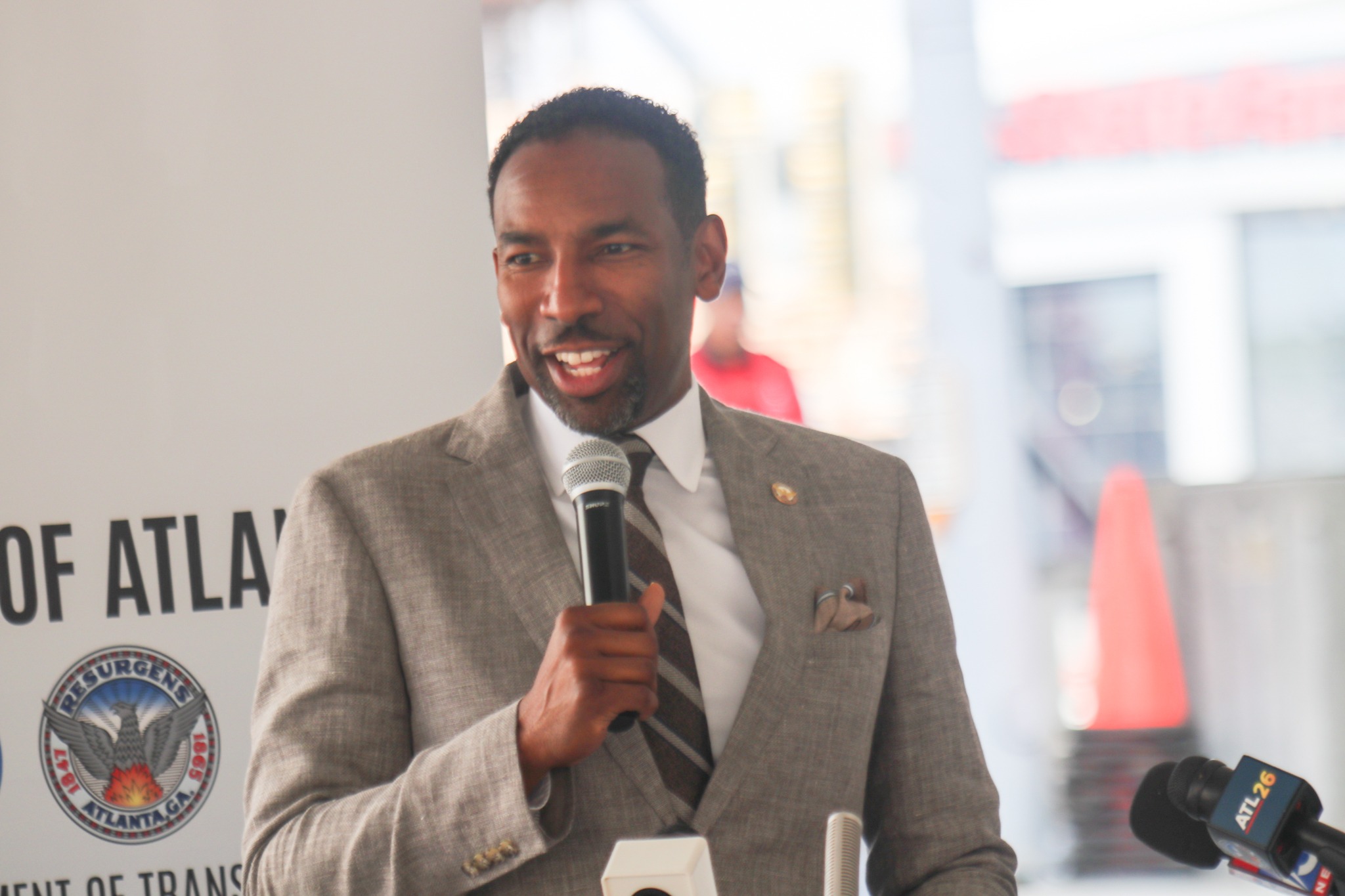
The administration of Andre Dickens has introduced new legislation aimed at strengthening Atlanta’s fight against blighted properties, expanding enforcement tools and increasing pressure on negligent property owners across the city.
The proposed legislation, sponsored by Atlanta City Councilmember Byron D. Amos, builds on the city’s existing “blight tax,” formally known as the community redevelopment ad valorem tax. The measure is part of the mayor’s broader Neighborhood Revitalization Initiative, which seeks to reverse long-standing disinvestment in Atlanta communities.
Under current law, properties deemed blighted—based on criteria outlined in O.C.G.A. 22-1-1—can face steep financial penalties. The updated legislation strengthens that framework, allowing the city to more aggressively apply a tax increase of up to 25 times the standard rate on qualifying vacant properties.
“Neglected properties drain the vitality from our neighborhoods,” Dickens said in a statement. “This legislation sends a clear message: if you own property in Atlanta, you have a responsibility to maintain it.”
City leaders say blighted properties often trigger a ripple effect in surrounding communities, lowering home values, attracting crime, and increasing strain on public services. The enhanced legislation aims to interrupt that cycle by accelerating enforcement and expanding accountability.
Amos emphasized the urgency of the issue, noting that many residents have endured deteriorating properties for years. “Let this legislation be a message to delinquent property owners throughout the City that their behavior will no longer be tolerated,” he said.
The strengthened blight tax is one of several legal tools available to the city. Officials say it will be used alongside judicial in rem actions, nuisance prosecutions, condemnation authority, and traditional code enforcement measures.
Raines Carter, who serves as the city’s designated Public Officer for blight enforcement, said the city plans to focus on the most severe cases. Once a property is officially designated as blighted, owners are given a limited window to correct violations before the increased tax penalty takes effect.
“The City will strategically deploy the blight tax and all other remedies available to hold delinquent property owners responsible,” Carter said, urging residents to report problem properties through Atlanta’s 311 system.
The legislation follows the Atlanta City Council’s 2024 passage of Ordinance 24-O-1370, which authorized the initial use of the blight tax and set the groundwork for implementation. Since then, multiple city departments have coordinated to develop enforcement procedures and identify eligible properties.
City officials say they will monitor the program’s outcomes during its first year, with plans to refine and potentially expand enforcement to additional neighborhoods. The move signals a more aggressive posture by Atlanta leaders in addressing blight—one that combines financial penalties with legal enforcement in an effort to stabilize communities and restore long-neglected areas.
Support open, independent journalism—your contribution helps us tell the stories that matter most.