In the 1950s and 60s in Memphis, Black residents still aspired to participate in city, county, and state leadership. Jim Crow rules were in place. Black consumers patronized the Black-owned Tri-State Bank of Memphis and Universal Life Insurance Company whole life policies provided cash for burials by Memphis Black-owned funeral homes. Memphis’ city owned zoo was open six days a week for white families and one day, Thursdays, for Black patrons. Attractions at the fairgrounds included a roller coaster, merry-go-round and bumper cars, also open for business seven days per week, but Tuesdays were reserved for “Negroes.” There was an exclusive gated community in the center city with an adjacent golf course where only Black men and women in domestic uniforms were tolerated.
I write this because there is a relatively young Black man in Atlanta who proclaims himself a “conservative Republican” who professed to not know of these circumstances, although he also is a Memphis native. As a nine-year-old, it was my request to my mother to go to the zoo ‘one weekend” that revealed to me the depths of white supremacist laws, policies, and practices. As I related my reaction as my mother explained the injustice, his facial expression helped me understand his allegiance to the GOP. He claimed to be unaware of the rules of American apartheid. He has no clue about the depths of white supremacist view of non-whites. He claimed not to know that Memphis Mayor Loeb closed city pools and golf courses in the 60s rather than allow public access for all. He actually believes that in 1957, racism was no longer a barrier in America. My guess is that he has company.
Please consider supporting open, independent journalism – no contribution is too small!
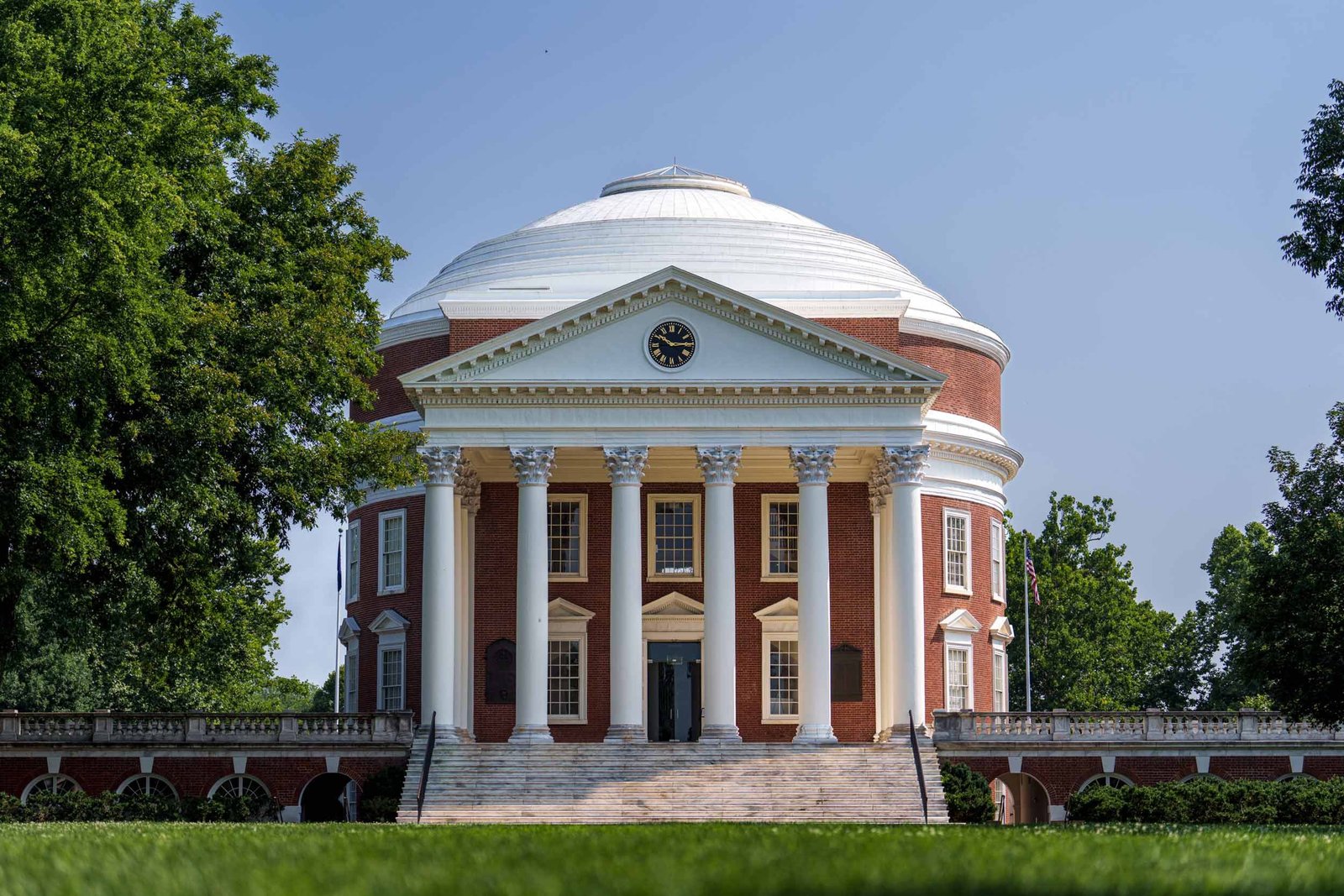
UVA President Jim Ryan resigns amid Trump administration pressure over DEI policies, raising alarms about political interference in higher education leadership and academic freedom.
By Milton Kirby | Richmond, VA | July 1, 2025
In an unprecedented clash between federal authority and academic independence, University of Virginia President James E. Ryan resigned Friday following what officials described as direct political pressure from President Donald Trump’s administration. The resignation comes amid a federal investigation into the university’s diversity, equity, and inclusion (DEI) efforts.
Virginia Sen. Mark Warner called the resignation “outrageous” during a Sunday appearance on CBS’s Face the Nation. He accused the Trump administration of using the Department of Justice (DOJ) and Department of Education (DOE) as political weapons to dismantle DEI initiatives and force leadership changes at prominent universities.
“This is the most outrageous action this crowd has taken on education,” Warner said. “Jim Ryan had done a very good job. He just completed a major capital campaign. He should not have been forced out.”
According to Warner, UVA received an “explicit” warning from the administration that if Ryan did not resign by a specified deadline, the university would face sweeping federal funding cuts. These included slashed research grants, loss of student financial aid, and revoked international student visas.
Ryan, who had planned to step down next year, ultimately accelerated his departure to shield the UVA community from fallout.
“To make a long story short, I am inclined to fight for what I believe in… But I cannot make a unilateral decision to fight the federal government in order to save my own job,” Ryan wrote in a heartfelt resignation letter Ryan wrote in a heartfelt resignation letter. “To do so would… appear selfish and self-centered to the hundreds of employees who would lose their jobs… and the hundreds of students who could lose financial aid or have their visas withheld.”
Jim Ryan
A Sudden Resignation, a Lasting Impact
The federal investigation into UVA is part of a broader campaign by the Trump administration to dismantle DEI programs in education. Though UVA’s Board of Visitors voted to dissolve its Office for Diversity, Equity, and Inclusion in March, DOJ officials reportedly accused the university of failing to go far enough. A June 17 letter from the department, according to The New York Times, reiterated that the university was still out of compliance.
Ryan’s resignation marks the first time a sitting university president has stepped down under direct federal pressure tied to financial threats. Higher education leaders say the move sets a dangerous precedent.
“This is a dark day for the University of Virginia and a dark day for higher education,” said Ted Mitchell, president of the American Council on Education. “It’s clear the administration is not done and will use every tool it can make or invent to exert its will over higher education.”
Community Reactions
UVA’s Board of Visitors accepted Ryan’s resignation and activated its Continuity of Operations Plan. Executive Vice President and Chief Operating Officer Jennifer “J.J.” Wagner Davis will serve as acting president while a nationwide search for a permanent successor begins.
“Jim Ryan has been an extraordinary president,” said outgoing Rector Robert Hardie. “He has led our institution to unprecedented heights, always doing so with grace and humility… UVA has forever been changed for the better as a result of Jim’s exceptional leadership.”
Ryan’s tenure since 2018 was marked by major institutional growth, including the creation of the School of Data Science, a new performing arts center, and expanded financial aid for Virginia families. He was also instrumental in launching the Karsh Institute of Democracy and a new campus in Northern Virginia.
Warner and fellow Virginia Sen. Tim Kaine released a joint statement calling the DOJ’s demand for Ryan’s resignation “outrageous” and a “mistake that hurts Virginia’s future.”
National Consequences
The Trump administration’s move is part of a broader federal campaign to eliminate DEI practices nationwide. The administration has simultaneously threatened funding for Harvard, Columbia, and other elite universities over race-conscious admissions and hiring.
Critics argue that these moves signal the erosion of higher education’s independence from federal politics.
“There’s grave danger to the quality and future of higher education if these kinds of decisions become a function of the federal government,” said Armand Alacbay of the American Council of Trustees and Alumni.
Peter McDonough, general counsel for the American Council on Education, noted that federal law prohibits the government from micromanaging educational institutions. But the Trump administration has increasingly blurred the lines between political pressure and lawful oversight.
“If universities now have to align with whoever won the last presidential election, that’s a worry,” McDonough said.
A Historic Presidency Ends
Ryan, a first-generation college student who earned his law degree from UVA, had earned widespread respect among students, faculty, and alumni. His final message reflected both sorrow and resolve.
“This was an excruciatingly difficult decision, and I am heartbroken to be leaving this way,” he wrote. “But I could not in good conscience cause any real and direct harm to my colleagues and our students in order to preserve my own position.”
His departure underscores the high stakes battle over academic freedom, public governance, and the future of higher education under renewed federal scrutiny.
Please consider supporting open, independent journalism – no contribution is too small!
UVA President Jim Ryan resigns amid Trump administration pressure over DEI policies, raising alarms about political interference in higher education leadership and academic freedom.
By Milton Kirby | Richmond, VA | July 1, 2025
In an unprecedented clash between federal authority and academic independence, University of Virginia President James E. Ryan resigned Friday following what officials described as direct political pressure from President Donald Trump’s administration. The resignation comes amid a federal investigation into the university’s diversity, equity, and inclusion (DEI) efforts.
Virginia Sen. Mark Warner called the resignation “outrageous” during a Sunday appearance on CBS’s Face the Nation. He accused the Trump administration of using the Department of Justice (DOJ) and Department of Education (DOE) as political weapons to dismantle DEI initiatives and force leadership changes at prominent universities.
“This is the most outrageous action this crowd has taken on education,” Warner said. “Jim Ryan had done a very good job. He just completed a major capital campaign. He should not have been forced out.”
According to Warner, UVA received an “explicit” warning from the administration that if Ryan did not resign by a specified deadline, the university would face sweeping federal funding cuts. These included slashed research grants, loss of student financial aid, and revoked international student visas.
Ryan, who had planned to step down next year, ultimately accelerated his departure to shield the UVA community from fallout.
“To make a long story short, I am inclined to fight for what I believe in… But I cannot make a unilateral decision to fight the federal government in order to save my own job,” Ryan wrote in a heartfelt resignation letter Ryan wrote in a heartfelt resignation letter. “To do so would… appear selfish and self-centered to the hundreds of employees who would lose their jobs… and the hundreds of students who could lose financial aid or have their visas withheld.”
Jim Ryan
A Sudden Resignation, a Lasting Impact
The federal investigation into UVA is part of a broader campaign by the Trump administration to dismantle DEI programs in education. Though UVA’s Board of Visitors voted to dissolve its Office for Diversity, Equity, and Inclusion in March, DOJ officials reportedly accused the university of failing to go far enough. A June 17 letter from the department, according to The New York Times, reiterated that the university was still out of compliance.
Ryan’s resignation marks the first time a sitting university president has stepped down under direct federal pressure tied to financial threats. Higher education leaders say the move sets a dangerous precedent.
“This is a dark day for the University of Virginia and a dark day for higher education,” said Ted Mitchell, president of the American Council on Education. “It’s clear the administration is not done and will use every tool it can make or invent to exert its will over higher education.”
Community Reactions
UVA’s Board of Visitors accepted Ryan’s resignation and activated its Continuity of Operations Plan. Executive Vice President and Chief Operating Officer Jennifer “J.J.” Wagner Davis will serve as acting president while a nationwide search for a permanent successor begins.
“Jim Ryan has been an extraordinary president,” said outgoing Rector Robert Hardie. “He has led our institution to unprecedented heights, always doing so with grace and humility… UVA has forever been changed for the better as a result of Jim’s exceptional leadership.”
Ryan’s tenure since 2018 was marked by major institutional growth, including the creation of the School of Data Science, a new performing arts center, and expanded financial aid for Virginia families. He was also instrumental in launching the Karsh Institute of Democracy and a new campus in Northern Virginia.
Warner and fellow Virginia Sen. Tim Kaine released a joint statement calling the DOJ’s demand for Ryan’s resignation “outrageous” and a “mistake that hurts Virginia’s future.”
National Consequences
The Trump administration’s move is part of a broader federal campaign to eliminate DEI practices nationwide. The administration has simultaneously threatened funding for Harvard, Columbia, and other elite universities over race-conscious admissions and hiring.
Critics argue that these moves signal the erosion of higher education’s independence from federal politics.
“There’s grave danger to the quality and future of higher education if these kinds of decisions become a function of the federal government,” said Armand Alacbay of the American Council of Trustees and Alumni.
Peter McDonough, general counsel for the American Council on Education, noted that federal law prohibits the government from micromanaging educational institutions. But the Trump administration has increasingly blurred the lines between political pressure and lawful oversight.
“If universities now have to align with whoever won the last presidential election, that’s a worry,” McDonough said.
A Historic Presidency Ends
Ryan, a first-generation college student who earned his law degree from UVA, had earned widespread respect among students, faculty, and alumni. His final message reflected both sorrow and resolve.
“This was an excruciatingly difficult decision, and I am heartbroken to be leaving this way,” he wrote. “But I could not in good conscience cause any real and direct harm to my colleagues and our students in order to preserve my own position.”
His departure underscores the high stakes battle over academic freedom, public governance, and the future of higher education under renewed federal scrutiny.
Please consider supporting open, independent journalism – no contribution is too small!
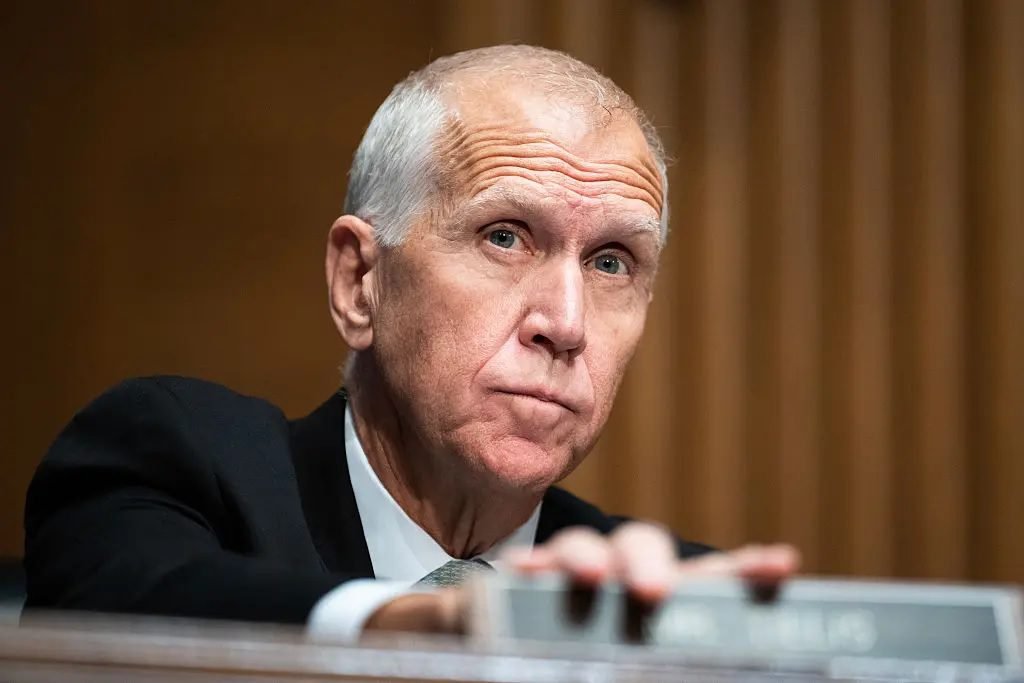
North Carolina Sen. Thom Tillis won’t seek reelection in 2026 after Trump-backed threats, setting up a high-stakes GOP primary and Senate battleground showdown.
By Milton Kirby | Charlotte, NC | June 30, 2025
Sen. Thom Tillis will not seek reelection in 2026. The North Carolina Republican made the surprise announcement on Sunday, following increasing pressure from President Donald Trump.
Tillis, 64, said the decision came after deep reflection. “It’s not a hard choice,” he said, choosing family time over “six more years of political theatre.” This personal sacrifice resonates with many who understand the importance of family and personal time.
But the timing raised eyebrows. Just days earlier, Tillis voted against Trump’s flagship domestic bill, the One Big Beautiful Bill Act (OBBB). Trump lashed out online, branding Tillis “a talker and complainer, NOT A DOER!”
The president also said “numerous people” were lining up to challenge Tillis in a GOP primary. “Great news!” Trump posted after Tillis stepped aside.
Privately, Tillis had long wrestled with whether to run. He told friends he wanted space from Trump and support from GOP leaders—neither materialized.
His vote against the OBBB bill, which included Medicaid cuts and controversial tax provisions, became a turning point. He warned colleagues the bill would cost him his seat in a swing state like North Carolina.
It was reported by several news agencies that Trump personally called Tillis Friday urging support. When Tillis held firm and voted no, Trump began publicly attacking him.
By Sunday, Tillis had moved up his retirement timeline. “Leaders who value bipartisanship and independent thinking are becoming endangered,” he said.
His departure sets off a crowded Republican primary. Rep. Pat Harrigan is a likely candidate. Lara Trump, the president’s daughter-in-law, is “strongly considering” a run.
GOP figures such as Rep. Tim Moore, Rep. Greg Murphy, Rep. Richard Hudson, and RNC Chair Michael Whatley are also eyeing the seat.
Sen. Tim Scott (R-SC), head of the Senate GOP campaign arm, downplayed Tillis’ exit. “That streak will continue in 2026,” he said, referring to GOP control of North Carolina’s Senate seats.
Democrats see a major opportunity. Former Rep. Wiley Nickel has launched a campaign. But national leaders are urging former Gov. Roy Cooper to run. This potential for change in the upcoming election brings a sense of hope to the political landscape.
Cooper is expected to make a decision this summer. If he enters, he will likely clear the field.
The Cook Political Report shifted the race to “Toss Up” after the announcement. With control of the Senate on the line, Democrats hope to flip the seat, potentially altering the balance of power in the Senate.
Democratic Senatorial Campaign Committee spokesperson Maeve Coyle called Tillis’ retirement “another blow to Republicans,” saying the Medicaid cuts were too toxic to defend.
Tillis joins Rep. Don Bacon (R-NE) as the second Republican moderate to retire this week. Both cited frustration with rising partisanship.
His retirement also gives him new freedom. “I look forward to calling the balls and strikes as I see them,” he said, promising to finish his term with integrity.
Tillis first won the seat in 2014. A former state House speaker, he survived two close races and was once seen as a rising GOP star.
But his moderate streak—and support for bipartisan infrastructure and gun safety bills—earned him enemies on the right.
Now, in what is often referred to as ‘Trump’s GOP’, there is little room for dissent. And Thom Tillis, seeing no clear path forward within this political climate, decided to step aside.
Please consider supporting open, independent journalism – no contribution is too small!
Lena Horne broke barriers in Hollywood and civil rights, becoming a trailblazing icon whose courage, music, and legacy continue to inspire generations of Black artists and activists.
By Milton Kirby | Atlanta, GA | June 30, 2025
On what would have been her 108th birthday, the world pauses to honor Lena Horne—a legendary singer, actress, civil rights activist, and one of the most influential Black women in American history. Horne’s career, which spanned over seven decades, was defined not only by her talent and glamour but by her fierce determination to fight against racial injustice and challenge the limits placed on her by society and Hollywood.
Born Lena Mary Calhoun Horne on June 30, 1917, in Brooklyn, New York, she emerged from a lineage of educated and civically engaged African Americans. Her grandmother, an early suffragist and activist, shaped Lena’s worldview. Despite a nomadic and, at times, lonely childhood spent following her mother’s theatrical career across the country, Horne carried the strength of her heritage with her. She left high school at 16 to perform at Harlem’s famed Cotton Club, launching a path that would eventually lead her to become the first Black performer signed to a long-term contract with a major Hollywood studio—Metro-Goldwyn-Mayer (MGM).
While at MGM, Horne appeared in more than 16 films between 1938 and 1978. Yet, due to racism, her roles were often stand-alone musical numbers that could be cut out when films were shown in segregated theaters. She was systematically denied leading roles, and in a cruel twist, even lost the part of Julie LaVerne in the 1951 film “Show Boat” to Ava Gardner, despite previously singing the part in another movie. The role was denied to her because of a ban on interracial relationships onscreen.
Horne never allowed these exclusions to define her. She sued restaurants and theaters for racial discrimination in the late 1940s and joined forces with civil rights leaders like Paul Robeson and Eleanor Roosevelt. Her activism led to blacklisting during the McCarthy era, but Horne never backed down. When the U.S. Army allowed German POWs to sit in front of Black soldiers at a World War II USO performance, she walked off stage and personally financed her own tour to entertain Black troops.
“My identity is very clear to me now. I am a Black woman. I’m free. I don’t have to be a symbol to anybody,” she once said. This powerful statement reflects Lena Horne’s journey of self-definition and pride. Her words continue to inspire others to embrace their own identities with confidence and self-awareness.
Lena Horne
In the 1960s, Horne was a prominent figure in the civil rights movement. She marched in Washington, performed at rallies in the Jim Crow South, and lent her voice and fame to the National Council of Negro Women and the NAACP. Her commitment to the cause was unwavering. When Medgar Evers was assassinated, she had just appeared with him at a rally in Mississippi, a testament to her dedication to the fight for equality.
Her resilience eventually led to triumphs. Horne reinvented herself in the 1980s, dazzling Broadway in the Tony Award-winning one-woman show, Lena Horne: The Lady and Her Music. The show ran for 333 performances and earned her a special Tony Award, as well as two Grammys. It remains the longest-running solo show in Broadway history.
Despite battling multiple sclerosis, a fact she never publicly discussed, Horne lived to be 92. She died in 2010 of heart failure in New York City. Her funeral brought out luminaries like Dionne Warwick, Cicely Tyson, Audra McDonald, and Vanessa Williams—a who’s who of Black excellence shaped in her wake.
Despite the challenges she faced in her career, Horne’s personal life was also marked by resilience and strength. She was a mother and grandmother, and her family was a source of joy and support for her. She had two children, Gail and Edwin, and was later married to white bandleader Lennie Hayton. Their interracial marriage was initially kept secret due to public scrutiny, yet the relationship helped her navigate a treacherous industry with grace and strength.
Lena Horne
Lena Horne’s legacy lives on through her granddaughter Jenny Lumet, a screenwriter who continues to carry on her grandmother’s work. Her name is immortalized in stamps, awards, and most fittingly, the Broadway theater that now bears her name—the Lena Horne Theatre. As the first Black woman to receive this honor, Lena Horne’s enduring impact is a testament to the power of her life and work.
From stormy beginnings to a triumphant, unyielding voice, Lena Horne carved her name into history with elegance and courage. She was not only a fierce activist but also a jazz singer, a movie star, and a patriot. Her performances, both on screen and on stage, were marked by her undeniable talent and grace. Above all, she was a symbol of pride and perseverance, leaving an indelible mark on the arts and civil rights.
Today, on Lena Horne Day, her story continues to inspire artists, activists, and dreamers worldwide. Her legacy, like her music, will never fade.
Please consider supporting open, independent journalism – no contribution is too small!
The Athens Rock Lobsters return October 25 with new coach Garrett Rutledge, fan-favorite mascot Clawdius, and high hopes after a record-breaking debut FPHL season.
By Milton Kirby | Athens, GA | June 27, 2025
In just one whirlwind year, the Athens Rock Lobsters have evolved from a bold idea into a full-fledged professional hockey phenomenon—electrifying The Classic City with thrilling games, a fan-fueled identity, and an unmistakable mascot named Clawdius. With a playoff run in their debut season and a new head coach leading them into Year Two, the Rock Lobsters’ rise has become one of the Federal Prospects Hockey League’s (FPHL) most captivating stories.
Here’s how the crustacean sensation came to be—and where it’s headed next.
A Hometown Team Born Through Community Voice
The vision for Athens’ first professional hockey team started with a radical idea: let the city name the team.
In early 2024, Scott Hull (Executive President of Athens Pro Hockey) and Britton Briley (President of Ghost Brands) launched a citywide naming contest to engage the Athens community in shaping the team’s identity. The response was overwhelming, with over 9,000 name submissions and more than 800 artwork entries pouring in, fueling a passionate campaign across local media, social platforms, and grassroots outreach.
Photo Courtesy Athens Rock Lobsters
After narrowing down the choices, two finalists—Classic City Panic and Athens Rock Lobsters—emerged. But the scales tipped dramatically when legendary Athens-based band The B-52s, whose hit “Rock Lobster” put the city on the map, endorsed the latter. Backed by Crush Malibu Music, their approval sealed the deal.
“The moment the B-52s and Crush Malibu Music endorsed the name, we knew it was a perfect fit,” Hull said. “It captured the music, the culture, and the playfulness of Athens. It wasn’t just a team name—it was Athens.”
The First Coach, the First Schedule, and a Statement Win
On June 27, 2024, the Rock Lobsters announced Steve Martinson as their inaugural head coach. A veteran of the game with a proven record of developing winning teams, Martinson’s hard-nosed coaching style made an immediate impact.
By July 3, 2024, the team released its first season schedule to much fanfare. Their debut campaign promised high-energy clashes, fierce rivalries, and a new brand of hockey at The Classic Center Arena.
The season opener came on October 8, 2024, in Monroe, Louisiana, where the Lobsters stunned the Monroe Moccasins with a commanding 7–2 victory. Garrett Milan netted two goals within the first three minutes, silencing the home crowd and kicking off Athens’ season with confidence.
Photo courtesy Athens Rock Lobsters
Clawdius Arrives and Crustacean Nation Rises
With the season underway, Athens once again turned to its fans—this time, to name the team’s official mascot. On October 8, 2024, the Rock Lobsters launched a Mascot Naming Contest, offering four finalists: Rocky, Bisque, Griff, and Clawdius.
Over 1,400 votes poured in. On October 25, 2024, during the team’s first home game, Clawdius was officially announced as the winning name with 996 votes. His live debut was delayed until January 2025. Still, by the time the red-costumed crustacean skated into Akins Ford Arena, he was already a legend in waiting.
Clawdius became the team’s rallying icon—dancing, flexing, and pumping up the crowd as Crustacean Nation filled “The Tank” with deafening energy game after game.
Making a Splash in the Inaugural Season
The Rock Lobsters’ debut season in the 2024–25 FPHL campaign exceeded all expectations. Led by high-scoring forward Garrett Milan, who notched his 100th point of the season in the regular season finale, the Lobsters finished as one of the league’s top teams.
Photo courtesy Athens Rock Lobsters
That last regular-season game—April 12, 2025, against the Columbus River Dragons—was a signature moment. The Lobsters came from behind to win 5–2, with goals from Milan, Danill Glukharyov, Filip Virgili, Kayson Gallant (netting his 40th of the year), and rookie Hunter Alden, who celebrated his first professional goal in style.
With momentum surging, the Lobsters advanced to the playoffs, drawing Columbus again for the first-round series. Game One was set for April 16 in Columbus, followed by Games Two and Three (if necessary) in Athens. While the postseason run ended earlier than fans hoped, the foundation was firmly set.
A Season That Transcended Hockey
Beyond the scoreboard, the Rock Lobsters forged a deep connection with Athens.
Home games regularly sold out, local businesses partnered on promotions, and fans from as far away as Canada, France, and Switzerland began tuning in to livestreams. The Athens Rock Lobsters became more than a team—they became a movement.
From kids donning foam claws to adults rocking lobster-themed hats, Athens embraced its team in a way few expected from a traditionally football-centric state. Whether cheering in The Tank or watching from home, fans helped turn the Lobsters’ first year into a historic ride.
A New Era: Rutledge Takes the Helm
As the off-season unfolded, the team announced a major change in leadership. On July 1, 2025, the Rock Lobsters will introduce Garrett Rutledge as their new head coach during a special “Tiki Taco Tuesday” event at Live Wire in Downtown Athens.
Rutledge brings a player-first mentality and a relentless drive for excellence. Known for developing young talent and fostering strong locker-room chemistry, he’s seen as the perfect choice to build on Athens’ breakout debut.
“Last year proved that hockey belongs in Athens,” said President Scott Hull. “This year, we’re turning up the volume.”
A Return to the Ice: Season Two Begins October 25
The Rock Lobsters’ second season is set to begin with a bang. Opening Night is Saturday, October 25, 2025, at 7:05 PM in Akins Ford Arena. The full schedule for the 2025–26 season is set to be released soon, but fans are already circling their calendars for this can’t-miss clash.
After a season of sold-out games, unforgettable moments, and a playoff appearance, expectations are sky-high. With Clawdius on the ice, Rutledge behind the bench, and Crustacean Nation in full force, Season Two promises more claws, more chaos, and more community.
Looking Ahead: The Future Is Bright (and Red)
The Athens Rock Lobsters have demonstrated what’s possible when a professional sports team prioritizes community. They didn’t just enter a market—they embraced it, empowered it, and now represent it on the national stage.
As the team looks to build on a landmark first year, one thing is clear: the Rock Lobsters are just getting started. From Monroe to the playoffs, from naming contests to standing ovations, this Athens-based hockey franchise has cracked the code on fan engagement and sports entertainment.
So, raise your claws high, Athens. A new season beckons, and the Tank awaits.
Please consider supporting open, independent journalism – no contribution is too small!
Despite bold claims of obliteration, U.S. airstrikes on Iran’s nuclear facilities face scrutiny as experts warn true damage and uranium status remain uncertain.
By Olivier Knox | US News | June 25, 2025
U.S. warplanes and Tomahawk missiles hit the targets they meant to hit. The stealth bombers then exited Iranian airspace with no losses. Day-after satellite imagery suggested significant damage – it’s not all obvious because one of the sites is burrowed into a mountain.
The United Nations nuclear watchdog agency, the International Atomic Energy Agency, said that even if American bombs did not reach all the way into Iran’s underground facilities, “given the explosive payload utilized, and the extreme vibration-sensitive nature of centrifuges, very significant damage is expected to have occurred.”
• The U.S. strikes came after an Israeli campaign targeting top Iranian nuclear scientists, reportedly killing at least 14 of them. Israel also systematically went after the SPND, which is basically a military research and development arm of the Iranian military and is thought to oversee the country’s nuclear program.
On a deeper level, we’re left with a lot of questions: What’s the state of Iran’s nuclear and missile programs? Did Iranian stockpiles of enriched uranium survive? Can the Iranians rebuild? Will they choose to do so? Did the strikes ruin chances of negotiations between Washington and Tehran?
On the last one, Trump said on the sidelines of a NATO summit in The Hague that he expected talks to resume next week.
‘OBLITERATED.’ Or Maybe Not?
In remarks to the nation from the White House, Trump quickly declared the strikes had “completely and fully obliterated” Iran’s principal sites for uranium enrichment – a process central to building an atomic weapon.
Gen. Dan Caine, the chairman of the Joint Chiefs of Staff, said the Iranian facilities had suffered “extremely severe damage and destruction” and that it would take time to assess the actual results.
Defense Secretary Pete Hegseth declared “our bombing campaign obliterated Iran’s ability to create nuclear weapons.”
On Tuesday, The New York Times and other outlets reported that a preliminary, classified Defense Intelligence Agency assessment found that the weekend strikes only set back Iran’s nuclear program by a few months, citing officials familiar with the DIA’s findings.
• According to the DIA report, the strikes sealed off the entrances to two of the three principal targets but did not collapse their underground operations.
• The assessment also said Iran moved much of its stockpile of enriched uranium before the strikes. “Some of that may have been moved to secret nuclear sites maintained by Iran,” the Times said.
• U.S. officials pointedly noted that the DIA’s findings were “low confidence.”
• The White House promptly denounced “fake news.” And Trump condemned CNN, MSNBC and The New York Times as “scum.”
But appearing on ABC’s “This Week” on Sunday, Vice President JD Vance had implicitly acknowledged that some amount of Iran’s uranium stocks was unaccounted for.
“We’re going to work in the coming weeks to ensure that we do something with that fuel,” Vance said. “And that’s one of the things that we’re going to have conversations with the Iranians about.”
The ‘BDA’
Get ready to hear a lot more pundits and officials refer to “the BDA.” That’s “battle-damage assessment.”
To understand the road from here, I reached out to Eric Edelman, a diplomat by training who has served in senior positions at the departments of State and Defense, and is someone I have known for years.
“BDA is always tricky and first reports are not usually reliable,” Eric cautions. But, he says, “‘obliterated’ is not a term that any serious military or intel(ligence) analyst would use.”
“It may be a few weeks or more before people will be able to come to reasonable judgment about how effective the Israeli and U.S. bombing has been on degrading the Iranian program,” Eric says, while noting that experts think Iran’s atomic ambitions have been severely set back.
• A comprehensive BDA will include MASINT (measurement and signature intelligence) to assess damage to Iran’s Fordo site, dug into a mountain. The word Eric used is “subsidence,” which I did not know. It’s basically “how much a given stretch of land caved in.”
• There will also be COMINT (communications intelligence, like intercepted phone calls), SIGINT (signals intelligence, any intercepted electronic messaging).
“The proliferation of open-source intelligence seems to have turned everybody and their brother into an expert but there are a lot of variables at play here and assessments are always tinged with a range of uncertainties,” Eric says.
So now, we wait.
Please consider supporting open, independent journalism – no contribution is too small!
DeKalb County hosts July 10 job fair with over 500 openings, including 250 public safety roles. On-site interviews and same-day offers available. Register now.
By Milton Kirby | Decatur, GA | June 25, 2025
DeKalb County is opening its doors to job seekers with a countywide job fair scheduled for Thursday, July 10, 2025, from 9:00 a.m. to 1:00 p.m. at Georgia Piedmont Technical College, located at 495 N. Indian Creek Drive in Clarkston, GA.
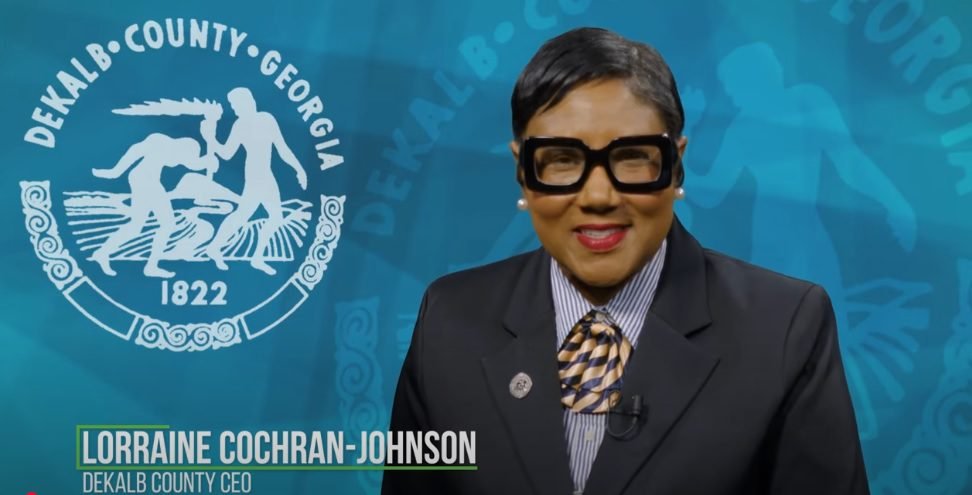
DeKalb County CEO Lorraine Cochran-Johnson announced the hiring event on Wednesday, emphasizing its importance as part of her administration’s commitment to reshaping the county’s future. “This job fair is one of the ways we’re re-imagining DeKalb,” she said. “It is one of the ways we are investing in people and helping them thrive.”
The county currently has more than 500 positions available across various departments. Of those, 250 vacancies are in public safety roles, including positions in police, fire, and emergency services. County representatives will conduct on-site interviews and same-day job offers may be extended to qualified candidates.
The hiring event is a tangible reflection of our broader workforce development strategy, a key focus outlined during Cochran-Johnson’s recent State of the County address. This strategy is our commitment to making DeKalb a model of community-focused governance and innovation, ensuring a bright future for our workforce.
DeKalb County’s government careers page highlights a workplace culture focused on “collaboration, teamwork, and achievement” and welcomes applicants to a workforce that is “diversified and inclusive.” The site is updated weekly with the latest job vacancies, and residents are encouraged to join the DeKalb talent community to stay informed about new opportunities.
Job seekers are encouraged to explore opportunities in various fields, including engineering, sanitation, public safety, customer service, parks and recreation, finance, and public health.
The job fair is a free and inclusive event, open to all members of the public. While registration is required, it’s a simple step to secure a spot and gain early access to job postings and interview information.
The DeKalb County jobs website is updated weekly, and interested candidates can join the county’s talent community to stay informed about future vacancies.
For more information or to register, visit the DeKalb County Job Fair Registration Page. Don’t miss this opportunity to connect with potential employers and explore exciting career opportunities in DeKalb County!
Please consider supporting open, independent journalism – no contribution is too small!
Donald Trump Jr. blasts Nobel Committee for racism, slamming its decision to honor Obama while denying Trump the Peace Prize despite recent ceasefire efforts.
By Milton Kirby | Atlanta, GA | June 25, 2025
Donald Trump Jr. set off a contentious debate on Tuesday, accusing the Nobel Peace Prize Committee of racism. His scathing remarks, questioning the Committee’s decision to honor former President Barack Obama while overlooking his father, Donald Trump, sparked a heated discussion.
“Affirmative action is when Barack Obama gets the Nobel Peace Prize instead of Donald Trump,” Trump Jr. posted on X, formerly Twitter, sparking instant backlash and reigniting a long-standing partisan grudge over the international award.
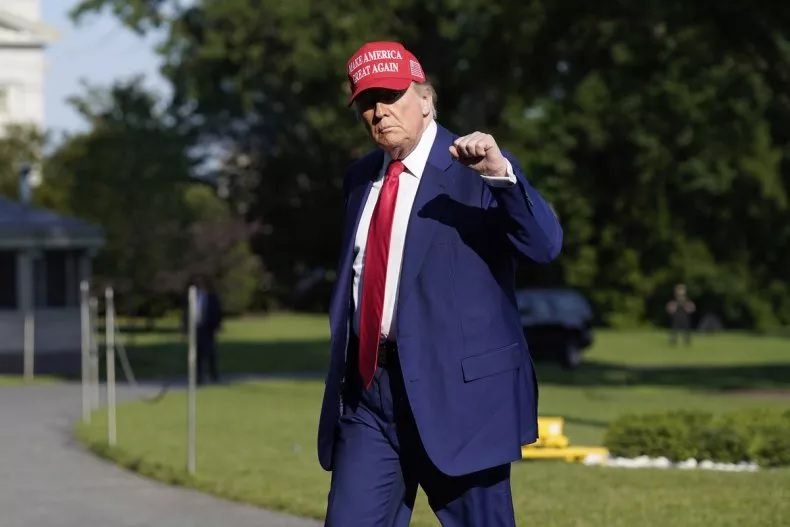
President Donald Trump on the South Lawn of the White House in Washington D.C. on Saturday Photo/Jose LuisIS Magana
The comments came the same day Rep. Buddy Carter (R-Ga.) nominated Trump for the 2026 Nobel Peace Prize, citing his recent diplomatic efforts to broker a ceasefire between Israel and Iran. “In recognition of his extraordinary and historic role,” Carter wrote in a letter to the Norwegian Nobel Committee, “President Trump deserves this honor.”
Carter’s nomination adds to a growing list of Nobel bids on Trump’s behalf, following similar proposals for his roles in the Abraham Accords, Serbia-Kosovo relations, and various international talks. However, this one came with a twist: it was dropped just as another nomination was being pulled.
Oleksandr Merezhko, a senior Ukrainian lawmaker who nominated Trump last year for his proposed resolution of the War in Ukraine, told Newsweek on Tuesday that he had formally withdrawn his nomination. Merezhko, head of Ukraine’s parliamentary foreign affairs committee, said he had “lost any sort of faith and belief” in Trump’s peacemaking abilities.
“Trump promised a swift resolution to the conflict. That hasn’t happened,” Merezhko explained. “Instead, attention has shifted away from Ukraine entirely.”
Trump, who returned to the White House in January, entered office pledging to end Europe’s largest armed conflict since World War II within 24 hours. Six months later, the War grinds on, and hopes for a negotiated settlement have largely faded. Though the administration has redirected diplomatic energy toward the Middle East, critics point to recent U.S. airstrikes in Iran as contradictory to the “peacemaker” image his supporters are trying to project.
Nonetheless, Pakistan recently backed a nomination of Trump for his role in facilitating a temporary ceasefire between India and Pakistan. His allies argue the breadth of his international engagement—despite the controversies—should qualify him for Nobel consideration.
A History of Nominations, Not Awards
The fight over Trump’s Nobel legitimacy has been building for more than a decade. Obama received the Peace Prize in 2009, just months into his presidency, a decision that was controversial even among his supporters. The Nobel Committee said the prize was awarded for Obama’s “extraordinary efforts to strengthen international diplomacy and cooperation between peoples,” but even Obama remarked that he was “surprised and deeply humbled.”
Republicans weren’t just surprised—they were furious. Since then, right-wing politicians and media figures have pushed hard for Trump to receive the same honor. He’s been nominated nearly every year since 2018:
In 2018 and 2020, for diplomatic overtures in North Korea and elsewhere.
Three times in 2021—twice for the Abraham Accords between Israel and several Gulf nations and once for brokering a trade deal between Serbia and Kosovo.
Again in 2024, for the same accomplishments.
With Trump now back in office as the 45th and 47th president, his camp has been even more vocal. This spring’s ceasefire in the Middle East between Iran and Israel offered the latest opportunity. Rep. Carter seized it—promptly submitting his nomination before any GOP rivals could.
The move may also serve Carter’s political interests. The congressman is a declared candidate for the U.S. Senate seat currently held by Democrat Jon Ossoff. Securing Trump’s endorsement could be crucial in a GOP primary that may include prominent challengers like Georgia Insurance Commissioner John King.
Carter is no stranger to MAGA theatrics. Earlier this year, he introduced a satirical bill proposing that Trump be authorized to buy Greenland and rename it “Red, White, and Blueland.”
Political Theater Meets International Recognition
Critics argue that Nobel Peace Prize nominations have become little more than political tools, citing the ease with which they can be submitted. Any national legislator, university professor, or organization leader can nominate someone for the prize by submitting a formal letter. And while hundreds of nominations are submitted annually, the vast majority never receive serious consideration.
“The fact that someone can nominate Trump doesn’t mean he’s close to winning,” one Nobel historian noted. “Nor does it reflect a consensus about the value of his actions.”
Still, the Trump camp sees a double standard.
“They gave Obama the Peace Prize before he even did anything,” Trump Jr. raged on social media. “My father literally brokered peace in the Middle East, and they ignored him. What else do you call that besides racism?”
That assertion is widely disputed. Historians and peace scholars argue that the committee’s decision to honor Obama may have been aspirational but was rooted in a different era—post-Iraq War, post-Bush presidency—when multilateralism and diplomacy were seen as urgent correctives.
In contrast, Trump’s diplomacy often comes wrapped in saber-rattling rhetoric. It is interwoven with military actions—such as his controversial decision to launch airstrikes on Iranian nuclear sites last week. While hailed by some for putting pressure on Tehran, the attacks raised concerns about further destabilizing the region.
What Comes Next?
The 2026 Nobel Peace Prize will be announced in October. Whether Trump’s latest nomination makes the shortlist is anyone’s guess. The committee does not publicly comment on nominations for 50 years, and speculation usually arises only after leaks.
One thing, however, is certain: Trump’s supporters, including his son and allies like Rep. Carter, will continue pressing the case. Their underlying goal may be less about the Nobel Prize and more about reinforcing the image of Trump as a global leader—regardless of whether that vision aligns with global reality.
Please consider supporting open, independent journalism – no contribution is too small!
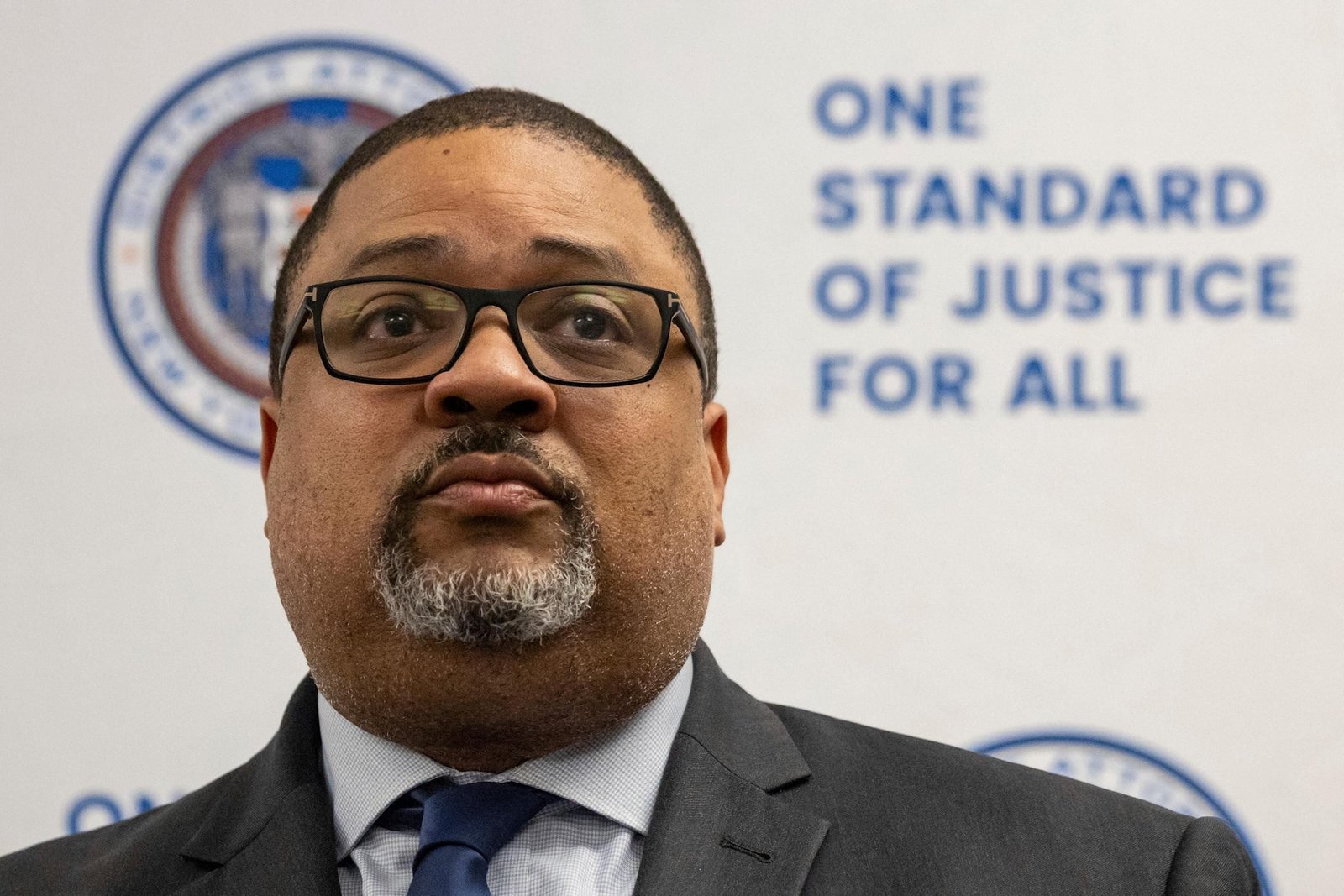
Manhattan DA Alvin Bragg wins Democratic primary, advancing to face GOP challenger amid high-profile Trump and Weinstein prosecutions and growing national spotlight on criminal justice.
By Jennifer Pelts | Associated Press | June 24, 2025
Bragg defeated Patrick Timmins — a litigator, law professor and former Bronx assistant district attorney — to advance to November’s general election. About 70% of registered Manhattan voters are Democrats.
The first-term incumbent will face Republican Maud Maron, who was a public defender for decades and previously ran for Congress and NYC’s City Council as a Democrat.
Bragg has long been one of the nation’s most prominent prosecutors, spotlighted in TV’s “Law & Order” and other shows. The DA directs about 600 attorneys in one of the biggest local prosecutors’ offices in the U.S.
He raised the office’s profile still further by bringing the hush-money case. His predecessor, fellow Democrat Cyrus R. Vance Jr., spent years investigating various Trump dealings but didn’t procure an indictment.
Bragg decided to focus on how and why porn actor Stormy Daniels was paid $130,000 to clam up about her claims of a 2006 sexual encounter with the married Trump. The payment was made, through the then-candidate’s personal attorney, weeks before the 2016 presidential election. Trump’s company records logged the money as a legal expense.
Trump denied any wrongdoing and any sexual involvement with Daniels. But a jury last year found him guilty of 33 felony counts of falsifying business records, the first-ever felony conviction of a former — and now again — U.S. commander in chief.
rump is appealing the verdict. The Republican president has long derided the case as a political “witch hunt,” and he has kept lambasting Bragg by social media as recently as March.
Bragg, 51, was a civil rights lawyer, federal prosecutor and top deputy to New York’s attorney general before becoming DA. Raised in Harlem and educated at Harvard, he’s the first Black person to hold the post.
His tenure had a rocky start. Days after taking office in 2022, he issued a memo telling staffers not to prosecute some types of cases, nor seek bail or prison time in some others. After criticism from the police commissioner and others, Bragg apologized for creating “confusion” and said his office wasn’t easing up on serious cases.
The matter continued to animate his critics. Trump repeatedly branded Bragg “soft on crime,” and Timmins said on his campaign site homepage that the memo “has brought about increased crime and a perception of chaos in the subway and on our streets.”
Timmins — who has raised about $154,000 to Bragg’s $2.2 million since January 2022 — also pledged to do more to staunch subway crime, keep cases from getting dismissed for failure to meet legal deadlines, and prioritize hate crimes, among other things.
Bragg’s campaign emphasized his efforts to fight gun violence, help sexual assault survivors, prosecute hate crimes and go after bad landlords and exploitative bosses, among other priorities.
His office, meanwhile, has been enmeshed in a string of high-profile cases in recent months.
The office is using a post-9/11 terrorism law to prosecute UnitedHealthcare CEO killing suspect Luigi Mangione, lost a homicide trial against Marine veteran and Republican cause célèbre Daniel Penny in a case that stirred debate about subway safety and self-defense, and retried former movie mogul Harvey Weinstein on sex crimes charges.
Mangione, Penny and Weinstein all pleaded not guilty.
Bragg unexpectedly inherited the Vance-era Weinstein case after an appeals court ordered a new trial. In a jumbled outcome, jurors this month convicted Weinstein on one top charge, acquitted him of another and didn’t reach a verdict on a third, lower-level charge — which Bragg aims to bring to trial a third time.
Please consider supporting open, independent journalism – no contribution is too small!
Wilma Rudolph overcame polio to become a triple Olympic gold medalist and global icon—breaking barriers in sports, civil rights, and women’s history.
By Milton Kirby | Atlanta, GA | June 23, 2025
Born prematurely on June 23, 1940, in a segregated town without electricity or running water, Wilma Glodean Rudolph faced unimaginable odds. As the 20th of 22 children, she battled polio, scarlet fever, and double pneumonia before age six. Doctors said she’d never walk again. Her mother said she would. Wilma believed her mother, and her unwavering faith and resilience continue to inspire us all.
By the age of 11, she had removed her leg brace and was walking unaided. By the age of 16, she was an Olympic medalist. By the age of 20, she was a global icon.
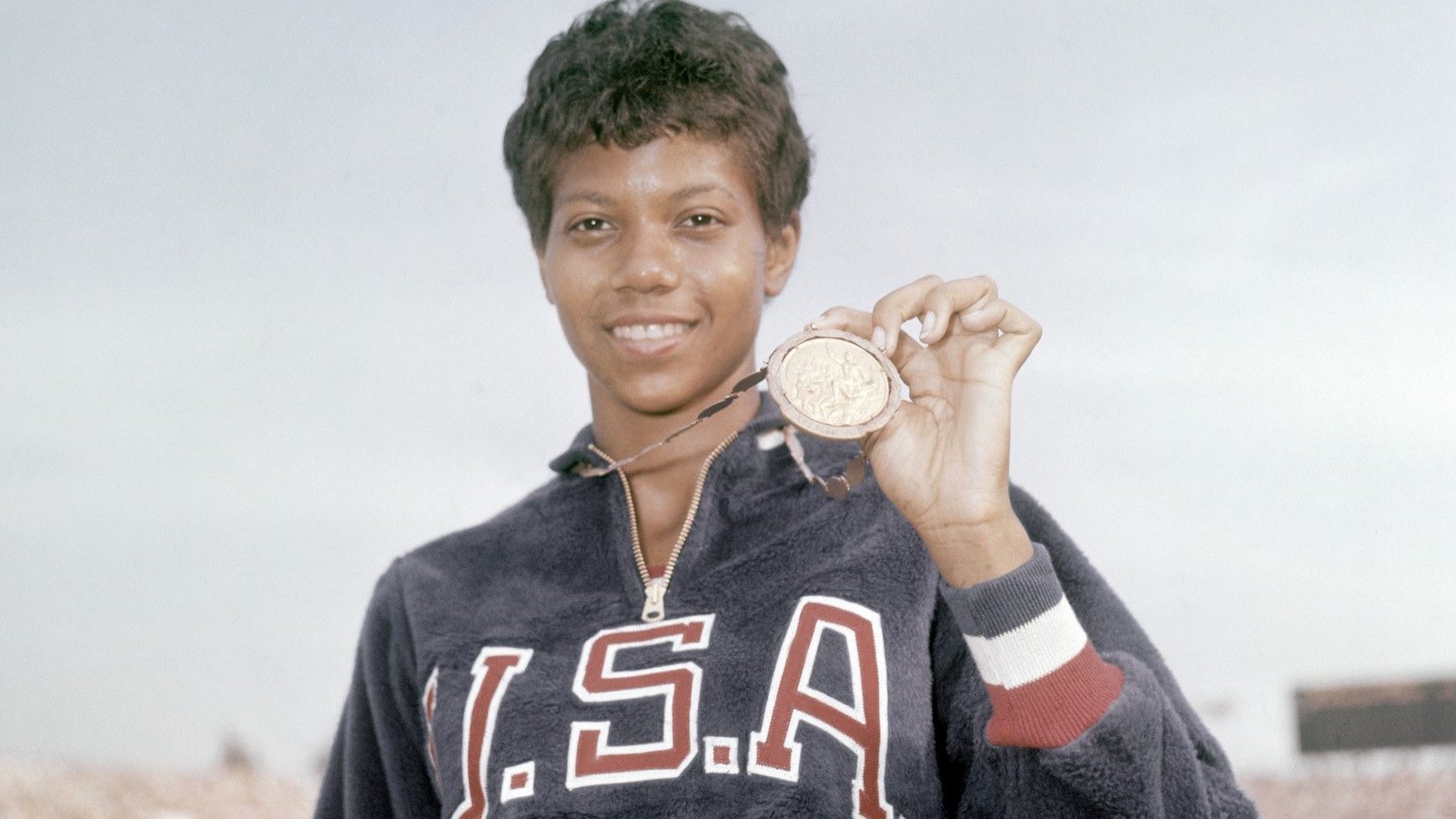
Wilma Rudolph courtesy Wilma Rudolph Foundation
At the 1956 Summer Olympics in Melbourne, Rudolph earned a bronze medal in the 4×100-meter relay, becoming the youngest member of the U.S. track-and-field team. But it was her performance four years later in Rome that immortalized her.
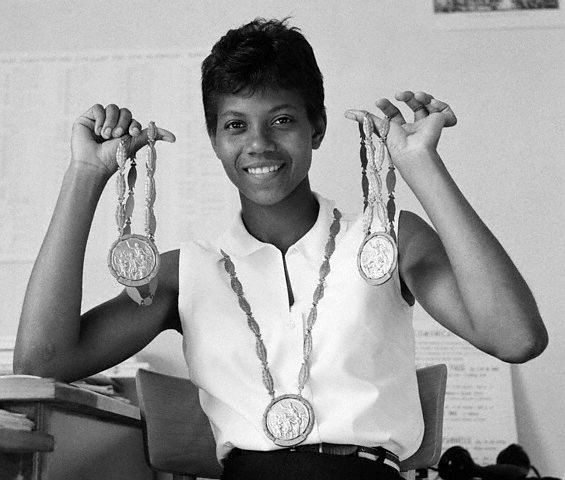
At the 1960 Summer Olympics Rudolph became the first American woman to win three gold medals in a single Games—triumphing in the 100-meter, 200-meter, and 4×100-meter relay events. Her fluid style, blistering speed, and steely determination earned her the nickname “The Black Gazelle.” She was the fastest woman in the world.
Televised worldwide, her achievements catapulted her into the pantheon of sports legends, joining fellow Olympians Muhammad Ali, Oscar Robertson, and Rafer Johnson. But Rudolph’s victories transcended track. When her hometown of Clarksville attempted to honor her with a segregated celebration, she refused to attend. Her stand for equality led to the town’s first integrated parade and banquet, a testament to her enduring impact on civil rights.
Wilma Rudolph courtesy Wilma Rudolph Foundation
Rudolph was a trailblazer for Black and female athletes. She broke gender barriers at events like the Millrose Games and boosted women’s track-and-field visibility across America. She won the 1961 Sullivan Award as the nation’s top amateur athlete, became a two-time Associated Press Female Athlete of the Year, and later served as a goodwill ambassador to French West Africa.
After retiring from track in 1962 at the height of her fame, Rudolph earned her degree from Tennessee State University and turned to coaching and youth advocacy. She founded the Wilma Rudolph Foundation, supporting young athletes nationwide.
Her life-inspired documentaries, a TV movie starring Shirley Jo Finney and Cicely Tyson, and countless children’s books. In 1977, she published her autobiography, Wilma.
Rudolph’s legacy lives on in the U.S. Olympic Hall of Fame, where she was inducted in 1983, and the International Sports Hall of Fame, where she was inducted in 1980. Tennessee State University also honors her, naming its indoor track and dormitory in her honor. We are all appreciative of the lasting impact she has made on the world of sports and civil rights.
In July 1994, following her mother’s death, Rudolph was diagnosed with brain and throat cancer. She died at home in Brentwood, Tennessee, on November 12, 1994, at age 54.
Wilma Rudolph courtesy Wilma Rudolph Foundation
More than an Olympic champion, Wilma Rudolph redefined what it meant to overcome. “My doctor told me I would never walk again. My mother told me I would. I believed my mother,” she once said. And the world has believed in her ever since.
Please consider supporting open, independent journalism – no contribution is too small!
Trump’s strike on Iran raises global stakes, questioning nuclear impact, retaliation, diplomacy, U.S. war powers, and MAGA unity in a potential turning point for his presidency.
By Olivier Knox | US News | June 23, 2025
President Donald Trump went all in this weekend on the biggest gamble of his second term: A direct military strike on Iran, aimed at destroying – or at least setting back – that country’s nuclear program. Here are six questions the historic attack raises.
1. How Effective Was It?
Trump says the American strikes “completely and totally obliterated” Iran’s main facilities for uranium enrichment – the process of making fuel potent enough for nuclear bombs.
But neither Defense Secretary Pete Hegseth nor Gen. Dan Caine, the chairman of the joint chiefs of staff, would say whether Iran retained the ability to make a nuclear weapon. Caine said the Iranian facilities had suffered “extremely severe damage and destruction” and that it would take time to assess the actual results. That’s not just a Pentagon job: The International Atomic Energy Agency, should it gain access to the sites, could also weigh in.
2. Does Iran Retaliate?
The American strikes, like the Israeli attacks that preceded them, came at a time when Iran is historically weak. Most of its regional proxies – Hamas in Gaza, Hezbollah in Lebanon – have been bloodied, raising doubts about their ability to retaliate on Tehran’s behalf.
But the roughly 40,000 U.S. military personnel on the ground in the region could still face threats from Iran-aligned militias in Syria and Iraq, as well as the Houthis in Yemen, who withstood a U.S. military campaign earlier this year.
On Monday, Iran said it had fired a volley of missiles at the al-Udeid Air Base in Qatar, home to thousands of U.S. troops. Qatar said its air defenses intercepted the rockets. There were no reports of deaths or injuries.
Iran’s parliament has approved a measure endorsing the closure of the Strait of Hormuz, a choke point for international trade, according to Iranian state media. If Tehran successfully shuts it down, it could lead to higher gas prices and disrupted supply chains in Europe and the United States.
In the past, American decisionmakers told me they worried about Iranian retaliation in the form of terrorist attacks. That’s a huge question mark here – and it would sharply escalate the conflict.
3. Are the U.S.-Iran Talks Dead?
Did the U.S. attack kill off prospects of nuclear negotiations with Iran? Or did it create the conditions for coercive diplomacy?
Asked whether diplomacy was still an option, Iranian Foreign Minister Abbas Araghchi told reporters in Istanbul: “This is not the case right now.”
In the aftermath of the strikes, senior American officials played down the prospects the attack was just the start of a broader military campaign – while retaining that as an option.
“This is most certainly not open-ended,” Hegseth said.
But the enemy gets a vote. And American warnings of, “If they hit back, we’ll hit back harder” makes this open-ended.
4. What Will Russia and China Do?
Russia and China were central to the diplomacy that yielded a nuclear deal with Iran under President Barack Obama. Trump ripped it up, saying he would quickly get a better deal. He did not, which is part of what got the world to the current volatile moment.
Iran’s foreign minister headed to Moscow on Monday to seek help from Russian President Vladimir Putin, Reuters reported. It was not immediately clear what sort of assistance Tehran wants.
China has condemned the attacks. So did Putin. But the real question is if they object enough to take practical action.
5. Is Congress Out of The ‘War’ Conversation?
Every White House I have covered – from the last days of President Bill Clinton onward – has had a testy relationship with Congress when it comes to which branch of government decides whether, when and how young Americans will be hurled into military conflict abroad.
The Constitution vests Congress with the power to declare war or authorize the use of military force. It also declares that the president is commander in chief of the armed forces.
I have not yet seen a formal administration notification to Congress laying out the legal justification for striking Iran. What will they formally invoke?
But Trump is hardly the first president to sideline Congress in matters of war. More on that in tomorrow’s newsletter.
6. Will MAGA Fissure?
After condemning his predecessors’ “forever wars” and repudiating the neocon blueprint that led to open-ended interventions in the Middle East, Trump has now delivered the neocon dream project: A military attack to try to neuter Tehran’s nuclear program and possibly precipitate regime change.
Some of his most fervent supporters had warned in the run up to this weekend’s strikes that this would amount to an “unforgivable betrayal” of his voters.
Will the movement fissure? Probably not. Trump has proved time and time again that Republicans may kvetch a bit but will eventually line up behind him.
Please consider supporting open, independent journalism – no contribution is too small!
Monster Jam roared into Athens, GA, with thrilling competitions, fan-favorite trucks like Grave Digger, and a weekend full of stunts, racing, and high-flying action.
By Milton Kirby | Athens, GA | June 24, 2025
The sound of roaring engines, flying dirt, and thunderous applause filled the air as Monster Jam took over Athens, Georgia from June 20–22, delivering a high-octane weekend of competition that left fans on the edge of their seats. Hosted at the Akins Ford Arena at the Athens Classic Center, six of the sport’s top drivers battled in multiple events across three action-packed days, culminating in a series of unforgettable performances.
The field included Grave Digger (Krysten Anderson), El Toro Loco (Armando Castro), Rammunition/Ramdemption (Kurt Kraehmer), Raminator (Mark Hall), Terminal Velocity (Jon Zimmer Jr.), and Zombie (Jon Zimmer Sr.)—all fan favorites in the Monster Jam universe.
Friday Night Fireworks: El Toro Loco Charges Ahead
Friday’s opening competition set the tone for the weekend, with El Toro Loco’s Armando Castro taking the overall event win with a total of 17 points. Castro thrilled the crowd by earning:
9.178 points in the 2 Wheel Skills Challenge,
8.504 points in the Monster Jam Freestyle Competition,
and a decisive racing win over Terminal Velocity in the JCB Racing finale.
It was a powerful start for El Toro Loco, which bulldozed through the course with signature flair and control.
Saturday Belonged to Terminal Velocity
The Zimmer family made Saturday their own, with Jon Zimmer Jr. piloting Terminal Velocity to back-to-back overall event wins in the afternoon and evening shows, scoring 16 and 17 points, respectively.
His standout stats:
9.249 and 9.565 points in Freestyle,
9.438 and 9.108 points in 2 Wheel Skills Challenges.
While Grave Digger edged out Terminal Velocity in JCB Racing, Zimmer Jr.’s consistency and high scores earned him top honors for both sessions.
Sunday: Grave Digger Reigns Supreme
On Sunday, the momentum shifted to Krysten Anderson and Grave Digger, who swept both afternoon and evening events with 14 points in each performance. A staple of the Monster Jam legacy, Anderson delivered standout runs that included:
8.458 and 9.001 points in Freestyle,
6.282 and 5.791 points in 2 Wheel Skills,
and a dominant win over El Toro Loco in Sunday’s afternoon JCB Racing heat.
Though Grave Digger fell to Zombie in the final JCB Racing showdown Sunday evening, Anderson’s overall performance sealed a triumphant finish to the weekend.
Fan Meet-and-Greet in Winder
Before engines fired up in Athens, fans got a close-up look at the magic behind the machine. On Thursday, June 19, Krysten Anderson and the legendary Grave Digger truck made a special appearance at Akins Ford in Winder, GA. Hundreds of fans lined up to meet Anderson, pose with the iconic 12,000-pound truck, and grab autographs before the action began.
What’s Next: Monster Jam World Finals in Salt Lake City
The excitement doesn’t stop in Georgia. The 2025 Monster Jam World Finals are set to take place July 4–5 in Salt Lake City, Utah—the first time the finals will be held in the Beehive State.
Highlights include:
Thursday, July 3: Pit Party and Monster Jam Awards Ceremony (4:00–6:00 p.m.), followed by Qualifying at 7:00 p.m.
Friday and Saturday: Championship-level racing, freestyle competitions, and appearances from superstar trucks like Megalodon, Sparkle Smash, and of course, Grave Digger.
Tickets include access to the biggest Pit Party of the year, where fans can meet drivers, explore trucks up close, and enjoy interactive, family-friendly activities.
Village at Legacy brings 132 affordable apartments to Decatur’s Legacy Park, offering low-income families modern housing, green space, and community-focused amenities in two phases.
132 new units to serve low-income families in two-phase community development
By Milton Kirby | Decatur, GA | June 20, 2025
A new chapter in affordable housing is unfolding in Decatur, Georgia. The Decatur Housing Authority (DHA), in partnership with the City of Decatur and nonprofit developer Preserving Affordable Housing, Inc. (PAHI), has broken ground on the Village at Legacy Apartments—a two-phase development that will ultimately provide 132 affordable housing units for low-income families within the scenic Legacy Park.
Located on the former United Methodist Children’s Home property—77 acres purchased by the city in 2017—Legacy Park was master planned through a robust community engagement process. The plan included a clear vision for affordable housing, which is now becoming a reality in the South Housing Village through this public-private collaboration.
A Vision for Inclusive Growth
“The Village at Legacy is more than just housing—it’s a step toward inclusive growth, equity, and community-building in Decatur,” said Doug Faust, Executive Director of the Decatur Housing Authority. “We’re proud to partner with the City and PAHI to create a neighborhood where families of all income levels can thrive.”
Each of the two construction phases comprises 66 units, resulting in a total of 132 units upon completion. Phase I is expected to wrap up in summer 2025, while Phase II will break ground later this year and open in late summer 2026.
The development features a mix of duplexes, townhomes, and garden-style apartments, offering one-, two-, and three-bedroom floor plans ranging from 660 to over 1,200 square feet. Monthly rents will vary between $1,000 and $2,000 depending on unit size, with income qualifications required. Residents must demonstrate a gross monthly household income of at least 2.5 times the rent, or roughly between $2,500 and $5,000.
Courtesy Village at Legacy
Community-Centered Design
The Village at Legacy is designed to do more than just meet housing needs. It’s built to nurture community.
A centrally located clubhouse will include a business center, art room, and teen lounge. Outdoor amenities, including a barbecue pavilion, green space, and raised garden beds, will provide residents with areas for relaxation and gathering. The grounds also feature pet-friendly walking trails and easy access to Legacy Park’s nature trails and open fields.
DHA will provide on-site management and a resident experience coordinator to facilitate support services. A dedicated maintenance team will ensure timely service requests and upkeep.
“This project combines affordable housing with lifestyle amenities and thoughtful design,” said a PAHI spokesperson. “It shows what’s possible when we reimagine affordable housing as an asset that strengthens neighborhoods.”
Strategic Investment
The Village at Legacy was made possible through a mix of local and state investment. Both phases are supported by Low Income Housing Tax Credits (LIHTC) awarded by the Georgia Department of Community Affairs. Equity and debt funding for Phase I is provided by Hudson Housing Capital, Advantage Capital, and Bank of America. Additional support is provided by the City of Decatur and DHA.
In a long-term ground lease, the City of Decatur retains ownership of the land, ensuring long-term affordability and stewardship over the site’s future.
A Desirable Location
Legacy Park is situated just minutes from Decatur Square, offering convenient access to top schools, healthcare services, and major employers. Nearby institutions include Emory University, Agnes Scott College, and Winnona Park Elementary. Job opportunities are plentiful with employers like Emory Healthcare, Delta Air Lines, and Davis Manufacturing within commuting distance.
Residents can also enjoy local dining favorites such as Kimball House and The Iberian Pig, or explore the Fernbank Museum of Natural History and Georgia Aquarium. Retail options range from boutique shops to big-box stores, and transit is easily accessible via South Columbia Drive (GA-155), East College Avenue (US-278), and I-285.
Welcoming Home for All
Each apartment includes modern kitchens, spacious living areas, and washer-dryer connections. Select units feature private balconies or patios. The apartments are designed with comfort and convenience in mind, and our pet-friendly policy means that four-legged companions are also welcome.
Leasing is currently underway for Phase I, with move-ins expected to begin later this summer.
For more information or to schedule a tour, visit www.villageatlegacy.com, call (404) 270-2151, or email info@villageatlegacy.com.
Please consider supporting open, independent journalism – no contribution is too small!
A U.S. attack on Iranian nuclear sites could send oil prices higher, trigger a rush to safety, and impact global markets, inflation, and the U.S. dollar.
Suzanne McGee, Saqib Iqbal Ahmed and Lewis Krauskopf Reuters |June 22, 2025
A U.S. attack on Iranian nuclear sites on Saturday could lead to a knee-jerk reaction in global markets when they reopen, sending oil prices higher and triggering a rush to safety, investors said, as they assessed how the latest escalation of tensions would ripple through the global economy.
The reaction in Middle East stock markets, which trade on Sunday, suggested investors were assuming a benign outcome, even as Iran intensified its missile attacks on Israel in response to the sudden, deep U.S. involvement in the conflict.
U.S. President Donald Trump called the attack “a spectacular military success” in a televised address to the nation and said Iran’s “key nuclear enrichment facilities have been completely and totally obliterated”. He said the U.S. military could go after other targets in Iran if the country did not agree to peace.
Iran said it reserves all options to defend itself, and warned of “everlasting consequences”. Speaking in Istanbul, Iran’s Foreign Minister Abbas Araqchi said Tehran was weighing its options for retaliation and would consider diplomacy only after carrying out its response.
Investors said they expected U.S. involvement would cause a stock market selloff and a possible bid for the dollar and other safe-haven assets when major markets reopen, but also said much uncertainty remained.
“I think the markets are going to be initially alarmed, and I think oil will open higher,” said Mark Spindel, chief investment officer at Potomac River Capital.
“I think the uncertainty is going to blanket the markets, as now Americans everywhere are going to be exposed. It’s going to raise uncertainty and volatility, particularly in oil,” he added.
One indicator of how markets will react in the coming week was the price of ether, the second-largest cryptocurrency and a gauge of retail investor sentiment.
Ether was down 8.5% on Sunday, taking losses since the first Israeli strikes on Iran on June 13 to 13%.
Most Gulf stock markets, however, seemed unconcerned by the early morning attacks, with the main indexes in Qatar, Saudi Arabia and Kuwait up slightly or flat. Israel’s Tel Aviv main index was at an all-time high.
How will oil prices and inflation be affected?
A key concern for markets would center around the potential impact of the developments in the Middle East on oil prices and thus on inflation. A rise in inflation could dampen consumer confidence and lessen the chance of near-term interest rate cuts.
Saul Kavonic, a senior energy analyst at equity research firm MST Marquee in Sydney, said Iran could respond by targeting American interests in the Middle East, including Gulf oil infrastructure in places such as Iraq or harassing ship passages through the Strait of Hormuz.
The Strait of Hormuz lies between Oman and Iran and is the primary export route for oil producers such as Saudi Arabia, the United Arab Emirates, Iraq and Kuwait.
“Much depends on how Iran responds in the coming hours and days, but this could set us on a path towards $100 oil if Iran respond as they have previously threatened to,” Kavonic said.
While global benchmark Brent crude futures have risen as much as 18% since June 10, hitting a near five-month high of $79.04 on Thursday, the S&P 500 has been little changed, following an initial drop when Israel launched its attacks on Iran on June 13.
Jamie Cox, managing partner at Harris Financial Group, said oil prices would likely spike before leveling off in a few days as the attacks could lead Iran to seek a peace deal with Israel and the United States.
“With this demonstration of force and total annihilation of its nuclear capabilities, they’ve lost all of their leverage and will likely hit the escape button to a peace deal,” Cox said.
Economists warn that a dramatic rise in oil prices could damage a global economy already strained by Trump’s tariffs.
Still, any pullback in equities might be fleeting, history suggests. During past eruptions of Middle East tensions, including the 2003 Iraq invasion and the 2019 attacks on Saudi oil facilities, stocks initially languished but soon recovered to trade higher in the months ahead.
On average, the S&P 500 slipped 0.3% in the three weeks following the start of conflict, but was 2.3% higher on average two months following the conflict, according to data from Wedbush Securities and CapIQ Pro.
In the most severe case, global oil prices jump to around $130 per barrel, driving U.S. inflation near 6% by the end of this year, Oxford said in the note.
All eyes on the dollar
An escalation in the conflict could have mixed implications for the U.S. dollar, which has tumbled this year amid worries over diminished U.S. exceptionalism.
In the event of U.S. direct engagement in the Iran-Israel war, the dollar could initially benefit from a safety bid, analysts said.
“Do we see a flight to safety? That would signal yields going lower and the dollar getting stronger,” said Steve Sosnick, chief market strategist at IBKR in Greenwich, Connecticut. “It’s hard to imagine stocks not reacting negatively and the question is how much.”
Jack McIntyre, portfolio manager for global fixed income at Brandywine Global Investment Management in Philadelphia, said it was uncertain whether U.S. Treasuries would rally after the U.S. attack, largely due to the market’s hypersensitivity to inflation.
“This could lead to regime change (which) ultimately could have a much bigger impact on the global economy if Iran shifts towards a more friendly, open economic regime,” said McIntyre.
On average, the S&P 500 slipped 0.3% in the three weeks following the start of conflict, but was 2.3% higher on average two months following the conflict, according to data from Wedbush Securities and CapIQ Pro.
What will this mean for the US dollar?
An escalation in the conflict could have mixed implications for the U.S. dollar, which has tumbled this year amid worries over diminished U.S. exceptionalism.
In the event of U.S. direct engagement in the Iran-Israel war, the dollar could initially benefit from a safety bid, analysts said.
“Do we see a flight to safety? That would signal yields going lower and the dollar getting stronger,” said Steve Sosnick, chief market strategist at IBKR in Greenwich, Connecticut. “It’s hard to imagine stocks not reacting negatively and the question is how much. It will depend on Iranian reaction and whether oil prices spike.”
Please consider supporting open, independent journalism – no contribution is too small!
Virginia will elect its first female governor this November—either Democrat Abigail Spanberger or Republican Winsome Earle-Sears—in a race closely tied to Trump’s second term.
By Milton Kirby | Richmond, VA | June 17, 2025
It’s a primary election day in Virginia, but the real showdown is already locked in. For the first time in the Commonwealth’s 235-year history, voters are guaranteed to elect a woman as governor this November, marking a significant milestone in Virginia’s political landscape.
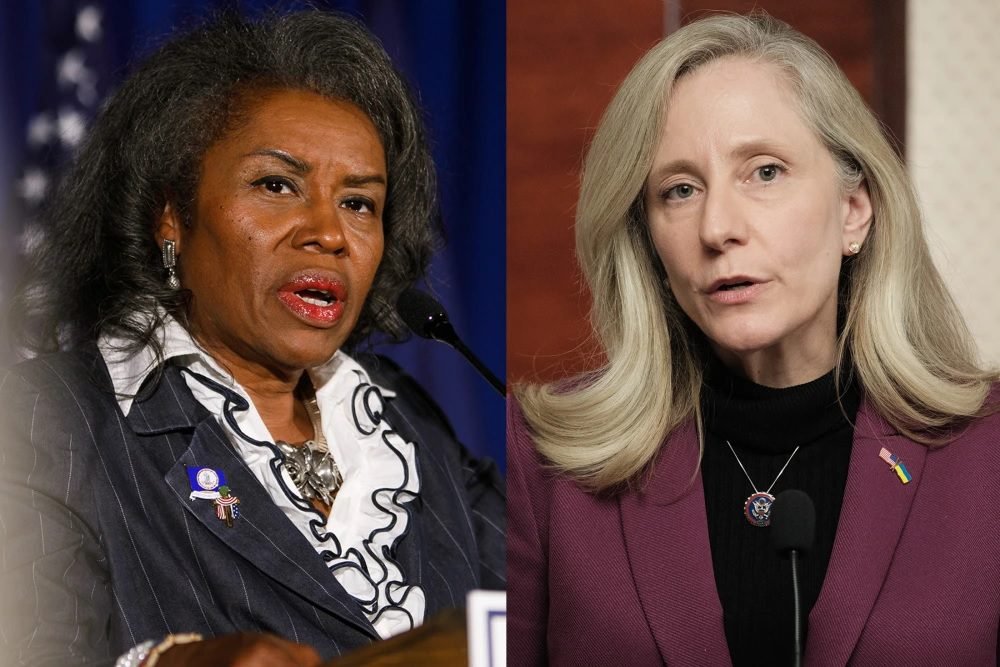
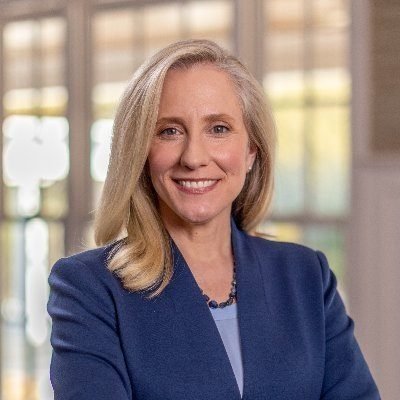
On one side is Abigail Spanberger, a Democrat, former CIA officer, and three-term
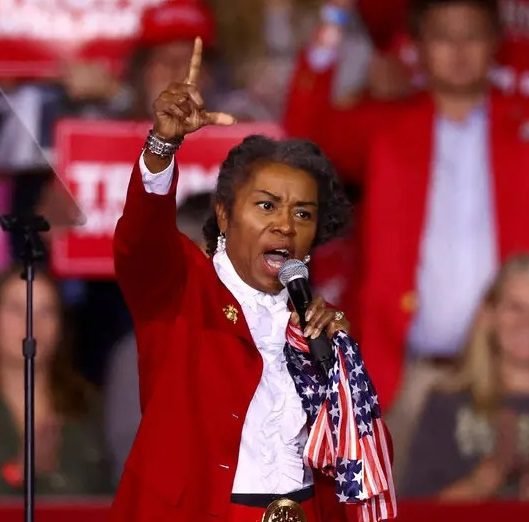
congresswoman known for her centrist policy stances and sharp national security credentials. On the other is Winsome Earle-Sears, a Republican and the state’s current lieutenant governor, who made history in 2021 as the first woman of color elected to statewide office in Virginia.
The matchup between Spanberger and Earle-Sears will be one of the most closely watched races in the country, offering an early reading on how voters are reacting to President Donald Trump’s second term ahead of the 2026 midterms. While Spanberger and Earle-Sears ran unopposed in their respective primaries, the campaigns they’ve launched are already sharply defined—and fiercely competitive.
Winsome Earle-Sears – Hannah Mckay/Reuters
A Historic Race, A Stark Contrast
Spanberger, 45, brings a national profile and significant fundraising muscle to the race. Backed by over $14 million in campaign funds as of early June, she has unified the Democratic Party in Virginia around a platform focused on reproductive rights, economic relief, gun safety, and protecting the state’s large federal workforce—especially from cuts pushed by the Trump administration and Elon Musk.
“Virginia’s future depends on what we protect now,” Spanberger said Monday night at a rally at her alma mater, J.R. Tucker High School in Henrico County. “Our schools, our workers, our freedoms, our safety—these are not political slogans. These are what make us who we are.”
In a nod to her bipartisan image, Spanberger also pledged to “listen more than I speak” and build bridges across party lines. As part of her campaign rollout, she’s embarked on a “Span Virginia Bus Tour,” pledging to stop in 40 cities in eight days and appear with the eventual Democratic nominees for lieutenant governor and attorney general.
Earle-Sears, 61, is pitching herself as the natural continuation of the Youngkin administration, promising to preserve what she describes as “a prosperous path” for the state of Virginia.
A former Marine and Jamaican immigrant, Earle-Sears has a compelling personal story that resonates with many conservative and independent voters. She has emphasized “parents’ rights,” expanded school choice, and lower taxes as her campaign’s top issues while casting Spanberger as a rubber stamp for President Biden and the Democratic establishment.
Photo courtesy – Abigail Spanberger
“Abigail Spanberger represents the Biden status quo—higher prices, soft-on-crime policies, and a war on parents’ rights,” said Peyton Vogel, a spokesperson for the Earle-Sears campaign. “Winsome is building a movement powered by real Virginians who want to keep Virginia on the right track.”
Yet, questions linger among Republicans about the strength of Earle-Sears’ campaign. GOP strategists have quietly expressed concerns about her lack of a central message and a weak fundraising operation—her campaign had less than $3 million in cash on hand as of June 5.
“She has a great story and can be electrifying on the stump,” one Republican operative told NBC News. “But Spanberger has the money, the discipline, and the edge.”
Trump Looms Large
Donald Trump isn’t on the ballot, but his influence saturates the race.
Spanberger has positioned herself as a counterweight to Trump’s second-term agenda, especially his aggressive downsizing of the federal government—a major employer in Virginia. At a March event, she warned that cuts orchestrated by Trump and former DOGE director Elon Musk are threatening the livelihoods of thousands.
“We know that Virginia’s economy is tied to the work of people serving in federal agencies like the IRS, the Department of Veterans Affairs, and the Library of Congress,” Spanberger told supporters. “I will stand up for them and for the stability they bring to our state.”
More than 340,000 federal workers live in Virginia, many of whom are facing uncertainty amid ongoing lawsuits and agency reorganizations. While Virginia’s state revenue has remained stable through April, the long-term impact of Trump’s cuts on local economies is still unfolding.
Meanwhile, Earle-Sears has largely avoided commenting on the federal workforce issue, instead focusing on her allegiance to Youngkin-era policies. But Democrats have seized on the opportunity, portraying her as out of touch with one of the state’s largest and most politically engaged constituencies.
The Stakes Beyond the Governor’s Race
In addition to the governor’s mansion, Virginians will vote in November for lieutenant governor, attorney general, and all 100 seats in the House of Delegates. While the state Senate is not up for re-election, the Democrats currently control both legislative chambers. They also hold a slim 51-49 majority in the House, which Republicans hope to overturn.
The Democratic primary for lieutenant governor is crowded, with six candidates, including state Sens. Ghazala Hashmi and Aaron Rouse, former Richmond mayor Levar Stoney, and others. For attorney general, voters will choose between former delegate Jay Jones and Henrico County Commonwealth’s Attorney Shannon Taylor—both of whom have promised to “stand up to Trump” if elected.
The general election contest will pit the winner against incumbent Republican Jason Miyares, who has warned that Democrats will misuse the office to launch partisan attacks on Trump. “The law is a shield, not a sword,” said Miyares’ spokesperson, Alex Cofield.
Reproductive Rights, Guns, and Affordability
Spanberger’s campaign has focused heavily on access to abortion—a key issue for Virginia Democrats since the Supreme Court overturned Roe v. Wade. Virginia remains one of the last Southern states with access to abortion care until viability. Spanberger supports codifying those protections in state law.
She has also received the endorsement of Moms Demand Action, a national gun safety group, and pledged to pass laws banning high-capacity magazines, ghost guns, and assault-style weapons—measures previously vetoed by Gov. Youngkin.
“As a former law enforcement officer, I know gun violence prevention is pro-police,” she said in Alexandria during her endorsement event. “The fewer ghost guns on our streets, the safer our communities.”
Spanberger’s economic agenda includes proposals to tackle housing affordability, cap prescription drug prices, and lower energy costs—issues she argues will appeal to moderates and working-class voters.
Earle-Sears, meanwhile, has emphasized school reform, tax cuts, and opposition to what she calls “radical social policies.” Though she has avoided spelling out specific proposals, she has frequently invoked Youngkin’s record, hoping his popularity will buoy her bid.
A Defining Moment
For decades, Virginia’s off-year gubernatorial election has served as a bellwether for the national political climate. Since 1977, the party not in the White House has won 11 out of 13 times.
But political trends are shifting. Kamala Harris carried the state in 2024 by six points, and Democrats now hold a fragile edge in the urban and suburban regions that dominate voter turnout. Whether Spanberger can harness dissatisfaction with Trump’s federal cuts—and whether Earle-Sears can rekindle the energy that propelled Youngkin to victory in 2021—will define the final months of this campaign.
Regardless of the outcome, history is guaranteed. When Virginians head to the polls on November 4, they will elect the first female governor in the state’s history—a milestone long overdue.
This post contains affiliate links, which means a small commission may be earned if a purchase is made through them, at no extra cost to you.