Black Americans face higher credit card swipe fees, exacerbating existing financial burdens and racial wealth disparities. The Credit Card Competition Act aims to introduce competition and reduce fees, benefiting consumers and small businesses.
By Dr. Benjamin F. Chavis Jr., President and CEO, National Newspaper Publishers Association | December 27, 2024
America’s financial system is quietly reinforcing old inequities. Black American communities — historically denied access to wealth-building tools due to practices like redlining and restrictive banking — now face a new predatory financial hurdle: credit card swipe fees.
For Black Americans, swipe fees — which credit card companies use to fund luxury points programs — act as yet another layer of systemic discrimination, forcing many to pay more while receiving less in return.
Consider how credit card swipe fees work. Every time someone uses a credit card, the merchant is charged a fee — usually between 2% and 4% — which is often passed on to consumers through higher prices. Wealthier cardholders benefit from this system, recouping costs through rewards like fancy hotel stays and airline miles. But a legacy of discrimination has left Black families with fewer wealth-building opportunities, resulting in lower homeownership rates, lower credit scores, and higher debt burdens — putting those premium credit card and their luxury rewards out of reach for many.
In simple terms, Black Americans and other communities of color are left to foot the bill for the flights and perks of those who are considerably more affluent.
Black Americans are less likely to hold credit cards — 72% ownership compared to 88% for White Americans — and often face higher interest rates. 58% of Black Americans have more credit card debt than emergency savings, compared to 30% of White Americans. Black college graduates carry $25,000 more in student loan debt than their White counterparts, which can further harm their credit scores and financial stability.
It’s a painful irony: Black Americans, who are systematically excluded from wealth-building tools, end up paying more to access the same basic financial services. These financial pressures make it hard to escape revolving debt, and harder still to enjoy the rewards that banks offer. The promise of “free” rewards from swipe fees is an illusion for those who can barely afford to pay down their balance every month. While swipe fees aren’t solely responsible for racial wealth disparities, they compound existing financial burdens, making it even harder for Black families to build savings and financial security.
Black Americans are far from the only group that would benefit from comprehensive swipe fees reform: Small business owners and advocates across the country have been sounding the alarm and leading the calls. For small merchants, swipe fees are often their second-highest monthly cost after labor. These businesses — which operate on razor-thin profit margins — are forced to raise prices to stay afloat. The average American family pays more than $1,100 a year in higher prices due to these fees.
The current swipe fee structure exists because the Visa-Mastercard duopoly controls 90% of the U.S. credit card processing market, allowing them to set and increase rates for merchants while blocking out competitors.
Swipe fee reform isn’t radical; it’s about fair competition and a level playing field. The Credit Card Competition Act (CCCA) — a bipartisan bill being considered in Congress — aims to introduce competition into this marketplace by requiring at least two competing processing networks on each credit card. This could save American consumers and businesses an estimated $15 billion annually.
The CCCA won’t end rewards programs — only the banks that offer them can decide that. In fact, a recent study found that the CCCA would have little to no impact on rewards. What the bill would do is end a broken system that preys on those with the least and benefits those with the most.
Reducing swipe fees through pro-competition reform won’t undo generations of economic inequality, but it’s a step toward dismantling one of the structures that reinforce it. A fairer financial landscape benefits everyone, not just those most impacted — and Black Americans have paid more to receive less for too long. It’s time for that to change. An inequality anywhere is a threat to equality everywhere.
Dr. Benjamin F. Chavis Jr. is President and CEO of the National Newspaper Publishers Association (NNPA) representing the Black Press of America and Executive Producer of The Chavis Chronicles on PBS TV Network. Dr. Chavis can be reached at dr.bchavis@nnpa.org.
The Associated Credit Union (ACU) Foundation offers the Ronald K. Ford Memorial Scholarship, awarding $3,500 to high school seniors who embody Mr. Ford’s commitment to education, sportsmanship, and community service, with a deadline of March 31, 2025.
By Milton Kirby | Atlanta, GA December 24, 2024
The Associated Credit Union (ACU) Foundation is honoring the legacy of Ronald K. Ford, a former member of its Board of Directors, by awarding $3,500 scholarships to exceptional high school seniors. The Ronald K. Ford Memorial Scholarship celebrates Mr. Ford’s 12 years of service on the board, his influential career in education, and his pioneering contributions to the credit union industry.
The scholarship recognizes students who embody Mr. Ford’s commitment to education, sportsmanship, and community service. Abigail, a 2024 scholarship recipient, expressed her gratitude, highlighting how the award has supported her academic and personal goals.
Eligibility Criteria
High school seniors graduating in 2025 are encouraged to apply if they meet the following requirements:
Maintain a minimum GPA of 3.0
Gain acceptance to an accredited college, university, or technical school
Submit all application materials by Monday, March 31, 2025
Application Process
Applicants must submit:
A public link to a 60-second YouTube video addressing one of the following prompts:
Describe your most impactful community service activity.
Share your favorite academic subject and why it inspires you.
Two reference letters:
One from a school official (e.g., coach, counselor, or teacher).
One from a non-family member (e.g., employer, friend, or neighbor).
An official high school transcript and a college acceptance letter.
If you are a high school senior passionate about education, innovation, and community service, consider applying for the Ronald K. Ford Memorial Scholarship. This $3,500 award could be your stepping stone to a brighter future. For more details and application instructions, visit the Associated Credit Union Foundation’s website.
Don’t miss your chance—apply by March 31, 2025, and take a step closer to achieving your dreams!
For those seeking more affordable options, Georgia is home to some of the nation’s most economical colleges. Institutions like Dalton State College ($5,532 annual net price) and Abraham Baldwin Agricultural College ($7,260 annual net price) provide quality education at accessible costs.
Here are some reliable sources to estimate college costs in Georgia:
College Websites – Visit the official websites of individual colleges and universities in Georgia. Most institutions provide detailed information about tuition, fees, room, board, and other expenses.
Georgia Student Finance Commission (GSFC) – The GSFC offers tools and resources for understanding college costs, including information on tuition assistance programs like HOPE and Zell Miller Scholarships on their website.
BestColleges.com – Provides rankings and average annual costs for colleges in Georgia, including public and private institutions. Website: www.bestcolleges.com
College Navigator (NCES) – The National Center for Education Statistics (NCES) offers a tool to search and compare costs for colleges nationwide, including detailed breakdowns for Georgia institutions.
University System of Georgia (USG) – The USG website lists tuition and fee schedules for public colleges and universities in Georgia.
College Board – The College Board’s “Trends in College Pricing” report includes average tuition and fees by state, along with tools to estimate overall college costs.
Scholarship and Financial Aid Platforms – Websites like Fastweb.com and Scholarships.com often include information on estimated college costs and financial aid options.
Consumer-Focused Financial Tools – NerdWallet and CollegeSimply can provide estimates and comparisons of college costs across Georgia.
Websites like Best Colleges can also provide a wealth of information.
Lorraine Cochran-Johnson will be sworn in as DeKalb County’s sixth CEO on January 10, 2025, marking a historic milestone as the first African American woman to hold the position.
By Milton Kirby | Atlanta, GA December 22, 2024
Lorraine Cochran-Johnson will be sworn in as the sixth Chief Executive Officer (CEO) of DeKalb County, Georgia, on January 10, 2025. She will mark a historic milestone as the first African American woman to hold the position. This momentous occasion highlights a significant chapter in DeKalb County’s governance history, showcasing its evolution and progress over the decades.
A Journey of Dedication and Public Service
Cochran-Johnson’s rise to leadership is rooted in her extensive background in public administration and community engagement. Originally from Greenville, Alabama, and an eighteen-year resident of DeKalb County, GA, she attended Troy University, where she earned a Bachelor of Science degree in Political Science and Criminal Justice. Her academic journey continued at Auburn University, where she received a Master of Public Administration with a concentration in Economic Development and Grant Writing. She later attended John Marshall Law School, further broadening her expertise.
Before entering politics, Cochran-Johnson held various roles emphasizing public service and community development. Her active involvement in civic organizations across DeKalb County helped her gain an in-depth understanding of the challenges faced by its residents. In 2017, she was elected to represent District 7 on the Board of Commissioners, which includes areas such as Stonecrest and Lithonia. Her tenure as commissioner brought innovative ideas and transformative leadership to the district.
Celebrating Leadership: A Panel with Past CEOs
As part of her inaugural activities, Cochran-Johnson will moderate a panel discussion featuring four of DeKalb County’s previous CEOs: Liane Levetan, Vernon Jones, Burrell Ellis, and Michael Thurmond. This historic gathering will reflect on the county’s past challenges and achievements while setting the stage for its future. The panel will honor Manuel Maloof, DeKalb County’s first CEO, who served from 1984 to 1992 and passed away in 2004.
DeKalb County: A Unique Governance Model
DeKalb County is Georgia’s fourth-most populous county and boasts the highest population density in the Atlanta metropolitan area. Its transition to a CEO-led government in 1981 marked a pivotal shift in its governance structure, distinguishing it from other Georgia counties. The CEO model was designed to centralize leadership and streamline decision-making, addressing inefficiencies under the previous commission-led system.
Under this governance framework, the CEO serves as the county’s chief executive, responsible for day-to-day operations, appointing department heads, and proposing budgets. Meanwhile, the Board of Commissioners retains legislative authority, approving ordinances, budgets, and policies. This balance aims to foster accountability and efficient administration.
A Legacy of Leadership
DeKalb County’s CEO position has been instrumental in shaping its governance and growth. Each CEO brought distinct strengths and faced unique challenges during their tenure:
Manuel Maloof (1984–1992): As the inaugural CEO, Maloof centralized governance and prioritized infrastructure improvements. His tenure set the foundation for DeKalb’s transformation into a bustling suburban community.
Liane Levetan (1993–2000): The first woman to serve as CEO, Levetan championed environmental preservation, economic growth, and inclusivity in leadership. Her omnipresence set the tone for strong executive leadership at the helm of county government.
Vernon Jones (2001–2008): The first African American CEO, Jones emphasized infrastructure development and greenspace expansion. He championed DeKalb County’s emergence as a metropolitan epicenter.
Burrell Ellis (2009–2016): Ellis worked to restore the county’s fiscal stability in the aftermath of the Great Recession, emphasizing government reorganization, community engagement, and laying the foundation for renewed economic growth through water and sewer system reconstruction. His ONE DeKalb initiative was renowned as a model for civic engagement.
Lee May (Interim, 2013–2016): Appointed following Ellis’ suspension, May worked to restore trust and stability during a turbulent period.
Michael Thurmond (2017–present): Thurmond’s leadership has been characterized by fiscal responsibility, infrastructure improvements, and a focus on public safety.
The Evolution of DeKalb County’s Governance
DeKalb County’s adoption of the CEO model was a response to its rapid growth and urbanization during the late 20th century. This change was adopted to address the county’s increasing complexity by creating a centralized executive role. Voter approval in a 1981 referendum signaled strong public support for the modernization of its governance.
Key reasons for this transition included:
Improved Accountability: The CEO model centralized decision-making, providing clear leadership and accountability.
Administrative Efficiency: Streamlined operations reduced inefficiencies in managing the county’s growing population and services.
Adaptation to Urban Growth: The shift reflected DeKalb’s evolution from a rural area to a major suburban hub within the Atlanta metropolitan region.
Public Support: Voters recognized the need for a more robust governance structure to address emerging challenges.
Spotlight on Leadership: Past CEOs’ Achievements and Challenges
Manuel Maloof (1984–1992)
As DeKalb’s first CEO, Manuel Maloof played a pivotal role in defining the position’s responsibilities. His leadership focused on modernizing governance, investing in public infrastructure, and advocating for community needs. While balancing growth and resident concerns, Maloof laid the groundwork for DeKalb’s future development. He championed initiatives to streamline the permitting process for small businesses and fostered partnerships between the government and local entrepreneurs.
Photo Courtesy Atlanta Magazine – Manuel Maloof
Maloof is remembered as a leader who brought accountability, growth, and a personal touch to DeKalb County’s government. His work established DeKalb as a model for suburban governance in Georgia and the broader Southeast. Maloof’s influence extended beyond politics through his ownership and work at Manuel’s Tavern, cementing his place as a beloved figure in Atlanta’s civic life.
One of Maloof’s quotes: “Leadership isn’t about sitting behind a desk. It’s about rolling up your sleeves and solving real problems for real people.”
Liane Levetan (1993–2000)
Liane Levetan broke barriers as the first female CEO of DeKalb County. Her tenure emphasized environmental preservation, balanced development, and inclusivity. Signature initiatives included expanding parks, promoting recycling programs, and advocating for transit-oriented development. Her leadership inspired future generations of women in politics.
Levetan’s emphasis on green space preservation and environmental sustainability left a lasting impact on the county’s landscape. Her administration set a precedent for diversity and inclusion in DeKalb County governance.
Expansion of the Mason Mill Park and improvements to its facilities, including trails and picnic areas. The creation of the PATH trail system, connecting neighborhoods and parks with multi-use trails, was a major milestone.
Photo Courtesy of Liane Levetan
Her tireless efforts have ensured that Arabia Mountain will be a focal point for conservation and recreation for years to come. Located in southeast DeKalb County, it is a granite outcrop similar to Stone Mountain surrounded by diverse ecosystems, including forests, wetlands, and lakes. She quipped, “Arabia Mountain isn’t just a place—it’s a legacy. Preserving it ensures future generations can experience its wonder.”
Levetan personally participated in trail-blazing events, often walking alongside community volunteers to mark potential trail routes. She was known to say:
Levetan quoted on being the first female CEO: “Breaking barriers is never easy, but every step forward creates a path for others. I’m proud to be the first woman in this role, but I look forward to the day when it’s no longer remarkable.”
Vernon Jones (2001–2008)
One of the main highlights of Jones’ administration was his focus on economic development and improving the infrastructure of DeKalb County. He sought to attract businesses, improve housing, and revitalize the county’s commercial areas. Under his leadership, several major projects aimed at boosting the county’s economy were initiated, including the development of new commercial properties, industrial sites, and improved transportation systems.
Photo Courtesy Vernon Jones
Jones was instrumental in advocating for improved infrastructure in DeKalb, including the expansion and modernization of roads, public transportation services, and the county’s water and sewer systems. He focused on improving traffic flow, which had become a significant concern as the county’s population grew.
CEO Jones prioritized public safety, increasing funding for police and fire services. He also worked to modernize emergency services, including the establishment of new fire stations and improvements to police equipment and training programs.
Jones created several community engagement programs focused on youth development, senior services, and improving the quality of life for residents. His administration introduced initiatives such as the DeKalb Summer Youth Employment Program, which provided job opportunities and training for young people in the county.
Mr. Jones also worked to improve the environmental conditions in DeKalb County. This included efforts to improve waste management and increase recycling programs. He also promoted green space preservation and conservation efforts.
Vernon Jones focused on infrastructure improvements and economic development. Despite notable achievements, including public safety enhancements and community engagement programs.
Burrell Ellis (2009–2016)
Burrell Ellis was elected CEO (Chief Executive Officer) of DeKalb County in 2008. He took office in January 2009. Prior to serving as CEO, Ellis had a history of public service, having served as a member of the DeKalb County Commission from 2000 to 2008, representing District 5.
Photo By Milton Kirby – Burrell Ellis
Like many other local governments, DeKalb County faced significant fiscal challenges during Ellis’ tenure as CEO. These included the effects of the Great Recession, which made budgeting more challenging. Ellis worked to manage the county’s budget through a combination of cost-cutting measures and increased revenue efforts.
Ellis focused on improving the county’s government’s efficiency and accountability. He introduced initiatives to reduce waste and fraud in county departments.
CEO Ellis prioritized public safety by focusing on expanding police services and addressing high crime rates in certain areas of the county. He advocated for additional resources for law enforcement agencies and emergency services
Ellis’ administration prioritized fiscal management and government reform during a challenging economic period. However, legal troubles dampened his accomplishments, culminating in a conviction that was later reversed on appeal.
His tenure highlighted the complexities of balancing governance, public trust, and fiscal responsibility.
Michael Thurmond (2017–present)
Michael Thurmond’s Leadership brought stability to DeKalb County after a tumultuous period. His focus on fiscal responsibility, infrastructure revitalization, and public safety has been widely praised. Thurmond’s collaborative approach has strengthened community trust and positioned the county for continued growth.
Photo by Milton Kirby – Michael Thurmond
DeKalb County will close the 2024 fiscal year with a $150 million rainy day fund, a major turnaround from the $27 million deficit the county faced in 2017 when Thurmond took office. Thurmond launched a financial recovery plan upon taking office, and his administration has worked with county leaders to erase the deficit and build up a substantial reserve.
Looking Ahead: Cochran-Johnson’s Vision
As DeKalb County’s newly elected CEO, Lorraine Cochran-Johnson aims to build on the successes of her predecessors while addressing the county’s evolving needs. Her background in public administration and commitment to community engagement provide a strong foundation for her leadership. By fostering dialogue with past leaders, she seeks to honor DeKalb’s rich history while charting a bold course for its future.
Cochran-Johnson plans to tackle DeKalb’s housing affordability crisis, accelerate infrastructure modernization, and expand programs to support small businesses, all while emphasizing transparency and civic engagement.
Cochran-Johnson’s inauguration marks a new chapter in DeKalb County’s journey, one defined by innovation, inclusivity, and a shared commitment to progress.
President Joe Biden grants clemency to nearly 1,500 Americans, the largest single-day grant in modern history, commuting sentences and pardoning individuals convicted of non-violent crimes.
By Milton Kirby | Washington, DC | December 12, 2024
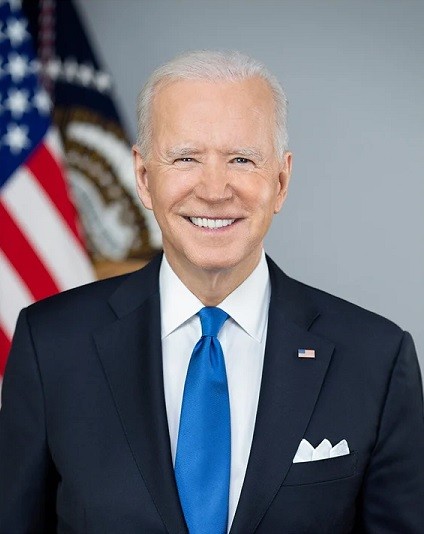
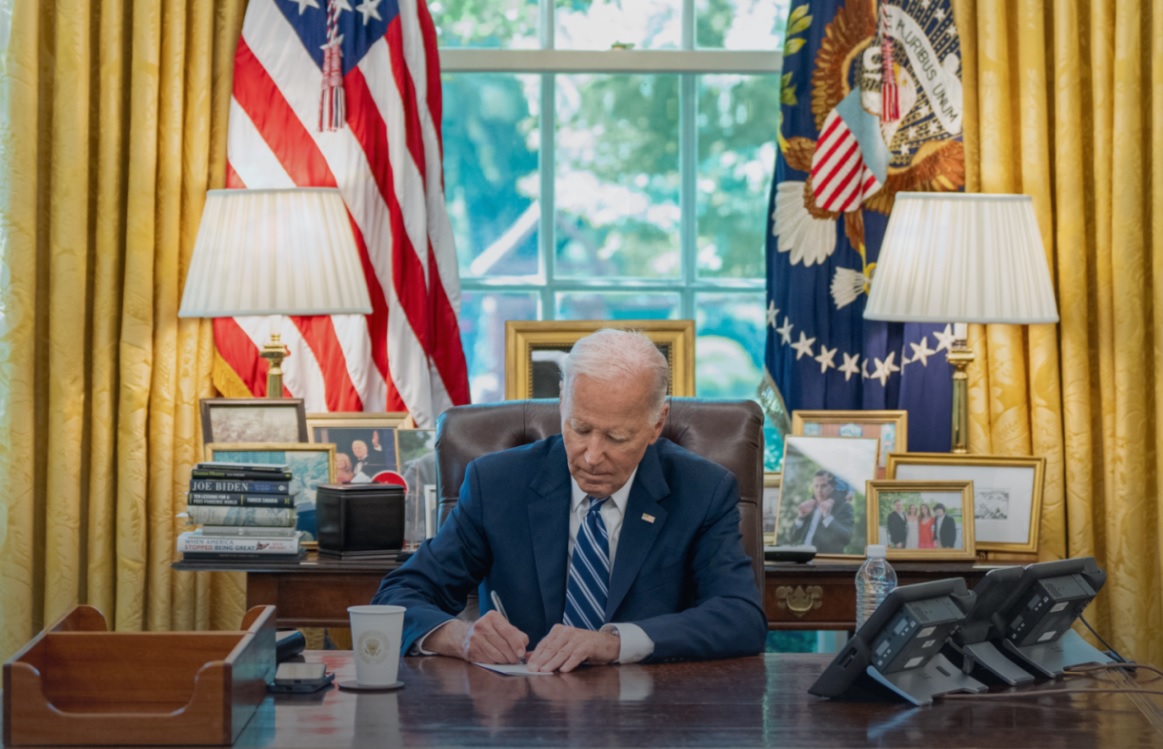
In a historic move, President Joe Biden has granted clemency to nearly 1,500 Americans, the largest single-day grant in modern history. This action includes commuting the sentences of close to 1,500 individuals placed on home confinement during the COVID-19 pandemic and pardoning 39 individuals convicted of non-violent crimes. These individuals have demonstrated successful rehabilitation and a strong commitment to making their communities safer. The White House said, “the 1,500 people had been serving long prison sentences that would have been shorter under today’s laws and practices.”
A Historic Day for Clemency
This unprecedented act builds on President Biden’s commitment to criminal justice reform, aiming to reunite families, strengthen communities, and help individuals reintegrate into society. At this point in his presidency, Biden has issued more commutations than any of his recent predecessors. Notably, he is the first president to grant categorical pardons for simple marijuana possession and for certain LGBTQI+ service members convicted due to their sexual orientation.
A decorated military veteran and pilot who helps church members with health challenges and strenuous tasks.
A nurse who led emergency response efforts during natural disasters and spearheaded COVID-19 vaccination campaigns.
An addiction counselor who volunteers to mentor young people, helping them avoid destructive behaviors and gang involvement.
As President Biden has often stated, the United States is a nation of second chances. Through clemency, he seeks to advance equal justice under the law and remedy the harms caused by outdated practices.
Commutations and Pardons in Detail
The nearly 1,500 individuals receiving sentence commutations have been serving time on home confinement under the CARES Act for at least one year. They have shown their commitment to rehabilitation by securing employment, pursuing education, and reintegrating into their communities. The 39 individuals granted pardons were convicted of non-violent crimes, including drug offenses, and have since turned their lives around. These recipients are parents, veterans, healthcare professionals, teachers, and advocates who use their experiences to inspire others.
President Biden’s Clemency Record
President Biden has consistently used his clemency power to address injustices and provide second chances. Key clemency actions throughout his administration include:
April 2022: Granted clemency to individuals with drug-related offenses and those on CARES Act home confinement, including three pardons and 75 commutations.
December 2022: Pardoned six individuals with drug- and alcohol-related offenses.
April 2023: Issued 31 commutations to individuals on CARES Act home confinement.
December 2023 & April 2024: Pardoned 11 individuals and commuted 16 sentences for non-violent drug offenses.
These actions have positively transformed lives by addressing barriers such as housing, employment, education, and healthcare often faced by those with federal convictions.
Categorical Clemency Actions
In addition to individual clemency, President Biden has taken bold steps with categorical clemency:
October 2022: Issued a full pardon for simple possession of marijuana.
December 2023: Expanded marijuana-related pardons to include attempted possession and use offenses.
June 2024: Granted categorical pardons to former service members convicted of offenses based on consensual, private conduct related to their sexual orientation between 1951 and 2013.
These systemic actions have inspired states like Maryland and Massachusetts to follow suit, granting categorical clemency for marijuana convictions and helping individuals rebuild their lives.
Moving Forward
While today’s announcement marks significant progress, President Biden’s work is far from over. The administration will continue reviewing clemency petitions to advance equity, justice, and public safety. By promoting rehabilitation and reentry, the President reaffirms his belief in second chances and the transformative power of justice reform.
I-285 Express Lanes Project: GDOT proposes new express lanes to reduce congestion, improve mobility, and enhance regional connectivity, with projected travel time reductions of up to 39% and toll-based pricing for market-based traffic management.
By Milton Kirby | Atlanta, GA – December 12, 2024
The Georgia Department of Transportation (GDOT) is holding a series of public meetings to inform residents and gather input on the proposed I-285 Express Lanes projects. These projects, part of GDOT’s Major Mobility Investment Program (MMIP). The MMIP is a grouping of projects expected to yield considerable reductions in congestion along key freight and passenger corridors. The projects are expected to significantly improve mobility along the heavily congested I-285 corridor, including the Top End, Eastside, and Westside segments.
Addressing Congestion
According to GDOT, the northern stretch of I-285 is among the most traveled and congested highways in the United States, with over 240,000 vehicles traversing it daily. Meanwhile, the Eastside and Westside sections each see nearly 200,000 vehicles daily. To address this, GDOT plans to construct two new barrier-separated express lanes alongside the existing general-purpose lanes in both directions. These express lanes are designed to offer drivers a choice to by-pass traffic congestion and provide more reliable trip times. The express lanes will be toll roads which will utilize market-based pricing to reflect real-time congestion. The new are projected to reduce travel times by up to 39% for express lane users and over 8% for those in general-purpose lanes.
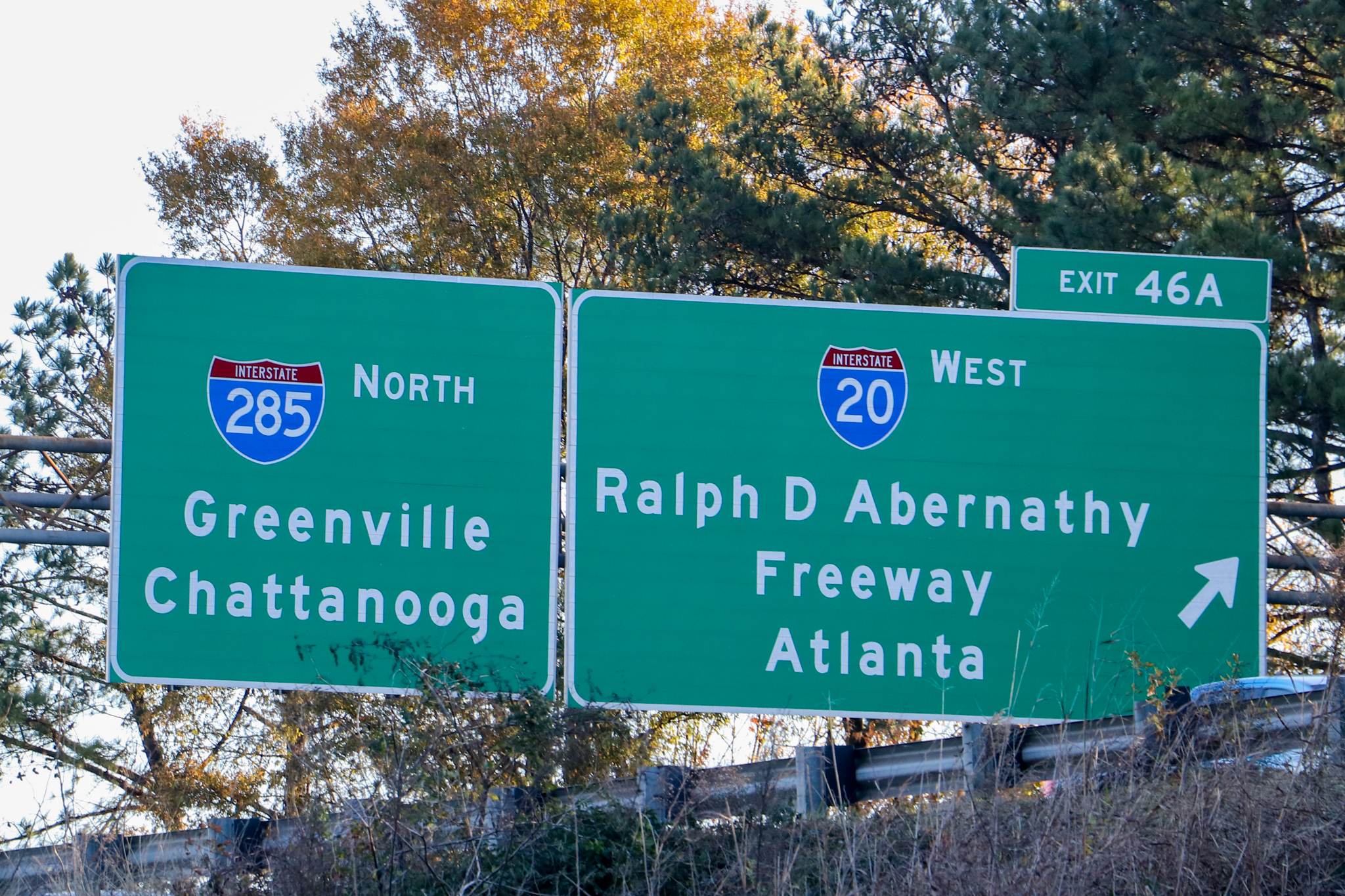
Photo by Milton Kirby | I-285 northbound @ Covington Highway in DeKalb County, GA – morning rush
All drivers will be able to use the optional express lanes, by registering and obtaining a Peach Pass regardless of the number of passengers traveling. Transit vehicles and state registered vanpools will be able to utilize the express lanes without paying a toll.
Transit Integration and Regional Connectivity
In parallel, MARTA is conducting a planning study to optimize transit connectivity along I-285. The I-285 Express Lanes Transit Study will explore how these lanes can enhance regional mobility and provide equitable transportation options. The study will focus on:
Identifying infrastructure enhancements, including ramps and station locations, to support transit access.
Developing operations plans for new express lanes transit services.
Ensuring equitable access to transportation, particularly for underserved communities.
The study will assess the corridor’s capacity to connect individuals to employment clusters, healthcare facilities, and other key destinations as part of the broader transit initiative. Population and job growth projections in the study area are 42% and 33%, respectively, by 2050. This projected growth underscores the urgency of these infrastructure improvements.
MARTA is accepting public comment from November 13 – December 18, 2024 on their website.
Other Public Engagement and Environmental Considerations
To foster community involvement, GDOT held a Public Hearing Open House (PHOH) series in July 2024, which included both in-person and virtual sessions to gather input regarding the environmental impact. Residents were invited to comment on the Draft Environmental Impact Statement (EIS), Mitigation Plan, and design concepts. Additional hearings are expected as the environmental studies progress. Federal regulations require an environmental impact study for any project utilizing federal funds.
Photo by Milton Kirby | Fly over construction @ I-285 & I-20 in DeKalb County, GA
Project Timeline and Benefits
The I-285 Top End Express Lanes project will be executed in three phases: procurement, design, and construction. Some segments will be at-grade, while others will feature elevated lanes. GDOT estimates that the lanes will enhance travel reliability, provide free access for transit vehicles and vanpools, and support economic growth by connecting consumers to businesses and workers to jobs.
GDOT has also partnered with the private sector to design, construct, finance, operate, and maintain the lanes, with toll revenue funding their operations.
Learn More
GDOT has made additional resources available, including a video gallery detailing the I-285 Top End Express Lanes proposals. Residents can monitor the GDOT website for further updates and attend upcoming public meetings.
These projects promise to alleviate traffic congestion, enhance regional connectivity, and support equitable transit solutions across metro Atlanta, setting the stage for sustainable growth and improved quality of life.
President Biden’s historic 40th Black female judge, Tiffany Rene Johnson, was confirmed to the federal bench, tying the record for most Black lifetime judges confirmed during a presidency.
By Gerren Keith Gaynor – TheGrio | December 10, 2024
President Joe Biden marked yet another historic moment for his administration in his final days in office on Monday when the U.S. Senate confirmed his 40th Black female judge to the federal bench.
As part of an effort to seat as many federal judges before President-elect Donald Trump returns to the White House on Jan. 20, the Senate confirmed Tiffany Rene Johnson to serve on the Northern District of Georgia. Judge Johnson is only the third Black woman to serve a lifetime appointment on the court. Johnson’s confirmation also ties the record for the most Black lifetime judges (62) confirmed during a presidency.
According to data tracked by The Leadership Conference on Civil and Human Rights, President Biden’s appointment of 62 Black lifetime judges is the highest in a single term. During his one term in office, President Jimmy Carter appointed 37 Black lifetime judges, as did President Bill Clinton during his first term. Over the course of their two terms in office, President Barack Obama and Clinton each appointed 62 Black judges.
During his first term, President Trump appointed only two Black women out of 234 judges to the federal bench, which is less than 1% of his appointments. Trump nominated no Black judges to federal circuit courts.
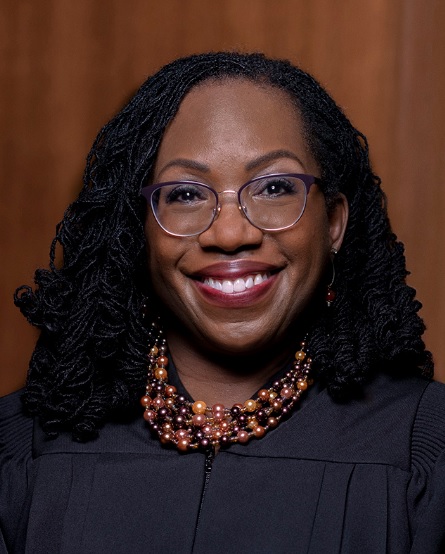
Since taking office, President Biden has vowed to reshape the federal judiciary to reflect America’s diversity. His most historic and notable appointment was Justice Ketanji Brown Jackson, who was confirmed as the first Black woman to serve on the U.S. Supreme Court in April 2022.
Courtesy Supreme Court
Ketanji Brown Jackson
Biden has appointed several “first” Black judges across the nation’s district courts and courts of appeals, including Tiffany Cunningham, the first Black judge to serve on the U.S. Court of Appeals for the Federal Circuit; Dana Douglas, the first Black woman to serve on the U.S. Court of Appeals for the Fifth Circuit; and Jerry Edwards, Jr., the first Black judge to serve on U.S. District Court for the Western District of Louisiana.
In addition to this record appointment, the Leadership Conference also noted that among President Biden’s Black female judicial selections, more than half of them bring what advocates celebrate as important professional experiences to the federal bench as former civil rights lawyers and public defenders.
The steady appointments from President Biden (and confirmations by the Senate) are seen as necessary in his final 41 days in the Oval Office, not only to fulfill his goal of transforming the federal judiciary but also to preserve his legislative legacy. Many of his policies — and those enacted by President Trump in his second term — could be challenged in the courts in the coming months and years. The ideological bent of federal judges will undoubtedly have major implications.
Ted Knorr advocates for Hebert Alphonso “Rap” Dixon’s induction, citing decades of research and contributions to Negro League baseball, despite being overlooked for the National Baseball Hall of Fame.
By Milton Kirby | Atlanta, GA – December 8, 2024
Ted Knorr, a passionate baseball historian from Harrisburg, PA, has made it his mission to secure the rightful recognition of Negro League legend Hebert Alphonso “Rap” Dixon in the National Baseball Hall of Fame. Knorr, a fixture in the Negro League baseball history community, delivered an inspiring presentation in June to the Kingston Woman’s History Club (KWHC). It was his third appearance before the organization.
Knorr’s address centered on Dixon, a trailblazing outfielder whose name resonates in the archives of Negro League baseball. Despite being named to the prestigious Negro League Centennial Team in 2018, Dixon remains the only position player from that roster yet to be inducted into the Hall of Fame.
A Historian’s Mission
Knorr’s journey with baseball history began with tales shared by his father about Pittsburgh Negro League greats like Satchel Paige and Josh Gibson. His fascination deepened after joining the Society for American Baseball Research in 1979 and its Negro League Research Committee in 1984. This passion eventually led him to Dixon, who played for the Harrisburg Giants.
Photo By Milton Kirby – Ted Knorr
Discovering that Dixon’s team had played at Rossmere Base Ball Park—on the very site of his high school in Lancaster—sparked a 36-year odyssey of research for Knorr. He’s since emerged as one of the foremost advocates for Dixon’s enshrinement in Cooperstown, building a case rooted in decades of meticulous study.
The Push for Cooperstown
Dixon, born September 15, 1902, in Kingston, Georgia. He lived a life shaped by both talent and struggle. The son of John and Rose Goodwin Dixon, his family relocated to Steelton, Pennsylvania, when he was a child. Dixon went on to have a remarkable career in the Negro Leagues. Dixon’s name became synonymous with speed, power, and skill in the outfield.
Knorr highlighted Dixon’s contributions to baseball during his presentation. He urged the KWHC audience to join the push for his induction. Ann Bridges-Jones, a former KWHC president, has been instrumental in amplifying Knorr’s efforts. She collaborated with him to create permanent exhibits honoring Dixon’s legacy at the club’s museums.
“The Hall of Fame is incomplete without Rap Dixon,” Knorr argued, emphasizing the glaring oversight.
A Timely Effort
The National Baseball Hall of Fame evaluates Negro League players alongside Classic Baseball Era candidates, focusing on contributions before 1980. The Classic Baseball Era Committee, which meets every three years, convening today, offered a critical window for Dixon’s consideration. The National Baseball Hall of Fame and Museum announced on November 11, 2024, an eight-person ballot that will be considered today by its Classic Baseball Era Committee for Hall of Fame election for the Class of 2025. That ballot failed yet again to include Dixon as a candidate.
Knorr’s campaign reminds the baseball world of the enduring need to honor players who were denied equal opportunities during their lifetimes. “We owe it to players like Dixon to ensure their stories are preserved and celebrated,” he said.
Keeping History Alive
The Kingston Woman’s History Club, which hosted Knorr, maintains two local museums: the Kingston History Museum and the Confederate Memorial Museum. These institutions, open on weekends, provide insight into the region’s post-Civil War life and Civil War artifacts, respectively.
Knorr’s advocacy bridges the worlds of local history and national recognition. Through his dedication, he hopes to immortalize Dixon’s contributions and inspire future generations to uncover and honor the unsung heroes of baseball.
The Classic Baseball Era Committee will announce live the results of their deliberations on MLB Network’s “MLB Tonight” at 6:30 p.m. CT on Sunday, Dec. 8. Knorr’s efforts stand as a powerful reminder that history’s legends deserve their place in the spotlight.
In addition to any electees who emerge from the 2025 Baseball Writers’ Association of America election, which will be announced on January 21, 2025, the candidate who receives votes on 75 percent of the committee’s ballots will be elected to the National Baseball Hall of Fame and inducted in Cooperstown on July 27, 2025
Managers, umpires, executives, and players who have been retired for more than 15 seasons can all be considered for Hall of Fame status through the Era Committee procedure, of which the Classic Baseball Era Committee is one of three groups.
owner Don White provides exceptional service, repairing a leaking coolant hose on a 2015 Ford F-150 in under an hour, showcasing his commitment to quality and customer satisfaction.
By Milton Kirby | Atlanta, GA – December 6, 20204
On one of the coldest days of the season, Wednesday, December 4, 2024, in Atlanta, GA, an unexpected automotive problem turned into a discovery of exceptional service. While driving down Northside Drive, I noticed the unmistakable scent of antifreeze. Initially, I assumed it came from another car, but by the time I turned onto 16th Street, steam started to escape from the engine compartment. The steam was coming through the small gaps on the right side of the vehicle where the hood and the fender met to close the engine compartment of my 2015 Ford F-150. The steam confirmed that the smell was coming from my engine and the problem was mine.
Pristine Mobile Mechanic does final check
A quick turn onto a side street and a hasty inspection of the radiator and engine revealed a leaking coolant hose connecting the heater core to the engine. Though the leak wasn’t severe, I knew from experience that it required immediate attention, and the vehicle should not be driven very far. I safely moved to a nearby secure parking garage and searched for a replacement hose. Neither the nearest auto parts store nor the nearest Ford dealer had the part in stock. After several phone calls, I finally found the part at Courtesy Ford in Conyers, GA.
The next step was to locate a mechanic. I encountered steep quotes and long wait times when calling early the following morning. Then, I spoke with Don White, the owner of Pristine Mobile Mechanic (PMM).
Don’s professionalism and transparent price estimate made PMM stand out against the other mobile technicians. For a service call fee of $35 and an estimated repair cost of $150-175, he assured me the job could be done promptly.
True to his word, Don arrived at the scheduled time, quickly confirmed the diagnosis and that I had purchased the right replacement part. With a focus on the job he completed the repair—removing the faulty hose, installing the new one, and refilling the coolant system—all within an hour. A quick test revealed no leaks, and Don was off to his next appointment, leaving me thoroughly impressed.
Don White’s passion for cars began in high school, where he started collecting and repairing vehicles. This interest helped him pay his way through South Carolina State University, where he earned a Bachelor of Science degree in Industrial Engineering. After gaining industry experience at BMW of South and Genuine Parts, Don launched Pristine Mobile Mechanic in 2023.
Since its inception, PMM has serviced over 300 vehicles, building a reputation for reliability and affordability. When asked about expansion, Don emphasized the importance of maintaining quality over rapid expansion. “The quality of my service is paramount to my brand,” he shared, reflecting on his dedication to excellence, specifically citing that he answers the telephone, maintains constant communication, and shows up when agreed.
Pristine Mobile Mechanic installing hose
PMM makes payment seamless by accepting cash, Apple Pay, Cash App, Zelle, and even Bitcoin, ensuring convenience for its clients.
Don White showed me a passion for servicing cars and a commitment to the profession, and he showed himself as a student of the craft. These embody the growing appeal of mobile mechanics, offering car owners convenience and high-quality service wherever they are. PMM is redefining automotive care—one vehicle at a time.
For more information about Pristine Mobile Mechanic and their services, visit their website.
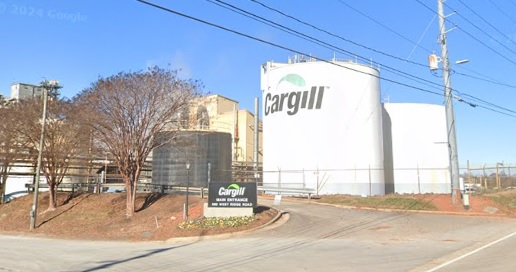
Cargill, the largest private US company, is firing approximately 8,000 employees (5% of workforce) due to falling grocery prices and earnings shortfalls, with restructuring efforts to streamline operations and reduce duplication of work.
By Elizabeth Urban | December 4, 2024
The largest private company in the U.S. is quietly firing about 8,000 employees before Christmas as grocery prices fall across the country.
Cargill, a major ingredients business and food production company, has been hit hard after grocery prices dropped recently as crops the company trades, including wheat, corn and soybeans, hit new lows, as reported by Reuters.
“The majority of these reductions will take place this year,” CEO Brian Sikes said in an internal memo obtained by Bloomberg. “They’ll focus on streamlining our organizational structure by removing layers, expanding the scope and responsibilities of our managers, and reducing duplication of work.”
The memo went on to state that this meant “reducing our global workforce by approximately 5%,” as reported by Reuters. This means that about 8,000 of Cargill’s 160,000 employees will lose their jobs.
Cargill’s businesses fell short of hitting their earnings goals in fiscal 2024, with less than a third of their businesses doing so. The company shared with employees over the summer that they planned to downsize from five business units to three, Bloomberg previously reported.
Photo by Milton Kirby – Cargill – Gainesville, GA
“As we look to the future, we have laid out a clear plan to evolve and strengthen our portfolio to take advantage of compelling trends in front of us, maximize our competitiveness, and, above all, continue to deliver for our customers,” Cargill said in a statement to CNN.
The company cut 200 tech jobs across the country earlier this year. Cargill previously announced that it was hiring for 400 positions for a new Atlanta location in June.
For the last four years, Cargill has been ranked as the largest privately-held company in the U.S., according to Forbes.
The Atlanta Business League (ABL) hosted its 91st Annual Meeting, inducting Albert G. Edwards, Dydra Virgil, and Delphyne Lomax Taylor into the ABL Hall of Fame for their exceptional leadership and community contributions.
By Milton Kirby| Atlanta, GA – November 22, 2024
The Atlanta Business League (ABL), founded in 1933, has been a cornerstone of Atlanta’s Black Business community for more than 91 years.
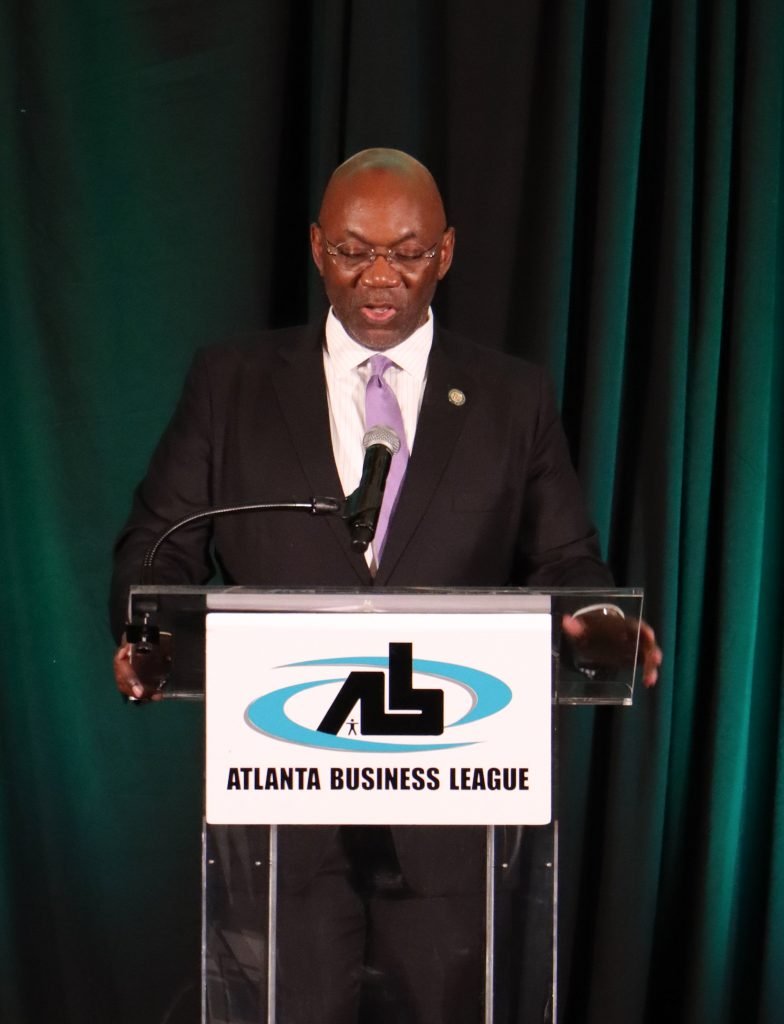
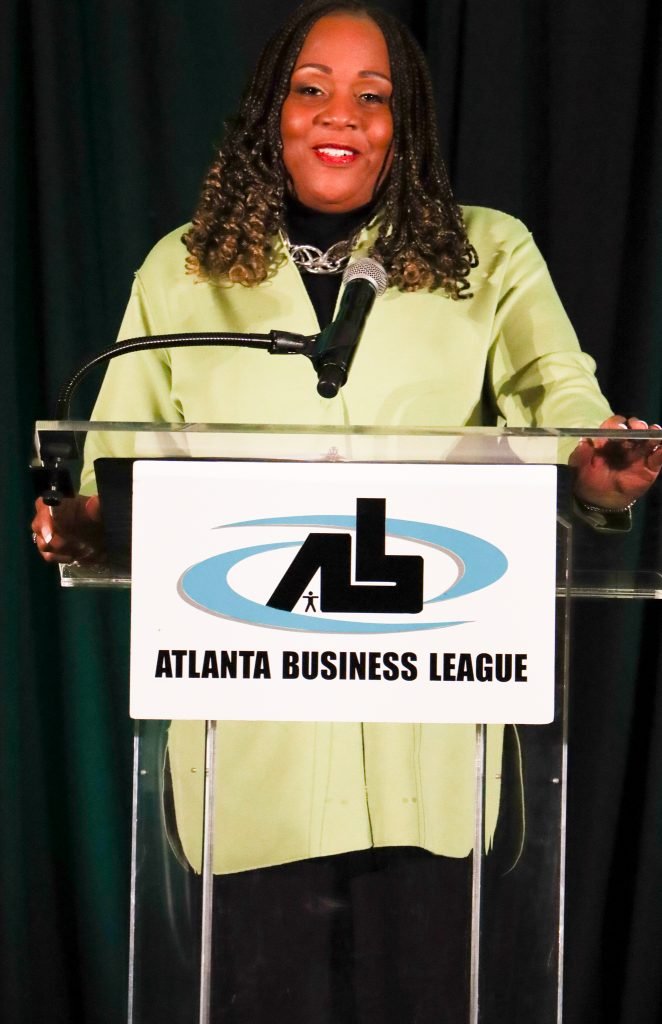
On Thursday, November 21, 2024, the ABL hosted a stellar event, its 91st Annual Meeting. A highlight of the event was the induction of Albert G. Edwards, Corporate Environmental Risk Management, LLC (CERM), Dydra Virgil, and Delphyne Lomax Taylor, V&L Research & Consulting, Inc., into the ABL Hall of Fame.
Honoring Excellence in Business
The Hall of Fame inductees represent the best of the best of Atlanta businesses. The ABL selects members for its Hall of Fame primarily by considering individuals who have demonstrated exceptional leadership, significant community contributions through philanthropy and volunteerism, and a lasting positive impact on the Atlanta business landscape, with a particular focus on recognizing Black-owned businesses and leaders within the community; their selection process usually involves a review of nominations based on criteria like professional achievements, community involvement, and business longevity.
Albert G. Edwards – CERM
Albert G. Edwards: A Legacy of Integrity and Innovation
Albert G. Edwards, founder, and CEO of CERM, delivered a moving acceptance speech, reflecting on his journey and the pivotal role of his late business partner, Marcus Reese, who he met and befriended in high school.
The pain of the loss of his friend was clear to the audience as Mr. Edwards labored to get the words from his heart to his lips and to the audience’s ears. “The man who helped me build the company and who really changed my life as a friend, business partner, essentially a brother in everything except blood, went home to be with the Lord on November 21, 2017, seven years ago today.
CERM started in the South DeKalb Business incubator; today, it is one of the largest minority-owned and operated engineering and program management firms in the United States. CERM works on multi-million dollar projects across this region and across the southeast.
“Another reason that this day is made more special is that one of our leaders, DJ Keffler, and his wife delivered a baby girl today, November 21, 2024, at 12:54. DJ is one of the first success stories of our shadowing program. He has been with CERM for 10 years”.
CERM has over 120 staff, with offices in Atlanta, GA; Mobile, AL; Orlando, FL; and Tampa, FL. Leadership attributes the firm’s success to the dedication of its talented team, its clients’ loyalty, and the local community’s ongoing support.
Each project reflects the values that inspired Al and Marcus to start the company: integrity, service, and a deep respect for the community.
Dydra Virgil – V&L Research & Consulting
Dydra Virgil and Delphyne Lomax Taylor: Trailblazers in Market Research
V& L Research and Consulting, Inc., founded on November 1, 1991, has grown to be one of the top market research firms certified by the American Marketing Association.
For more than three decades, V&L has empowered hundreds of clients by providing vital insights to enhance, develop, and assess their services through comprehensive data analysis, focus groups, surveys, and other innovative research methodologies.
The firms take particular pride in their role in developing the internationally recognized public safety initiative, “If You See Something, Say Something.”
Throughout their 30 years, V&L has conducted hundreds of studies to uncover key consumer insights and assess public perceptions.
V & L provides their clients with reliable research services and continuous support: their ultimate goal is customer satisfaction. V&L takes pride in their responsiveness to client requests and their ability to provide personal attention to detail. V & L works as a part of their client’s team, respecting their views, objectives, and budget constraints.
Dydra Virgil, who spoke on behalf of the duo, credited ABL for playing a pivotal role in their early success. “One of the first professional business organizations that we joined was ABL. Through our membership in ABL, we were able to land one of our biggest projects for such a small company, Cox Communications.”
Since then, their partnership with ABL has been instrumental in building a portfolio of private sector clients, including but not limited to Bank of America, McDonald’s, Delta Airlines, Grady Hospital, and Coca-Cola.
In the public sector, V&L has provided services for the US Department of Homeland Security, the Department of Commerce, and the Center for Disease Control and Prevention.
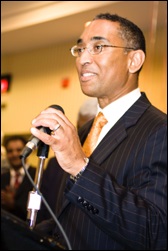
Michael Thurmond DeKalb CEO
Keynote Address by Michael L. Thurmond
The keynote address was delivered by the Honorable Michael L. Thurmond, Chief Executive Officer of DeKalb County, GA, since 2017, former, DeKalb County School Superintendent, former State Legislator, and Labor Commissioner.
“Congratulations to the ABL for your leadership, dedication, your unwavering belief in the power and talent and abilities of the men and women who have demonstrated the courage and vision to do what many have dreamed about but few have had the opportunity to achieve: to become business owners, to be entrepreneurs, to take their gifts they have and transform them into jobs, profit, dividends, and most importantly, service to individuals and communities across the country.”
A Proud Legacy
The National Business League is the first and largest trade organization for Black businesses in the world. The Atlanta Business League was established in 1933 as an affiliate of the National Business League, which was founded by Dr. Booker T. Washington in 1900.
Congratulations to the 2024 inductees for their remarkable achievements and lasting contributions to Atlanta’s business and community landscape.
The Ron Clark Academy (RCA) is an innovative school in Atlanta, GA, that uses groundbreaking teaching methods to foster academic excellence, student empowerment, and community development, inspiring a global movement in education.
By Milton Kirby | Atlanta, GA – November 18, 2024
On Wednesday, November 13, 2024, I had the extraordinary opportunity to attend an open house at the Ron Clark Academy (RCA), an innovative school located in Southeast Atlanta in a repurposed old warehouse. Renowned globally for its groundbreaking teaching methods, RCA is more than just a school— it’s a living, breathing model of how bold ideas can reshape learning.
During my visit, I observed firsthand how RCA fosters an environment of academic excellence and student empowerment. As founder Ron Clark summed up their philosophy succinctly, “We teach to the smartest student in the classroom. All other students are brought up when we do so, and the smartest students are not slowed down.” This guiding principle was vividly brought to life during my visit, particularly in a dynamic fifth-grade math class.
The classroom was a stunning space of design and functionality, seamlessly blending inspiration with engagement. Far removed from traditional setups that I remember, it resembled an auditorium with tiered seating for 250-300 observers and a central teaching floor elevated by 12 inches. Tables and chairs for 30 students filled the center, while state-of-the-art digital Promethean boards replaced conventional chalkboards. Students equipped with electronic tablets and laser pointers actively participated in discussions, showcasing collaboration and leadership skills.
Student takes over 5th grade math class
One standout moment came when a confident young girl voluntarily hopped over her table and stepped into the role of teacher, leading her peers in solving equations. Later, students were encouraged to partner with audience members for problem-solving exercises. A remarkable young man, Cole Savage, selected me as his partner. Together, we tackled a complex equation step by step, demonstrating RCA’s emphasis on critical thinking and teamwork.
Founded in 2007 by Ron Clark and Kim Bearden—both Disney Teachers of the Year—RCA’s student body represents a rich tapestry of socio-economic and academic backgrounds in grades four through eight. The Academy’s mission extends beyond its student body. The RCA Experience program has amplified its impact by training over 100,000 educators worldwide over the past 16 years to adopt its transformative teaching methods.
Cole Savage
RCA’s innovative curriculum, including math, science, social studies, English, and fine arts, is an immersive journey combining interactive learning with a strong emphasis on community, relationships, and character development. This approach, inspired by Ron Clark’s The Essential 55 principles, fosters academic achievement, emotional resilience, and social intelligence.
The after-school programs, tennis, golf, double-dutch, tutoring, dance, and etiquette, serve to add yet another dimension to the developmental path at the academy.
From its unique classrooms to its empowering teaching methods, my visit to RCA was a refreshing reminder of the transformative power of education. The excitement and admiration radiating from other visitors confirmed it: RCA isn’t just shaping students; it’s driving a global movement to redefine what’s possible in education.
Michael Moore gets slide certified as students cheer
The Ron Clark Academy is a testament to what happens when passion, innovation, and purpose collide. It’s not just a school; it’s a revolution in learning—and the world is paying attention.
Karl Smesko joins the WNBA franchise with a 23-year coaching career, including 672 wins and a .843 winning percentage. He brings a fast-paced and innovative approach to the team.
By Milton Kirby | Atlanta, GA – November 13, 2024
The Atlanta Dream has announced hiring Karl Smesko as the team’s new head coach, bringing one of college basketball’s most accomplished coaches to the Women’s National Basketball Association (WNBA) franchise. Smesko, 54, joins the Dream with a reputation as an exceptional program builder, having established and developed the Florida Gulf Coast University (FGCU) women’s basketball program into a powerhouse.
A native of Bath, Ohio, Smesko ranks third in NCAA Division I women’s basketball history with a career-winning percentage of .843. His career totals include 672 wins. With over two decades of head coaching experience, Smesko brings a seasoned, fast-paced, and innovative approach to Atlanta.
“Karl is a proven leader with a history of developing his players and creating a winning culture,” said Dream General Manager Dan Padover. “His fast-paced, innovative style of play will be attractive to our players and fans alike. We are excited to have Karl bring his incredible basketball IQ to the Dream.”
Smesko’s success at FGCU includes leading the program from its inception in 2001 to becoming a consistent winner at both the Division II and Division I levels. In FGCU’s first season as an NCAA Division II independent in 2002-03, Smesko led the team to a remarkable 30-1 record. Under his leadership over the past 23 years, the program achieved a record of 611-110 (.847), won 14 Atlantic Sun Conference (ASUN) regular season titles, claimed 11 ASUN tournament championships, and made 10 NCAA tournament appearances. His teams also secured 25-win seasons for 14 consecutive years; a feat only equaled by University of Connecticut.
Smesko’s coaching tree is equally impressive: twenty-two former players have entered the coaching profession, including three on FGCU’s current staff, and three of his former assistant coaches are now head coaches at the collegiate level.
Atlanta Dream Majority Owner Larry Gottesdiener shared his excitement over the hiring, stating, “This is an exciting moment for our fans, the city of Atlanta, and the entire Dream organization. A great basketball mind is coming to our city. Karl’s passion for and commitment to women’s basketball bring out the best in everyone around him. I am confident we have found the right leader to take our organization to the next level.”
Smesko’s prior coaching roles include successful stints at Purdue University, University of Maryland, and Walsh University, where he began his coaching career. Reflecting on his new role, Smesko expressed his gratitude for his time at FGCU and enthusiasm for his next chapter with the Dream.
Courtesy – Atlanta Dream
“I am humbled and honored to be the head coach of the Atlanta Dream,” Smesko said. “I am grateful for a remarkable 23 years at FGCU and will be forever indebted to the amazing women who have played for me, the incredible professionals who have coached with me, and the passionate fanbase who supported us along the way. I’m thankful to the leadership of the Atlanta Dream for their faith in me to lead this organization into the future and can’t wait to get started.”
Established in 2008, the Atlanta Dream is the only WNBA franchise in the Southeast, playing home games at Gateway Center Arena in College Park, Georgia. The Dream’s telecasts and simulcasts are accessible statewide, with the team earning a reputation as one of the league’s competitive forces, featuring 11 WNBA All-Stars, three regular-season first-place finishes, nine playoff bids, and 3 WNBA Finals appearances. For more information, visit dream.wnba.com.
Gwinnett County has launched a disparity study to evaluate the inclusiveness of its procurement processes, aiming to determine if minority-owned and women-owned businesses have equitable access to public contracting opportunities.
By Milton Kirby | Atlanta, GA – November 13, 2024
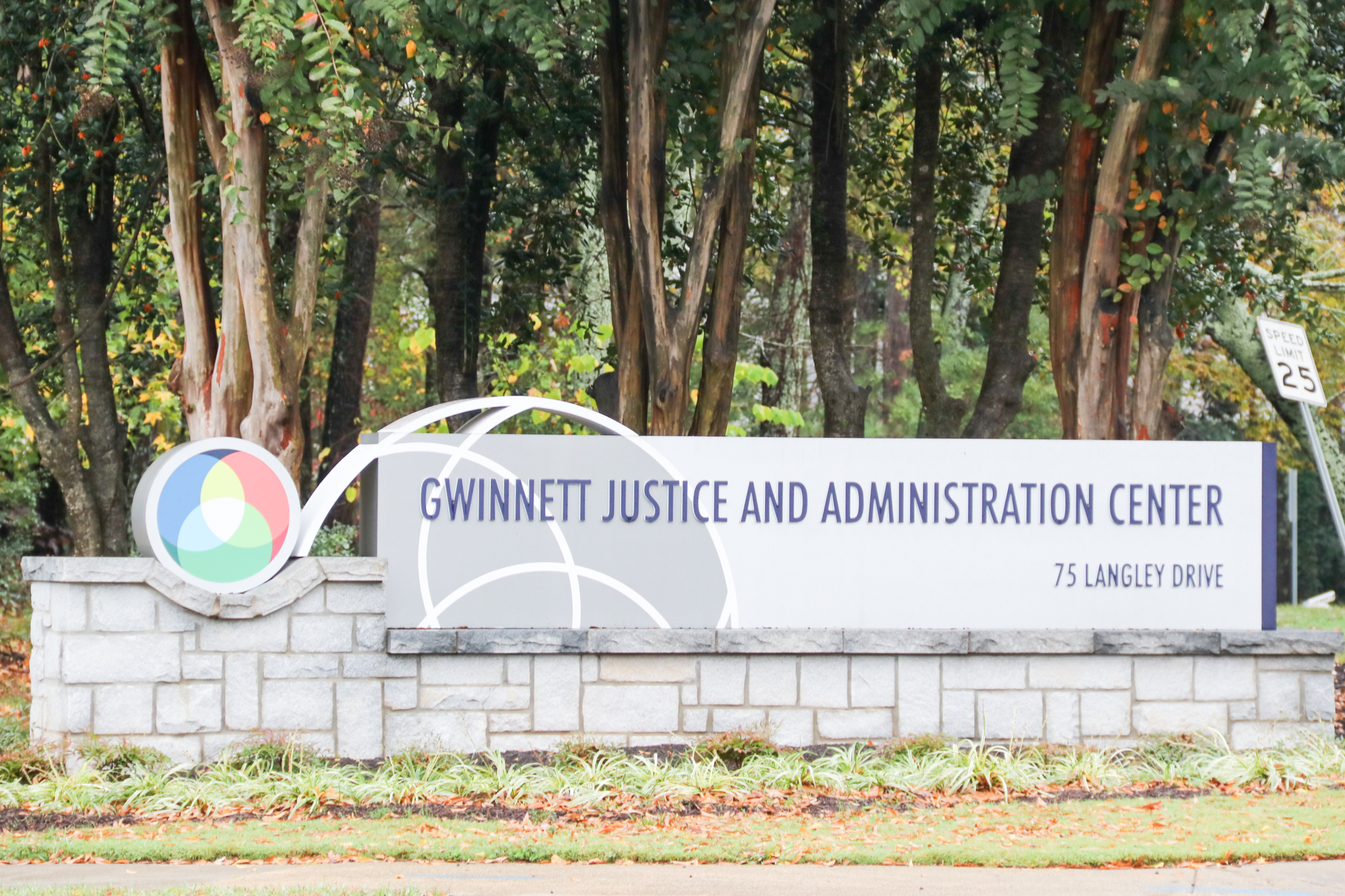
Gwinnett County has launched its inaugural disparity study to evaluate and improve the inclusiveness of its procurement processes. On March 5, 2024, the Gwinnett County Board of Commissioners approved a contract with Atlanta-based consulting firm Griffin & Strong, P.C. (G&S) to conduct this critical analysis, covering the County’s spending from 2019 through 2023. This study aims to determine whether minority-owned, women-owned, and other disadvantaged business enterprises (MWDBEs) have equitable access to public contracting opportunities in Gwinnett County.
The Purpose of the Disparity Study
Disparity studies are tools used to provide a factual foundation for determining if there are inequalities in the way government contracts are awarded. The studies examine whether race or gender-conscious corrective programs are needed to ensure that all businesses, including those owned by minorities and women, have equal opportunities in the procurement process. This study for Gwinnett County will investigate several core aspects, including statistical analysis, economic impact, and anecdotal evidence. It will provide insights into whether minority- and women-owned businesses are adequately represented in county contracts or if systemic barriers exist that limit their participation.
A disparity study measures equity and ensures that any remedial programs resulting from its findings are legally sound. The study adheres to constitutional requirements and follows the legal precedent established by the 1989 U.S. Supreme Court case City of Richmond v. J.A. Croson. This ruling mandated that governments must demonstrate a “compelling interest” to justify implementing procurement programs specifically targeting MWDBEs.
Background and Significance
Gwinnett County’s journey toward its first disparity study began in 2022, during an annual strategic planning session held by the Board of Commissioners. During that session, the importance of evaluating and potentially correcting disparities in contracting practices was identified as a top priority, especially given the County’s growing diversity.
Chairwoman Nicole Love Hendrickson emphasized that Gwinnett County’s demographics make this study especially relevant. “We are a very diverse county with a lot of minority businesses, a lot of international businesses,” Hendrickson stated. “This effort is about responding to the change already present in our community and ensuring inclusivity in our economic activities.” The County allocated approximately $500,000 in its 2023 budget to commission this study, which will now move forward with the expertise of G&S.
Griffin & Strong, P.C.: A Leader in Equity Analysis
Selected to lead Gwinnett’s study, Griffin & Strong is a law and consulting firm based in Atlanta with a significant public policy consulting and supplier diversity track record. Established in 1992, the firm has more than 25 years of experience conducting disparity studies, developing legislative programs, and supporting government agencies in promoting equity and inclusion in contracting. Griffin & Strong’s expertise in disparity research positions them as a fitting choice to handle the complexities of Gwinnett County’s study. The firm’s unique approach as both a law firm and a policy consultant enables them to respond effectively to the legal and procedural challenges of disparity studies in today’s climate.
Key Components of the Disparity Study
The study will involve several critical stages designed to comprehensively assess the County’s procurement landscape. These include:
Data Collection: Gathering and analyzing data on contracts awarded to MWDBEs and other businesses over the past five fiscal years to establish a baseline of current practices.
Statistical and Economic Analysis: Assessing the availability of MWDBEs in the market and comparing it to their actual utilization in Gwinnett County contracts.
Identification of Disparities: Using the gathered data to identify any significant gaps between the availability of MWDBEs and their representation in county contracts, which could point to underlying systemic issues.
Anecdotal Evidence Collection: In addition to quantitative data, the study will include insights from business owners and community members gathered through interviews, surveys, focus groups, and public hearings.
Recommendations: Based on the findings, the study will propose actionable recommendations to address identified disparities. This may include introducing or enhancing programs to increase MWDBE participation.
These components aim to provide a comprehensive understanding of the contracting environment and the barriers that may affect MWDBEs. The Gwinnett County study will also seek to identify whether there is underutilization of these businesses compared to their availability in the market.
Community Engagement: Public Hearings, Focus Groups, and Surveys
G&S will actively engage with the local business community to ensure a thorough analysis. Informational meetings were held on September 18 and 19, 2024, to inform stakeholders about the study’s objectives and ways to participate. Several avenues for community involvement are planned, including public hearings, surveys, and focus groups.
Public Hearings: These sessions allow business owners and community members to share their experiences with the County’s procurement process. Their testimonies will be recorded as part of the study’s official record and will contribute to the analysis.
Focus Groups: G&S will conduct small-group discussions with selected businesses across different ethnicities and genders to gain insights into their experiences working with Gwinnett County or their reasons for not pursuing contracts with the County.
Anecdotal Interviews: These one-on-one interviews will enable business owners to provide more personal accounts of their experiences, which can help illuminate any nuanced barriers in the contracting process.
Survey of Business Owners: The study will include a survey targeting a wide range of businesses operating within Gwinnett County. This survey will seek to understand the experiences of these firms in dealing with the County’s procurement and contracting system. The survey will be available online for any business that wishes to participate.
Potential Impact of the Study’s Findings
The findings of Gwinnett County’s disparity study could have far-reaching implications. Governments often use disparity study results to support new policies or adjustments to existing programs designed to foster diversity and prevent discrimination. Such measures could include setting specific contracting goals for MWDBEs, creating contract opportunities specifically for these businesses, and addressing any identified systemic barriers. Disparity studies provide a solid foundation for justifying such programs, ensuring that they align with both local and federal legal standards.
According to G&S, the study’s recommendations will focus on feasible solutions to improve diversity and inclusion within Gwinnett County’s contracting processes. These recommendations could range from policy adjustments to training programs aimed at enhancing awareness of available resources among MWDBEs.
Budget and Timeline
Gwinnett County has allocated a portion of its budget toward this effort. In 2023, the budget included continued support for the study, to ensure thorough, data-backed insights into contracting practices. As specified in the 2024 budget, the study will be conducted by an experienced consultant specializing in disparity and availability analyses.
The proposal request for qualified consultants was issued on September 20, 2023, under Request for Proposal RP036-23, with a deadline for submission on October 23, 2023. This selection process ultimately led to the engagement of Griffin & Strong, who will now proceed with the study’s execution.
Moving Forward: Shaping Gwinnett County’s Future in Public Contracting
As Gwinnett County embarks on this important analysis, its leaders are focused on building a fairer, more inclusive community for all businesses. The County’s diversity is seen as a strength that enriches its economic landscape, and this study marks a significant step toward ensuring that all businesses have equal opportunities to contribute.
The findings from the disparity study will be integral to shaping future policies that promote equitable access and fair competition within Gwinnett County’s procurement processes. For Gwinnett’s MWDBEs, the results of this study could lead to new opportunities to participate in public contracting, while also providing a model of inclusivity that other counties may look to as an example.
Community members and business owners who wish to participate or provide input can contact the County’s study team at gwinnettcountystudy@gspclaw.com. As the study progresses, continued engagement from local businesses and residents will be essential to ensure a comprehensive and representative understanding of the County’s contracting practices.
GirlTREK is a national movement empowering Black women to prioritize health through walking, fostering a sense of community and self-care, with over 1.3 million members and growing.
By Milton Kirby | Atlanta, GA – November 9, 2024
In a world where Black women face disproportionate health challenges, a movement is gaining momentum, offering not only a path to physical well-being but a sisterhood of support, empowerment, and life-changing habits. GirlTREK, founded in 2010 by T. Morgan Dixon and Vanessa Garrison, is quickly becoming a national force in the fight for better health among Black women, with over 1.3 million members and counting.
The statistics speak volumes
A 2022 survey conducted by GirlTREK reveals some of the profound impacts of their mission and work: 61% of Black women have lost weight, 90% report fewer symptoms of depression, 59% walk daily at life-saving levels, and 56% have sustained the habit of daily walking for over a year. For many, these numbers are more than just figures—they are a lifeline to a healthier, more fulfilled life.
Walking for Health, Walking for Life
GirlTREK was born from a simple idea shared by Dixon and Garrison, whose bond was strengthened by their mutual love for Tupac, Nikki Giovanni, and, yes, smothered pork chops. The idea was to create a walking group for Black women that would help improve physical health and foster a sense of community, resilience, and empowerment.
The group has grown into a powerful movement in just over a decade. In 2013, GirlTREK organized a landmark walk to honor Harriet Tubman on the National Mall in Washington, D.C., with 15,000 participants.
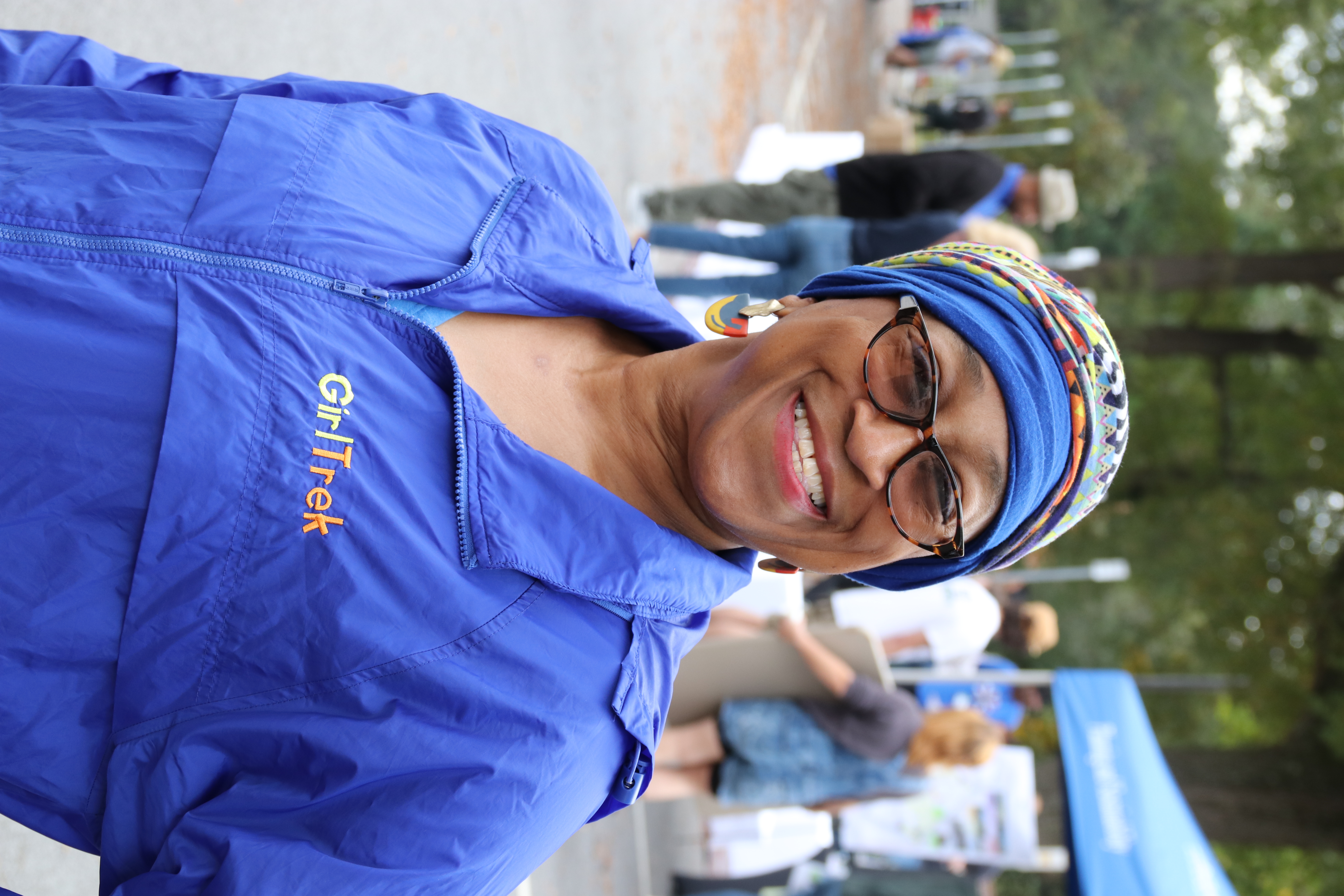
GirlTreker – Tonya Flemons
By 2020, GirlTREK reached the monumental milestone of inspiring 1 million Black women to walk toward their healthiest, most fulfilled lives. Now, GirlTREK is on a mission to encourage even more women to take charge of their health through the simple act of walking.
As the Centers for Disease Control and Prevention (CDC) notes, Black women in the U.S. are at higher risk for preventable diseases, including heart disease, diabetes, and stroke. “There are 20 million Black women in this country, and 82% are overweight—that’s 16 million women at greater risk,” the organization states on its website. According to GirlTREK, the solution is rooted in scientific research. They have specifically identified walking as a bridge to better health, walking 30 minutes a day, five days a week.
The health benefits of daily walking are well-documented. Research shows that it can reduce the risk of chronic diseases such as heart disease and diabetes by over 50% and lower depression by nearly 50%. For GirlTREK, walking is not just an exercise—it’s an act of self-care and, for Black women, self-preservation.
One Woman’s Goal
Tonya Flemons averages between 8,000 and 15,000 steps per day. She has launched an initiative to complete a 5K walk/run in fifty states. She has completed 5K’s in 8 states: Georgia, South Carolina, Maryland, Kansas, Arizona, Illinois, Ohio, Massachusetts, and the District of Columbia. Her most recent event was a 10K in Charleston, SC.
The Power of Sisterhood
One of the unique aspects of GirlTREK is its ability to minimize the isolation that often accompanies chronic illness and mental health struggles. The organization has created safe spaces for women to walk together, share their stories, and support one another on their journeys to better health.
Through initiatives like Sisterhood Saturday, a weekly walking series that draws hundreds of thousands of women, GirlTREK has cultivated a sense of camaraderie and partnership that extends beyond physical activity. Each Saturday, women nationwide gather in their neighborhoods to walk together, fostering a shared commitment to health and healing.
In addition to these weekly walks, GirlTREK hosts annual events such as the Black Family 5K, a, a post-Thanksgiving tradition that brings families together to celebrate health and community. To help members organize these events, GirlTREK offers downloadable toolkits with race templates, FAQs, and tips for making the walk memorable and impactful.
Education Through Movement
GirlTREK is also using innovative tools to further its mission of education and empowerment. One of its most successful initiatives, the Black History Bootcamp Podcast, launched in 2020, is a 21-day walking meditation series that blends physical activity with history and reflection. The podcast has been so well-received that it earned three prestigious Webby Awards in 2022 and 2023, including Best Live Podcast Recording and Best Podcast Series.
Another popular initiative, the Self-Care For Freedom Fighters Spring Challenge, launched annually on April 1, is a ten-week holistic wellness series designed to jump-start healthy habits and promote long-term well-being. Through these programs, GirlTREK helps women improve their physical health and provides the tools and support to transform their entire lifestyle.
A Bold Vision for the Future
As the most significant health movement and nonprofit organization focused on improving the health of Black women, GirlTREK is committed to addressing the health crisis facing this community. The organization’s ambitious goal is to increase the life expectancy of Black women by 10 years in 10 years—a mission that has already begun to bear fruit.
According to GirlTREK, “Walking is one of the most accessible and powerful tools for reversing the devastating impacts of chronic disease. “But it’s more than just about walking—it’s about reclaiming our health, our joy, and our lives.”
GirlTREK’s growth is a testament to the power of community, self-care, and resilience. With every step taken, they are helping to create a healthier, more empowered future for Black women across the nation. And the movement is just getting started.
For more information or to join the movement, visit GirlTREK.org.
Loretta Green’s Story: At 89, Loretta Green has been voting since 1960 and has a poll tax exemption certificate, symbolizing her resilience in the fight for voting rights, which she continues to advocate for today.
By Milton Kirby – Atlanta, GA – November 6, 2024
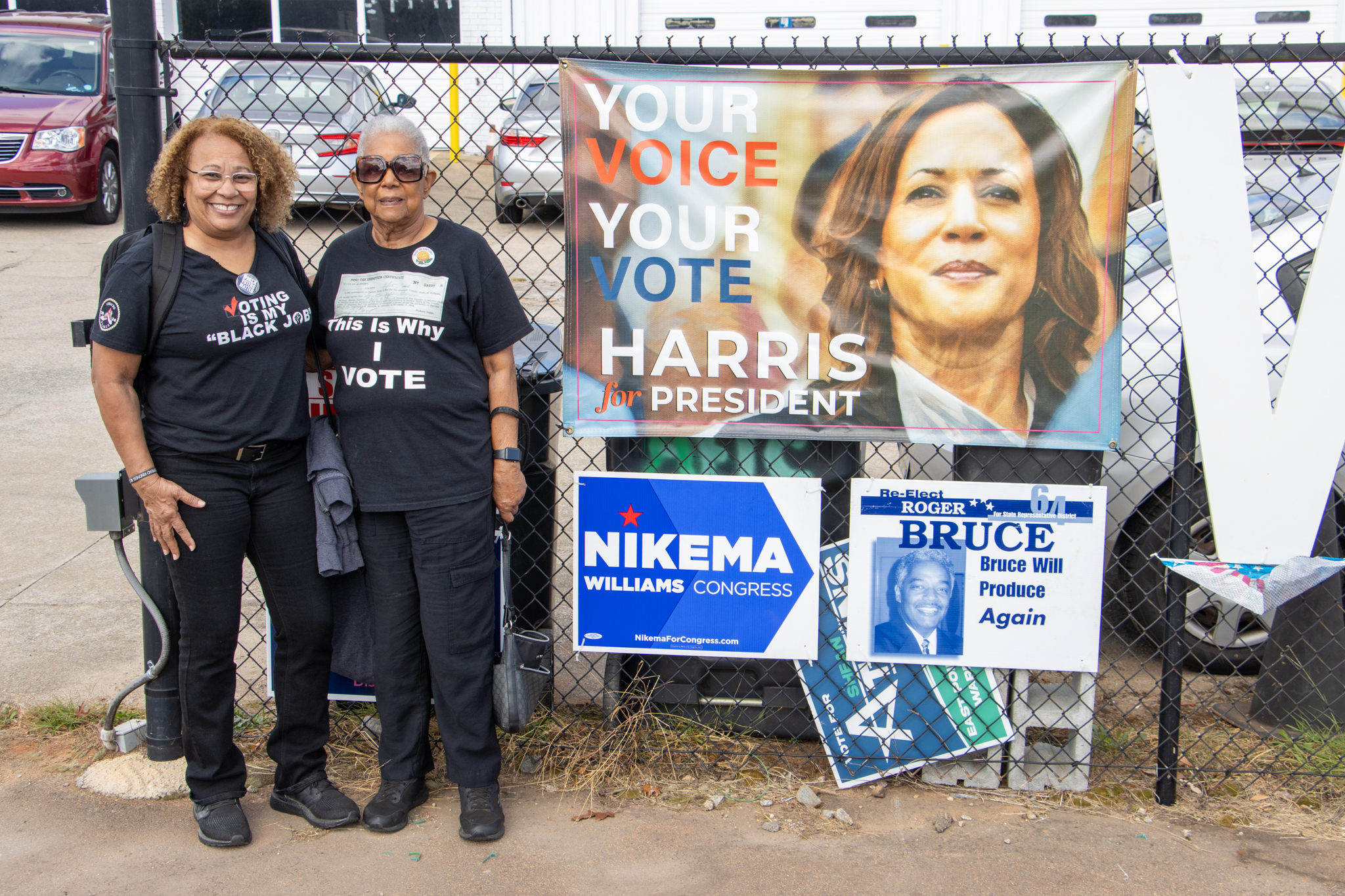
At 89 years old, Loretta Green, originally from Mobile, Alabama, and now an Atlanta resident has been casting her ballot since 1960—and she has a poll tax exemption certificate to prove it. For Green, this certificate is more than a document; it’s a testament to the resilience of voting rights. She knocked on doors this Election Day, rallying support for Vice President Kamala Harris and encouraging registered voters to make their voices heard.
Green’s journey in voter advocacy spans decades, rooted in a history of discrimination and unyielding perseverance. After the Civil War and throughout Reconstruction, Southern states enacted laws designed to curtail the voting rights of newly freed Black citizens. Chief among these barriers was the poll tax—a fee that, though small, effectively barred countless Black and poor White citizens from the ballot box.
The tax, ranging from $1 to $2 (roughly $20 to $40 today), was required annually, and voters often had to show proof of past payments to remain eligible. This and other discriminatory tactics sought to undermine the Fifteenth Amendment’s promise of voting rights, carefully crafted to avoid federal intervention while systematically disenfranchising African Americans.
This unjust barrier persisted until the mid-20th century when the civil rights movement brought national attention to voting rights. Although the Supreme Court initially upheld poll taxes in Breedlove v. Suttles in 1937, the tide turned with ratifying the 24th Amendment in 1964, which abolished poll taxes in federal elections. Two years later, the Supreme Court further ruled in Harper v. Virginia Board of Elections that poll taxes in all elections, state and local, were unconstitutional—ushering in an era of more inclusive democracy.
Ms. Green has attended countless voter rallies over the years, proudly displaying her poll tax exemption certificate as a reminder of past obstacles and the progress achieved. For Green, this certificate is a powerful symbol of the struggle and the triumph in the long fight for equal voting rights. She continues to inspire her community this Election Day, sharing her story as a reminder of the sacrifices made to secure the right to vote for all Americans.
Election Day in the US: Voters across the country cast their ballots, with many expressing relief, optimism, and a sense of civic duty. For some, this election marks a personal milestone, such as voting for the first time.
By Milton Kirby – Atlanta, GA – November 5, 2024
As dawn broke on November 5th, voters across the United States began lining up to cast their ballots, eager to participate in what some see as a critical election for the future of the country. Polls opened at 7:00 a.m. and will close between 6:00 p.m. and 8:00 p.m. in various jurisdictions. In some areas, lines began to form well before 6:30 a.m., underscoring the commitment of many Americans to make their voices heard.
At the polling place located at the New Birth Missionary Baptist Church in South DeKalb County, Georgia, voters expressed various thoughts and emotions as they exited the voting booths.
Terrance Olive, a Rockdale County resident, cast his ballot on the first day of early voting. Today, he returned to the polling site to support his wife, who is working as a poll worker. Reflecting on the campaign season, Mr. Olive said he felt relieved that Election Day had finally arrived, as it marked the end of a relentless barrage of political advertisements. He expressed optimism about a smooth transition in leadership, confident that the country would avoid the heated discourse seen in 2020.
For 43-year-old Ja’Ron Clark, this election marks a personal milestone: his very first-time voting. His decision to participate came after persistent encouragement from his mother. Mr. Clark prepared for his vote by watching the recent presidential debate, eager to understand each candidate’s platform.
Learning about his family’s history, particularly discovering in his thirties that his grandmother had been a house-enslaved person, has profoundly impacted him, shaping his understanding of civic duty and motivating his participation.
Another voter, Konrad Crowder of Lithonia, Georgia, shared his perspective. An experienced voter in both local and national elections, Mr. Crowder expressed confidence in Vice President Harris, saying, “I tend to believe more in what Harris says and that she will stand by it.” He expressed doubts about the sincerity of former President Trump’s policies, voicing concerns that his focus seemed to benefit “his rich friends.” Crowder, like many others, found the voting process straightforward and efficient.
As the day continues, voters nationwide will cast their ballots, each vote contributing to a potential turning point in the country’s future. For many, November 5th is more than just a date on the calendar – it’s a day to make a change.