Dr. Bobbie J. Little – A Teacher First

Dr. Bobbie Jeanne Little: A Lifetime of Service and Education Discover the inspiring story of Dr. Bobbie Jeanne Little, a dedicated educator and advocate for youth and families, with a 45-year career in education and community service.


By Milton Kirby | Wadesboro, NC | March 17, 2025

Rarely do individuals discover their passion and calling early enough to allow it to be a part of their lifelong journey, but Dr. Bobbie Little did.

It is not often that the things, people, and places that I write about include my own personal experiences, thoughts, and emotions. This piece is different. Dr. Little is my sister. I remember vividly, as if it were yesterday, when she walked, no, she marched down the aisle with the kind of glee that you might see in the eyes of a six-year-old on Christmas morning to marry one of my five brothers in 1977.

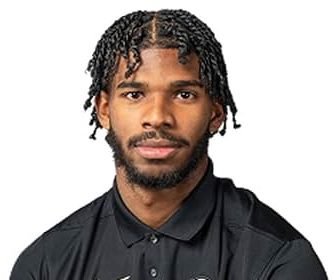
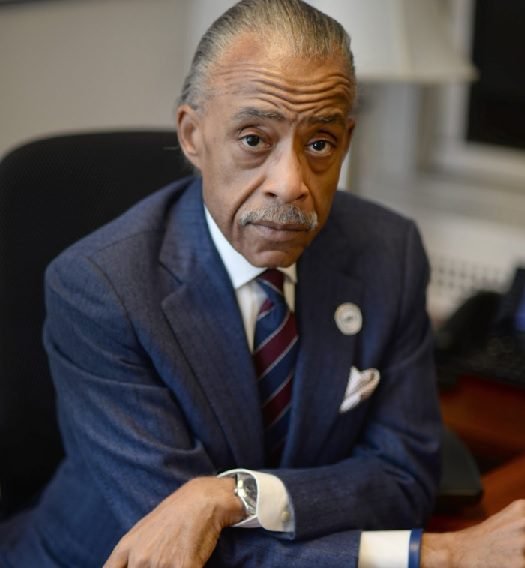
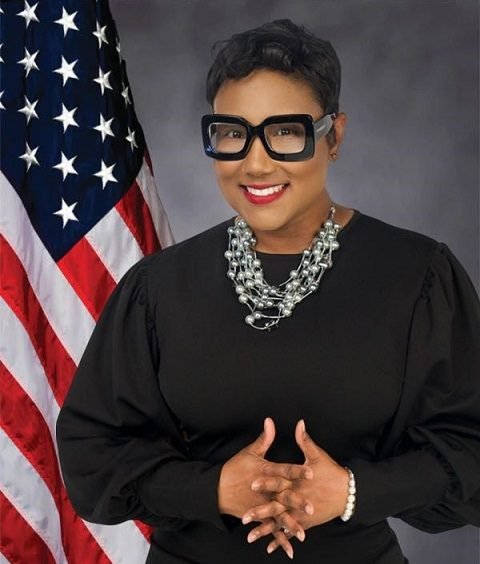
Photo by Milton Kirby – Bobbie Little

Some years later, their ways parted. Even to this day, she remains a sister to the rest of us, and more importantly, she continues to be a thoughtful, generous, and caring daughter to my 94-year-old mother.

Over the years Bobbie and I have monitored each other’s careers, ups and downs, successes and failures. But somehow, along the way I lost track of some of her accomplishments. Could it be because my own work started to take more of my time and energy? Did I become a less concerned and loving brother? Or maybe, my subscription to the Anson Record expired and I did not notice for several years.

There has to be an explanation. Let’s hope that the journey we are taking today will help us discover some of her accomplishments and accolades, which I lost track of.

In my collection of memorabilia, I found the following: Thursday, April 9, 1987, from the Anson Record and The Messenger and Intelligencer, Bobbie Little Kirby Outstanding Young Woman of America For 1986. She was selected in recognition of her outstanding ability, accomplishments, and service to the community. Wednesday, July 31, 1996, Kirby will be the assistant principal in Mt. Gilead. Bobbie Little Kirby accepted a position with the Montgomery County School System at the West Middle School. In 2003, Leadership Anson graduated a new class; Bobbie was one of the 12 graduates of the seventh Leadership Anson class. Saturday, September 13, 2003, The National Association of University Women Wadesboro Branch, Honors Bobbie Jeanne Little as Woman of the Year 2003. This was an exceptionally special occasion as I joined her sister Georgia and her nieces in delivering our own tributes to Bobbie at this momentous occasion. Wednesday, May 26, 2004, Bobbie Little earns an education doctorate. Her dissertation, “Factors Relating to the Achievement Gap In Selected North Carolina Rural Elementary Schools.”

I frequently hear people say of someone else and, from time to time, themselves that they got “emotional.” I am still unclear on what that means. As someone who has lived more than half of my life, I am not embarrassed to say that as I worked on this piece, tears constantly dripped from my eyes. Each tear represented a time that Bobbie made me or someone else laugh or feel encouraged and cared for.

Dr. Little’s interest in the betterment of others showed through practically everything she touched, including her doctorate dissertation. She was concerned about student achievement in elementary schools in Anson County. She researched the problem and has worked tirelessly to remedy the achievement gaps.

When you read Dr. Little’s official bio, you see the following: “Dr. Bobbie Jeanne Little is the daughter of the late Richard and Esther Rorie Little of Wadesboro, NC, and was born and raised in the Ruby Orchards area of Lilesville, NC. She has served 45 years as an educator and advocator for youth and families. She began her educational career as a Reading Tutor at McRae School in Morven, NC and then as a bus driver and teacher assistant at T.W. Bennett Elementary School in Lilesville, NC. Furthering her studies, as she worked, she would earn a certification enabling her to serve as a teacher and assistant principal in Anson County Schools. She served as principal in Montgomery County and Wake County. Later, she was Director of Education for the Central Region of North Carolina’s Department of Juvenile Justice and Delinquency Prevention, she retired after 33 years of service to the State of NC.”

After retiring from the State of North Carolina, she began a new career as a college professor and clinical supervisor of student teachers in the Department of Education at Shaw University. She worked there for 10.5 years. While working at Shaw University, she also served as an adjunct professor at the University of North Carolina at Pembroke, supervising student teachers. At opportune times, Dr. Little taught at Richmond Community College, South Piedmont Community College, and Wake Technical Community Colleges as an evening adjunct faculty member.  Even though she has had an illustrious career and decades of service, she has agreed to return to Shaw University in the Fall of 2025.”

The view of Dr. Little, as she is known and called by most of her colleagues, is something like this. She is known for developing phenomenal relationships with parents and empowering them to be actively involved in their children’s education. One of her philosophies can be summed up as “For Children’s Sake.” While teaching in public schools, she often taught students who were not the highest academic achievers. However, overall, her students showed significant growth from the beginning of the year to the end of the year. When asked about this, she attributes much of this success to building relationships and communication between parents and stakeholders.

She truly believes that more learning will occur when students know that educators care about and believe in them. She believes that relationships built on compassion and trust will produce massive positive outcomes for all. While she was a classroom teacher, her firm and fair classroom management and leadership skills were recognized by her colleagues. She was encouraged to begin her studies in school administration.

Dr. Little did not go to college directly out of high school. She raised a daughter who eventually followed in her footsteps into education; she cared for both of her ailing parents until their subsequent passing. No, Bobbie’s educational journey was not typical, but the way countless others have achieved their educational success.

Mr. Michael Freeman – Retired superintendent Anson County, NC schools

As fate would have it, she worked during the day and attended college classes at night and on the weekends. She earned her Bachelor’s and Master’s in Education degrees from the University of North Carolina at Pembroke, her Education Specialist (Ed.S.), and Doctor of Education (Ed.D.) degrees from the University of North Carolina at Charlotte, and continuing education credit hours from the University of North Carolina at Chapel Hill through Principal Executive Programs.

Bobbie considers herself “a teacher first” in whatever capacity she serves. In her 40-plus years of service, she has received numerous honors and awards, including All-State School Board recognition for outstanding service to the education of North Carolina’s Children. Her fellow board members nominated her to serve on the North Carolina School Board Association’s Legislative Committee. She was appointed as Commissioner of the North Carolina Principal Fellows Program in 2024.

Dr. Little has also found time to serve on the boards of the State Employee Credit Union, Anson Regional Medical Services, Anson County Zoning Board, Anson County 4-H Youth Promises, Closing the Achievement Advisory Board, and Anson County Juvenile Crime Prevention Council. She is serving her fourth term on the Anson County School Board, where she has served as chairman and vice chairman.

On March 30, 2012, Dr. Little became the first African American and first female in Anson County to receive the North Carolina Order of the Long Leaf Pine Award for service from Governor Beverly Purdue. Since its creation in 1963, the Long Leaf Pine Award has been presented to honor persons with a proven record of service to the State of North Carolina or some other notable achievement and to others as a gesture of friendship and goodwill. Upon being named to The Order of the Long Leaf Pine, the honoree receives a certificate by which the Governor confers upon the recipient “…the rank of Ambassador Extraordinary privileged to enjoy fully all rights granted to members of this exalted order.

Bobbie has been recognized and honored by the North Carolina School Board Association, H.O.L.L.A. (Community Impact Award), National Association of University Women (NAUW) for service from the branch, sectional, and national levels, Governor’s Volunteer Award, and churches in the community. She is a member of Anson Women’s League, Linkon Chapter #564 Order of the Eastern Star, PHA, Lifetime Member of NAACP, and Golden Life Member of Union County Alumnae Chapter, Delta Sigma Theta Sorority, Inc.

Christina Rose former student of Dr. Little

In her spare time, she enjoys reading, fitness walking, traveling, and golf. When she is faced with challenging tasks, she finds solace on the golf course and fitness walking. She is a member of the Ladies Professional Golf Association-Amateurs, Sandhills and Charlotte Chapters, Carolina Golf Association, and the Seven Lakes Women’s Golf Association.

She does motivational speaking for programs serving youth during summer programs and other times. 

Did I mention that Bobbie has a forgiving heart of gold? In 1977, Bobbie bestowed upon me the honor of capturing her wedding day on film. I borrowed a large format camera from the high school photography instructor. I had only used the box-shaped Mamiya once before. I managed to find all the angles and did not miss a special moment during the wedding ceremony.  I soon ran out of film. Then I pulled out my Petri 35mm for the reminder of the ceremony. When the film was developed, I did not have one picture on the large format camera, I had loaded the film incorrectly. I did manage to get a few good shots with my Petri. I was forgiven.

It has been said that “imitation is the sincerest form of flattery.” Bobbie’s daughter watched her life journey and decided follow and imitate. Kimelon, is a graduate of UNC-Pembroke and UNC-Chapel Hill. She received certifications from Pfeiffer University and Gardner Webb University. She is employed by the Wake County Public School System in the Curriculum, Instruction, and Assessment Department serving over 40 elementary schools. She is pursuing doctoral studies currently.  Prior to this position, she taught in Anson, Durham, and Wake County Public Schools.

Webster defines a “living legend” as a person who is famous while still living for doing something extremely well.

Webster defines “famous” as widely known, honored for achievement, excellent, or first-rate.

Dr. Bobbie J. Little, my sister and a teacher first.

EU beer and winemakers fear business will dry up under Trump’s tariffs

US President Trump’s tariffs threat sparks fear in Europe’s drinks industry, with wine and spirits producers warning of devastating impact on jobs and exports, potentially crippling key markets.


Alcohol producers are reeling after the US president threatened retaliation against EU whiskey tariffs, leaving a key export market ‘dead in the water’

By David Chazan, Tom Kington, Isambard Wilkinson, Bruno Warfield | Friday, March 14, 2025

From picturesque vineyards that produce Côte de Beaune fit for Manhattan supper soirées to Belgian breweries whose beers delight blue-collar Americans, one question is on the minds of Europe’s drinks industry: how do we survive Trump’s tariffs?

Fear is rising that the president’s trade war will have a devastating impact and many have expressed fury at Brussels over what they perceive as a failure to accommodate Trump’s demands or, worse, a hostility towards the president that has exacerbated the situation.

With the president declaring that he would hit European alcohol exports with tariffs of up to 200 per cent, we meet the manufacturers who are on the front line of an existential fight they neither wanted nor expected.

Battle will take a lot of bottle

Thiébault Huber had a simple message for a teetotal president who has taken aim at wine and champagne. “Trump ought to relax and have a glass of burgundy to calm himself down,” said the head of the winemakers’ confederation in the region that produces what many people regard to be the world’s greatest wines.

However, he had little sympathy for Brussels bureaucrats, who he accused of starting the transatlantic war of words. Trump’s threat came after the European Commission said it would impose a 50 per cent surcharge on US whiskey imports in response to tariffs on steel and aluminium. “The European Commission shouldn’t have retaliated like this,” Huber said.

“We met a huge number of MEPs before they took the decision to increase the charge on imported bourbon. We told them not to do it, that the reaction from the US would be terrible, but despite all our warnings, here we are, threatened by tariffs that will annihilate the wine and spirits trade.”

Nicolas Ozanam of the Federation of French Wine and Spirits Exporters agreed. “We’ve been telling the European Commission for months that targeting American bourbon and whiskey serves no purpose,” he said. “No one wins from trade wars, they’re idiotic. Business will dry up completely.”

Burgundy exports nearly a quarter of its wines to the US but Huber said vintners were working on increasing their sales to other parts of the world. “Demand is rising in a lot of African countries, as it is in eastern European countries too. Asia is still an attractive market and Scandinavia is very active,” he said.

However, Christine Sévillano, head of the Federation of Independent Champagne Producers, warned that finding new markets was time-consuming and expensive. “It can take years to develop a market in a particular country. If we have to redirect our investment into other countries, it will be very costly,” she said.

France’s wine and spirits industry is one of its biggest employers. Hundreds of thousands of jobs could be jeopardised by disruption to trade with the US, which is the sector’s biggest export market, worth €3.8 billion a year.

Time to fortify the spirits

Until recent developments with the Diet Coke-drinking president, the sherry producers of southern Spain had been primarily focused on the drought that had left them fearing for crops.

The prospect of tariffs had a chilling effect on companies such as Barbadillo, for whom the US market represents a great hope for the future of its best wines. “It would be disastrous for business,” said Tim Holt, the international area director of the company, which is based in Sanlucar de Barrameda. He said the tariffs would leave one of his principal export markets “dead in the water”.

Fear has gripped wine businesses across Spain, particularly in the rioja and cava-producing regions of the north. Over the border in Portugal too, port and madeira are reeling from the possible impact.

“[It] would clearly and effectively remove Spanish wines and European wines in general from the entire US market,” said José Luis Benítez, director-general of the Spanish Wine Federation (FEV). Wine exports from Spain to the US reached a total value of 390 million euros last year. For cava producers, such as Cordoniu and Freixenet, the US accounts for 10 per cent of total sales.

The US market is important for Barbadillo sherry as an outlet for its premium wines. “I have just come back from a visit and there is a great appetite for premium sherry across the generations,” Holt said. “The US has huge potential for sherry and tariffs would destroy that.”

Feud over beer gets bitter

Benjamin Franklin, the founding father of the United States, knew a good pint when he saw one, once memorably noting: “Beer is proof that God loves us and wants us to be happy.”

The Americans who drink some 80 million litres of Belgian beer every year would agree. Their thirst is not limited to relatively upmarket offerings, with large quantities of cheap, mass-produced Dutch lager, such as Heineken, consumed.

Alain De Laet of Belgium’s Brouwerij Huyghe makes the famous Delirium Tremens beer, which has an intimidating alcohol content of 8.5 per cent, and carries the symbol of pink elephant. “We are immediately sending our entire stock of Delirium, two months’ production, to the US,” he told Het Laatste Nieuws. “About twenty containers, good for about 300,000 litres of Delirium in bottles, barrels and cans, will leave next week.

“Almost a quarter of our turnover comes from America. If Trump continues, our Delirium will no longer be saleable there.”

Dolf van den Brink, chief executive of Heineken, one of the biggest brewers in the world, criticised the uncertainty triggered by Trump’s announcement. “A trade war is in no one’s interest,” he said, stressing that companies can “stand up to the American trade whims together”.

He added: “We are the beer men and women. We are always a bit optimistic.”

Not so lovely bubbly

In recent years the Italians who grow grapes for prosecco have expanded to cover a planting area between Venice and the Alps. Many farmers have abandoned arable crops to switch to grapes as the sparkling wine appeared set to conquer the world. The boom times, however, may be over.

Trump’s tariffs may halt the sparkling wine’s triumphant conquest of the US. After prosecco’s invasion of the UK, North America has been the next target for north Italian producers, who have seen US sales soar by 51 per cent in the last four years.

“It would be absolutely unsustainable, it would ruin all the efforts we have made in the US to create a market and culture for our wines,” the prosecco producer Elvira Maria Bortolomiol told La Repubblica.

The 124 million bottles of prosecco sold in the US in 2024, for which American drinkers paid $1.86 billion, accounted for 19 percent of the entire Italian production of 660 million bottles last year.

Federica Boffa, who produces high-priced barolos, was defiant, claiming that American lovers of the wine would rebel against the US government. “This could be a boomerang — the Americans love our wines and I don’t believe they will keep quiet and swap Italian or French wines for a Napa Valley chardonnay or cabernet,” she told La Stampa.

No Retirement For Me

Jonathan Clements reflects on the life changes driven by his terminal cancer diagnosis at age 61. Despite his prior focus on frugality and saving for retirement, he now prioritizes enjoying daily life, simplifying finances, and ensuring his family’s financial security. His philosophy embraces making meaningful memories while managing his health challenges.


I Saved And Planned For A Long One. Then I Heard From My Doctor.

By Jonathan Clements

This won’t come as a big surprise: Dying makes you look at the world in a different way—the world of money included. Among friends and family, I’m known for hard work and self-discipline. I spent almost two decades at The Wall Street Journal, churning out personal finance columns every week. I saved so diligently that I could have retired at age 51, but instead opted to write books and launch a personal finance website. My self-control extends to exercise: I’ve run or bicycled pretty much every day since 1995.

Courtesy –  Jonathan Clements

What was my reward for this life of industry, frugality and clean living? In May 2024, at age 61, I got an out-of-the-blue diagnosis of cancer, the result of a defective gene. The cancer had metastasized from my lung to my chest, liver and brain. My oncologist said I might have a year to live. I’m hoping for a tad longer because my body has responded well to treatment. Still, it’s only a matter of time before cancer gets the upper hand.

In the meantime, I find myself wandering through life with a different mindset from almost everybody else. How so? Here are 19 ways that my thinking and my finances have been transformed by my diagnosis.

1. I spent nearly my entire adult life saving like crazy so I could retire in comfort—and yet, faced with my terminal illness, I have no plans to retire. Instead, I want to keep doing what I’ve been doing for years: getting up early, making coffee, exercising, writing and editing, napping after lunch, taking an afternoon walk, enjoying an evening glass of wine. These are the things that bring me pleasure each day, and I have no desire to stop now.

2. Do I regret my decades of frugality, including previously living for 20 years in a modest house I never much liked? Far from it. The money I saved won’t go toward my retirement, but it still bought me a lot of happiness—because it allowed me to avoid financial worries for much of my adult life.

3. I could spend with reckless abandon now, but my old frugality persists. My partner, Elaine, and I had been living together for four years and were already engaged when I got my diagnosis. We married four days later, partly because she won’t qualify for Social Security survivor benefits unless I’m still alive nine months after our wedding. Since then, we’ve taken a few special trips, and we have a few more planned. But I’ll only open up my wallet so far. You won’t find me paying $5,000 to fly business class to Europe.

4. Never an enthusiastic shopper, I’m now even less inclined to buy new things. Last fall, Elaine insisted I purchase new shoes for my son’s December 2024 wedding. I wear those shoes whenever I get the chance—because it’s the only way I could justify the cost.

5. Gifting has become a top financial goal. One reason I’m not spending like crazy: I want to make sure I bequeath a healthy sum to Elaine and my two children, now in their 30s, from my previous marriage. I also made some financial gifts right away, including writing large checks to my kids and funding 529 college savings plans for my two grandsons.

6. I’ve long invested aggressively, keeping 80 percent or more of my portfolio in stock-index funds. Now that I know it’s likely I won’t live more than another year or two, I’m even more aggressive. Why? I’m no longer investing for my retirement. Instead, I’m investing for my heirs, and their time horizon is far longer than mine.

7. Because old age is no longer in the cards, all kinds of issues are off the table. I don’t have to fret over future long-term care costs, or whether to choose original Medicare or Medicare Advantage, or how to minimize my retirement tax bill. Instead, my top priority is making sure everything is in good shape for my heirs.

8. As of my 62nd birthday in January of this year, I could have applied for Social Security. But I won’t. My goal is to get Elaine a healthy stream of Social Security benefits. After much research—including a consultation with the developer of opensocialsecurity.com, a free Social Security strategy calculator—I figured out that in our situation, I should skip claiming. Instead, Elaine will claim survivor benefits based on my earnings record when I die. Once she turns 70, she’ll swap to a benefit based on her own record.

9. I thought my financial affairs were well organized. I was kidding myself. I’ve spent months shredding old tax returns, ripping up investment statements and organizing what remains. I fear that if I don’t throw out unneeded paperwork, my family will think it’s important—and I will have bequeathed them unnecessary confusion.

10. There’s always more to throw away. I’ve moved four times since 2011, shedding possessions on each occasion. Yet I keep finding more things to toss or give away. My 13 years of downsizing have taught me to be ruthless. The fact is, there’s nothing that I’ve unloaded over the past 13 years that I wish I could have back.

11. For years, I’ve been carting around a box of old mail: notes from old girlfriends, Christmas cards from 1986, letters I got while at college. Mixed in there was some really bad poetry I wrote. Did I carefully review everything in the box? Hardly. I tore up most items after a quick glance and added them to the recycling bin. Am I glad my kids will never see all this stuff? You bet.

12. My finances were pretty simple, but I’ve been simplifying them even more. I’ve closed two of my four credit cards, liquidated a small IRA I inherited from my father, and folded a solo Roth 401(k) into my Roth IRA. All this is a whole lot easier for me to do now than it will be after my death, when family members will have to produce death certificates and prove they have the authority to act.

13. I’ve added Elaine to my various insurance policies and made her the joint account holder on my two checking accounts. One of those checking accounts is debited for all utilities—gas, water, electricity, inter-net, cell phones—so it’ll be easy for her to take over the household finances.

14. Two days after I was diagnosed with cancer, I sat down with Elaine and my children to walk them through my estate plan. I quickly realized one conversation wouldn’t be enough. Stuff that was second nature to a financial nerd like me was baffling to them—things like the difference between traditional and Roth IRAs and what a “step-up in cost basis” means. Since then, I’ve fielded countless questions from Elaine and my kids.

15. Even as I tidy up my affairs, I’m also getting the house fixed up, including taking on a two-month bathroom remodeling project. I’ve learned that this is an affliction that often hits men confronting their mortality: They want to make sure all is in good order for their spouse or partner.

16. Time has always been more valuable than money, and never more so than right now. I want to devote each day to the things that I really care about, while minimizing annoyances. What if contractors or customer service reps are being unresponsive? If necessary, I’ll play the C card, telling them I don’t have long to live. Yes, it’s surprisingly effective.

17. As news of my cancer has spread, I’ve been inundated with countless messages. If I read every book about cancer that’s been recommended to me or agreed to meet with everybody who wanted to visit, I’d have no time for the things that matter to me. The good news: When a dying man says “No,” people tend to listen.

18. I still want to make a difference in the lives of others. That’s why I continue to write and edit every day. In return, I end each day feeling fulfilled and with that pleasant sense of progress that makes me happy.

19. I refuse to feel angry about my bad luck or despondent over the years I’ll never enjoy. Instead, I’m determined to make the most of each day. I’ve long thought happiness has three key ingredients: a sense of financial security, time with family and friends, and doing work I love. My diagnosis has made me even more focused on those three things.

Every few months, I have a brain MRI and a body scan to see whether the cancer has spread. Every three weeks, I get blood drawn, which may offer a warning sign of trouble. Someday—maybe next month, maybe next year—the results won’t be in my favor.

Until then, Elaine and I will continue to make plans for the four or five months that lie ahead, but no more than that. It’s the frugality thing again. We can cancel hotel rooms and rental cars without penalty. But changing airline tickets and cruises can be costly. And I sure don’t want to be confronted by both death and cancellation fees.

Jonathan Clements is the founder of www.HumbleDollar.com and the former personal finance columnist for The Wall Street Journal.

Trump Golf Weekends’ Cost To Taxpayers Hits $18.2 Million

Donald Trump has spent over $18 million in taxpayer money on golfing since his second term began, playing at his Florida courses on 13 occasions out of 48 days in office. This spending could surpass the $151.5 million spent during his first term, raising concerns about the associated costs and security measures.


Donald Trump has played golf at his own courses in Florida on six of the seven weekends since his second term began.

By S. V. Date | Washington, DC | March 8, 2025

Donald Trump’s insistence on playing golf at his Florida courses has now cost American taxpayers more than $18 million since he regained the presidency, setting him on a pace to exceed the $151.5 million he spent in his first term, according to a HuffPost analysis.

On Saturday, Trump is playing golf for the 13th day of his 48 in office. It was his 10th day playing at his course in West Palm Beach, across the Intracoastal Waterway from his Mar-a-Lago country club home and adjacent to the Palm Beach County Jail.

He spent another three days at his course in Doral, just east of the main runways at Miami International Airport.

According to a 2019 Government Accountability Office report examining the first four trips Trump took to Mar-a-Lago during his first administration, each one costs $3,383,250 — a sum based on 2017 dollars that is likely higher now.

Trump and his entourage fly down on Air Force One while the military brings down the vehicles for his motorcade on C-17 transports. Because Mar-a-Lago, in Palm Beach, straddles the width of the barrier island, police boats with machine guns mounted on the bows patrol the Intracoastal while a Coast Guard vessel is stationed off the beach in the Atlantic. Additional costs include law enforcement and explosive-sniffing dogs.

On his first trip after retaking office to California, Nevada, and, ultimately, his Doral golf resort, reporters aboard Air Force One asked Trump if he would be playing golf on that trip. “No. I don’t think so. I’m busy,” he said.

Two days later, a Fox News reporter posted photos of him playing golf at his Doral course.

Al Green Accepts Consequences for Speech Disruption – Says He Will Do It Again

During President Trump’s address on March 4, 2025, Congressman Al Green protested proposed cuts to Social Security and Medicare, leading to his censure by the House. Despite backlash, Green emphasized the need to protect these programs and vowed to file articles of impeachment against Trump, asserting the importance of advocating for the underserved.

By Milton Kirby | Atlanta, GA | March 9, 2025

In a dramatic moment during President Donald Trump’s address to a Joint Session of Congress on March 4, 2025, Representative Al Green (D-TX) interrupted the speech in protest of proposed cuts to Social Security, Medicare, and Medicaid. His actions led to a formal censure by the House of Representatives, highlighting tensions between Democrats over how to counter the new administration’s policies.

A Bold Protest in the House Chamber

As President Trump stepped up to the podium, Rep. Green stood on the House floor and loudly objected to the president’s assertion of a mandate to cut Medicaid following the November 5, 2024, elections. Using his cane for emphasis, Green directed his remarks toward the president, saying, “You don’t have a mandate to cut Medicare, and you need to raise the cap on Social Security.”

Courtesy – Al Green

Green’s protest was met with immediate backlash. Speaker Mike Johnson (R-LA) demanded decorum and asked Green to take his seat. When he refused, he was escorted from the chamber by Capitol Police. The congressman later expressed no regrets, saying, “I did what I did because I don’t want people to believe he has a mandate to cut Medicaid. We have to protect Social Security, Medicare, and Medicaid. They are the foundation of our safety net.”

A Divided House Votes to Censure Green

Two days later, the House voted 224-198 to censure Green, with ten Democrats siding with Republicans in the reprimand. The vote underscores divisions within the Democratic Party over how to resist Trump’s agenda. Freshman Rep. Shomari Figures (D-AL) and Green himself voted “present.”

As Speaker Johnson announced the censure, Green and a group of Democratic colleagues responded by singing the gospel anthem “We Shall Overcome,” a gesture that angered Republican lawmakers and forced Johnson to call for a recess to restore order.

While censure is a rare and serious rebuke, it does not carry immediate punitive consequences. However, the conservative House Freedom Caucus members have signaled plans to strip Green of his committee assignments in the coming weeks.

A Legacy of Civil Rights Activism

Born in New Orleans, Louisiana, Green’s activism is deeply rooted in his upbringing and education. He attended Florida A&M University, Howard University, Texas Southern University, and Tuskegee University without earning an undergraduate degree. He later entered the Thurgood Marshall School of Law and earned his Juris Doctorate in 1973. He has long championed civil rights and social justice, serving Texas’ 9th Congressional District since 2001. As a law student, he earned awards in Federal Procedure and Conflicts.

Green compared his protest to the actions of the late Congressman John Lewis, with whom he was once jailed during civil rights demonstrations. “If you get in the way, you break the rules, you have to be ready to suffer the consequences,” Green said, referencing Lewis’s philosophy of “good trouble.” As a veteran civil rights advocate, he has fought for those in society whose voices, too often, are not heard.

A Stand for Social Security and Medicare

Green’s protest stemmed from concerns over potential cuts to entitlement programs. He has long advocated for raising the Social Security tax cap—currently set at $176,100—to ensure wealthier Americans contribute more to the system. Around 2035 the Social Security Trust Fund will face serious short falls.

Green opposes raising the retirement age, citing its disproportionate impact on Black men, who have a shorter average lifespan. “Raising the age would make Black men donors rather than beneficiaries of Social Security,” he explained.

Despite the censure, Green remains defiant. “I assume there is some effort to sanction me,” he said. “I will accept whatever the punishment is, but I would do it again. This is a matter of conscience.”

Moving Forward: Green’s Next Steps

In addition to continuing his advocacy for Social Security and Medicare protections, Green intends to follow through on a promise to file articles of impeachment against President Trump. “This president is causing harm to society,” he declared, reaffirming his commitment to holding Trump accountable.

While Green’s censure marks a rare rebuke for a protest during a presidential address, similar disruptions have occurred in the past. Notably, Reps. Marjorie Taylor Greene (R-GA) and Lauren Boebert (R-CO) heckled President Joe Biden during his addresses, and Rep. Joe Wilson (R-SC) infamously shouted “You lie!” during President Barack Obama’s 2009 speech. However, Green is the only member in recent years to face formal censure for such actions.

As the fallout continues, Rep. Green remains resolute. “It is more important to stand alone than not stand at all,” he said. “I’m standing for those who can’t stand for themselves.”

“Justice Denied: Supreme Court Declares Black Americans Have No Rights”

The Dred Scott v. Sandford case, culminating in a Supreme Court ruling on March 6, 1857, denied freedom to Dred Scott and ruled African Americans could not be U.S. citizens. This decision invalidated the Missouri Compromise and intensified national tensions over slavery, fueling the path to the Civil War and inspiring the abolitionist movement.


By Milton Kirby | Atlanta, GA | March 6, 2025

One of the most significant legal battles in American history unfolded in St. Louis’ Old Courthouse, where Dred Scott and his wife, Harriet, fought for their freedom from enslavement. The landmark Supreme Court decision in Dred Scott v. Sandford (1857) not only denied their freedom but also ruled that African Americans could not be U.S. citizens and that Congress had no authority to prohibit slavery in federal territories. This ruling invalidated the Missouri Compromise of 1820 and pushed the nation closer to the Civil War.

Dred Scott’s Journey to the Courtroom

Dred Scott was born into enslavement in Virginia around 1799 and later moved with his enslavers, the Blow family, to St. Louis in 1830. Financial difficulties forced the Blows to sell Scott to Dr. John Emerson, a military surgeon. Scott accompanied Emerson to free territories—Illinois and the Wisconsin Territory—where slavery was prohibited under the Missouri Compromise.

During this time, Scott married Harriet Robinson, who was also enslaved. The couple had two daughters, Eliza and Lizzie. After Dr. Emerson died in 1843, his widow, Irene Emerson, continued to profit from their forced labor, hiring them out to other families.

Courtesy – Britannica – Dred Scott

In 1846, Scott took legal action, suing Irene Emerson for his freedom. The case, filed in the Old Courthouse, was based on the legal precedent that an enslaved person who had lived in a free territory was entitled to freedom. With the support of abolitionist allies and financial backing from the Blow family, Scott embarked on an eleven-year legal battle that would reach the highest Court in the land.

The Supreme Court’s Ruling and Its Fallout

On March 6, 1857, the U.S. Supreme Court ruled 7-2 against Scott. The Court, led by Chief Justice Roger B. Taney, declared that African Americans, whether free or enslaved, could not be U.S. citizens and therefore had no right to sue in Federal Court. Moreover, the ruling struck down the Missouri Compromise, stating that Congress had no power to prohibit slavery in U.S. territories.

The Collection of the Supreme Court of the United States (Artist: George P.A. Healy)

Taney actually freed the enslaved people that he had inherited; however, he believed that the Federal government had no right to limit slavery. He mistakenly thought he could save the Union when he ruled that the Framers of the Constitution believed enslaved people were so inferior that they possessed no legal rights.

Chief Justice Taney held the Missouri Compromise unconstitutional, claiming that as property, enslaved people were protected under Article V.  In addition to this unpopular opinion, Taney became even more disliked when he challenged President Lincoln’s constitutional authority to apply certain emergency measures during the Civil War. Lincoln saw him as an enemy and even defied one of Taney’s judicial decisions. Despite his critics, Taney served until he died on October 12, 1864, at the age of 87, after being Chief Justice for 28 years.

This decision deepened the nation’s divide over slavery, further fueling tensions that would lead to the Civil War. Though Scott lost his case, his courage in seeking justice contributed to the broader movement for abolition.

The Missouri Compromise and Its Repeal

Scott’s case directly challenged the Missouri Compromise (also known as the Compromise of 1820) which was, Federal legislation of the United States that balanced northern states’ desires to prevent slavery in the country with those of southern states to expand it. It admitted Missouri as a slave state and Maine as a free state and declared a policy of prohibiting slavery in the remaining Louisiana Purchase lands north of the 36th parallel. The 16th United States Congress passed the legislation on March 3, 1820, and President James Monroe signed it into law on March 6, 1820.

The Missouri Compromise was a critical effort to prevent the nation from fracturing over slavery, but it was repealed in 1854 by the Kansas-Nebraska Act, which allowed territories to decide the issue of slavery through popular sovereignty. The Supreme Court’s ruling in Dred Scott v. Sandford further dismantled any legal barriers to slavery’s expansion, emboldening pro-slavery factions and enraging abolitionists.

Legacy of the Dred Scott Case

Though the Supreme Court denied Scott’s plea for freedom, his case became a turning point in American history. The ruling heightened national tensions and galvanized anti-slavery forces, accelerating the path to the American Civil War. In 1857, Scott and his family were eventually freed by Taylor Blow, a member of his original enslaver’s family. Tragically, Scott died just a year later.

Dred and Harriet Scott’s determination to fight for their freedom stands as a testament to the resilience of those who resisted enslavement. Their struggle helped shape the national debate over slavery and ultimately contributed to the Union’s commitment to ending the institution once and for all.

The Union won the American Civil War. The war effectively ended in April 1865 when Confederate General Robert E. Lee surrendered his troops to Union General Ulysses S. Grant at Appomattox Court House in Virginia.

The Florida Keys

Stretching off the southern coast of Florida, the Florida Keys are a remarkable chain of tropical islands and coral cays that boast a unique blend of natural beauty, cultural heritage, and storied history.

By Milton Kirby | Atlanta, GA | March 3, 2025

Stretching off the southern coast of Florida, the Florida Keys are a remarkable chain of tropical islands and coral cays that boast a unique blend of natural beauty, cultural heritage, and storied history.

These islands, formed from ancient coral reefs and limestone deposits, are a living record of marine evolution. They feature vibrant coral reefs—the only living coral barrier reef in the continental United States—and a rich, diverse ecosystem that includes rare species such as the endangered Key deer.

From Key Largo, approximately 65 miles south of Miami, to Key West and beyond, there are roughly 1,700 islands, though only about 30 are inhabited. A group of islands in a chain or cluster in a body of water, such as an ocean, like the Florida Keys, is also known as an archipelago.

This vast expanse of land is more than just a popular vacation destination. It’s a dynamic natural laboratory where the interplay of geological forces, marine biology, and climate change is on full display. The formation of the Keys, derived from the Spanish word cayo meaning “small island,” hints at their modest beginnings even as they have grown into a region celebrated for its ecological diversity, beauty, and vacation serenity.

The Florida Keys have long been a crossroads of cultures. Influences from Spanish explorers, Bahamian settlers, and American pioneers have left an indelible mark on the area. Maritime trade, shipwrecks, and even pirate legends, music, oral history, and popular beliefs have woven together a narrative that continues to inspire literature, art, and local traditions. Engineering feats such as the Overseas Highway—connecting the islands via 42 bridges. The bridges were built on the remnants of a railroad that operated from 1912 until 1935, when a hurricane destroyed it.

At the southern tip of the Keys lies Key West, the southernmost city in the continental United States. Known for its unique mix of history, natural beauty, and cultural diversity, Key West offers a glimpse into a laid-back lifestyle where morning joggers, dog walkers, and cyclists take in the fresh air along historic streets. The island is also a treasure trove of natural attractions, including national wildlife refuges, a national marine sanctuary, and state parks brimming with terrestrial and marine wildlife.

The Southernmost Point Buoy is an anchored concrete buoy in Key West that claims to mark the southernmost point in the continental United States—though it is neither the true southernmost point of the continental US nor of Key West. The city established it as a tourist attraction on September 10, 1983.

Photo by Milton Kirby

The buoy, mile marker 0, and the beginning of US Highway 1 (Route 1) are popular destinations for motorcycle enthusiasts. While the views from Miami to Key West can be breathtaking, the typical highway traffic during peak drive time can be annoying. In the summer months, it can be a potential overheating nightmare.

Key West’s allure is enriched by its famous residents and landmarks. Ernest Hemingway’s legacy lives on at his house-turned-museum at 907 Whitehead St., where annual Hemingway Days celebrate his life and work. The island has also been home to literary giants like Judy Blume and Tennessee Williams and political figures such as Harry S. Truman, who preferred the island’s agreeable climate during his winter retreats. Visitors can tour the Little White House at 111 Front St.—a former winter residence for Truman that now functions as a museum with botanical gardens.

The island’s eclectic charm includes sites like the iconic Octagon House at 712 Eaton St., affectionately known as “The Calvin Klein House,” and the Robert Frost Cottage at 410 Caroline St., designated a Literary Landmark in 1995. Key West International Airport, located at 3491 South Roosevelt Boulevard, serves as a gateway to this vibrant locale.

In addition to Key West, the Lower Keys offer an equally enchanting experience. Islands such as Summerland Key, Big Torch and Little Torch Keys, Cudjoe Key, Sugarloaf Key, and Big Coppitt Key form an oasis where protected sanctuaries, mangrove islets, and shallow sandy lagoons await discovery. The uninhabited Saddlebunch Keys, with their network of lagoons and mangrove islands, provide a memorable backdrop for boat or paddle craft excursions, especially at sunset.

Not to be overlooked is Stock Island, the hub of the Florida Keys’ commercial shrimping industry. Here, the rustic authenticity of colorful marinas, art studios, and waterfront bars is enhanced by the sight of shrimp boats offloading sweet pink shrimp—a nod to the island’s seafaring roots. Stock Island’s marinas serve as headquarters for world-class charter fishing captains and attract dedicated anglers. At the same time, its thriving resorts and artistic community capture the region’s creative, working-class spirit.

From its geological origins and vibrant underwater ecosystems to its storied history and cultural landmarks, the Florida Keys embody a multifaceted character that captivates residents and visitors alike. More than just a tropical getaway, this unique archipelago celebrates nature, history, and the enduring human spirit.

Fulton County: An Economic, Cultural, and Educational Hub for Georgia


By Milton Kirby | Atlanta, GA | February 19, 2025

According to Board of Commissioners Chairman Robb Pitts in his annual State of the County address, Fulton County continues to thrive as a cornerstone of Georgia’s economy, education, and cultural life. Delivered on February 18, 2025, the address highlighted the county’s impressive achievements across various sectors and outlined a bold vision for the future.

Photo by Milton Kirby Robb Pitts

A Leader in Education and Workforce Development

Home to 1.2 million residents, Fulton County serves as an educational hub, with 136,000 students enrolled in Fulton County Schools and Atlanta Public Schools. Additionally, 120,000 students attend higher education institutions, including the county’s renowned Historically Black Colleges and Universities (HBCUs) such as Spelman College, Morehouse College, Morris Brown College, Interdenominational Theological Center Morehouse School of Medicine, and Clark Atlanta University.

Another accolade in education is that Dr. Mike Looney, Superintendent for Fulton County Schools, was named Georgia’s Superintendent of the Year for 2025, an honor bestowed by the Georgia School Boards Association and the Georgia School Superintendents Association.

Economic Powerhouse and Business Hub

Fulton County continues to be the economic engine of metro Atlanta. One-third of all wages paid in the metropolitan area are earned in Fulton County. According to Site Selection Magazine, the county also boasts the highest concentration of Fortune 500 companies in the nation, ranking fourth among U.S. counties. Delta Airlines, Georgia’s largest employer, is headquartered in the county.

The county’s economic strength extends to the arts, Georgia’s most significant public contributor to cultural programs. With over 200 parks, nature preserves, and walking trails, Fulton County provides a high quality of life for residents and visitors alike.

Sports, Culture, and Global Events

Fulton County is home to Atlanta’s professional sports teams, including the Hawks (NBA), Atlanta Dream (WNBA), Atlanta Falcons (NFL), United (MLS), and the Atlanta Fire (professional cricket). Additionally, there are ongoing efforts to bring a professional hockey franchise to the area.

The county will play a significant role on the global stage, hosting eight matches during the 2026 FIFA World Cup.

In November 2024, media worldwide reported on Fulton County’s elections from the newly constructed, state-of-the-art Elections Center, which consolidated all election activities under one roof. Secretary of State Brad Raffensperger praised the county for conducting a flawless election.

Investments in Infrastructure and Public Services

Fulton County has made significant strides in infrastructure, particularly in water and sewer management. The recently completed $350 million Big Creek Water Treatment Facility represents one of the most significant infrastructure projects in county history, and an additional $500 million facility is planned for the City of South Fulton.

Healthcare access is also improving, with the launch of the Fulton County Health and Human Services Campus in Alpharetta, which provides public health, behavioral health, senior services, and developmental disability support. A similar facility is in the planning stages for South Fulton. Additionally, a Mental Health Crisis Center opened on Metropolitan Parkway in October 2024, a collaboration between Fulton County, the State of Georgia, and Grady Hospital.

Advertisement

Cybersecurity and Government Resilience

One year after a cyberattack by the international crime ring LockBit, Fulton County has emerged stronger and more secure. Despite the attack shutting down government systems, county officials developed alternative solutions to maintain essential services. No ransom payments were made to the crime ring.

The attack on Fulton County and others prompted new legislation that now prevents the use of taxpayer funds to pay ransoms to cybercriminals, serving as a deterrent for future attacks.

A Vision for Continued Growth

The State of the County event was hosted by the Council for Quality Growth, an advocacy organization that represents the interests of developers, contractors, engineers, planners, and other stakeholders in metro Atlanta’s growth and development. Chairman Pitts reaffirmed the county’s commitment to fostering economic prosperity while ensuring the well-being of all residents.

As Fulton County continues to expand and innovate, its status as Georgia’s economic, cultural, and educational hub remains unchallenged, setting a standard for progress in the region and beyond.


Corporate America Abandons DE&I, But Black-Owned Brands Are the Future

While corporations retreat, Black entrepreneurs continue to build, innovate, and thrive. According to NBC Select, over three million Black-owned brands are in the U.S., spanning every industry imaginable.


By Stacy M. Brown | NNPA Newswire Senior National Correspondent |@StacyBrownMedia

While corporations retreat, Black entrepreneurs continue to build, innovate, and thrive. According to NBC Select, over three million Black-owned brands are in the U.S., spanning every industry imaginable. As corporate America abandons its DE&I commitments, the power shifts to conscious consumers who invest in businesses that uplift and sustain marginalized communities.

Here are just a few standout Black-owned brands leading the charge:

Clothing & Accessories

  • Telfar – The brand that revolutionized luxury fashion with its motto: “Not for you—for everyone.”
  • Hanifa – A trailblazing womenswear brand founded by Anifa Mvuemba, known for its stunning digital fashion shows.
  • Pyer Moss – Founded by Kerby Jean-Raymond, this label merges activism and high fashion.
  • Grayscale – A streetwear brand bringing bold aesthetics and social commentary to the forefront.
  • Sassy Jones – A standout accessories brand built on bold, unapologetic self-expression.

Beauty & Skincare

  • Fenty Beauty – Rihanna’s globally inclusive beauty empire that set a new standard for shade diversity.
  • Mented Cosmetics – Beauty products created specifically for deeper skin tones.
  • The Lip Bar – A Black-woman-owned brand disrupting the beauty industry with bold, non-toxic lipstick shades.
  • Pattern Beauty – Founded by Tracee Ellis Ross, specializing in products for textured hair.
  • Alikay Naturals – Natural haircare products with a devoted following.

Home & Lifestyle

  • Estelle Colored Glass – Hand-blown glassware that brings Black excellence to fine dining.
  • Jungalow – A home décor brand from designer Justina Blakeney, blending culture and bohemian flair.
  • Linoto – Luxury linen bedding made with sustainability in mind.
  • Yowie – A modern design studio curating unique home goods from independent artists.

Food & Beverage

  • Partake Foods – A Black-owned snack company offering allergen-friendly cookies and treats.
  • McBride Sisters Wine Collection – The largest Black-owned wine company in the U.S., run by two sisters redefining the industry.
  • Uncle Nearest Whiskey – Honoring Nathan “Nearest” Green, the Black distiller behind Jack Daniel’s original recipe.
  • Capital City Mambo Sauce – The D.C. favorite taking over the condiment industry.

Meanwhile, corporate America’s performative commitment to diversity, equity, and inclusion (DE&I) is unraveling at an alarming rate. In the years following the murder of George Floyd, corporations made bold promises to support marginalized communities, pledging billions in investments to level the playing field. But as the political landscape shifts and accountability wanes, those commitments are being discarded. A staggering number of major corporations have scaled back or eliminated DE&I programs: Amazon, Target, Amtrak, Goldman Sachs, Disney, Deloitte, PBS, Google, Pepsi, General Motors (GM), GE, Intel, PayPal, Chipotle, Comcast, Accenture, The Smithsonian Institution, the FBI, Meta, Walmart, Boeing, Molson Coors, Ford Motor Co., Harley-Davidson, and John Deere have all abandoned or severely reduced their diversity efforts. The very companies that once paraded their commitment to racial equity in multimillion-dollar ad campaigns are now quietly erasing those initiatives from their bottom lines.

Not everyone is staying silent. Dr. Jamal Bryant, the influential pastor of New Birth Missionary Baptist Church in metro Atlanta, is leading a 40-day economic fast—or boycott—of Target in direct response to the retailer’s decision to phase out its DE&I initiatives. Target, headquartered in Minneapolis—the city where George Floyd was murdered in 2020—originally pledged $2 billion in investments toward Black-owned businesses. That commitment was due in December 2025, but on January 24, Target announced it would end its DE&I efforts, effectively abandoning that financial commitment. Bryant, appearing on the Black Press’ Let It Be Known news program, condemned the move. “After the murder of George Floyd, they made a $2 billion commitment to invest in Black businesses,” he said. “When they pulled out of the DE&I agreement in January, they also canceled that $2 billion commitment.”

Target is just the beginning. Bryant calls for 100,000 people to halt their spending at the retail giant as a direct challenge to corporate America’s retreat from racial equity. “Black people spend $12 million a day at Target,” he said. “Because of how many dollars are spent there and the absence of commitment to our community, we are focusing on Target first.” The boycott, designed to coincide with Lent, aims to leverage Black economic power to hold corporations accountable. Within just one week, 50,000 people had already signed the petition at targetfast.org, signaling the growing momentum behind the movement.

Advertisement

Bryant’s demands go beyond reinstating DE&I. “White women are the number one beneficiary of DE&I,” he noted. “What I am asking for is a quarter of a billion dollars to be invested in Black banks so that our Black businesses can scale.” He also called for Target to partner with HBCUs by integrating their business departments into its supply chain infrastructure. Meanwhile, the National Newspaper Publishers Association (NNPA)—the nation’s largest Black-owned media organization—has announced its own national public education and selective buying campaign in response to corporate America’s retreat from DE&I. “We are the trusted voice of Black America, and we will not be silent or nonresponsive to the rapid rise of renewed Jim Crow racist policies in corporate America,” said NNPA Chairman Bobby R. Henry Sr.

NNPA President and CEO Dr. Benjamin F. Chavis Jr. reinforced the need for financial realignment. “Black Americans spend $2 trillion annually. We must evaluate and realign to question why we continue to spend our money with companies that do not respect us. These contradictions will not go unchallenged.” In response, Bryant has partnered with Ron Busby, president and CEO of the U.S. Black Chambers, to provide consumers with a directory of 300,000 Black-owned businesses. “You can’t tell people what not to do without showing them what to do,” Bryant said. “If you’re not going to Target or Walmart but need essentials like toilet paper, soap, or detergent, we’ll show you where to get them and reinvest in Black businesses.”

And the impact of the boycott is already felt. Since Black consumers began boycotting Target, the company’s stock has dropped by $11, Bryant noted. Stockholders are now suing Target due to the adverse effects of the boycott on its stock value. Bryant said the question is no longer whether corporate America will keep its promises—it’s clear that it won’t. He said the same companies that plastered Black squares on social media and made grand statements about inclusion are now proving where their true priorities lie. “America has shown us time and time again: if it doesn’t make dollars, it doesn’t make sense,” Bryant stated.

Making Positive Thinking and Self-talk a Priority in 2025

One goal to consider for 2025 is to learn effective ways to manage stress and implement positive thinking and self-talk.


By Cheri Bennett | Rockingham, NC | February 18, 2025

How are you stepping into 2025? Are you strolling with a pep in your step and a positive attitude, or are you dragging into the new year with negative thoughts and feelings? Research has shown that feelings of optimism and pessimism can affect our health more than we realize. One goal to consider for 2025 is to learn effective ways to manage stress and implement positive thinking and self-talk.

What is self-talk? Self-talk consists of those thoughts that endlessly run through our minds. These thoughts happen automatically and can be either negative or positive. Some of the self-talk is based on actual circumstances and is reasonable and logical.

On the other hand, self-talk can be self-created due to a lack of information or understanding on our part. Too much negative self-talk is what is often referred to in today’s popular culture as “getting in your head”. When you reach this point of self-talk, you are now less confident in yourself and your ability to manage the situation before you. This scenario can prevent individuals from reaching their highest potential or even forming positive relationships with others.

Practicing positive self-talk and positive thinking does not mean that a person does not acknowledge unpleasant situations. Instead, they have chosen to acknowledge the unpleasant circumstance positively and productively. They hope for the best outcome. They choose to be optimistic! In our lifetime, we have seen examples of great optimists, maybe some have been in your family. These people manage to maintain positive thinking and self-talk to turn crises into positive outcomes.

According to researchers, there are several health benefits associated with positive thinking. These include:

•        Increased life span

•        Lessened levels of depression

•        Lessened levels of distress and pain

•        Stronger resistance to illnesses

•        Higher quality of psychological and physical well-being

•        Greater cardiovascular health and reduced risk of death from cardiovascular disease and stroke

•        Decreased risk of death from cancer

•        Reduced risk of death from respiratory conditions

•        Decreased risk of death from infections

•        Stronger coping skills during hardships and times of stress

Although research is ongoing as to the specific reasons for these improvements associated with positive thinking and self-talk, one theory is that having a positive outlook enables one to cope better in stressful circumstances. This, in turn, reduces the negative effects of stress on the body.

It’s unclear why people who engage in positive thinking experience these health benefits. One theory is that having a positive view enables you to cope better with stressful situations, which reduces the harmful health effects of stress on your body.

Advertisement

The Connection Between Positive and Optimistic People and Healthy Lifestyle

Stress, environment, and lack of sleep can also affect mood and the ability to think positively. In the new year, strive to find ways to purposely improve in these areas. Additionally, incorporating more physical activity, not smoking, or excessively drinking alcohol are areas of lifestyle that should be examined. Registered Dietician Katey Davidson recommends incorporating foods that are filled with essential vitamins, minerals, and compounds that have the potential to lift our spirits into our diets. These foods include:

  • Dark chocolate – The flavonoids in dark chocolate have been linked to increased serotonin levels which may help alleviate symptoms of depression.
  • Bananas – The tryptophan in bananas is an amino acid that’s a precursor to serotonin. They also contain vitamin B6, which aids in mood regulation.
  • Berries – Strawberries, blueberries, and raspberries are rich in antioxidants. These antioxidants combat oxidative stress, which research has linked to mood disorders.
  • Oily fish – Salmon, mackerel, and sardines contain omega-3 fatty acids. Omega-3 fatty acids have anti-inflammatory properties which can potentially aid in combatting depression.
  • Nuts and seeds – Walnuts, chin seeds, and flaxseeds are also sources of omega-3s.
  • Oats – Oats release energy slowly, preventing the sugar spikes and dips that can impact our mood.
  • Spinach – Spinach is rich in folate. Folate is a B vitamin that helps produce the mood-regulating neurotransmitters, serotonin and dopamine.
  • Avocados – Avocados are also rich in B vitamins and monounsaturated fats. These nutrients are beneficial for neurotransmitters and brain health.
  • Green tea – Filled with amino acid L-theanine, green tea may help promote relaxation. Green tea also provides a gentle caffeine boost to kick-start your thy with alertness and mental clarity. This combination helps you stay alert and clear-headed without the jitters often associated with caffeine alone.
  • Beans – Beans are rich in protein and fiber. They also help to maintain stable blood sugar levels and prevent mood swings.
  • Poultry – Chicken and turkey are excellent sources of an amino acid called tryptophan. This amino acid boosts serotonin production, thus elevating mood.
  • Sweet potatoes – Sweet potatoes contain fiber and complex carbohydrates. This combination helps stabilize blood sugar levels and mood.
Courtesy Cheri Bennett

To help you focus on positive thinking during the new year, start by identifying areas necessary for change, checking your thoughts regularly, being open to humor, following a healthy lifestyle, surrounding yourself with positive people, and practicing positive self-talk.

If you are interested in learning more about health and wellness, contact Cheri Bennett at Cheri_ben-nett@ncsu.edu. The Richmond County Cooperative Extension Office helps provide research-based education and technology to the producers and citizens of this great county The office is located at 123 Caroline St. in Rockingham, NC and can be reached at 910-997-8255 or richmond.ces.ncsu.edu for more information.

Exit mobile version