
By Milton Kirby | Chicago, IL | June 21, 2026
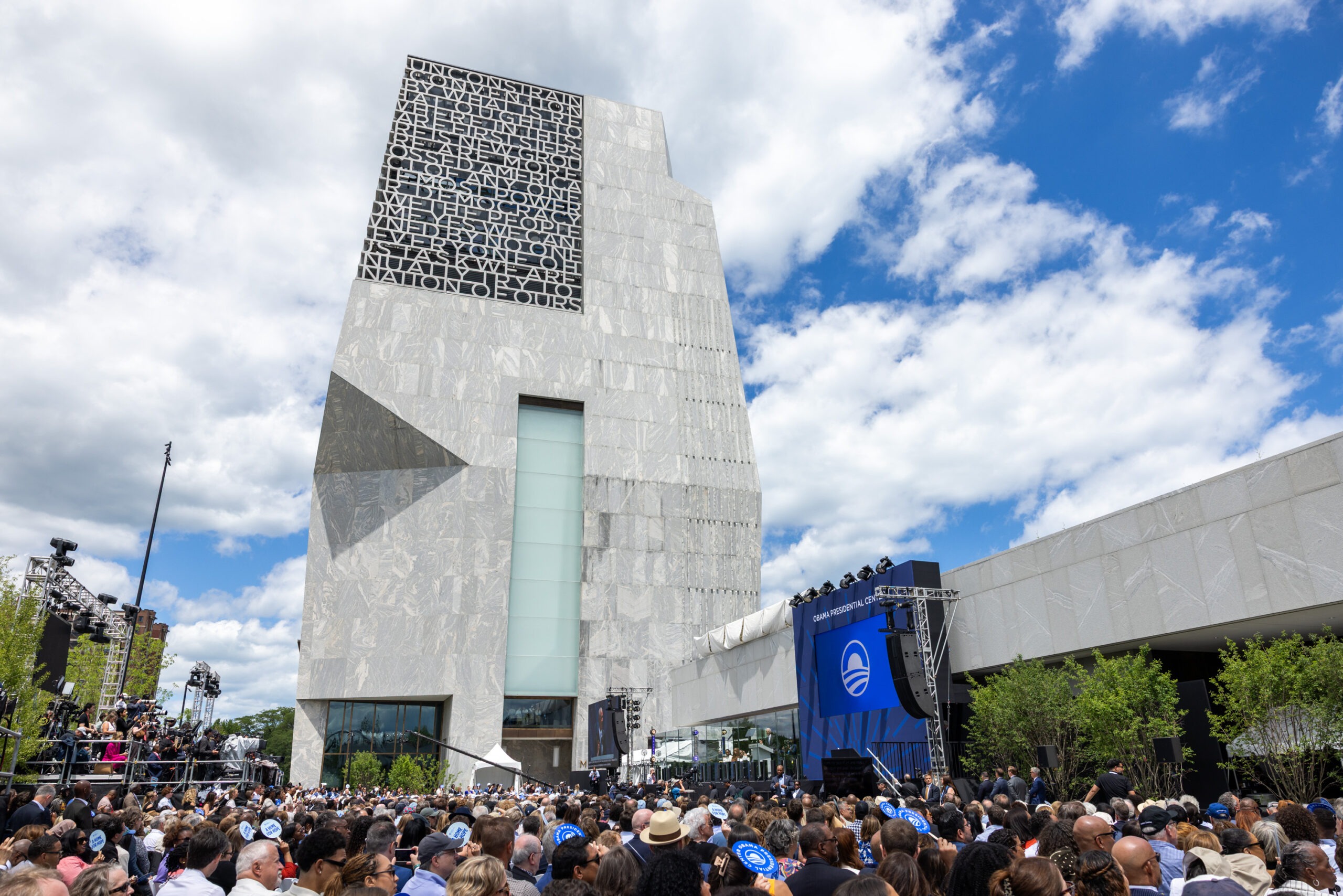
When the Obama Presidential Center opened on Chicago’s South Side during Juneteenth weekend, it marked more than the completion of a landmark building. It represented the culmination of a vision nearly a decade in the making, an investment of nearly $850 million in a historically underserved community, and a statement about the future Barack and Michelle Obama hope to help shape.
On a bright June morning, thousands gathered at John Lewis Plaza for the Grand Opening Ceremony. Families, community leaders, students, artists, and visitors from across the nation filled the campus that now stands just miles from where Michelle Obama grew up and where Barack Obama began his career as a community organizer.

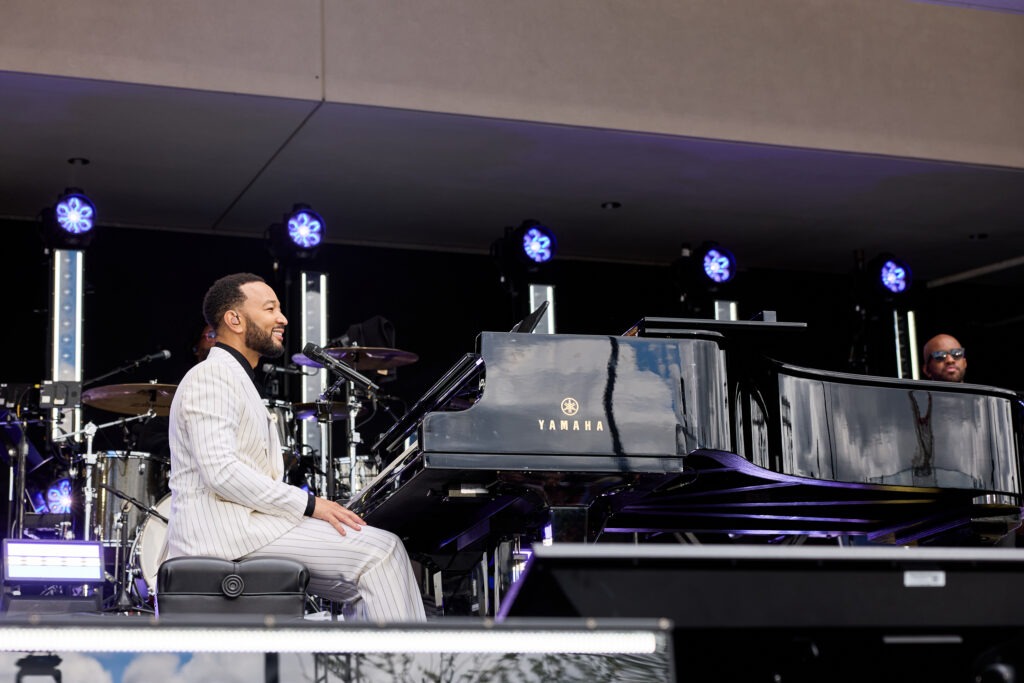
The celebration featured performances from an all-star lineup that included The Roots, Bruce Springsteen, Christina Aguilera, Common, Jennifer Hudson, John Legend, Stevie Wonder, Marc Anthony, Tems, Bono, The Edge, and Eddie Vedder. Yet beneath the music and festivities was a deeper story, one rooted in place, purpose, and possibility.
“This Grand Opening ceremony will be unlike any other, filled with music, performances, and hope,” said Obama Foundation CEO Valerie Jarrett. “We hope to inspire people everywhere to believe in their power to bring change home.”
The Obamas could have built their presidential center almost anywhere. Instead, they chose Chicago’s South Side, a community that shaped both their personal and professional lives. That decision became the defining theme of opening weekend.
A Homecoming with Purpose
For Michelle Obama, the South Side is more than a location. It is home.

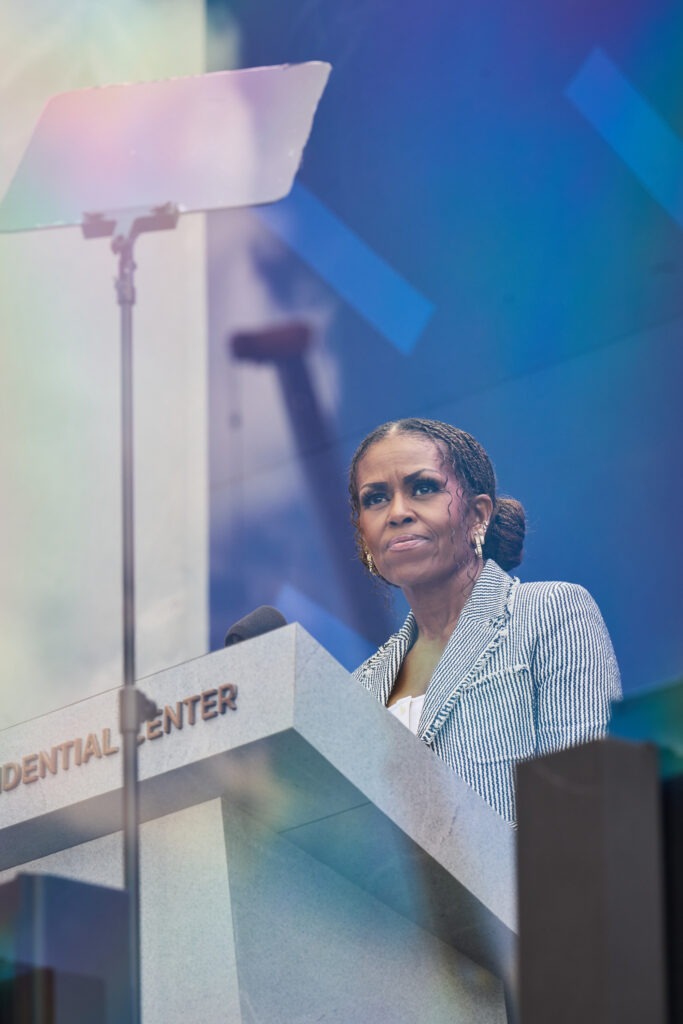
Growing up in Chicago during the 1970s, she watched neighborhoods change as investment shifted elsewhere. She remembers communities where families maintained their homes, children played outside, and neighbors gathered for block parties. Over time, she also witnessed businesses close, public amenities disappear, and opportunities move away.
“You could slowly see the slow deterioration of the entire South Side,” she recalled during an opening-week interview. “Stores that were closing down. The park programs just kind of went away. You just slowly noticed that the stuff wasn’t there anymore.”
As she grew older and traveled throughout the city, she noticed that many of Chicago’s major investments seemed concentrated downtown, far from neighborhoods like the one where she was raised.
That history made the opening of the Center especially meaningful.
“When something like this opens and there really is nothing else like this, and you decide to make an investment in a community like this, an $850 million investment, that says something,” Michelle Obama said. “That says you count.”
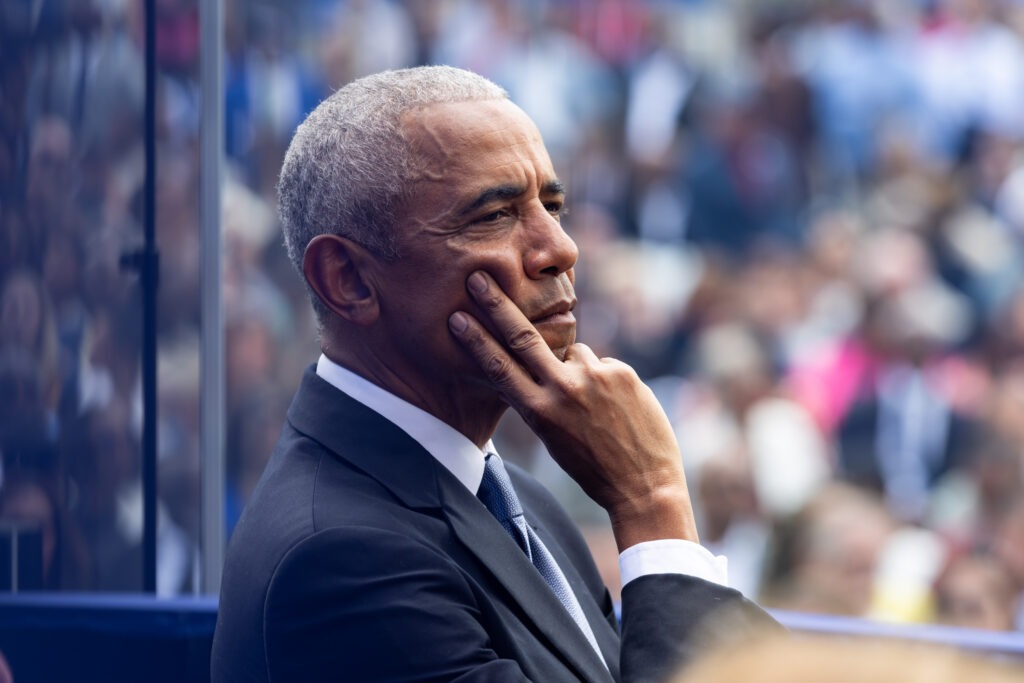
For Barack Obama, the South Side is where he learned that meaningful change often begins at the community level, one conversation, one neighborhood meeting, and one relationship at a time.
“This is a big investment,” he said. “It can potentially help anchor and catalyze economic development and opportunities for communities that oftentimes have been left behind.”
Investment and Opportunity
The Center’s opening comes amid ongoing conversations about economic development, housing affordability, and neighborhood change.
Obama acknowledged that major investments can bring challenges alongside opportunities. Increased tourism, rising property values, and growing interest from developers often raise concerns about displacement and gentrification.
“Nobody’s figured out this solution perfectly,” Obama said. “The question is always: Are we making sure that the people who are already there can get a piece of that rising tide?”
Foundation leaders have emphasized workforce development, internships, fellowships, local hiring, vendor partnerships, and community engagement as key components of the Center’s long-term strategy.
The goal, Obama said, is to ensure that existing residents benefit from the opportunities the Center creates.
That focus on inclusion and access was visible throughout opening weekend.
A Library for the Next Generation
The morning after the dedication ceremony, the Center opened its doors to the public on Juneteenth.
The first major event was not a formal speech or ribbon cutting.
It was story time.
Twenty-five students from William H. Ray Elementary School arrived at the new Chicago Public Library branch inside the Center, unaware they were about to receive a surprise visit.
At 10:15 a.m., Barack and Michelle Obama entered the reading room and began reading Maurice Sendak’s classic children’s book, “Where the Wild Things Are.”
“Are you telling stories up in here?” President Obama asked as the children burst into laughter.
For nearly half an hour, the former president and first lady acted out scenes from the book, joked with students, answered questions, and encouraged a love of reading.
“This is your library,” President Obama told the children. “This is going to be your spot.”
The setting itself reflected that commitment. The library includes a 70-foot mural by artist Aliza Nisenbaum and a reading room containing 3,000 books personally selected by the Obamas.
The event captured one of the Center’s core goals: inspiring young people to see themselves as future leaders, creators, and changemakers.
Meeting the First Visitors
Later that morning, the Obamas welcomed the first 100 visitors entering the museum.
Families posed for photographs, exchanged handshakes, and shared brief moments with the former first couple beneath Mark Bradford’s towering artwork inspired by Carl Sandburg’s famous description of Chicago as the “City of the Big Shoulders.”
A young boy received a high-five from the former president. A baby placed a sticker on Michelle Obama’s blouse. Parents smiled through tears as they introduced their children to the couple.
The encounters were unscripted and personal.
More importantly, they reinforced a message repeated throughout the weekend: this place belongs to everyone.
A Campus Alive with Community
By June 20, the Center was operating at near capacity.
Visitors filled the campus from morning until evening. More than 1,700 guests toured the museum while thousands more participated in outdoor performances, educational activities, and community programs.
Nick Cave’s Soundsuits animated John Lewis Plaza. Mariachi Herencia de Mexico performed. Children participated in art projects, story times, sports clinics, and writing workshops. Families explored gardens, public spaces, exhibits, and community programming designed to engage visitors of all ages.
The atmosphere felt less like the opening of a traditional presidential library and more like a neighborhood festival.
That distinction was intentional.
A Living Legacy
As opening weekend unfolded, it became increasingly clear that the Obama Presidential Center is not designed to function as a conventional presidential library.
Rather than focusing solely on preserving documents and artifacts, the Center seeks to encourage civic participation, leadership development, community engagement, and public service.
Throughout interviews and public appearances, the Obamas repeatedly emphasized that they want visitors to leave inspired not simply by what happened during a presidency, but by what they themselves can accomplish.
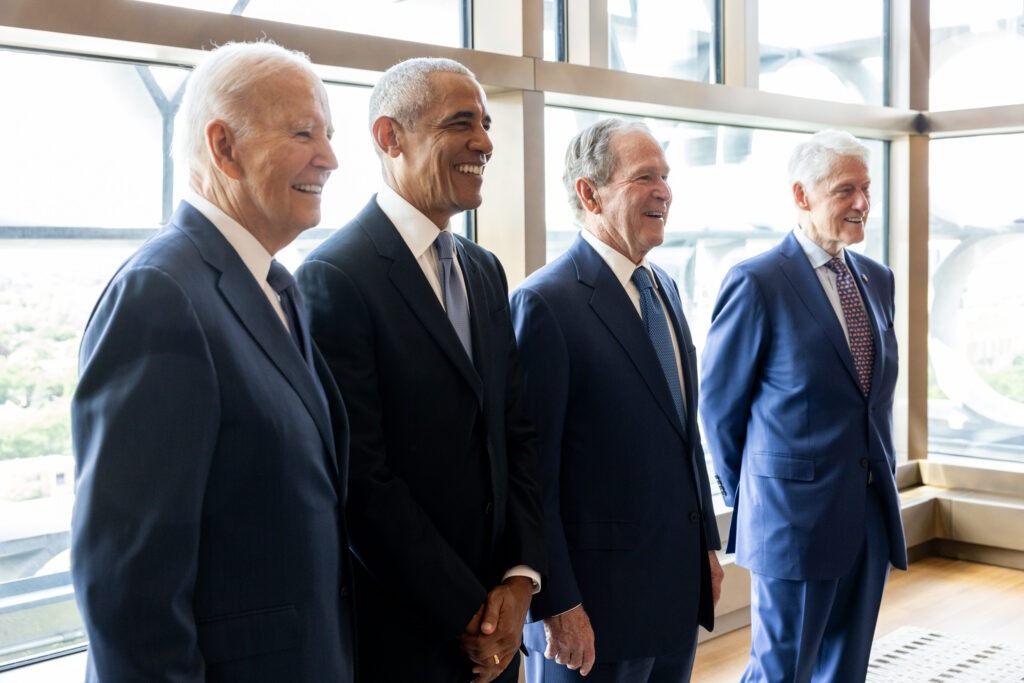
That vision can be seen throughout the campus. It is reflected in the youth musicians who performed alongside Eddie Vedder. It is reflected in the internships, fellowships, and educational opportunities being developed through the Foundation. It is reflected in a library designed for children, public spaces built for gathering, and exhibits that encourage participation rather than observation.
Michelle Obama has described the South Side as home. Barack Obama has spoken about creating opportunities for people who have too often been left out of major investments.
Together, those ideas form the foundation of the Center’s mission.
In the end, the opening of the Obama Presidential Center was not about nostalgia. It was about possibility.
If traditional presidential libraries primarily look backward, this institution looks forward. If they preserve history, this one also seeks to shape it. If they celebrate a presidency, this one challenges visitors to consider their own role in strengthening communities and democracy.
The Obamas have often suggested that their ultimate legacy will not be measured solely by what they accomplished while in office, but by the opportunities they help create for others. Opening weekend offered a glimpse of that vision in action.
On Chicago’s South Side, where Michelle Robinson once rode her bicycle through neighborhood streets and Barack Obama once knocked on doors as a young organizer, a new chapter has begun.
Not a monument to what was.
But an invitation to what could be.
Truth Seekers Journal thrives because of readers like you. Join us in sustaining independent voices.