
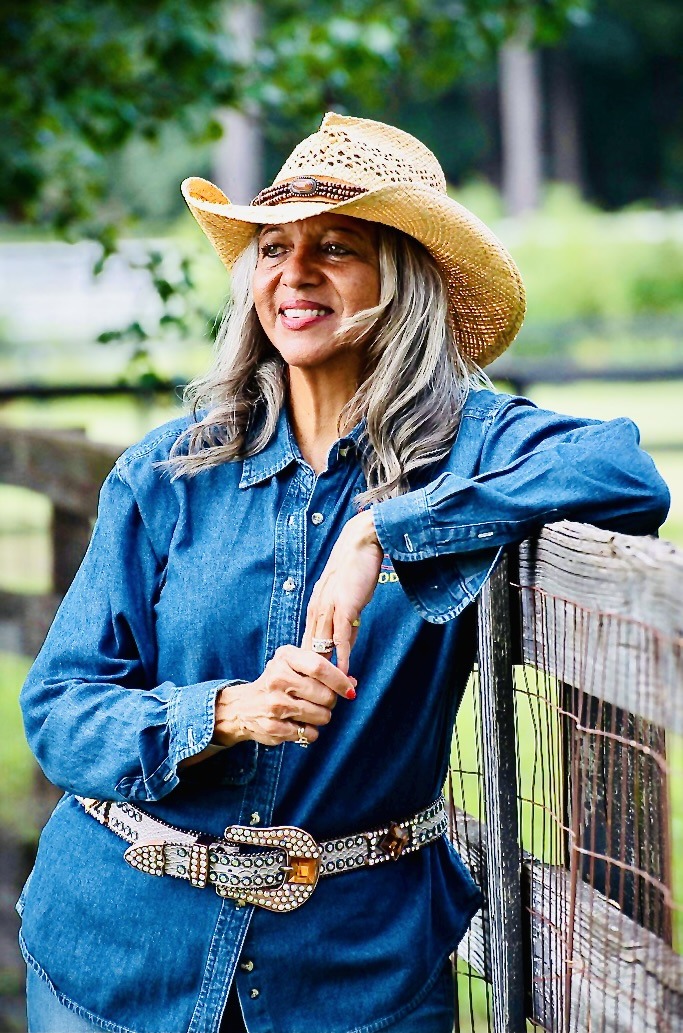
The Legacy of the Bill Pickett Invitational Rodeo: Valeria Howard Cunningham on History, Community, and the Future of Black Cowboys
Milton Kirby | Atlanta, GA | March 10, 2026
A little boy walked into the arena in Memphis dressed like a cowboy from head to toe, boots, jeans, a large buckle, a western shirt, and a hat. He was about seven years old.
Like many children entering a rodeo arena for the first time, he wrinkled his nose at the smell of the animals. Then he stepped closer to the arena rail. He stopped in his tracks. Hands on his hips, eyes wide, he stared at the riders preparing to compete. “I can’t believe this,” he said. “There are real Black cowboys and cowgirls.”
Standing nearby was Valeria Howard Cunningham, the longtime leader of the Bill Pickett Invitational Rodeo. She watched the moment unfold and felt tears come to her eyes. “For me,” she later said, “that moment spoke volumes.”

For more than four decades, moments like that have defined the mission of the Bill Pickett Invitational Rodeo not simply as a sporting event, but as a place where history, culture, and community meet.
In a recent interview with The Truth Seekers Journal, Howard reflected on the journey from modest beginnings to sold-out arenas—and on the people and purpose that have sustained it for more than 42 years.
Overcoming Fear and Breaking Barriers
Cunningham does not pretend the journey was easy. Taking the reins of a national rodeo organization as a Black woman came with uncertainty and pressure. “You know, that was scary within itself,” Cunningham said. “Being a Black woman trying to run an African American rodeo association – were people ready for that?”
There were moments of doubt. But Cunningham said she was never alone. She remembers the circle of women who stood beside her, believing in the vision and pushing her forward when the responsibility felt overwhelming. “I had Black women surrounding me who had my back,” she said. “They assured me they would be standing beside me.” That support system became one of the foundations of the rodeo’s success. Howard quickly points out that the Bill Pickett Invitational Rodeo has always been a team effort.
Among those who helped shape the organization are longtime partners like national sponsorship director, Margo Wade-LaDrew, who is ready to step in and take the reins if need be, Acynthia Villery, Social Media Director, and the first African American female professional rodeo announcer, public relations director Michelle Johnson, and a network of coordinators, volunteers, and rodeo professionals across the country.
“I was surrounded by incredibly talented women,” Cunningham said. “They guided me on the things I didn’t know.”
From Empty Seats to Sold-Out Arenas
When the Bill Pickett Invitational Rodeo first began touring, success looked very different. In the early days, simply filling a few seats felt like a victory. “We started just hoping to see some people in the seats,” Cunningham said. Today, many arenas are filled to capacity. The growth did not happen by accident. Cunningham credits the rodeo’s competitors, the cowboys and cowgirls who travel across the country. They compete in events that require extraordinary skill, discipline, and courage.

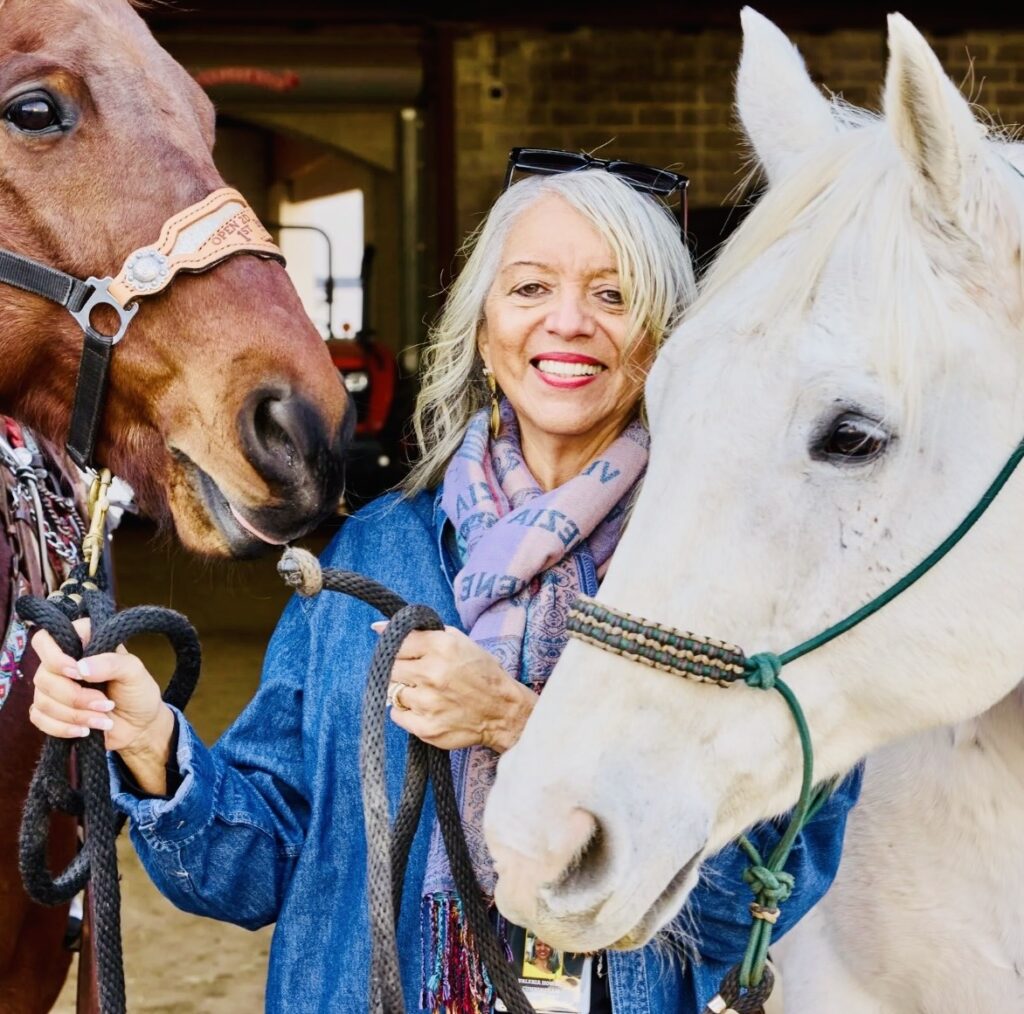
“The cowboys and cowgirls in the Bill Pickett Invitational Rodeo are professionals,” she said. “People come because they want to see great competition.” But competition alone is not enough.
Cunningham believes audiences deserve excellence when they buy a ticket. “If you’re going to produce a show,” she said, “you must respect your audience and make sure they get the best experience possible.”
The True Culture of Black Cowboys
Cunningham is passionate about correcting misunderstandings about Black cowboy culture. Too often, she says, people reduce the culture to modern trail rides or social gatherings. But the real tradition runs much deeper.
“Black cowboy culture is about people who love the animals, love the sport, and take pride in being the best at what they do,” she said. At a Bill Pickett rodeo, spectators see that culture up close.
They see barrel racers flying around the arena at full speed. They see bull riders climb onto two-ton animals. These animals can throw a rider in seconds. They see steer wrestlers launch themselves from horses in a test of strength and timing.
Every event carries risk. Every competitor carries pride. And every ride connects today’s riders to generations of Black cowboys who helped shape the American West.
The Business Behind the Show
Behind the excitement of the arena is a complex operation. Producing a rodeo requires moving livestock, equipment, competitors, and staff across multiple states. Venue decisions alone can determine whether an event is financially successful.
Cunningham remembers one expensive lesson from decades ago. During an indoor rodeo in Philadelphia, the organization paid $50,000 just to bring dirt into the arena and then remove it afterward. “That’s when I said we’re not in the dirt business,” Cunningham said. Experiences like that shaped the organization’s strategy.
Cunningham said she is careful to choose venues that allow the rodeo to keep ticket prices affordable. “Our community has to be able to participate,” she said. “That’s the reason we do what we do.”
Investing in the Next Generation
For Cunningham, the rodeo’s mission extends far beyond competition. She credits her upbringing for that outlook. “My mother raised me to believe that when people give to you, you must give back,” she said.
That philosophy led to the creation of the Bill Pickett Invitational Rodeo Foundation, which provides scholarships, community programs, and youth outreach. Young riders are also part of the show itself.
The rodeo features Pee-Wee divisions for children as young as 5. There are also junior competitions that allow young riders to develop their skills. “These kids invest time and effort,” Cunningham said. “When they do something positive, we should showcase it.”
Rodeo for Kids’ Sake
One of the rodeo’s most impactful programs is called Rodeo for Kids’ Sake.
Each year in Memphis, thousands of elementary and middle school students attend a special Friday morning rodeo designed just for them. Before the competition begins, students receive a history lesson about Black cowboys and cowgirls who played important roles in the development of the American West. Teachers can also download curriculum workbooks. These workbooks connect rodeo history to lessons in reading, math, and art.

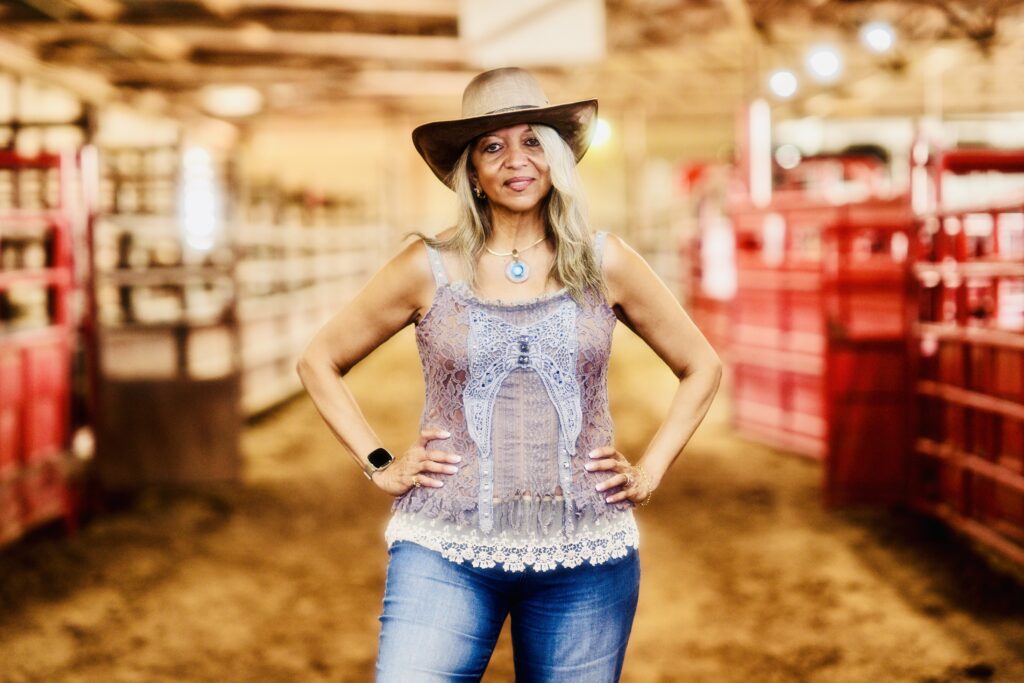
About 4,000 students attend the Memphis program each year. For many of them, it is the first time they have ever heard about Black cowboys. Sometimes, it is the first time they have ever seen one. Cunningham still remembers the moment that little boy in Memphis stopped and stared at the arena. “I can’t believe this,” he said. “There are real Black cowboys and cowgirls,” Cunningham said. She could only stand there and cry. In that instant, she understood the true reach of the rodeo. “It means they see themselves,” she said.
A Legacy Built by Community
Cunningham experienced another powerful moment during the rodeo’s 40th anniversary celebration in Oakland. Standing at the top of the arena entrance, she watched families stream through the doors. Parents pushed strollers. Children held hands. Elderly guests arrived in wheelchairs. “It didn’t matter if you were a newborn or a senior,” she said. “Everyone was coming to share the experience.”
One man stopped her and shared his story. He had attended the rodeo every year since childhood. Now he was bringing his own children and his mother. “That’s when I realized the span of the Bill Pickett Invitational Rodeo,” Cunningham said.
Looking Toward the Future
Now in its 42nd year, the rodeo continues to grow.
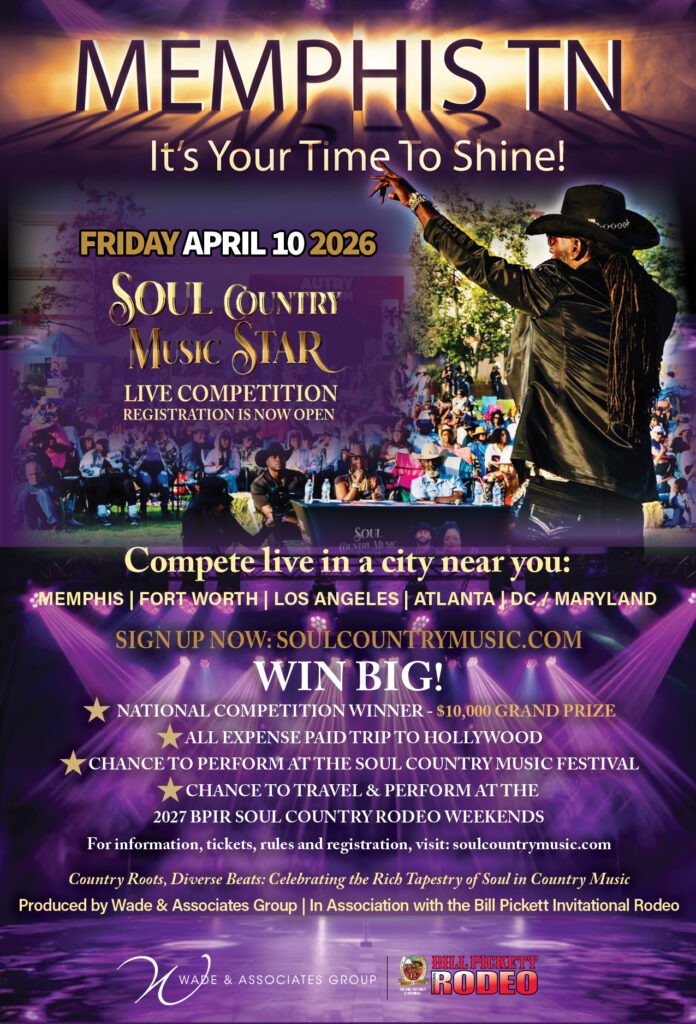
Alongside the competition, the organization has launched Soul Country Rodeo Weekend. This event pairs the rodeo with a national music competition to discover emerging country music talent. But Cunningham says the future of the rodeo ultimately belongs to the next generation. “We’re preparing the next school of leaders,” she said. These are leaders who will carry the Bill Pickett legacy forward—and make sure the next little boy who walks into a rodeo arena can still look out and say with wonder: “There are real Black cowboys and cowgirls.”
________________________________________________________________________________________________________________
Related articles
Inside the Bill Pickett Invitational Rodeo — Part 7
Inside the Bill Pickett Invitational Rodeo — Part 6
Inside the Bill Pickett Invitational Rodeo — Part 5
Inside the Bill Pickett Invitational Rodeo — Part 4
Inside the Bill Pickett Invitational Rodeo — Part 3
Inside the Bill Pickett Invitational Rodeo — Part 2
Agricenter International Showplace Theater – 7777 Walnut Grove Rd, Memphis, TN
Bill Pickett Invitational Rodeo
Music Competition – Friday, April 10, 2026 | 7:00 pm 8:00 pm Competition
BPIR Rodeo – Saturday, April 11, 2026 | 1:30 pm or 7:30 pm
Event Tickets and additional information
Country Roots, Diverse Beats: Celebrating the Rich Tapestry of Soul in Country Music.
Upcoming in the TSJ series – Inside the Bill Pickett Invitational Rodeo
Part 2 — Margo Wade LaDrew: Building the Rodeo Brand
Part 3 — Kirk Jay: The Sound of Country Soul at the Rodeo
Part 4 — Nathaniel Dansby (Mr. Bowleggs) : The Sound of Country Soul at the Rodeo
Part 5 — Rodeo for Kids’ Sake and the Next Generation
Related articles
Bill Pickett Invitational Rodeo National Finals Nominated for USA TODAY’s Best Rodeo Award
Bill Pickett Invitational Rodeo Celebrates 40 Years of Tradition and Excellence
Martin Luther King, Jr. African-American Rodeo of Champions Thrills Denver Audience
Truth Seekers Journal thrives because of readers like you. Join us in sustaining independent voices.