Milton Kirby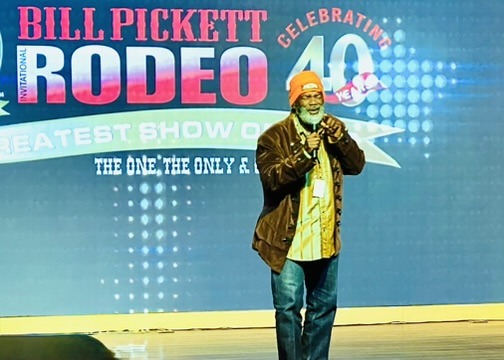
The Judge Who Hears What Others Miss: Howard Johnson and the Soul of Soul Country Music Star
By Milton Kirby | Atlanta, GA | March 24, 2026
At the Bill Pickett Invitational Rodeo, where heritage and innovation ride side by side, Howard Johnson is more than a judge, he is a careful listener, weighing not just sound, but story, spirit, and the deeper truth behind each performance.
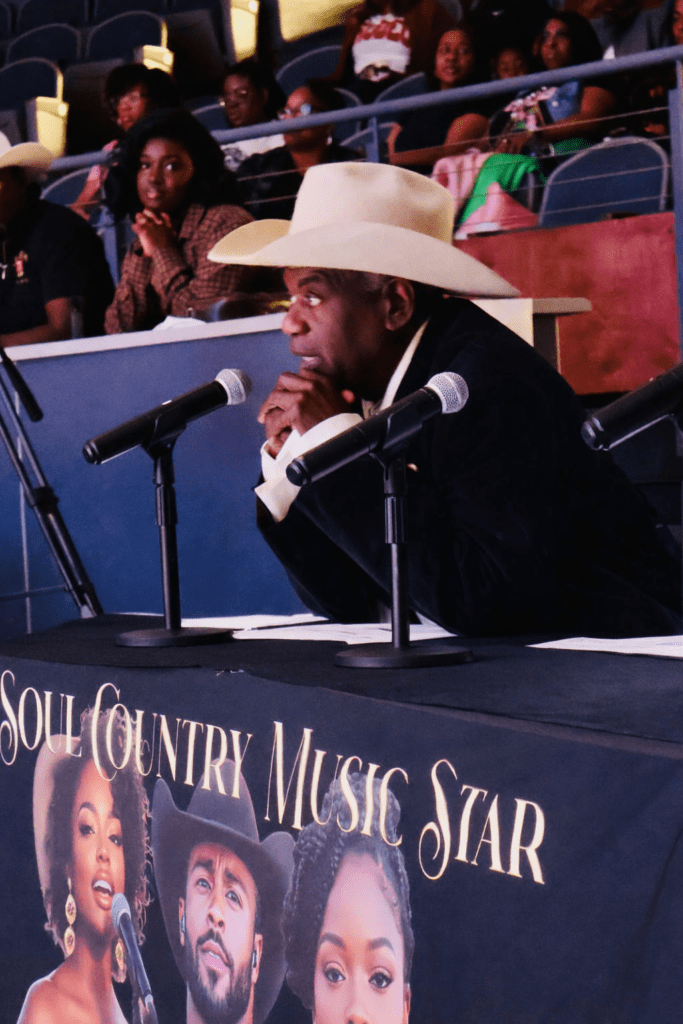
To most rodeo fans, he is the steady presence behind the judges’ table.
But Johnson’s story stretches far beyond the arena dirt.
Long before he was evaluating rising artists, Johnson was lending his voice to the soundtrack of Black cinema, performing three of the male singing voices in the iconic The Five Heartbeats.
“Three quarters of the building don’t know my other life besides being a cowboy,” he said with a laugh. “I’ve been blessed, truly.” Blessed and shaped by a lifetime of music, history, and a deep sense of responsibility to the next generation.
What Soul Country Really Means
When asked what he looks for in a Soul Country Music Star, Johnson’s answer is immediate.
“It’s right in the title – the soul and the country,” he said. “I don’t want anybody who sounds like Charley Pride or Vince Gill or Garth Brooks. I want someone who sounds like us.”
For Johnson, “us” is not a genre. It is a cultural fingerprint, an instinctive blend of gospel, blues, R&B, and lived Black experience.
He points to Ray Charles, Al Green, and the gospel quartets of his youth as proof that the line between soul and country has always been thin.
“Take an early Al Green song, remove the B3 organ, add a steel pedal, you’ve basically got country,” he said. “We’ve always been there.”
Hearing What Others Miss
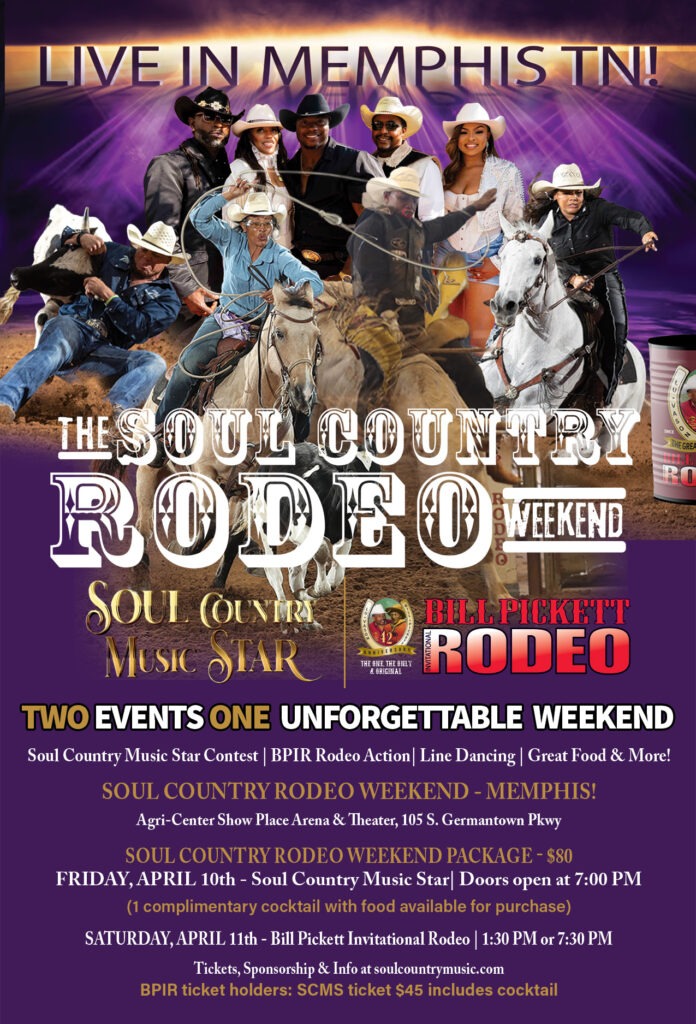
Johnson doesn’t just judge talent; he listens for what others overlook.
Two artists, now winners of consecutive seasons, stand as proof of that instinct: Kirk Jay and Nathaniel Dansby.
Kirk Jay, the Season One (2024) winner, impressed Johnson with his writing and presence.
“He’s an incredible writer,” Johnson said. “He had the playing, the soul, and that youthful enthusiasm.”
Nathaniel Dansby, who would go on to win Season Two (2025), took a very different path.
In his first audition, other judges scored him low. Johnson was stunned.
“I asked them, ‘What are you listening for?’ Because I heard something special,” he said. “I had him in the 90s. Others had him under 50.”
Dansby nearly walked away from music after that moment.
When he returned the following year — frustrated but determined — Johnson pulled him aside.
“Don’t quit,” he told him. “Come back.”
He did — and delivered a performance that ultimately led to his Season Two victory.
“Your encouragement is what brought me back,” Dansby later told him.
Moments like that define Johnson’s approach.
“You’re dealing with people in the infancy of their talent,” he said. “Who am I to tear that down?”
He is not just judging talent; he is helping it find its footing.
A Childhood That Shaped a Judge
Johnson’s reluctance to crush a dream comes from a painful memory.
At nine years old, singing in a Miami church, he was told he was “too Black.”
He cried the entire ride home. His father, enraged, attempted to turn the car around with a gun in hand. His mother stopped him.
“That moment never left me,” Johnson said. “It shaped how I treat people who are just starting.”
It is why he refuses to judge with cruelty.
It is why he listens for possibility, not perfection.
From Mailman Dreams to a No. 1 Hit
Johnson’s own career began by accident.
At 19, he had taken the civil service exam and planned to become a mailman. Singing was something he expected to do only in church.
But a dare from a friend changed everything.
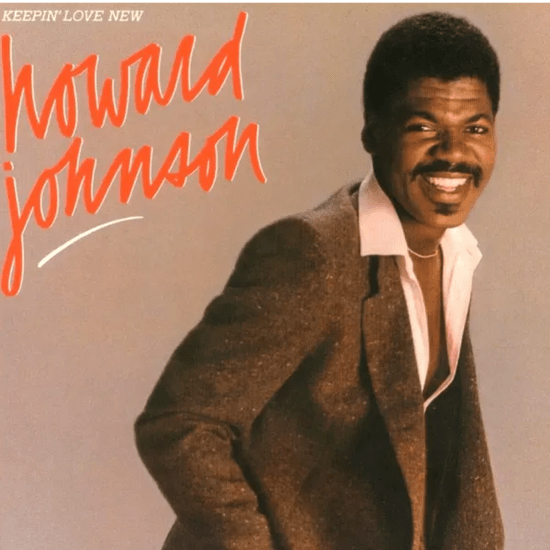
In a Miami park, he hit a high note from Earth, Wind & Fire’s “Mighty Mighty” that he didn’t know he had.
Two weeks later, he was discovered. Six months later, he had a No. 1 pop hit – So Fine.
“I wasn’t supposed to be singing secular music,” he said. “But that moment changed my life.”
The Blueprint and the Power of the Audience
Johnson believes the music industry’s secrets are not secrets at all.
“The easiest thing to write is a hit song,” he said. “There are thousands of hit records before you. Look at the blueprint.”
Marketing, distribution, radio, and visibility the formulas already exist. But in Johnson’s view, the real power has always rested with the audience. “The people pick the hits,” he said.
For artists coming through Soul Country Music Star, that truth matters. It means success is not reserved for those with industry access alone, but for those who can connect.
The BPIR as Cultural Restoration
Johnson sees the Bill Pickett Invitational Rodeo as more than entertainment. It is a living archive of Black Western history.
He speaks of the origins of the word “cowboy,” born from white ranchers refusing to call Black cattle hands “men.” He speaks of language, history, and identity and how those stories shape the present.
“There are a lot of knowledgeable people around this rodeo,” he said. “It’s a family.”
Through the BPIR, Johnson found not just a platform, but a deeper connection to a history that continues to unfold.
AI, Creativity, and What Machines Can’t Touch
Johnson is clear-eyed about artificial intelligence. He uses it for business planning, but not for music.
“There’s an emotional element AI will always miss,” he said. “Some of the AI music is incredible, but the human part is missing.” He believes that for artists grounded in truth, songwriting will endure.
A Call for Investment in Black Institutions
Johnson’s critique of corporate America is direct.
Black consumers are among the top spenders in major industries, yet those same companies rarely invest in Black communities or cultural institutions.
“Have you ever seen a Nike center in a Black community?” he asked. “Why hasn’t someone said, ‘Let’s invest in something like the Bill Pickett Foundation?’”
He points to the rodeo’s community work; hospital visits, youth programs, and cultural education as deserving of broader support.
No More Single Leaders, Only Collective Power
When asked whether Black America needs another singular leader, Johnson shook his head. “No, we don’t,” he said. “We need us.” He warns against movements built around one figure, pointing to history as a reminder of how fragile that model can be. But collective movement, he believes, is different. When people move together, the impact is lasting.
A Legacy That Cannot Be Contained
Johnson’s pride in Black innovation is boundless.
He speaks of breakthroughs in sports, science, and culture contributions often overlooked, yet foundational.
“They have a reason to be afraid,” he said. “Anything we touch sports, science, whatever, they have to change the rules.”
From Tiger Woods to Stephen Curry, he sees a pattern: excellence that reshapes the landscape.
The Conversation Ends, but the Work Continues
As the interview concluded, Johnson apologized for talking so much.
But his words were not digressions, they were direction.
“It shows what the umbrella could be,” he said. “What I bring to it. How I make the selections I make.” In his voice in his history, his convictions, and his belief in Black artistry lies the heartbeat of Soul Country Music Star itself.
Country Roots, Diverse Beats: Celebrating the Rich Tapestry of Soul in Country Music.
Agricenter International Showplace Theater – 7777 Walnut Grove Rd, Memphis, TN
Bill Pickett Invitational Rodeo
Music Competition – Friday, April 10, 2026 | 7:00 pm 8:00 pm Competition
BPIR Rodeo – Saturday, April 11, 2026 | 1:30 pm or 7:30 pm
Event Tickets and additional information
Upcoming in the TSJ series – Inside the Bill Pickett Invitational Rodeo
— Kirk Jay: The Sound of Country Soul at the Rodeo
— Nathaniel Dansby (Mr. Bowleggs) : The Sound of Country Soul at the Rodeo
— Rodeo for Kids’ Sake and the Next Generation
Related articles
Inside the Bill Pickett Invitational Rodeo — Part 2
Inside the Bill Pickett Invitational Rodeo — Part 1
Bill Pickett Invitational Rodeo National Finals Nominated for USA TODAY’s Best Rodeo Award
Bill Pickett Invitational Rodeo Celebrates 40 Years of Tradition and Excellence
Martin Luther King, Jr. African-American Rodeo of Champions Thrills Denver Audience
Truth Seekers Journal thrives because of readers like you. Join us in sustaining independent voices.