Milton Kirby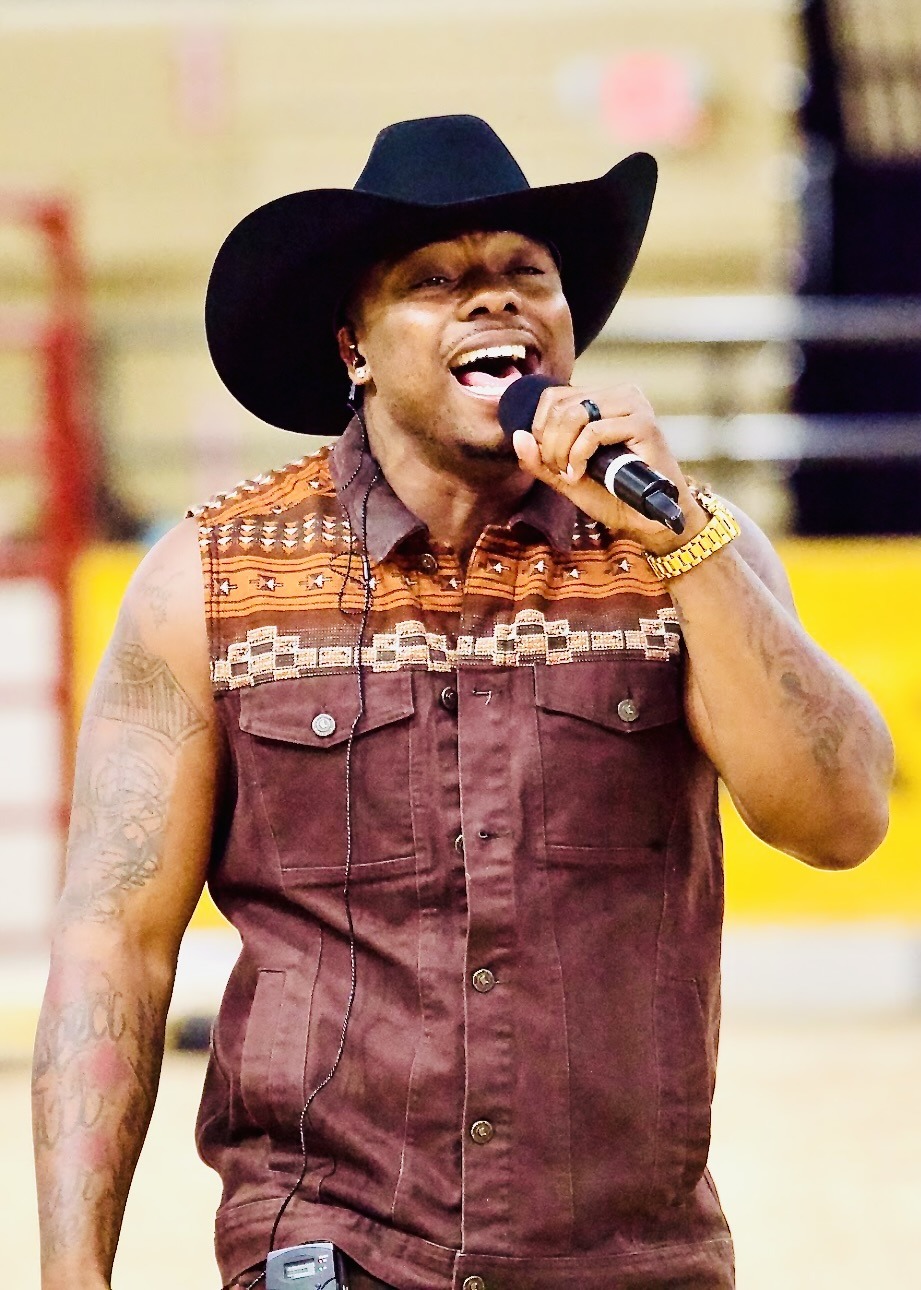
Kirk Jay and the Rise of Soul Country: How a Small‑Town Singer Became the Voice of a Cultural Return
By Milton Kirby | Atlanta, GA | March 28, 2026
When Kirk Jay steps onto the dirt floor of a Bill Pickett Invitational Rodeo arena, the crowd doesn’t just hear a singer they witness a movement taking shape. The Alabama‑born artist, who first captured national attention with a third‑place finish on Season 15 of NBC’s The Voice, has become the face of a growing cultural reclamation: Black artists returning to a genre they helped create.
In 2025, Jay toured with the Bill Pickett Invitational Rodeo (BPIR) and served as a judge for the Soul Country Music Star competition. This year, he returns as the Show Host for Season 3 — a full‑circle moment for the platform’s first champion and winner of its $10,000 grand prize.
“I think Soul Country Music Star gave me a name,” he said. “It’s paving the way for Black country artists like me to get out there and showcase our talent. And I’m having fun. I’m building relationships, gaining fans, and growing as an artist.”
Now a central figure in both Soul Country Music Star and BPIR, Jay has become more than a performer. He is, in many ways, proof of concept. Jay said. “It helped elevate what I do and put it in front of people who needed to hear it.”
A Country Childhood in Bay Minette
Jay is quick to correct anyone who tries to claim him as a Mobile native. “I’m from Bay Minette,” he said with pride. “A lot of people say Mobile, but I spent most of my time in this little town called Bay Minette.”
His roots run deep in the red clay of South Alabama. His parents were devoted fans of old‑school country Ronnie Milsap, Mariah, Night Train and the soundtrack of his childhood blended gospel harmonies with country storytelling.
“We’re no gimmick,” he said. “My family is country. We fish, we ride, we do all the country stuff. This is our lifestyle.”
Jay’s musical journey began in church, where he taught himself piano by ear. After services, he would slip back into the sanctuary, turn to the piano, and mimic what he heard the musicians play. He never learned to read music. Even today, every song begins with a melody — a hum, a chord progression, a feeling — long before any lyrics appear.
“Producers get mad at me,” he laughed. “They say, ‘Why you always start with melody?’ But that’s just how God gave it to me.”
Finding His Voice and His Calling
Jay discovered his vocal gift in the ninth grade after winning a school talent show. That moment sparked a journey that took him across Alabama, Georgia, and Texas, performing at open mics and learning how audiences responded to his sound.
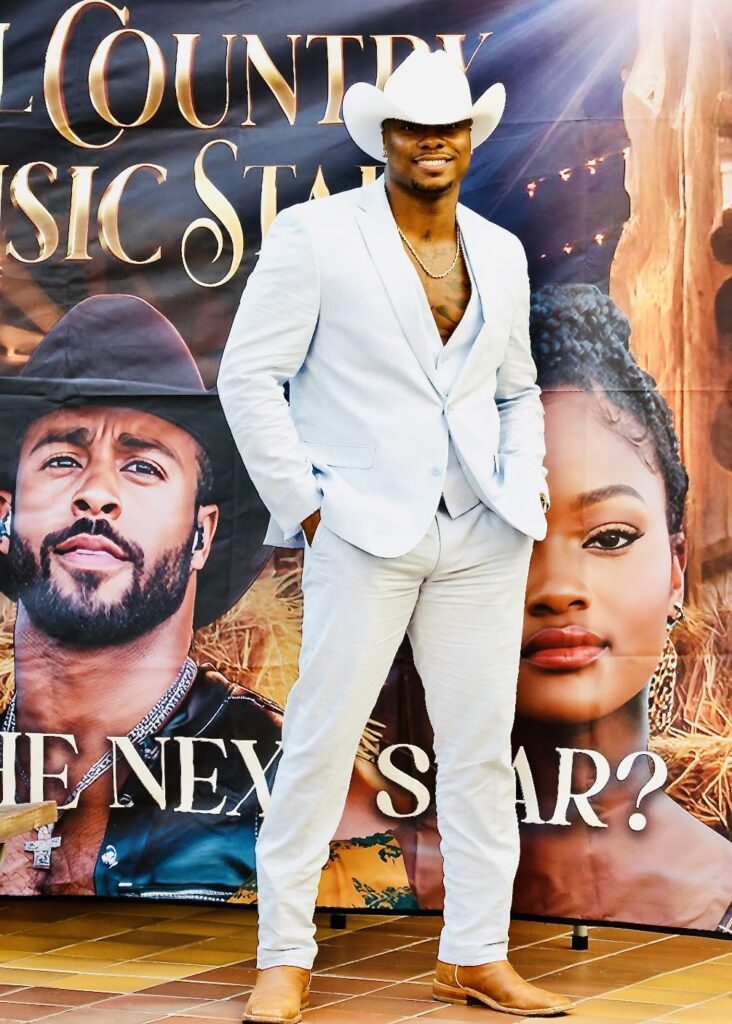
His breakout moment on The Voice came with his rendition of “In Case You Didn’t Know,” a cover delivered with such sincerity that many fans assumed it was his original. “That’s marketing,” he said with a grin. “You sing it like it was meant for you.”
For Jay, country music is not an act, it’s inheritance.
“Country music belongs to us, and nobody does it like us,” he said. “Nobody brings that feeling, that soul… like we do. We are the roots. We are the fire. We are the history.”
The Soul Country Connection
Jay’s introduction to Soul Country Music Star came through his first manager, who urged him to audition. After researching the platform, he realized he had found something rare: a space intentionally built for Black country artists.
“I said, ‘Man, this could take me to another level,’” he recalled. “And it did.”
Winning the competition opened doors not just for him, but for the movement itself. His success demonstrated that Soul Country Music Star could identify, elevate, and launch Black country talent on a national scale.
His authenticity resonates deeply with fans, especially young listeners who see themselves reflected in his journey. Many reach out with collaboration requests, concert inquiries, and messages of inspiration.
Growing Through the Rodeo
Performing at BPIR events has sharpened Jay’s artistry. Rodeo arenas are loud, cavernous, and unpredictable. Thousands of fans fill the stands, and the acoustics shift with every stomp of a boot.
“You really got to know yourself as an artist,” he said. “It’s a big platform. You have to study your craft and stay consistent.”
The rodeo crowds have embraced him, and he credits BPIR with expanding his audience, boosting his music sales, and deepening his connection to the culture that raised him.
Jay now has more than 87,000 Instagram followers many of them young Black fans who see in him a version of themselves they’ve never seen on a country stage.
Reclaiming a Sound That Started With Us
Jay speaks openly about the erasure of Black contributions to country music and the urgency of reclaiming that history.
“Country music belongs to us,” he said. “Nobody brings the soul, the feeling, the heart like we do. We’ve been pushed out, but it’s slowly evolving. We’re coming back.”
He sees Soul Country Music Star and BPIR as essential to that restoration.
“I don’t want Black country artists to feel dismissed. We matter. Our sound matters. What we bring is special. We can’t stop doing it. We have to make our mark.”
Inspiring the Next Generation
When asked about youth events like the upcoming “For Kids Sake Rodeo” in Memphis, Jay lit up at the idea of children seeing a Black country artist up close.
“It’s a chance for kids to see our culture,” he said. “Nobody getting hurt, nobody getting shot just doing what we love. Country stuff.”
Even though he isn’t scheduled to perform at that event, the concept resonated deeply. “That’s another step for our youth,” he said. “We’re training up the next generation.”
A Partnership With History
Jay’s partnership with BPIR marked a turning point in his career. Performing for thousands in packed arenas pushed him to grow as a professional and as a cultural ambassador.
“Those stages are big platforms,” he said. “Inside those rodeos, it’s sometimes hard to hear… but the fans reach out being inspired by the approach and delivery.”
His role has since expanded from performer to judge and host, helping Soul Country Music Star scout the next generation of talent. His mission is clear: ensuring that Black culture is no longer erased or sidelined from the genre it helped create.
The Soul Country Music Star Anthem
Jay is currently working on the Soul Country Music Star Anthem, written by Michelle R. Johnson. When he first read the lyrics — “We are the roots, we are the sound, we are the history…” — he felt tears forming before he reached the ten‑second mark.
“I know when a song is a hit,” he said. “This anthem is going to be powerful.”
He hopes to finish it before the first rodeo date of the season.
A Vision Bigger Than Music
As the interview wound down, Jay shared a vision that extends far beyond stages and spotlights.
“I love Bill Pickett Rodeo. I love Soul Country Music Star,” he said. “I want to keep traveling and building relationships until we are heard, respected, and seen. Until we come together as one big family.”
His dream is a world where artists respect each other’s gifts, where racism loses its grip, and where traditions Black cowboys, Black country artists, Soul Country, BPIR — are passed down to future generations.
“Life is so short,” he said. “Let’s fly. Let’s love one another. Let’s take care of our families and pass this down to our kids so the tradition lives on forever.”
A Movement, Not a Moment
As Soul Country Music Star enters its next season and BPIR continues its national tour, Jay remains focused on growth, connection, and purpose. “I just want to keep building, keep traveling, keep being heard,” he said. His vision extends beyond music toward unity, recognition, and cultural preservation.
“We’ve got to come together,” he said. “Respect each other’s gift and let the tradition live on.”
Because Kirk Jay isn’t just a singer.
He’s a bridge between past and future, between erasure and recognition, between what country music became and what it was always meant to be.
And as Soul Country Music Star rises, he stands at the center of a cultural return that’s only just beginning.
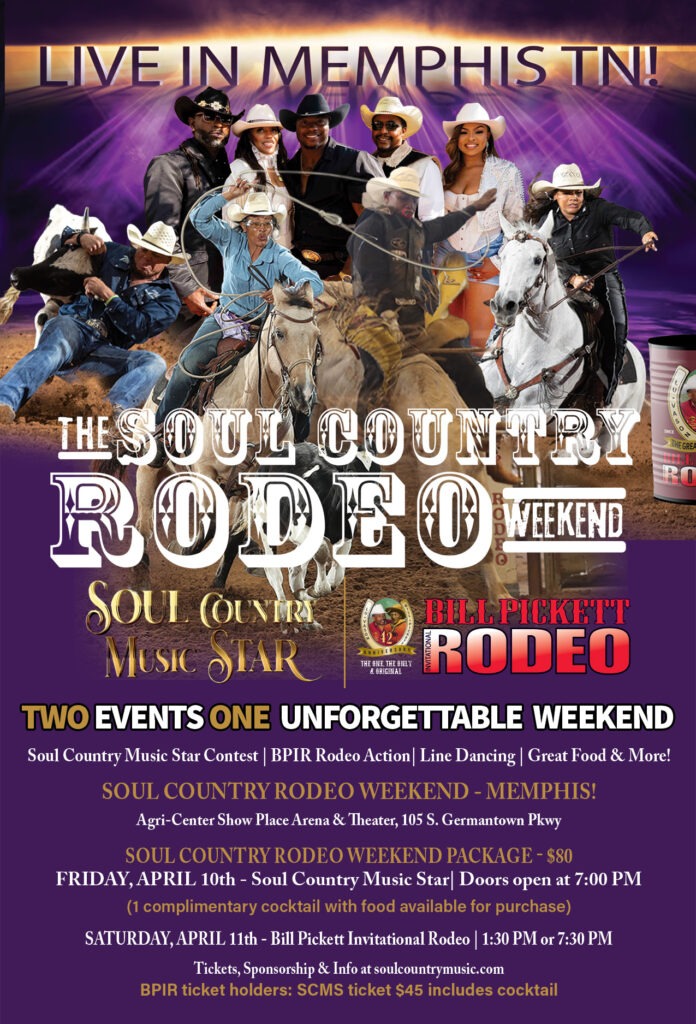
Country Roots, Diverse Beats: Celebrating the Rich Tapestry of Soul in Country Music.
Agricenter International Showplace Theater – 7777 Walnut Grove Rd, Memphis, TN
Bill Pickett Invitational Rodeo
Music Competition – Friday, April 10, 2026 | 7:00 pm 8:00 pm Competition
BPIR Rodeo – Saturday, April 11, 2026 | 1:30 pm or 7:30 pm
Event Tickets and additional information
Upcoming in the TSJ series – Inside the Bill Pickett Invitational Rodeo
— Nathaniel Dansby (Mr. Bowleggs) : The Sound of Country Soul at the Rodeo
— Rodeo for Kids’ Sake and the Next Generation
Related articles
Inside the Bill Pickett Invitational Rodeo — Part 3
Inside the Bill Pickett Invitational Rodeo — Part 2
Inside the Bill Pickett Invitational Rodeo — Part 1
Bill Pickett Invitational Rodeo National Finals Nominated for USA TODAY’s Best Rodeo Award
Bill Pickett Invitational Rodeo Celebrates 40 Years of Tradition and Excellence
Martin Luther King, Jr. African-American Rodeo of Champions Thrills Denver Audience
Truth Seekers Journal thrives because of readers like you. Join us in sustaining independent voices.