Florita Bell Griffin, Ph.D.
By Florita Bell Griffin | Houston, TX | May 19, 2026
Artificial intelligence has spread through ordinary life in a way that often feels subtle at first and significant only later. Many people still imagine AI as a dramatic technology tied to robots, laboratories, or futuristic machines. In reality, much of its growth has been quieter than that. It has entered daily routines through systems people already use, trust, and depend upon. It appears in search engines, banking alerts, customer service platforms, navigation tools, hiring software, recommendation engines, health systems, fraud detection, school tools, and social media feeds. The expansion feels quiet because it often arrives inside familiar environments. The decision-shaping power becomes visible only after people realize how many ordinary moments are being influenced by systems they rarely see directly.
This is why AI deserves closer public attention. Its importance does not rest only in what it can generate or automate. Its importance rests in how it increasingly enters decisions that shape daily life. Some of those decisions are small. Others carry real consequence. A person may notice which information appears first in a search, which route is recommended on a map, which product is pushed forward on a shopping page, or which customer service answer appears most quickly. Those moments may seem routine. Yet they reveal something larger. AI is moving into the spaces where attention is directed, choices are framed, and outcomes are quietly influenced.
The word decision can sound formal, though daily life is filled with them. People make decisions about what to read, what to trust, where to go, what to buy, how to respond, whom to contact, what medical advice to explore, what financial action to take, how to help a child with schoolwork, or whether a message feels credible. AI now enters many of those moments before a human being fully notices its role. That is what makes the expansion quiet. The technology does not always announce itself with force. It often works through ranking, sorting, summarizing, recommending, predicting, and flagging. These functions can feel helpful because they reduce effort. They can also shape the environment in which a person makes up their mind.
Search is one of the clearest examples. In earlier digital life, people often received a page of links and had to decide what to open, compare, and trust. Increasingly, AI now offers summaries and direct responses that seem ready for immediate use. That convenience can save time, and in many cases it does. Yet the deeper change lies in what happens when the route to an answer becomes narrower and more pre-shaped. A person may accept a polished explanation without asking where it came from, what it left out, or how confidently the system should be trusted. The decision has already been influenced at the point of presentation. AI does not need to force a conclusion in order to shape one. It can simply make one path seem easier, cleaner, and more complete than the alternatives.
Consumer life works in much the same way. Recommendation systems increasingly help determine what people notice first, what they are encouraged to purchase, what entertainment feels most relevant, and what items stay in front of their attention. A shopping platform may suggest products. A streaming service may suggest films. A news feed may suggest stories. A music service may suggest songs. Each recommendation may appear small, though repeated suggestions quietly organize preference and habit over time. The person still experiences the choice as their own, yet the field of visible options has already been shaped. This is one of the most practical ways AI enters everyday decisions. It reduces friction while increasing influence.
Navigation tools provide another familiar example. Many people now rely on digital routing without much second thought. A system suggests the quickest route, warns of delays, and updates conditions in real time. That kind of assistance is useful. It saves time and can reduce stress. Yet even here, AI influences daily decisions by directing movement, prioritizing certain paths, and shaping how people understand efficiency. The recommended route becomes the obvious route. A person may follow it almost automatically because it appears objective, timely, and informed. The decision feels personal, though much of its structure has already been provided.
Workplaces are also experiencing this quiet expansion. AI now helps summarize meetings, organize documents, sort applications, draft communications, analyze patterns, monitor activity, and support customer interaction. For workers and employers, these tools may improve speed and efficiency. At the same time, they enter decisions about hiring, evaluation, workload, communication, and opportunity. A resume may be screened before a person reviews it. A meeting summary may shape what leadership remembers as most important. A productivity system may influence assumptions about effort or value. A draft created by AI may frame the first version of an idea before a human being has fully thought it through. The expansion is quiet because these shifts often occur inside routine processes, though their effects can shape careers and livelihoods.
Education presents a similar pattern. Students can use AI to explain concepts, summarize material, solve problems, and draft assignments. Teachers can use it to assist with planning, organization, and communication. Families can use it to help children with homework or research. These tools can offer genuine support, especially when confusion or time pressure is high. Yet AI also enters educational decisions in less obvious ways. It may shape what a student reads first, how a teacher approaches material, what kind of answer feels sufficient, or how much struggle a child endures before receiving help. Human learning depends on more than arriving at the answer. It depends on memory, reflection, concentration, error, correction, and the slow building of judgment. When AI reduces friction too early, it can influence the decision to stop thinking before understanding has matured.
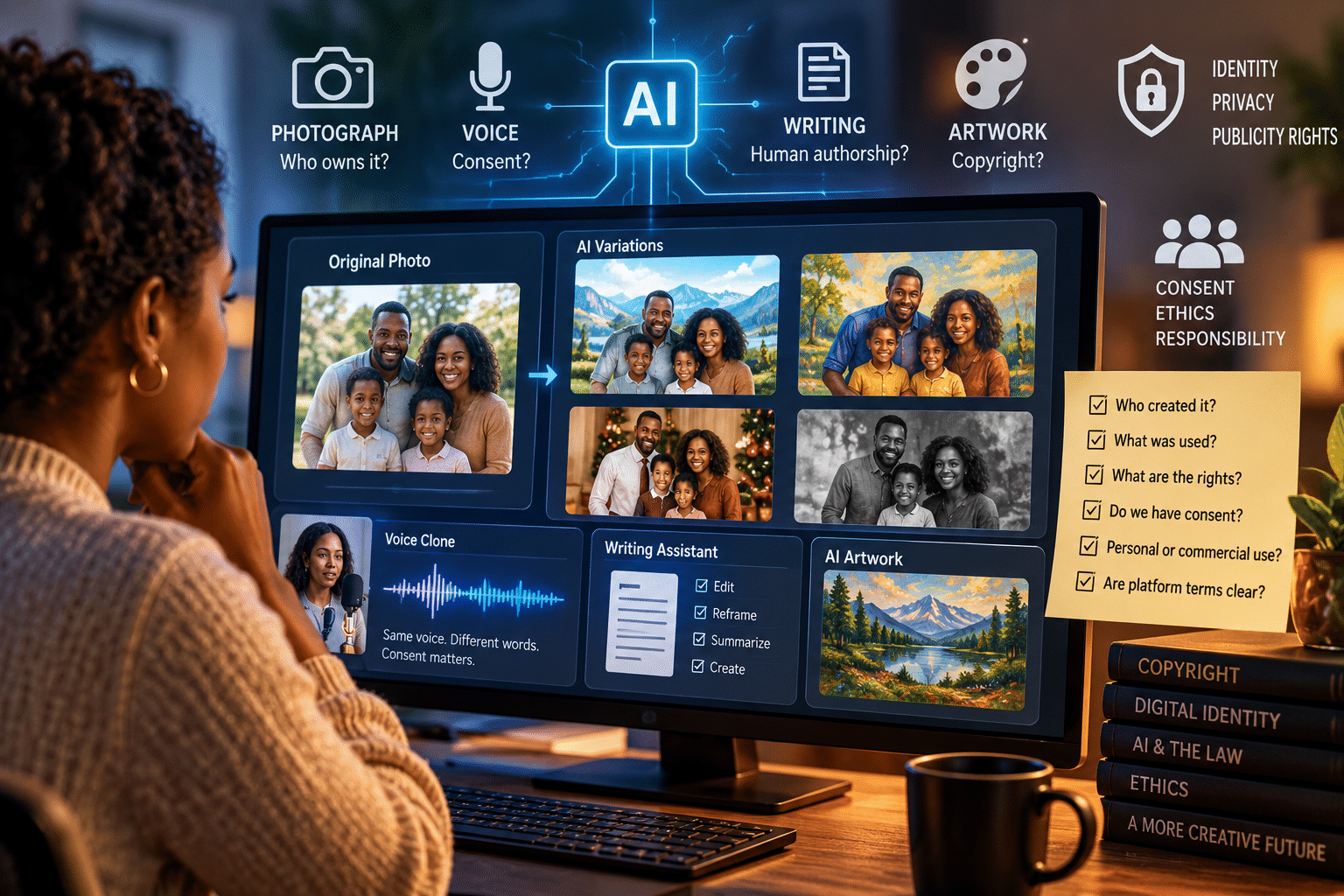
Trust and public understanding may be the most serious areas of all. AI-generated text, images, and audio can now enter ordinary conversation with great speed and increasing realism. A message may sound authoritative. A voice may sound authentic. An image may look convincing. A video clip may appear emotionally powerful. Ordinary people often make quick decisions about what to believe based on coherence, familiarity, and presentation. AI changes that environment by making persuasive material easier to produce at scale. The decision to trust becomes more difficult because polished surfaces no longer guarantee reliable substance. This means discernment must grow stronger precisely as the informational environment grows more fluid.
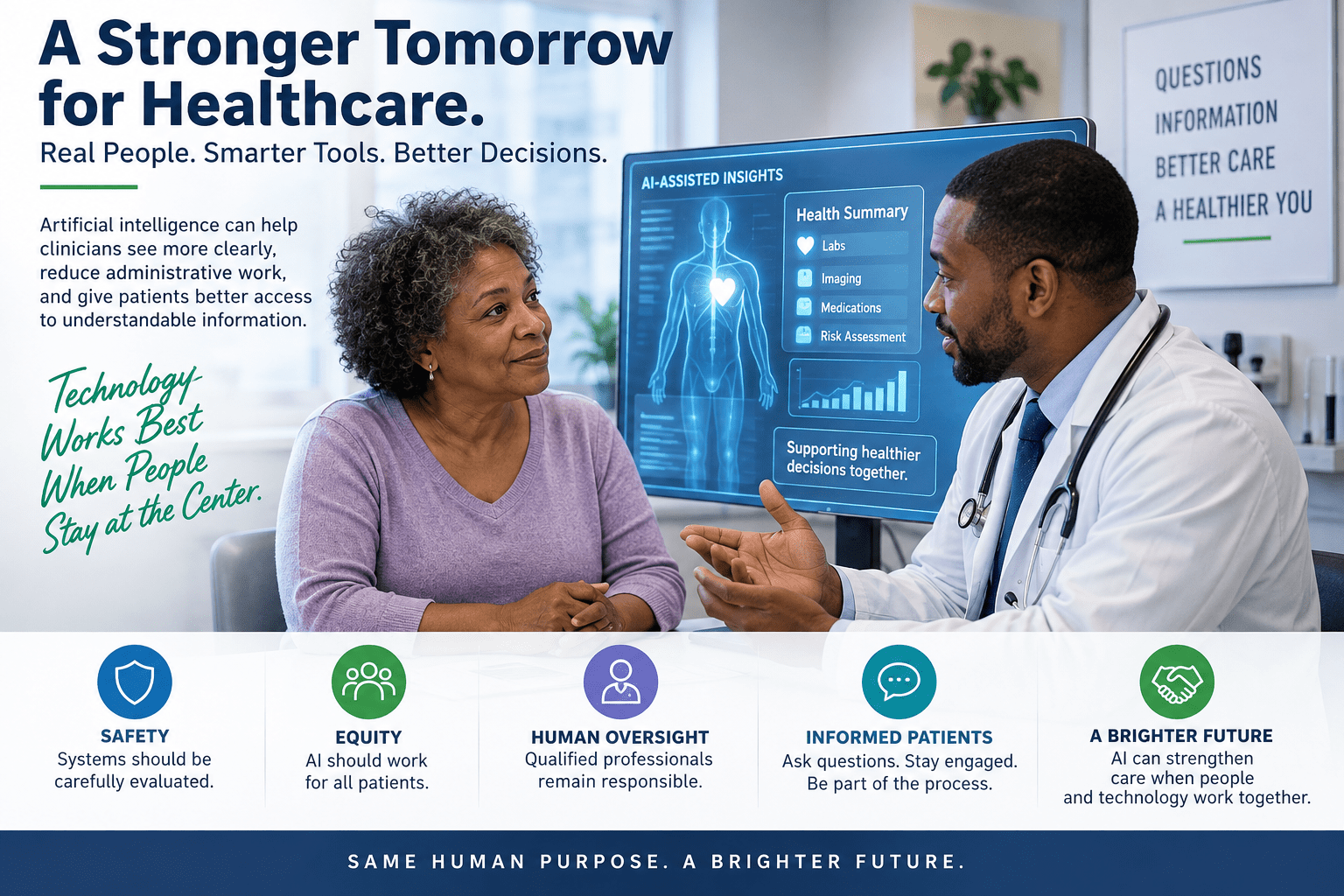
Healthcare, finance, insurance, and public services also show how quietly AI enters consequential decisions. Systems may be used to flag transactions, prioritize cases, process requests, identify patterns, or support internal review. These functions may increase speed and reduce administrative burden. Yet ordinary people experience them through outcomes. A family wonders why a request moved slowly. A patient wants to know whether a case received careful attention. A worker worries whether a flagged transaction or automated rating carries lasting implications. A resident navigating a public service wants a clear path to human review if the system falls short. In each case, AI enters the decision environment before the person sees the full logic behind it.
What makes this moment so important is that the quiet expansion of AI can easily be mistaken for neutral modernization. A new feature appears. A system becomes faster. A platform feels more responsive. A workflow becomes smoother. Those changes may indeed reflect progress in some settings. Yet speed alone does not settle the deeper question. The real issue is how many areas of ordinary life are beginning to rely on systems that shape choices without always making their influence visible. Convenience can coexist with loss of transparency. Efficiency can coexist with distorted judgment. Helpfulness can coexist with subtle dependence.
That is why the public needs clear language about AI and decisions. People do not need advanced technical training to recognize what is happening. They need the confidence to ask better questions. What is this system doing. What options is it placing in front of me. What does it reward. What might it be leaving out. Where does human review still matter. How can a person challenge an outcome when the process feels distant or automated. Those are everyday questions because the consequences of AI now belong to everyday life.
The quiet expansion of AI is one of the defining changes of this era. It is quiet because it enters familiar systems rather than arriving as a single dramatic event. It expands through convenience, speed, and helpfulness. It grows through recommendation, ranking, prediction, and automation. And it matters because it increasingly shapes the decisions people make at home, at work, in school, in markets, in institutions, and in public life. The task ahead is not to reject technology. It is to remain clear-minded about where it is entering judgment, how it influences choices, and why human beings must stay awake inside the systems they now depend upon.
© 2026 Truth Seekers Journal. Published with permission from the author. All rights reserved.
Support open, independent journalism. Your contribution helps us tell the stories that matter most.