
 Milton Kirby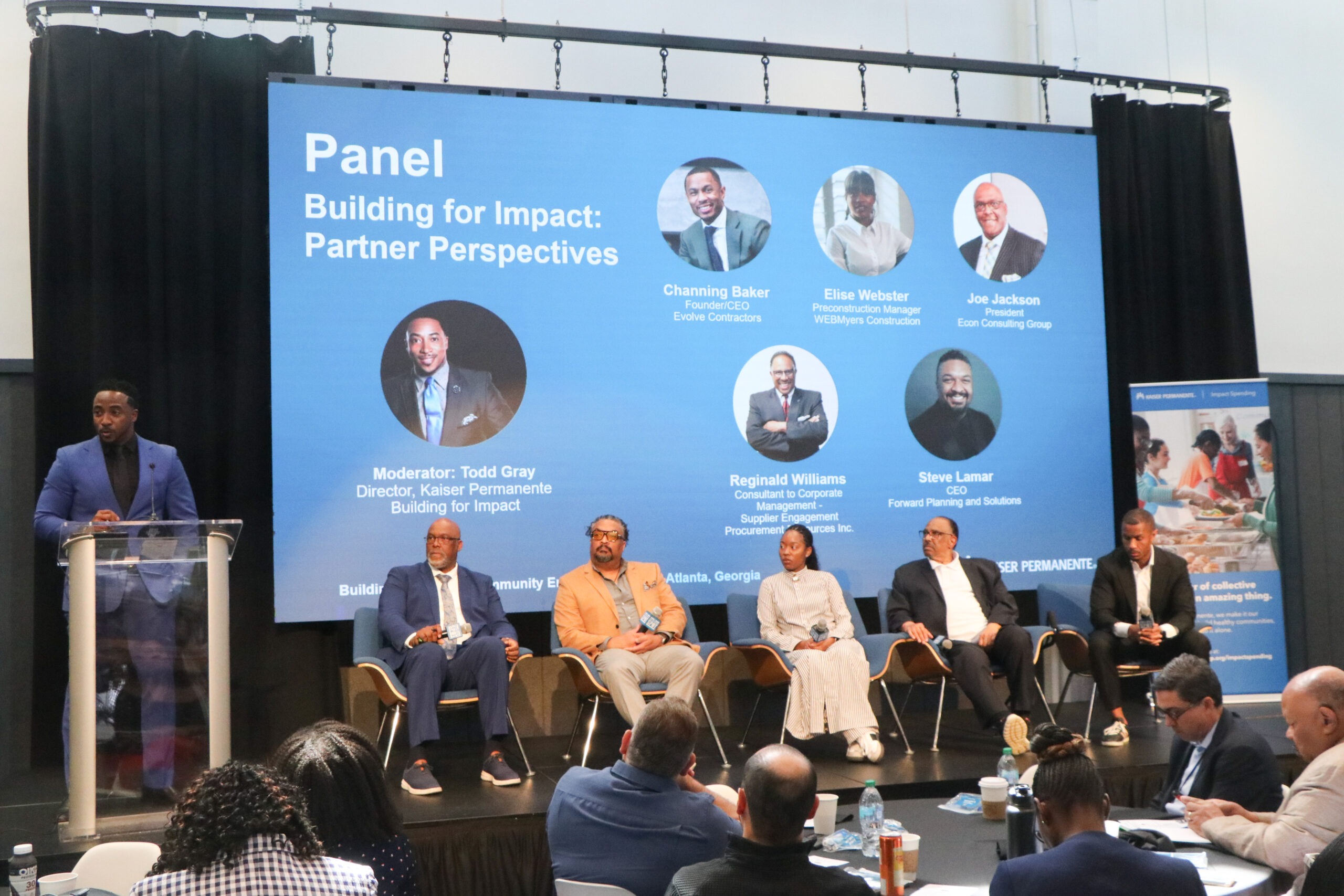
By Milton Kirby | Atlanta, GA | July 6, 2026
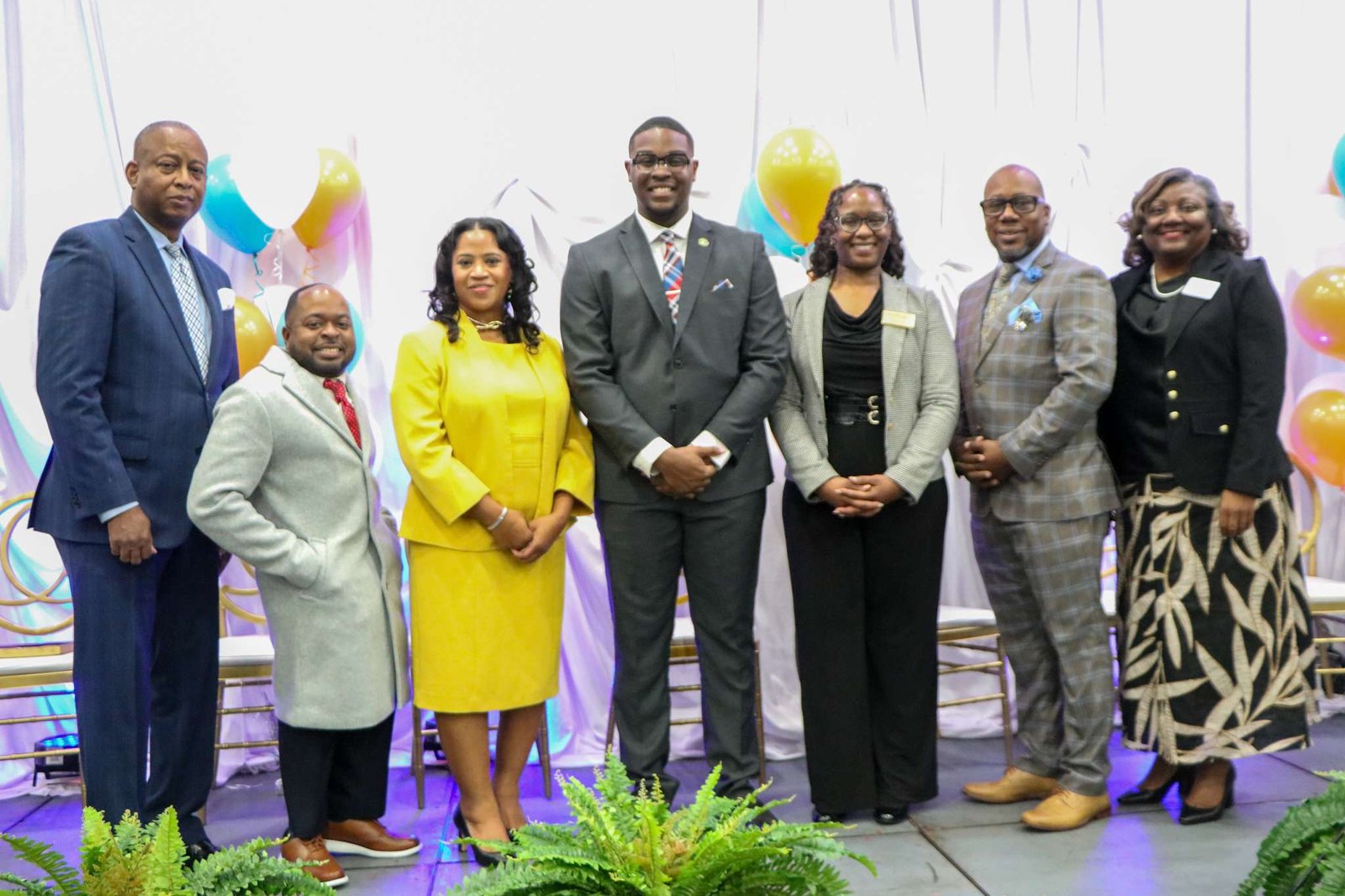
Earlier this spring, at The Gathering Spot in Atlanta, Kaiser Permanente convened contractors, developers, business leaders, and community partners to discuss what it will take to compete for more than $70 million in current and projected investments across Georgia. Although the meeting has ended, the message remains timely as healthcare construction and supplier opportunities continue to expand across the state.
As Kaiser Permanente grows its footprint in Georgia, its Building for Impact initiative is preparing businesses for more than the next construction project. It is challenging contractors to think strategically, strengthen their operations and position themselves for long-term success in one of the state’s fastest-growing sectors.
The central question echoed throughout the program was straightforward: Who will be ready when opportunity arrives?
According to speakers, the answer depends less on access and more on preparation.
A Growing Market with Real Stakes
Marc A. Love, Vice President of National Contracting Strategy for Kaiser Permanente, outlined more than $70 million in active and projected investments tied to construction, supplier development and facility expansion throughout the Atlanta region.
With more than 466,000 members in Georgia and continued growth expected, Kaiser Permanente signaled a steady pipeline of work tied to healthcare infrastructure and modernization. The organization is now serving the largest membership base in its Georgia history, driven by continued demand for its integrated model of care.
But speakers emphasized that access to those opportunities is not automatic.
“People buy from people,” consultant Reggie Williams told attendees. “They buy from those who bring value and meet performance expectations.”
Strategy, Not Just Survival
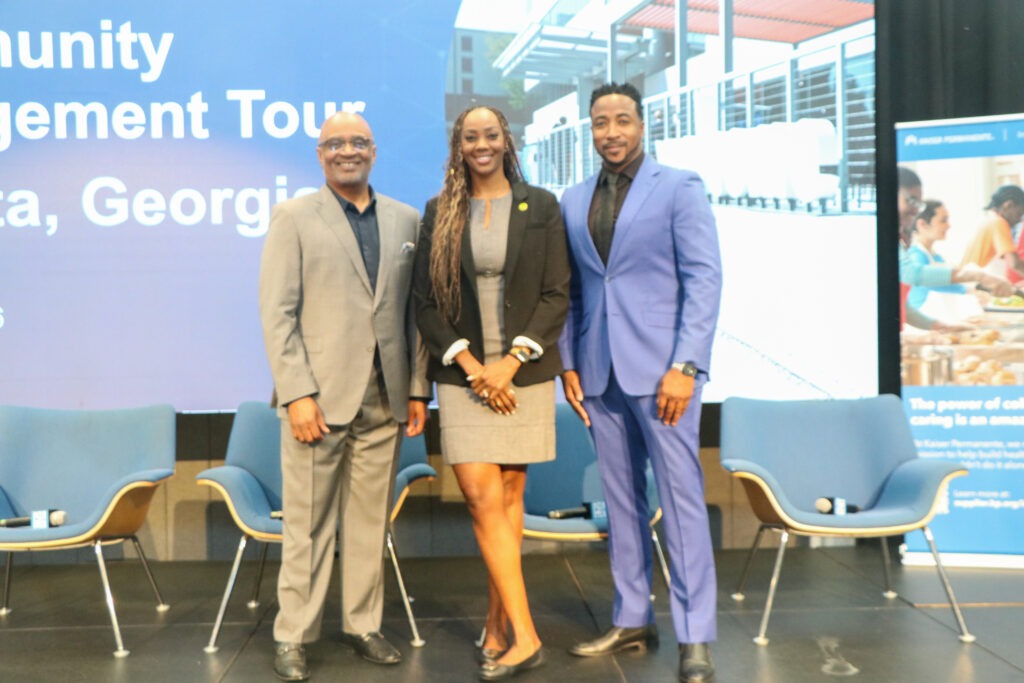
Keynote speaker Earnest Ellis, president of the National Association of Minority Contractors (NAMC) and CEO of FS360, challenged attendees to rethink how they approach the construction business.
Ellis grounded his message in personal experience -growing up in an entrepreneurial family shaped by resilience and work ethic. His father, who lost his right arm in a farming accident and could not read or write, still outworked everyone around him. That example, Ellis said, removed any excuse to avoid hard challenges.
After careers at IBM, Verizon, and MCI, Ellis founded FS360 in 2008, his sixth entrepreneurial venture. Today, the firm operates in Atlanta, GA and Dallas, TX, generating $35 million in net revenue in 2025 and delivering more than $270 million in completed work.
“Too many small businesses think tactically, just chasing the next contract,” Ellis said. “You have to think strategically. Pick your markets. Build expertise. Develop relationships that last.”
He underscored the urgency with industry realities:
- 50% of businesses fail within five years
- 65% fail within ten years
- Underrepresented firms account for just 21% of construction companies despite representing 42% of the population
Still, Ellis framed the moment as one of opportunity.
“This is a $1.3 trillion industry,” he said. “And right now, it’s short more than 500,000 workers. There is more work than people to do it.”
He also emphasized purpose over pay, sharing that his Yale-educated son turned down a high-paying corporate career in favor of work he found meaningful.
“Excellence is what keeps us in business,” Ellis said.
Healthcare Construction Requires Precision
Elise Webster, Preconstruction Manager, WEBMyers Construction emphasized that healthcare construction carries a higher level of complexity than traditional projects.
“You’re building while people are being treated,” she explained. “That changes everything your schedule, your safety protocols, your coordination.”
Firms that can manage phased construction, infection control standards, and off-hour work schedules are better positioned for long-term opportunities in the healthcare sector.
Relationships Still Drive Opportunity
Despite formal initiatives like Building for Impact, speakers repeatedly stressed that relationships remain the foundation of the industry.
“It takes seven interactions to make an impression,” Ellis said. “One meeting won’t do it.”
Contractors were encouraged to stay engaged, complete Kaiser’s prequalification process, and remain visible even when contracts are not immediately awarded.
Persistence, not proximity, often determines success.
Community Impact Beyond Contracts
Kaiser leaders emphasized that the initiative extends beyond construction projects to broader community outcomes.
Jamila Veasley, Senior Director of Program Management and Strategy Execution, reinforced that vision.
“Who we build with and who we work with matters,” Veasley said. “What we do with Building for Impact supports more than individual projects – it supports economic empowerment, workforce development, and stronger communities.”
One example highlighted a project where a construction team used a local church as its operations base, renovating the space and paying above-market rent, leaving lasting value behind.
“This is what building for impact means,” Todd Gray said. “Not just projects, but community investment.”
Be Ready or Be Left Behind
The closing message was consistent across speakers: opportunity is expanding, but readiness will determine who benefits.
Contractors were urged to:
- Strengthen internal systems and financial controls
- Focus on specific market segments
- Build relationships intentionally
- Deliver consistent, high-quality work
Kaiser’s long-standing partnership with NAMC—spanning more than 15 years reflects a continued commitment to building capacity among minority contractors through training, networking, and strategic development.
As Georgia’s healthcare sector continues to grow, speakers agreed that success will belong to contractors who invest in relationships, build strong internal systems, and prepare long before opportunities arrive. For minority-owned businesses, the message was clear: the next major project may already be on the horizon, but readiness begins today.
Support open, independent journalism, your contribution helps us tell the stories that matter most.





I had the opportunity to attend Kaiser Permanente’s Building for Impact program, and I left encouraged by both the vision and the practical guidance shared throughout the event. Too often, discussions about supplier diversity focus solely on increasing access. This program challenged minority contractors to think beyond obtaining the next contract and instead build businesses that are sustainable, scalable, and competitive for the long term. The emphasis on strategic planning, operational excellence, financial readiness, and relationship-building was both timely and necessary.
What impressed me most was Kaiser Permanente’s recognition that economic inclusion is about more than awarding contracts—it is about strengthening communities. By investing in the capacity of minority-owned businesses, Kaiser is helping create jobs, build generational wealth, and expand opportunities for future entrepreneurs. I hope this initiative continues to grow and serves as a model for other corporations across Georgia and the nation. Building stronger businesses ultimately helps build stronger communities, and that benefits us all.
Thank you, Lula, for your insightful comments.