Milton Kirby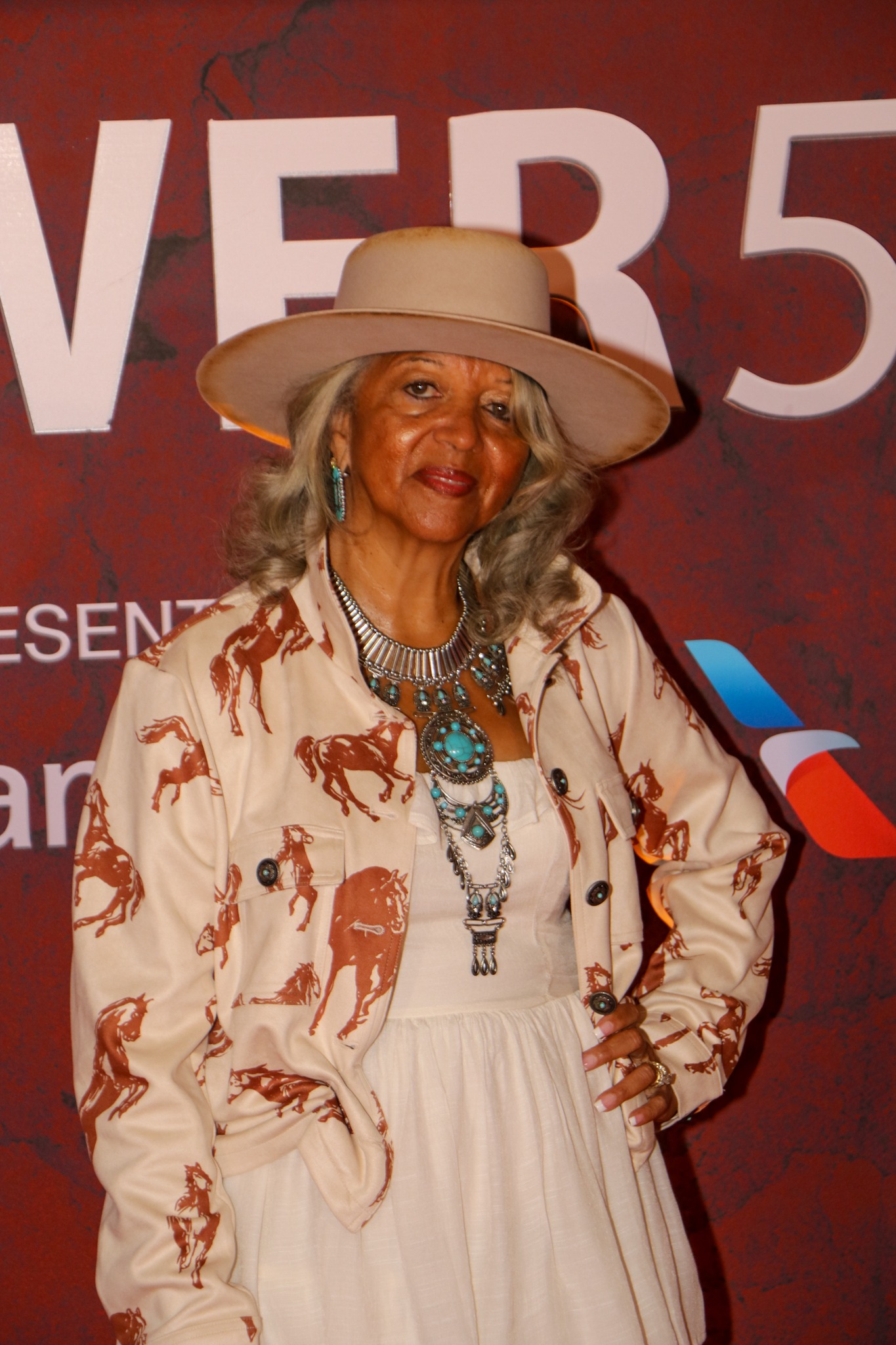
By Milton Kirby | Washington, D.C. | September 4, 2026
When Valeria Howard Cunningham was recognized as one of the U.S. Black Chambers, Inc. 2026 Power 50 Women of Influence, she was being honored for more than the title she holds.
For Cunningham, president and CEO of the Bill Pickett Invitational Rodeo, the recognition represented something else: responsibility.
“Being named a U.S. Black Chambers Power 50 Woman of Influence is both a tremendous honor and a humbling reminder of the responsibility that comes with leadership,” Cunningham told The Truth Seekers Journal.
That responsibility will soon bring Cunningham back to the Washington, D.C., area.
Two months after receiving the Power 50 honor at a July 13 luncheon in Washington, Cunningham will lead the Bill Pickett Invitational Rodeo into its National Championship Finals Sept. 18 and 19 at The Show Place Arena in Upper Marlboro, Maryland.
The return offers a fitting connection between recognition and responsibility: Washington celebrated Cunningham’s influence. In Upper Marlboro, audiences will see the institution she leads in motion.
That responsibility did not begin when she assumed the top leadership role.
Cunningham helped build the Bill Pickett Invitational Rodeo alongside her husband, founder Lu Vason, becoming deeply involved in both its business operations and cultural mission. After Vason’s death in 2015, she stepped into the lead role, assuming full responsibility for protecting the institution while guiding it into a new era.
She inherited the responsibility for an institution she had already helped shape.
What followed was the challenge of preserving its history, expanding its reach and ultimately defining what the organization would become under her leadership.
Taking the Reins
Vason founded the Bill Pickett Invitational Rodeo in 1984 after recognizing how rarely the contributions of Black cowboys and cowgirls were reflected in popular portrayals of the American West.
His answer was to create a rodeo where Black competitors could showcase their skills while audiences learned about a history many had never been taught.
Cunningham was part of building that vision.
She understood the business of the rodeo, its relationships and the cultural purpose behind it. But after Vason’s death, the responsibility changed.
The decisions were now hers.
So was the future.
She faced questions about whether the organization could survive the death of its founder and whether she could carry it forward.
Cunningham did more than keep it alive.
The national tour continued. Corporate and community partnerships were strengthened. Educational and cultural programming expanded. The organization developed initiatives connecting Black Western heritage with music, health, youth development and community engagement.
Today, the Bill Pickett Invitational Rodeo describes itself as the world’s only touring African American rodeo association. In 2026, it is celebrating its 42nd year while continuing to present Black cowboys and cowgirls before audiences around the country.
That transition from helping build the institution to becoming the person responsible for its direction reshaped Cunningham’s understanding of leadership.
“Success isn’t measured by the titles you hold,” Cunningham told TSJ.
Her measure is what happens because someone held the position: the lives affected, opportunities created and doors opened for others.
That philosophy helps explain why the Power 50 recognition carries significance beyond another honor for Cunningham.
Preserving History by Keeping It Alive
The U.S. Black Chambers’ Power 50 Women of Influence recognizes women whose leadership contributes to economic growth, social progress and generational impact.
Cunningham’s work touches all three, but perhaps nowhere is her influence clearer than in cultural preservation.
The American cowboy occupies an almost mythical place in the nation’s history. Yet the image created by generations of movies and television often left Black cowboys outside the frame.
They were never outside the history.
Black men worked as cowboys, ranch hands, horsemen and cattle drivers across the West after the Civil War. Their contributions helped build the cattle industry and Western communities, even as popular culture largely failed to tell their stories.
The Bill Pickett Invitational Rodeo challenges that omission every time it enters an arena.
History there is not presented behind glass.
It rides through the gate.
Young people can see Black cowboys and cowgirls competing in real time while encountering a Western history that includes people who look like them.
For Cunningham, that connection between past and future is essential.
Her work is not only about preserving history but ensuring that Black communities participate in telling it.
That means introducing another generation to the people whose contributions might otherwise disappear from public memory.
Creating Something for the Next Generation
Cunningham’s leadership has also extended well beyond the rodeo arena.
Through the Bill Pickett Invitational Rodeo Foundation, the broader mission includes scholarships, mentorship, educational programming, community engagement and youth development.
Among its programs is Rodeo for Kidz Sake, which introduces young people to Black Western history while giving them an opportunity to experience the rodeo and see Black cowboys and cowgirls in the arena.
The Foundation’s work reflects a basic principle running through Cunningham’s approach to leadership: influence has little value if it ends with the person who possesses it.
That same philosophy can be seen in the organization’s expanding cultural reach.
Under Cunningham’s leadership, BPIR has developed initiatives connecting Black Western heritage with music, including programs that create opportunities for emerging Black country artists and broaden the cultural experience surrounding the rodeo.
Health initiatives, youth programs and community partnerships have further extended the organization beyond competition.
The rodeo remains the centerpiece.
But the institution surrounding it has grown.
That growth changes how Cunningham’s Power 50 recognition can be viewed.
The honor places her among accomplished women from business, media, entertainment, finance, public service and other fields.
But Cunningham’s path is unusual.
Her platform is a rodeo.
Her classroom can be an arena.
And the history she is working to preserve includes people who helped build America but were largely absent from the version of the West generations of Americans encountered in popular culture.
That gives Cunningham’s leadership both a cultural and generational dimension.
The goal is not simply for audiences to remember Bill Pickett or Lu Vason.
It is for young people to understand that there is a history preceding them, and a place for them in the history still being written.
From Stewardship to Leadership
When Cunningham assumed full responsibility for the Bill Pickett Invitational Rodeo after Vason’s death, it would have been easy to describe her role simply as preserving her husband’s legacy.
More than a decade later, that description is incomplete.
Cunningham had already helped build the institution.
What came afterward required leadership of her own.
She had to lead competitors, families, sponsors and audiences through a transition after the death of the organization’s founder. She had to protect the history at the center of the rodeo while positioning BPIR for another generation.
She also had to decide where the organization could go next.
The continued national tour is one measure of that work.
The expansion of corporate and community partnerships is another.
So are the scholarships, mentorship programs, educational initiatives, youth development efforts and cultural programming that have widened BPIR’s influence beyond the arena.
Its ability to introduce new audiences to Black Western culture may be the most visible measure of all.
But Cunningham appears to measure her impact differently.
Not by titles.
Not simply by recognition.
But by what remains after the recognition is over.
That may explain why she described being named a Power 50 Woman of Influence as both an honor and a responsibility.
The award recognizes what she has already accomplished.
The responsibility concerns what she does next.
For Cunningham, that means continuing to tell a history too important to lose, creating opportunities for those coming behind her and ensuring that the institution she helped build is strong enough for another generation to inherit.
That work will continue Sept. 18 and 19 in Upper Marlboro, where the Bill Pickett Invitational Rodeo National Championship Finals will bring Black cowboys and cowgirls from across the country to The Show Place Arena for three performances and competition for more than $200,000 in cash and prizes.
Lu Vason founded the Bill Pickett Invitational Rodeo.
Valeria Howard Cunningham helped build it beside him.
Then she accepted responsibility for leading it forward.
More than a decade later, she is no longer simply preserving his legacy.
She is building her own.
Related articles
Beyond the Title: USBC Power 50 Celebrates Black Women Who Turn Influence Into Impact
Truth Seekers Journal thrives because of readers like you. Join us in sustaining independent voices.