Milton Kirby
By Milton Kirby | Atlanta, GA | October 19, 2026
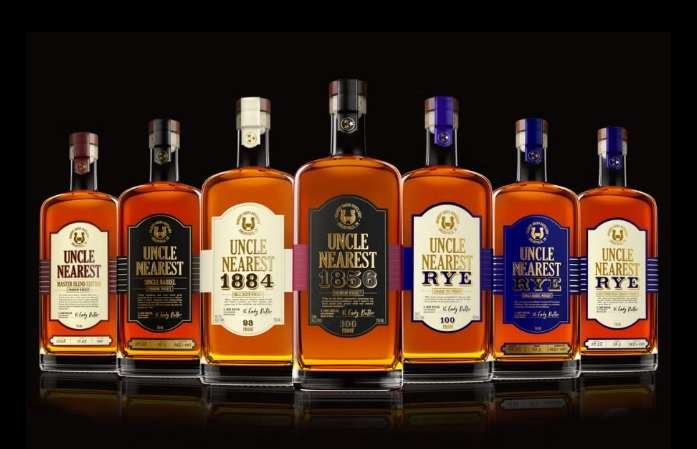
The future of Uncle Nearest Premium Whiskey is entering a critical stage as a court-appointed receiver moves closer to a possible sale of the celebrated whiskey brand and its Tennessee distillery.
U.S. District Judge Charles E. Atchley Jr. has ordered expedited legal responses to a request from company founder Fawn Weaver, who is seeking to prevent the sale of substantially all the company’s assets while her appeal of the receivership remains pending.
The latest developments follow months of legal disputes involving Uncle Nearest, its lender, Farm Credit Mid-America, and receiver Phillip G. Young Jr., who now controls the company’s operations.
At stake is the future of one of America’s most recognizable Black-founded whiskey brands, its creditors, employees, shareholders, and the legacy of Nathan “Nearest” Green, whose contributions to American whiskey-making inspired the company.
Three Potential Buyers in Discussions
In an October 9 report, Young disclosed that negotiations were continuing with three prospective purchasers interested in acquiring Uncle Nearest’s assets.
The receiver indicated that an asset purchase agreement could be reached soon.
According to court filings describing the proposed transaction, the receiver is considering placing the principal companies under his control into Chapter 11 bankruptcy after reaching a purchase agreement.
Such a filing could allow the proposed transaction to proceed under Section 363 of the U.S. Bankruptcy Code, which permits court-supervised asset sales.
However, negotiations do not guarantee a completed sale. The identities of the potential purchasers, the proposed purchase price, and the final terms have not been publicly established in the records reviewed for this article.
Weaver Seeks to Prevent Sale During Appeal
On October 15, Weaver asked the federal court to prohibit the receiver, Farm Credit, and other parties from completing a sale of substantially all the relevant assets while her appeal proceeds before the U.S. Court of Appeals for the Sixth Circuit.
Her request would not necessarily stop negotiations with potential buyers. Instead, it seeks to prevent a major transaction from being completed before the appellate court can consider her challenge.
Weaver argues that a completed sale could cause harm that would be difficult to reverse if she later prevails.
Judge Atchley did not immediately grant the requested injunction. Instead, he directed Farm Credit and the receiver to respond by noon Eastern time on October 19, with Weaver’s reply due by 5 p.m. on October 21.
The judge questioned the urgency of the request, noting that Weaver waited six days after the receiver’s October 9 report before seeking a ruling within approximately 25 hours.
The October 15 order did not approve a sale, halt a sale, or decide the merits of Weaver’s request.
Founders Removed From Company Operations
The legal dispute has already resulted in significant changes to Uncle Nearest’s leadership.
In his fourth quarterly report, filed July 10, Young disclosed that he had terminated Fawn Weaver’s employment effective June 1 and ended Keith Weaver’s involvement in company operations.
The receiver attributed the decision in part to ongoing litigation and its effects on employees, vendors, distributors, and the management of the business.
Young reported that operations had become smoother following the founders’ departure.
The Weavers have continued challenging the receivership through legal proceedings.
The removal of the founders from daily operations underscores the extent of the receiver’s authority as he evaluates the company’s financial condition and potential sale.
Court Previously Rejected Bankruptcy Filings
The latest dispute follows an August 17 decision in which Judge Atchley affirmed the dismissal of Chapter 11 bankruptcy petitions filed by Weaver on behalf of three Uncle Nearest-related companies.
Those entities included Uncle Nearest Inc., Nearest Green Distillery Inc., and Uncle Nearest Real Estate Holdings LLC.
The court concluded that Weaver lacked authority to initiate those proceedings after management control had been transferred under the receivership order.
The ruling did not authorize a sale of the business. It addressed the authority to file the earlier bankruptcy petitions.
The current dispute presents a different question: whether a major asset sale should be restricted while Weaver’s appeal of the receivership continues.
A Separate Fight Over Grant Sidney
Weaver has also asked the court to release Grant Sidney Inc., her holding company, from receivership.
In an October 14 motion, she argued that Grant Sidney needs independent authority to protect its ownership and financial interests.
The filing referenced an earlier assessment by the receiver suggesting that permanent receivership over the holding company might not be necessary.
The motion also raises questions involving arrangements intended to benefit descendants of Nathan “Nearest” Green.
Those matters remain disputed and have not been resolved by the court.
More Than a Whiskey Brand
Uncle Nearest was founded to recognize the contributions of Nathan Green, an enslaved man who became known for his whiskey-making expertise and his connection to Jack Daniel.
The company helped bring national attention to an important but often overlooked part of American whiskey history.
Under Fawn Weaver’s leadership, Uncle Nearest developed into a nationally recognized premium spirits brand and established a distillery and visitor destination in Shelbyville, Tennessee.
Its growth represented a significant achievement in an industry where Black ownership and leadership have historically been limited.
The possibility of a sale now raises questions about who will control the brand, its facilities, and the presentation of Green’s legacy.
A new owner could acquire valuable operating assets and trademarks, but the final scope of any transaction would depend on the purchase agreement and required court approvals.
Creditors and Shareholders Face Uncertainty
The receivership stems from litigation involving Farm Credit Mid-America and the company’s financial obligations.
The receiver is responsible for managing the assets under court supervision while addressing the company’s financial difficulties.
A potential sale could generate funds for creditors. However, the amount available for distribution would depend on the purchase price, transaction expenses, secured obligations, and other claims.
Existing shareholders could face substantial losses if the value of the company’s assets is insufficient to satisfy its liabilities.
The ultimate financial outcome remains uncertain.
What Happens Next?
The immediate focus is on Judge Atchley’s consideration of Weaver’s request for an injunction.
The receiver and Farm Credit were directed to submit their responses by October 19. Weaver’s reply is due October 21.
Meanwhile, the receiver may continue discussions with prospective purchasers.
Any subsequent Chapter 11 filing or proposed asset sale would involve additional legal proceedings.
For the Weavers, the question is whether their continuing challenges can preserve an opportunity to influence the company’s future.
For creditors, employees, and distributors, the concern is whether the business can remain viable and meet its financial obligations.
For the broader community, the dispute raises another question: How will the historical mission that helped establish Uncle Nearest be preserved if the company changes hands?
The next court decision could help determine whether the company moves closer to a sale or faces additional restrictions while its legal challenges continue.
For now, Uncle Nearest remains under court-appointed management, with its future ownership unresolved.
Editor’s Note: As of publication, The Truth Seekers Journal was unable to independently confirm whether the court-ordered October 19 filing deadlines were met. We will continue monitoring the proceedings and provide updates as additional court records become available.
Truth Seekers Journal thrives because of readers like you. Join us in sustaining independent voices.


 Ted Knorr