DeKalb Opens Arts DeKalb, Marking a New Era for Culture, Community, and Creativity

DeKalb County officially launched Arts DeKalb, unveiling a new Briarcliff arts campus and a countywide push to make culture more visible and accessible.

By Milton Kirby | Decatur, GA | March 15, 2026

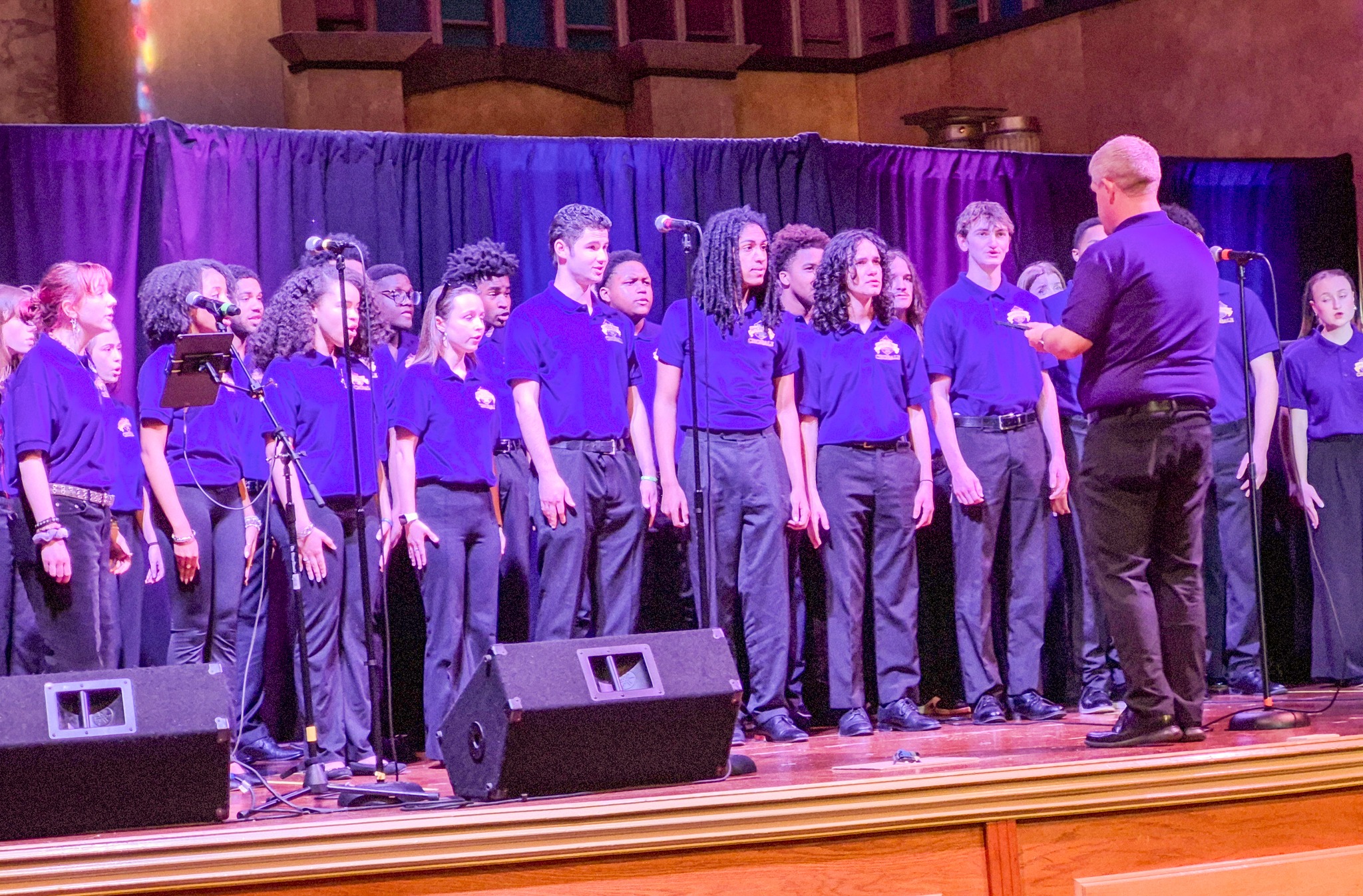
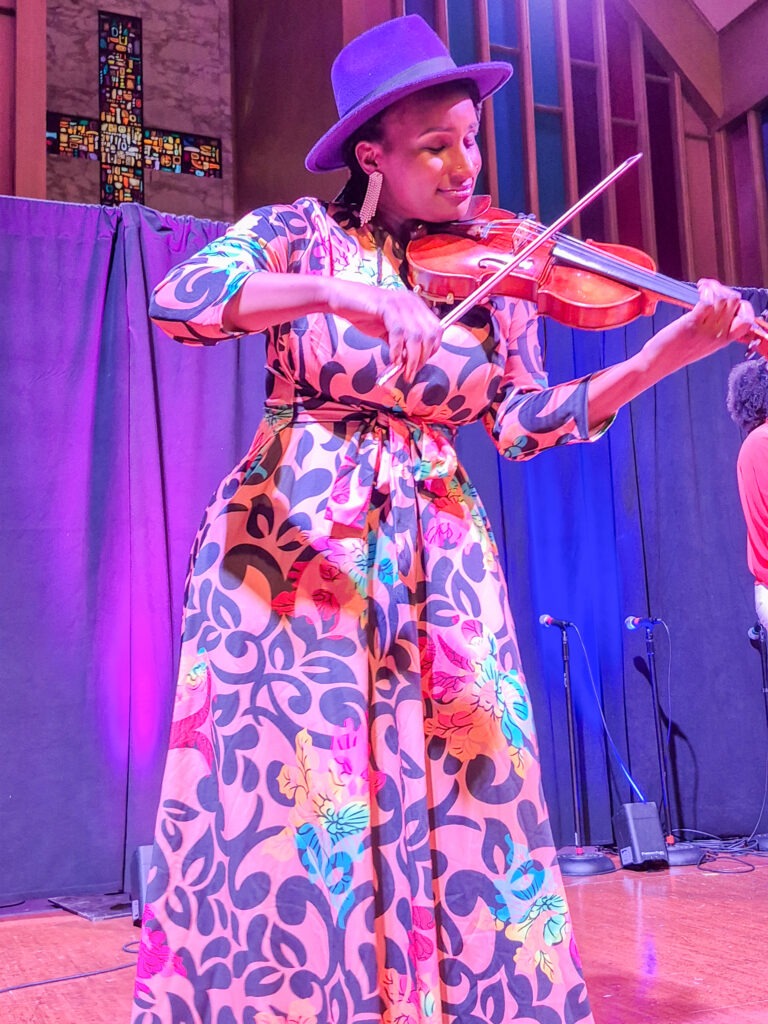
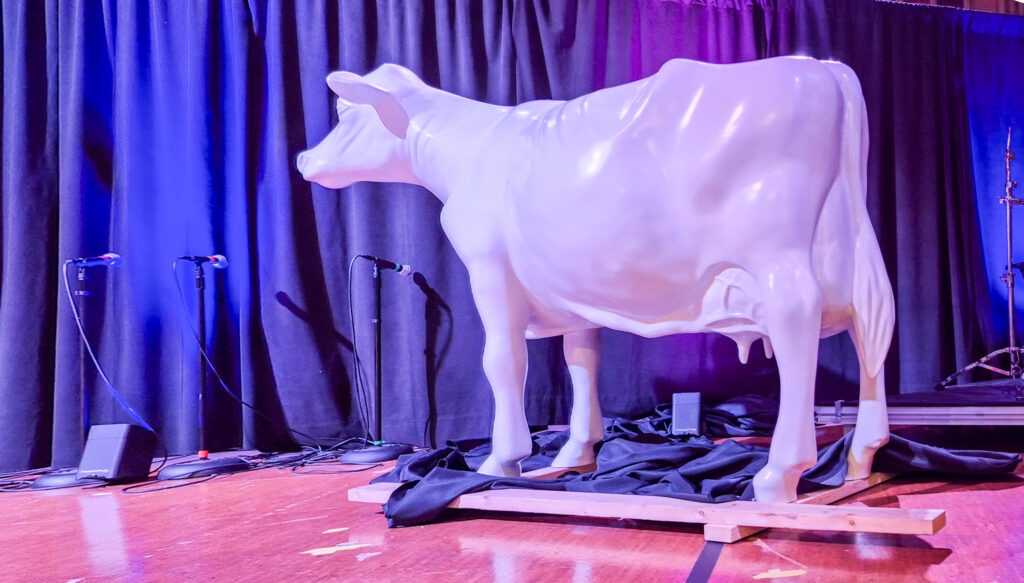
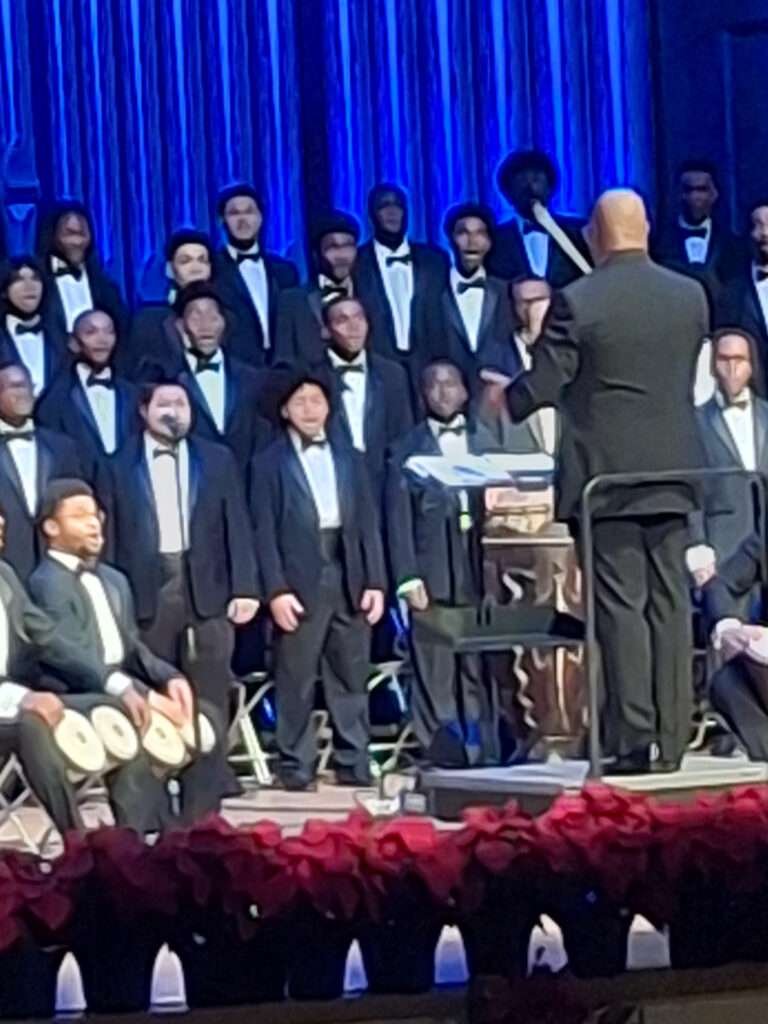
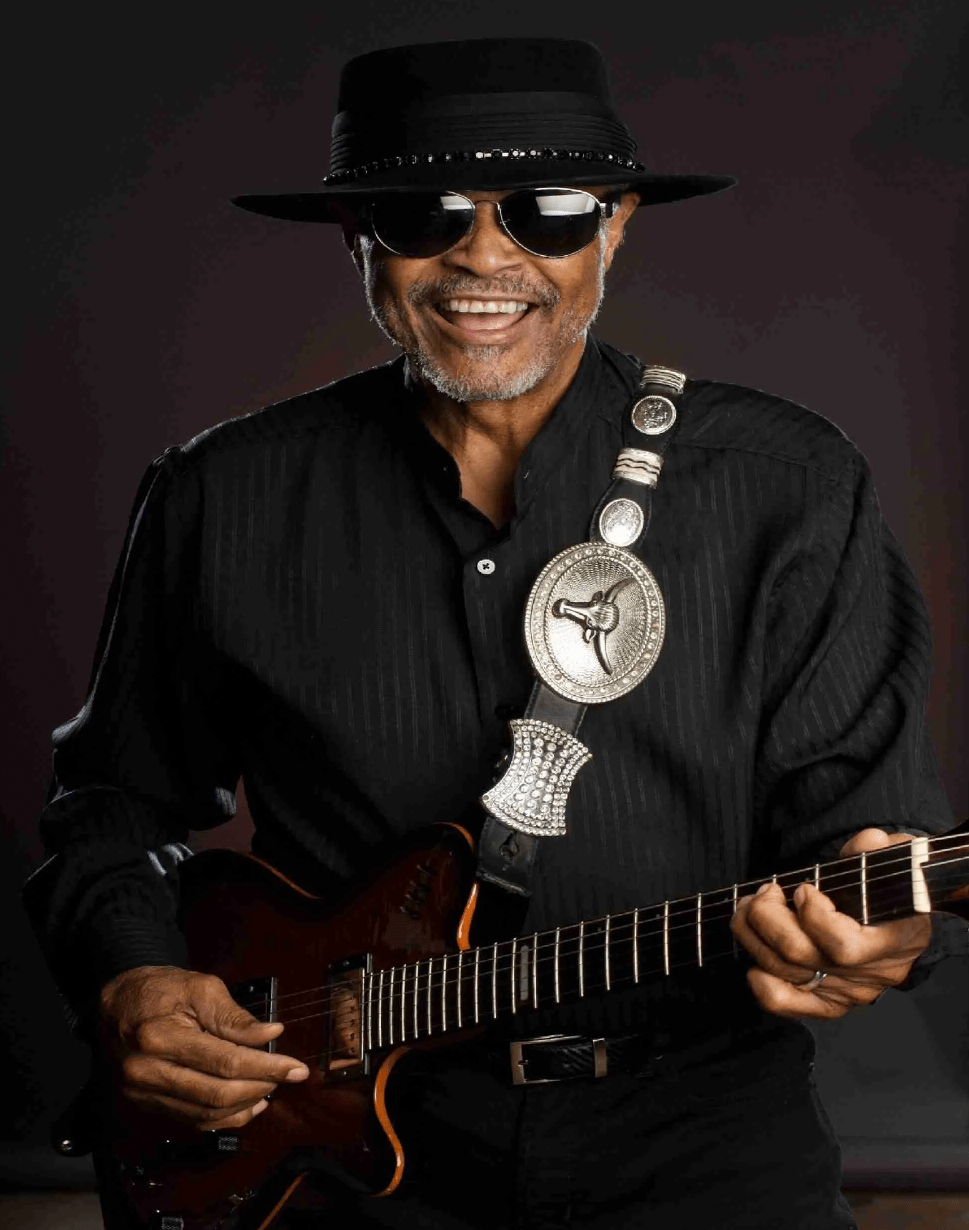
The evening started with the melodic voices of the DeKalb School of the Arts. Up second was the amazing guitar and vocals of Eugene Owens. Then there was dinner, anchored by gumbo and clam chowder for the palate. The twelve cities located in the county were not left out. Each received a fiberglass bull or heifer. Last, but certainly not least, came the magical violin of Brooke Alford.

That was how DeKalb County chose to introduce Arts DeKalb on Thursday, March 12, 2026 — not with a dry government announcement, but with music, symbolism, and a clear message that the arts are being placed closer to the center of county life.

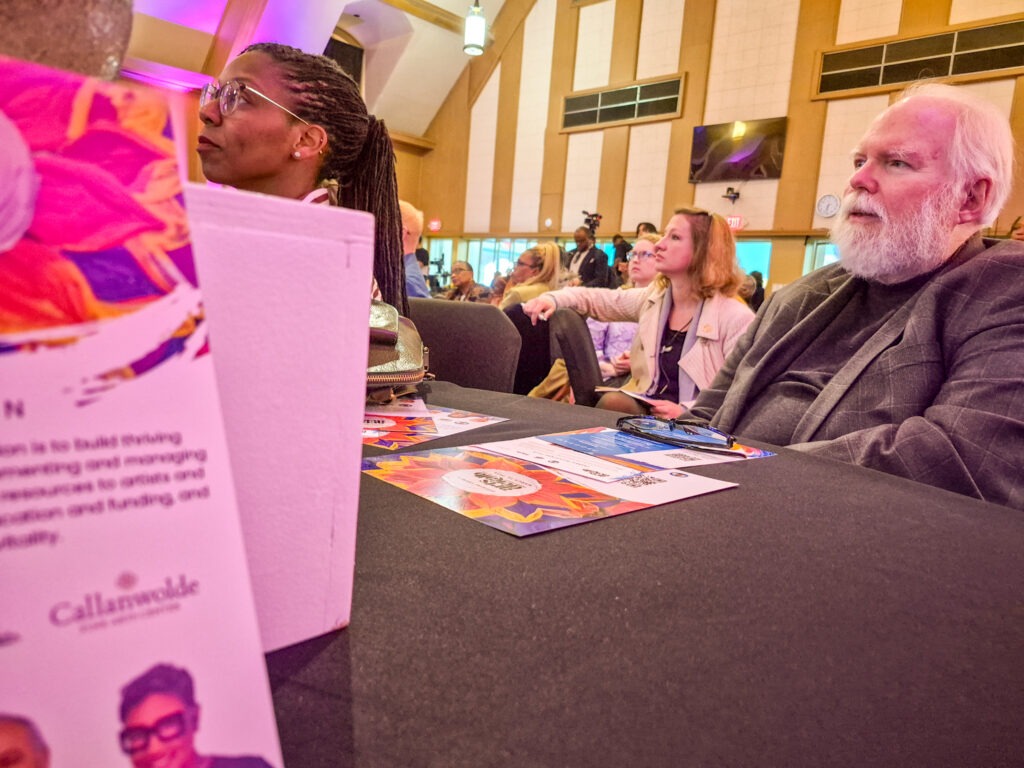
The evening also spoke to the visual senses. County officials placed original works by local artists on each table as centerpieces, while additional artwork lined the walls throughout the venue. The result was a room that did not just talk about art it surrounded guests with it.

Led by CEO Lorraine Cochran-Johnson and the DeKalb County Board of Commissioners, the county officially launched the reconstituted DeKalb Council for the Arts and unveiled its permanent home, a 23,000-square-foot arts campus on Briarcliff Road.

For county leaders, the evening was about more than opening a building. It was about announcing a new cultural direction.

A New Home for Creativity

The new Arts DeKalb headquarters sits in the former Metro City Church property, now repurposed as a county hub for arts programming, public art, and cultural development.

The property was acquired for $7.5 million. DeKalb County contributed $4.5 million, while Callanwolde Fine Arts Center provided the remaining $3 million through a larger $9.5 million capital campaign. The arrangement doubles Callanwolde’s usable space and extends its partnership with the county through 2064.

Photo by Milton Kirby – Unidentified arts lovers watch the performance.

“This is a formal, strategic framework to elevate creativity, expand opportunity, and ensure that arts and culture remain central to reimagining DeKalb,” Cochran-Johnson said.

That phrase — reimagining DeKalb — has appeared often in county policy language. On Thursday night, officials tried to give it a physical form.

A Mission With Countywide Reach

Arts DeKalb launches under the theme, “Celebrating Creativity. Elevating Culture. Connecting DeKalb.”

Its mission is broad but clear: build thriving communities through the arts, support artists and arts organizations, advocate for arts education and funding, and promote cultural vitality across all 12 cities in DeKalb County.

That countywide reach was underscored during the event when each city received a fiberglass bull or heifer as part of the county’s expanding public art initiative.

The symbolism was hard to miss. The county was not presenting arts investment as something reserved for galleries, elites, or one side of town. It was presenting it as a shared civic project.

New Leadership for a New Chapter

The county also introduced Stephanie Raines as the new Director of Arts and Cultural Affairs.

Raines was selected from a pool of more than 200 applicants. She comes to DeKalb from Athens-Clarke County, where she oversaw visual, performing, and public art programming tied to the Lyndon House Arts Center, the Morton Theatre, Athens Creative Theatre, the East Athens Educational Dance Center, and the county’s public art program.

She brings both academic training and practical experience, with degrees in photography and art history and a master’s degree in arts administration.

Her hiring signals that DeKalb wants experienced leadership, not just ceremonial energy, as Arts DeKalb begins its work.

Oversight, Funding, and Accountability

County officials also introduced the Arts DeKalb oversight board, which will help guide the initiative and manage the rollout of its first $500,000 in funding under the county’s DeKalb Reimagined initiative.

The board includes:

Charlene Fang, District 1, Appointee…………………………………………..Lauren Kiefer, Super District 6, Appointee
Kyle Williams, District 2, Appointee…………………………………………….Delores Burgess, Super District 7, Appointee Kamille Gilmore, District 3, Appointee……………………………………….Jan Selman, CEO’s Appointee
Melanie Hammet, District 4, Appointee…………………………………….Gale Walldorff, CEO’s Appointee
Rahn Mayo, District 5, Appointee    

Their work will include overseeing public art installations, strategic grants for artists and nonprofits, and efforts to maintain transparency and equity as the initiative expands.

Andrew Keenan, Executive Director, Callanwolde Fine Arts Center, summed up the economic case for the investment in simple terms. “When arts move into an area, the area starts to grow and flourish,” Keenan said.

Photo by Milton Kirby Brook Alford The Artist of the Violin

A Strong Night for Local Talent

The launch also served as a showcase for the kind of local and regional talent Arts DeKalb says it wants to support. The DeKalb School of the Arts Chorale opened the evening with a polished performance that reminded the audience why the school remains one of the county’s strongest artistic pipelines. The ensemble is nationally recognized and recently earned the Gold Mickey at Festival Disney in Orlando, the top choir award across divisions.

Students are now preparing for the GHSA State Literary Championships on March 14 and March 21.

Eugene Owens followed with a soulful performance that matched the evening’s celebratory tone. Owens is a multi-instrumentalist, vocalist, writer, composer, and producer whose work centers on themes of self-belief and personal growth.

Then came Brooke Alford, known professionally as “The Artist of the Violin,” whose smooth contemporary jazz style gave the night one of its most memorable moments. Her performance filled the room with the kind of emotion that official speeches often try to describe but cannot create on their own.

Programs Already Taking Shape

County leaders also announced several new cultural programs tied to Arts DeKalb’s rollout.

Among them are Art Stroll, a quarterly series featuring galleries, artist studios, and murals across the county; the DeKalb Arts Pavilion at the Yellow Daisy Festival at Stone Mountain Park; DeKalb Jazz Fest, a countywide concert series planned for October; FACE 2: The DeKalb Experience, which DeKalb will host in 2026 in partnership with Fulton County; and FUR + Ball: The Bridgerton Experience, a themed fundraiser blending fashion, philanthropy, and pet-friendly runway moments.

Taken together, the programs suggest that Arts DeKalb is being built not just as an office or agency, but as a public-facing brand with events that can draw residents into a broader county arts identity.

A Cultural Turning Point

What began as a proposal in October 2025 has now become a real institution with a building, leadership, funding, a governing board, and a calendar of programs.

In a message shared during the event, Cochran-Johnson said the arts help shape vibrant communities by inspiring creativity, bringing people together, and reflecting the stories and cultures that make a place unique.

Photo by Milton Kirby Heifer for the cities

That may sound like familiar civic language. But on Thursday night, DeKalb leaders backed it with land, money, planning, and public ceremony.

For artists, musicians, students, and cultural organizations across the county, the message was clear.

The arts are no longer being treated as decoration.

They are being treated as part of DeKalb’s future.

Related articles

DeKalb Reimagined: CEO Lorraine Cochran-Johnson Charts New Path Forward

Boots on the Ground: CEO Lorraine Cochran-Johnson Sets a Bold Pace in DeKalb County

Memorial Day Weekend in Atlanta: Jazz Festival Returns for 49th Year

Atlanta Jazz Festival 2025: A Free Memorial Day Celebration of Music, Art, and Culture

Support open, independent journalism—your contribution helps us tell the stories that matter most.

Inside the Bill Pickett Invitational Rodeo — Part 1

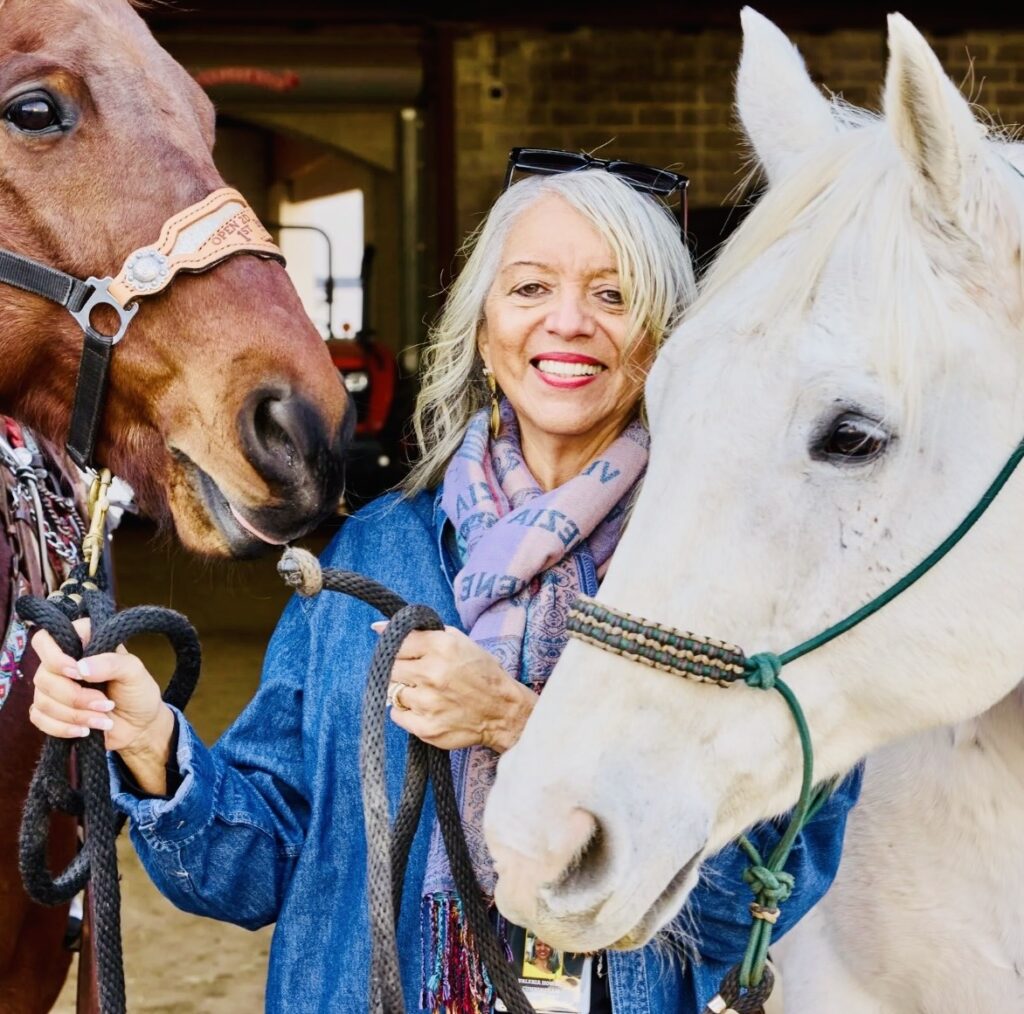
Valeria Howard Cunningham reflects on 42 years of the Bill Pickett Invitational Rodeo, preserving Black cowboy history while inspiring youth and building community nationwide.

The Legacy of the Bill Pickett Invitational Rodeo: Valeria Howard Cunningham on History, Community, and the Future of Black Cowboys

Milton Kirby | Atlanta, GA | March 10, 2026

A little boy walked into the arena in Memphis dressed like a cowboy from head to toe, boots, jeans, a large buckle, a western shirt, and a hat. He was about seven years old.

Like many children entering a rodeo arena for the first time, he wrinkled his nose at the smell of the animals. Then he stepped closer to the arena rail. He stopped in his tracks. Hands on his hips, eyes wide, he stared at the riders preparing to compete. “I can’t believe this,” he said. “There are real Black cowboys and cowgirls.”

Standing nearby was Valeria Howard Cunningham, the longtime leader of the Bill Pickett Invitational Rodeo. She watched the moment unfold and felt tears come to her eyes. “For me,” she later said, “that moment spoke volumes.”

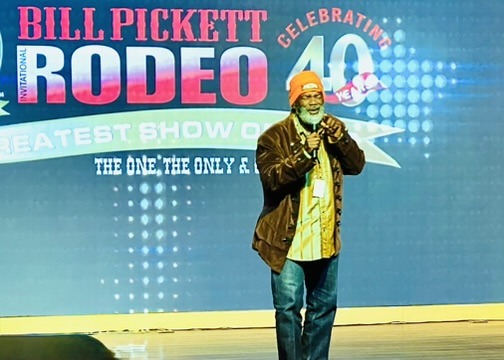
For more than four decades, moments like that have defined the mission of the Bill Pickett Invitational Rodeo not simply as a sporting event, but as a living classroom where history, culture, and community meet.

In a recent interview with The Truth Seekers Journal, Howard reflected on the journey that has taken the rodeo from modest beginnings to sold-out arenas across the country, and on the people and purpose that have sustained it for more than 42 years.

Overcoming Fear and Breaking Barriers

Cunningham does not pretend the journey was easy. Taking the reins of a national rodeo organization as a Black woman came with uncertainty and pressure. “You know, that was scary within itself,” Cunningham said. “Being a woman, being a Black woman, trying to run an African American rodeo association. Were people ready for that?”

There were moments of doubt. But Cunningham said she was never alone. She remembers the circle of women who stood beside her, believing in the vision and pushing her forward when the responsibility felt overwhelming. “I had Black women surrounding me who had my back,” she said. “They assured me they would be standing beside me.” That support system became one of the foundations of the rodeo’s success. Howard quickly points out that the Bill Pickett Invitational Rodeo has always been a team effort.

Among those who helped shape the organization are longtime partners like national sponsorship director, Margo Wade-LaDrew, who is ready to step in and take the reins if need be, Acynthia Villery, Social Media Director, and the first African American female professional rodeo announcer, public relations director Michelle Johnson, and a network of coordinators, volunteers, and rodeo professionals across the country.

“I was surrounded by incredibly talented women,” Cunningham said. “They guided me on the things I didn’t know.”

From Empty Seats to Sold-Out Arenas

When the Bill Pickett Invitational Rodeo first began touring, success looked very different. In the early days, simply filling a few seats felt like a victory. “We started just hoping to see some people in the seats,” Cunningham said. Today, many arenas are filled to capacity. The growth did not happen by accident. Cunningham credits the rodeo’s competitors, the cowboys and cowgirls who travel across the country. They compete in events that require extraordinary skill, discipline, and courage.

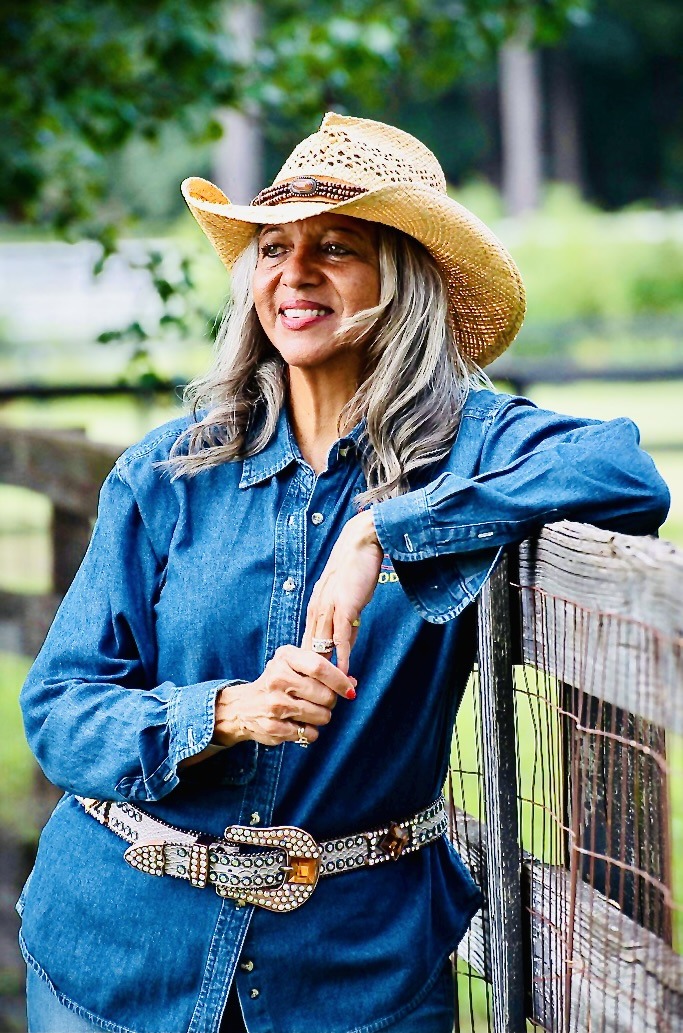
BPIR courtesy photo – Valeria Howard Cunningham, President and CEO of the Bill Pickett Invitational Rodeo

“The Black cowboys and cowgirls that are part of the Bill Pickett Invitational Rodeo are professionals,” she said. “People come because they want to see great competition.” But competition alone is not enough.

Cunningham believes audiences deserve excellence when they buy a ticket. “If you’re going to produce a show,” she said, “you must respect your audience and make sure they get the best experience possible.”

The True Culture of Black Cowboys

Cunningham is passionate about correcting misunderstandings about Black cowboy culture. Too often, she says, people reduce the culture to modern trail rides or social gatherings. But the real tradition runs much deeper.

“Black cowboy culture is about people who love the animals, love the sport, and take pride in being the best at what they do,” she said. At a Bill Pickett rodeo, spectators see that culture up close.

They see barrel racers flying around the arena at full speed. They see bull riders climb onto two-ton animals. These animals can throw a rider in seconds. They see steer wrestlers launch themselves from horses in a test of strength and timing.

Every event carries risk. Every competitor carries pride. And every ride connects today’s riders to generations of Black cowboys who helped shape the American West.

The Business Behind the Show

Behind the excitement of the arena is a complex operation. Producing a rodeo requires moving livestock, equipment, competitors, and staff across multiple states. Venue decisions alone can determine whether an event is financially successful.

Cunningham remembers one expensive lesson from decades ago. During an indoor rodeo in Philadelphia, the organization paid $50,000 just to bring dirt into the arena and then remove it afterward. “That’s when I said we’re not in the dirt business,” Cunningham said. Experiences like that shaped the organization’s strategy.

Cunningham said she is careful to choose venues that allow the rodeo to keep ticket prices affordable. “Our community has to be able to participate,” she said. “That’s the reason we do what we do.”

Investing in the Next Generation

For Cunningham, the rodeo’s mission extends far beyond competition. She credits her upbringing for that outlook. “My mother raised me to believe that when people give to you, you must give back,” she said.

That philosophy led to the creation of the Bill Pickett Invitational Rodeo Foundation, which provides scholarships, community programs, and youth outreach. Young riders are also part of the show itself.

The rodeo features Pee-Wee divisions for children as young as 5. There are also junior competitions that allow young riders to develop their skills. “These kids invest time and effort,” Cunningham said. “When they do something positive, we should showcase it.”

Rodeo for Kids’ Sake

One of the rodeo’s most impactful programs is called Rodeo for Kids’ Sake.

Each year in Memphis, thousands of elementary and middle school students attend a special Friday morning rodeo designed just for them. Before the competition begins, students receive a history lesson about Black cowboys and cowgirls who played important roles in the development of the American West. Teachers can also download curriculum workbooks. These workbooks connect rodeo history to lessons in reading, math, and art.

BPIR Courtesy photo – Valeria Howard Cunningham

About 4,000 students attend the Memphis program each year. For many of them, it is the first time they have ever heard about Black cowboys. Sometimes, it is the first time they have ever seen one. Cunningham still remembers the moment that little boy in Memphis stopped and stared at the arena. “I can’t believe this,” he said. “There are real Black cowboys and cowgirls,” Cunningham said. She could only stand there and cry. In that instant, she understood the true reach of the rodeo. “It means they see themselves,” she said.

A Legacy Built by Community

Cunningham experienced another powerful moment during the rodeo’s 40th anniversary celebration in Oakland. Standing at the top of the arena entrance, she watched families stream through the doors. Parents pushed strollers. Children held hands. Elderly guests arrived in wheelchairs. “It didn’t matter if you were a newborn or a senior,” she said. “Everyone was coming to share the experience.”

One man stopped her and shared his story. He had attended the rodeo every year since childhood. Now he was bringing his own children and his mother. “That’s when I realized the span of the Bill Pickett Invitational Rodeo,” Cunningham said.

Looking Toward the Future

Now in its 42nd year, the rodeo continues to grow.

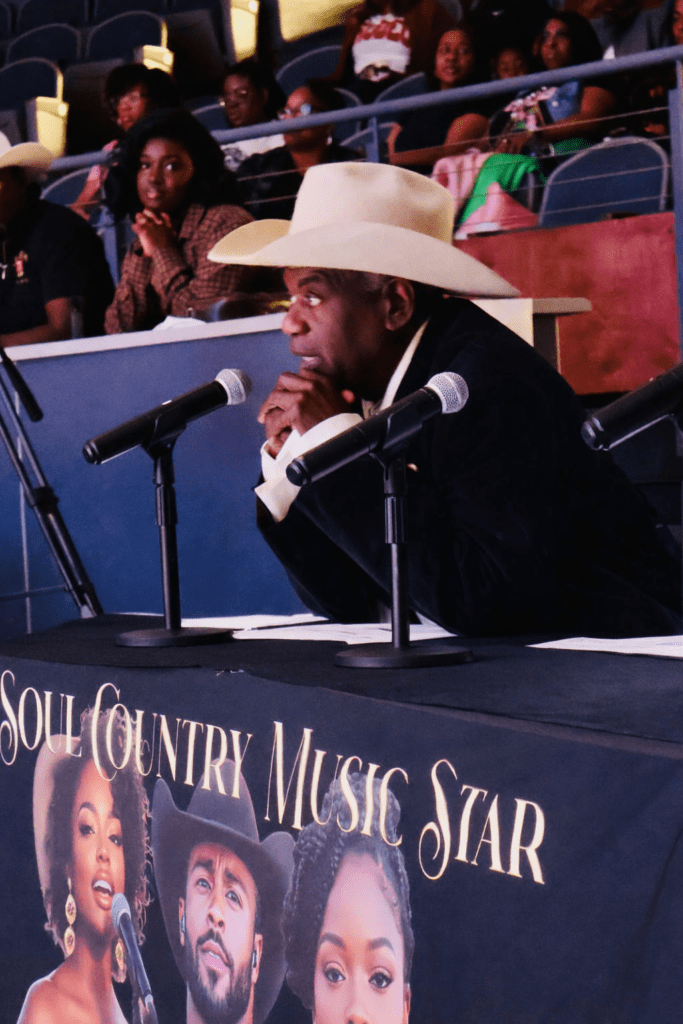
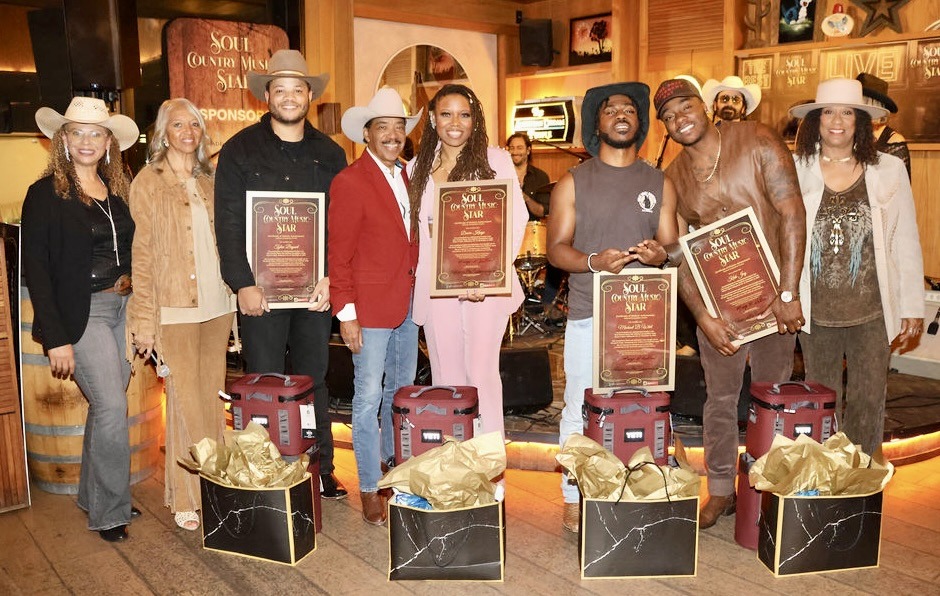
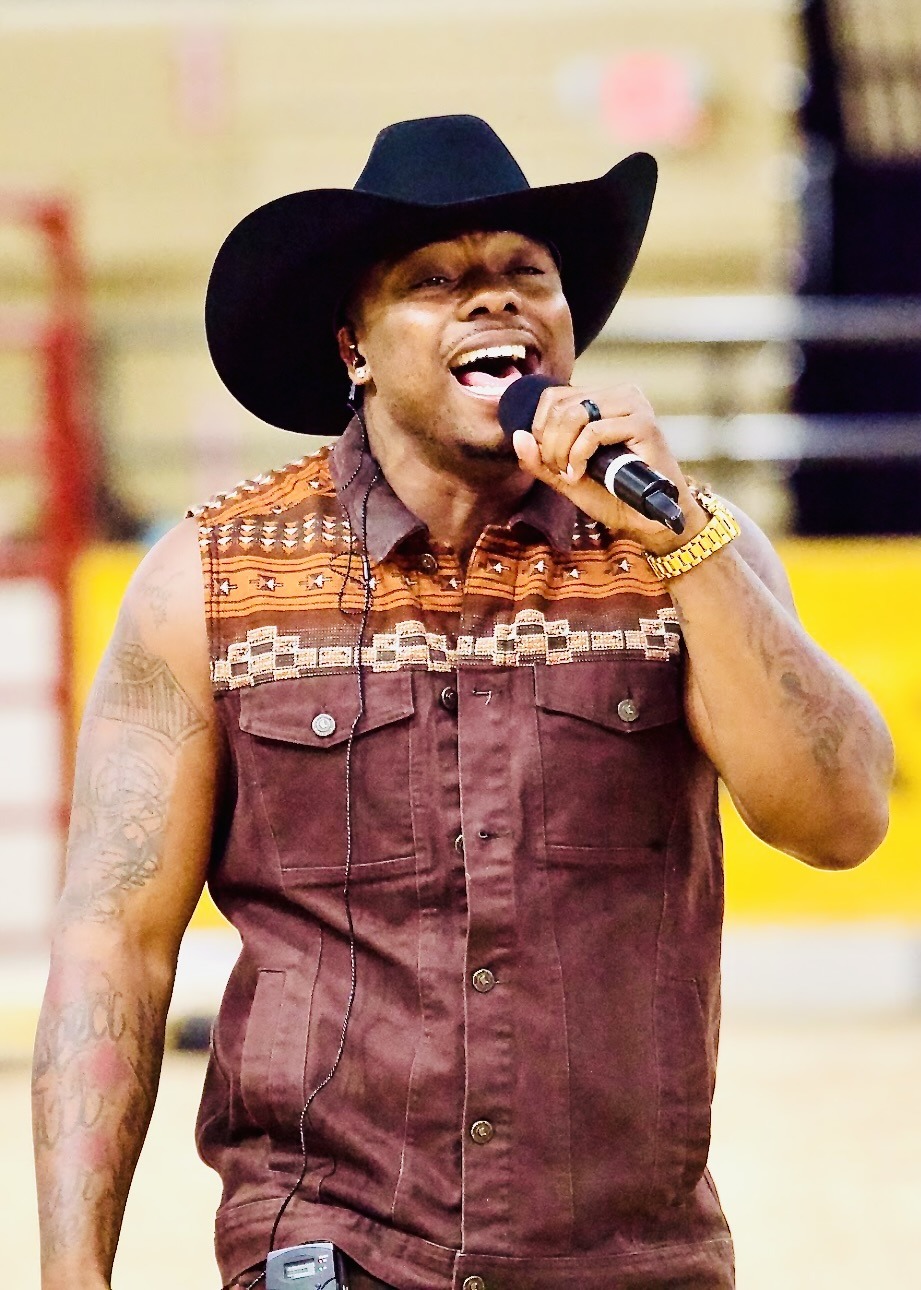
Alongside the competition, the organization has launched Soul Country Rodeo Weekend. This event pairs the rodeo with a national music competition to discover emerging country music talent. But Cunningham says the future of the rodeo ultimately belongs to the next generation. “We’re preparing the next school of leaders,” she said. These are leaders who will carry the Bill Pickett legacy forward. They are the leaders who will keep telling the story. And they will make sure the next little boy who walks into a rodeo arena can still look out at the dirt, the horses, and the riders and say with wonder: “There are real Black cowboys and cowgirls.”


Agricenter International Showplace Theater – 7777 Walnut Grove Rd, Memphis, TN

Bill Pickett Invitational Rodeo

Music Competition – Friday, April 10, 2026 | 7:00 pm 8:00 pm Competition

 BPIR Rodeo – Saturday, April 11, 2026 | 1:30 pm or 7:30 pm


Event Tickets and additional information


Country Roots, Diverse Beats: Celebrating the Rich Tapestry of Soul in Country Music.

Upcoming in the TSJ series – Inside the Bill Pickett Invitational Rodeo

Part 2 — Margo Wade LaDrew: Building the Rodeo Brand
Part 3 — Kirk Jay: The Sound of Country Soul at the Rodeo
Part 4 — Nathaniel Dansby (Mr. Bowleggs) : The Sound of Country Soul at the Rodeo
Part 5 — Rodeo for Kids’ Sake and the Next Generation

Related articles

Bill Pickett Invitational Rodeo Names 2025 Champions After a Year of Grow and New Partnerships and a Powerful Legacy

Bill Pickett Invitational Rodeo National Finals Nominated for USA TODAY’s Best Rodeo Award

Bill Pickett Invitational Rodeo Celebrates 40 Years of Tradition and Excellence

Martin Luther King, Jr. African-American Rodeo of Champions Thrills Denver Audience

Truth Seekers Journal thrives because of readers like you. Join us in sustaining independent voices.

ARTIST PROFILE: Sonny Hill

Sonny Hill — known as “Sunshine” — is a Christian romance writer and poet whose vivid storytelling explores mental health, purpose, redemption, and second chances for women of color. Her novels and poetry blend faith, emotional intimacy, and cinematic imagery inspired by nature, music, and lived experience.

By Milton Kirby | Truth Seekers Journal | Artist Profiles Series

Some writers tell stories.
Sonny Hill creates emotional sanctuaries.

Her friends call her “Sunshine,” and the name fits not because she is relentlessly cheerful, but because she brings light into places where many women have been taught to dim their own. Through Christian romance and poetry, Sonny writes about mental health, purpose, redemption, and second chances with a tenderness that feels like prayer and a boldness that feels like truth.

Her work is known for its vivid imagery scenes so textured and alive that readers often say they can “see the movie” as they turn the page. Her male characters are the kind of men women whisper about with a mix of longing and disbelief: supportive, emotionally present, willing to grow. Some are reformed “bad boys” who discover the discipline of monogamy; others are steady men who simply didn’t see her coming the woman who awakens a capacity for unconditional love they didn’t know they possessed. Female readers often close her books with the same refrain: “I want a love like that.”

“I always live in a romantic world,” Sonny says — not as escapism, but as intention. For her, romance is not fantasy. It is faith-filled possibility.

Sonny’s creative well runs deep.

“My inspiration comes from God, nature, music, and an overactive imagination mixed with a melancholy personality that replenishes my counselor’s pockets,” she says with a smile. She laughs easily, but she does not hide the truth: mental health is not a theme she writes about from a distance. It is a lived reality, a calling, and a form of advocacy. Her stories are not escapism they are emotional restoration.

Growing up, she heard the old saying that a person is lucky to have a few good friends. Sonny considers herself blessed with many. Their laughter, their sisterhood, and their unwavering support fuel her female protagonists. She writes women who are layered, imperfect, and deeply human women who readers across generations and cultures can recognize in themselves.

Her journey as a writer began with a moment that sounds like fiction but is entirely true. She was on vacation, relaxing on the beach, when a stranger “a goddess of a man,” she recalls approached her and asked if she wanted to go for a jog. Without hesitation or fear, she said yes. He was dark‑skinned, sculpted, and unforgettable. The encounter stayed with her, and when she returned home, she wrote a poem about it. Then another. And another. A writer was born.

“I like to write books with multigenerational themes so that every woman can identify with them,” Sonny explains.

Sonny sees the world with a kind of spiritual x‑ray vision. Nature is not just scenery to her it is metaphor, message, and muse. She notices what others overlook: the curve of a branch, the way light lands on water, the quiet dignity of a stranger’s posture. She carries her phone everywhere, jotting down impressions, overheard lines, and fleeting images that later become prose. Her imagination is not a place she visits; it is a place she lives.

She is also a dreamer in the truest sense. Sonny believes extraordinary men still exist — men who can meet the emotional depth she writes about, men who can love with intention and courage. Her novels reflect that faith. Her published works include An Artist in the Basement, Falling for the Shoemaker, Walking Into Love, and Spared. Her poetry collections, Rhythmic Revelations and The Grammar of Love, showcase her lyrical gift and her ability to translate emotion into music on the page.

“As a writer, I am always looking for stories in the smallest of things,” she says.

And she is not done dreaming. Sonny hopes to see one of her books adapted into a film a natural evolution for a writer whose scenes already unfold cinematically. When she talks about her work, the passion is unmistakable. She writes not just to entertain, but to heal, to uplift, and to remind women especially women of color that they are worthy of love that is patient, generous, and transformative.

Sunshine is more than a nickname. It is her ministry.


Where to Find Her Work

Sonny Hill’s books are available on her official website:
Her novels and poetry collections are also available on Amazon.

Related video

Sonny Hill in Her Own Words

Related articles

Artist Profile:  Yovel Riches

Artist Profile: Lisa Maydwell

Artist Profile: 1 Way Street

Artist Profile: Ntumba

Support open, independent journalism—your contribution helps us tell the stories that matter most.

Memorial Day Weekend in Atlanta: Jazz Festival Returns for 49th Year

Atlanta Jazz Festival 2026 returns to Piedmont Park May 23–25 with Kamasi Washington, The Roots, Esperanza Spalding and more in a free Memorial Day celebration

By Milton Kirby | Atlanta, GA | February 15, 2026

One of the nation’s largest free jazz festivals is set to return to the city’s heart this Memorial Day Weekend. The 49th Annual Atlanta Jazz Festival will take place May 23–25 at Piedmont Park, bringing three days of music, culture, and community to Midtown.

Presented by Design Essentials and powered by Bank of America, the festival runs from 11 a.m. to 11 p.m. daily, with live performances scheduled from 1 p.m. until 11 p.m.

“We have a fabulous lineup of musicians performing at the 49th Annual Atlanta Jazz Festival,” said Adriane Jefferson, Executive Director of the Mayor’s Office of Cultural Affairs. She noted that this year’s roster blends national and local talent across traditional, contemporary, hip-hop, R&B, soul, funk, and modern jazz.

The weekend opens Saturday with Buddy Red at 1 p.m., followed by aja monet, Nate Smith, Christian McBride & Ursa Major, and a 9 p.m. headlining performance by Kamasi Washington.

Sunday’s lineup features Cleveland P. Jones, the Myron McKinley Trio, Donnie – The Colored Section, Esperanza Spalding, and a highly anticipated 9 p.m. set from The Roots.

The festival closes Monday with Cody Matlock, Nicole Zuraitis, Destin Conrad, Butcher Brown, and Grammy-winning artist PJ Morton at 9 p.m.

Atlanta Mayor Andre Dickens shared a special video message welcoming residents and visitors to the annual celebration.

New Partners, Same Tradition

Now entering its 49th year, the festival marks a new chapter with Sol Fusion serving as Festival Manager and Next Level Events leading artist booking and management. Organizers say the partnerships aim to elevate the festival’s production and reach.

Cornell McBride, CEO of Design Essentials, said supporting the festival reflects the company’s deep ties to Atlanta. “We don’t just know hair — we know our community,” he said, emphasizing the brand’s connection to the city’s culture and creativity.

Bank of America Atlanta President Al McRae echoed the importance of the arts in strengthening communities and celebrating Atlanta’s musical legacy.

What Festivalgoers Can Expect

Admission is free and open to the public.

Families can visit the Publix KidZone, a space designed for children with interactive activities and games. A wide range of food vendors will offer everything from barbecue and gyros to Caribbean cuisine, while local artisans will sell art, clothing, jewelry, and official festival merchandise.

Organizers remind attendees that grilling, pets, tent staking, and glass containers are not permitted in the festival area.

VIP lounge experiences are available for those seeking premium seating and amenities. Details can be found at atljazzfest.com.

Presented by the City of Atlanta’s Mayor’s Office of Cultural Affairs, the Atlanta Jazz Festival continues its mission to educate and entertain diverse audiences while nurturing the next generation of jazz musicians.

As the festival approaches its 50th year milestone, Memorial Day Weekend in Atlanta once again promises the rhythm, soul, and unmistakable energy that have defined this event for nearly five decades.

Related articles

Atlanta Jazz Festival 2025: A Free Memorial Day Celebration of Music, Art, and Culture

2025 New Orleans Jazz & Heritage Festival Delivers Hot Music and Even Hotter Vibes

Celebrating the Soul of New Orleans: Why the 2025 Jazz & Heritage Festival Is a Must-Experience

Support open, independent journalism—your contribution helps us tell the stories that matter most.
ARTIST PROFILE: Yovel Riches

By Milton Kirby | Truth Seekers Journal | Artist Profiles Series

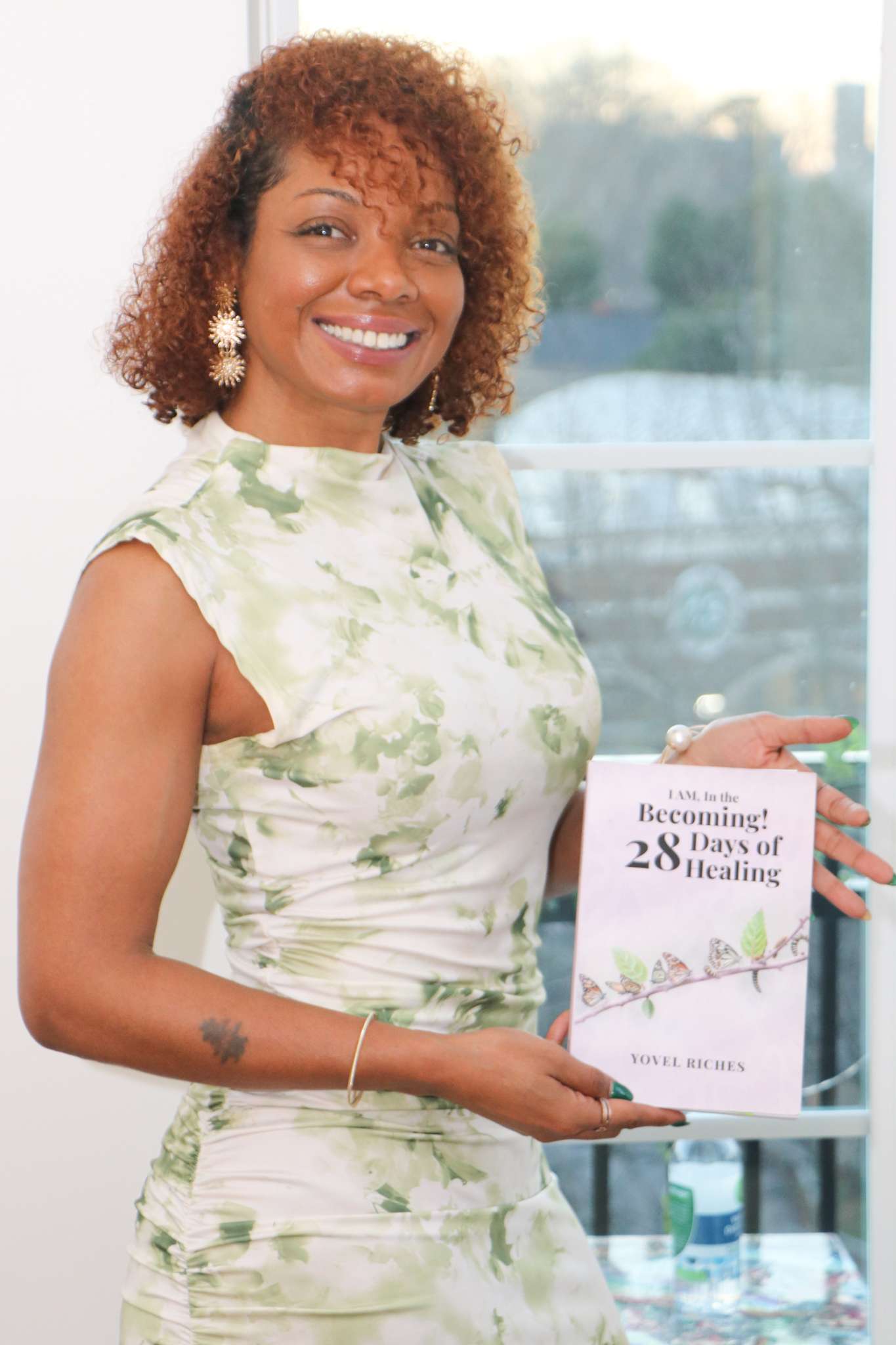
Yovel Riches (born Virginia Rodriguez) did not set out simply to succeed in sales. She set out to redeem it.

Writing and publishing under the name Yovel Riches—a pen name that is also her corporate and creative identity—Rodriguez stands at the intersection of entrepreneurship, ethics, and personal transformation. She is the author of I AM, In the Becoming! 28 Days of Healing a reflective work rooted in faith, resilience, and self-discovery, and the founder of Yovel Riches Industries, a company built to restore trust in an industry she once watched become tainted and mistrusted.

From Survival to Purpose

“I was once a young woman, unsure of the answers and far from perfect,” Rodriguez writes. “I didn’t have it all figured out, nor did I pretend to. But deep within, I knew there was more to me than the circumstances I had been born into.”

That belief—quiet, persistent, and rooted in faith—became the throughline of her life’s work.

With more than 23 years of experience in sales, Rodriguez witnessed firsthand how aggressive tactics and opaque practices eroded confidence between businesses and the people meant to serve them. Rather than walk away, she chose to rebuild the model entirely, launching Yovel Riches, LLC with a mission grounded in transparency, advocacy, and restoration.

The name Yovel comes from the Hebrew transliteration of “Jubilee,” symbolizing renewal, release, and financial restoration—principles that anchor both her business philosophy and her personal journey.

A Record of Results—and Responsibility

Rodriguez’s success is not theoretical. Her professional track record includes helping scale and sell a company for $308 million to Tilman Fertitta, owner of the Houston Rockets. Yet she is quick to redirect the spotlight.

Her guiding principle is simple and unwavering:
“What you do for others, God will do for you.”

At Yovel Riches Industries, the focus is on small and medium-sized businesses—the backbone of local economies and communities. Rodriguez recognizes that the first five years of a business are often the most fragile. Entrepreneurs may have vision and skill, but face gaps in operations, compliance, financial management, and strategic planning. Her work exists to bridge those gaps with clarity and care.

Services with Soul

Yovel Riches Industries offers a suite of relationship-driven services designed to protect and empower business owners:

  • Credit Card Processing
    Transparent, ethical, relationship-based processing that prioritizes trust and sustainable growth.
  • Business Capital Loans
    Tailored funding solutions for businesses at every stage, guided by strategy rather than pressure.
  • Sales Development
    Professional guidance to elevate sales operations and long-term growth strategies.
  • Consultations
    Personalized, 100% free assessments rooted in Rodriguez’s experience as a serial entrepreneur and industry expert.

Each offering reflects the same philosophy: when businesses are protected and guided, entire communities flourish.

The Artist Behind the Enterprise

As Yovel Riches, Rodriguez’s artistic voice is inseparable from her entrepreneurial mission. I AM, In the Becoming! 28 Days of Healing is not a departure from her business work—it is its spiritual companion. The book traces the internal work required to move beyond trauma, limitation, and scarcity into purpose and alignment.

Her story is not one of overnight success, but of intentional becoming—faith meeting discipline, experience meeting service.

In redefining sales, Virginia Rodriguez has also redefined success itself: not as accumulation, but as restoration. Not as dominance, but as stewardship. And not as arrival, but as a continual, faithful becoming.

To get your copy of the book:

Amazon

Related video

Yovel Riches in Her Own Words

Related articles

Artist Profile: Lisa Maydwell

Artist Profile: 1 Way Street

Artist Profile: Ntumba

Support open, independent journalism—your contribution helps us tell the stories that matter most.

ARTIST PROFILE: Lisa Maydwell

Filmmaker Lisa Maydwell’s journey from classroom teacher to award-winning producer reflects resilience, purpose, and a mission to empower local artists and authentic Black storytelling nationwide.

By Milton Kirby | Truth Seekers Journal | Artist Profiles Series

For Lisa Maydwell, the path to filmmaking did not begin behind a camera. It began in a classroom. She found her gift by teaching others to find theirs.

“It wasn’t until teaching others the craft of writing that I discovered my own gift,” Maydwell reflects—a realization that would eventually carry her from factory floors and elementary school classrooms to film festivals, sound stages, and movie theaters.

Today, Maydwell is an award-winning filmmaker, screenwriter, and producer based in Georgia, known for her emotionally grounded storytelling and her commitment to elevating authentic voices. But her journey to creative clarity was anything but linear.

A Late Start, A Deeper Calling

Born and raised in Fort Wayne, Indiana, Maydwell was supported early on by her biggest cheerleader—her mother, Alicia. For years, she worked factory jobs to help support her family, including her two daughters, Britney and Symone. Stability mattered. So did survival.

At 35, she enrolled at Indiana-Purdue Fort Wayne, pursuing a bachelor’s degree in education with the practical belief that teaching would allow her to work anywhere in the country. But the journey nearly ended before it began.

Her first writing class ended in an F.

“I was so disappointed in myself and was ready to quit,” she recalls.

A mentor, Dr. Lake, intervened—encouraging her to stay, to push through doubt, to trust growth over grades. That persistence paid off. Maydwell graduated with a degree in elementary education and went on to teach for 17 years in Indianapolis’ Decatur Township School District, eventually earning Teacher of the Year honors.

What she did not yet know was that her true classroom was still ahead.

The Story That Changed Everything

The turning point came unexpectedly, through an old classmate.

Reverend Gerald King approached Maydwell about creating a documentary or film centered on Robert W. Lee, the first president and co-founder of the International Boxing Federation. When the original author backed out, Maydwell was asked to step in and write Lee’s memoirs.

She said yes.

That project opened a door she hadn’t known she was knocking on—and once inside, she didn’t look back.

Her growing body of work includes The Final Round, which earned Best Documentary Feature honors at both the Gary International Black Film Festival and the Black Film Festival of New Orleans; Grandma’s Closet, which won the Diaspora Best Animation Award; and Broken Branches, recognized as Best Film at Summer Media Studio Lithuania in the European Union.

In 2023, she was named I AM Award Producer of the Year.

Each project carries Maydwell’s signature: emotionally precise storytelling rooted in character, consequence, and quiet truth.

Atlanta, Risk, and Reinvention

Frequent visits to family in Atlanta exposed Maydwell to a city transforming into a filmmaking mecca. Eventually, she made the leap—leaving behind a stable teaching career to pursue filmmaking full-time.

Then COVID-19 hit.

“I thought, ‘Oh Lord, I quit my job, the world is at a standstill, and I’m going to have to move in with my sister,’” she says.

Once again, persistence carried her forward. Maydwell sustained herself by writing screenplays and ghostwriting books for clients, refining her craft while the industry paused.

Atlanta did not simply offer opportunity—it demanded resilience. Maydwell met it head-on.

Stories with Purpose

Her upcoming film, My Brother’s Shadow, explores identity and self-discovery through the lives of twin brothers, Bryon and Tyron Mable, as they struggle to define themselves beyond expectation. The film is scheduled for theatrical release soon, marking another milestone in a career defined by late blooming and fearless reinvention.

At the core of Maydwell’s work is a philosophy shaped by her own path:

Everyone possesses a unique gift—a spark of potential waiting to be discovered and perfected.

That belief fuels not only her films, but her dedication to empowering local artists—creating space, opportunity, and visibility for voices that might otherwise go unheard.

A Reputation Earned on Set

Those who work with Maydwell speak less about ego and more about care.

“Her passion for characters, scenery, and props captivates the imagination and leaves you with a heartfelt message that is life-changing,” says voice talent Sherry Fincher.

Educator and entrepreneur Rita Kendall describes Maydwell as “a problem solver” with an instinct for designing creative environments that uplift everyone involved.

Actors echo the sentiment.

“I’m so grateful that Lisa gave me an opportunity to be the star of the show,” says Tawj Monroe, host of Cooking with Munchies. “Thank you for helping my dreams become reality.”

For Maydwell, those moments matter as much as awards.

What Comes Next

Now rooted in Georgia, Maydwell continues to build a career that bridges education, storytelling, and community uplift—proving that it’s never too late to find your voice, and never too risky to trust it once you do.

Her journey is a reminder that gifts do not always reveal themselves early—but when they do, they arrive with purpose.

Related video

Lisa Maydwell in Her Own Words

Related articles

Artist Profile: 1 Way Street

Artist Profile: Ntumba

BronzeLens Film Festival Marks 16 Years with Big Wins and Bittersweet Goodbye

BronzeLens Film Festival Opens with Stirring Tribute to Blues Legend Eddie Taylor

Oscar-Qualifying BronzeLens Celebrates 16 Years of Elevating Stories by Creators of Color

The Rebel Girls Triumph at BronzeLens Film Festival as Best in Festival

Atlanta Prepares for the 15th Annual BronzeLens Film Festival: A Sneaker Ball & Global Film Showcase Awaits

BronzeLens Film Festival to Announce Official Selections for 2024 Event

Support open, independent journalism—your contribution helps us tell the stories that matter most.

Chit Chat Atlanta Tours Launches “Main Artery” Experience

By Milton Kirby | Atlanta, GA | December 11, 2025

Peachtree Street has long been called Atlanta’s spine — a corridor where commerce, culture, and conflict have intersected for more than a century. Now, a new tour experience aims to tell that story with greater depth, balance, and historical honesty.

Chit Chat Atlanta Tours this week unveiled its newest cultural offering, “Peachtree Street: The Main Artery,” a guided experience designed to trace Atlanta’s growth through the people, institutions, and neighborhoods that shaped its most iconic street.

Rather than focusing solely on skyline views and postcard landmarks, the tour places equal emphasis on overlooked histories, particularly Black institutions and communities whose stories have often been pushed to the margins.

“This tour is about more than buildings,” organizers said in announcing the experience. “It’s about understanding how Peachtree Street reflects Atlanta’s past, its present, and the people who built it.”

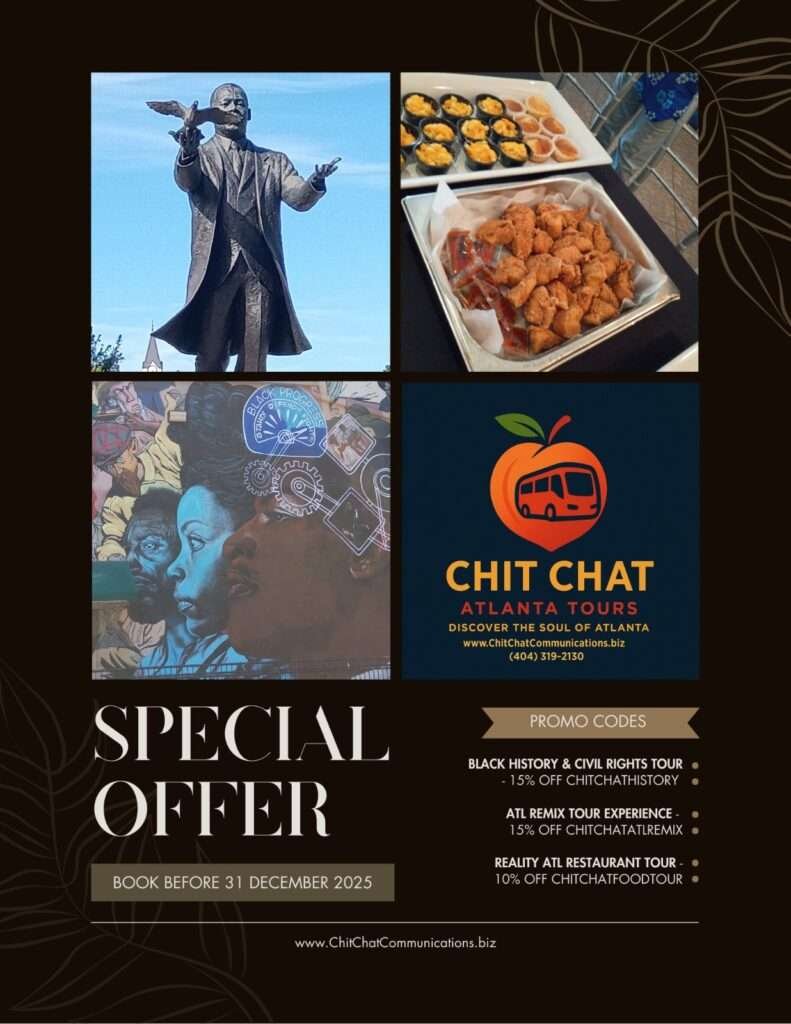
Chit Chat Special Offer

A Church That Anchors Buckhead’s Black History

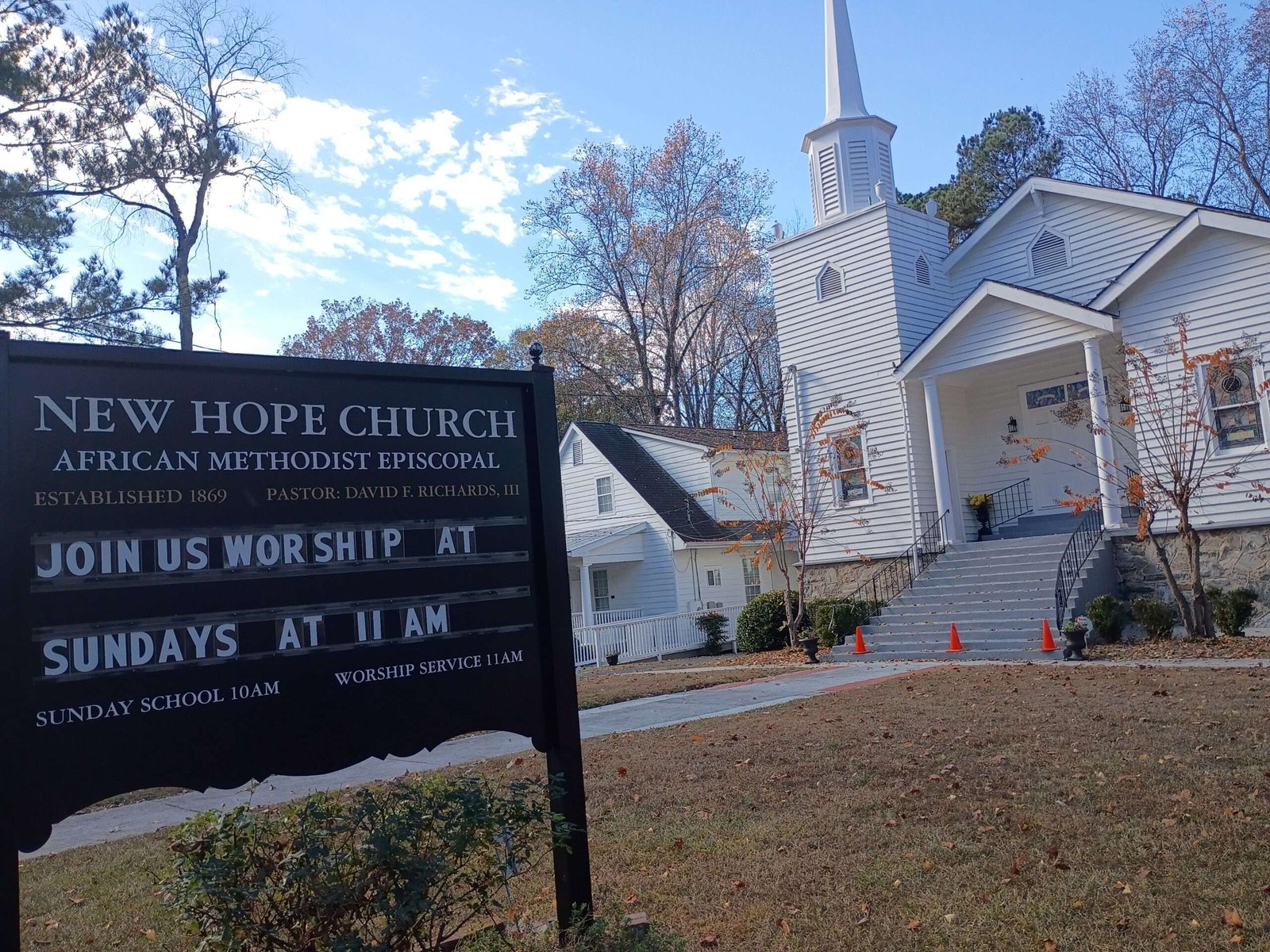
One of the most significant stops along the route is New Hope AME Church, recognized as the oldest Black church in Buckhead. Long before luxury towers and high-end retail defined the area, New Hope AME stood as a center of worship, education, and civic leadership for Black Atlantans navigating segregation, displacement, and change.

By highlighting New Hope AME, the tour expands the narrative of Buckhead beyond affluence and architecture, grounding it in resilience and community continuity. For many visitors, it is a revelation — a reminder that Black history in Atlanta extends well beyond downtown and Sweet Auburn.

Literary Legacy and Southern Elegance

The experience also includes visits to some of Peachtree Street’s most recognizable landmarks, including the Margaret Mitchell House, where the Pulitzer Prize–winning author wrote Gone With the Wind. The site remains a touchstone for discussions about Southern literature, memory, and mythmaking.

Nearby, guests encounter the Georgian Terrace Hotel, long regarded as one of the South’s most elegant historic hotels. Its halls have hosted dignitaries, artists, and civic leaders, making it a fitting symbol of Peachtree Street’s role as Atlanta’s front parlor.

Together, these stops illustrate how Peachtree Street has served as both a cultural stage and a mirror, reflecting the values and contradictions of the city across generations.

Urban Living and a Changing Skyline

As the tour moves north and south along the corridor, it explores Atlanta’s transition into a modern metropolis. A featured stop includes the city’s first luxury condominium, a development that marked a turning point in how Atlantans viewed urban living.

That moment signaled Peachtree Street’s evolving identity — from commercial thoroughfare to residential destination — and helped redefine how the city grew upward rather than outward.

Remembering Johnsontown

Perhaps the most powerful segment of the tour centers on Johnsontown, one of Buckhead’s historic Black communities. Long before Buckhead became synonymous with exclusivity, Johnsontown existed as a self-sustaining neighborhood rooted in faith, family, and land ownership.

Its story — shaped by endurance, displacement, and transformation — adds necessary context to Peachtree Street’s modern prosperity. By including Johnsontown, the tour acknowledges that development often came at a human cost, and that Atlanta’s growth cannot be fully understood without reckoning with those realities.

An Invitation to Locals and Visitors Alike

Chit Chat Atlanta Tours says the “Main Artery” experience is designed for longtime residents, newcomers, and visitors who want more than surface-level history. The tour blends architecture, social history, and lived experience into a single narrative that feels both educational and personal.

By centering untold stories alongside familiar landmarks, the experience positions Peachtree Street not just as a road, but as a living archive of Atlanta itself.

Tours are now open for booking at www.ChitChatCommunications.biz.

Related articles

Chit Chat Atlanta Tours Launches With Immersive Black History & Cultural Experiences

Chit Chat Atlanta Tours Marks Breakthrough Month and Opens Holiday Bookings

No contribution is too small. Support us today and help keep truth accessible for all.

Black On Demand TV Builds a New Pipeline for Black Creators With Expanding Fall Lineup

Black On Demand TV expands its fall lineup with new creator-led shows, spotlighting a Black-owned streaming platform redefining access, mentorship, and distribution in entertainment.

By Milton Kirby | Atlanta, GA | December 11, 2025

Black On Demand TV is not trying to compete with Hollywood.
It is trying to change how creators get there.

The independently Black-owned streaming network has emerged as a studio, accelerator, and launchpad for everyday people with stories to tell — many of whom have never worked in media before.

Founded and led by Swan Simpson, Black On Demand TV focuses on one core mission: closing the gap between Black creators and major distribution platforms.

“Too many talented voices never get heard,” Simpson said. “Not because the ideas aren’t strong, but because access has always been limited.”

A Different Model for Black Entertainment

Black On Demand TV operates on a model rarely seen in the streaming world.

The platform develops creators from the ground up.
It provides mentorship, packaging, production guidance, and real distribution opportunities.

Creators are not required to come with professional cameras, crews, or industry connections. Many start with nothing more than a mobile phone, a concept, and lived experience.

The goal is not just content.
The goal is ownership, visibility, and sustainability.

Since its launch, Black On Demand TV has helped hundreds of creators premiere original shows and then graduate to larger platforms, including Roku, Amazon Fire TV, Tubi, and Fawesome TV.

Community, Excellence, and Authenticity

The network is built on four guiding values.

Community comes first.

Creators support one another and shape the culture together.

Excellence is expected at every level, from production quality to audience experience.

Authenticity is non-negotiable.
Stories are told without dilution or compromise.

Innovation drives the platform forward, opening new pathways for creators who have long been excluded from traditional media systems.

Black On Demand TV is free to viewers, removing another barrier to access for audiences nationwide.

Fall 2025 Lineup Expands the Vision

On Wednesday, December 10, Black On Demand TV officially unveiled its 2025 Fall Premiere Lineup, signaling another major step forward as the network looks toward 2026.

The lineup includes the return of two flagship series:

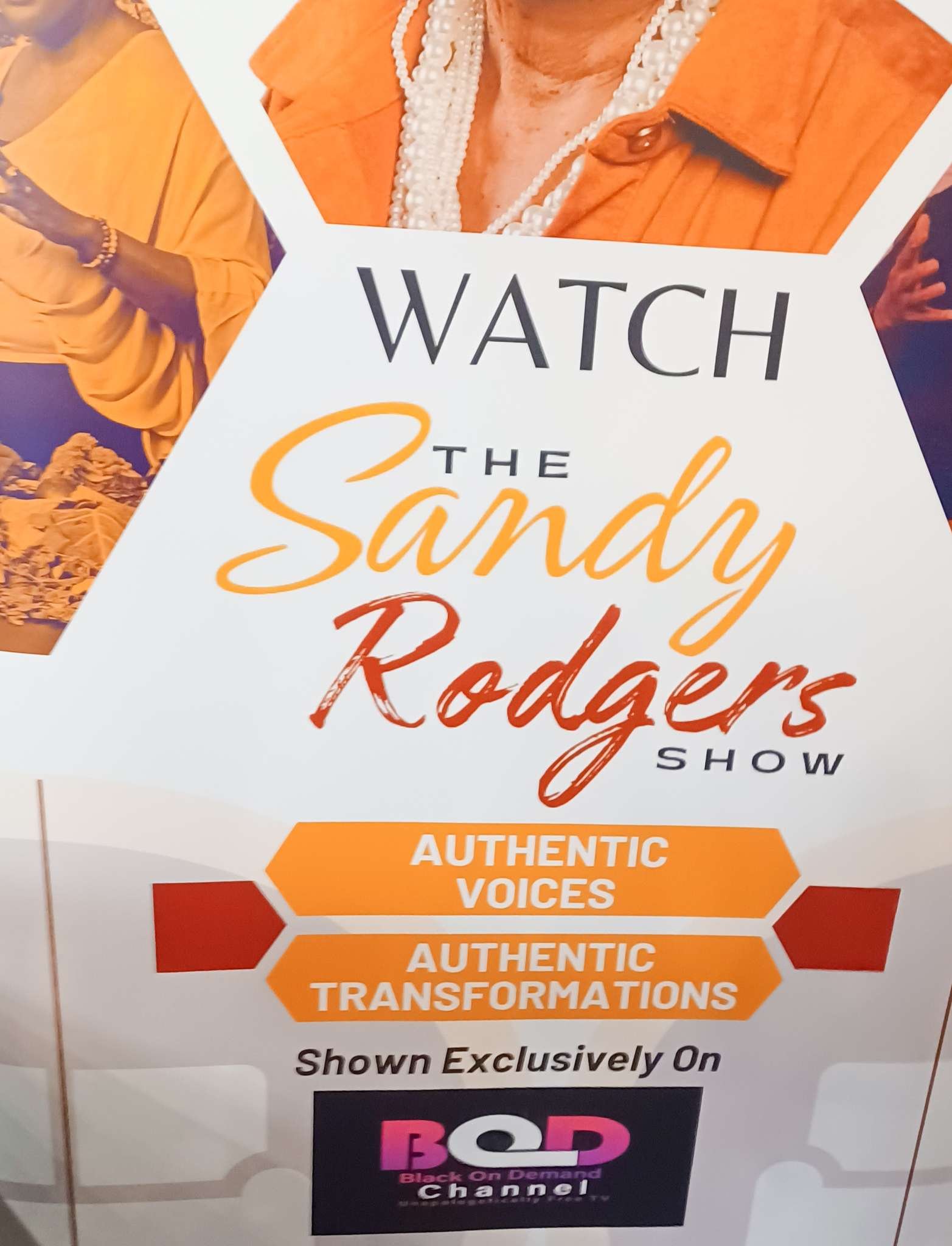
The Sandy Rodgers Show (Season 2)
Doc, Fix My Plate (Season 2)

Both shows build on successful first seasons with deeper conversations, expanded formats, and new guests.

Eight new original series also debuted, all developed through the Black On Demand Creator Accelerator Program:

  • The Review Rebel
  • Vibz N Viewz
  • Texas Unleashed
  • The Verdict Is In
  • Hidden Treasures Sarasota/Tampa Bay
  • Detroit On A Dime
  • Southern Charm On A Fork
  • Always VIP

What sets these shows apart is not just the content, but the creators behind them.

Every series was developed by individuals with no prior media experience.

From Homes and Communities to Television Screens

“These creators stepped into television from their homes, their communities, and their lived experiences,” Simpson said. “That’s the future of media.”

Under Simpson’s mentorship, creators learn how to turn ideas into structured shows that can compete on national platforms.

The Fall Premiere Weekend was celebrated at the Aloft Hotel at The Battery in Atlanta, bringing together creators, partners, and supporters to mark the network’s rapid growth.

Looking Toward National Recognition

Beyond distribution, Black On Demand TV is also guiding creators toward professional recognition.

The network recently announced plans to help creators pursue membership with the National Academy of Television Arts & Sciences, home of the Emmy Awards.

For many independent creators, this step represents uncharted territory.

For Black On Demand TV, it is part of a larger vision: proving that grassroots storytelling belongs on the biggest stages.

As the holiday streaming season begins, the network invites viewers nationwide to experience content that is raw, real, and rooted in Black culture.

“This is just the beginning,” Simpson said.

To connect directly to Black On Demand TV click here.

Related articles

Artist Profile: 1 Way Street

Artist Profile: Ntumba

BronzeLens Film Festival Marks 16 Years with Big Wins and Bittersweet Goodbye

BronzeLens Film Festival Opens with Stirring Tribute to Blues Legend Eddie Taylor

Oscar-Qualifying BronzeLens Celebrates 16 Years of Elevating Stories by Creators of Color

The Rebel Girls Triumph at BronzeLens Film Festival as Best in Festival

Atlanta Prepares for the 15th Annual BronzeLens Film Festival: A Sneaker Ball & Global Film Showcase Awaits

BronzeLens Film Festival to Announce Official Selections for 2024 Event

No contribution is too small. Support us today and help keep truth accessible for all.

Morehouse and Spelman Glee Clubs Deliver Three-Night Christmas Masterpiece

Morehouse and Spelman’s Glee Clubs delivered a powerful three-night Christmas concert series, blending tradition, harmony, and history in one of Atlanta’s most beloved holiday celebrations.

By Milton Kirby | Atlanta, GA | December 8, 2025

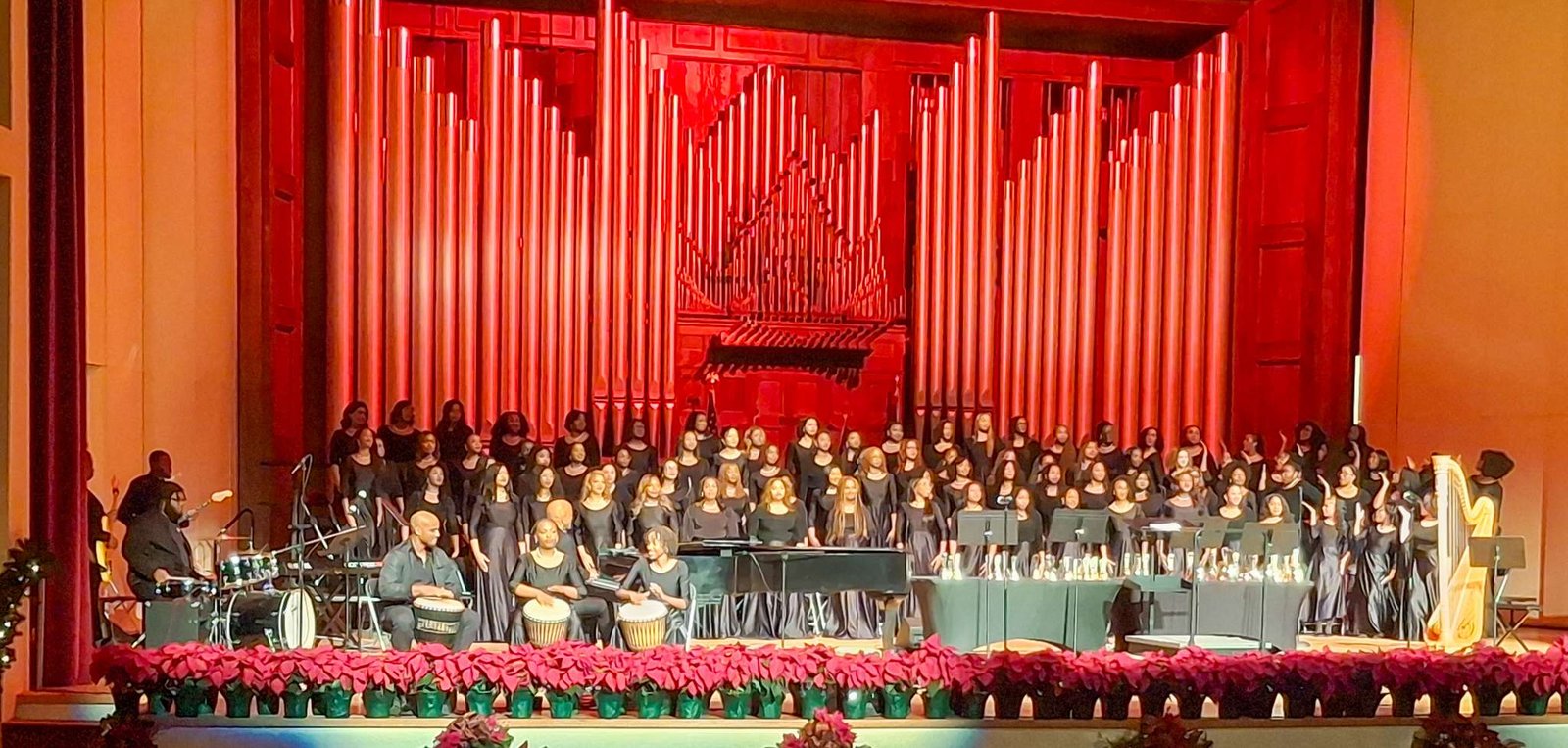
The holiday season opened in grand fashion this weekend as the Morehouse College Glee Club and the Spelman College Glee Club delivered three unforgettable nights of music, unity, and tradition. The concerts were held Friday through Sunday, December 5–7, and drew capacity crowds to two of Atlanta’s most cherished campus chapels.

Friday and Sunday performances were held at the Martin Luther King Jr. International Chapel at Morehouse College. Saturday’s concert took place at Sisters Chapel on the campus of Spelman College. Each night offered a stirring reminder of why this joint Christmas Carol Concert remains one of the most treasured holiday traditions in Atlanta.

TSJ attended the Friday night performance, where the Glee Clubs played to a full house inside the MLK International Chapel.


A Tradition of Excellence

The Morehouse College Glee Club directed by Dr. David Morrow with organist Dr. Joyce F. Johnson, and the Spelman College Glee Club, directed by Dr. Kevin Johnson, performed a rich blend of sacred, classical, traditional, and contemporary holiday selections.

Audiences were treated to familiar favorites, including:
Silent Night, Sir Christëmas, The Savior’s Birth, The First Noel, Joy to the World, This Christmas, O Come, All Ye Faithful, and Go Tell It on the Mountain.

The choirs also performed lesser-known works that were just as stirring and melodic, showcasing the depth of their repertoire and their ability to breathe new life into both classic and contemporary choral literature.


Spelman’s Legacy of Global Sisterhood

For over 100 years, the Spelman College Glee Club has upheld a standard of musical excellence shaped by harmony, discipline, and pride. With approximately 50 members from various academic disciplines, the ensemble performs most major campus events and maintains a repertoire that spans world cultures, commissioned works, and music of the African diaspora.

Under the leadership of Dr. Kevin Johnson, the Glee Club has performed across the U.S. and around the world. Highlights include concerts at the White House, Lincoln Center’s Avery Fisher Hall, Faneuil Hall in Boston, the National Museum of American History, and international tours to Brazil, Canada, Italy, and Portugal.

Membership requires a rigorous audition process evaluating tonal memory, pitch matching, vocal quality, and musicianship. Yet beyond the music, the Spelman Glee Club represents community. It is a space where sisterhood, pride, and excellence converge.


Morehouse’s Global Brotherhood in Song

The Morehouse College Glee Club has captivated audiences for more than a century. Their performances have graced presidential inaugurations, Super Bowls, the 1996 Olympics, and homegoing services for national figures including President Jimmy Carter and Dr. Martin Luther King Jr., a Morehouse alumnus.

Morehouse Glee Club Performs

Dr. Morrow says the Glee Club is more than a performance ensemble. It is a reflection of Morehouse identity and brotherhood.

It’s remembering that you are part of a community,” Morrow said. “You are more than a member of the Glee Club. You are family. You are part of something great.

Their musical résumé spans continents, with tours throughout Africa, the Caribbean, Europe, and every corner of the United States. The Glee Club has performed with cultural icons such as Aretha Franklin, Jessye Norman, Denyce Graves, Take 6, Stevie Wonder, and Jennifer Hudson. They are also featured on soundtracks to Spike Lee films and major national broadcasts.
The Glee Club is deeply tied to historical and cultural leadership. Alumni include Senator Raphael Warnock, Spike Lee, Samuel L. Jackson, and legendary figures such as Mayor Maynard Jackson and Herman Cain.


A Shared Holiday Tradition

Morehouse and Spelman have long united their voices for this Christmas tradition. Together, they carry an intergenerational message: music is a cultural bridge. Music preserves history. And music, especially during the holiday season, binds community.

Judge Sugarmon, speaking to the educational significance of the Glee Clubs, underscored the moment:
At a time when DEI is being denied, we must educate our children about our history. It is what made this country what it is.

And as the music filled the chapels each night, that message rang clear—this tradition belongs to the people, to the campuses, and to the broader community that has embraced it for nearly a century.


A Look Toward the 100th Year

This year marked the 99th Annual Christmas Carol Concert, one of the longest-running holiday traditions in Atlanta. Both colleges promised that the upcoming centennial celebration will be even more spectacular, with expanded performances and special guests.

The joy, reverence, and unity felt this weekend offered a glimpse of what that milestone will hold.

When Morehouse sings and Spelman answers, a century of HBCU excellence fills the room — and the world listens.

Related articles

Morehouse Picks Alumnus and National Scholar to Write Its Next Chapter

Arthur M. Blank Family Foundation Commits $50 Million to Atlanta’s HBCUs

President Biden Delivers Commencement Address at Morehouse College

Truth Seekers Journal thrives because of readers like you. Join us in sustaining independent voices.

ARTIST PROFILE: 1 Way Street

Atlanta rapper 1 Way Street rises from Dalton roots with faith, grit, and authenticity—balancing fatherhood, music, and a growing brand as he builds his own lane.

By Milton Kirby | Truth Seekers Journal | Artist Profiles Series

An Atlanta Artistic Voice Powered by Faith, Grit, and Real-Life Truth

Atlanta’s rap scene has no shortage of talent, but few artists embody grit, faith, and straight-line determination like 1 Way Street. Born in Dalton, Georgia, and now unmistakably part of Atlanta’s creative fabric, 1 Way has been steadily building his voice and audience since at least 2019—earning streams, bookings, and respect through persistence and authenticity rather than shortcuts.

For him, the journey isn’t defined by charts or fame. It’s measured by where he started, how far he’s come, and the road ahead that he continues to walk with intention.


Roots in Dalton: Faith, Doubt, and Self-Belief

Raised in Dalton, 1 Way Street grew up hearing more reasons he wouldn’t succeed than reasons he would. But the doubts of others never outshined the faith he held in himself—and in God.

My prayers and my faith kept me moving,” he says. Even in a small town, he felt a pull to see more, do more, be more. When he arrived in Atlanta, that inner push became fuel. He began traveling, networking, and expanding his world far beyond the country roads he came from.

His personal creed is simple and unshakeable:

“I put my pants on just like the next guy. Anything he can do, I can do also.”

That belief—balanced with humility—became the backbone of his career.


Becoming 1 Way Street

Friends and family had always called him “Street.” It fit him—straightforward, grounded, and honest. And he had a habit of doing things one way…his way.

So when he stepped into the music world and needed a name that reflected who he truly was, 1 Way Street arrived naturally.

Ironically, at first he never planned to be a rapper. He hung around rappers, looked like a rapper, moved like a rapper—but didn’t see himself in that world. That changed the moment he walked into a studio for the first time.

“A star was born that day,” he remembers.

He recorded one song, and suddenly he was getting booked three times a week to perform it. That track—“Go There”—carried him for years. Even though he wasn’t in love with the song, he respected what it did for him: it showed him he could do this.


The Work: Hundreds of Songs, Endless Drive

Today, 1 Way Street has hundreds of unreleased and recorded songs in his catalog. His process shifts with his mood—sometimes he speaks into a voice recorder; sometimes he scribbles notes in a journal. Either way, the creativity doesn’t stop.

He streams heavily now and earns revenue through listeners, subscribers, and consistent engagement across platforms. He has always had someone in his corner to help navigate the business side—something many independent artists struggle with alone.

And above all, he stays focused.

My authenticity connects me to the people.


Life as a Father: The Heart Behind the Hustle

Away from the stage, 1 Way Street is a dedicated father of two—a 14-year-old daughter and a 10-year-old son. They are not an accessory to his brand. They are his grounding force.

Ask him if he’s a “girl dad,” and he smiles:
“I’m a both dad.”

He is intentional with his daughter—showing her through everyday life what a good man looks like, how she deserves to be treated, and why she should expect respect, admiration, and kindness from others.

With his son, he sees a glimpse of himself. Basketball was 1 Way’s passion growing up, and now his son is showing real promise of his own. At just 10 years old, he’s already being taught to work hard, develop his skills, and create his own path to excellence.

After long weekends of shows, tours, or studio sessions, time with his kids is his recharge.
They understand that Daddy has to go to work.
He understands that they are his purpose.


Building a Brand: Music, Merch, and a New Creative Era

1 Way Street isn’t just an artist—he’s a brand.

He runs his own clothing line at www.1waystreet.com, featuring designs inspired by his lifestyle and message. And in 2026, he is preparing to launch Aura Gallery, a new creative platform and venture that expands his artistry beyond the mic.

Fans spot him at stores, gas stations, and concerts:

“Aren’t you 1 Way?”
“When are you dropping another song?”

He takes those moments in stride—not because he thinks he’s famous, but because they remind him he’s moving in the right direction.


A Voice for the Voiceless

1 Way Street knows that many people have lived through struggles similar to his own. That’s why he creates.

His music speaks for people who don’t always have the mic, the platform, or the confidence to tell their stories. Whether he’s rapping about resilience, loyalty, pain, or growth, there’s a raw honesty in his delivery that connects him to everyday listeners.

Yes, he’s still climbing.
Yes, he’s still hungry.
But he’s already walking his purpose:

One road.
One direction.
1 Way Street.


Related video

1 Way Street His Own Words

Go There                                 Sit Back & Watch                   Dis Far           

Concrete Rose                         Real Me                                 4 Ever

Related articles

Artist Profile: Ntumba

Artist Profile:  Lisa Maydwell

Exit mobile version