The Bill Pickett Invitational Rodeo closed its 41st season with packed arenas, rising music stars, bold fashion moments, and championship performances celebrating Black cowboy and cowgirl heritage nationwide.
By Milton Kirby | Denver, CO | November 25, 2025
The Bill Pickett Invitational Rodeo ended its 41st season the same way it started—with packed crowds, big moments, and a whole lot of love for the culture that keeps this tradition alive.
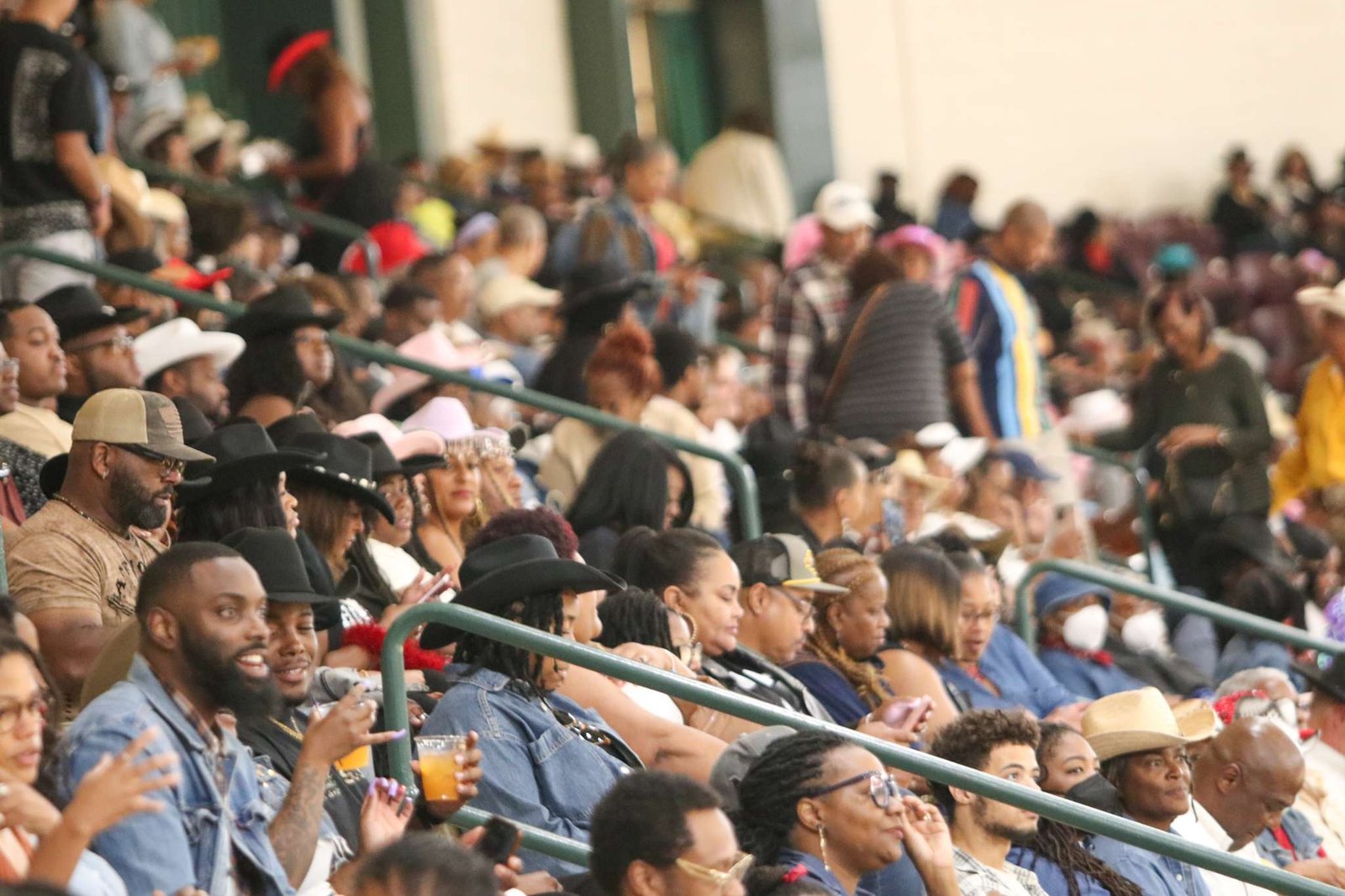
Photo by Milton Kirby -BPIR – Upper Marlboro, MD
BPIR President and CEO Valeria Howard-Cunningham expressed deep gratitude, highlighting how the event celebrates the history, family bonds, and the resilience of Black cowboys and cowgirls who keep this culture alive.
The 2025 tour stretched from Denver to Memphis, moved west through Oakland and Los Angeles, circled back to Atlanta, and touched down four times in historic Cowtown Coliseum in Fort Worth. The year closed in the DC/Upper Marlboro area, where the National Championship Finals brought out longtime supporters and new fans who wanted to witness the sport’s brightest stars.
A New Era in Country Music
A cultural shift is happening inside BPIR. The Soul Country Music Star partnership is giving Black country artists a stage they have long been denied. The Soul Country Rodeo Weekend brought immense talent and explosive energy, and the season ended in Burbank with the first-ever Soul Country Music Star Festival. When the dust settled, Atlanta’s Nathaniel Dansby walked away with the 2025 title.
Rodeo Meets Runway
Houston also saw something new when BPIR teamed up with SP5DER for the Sweet Tooth Rodeo. It was a mix of bucking bulls and bold fashion, and the arena looked more like a runway than a dirt floor. Fans are still talking about it.
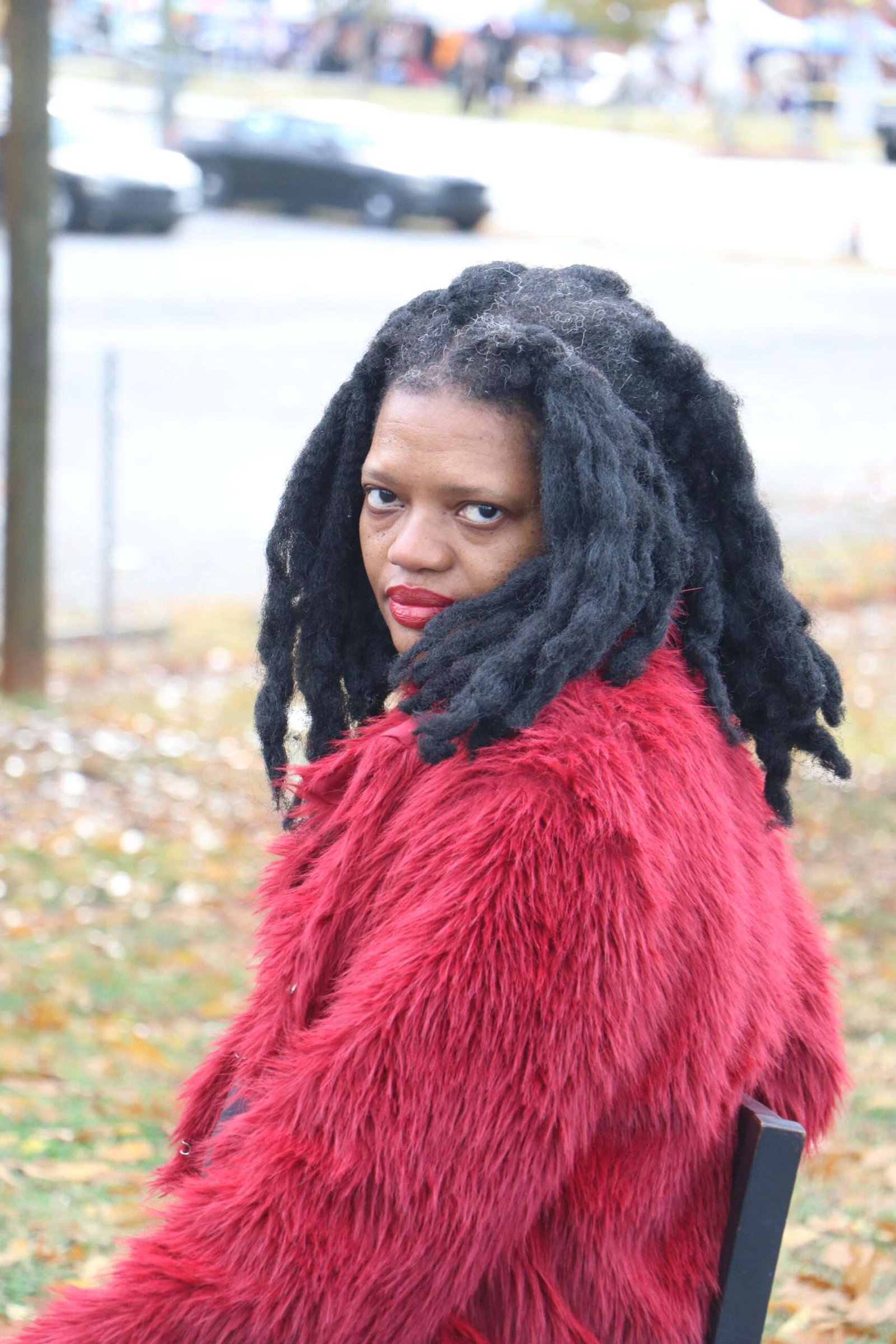
Photo by Milton Kirby – BPIR – Upper Marlboro, MD
The Champions Who Left Nothing Behind
The athletes are the heartbeat of BPIR. Riders young and old brought fire to every arena this season. Championship titles went to:
Lamarr Hankins in Ranch Bronc.
Haley Mason in Ladies Breakaway.
Harrel Williams Jr in Junior Breakaway.
Tony Aska in Bull Dogging.
Devon Johnson and Montrel Gilder in Team Roping.
Travoris Zeno in Bull Riding.
And a rising generation—Kinley Adair, Rylen Wilburd, Paris Wilburd—claimed their own victories.
Montrel Gilder earned All Around Cowboy. Paris Wilburd took All Around Cowgirl. The future looks strong.
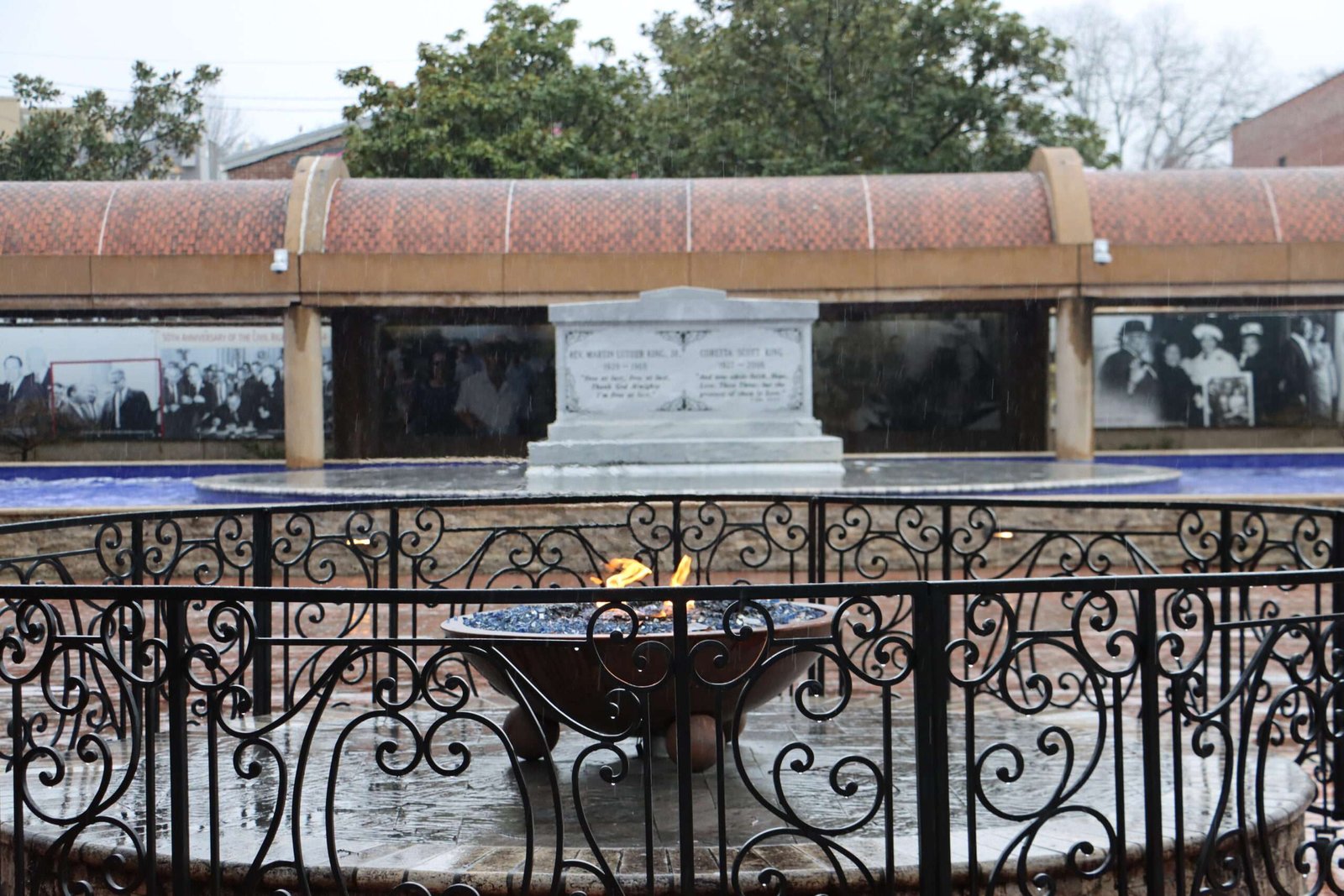
Photo by Milton Kirby – BPIR – Upper Marlboro, MD
Looking ahead
BPIR’s 42nd season is already shaping up with rodeos scheduled across the country, including dates in Fort Worth, Memphis, Atlanta, and Upper Marlboro, to keep the momentum going into 2026.BPIR’s 42nd season is already taking shape, and the movement rolls on with rodeos planned nationwide:
February 14 Fort Worth, TX (1:30 PM & 7:30 PM)
April 10 Memphis, TN (10:00 AM Rodeo for Kidz Sake)
April 11 Memphis, TN (1:30 PM & 7:30 PM)
April 17 Atlanta/Conyers, GA (Rodeo for Kidz Sake, Time TBD)
April 18 Atlanta/Conyers, GA (12:00 Noon & 7:30 PM)
May 16 Fort Worth, TX (1:30 PM & 7:30 PM)
June 20 Fort Worth, TX (1:30 PM & 7:30 PM)
July 11 Oakland, CA (2:30 PM)
July 12 Oakland, CA (2:30 PM)
July 18 Los Angeles, CA (7:00 PM)
July 19 Los Angeles, CA (3:30 PM)
August 1 Atlanta/Conyers (7:30 PM)
August 2 Atlanta/Conyers (3:30 PM)
August 15 Fort Worth, TX (1:30 PM & 7:30 PM)
September 18 Upper Marlboro, MD (10:00 AM & 7:30 PM)
September 19 Upper Marlboro, MD (1:30 PM & 7:30 PM)
October 17 Fort Worth, TX (1:30 PM & 7:30 PM)
Howard-Cunningham closed the season with a message of love and appreciation, emphasizing BPIR’s role in building unity and shared purpose, inspiring ongoing support for the movement into 2026.
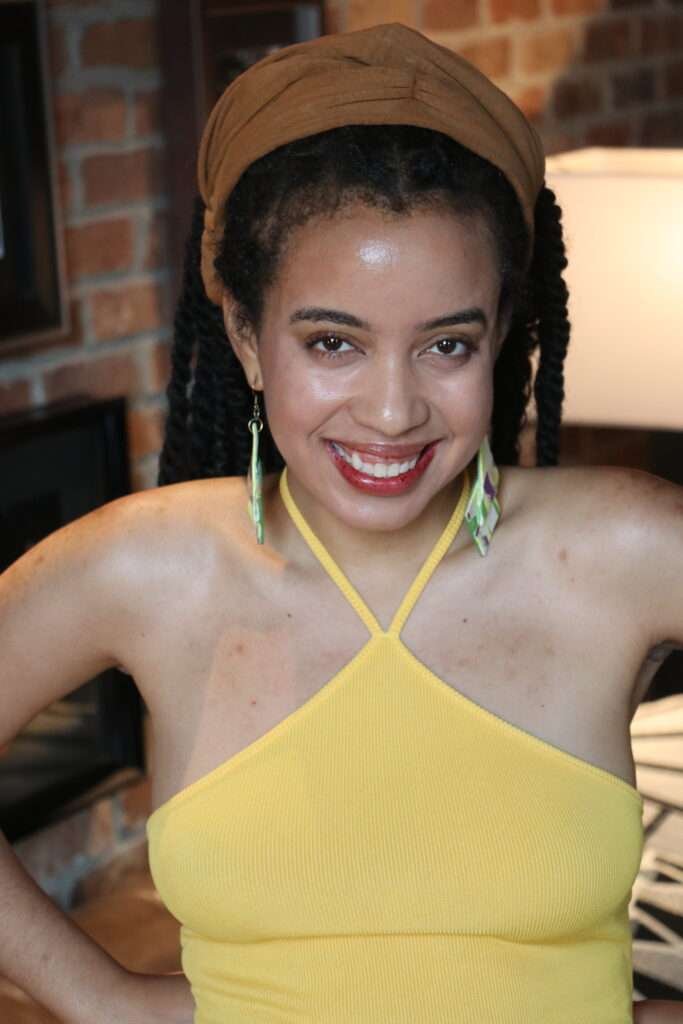
Ntumba blends spiritual insight, heartfelt storytelling, and empowering performance to inspire young women nationwide, guiding them toward inner strength, emotional clarity, and a deeper sense of self-worth.
By Milton Kirby | Truth Seekers Journal | Artist Profiles Series
A Voice of Spirit, Strength, and Transformation
When Ntumba steps onto a stage, she carries more than a message — she embodies a presence rooted in global perspective, spiritual depth, and grounded wisdom that reaches young women wherever they are in life. Whether speaking to a packed auditorium or guiding a small workshop circle, she builds space where women can breathe, heal, and rise.
Biography: A Journey Rooted in Purpose
Born with a natural calling to uplift others, Ntumba has spent years shaping a voice that is part teacher, part storyteller, and part healer. She holds a master’s degree in spiritual professional counseling, grounding her work in both academic training and deep personal insight. This background informs her signature approach: integrating spirituality, emotional wellness, and practical tools for growth.
Her influence spans coast to coast. She has led or collaborated on empowerment programs for young women at major institutions and organizations—including New York University (NYU), the New York State Senate, Teachers College at Columbia University, and the McSilver Institute—earning a reputation for clarity, authenticity, and heartfelt connection that inspires supporters to engage with her work.
Creative Journey: From Personal Transformation to Public Impact
Every chapter of Ntumba’s career reflects intentional evolution. But her most profound shift came through what she describes as a “dark night of the soul” — a period of deep spiritual wrestling that ultimately transformed her understanding of love, identity, and personal wholeness.
From this season emerged her defining epiphany:
You can experience being love — not just “doing” loving things — through the splitting of soul from spirit.
This revelation continues to shape her writing, her curriculum, her stage presence, and the way she mentors young women navigating their own transitions.
Signature Work Spotlight: “Love Savvy Jewel”
Her popular book, Love Savvy Jewel, offers practical and spiritual guidance to women seeking clarity, joy, and groundedness in their love lives. The book’s central message mirrors her own evolution: meaningful relationships begin within. Through stories, meditations, and heartfelt lessons, she helps readers see themselves with compassion and step into relationships with confidence.
Community Connection: A Mission Rooted in Healing
nTumba’s work is not solely for the stage — it is for the world.
Her core mission is to uplift women ages 13 and older who have been shaped, and often wounded, by the messages of modern media and the visual culture surrounding youth, beauty, and identity. She challenges those narratives by:
teaching spiritual concepts that highlight inner beauty
encouraging mental and emotional resilience
creating apparel designs that celebrate the spirit
offering tools to nurture self-worth independent of appearance
Through conferences, workshops, books, clothing, and community programming, she brings women back to themselves — reminding them of the beauty they carry beyond the surface.
Quotes & Voice
“When young women learn to see their worth beyond what the world shows them, everything changes. That’s where healing begins — in the spirit.”
Ntumba & Natacha
Visual Performance
Ntumba brings her work to life through a powerful monologue performance that portrays the journeys of five women featured in her book Love Savvy Jewel. She also performs alongside artist Natacha “Cha~cha” Martin, adding movement, depth, and emotional resonance to the storytelling experience.
Future Outlook: Expanding the Vision
As her platform grows, nTumba is developing new programs that blend spiritual teaching with modern wellness practices. Her upcoming work includes:
expanded national speaking tours
new curriculum for youth empowerment
digital content designed to reach global audiences
additional books and creative projects in the spirit-centered lifestyle space
Her goal remains steady: to help women everywhere experience inner beauty, spiritual grounding, and the freedom to live authentically.
Chit Chat Atlanta Tours celebrates a breakthrough month with national and international visitors, new cultural experiences, and rising demand as the company opens bookings for the holiday season.
By Milton Kirby | Atlanta, GA | November 19, 2025
October was a breakthrough month for Chit Chat Atlanta Tours. Visitors from London, Ireland, North Carolina, California, Connecticut, Florida, Pennsylvania, and Texas spent the month exploring Atlanta’s rich history, food, and culture through the company’s signature guided experiences. The wave of national and international guests signals significant momentum for the fast-growing tour company as the holiday season approaches.
A Powerful Journey Through Black History
One of the month’s most memorable moments came during the Black History & Civil Rights Tour. Guests learned about the 1906 Atlanta Race Massacre and then met Fabian, the visual artist behind the striking mural honoring the massacre’s victims. For a group visiting from London, the encounter offered a rare, personal connection to the people who continue to preserve Atlanta’s story through art.
Holiday Bookings Now Open
With demand rising, Chit Chat Atlanta Tours is now welcoming groups, families, organizations, and solo travelers to reserve holiday experiences. Tours are available throughout:
Thanksgiving Week
Christmas and Winter Break
New Year’s Eve and New Year’s Day
The company offers options for history lovers, foodies, students, corporate groups, birthday travelers, and visitors from around the world.
Chit Chat Atlanta Tours says its mission is simple: share the stories, culture, landmarks, and hidden gems that make Atlanta one of the most influential cities in the nation.
Documentary photographer Jim Alexander spent seven decades framing Black life, from civil rights marches to jazz stages. Emory’s new Getty-funded project secures his archive forever.
By Milton Kirby | Atlanta, GA | November 14, 2025
When Jim Alexander picked up a camera in Navy boot camp in 1952, he wasn’t thinking about history. He was thinking about hustle.
The 17-year-old from Waldwick, New Jersey, had just won a camera in a friendly dice game at Bainbridge, Maryland. He started taking pictures of fellow sailors and selling the prints for fifty cents apiece. It was a simple exchange at first — a snapshot for some loose change — but it set the course for one of the most crucial documentary photography careers of the last century.
Over more than 60 years, Alexander turned that chance roll of the dice into a body of work that chronicles Black life, culture, struggle, and joy across America. His work has covered protests in Boston and Washington to jazz stages in Atlanta and New Orleans. Now, thanks to a new Getty Foundation grant, his vast archive at Emory University’s Stuart A. Rose Manuscript, Archives, and Rare Book Library is being carefully processed and preserved so future generations can see what he saw.
From a New Jersey Childhood to a Navy Darkroom
James “Jim” Alexander was born August 7, 1935, in Waldwick, New Jersey, one of 12 children of David and Frances James Alexander. Jobs were scarce, and opportunities for Black families to build wealth were even scarcer. The Navy offered a way out — a paycheck, a trade, a chance to see the world.
In Charleston, South Carolina, after boot camp, Alexander asked the base photographer to look at his pictures. The older man recognized his talent and began teaching him 35mm and large-format photography. The darkroom became another classroom, and the craft slowly began to take root.
After his service ended in 1956, Alexander put the camera aside for a while. He worked everyday jobs, but the pull of photography never really left. By the early 1960s, he enrolled at the New York Institute of Photography (NYIP), from which he earned a degree in commercial photography in 1968. He also earned a certificate in business organization and management from Rutgers University, equipping him with both the artistic and practical skills to build a successful career.
The Year Everything Changed: 1968
The year 1968 became a hinge in Jim Alexander’s life. It was the year he graduated from NYIP. The year he had his first exhibition. The year he met the legendary photographer Gordon Parks and began a friendship that would shape his thinking.
It was also the year Dr. Martin Luther King Jr. was assassinated. In the grief and anger that followed, Alexander started what would become his life’s signature project: SPIRITS/MARTYRS/HEROES.
The series, which he has continued to add to for more than 40 years, documents the impact of African Americans on politics, art, religion, culture, and everyday life — from civil rights marches and prisoner justice campaigns to concerts, community meetings, and quiet moments of ordinary people refusing to give up.
Parks listened as Alexander explained his plan to devote ten years to documenting human rights and the Black experience. Parks respected the vision, but warned him bluntly that nobody would pay him just to “run around shooting anything that interests you.” The solution Alexander arrived at became his life model: he would teach to support the work, and he would let the work speak for the people.
A “Participant Observer” with a Purpose
Alexander calls himself a “participant observer.” He never pretends that his presence has no impact on the scene. But he also refuses to become the story. He stands close enough to feel the heat, yet far enough to let the subject breathe.
His intention is clear in the way he photographs Black people. In a media environment that often distorted or demonized African Americans, Alexander insisted on images that carried dignity, complexity, and truth. He understood that a photograph could build or destroy — and that the responsibility lies in the hands of the person holding the camera.
Even before he fully named his mission, he was already working in that spirit. In the mid-1960s, he documented anti-war marches and peace rallies across the North and the Southeast. He photographed civil rights and human rights protests, school desegregation marches in Boston, rallies for the Wilmington 10, and demonstrations against apartheid and the Ku Klux Klan. His camera followed not just the famous faces at the microphone, but the people in the crowd who carried the risk and the hope.
Building Community Spaces for Art and Action
Alexander’s career has never been limited to taking pictures. Over and over, he has built spaces where artists, organizers, and everyday people could meet.
On a bus from Ridgewood, New Jersey, to New York, he struck up a conversation with fellow photographer Eric Maristany. That encounter led him to a video studio making educational filmstrips on the civil rights movement. Alexander volunteered there, sharpening his documentary eye and deepening his connection to movement work.
In 1970, Yale University’s School of Art and Architecture hired him as a consultant and photography instructor for the Black Environmental Studies Team and The Black Workshop. In New Haven, he opened Jim-Alex Studio Gallery in 1971, showcasing his own work as well as that of other photographers. The studio quickly turned into a hub. Community meetings were held there, and the Connecticut Black Media Coalition took shape within its walls.
True to his belief in “art for people’s sake,” he founded the Freedom Arts Communications Team (F.A.C.T.) in 1972 — a collective of musicians, visual artists, poets, media workers, and community advocates. FACT launched community arts festivals, worked with schools and the Police Athletic League, and ran a visiting-artist program serving youth and adults across New Haven.
Atlanta, the Black Arts Movement, and the Neighborhood Arts Center
Atlanta became home in 1976, when Alexander accepted a job as director of audiovisual communications for the Federation of Southern Cooperatives. The organization focused on saving and expanding the landholdings of Black farmers across the South — another front in the struggle for economic and human rights.
He arrived just as the Black Arts Movement was reshaping the city’s cultural landscape. In 1975, Mayor Maynard Jackson’s administration helped launch the Neighborhood Arts Center (NAC), which became the beating heart of Atlanta’s Black arts scene. Alexander joined as photographer-in-residence in 1977 and set about documenting everything that moved — dance rehearsals, writing workshops, political meetings, children’s classes, and legendary visitors.
One of those visitors was artist and author Romare Bearden, whose appearance at the NAC Alexander captured in a series of photos that now sit in major collections. His images from the NAC years form a visual diary of a moment when Black Atlanta declared its art, culture, and people beautiful on their own terms.
From 1984 to 1990, he served as photographer-in-residence at Clark College, which later merged with Atlanta University to become Clark Atlanta University. He mentored students who worked on the yearbook and campus newspaper, and he documented the meetings and ceremonies that led up to the AU/CC merger.
Framing the Soundtrack: Jazz, Blues, and Black Music
At some point, Alexander realized that almost every event he photographed began with music. In churches, community centers, protest marches, and festivals, someone would sing, play, or lead a chant before anything else happened. That pattern prompted him to examine musicians more closely — and to make Black music a central thread in his work.
For the inaugural National Black Arts Festival in 1988, he produced Blues Legacy, an exhibit honoring the musicians who turned pain into poetry. That same year, he created Duke and Other Legends: Jazz Photographs by Jim Alexander, a touring exhibit and monograph featuring 50 classic jazz musicians. Supported by the National Endowment for the Arts and the Southern Arts Federation, the show traveled to 13 cities in the South.
Over the decades, Alexander has photographed an extraordinary roster of performers, including Duke Ellington, Count Basie, Ella Fitzgerald, Miles Davis, and many others. His jazz and blues images capture not only the stars under the lights, but the quiet concentration between songs, the closed eyes and furrowed brows that speak to the weight of the music.
Teaching the Next Generation and Building Institutions
In the mid-1990s, he coordinated and taught “As Seen By Teens,” a summer photojournalism program at the Nexus Contemporary Art Center in Atlanta. The program helped young people learn to see their neighborhoods — and themselves — in a different light, while building practical skills in storytelling and media.
Beyond classrooms, he has helped build institutions. In 1988, he co-founded First World Bookstores, a chain specializing in African American books, art, and gifts that grew to five locations before closing in 1994. He has been a member and leader in organizations such as the Atlanta Photography Group, the National Alliance of Artists from HBCUs, and African Americans for the Arts.
His contributions have been recognized repeatedly. In 1995, Atlanta’s City Gallery East selected him as the first “Atlanta Master Artist” for its new Masters Series and mounted a 200-image retrospective, Jim Alexander: Telling Our Story, timed with the 1996 Olympic Games. He was inducted into The HistoryMakers in 2006 and has received lifetime achievement honors for his photojournalism and service.
The Emory Archive and a Getty Grant for the Future
Today, a major portion of Jim Alexander’s life work is housed at Emory University’s Stuart A. Rose Manuscript, Archives, and Rare Book Library. The collection first arrived in 2014, with additional deposits in 2016, 2018, and 2022. It includes prints, negatives, slides, and contact sheets — thousands of images from roughly 1960 to 2022.
The photographs span civil rights and anti-apartheid marches, Klan rallies and counterprotests, the March for Sisterhood and Brotherhood in Forsyth County, African Liberation Day, the Wilmington 10 demonstrations, and school desegregation marches in Boston. They also feature an extraordinary lineup of Black leaders and artists, including Romare Bearden, Angela Davis, Ralph Abernathy, John Lewis, Julian Bond, James Baldwin, Andrew Young, Jean Childs Young, and many more.
In 2025, the Getty Foundation’s Black Visual Arts Archives initiative awarded Emory a three-year, $280,000 grant to process and preserve the Jim Alexander collection. The project will fund a visiting archivist to organize and describe the materials in greater detail and will support an in-depth oral history with Alexander himself.
N’Kosi Oates, curator of African American collections at Rose Library and the project’s lead investigator, has said the grant recognizes how central the Alexander archive is to visual culture, Atlanta’s history, and the broader American story. Emory leaders describe the collection as a gift — a resource that will allow researchers, students, and community members to learn from
Alexander’s images for generations.
Even at 90, Alexander is still shooting. In the summer of 2025, his historical images were on view at multiple Atlanta venues, including The Sun ATL Gallery and the Fulton County Central Library. His camera remains focused on the same subjects that first drew him in: Black life, human rights, and the everyday courage of people who refuse to be erased.
A Living, Breathing Archive of Black America
The Jim Alexander Collection is more than a stack of boxes in a climate-controlled room. It is a visual progression through African American music, struggle, art, and love — and through the life of a man who chose to stand with his people and tell the truth.
From that first Navy dice game to the Getty-funded archive now being processed at Emory, Alexander has insisted that Black people deserve to be seen in their full complexity. His pictures hold the grief and the glory, the marches and the dances, the front-row legends and the folks in the back of the room who keep showing up.
As archivists work through thousands of prints, negatives, and slides — and as Alexander continues to step into rooms, lift his camera, and press the shutter — his role as a “participant observer” only grows more important. In an era of rapid images and fleeting memories, his work stands as a profound, steady record of Black life in motion.
And now, with his archive secured and opening wider to the public, the world will be able to see what Jim Alexander saw — and perhaps, learn to see Black America with the same care, respect, and clarity.
By Milton Kirby | Atlanta, GA | September 30, 2025
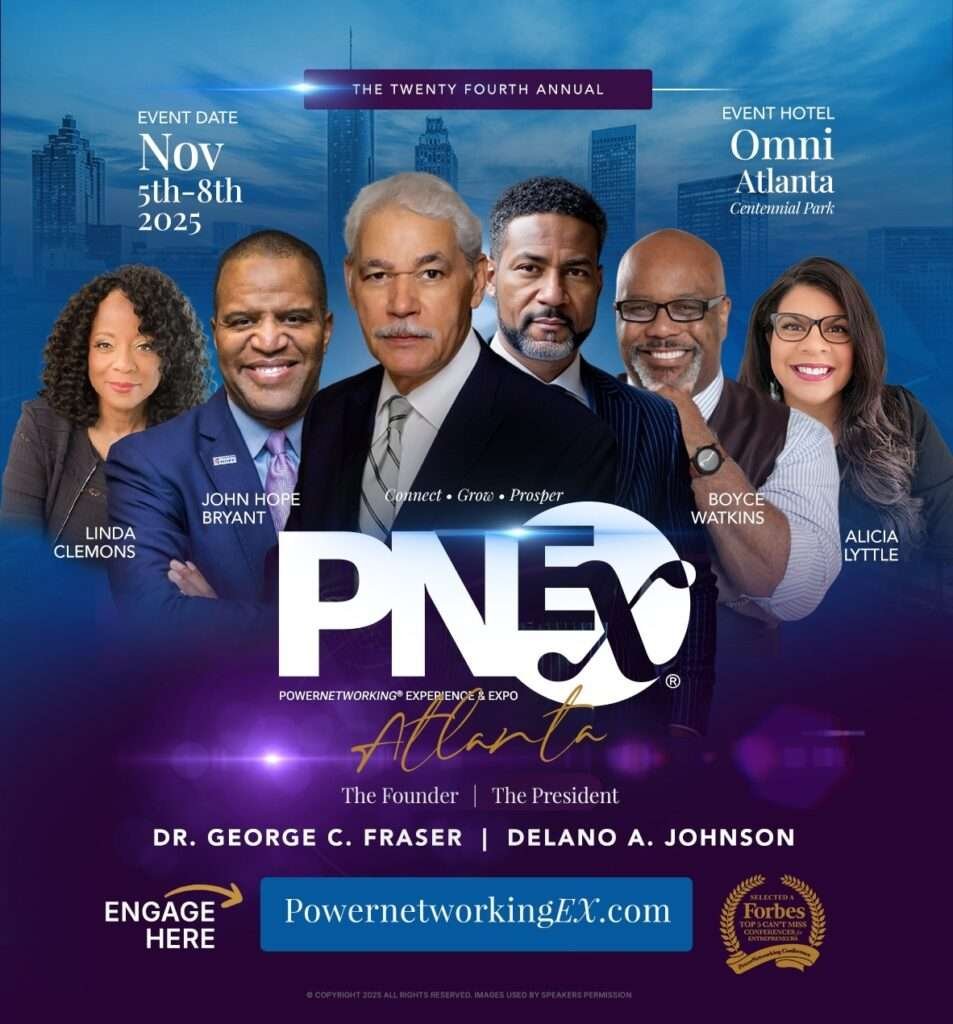
The PowerNetworking Experience & Expo, one of the world’s leading conferences for Black entrepreneurs. The event in its 24th year, will return to Atlanta this November. The four-day event, hosted by FraserNet, Inc., will take place from November 5- 8, 2025, at the Omni Atlanta Hotel at CNN Center.
Recognized by Forbes as one of the top five entrepreneurial conferences worldwide, the gathering attracts thousands of business leaders focused on building intergenerational wealth. Founded by renowned networking leader Dr. George C. Fraser, the event now enters a new chapter under the leadership of recently appointed President Delano A. Johnson.
“This isn’t just another networking event,” said Dr. Fraser. “The PowerNetworking Conference has established itself as the place where ambitious entrepreneurs come ready to take immediate action and build legacies that will benefit their grandchildren and beyond.”
The 2025 conference will feature more than 50 global Black overachievers sharing their success strategies. Organizers say participants will be guided through a shift in mindset—away from instant gratification toward long-term wealth planning. Sessions will highlight four pillars of legacy-building: wealth management, real estate, business development, and strategic insurance planning.
Organizers stress that the conference offers value whether someone is launching a first venture or scaling a thriving enterprise. Attendees will gain access to high-level connections, proven strategies, and mentorship from leaders who have built million-dollar businesses.
The PowerNetworking Experience has grown steadily since its founding more than two decades ago, becoming a welcoming hub for those who want more than inspiration—they want execution. As FraserNet emphasizes, the goal is to turn ideas into enterprises and networking into a source of generational wealth for all.
Event Details
Dates: November 5–8, 2025
Location: Omni Atlanta Hotel at CNN Center, Atlanta, GA
FraserNet, Inc. develops world-class networking experiences, educational programs, and wealth-building resources through its brands, including the PowerNetworking Experience & Expo and The Fraser Foundation.
Please consider supporting open, independent journalism – no contribution is too small!
Atlanta actress Cherie Danielle debuts The Cultural Workers Got Something to Say Oct. 3–5 at PushPush Arts Center, blending art, activism, and community dialogue.
By Milton Kirby | Atlanta, GA | September 22, 2025
When Atlanta-born actress, comedian, and writer Cherie Danielle steps onto the stage at the PushPush Arts Center this October, she will not simply be performing a play. She will be carrying forward a mission — to use art as a weapon for liberation, political education, and collective imagination.
Her one-woman show “Afro Goddess Pt. 2 R/evolutionary Love” and “The Shootout” by Jihad Abdulmumit will be featured in The Cultural Workers Got Something to Say, runs October 3–5, 2025 in College Park. It is the newest expression of her artistic journey, shaped by a lifetime of acting and a recent commitment to redefining herself not as a “creative,” but as a cultural worker. The distinction, inspired by Musa Springer’s essay “A Cultural Worker, Not a Creative,” reflects Danielle’s belief that art must serve the people.
“The role of a cultural worker,” she explained in our interview, “is to open minds, hearts, and actions toward collective liberation.”
Photo by Milton Kirby – Cherie Danielle
From DeKalb to New York
Danielle’s foundation as an artist was laid in Atlanta. She majored in drama and minored in vocal music at DeKalb School of the Arts before moving to New York to study at the American Academy of Dramatic Arts. There, she built a stage résumé that included The Colored Museum, Chains, and Angela’s Justice, while also touring nationally in I Have a Dream.
Her training continued at institutions such as Marishka Phillips Theatrical Preparatory, The Classical Theatre of Harlem, and The Acting Studio. Alongside her theater work, Danielle began to appear on screen, earning credits in Netflix’s Barry, HBO’s The Deuce, and short films featured at festivals worldwide.
The Afro Goddess Legacy
In 2016, Danielle wrote and performed her first solo show, The Diary of an Afro Goddess. Premiering in New York and later staged in Atlanta at the Porter Sanford Performing Arts Center, the play earned an AUDELCO Award nomination for Outstanding Solo Performance. The project also launched Afro Goddess Productions, her vehicle for developing original films and digital content.
That foundation now continues with her latest work, The Cultural Workers Got Something to Say. The production critiques capitalism, empire, and systemic exploitation, while urging audiences to imagine and organize for a liberated world. Danielle performs alongside pieces from other artists, including work by former political prisoner Jihad Abdulmumit.
Atlanta Roots
Danielle’s connection to Atlanta runs deep. She is the daughter of Charles Bythwood, a respected Atlanta architect. Where her father built with concrete and steel, Danielle builds through performance — constructing frameworks of culture, memory, and resistance. Both legacies are grounded in shaping spaces where people can thrive.
Movement Context
Her latest work also situates itself in present-day struggles. Danielle points to the Stop Cop City movement in Atlanta and to global calls for justice as inspiration. For her, art must reflect and respond to these conditions, whether by demanding universal healthcare and basic income or by challenging what she calls “the false promises of Black capitalism.”
Expanding the Audience
Danielle is committed to making sure her work reaches beyond traditional theater spaces. She plans to bring The Cultural Workers Got Something to Say to colleges, community centers, and grassroots organizations, emphasizing political education and dialogue. Each performance will conclude with a community talkback — part of her belief that art should spark collective action, not just reflection.
A Call to Action
As she prepares for her October performances in College Park, Danielle frames her mission in simple but urgent terms: art must open pathways to liberation.
“Getting involved, organizing, and imagining a better world — that’s the work,” she said. “Theater is just the beginning.”
Event Details:
The Cultural Workers Got Something to Say!
October 3–5, 2025 | PushPush Arts Center, 3716 Main Street, College Park, GA 30337
Tickets: $25 general admission (sliding scale available)
Presented by Community Movement Builders Atlanta Political Education
Two 50-minute plays with intermission, followed by a community talkback
90% of proceeds benefit Community Movement Builders
BronzeLens Film Festival celebrated 16 years with award-winning films, heartfelt tributes, Deidre McDonald’s retirement, and standout screenings of The Rhythm & The Blues and Rap Dixon.
By Milton Kirby | Atlanta, GA | September 2, 2025
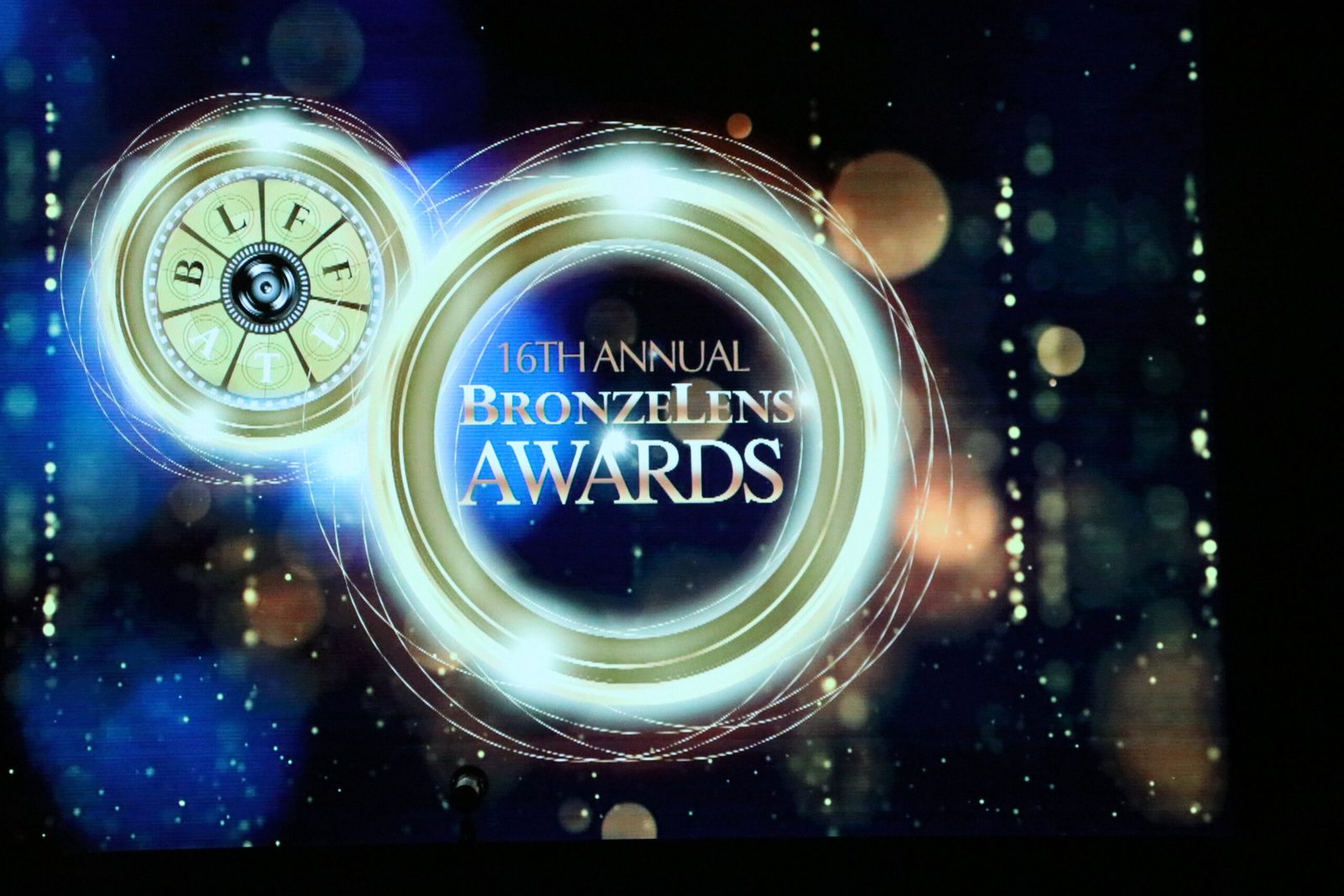
The 16th Annual BronzeLens Film Festival wrapped with triumph and tenderness, spotlighting bold new works while also marking a transition in leadership. Nearly 100 films were submitted and screened at the historic Tara Theatre, with the festival’s grand awards ceremony staged at the Ray Charles Performing Arts Center on Morehouse College’s campus.
A bittersweet note came when Deidre McDonald, the founding Artistic Director, announced her retirement. For 16 years, McDonald has been the guiding force behind BronzeLens, helping the festival grow into an Academy Award®-qualifying event in the Short Film category and a key cultural institution celebrating stories by creators of color.
Winners and Honors
This year’s winners showcased the wide-ranging creativity of filmmakers across genres:
Dance Videos: Cut Me Summa Dat Noise
Best Music Video: FREEDOM
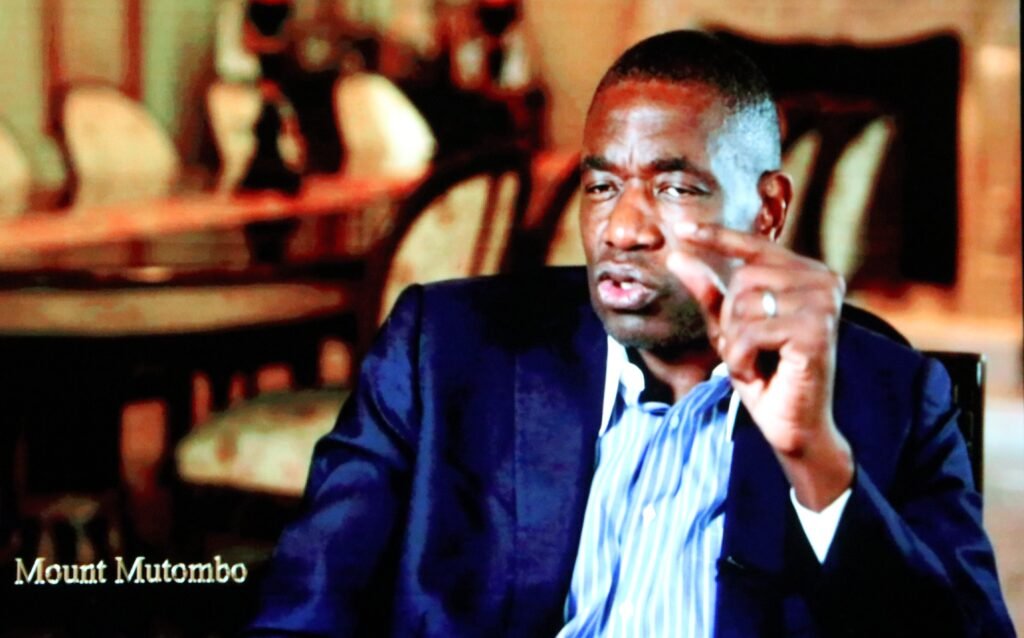
Best Documentary: Mount Mutombo
Best Short Documentary: Exodus
Best Feature: Color Book
Best Student Film: Jean & I
Best Web Series: Hogtown / Ainsi Va Manu
Short Films: ADO
Best of Festival: Color Book
Best Actor: Will Catlette (Color Book)
Best Actress: Jennifer Lewis (Color Book)
The Andrew Young Cinema and Social Justice Award: Following Harry
Dikembe Mutombo -Best Documentary: Mount Mutombo
The feature Color Book emerged as the night’s biggest winner, sweeping top honors including Best Feature, Best of Festival, and both acting awards.
Two Standout Screenings
Of the many films presented, two stood out to me personally: The Rhythm & The Blues and Rap Dixon: Beyond Baseball.
The Rhythm & The Blues, directed by Darryl Pitts, tells the story of guitarist Eddie Taylor, a blues genius whose career was strained by exploitation, family tensions, and cultural appropriation. Leon Robinson’s portrayal of Taylor was both riveting and tender, anchoring a story that has been described as “powerful” and “necessary.” Pitts, who independently financed the project, praised Robinson’s ability to make difficult characters lovable, adding a layer of humanity to a tale about legacy and artistic ownership.
Rap Dixon: Beyond Baseball shed light on one of the Negro Leagues’ greatest yet least remembered outfielders. Dixon’s career from 1922 to 1937 was marked by brilliance, but racism and segregation obscured his legacy. The film’s archival depth and expert commentary from historians like Leslie Heaphy and Lawrence D. Hogan gave Dixon’s story long-overdue recognition. SABR’s Ted Knorr called Dixon “a true five-tool player,” advocating for his Hall of Fame inclusion. Viewers described the documentary as moving and a correction to baseball’s historical record.
Looking Ahead
As the festival closed, anticipation already began for the next edition. Submissions for the 2026 BronzeLens Film Festival open October 15, 2025, promising another year of powerful storytelling, cinematic excellence, and cultural celebration.
From the Tara Theatre screenings to the Morehouse awards stage, this Sweet Sixteen edition re-confirmed BronzeLens’ place as one of the nation’s premier showcases for films by and about people of color—an event where artistry, history, and community converge.
MARTA’s Transit Ambassadors return this Labor Day, guiding riders through busy stations and events. Born during Super Bowl 2019, the program now prepares Atlanta for the 2026 World Cup.
By Milton Kirby | Atlanta, GA | August 27, 2025
As Labor Day weekend approaches, MARTA is once again deploying its Transit Ambassadors across the rail and bus system to help guide travelers through one of Atlanta’s busiest holiday weekends. The program, which began in the lead-up to Super Bowl LIII in 2019, has grown into a cornerstone of MARTA’s customer service strategy.
The Transit Ambassador Program was born out of necessity during Atlanta’s hosting duties for the Super Bowl. With more than half a million fans navigating the city, MARTA saw an opportunity to reimagine how it welcomed riders. Staff members from across the Authority stepped into stations to offer directions, assist with Breeze cards, and provide a human connection that technology alone could not deliver. This personal touch, often missing in large transit systems, has been a key to the program’s success.
Since its inception, Transit Ambassadors have been a fixture at major events. They have guided fans during international soccer tournaments, eased congestion at concerts in State Farm Arena and Mercedes-Benz Stadium, and offered reassurance to new riders during peak travel times.
“This is one of the few programs where you’ll see someone from the executive office standing next to a customer at a faregate, walking them through how to tap in,” said Jon Gordon, MARTA’s Director of Customer Engagement. “It’s a shared effort that reflects our commitment to the rider experience.”
The program stands out because it is powered by MARTA employees themselves. From finance and administration to operations and communications, staffers volunteer for shifts to serve as Ambassadors. They are equipped to troubleshoot faregate issues, guide customers through transfers, and provide quick fixes when ticket vending machines malfunction. In some cases, Ambassadors even carry complimentary tickets to keep riders moving during bottlenecks.
During the recent safety briefing at Chamblee Station, I experienced my own confusion as well as that among riders when no attendants or Ambassadors were on hand to assist. In such situations, attendants and Ambassadors play a crucial role in solving problems, guiding riders through safety procedures, providing reassurance, and ensuring a smooth flow of operations.
Although MARTA showcased its Real-Time Crime Center and Emergency Operations Center — complete with motorcycles, an armored vehicle, and drones — the lack of direct rider support left some passengers struggling at faregates and ticket vending machines.
As I wrote in The Truth Seekers Journal’s coverage of that event, MARTA is generally a safe and reliable system. Still, moments like this remind us that a missing attendant or Ambassador can leave first-time or casual riders with the impression of poor operating standards.
MARTA officials have said the long-term goal is to expand Ambassador coverage beyond major events, precisely to avoid gaps like these.
Rider feedback has helped refine the program. A recently introduced internal app allows Ambassadors to check in at stations, log issues in real time, and coordinate responses more effectively. The combination of technology and human interaction has not only made Atlanta’s transit system more accessible, but also reassured riders that their concerns are being addressed in real time.
Looking ahead, MARTA is considering expanding the program beyond special events. Plans are underway to provide Ambassador coverage during daily peak hours, ensuring regular commuters benefit from the same level of personal assistance as travelers heading to major sporting events or concerts. This expansion aims to fill the gaps in rider support and enhance the overall transit experience.
The timing is crucial. In less than a year, Atlanta will host matches for the 2026 FIFA World Cup, an event expected to draw hundreds of thousands of international visitors. MARTA leadership sees the Ambassador program as central to its readiness plan.
“This is about more than just moving people,” Gordon said. “It’s about making them feel welcome, confident, and connected to the city.”
This Labor Day, MARTA Ambassadors will be on the ground once again — in stations, at faregates, and on platforms — helping riders reach their destinations smoothly. It is a reminder that Atlanta’s transit system is not just about trains and buses, but about the people who power them.
Chit Chat Atlanta Tours launches Labor Day with immersive Black history, Civil Rights, and cultural experiences, offering visitors a powerful way to discover the soul of Atlanta.
By Milton Kirby | Atlanta, GA | August 27, 2025
This Labor Day, Atlanta visitors and residents will have a new way to experience the city’s legacy of resilience, creativity, and pride. Chit Chat Atlanta Tours, a Black woman-owned cultural tourism company, officially launches September 1 with a lineup of immersive experiences spotlighting the city’s Black history, Civil Rights heritage, and modern cultural excellence.
The company, founded by veteran public relations professional and cultural storyteller Carla Morrison, promises more than sightseeing. Through carefully curated routes, guests will walk the streets where Dr. Martin Luther King Jr. once preached, hear the stories of Atlanta’s trailblazers, and taste the flavors of Black-owned restaurants shaping today’s culture.
“Our mission is to preserve legacy, educate all generations, and spotlight the rich culture of Atlanta’s Black community,” said Morrison. “Whether it’s a family reunion, corporate group, or school trip, our tours are soul-stirring journeys designed to honor the past while celebrating the present.”
A Journey Through Atlanta’s Soul
The tours weave together landmarks and hidden gems across the city. Stops include Ebenezer Baptist Church, the King Center for Nonviolent Social Change, Sweet Auburn Avenue, the APEX Museum, Castleberry Hill, Trap City Café, Patchwerk Studios, the Black Music & Entertainment Walk of Fame, and Tyler Perry Studios.
Each experience blends education with entertainment, giving participants “a little bit of trap, a little bit of truth, and a whole lot of Atlanta pride.”
Signature Experiences
Black History & Civil Rights Tour (2–4 hours): Visits Ebenezer, the MLK Historic Site, Sweet Auburn, SCLC, Big Bethel AME, and historic Black-owned businesses.
Reality ATL Restaurant Tour: A culinary journey highlighting Black-owned restaurants and chefs defining the city’s food scene.
The ATL Remix Tour: Designed for tourists interested in music, film, and fame, mixing history with Atlanta’s cultural flair.
HBCU Campus Tour: Explores Atlanta’s Historically Black Colleges and Universities and their enduring impact.
Peachtree Street Tour: Examines Atlanta’s main artery with its blend of business, culture, and contradictions.
Custom Group Tours: Tailored for schools, churches, DEI retreats, and special events.
Tours start at $75 per person, with private and custom packages available. Year-round bookings are expected to peak during Black History Month, Juneteenth, and the summer reunion season.
A Cultural Legacy Reimagined
By blending storytelling, history, and cultural immersion, Chit Chat Atlanta Tours positions itself as more than a tourism venture—it’s a living classroom and cultural celebration. The company is part of a growing movement in Atlanta to recenter the city’s narrative around the voices that built it.
For bookings or more information, visit www.ChitChatCommunications.biz, follow @ChitChatAtlantaTours on Instagram, or call (404) 319-2130.
The 16th Annual BronzeLens Film Festival opened in Atlanta with The Rhythm & The Blues, a moving tribute to Eddie Taylor, celebrating diverse stories and filmmakers of color.
By Milton Kirby | Atlanta, GA | August 21, 2025
A near-capacity crowd filled the historic Tara Theatre Wednesday night for the opening of the 16th Annual BronzeLens Film Festival, a celebration of filmmakers of color that has become a cornerstone of Atlanta’s cultural calendar.
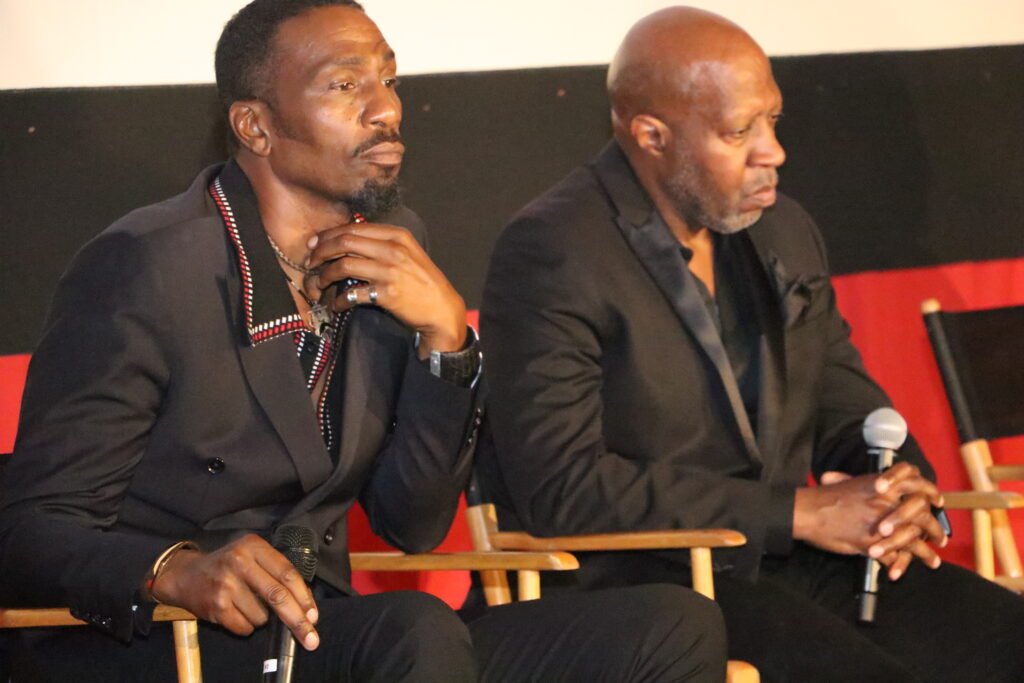
The festival launched with the premiere of The Rhythm & The Blues, a feature directed and written by Darryl Pitts. “We started this project back in 2014,” Pitts said. “Through a series of twists and turns, the film came to fruition.” The film shines a long-overdue spotlight on blues guitarist Eddie Taylor, a key but often overlooked figure in American music. Actor Leon Robinson delivered a moving portrayal of Taylor, whose career was marked by artistic brilliance and exploitation by a music industry that too often erased or commodified Black artists.
When asked how he approaches his varied roles, Robinson explained, “In order to be someone real, you have to be them. With that, I do not feel like I am acting.”
Photo by Milton Kirby – Leon Robison & Darryl Pitts
Preserving a Musical Legacy
Founded in 2009, BronzeLens has dedicated itself to showcasing stories by and about people of color while positioning Atlanta as a global hub for filmmaking. This year’s hybrid edition runs August 20–24, with online screenings extending beyond the festival dates.
At precisely 7:45 p.m., the curtain rose on The Rhythm & The Blues, a narrative infused with recollections from Taylor’s son, Chicago bluesman Larry Taylor, and journalist Bonni McKeown. The cast includes Guy Davis as Jimmy Reed and Toni Belafonte as Vera Taylor, Eddie’s wife, whose presence added emotional depth to the story. The soundtrack, featuring contributions from Larry Taylor and the late Eddie Taylor Jr., gave the film an authenticity that resonated deeply with the audience.
BronzeLens Film Festival
The film previously sold out its New York debut at Lincoln Center during May’s African Film Festival. Its Atlanta premiere further cemented its reputation as a work that blends cultural history with personal struggle.
Shorts Highlight Diverse Narratives
Opening day also featured a series of shorts that reflected the variety and spirit of BronzeLens:
The Off-Brands, directed by Shayla Racquel, followed Constance McKinney, a quirky Black teenager with sickle cell disease, navigating small-town high school life. The story drew on Y2K nostalgia while addressing disability, culture, and belonging.
Grounded: Creating Space for Black Peace, directed by Brittney Brackett, explored how Black and Brown communities confront trauma and mental health struggles, emphasizing healing through art and safe spaces for youth.
Curtain Call, a poignant drama, chronicled a teenager’s choice between the streets and possible incarceration and freedom, ultimately finding redemption through resilience.
A Passing of the Torch
The evening closed with a bittersweet announcement. Deidre McDonald, BronzeLens’s founding artistic director, shared that 2025 will be her final year leading the festival. Since its inception, McDonald has been the festival’s guiding force, cultivating an event that attracts filmmakers from Angola, Canada, Jamaica, and Georgia alike.
“The mission of BronzeLens has always been to elevate diverse voices and to celebrate stories that inform and inspire,” McDonald said. “That mission will continue.”
Looking Ahead
With opening night behind it, BronzeLens now turns to a week of programming that includes documentaries, panel discussions on AI’s role in film and representation, and screenings from filmmakers around the globe.
For many, The Rhythm & The Blues set the perfect tone for the days ahead—a reminder that music and film are both powerful acts of protest, legacy, and cultural preservation.
The festival continues through Sunday, promising to showcase stories that challenge, uplift, and reflect the richness of communities often left out of mainstream narratives.
Please consider supporting open, independent journalism – no contribution is too small!
Black Writers Weekend 2025 in Atlanta united authors, screenwriters, and creatives for panels, workshops, and mixers, inspiring storytelling, industry insight, and authentic connections across literature, film, and TV.
By Milton Kirby | Atlanta, GA | August 10, 2025
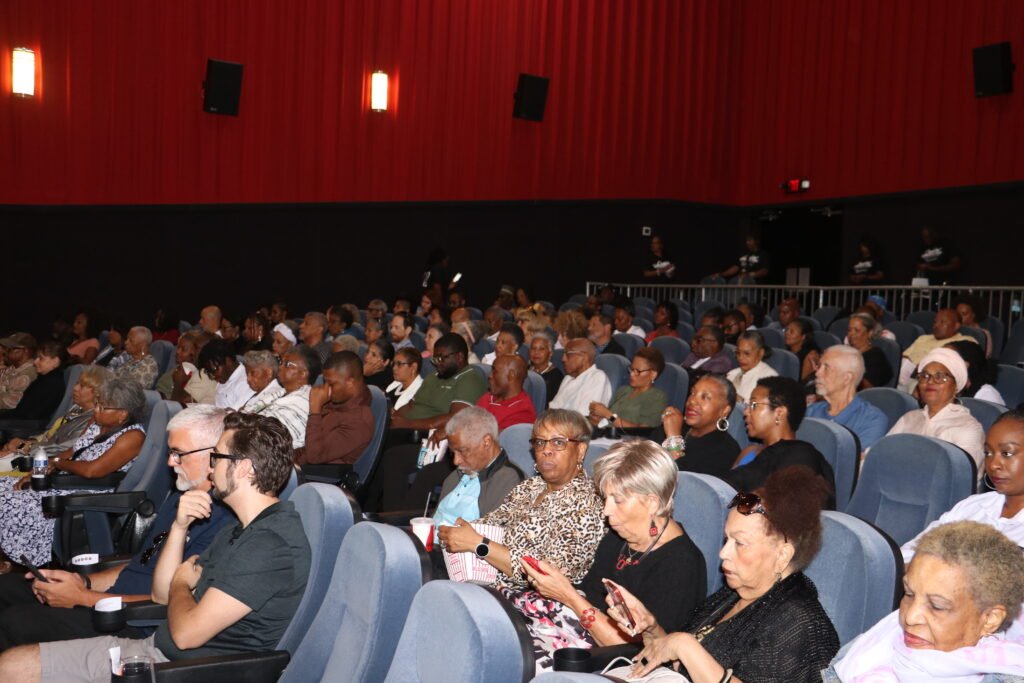
From July 31 to August 2, 2025, Atlanta’s cultural heart pulsed with the vibrant energy of Black storytelling at the annual Black Writers Weekend—a dynamic three-day festival celebrating the convergence of literature, film, publishing, and social media with past as well as emerging creative voices. Hosted at the Auburn Avenue Research Library and the Loudermilk Conference Center, this year’s event emerged as a true goldmine of opportunity and inspiration for all who attended.
A Tapestry of Talent and Connection
The lineup was nothing short of stellar:
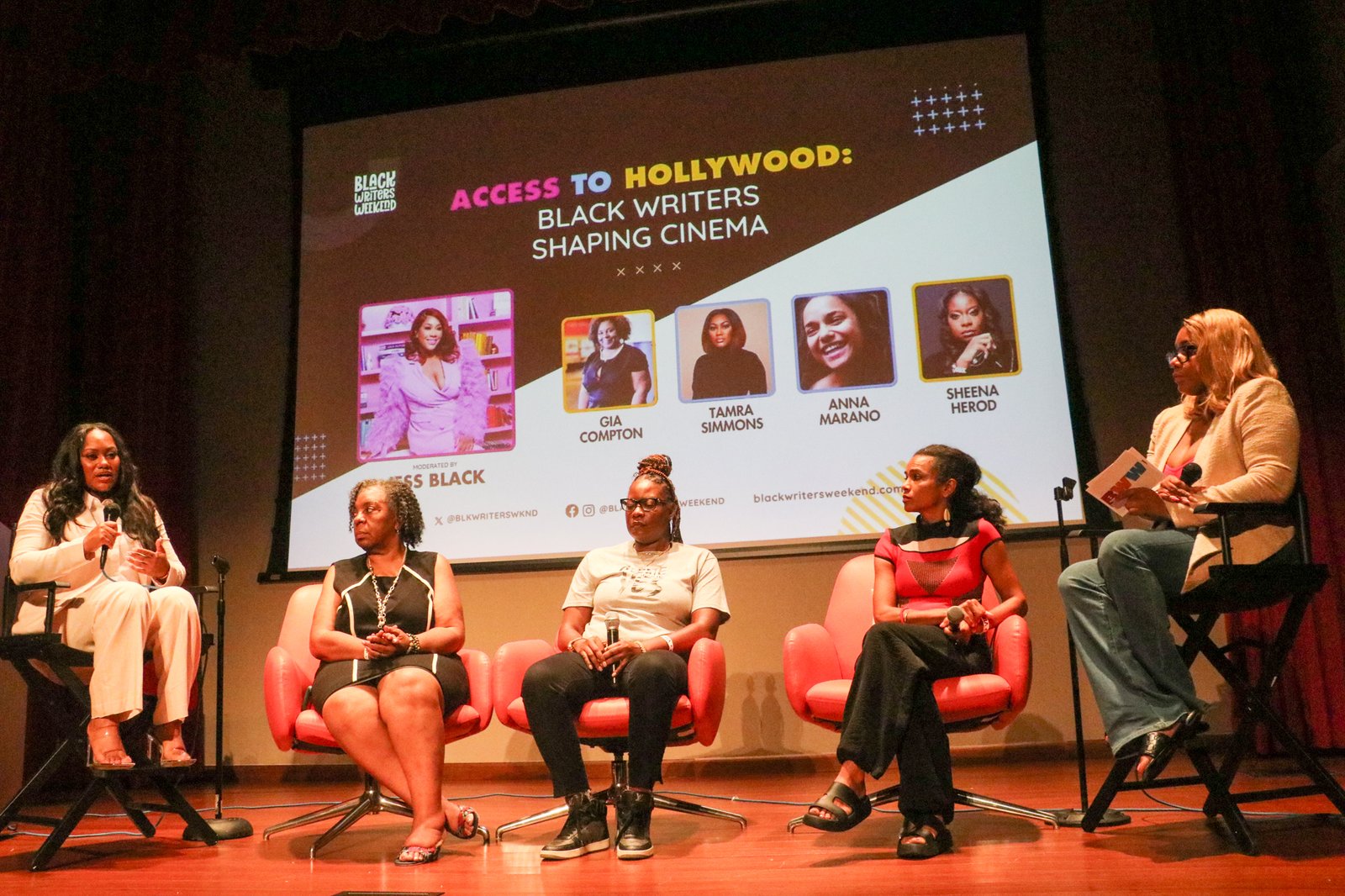
Jess Black, Gia Compton, Tamra Simmons, Anna Marano, Sheena Herod, and Phoenix Williams—the latter a best-selling author and screenwriter—graced the stage on Thursday and Friday with their presence and creative legacy.
Emerging voices and luminaries—like Apostle Dwight K. Buckner Jr., K.C. Mills, and Alvin Gray—also lent their expertise through panels, workshops, and live conversations
Events That Celebrated Creativity and Community
Lit Crawl unfolded in lively fashion, guiding participants through live readings, storytelling
The Short Film Fest, hosted at Auburn Avenue on July 31, premiered impactful shorts like As You Are, Brim, and Granny’s Daughters, followed by a vibrant Mix & Mingle the Creative Influencer Mixer capped the kickoff evening with curated networking
Insight, Innovation, and Empowerment Panels
Friday—the “Creative Day”—powered forward with workshops like:
The Four Tenets of Fantasy World Building
Book Launch Workshop
Make Them Say Your Name: Owning Your Platform
Building Boldly: Storytelling at the Intersection of Purpose, Power & Possibility
On the main stage, the conversations ran deep and inclusive:
Love, Lust & Liberation: Redefining Her Stories
Access to Hollywood, moderated by Jess Black, featuring Gia Compton, Tamra Simmons, Sheena Herod, and Anna Marano
The I Am Creative talk with K.C. Mills
Creative Talk: Purpose, Pen & Power, led by Apostle Dwight K. Buckner Jr.
Saturday—branded “Community Day”—expanded the festival’s cultural footprint with panels like:
DEI & Banned Books: Navigating the Intersection of DEI and Censorship
The Mama’s Den Podcast (Live) with Melanie Fiona and others
Girl, Tell Your Story spotlighting voices like Dr. Ebony Butler and MaHogany Jackson
HisStory featuring Lem Collins and others
Additional activations included:
A Lit Lounge offering workshops in children’s books, memoir writing, and “Next Up” panels with emerging authors
A Workshops Room illuminating paths like subsidiary rights in publishing, Black perspectives in horror/fantasy, and ghostwriting monetization
The Creative AF Mixer held Saturday evening at the Bookstore Gallery
A Festival for All: Access Meets Aspiration
Much of the main programming—panels, book fairs, and conversations—was free with registration. Premium access, including masterclasses, pitching opportunities, and lounge areas, came with ticketed passes.
Why It Mattered
As festival founder Tamika Jamison (formerly Newhouse) articulated, Black Writers Weekend responds to the uphill battle Black creatives face in the mainstream publishing world—where representation and awareness remain lacking. This transformative weekend created intentional “footprints” that declared: “We existed” and “We are here” .
Looking Ahead
Moving forward, enthusiasts and attendees alike can anticipate continued growth of this festival under AAMBC Inc.—a platform that increasingly bridges emerging voices with established creative communities in publishing, film, and television.
Please consider supporting open, independent journalism – no contribution is too small!
Elise Durham named NABJ Executive Director, bringing 30+ years of leadership in journalism, communications, and public service to guide the organization into its next era.
Veteran communicator and longtime NABJ member brings decades of leadership to new role
By Milton Kirby | August 8, 2025 | Cleveland, OH
The National Association of Black Journalists (NABJ) has appointed Elise Durham as its next executive director, marking a pivotal moment in the organization’s leadership as it heads into its next 50 years of advocacy and excellence in journalism.
Elise Durham, a seasoned communications professional with more than three decades of experience in television news, public affairs, and government relations, will assume the role this fall. Her selection follows an extensive nationwide search conducted by the NABJ executive board and an ad hoc executive director search advisory committee. Candidates were evaluated on key metrics critical to navigating the evolving landscape of media and journalism, and Durham emerged as a clear frontrunner, bringing a wealth of experience and expertise to the role.
Currently, Durham serves as the Assistant General Manager of Marketing, Communications, and Public Affairs at Hartsfield-Jackson Atlanta International Airport, the busiest airport in the world. There, she has sucessfully managed a multimillion-dollar communications portfolio and leads a team of 30, building partnerships with corporate, community, and strategic stakeholders. She previously served as communications director for Atlanta Mayors Keisha Lance Bottoms and Andre Dickens, and as Executive Director of Strategic Communications at Morehouse College, where she helped raise $120 million in a capital campaign.
Durham’s connection to NABJ runs deep. A member for over 35 years, she has held multiple leadership roles within the organization, including convention program chair, convention chair, and producer of several U.S. presidential candidate forums. She also orchestrated the Founders’ Reception at the National Museum of African American History and Culture in Washington, D.C.
“I am honored and ready to help lead NABJ into its next, most transformative chapter grounded in vision, advocacy, innovation, and love,” Durham said. “I often say that NABJ is the longest love affair I have ever had, and I am excited about what the future will bring.”
Her journey with NABJ began as a student at Florida A&M University, where she participated in the first-ever NABJ Short Course. She remains engaged with her alma mater, serving on the Board of Visitors for the School of Journalism and Graphic Communication.
Durham also brings newsroom experience, having worked at six television stations, including Atlanta’s WSB-TV, where she helped produce two of the nation’s top-rated news programs. She has raised tens of thousands of dollars for scholarships through the Atlanta Association of Black Journalists and currently serves as its Parliamentarian.
NABJ President Ken Lemon expressed confidence in Durham’s ability to build on the organization’s legacy. “The selection of our next executive director now allows the current executive board, which also serves as NABJ’s personnel committee, to fulfill responsibilities they were elected to do,” Lemon said. “That includes ensuring an executive director is in place and empowered to do the business of NABJ as we roll into our next 50 years.”
The transition comes as longtime Executive Director Drew Berry prepares to retire later this year. The NABJ board emphasized the importance of a smooth leadership shift to maintain organizational stability and strong relationships with sponsors and partners—many of whom are attending this year’s convention.
This transition marks a significant moment in NABJ’s history, signaling a new era of leadership and growth.
Berry voiced his enthusiasm for Durham’s selection: “We are thrilled to welcome Elise Durham as NABJ’s next executive director. With a deep understanding of our organizational history and culture, and a proven track record of visionary leadership, she is uniquely positioned and qualified to guide NABJ into its next chapter,” he said. “Serving this extraordinary organization has been the honor of a lifetime. I leave this position proud of what we’ve built together.”
Durham’s appointment signifies both a continuation of NABJ’s mission and a bold step forward, promising renewed energy, strategic growth, and a future rooted in the values that have defined the organization for nearly five decades.
Please consider supporting open, independent journalism – no contribution is too small!
Black Writers Weekend 2025 in Atlanta celebrates Black authors, screenwriters, and filmmakers with panels, pitch sessions, film screenings, and networking at Auburn Avenue Library.
By Milton Kirby | Atlanta, GA | July 11, 2025
Black Writers Weekend (BWW) is not just a festival, it’s a celebration of Black voices in publishing, film, and television. Returning to Atlanta from July 31 through August 2, this unique event brings together a vibrant community of storytellers, readers, and industry professionals. Hosted at the historic Auburn Avenue Research Library, the 2025 edition promises an unforgettable three-day journey through the power of narrative.
Founded by Tamika Newhouse, an award-winning author and literary entrepreneur, Black Writers Weekend is powered by AAMBC Inc.—the African Americans on the Move Book Club organization she also leads as CEO. BWW is more than just a festival—it’s a cultural movement that elevates underrepresented voices and connects aspiring creatives with opportunities that can reshape their careers.
“Black Writers Weekend is about reclaiming storytelling space and building bridges between artists and the world that needs their voices,” said Newhouse, who also runs Delphine Publications. This pioneering independent press has launched the careers of dozens of journalists.
A Festival for Creatives of Every Kind
BWW 2025 offers an immersive itinerary, from lively Lit Crawls through Atlanta’s arts district to powerful film screenings, live table reads, and literary panels that foster dialogue, inspiration, and community. The weekend’s Film Fest will again feature short films alongside monologues and audio storytelling, providing a critical platform for emerging Black filmmakers and screenwriters.
This year’s Pitch Pit is poised to be a highlight, inviting authors and screenwriters to pitch their projects live to a panel of agents, publishers, and film executives. Participants must present a concept sheet and logline; appointments are granted on a first-come, first-served basis.
“We celebrate diverse narratives and provide space where emerging talent can be seen and heard,” said Newhouse. “Pitch Pit is a launchpad for the next generation of storytellers.”
Speaker Lineup That Reflects Creative Power
The 2025 event will feature a powerhouse speaker lineup, including:
Tamika Jamison, Author | Actor | Entrepreneur
Melanie Fiona, Filmmaker
Ashley Chea, Author | Filmmaker
Storm, Podcaster
Shalisha Bynoe, Ghostwriter
Shai August, Author
Ronda Racha Penrice, Author
Rian Jenkins, Author
Positive B. White, Author
Phoenix Williams, Author
Nikki Clarke, Author
Marcie L. Thomas, Book Club Owner
Past speakers have included luminaries like Tressa Azarel Smallwood, Jill Tew, Connie Morrison, Mark T. Sneed, and James R. Sanders.
Your Stay, Your Story
Festival-goers are encouraged to book accommodations at the VOCO The Darwin – Atlanta Midtown, the official host hotel. Attendees should use group code BWW when reserving rooms at this IHG property, located at 585 Parkway Dr. NE, Atlanta, GA 30308.
Meet the Visionary: Tamika Newhouse
The heartbeat of Black Writers Weekend, Tamika Newhouse has authored multiple novels, launched a successful publishing company, and mentored hundreds of aspiring writers. Her passion for representation has made her a trailblazer in both literature and entrepreneurship. From overcoming barriers in publishing to nurturing new talent, Newhouse embodies the transformative power of storytelling.
“Tamika is the kind of force our industry needs—visionary, determined, and deeply connected to community,” said one past BWW attendee.
Her tireless work has earned her numerous accolades, but her most incredible legacy may be in the doors she continues to open for others.
A Movement Rooted in Purpose
With Atlanta’s cultural roots and historic connection to Black arts and activism, BWW thrives in a city that knows the power of words and images. The festival’s mission aligns with AAMBC’s broader goal: to merge literary excellence with visual storytelling, paving the way for greater visibility, equity, and access in publishing and film.
This year’s theme, “Sharing Our Stories,” reflects the festival’s ongoing commitment to authentic storytelling—from the page to the screen. We invite you to share your unique narrative and be part of this collective celebration of Black storytelling.
Get Involved, Get Inspired
Whether you’re a creator, a fan, or someone searching for their next big idea, Black Writers Weekend welcomes you. We encourage you to get involved, share your passion, and be inspired by the vibrant community of storytellers. Follow @blackwritersweekend on Instagram for updates, behind-the-scenes coverage, and submission details.
MARTA adds extra service for Beyoncé’s Cowboy Carter Tour in Atlanta. Ride safely and skip traffic with direct access to Mercedes-Benz Stadium via rail.
By Milton Kirby | Atlanta, GA | July 10, 2025
Beyoncé is back in Atlanta—and MARTA is ready to take fans there in style.
With four sold-out shows scheduled at Mercedes-Benz Stadium—Thursday, July 10; Friday, July 11; Sunday, July 13; and Monday, July 14—MARTA is expanding service and increasing support staff to help manage the Beyoncé buzz across the city.
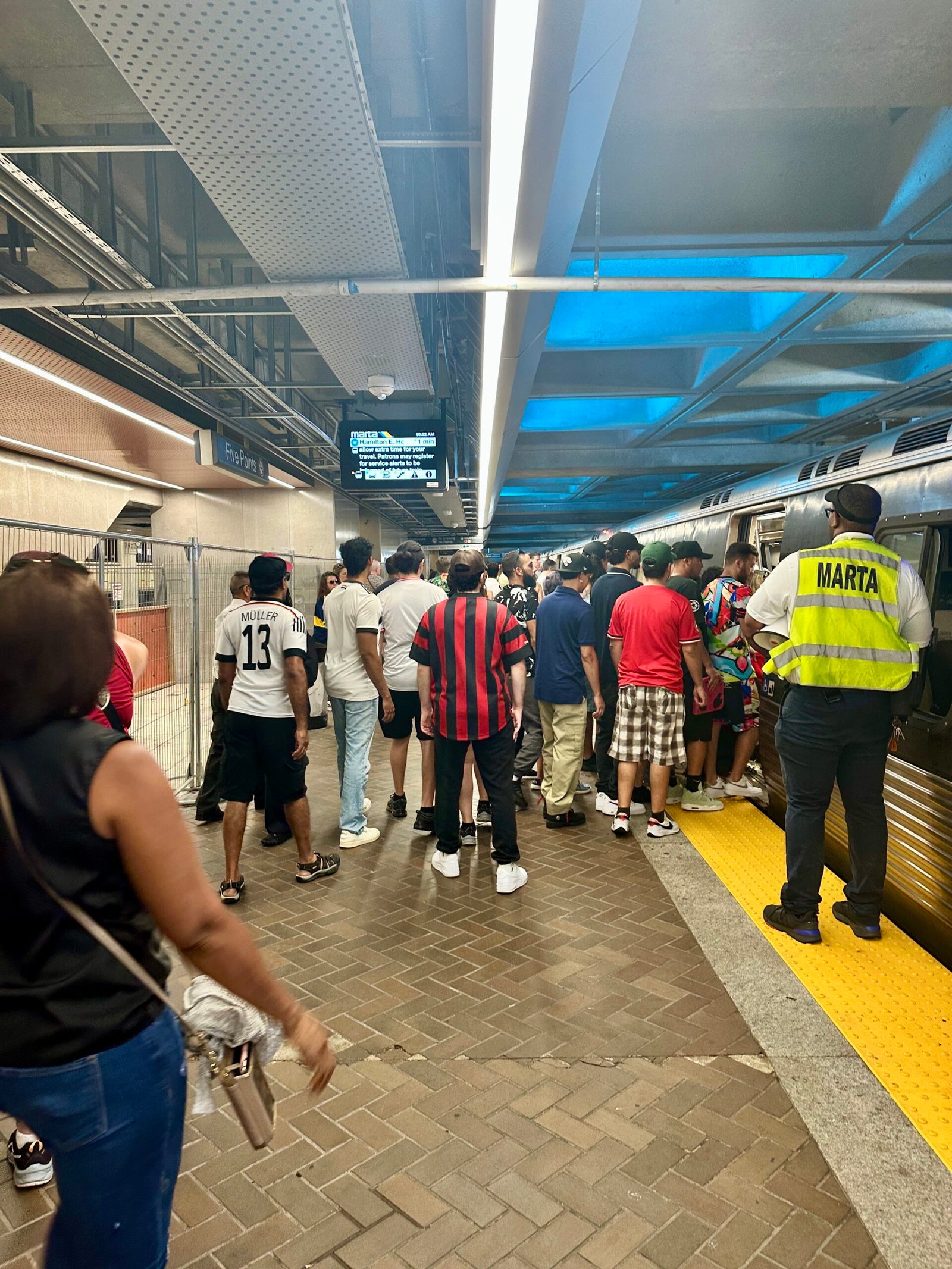
The Metropolitan Atlanta Rapid Transit Authority has announced additional train service before and after each concert, including dedicated shuttle trains running between Five Points and GWCC Stations. MARTA officials say it’s the safest, most convenient way for fans to travel downtown and avoid post-concert gridlock.
Transit Ambassadors will be stationed throughout the system to assist riders, while “Load and Go” teams will help manage large crowds as they board and exit trains. MARTA Police will also be deployed systemwide to ensure a safe and secure ride for everyone.
How to Ride to the Queen:
Take the train to GWCC or Vine City Stations for direct access to Mercedes-Benz Stadium.
Use MARTA’s trip planner to check real-time bus and rail schedules and cancellations.
Download the MARTA On the Go app or follow @MARTAservice on X (formerly Twitter) for real-time updates.
Buy your fare instantly with Breeze Mobile 2.0 to skip long lines.
Use See & Say 2.0 to report any suspicious activity.
Check rail station parking availability before heading out.
SMART public restrooms are available daily from 6 a.m. to 10 p.m. at six major stations, including GWCC.
Construction Advisory: Access to Five Points Station is limited to Peachtree and Forsyth Streets due to ongoing renovations. Restrooms and customer service booths at that station are temporarily closed.
For more information, visit itsmarta.com, call 404-848-5000, or stay connected via @MARTAservice and @MARTAtransit on social media. Fans are encouraged to tag their photos with #LetMARTADrive as they head to the Cowboy Carter Tour.
With MARTA at the wheel, all that’s left to do is put on your silver and boots—because Beyoncé is ready to make Atlanta shine.
Atlanta’s BronzeLens Film Festival returns August 20–24, 2025, showcasing nearly 100 films from 60 countries and honoring groundbreaking storytellers of color in cinema.
By Milton Kirby | Atlanta, GA | July 10, 2025
Atlanta will shine in the global film spotlight once again this August as the 16th Annual BronzeLens Film Festival (BLFF) returns with nearly 100 films from 60 countries, spotlighting stories created by or about people of color. Running from August 20–24, 2025, the festival promises a vibrant blend of screenings, masterclasses, and celebrations, solidifying its reputation as a premier destination for diverse storytelling in cinema.
On Wednesday, July 9, the BronzeLens Film Festival announced its Official Selections for 2025. The lineup features a diverse mix of short narratives, features, documentaries, dance films, student projects, web series, and music videos. These works come from creators across the globe—including Angola, Australia, Botswana, France, Mexico, South Africa, the United States, and more—underscoring the festival’s growing international reach.
Founded in 2009 as a nonprofit organization, BronzeLens was born from a bold vision: to promote Atlanta as a global film mecca for people of color, while creating opportunities for aspiring filmmakers to learn, connect, and grow. The concept was originated by William Pate, President of the Atlanta Convention and Visitors Bureau (ACVB), with Kathleen Bertrand, then ACVB Senior Vice President, tasked with bringing the idea to life. Bertrand conducted a feasibility study, identified a gap in the market, and in 2010 launched the inaugural festival—screening 24 films across four days, supported by panels with industry giants like Will Packer, Rob Hardy, Roger Bobb, and Tirrell Whittley.
That debut also included the first feature film from Ava DuVernay, “I Will Follow,” and soon after, BronzeLens became a founding member of the African-American Film Festival Releasing Movement (AFFRM), now known as ARRAY. This strategic alliance propelled BLFF onto the national stage and cemented its role as a launchpad for visionary Black creatives.
Today, BronzeLens is more than just a festival—it’s a movement. Under the leadership of Executive Producer Kathleen Bertrand and Artistic Director Deidre McDonald, BLFF now operates year-round. Its programming includes the Page to Screen Book Club, children’s initiatives, industry workshops, and an upcoming Facebook Live series spotlighting screenwriters, funded by the City of Atlanta’s Power2Give program.
A major milestone came in 2016 when BronzeLens became an Academy Award® Qualifying Festival in the Short Film category. This means winners of Best Short at BLFF are eligible for Oscar consideration without the typical theatrical release. In 2018, BLFF’s winning short “Wale” made it to the Oscars shortlist—a testament to the festival’s growing influence. The 2024 winner, The Rebel Girls, directed by Felicia D. Henderson, took home Best Short, Best of Festival, and earned Nika King a Best Actress award.
Born For This Mission (Walk Through The Fire) FREEDOM
PATIENCE Rage
Documentary
American Beauty
Bam Bam: The Sister Nancy Story
Beyond The Headlines: The NABJ Journey
Come Together: Art’s Power for Change
Facing the Wind
Following Harry
Guardians of the Flame
Love, Joy & Power: Tools For Liberation
Me Period
Mount Mutombo
Rap Dixon: Beyond Baseball
We Were Here – The Untold Story of Black Africans in Renaissance Europe
When We Free The World
Short Documentary
Beads, Braids & Barrettes
Bloodlines, Mississippi
Even Me 2.0
Exodus
Grounded: Creating Space for Black Peace
Her Fight, His Name: The Story of Gwen Carr and Eric Garner
Hoops, Hopes & Dreams
Howardena Pindell: Inner Circle
Keur Simbara
Say Yes To Destiny
She is Us: The Story of Judge Songhai Armstead
They Call Me Sue
Welcome Home
With Grace
Features
A Kismet Holiday
A Mess of Memories
Can You Stand The Rain
Color Book
Ratchet
Secrets, Scores, and Seduction
The Rhythm & The Blues
International Features
NAWIThe Fisherman
Student Films
Anything Helps THE ENCROACHER
Curtain Call The Interviewee
Desync Washed
Intsikelelo Yamnzi Weekend One
Jean & I
Web Series
Hogtown / Ainsi Va Manu Welcome to the Forties
Short Films
?Enought!
A Beauty Supply In Queens
ADO
An Extraordinary Life
B Is For Bachata
Before You Let Go
Black Ballerina You Should Be a Model
Blackberry Winter
Chronology
Complicated Grief
COURAGE
Don’t Be Late, Myra
Don’t Hang Up
Father Time
Flick
Hard
I Wish I Were Pretty
Issa Date
JULES
LAUNDRY
Love Is Blind: Short Film
Missing Rhythms
Moonluck Wonton
Nothin’ Good & 12th Street
Old Gray Mare
Once Upon A Dime
Project Foster
Red Clay
Ree’s Destiny
Run Like We
SOAR
The Cut
The Golden Boy
The Last Dance
The Off-Brands
The Ohio, Texas Remix
The Performance
The Untying
The Lyricist
Thomasville
Time Is Money
UNCAGED
Unexpected Ties
Waiting
Where The Children Go To Play
While You Were Sleeping
Wi Cyah Stay
Winter PsalmYasodhora
This year’s screenings will take place at the historic Tara Theatre, while the grand awards ceremony will be held at the Ray Charles Performing Arts Center on the campus of Morehouse College. The Thompson Buckhead Hotel returns as the official festival hotel.
Beyond the films, BronzeLens is known for its powerhouse panels and workshops. These sessions offer attendees actionable insights and invaluable industry access.
The highlight of Superstars Weekend is the BronzeLens Women Superstars Honors, held at Georgia State University’s Rialto Center for the Arts. This signature event celebrates Black women who have transformed film and television—whether in front of or behind the camera. Honorees are chosen for their groundbreaking storytelling, cultural impact, and commitment to mentoring the next generation. It’s not only a night of glitz and recognition, but a space where trailblazers and emerging voices build lasting connections.
“We are constantly in awe of the breadth and beauty of stories we receive from around the world,” said McDonald. “BronzeLens is about celebrating the art of filmmaking while building the networks that ensure these stories get told.”
With submissions pouring in from places as far as Botswana, France, Jordan, and Panama, BronzeLens has built a global platform with local roots. Its commitment to education, representation, and innovation continues to position Atlanta as a thriving nexus for diverse storytelling in film.
Atlanta pauses construction for July 4 travel, while fast-tracking downtown upgrades ahead of FIFA World Cup 2026 to improve roads, sidewalks, and connectivity.
By Milton Kirby | Atlanta, GA | July 2, 2025
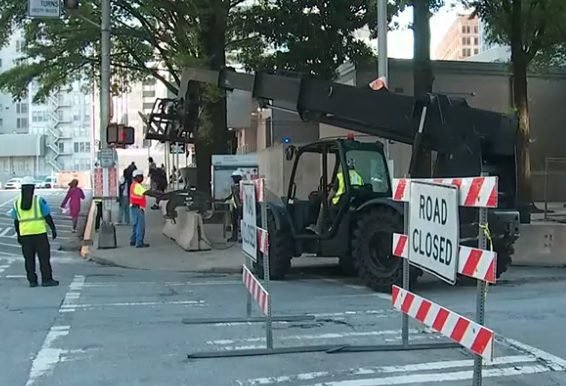
In preparation for holiday travel and the arrival of global visitors next summer, the Atlanta Department of Transportation (ATLDOT) has announced a temporary halt on several construction projects, effective Thursday afternoon. The pause, aimed at easing traffic congestion for Independence Day, will last from noon on Thursday, July 3, through 9 a.m. on Monday, July 7.
ATLDOT Commissioner Solomon Caviness said the move is part of a broader plan to keep residents safe and mobile over the busy holiday weekend while maintaining momentum on critical infrastructure upgrades.
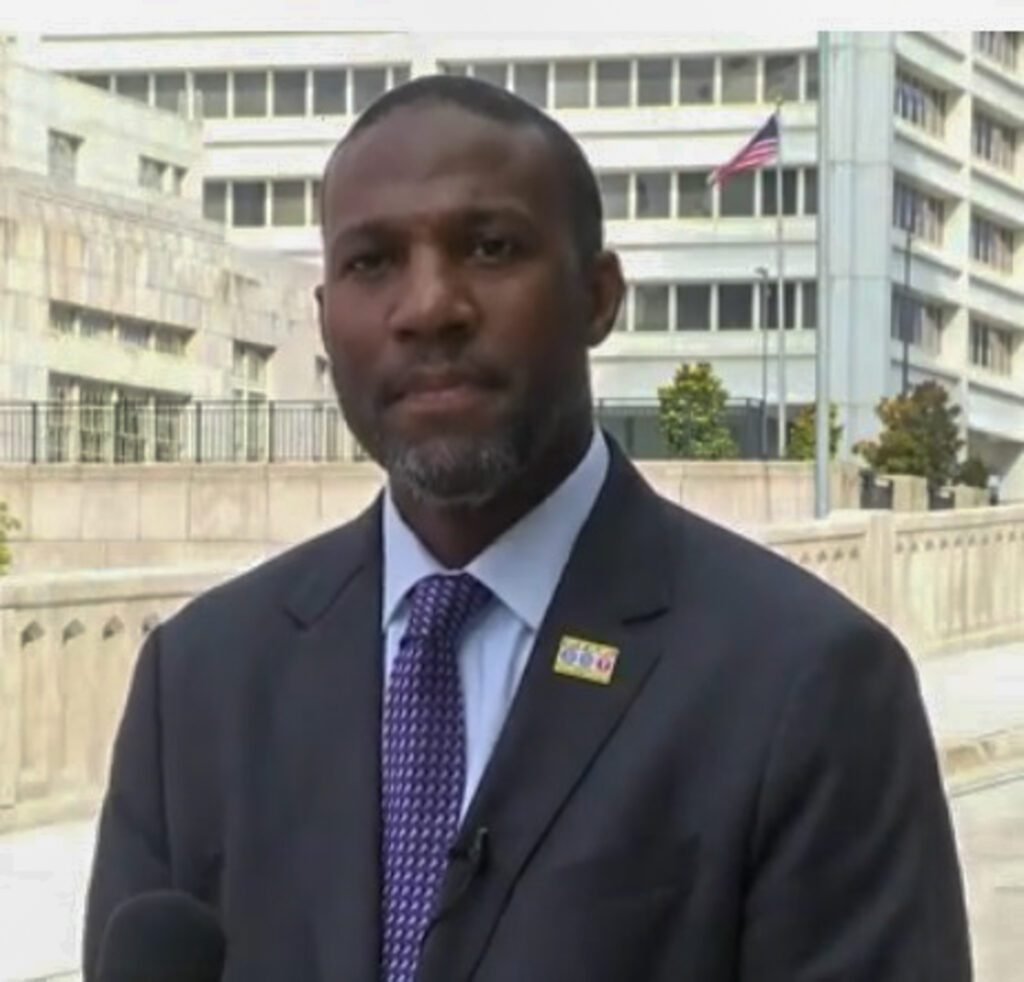
ATL DOT Commissioner – Solomon Caviness, IV
“We want to make sure that our improvements are in line with equity, safety, and mobility,” Caviness said. “And support our Vision Zero initiative to bring fatalities and serious injuries through crashes down to zero by the year 2040.”
The city formed the Atlanta Department of Transportation in 2019 to serve as the central agency for all transportation-related issues. The department acts as a one-stop shop for citizens and outside partners. It was built with dedicated staff pulled from Public Works, City Planning, and Renew Atlanta. ATLDOT is fully equipped to plan, design, build, and maintain the city’s mobility network under the One Atlanta Strategic Transportation Plan.
$120 Million Push to Improve Downtown
The construction moratorium is just a brief pause in a significant, $120 million infrastructure campaign, approved in October 2024, that specifically targets Downtown Atlanta ahead of the 2026 FIFA World Cup.. With an estimated 300,000 visitors expected for eight matches, the city is working diligently to complete a variety of upgrades.
Ongoing efforts include:
20 miles of street resurfacing
11 miles of sidewalk repairs
200 crosswalk restripings
150 new streetlights
80 wheelchair ramps
New signage and wayfinding systems
Many of these projects fall under the city’s Vision Zero Action Plan, a national initiative aimed at eliminating traffic fatalities. Atlanta saw 100 traffic fatalities in 2021; since then, deaths have dropped by 23%, a significant achievement in our ongoing efforts to improve road safety.
“Ahead of next summer, we want to make sure that we have the most presentable downtown and the safest downtown possible,” Caviness emphasized.
MLK & Ted Turner Viaduct to Reopen
Among the marquee projects nearing completion is the MLK and Ted Turner Viaduct Reconnection Project, a long-awaited effort to restore a key passageway linking Atlanta’s government district with the city’s entertainment core.
Initially built in 1922, the viaduct had been closed for years due to major infrastructure failures. Phase one of the restoration was completed in 2022. Phase two began in late 2024. According to Caviness, the final portion of the bridge is expected to reopen to traffic in mid-July.
“It’s an important connector from our Downtown government district over to the entertainment and sports complex,” he said, referring to the area that includes Mercedes-Benz Stadium and State Farm Arena.
Once reopened, the viaduct is expected to improve traffic flow and lay the groundwork for the Centennial Yards development, a sweeping overhaul project meant to reimagine Atlanta’s downtown core.
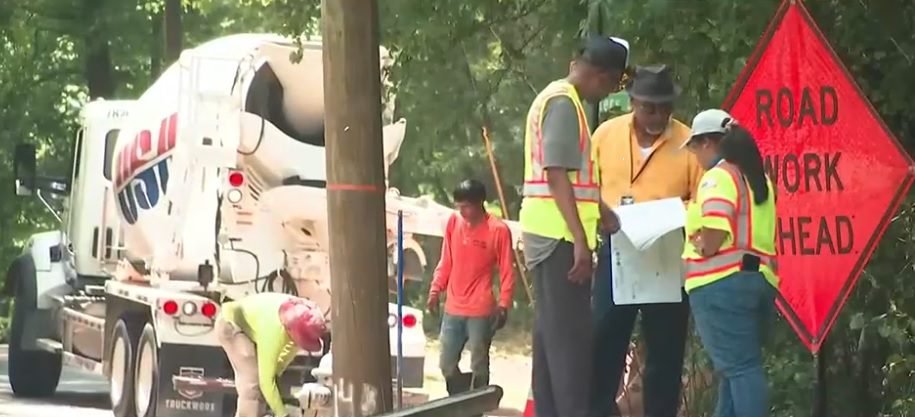
Atlanta Construction Project
Momentum to Resume Monday
While the moratorium temporarily halts active work zones, Caviness says the department is ready to resume progress first thing Monday morning.
“On Monday, we will continue the work on our resurfacing in the downtown district, which includes over 25 centerline miles of roadway,” Caviness said. “We’re also bringing more than 11 miles of sidewalk improvements to the downtown area.”
The construction freeze serves not only to reduce holiday congestion but also signals the city’s seriousness in addressing both public safety and international visibility ahead of FIFA 2026.
Please consider supporting open, independent journalism – no contribution is too small!