Three Swings to Forever: How Reggie Jackson Became Mr. October

Reggie Jackson’s three homers in 1977 sealed his “Mr. October” legend. From Oakland to New York, and now STEM philanthropy, his story blends power, pressure, and purpose.

By Milton Kirby | Atlanta, GA | October 18, 2025

A night that named a legend

On Oct. 18, 1977, Reggie Jackson stepped into Yankee Stadium history. He saw three first-pitch strikes. He launched all three into the seats. The third flew to deep center, off the black batter’s eye. The Yankees clinched the World Series. The crowd roared “Reg-GIE!” and a nickname stuck forever: Mr. October.

That moment didn’t come easy. Jackson had joined New York after a stormy year in Baltimore. The Yankees clubhouse ran hot: big egos, bigger expectations. Manager Billy Martin benched him in the ALCS, then called his number late. Jackson answered with a key RBI single. He carried that momentum into the World Series—five home runs in the final three games, eight RBI, and a record 25 total bases. He owned October.

Built for big stages

Reginald “Reggie” Martinez Jackson played 21 MLB seasons. He starred for the Kansas City/Oakland A’s, Baltimore Orioles, New York Yankees, and California Angels. He was a 14-time All-Star, the 1973 AL MVP, a five-time World Series champion, and a two-time World Series MVP. He finished with 563 home runs and a reputation for rising when it mattered most.

Reggie Jackson Jersey – Courtesy Wikipedia

He also led the league in strikeouts—proof that taking big swings cuts both ways. But teams got better around him. Across two decades, Jackson’s clubs finished first 11 times and endured only two losing seasons. The A’s won three straight titles from 1972–74. The Yankees won back-to-back in 1977–78. The Angels won division crowns in 1982 and 1986. New York retired his No. 44 in 1993; Oakland retired his No. 9 in 2004. He entered the Hall of Fame in 1993.

The early fight: talent, tests, and grit

Jackson grew up in Wyncote, Pennsylvania, the son of Martinez Jackson, a former Negro Leagues infielder. At Cheltenham High, Reggie starred in four sports. Football nearly ended his athletic career—neck fractures, weeks in the hospital, a bleak prognosis. He came back anyway.

Major programs recruited him for football. He chose Arizona State, aiming to play both football and baseball. The pros soon called. In the 1966 draft, the A’s took him second overall. He signed, climbed quickly, and debuted in 1967. Two years later he clubbed 47 homers and chased Ruth and Maris for a summer.

Oakland greatness, Oakland grit

With the A’s, Jackson helped build a dynasty. From 1971–74, Oakland stacked division titles and won three straight World Series. He hit, he ran, he argued, he won. He blasted a transformer with a thunderous 1971 All-Star homer in Detroit. He stole home to help clinch the 1972 AL pennant—tearing his hamstring in the process and missing the Series the A’s still won.

Oakland was talent and turbulence. Owner Charlie Finley staged a “Mustache Day.” Teammates brawled. Arbitration battles made headlines. Through it all, Jackson produced—254 homers in nine A’s seasons—and forced the sport to deal with a star who wouldn’t shrink.

The Making of Mr. October

New York magnified everything. The media glare was constant. Quotes cut both ways. A June 1977 dugout confrontation with Billy Martin played out on national TV. Yet when the stakes rose, Jackson delivered. He crushed a walk-off-style dagger against Boston in a tense September race. Then came that three-homer masterpiece in Game 6. In 1978, he did it again—homers when needed most, a second straight title, and a legend cemented.

Legacy: power, pressure, contradictions

Jackson’s career tells a full American sports story. He won big. He failed big. He spoke his mind. He shouldered heat others couldn’t. He made teammates and cities better. He was the first to hit 100 home runs for three different franchises. He stacked rings and records while carrying the burdens of fame, race, and expectation in a volatile era.

Giving back: the Mr. October Foundation

After baseball, Jackson advised the Yankees for years, then joined the Astros as a special advisor in 2021. Off the field, he leaned into service. The Mr. October Foundation focuses on  science, technology, engineering and mathematics (STEM education and career pathways for underserved youth. The mission is practical and urgent: connect students to real-world skills in engineering, advanced manufacturing, medical fields, and the trades.

Reggie Jackson Classroom – Courtesy Mr. October Foundation

Since 2014, the foundation has partnered with STEM 101, launching first in the Bronx (2015) and expanding to Detroit, Oakland, and St. Louis. The program’s three pillars—Create & Innovate, Career Pathways, andSolutions-Based Learning—turn curiosity into competence. The outcomes are clear: stronger post-secondary readiness, a visible path to good jobs, and a rising interest in STEM compared to peers. It’s the same formula that made Mr. October: preparation, courage, and timely impact.

Remembering where he stood—and stands

Jackson has always been candid about the business and the bruise of the game—about race, pressure, and the costs of being first in certain rooms. At baseball’s Rickwood Field tribute in 2024, he spoke bluntly about the insults and exclusions he faced early in his career. Those memories still cut. Yet his story arcs toward construction: hitting through hecklers, winning through chaos, building programs that open doors for kids who will build what’s next.

Why Mr. October still matters

Reggie Jackson is more than a night of three swings. He is a career of big moments and a life of bigger meaning. He pushed baseball forward. Now he’s pulling students forward—toward the labs, shops, clinics, and plants where the next American breakthroughs will be made. That’s clutch, too.

Related articles:

Baseball Historian Ted Knorr Brings Negro League Legacy to Life in new TSJ Column

From Exclusion to Excellence: The Birth of Negro League Baseball

Shadow Ball: Learning More About Negro League History

Why Rap Dixon Belongs in Cooperstown with the Legends

Negro League Conference Unveils More History and Takes on Future Challenges

Willie Mays, Baseball Legend and Hall of Famer, Passes Away at 93

Please consider supporting open, independent journalism – no contribution is too small!

Shadow Ball: Learning More About Negro League History

Dear Shadow Ball: I am 63 years old and Black. I have only heard snippets about the Negro Leagues during my lifetime. I now have an interest in educating myself about the leagues. How do you suggest that I start — I imagine reading your column is one place and I will read your column and engage, but I want to really dig in deep. 

Secondly, are any of the players still alive? Ready to Dig in Deep – Ansonville, NC

Dear Ready to Dig in Deep: Thanks very much for that question and your imagination is in keeping with my expectations and intent for this column. I hope that questions like yours and future inquiries submitted  by others allow me to “really dig in deep” and permit me to educate readers about the rich history of the Negro Leagues. I expect from time to time I may recommend books, articles or websites that further serve to provide that education about the other half of Major League baseball.

With regard to your second question, some background is necessary. On December 16, 2020, Major League Baseball declared seven specific Negro Leagues and time spans as Major Leagues. I will limit my answer to  those leagues. They are as follows:

Negro National League I    1920-1931

Eastern Colored League    1923-1928

American Negro League    1929

East-West League               1932

Negro Southern League    1932

Negro National League II   1933-1948

Negro American League    1937-1948

Sadly, at the time of that 2020 announcement, only three players survived. Since then, Willie Mays has passed on leaving only Reverend William Greason, 101, who pitched for the Birmingham Black Barons in 1948 and Ronald Teasley, 98, who played outfield for the 1948 New York Cubans still alive. So only two – Greason & Teasley remain from those Negro Leagues designated as a Major League. Just to be clear, the Negro American League continued on, no longer recognized as major, until 1961. A couple dozen or more of those players are still with us and continue to share rich stories with us.

The Shadowball Significa Question of the Week

“Who was the first 20th century player to break the color barrier and get into the major leagues, two bonus questions, what year, what team? A third bonus question, how long did he play in the majors?

Ted Knorr

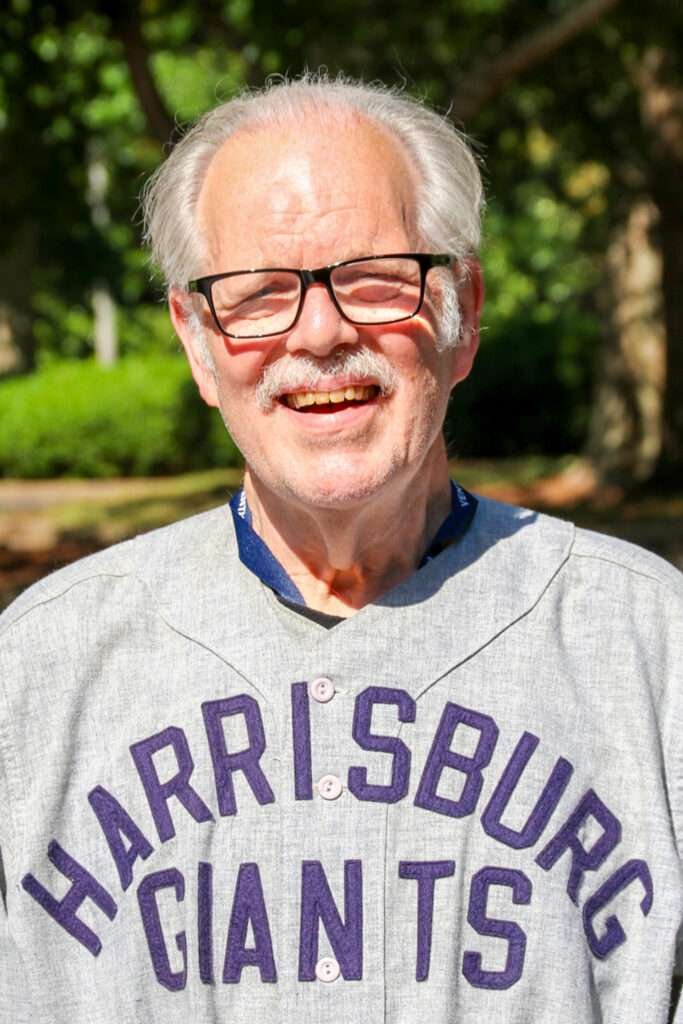
Ted Knorr is a Negro Leagues history expert and longtime SABR member, known for his trivia wins and founding the Jerry Malloy Conference and Commemorative Nights. You can send questions to shadowball@truthseekersjournal.com or Shadow Ball, 3904 N Druid Hills Rd, Ste 179, Decatur, GA 30033

Please consider supporting open, independent journalism – no contribution is too small!

Uncle Nearest: A Billion-Dollar Brand, a $25 Million Question & The Unanswered Future

Uncle Nearest’s receiver plans to sell its Cognac, France château amid questions over asset value, investor stakes, and whether creditors aim to recover—or acquire—the brand itself.

By Milton Kirby | Shelbyville, TN | October 11, 2025

A French Estate on the Market

The court-appointed receiver overseeing Uncle Nearest, Inc. says the company’s French estate—known as Domaine Saint Martin—will be sold to satisfy debt, calling the Cognac property “non-income-producing” and estimating that it would require $15 million to $25 million in new investment to launch a viable product line.

Domaine Saint Martin Signature – Beverage Journal


In a 19-page quarterly report filed October 1, Receiver Phillip G. Young Jr. described the château, vineyards, and related intellectual property as “non-core assets” and confirmed he has already received one offer and two additional inquiries for the French holdings. The report also identified real estate in Martha’s Vineyard and Bedford County, Tennessee among other non-income-producing assets now under review for possible liquidation.

Young’s team has begun domesticating the U.S. receivership order in France, a legal step required before any sale or transfer of the Cognac property. Until a French court recognizes that order, control of the local bank accounts and property remains limited.

The Numbers Behind a Billion-Dollar Brand

Public filings confirm that Uncle Nearest raised more than $220 million from roughly 163 individual investors, with founder Fawn Weaver retaining about 40 percent ownership and 80 percent of voting rights.

Pre-receivership valuations placed the company between $900 million and $1.1 billion—figures drawn from investor briefings and industry profiles that underscore why the brand’s fate now carries implications well beyond a simple debt workout.

The receiver’s report portrays a company that remains operational and cooperative, with employees and management assisting in stabilization efforts. Payroll has been restored, distribution channels reopened, and new product releases are expected this quarter.

Still, the report makes clear that cash flow remains tight, and that lender Farm Credit Mid-America has advanced $2.5 million in emergency funding under a forbearance agreement.

Photo by Milton Kirby Uncle Nearest Trio

Receivership and Race: What the Data Show

Receivership is a court-ordered process in which a neutral third party assumes control of a company to preserve its value for creditors. It differs from bankruptcy in that operations often continue and the goal—at least in principle—is rehabilitation or an orderly sale, not liquidation.

While direct, specific statistics detailing the comparative success rates of minority-owned versus white-owned companies emerging from formal receivership are difficult to find in public reports from universities, banking regulators, or the SBA, there is extensive research highlighting disparities in business outcomes, access to capital, and failure rates that contribute to such financial distress.

General Business Outcome Disparities
Research indicates that minority-owned businesses generally start smaller, have lower revenues and profits, and have lower survival rates compared to white-owned businesses—conditions that make financial distress or receivership more likely.

• Closure/Survival Rate: A 1992–1996 study found that the average probability of closure was 26.9% for Black-owned firms, compared to 22.6% for white-owned firms.
• Revenue Disparity: Over half of Black-owned businesses have annual revenue below $100,000, compared to only 13% of white-owned firms.
• Financial Distress: In 2019, 58% of Black-owned and 49% of Hispanic-owned firms were categorized as financially at risk or distressed, compared to 29% of all small businesses.
• COVID-19 Impact: During the pandemic, Black-owned businesses closed at more than twice the rate of white-owned firms.

Disparities in Access to Capital

• Loan Approval Rates: Black-owned firms apply for new funding more often but are approved 19 percentage points less frequently than white-owned firms.
• Full Financing Received: Among low-credit-risk applicants, 48% of white-owned, 25% of Latino-owned, and only 46% of Black-owned firms received none of the financing they sought.
• Credit Risk Perception: Black-owned businesses are 3–5 times more likely to be labeled “high credit risk.” Only 33% of Black-owned businesses had low credit risk, compared to 72% of white-owned firms.

These statistics were compiled from publicly available research by the Federal Reserve, the U.S. Small Business Administration (SBA), and multiple peer-reviewed academic studies. They have been independently reviewed and summarized by The Truth Seekers Journal for inclusion in this publication.

General Outcomes in Receivership and Bankruptcy

Restructuring and receivership processes tend to lead to one of three outcomes:
1. Successful Emergence/Reorganization (Going Concern)
2. Sale as a Going Concern
3. Liquidation

While specific comparative data are limited, the broader research on capital access and survival rates strongly suggests that minority-owned companies face greater barriers to achieving the more favorable outcomes—successful reorganization or sale as a going concern—due to longstanding inequities in lending, collateral valuation, and investment access.

Assets Under Scrutiny

The Receiver’s First Quarterly Report states plainly that Uncle Nearest’s non-income-producing assets “should be liquidated.” That includes Domaine Saint Martin in France—acquired in 2023 as part of the company’s planned Cognac expansion—and property in Martha’s Vineyard reportedly purchased for $2.25 million through UN House MV LLC.

Industry observers note that the Cognac estate’s sale would unwind the company’s most ambitious international venture—an African-American-owned whiskey label expanding into the ancestral home of cognac production.

What the Receiver Did Not Investigate

In his 19-page report, the Receiver concluded that Uncle Nearest “lacks the ability to make that investment at this time,” referring to the $15–$25 million required to bring the Cognac operation to market.

However, the report does not analyze alternative scenarios—such as whether a strategic capital infusion, investor partnership, or lender-backed financing package could preserve the asset and enhance the company’s value over time.

The Receiver did not address whether a coordinated plan between Uncle Nearest’s ownership and its primary lender, Farm Credit Mid-America, could fund the launch of the Cognac line within a 36-month horizon, potentially transforming a dormant holding into a global revenue stream. Nor does the report estimate the annual cost of maintaining the French estate, or compare that expense against the projected value of an operating Cognac division. These omissions raise a key question: is the sale of the French property a necessary financial remedy—or a missed opportunity to strengthen a billion-dollar brand’s international expansion?

Who We’re Asking Next

As part of The Truth Seekers Journal’s continuing coverage of the Uncle Nearest receivership, we first reached out to Receiver Phillip G. Young Jr. at Thompson Burton PLLC for comment and clarification regarding several key findings in his October 1 report.

Our questions—emailed on October 10, 2025—included requests for information about asset valuations, operating benchmarks, professional fees, and any offers for the company as a whole. As of publication, no response or acknowledgment has been received.

In the coming days, we plan to reach out to additional individuals and organizations connected to the receivership and company operations, including Justin T. Campbell, Counsel for the Receiver, Thompson Burton PLLC; Newpoint Advisors Corporation, financial advisors to the Receiver; Thoroughbred Spirits Group, LLC, operational consultants; Farm Credit Mid-America, PCA, the senior secured lender; Fawn and Keith Weaver, company founders and principal stakeholders; and Tennessee Distilling Group (TDG), Uncle Nearest’s contract distiller and warehousing partner.


These inquiries will focus on valuation methodology, asset strategy, and possible restructuring options—particularly whether viable paths exist for the company to emerge stronger from receivership without selling the French Cognac estate.

If responses are received, The Truth Seekers Journal will publish a dedicated follow-up feature and reader update, continuing our commitment to factual, transparent coverage of this developing case.

This article was originally published on The Truth Seekers Journal.

This article was originally published on The Truth Seekers Journal.

Related stories:

Receiver’s Report Says Uncle Nearest Can Be Reorganized

Uncle Nearest at Legal Crossroads

Please consider supporting open, independent journalism – no contribution is too small!


Baseball Historian Ted Knorr Brings Negro League Legacy to Life in new TSJ Column “Shadow Ball”

The Truth Seekers Journal welcomes Negro League historian Ted Knorr and his new column “Shadow Ball,” exploring the history, heroes, and hidden stories of Black baseball.

By Milton Kirby | Atlanta, GA | October 7, 2025

We at The Truth Seekers Journal are excited to announce that on Tuesday, October 14, 2025, we will debut a new and engaging column: “Shadow Ball.” The column will feature the work of Negro League Baseball historian Ted Knorr, who has been—first a fan, then a historian—for more than 30 years.


About Ted Knorr

Ted Knorr, 74, is a retired program manager with the Commonwealth of Pennsylvania, where he focused on economic development and education. A lifelong baseball fan, Knorr has devoted much of his life to exploring the rich history of the Negro Leagues, along with his deep interests in statistical analysis, Pittsburgh history, literature, and baseball trivia.

Among his proudest accomplishments:

  • He has played the APBA Major League Baseball Game for 63 years and been a member of the Society for American Baseball Research (SABR) for 46 years, remaining active in the Negro Leagues Committee (NLC) for 36 of them.
  • Since 1966, he and his father have attended about two dozen World Series, All-Star, and playoff games, along with stadium and season openers in Pittsburgh.
  • In 1973, he hitchhiked across the United States, following the Pirates, Mets, and Reds before witnessing Game Six of that year’s World Series in Oakland, California.
  • He founded Negro League Commemorative Nights in Harrisburg, Lancaster, and York, Pennsylvania—annual celebrations held since 1997.
  • He established the Jerry Malloy Negro League Conference in 1998, a national research gathering that has convened 26 times to date. Knorr has hosted the event four times and attended 23 of them.
  • In 2007, he raised funds and designed a historical marker for his hero, Negro League outfielder Rap Dixon, whose life and career Knorr continues to champion for recognition in the Baseball Hall of Fame in Cooperstown.
  • A trivia enthusiast, Knorr has won the Jerry Malloy Significa Contest three times, served as emcee ten times, and in 2022 led his team to victory in the SABR national trivia championship—making him the only SABR member to win trivia or significa titles on both sides of the color line.
  • Today, Knorr continues to lecture and exhibit on Negro League history for schools, community groups, senior centers, and baseball organizations nationwide.

A Twice-Monthly Column

“Shadow Ball” will be published on the second and fourth weeks of each month, offering readers a consistent and interactive look at the legacy of Negro League Baseball and the lives that shaped it.


Two-Way Conversation with Readers

The column will have two interactive components:

  • Reader Questions: Each edition, Mr. Knorr will respond directly to questions submitted by TSJ readers, allowing community curiosity to help shape the narrative.
  • Knorr’s Question to Readers: Mr. Knorr will also pose a question to readers. Selected responses will appear in the following week’s column. To be published, respondents will need to provide a release to TSJ.

Why “Shadow Ball”?

The title draws inspiration from the famous warm-up routines Negro League players performed—miming an invisible baseball to entertain crowds. In that same spirit, Knorr’s column will mix memory, history, and imagination, bringing the brilliance of Negro League Baseball into today’s conversations.


We invite our readers to join us in welcoming Ted Knorr and to become part of this living dialogue. Be sure to read the first edition of Shadow Ball on Tuesday, October 14, 2025.

You can send questions to shadowball@truthseekersjournal.com or Shadow Ball, 3904 N Druid Hills Rd, Ste 179, Decatur, GA 30033

Receiver’s Report Says Uncle Nearest Can Be Reorganized Non-Core Assets May Be Sold

Court filings show payroll now stabilized under Genesis Global as Receiver Phillip G. Young Jr. manages costs, consultants, and $2.5 million in immediate receivership expenses at Uncle Nearest.

By Milton Kirby | Shelbyville, TN | October 5, 2025

Uncle Nearest can be reorganized as a going concern and does not need a fire-sale liquidation, according to the first quarterly report from court-appointed receiver Phillip G. Young Jr.

The receiver says the whiskey company has “significant value” and a realistic path to refinance debt, sell select assets, or be sold as a going concern in an orderly process.


Why This Matters

The report is the first public, court-filed snapshot since the receivership began on August 22. It outlines what was stabilized, what remains at risk, and what comes next for a high-visibility brand now under tight cash controls and lender oversight.


Path Forward: Stabilize, Cut, Sell What’s Non-Core

The receiver laid out a short timeline. He aims to sell non-income-producing assets in the next quarter and finish the overall process by the end of the first quarter of 2026 through either a debt refinancing, a new investment, or a going-concern sale.

Key asset moves include:

  • Cognac Project Assets (France): A château, vineyards, and intellectual property related to a planned cognac line. The receiver estimates a $15–$25 million investment would be needed to launch the line. The estate lacks that capacity now, so he intends to sell these assets. One offer is in hand, with additional interest reported.
  • Other Properties: Non-income real estate in Martha’s Vineyard, Massachusetts, and several parcels in Bedford County, Tennessee, are under review for potential sale to reduce debt.

Payroll and the Role of Genesis Global

One of Young’s first priorities was payroll. When he arrived, the company’s employee pay system faced a shortfall. Payroll has since been stabilized under Genesis Global, a Professional Employer Organization (PEO) that handles payroll, benefits, tax filings, and HR services for the company.

A PEO works as a partner — sharing employer responsibilities so that small and midsize firms can focus on operations while the PEO manages human resources and compliance. Genesis Global had already been engaged before the receivership and continued under the Receiver’s supervision, ensuring consistent payroll operations. Its support allowed Uncle Nearest to meet payroll deadlines and rebuild employee confidence after weeks of uncertainty.


Cash, Controls, and a 13-Week Budget

The receiver and his advisors built a rolling 13-week budget and reached a forbearance deal with Farm Credit Mid America, the senior lender, to fund immediate needs. The plan included about $2.5 million in one-time cash: roughly $1.0 million to clear urgent payables and $1.5 million for professional fees. Excluding those extraordinary items, the budget was balanced.


Collections and Spending in the Period

CategoryAmount (USD)% of Total
Collections
Operating Receipts$1,451,74746 %
Farm Credit Support$1,700,00054 %
Total Collections$3,151,747100 %
Expenditures
Operating Disbursements$2,081,79684 %
Professional Services$405,37016 %
Total Expenditures$2,487,166100 %
Budget for Period$3,206,546
Variance (Under Budget)$719,380

All bank balances were moved into receiver-controlled accounts. Weekly reconciliations and pre-approval for major disbursements were instituted to preserve liquidity.


Breakdown of Professional Fees

Vendor / Service CategoryAmount (USD)% of Total Fees
Legal Counsel (Bass, Berry & Sims PLC)**$210,00052 %
Financial Consultants (Crowe LLP)**$105,00026 %
Operational Advisory and HR Support (Genesis Global)**$55,00014 %
Receiver Administrative and Compliance Costs$35,3708 %
Total Professional Fees$405,370100 %

Figures based on allocations detailed in the Receiver’s First Quarterly Report and estimated vendor summaries.


Operations: Trims, Product Flow, and Distributors

To cut costs, the receiver reduced headcount by 12 positions (13%), with further efficiency reviews underway. The team also reset expectations with distributors and vendors. Tennessee Distilling Group partially lifted a credit hold, allowing some product to ship while talks continue toward full release. New product releases are anticipated next quarter.


Photo by Milton Kirby Uncle Nearest

Records, Cap Table, and Internal Reviews

The report flags gaps in historical records and internal controls:

  • Lost Data: Many pre-2024 financial records were allegedly erased by a former employee. Recovery efforts are underway.
  • Financials: Some statements are incomplete; the team is recreating reliable reports from source data.
  • Capitalization Table: The shareholder list is “incomplete and inaccurate,” with unrecorded secondary sales noted. Shares linked to Fawn Weaver were reportedly transferred by a former employee, possibly without authority. The receiver is contacting shareholders to reconcile the cap table.
  • Misconduct Checks: No evidence of misappropriation by the founder, current management, or employees. Allegations against a former employee remain under investigation.

Taxes and Compliance

Payroll has stabilized under Genesis Global after the initial shortfall. The receiver is assessing income, excise, sales, and property-tax exposures, with Tennessee and New Jersey flagged for possible issues. Future motions may seek court approval to prioritize tax and warehouseman’s-lien payments where needed.


International Steps

French counsel is translating and domesticating the U.S. receivership order to assert control over a French bank account and clear the path to sell the Cognac-region assets.


Timeline

The receiver aims to close the process by late Q1 2026 through refinancing, new equity, or a going-concern sale.

This article was originally published on The Truth Seekers Journal.

Related stories:

Uncle Nearest: A Billion-Dollar Brand

Uncle Nearest at Legal Crossroads

Please consider supporting open, independent journalism – no contribution is too small!

Thurgood Marshall: The People’s Lawyer Who Became America’s First Black Supreme Court Justice

By Milton Kirby | Washington, D.C. | October 2, 2025

Fifty-eight years ago today, the marble halls of the U.S. Supreme Court bore witness to a moment that reshaped American history. On October 2, 1967, Thurgood Marshall raised his right hand and swore the oath of office, becoming the first African American justice to serve on the nation’s highest court.

For many watching, the image was more than ceremonial. It was the realization of a dream born from centuries of struggle — a Black man ascending to the bench of an institution that had once sanctioned slavery, segregation, and the denial of equal rights.

President Lyndon B. Johnson, who nominated Marshall just months earlier, called it “the right man, at the right time, in the right place.” In Marshall, America had found a justice who carried the Constitution not only in his mind but etched deeply into his lived experience.


From Baltimore Streets to Legal Scholar

Born in Baltimore on July 2, 1908, Marshall’s journey to the Supreme Court began in a household that valued both discipline and education. His father, William, a railroad porter, often debated court cases at the dinner table. His mother, Norma, an elementary school teacher, nurtured a love of learning.

As a mischievous schoolboy, Marshall was once punished by being forced to memorize the entire U.S. Constitution. The lesson stuck. Decades later, he joked he could still recite it word for word — but it also planted the seed of his life’s mission: to hold America accountable to its own promises.

Marshall attended Lincoln University in Pennsylvania, graduating in 1930. He then enrolled at Howard University School of Law, where he studied under Charles Hamilton Houston, a brilliant strategist who believed lawyers must serve as “social engineers.” Houston instilled in Marshall a conviction that the courtroom could be a battlefield against injustice.

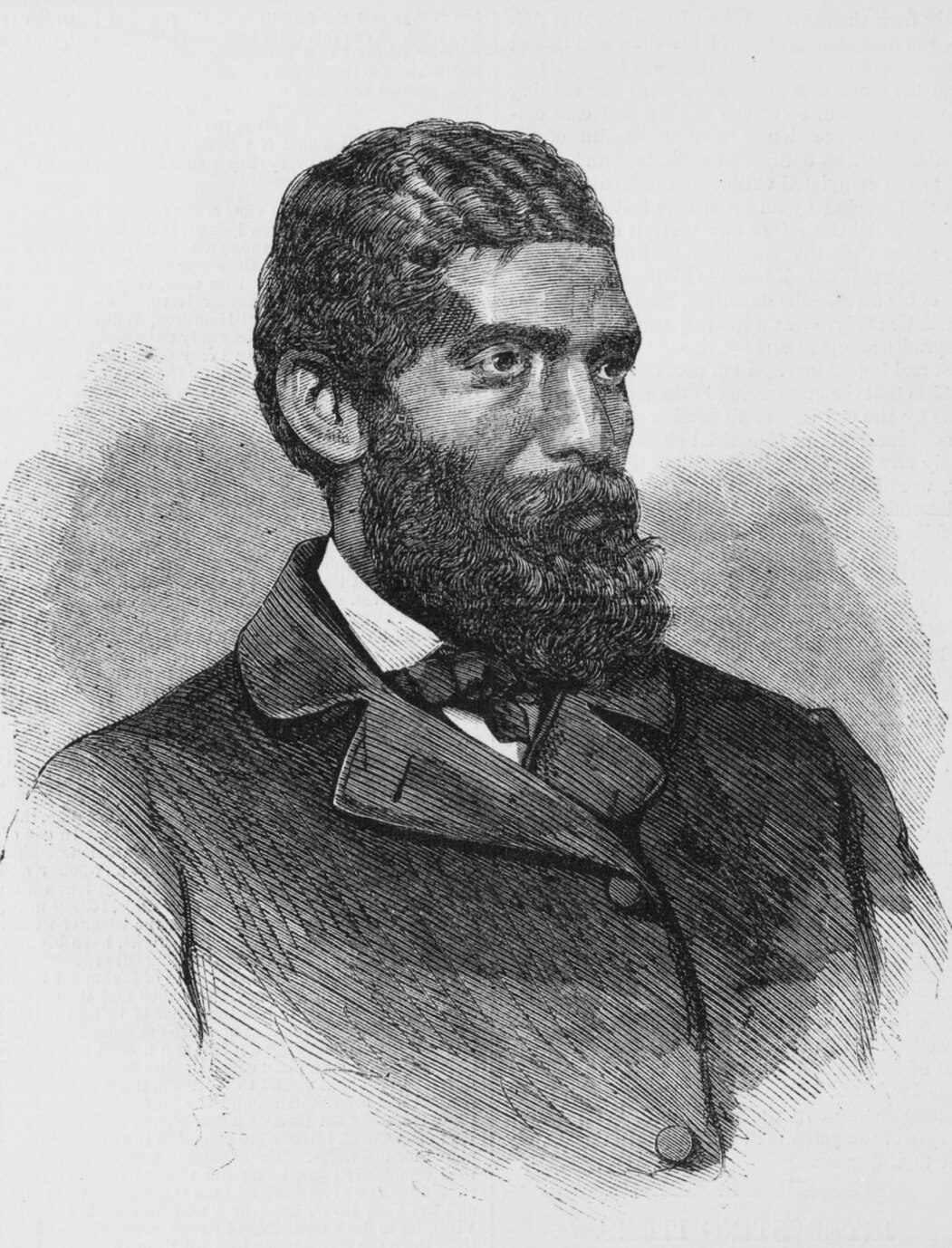
Thurgood Marshall – Courtesy Britannica

“Mr. Civil Rights”

By the mid-1930s, Marshall had joined the NAACP and quickly rose to become its chief counsel. His legal work became the backbone of the civil rights movement. Over the course of his career, Marshall argued 32 cases before the Supreme Court — and won 29 of them.

His most famous victory came in Brown v. Board of Education (1954), where he persuaded the Court to strike down segregation in public schools. The unanimous decision overturned the Plessy v. Ferguson “separate but equal” doctrine and became a cornerstone of the modern civil rights era.

But Brown was just one milestone. In Smith v. Allwright (1944), Marshall dismantled the “white primary” system that excluded Black voters. In Sweatt v. Painter (1950), he challenged unequal law school facilities, a precursor to broader desegregation. Earlier, in Chambers v. Florida (1940), he defended Black men coerced into confessing murder.

Through relentless litigation, Marshall became known as “Mr. Civil Rights” — a lawyer who used the Constitution as both shield and sword against Jim Crow.

“In recognizing the humanity of our fellow beings,” Marshall once said, “we pay ourselves the highest tribute.”


A Judge and Solicitor General

Marshall’s impact extended beyond the NAACP. In 1961, President John F. Kennedy appointed him to the U.S. Court of Appeals for the Second Circuit. Four years later, President Johnson tapped him as the nation’s first Black Solicitor General — the government’s top lawyer before the Supreme Court.

In that role, Marshall argued 19 cases and won 14. His victories ranged from labor rights to antitrust law, further cementing his reputation as one of the era’s most formidable legal minds.

Johnson saw Marshall’s elevation to the Supreme Court as a natural progression. “I believe he has earned that appointment. I believe he deserves it,” the president declared when he announced the nomination in June 1967.


A Historic Confirmation

Marshall’s confirmation hearings before the Senate Judiciary Committee were contentious. Some senators pressed him aggressively on criminal justice issues, while Southern opponents masked their discomfort with questions about his qualifications.

But Marshall’s calm, thorough answers won the day. On August 30, 1967, the Senate confirmed him by a vote of 69 to 11. Two months later, he was sworn in — breaking a barrier that had stood since the Court’s founding in 1789.

For millions of Black Americans, Marshall’s appointment symbolized progress that once seemed unthinkable. Here was a man who had fought segregation in classrooms now seated in the chamber that set the law of the land.

“A child born to a Black mother in a state like Mississippi,” Marshall reflected, “has exactly the same rights as a white baby born to the wealthiest person in the United States. That is the principle I fought for.”


On the Bench: A Voice for the Marginalized

During his 24 years on the Court, Marshall consistently championed the rights of individuals, the poor, and the marginalized. He opposed the death penalty, arguing it was applied disproportionately against minorities and the poor.

US Supreme Court – April 1988 – AP Photo

In Furman v. Georgia (1972), Marshall sided with the majority in striking down existing death penalty statutes. In later dissents, he argued that the death penalty itself was cruel and unusual punishment.

Marshall was also a strong defender of affirmative action. In Regents of the University of California v. Bakke (1978), he argued that remedies for centuries of discrimination were both constitutional and morally necessary.

His guiding principle was simple yet profound: “Equal means getting the same thing, at the same time, and in the same place.”

Even as the Court grew more conservative in the 1970s and 1980s, Marshall’s voice remained steady. Often in dissent, he nevertheless articulated a vision of justice rooted in fairness and equality.


Retirement and Passing the Torch

Marshall retired in 1991, citing declining health. His departure marked the end of an era. President George H.W. Bush appointed Clarence Thomas, a conservative jurist, as his successor — a decision that underscored the sharp ideological shift of the Court.

Marshall passed away on January 24, 1993, at age 84. He was laid to rest in Arlington National Cemetery, honored as both a civil rights giant and a Supreme Court justice.


Legacy and Relevance Today

Marshall’s legacy reverberates through every corner of American law. Schools, courthouses, and even Baltimore/Washington International Airport bear his name. His career stands as proof that the law, when wielded with courage, can dismantle walls of oppression.

But Marshall himself was clear-eyed about the limits of the legal system. “The legal system can force open doors and sometimes even knock down walls,” he once said, “but it cannot build bridges. That job belongs to you and me.”

Today, as debates rage over voting rights, affirmative action, and racial equity, Marshall’s words carry renewed urgency. His belief in the Constitution as a “living document” — one meant to expand justice rather than freeze it in time — is echoed in current struggles to define equality in America.


Closing Reflection

October 2, 1967, was not just the day a man took an oath. It was the day a nation took a step toward becoming what its founding documents had always promised.

Thurgood Marshall’s life was proof that the Constitution, in the hands of those brave enough to demand its full measure, could be both weapon and witness for justice.

More than half a century later, his shadow stretches across courtrooms, classrooms, and communities. The boy who memorized the Constitution as punishment grew into the justice who forced the country to live up to it.

And in doing so, he gave America not only its first Black justice but also its enduring conscience.

Please consider supporting open, independent journalism – no contribution is too small!

Uncle Nearest at Legal Crossroads: Debt, Receivership, and What Comes Next

Uncle Nearest faces receivership and $108M debt, but CEO Fawn Weaver rallies support with faith, leadership, and booming sales in Illinois, Florida, Georgia, Maryland, and Alaska.

By Milton Kirby | Shelbyville, TN | September 21, 2025

Uncle Nearest Premium Whiskey, a thriving brand valued at $1.1 billion in 2024 by Forbes and other sources and recognized as the fastest-growing Black-owned spirits brand in the nation, is now embroiled in a federal court battle. A receivership order, linked to a staggering $108 million debt, has handed over the reins of the company’s finances and operations to external parties. This pivotal moment could potentially reshape one of the most celebrated American whiskey stories in recent history.


How the Case Started

On July 28, 2025, Farm Credit Mid-America filed suit, alleging that Uncle Nearest, Nearest Green Distillery, and founders Fawn and Keith Weaver defaulted on over $100 million in loans. The lender accused the company of:

  • Overstating the value of whiskey barrels used as collateral by $21–24 million.
  • Failing to keep a $1.5 million cash balance required under loan agreements.
  • Falling behind on payments and breaching covenants on net worth and net income.
  • Selling or discounting future revenues without proper notice.
Photo by Milton Kirby

Farm Credit also claimed “insufficient internal financial controls” and said defaults date back to 2023. Still, the lender extended additional credit at the time, “in reliance upon Uncle Nearest’s representations as to its success and strategic growth.”


Uncle Nearest Pushes Back

The Weavers argue the picture is more complicated. In sworn filings, Fawn Weaver declared that former CFO Mike Senzaki “was the sole point of contact responsible for inventory reporting and for signing off on all funding requests tied to those barrels.” She maintains that discrepancies surfaced in early 2024, months before Farm Credit sued.

On the Martha’s Vineyard home purchased through UN House MV LLC, Uncle Nearest submitted internal emails showing that Farm Credit executives “were not only aware of the property but also attended an inaugural Gospel Brunch event at the home.” The filing added, “These were not covert maneuvers.”

Weaver has also spoken directly to supporters. In a widely shared Instagram video, she declared:

“Don’t believe the fake news. Some reports claim I no longer own Uncle Nearest and that I’m not running it. Let me be clear. I built this company. I run this company. And my leadership team, who have all been with me for 6 to 8 years, are right here building alongside me. Our team remains unshaken and unmoved.”


Growth & Market Momentum

On August 16, 2025—two days after the court appointed a receiver—Fawn Weaver took to Instagram to rally customers and partners. She emphasized that, despite legal pressures, Uncle Nearest continues to expand in key markets “in a year where spirits are down.” This continued growth and market momentum is a testament to the company’s resilience and a reason for optimism about Uncle Nearest’s future

Photo by Milton Kirby – Uncle Nearest Flight

She pointed to sales surges across the country, noting:

  • Illinois: +216% this month, +21% year-to-date.
  • Florida: +92% this month, +24% year-to-date.
  • Georgia: +31% this month, +53% year-to-date..
  • Maryland: +30% this month, +49% year-to-date.
  • Alaska: +423% this month, +44% year-to-date.
  • South Carolina: +48% this month, +53% year-to-date.
  • Texas: +44% this month, +34% year-to-date.
  • New Mexico: +32% this month, +22% year-to-date.

Her message was pointed:

“Don’t forget, keep clearing them out, leave no doubt, send a loud message that you are behind this brand and the team that built it.”


The Court’s Decision

On August 14, 2025, U.S. District Judge Charles E. Atchley Jr. appointed Phillip G. Young Jr. as receiver, finding that receivership was “necessary under the circumstances” due to questions of solvency, inadequate collateral, and ongoing defaults.

Young, a bankruptcy and business attorney, has hired turnaround specialists Newpoint Advisors Corp. to assess the company’s financial health, with Thoroughbred Spirits Group managing operations. Belcher, Sykes & Harrington has been engaged as counsel for alcohol and beverages, while Young’s firm, Thompson Burton, serves as receivership counsel

The order effectively shifts day-to-day financial and operational control to the receiver, while leaving branding and public-facing work partially in the hands of Uncle Nearest leadership.


Money In and Money Out

Records show that Uncle Nearest made large payments before the lawsuit: $9 million in 2024 and $7.5 million earlier this year. Yet Farm Credit says those payments did not cure defaults or fix repeated covenant breaches.

The dispute over barrel values is especially critical. Farm Credit claims the inventory overstatement inflated its lending exposure. Uncle Nearest insists the problems trace back to one former executive.


Assets in Question

The receivership may extend beyond the distillery and barrels. The receiver has asked the court to clarify whether other Weaver-connected entities should be pulled in, including:

  • Uncle Nearest Real Estate Holdings LLC
  • Shelbyville Barrel House BBQ LLC
  • Humble Baron Inc.
  • Grant Sidney Inc.
  • Uncle Nearest Spurs VI
  • Quill and Cask Owner

Additional law firms are also reviewing potential assets in Massachusetts and France.

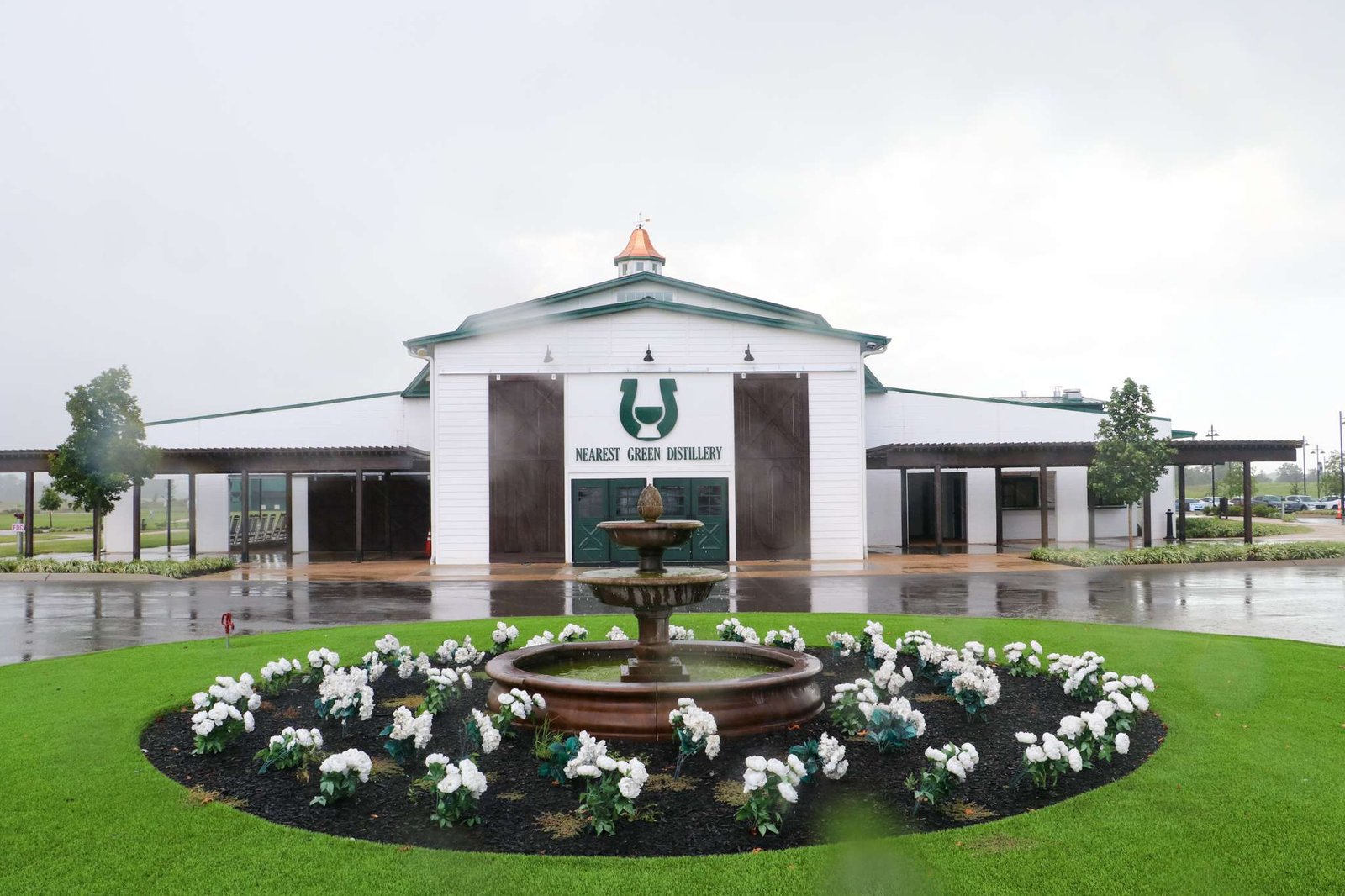
Photo by Milton Kirby – Uncle Nearest Horse Barn

Costs of Receivership

The Financial Impact of Receivership oversight comes at a cost. Young has already hired multiple consulting and legal teams to stabilize operations. These include financial consultants, operational managers, and attorneys specializing in alcohol law.

While the exact fees have not been disclosed in public filings, industry observers note that receivership and professional services can be expensive. For a company already under heavy debt, these additional expenses could create new pressure on cash flow and raise the risk of bankruptcy if revenue cannot keep pace.


Local Impact

The distillery in Shelbyville has become a destination in its own right. Reports show that the site attracted 5,000 to 8,000 visitors every weekend in 2023. The company claims it ranked as the seventh-most visited distillery in the world among its peers. This local economic impact is a testament to Uncle Nearest’s importance to its community and the connections it fosters.

Tourism tied to whiskey is a growing sector in Tennessee, part of the Tennessee Whiskey Trail that draws travelers from across the U.S. and abroad. For Shelbyville, the ripple effects include job opportunities, tourism, and spending at local hotels and restaurants.

How the receivership affects visitor traffic and local suppliers remains unclear, but the stakes are high.


A “People’s CEO” Message

Weaver has leaned into her identity as what she calls the “People’s CEO.” She told followers:

“Keep clearing the shelves. Every bottle you move tells our distributors and partners the same thing. We’ve built one of the strongest and most resilient brands in American history.”

“From the start, I’ve shared the ups and downs of building Uncle Nearest, that transparency is a part of my calling. That is what built one of the strongest brand communities in American history.

That’s why they call me the People’s CEO — because I don’t just show the gloss, I show the grind, the grit, and the gunk.”

She also reminded entrepreneurs of the long road:

“Entrepreneurialism will give you a hundred reasons a day to quit, but strong leadership doesn’t panic. It keeps a steady hand and moves forward.”


What to Watch

  • The receiver’s first quarterly report, due October 1, 2025, which should reveal cash flow, solvency, and collateral status.
  • Whether additional Weaver-linked LLCs will be pulled into the receivership.
  • Possible legal action against the former CFO, or counterclaims from Uncle Nearest.
  • The impact of consultant and legal fees on the company’s ability to restructure debt.
  • Continued sales growth in markets like Illinois, Florida, Georgia, Maryland, and Alaska.

A Story Still Unfolding

“What the enemy meant for evil? God meant for good,” Weaver told her audience. That note of faith and defiance now hangs over the courtroom battles and boardroom decisions.

Uncle Nearest’s future is tied to the courts, consultants, and creditors as much as to its whiskey barrels and brand story. The next reports, hearings, and filings will determine whether this is a path toward restructuring or toward deeper financial trouble.

For Shelbyville, for whiskey fans, and for those invested in the legacy of Nearest Green, this is a story to keep watching.

Related stories:

Uncle Nearest: A Billion-Dollar Brand

Receiver’s Report Says Uncle Nearest Can Be Reorganized

Please consider supporting open, independent journalism – no contribution is too small!

North Carolina A&T Reaches Historic Enrollment of 15,275: Growth Powers Greensboro, Defines HBCU Excellence

North Carolina A&T sets a record with 15,275 students, reinforcing its role as America’s largest HBCU and a cultural, economic, and alumni powerhouse worldwide.


By Milton Kirby | Greensboro, NC | September 17, 2025

Enrollment Growth

North Carolina Agricultural and Technical State University has once again made history. This fall, the Greensboro-based institution surpassed the 15,000-student mark for the first time, enrolling 15,275 students, a nearly 1,000-student increase over last year. That jump of 6.7% represents the single most significant one-year gain in A&T’s long history.

For the 12th consecutive year, A&T holds the title of the largest public historically Black college or university (HBCU) in the nation. And for the fourth year in a row, it stands as the largest HBCU that America has ever produced.

Photo by Milton Kirby NC A&T Williams Cafeteria

“The 2025-26 student body reaffirms our commitment to the people of North Carolina, our national appeal and impact as an exponential, doctoral research HBCU, and the promise that North Carolina A&T holds for students around the world,” said Chancellor James R. Martin II. “We embrace the opportunity to prepare them for a world undergoing seismic knowledge and technology shifts and to guide their development as individuals, ready for lives of achievement and meaning.”

This surge not only reflects national interest in HBCUs but also the powerful draw of A&T’s academic programs, competitive outcomes, and a cultural experience deeply rooted in community and legacy.


Academic Excellence and Student Profile

The university welcomed an entering class of 3,021 first-year students this fall. Their academic credentials tell a story of rising standards and rising demand. The average GPA for the entering class stands at 3.7, while out-of-state freshmen arrived with an impressive 3.93 average GPA. Students came from 36 states plus Washington, D.C., further evidence of A&T’s reach.

NC A&T Enrollment Stats

Once enrolled, students can look forward to opportunities that rival — and often surpass — those of much larger and more established institutions. A&T hosts some of the largest career fairs in America, connecting students with leading employers. Ten years after graduation, an A&T degree pays off. Forbes reports that bachelor’s degree earners from the university enjoy a median salary of $112,000 — second in the University of North Carolina system.


Graduate and Transfer Expansion

This year also marked a watershed moment for graduate education at A&T. For the first time in its history, the Graduate College enrolled more than 2,000 students. The headcount of 2,018 reflects 11.2% growth over last year. Within that, doctoral enrollment surged to 702 students, a 23.4% increase.

The university’s expansion of new master’s and doctoral programs over the past five years is paying clear dividends, both in enrollment and in advancing A&T’s reputation as a research institution.

Transfer students also added to the momentum. 814 new transfers enrolled this fall, a 17% increase. As A&T’s freshman admissions become more competitive, pathways through community colleges and other universities have become vital. These transfers strengthen the student body and underscore A&T’s role as a welcoming, upward-mobility institution.

The university also posted its best-ever freshman-to-sophomore retention rate: 81%. That metric shows more students are not only enrolling but staying and succeeding at A&T.


International and Geographic Reach

Unlike many universities grappling with declining international enrollment, A&T’s global reach is growing. The university enrolled nearly 1,000 international students this fall, a 10.3% increase from last year. Nearly half hail from African nations, underscoring A&T’s global appeal and connections to the African diaspora.

Geographic diversity is also striking. Students come from 97 of North Carolina’s 100 counties, 43 states, and 103 foreign nations. That breadth of representation ensures A&T’s classrooms reflect not just the state’s demographics but also the wider world.

“As interest in A&T continues to grow, our team of enrollment professionals remains dedicated to finding the best and brightest students from North Carolina and beyond for the class of 2030,” said Joseph Montgomery, associate vice provost for Enrollment Management. “We will continue to review all applicants carefully, intentionally, and through a comprehensive, holistic process that aims to identify students who will excel at A&T and become future leaders.”


Economic Impact on Greensboro and North Carolina

The enrollment milestone is not just a number on a spreadsheet; it represents a powerful economic engine for Greensboro, Guilford County, and the state of North Carolina. With over 15,000 students, 2,600 degrees awarded annually, and 65,000 living alumni, A&T stands as one of the region’s most significant contributors to workforce development.

The university’s College of Engineering produces more Black engineers than any other campus in America. Its College of Agricultural and Environmental Sciences leads in producing African American agriculture graduates. Nursing, kinesiology, education, and business programs feed directly into critical industries across the state.

The local impact is also visible during signature cultural moments like Homecoming, famously dubbed “The Greatest Homecoming on Earth” (GHOE). In 2024, GHOE drew over 130,000 attendees, with an estimated $11.3 million economic impact on the Greensboro area. Hotels, restaurants, transportation, and small businesses feel the surge. For many, A&T Homecoming is both a cultural anchor and a financial lifeline.

Daily, students pump dollars into housing, food, and retail. Faculty and staff add stability to Greensboro’s middle class. And A&T’s growing research enterprise — over $78 million annually in academic and scientific research — fuels partnerships with industry and government.


Cultural Significance and the Aggie Spirit

A&T is more than a university. It is a cultural force rooted in history, pride, and resilience. Founded in 1891 as the Agricultural and Mechanical College for the Colored Race, A&T was established under the Morrill Act to provide educational opportunities to people of color who were excluded from other land-grant institutions.

That mission has never faded. From the A&T Four — Ezell Blair (Jibreel Khazan), Joseph McNeil, Franklin McCain, and David Richmond — who ignited the 1960 Greensboro sit-ins, to today’s graduates entering fields in technology, medicine, and public service, Aggies have always stood at the forefront of change.

The phrase “Aggie Pride” is more than a chant at football games. It embodies a community ethos — that success is shared, and that each student carries the hopes of those who came before.


Alumni Legacy and Global Footprint

The university’s alumni footprint stretches far beyond North Carolina. More than 65,000 Aggies are active in business, science, politics, the arts, and community service worldwide.

Among the most notable: Dr. Ronald McNair, the astronaut and physicist who lost his life in the Challenger disaster but left a legacy of courage and scholarship; Rev. Jesse Jackson, civil rights leader and two-time presidential candidate; and Chief Justice Henry Frye, the first African American to serve as chief justice of the North Carolina Supreme Court.

But beyond the famous names, there are countless others: engineers designing next-generation infrastructure, teachers leading classrooms, nurses on the frontlines of care, and entrepreneurs driving small-business growth. The A&T alumni network represents not just success stories, but a living testament to the power of access, opportunity, and determination.


Looking Ahead

As A&T marks this milestone, challenges remain. Housing for a growing student population will need investment. Faculty recruitment and retention must keep pace with enrollment growth. And while graduation rates and retention are improving, the push for even higher student success will continue.

Yet the trajectory is clear. North Carolina A&T is not just growing — it is thriving. In a higher education landscape marked by declining enrollments nationwide, A&T’s expansion underscores the enduring relevance of HBCUs and the unique blend of academic excellence, cultural identity, and community commitment they offer.

“This is our 12th consecutive year of growth, and we continue to be humbled and grateful for the faith that our students place in us to prepare them for lives of meaning and success,” Chancellor Martin said. “North Carolina A&T is setting a national standard as a land-grant HBCU and model for what it means to be a public university in this new millennium.”

As Greensboro celebrates its hometown university’s success, Aggies everywhere — from North Carolina to Nairobi — will see this enrollment milestone not as an end point but as a launching pad. The numbers are historic, yes. But the true measure of A&T’s success lies in the lives its students and alumni continue to shape, and in the pride that echoes, year after year, across generations.

Related articles

MacKenzie Scott Gift to Howard University

MacKenzie Scott Gift to NC A&T State University

MacKenzie Scott Gift to Alabama State University

MacKenzie Scott Gift to Prairie View A&M University

MacKenzie Scott Gift to Bowie State University

MacKenzie Scott Gift to Philander Smith University

Please consider supporting open, independent journalism – no contribution is too small!

Negro League Conference Unveils More History and Takes on Future Challenges

The 2025 Jerry Malloy Negro League Conference in Louisville celebrated Black baseball history with films, panels, and a grave marker dedication, while addressing future challenges of diversity and memory.


By Milton Kirby | Louisville, KY | August 31, 2025

The Society for American Baseball Research (SABR) brought its annual Jerry Malloy Negro League Conference (JMNLC) to Louisville, Kentucky, August 7–9, filling the Galt House Hotel with scholars, historians, fans, and community leaders devoted to preserving the legacy of Black baseball.

This year’s gathering highlighted the cultural and historical depth of the Negro Leagues. Attendees viewed the premiere of I Forgot to Tell You About: The Story of the Cleveland Buckeyes, followed by a panel with former All-Star Kenny Lofton, filmmaker Evelyn Pollard-Gregory, and authors Wayne Pearsall and Vince Guerrieri. The weekend also featured poet Dorian Hairston, a Louisville Baseball History Panel with Harry Rothgerber and Anne Jewell, and a film screening on Black baseball in Nashville.

Historians Gather @ History Museum

Participants enjoyed a tour of the Louisville Slugger Museum & Factory, a reception at the Roots 101 African American Museum, and a Louisville Bats game at Slugger Field. Presenters included longtime researchers such as James Brunson III, Larry McGill, Gary Gillette, Keith Wood, and others who continue to shed light on overlooked chapters of African American baseball.

Honoring Sammy Hughes

The conference closed with a powerful moment on Sunday, August 10, when SABR’s Pee Wee Reese Chapter, working with the Louisville Bats and Louisville Slugger Museum, placed a long-awaited grave marker for Negro Leagues great Sammy Hughes at Louisville Cemetery. Known as “Sammy T,” Hughes was a six-time All-Star second baseman who played with 17 Hall of Fame players (Roy Campanella, Biz Mackey, Mule Suttles, Willie Wells, Josh Gibson, Buck Leonard, Cool Papa Bell, Ray Brown, Ray Dandridge, Turkey Stearnes, Leon Day, Martin Dihigo, Willie Foster, Judy Johnson, Satchel Paige, Hilton Smith, and Jud Wilson), and captured a 1939 Negro National League title with the Baltimore Elite Giants. After his death in 1981, Hughes had lain in an unmarked grave for 44 years.

Dorian Hairston (L) – Chris Jensen (R)
JMNLC Speakers

History and Mission

Since its founding in 1998, the Jerry Malloy Negro League Conference has been the only national symposium devoted exclusively to Black baseball history. Named for journalist and historian Jerry Malloy (1946–2000), the event reflects the mission of SABR’s Negro Leagues Committee, founded in 1971, to encourage research into the Negro Leagues, pre-Negro League baseball, and the broader African American impact on the game.

Founders such as Ted Knorr, Dick Clark, Larry Lester, Leslie Heaphy, and Malloy himself envisioned a forum where scholarship, storytelling, and community could meet. Their vision still guides today’s gatherings, with annual presentations, trivia contests, youth scholarships, library grants, and the ongoing Negro Leagues Baseball Grave Marker Project, which has provided headstones for more than 30 forgotten players.

The Future: Carrying the Flame

This year’s conference not only honored history but also raised questions about the future. Organizers acknowledged the challenge of drawing more diverse participants and sustaining momentum at a time when diversity initiatives are under political attack.

The Malloy is the place where connections are made, and ideas are born,” said committee co-chair Todd Peterson. “Good trouble always has, and always will be, made here.”

Fellow co-chair James Brunson added, “The conference bridges past and present. Nothing is foreign, forbidden, or impossible with this group.”

Looking ahead, leaders emphasized Larry Lester’s “Three R’s” — Recognition, Respect, Redemption— as guiding principles for expanding the conference’s reach while ensuring that the painful history of baseball’s color line remains central to public memory.

In the words of one participant, the Malloy is not simply about baseball statistics or forgotten box scores, but about resisting historical amnesia, confronting injustice, and keeping alive the stories of the players who laid the groundwork for integration and equity in sport.

As Peterson concluded: “We are the keepers of the flame. We must be the bulwark against attempts to whitewash the past.”

Please consider supporting open, independent journalism – no contribution is too small!

Chit Chat Atlanta Tours Launches With Immersive Black History & Cultural Experiences

Chit Chat Atlanta Tours launches Labor Day with immersive Black history, Civil Rights, and cultural experiences, offering visitors a powerful way to discover the soul of Atlanta.

By Milton Kirby | Atlanta, GA | August 27, 2025

This Labor Day, Atlanta visitors and residents will have a new way to experience the city’s legacy of resilience, creativity, and pride. Chit Chat Atlanta Tours, a Black woman-owned cultural tourism company, officially launches September 1 with a lineup of immersive experiences spotlighting the city’s Black history, Civil Rights heritage, and modern cultural excellence.

The company, founded by veteran public relations professional and cultural storyteller Carla Morrison, promises more than sightseeing. Through carefully curated routes, guests will walk the streets where Dr. Martin Luther King Jr. once preached, hear the stories of Atlanta’s trailblazers, and taste the flavors of Black-owned restaurants shaping today’s culture.

“Our mission is to preserve legacy, educate all generations, and spotlight the rich culture of Atlanta’s Black community,” said Morrison. “Whether it’s a family reunion, corporate group, or school trip, our tours are soul-stirring journeys designed to honor the past while celebrating the present.”

A Journey Through Atlanta’s Soul

The tours weave together landmarks and hidden gems across the city. Stops include Ebenezer Baptist Church, the King Center for Nonviolent Social Change, Sweet Auburn Avenue, the APEX Museum, Castleberry Hill, Trap City Café, Patchwerk Studios, the Black Music & Entertainment Walk of Fame, and Tyler Perry Studios.

Each experience blends education with entertainment, giving participants “a little bit of trap, a little bit of truth, and a whole lot of Atlanta pride.”

Signature Experiences

  • Black History & Civil Rights Tour (2–4 hours): Visits Ebenezer, the MLK Historic Site, Sweet Auburn, SCLC, Big Bethel AME, and historic Black-owned businesses.
  • Reality ATL Restaurant Tour: A culinary journey highlighting Black-owned restaurants and chefs defining the city’s food scene.
  • The ATL Remix Tour: Designed for tourists interested in music, film, and fame, mixing history with Atlanta’s cultural flair.
  • HBCU Campus Tour: Explores Atlanta’s Historically Black Colleges and Universities and their enduring impact.
  • Peachtree Street Tour: Examines Atlanta’s main artery with its blend of business, culture, and contradictions.
  • Custom Group Tours: Tailored for schools, churches, DEI retreats, and special events.

Tours start at $75 per person, with private and custom packages available. Year-round bookings are expected to peak during Black History Month, Juneteenth, and the summer reunion season.

A Cultural Legacy Reimagined

By blending storytelling, history, and cultural immersion, Chit Chat Atlanta Tours positions itself as more than a tourism venture—it’s a living classroom and cultural celebration. The company is part of a growing movement in Atlanta to recenter the city’s narrative around the voices that built it.

For bookings or more information, visit www.ChitChatCommunications.biz, follow @ChitChatAtlantaTours on Instagram, or call (404) 319-2130.

Discover the Soul of Atlanta.

Please consider supporting open, independent journalism – no contribution is too small!

Exit mobile version