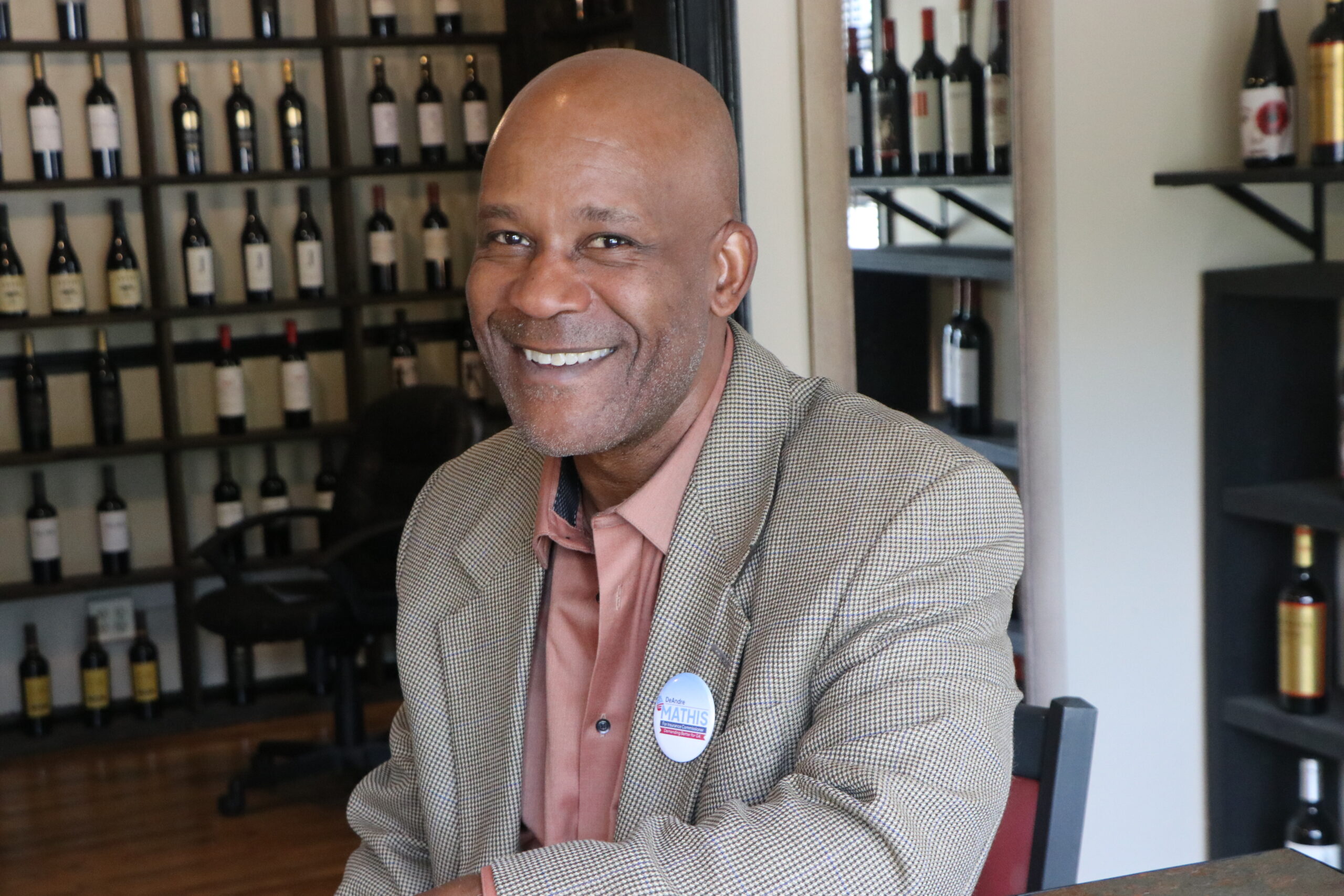
DeKalb County Tax Commissioner Irvin J. Johnson will retire Dec. 31 after 26 years of service, with Chief Deputy Nicole M. Golden set to succeed him.
By Milton Kirby | Decatur, GA | December 26, 2025
After nearly 26 years of service to DeKalb County—10 of them as tax commissioner—Irvin J. Johnson will retire effective Dec. 31, 2025, closing a long chapter in county government marked by stability, modernization, and consistent revenue performance.
Johnson announced his retirement while highlighting the work of the office he led through a decade of change. He credited staff for maintaining operations during the pandemic, expanding digital services, strengthening security protocols, and increasing community outreach.
“I am grateful for the opportunity to lead one of DeKalb’s key governmental functions,” Johnson said in a statement. “We achieved the approval of 10 consecutive and timely tax digest submissions, which supported county and school operations. Those results came from a committed and excellent team.”
Leadership Transition Already in Place
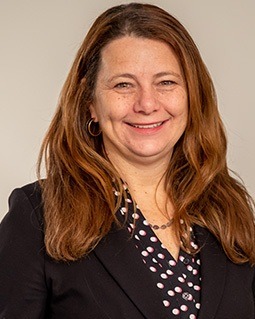
Photo Courtesy Tax Commissioner Nicole Golden
Under Georgia law, the office will transition to Nicole M. Golden, the current chief deputy tax commissioner. Golden will assume leadership to ensure operational continuity. The tax commissioner is an elected position; Johnson was reelected in 2024, with a term that runs through 2029.
Golden brings more than 20 years of legal experience and nine years as chief deputy. Johnson said she is well prepared to lead the office and maintain service levels across all divisions.
A Career Built From the Inside Out
Johnson began his career in the tax commissioner’s office in July 2000 as a network coordinator. He advanced through multiple roles, including supervisor, manager, and chief deputy. In 2016, he succeeded former Tax Commissioner Claudia Lawson and was later elected.
Before joining the county, Johnson held leadership roles in the private and nonprofit sectors. His experience included quality systems management at Square D Company, training supervision at Michelin Tire Corporation, manufacturing supervision at Westinghouse Electric Corporation, and job development work with the Shenango Valley Urban League.
Community and Professional Leadership
Beyond his county role, Johnson has been active across DeKalb and the state. He is a past president of the South DeKalb Rotary Club and a former chair of the Georgia Tax Commissioners’ Technology Development Council. He has also served on the board of the DeKalb Regional Land Bank Authority and on the board of directors at Mount Moriah Baptist Church in Tucker.
In 2024, Johnson was named Tax Commissioner of the Year by the Georgia Association of Black County Officials, in recognition of his leadership and service.
An Office With Broad Responsibilities
The DeKalb County Tax Commissioner’s Office collects and disburses personal and real property taxes, administers homestead exemptions, processes vehicle registrations and renewals, and collects motor vehicle taxes. Johnson said modernizing these services was a priority throughout his tenure.
As he prepares to step away, Johnson expressed confidence in the office’s future. With Golden set to lead and an experienced team in place, county officials say residents can expect continuity in one of DeKalb’s most essential operations.
Senate Democrats introduce the $15B REPAIR Infrastructure Act to reconnect communities divided by highways, prevent displacement, and expand funding for equitable transportation projects nationwide.
By Milton Kirby | Washington, D.C. | December 22, 2025
A bipartisan-backed effort to repair the long-term damage caused by urban highways moved forward this week as U.S. Senate Democrats introduced legislation to reauthorize and expand the federal government’s flagship program aimed at reconnecting communities split apart by legacy infrastructure.
The Restoring Essential Public Access and Improving Resilient Infrastructure Act, known as the REPAIR Infrastructure Act, would invest $15 billion over five years to help cities and towns redesign or remove divisive roadways, restore neighborhood connections, and prevent displacement tied to major transportation projects.
The bill was introduced by Sen. Raphael Warnock, Sen. Lisa Blunt Rochester, and Sen. Jeff Merkley, building on the Reconnecting Communities Pilot Program created under the 2021 Infrastructure Investment and Jobs Act.
From Pilot Program to Permanent Policy
Since its launch, the U.S. Department of Transportation has funded 257 projects in 47 states, supporting initiatives that redesign streets, remove outdated highway structures, improve transit access, and spur local economic development. Supporters of the REPAIR Act say those early successes justify turning the pilot into a permanent, fully funded program.
Under the legislation, Congress would authorize $3 billion annually from fiscal years 2027 through 2031, funded through the Highway Trust Fund. Of that total, $750 million each year would be dedicated to planning grants, while $2.25 billion would support capital construction projects.
“These projects are about more than concrete and asphalt,” supporters argue. “They are about restoring access to jobs, schools, healthcare, and opportunity.”
Guardrails Against Displacement
A central feature of the bill is its focus on equity and community protection. The REPAIR Act would formally require projects to promote economic development while preventing displacement of existing residents, a frequent criticism of past infrastructure investments.
Projects would be evaluated on whether they include robust community participation plans, partnerships with local organizations, and strategies to preserve affordability. Eligible efforts could include renter and homeowner assistance, affordable housing preservation, mixed-income development, and protections for small businesses.
The legislation also bars grant funds from being used to increase the number of travel lanes on existing highways, signaling a shift away from highway expansion and toward neighborhood-scale reconnection.
Broader Eligibility Across Federal Programs
Beyond direct grants, the REPAIR Act expands eligibility for reconnection projects across multiple federal transportation programs, including:
National Highway Performance Program
Surface Transportation Block Grants
Highway Safety Improvement Program
Congestion Mitigation and Air Quality Program
National Highway Freight Program
Rural Surface Transportation Grants
Carbon Reduction Program
The bill also formally defines “divisive roadway infrastructure,” including limited-access highways and viaducts that act as barriers to mobility and economic activity.
Georgia Examples Loom Large
The legislation carries particular significance for Georgia, where highway construction in the mid-20th century reshaped cities and displaced historically Black neighborhoods. In Atlanta, the Downtown Connector severed once-thriving communities. In Savannah, the I-16 flyover cut through Black business districts near the city’s core.
Backers of the bill say REPAIR funding could help address those lingering impacts while guiding future projects toward community-led solutions.
Broad Coalition Support
The REPAIR Infrastructure Act is endorsed by a wide coalition of planning, environmental, and local government organizations, including Smart Growth America, the National League of Cities, the American Society of Landscape Architects, America Walks, the Congress for the New Urbanism, the Natural Resources Defense Council, and the Rails to Trails Conservancy, along with more than 70 additional national groups.
Supporters argue the bill reflects a growing consensus that transportation policy must balance mobility with health, climate resilience, and neighborhood stability.
What Comes Next
The bill has been referred to committee, where lawmakers will debate funding levels and implementation details. If passed, it would mark one of the most significant federal commitments to undoing the social and economic harms caused by 20th-century highway construction. For cities still living with the consequences of those decisions, proponents say the message is clear: reconnecting communities is no longer an experiment — it is national policy.
The Atlanta Civic Center’s story spans fire, displacement, Broadway, OutKast, and redevelopment — revealing how culture, land, and power shaped one of Atlanta’s most iconic sites.
By Milton Kirby | Atlanta, GA | December 14, 2025
For nearly half a century, the Atlanta Civic Center stood as one of the city’s most important cultural crossroads — a place where Broadway met ballet, punk rock met opera, and civic life met national television. Built in 1967 and officially closed in 2014, the venue played an outsized role in shaping Atlanta’s artistic identity during a period of explosive growth and transformation.
Now, more than a decade after its final curtain call, the Civic Center site is entering a new chapter. As of December 9, 2025, a multi-phase redevelopment led by Atlanta Housing is underway, with plans to honor the site’s legacy while addressing one of Atlanta’s most urgent modern needs: housing.
But the story of the Civic Center did not begin in 1967. Long before the first spotlight was raised, this land carried a deeper history — one marked by destruction, resilience, and displacement.
Before the Spotlight: The Land Beneath the Civic Center
The ground beneath the Atlanta Civic Center has been asked to start over more than once. In 1917, the Great Atlanta Fire tore through this area, destroying more than 1,900 buildings and displacing over 10,000 residents. From the ashes emerged Buttermilk Bottom — a working-class, majority-Black neighborhood that took root in what is now considered Midtown and the Old Fourth Ward.
Buttermilk Bottom was not vacant land waiting for redevelopment. It was a living community defined by churches, extended families, small businesses, music, and culture. Residents built full lives there despite persistent neglect, as city investment flowed elsewhere.
By the mid-20th century, the neighborhood was labeled a “slum” by city leaders and the local press. In 1963, then-Mayor Ivan Allen Jr. unveiled plans to redevelop Buttermilk Bottom using federal urban renewal bonds. Homes were demolished. Businesses were shuttered. A school was closed. Families were forced to move.
Rather than replacing the neighborhood with new public housing, the city cleared the land for a civic complex — an auditorium and exhibition hall designed to project Atlanta’s modern image to the nation. When the Atlanta Civic Center opened in 1967, Buttermilk Bottom was gone. The area was rechristened Bedford Pine.
Protests against the destruction of the neighborhood coincided with national unrest following the assassination of Dr. Martin Luther King Jr. in 1968, underscoring the racial and economic tensions embedded in Atlanta’s redevelopment choices.The Civic Center rose as a symbol of progress — but one built atop displacement.
A Pattern Beyond One Site
The clearance of Buttermilk Bottom was not an isolated decision. During the same era, Atlanta pursued similar urban renewal projects across the city, particularly in working-class and Black neighborhoods.
Just south of downtown, the Washington-Rawson neighborhood — once a thriving in-town community — was carved apart by expressway construction and demolition. Part of the land was designated for public housing. Another section was set aside for Atlanta–Fulton County Stadium, completed in 1965 as the city sought national recognition and a Major League Baseball franchise.
For many residents, the promise was familiar: progress, opportunity, renewal. The result was often the same — displacement without replacement. Together, these projects revealed a redevelopment philosophy that prioritized national visibility over neighborhood stability.
Against this backdrop, the Civic Center took shape — both a cultural achievement and a reminder of the costs of progress.
A City Builds a Cultural Anchor
When the Atlanta Civic Center opened in 1967, Atlanta was positioning itself as the cultural and commercial capital of the New South. City leaders envisioned a modern performance venue capable of hosting national touring productions, large civic gatherings, and televised events. With a seating capacity of approximately 4,600, the Civic Center was the largest performance stage in the Southeast at the time. Designed to replace the aging Municipal Auditorium, it quickly became a centerpiece of Atlanta’s arts and entertainment ecosystem. For audiences, the Civic Center symbolized access — a place where Atlanta could experience world-class performances without leaving home.
Broadway Comes to Atlanta
Throughout the 1970s, 1980s, and 1990s, the Civic Center became synonymous with Broadway in Atlanta. National and regional touring productions regularly filled its stage, bringing marquee shows to audiences who might not otherwise travel to New York.
Productions such as Two Gentlemen of Verona (1974), George M! (1981), and The Wizard of Oz during its 1999 national tour helped cultivate Atlanta’s theatergoing audience and cemented the city’s reputation as a serious stop on the national touring circuit.
For decades, the Civic Center functioned as a cultural bridge — connecting Atlanta’s growing metropolitan population with the broader world of American theater.
A Home for High Culture
In its early decades, the Civic Center also played a critical role in Atlanta’s classical arts scene. Beginning in 1969, the Atlanta Symphony Orchestra, along with opera and ballet companies, used the space for major performances.
Before newer, specialized venues emerged, the Civic Center was where many Atlantans first encountered large-scale orchestral music, opera, and ballet. These performances helped establish Atlanta as a city capable of supporting both popular entertainment and high culture — a dual identity that still defines the region.
Television Lights and National Exposure
From 2011 to 2015, the Civic Center reached millions of living rooms as the filming location for Family Feud during Steve Harvey’s tenure as host.
The show’s presence quietly reinforced Atlanta’s growing role in television production, years before the city’s reputation as “Hollywood of the South” fully took hold. The venue also hosted graduations, political rallies, church services, and mayoral inaugurations, strengthening its role as both a cultural and civic gathering place.
SciTrek and a Generation of Curiosity
One of the Civic Center’s most distinctive chapters began in 1988, when SciTrek, an interactive science museum, moved in. For 16 years, until 2004, SciTrek welcomed thousands of schoolchildren from across Georgia.
For many Atlantans who came of age in the 1990s, SciTrek was their first exposure to science beyond the classroom — another reminder of the Civic Center’s adaptability and reach.
From Symphony to Punk Rock
As Atlanta’s music scene diversified, so did the Civic Center’s bookings. In later years, the venue hosted pop-punk bands like All Time Low, punk icons Dropkick Murphys and Rancid, and local artists including Hoodrich Savo and Ms. Honesty.
From opera to punk, the Civic Center became known for its range — a venue willing to host contrasting worlds under one roof.
Why the Curtain Fell
Despite its cultural importance, the Civic Center struggled to remain viable in the 21st century. Operating costs increasingly outweighed revenue. Built in 1967, the facility lacked the amenities and technology expected by modern touring productions.
A $2 million renovation in 2001 offered only temporary relief. As newer venues such as State Farm Arena and Mercedes-Benz Stadium opened, fewer major acts chose the Civic Center. By 2014, declining bookings made continued operation difficult to justify. The Civic Center officially closed in October of that year, ending a 47-year run.
A Sale, a Promise, and a New Vision
In 2017, the City of Atlanta sold the 19-acre Civic Center property to the Atlanta Housing Authority for just over $30 million. In December 2025, officials broke ground on a multi-phase redevelopment that will ultimately include approximately 1,500 housing units, 38 percent of which will be affordable.
Speaking at the groundbreaking, Mayor Andre Dickens reflected not only as the city’s leader, but as someone personally shaped by the Civic Center. He recalled seeing OutKast perform on its stage and later returning to the same space for his own graduation — moments that captured how the venue functioned as both a cultural launchpad and a civic gathering place.
“This is sacred ground, sacred work,” Dickens said. “We made a promise to the people of Atlanta to make this a city where everyone can live, grow, and retire with dignity — a city of opportunity for all — and we intend to keep it that way.”
Once a site of graduations, concerts, church services, and inaugurations, the Civic Center is now part of what city leaders describe as a return to purpose — a future shaped by memory as much as by momentum.
A Legacy That Still Echoes
The Atlanta Civic Center’s story is not simply one of closure, but of evolution. For nearly five decades, it reflected Atlanta’s ambitions, creativity, and contradictions.
From Broadway classics to punk rock anthems, from symphonies to science exhibits, and from civic ceremonies to game-show lights, the Civic Center captured the full spectrum of Atlanta life — even as it stood on land shaped by loss and resilience.
As cranes rise where spotlights once shone, the Civic Center’s physical form may fade, but its meaning deepens. It becomes part of a larger story — of a city continually remaking itself, learning, and, perhaps this time, remembering who was here before.
Peachtree Street has long been called Atlanta’s spine — a corridor where commerce, culture, and conflict have intersected for more than a century. Now, a new tour experience aims to tell that story with greater depth, balance, and historical honesty.
Chit Chat Atlanta Tours this week unveiled its newest cultural offering, “Peachtree Street: The Main Artery,” a guided experience designed to trace Atlanta’s growth through the people, institutions, and neighborhoods that shaped its most iconic street.
Rather than focusing solely on skyline views and postcard landmarks, the tour places equal emphasis on overlooked histories, particularly Black institutions and communities whose stories have often been pushed to the margins.
“This tour is about more than buildings,” organizers said in announcing the experience. “It’s about understanding how Peachtree Street reflects Atlanta’s past, its present, and the people who built it.”
Chit Chat Special Offer
A Church That Anchors Buckhead’s Black History
One of the most significant stops along the route is New Hope AME Church, recognized as the oldest Black church in Buckhead. Long before luxury towers and high-end retail defined the area, New Hope AME stood as a center of worship, education, and civic leadership for Black Atlantans navigating segregation, displacement, and change.
By highlighting New Hope AME, the tour expands the narrative of Buckhead beyond affluence and architecture, grounding it in resilience and community continuity. For many visitors, it is a revelation — a reminder that Black history in Atlanta extends well beyond downtown and Sweet Auburn.
Literary Legacy and Southern Elegance
The experience also includes visits to some of Peachtree Street’s most recognizable landmarks, including the Margaret Mitchell House, where the Pulitzer Prize–winning author wrote Gone With the Wind. The site remains a touchstone for discussions about Southern literature, memory, and mythmaking.
Nearby, guests encounter the Georgian Terrace Hotel, long regarded as one of the South’s most elegant historic hotels. Its halls have hosted dignitaries, artists, and civic leaders, making it a fitting symbol of Peachtree Street’s role as Atlanta’s front parlor.
Together, these stops illustrate how Peachtree Street has served as both a cultural stage and a mirror, reflecting the values and contradictions of the city across generations.
Urban Living and a Changing Skyline
As the tour moves north and south along the corridor, it explores Atlanta’s transition into a modern metropolis. A featured stop includes the city’s first luxury condominium, a development that marked a turning point in how Atlantans viewed urban living.
That moment signaled Peachtree Street’s evolving identity — from commercial thoroughfare to residential destination — and helped redefine how the city grew upward rather than outward.
Remembering Johnsontown
Perhaps the most powerful segment of the tour centers on Johnsontown, one of Buckhead’s historic Black communities. Long before Buckhead became synonymous with exclusivity, Johnsontown existed as a self-sustaining neighborhood rooted in faith, family, and land ownership.
Its story — shaped by endurance, displacement, and transformation — adds necessary context to Peachtree Street’s modern prosperity. By including Johnsontown, the tour acknowledges that development often came at a human cost, and that Atlanta’s growth cannot be fully understood without reckoning with those realities.
An Invitation to Locals and Visitors Alike
Chit Chat Atlanta Tours says the “Main Artery” experience is designed for longtime residents, newcomers, and visitors who want more than surface-level history. The tour blends architecture, social history, and lived experience into a single narrative that feels both educational and personal.
By centering untold stories alongside familiar landmarks, the experience positions Peachtree Street not just as a road, but as a living archive of Atlanta itself.
At Your DeKalb Farmers Market, 184 flags, global foods, and round-the-clock operations turn a Decatur grocery into Atlanta’s most beloved, affordable world market for families.
By Milton Kirby | Decatur, GA | December 9, 2025
Walk up to the entrance of Your DeKalb Farmers Market on East Ponce de Leon Avenue, and the first thing you notice is the sky of flags. From one end of the roofline to the other, 184 national flags ripple above the parking lot, turning a simple grocery trip into a small United Nations of food and people.
Inside, more flags hang over the produce tables, seafood counters, and aisles of spices and grains. For many metro Atlanta families, spotting the flag of their home country is the start of a familiar routine: a deep breath, a smile, and a walk toward the foods that taste like home.
This is the heart of Your DeKalb Farmers Market — a place where global identity, fresh food, and community all meet under one roof.
A Market That Belongs to Its Neighbors
The story of this “world market” begins in 1977, when Rhode Island native and retail veteran Robert W. Blazer opened a small, 7,500-square-foot produce stand in Decatur.
Before he opened his first location on Medlock Road, Blazer went door to door in the surrounding neighborhood and asked residents a simple question: would you like to have a farmers market here? When they said yes, he dedicated the business to them and chose a name that still appears on the brown facade today: Your DeKalb Farmers Market.
His goal, as he later wrote, was not to build a chain of stores, but to create a direct, affordable source of high-quality fresh food that truly served the community.
Nine years after that first stand, the market moved to its current home at 3000 East Ponce de Leon Avenue in Decatur, where it has grown into a massive indoor marketplace now known across the region.
Flags as a Map of the World
The 184 flags above the building are not decoration. They are a map.
Photo by Milton Kirby – Your DeKalb Farmers Market Flags
Each one represents a country connected to the market’s shelves, staff, or shoppers. For customers, a flag can be a guidepost: a hint that somewhere inside they will find the cassava, plantains, injera flour, curry pastes, teas, or spices that match their home cooking.
For employees, the flags reflect the market’s workforce — a staff drawn from more than 40 countries, speaking around 50 different languages and dialects. On the sales floor, name tags often list both a worker’s country of origin and the languages they speak, helping shoppers connect in their own tongue and feel at ease.
The flags also send a message to new visitors who may be walking in for the first time. They say: whoever you are, whatever you eat, you can find a piece of yourself here. And if you are curious, you can also discover somebody else’s culture in the next aisle over.
From 7,500 Square Feet to a True World Market
Your DeKalb Farmers Market now covers well over 100,000 square feet and operates seven days a week, 9 a.m. to 9 p.m.
What began as a simple produce stand has grown into a complex, 24-hour operation that includes:
A sprawling retail floor for everyday shoppers
A busy business services department for restaurants, caterers, and other stores
Large adjacent warehouses and ripening rooms
A wholesale shipping operation that moves produce across the United States
Behind the scenes, roughly half of the building and half of the employees work out of public view. Trucks arrive around the clock. Cold rooms are checked and re-checked. Bananas, plantains, avocados, papayas, tomatoes, and pears are ripened in controlled rooms built with engineering precision.
Blazer’s background in mechanical engineering and discount retail helped him design and build much of the facility himself — with a focus on efficiency, temperature control, and food safety from the ground up.
World Direct: From Farm to Market
The market’s mission is not limited to what happens in Decatur.
Photo by Milton Kirby – DeKalb Farmers Market Florist
Under its “World Direct” registered trademark, Your DeKalb Farmers Market grows, packs, and ships produce from farms in Mexico, Central America, and South America directly to wholesale receivers across the United States. The company prides itself on working directly with farmers, helping them do what they love while building a stable market for their crops.
The market is also known in the produce industry for maintaining one of the best credit ratings available and for operating as a debt-free company — paying for what it buys with its own money and focusing on long-term strength instead of short-term debt.
Blazer’s son Daniel, who speaks Spanish fluently, heads up much of the international growing and shipping program. His work extends the reach of DeKalb’s “world market” far beyond Georgia.
Departments that Circle the Globe
Walk the aisles of Your DeKalb Farmers Market and each department feels like a different chapter in a global cookbook.
Produce: The Heart of the Market This is where it all began in 1977 and remains the beating heart of the business. Fresh fruits and vegetables arrive several times a week, often directly from growers. The market arranges its own transportation to keep produce moving quickly from field to shelf.
Organic options line up beside conventional items, many of them certified to USDA standards and the standards of their countries of origin. Shoppers can buy familiar staples or explore lesser-known greens, roots, tropical fruits, and herbs, many labeled with their home countries and uses.
Cold-pressed juices made on site — from organic kale, beets, carrots, ginger, apples, pears, and more — offer a quick way to drink those nutrients, using slower juicing methods that protect vitamins and enzymes.
Seafood: From Scottish Lochs to Georgia Kitchens The seafood department stretches across a long wall of ice and glass, with more than 450 varieties of whole fish, fillets, and shellfish. Live Maine lobsters, Dungeness crabs, and live catfish swim in tanks, turning shopping into a field trip for children.
The selection includes premium Lochlander Scottish salmon, raised in the cold lochs of the Scottish Highlands and Islands under sustainable practices and praised by chefs for its firmness and flavor. Customers can have their fish cleaned and filleted while they wait, then carry it a few aisles over to pick up global seasonings and sauces to match.
Bakery: Real People, Real Dough In the bakery, real people make more than 150 varieties of breads, bagels, muffins, pastries, and cakes from scratch every day. Many items use organic flours, organic butter, and cage-free eggs. Recipes are built around whole grains, nuts, dried fruits, and natural sweeteners rather than high-fructose corn syrup.
For shoppers with special diets, there is a wide selection of dairy-free baked goods made without milk or eggs, along with items made with gluten-free ingredients (prepared in a shared kitchen), and sprouted-grain breads that treat grain more like a vegetable for digestion and nutrition.
Coffee, Tea, and Nut Butters The coffee stand roasts and grinds more than 30 varieties of Arabica beans, including Fair Trade Ethiopian coffees from the Yirgacheffe region, Colombian, Kenyan, Guatemalan, Sumatra, Costa Rican, Jamaican, and others. Decaffeinated coffees are processed through the Swiss Water method, which uses water instead of chemicals to remove caffeine while preserving flavor.
Next to the coffee you can watch fresh nut butters being ground — organic peanut butter, almond butter, and cashew butter — made to order from nuts roasted in the market.
Chinese green teas, black teas, and delicate white teas share shelf space with herbal blends, giving health-minded shoppers a second home in this corner of the store.
Flowers and Gifts The flower department brings in stems and plants from Europe, Asia, Central America, Hawaii, and the continental United States. Staff create custom arrangements for weddings, holidays, and special occasions and even fill vases and fruit baskets to order. During Valentine’s season, the market sells thousands of dozens of roses.
International Groceries and Specialties Beyond the fresh departments, the center aisles hold dried fruits from Thailand, Turkish roasted nuts, olive oils from Greece and Spain, coconut water from Sri Lanka, specialty sauces like coconut curry simmering sauces, and Stonewall Kitchen condiments and curds for home cooks who like to experiment.
Shoppers can find gluten-free flours, sprouted ancient grains, sea salts, international pastas, zero-calorie noodles, organic snacks, and a long list of pantry staples that rarely appear together in one store.
The wine and beer section offers more than 700 wines and 500 beers, arranged by geography and type. Many bottles carry ratings from respected wine publications, giving shoppers a reference point as they choose; staff stand ready to talk through regions, grapes, and food pairings.
Serving Families and Businesses
Your DeKalb Farmers Market is more than a place for home cooks. Its business services department opens at 8 a.m. to serve restaurants, caterers, wholesale food distributors, and other retail stores. Once a commercial account is set up, clients can order in bulk, call ahead, and pick up loads packed and processed for them.
This dual mission — retail and wholesale — is part of what keeps the operation humming 24 hours a day. Workers on overlapping shifts receive shipments, process meats and seafood, bake, pack, and stock the floor before most shoppers arrive.
Safety and Air You Can Feel
During the COVID-19 pandemic, the market put in extensive health and safety measures to protect staff and shoppers. Employees working with customers wore gloves and masks; markers on the floor kept customers spaced out; carts and baskets were pressure-washed with bleach.
One feature that stands out is the building’s air-washer system, designed to keep the interior at about 62 degrees with roughly 65 percent relative humidity. All of the air in the production and selling areas cycles through the system roughly every 10 minutes, washing out pollen and particles while constantly adding outside air. Higher humidity makes it harder for certain viruses to travel as easily, and those lessons have carried forward into daily operations.
Even as crowds have shifted and weekends sometimes feel less packed than they once did, the market has stayed focused on keeping shelves stocked and shoppers safe.
A Family Effort and a Bigger “Game”
Blazer, now decades into this work, often says the market is about more than selling groceries. He has long been interested in how people work together — in families, on teams, and across cultures.
His wife, Barbara, joined the business in 1987, bringing her own experience as a successful salon owner with demanding clients. She has helped shape product selection, recipes, and operations, and she speaks openly about the way the market’s “people work” tools have helped employees understand themselves, their children, and their partners at home.
Many of those lessons formed the basis for internal booklets Blazer and his team have shared through the years — reflections on what they believe people have in common and how organizations can move beyond fear and greed to cooperation.
Today, the family’s goal is to keep the market strong and independent long after its founder is gone. The company’s debt-free structure and steady reinvestment in facilities and people are designed to make that happen.
Flags for the Future
On any given day, the parking lot at Your DeKalb Farmers Market still tells its own story. A full lot often means a holiday is coming or bad weather is on the way. Shoppers roll out carts stacked with greens, fish, spices, breads, wine, coffee, and flowers — enough to fill Sunday dinners, family cookouts, Eid tables, Diwali feasts, or Lunar New Year banquets.
Above them, 184 flags wave in the Georgia wind.
They remind Atlanta that this is more than a grocery store. It is a world market rooted in Decatur, built on fresh food, fair dealing, and the belief that people from every corner of the globe can work — and eat — side by side.
Truth Seekers Journal thrives because of readers like you. Join us in sustaining independent voices.
Utility shutoffs are surging nationwide as soaring energy costs, record debt, and collapsing financial stability push Americans into darkness—mirroring the lowest U.S. happiness levels ever recorded.
By Stacy M. Brown | Black Press USA Senior National Correspondent | November 29, 2025
America’s poorest families have long lived on the edge of darkness. Today, that edge is widening. Utility shutoffs are rising across the country as households buckle under soaring electric bills, mounting debt, and a level of financial despair that now mirrors what researchers describe as the lowest happiness rating ever recorded in the United States. The suffering is no longer hidden. It is the new face of life under the Trump administration.

“Electricity is becoming unaffordable in many parts of the country,” Mark Wolfe, executive director of the National Energy Assistance Directors Association, stated. His assessment is borne out in the data. About 14 million Americans are behind on their utility bills, with overdue balances up 32 percent since 2022. National electricity prices have risen 11 percent this year, and some states have seen increases of up to 37 percent.
In cities like New York, residential shutoffs in August were five times higher than the previous year. In Pennsylvania, more than 270,000 households have already lost electricity as average bills climbed 13 percent. Each number represents a home gone cold. A refrigerator is no longer running. Children doing homework in the dark.
Michigan tells the same story. Nearly 942,000 households are behind on their Consumers Energy or DTE bills, including 339,000 who are more than 91 days delinquent. In September alone, utilities disconnected more than 40,000 customers. “The organizations that provide energy assistance are seeing a significant increase in applications,” said Anne Armstrong of the Michigan Public Service Commission.

Even families earning far above the poverty line are now seeking help. When keeping the power on competes with groceries and rent, the question becomes how to survive another month.
The latest data on national well-being echoes the hardship. A YouGov poll conducted for MarketWatch found that only about half of Americans feel any happiness from how they use or manage their money. Thirteen percent said they do not know what would bring them financial happiness at all, a signal of deep instability. The United States ranked at its lowest position ever recorded in Gallup’s World Happiness Report, a decline researchers linked to financial strain and weakening trust in institutions nationwide.
Some states are trying to respond. In Delaware, lawmakers advanced legislation to strengthen protections for residents at risk of losing heating or cooling. The bill would prevent winter shutoffs during freezing temperatures, block cooling
Shutoffs during extreme heat, require utilities to make direct attempts to reach customers before cutting service. “Residents need long-term security and clear, consistent protections,” said Rep. Melanie Ross Levin, a Democrat and the bill’s primary sponsor.
Her colleagues added that no family should face life-threatening conditions because of one overdue bill. “Any one of us can be affected by energy insecurity,” said Rep. Rae Moore, a Democrat. “An entire family’s health shouldn’t suffer because they couldn’t afford to pay a high energy bill in the middle of summer.”
“Support open, independent journalism—your contribution helps us tell the stories that matter most.”
Uncle Nearest founders file an emergency motion to stop a possible asset sale, arguing the receiver is moving too far without letting them defend the debt itself.
By Milton Kirby | Chattanooga, TN | November 28, 2025
Control of a Billion-Dollar Brand Is Now at Stake
The future of Uncle Nearest, one of the most celebrated American whiskey brands of the last decade, now turns on a single question: who gets to decide what happens next — the founders or the federal receiver?
That tension moved into a new phase this month after founders Fawn and Keith Weaver filed an emergency motion asking a federal judge to let them defend themselves, assert counterclaims, and stop the receiver from making irreversible moves that could reshape the entire company.
At the same time, the receiver is quietly laying the groundwork for what could become one of the most watched spirits-industry sales in recent years. Those two paths now collide.
How the Receivership Started
The company entered receivership in August after Farm Credit Mid-America accused Uncle Nearest and related entities of defaulting on more than $108 million in loans.
U.S. District Judge Charles E. Atchley Jr. appointed Tennessee attorney Phillip G. Young Jr. as receiver, giving him control of the company’s operations, finances, and records — and placing a legal stay on all other litigation.
That stay meant the Weavers could not answer the lawsuit. They could not defend themselves. And they could not file counterclaims, even though they said the loan balances were based on data they dispute.
Receiver’s Expanding Role Raises New Tensions
In late October, the court entered an Agreed Order that required the receiver to file monthly reports and review financial records from affiliated Weaver entities.
Not long after that, the receiver began working with Arlington Capital Advisors, a national investment bank known for handling high-profile transactions in food and spirits.
According to filings and media reports, Arlington has already begun receiving inquiries from industry competitors looking for access to the company’s internal data.
For the founders, that signaled something deeper: a possible sale of “substantially all assets,” including the distillery, real estate, and intellectual property.
They argue that giving outside companies access to private information — during a global slump in the spirits market — could threaten the long-term value of the Uncle Nearest brand.
The Emergency Motion: A Bid to Regain a Voice
On November 24, the Weavers filed a detailed emergency motion that asks the judge to lift the litigation stay.
If granted, they would finally be allowed to:
Answer the complaint
Present defenses
File counterclaims
Challenge the validity or size of the Farm Credit debt
In the filing, they say there has been “no adjudication” of whether the loan amounts are correct or whether the debt should be reduced “in whole or in part.”
They also express alarm that the receiver is sharing “competitively sensitive” information with outside parties while exploring far-reaching strategic options.
Their message to the court is straightforward: “Do not let major decisions be made before we get a chance to defend ourselves.”
Receiver Pushes Back
On November 26, the receiver filed a response opposing the emergency motion. He argues that allowing open litigation now would:
Distract from the financial review
Harm negotiations with lenders
Complicate refinancing efforts
Disrupt any possible sale process
The receiver also says the stay is essential to stabilize the company and maintain control of the process.
In short, while the Weavers want to regain participation and slow the receiver’s momentum, the receiver believes that loosening the stay could undermine the very restructuring he is tasked with managing.
A December Deadline Looms
Judge Atchley has given Farm Credit and the receiver until December 2 to respond fully to the Weavers’ emergency motion.
After that, the court is expected to rule — either:
keeping the stay in place,
modifying it,
or allowing the Weavers to fully re-enter the litigation.
That decision will determine whether the next chapter of Uncle Nearest is shaped by its founders or by the receiver’s ongoing evaluation of refinancing and sale options.
What Happens Next
The stakes are unusually high.
Uncle Nearest reached a $1 billion valuation
just a year ago — a remarkable figure powered by its cultural resonance, aggressive marketing, and strong distribution footprint.
Now, with the spirits market cooling and lenders applying pressure, the company’s future could be decided not by brand strength but by a judge’s ruling on procedural rights.
If the stay is lifted, the Weavers regain a voice in the litigation and can challenge the debt, the numbers, and the narrative.
If it remains in place, the receiver’s next filings — including any move toward a full sale — will carry far greater weight.
Either way, December begins a new phase in a case that now mixes business, culture, valuation, and the fight for control of one of the most important Black-led spirits brands in the United States.
MARTA begins installing its new Better Breeze fare system across the region, bringing contactless payments, new Breeze cards, and upgraded faregates by spring 2026.
By Milton Kirby | Decatur, GA | November 26, 2025
MARTA riders will soon tap into a new era of transit travel. The agency has begun a major, systemwide installation of its updated fare collection system, called Better Breeze, with work continuing through spring 2026.
The upgrade will replace every Breeze card reader, faregate, ticket machine, validator, and mobile app, ensuring a more reliable and efficient payment experience for riders across metro Atlanta.
Phased Work, Station by Station
To keep stations open during the transition, MARTA is closing faregates in phases and posting clear signs inside the stations. Riders should expect detours but no service cuts.
The schedule moves across several stations from late November through early December:
West End Station – Nov. 24
Riders parking in the south lot at South faregates should follow the signs to reach the north entrance and allow extra time for their trip
.
North Springs Station – Nov. 25
West faregates near the bus loop closed. Riders should use east faregates on the opposite side of the station.
Photo by Milton Kirby – Crew Installing new faregates at Kensington Station
Kensington Station – Nov. 26
East and west faregates closed. Bus loop faregates remain open. Riders coming from the north lot should follow the signs to the bus loop. ADA riders should allow extra time.
Doraville Station – Dec. 1
South faregates are already closed. More closures begin Dec. 1. Riders must use emergency gates for entry. A valid fare is still needed to exit at the destination.
Photo by Milton Kirby – Indian Creek Entrance
Indian Creek Station – Dec. 3
East faregates at the bus loop closed. Riders must use west faregates.
Additional ongoing work continues at Dunwoody, East Point, Lindbergh Center, Ashby, and Georgia State stations. Some stations will use emergency gates during construction, and riders must have a fare to exit at their destination.
What Riders Need to Know
MARTA says customers should continue using the current Breeze card, old Breeze vending machines, and the existing mobile app. New faregates will be visible but not yet active until the final launch next spring.
The Better Breeze system will bring several major changes:
Photo by Milton Kirby – New Fare Collections Machines At Kensington
New Fare Equipment
New contactless faregates, validators, and touchscreen vending machines. The new gates are harder to tamper with, helping reduce fare evasion and improving station security.
New Ways to Pay
Open payment technology will let riders tap a bank card or mobile wallet directly on the faregate or bus farebox.
New App
The current Breeze Mobile 2.0 app will be retired. Riders will download a new Breeze app and create a virtual Breeze card in their account.
New Breeze Cards
All riders will move to account-based Breeze cards. Fare will be stored in the account rather than on the card, making replacement easier and reducing lost value.
Reduced Fare, Mobility, and Partner Agencies
Riders who use Reduced Fare or Mobility services can choose a new physical card or download the new app. They can contact MARTA by email or phone for help getting set up.
MARTA’s regional partners—including CobbLinc, Ride Gwinnett, and the ATL—will also shift to the new Better Breeze system. Transit customers will receive updates from their local providers in the coming months.
MARTA encourages riders to watch for signs inside stations, listen to announcements, and check online updates as the transition progresses, with detailed guidance on switching to new cards and apps coming closer to the April 2026 deadline.
For more information and to sign up for updates, visit MARTA
DeKalb County approves Sky Harbour’s PDK expansion proposal amid debate over airport safety, runway limits, environmental impacts, and rising community concerns about operations and development.
By Milton Kirby | Chamblee, GA | November 19, 2025
When the DeKalb County Board of Commissioners voted 6–1 on Tuesday, November 18, to authorize Sky Harbour’s proposal for new hangar development at DeKalb–Peachtree Airport (PDK), the decision marked a major turning point in a years-long debate about the airport’s growth, economic footprint, and impact on surrounding neighborhoods.
The vote does not approve construction itself. Instead, it allows the Sky Harbour proposal to move forward under the county’s procurement process, clearing the way for a finalized ground lease and future site development. But inside the chambers—and in the neighborhoods ringing PDK—the decision landed with mixed emotions.
District 2 Commissioner Michelle Long Spears cast the lone “no” vote, arguing that DeKalb County should wait for the results of an ongoing air-quality and noise study before greenlighting any expansion of aviation operations.
“The District 2 office has heard from over 700 people in the area surrounding PDK Airport,” Long Spears wrote in a message to her constituents after the vote. “The vast majority of people have expressed opposition to expansion of airport operations. There has been much concern about the health effects of the noise and jet fuel emissions into the environment. We pledge to work for the health and safety of residents impacted by this decision.”
Supporters of the project, including CEO Lorraine Cochran-Johnson and Airport Director Hunter Hines, noted that the proposal falls squarely within long-established development limits and does not permit larger aircraft than those already authorized at PDK today.
What “Operations” Mean at PDK
Much of the community discussion revolves around “airport operations,” a term that can sound technical but has a straightforward meaning.
An operation is either a takeoff or a landing.
One takeoff = one operation One landing = one operation
Touch-and-go training flights count as two operations each time the wheels contact the runway and lift off again.
Why this matters:
PDK averages between 150,000 and 200,000 operations per year.
Many are training flights or flight-school activity.
Business jets represent a smaller—though more visible and louder—portion of total operations.
Sky Harbour’s project focuses specifically on based aircraft, not transient traffic, meaning it would not directly increase flight-school training or unrelated jet activity.
But residents fear that added hangars could indirectly increase operations by attracting more business aviation activity to the airport.
PDK Residents Stand in opposition to PDK development
Runway Incursions at PDK
DeKalb–Peachtree Airport also carries another distinction that shapes community concern: its record on runway incursions. Between 2021 and 2024, PDK ranked at or near the top in the United States for the number of incursions reported to the FAA, including one study that placed it first with 103 incidents. Most of these events were classified as lower-risk, meaning they did not involve an imminent collision, but the frequency underscores the challenges of a busy general aviation airport with heavy training traffic. Residents often point to these numbers when raising questions about safety, oversight, and whether adding new development on the airfield could place additional pressure on the system. Airport officials have noted that high operations volume—especially from flight schools and private pilots—contributes to this ranking, but the raw numbers remain a major point in ongoing community debates.
FAA Runway Safety Upgrades
In March 2025, the Federal Aviation Administration announced a nationwide rollout of new runway-safety technology to reduce these incidents. The Runway Incursion Device (RID), set for installation at 74 air traffic control towers, alerts controllers in real time when a runway is occupied, closed, or at risk. RID can monitor up to eight runways at once and replaces older, inconsistent systems now used across the country. Industry estimates place installation costs between $5 million and $15 million per airport, depending on integration with radar-based systems like ASDE-X or existing runway-status lights. The deployment is part of the FAA’s “Safety Call to Action,” aimed at reducing runway conflicts after a rise in national incidents. The FAA has confirmed the number of airports (74), but no published list identifying those airports could be located, and officials did not respond to requests for comment.
Environmental Impact of Newer Aircraft
Another part of the airport conversation focuses on the environmental footprint of the planes that fly in and out of PDK. Newer business aircraft generate less noise and burn less fuel than earlier generations. Manufacturers have pushed quieter engine designs, cleaner combustion technology, and more aerodynamic airframes, reducing fuel burn and carbon emissions by roughly 15 to 20 percent with each generation. Sustainable Aviation Fuels (SAF) can further cut lifecycle carbon emissions by up to 80 percent, and both Gulfstream and other jet makers now certify their newer aircraft to run on blends of SAF. While aviation remains difficult to fully decarbonize, modern engines produce fewer particulates, lower nitrogen oxide emissions, and noticeably smaller noise footprints around airports compared to the aircraft they replace. Supporters of PDK modernization say these improvements soften the environmental impact of future operations.
Understanding Repositioning Flights
One of the most misunderstood parts of business aviation is the concept of “repositioning.” A repositioning flight occurs when a jet flies without passengers or cargo so it can be in the correct location for its next trip. These non-revenue flights include “empty legs,” where an aircraft drops passengers at one airport and then must fly empty to another to collect its next set of travelers. At PDK, repositioning also happens when aircraft are based at other airports but use PDK for pickup or drop-off because of convenience or availability. Each repositioning flight counts as an “operation,” adding to both noise and emissions even though no passengers are on board. For communities around PDK, this has become a major concern because empty-leg flights increase total operations without offering any local economic benefit.
The RFP: Why a Gulfstream G650 Sets the Limit
The DeKalb County Board of Commissioners issued RFP No. 22-500625 in August 2022 for the Eastside Aviation Development project—15 to 20 acres of unimproved airfield property. One requirement in that RFP has become central to the debate: any hangar development must be designed to house aircraft no larger than a Gulfstream G650, with a wingspan of 99.7 feet and a height of 25.8 feet.
This restriction means:
PDK is not authorizing larger aircraft than those already operating there.
Runway and taxiway limitations prevent heavier or larger jets.
The Sky Harbour project cannot exceed current aircraft-size limits.
PDK’s Runways: What the Airport Can—and Cannot—Handle
DeKalb–Peachtree Airport spans 745 acres and has three runways. The primary runway, 3R/21L, measures 6,001 feet in length with a weight-bearing capacity of 75,000 pounds for dual-wheel aircraft. This capacity is below the maximum takeoff and landing weights of the G650, meaning aircraft of that class must operate with weight restrictions when using PDK. The remaining runways are shorter and primarily serve smaller general aviation aircraft.
Is There Room to Lengthen the Runway?
A recurring question among residents is whether PDK could one day extend its primary runway. The answer is effectively no. The airport is surrounded by residential, commercial, and county-owned property, with major roadways and airspace constraints preventing any practical expansion.
Peachtree DeKalb Airport Map
Planning Document Confirmation
Long-term expansion fears are often linked to runway length, but PDK’s own planning documents make clear that the airfield cannot grow beyond its current footprint. In the airport’s 2018 Master Plan Update, the county states plainly: “There are no plans to lengthen any runways at PDK.” This appears in Chapter 4, the Facility Requirements section, page 4-24. The document cites physical constraints, nearby roadways, and residential development as reasons why expansion is not feasible.
What the Sky Harbour Project Actually Proposes
Sky Harbour, a publicly traded aviation infrastructure company, plans to develop a Home Base Operator (HBO) campus on roughly 13 acres of PDK’s eastside property. Their development includes modern hangars built for G650-class aircraft, dedicated office and operational space, new ramp and taxiway access, additional vehicle parking, and potential fuel facilities authorized under the RFP.
Sky Harbour markets its campuses as offering:
“The shortest time to wheels-up in business aviation”
Dedicated line service for based tenants
A premium environment for corporate and private aviation users
With national locations from Miami to San Jose and Denver to Nashville, PDK represents their 20th site. CEO Tal Keinan has praised the county’s decision, calling it a “triple win” for DeKalb residents, business aviation users, and the company.
Reducing Repositioning Flights
One of the stated goals in the county’s approval of the Sky Harbour proposal is to cut repositioning flights by nearly half. Sky Harbour’s model centers on creating premium home-base hangars on the airfield, allowing aircraft that frequently use PDK to remain on-site instead of flying in from other airports. When an aircraft is based where its flights originate, there is no need for empty positioning legs to bring the jet into place. Supporters argue that this reduction in unnecessary flights would lower noise, emissions, and congestion. Critics counter that total operations may still rise if more planes choose to base at PDK, but the county’s conditions attempt to balance these effects.
Economic Impact and Jobs
The Sky Harbour project is also expected to generate substantial long-term economic benefits for DeKalb County. Structured as a 50-year ground lease, the development requires no county-funded construction or financial contribution; instead, DeKalb collects steady lease payments and related tax revenue over the life of the agreement. County officials estimate the project could generate roughly $500 million in combined revenue and taxes during the lease term, benefiting DeKalb County government, local schools, and the City of Chamblee. The development is also projected to create approximately 600 jobs, including construction roles, aviation line-service positions, maintenance work, and administrative jobs tied to aircraft operations. Supporters say the economic impact positions PDK as an even stronger hub for corporate and private aviation in metro Atlanta, with growth tied directly to based aircraft rather than transient training flights.
The Airport Authority’s Role
The DeKalb Airport Authority advises the CEO and Board of Commissioners on long-term management and planning for PDK. Its statutory purpose includes maintaining a coordinated airport system, ensuring responsible growth, maximizing public benefit, and aligning local operations with national aviation standards.
A Century of History at PDK
From Camp Gordon in World War I to Naval Air Station Atlanta in World War II, and its transition to civilian use in the late 1950s, PDK has played a major role in Georgia’s military and aviation history. Brief commercial service operated between 2017 and 2020 before being suspended due to the pandemic. Today, it is one of the busiest general aviation airports in the Southeast.
What Comes Next
Sky Harbour’s proposal moves into the negotiation and execution phase for a long-term ground lease. Construction will require FAA review, environmental assessments, and continued community engagement. With public opinion divided, the future of PDK development remains a closely watched issue in DeKalb County.
More than 150 residents logged in on November 10 for a virtual town hall hosted by DeKalb County CEO Lorraine Cochran-Johnson and District 1 Commissioner Robert Patrick, with District 6 Commissioner Ted Terry serving as co-sponsor. The discussion centered on the future of DeKalb-Peachtree Airport (PDK) and a major proposed expansion by Sky Harbour, LLC.
The meeting brought together residents, business owners, and aviation leaders to talk through growth, environmental impact, aircraft noise, and the long-term vision for one of the county’s most important assets.
“PDK is one of DeKalb County’s greatest economic assets, but progress must always be guided by responsibility and community input,” Cochran-Johnson said.
Understanding PDK: A Busy Airport with Growing Pressure
PDK is a county-owned general aviation airport in Chamblee, roughly 11.5 miles from downtown Atlanta. It operates 24 hours a day and has averaged more than 230,000 annual takeoffs and landings since 1988.
With three asphalt runways in an H-shape—its longest stretching 6,000 feet—PDK is Georgia’s second busiest airport and ranks seventh nationwide among general aviation fields.
The airport generates most of its revenue through more than 250 ground leases for offices, hangars, and corporate tenants.
“Revenue from ground leases, along with fuel flowage fees, supports the airport’s enterprise fund and covers our annual operating and maintenance expenses,” Airport Director Hunter Hines explained.
But PDK has seen limited modernization in recent decades.
“This is something we are committed to changing,” Hines said, noting plans for transient landing fees and long-term infrastructure improvements.
Inside the Sky Harbour Proposal
Sky Harbour wants to build eight hangars on 12.8 acres on PDK’s east side at an estimated cost of $45 million. The project would include corporate hangars, an access road, aircraft support facilities, and the ability to add solar panels and electric ground-support equipment.
Over 50 years, the project is projected to generate $576 million in local revenue:
$66 million for the airport
$211 million for DeKalb County
$230 million for DeKalb County Schools
$67 million for the City of Chamblee
County officials say the development could reduce the need for aircraft repositioning flights and help more planes use PDK as their home base. Sky Harbour estimates 600 jobs would be created through construction, operations, and workforce development.
“We’re talking about 15 or 16 aircraft based with us,” said Sky Harbour Senior Vice President Neil Szymczak. “Only a handful of operations compared to the airport’s total. We won’t be driving up traffic.”
Szymczak also said Sky Harbour would contractually commit to housing no aircraft larger than what PDK already allows.
Growing Community Concerns: Noise, Safety, and Pollution
Local residents voiced concerns about added noise, environmental impact, and larger jets coming into their neighborhoods.
PDK Watch Inc. communications director Larry Foster wrote that the project could “significantly increase the number of flights and the noise disruption” already affecting more than 100,000 residents near the airport. “That disruption will only get worse in the future if the Sky Harbour project is allowed to go forward,” he said.
Noise remains a sensitive subject at PDK. Cochran-Johnson noted that more than 16,000 noise complaints were filed with the FAA in 2024—but most came from a small group of residents.
Environmental questions also loomed large.
The county confirmed that an environmental study is underway and is expected to be completed by June 2026. Cochran-Johnson said the county can stop the project if the review shows significant hazards.
How the Project Reached This Point
PDK issued a request for proposals in 2023 to explore east-side development. Only one company responded.
“This was not a sole-source solicitation,” Hines said. “We received one response from Sky Harbour, and based on evaluation of the criteria, the RFP was awarded.”
Sky Harbour currently holds 19 ground leases nationwide, with nine in operation and nine under development.
The project cleared the Operations Committee on November 4, but the full DeKalb County Commission deferred its vote until November 18, citing the need for more review.
Commissioner Patrick said county leaders want full transparency before moving forward.
Leaders Promise Continued Public Input
Despite the differing viewpoints, officials closed the town hall by agreeing on one point: community input will guide the process.
“We are committed to engaging the public as these plans move forward,” Cochran-Johnson said.
County leaders emphasized that the expansion will not increase the size or weight limit of jets allowed to use PDK. Any future development, they said, must balance economic benefits with environmental protection and neighborhood quality of life.
The debate is now set to continue as the county approaches its November 18 vote—and as the environmental review moves toward its 2026 deadline.