Atlanta proposes a Downtown Enterprise Zone to capture World Cup revenue, funding affordable housing and small businesses while accelerating long-term revitalization efforts in the city’s core.
By Milton Kirby | Atlanta, GA | April 23, 2026
Mayor Andre Dickens has introduced legislation to establish a new Downtown Enterprise Zone, a move city leaders say will channel the economic surge expected from the FIFA World Cup 2026 into long-term investment for housing, small businesses, and neighborhood revitalization.
The proposed zone, part of the mayor’s broader Neighborhood Reinvestment Initiative, is designed to transform a key section of Downtown Atlanta into a reinvestment engine—capturing revenue generated during major global events and redirecting it into community development.
“As part of our Administration’s unwavering commitment to changing generational outcomes for Atlantans, we are using every tool at our disposal to bring investment to high opportunity areas like Downtown,” Dickens said in the announcement. “The new Downtown Enterprise Zone will strategically harness the revenue and momentum of the World Cup events to create investment for new affordable housing and small businesses.”
Targeted Area, Strategic Timing
The Enterprise Zone would cover nearly 30 acres of Downtown, bounded roughly by Marietta Street NW, Peachtree Street SW, Trinity Avenue SW, and Ted Turner Drive/Forsyth Street SW. The designation is being coordinated with the Georgia Department of Community Affairs, which oversees such economic development zones.
City officials say the timing is intentional. With Atlanta set to host matches during the 2026 World Cup, leaders are looking to ensure that the influx of visitors and spending produces benefits that extend beyond the event itself.
Under the proposal, the city could capture up to 5% of gross sales from qualifying businesses within the zone. Those funds would then be reinvested into local projects, including affordable housing initiatives and support for small, locally owned businesses.
A Piece of a Larger Strategy
Atlanta City Councilmember Jason Dozier, whose district includes Downtown, emphasized that the Enterprise Zone is one part of a broader redevelopment effort.
“The timing of this legislation is no accident,” Dozier said. “No single policy is a panacea, and this initiative is one part of a broader, coordinated effort to help Downtown Atlanta live up to its fullest potential as a neighborhood, as a community and as a destination.”
Dozier added that the goal is to convert short-term economic activity into “lasting benefits and sustained momentum” for both residents and businesses.
Private Investment Already Underway
The success of the Enterprise Zone will depend heavily on the number of participating businesses and their economic activity. Increasing the number of viable businesses in the district is seen as critical.
That effort is already underway in parts of Downtown, particularly in South Downtown (SoDo), where David Cummings and his firm Atlanta Ventures are leading a large-scale redevelopment.
Cummings’ company controls a 58-building portfolio of historic mixed-use properties and is focused on attracting small, local retailers. Five businesses have already opened, with 11 more expected by June 2026—including a new location of El Tesoro.
“This Enterprise Zone ensures that as the district grows, we are simultaneously investing in the affordable housing and small businesses needed to support that growth,” Cummings said.
Why This Matters
The proposed Enterprise Zone reflects a growing trend among cities hosting global events: using short-term tourism spikes as catalysts for long-term urban investment. For Atlanta, the stakes are particularly high as leaders seek to reshape Downtown into a more livable, economically inclusive neighborhood.
If approved, the legislation could create a model for how major events like the World Cup can be leveraged not just for visibility, but for sustained economic impact—especially in areas that have long struggled to balance development with affordability.
Grambling State University names Fawn Weaver as Spring 2026 commencement speaker, highlighting entrepreneurship, leadership, and the achievements of graduates across diverse academic programs.
By Milton Kirby | Grambling, LA | April 22, 2026
Grambling State University has announced that entrepreneur, author, and business leader Fawn Weaver will deliver the keynote address at its Spring 2026 Commencement Exercises.
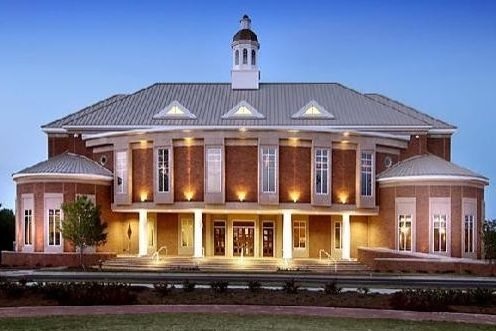
The ceremony is scheduled for Friday, May 15, 2026, at 10:00 a.m. CST inside the Fredrick C. Hobdy Assembly Center, where graduates from across the university’s academic programs will gather to mark the culmination of their studies.
University President Martin Lemelle Jr. called commencement a defining moment for students and families, emphasizing both achievement and future promise.
“Commencement is a proud moment for Grambling State University—an opportunity to celebrate the academic achievement, resilience, and promise of our graduates,” Lemelle said. “We are honored to welcome Ms. Weaver, whose leadership, entrepreneurship, and commitment to purpose reflect the excellence we seek to cultivate in every Grambling State graduate.”
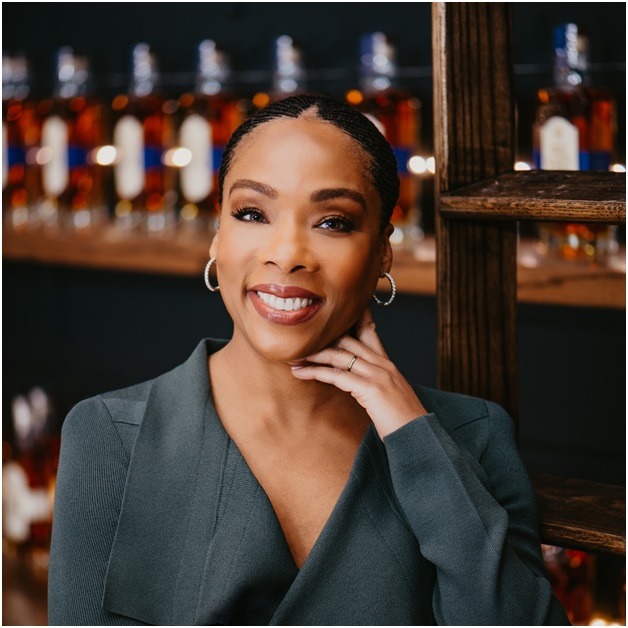
Weaver, founder and CEO of Uncle Nearest Inc., leads one of the fastest-growing independent whiskey brands in the country. Through her work, she has also elevated the legacy of Nathan Green, widely recognized as the first known African American master distiller.
Beyond her role in the spirits industry, Weaver is a two-time New York Times best-selling author, a popular TED speaker, and a seasoned entrepreneur with more than 25 years of experience building brands. Her credentials include certification as a Corporate Director from Harvard Business School, a summa cum laude degree from the University of Alabama, and an honorary Doctorate of Humanities from Bluefield State University. She is also currently pursuing a Master of Finance at Harvard Business School.
Her selection as commencement speaker places a nationally recognized business voice before graduates at one of the nation’s most storied historically Black colleges and universities, reinforcing the institution’s focus on leadership, innovation, and purpose-driven careers.
A Celebration of Academic Excellence
The Spring 2026 graduating class will include students earning degrees across multiple disciplines:
Graduate programs will confer doctoral and master’s degrees in fields ranging from education and public administration to criminal justice, nursing, and social work.
Undergraduate degrees will span the College of Arts and Sciences, including biology, computer science, cybersecurity, mathematics, and political science, alongside programs in music, theatre, and English.
The Thomas and Joyce Moorehead College of Business and Entrepreneurship will award degrees in accounting, management, marketing, economics, and information systems, while the College of Education and College of Professional Studies will recognize graduates in teaching, kinesiology, mass communications, psychology, and related fields.
University officials say the ceremony will reflect not only academic achievement, but also perseverance—an especially meaningful theme for a graduating class shaped by rapid change in higher education and the broader economy.
Additional information about the Spring 2026 Commencement Exercises is available through the university’s official website.
Henry County leaders gather April 2 as Chairwoman Carlotta Harrell delivers State of the County, outlining growth, development priorities, and regional collaboration shaping 2026.
By Milton Kirby | Stockbridge, GA | March 28, 2026
Henry County’s business, civic, and government leaders will gather April 2 for one of the county’s most anticipated annual events the State of Henry County Address, where vision, progress, and future priorities converge.
Hosted by the Council for Quality Growth in partnership with Henry County, the event will take place at Stockbridge Community Church and is expected to draw more than 400 attendees, including elected officials, business leaders, and community stakeholders.
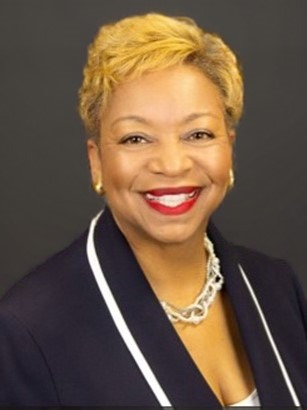
At the center of the program is Carlotta Harrell, who will deliver her sixth State of Henry County address. Her remarks are expected to highlight key accomplishments from the past year while outlining strategic priorities for 2026.
Carletta Harrell – Courtesy photo
The annual gathering serves as more than a ceremonial update. It functions as a working intersection between public policy and private investment — a space where infrastructure, economic development, and quality-of-life initiatives are aligned with the needs of a growing county.
“Under Chairwoman Harrell’s forward-thinking leadership, Henry County continues to see transformative projects come to life,” said Michael Paris, emphasizing the county’s ongoing momentum.
That sentiment was echoed by Gerald McDowell, who pointed to the county’s “thoughtful development and strategic planning” as a driver of opportunity for both businesses and residents.
A Broad Coalition of Voices
This year’s program reflects the increasingly interconnected nature of regional development. In addition to Harrell’s address, attendees will hear from leaders across healthcare, finance, infrastructure, and the judicial system.
Featured speakers include:
Mike Alexander, representing the Atlanta Regional Commission and providing an update tied to regional water planning
David Kent of Piedmont Henry Hospital
Fadzai Konteh of Truist
Patrick Brooks of Geosam Capital Group
Holly Veal
Together, these perspectives reflect the multi-sector approach now required to manage growth in metro Atlanta’s outer counties — where population increases, infrastructure demand, and economic expansion are converging at a rapid pace.
A Platform for Policy and Progress
The State of Henry County is part of a broader regional series hosted by the Council for Quality Growth, which convenes similar events across multiple counties and agencies, including MARTA and the Atlanta BeltLine.
These events are designed not only to inform but to influence — creating a feedback loop between policymakers and the business community that helps shape decisions on infrastructure, zoning, transportation, and long-term planning.
For Henry County, that dialogue is increasingly critical. Positioned along key transportation corridors and experiencing steady residential and commercial growth, the county faces both opportunity and pressure: how to expand while maintaining livability.
Looking Ahead
As Chairwoman Harrell steps to the podium, the focus will likely center on balancing that growth ensuring that new development aligns with infrastructure capacity, workforce needs, and community expectations.
For attendees, the event offers more than a speech. It is a snapshot of where Henry County stands today and a roadmap for where it intends to go next.
Clayton County reports crime reductions, housing investments, and economic growth as Chairwoman Alieka Anderson-Henry outlines priorities during the 2026 State of the County address.
By Milton Kirby | College Park, GA | March 19, 2026
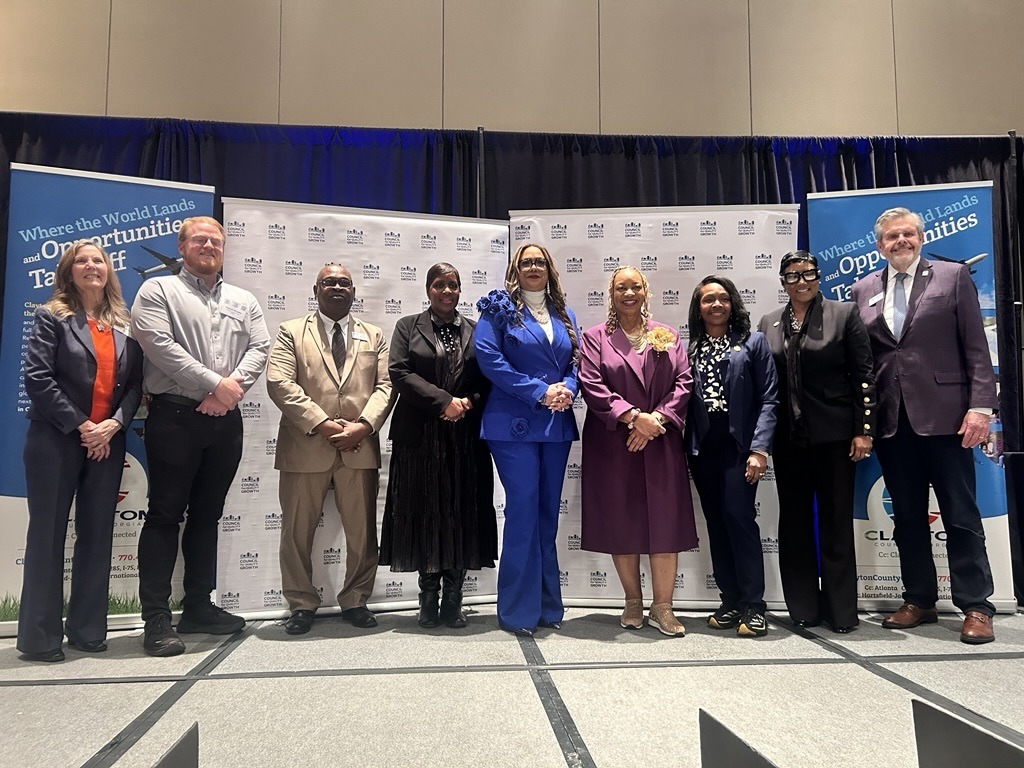
Clayton County leaders laid out a vision of growth, stability, and continued investment Wednesday as Chairwoman Dr. Alieka Anderson-Henry delivered her second State of the County address before a sold-out crowd of more than 450 attendees.
The event, hosted by the Council for Quality Growth at the Georgia International Convention Center, brought together business leaders, elected officials, and residents to hear updates on public safety, economic development, housing, and infrastructure.
Anderson-Henry framed Clayton County as a rising hub in metro Atlanta, calling it both a “global gateway” and a place of expanding opportunity.
“Clayton County is not just where planes land,” she said. “It is where possibility lands.”
Public Safety Improvements Highlighted
Among the most notable updates were gains in public safety. The county reported a 17% reduction in overall crime and a 30% drop in vehicular fatalities over the past year.
Officials also highlighted the launch of a Whole Blood Program through Clayton County Fire & Emergency Services, allowing first responders to administer blood transfusions in the field—an initiative still rare nationwide.
In addition, the Police Department expanded its Co-Responder Mental Health Initiative, pairing officers with mental health professionals to respond to crisis calls.
Economic Development and Small Business Support
Clayton County’s economic strategy centered on both large-scale investment and grassroots support.
The county distributed $5 million in federal ARPA funding to more than 300 small businesses and nonprofits, while also securing a $224 million expansion from TOTO USA in Morrow.
Leaders also pointed to regional recognition, including the Atlanta Regional Commission’s Visionary Planning Award for the Tara Boulevard Livable Centers Initiative, a project aimed at transforming a key commercial corridor.
Housing, Infrastructure, and Smart Growth
Housing emerged as a central priority moving forward. Anderson-Henry announced a new Clayton County Housing Plan and a multi-department Housing Task Force focused on expanding attainable housing and homeownership.
The county has already deployed more than $6.2 million in HUD funding to support housing stability and has begun a comprehensive zoning rewrite to guide future development.
Infrastructure investments included resurfacing nearly 19 miles of roadway, expanding parks and trail systems, and advancing sustainability projects such as solar installations and electric vehicle infrastructure.
Resilience efforts, including the Flint River Flood Mitigation Project, were also highlighted as part of long-term planning.
Workforce and Governance Initiatives
County leaders emphasized workforce development through partnerships with Clayton State University, expanded GED and vocational training programs, and workforce events that attracted more than 1,000 participants.
On the governance side, Anderson-Henry stressed transparency and fiscal discipline, noting efforts to modernize procurement, improve budget communication, and strengthen oversight.
Voter-approved initiatives—including the 2027 SPLOST expected to generate more than $412 million—are expected to fund future capital improvements.
A County Still in Motion
Despite the progress, Anderson-Henry made clear the work is ongoing.
“We are proud—but we are not finished,” she said, pointing to continued priorities in housing, economic development, and community investment.
She closed by emphasizing Clayton County’s evolving identity—not just as a transportation hub anchored by Hartsfield-Jackson, but as a place of long-term opportunity and growth.
“Clayton County is not just a place you pass through,” she said. “It is a place you build in, grow in, and live in.”
Atlanta launches ATL26 Human Rights Action Plan ahead of the 2026 FIFA World Cup, outlining worker protections, housing initiatives, and community safeguards tied to the global tournament.
Milton Kirby | Atlanta, GA | March 11, 2026
Atlanta leaders say hosting the world’s largest sporting event must reflect the city’s long tradition of civil and human rights leadership.
This week, the City of Atlanta publicly launched the ATL26 Human Rights Action Plan, a framework designed to protect workers, safeguard vulnerable communities, and ensure that the global spotlight of the World Cup leaves lasting benefits for Atlanta residents.
The initiative, led by the Mayor’s Office of One Atlanta, was formally adopted by the Atlanta City Council through Resolution 26-R-3106. City officials say the plan will guide how Atlanta prepares for the 2026 FIFA World Cup, when matches will be played at Mercedes-Benz Stadium.
“Atlanta has a legacy of leading the conscience of the nation for civil and human rights,” said Andre Dickens. “The ATL26 Human Rights Action Plan reflects the city’s values and decades of the unforgotten voices of the greatest civil rights leaders in history who called Atlanta home.”
City leaders say the plan is built on a simple principle: the World Cup should happen “with Atlanta, not to Atlanta.”
Officials say that philosophy guided months of planning and community engagement aimed at making sure the event strengthens neighborhoods rather than placing additional burdens on them.
Community Voices Help Shape the Plan
The Human Rights Action Plan was developed through an extensive public process that included more than 75 hours of community engagement and participation from more than 25 organizations.
Those discussions included labor leaders, disability advocates, immigrant-serving nonprofits, faith groups, youth organizations, anti-human-trafficking coalitions, and residents across the city.
Multiple city departments participated in the effort, including the Mayor’s Office of Violence Reduction, the Mayor’s Office of International and Immigrant Affairs, the Department of Emergency Preparedness, the Department of Innovation and Performance, and the Atlanta Department of Labor and Employment Services.
Candace Stanciel, Atlanta’s Chief Impact Officer who led the effort, said community voices were central to the plan’s development.
“This Action Plan was built through partnership,” Stanciel said. “Their voices shaped every section of this document, and their continued partnership will be essential to its success.”
Four Pillars of the Plan
The framework addresses a wide range of issues that can arise when cities host major global events.
Officials organized the plan around four major pillars.
The first pillar, Inclusion and Safeguarding, focuses on protecting vulnerable populations. Initiatives include preventing human trafficking, supporting unsheltered residents, expanding language access, protecting children, and ensuring accessibility for people with disabilities.
The second pillar, Workers’ Rights, establishes labor standards for World Cup-related jobs coordinated by the city. Officials say a $17.50 hourly minimum wage will serve as the baseline for those positions, alongside protections for safe workplaces and wage theft prevention.
The third pillar, Access to Remedy, creates a unified grievance reporting portal in partnership with FIFA and strengthens the Atlanta Human Relations Commission as the city’s primary anti-discrimination mechanism.
The fourth pillar, Accountability and Monitoring, commits the city to quarterly public progress reports and a comprehensive human rights impact report within six months after the tournament concludes.
Why Cities Now Create Human Rights Plans
Human rights action plans have become increasingly common as cities prepare to host global sporting events.
In recent years, international sports governing bodies have encouraged host cities to adopt formal frameworks designed to prevent problems that have emerged around previous mega-events, including worker exploitation, displacement of residents, trafficking risks, and limits on civil liberties.
By identifying risks early and establishing safeguards in advance, cities aim to ensure that global sporting celebrations benefit local communities rather than harming them.
Atlanta officials say the ATL26 plan reflects those lessons while building on the city’s longstanding role in the American civil rights movement.
A Legacy Beyond the Final Match
Beyond event preparation, the plan outlines eight “Legacy Impact Initiatives” designed to deliver long-term benefits to Atlanta residents.
Among them:
• A human rights resource network connecting more than 15 partner organizations • Youth leadership programs expected to serve more than 200 young people • Career exposure opportunities in the sports industry • A citywide accessibility readiness guide for major events • Efforts to support 500 permanent supportive housing units and help 2,000 households find housing • Anti-human-trafficking training for more than 1,000 individuals • FIFA-connected Pride programming providing health and legal resources • Expanded outreach and training through the Human Relations Commission
City officials say the effort is meant to ensure that when the final whistle blows in 2026, Atlanta will be stronger than before the tournament began.
“This Action Plan is both a commitment to the standards we believe every host city should uphold,” the city said in its announcement, “and an invitation to make the 2026 World Cup a model for how global sporting events can advance fairness, justice, and shared humanity.”
Sidebar
Atlanta and the Olympics: What the 1996 Games Teach Us About Hosting Global Events
When Atlanta hosted the 1996 Summer Olympics, the city stepped onto the global stage in a way it never had before.
For two weeks in July 1996, millions of visitors and television viewers saw Atlanta as the capital of the New South a city of economic growth, cultural influence, and civil rights history.
The Olympics brought major benefits. They helped create Centennial Olympic Park, accelerated downtown redevelopment, expanded tourism, and helped reshape Atlanta’s international reputation.
But the Games also revealed the challenges large global events can create.
Housing advocates raised concerns about displacement of low-income residents as redevelopment accelerated. Civil liberties groups also criticized aggressive security policies and the removal of unhoused residents from parts of downtown during preparations for the Games.
Those lessons are part of why cities today often develop formal human rights frameworks when hosting global sporting events.
Atlanta’s ATL26 Human Rights Action Plan, tied to the 2026 FIFA World Cup, reflects that evolution. City leaders say the goal is to ensure that when the world returns to Atlanta in 2026, the benefits of the event will extend beyond the stadium and into the communities that call the city home.
The CFPB’s decision to step back from regulating Buy Now, Pay Later services could leave millions of Americans with fewer protections as BNPL use continues to surge.
Milton Kirby | Atlanta, GA | March 11, 2026
Millions of Americans now use Buy Now, Pay Later (BNPL) services to spread the cost of everyday purchases. But a regulatory shift by the Consumer Financial Protection Bureau is raising new questions about how much protection consumers will have when problems arise.
On May 6, 2025, the CFPB announced it would no longer prioritize enforcing a rule that treated BNPL services similarly to credit cards. The agency also signaled it may rescind the rule entirely.
While the announcement initially drew limited national attention, its consequences are beginning to surface as more households rely on installment payment platforms such as Klarna, Afterpay, and Affirm.
These services promise convenience: consumers can split a purchase into several smaller payments, often four installments with no interest. Retailers promote the option heavily at checkout, especially for online purchases.
But consumer advocates warn that without strong oversight, the model carries risks.
“With the CFPB stepping back, consumers are more exposed than ever especially when something goes wrong.”
Previously, the CFPB had moved toward regulating BNPL services more like traditional credit cards. That approach would have required clearer billing disclosures, stronger dispute rights when purchases go wrong, and standardized rules for fees and collections.
The agency’s decision to step back leaves uncertainty about how those protections will be applied going forward.
If a purchase arrives damaged, if a refund is delayed, or if a billing error occurs, consumers may face a more complicated path to resolving the issue than they would with a traditional credit card.
The CFPB said it is shifting resources toward protecting servicemembers, veterans, and small businesses — priorities the agency considers urgent. However, the move also creates a regulatory gap in one of the fastest-growing segments of consumer finance.
BNPL’s Rapid Growth
Even though the CFPB announcement came nearly a year ago, its relevance continues to grow.
Buy Now, Pay Later usage has expanded rapidly, particularly among younger consumers and families facing rising costs for housing, food, and transportation. Retailers are increasingly promoting installment options during checkout, encouraging shoppers to divide purchases into smaller payments.
For many consumers, the appeal is simple: smaller payments feel easier to manage than a single large charge.
But financial counselors warn that juggling several small installment plans at once can quickly add up. Multiple BNPL purchases — each with its own payment schedule — may strain household budgets.
Complaints about billing errors, refund delays, and late fees have also increased as the industry grows.
Without the standardized protections that apply to credit cards, some consumers may find it more difficult to dispute charges or resolve transaction problems.
How the CFPB Works
The Consumer Financial Protection Bureau was created by Congress in 2010 following the financial crisis to protect consumers in the financial marketplace.
The agency regulates products such as mortgages, credit cards, and student loans, and it has increasingly examined emerging financial tools like BNPL services.
Several features of the CFPB’s structure help explain how policy changes occur:
• Independent but Executive: The bureau operates independently but remains part of the executive branch. • Single Director: It is led by a director appointed by the president and confirmed by the Senate. Following the Supreme Court’s ruling in Seila Law LLC v. Consumer Financial Protection Bureau (2020), the president can remove the director at will. • Independent Funding: The CFPB receives funding through the Federal Reserve System rather than through congressional appropriations. • Broad Authority: The agency enforces federal consumer financial laws and supervises both banks and non-bank lenders.
Because of this structure, the bureau’s regulatory priorities can shift when presidential administrations change.
What Consumers Should Know
Financial experts emphasize that BNPL services may feel different from traditional loans, but they still carry obligations.
Payments are typically scheduled automatically through debit cards or bank withdrawals. Missing a payment can trigger late fees, and some companies may report missed payments to credit bureaus.
For consumers already managing multiple subscriptions, credit cards, and bills, installment plans can create additional complexity.
With fewer federal guardrails in place, financial responsibility increasingly falls on the individual shopper.
TSJ will continue monitoring how federal regulators, lenders, and retailers shape the future of Buy Now, Pay Later financing — and what it means for families trying to stretch every dollar in an unpredictable economy.
Sidebar
Five Things Consumers Should Watch When Using BNPL
Missed or Late Payments BNPL apps often auto-debit accounts. If funds are not available, late fees can accumulate quickly.
Billing Disputes Resolving problems such as damaged goods or delayed refunds may take longer without standardized protections.
Unexpected Fees Some providers may introduce or increase fees if regulatory pressure decreases.
Credit Score Effects Not all BNPL companies report payments the same way. A missed payment could affect credit unexpectedly.
Multiple Plans at Once Several small “pay-in-four” loans can quickly become difficult to track and manage.
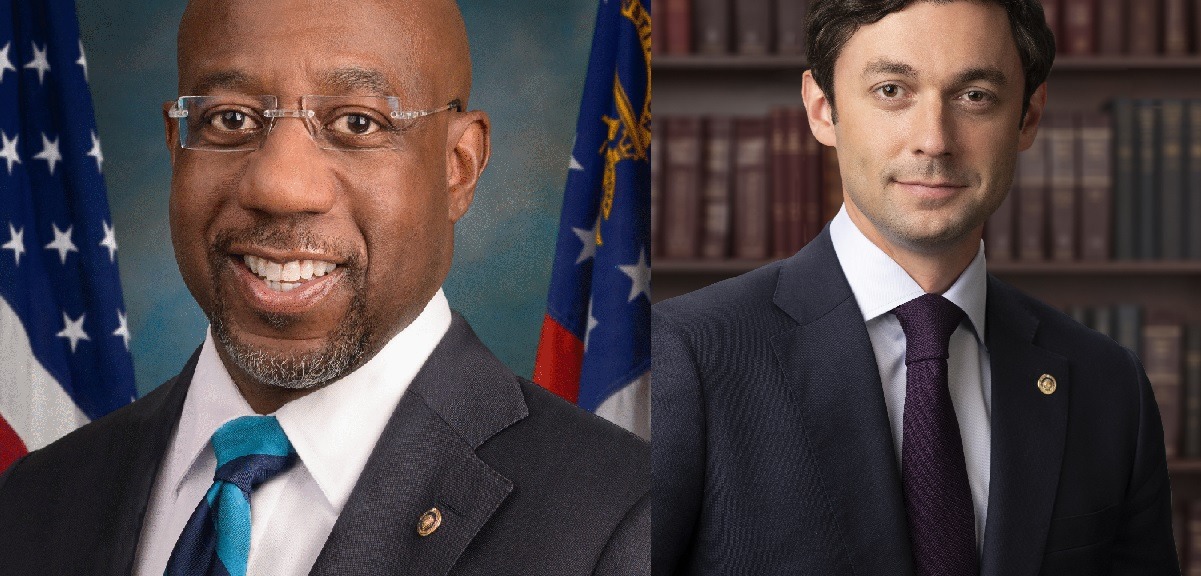
Georgia farmers who suffered devastating losses during Hurricane Helene are set to receive more than $531 million in federal disaster relief, according to an announcement from U.S. Senators Raphael Warnock and Jon Ossoff.
The funding will be distributed through the Georgia Hurricane Helene Block Grant Program, a federal relief initiative designed to help farmers, ranchers, and foresters recover from one of the most destructive storms to hit Georgia’s agricultural economy in recent history.
The relief comes nearly two years after Hurricane Helene tore across large portions of South and East-Central Georgia, leaving widespread destruction across farms, forests, and rural infrastructure.
“This announcement is welcome news for the Georgia producers and farmers that have been forced to wait far too long for this desperately needed relief,” Warnock said. “I’m glad to see that the application for these block grants will open in the coming weeks.”
Ossoff emphasized that Congress approved disaster funding shortly after the storm but said the process of getting the money to farmers has taken longer than expected.
“Less than 90 days after Hurricane Helene devastated Georgia agriculture, Senator Warnock and I passed disaster funding for Georgia farmers,” Ossoff said. “Now, over a year late, USDA is finally getting those funds to Georgia farmers. I am glad Georgia farmers are getting the help they’ve long deserved.”
Billions in Agricultural Losses
Hurricane Helene inflicted massive damage across Georgia’s agriculture and forestry sectors.
According to state and federal estimates:
Roughly one-third of Georgia’s pecan and cotton crops were destroyed
More than 100 poultry houses were damaged or wiped out
Approximately 1.5 million acres of timber were damaged or destroyed
Altogether, the storm caused an estimated $5.5 billion in total agricultural losses, making it one of the costliest disasters in Georgia farming history.
Beyond the economic devastation, the human toll was also severe. More than 250 people lost their lives nationwide, including 37 Georgians, as the storm moved through the region.
Who Can Apply for the Relief
The block grant program will help producers recover losses across a wide range of agricultural operations.
Eligible producers may seek assistance for damages affecting:
Timber
Farm infrastructure
Poultry operations
Beef and dairy cattle
Milk and dairy feed losses
Pecans and blueberries
Citrus crops
Nursery operations
Plasticulture systems
Bare ground farming practices
Applications will be administered through the Georgia Department of Agriculture.
The application window will open March 16, 2026, and remain available for six weeks, closing April 27, 2026.
Bipartisan Push for Relief
Warnock and Ossoff both credited bipartisan advocacy for helping secure the funding.
In March 2025, Warnock led a bipartisan group of lawmakers urging the United States Department of Agriculture to accelerate disaster assistance for Georgia farmers. Members of the Georgia congressional delegation joined the effort as pressure mounted from agricultural groups and rural communities still recovering from the storm.
Warnock, who serves on the Senate Agriculture Committee, has repeatedly pushed for stronger federal support for farmers dealing with extreme weather events.
Georgia’s agricultural sector — one of the state’s largest economic engines — continues to face increasing risks from hurricanes, drought, and other climate-driven disasters that can wipe out crops and infrastructure in a single season.
A Long Road to Recovery
For many farmers, the new funding represents a critical step toward rebuilding operations damaged during Helene.
Farmers across South Georgia reported losing entire orchards, poultry facilities, and timber stands that took decades to grow.
While the new federal relief will not fully replace the estimated billions lost, agricultural leaders say it will provide much-needed capital to help farmers stabilize their operations and prepare for future planting seasons.
For rural communities whose economies depend on agriculture and forestry, the funding could also help preserve jobs, stabilize local businesses, and keep family farms operating after one of the most damaging storms in recent memory.
SIDEBAR: Hurricane Helene’s Impact on Georgia Agriculture
When Hurricane Helene swept through Georgia, it left one of the most damaging agricultural disasters in the state’s modern history.
The storm’s powerful winds, heavy rain, and flooding devastated farms, forests, and rural infrastructure across South and East-Central Georgia, regions where agriculture is the backbone of many local economies.
State and federal assessments estimate that the storm caused approximately $5.5 billion in total agricultural losses across Georgia.
Key Impacts
Crop Destruction Helene wiped out or severely damaged large portions of Georgia’s specialty crops. Nearly one-third of the state’s pecan and cotton crops were destroyed, while blueberry and citrus growers also reported widespread losses.
Timber Losses Georgia is the nation’s leading timber-producing state, and the storm struck some of its most heavily forested regions. Roughly 1.5 million acres of timber were damaged or destroyed, representing years — and in many cases decades — of lost growth.
Poultry Industry Damage The storm also hit Georgia’s massive poultry sector. More than 100 poultry houses were damaged or destroyed, disrupting one of the state’s most important agricultural industries.
Farm Infrastructure Beyond crops and livestock, farmers reported losses to irrigation systems, fencing, barns, tractors, storage buildings, and other critical infrastructure needed to operate their farms.
Long-Term Effects
Agricultural disasters can take years to recover from. Unlike row crops that can be replanted quickly, pecan orchards and timber stands may take decades to fully recover.
The federal block grant program announced by Senators Raphael Warnock and Jon Ossoff aims to help farmers rebuild operations and stabilize rural economies that depend on agriculture.
For many Georgia producers, the funding represents a critical step toward recovery after one of the most destructive storms to hit the state’s farming sector.
The State Bar of Georgia regulates more than 50,000 attorneys, enforces ethics rules, and provides programs that help Georgians resolve disputes with lawyers.
By Milton Kirby | Atlanta, GA | March 7, 2026
The joke surfaces almost every time a large group of lawyers gathers: if Georgia has a “State Bar,” does that mean the state also has an official tavern?
Inside the headquarters of the State Bar of Georgia at 104 Marietta Street NW in downtown Atlanta, the answer quickly becomes clear.
Photo by Milton Kirby State Bar of Georgia
The State Bar is not a social club, and it is certainly not a bar in the traditional sense. It is the institution that determines who may legally practice law in Georgia and the body responsible for disciplining those who violate professional rules.
That reality was on display last month as judges, attorneys and journalists gathered for the 35th Georgia Bar, Media & Judiciary Conference, an annual forum designed to improve communication between the legal profession and the press.
For The Truth Seekers Journal, the conference offered a closer look at one of the most influential and often misunderstood institutions in Georgia’s justice system.
Inside the Conference Discussions
Participants described the discussions as detailed, transparent and highly engaging, particularly around the challenges journalists face when covering courts and government institutions.
One session focused heavily on Freedom of Information practices, offering reporters practical guidance on how to navigate overloaded agencies and obtain public records necessary for investigative reporting.
Panelists shared strategies for overcoming bureaucratic delays, understanding legal limits on disclosure, and ensuring journalists can still access the information required to do their jobs.
Another panel titled “The New Ecology of College Sports” examined the rapidly evolving world of Name, Image and Likeness (NIL) compensation for college athletes. Speakers discussed the enormous financial changes reshaping college athletics, where some players now receive substantial endorsement deals while others earn little or nothing raising new questions about fairness and competitive balance.
Safety in the field was also addressed during a session called “Navigating Immigration Reporting,” which offered practical advice to journalists covering sensitive immigration stories while protecting themselves and their sources.
Kirby arrived late and missed the opening session titled “Beating the Rap,” but said the conversations he attended reflected the conference’s broader purpose: strengthening understanding between lawyers, judges and journalists responsible for explaining the justice system to the public.
A Mandatory Bar
Georgia operates as what legal scholars call a unified or integrated bar state.
Unlike voluntary bar associations in places such as New York or Illinois, membership in the State Bar of Georgia is not optional. The organization operates under the supervision of the Supreme Court of Georgia, which oversees the legal profession statewide.
If a lawyer wants to represent clients, appear in court, or even hold themselves out as an attorney in Georgia, they must be an active member in good standing.
Failure to pay dues or meet professional requirements such as continuing legal education can result in suspension. Once suspended, an attorney cannot represent clients, provide legal advice or practice law in any capacity.
Attempting to do so constitutes the unauthorized practice of law, a violation that can carry civil penalties and, in some cases, criminal consequences.
Different Paths Within the Profession
Not every member of the Bar is actively practicing law in a courtroom. Attorneys can maintain several different membership statuses depending on their career stage.
• Active: Fully authorized to practice law and required to complete continuing legal education. • Inactive: Lawyers who maintain their license but are not practicing and cannot provide legal advice. • Emeritus or Retired: Veteran attorneys who have stepped away from active practice but remain connected to the profession.
These distinctions matter. In a mandatory bar state like Georgia, an inactive or retired attorney cannot casually offer legal advice to friends, churches or community groups.
Regulation and Discipline
The State Bar currently serves more than 50,000 attorneys across Georgia.
Through its Office of the General Counsel, the Bar investigates grievances filed by clients and members of the public. If an investigation finds probable cause that an attorney violated the Georgia Rules of Professional Conduct, the case may be prosecuted before the Georgia Supreme Court.
Sanctions can range from private reprimands to suspension or permanent disbarment.
Public Services for Georgians
The Bar also operates programs designed to help the public navigate legal problems.
The Client Assistance Program (CAP) serves as a first point of contact for many residents experiencing issues with an attorney. CAP helps resolve communication breakdowns, billing disputes and other conflicts before they escalate into formal disciplinary complaints.
The Bar also offers fee arbitration, allowing disputes over legal fees to be resolved without going to court.
Through the Pro Bono Resource Center and partnerships with GeorgiaLegalAid.org, attorneys are connected with opportunities to provide free civil legal assistance to low-income Georgians.
Major CLE Changes Begin in 2026
Significant changes to Georgia’s continuing legal education requirements take effect January 1, 2026.
Under a new order from the Supreme Court of Georgia, the state will move from an annual CLE reporting system to a biennial compliance period.
Lawyers will now complete 18 CLE hours every two years, including three hours of ethics and two hours of professionalism training. The previous “trial hours” requirement for trial lawyers has been eliminated.
Attorneys with 40 years of active membership without suspension or disbarment will qualify for a CLE exemption beginning with the next compliance cycle.
Technology and the Future of Law
Artificial intelligence is also reshaping the legal profession.
AI tools are increasingly used for document review, legal research and contract analysis. While these technologies promise efficiency, they also raise new questions about transparency, accountability and the role of human judgment in legal practice.
Supporting the Legal Community
The Bar has also developed programs focused on professional wellbeing.
The Center for Lawyer Wellbeing promotes mental health resources and professional support for attorneys. Programs such as SOLACE, Support of Lawyers/Legal Personnel All Concern Encouraged provide non-monetary assistance to members of the legal community experiencing serious illness or major life events.
Not the Bar Exam
A common misconception is that the State Bar administers the bar exam.
That responsibility actually belongs to the Office of Bar Admissions, which determines who qualifies to enter the profession. The State Bar regulates lawyers once they have been admitted.
Education Beyond the Courtroom
The Bar’s influence extends into classrooms through its Law-Related Education program, which provides resources for K-12 teachers to incorporate legal concepts into civics education.
Programs such as Journey Through Justice help students understand legal rights, responsibilities and the role courts play in a democratic society.
Why This Matters to Everyday Georgians
For most residents, the State Bar may feel distant from daily life. But its role becomes important the moment someone hires or has trouble with a lawyer.
If an attorney stops returning calls, refuses to release a client’s file or fails to explain billing practices, the Client Assistance Program can help mediate communication before the problem escalates.
In more serious cases involving ethical violations, the Bar investigates grievances and can recommend disciplinary action ranging from reprimands to disbarment.
Trust and Accountability
In a time when public trust in institutions is frequently tested, the work of the State Bar operates largely out of the spotlight but carries significant consequences.
The organization helps ensure that the lawyers who represent clients, argue cases and influence court outcomes follow professional and ethical standards. For Georgians navigating the legal system, that oversight helps safeguard the integrity of the courts and the fairness of the process.
Support open, independent journalism—your contribution helps us tell the stories that matter most.
DeKalb County will host its 9th Annual Reverse Trade Show & Procurement Summit on March 19, connecting local businesses with government decision-makers and contracting opportunities.
By Milton Kirby | Decatur, GA | March 6, 2026
DeKalb County is inviting entrepreneurs, contractors, and service providers to connect directly with government decision-makers at the county’s 9th Annual Reverse Trade Show & Procurement Summit on March 19.
The event will take place from 9 a.m. to 3 p.m. at the Porter Sanford III Performing Arts & Community Center in Decatur.
Hosted by the DeKalb County Purchasing and Contracting Department, the summit is designed to help local businesses better understand how to compete for government contracts while building relationships with county departments that purchase goods and services.
Unlike traditional trade shows, the event uses a reverse format.
Instead of vendors setting up booths, county departments and public agencies host the booths. Business owners walk the floor and speak directly with procurement staff, program managers, and other decision-makers responsible for county purchasing.
The goal is simple: make it easier for local businesses to learn how to do business with DeKalb County.
For small and emerging companies, the opportunity can be significant. County governments purchase millions of dollars in goods and services each year, from construction and maintenance to technology, consulting, and office supplies.
This year’s summit will feature several new elements aimed at helping businesses navigate the procurement process more effectively.
Business owners will be able to schedule one-on-one meetings with procurement professionals for personalized guidance on vendor registration, bidding opportunities, and navigating the county’s purchasing system.
Certified Local Small Business Enterprises (LSBEs) will also be able to schedule direct meetings with county departments seeking specific services. Participants are encouraged to bring capability statements, including NIGP codes, descriptions of services offered, and professional references.
To increase accessibility, several educational sessions will be offered twice during the day, allowing attendees to choose either morning or afternoon sessions.
The summit will also include a “Stump the Expert” panel, where participants can ask procurement professionals questions about government contracting, vendor registration, and DeKalb’s LSBE ordinance. Organizers say the interactive session is designed to make the procurement process more transparent and easier to understand.
For many local entrepreneurs, events like the Reverse Trade Show provide a rare opportunity to speak directly with public officials responsible for purchasing decisions.
By strengthening those connections, DeKalb County hopes to expand opportunities for local companies while ensuring taxpayers receive competitive pricing and high-quality services.
The event is open to contractors, suppliers, and service providers interested in working with DeKalb County.
For additional information, contact Michelle Butler, Chief Procurement Officer, at mnbutler@dekalbcountyga.gov or 678-472-8507.
Truth Seekers Journal thrives because of readers like you. Join us in sustaining independent voices.
Fulton County Commission Chairman Robb Pitts delivered a confident and at times defiant message Tuesday morning, declaring that Fulton County is “stronger than ever” during his 2026 State of the County address.
Hosted by the Council for Quality Growth at The Eastern, the breakfast event drew hundreds of business leaders, elected officials, and community stakeholders under the theme: “We’ve Got It All.”
From senior services and infrastructure to jail reform and election security, Pitts outlined what he described as a year of major investments and bold decisions.
Seniors and Community Investment
Pitts began by highlighting expanded services for seniors across the county.
Thanks to Fulton County’s transportation program, seniors took more than 276,000 trips last year to grocery stores, medical appointments, pharmacies, and senior centers. More than 167,000 meals were delivered to seniors at home or served at neighborhood senior centers.
The county also launched a new initiative to protect seniors from online scams and hosted its first Senior Olympics, drawing more than 500 participants in what Pitts called “an amazing event” built on community and competition. He promised the 2026 games would be even larger.
Infrastructure Investment: Water, Airports, and the Beltline
Photo by Milton Kirby State of Fulton County
The chairman emphasized more than $1 billion in water infrastructure investments across North and South Fulton to meet the demands of a growing population.
“Our infrastructure is stronger,” Pitts said, pointing to environmental protections tied to the upgrades.
He also celebrated progress at Fulton County Executive Airport, formerly known as Charlie Brown Airport. A planned customs facility will soon allow for international travel, and with runway expansion already underway, Pitts said nonstop flights to Europe will become possible.
“That’s a big deal,” he told the audience.
Beyond aviation, Pitts noted that 85 percent of the Atlanta BeltLine is expected to be complete by the 2026 FIFA World Cup, further cementing the county’s economic and tourism profile.
Jail Renovation and Mental Health Services
One of the most significant announcements was a landmark, long-term renovation plan for the Fulton County Jail on Rice Street. Pitts described a billion-dollar overhaul designed to address deteriorating conditions and improve safety.
As part of broader justice reform efforts, the county will add a new medical unit focused specifically on inmate mental health services an acknowledgment of the growing mental health crisis within correctional facilities.
The plan aims to modernize the jail while improving care and accountability.
Economic Strength
Pitts also highlighted Fulton County’s financial health, noting that the county continues to maintain a coveted AAA credit rating. He pointed out that Fulton ranks fourth in the nation for the number of Fortune 500 companies headquartered within its borders.
Those metrics, he said, reflect both stability and opportunity.
“We are proud to be the largest county in the state of Georgia,” Pitts said. “Proud to be a top county in these United States of America.”
Defending Elections After FBI Raid
The most forceful portion of Pitts’ address centered on election security.
Referencing the January 28, 2026 FBI raid on the Fulton County election office, Pitts spoke with visible resolve.
“Our elections are safe. Fulton County elections are fair. Fulton County elections are lawful. Fulton County elections are transparent. And every legal vote that is cast is counted,” he said.
He criticized what he described as threats to nationalize local elections and warned that Fulton County would resist any attempt to take control of its election operations.
“We will fight any effort to take over our election with every resource that we have available,” Pitts said. “That’s today. That’s tomorrow. And as long as it takes to protect democracy and your right to vote.”
He urged residents to mobilize for the 2026 and 2028 election cycles, telling attendees that “talk is cheap” and encouraging them to ensure their friends, families, and neighbors vote.
“Stronger Than Ever”
Closing on an optimistic note, Pitts praised residents, workers, students, and families who call Fulton County home.
“Fulton County is stronger than ever,” he said. “And it is because of each and every one of you.”
The event concluded with remarks thanking sponsors, staff, and partners, as attendees lingered at The Eastern to continue conversations about the county’s future.
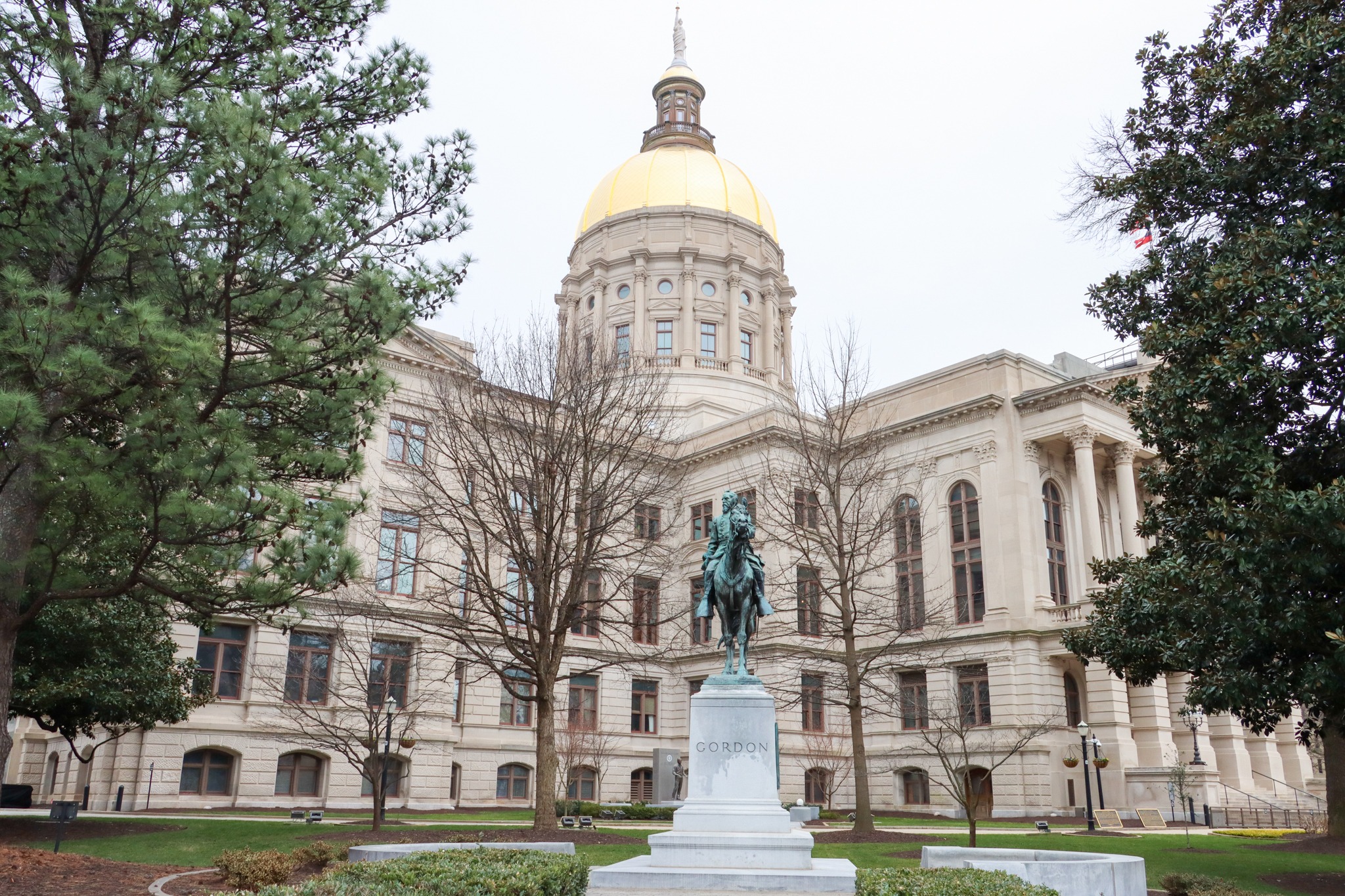
With Crossover Day approaching and the legislative calendar tightening, Georgia lawmakers accelerated activity beneath the Gold Dome last week, advancing a slate of tax, education, and regulatory reform bills that are shaping the policy direction of the 2026 session.
The flurry of movement includes sweeping income tax proposals, early literacy initiatives, and structural changes to how state agencies interpret and implement Georgia law.
Tax Cut Proposals Move at Unusual Speed
Two major tax cut bills—Senate Bill 476 and Senate Bill 477—introduced just last week by Senate Appropriations Chair Blake Tillery, advanced rapidly through the Senate. The Senate Finance Committee approved both measures Tuesday, and the full Senate passed them Thursday.
SB 476, titled the Income Tax Reduction Act of 2026, would effectively eliminate the first $50,000 of taxable income for single filers and $100,000 for joint filers. The measure proposes offsetting revenue losses by phasing out corporate tax credits by 2032.
SB 477 would gradually reduce Georgia’s personal income tax rate to 3.99% by 2028.
The House is pursuing its own tax reduction path. House Bill 880, introduced by Rep. Shaw Blackmon, also aims to lower the income tax rate to 3.99% and would allow a portion of undesignated surplus funds to be used for tax relief. After carrying over from the 2025 session, HB 880 cleared the House Ways and Means Committee this week.
Blackmon is also sponsoring House Bill 1116, which received its first hearing. The proposal would authorize local governments and school systems to exempt homesteads from property taxes by shifting to local sales taxes instead. The bill includes caps on revenue growth from non-exempt properties and makes technical adjustments to education funding formulas and tax digest procedures.
Early Literacy Gains Momentum
Education policy is also advancing. Both chambers now have versions of the Georgia Early Literacy Act of 2026—House Bill 1193, sponsored by Rep. Chris Erwin, and Senate Bill 459, sponsored by Sen. Billy Hickman.
The House version passed out of committee Thursday. Both proposals would fund K–3 literacy coaches through Georgia’s education formula and require kindergarten attendance before first grade. Supporters say the measures are designed to strengthen foundational reading skills and improve long-term academic outcomes.
Charter School Infrastructure and Regulatory Reform
Companion bills—Senate Bill 498 and House Bill 1253would establish a Georgia Charter School Facilities Authority. The authority would provide revolving loans and public financing assistance for charter school construction and renovation projects.
Meanwhile, regulatory reform efforts are advancing. House Bill 1247, the Georgia Bureaucratic Deference Elimination Act, would end “Chevron-style” judicial deference at the state level by directing courts not to automatically defer to agency interpretations of Georgia law.
Another measure, House Bill 903, sponsored by Rep. Alan Powell, passed the House this week. The bill would expand the scope of Georgia’s Administrative Procedure Act, increasing transparency and oversight across the executive branch. HB 903 now heads to the Senate Judiciary Committee.
SIDEBAR: What Is Crossover Day?
Crossover Day is one of the most important deadlines in the Georgia General Assembly’s 40-day legislative session. It marks the point—typically Day 28—when a bill must pass out of its chamber of origin to remain viable for the year.
Why It Matters
A House bill must pass the House by Crossover Day to be considered by the Senate.
A Senate bill must pass the Senate to move to the House.
Bills that fail to “cross over” are effectively sidelined unless revived through procedural maneuvers or attached to other legislation.
What Happens on Crossover Day
Lawmakers often work late into the night.
Floor calendars are packed with high-profile and time-sensitive bills.
Leadership prioritizes measures with broad support or strategic importance.
Controversial bills sometimes move quickly, while others stall by design.
Why It Shapes the Session
Crossover Day forces legislators to make strategic choices:
Which bills advance
Which bills die quietly
Which issues will define the remainder of the session
For reporters and the public, it marks a clear dividing line between early-session positioning and late-session negotiation. After Crossover Day, attention shifts to reconciliation, amendments, and final passage before Sine Die.
A Compressed Timeline
With a shorter week ahead and Crossover Day looming, lawmakers are expected to intensify debate and floor action. Measures that do not pass at least one chamber by the deadline face a steeper path forward this session. As Georgia’s 2026 legislative agenda takes shape, TSJ will continue tracking the fiscal impact, education implications, and regulatory shifts emerging from the Gold Dome.
No contribution is too small. Support us today and help keep truth accessible for all.
From inside federal court, TSJ reports judge keeps Uncle Nearest in receivership, sets March 5 deadline amid $164M debt concerns and affiliate scrutiny.
After a marathon six-hour hearing, Judge Atchley orders supplemental briefing on missing records and “commingled” funds.
By Milton Kirby | Knoxville, TN | February 15, 2026
“The status quo shall remain unchanged,” the court wrote. “The Receiver continues to possess all the powers granted to him … and the receivership retains its original scope.”
In plain terms: the court‑appointed receiver remains in complete operational control of the company while the judge evaluates the evidence presented during Monday’s hearing.
Federal Judge Charles E. Atchley Jr. kept the Uncle Nearest receivership firmly in place Monday after a six‑hour hearing that among other issues, revisited questions about the company’s finances, governance, and record‑keeping. From my seat inside the courtroom, it was clear the judge saw enough unresolved issues to maintain full federal control while he reviews the new testimony and evidence.
Collins Challenges the Receiver
Much of Monday’s questioning was led by Michael Collins, attorney for Uncle Nearest. His direct examination of Receiver Phillip G. Young, Jr. focused sharply on three themes:
Whether the Receiver and his consultants were effectively managing the company
Whether the Receiver had been transparent about the company’s solvency
Whether the receivership itself was harming the brand’s operations
Collins pressed witnesses on financial assumptions, operational decisions, and communications with vendors. The strategy was clear: challenge the narrative that Uncle Nearest is irreversibly insolvent and question whether the Receiver’s management has improved or worsened the situation.
Anthony Severini’s Testimony
One of the most striking moments came during testimony from Anthony Severini, CFO of Global Genesis the company responsible for processing Uncle Nearest’s payroll.
Severini testified that Global Genesis believed in the Weavers and the long‑term viability of Uncle Nearest. Because of that trust, Global had processed payroll and extended 60‑day payment terms prior to the receivership, applying payments to the oldest outstanding invoices.
According to Severini, after the Receiver was appointed, he was told that pre‑receivership debts would effectively be stayed and that future payroll processing would be paid when due. He said the Receiver offered no assurances about prior balances.
Severini further testified that during an early conversation, the Receiver indicated he planned to sell the company by the end of 2025. He also said the Receiver described himself as “right‑sizing the ship” and suggested control would eventually return to company leadership.
In one of the more serious allegations presented in open court, Severini stated that the Receiver “lied” to him about the company’s financial condition. He testified that he did not learn of significant cash‑flow concerns on the part of the Receiver until January 2026.
These statements were presented as part of Uncle Nearest’s broader argument that the Receiver’s communications and management decisions have contributed to instability.
Notably, neither the Receiver’s attorney nor counsel for Farm Credit Mid‑America chose to cross‑examine Severini, leaving his testimony including his statement that the Receiver “lied” to him unrebutted in the record.
The Receiver’s Position
The Receiver, by contrast, has asserted that Uncle Nearest faces approximately $164 million in debt, missing documentation, and troubling intercompany transfers — including funds that flowed through Grant Sidney Inc.
The court has not ruled on the truth of these competing characterizations. Instead, Judge Atchley ordered supplemental briefing focused specifically on “new evidence and testimony” introduced at the hearing, including issues involving erased records, fund transfers, and solvency.
The “Affiliated Seven” and Scope Expansion
The hearing was also intended to address whether seven related entities including Humble Baron should be brought under receivership control.
Time constraints prevented full oral argument. The judge directed attorneys to address “flow of funds” and “commingling” concerns in written briefs due:
February 26, 2026 — Supplemental briefs
March 5, 2026 — Responses
After March 5, the court is expected to issue a decision on whether the receivership:
Continues
Expands
Or is terminated
The Funding Variable
The ruling also preserves a key condition tied to emergency financing.
Creditor Farm Credit Mid‑America has indicated it would provide $2.5 million in funding only if the Receiver remains in control. By maintaining the current structure, the judge ensures that option remains available while the dispute unfolds.
What Was Clear in the Room
From inside the courtroom, one thing was evident: this case is no longer just about numbers on a balance sheet.
It is about credibility of leadership, of management, of financial reporting, and of the receivership process itself.
Judge Atchley did not telegraph a decision. Instead, he signaled caution.
For now, the Receiver stays. The founders wait. And the future of one of the nation’s most prominent Black‑owned spirits brands remains under federal court supervision.
Once the March 5 filings land, Judge Atchley will decide whether to maintain the status quo, widen the receivership’s reach, or return control to the founders. TSJ will continue monitoring the docket and reporting developments from Knoxville.
“The status quo remains unchanged while the Court evaluates competing claims over solvency, transparency, and control.”
A federal judge heard testimony on whether the Uncle Nearest receivership should continue, weighing claims of insolvency against arguments that court control has slowed recovery.
By Milton Kirby | Knoxville, TN | February 10, 2026
On a cold Monday morning in February, the future of a nationally watched American whiskey brand was argued not through press releases or filings, but inside a quiet federal courtroom in Knoxville, where tone, preparation, and credibility carried as much weight as any document.
At 10:00 a.m., the question before U.S. District Judge Charles E. Atchley Jr. was deceptively simple: should the court-ordered receivership overseeing Uncle Nearest Premium Whiskey continue, or had it outlived its purpose?
What unfolded during several hours of testimony revealed a case less about a single balance sheet and more about control, delay, and whether a receivership meant to stabilize a company had instead become a constraint on its recovery.
A Courtroom Prepared for Conflict
Entry into the courtroom underscored the seriousness of the proceeding. All electronic devices were barred entirely collected in secured bins at the security checkpoint. Even attorneys granted special permission were required to keep phones powered off. The rule was absolute, creating a room focused entirely on testimony, documents, and the judge’s questions.
The courtroom itself had been configured in advance for a document-heavy hearing. Multiple viewing screens lined the walls. Counsel tables formed an L-shaped arrangement, with the receiver and his attorney seated directly before the judge and attorneys for Farm Credit Mid-America positioned against the wall to the receiver’s left.
By 9:15 a.m., Farm Credit’s legal team was the first to arrive, carrying boxes of documents and thick binders that would later populate the screens. Attorneys for Uncle Nearest arrived shortly afterward, carrying only backpacks. As the gallery filled, suited observers took seats on both sides of the aisle, some exchanging brief greetings the attorneys also greeted each other across party lines, suggesting professional familiarity despite opposing positions.
Photo by Milton Kirby – Uncle Nearest Flight
The Case Against the Receivership
Attorneys for Uncle Nearest opened by challenging the effectiveness of the receivership itself. They argued that the company’s financial decline coincided not with internal mismanagement, but with the filing of Farm Credit’s lawsuit in July 2025 and the subsequent appointment of a receiver the following month.
Central to that argument was market data. Counsel pointed to Nielsen reporting showing that Uncle Nearest outperformed the broader spirits market from January through July 2025. After the lawsuit was announced and the receivership imposed, they argued, the brand underperformed the market through January 2026—by double-digit percentages, in some months approaching 27 percent.
The receiver, Phillip G. Young Jr., was called as the first witness. Under questioning, he maintained that Uncle Nearest was cash-flow negative, insolvent, and unable to meet obligations as they became due. He testified that his mandate was not to grow the business but to stabilize it, preserve lender interests, and explore a potential sale.
Attorneys for Uncle Nearest countered that stabilization had come at the cost of operational paralysis. They argued that decision-making which once took minutes began to stretch into weeks after the receiver’s appointment, undermining sales execution and marketing strategy.
Operational Friction Under Oath
That theme was reinforced by testimony from Katherine Jerkins, the company’s Chief Business Officer. Jerkins testified that prior to the receivership, management decisions including promotions and pricing could be made in as little as 20 minutes. Afterward, decisions requiring receiver approval could take up to 30 days.
She pointed specifically to Limited Time Offers, a sales tool she described as critical to the brand’s momentum. According to her testimony, delays in approval rendered those programs ineffective, contributing to declining sales.
Independent third-party witnesses echoed concerns about disruption. Daniel Romano of Romano Beverage, a major distributor, testified that his company had sold the first case of Uncle Nearest whiskey and maintained a long-standing relationship with the brand. He emphasized the importance of founder Fawn Weaver’s personal presence, testifying that events featuring Weaver routinely sold out and that she remained central to the brand’s identity.
Anthony Severini, CFO of Global Genesis, testified that his firm continued processing Uncle Nearest payroll prior to the receivership based on trust in management and extended payment terms. He testified that after the receiver’s appointment, he was instructed that prior obligations would be stayed, with assurances only for future payroll. Severini further testified that he was not informed of the company’s cash-flow problems until January 2026.
Data, Doubt, and Credibility
The hearing also turned on competing interpretations of financial data. Kevin Laurin of NewPoint Advisors testified regarding documents submitted to the receiver but struggled under questioning to clearly explain how those materials captured the company’s financial condition.
Economist David Ozgo, president of Advocacy Analytics, testified in support of the Nielsen data relied upon by Uncle Nearest. Ozgo described Nielsen as a reliable industry benchmark covering roughly 40 percent of the spirits market, primarily national brands. While conceding that independent sellers were underrepresented, he testified that volume trends among large and small sellers generally move together. Under cross-examination, Ozgo acknowledged that he was compensated for his testimony.
At several points during testimony, Judge Atchley leaned forward in his chair, closely tracking witness responses and attorney questioning.
The Founder Takes the Stand
Photo by Milton Kirby – Uncle Nearest Street View
The final witness for Uncle Nearest was founder and CEO Fawn Weaver. Early in her testimony, Judge Atchley admonished Weaver for addressing the court directly, instructing her to wait for questions and respond only through counsel.
Weaver testified that management had begun cutting expenses prior to the receivership, reducing costs by approximately 40 percent. She further testified that the company paid $7.5 million in debt service to Farm Credit during 2025 before the receiver’s appointment.
Weaver described herself as the public face of the brand, testifying that her travel was frequently offset by paid speaking engagements and appearances. She asserted that the company’s consumer base is uniquely loyal, recounting that after the receivership was confirmed, she urged supporters on social media to purchase remaining inventory—and that they did.
She testified that with control returned, she could reengage that base and restore momentum. Weaver asked the court to return operational control to management while leaving the receiver in an oversight role, stating that consumers “still believe in me” and that she could rebuild the company.
Sidebar | Who Testified — and Why It Mattered
Phillip G. Young Jr. — Court-Appointed Receiver Young testified that Uncle Nearest was insolvent, cash-flow negative, and unable to meet financial obligations as they became due. He emphasized that his mandate was not to grow the business but to stabilize it, preserve lender interests, and explore a potential sale—framing the receivership as protective rather than operational.
Katherine Jerkins — Chief Business Officer, Uncle Nearest Jerkins testified that decision-making slowed sharply after the receiver’s appointment. She said actions that once took minutes could take weeks, weakening sales execution. Her testimony focused on the disruption of Limited Time Offers, which she described as key to prior growth.
Daniel Romano — Romano Beverage (Chicago) Romano testified that his company sold the first case of Uncle Nearest whiskey and has maintained a long-standing distributor relationship. He emphasized founder Fawn Weaver’s role as the face of the brand, stating that events featuring Weaver routinely sold out.
Anthony Severini — CFO, Global Genesis Severini testified that his firm continued processing payroll before the receivership based on trust in management and extended payment terms. He stated that after the receiver’s appointment, prior obligations were stayed, assurances applied only to future payroll, and that he was not informed of cash-flow problems until January 2026.
Kevin Laurin — NewPoint Advisors Corporation Laurin testified about financial documents prepared for the receiver. Under questioning, he struggled to clearly explain how certain materials reflected the company’s financial condition, drawing scrutiny to the data relied upon during the receivership.
David Ozgo — President, Advocacy Analytics Ozgo testified that Nielsen market data used by Uncle Nearest was valid and widely relied upon in the spirits industry. He stated that the brand outperformed the market prior to the receivership. Under cross-examination, he acknowledged being compensated for his testimony and that Nielsen does not fully capture independent sellers.
Fawn Weaver — Founder and CEO, Uncle Nearest Weaver testified that management reduced expenses by roughly 40 percent before the receiver’s appointment and that $7.5 million in debt service was paid in 2025. She argued that her leadership and consumer loyalty are central to the brand’s success and asked the court to return control to management with the receiver in an oversight role.
No Ruling Yet
After hearing testimony, Judge Atchley offered an opportunity for additional evidence, then made clear that all existing orders would remain in effect. He directed the parties to submit briefs outlining what they believed should happen next and stated that he would rule after reviewing those submissions.
The hearing ended without a decision but not without signals. What the court ultimately decides may turn less on any single metric than on whether continued control by a receiver is stabilizing Uncle Nearest or quietly constraining the very recovery it was meant to protect.
The Council for Quality Growth names ATL Airport CIDs Executive Director Gerald McDowell as 2026 Chair, setting transportation and mobility priorities for metro Atlanta’s future.
By Milton Kirby | Atlanta, GA | February 8, 2026
The Council for Quality Growth has announced its 2026 Board of Directors and officers, naming Gerald McDowell as Chairman as the organization enters its 41st year advocating for balanced, responsible growth across metro Atlanta.
The 2026 Board was ratified during the Council’s 40th Annual Meeting & Legislative Reception, held December 18, 2025, at the Cherokee Town Club. More than 350 members, state legislators, and local elected officials attended the event, which also marked four decades of the Council’s influence on regional growth policy.
Council President-Elect Marci Collier Overstreet delivered welcome remarks on behalf of the City of Atlanta, while State Representative Matthew Gambill addressed attendees and presented a proclamation from Governor Brian Kemp recognizing the Council’s milestone. A second proclamation, from Mayor Andre Dickens, was also presented honoring the organization’s four decades of work promoting sustainable development.
The annual meeting also highlighted the Council’s achievements in 2025 under outgoing Chair Clyde Higgs, President and CEO of the Atlanta BeltLine. During Higgs’ tenure, the Council reached record membership and program participation and secured several notable regional policy wins, including work related to the City of Atlanta’s Tree Protection Ordinance, Forsyth County impact fees, and Cobb County stormwater utility fees.
McDowell, the Executive Director of the ATL Airport Community Improvement Districts, becomes the Council’s 39th Chairman. He has served on the Council’s Board since 2017 and joined its Executive Committee in 2022. At the Board’s first meeting of the year on January 23, McDowell outlined strategic priorities centered on transportation, mobility, and the intersection of public policy and private investment.
“Georgia is a leader in emerging mobility technology,” McDowell said, emphasizing the need for candid conversations about transit performance and the range of solutions available as metro Atlanta communities pursue high-capacity transportation options. He noted that the Council is uniquely positioned to bring together public officials and private mobility providers to help shape the region’s future.
Since 2015, McDowell has led ATL Airport CIDs through a period of expansion and innovation, including the relaunch of the Shift commuter services program supporting more than 157,000 workers, pilot projects in micro-transit and automated transit, and extensive infrastructure, landscaping, and public safety improvements across the 15.7-square-mile district. His work has focused heavily on partnerships with local governments, transportation agencies, and private stakeholders.
“Gerald brings a thoughtful and steady leadership style that will benefit the Council as we head into 2026,” said Michael Paris, President and CEO of the Council. “He understands the Council’s role and is focused on positioning the organization to effectively serve its members and the broader region.”
The Council also announced its 2026 officers: Rob Garcia of Pinnacle Financial Partners as Vice Chair, Ellen Smith of Parker Poe as Treasurer, and Audra Cunningham of Acre Consultants as Secretary. Higgs will remain in leadership as Immediate Past Chair. The full 2026 Board will include 96 voting members and two appointed seats.
Six new directors were elected to begin two-year terms in 2026: Lisa Exley of Volkert, Inc.; Ben Hefner of DCCM; Michael Hightower of The Collaborative Firm, LLC; Greg Mullin of AECOM; Anthony Rodriguez of the South Forsyth County CID; and Jue Wang of T. Dallas Smith & Company. As it begins its 41st year, the Council for Quality Growth says it will continue focusing on advocacy, education, and policy engagement aimed at strengthening metro Atlanta’s economic competitiveness while addressing infrastructure demands and quality-of-life challenges.
A federal judge will hear arguments Monday over whether Uncle Nearest’s court-ordered receivership should continue, be narrowed, or end, reshaping the future of the Tennessee whiskey brand.
By Milton Kirby | Knoxville, TN | February 7, 2026
A federal judge in Knoxville will hear arguments Monday morning that could determine whether Uncle Nearest, one of Tennessee’s most prominent spirits brands, remains under court control or begins the process of reclaiming its operations.
The 10:00 a.m. hearing before U.S. District Judge Charles E. Atchley Jr. comes after a flurry of emergency filings challenging the receivership imposed last fall at the request of lender Farm Credit Mid-America. At issue is whether the extraordinary remedy—placing the company under the control of a court-appointed receiver—still serves its intended purpose.
Attorneys for Uncle Nearest, its founders Fawn and Keith Weaver, and their affiliated entity Grant Sidney Inc. argue that it does not.
In court papers, the founders contend the receivership was meant to stabilize a business facing uncertainty not to drain value from a company they say remains solvent and capable of meeting its obligations. They argue that after roughly five months under receiver control, more than $2 million has been spent on professional fees, while sales have declined and brand momentum has slowed.
The founders assert that the receiver has found no evidence of fraud by current management and has produced limited financial reporting, while failing to pursue claims tied to a former chief financial officer who allegedly admitted misconduct before the receivership began. They further argue that retail sales declines followed the receiver’s appointment and diverged from broader whiskey industry trends.
Central to the dispute is insolvency. The Weavers argue that both federal and Tennessee law rely on a balance-sheet test comparing assets to liabilities and maintain that Uncle Nearest’s assets exceed its debts. They cite distillery property, tens of thousands of barrels of aging whiskey, domestic and international real estate holdings, and the underlying brand itself, which they say was valued near $1 billion prior to the receivership.
The receiver and the lender both argue that conditions justifying the receivership still exist.
Receiver Phillip G. Young Jr. has told the court that Uncle Nearest remains financially unstable, cannot meet obligations without continued lender advances, and may carry debt exceeding the realizable value of its assets. He attributes declining sales to industry headwinds and distributor disruption, not receivership decisions, and says incomplete company records have slowed his ability to reach firm conclusions.
Farm Credit Mid-America supports that position, warning that lifting the receivership prematurely could expose collateral to risk and undermine creditor protections.
Judge Atchley is not being asked to resolve those underlying disputes Monday. Instead, the hearing will focus on whether the receivership should continue as structured, be narrowed, or be terminated altogether.
The decision could reshape the future of Uncle Nearest—either keeping the company in a holding pattern under court supervision or allowing its founders to attempt a recovery while litigation continues.
What to Watch at Monday’s Hearing
1. Solvency vs. Stability The judge will weigh competing narratives: whether Uncle Nearest is balance-sheet solvent, as the founders claim, or operationally unstable, as the receiver contends.
2. Cost of the Receivership Expect scrutiny of professional fees, burn rate, and whether the receivership is preserving or eroding enterprise value.
3. Sales Decline Evidence Both sides cite sales data. The court may probe whether declines are tied to market conditions or changes implemented after the receiver took control.
4. Scope of Court Control The judge could leave the receivership intact, limit it to financial monitoring, or return day-to-day operations to company leadership.
5. What Happens Next While Monday’s ruling won’t end the case, it may determine who controls Uncle Nearest’s future during the months ahead.
In an era of digital noise and fast fashion, Thee Manor Private Members Club stands as a defiant sanctuary of quiet luxury and refined intentionality. Located at 760 10th Street NW, this three-story enclave is not merely a social club; it is a meticulously curated experience designed to engage all five senses.
Founded in 2021 by Sir Jay-De Robinson and co-founder Chef Patricia, the concept emerged from what Managing Director Robinson describes as a void. “Exclusivity what I wanted for myself but couldn’t find became the reason to build it,” he said. The result is a carefully layered environment designed for mature adults who value presence as much as polish
A Three-Tiered Masterpiece
Even the furniture is intentional. Sixteenth-century Victorian chairs from England, antique cutlery, and antique serving utensils define the space. Nothing is modern unless it is meant to be.
The club is housed in a structure where every floor offers a distinct chapter of exclusivity.
The First Floor: Mr. Classic’s Haberdashery
The journey begins with the tactile. Here, the scent of fine textiles meets the sight of bespoke garments in various stages of creation. Members have access to over 1,000 seasonal fabrics and executive image consulting. Jay-De Robinson, a former professional musician, believes your aesthetic is your first introduction.
In any situation, “before they hear you, they must first see you so make sure what they are looking at is going to be worth listening to” he noted
After once being told to either dress down or teach the people around him to dress up, he chose the latter and Thee Manor became the answer.
The Second Floor: The Piano Bar & Gallery
The atmosphere shifts to the auditory and visual. High-back 16th-century Victorian chairs from England and artifacts from Italy and Asia provide the backdrop for a world-class piano bar. On the fourth Thursday of every month, the air fills with the jazz and blues stylings of pianist Philip Adair and vocalist Song Bird Maya Richardson.
The Third Floor: The Culinary Quarters
The pinnacle of the Manor is dedicated to the palate. Chef Patricia, a Philippine-born and French-trained pastry chef, curates seasonal menus and private dining experiences that blend her international expertise with the club’s antique-heavy elegance. Nothing is modern unless it is meant to be.
A private dining room sits just beyond the bar. Chef Patricia merges technique with imagination. Her culinary department was the second arm of Thee Manor to open, and her influence is unmistakable.
Beyond the Ambiance: The Power of “Netweaving”
While Thee Manor is steeped in history boasting an antique guest registry signed by every visitor since its inception its mission is firmly focused on the future.
The club hosts Mastermind Mondays, a dedicated safe space for entrepreneurs. Unlike standard networking, these sessions focus on “netweaving,” where members discuss business strategy, mental health, and financial hurdles in a supportive environment. For the women of Thee Manor, the second Saturday of each month is reserved for Tea Time, a dedicated space for collaboration and relaxation.
The Philosophy of the Unspoken
Art is the connective tissue of Thee Manor, featuring rotating exhibitions and immersive pieces, including works by celebrated artist Andrea McKenzie. Robinson maintains a strict philosophy regarding the collection:
“An artist should never explain their work to a viewer. They should craft, then allow the interpretation to come from the viewer.”
This ethos extends to every corner of the club. From smoking jackets and private lapel pins to shoe care and closet pickup services, Thee Manor is designed for the mature adult who understands that true luxury is felt, not just seen.
Every detail from antique cutlery to curated sound reinforces Thee Manor’s mission: come taste the food, feel the ambiance, and let your senses wander.
It is not simply a private members club. It is a philosophy made physical.