Big Job Cuts Hit the CDC, Causing Worry Across the Country

The Trump administration cut 2,400 CDC jobs as part of a wider HHS downsizing, raising fears about public health readiness amid disease outbreaks and staffing losses.


By Milton Kirby | Atlanta, GA | April 2, 2025

On Tuesday, the Trump administration fired thousands of health workers, many of whom worked at the Centers for Disease Control and Prevention, also known as the CDC. These job cuts are part of a bigger plan to shrink the Department of Health and Human Services, or HHS.

About 2,400 people at the CDC lost their jobs, nearly one in five workers. Across HHS, around 10,000 jobs are being cut. Officials say the total number could reach 20,000 with layoffs and buyouts.

President Trump and billionaire Elon Musk support these cuts. They say the goal is to make the government smaller and faster. Health Secretary Robert F. Kennedy Jr. says the system is too big and slow. He wants to move people from several agencies into one new group called the Administration for a Healthy America, or AHA. It’s not clear yet who will be moved into AHA.

But many people are worried. Experts say the cuts could harm the U.S.’s ability to fight disease and handle health emergencies. Some of the people who were fired worked in cancer research, disease control, and drug safety. They were leaders in their fields. Now, they’re gone.

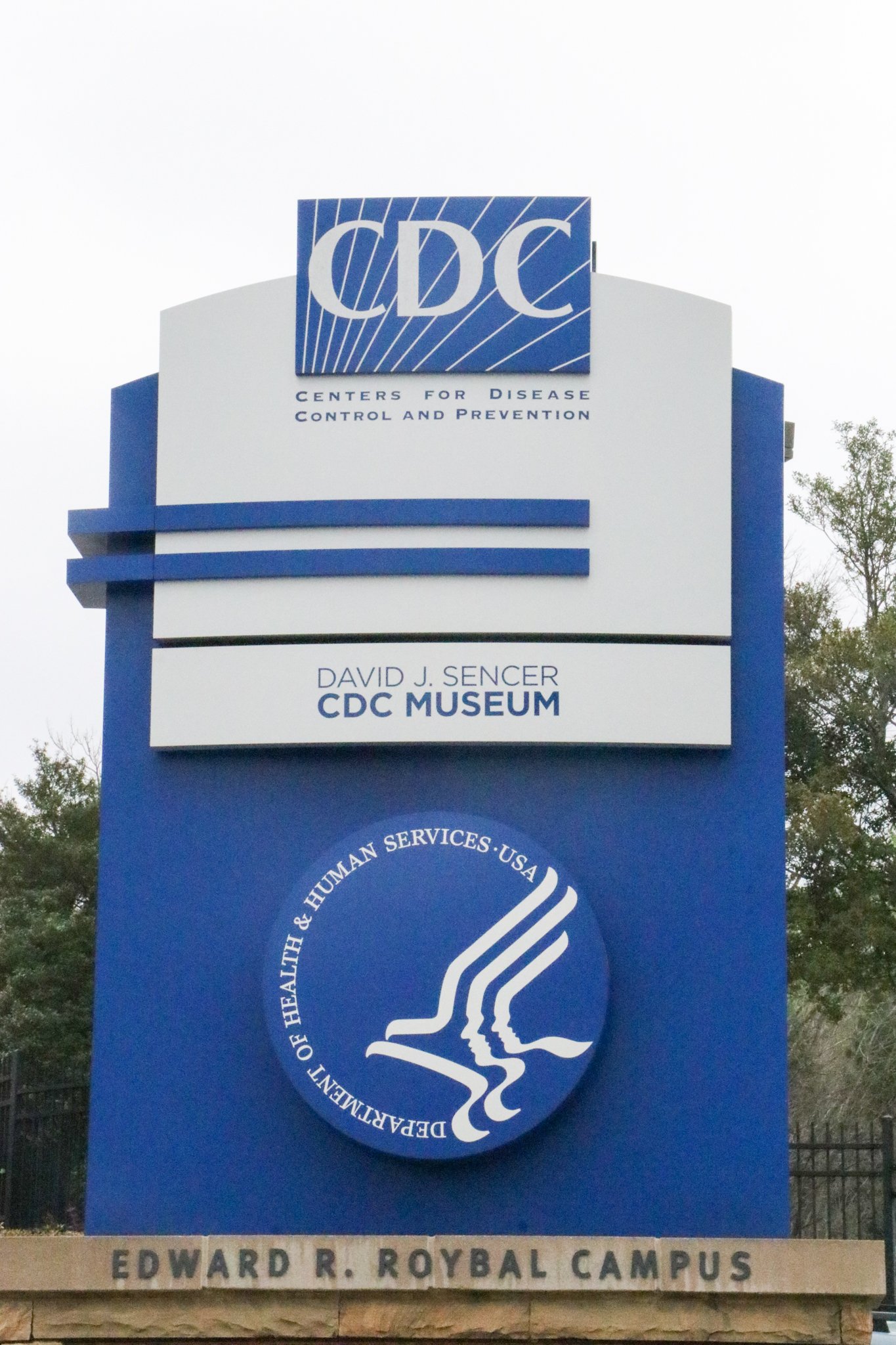
Photo by Milton Kirby

The timing is also concerning. The CDC has a $9.2 billion budget and is already dealing with big problems. That includes rising cases of tuberculosis, bird flu, and a large measles outbreak in West Texas. The Texas outbreak has caused more measles cases than the U.S. had all last year.

Since February, many CDC workers—especially newer and temporary ones—have already been let go. Critics say the agency is now too weak to respond to a large disease outbreak. “The challenges for these individuals to do their jobs on a daily basis must be enormous,” said Jason Schwartz, a health expert at Yale. “The future of CDC is under threat, by any measure.”

One important leader who left earlier was Dr. Leandris Liburd. She is a Black woman who led the CDC’s Office of Health Equity. She worked on issues like women’s health and making sure all communities get fair health care. She started in 2020 and helped address the high number of COVID-19 deaths in Black, Latino, and Native American communities.

Dr. Liburd’s name appeared earlier this year on a “DEI Watchlist.” This list was created by a conservative group called the American Accountability Foundation and named Black and Latino federal workers who support diversity and fairness. Liburd’s photo and title were listed as a “target” on the group’s website.

Many CDC workers found out they were fired when they were locked out of their email. Some bosses had to ask their teams, “Did you get fired?” Others heard the news from the media.

On Tuesday morning, hundreds of workers lined up outside HHS buildings. Some waited more than an hour to find out if they still had jobs. Acting CDC Director Susan Monarez and a few people in her office were not fired—at least for now.

CDC Chief of Staff Matt Buzzelli sent a message to workers, saying he knows this is a hard time. He pointed them to tools like a severance calculator and a guide for laid-off workers. He also reminded them of the employee help program but said wait times are long.

Health leaders outside the CDC are sounding the alarm. Richard Besser, a former CDC leader, said he is very worried. “When there’s a health emergency, you need people who know what to do,” he said. He added that strong leadership is more important than ever in times like this.

Tom Frieden, another former CDC director, called the cuts “a recipe for disaster.” He now leads a group that works to stop heart disease and fight outbreaks. He said ending programs like tobacco control only helps big tobacco companies.

Now, many are asking: Will the U.S. be ready when the next health crisis hits? So far, things don’t look good.

Silent Strength: Extraordinary Women in the Margins of History

Learn about the remarkable stories of 20 trailblazing women who broke barriers in science, art, aviation, and more, shaping history and inspiring future generations with their courage and determination.


By Milton Kirby | Atlanta, GA | March 23, 2025

As Women’s History Month comes to a close, the Truth Seekers Journal is proud to highlight a remarkable group of lesser-known women who have made extraordinary contributions to our world.

Women have long been the backbone of progress in this nation—and across the globe—often driving change, innovation, and justice without receiving the recognition they deserve. In this special feature, we aim to shine a light on these unsung sheroes whose legacies have shaped history, even if their names are not widely known.

Whether this is your first time learning about them or a welcomed reminder, we hope these stories inspire reflection, admiration, and continued curiosity.

We also invite you to join the celebration: share the names and stories of extraordinary women who have impacted your life or community. Scroll to the end of the article and add your tribute in the comments section—let’s continue writing women’s history together.

1. Alice Augusta Ball (1892–1916)

Alice Augusta Ball was a pioneering African American chemist whose groundbreaking work in the early 20th century provided the first effective treatment for leprosy. Born in Seattle, Ball earned dual bachelor’s degrees in pharmaceutical chemistry and pharmacy before becoming the first woman and first African American to earn a master’s degree from the University of Hawaii. At just 23, she developed the “Ball Method,” which chemically modified chaulmoogra oil to make it injectable and more easily absorbed by the body. This treatment brought hope to thousands suffering from Hansen’s disease until the 1940s.

Tragically, Ball died before she could publish her findings, and her work was initially credited to a male colleague. It wasn’t until years later that Dr. Harry Hollmann acknowledged her contributions publicly. Today, she is recognized as a chemist far ahead of her time—likely the first African American published in the Journal of the American Chemical Society. Her legacy is honored with plaques, a university medal, and a day named in her honor in Hawaii.


2. Faith Ringgold (1930–2024)

Faith Ringgold was a visionary African American artist and author known for fusing quilting with storytelling to explore themes of race, gender, and civil rights. Born in Harlem, Ringgold was deeply influenced by the Harlem Renaissance and earned both her bachelor’s and master’s degrees from City College of New York. Initially trained as a painter, she later embraced multimedia, becoming best known for her story quilts, which gave voice to Black American experiences through textiles.

Ringgold was a bold advocate for Black artists, often challenging museums on their exclusionary practices. Her art resides in major institutions like the Guggenheim and the Met. She also authored and illustrated children’s books, using them to instill pride and cultural knowledge in young readers. Ringgold’s vibrant art and tireless activism transformed American visual culture and elevated fiber arts to a powerful political medium.


3. Bessie Stringfield (1911–1993)

Known as the “Motorcycle Queen of Miami,” Bessie Stringfield shattered stereotypes by becoming a solo long-distance motorcyclist in the 1930s and 1940s. Born in Jamaica and raised in the United States, she learned to ride a motorcycle at 16 and set off on eight solo trips across the country, navigating racism and sexism along the way. She often disguised herself as a man and slept on her bike when motels denied her entry due to her race.

During World War II, she served as a civilian dispatch rider for the U.S. Army, completing rigorous military training. Stringfield later became a nurse and founded a motorcycle club in Florida. A fearless trailblazer, she was inducted into the Motorcycle Hall of Fame in 2002. Her legacy lives on in every rider who defies expectations to chase their passion.


4. Dr. Marie Maynard Daly (1921–2003)

Marie Maynard Daly was the first African American woman in the United States to earn a Ph.D. in chemistry, achieving the milestone at Columbia University in 1947. Her groundbreaking research helped identify the link between high blood pressure and clogged arteries, contributing vital insights into cardiovascular health. She also conducted key studies on proteins and cellular chemistry.

Born in Queens, New York, Daly was inspired by her scientist father and the book Microbe Hunters. She later became a dedicated mentor, establishing programs to support minority students in STEM. Daly’s brilliance opened doors not only in science but in higher education, leaving a legacy of intellectual excellence and equity in science.


5. Dr. Valerie L. Thomas (b. 1943)

Valerie Thomas is a physicist, inventor, and former NASA scientist best known for inventing the illusion transmitter, a device that laid the groundwork for modern 3D imaging. Despite facing racial and gender barriers, she graduated with a degree in physics from Morgan State University in 1964 and joined NASA shortly thereafter.

At NASA, she helped develop satellite image-processing systems, including for the Landsat program, and led projects that monitored global crop health. In 1980, she patented the illusion transmitter. Her work continues to influence visual technology in science and entertainment. Thomas is a trailblazer in tech innovation, proving the power of Black women in STEM.


6. Bessie Coleman (1892–1926)

Bessie Coleman soared beyond the barriers of race and gender to become the first African American and Native American woman to earn a pilot’s license. Born to a family of sharecroppers in Texas, Coleman worked in cotton fields and saved money while attending beauty school in Chicago. When no American flight school would accept her, she learned French and traveled to Paris, where she earned her license from the Fédération Aéronautique Internationale in 1921.

Returning to the U.S. as a media sensation, Coleman performed daring aerial stunts at air shows and inspired African Americans to pursue aviation. Nicknamed “Queen Bess,” she dreamed of opening a flight school for Black students. Though her life was tragically cut short in a plane crash at age 34, her courage and ambition blazed a trail for future generations of aviators. Today, aviation schools, streets, and scholarships bear her name in tribute.


7. Willa Brown (1906–1992)

Willa Brown was a dynamic aviator, civil rights activist, and educator who broke barriers in both aviation and politics. In 1938, she became the first African American woman in the U.S. to earn a commercial pilot’s license. A Chicago-based teacher turned pilot, she later co-founded the Coffey School of Aeronautics with Cornelius Coffey. Their school trained hundreds of Black aviators, including over 200 Tuskegee Airmen and instructors.

Brown also made history as the first Black woman to run for U.S. Congress (Illinois, 1946) and as the first African American officer in the Civil Air Patrol. Through advocacy and leadership, she helped integrate military flight training programs. Brown’s work helped change the face of aviation and demonstrated the power of community-based education and activism in reshaping opportunity.


8. Ann Lowe (1898–1981)

Ann Lowe was a trailblazing African American fashion designer whose exquisite gowns graced America’s high society for over five decades. Born in Alabama to a lineage of dressmakers, Lowe learned the craft from her mother and grandmother. After attending design school in New York—where she was segregated from her classmates—she opened her own salons and became the go-to designer for the nation’s wealthiest families.

Lowe’s most famous creation was Jacqueline Bouvier’s wedding gown for her 1953 marriage to John F. Kennedy. Though her name was omitted from news reports at the time, Lowe’s legacy has since been reclaimed. Despite being underpaid and often uncredited, her work exemplified couture elegance and artistic precision. As the first Black woman to own a salon on Madison Avenue, Lowe left a lasting mark on American fashion.


9. Betye Saar (b. 1926)

Betye Saar is a groundbreaking visual artist whose assemblages challenge racist stereotypes and elevate personal and ancestral memory into fine art. Born in Los Angeles, Saar studied design at UCLA and began her artistic journey with printmaking. After seeing an exhibition of Joseph Cornell’s work in 1967, she shifted toward assemblage, using found objects to explore themes of Black identity, spirituality, and empowerment.

Her 1972 piece The Liberation of Aunt Jemima transformed a derogatory “mammy” caricature into a revolutionary symbol, wielding a rifle and a grenade. Saar’s art became central to the Black Arts Movement and Black feminist art, and her work remains in major museums like the MoMA and the Los Angeles County Museum of Art. With her evocative storytelling and fierce reclamation of imagery, Saar continues to influence generations of artists.


10. Henrietta Lacks (1920–1951)

Henrietta Lacks was a young mother whose cancer cells, taken without her knowledge or consent, became one of the most important tools in modern medicine. Born in Virginia and treated for cervical cancer at Johns Hopkins in 1951, her biopsied cells—later known as HeLa cells—were the first human cells to reproduce indefinitely in the lab. Her cells fueled scientific breakthroughs including the polio vaccine, cancer treatments, and even space research.

Lacks died at 31, unaware of the vast scientific impact her cells would have. Her family only learned of the HeLa cells’ existence decades later. The ethical questions surrounding her case sparked national conversations about medical consent and patients’ rights. Today, Lacks is honored globally, her legacy a reminder of the Black body’s historical exploitation—and its immeasurable contributions to science.


11. Claudette Colvin (b. 1939)

At just 15 years old, Claudette Colvin refused to give up her seat to a white passenger on a segregated bus in Montgomery, Alabama—nine months before Rosa Parks made history with a similar act. On March 2, 1955, Colvin was arrested for her defiance. Though young and pregnant at the time, she went on to become a key plaintiff in Browder v. Gayle, the landmark Supreme Court case that struck down bus segregation laws in Alabama.

Colvin’s story was initially suppressed by civil rights leaders concerned with respectability politics, but her courage was undeniable. In recent years, her contributions have received long-overdue recognition. A retired nurse’s aide, she remains a living symbol of youthful defiance and the power of ordinary people to spark extraordinary change.


12. Barbara Hillary (1931–2019)

Barbara Hillary shattered expectations and made history as the first known Black woman to reach both the North and South Poles—after surviving cancer twice and taking up exploration in her 70s. Born and raised in Harlem, she worked as a nurse for 55 years and earned degrees in gerontology. After surviving lung cancer, which reduced her lung capacity, she was inspired to travel to the Arctic and began training in cross-country skiing and survival skills.

In 2007, at age 75, she reached the North Pole. Four years later, at 79, she stood on the South Pole. Her bold spirit defied stereotypes about age, race, and physical ability. Later in life, she became an advocate for environmental justice and climate awareness. Barbara Hillary’s legacy is a powerful reminder that it’s never too late to dream, explore, and inspire.


13. MaVynee Betsch (“The Beach Lady”) (1935–2005)

MaVynee Betsch, affectionately known as “The Beach Lady,” was a classically trained opera singer who gave up her wealth to become an environmental activist and fierce protector of American Beach—a historic African American beach community in Florida. Born into one of the South’s most prominent Black families, Betsch studied at Oberlin Conservatory and performed opera in Europe for over a decade.

After a cancer diagnosis in the 1970s, she redirected her life toward preserving the legacy and environment of American Beach, founded by her grandfather, Abraham Lincoln Lewis. Betsch gave away her entire fortune to environmental causes and became a fixture on the beach, educating visitors about its cultural and ecological significance. Her passion, eccentric style, and unwavering dedication earned her posthumous recognition as a humanitarian and environmental hero.


14. Maggie Lena Walker (1864–1934)

Maggie Lena Walker was a visionary businesswoman and activist who became the first African American woman to charter and serve as president of a bank in the United States. Born in Richmond, Virginia, during the Reconstruction era, Walker rose from modest beginnings to lead the Independent Order of St. Luke, a Black fraternal organization that provided social services and financial support to African Americans.

In 1903, she founded the St. Luke Penny Savings Bank to empower the Black community through financial independence. Under her leadership, the bank enabled hundreds of Black families to buy homes. Walker was also a champion of education, women’s rights, and racial justice. Despite becoming paralyzed later in life, she continued her activism from a wheelchair. Her legacy endures as a model of resilience, leadership, and Black economic empowerment.


15. Octavia Butler (1947–2006)

Octavia E. Butler revolutionized science fiction by centering Black protagonists and tackling themes of race, gender, power, and survival in futuristic worlds. Born in Pasadena, California, Butler battled dyslexia and social isolation as a child but found refuge in books and writing. She earned a degree from Pasadena City College and studied at UCLA before attending the Clarion Science Fiction Writers’ Workshop, where she launched her career.

Her novels—including Kindred, Parable of the Sower, and the Patternist series—blended speculative fiction with social critique, laying the foundation for Afrofuturism. Butler became the first African American woman to gain prominence in sci-fi and the first sci-fi writer to win a MacArthur “Genius” Grant. Her haunting, prophetic narratives continue to resonate, offering both warning and hope about the future. Octavia Butler didn’t just write herself into science fiction—she transformed the genre.


16. Fannie Lou Hamer (1917–1977)

Fannie Lou Hamer was a fearless civil rights leader whose voice—both literal and symbolic—galvanized a movement for racial and economic justice in the Jim Crow South. Born the 20th child of Mississippi sharecroppers, Hamer began picking cotton at age six and left school by 12 to support her family. She spent decades toiling on plantations, where she also served as a timekeeper due to her literacy—an early sign of her leadership.

In 1962, after being fired for trying to register to vote, Hamer became an organizer for the Student Non-Violent Coordinating Committee (SNCC). Her outspokenness and moral clarity brought national attention, especially when she co-founded the Mississippi Freedom Democratic Party (MFDP) to challenge the all-white state delegation at the 1964 Democratic National Convention. Her televised testimony detailing voter suppression and police brutality—delivered with unflinching honesty—shocked the nation.

Though denied political representation, Hamer continued to fight for justice through grassroots economics. She launched the Freedom Farm Cooperative and a “pig bank” to help Black families achieve food and land security. Despite constant physical threats and health complications from a forced hysterectomy, she never stopped advocating. Before her death in 1977, she helped found the National Women’s Political Caucus. Nearly five decades later, she was awarded the Presidential Medal of Freedom posthumously. Her words still echo today: “I’m sick and tired of being sick and tired.”


17. Miriam Benjamin (1861–1947)

Miriam Benjamin was a trailblazing inventor and educator who became the second African American woman in U.S. history to receive a patent. Born in Charleston, South Carolina, in 1861, Benjamin moved with her family to Boston where she attended the Girl’s High School, graduating in 1881. She began her professional life as a schoolteacher in Jacksonville, Florida, and later pursued studies at Howard University Medical School and earned legal training—eventually working as a government clerk in Washington, D.C.

In 1888, Benjamin secured a patent for her invention, the Gong and Signal Chair for Hotels. Her innovation allowed guests to discreetly summon attendants by pressing a button, triggering a bell and raising a visible signal behind the chair. Designed to reduce the need for waitstaff, the chair emphasized comfort and quiet, making it an attractive feature for hotels and government buildings. Benjamin even lobbied for its use in the U.S. House of Representatives, where a similar system was later installed. Her concept directly influenced the modern airplane call button and helped revolutionize customer service signaling.

Benjamin’s multifaceted career—as an inventor, teacher, medical student, and aspiring lawyer—reflected both her brilliance and resilience in the face of social and institutional barriers. Though her name is not widely known today, her contributions remain embedded in the very technology we still use.


18. Zora Neale Hurston (1891–1960)

Zora Neale Hurston was a literary icon and pioneering anthropologist whose work gave voice to the richness of Black Southern culture. Born in Notasulga, Alabama, and raised in the all-Black town of Eatonville, Florida, Hurston was shaped by her vibrant community and the oral traditions that flourished there. After earning her associate’s degree at Howard University—where she co-founded the school newspaper—Hurston won a scholarship to Barnard College. There, she became the first Black student and studied under famed anthropologist Franz Boas.

Hurston traveled extensively through the American South and the Caribbean, documenting folklore, spiritual practices, and oral histories of Black communities. Her anthropological work informed her fiction, which was rooted in authentic dialect and rich cultural detail. Her most celebrated novel, Their Eyes Were Watching God (1937), tells the story of Janie Crawford, a Black woman seeking autonomy and self-realization—defying both literary norms and societal expectations.

Though Hurston struggled financially throughout her life and died in relative obscurity, her legacy was revived by Black feminist writers like Alice Walker in the 1970s. Today, she is recognized as one of the foremost American writers of the 20th century, with a body of work that continues to influence literature, anthropology, and cultural studies. Zora Neale Hurston captured the soul of Black life—and ensured it would never be forgotten.


19. Mae Carol Jemison (b. 1956)

Mae Carol Jemison made history in 1992 as the first Black woman to travel into space, serving as a mission specialist aboard the Space Shuttle Endeavour. A true polymath—physician, engineer, dancer, and educator—Jemison shattered stereotypes and redefined what was possible for women in science and technology.

Born in Decatur, Alabama, and raised in Chicago, Jemison was a curious child who loved science and aspired to reach the stars. She entered Stanford University at just 16 years old, earning degrees in chemical engineering and African and African-American studies. She went on to receive her medical degree from Cornell University and worked with the Peace Corps in Liberia and Sierra Leone, providing medical care, managing health systems, and contributing to vaccine research with the CDC.

Inspired by the space flights of Sally Ride and Guion Bluford, Jemison applied to NASA in 1985 and was accepted in 1987. Her mission aboard Endeavour in 1992 included conducting bone cell research in microgravity. Jemison brought cultural symbols with her into orbit, including a West African statuette and a flag from the Alpha Kappa Alpha sorority, celebrating both science and heritage.

After leaving NASA in 1993, Jemison founded her own technology consulting firm and launched the 100 Year Starship project—an ambitious initiative to make interstellar travel possible within the next century. She also became an advocate for STEM education, especially for girls and students of color, and authored several children’s books. A lifelong dancer, Jemison even appeared in an episode of Star Trek: The Next Generation, fulfilling a dream inspired by Nichelle Nichols’ role as Lieutenant Uhura.

With multiple honorary doctorates and inductions into both the National Women’s Hall of Fame and the International Space Hall of Fame, Mae Jemison remains a powerful symbol of Black excellence, curiosity, and the limitless reach of human potential.


20. Dr. Mildred Fay Jefferson (1926–2010)

Dr. Mildred Fay Jefferson broke barriers in medicine and public advocacy, becoming the first African American woman to graduate from Harvard Medical School in 1951. She also became the first woman to graduate from Harvard in surgery, the first woman employed as a general surgeon at Boston University Medical Center, and the first woman admitted to the prestigious Boston Surgical Society.

Born in Pittsburg, Texas, Jefferson was a gifted student, entering college at 15 and eventually earning degrees from Texas College and Tufts University before making history at Harvard. Her medical expertise and commanding intellect made her a pioneer in surgery during an era when both her race and gender presented steep obstacles.

In the 1970s, Jefferson became a prominent figure in the right-to-life movement. She co-founded the Massachusetts Citizens for Life (MCFL) and later the Right to Life Crusade, Inc., serving as its founding president. Her articulate opposition to abortion rights earned her national attention, and she served as a board member and delegate to the National Right to Life Committee (NRTLC). Throughout her life, she was known for fusing her medical knowledge with passionate public advocacy, often speaking out on moral and ethical dimensions of healthcare.

Dr. Jefferson’s legacy is complex, encompassing groundbreaking medical achievements and decades of activism. Whether in the operating room or on the national stage, she defied expectations and left a lasting imprint on American medicine and political discourse.

No Retirement For Me

Jonathan Clements reflects on the life changes driven by his terminal cancer diagnosis at age 61. Despite his prior focus on frugality and saving for retirement, he now prioritizes enjoying daily life, simplifying finances, and ensuring his family’s financial security. His philosophy embraces making meaningful memories while managing his health challenges.


I Saved And Planned For A Long One. Then I Heard From My Doctor.

By Jonathan Clements

This won’t come as a big surprise: Dying makes you look at the world in a different way—the world of money included. Among friends and family, I’m known for hard work and self-discipline. I spent almost two decades at The Wall Street Journal, churning out personal finance columns every week. I saved so diligently that I could have retired at age 51, but instead opted to write books and launch a personal finance website. My self-control extends to exercise: I’ve run or bicycled pretty much every day since 1995.

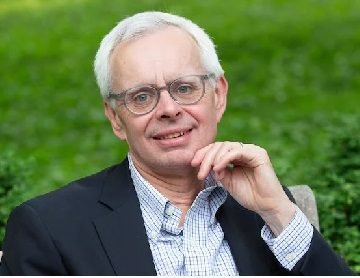
Courtesy –  Jonathan Clements

What was my reward for this life of industry, frugality and clean living? In May 2024, at age 61, I got an out-of-the-blue diagnosis of cancer, the result of a defective gene. The cancer had metastasized from my lung to my chest, liver and brain. My oncologist said I might have a year to live. I’m hoping for a tad longer because my body has responded well to treatment. Still, it’s only a matter of time before cancer gets the upper hand.

In the meantime, I find myself wandering through life with a different mindset from almost everybody else. How so? Here are 19 ways that my thinking and my finances have been transformed by my diagnosis.
1. I spent nearly my entire adult life saving like crazy so I could retire in comfort—and yet, faced with my terminal illness, I have no plans to retire. Instead, I want to keep doing what I’ve been doing for years: getting up early, making coffee, exercising, writing and editing, napping after lunch, taking an afternoon walk, enjoying an evening glass of wine. These are the things that bring me pleasure each day, and I have no desire to stop now.

2. Do I regret my decades of frugality, including previously living for 20 years in a modest house I never much liked? Far from it. The money I saved won’t go toward my retirement, but it still bought me a lot of happiness—because it allowed me to avoid financial worries for much of my adult life.

3. I could spend with reckless abandon now, but my old frugality persists. My partner, Elaine, and I had been living together for four years and were already engaged when I got my diagnosis. We married four days later, partly because she won’t qualify for Social Security survivor benefits unless I’m still alive nine months after our wedding. Since then, we’ve taken a few special trips, and we have a few more planned. But I’ll only open up my wallet so far. You won’t find me paying $5,000 to fly business class to Europe.

4. Never an enthusiastic shopper, I’m now even less inclined to buy new things. Last fall, Elaine insisted I purchase new shoes for my son’s December 2024 wedding. I wear those shoes whenever I get the chance—because it’s the only way I could justify the cost.

5. Gifting has become a top financial goal. One reason I’m not spending like crazy: I want to make sure I bequeath a healthy sum to Elaine and my two children, now in their 30s, from my previous marriage. I also made some financial gifts right away, including writing large checks to my kids and funding 529 college savings plans for my two grandsons.

6. I’ve long invested aggressively, keeping 80 percent or more of my portfolio in stock-index funds. Now that I know it’s likely I won’t live more than another year or two, I’m even more aggressive. Why? I’m no longer investing for my retirement. Instead, I’m investing for my heirs, and their time horizon is far longer than mine.

7. Because old age is no longer in the cards, all kinds of issues are off the table. I don’t have to fret over future long-term care costs, or whether to choose original Medicare or Medicare Advantage, or how to minimize my retirement tax bill. Instead, my top priority is making sure everything is in good shape for my heirs.

8. As of my 62nd birthday in January of this year, I could have applied for Social Security. But I won’t. My goal is to get Elaine a healthy stream of Social Security benefits. After much research—including a consultation with the developer of opensocialsecurity.com, a free Social Security strategy calculator—I figured out that in our situation, I should skip claiming. Instead, Elaine will claim survivor benefits based on my earnings record when I die. Once she turns 70, she’ll swap to a benefit based on her own record.

9. I thought my financial affairs were well organized. I was kidding myself. I’ve spent months shredding old tax returns, ripping up investment statements and organizing what remains. I fear that if I don’t throw out unneeded paperwork, my family will think it’s important—and I will have bequeathed them unnecessary confusion.

10. There’s always more to throw away. I’ve moved four times since 2011, shedding possessions on each occasion. Yet I keep finding more things to toss or give away. My 13 years of downsizing have taught me to be ruthless. The fact is, there’s nothing that I’ve unloaded over the past 13 years that I wish I could have back.

11. For years, I’ve been carting around a box of old mail: notes from old girlfriends, Christmas cards from 1986, letters I got while at college. Mixed in there was some really bad poetry I wrote. Did I carefully review everything in the box? Hardly. I tore up most items after a quick glance and added them to the recycling bin. Am I glad my kids will never see all this stuff? You bet.

12. My finances were pretty simple, but I’ve been simplifying them even more. I’ve closed two of my four credit cards, liquidated a small IRA I inherited from my father, and folded a solo Roth 401(k) into my Roth IRA. All this is a whole lot easier for me to do now than it will be after my death, when family members will have to produce death certificates and prove they have the authority to act.

13. I’ve added Elaine to my various insurance policies and made her the joint account holder on my two checking accounts. One of those checking accounts is debited for all utilities—gas, water, electricity, inter-net, cell phones—so it’ll be easy for her to take over the household finances.

14. Two days after I was diagnosed with cancer, I sat down with Elaine and my children to walk them through my estate plan. I quickly realized one conversation wouldn’t be enough. Stuff that was second nature to a financial nerd like me was baffling to them—things like the difference between traditional and Roth IRAs and what a “step-up in cost basis” means. Since then, I’ve fielded countless questions from Elaine and my kids.

15. Even as I tidy up my affairs, I’m also getting the house fixed up, including taking on a two-month bathroom remodeling project. I’ve learned that this is an affliction that often hits men confronting their mortality: They want to make sure all is in good order for their spouse or partner.

16. Time has always been more valuable than money, and never more so than right now. I want to devote each day to the things that I really care about, while minimizing annoyances. What if contractors or customer service reps are being unresponsive? If necessary, I’ll play the C card, telling them I don’t have long to live. Yes, it’s surprisingly effective.

17. As news of my cancer has spread, I’ve been inundated with countless messages. If I read every book about cancer that’s been recommended to me or agreed to meet with everybody who wanted to visit, I’d have no time for the things that matter to me. The good news: When a dying man says “No,” people tend to listen.

18. I still want to make a difference in the lives of others. That’s why I continue to write and edit every day. In return, I end each day feeling fulfilled and with that pleasant sense of progress that makes me happy.

19. I refuse to feel angry about my bad luck or despondent over the years I’ll never enjoy. Instead, I’m determined to make the most of each day. I’ve long thought happiness has three key ingredients: a sense of financial security, time with family and friends, and doing work I love. My diagnosis has made me even more focused on those three things.

Every few months, I have a brain MRI and a body scan to see whether the cancer has spread. Every three weeks, I get blood drawn, which may offer a warning sign of trouble. Someday—maybe next month, maybe next year—the results won’t be in my favor.

Until then, Elaine and I will continue to make plans for the four or five months that lie ahead, but no more than that. It’s the frugality thing again. We can cancel hotel rooms and rental cars without penalty. But changing airline tickets and cruises can be costly. And I sure don’t want to be confronted by both death and cancellation fees.

Jonathan Clements is the founder of www.HumbleDollar.com and the former personal finance columnist for The Wall Street Journal.

Making Positive Thinking and Self-talk a Priority in 2025

One goal to consider for 2025 is to learn effective ways to manage stress and implement positive thinking and self-talk.


By Cheri Bennett | Rockingham, NC | February 18, 2025

How are you stepping into 2025? Are you strolling with a pep in your step and a positive attitude, or are you dragging into the new year with negative thoughts and feelings? Research has shown that feelings of optimism and pessimism can affect our health more than we realize. One goal to consider for 2025 is to learn effective ways to manage stress and implement positive thinking and self-talk.

What is self-talk? Self-talk consists of those thoughts that endlessly run through our minds. These thoughts happen automatically and can be either negative or positive. Some of the self-talk is based on actual circumstances and is reasonable and logical.

On the other hand, self-talk can be self-created due to a lack of information or understanding on our part. Too much negative self-talk is what is often referred to in today’s popular culture as “getting in your head”. When you reach this point of self-talk, you are now less confident in yourself and your ability to manage the situation before you. This scenario can prevent individuals from reaching their highest potential or even forming positive relationships with others.

Practicing positive self-talk and positive thinking does not mean that a person does not acknowledge unpleasant situations. Instead, they have chosen to acknowledge the unpleasant circumstance positively and productively. They hope for the best outcome. They choose to be optimistic! In our lifetime, we have seen examples of great optimists, maybe some have been in your family. These people manage to maintain positive thinking and self-talk to turn crises into positive outcomes.

According to researchers, there are several health benefits associated with positive thinking. These include:

•        Increased life span

•        Lessened levels of depression

•        Lessened levels of distress and pain

•        Stronger resistance to illnesses

•        Higher quality of psychological and physical well-being

•        Greater cardiovascular health and reduced risk of death from cardiovascular disease and stroke

•        Decreased risk of death from cancer

•        Reduced risk of death from respiratory conditions

•        Decreased risk of death from infections

•        Stronger coping skills during hardships and times of stress

Although research is ongoing as to the specific reasons for these improvements associated with positive thinking and self-talk, one theory is that having a positive outlook enables one to cope better in stressful circumstances. This, in turn, reduces the negative effects of stress on the body.

It’s unclear why people who engage in positive thinking experience these health benefits. One theory is that having a positive view enables you to cope better with stressful situations, which reduces the harmful health effects of stress on your body.

Advertisement

The Connection Between Positive and Optimistic People and Healthy Lifestyle

Stress, environment, and lack of sleep can also affect mood and the ability to think positively. In the new year, strive to find ways to purposely improve in these areas. Additionally, incorporating more physical activity, not smoking, or excessively drinking alcohol are areas of lifestyle that should be examined. Registered Dietician Katey Davidson recommends incorporating foods that are filled with essential vitamins, minerals, and compounds that have the potential to lift our spirits into our diets. These foods include:

  • Dark chocolate – The flavonoids in dark chocolate have been linked to increased serotonin levels which may help alleviate symptoms of depression.
  • Bananas – The tryptophan in bananas is an amino acid that’s a precursor to serotonin. They also contain vitamin B6, which aids in mood regulation.
  • Berries – Strawberries, blueberries, and raspberries are rich in antioxidants. These antioxidants combat oxidative stress, which research has linked to mood disorders.
  • Oily fish – Salmon, mackerel, and sardines contain omega-3 fatty acids. Omega-3 fatty acids have anti-inflammatory properties which can potentially aid in combatting depression.
  • Nuts and seeds – Walnuts, chin seeds, and flaxseeds are also sources of omega-3s.
  • Oats – Oats release energy slowly, preventing the sugar spikes and dips that can impact our mood.
  • Spinach – Spinach is rich in folate. Folate is a B vitamin that helps produce the mood-regulating neurotransmitters, serotonin and dopamine.
  • Avocados – Avocados are also rich in B vitamins and monounsaturated fats. These nutrients are beneficial for neurotransmitters and brain health.
  • Green tea – Filled with amino acid L-theanine, green tea may help promote relaxation. Green tea also provides a gentle caffeine boost to kick-start your thy with alertness and mental clarity. This combination helps you stay alert and clear-headed without the jitters often associated with caffeine alone.
  • Beans – Beans are rich in protein and fiber. They also help to maintain stable blood sugar levels and prevent mood swings.
  • Poultry – Chicken and turkey are excellent sources of an amino acid called tryptophan. This amino acid boosts serotonin production, thus elevating mood.
  • Sweet potatoes – Sweet potatoes contain fiber and complex carbohydrates. This combination helps stabilize blood sugar levels and mood.
Courtesy Cheri Bennett

To help you focus on positive thinking during the new year, start by identifying areas necessary for change, checking your thoughts regularly, being open to humor, following a healthy lifestyle, surrounding yourself with positive people, and practicing positive self-talk.

If you are interested in learning more about health and wellness, contact Cheri Bennett at Cheri_ben-nett@ncsu.edu. The Richmond County Cooperative Extension Office helps provide research-based education and technology to the producers and citizens of this great county The office is located at 123 Caroline St. in Rockingham, NC and can be reached at 910-997-8255 or richmond.ces.ncsu.edu for more information.

How Men Can Benefit From Regular Facials

Dermatologists and aestheticians share more about how men can benefit from facials too, the unique benefits, and how to have a more comfortable experience

By Ashley Broadwater| February 10, 2025

When it comes to self-care, these days men have plenty of options to groom and care for their skin in various ways.

However, research suggests they may not be taking advantage of all of the opportunities. For example, a YouGov poll in 2024 surveyed 1,148 American adults selected from a 2019 community survey. The sample was stratified by gender, age, race, education, geographic region and political party. The poll found that 58% of men skip daily moisturizing, and some prefer the bare minimum skincare routine.

But there’s one specific type of self-care where dermatologists and aestheticians say men are lagging far behind: facials.

“Here is the reality: Facials are not only for women,” said dermatologist Dr. Hamdan Abdullah Hamed. “In fact, they’re a smart move for anyone who wants healthy, clear skin.”

Ahead, dermatologists and aestheticians share more about how men can benefit from facials too, the unique benefits, and how to have a more comfortable experience.

Why more men need to get regular facials

Facials are a safe treatment, and they’re an important part of skincare for all of us. While there’s no set-in-stone frequency, Meka Mathis, a master aesthetician and owner of Skin Beauty Bar, suggested getting one every four to six weeks. This aligns with the skin’s natural regeneration cycle, which sheds old skin cells every 4-6 weeks to produce new cells.

But back to men specifically: “Men benefit from facials as much as women do, though interest in skincare among men has traditionally lagged far behind that of women,” said Dr. Kate Dee, a Yale-trained aesthetician physician and founder of Glow Medispa in Seattle.

Here are a handful of the benefits that are specifically effective for men:

Testosterone = more oil glands

“Because they have more testosterone, men usually have thicker skin with extra oil glands,” Hamed said. “This means your skin can take more damage, but also becomes oily quicker, which causes problems like blocked pores, blackheads and acne.”

Dead skin build-up, as well as clogged and enlarged pores, are other issues you can avoid with a facial, according to Mathis. Further, regular maintenance can help you avoid acne and blemishes.

Additionally, for men who shave their faces, they may suffer from bumps, redness and general irritation. Facials can improve the skin and ease that irritation, said dermatologist Dr. Anthony Rossi.

For mental health

Facials can boost your emotional well-being in various ways.

“Facials allow for that hour of self-care,” Mathis said. “This can help increase momentum and self-worth.”

Those effects — both short-term and long-term — make sense, right? “Facials are like massages in the sense that they are soothing, calming and refreshing,” Dee added. “Having a facial can improve mood and outlook.”

The mental health benefits are based on science. “Your body makes less cortisol [when you’re less stressed], and it benefits your whole body, not only your face,” Hamed said. (Cortisol is known as the stress hormone.)

Skincare isn’t masculine or feminine

For men who are reluctant to get a facial, dermatologists and aestheticians shared encouraging words.

For one, skincare is simply smart — an attractive quality in anyone.

“Taking care of your skin does not make you less manly; it makes you clever,” Hamed said. “Healthy skin appears better, feels better and prevents bigger issues in the time ahead.”

At the end of the day, none of this is gender-specific.

“We should not think of skincare and facial care in feminine or masculine tropes,” Rossi said. “These procedures and self-care are great for all persons if they want it, and those old stereotypes are tired. You only have one face, so you should take care of it, along with your body and mind.”

How to find a spa where you’ll feel comfortable

Want to ensure the spa is prepared to meet your needs? Mathis recommended hopping on Google and searching for a licensed aesthetician who’s experienced with facial care.

After Googling, Hamed suggested asking the providers what types of facials they offer — like deep-cleaning facials for oily skin, or hydrating facials for after you shave — and if the spa carries products specifically for men.

“The more you know, the more comfortable you’ll feel,” he pointed out.

These places do exist, by the way. Mathis said many spas, including her own, offer male-specific facials. And they want to. “Spas love to welcome men into the spa environment,” Dee added.

“You don’t necessarily need a men’s-only spa, as many spas and facialists can treat all persons,” Rossi confirmed.

This Valentine’s Day, consider what all types of love bring to your life

The holiday is a chance to consider just how rich, diverse and beneficial every form of love is in the human experience, whether it comes from your family, friends, pets, neighbors or community.

By DEVI SHASTRI | February 10, 2025

Valentine’s Day is for lovers — but you don’t need a romantic soulmate to celebrate.

The holiday is a chance to consider just how rich, diverse and beneficial every form of love is in the human experience, whether it comes from your family, friends, pets, neighbors or community.

Three experts shared how to nurture love in all its forms at a time when loneliness is an ” epidemic,” politics are divisive and turning to technology is often easier real-life social interactions.

You need more than just “the” love of your life

Romantic love — a deep, intimate partnership with another person or persons — is a valuable part of life. But experts say it’s good to remember that we need to have several sources of connection.

“Especially as we get older, we recognize that no one relationship is going to provide us with everything,” said Mikaela Frissell, a social worker for UT Health Austin.

Love isn’t something that can easily be pinned down with a single definition or behavior, either.

As a verb, love has two things at play, according to epidemiologist Tyler VanderWeele, who directs Harvard University’s Human Flourishing Program. It can be both or either “unitive” — meaning you desire and want to be with the person or thing you love — or “contributive,” meaning you want to contribute to the good of your beloved.

The experts also said an expanded definition and view of love opens up the possibilities toward whom and what you can direct these “unitive” and “contributive” feelings.

The connection between love, loneliness and health

In 2023, then-U.S. Surgeon General Vivek Murthy declared loneliness a public health epidemic.

Murthy’s report said half of Americans have experienced loneliness and that it poses health risks as deadly as smoking 15 cigarettes a day. The research also found that people with poor social relationships had higher risk of stroke and heart disease, and that isolation raises a person’s chance of depression, anxiety and dementia.

Love’s strong social connections, bonding and support are linked to better health, because it allows the brain to signal to the body that you are safe and take your nervous system out of “fight or flight,” Frissell said. Research shows being with loved ones can lower blood pressure, stress hormones, reduce inflammation — even help you sleep and better manage pain.

The ongoing Harvard Study of Adult Development, which is the underpinning of the book “The Good Life,” showed the value of relationships across a lifetime.

Anthony Chambers, a psychologist and chief academic officer at The Family Institute at Northwestern University, said one of the Harvard study’s findings was people who were happiest in their relationships at 50 were the healthiest mentally and physically at 80.

“The conclusion? Building meaningful and satisfying relationships is key to our health and well-being,” said Chambers, who worked on the study early in his career.

How can I nurture love?

Simply put, intentionally seek out in-person connections, experts said.

What’s not so simple is planning things with other people. It may be uncomfortable to sift through calendars to find a date for dinner with a busy friend or to call your sibling who doesn’t have much to talk about. Perhaps it’ll be awkward to strike up a conversation with the elderly neighbor you haven’t met or join a softball team.

Acknowledge and interrogate the fears or assumptions that keep you from reaching out in those moments, Frissell said.

There is also doing good things for other people — even if you don’t know them that well. Frissell challenges clients to compliment someone every day and be open to accepting one in return. The benefits of receiving and giving love are the same, she said.

VanderWeele recommends an exercise he practices: Choose one day a week, for six weeks, to do five acts of kindness. It forces you to plan and prioritize kindness intentionally, just like any other daily task, he said.

Love can build resilience

This Valentine’s Day, experts encourage you to think beyond one-on-one relationships and reflect on your community and world. Having a commitment to a cause or group builds mental resilience, they added.

“We all seek to be understood and validated, especially during difficult times. And relationships are arguably the most important context for emotional healing,” Chambers said. “When the world around us can seem to be in chaos or we’re feeling alone, relationships provide the opportunity for us to feel validated.”

VanderWeele also said it’s important to have even “love of enemy” — people who we don’t agree with or are in opposition to us.

“The extent to which we love others well, we love our neighbors well, shapes the society we live in,” he said.

GirlTREK: Walking a Lifestyle Change for Better Health

GirlTREK is a national movement empowering Black women to prioritize health through walking, fostering a sense of community and self-care, with over 1.3 million members and growing.

By Milton Kirby | Atlanta, GA – November 9, 2024

In a world where Black women face disproportionate health challenges, a movement is gaining momentum, offering not only a path to physical well-being but a sisterhood of support, empowerment, and life-changing habits. GirlTREK, founded in 2010 by T. Morgan Dixon and Vanessa Garrison, is quickly becoming a national force in the fight for better health among Black women, with over 1.3 million members and counting.

The statistics speak volumes

A 2022 survey conducted by GirlTREK reveals some of the profound impacts of their mission and work: 61% of Black women have lost weight, 90% report fewer symptoms of depression, 59% walk daily at life-saving levels, and 56% have sustained the habit of daily walking for over a year. For many, these numbers are more than just figures—they are a lifeline to a healthier, more fulfilled life.

Walking for Health, Walking for Life

GirlTREK was born from a simple idea shared by Dixon and Garrison, whose bond was strengthened by their mutual love for Tupac, Nikki Giovanni, and, yes, smothered pork chops. The idea was to create a walking group for Black women that would help improve physical health and foster a sense of community, resilience, and empowerment.

The group has grown into a powerful movement in just over a decade. In 2013, GirlTREK organized a landmark walk to honor Harriet Tubman on the National Mall in Washington, D.C., with 15,000 participants.

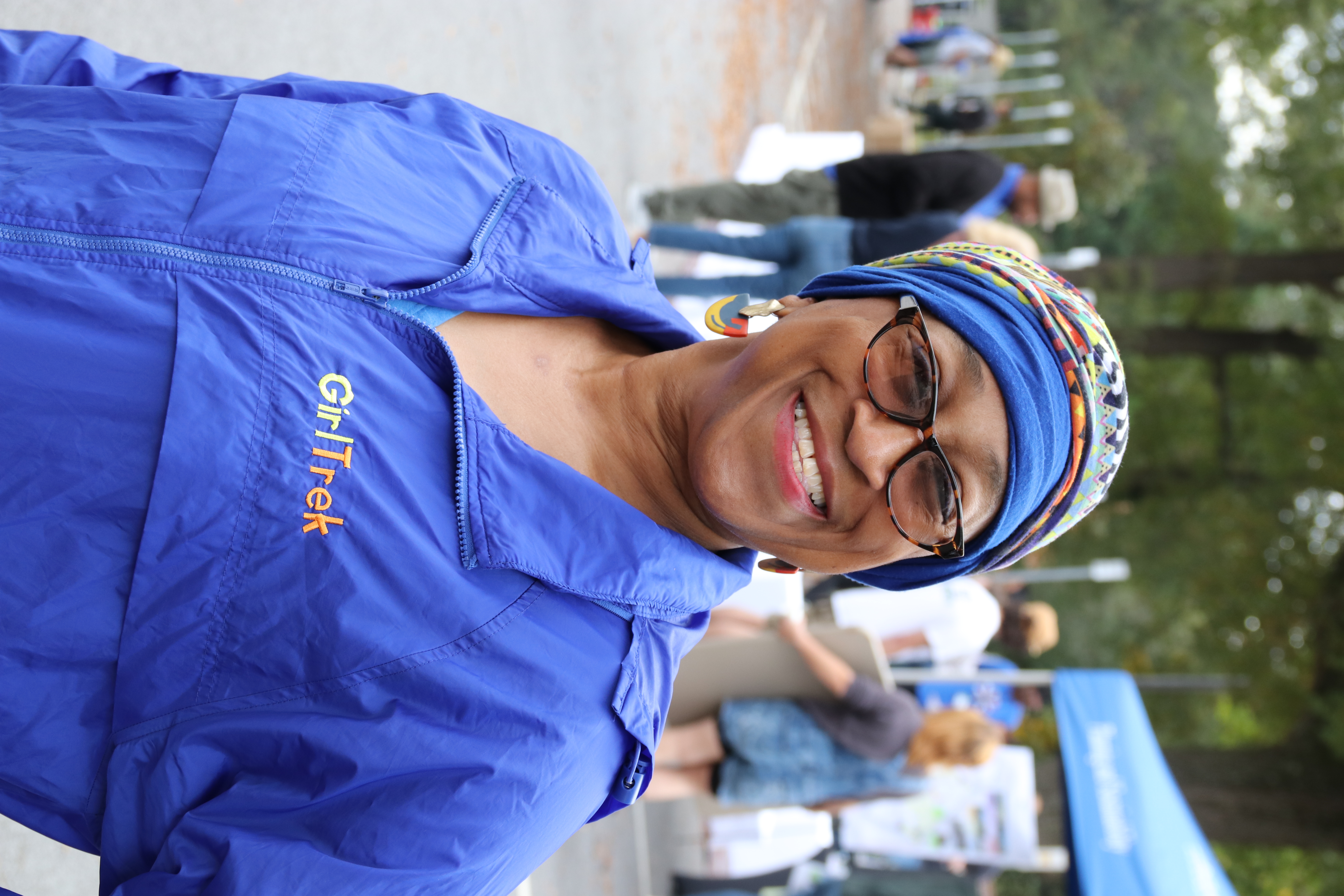
GirlTreker – Tonya Flemons

By 2020, GirlTREK reached the monumental milestone of inspiring 1 million Black women to walk toward their healthiest, most fulfilled lives. Now, GirlTREK is on a mission to encourage even more women to take charge of their health through the simple act of walking.

As the Centers for Disease Control and Prevention (CDC) notes, Black women in the U.S. are at higher risk for preventable diseases, including heart disease, diabetes, and stroke. “There are 20 million Black women in this country, and 82% are overweight—that’s 16 million women at greater risk,” the organization states on its website. According to GirlTREK, the solution is rooted in scientific research. They have  specifically identified walking as a bridge to better health, walking 30 minutes a day, five days a week.

The health benefits of daily walking are well-documented. Research shows that it can reduce the risk of chronic diseases such as heart disease and diabetes by over 50% and lower depression by nearly 50%. For GirlTREK, walking is not just an exercise—it’s an act of self-care and, for Black women, self-preservation.

One Woman’s Goal

Tonya Flemons averages between 8,000 and 15,000 steps per day. She has launched an initiative to complete a 5K walk/run in fifty states. She has completed 5K’s in 8 states: Georgia, South Carolina, Maryland, Kansas, Arizona, Illinois, Ohio, Massachusetts, and the District of Columbia.  Her most recent event was a 10K in Charleston, SC.

The Power of Sisterhood

One of the unique aspects of GirlTREK is its ability to minimize the isolation that often accompanies chronic illness and mental health struggles. The organization has created safe spaces for women to walk together, share their stories, and support one another on their journeys to better health.

Through initiatives like Sisterhood Saturday, a weekly walking series that draws hundreds of thousands of women, GirlTREK has cultivated a sense of camaraderie and partnership that extends beyond physical activity. Each Saturday, women nationwide gather in their neighborhoods to walk together, fostering a shared commitment to health and healing.

In addition to these weekly walks, GirlTREK hosts annual events such as the Black Family 5K, a, a post-Thanksgiving tradition that brings families together to celebrate health and community. To help members organize these events, GirlTREK offers downloadable toolkits with race templates, FAQs, and tips for making the walk memorable and impactful.

Education Through Movement

GirlTREK is also using innovative tools to further its mission of education and empowerment. One of its most successful initiatives, the Black History Bootcamp Podcast, launched in 2020, is a 21-day walking meditation series that blends physical activity with history and reflection. The podcast has been so well-received that it earned three prestigious Webby Awards in 2022 and 2023, including Best Live Podcast Recording and Best Podcast Series.

Another popular initiative, the Self-Care For Freedom Fighters Spring Challenge, launched annually on April 1, is a ten-week holistic wellness series designed to jump-start healthy habits and promote long-term well-being. Through these programs, GirlTREK helps women improve their physical health and provides the tools and support to transform their entire lifestyle.

A Bold Vision for the Future

As the most significant health movement and nonprofit organization focused on improving the health of Black women, GirlTREK is committed to addressing the health crisis facing this community. The organization’s ambitious goal is to increase the life expectancy of Black women by 10 years in 10 years—a mission that has already begun to bear fruit.

According to GirlTREK, “Walking is one of the most accessible and powerful tools for reversing the devastating impacts of chronic disease.  “But it’s more than just about walking—it’s about reclaiming our health, our joy, and our lives.”

GirlTREK’s growth is a testament to the power of community, self-care, and resilience. With every step taken, they are helping to create a healthier, more empowered future for Black women across the nation. And the movement is just getting started.

For more information or to join the movement, visit GirlTREK.org.

Children’s Healthcare of Atlanta Celebrates Opening of $1.5 Billion Arthur M. Blank Hospital

By Milton Kirby – Atlanta, GA – October 3, 2024

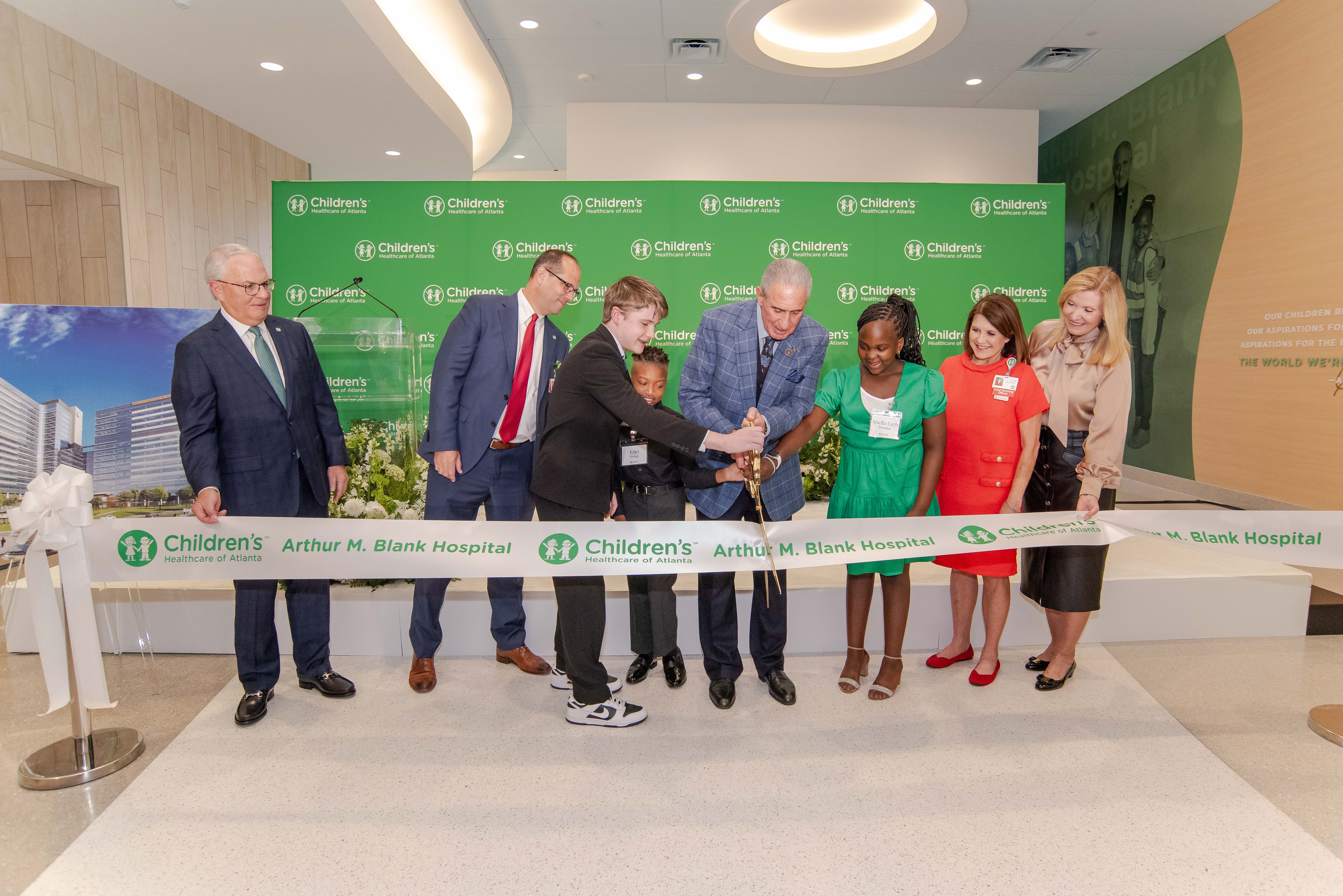
On September 27, 2024, Children’s Healthcare of Atlanta hosted a private ribbon-cutting ceremony to mark the opening of its new $1.5 billion Arthur M. Blank Hospital. The state-of-the-art, 19-story facility, located on a 76-acre campus, is designed to meet the healthcare needs of children across Georgia with cutting-edge technology.

The event highlighted the journey of three former patients who served as honorary construction managers for the hospital project: 15-year-old Lex Stolle, a survivor of high-risk acute lymphoblastic leukemia treated at Children’s Aflac Cancer and Blood Disorders Center; 11-year-old Ariella-Faith Damisa, who underwent a life-saving liver transplant at Children’s in 2017; and 11-year-old Jojo Alonge, who is receiving ongoing physical therapy following treatment for a spinal tumor.

Photo courtesy of Arthur M Blank Hospital

The new Arthur M. Blank Hospital officially opened its doors at 7 a.m. on Sunday, September 29, coinciding with the closure of Egleston Hospital. Beginning at 7:30 a.m., patients from Egleston were transferred via ambulance to the new facility. A fleet of 65 ambulances transported the patients along a planned route from Clifton Road to North Druid Hills Road. More than 1,000 volunteers, including child life specialists, hospital chaplains, and interpreters, were on-site to assist families during the transition.

The new hospital offers 446 licensed beds and a wide array of pediatric specialty care services. Children’s Healthcare of Atlanta, consistently ranked among the nation’s top pediatric healthcare systems, operates more than 60 locations across Georgia, with services ranging from asthma treatment to sports medicine.

The hospital’s opening also marked a personal milestone for Arthur M. Blank, who celebrated his 82nd birthday on the same day. Blank, co-founder of The Home Depot and a prominent philanthropist, donated $200 million toward the construction of the facility. Blank is also the owner of the Atlanta Falcons and Atlanta United, further solidifying his deep ties to the city of Atlanta.

The invitation-only event was attended by Atlanta Mayor Andre Dickens, who, despite working through the aftermath of Tropical Storm Helene, acknowledged the significance of the hospital in advancing pediatric healthcare for Georgia families.

Photo by Milton Kirby

Asthma is one of the most critical conditions treated at Children’s Healthcare of Atlanta. According to the hospital, 1 in 10 children under the age of 18 in Georgia has asthma, one of the highest rates in the country. Asthma also leads to more than half a million missed school days each year in the state and is the leading cause of hospital admissions at Children’s. The hospital emphasizes the importance of understanding asthma triggers, early warning signs, medication management, and creating effective action plans to keep children healthy.

In addition to medical services, Children’s Healthcare of Atlanta provides comprehensive support for the mental, physical, emotional, and spiritual needs of its young patients and their families.

Children’s Healthcare has a strong history of delivering advanced and compassionate care to children and teenagers. As one of the largest multispecialty healthcare providers in the Southeast, their pediatric specialists cover over 60 different areas of expertise.

Children’s Healthcare is nationally recognized in 10 pediatric specialties. It operates as a general medical and surgical facility for children and serves as a teaching hospital.

To assist medical professionals, Children’s offers various training and educational resources, along with online networks and referral tools, aimed at enhancing knowledge and productivity.

The Arthur M. Blank Hospital is poised to help keep the Children’s Network at the forefront of healthcare and healthcare research for years to come.

Video courtesy of the Arthur M. Blank Hospital

Additional Video Highlights

Arthur M. Blank – Home Depot Co-founder, Falcons Owner, Atlanta United Owner & Philanthropist

Donna Hyland – Children’s Chief Executive Officer

Linda Matzigkeit – Children’s Chief Administrative Officer

Dawn Simon – President of Children’s Professional Staff

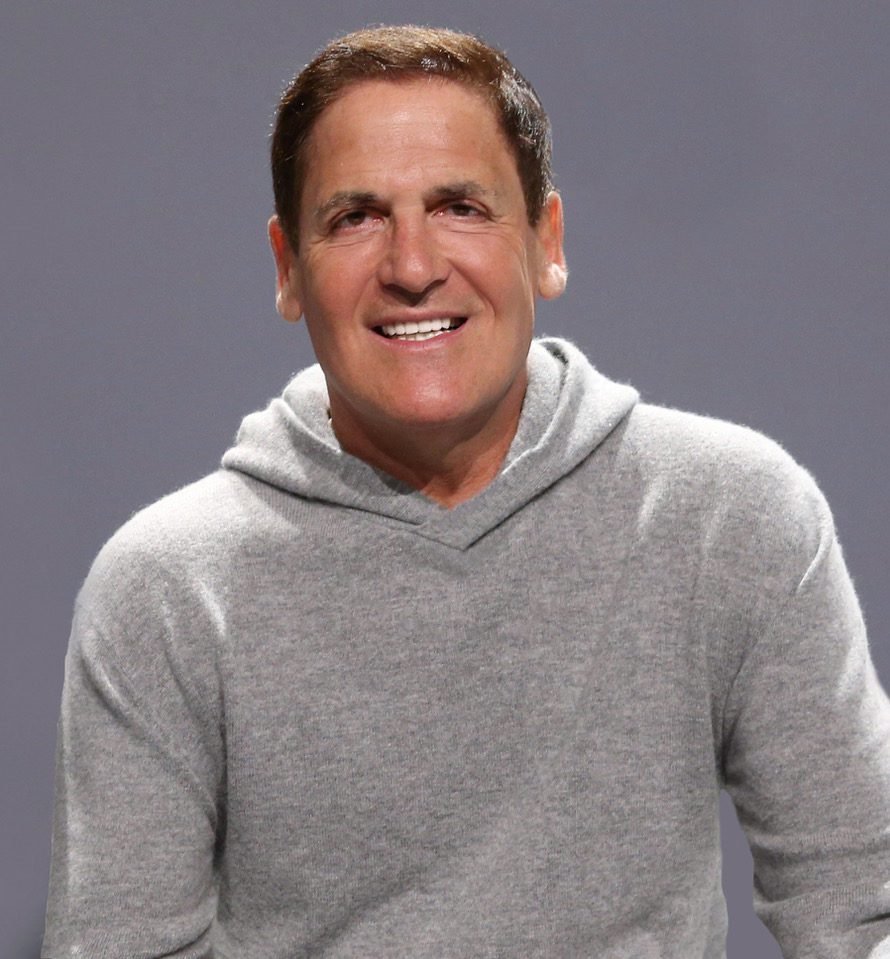
Mark Cuban Launched an Online Pharmacy

Mark Cuban Cost Plus Drug Company launches online pharmacy, offering significant savings on generic medications with a fixed 15% markup plus $3 fee, aiming to disrupt the pharmaceutical industry and improve public health.

Atlanta, GA – August 16, 2024

On January 19, 2024, the Mark Cuban Cost Plus Drug Company (MCCPDC) officially launched its much-anticipated online pharmacy. The company aims to disrupt the pharmaceutical industry by offering significant savings on prescription medications. As a registered pharmaceutical wholesaler, MCCPDC is uniquely positioned to bypass traditional middlemen and eliminate the excessive markups often associated with prescription drugs.

The company’s business model is straightforward. MCCPDC’s online pharmacy offers a wide range of generic medications at steep discounts. For instance, commonly prescribed drugs such as fluoxetine (for depression) and lisinopril (for high blood pressure) are available at a fixed markup of just 15% plus a $3 flat fee. Notably, MCCPDC does not offer brand-name drugs and does not accept insurance, meaning patients pay for their medications out of pocket. However, the cost savings are significant enough that many patients may find the out-of-pocket expenses lower than their insurance co-pays and deductibles.

In its press release, MCCPDC highlighted several medications, showcasing its commitment to affordability. For example, Imatinib, a drug used to treat leukemia, typically costs $9,657 per month at retail and $120 per month with a voucher. In stark contrast, MCCPDC offers the same medication for just $47 per month. Similarly, the ulcerative colitis treatment Mesalamine, which has a retail price of $940 per month, is available for $32.40 through MCCPDC. The gout medication Colchicine, priced at $182 per month at retail, is offered for just $8.70.

The need for such an innovative approach is clear. According to a 2019 Kaiser Family Foundation survey, three in ten adults reported not taking their medications as prescribed due to cost concerns. A September 2021 Gallup poll revealed that 18 million Americans were recently unable to afford at least one prescription medication, and one in ten had skipped doses to save money. The launch of MCCPDC’s online pharmacy marks a significant milestone in the effort to make medications more affordable for millions of Americans.

Partnering with digital healthcare company Truepill, MCCPDC ensures a seamless, secure online patient experience. Truepill’s digital health platform powers the pharmacy’s website, while its nationwide pharmacy network handles prescription fulfillment and delivery, promising reliable service nationwide.

High drug prices have been a persistent problem in the United States, with government efforts to address the issue moving slowly and often proving ineffective. MCCPDC’s entrance into the market represents a bold attempt by the private sector to fill the gap, offering an alternative to the traditional, often costly, pharmaceutical model.

The Mark Cuban Cost Plus Drug Company’s mission extends beyond profit, reflecting its status as a public-benefit corporation. By charging a transparent, standard markup on all drugs, the company aligns its business goals with a broader social mission to improve public health. Launching its online pharmacy is just the beginning. It plans to expand its inventory of affordable generic drugs and complete the construction of a state-of-the-art pharmaceutical factory in Dallas by the end of 2025. With these initiatives, MCCPDC is poised to impact the pharmaceutical industry and provide much-needed relief to patients burdened by high medication costs.

Mason Mill Park unveils its new mural

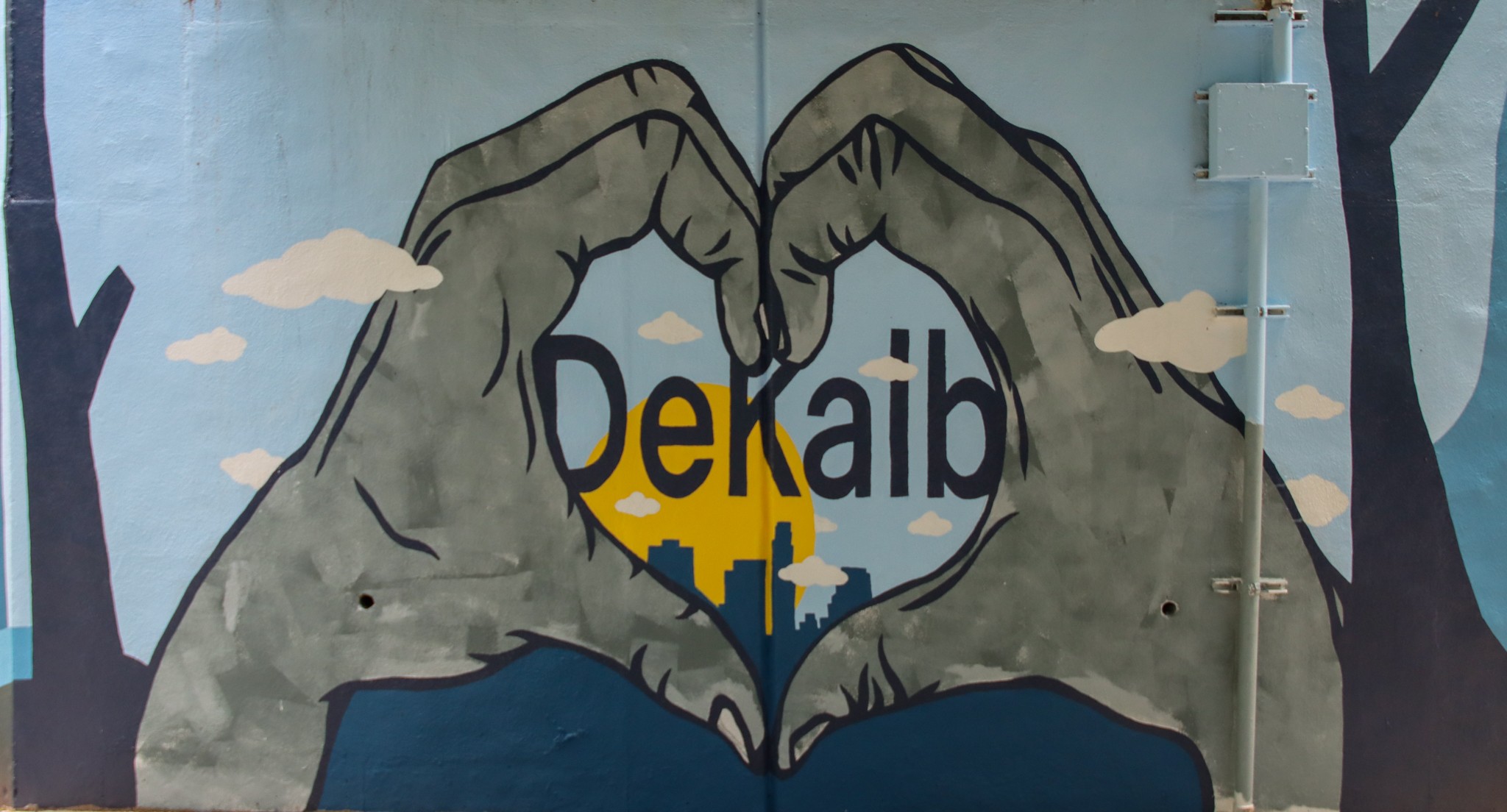
Mason Mill Park Mural Unveiling: A vibrant mural, painted by Jermaine Clark, was unveiled at Mason Mill Park in Decatur, GA, showcasing community investment in public art and symbolizing unity and inclusivity in the park’s landscape.

Decatur, GA – June 4, 2024

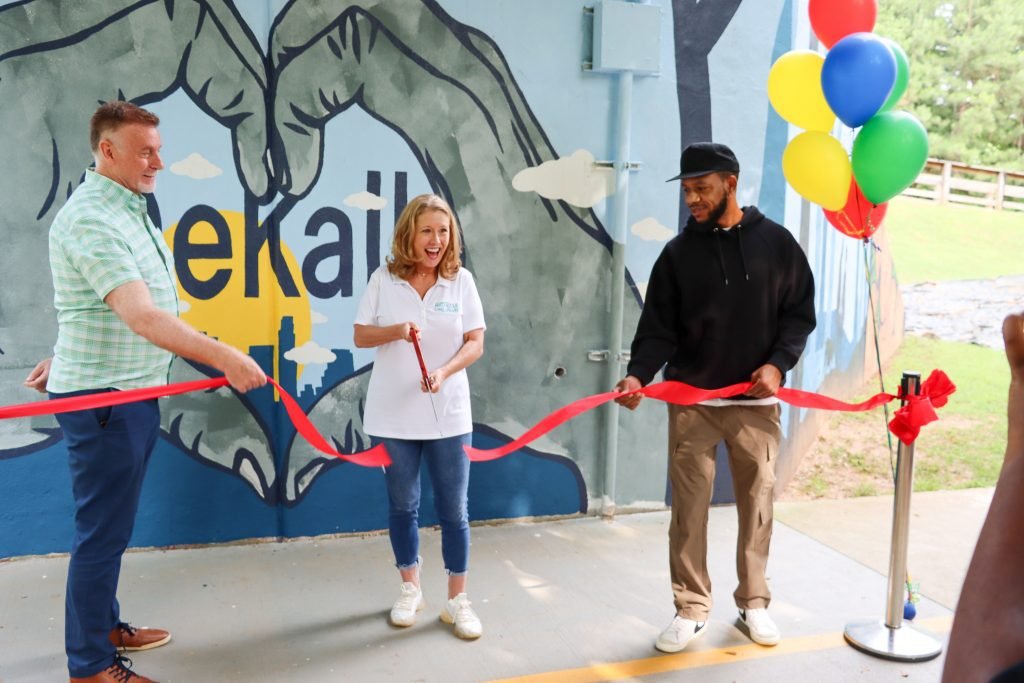
On Saturday, June 1, 2024, Mason Mill Park in Decatur celebrated its new mural’s much-anticipated unveiling and ribbon cutting. The event drew a lively crowd, with Commissioner Michelle Long Spears of DeKalb County District 2 expressing her excitement about the project’s completion.

Left to right: DeKalb Director of Recreation, Parks and Cultural Affairs Chuck Ellis, Commissioner Michelle Long Spears of DeKalb County District 2, Atlanta-based artist Jermaine Clark

The mural, painted by Atlanta-based artist Jermaine Clark, is a striking addition to the park, showcasing vibrant colors and captivating imagery. Funded by the DeKalb District 2 Park Bond, the mural is more than just a decorative piece; it is a testament to the community investment’s power in public art. The artwork enriches the park’s aesthetic while symbolizing unity and inclusivity.

The unveiling event marked the culmination of a journey that began with public engagement meetings organized by the community and Clark. Over four months, ideas were shared and visions crafted, resulting in a collective masterpiece that now adorns the park’s landscape.

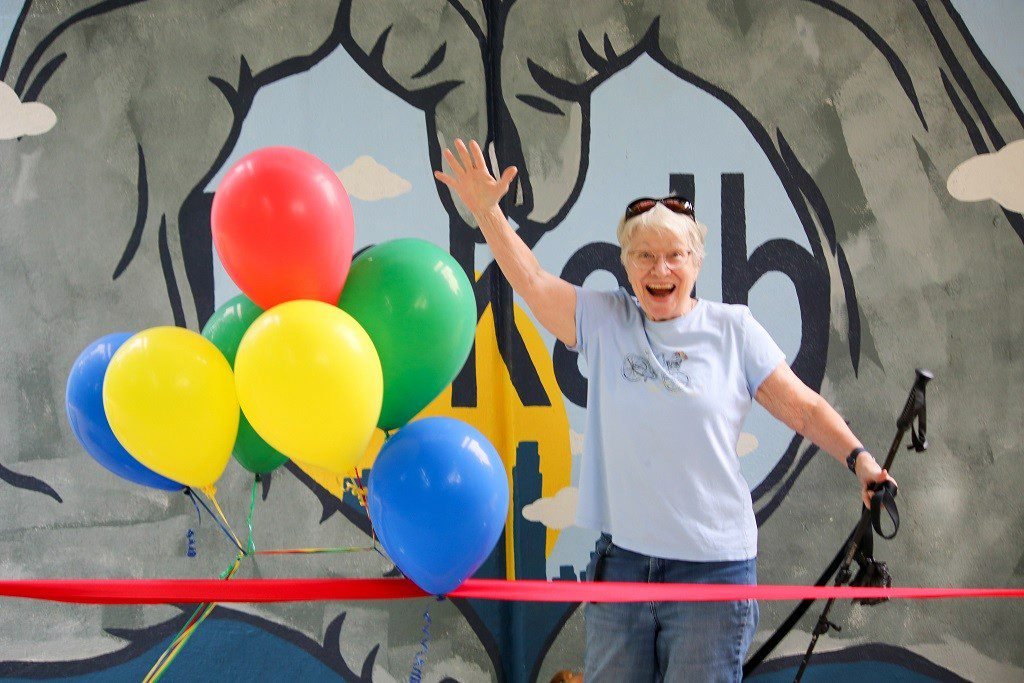
Park visitor Laurie shows excitement for the new mural

Steeped in history, this park, is a testament to our community’s commitment to providing a space for everyone to enjoy. It offers miles of paved wooded trails for walking and running, a large playground with multiple climbing structures for children, a community garden, and a Recreation Center. It is also home to the DeKalb Tennis Center, which features tennis and pickle ball facilities.

Just minutes from downtown Decatur, Mason Mill Park is steeped in history. In the 1850s, Ezekiel Mason built a flour mill on the bank of Burnt Fork Creek near where it flows into the south fork of Peachtree Creek. This mill is the namesake of both Mason Mill Road and Mason Mill Park.


Exit mobile version