The Dash in Jimmy Carter’s Life

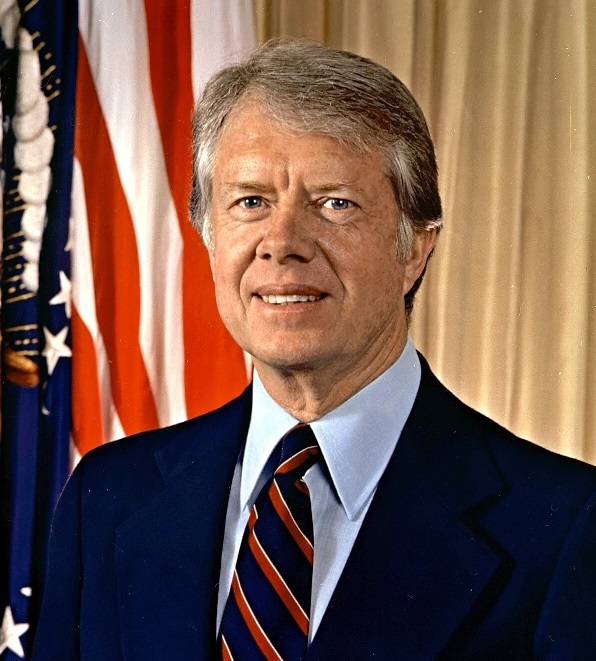
A remarkable journey spanning a century, marked by dedication, faith, and service. He served as the 39th US President, championed environmental conservation, and dedicated his post-presidency to humanitarian efforts.

By Milton Kirby | Atlanta, GA – January 2, 2025

Jimmy Carter’s life—a remarkable journey spanning a century—is a testament to the profound impact of dedication, faith, and service. Born James Earl Carter Jr. on October 1, 1924, in Plains, Georgia, his journey began in the small farming town and nearby community of Archery. Raised by James Earl Carter Sr., a farmer and businessman, and Lillian Gordy Carter, a registered nurse, young Jimmy would lead an extraordinary life defined by humility and an unyielding commitment to the betterment of humanity.

Carter’s early years were marked by academic and naval success. Educated in the public schools of Plains, he pursued higher education at Georgia Southwestern College, Georgia Institute of Technology, and the United States Naval Academy, where he earned a B.S. in 1946. As a submariner in the Navy, Carter served with distinction, rising to the rank of lieutenant and playing a pivotal role in the emerging nuclear submarine program. Under the guidance of Admiral Hyman Rickover, he took graduate coursework in reactor technology and nuclear physics at Union College.

In 1946, Carter married Rosalynn Smith, a partnership that would define much of his life. When his father passed away in 1953, Carter returned to Plains to manage the family farms and their seed and farm


Photo courtesy Maranatha Baptist Church – Jimmy & Rosalynn Carter

supply business. It was here that he began his political career, serving on community boards and eventually winning a seat in the Georgia Senate in 1962. Despite an initial gubernatorial defeat in 1966, Carter persevered, becoming Georgia’s 76th governor in 1971. His national political career was launched with his announcement of candidacy for the U.S. presidency in 1974. He was elected as the 39th president in 1976, serving from January 20, 1977, to January 20, 1981.

As president, Carter championed environmental conservation, setting aside more land for national parks and wildlife refuges than any of his predecessors. He was a pioneer in energy conservation, advocating for reduced reliance on foreign oil and alternative energy sources, symbolized by the installation of solar panels on the White House roof. His administration also established the Department of Energy, emphasizing the importance of sustainability long before it became a global priority.

Post-presidency, Carter dedicated his life to humanitarian efforts. In 1982, he founded The Carter Center in Atlanta, a nonpartisan institution addressing public policy issues, promoting democracy, and eradicating diseases such as Guinea worm disease. His work with Habitat for Humanity—building homes for impoverished families worldwide—further solidified his legacy of compassion. Recognized with the Nobel Peace Prize in 2002, Carter joined the ranks of Theodore Roosevelt, Woodrow Wilson, and Barack Obama as the only U.S. presidents to receive the honor.


Photo Courtesy of the Carter Center

The Carters’ partnership extended to their shared advocacy for mental health. Rosalynn chaired The Carter Center’s Mental Health Task Force and hosted annual symposia to address critical issues in the field. Together, they demonstrated the power of collaborative leadership rooted in their shared values and commitment to service.

A prolific author, Carter wrote over 30 books on topics ranging from politics to poetry, faith, and human rights. Despite his global influence, he remained deeply connected to his roots, teaching Sunday school for over 40 years at Maranatha Baptist Church in Plains. His Christian faith was a cornerstone of his life, shaping his moral and ethical compass and inspiring countless others.

Carter’s life was a “dash” filled with purpose—from humble beginnings as a peanut farmer to his presidency and beyond. He concluded each Sunday school lesson with a challenge: perform one good deed for someone else. This simple yet profound message encapsulated his belief in the power of kindness to change the world.

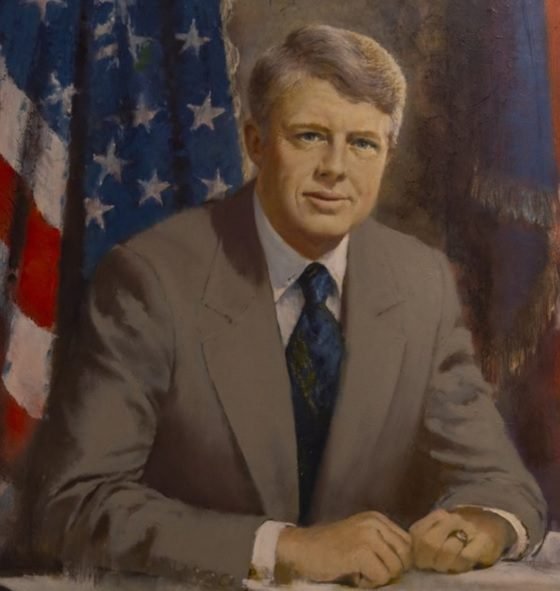
Courtesy – National Governors Association

On December 29, 2024, Jimmy Carter completed his dash at the age of 100. His legacy endures through the countless lives he touched, the causes he championed, and the enduring message of love and service he imparted. Indeed, the dash in Jimmy Carter’s life symbolizes a life well-lived, defined by unwavering dedication to making the world a better place.


New Year’s Resolutions or New Year’s Intentions

New Year’s Resolutions have been a tradition for over 4,000 years, but often fail due to unrealistic goals and lack of planning. Experts suggest setting smaller goals, creating detailed plans, and seeking accountability for success.

By Milton Kirby | Atlanta, GA | December 29, 2024

As January 1st approaches, millions of Americans prepare to start 2025 with New Year’s resolutions. This tradition of self-improvement dates back more than 4,000 years to the Babylonians, who celebrated the New Year in March with the Akitu festival. They pledged to their gods to repay debts and return borrowed items, laying the foundation for modern resolutions.

The Challenge of Resolutions

Despite their popularity, New Year’s resolutions often falter. A recent poll revealed that around 52% of resolutions are abandoned by March. Common reasons for failure include setting unrealistic goals, lacking a concrete plan, and losing motivation. Experts suggest setting smaller, achievable goals, finding accountability partners, and creating detailed plans to improve success rates.

A Historical Perspective

The Babylonians were among the first to mark the New Year with resolutions, but their year began in mid-March. During their 12-day religious festival, they crowned a new king or reaffirmed loyalty to the reigning one and made promises to their gods. Similarly, the Romans shifted their New Year to January 1st in 46 B.C., honoring Janus, the two-faced god who looked to the past and the future. Sacrifices and resolutions for good behavior marked the occasion.

By the 18th century, Christians adopted the practice as a time to reflect and set goals for personal growth. The phrase “New Year’s resolution” first appeared in print in 1813 and has since become a cultural staple.

The Most Popular Resolutions

Year after year, health-related goals top the list of resolutions, including eating healthier, exercising more, and losing weight. Saving money and reducing stress are also common themes. For instance:

  • In 2020, 44% of Americans resolved to eat healthier, alongside similar percentages in the UK and Poland.
  • In 2019, over half of Americans aimed to exercise more (59%), eat healthier (54%), and lose weight (48%).
  • A 2017 Stockholm University study found that 70% of resolutions focused on physical health, followed by self-improvement (10%) and psychological health (5%).

Expert Insights

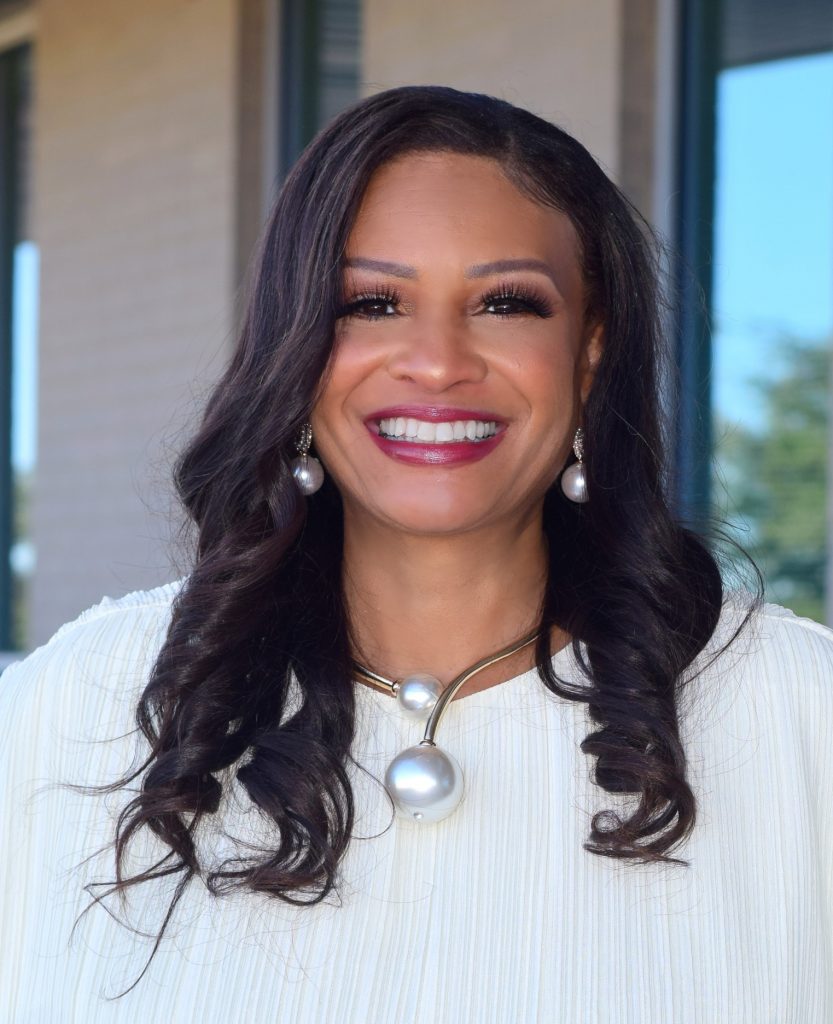
Dr. Lawana Gladney, a Dallas, TX-based Success Psychologist, advises setting “intentions” rather than vague resolutions. “Success requires a clear goal, a detailed plan, and consistent execution,” she says.

Photo Courtesy Dr Lawana Gladney

Dr. Gladney helps clients establish realistic goals and actionable steps. For example, if one resolves to stay connected to family, then we have to have a plan and schedule to make the phone calls and make the trips to see the family. It is all about the goal, the plan, and the steps to execute the plan.

Dr. Gladney, a Ph.D. in Instructional Psychology and Technology specializing in human behavior and the brain’s role in behavioral change, has been practicing for over two decades. For more information about Dr. Gladney or to schedule an appointment, she can be reached at her website and across the following social media platforms: Facebook, Instagram, and LinkedIn.

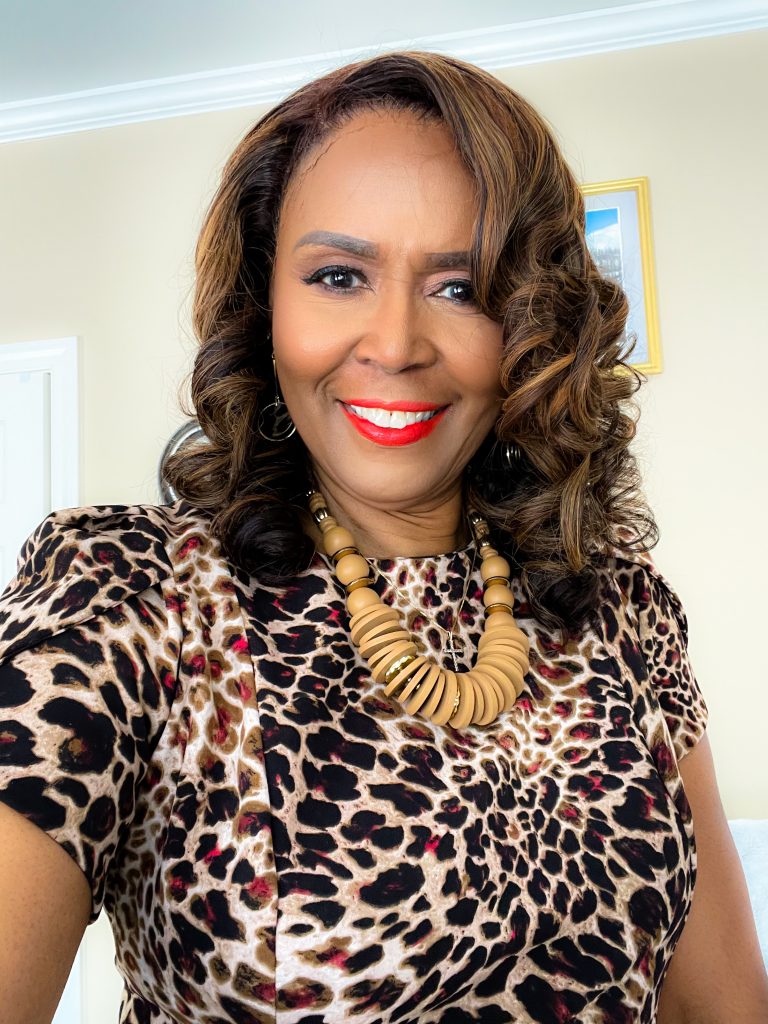
Dr. Nancy J. Lewis, an Atlanta-based leadership coach, emphasizes the importance of accountability. . “Resolutions often fail because they are too generic,” she explains. Dr. Lewis has guided countless individuals to achieve their goals by fostering discipline and consistency.

Photo courtesy Dr Nancy J Lewis

Setting specific goals with tactical actions and having an accountability partner significantly improves the chances of success.

Dr. Lewis is a transformational management and leadership development trainer and strategist who helps organizations leverage generations, talent, people, and processes to positively impact the bottom line. Dr. Lewis has authored multiple books. She is accessible via email at nancy@progressivetechniquesinc.com, her website, LinkedIn, and by telephone at (770) 964-5533.

A Success Story

Katie Allison, a 34-year-old mother, serves as an inspiration. After giving birth to her first child in 2017, she set a New Year’s resolution to lose 75 pounds. Within six months, she reached her goal weight of 145 pounds through daily gym visits, a sugar-free and reduced carbohydrate diet, no red meat, no dairy, and a disciplined routine and meal plan. Katie’s commitment has helped her maintain a healthy lifestyle for five years. Now pregnant with her second child, Katie plans to resume her fitness routine as soon as medically cleared.

Katie Allison lost 75 pounds in six months after her January 1, 2019, New Year’s Resolution


Tips for Success

Experts recommend the following strategies to stick to resolutions:

·         Set realistic goals: Break down larger objectives into smaller, achievable steps.

·         Create a detailed plan: Outline specific actions and timelines.

·         Track progress: Regularly measure success to stay motivated.

·         Seek accountability: Work with a coach or partner to stay on track.

Whether you call them resolutions or intentions, the key to success lies in thoughtful planning, discipline, and a commitment to change. The New Year can be a time for meaningful transformation with these strategies.

Associated Credit Union Foundation Offers $3,500 Scholarships to High School Seniors

The Associated Credit Union (ACU) Foundation offers the Ronald K. Ford Memorial Scholarship, awarding $3,500 to high school seniors who embody Mr. Ford’s commitment to education, sportsmanship, and community service, with a deadline of March 31, 2025.

By Milton Kirby | Atlanta, GA December 24, 2024

The Associated Credit Union (ACU) Foundation is honoring the legacy of Ronald K. Ford, a former member of its Board of Directors, by awarding $3,500 scholarships to exceptional high school seniors. The Ronald K. Ford Memorial Scholarship celebrates Mr. Ford’s 12 years of service on the board, his influential career in education, and his pioneering contributions to the credit union industry.

The scholarship recognizes students who embody Mr. Ford’s commitment to education, sportsmanship, and community service. Abigail, a 2024 scholarship recipient, expressed her gratitude, highlighting how the award has supported her academic and personal goals.

Eligibility Criteria

High school seniors graduating in 2025 are encouraged to apply if they meet the following requirements:

  • Maintain a minimum GPA of 3.0
  • Gain acceptance to an accredited college, university, or technical school
  • Submit all application materials by Monday, March 31, 2025

Application Process

Applicants must submit:

  1. A public link to a 60-second YouTube video addressing one of the following prompts:
    • Describe your most impactful community service activity.
    • Share your favorite academic subject and why it inspires you.
  2. Two reference letters:
    • One from a school official (e.g., coach, counselor, or teacher).
    • One from a non-family member (e.g., employer, friend, or neighbor).
  3. An official high school transcript and a college acceptance letter.

If you are a high school senior passionate about education, innovation, and community service, consider applying for the Ronald K. Ford Memorial Scholarship. This $3,500 award could be your stepping stone to a brighter future. For more details and application instructions, visit the Associated Credit Union Foundation’s website.

Don’t miss your chance—apply by March 31, 2025, and take a step closer to achieving your dreams!

Apply Today

College Costs in Georgia

For those seeking more affordable options, Georgia is home to some of the nation’s most economical colleges. Institutions like Dalton State College ($5,532 annual net price) and Abraham Baldwin Agricultural College ($7,260 annual net price) provide quality education at accessible costs.

Here are some reliable sources to estimate college costs in Georgia:

  1. College Websites – Visit the official websites of individual colleges and universities in Georgia. Most institutions provide detailed information about tuition, fees, room, board, and other expenses.
  2. Georgia Student Finance Commission (GSFC) – The GSFC offers tools and resources for understanding college costs, including information on tuition assistance programs like HOPE and Zell Miller Scholarships on their website.
  3. BestColleges.com – Provides rankings and average annual costs for colleges in Georgia, including public and private institutions. Website: www.bestcolleges.com
  4. College Navigator (NCES) – The National Center for Education Statistics (NCES) offers a tool to search and compare costs for colleges nationwide, including detailed breakdowns for Georgia institutions.
  5. University System of Georgia (USG) – The USG website lists tuition and fee schedules for public colleges and universities in Georgia.
  6. College Board – The College Board’s “Trends in College Pricing” report includes average tuition and fees by state, along with tools to estimate overall college costs.
  7. Scholarship and Financial Aid Platforms – Websites like Fastweb.com and Scholarships.com often include information on estimated college costs and financial aid options.
  8. Consumer-Focused Financial ToolsNerdWallet and CollegeSimply can provide estimates and comparisons of college costs across Georgia.
  9. Websites like Best Colleges can also provide a wealth of information.

Pristine Mobile Mechanic – Quality Service in Your Driveway

owner Don White provides exceptional service, repairing a leaking coolant hose on a 2015 Ford F-150 in under an hour, showcasing his commitment to quality and customer satisfaction.

By Milton Kirby | Atlanta, GA – December 6, 20204

On one of the coldest days of the season, Wednesday, December 4, 2024, in Atlanta, GA, an unexpected automotive problem turned into a discovery of exceptional service. While driving down Northside Drive, I noticed the unmistakable scent of antifreeze. Initially, I assumed it came from another car, but by the time I turned onto 16th Street, steam started to escape from the engine compartment. The steam was coming through the small gaps on the right side of the vehicle where the hood and the fender met to close the engine compartment of my 2015 Ford F-150. The steam confirmed that the smell was coming from my engine and the problem was mine.

Pristine Mobile Mechanic does final check

A quick turn onto a side street and a hasty inspection of the radiator and engine revealed a leaking coolant hose connecting the heater core to the engine. Though the leak wasn’t severe, I knew from experience that it required immediate attention, and the vehicle should not be driven very far. I safely moved to a nearby secure parking garage and searched for a replacement hose. Neither the nearest auto parts store nor the nearest Ford dealer had the part in stock. After several phone calls, I finally found the part at Courtesy Ford in Conyers, GA.

The next step was to locate a mechanic. I encountered steep quotes and long wait times when calling early the following morning. Then, I spoke with Don White, the owner of Pristine Mobile Mechanic (PMM).

Don’s professionalism and transparent price estimate made PMM stand out against the other mobile technicians. For a service call fee of $35 and an estimated repair cost of $150-175, he assured me the job could be done promptly.

True to his word, Don arrived at the scheduled time, quickly confirmed the diagnosis and that I had purchased the right replacement part. With a focus on the job he completed the repair—removing the faulty hose, installing the new one, and refilling the coolant system—all within an hour. A quick test revealed no leaks, and Don was off to his next appointment, leaving me thoroughly impressed.

Don White’s passion for cars began in high school, where he started collecting and repairing vehicles. This interest helped him pay his way through South Carolina State University, where he earned a Bachelor of Science degree in Industrial Engineering. After gaining industry experience at BMW of South and Genuine Parts, Don launched Pristine Mobile Mechanic in 2023.

Since its inception, PMM has serviced over 300 vehicles, building a reputation for reliability and affordability. When asked about expansion, Don emphasized the importance of maintaining quality over rapid expansion. “The quality of my service is paramount to my brand,” he shared, reflecting on his dedication to excellence, specifically citing that he answers the telephone, maintains constant communication, and shows up when agreed.

Pristine Mobile Mechanic installing hose

PMM makes payment seamless by accepting cash, Apple Pay, Cash App, Zelle, and even Bitcoin, ensuring convenience for its clients.

Don White showed me a passion for servicing cars and a commitment to the profession, and he showed himself as a student of the craft. These embody the growing appeal of mobile mechanics, offering car owners convenience and high-quality service wherever they are. PMM is redefining automotive care—one vehicle at a time.

For more information about Pristine Mobile Mechanic and their services, visit their website.

Largest Private Company in US Is Quietly Firing Thousands Before Christmas Because Grocery Prices Are Falling

Cargill, the largest private US company, is firing approximately 8,000 employees (5% of workforce) due to falling grocery prices and earnings shortfalls, with restructuring efforts to streamline operations and reduce duplication of work.

By Elizabeth Urban | December 4, 2024

The largest private company in the U.S. is quietly firing about 8,000 employees before Christmas as grocery prices fall across the country.

Cargill, a major ingredients business and food production company, has been hit hard after grocery prices dropped recently as crops the company trades, including wheat, corn and soybeans, hit new lows, as reported by Reuters.

“The majority of these reductions will take place this year,” CEO Brian Sikes said in an internal memo obtained by Bloomberg. “They’ll focus on streamlining our organizational structure by removing layers, expanding the scope and responsibilities of our managers, and reducing duplication of work.”

The memo went on to state that this meant “reducing our global workforce by approximately 5%,” as reported by Reuters. This means that about 8,000 of Cargill’s 160,000 employees will lose their jobs.

Cargill’s businesses fell short of hitting their earnings goals in fiscal 2024, with less than a third of their businesses doing so. The company shared with employees over the summer that they planned to downsize from five business units to three, Bloomberg previously reported.

Photo by Milton Kirby – Cargill – Gainesville, GA

“As we look to the future, we have laid out a clear plan to evolve and strengthen our portfolio to take advantage of compelling trends in front of us, maximize our competitiveness, and, above all, continue to deliver for our customers,” Cargill said in a statement to CNN.

The company cut 200 tech jobs across the country earlier this year. Cargill previously announced that it was hiring for 400 positions for a new Atlanta location in June.

For the last four years, Cargill has been ranked as the largest privately-held company in the U.S., according to Forbes.

Innovative Education in Action: A Visit to the Ron Clark Academy

The Ron Clark Academy (RCA) is an innovative school in Atlanta, GA, that uses groundbreaking teaching methods to foster academic excellence, student empowerment, and community development, inspiring a global movement in education.

By Milton Kirby | Atlanta, GA – November 18, 2024

On Wednesday, November 13, 2024, I had the extraordinary opportunity to attend an open house at the Ron Clark Academy (RCA), an innovative school located in Southeast Atlanta in a repurposed old warehouse. Renowned globally for its groundbreaking teaching methods, RCA is more than just a school— it’s a living, breathing model of how bold ideas can reshape learning.

During my visit, I observed firsthand how RCA fosters an environment of academic excellence and student empowerment. As founder Ron Clark summed up their philosophy succinctly, “We teach to the smartest student in the classroom. All other students are brought up when we do so, and the smartest students are not slowed down.” This guiding principle was vividly brought to life during my visit, particularly in a dynamic fifth-grade math class.

The classroom was a stunning space of design and functionality, seamlessly blending inspiration with engagement. Far removed from traditional setups that I remember, it resembled an auditorium with tiered seating for 250-300 observers and a central teaching floor elevated by 12 inches. Tables and chairs for 30 students filled the center, while state-of-the-art digital Promethean boards replaced conventional chalkboards. Students equipped with electronic tablets and laser pointers actively participated in discussions, showcasing collaboration and leadership skills.

Student takes over 5th grade math class

One standout moment came when a confident young girl voluntarily hopped over her table and stepped into the role of teacher, leading her peers in solving equations. Later, students were encouraged to partner with audience members for problem-solving exercises. A remarkable young man, Cole Savage, selected me as his partner. Together, we tackled a complex equation step by step, demonstrating RCA’s emphasis on critical thinking and teamwork.

Founded in 2007 by Ron Clark and Kim Bearden—both Disney Teachers of the Year—RCA’s student body represents a rich tapestry of socio-economic and academic backgrounds in grades four through eight. The Academy’s mission extends beyond its student body. The RCA Experience program has amplified its impact by training over 100,000 educators worldwide over the past 16 years to adopt its transformative teaching methods.

Cole Savage

RCA’s innovative curriculum, including math, science, social studies, English, and fine arts, is an immersive journey combining interactive learning with a strong emphasis on community, relationships, and character development. This approach, inspired by Ron Clark’s The Essential 55 principles, fosters academic achievement, emotional resilience, and social intelligence.

The after-school programs, tennis, golf, double-dutch, tutoring, dance, and etiquette, serve to add yet another dimension to the developmental path at the academy.

From its unique classrooms to its empowering teaching methods, my visit to RCA was a refreshing reminder of the transformative power of education. The excitement and admiration radiating from other visitors confirmed it: RCA isn’t just shaping students; it’s driving a global movement to redefine what’s possible in education.

Michael Moore gets slide certified as students cheer

The Ron Clark Academy is a testament to what happens when passion, innovation, and purpose collide. It’s not just a school; it’s a revolution in learning—and the world is paying attention.

GirlTREK: Walking a Lifestyle Change for Better Health

GirlTREK is a national movement empowering Black women to prioritize health through walking, fostering a sense of community and self-care, with over 1.3 million members and growing.

By Milton Kirby | Atlanta, GA – November 9, 2024

In a world where Black women face disproportionate health challenges, a movement is gaining momentum, offering not only a path to physical well-being but a sisterhood of support, empowerment, and life-changing habits. GirlTREK, founded in 2010 by T. Morgan Dixon and Vanessa Garrison, is quickly becoming a national force in the fight for better health among Black women, with over 1.3 million members and counting.

The statistics speak volumes

A 2022 survey conducted by GirlTREK reveals some of the profound impacts of their mission and work: 61% of Black women have lost weight, 90% report fewer symptoms of depression, 59% walk daily at life-saving levels, and 56% have sustained the habit of daily walking for over a year. For many, these numbers are more than just figures—they are a lifeline to a healthier, more fulfilled life.

Walking for Health, Walking for Life

GirlTREK was born from a simple idea shared by Dixon and Garrison, whose bond was strengthened by their mutual love for Tupac, Nikki Giovanni, and, yes, smothered pork chops. The idea was to create a walking group for Black women that would help improve physical health and foster a sense of community, resilience, and empowerment.

The group has grown into a powerful movement in just over a decade. In 2013, GirlTREK organized a landmark walk to honor Harriet Tubman on the National Mall in Washington, D.C., with 15,000 participants.

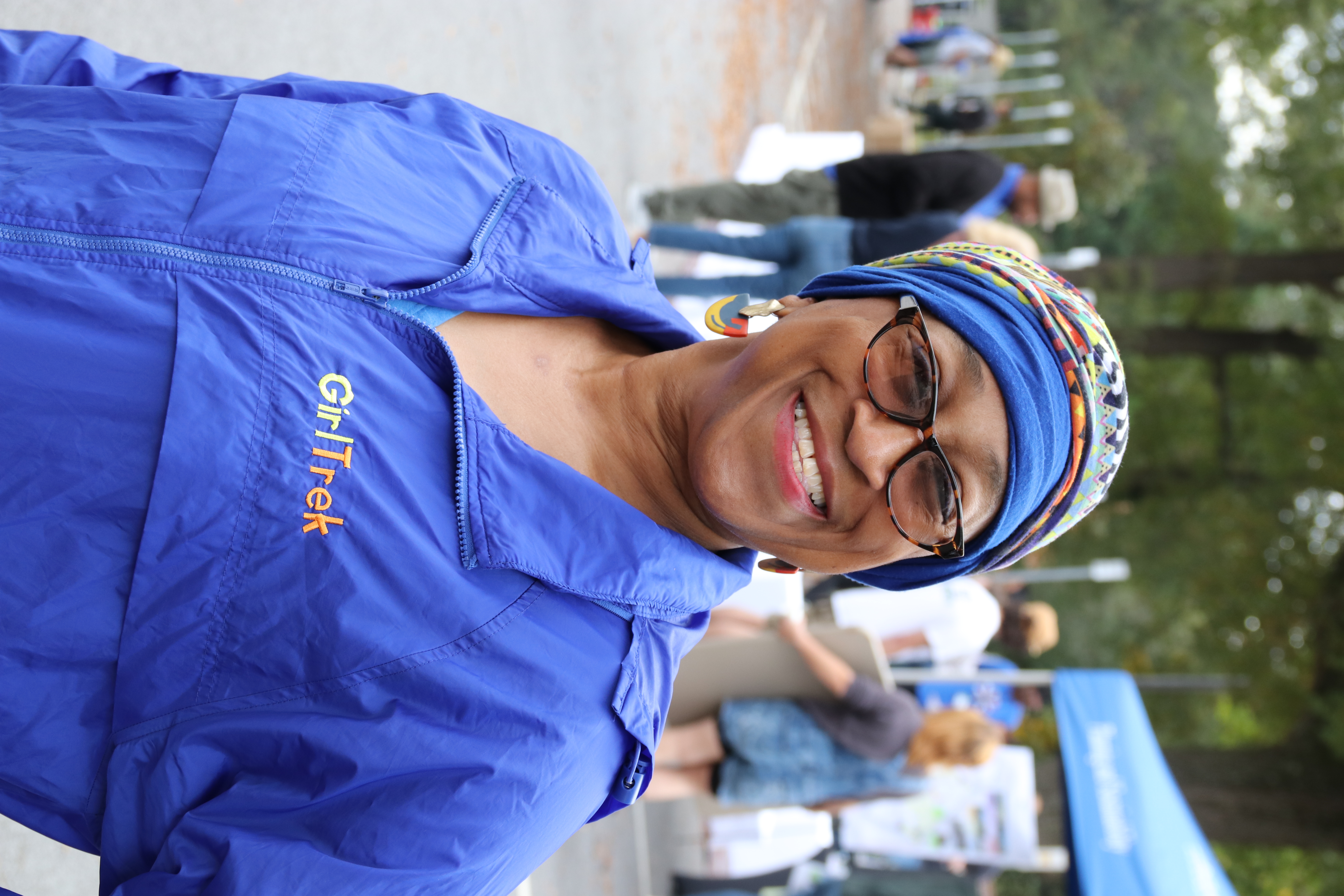
GirlTreker – Tonya Flemons

By 2020, GirlTREK reached the monumental milestone of inspiring 1 million Black women to walk toward their healthiest, most fulfilled lives. Now, GirlTREK is on a mission to encourage even more women to take charge of their health through the simple act of walking.

As the Centers for Disease Control and Prevention (CDC) notes, Black women in the U.S. are at higher risk for preventable diseases, including heart disease, diabetes, and stroke. “There are 20 million Black women in this country, and 82% are overweight—that’s 16 million women at greater risk,” the organization states on its website. According to GirlTREK, the solution is rooted in scientific research. They have  specifically identified walking as a bridge to better health, walking 30 minutes a day, five days a week.

The health benefits of daily walking are well-documented. Research shows that it can reduce the risk of chronic diseases such as heart disease and diabetes by over 50% and lower depression by nearly 50%. For GirlTREK, walking is not just an exercise—it’s an act of self-care and, for Black women, self-preservation.

One Woman’s Goal

Tonya Flemons averages between 8,000 and 15,000 steps per day. She has launched an initiative to complete a 5K walk/run in fifty states. She has completed 5K’s in 8 states: Georgia, South Carolina, Maryland, Kansas, Arizona, Illinois, Ohio, Massachusetts, and the District of Columbia.  Her most recent event was a 10K in Charleston, SC.

The Power of Sisterhood

One of the unique aspects of GirlTREK is its ability to minimize the isolation that often accompanies chronic illness and mental health struggles. The organization has created safe spaces for women to walk together, share their stories, and support one another on their journeys to better health.

Through initiatives like Sisterhood Saturday, a weekly walking series that draws hundreds of thousands of women, GirlTREK has cultivated a sense of camaraderie and partnership that extends beyond physical activity. Each Saturday, women nationwide gather in their neighborhoods to walk together, fostering a shared commitment to health and healing.

In addition to these weekly walks, GirlTREK hosts annual events such as the Black Family 5K, a, a post-Thanksgiving tradition that brings families together to celebrate health and community. To help members organize these events, GirlTREK offers downloadable toolkits with race templates, FAQs, and tips for making the walk memorable and impactful.

Education Through Movement

GirlTREK is also using innovative tools to further its mission of education and empowerment. One of its most successful initiatives, the Black History Bootcamp Podcast, launched in 2020, is a 21-day walking meditation series that blends physical activity with history and reflection. The podcast has been so well-received that it earned three prestigious Webby Awards in 2022 and 2023, including Best Live Podcast Recording and Best Podcast Series.

Another popular initiative, the Self-Care For Freedom Fighters Spring Challenge, launched annually on April 1, is a ten-week holistic wellness series designed to jump-start healthy habits and promote long-term well-being. Through these programs, GirlTREK helps women improve their physical health and provides the tools and support to transform their entire lifestyle.

A Bold Vision for the Future

As the most significant health movement and nonprofit organization focused on improving the health of Black women, GirlTREK is committed to addressing the health crisis facing this community. The organization’s ambitious goal is to increase the life expectancy of Black women by 10 years in 10 years—a mission that has already begun to bear fruit.

According to GirlTREK, “Walking is one of the most accessible and powerful tools for reversing the devastating impacts of chronic disease.  “But it’s more than just about walking—it’s about reclaiming our health, our joy, and our lives.”

GirlTREK’s growth is a testament to the power of community, self-care, and resilience. With every step taken, they are helping to create a healthier, more empowered future for Black women across the nation. And the movement is just getting started.

For more information or to join the movement, visit GirlTREK.org.

Loretta Green, 89, Wears Her Poll Tax Certificate as a Badge of Perseverance

Loretta Green’s Story: At 89, Loretta Green has been voting since 1960 and has a poll tax exemption certificate, symbolizing her resilience in the fight for voting rights, which she continues to advocate for today.

By Milton Kirby – Atlanta, GA – November 6, 2024

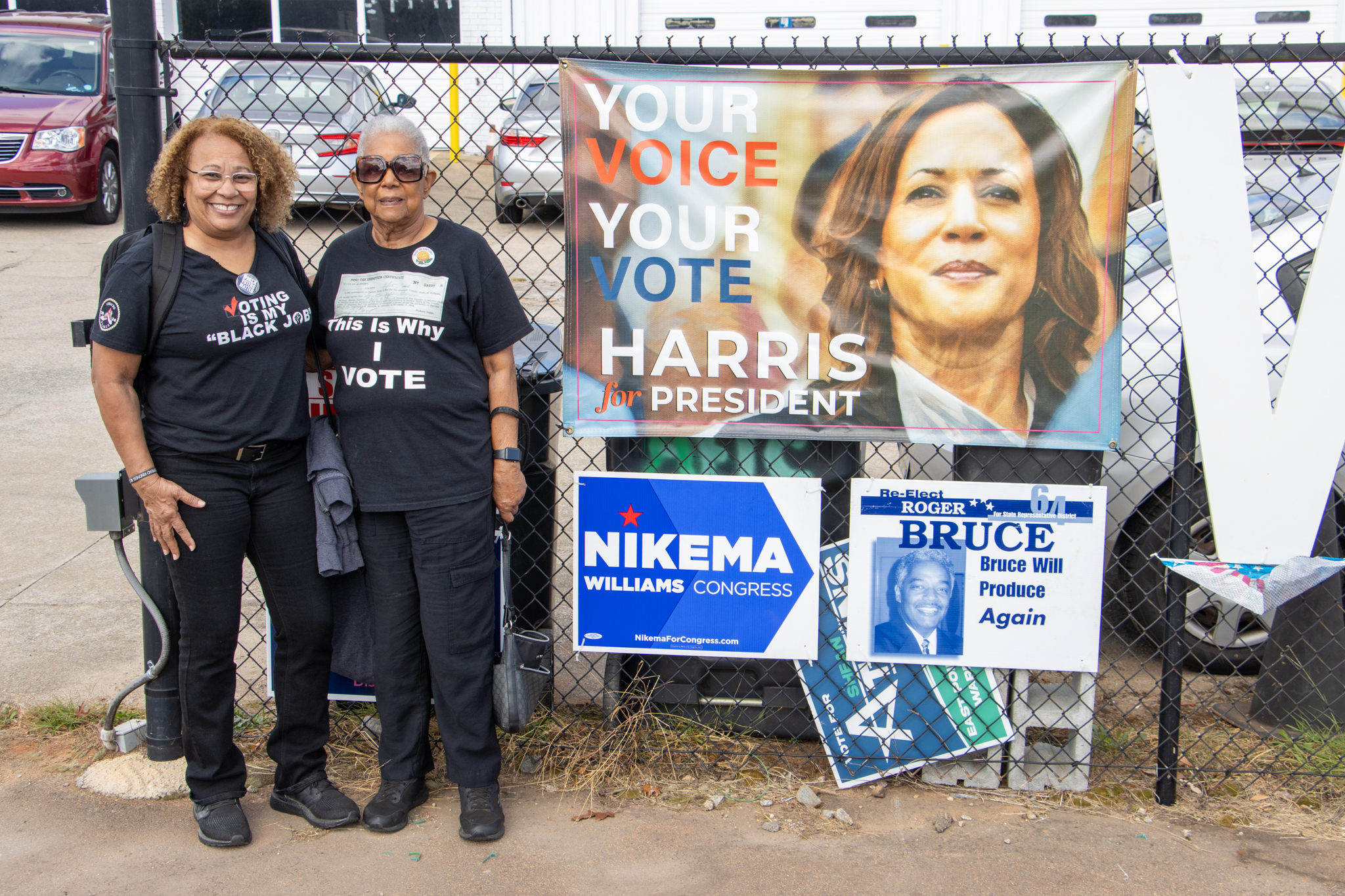
At 89 years old, Loretta Green, originally from Mobile, Alabama, and now an Atlanta resident has been casting her ballot since 1960—and she has a poll tax exemption certificate to prove it. For Green, this certificate is more than a document; it’s a testament to the resilience of voting rights. She knocked on doors this Election Day, rallying support for Vice President Kamala Harris and encouraging registered voters to make their voices heard.

Green’s journey in voter advocacy spans decades, rooted in a history of discrimination and unyielding perseverance. After the Civil War and throughout Reconstruction, Southern states enacted laws designed to curtail the voting rights of newly freed Black citizens. Chief among these barriers was the poll tax—a fee that, though small, effectively barred countless Black and poor White citizens from the ballot box.

The tax, ranging from $1 to $2 (roughly $20 to $40 today), was required annually, and voters often had to show proof of past payments to remain eligible. This and other discriminatory tactics sought to undermine the Fifteenth Amendment’s promise of voting rights, carefully crafted to avoid federal intervention while systematically disenfranchising African Americans.

This unjust barrier persisted until the mid-20th century when the civil rights movement brought national attention to voting rights. Although the Supreme Court initially upheld poll taxes in Breedlove v. Suttles in 1937, the tide turned with ratifying the 24th Amendment in 1964, which abolished poll taxes in federal elections. Two years later, the Supreme Court further ruled in Harper v. Virginia Board of Elections that poll taxes in all elections, state and local, were unconstitutional—ushering in an era of more inclusive democracy.

Ms. Green has attended countless voter rallies over the years, proudly displaying her poll tax exemption certificate as a reminder of past obstacles and the progress achieved. For Green, this certificate is a powerful symbol of the struggle and the triumph in the long fight for equal voting rights. She continues to inspire her community this Election Day, sharing her story as a reminder of the sacrifices made to secure the right to vote for all Americans.

Early Voting in Georgia ends on high note

By Milton Kirby – Atlanta, GA – November 4, 2024

Early voting ended on Friday, November 1st, in the battleground state of Georgia. Four million four thousand five hundred eighty-eight voters had cast ballots either by voting early or absentee by mail. With 55.3% turnout, Georgians cast 3,761,968 ballots during Early Voting and 242,620 ballots by mail.

As of Saturday morning, 92 Georgia counties have exceeded 50% turnout. This is unprecedented in Georgia’s history.

During Early Voting in 2018, 1,890,364 voters cast ballots. 2,697,822 cast ballots in 2020, and 2,289,933 cast ballots in 2022.

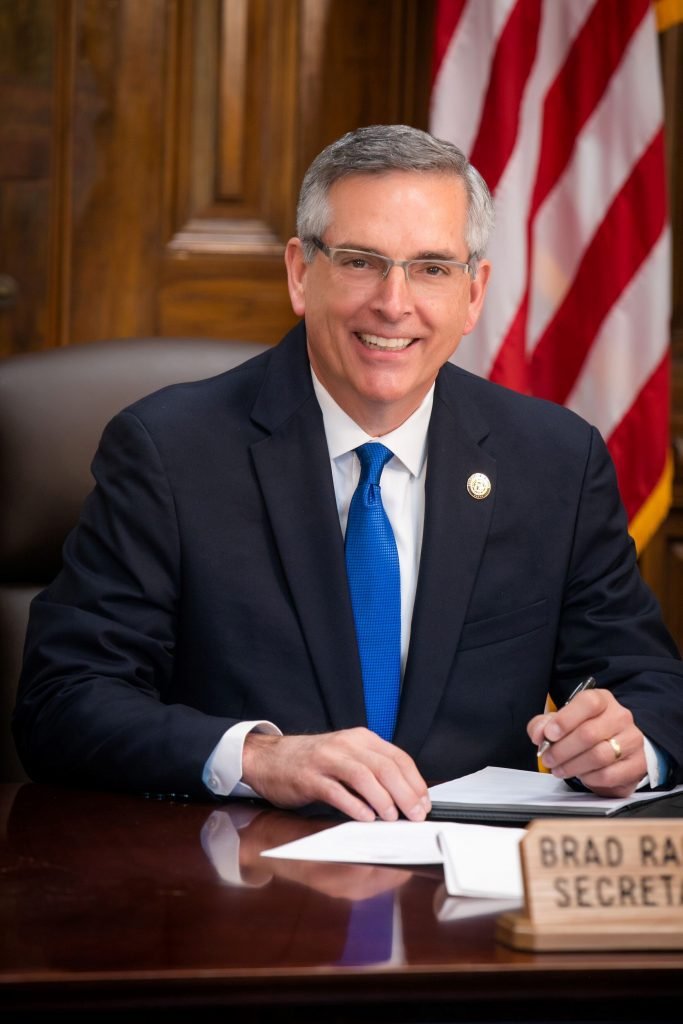
“This was the most successful early voting period in Georgia’s history because voters trusted the process,” said Secretary of State Brad Raffensperger. “Four years of progress brought us here. We’re battle-tested and ready, regardless of what the critics say. And we’re going to hold those who interfere in our elections accountable.”

Statewide, reports of long lines were minimal. However, there were some reports of voters waiting in line for more than 30 minutes from a few popular voting locations in metro Atlanta areas. Now that early voting has ended, voters who have not yet cast their ballot should confirm their polling location on My Voter Page and cast a ballot on Tuesday, November 5th. 

According to TargetSmart, 76,183,090 votes have been cast as early in-person or mail-in. 41% of those votes cast were by registered democrats, 39% registered republicans and 20% other.

As Election Day nears, millions of voters have already cast their ballots nationwide.

According to data from the University of Florida’s Election Lab, whether through mail-in ballots or early in-person polling stations, more than 70 million Americans, roughly 44% of the 2020 turnout, had voted against standing in line on Election Day as of Friday afternoon.

Academic experts, reporters, and pundits have been going through basic and limited data gleaned from the early voting numbers, trying to get clues about tomorrow’s outcome.

A flip in the ways people vote early

Voting trends have shown that more people have been choosing to cast their ballots before Election Day, and this has increased in numbers over the last 30 years, but 2020 turned out to be a major outlier.

In the last presidential election, 69% of the 158 million total votes were cast before Election Day either through the mail, which included mail ballots dropped off in person, or at early voting poll sites, according to data from the Michigan Institute of Technology.

According to the data, some 43% of the 2020 early votes came from mail ballots.

The shift in voting patterns is apparent in Georgia, which has seen record early voting numbers, with over 4 million ballots cast as of Saturday. According to the Georgia Secretary of State’s office, roughly 92% of those were cast at in-person polling places and the rest via mail.

Some states, including swing states Pennsylvania, North Carolina and Arizona, only offer early voting through in-person absentee options. Under this option, a voter must request an absentee ballot, fill it out, and deposit it in a ballot box or at a designated location. They are counted as a mail ballot voter.

US News has labeled seven states as Swing States during the 2024 election cycle.

Those states are listed below with their respective electoral votes:

Arizona 11, Georgia 16, Michigan 15, Nevada 6, North Carolina 16, Pennsylvania 19, and Wisconsin 10.

A total of 17,882,174 votes have been cast in these seven swing states. Of which, registered democrats have cast 40% or 7,179,095. Thirty-nine percent or 6,938,594 have been cast by registered republicans. The most astonishing fact in these swing states is that 21% of the votes cast were by other voters. They reinforce that the 2024 presidential election will be decided by independent voters and the candidates’ ability to connect with and convince those independent voters that their plan and road map for the country is the best direction in which to go.

Giant Pandas to Bid Farewell to Zoo Atlanta in October

By Milton Kirby – Atlanta, GA – October 9, 2024

Zoo Atlanta’s beloved giant pandas will soon return to China, marking the end of a 25-year program. In mid-October 2024, giant pandas Lun Lun, Yang Yang, Ya Lun, and Xi Lun will depart for China as the zoo’s agreement with China comes to an end.

The giant panda program at Zoo Atlanta began in 1999 with the arrival of Lun Lun and Yang Yang, who became symbols of international collaboration for the conservation of this endangered species. Their first offspring, Mei Lan, was born on September 6, 2006. In 2013, twin females Mei Lun and Mei Huan followed, captivating the hearts of visitors.

Photo by Milton Kirby Giant Panda Zoo Atlanta

Ahead of their departure, these iconic animals will remain on display at the Arthur M. Blank Family Foundation Giant Panda Conservation Center at the zoo. Their exit signals the conclusion of a significant chapter for Zoo Atlanta, which has contributed over $10 million toward giant panda conservation in China over the years, supporting projects in eight nature reserves.

Giant pandas are native to the cool, high-elevation forests of southwestern China.  Pandas can be found in native China at elevations as high as 13,000 feet. They are solitary animals, males and females come together only briefly to mate.

Giant pandas are shy and don’t venture into areas where people live, restricting them to very limited areas. Their popularity around the world has helped the giant panda become the focus of successful conservation programs, such as that at Zoo Atlanta, for the last 25 years.

Giant pandas primarily feed on bamboo, a low-nutrient plant, which explains their slow metabolism and frequent need for sleep. Though they are members of the bear family and have a digestive system similar to carnivorous bears, their diet is predominantly vegetarian. They rely on specialized jaw muscles and a unique wrist bone that functions as a thumb to process bamboo.

The population of giant pandas in the wild is critically low, with only around 1,500 remaining due to habitat loss, human activity, and reproduction difficulties. Pandas once roamed more widely across China and parts of Myanmar and Vietnam. Still, today, they are confined to six mountainous areas in Sichuan, Gansu, and Shanxi provinces. Efforts to conserve their habitat are crucial as infrastructure development and human activities continue to fragment their living spaces.

Giant pandas communicate with one another in dense bamboo forests primarily by scent. Males regularly scent-mark the margins of their territories by adopting a “headstand” position to mark a bamboo stalk with their anogenital glands. Research at Zoo Atlanta has demonstrated that although seemingly subtle, vocalizations are crucially important communicative tools, especially during the reproductive season. Research done at Zoo Atlanta has also shown that giant pandas have color vision.

While other herbivorous animals, such as antelope, zebras, or rabbits, have very long digestive tracts, the giant panda retains an essentially bear-like digestive tract. Thus, the digestive efficiency of the bamboo they consume is quite low. Examination of the feces demonstrates that their food has been only partially digested. The low nutrient value of their food and their low digestive efficiency result in an animal that is constrained to a low metabolism. This lifestyle explains why giant pandas sleep so often and why they eat such enormous amounts of bamboo.

Photo by Milton Kirby – Pandas at play

Adult females average about 230 pounds, with males sometimes reaching 350 pounds. Their hair is very dense, conserving their body heat in their cold habitats. Their iconic coloration remains a mystery to scientists but may aid with camouflage.

The Chinese government has established more than 50 panda reserves. Still, only around 67% of the wild panda population lives in reserves. Zoos and panda reserves are also working to keep pandas from becoming extinct.

Zoo Atlanta’s partnership with China was crucial in giant panda conservation efforts. Under the agreement, the zoo paid an annual loan fee to host the pandas, and these funds were directed to conservation initiatives in China. The panda program at Zoo Atlanta stands as one of the zoo’s most significant contributions to wildlife conservation.

The departure of Zoo Atlanta’s pandas mirrors the trend seen at other U.S. zoos. The Smithsonian’s National Zoo in Washington, D.C., and the Memphis Zoo in Tennessee have hosted pandas through similar agreements with China. However, as of 2024, Memphis Zoo no longer houses pandas following Le Le’s death and Ya Ya’s return to China.

In contrast to Zoo Atlanta, The Smithsonian National Zoo and the Memphis Zoo, the San Diego Zoo in San Diego, CA welcomed the first giant pandas into the United States in 21 years earlier this year. The pandas reside in the zoo’s Panda Ridge a new habitat.

While the giant pandas at Zoo Atlanta will soon return to their native country, their legacy in the U.S. will live on, thanks to decades of public engagement and successful conservation efforts to save these magnificent creatures from extinction.

Exit mobile version