The Lou Walker Senior Center in DeKalb County, Georgia, opened in 2006, serves as a vital resource for seniors, offering diverse programs and facilities. Named after community advocate Lou Walker, it promotes wellness and education under Ericia King’s leadership. The center reflects a strong community commitment to senior empowerment and accessibility.
By Milton Kirby | Decatur, GA | January 18, 2025
The Lou Walker Senior Center (LWSC) is a cornerstone of community, learning, and healing in DeKalb County, Georgia. Opened in January 2006, this 40,000-square-foot facility was named in honor of Lou Walker, a visionary leader and community activist. Designed for active adults aged 55 and older, the LWSC has become a vital resource for the Stonecrest community, serving 500 to 600 members daily.
A Visionary Legacy: Lou Walker’s Contributions
Lou Walker was a trailblazer in championing economic opportunity and inclusivity. As the founder of the Georgia Black Chamber of Commerce in 1996, he worked tirelessly to uplift minority-owned businesses. His advocacy for quality of life and accessible governance inspired many. Tragically, Walker’s life was cut short in August 2004 due to injuries from a car accident. Despite his untimely passing, his legacy lives on through the LWSC, which embodies his vision of empowerment and service.
A Hub of Activity and Wellness
The Lou Walker Senior Center offers a diverse range of amenities and programs tailored to meet the needs of its members. Facilities include:
A therapeutic swimming pool
A fully equipped gymnasium
A computer lab and resource rooms
A full-service kitchen featuring Piccadilly on-site dining
A salon and barbershop open to the public
Vegetable gardens
Classrooms for Lifelong Learning
Members can choose from over 130 classes, including aerobics, technology workshops, cooking lessons, arts and crafts, and digital camera workshops. These programs foster physical health, mental stimulation, and social engagement, ensuring a holistic approach to wellness.
Leadership That Inspires
Under the direction of Ericia King, the LWSC has flourished as a model of excellence in senior services. King, a seasoned professional with over a decade of experience in Aging and Human Services, began her career with DeKalb County in 2007. She joined the LWSC staff in 2017 as Assistant Director before assuming the Director role. Her credentials include a Bachelor of Arts in Business Administration from Stillman College, a Master of Science in Business Management from Troy State University, and a Master of Arts in Clinical Mental Health Counseling from Argosy University. Additionally, King holds a certification in Gerontology from Boston University.
King’s leadership reflects her commitment to creating a safe, inclusive space where seniors can thrive. A motivational speaker and certified facilitator in elder abuse prevention, she has steered the center toward achieving its mission of empowering seniors through education, wellness, and social connections.
A Community-Driven Mission
The Lou Walker Senior Center’s (LWSC) inception stems from a collective commitment to providing a dignified, comfortable haven for seniors in DeKalb County. During former CEO Vernon Jones’ tenure, Mamie M. Randolph, a former State Representative, played a pivotal role by highlighting the need for a modern senior facility to replace existing substandard conditions. Recognizing this urgent need, Ms. Carleen Cumberbatch, a dedicated senior advocate, gathered a group of like-minded seniors to form the grassroots organization DeKalb for Seniors. This group passionately advocated for the construction of a senior center, emphasizing the challenges faced by seniors who had to drive 50 miles round trip to access facilities in Atlanta.
The collaborative efforts of county leadership, community advocates, and grassroots organizers culminated in the establishment of the LWSC, a powerful testament to the strength of community-driven initiatives and shared vision.
Accessibility and Membership
The center welcomes DeKalb County residents aged 55 and older who demonstrate independence and self-care ability. Out-of-county participants can join through the Silver Sneakers program. Membership requires a $120 annual fee and involves completing a medical release, health history form, social worker consultation, and intake session. Members receive an LWSC ID card, granting access to the center’s resources and programs.
A Commitment to Excellence
Accredited by the National Council on Aging, the LWSC upholds the highest standards of service. Its mission extends beyond recreational activities to include education, wellness, and fostering social connections. From fitness classes to technology workshops, the LWSC provides an environment where seniors can learn, heal, and connect.
Photo by Milton Kirby – Lou Walker Senior Center
Hours and Location
Located at 2538 Panola Road in Stonecrest, GA, the center operates Monday through Friday from 8:00 a.m. to 5:00 p.m. Its vibrant community attracts seniors from all walks of life, making it a beacon of hope and inspiration.
Looking Ahead
As the LWSC evolves, it remains a living tribute to Lou Walker’s vision and a vital resource for DeKalb County’s senior population. By adapting to its members’ changing needs, the center ensures that seniors continue to thrive. Whether through fitness classes, technology workshops, or camaraderie with peers, the Lou Walker Senior Center exemplifies the power of community and the enduring legacy of its namesake.
Today marks the anniversary of Dr. Martin Luther King Jr.’s birth. Celebrated for his transformative role in the Civil Rights Movement, he advocated nonviolent resistance, leading notable actions that resulted in significant legislative reforms and enduring social change.
By Milton Kirby | Atlanta, GA January 15, 2025
Today marks the anniversary of the birth of Dr. Martin Luther King Jr., one of the most transformative figures in American history. Born Michael Luther King on January 15, 1929, in Atlanta, Georgia, he later adopted the name Martin, aligning with his lifelong mission inspired by faith and justice.
Early Life and Education
From a young age, Martin Luther King Jr. displayed remarkable intellect and drive. Skipping the 9th and 12th grades, he entered Morehouse College at just 15 years old and earned a bachelor’s degree in sociology by 19. Despite his precocious achievements, his life was not without hardship. At the age of 12, devastated by the death of his grandmother, he leaped from a second-story window in despair. Thankfully, he survived the fall, and this moment became part of the complex journey that shaped his character and resilience. This event is often mentioned to highlight the emotional struggles he faced in his early years before becoming the renowned leader of the Civil Rights Movement.
Path to Leadership
King’s upbringing in a deeply religious family, with his father and grandfather serving as Baptist ministers, instilled in him a sense of justice and faith. He was exposed to the inequities of segregation from a young age and was taught the value of standing up against injustice.
Martin Luther King Jr. became involved in the Civil Rights Movement through a combination of personal conviction, religious leadership, and circumstances that thrust him into the forefront of the struggle for racial equality.
His academic journey further shaped his thinking. While studying at Morehouse College, Crozer Theological Seminary, and Boston University, he encountered writings on nonviolence, particularly those of Mahatma Gandhi, which deeply influenced his philosophy of peaceful resistance.
In 1954, at the age of 25, King became the pastor of Dexter Avenue Baptist Church in Montgomery, Alabama. It was here that he stepped into the national spotlight, leading the Montgomery Bus Boycott after Rosa Parks’ arrest in 1955. Parks was arrested for refusing to give up her seat on the bus to a white passenger.
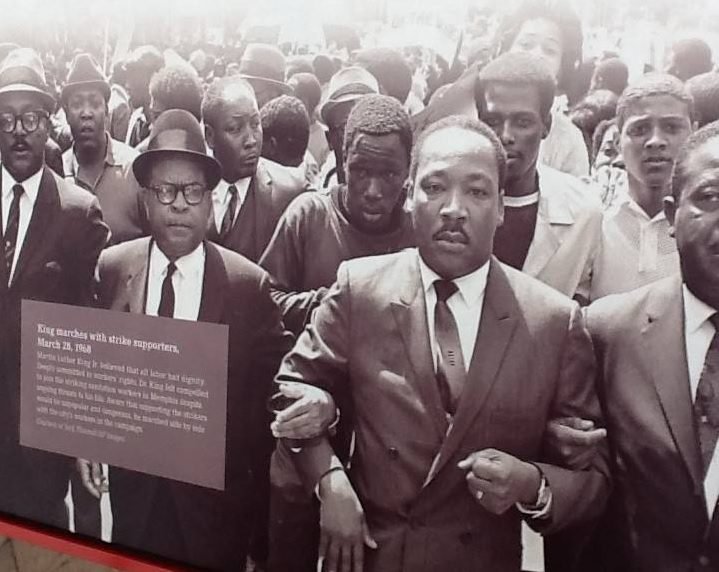
Courtesy – The National Civil Rights Museum
King was chosen as the leader and spokesperson for the newly formed Montgomery Improvement Association due to his strong oratory skills, respected position in the community, and relatively new arrival in Montgomery, which allowed him to avoid being tainted by local political divisions.
The boycott lasted over a year and ended with a Supreme Court decision declaring segregation on public buses unconstitutional. This success brought King national recognition as a leader of the Civil Rights Movement.
The Civil Rights Movement
In 1957, King co-founded the Southern Christian Leadership Conference (SCLC), amplifying his efforts to challenge racial injustice across the South. Through campaigns in Birmingham, Selma, and beyond, King’s nonviolent approach achieved significant victories, including the Civil Rights Act of 1964 and the Voting Rights Act of 1965.
King’s commitment to nonviolent resistance as a means of achieving social and political change was central to his leadership. He believed that love, justice, and moral authority could overcome hate and injustice.
King played pivotal roles in key events, such as the March on Washington in 1963, where he delivered his iconic “I Have a Dream” speech, and the Selma to Montgomery marches in 1965, which led to the passage of the Voting Rights Act.
King’s leadership in the Civil Rights Movement was marked by his ability to inspire and mobilize people through his powerful speeches and unwavering commitment to justice. His efforts led to significant legislative and social changes, including the Civil Rights Act of 1964 and the Voting Rights Act of 1965.
Photo by Milton Kirby – The Lorraine Motel
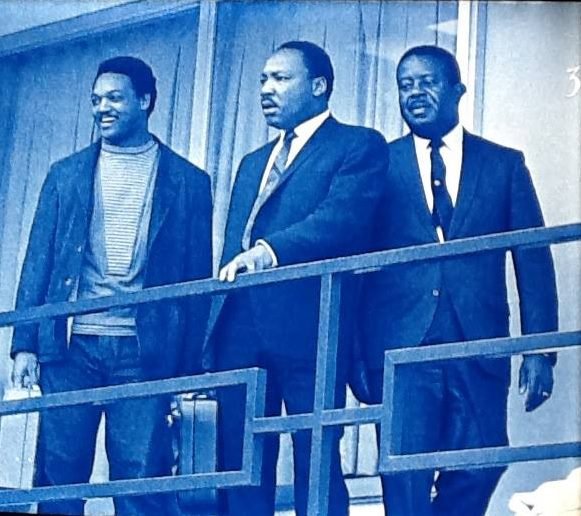
Dr. Martin Luther King Jr. was assassinated on April 4, 1968, in Memphis, Tennessee. He was shot while standing on the balcony of the Lorraine Motel, where he was staying during a visit to support striking sanitation workers. The tragic event occurred just as King was leading efforts for economic justice and workers’ rights. His death sparked widespread mourning and further galvanized the Civil Rights Movement.
A Legacy Memorialized
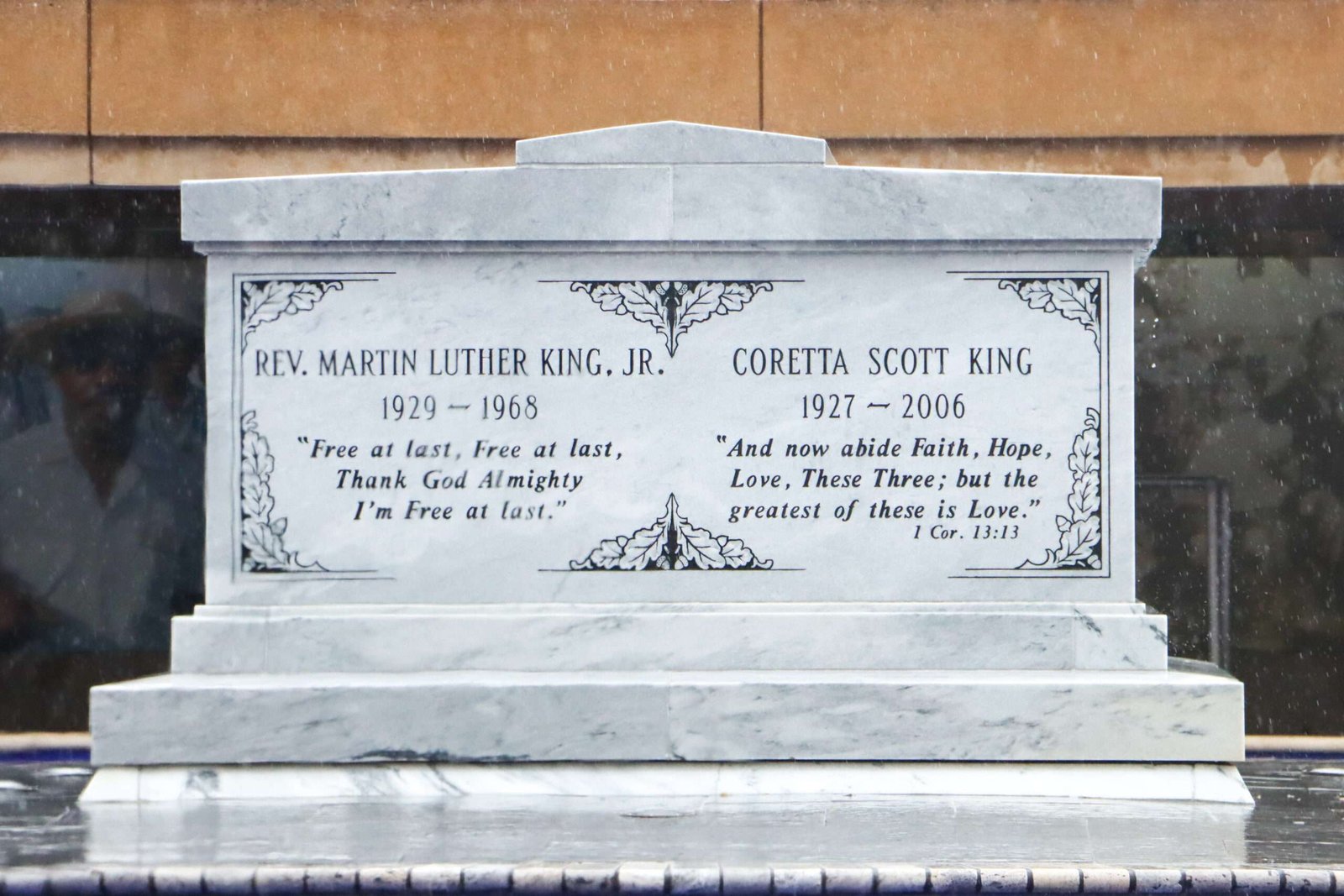
The quest to make Martin Luther King Jr.’s birthday a national holiday was primarily championed by Coretta Scott King, Martin Luther King Jr.’s widow, along with other civil rights leaders and activists. After her husband’s assassination in 1968, Coretta Scott King worked tirelessly to ensure that his legacy and contributions to civil rights were officially recognized by the federal government.
In 1979, she and other advocates began a campaign to establish a national holiday in honor of King. This effort gained widespread support over the years, and it was introduced in Congress by Rep. John Conyers and Senator Edward Kennedy.
It wasn’t until 1983 that President Ronald Reagan signed the legislation into law, officially designating Martin Luther King Jr. Day as a national holiday, which was first observed on January 20, 1986. However, it wasn’t immediately recognized by all states; it took several years for all states to adopt the holiday, with South Carolina being the last to officially recognize it in 2000.
Courtesy National Civil Rights Museum – Jesse Jackson, Martin Luther King, Jr. & Ralph David Abernathy
Family and Legacy
Dr. Martin Luther King Jr. and his wife, Coretta Scott King, had four children:
Yolanda Denise King (1955–2007) – The eldest child, Yolanda was an actress, public speaker, and advocate for social justice.
Martin Luther King III (born 1957) – The eldest son, Martin Luther King III is an activist and community leader, having served as president of the Southern Christian Leadership Conference (SCLC).
Dexter Scott King (1961 – 2024) – The second son, Dexter was an activist and former president of the King Center, an organization dedicated to promoting the principles of nonviolence and advancing civil rights.
Bernice Albertine King (born 1963) – The youngest child, Bernice is an ordained minister and has been a prominent advocate for social justice and human rights. She is currently the CEO of the King Center.
The King Papers Project
During his lifetime, King wrote numerous letters, speeches and sermons. These documents are infamously called “The King Papers.”
The King Papers Project was initiated by the King Center and the Stanford University King Institute, and its goal is to publish a complete and accessible record of Dr. King’s life and contributions.
The project includes several volumes that span Dr. King’s life, beginning from his early years as a student and continuing through his leadership in the civil rights movement and his tragic assassination in 1968. These volumes contain not only his most famous speeches and writings but also personal correspondence, planning documents, and writings that provide insight into his thinking and strategic approach to issues like racism, social justice, and nonviolence.
In addition to the printed volumes, the King Papers also include digitized materials, which are available for public access and research. This collection is invaluable for scholars, educators, and anyone interested in understanding the full scope of Dr. King’s thoughts, actions, and impact on the civil rights movement and beyond.
Exploring His Life and Work
The story of Dr. King’s life can be found and studied a number of museums around the country including but not limited to:
1. The National Civil Rights Museum (Memphis, Tennessee)
The National Civil Rights Museum is located at the Lorraine Motel, where Dr. King was assassinated in 1968. The museum offers an extensive collection of artifacts, exhibits, and multimedia presentations documenting the American civil rights movement, including a significant focus on Dr. King’s leadership. Visitors can see items related to his life and activism, including his famous speeches and personal items.
2. The King Center (Atlanta, Georgia)
The Martin Luther King Jr. National Historical Park in Atlanta includes the King Center, which was founded by Dr. King’s widow, Coretta Scott King. The King Center houses exhibits about Dr. King’s life, his philosophy of nonviolence, and the broader civil rights movement. The Ebenezer Baptist Church, where Dr. King preached, is also part of the park, and the Freedom Hall within the King Center contains artifacts such as his Nobel Peace Prize.
2. The National Center for Civil and Human Rights (Atlanta, Georgia)
The National Center for Civil and Human Rights isone of the most magnificent places to not just learn about the Civil Rights Movement but to actually experience it yourself. Sit at the lunch counter exhibit and see, hear and feel what you may have experienced if you had been a protestor at one of the many sit-ins throughout the South. This museum is home to some of the most dramatic, sobering, and incredibly realistic exhibits on the Civil Rights Era.
3. The Smithsonian National Museum of African American History and Culture (Washington, D.C.)
The National Museum of African American History and Culture at the Smithsonian features extensive exhibits on Dr. Martin Luther King Jr. and the civil rights movement. Items from his life, including his Bible, robes, and other personal artifacts, are displayed. His leadership and influence in the movement are detailed through interactive exhibits and multimedia presentations.
4. The Civil Rights Memorial Center (Montgomery, Alabama)
The Civil Rights Memorial Center, operated by the Southern Poverty Law Center, commemorates the lives of individuals who died during the Civil Rights Movement, including Dr. King. The Civil Rights Memorial, designed by architect Maya Lin, features a reflective surface inscribed with the names of martyrs, including Dr. King. The museum has exhibits on King’s life, his commitment to nonviolence, and his impact on civil rights.
5. The Alabama State Capitol (Montgomery, Alabama)
While not a traditional museum, the Alabama State Capitol is historically significant in the context of the civil rights movement. It was the site of the Selma to Montgomery marches, and there are exhibits within the Capitol and nearby museums that reflect on Dr. King’s leadership during this pivotal moment in history.
6. The Library of Congress (Washington, D.C.)
The Library of Congress holds a large collection of materials related to Dr. Martin Luther King Jr., including manuscripts, letters, and papers. The library often showcases exhibitions about his life and work, and many of his speeches and writings are accessible through their online archives.
7. The Detroit Historical Museum (Detroit, Michigan)
The Detroit Historical Museum features exhibits about the history of the Civil Rights Movement, including a section dedicated to Dr. Martin Luther King Jr. and his connection to the struggles for equality in Detroit and the broader U.S.
8. The Boston University Mugar Memorial Library (Boston, Massachusetts)
The Boston University Mugar Memorial Library holds the Martin Luther King Jr. Papers Project archives. This extensive collection includes Dr. King’s writings, speeches, and letters, which are essential resources for understanding his thoughts.
As we commemorate the life of Dr. Martin Luther King Jr. on what would have been his 96th birthday, his message of love, equality, and nonviolent resistance remains as relevant as ever.
Bambhu Innovation, founded by Walter Griggs, focuses on sustainable materials, particularly bamboo-based products. Their flagship Eco-Polymer offers a biodegradable alternative to plastics, supporting environmental goals while fostering local partnerships and a legacy for future generations.
By Milton Kirby | Atlanta, GA January 11, 2025
In a world grappling with environmental challenges, Bambhu Innovation emerges as a beacon of hope, blending sustainability with technological ingenuity. The company’s mission is simple yet transformative: to create materials that help businesses achieve sustainability goals while delivering measurable environmental impact.
A Journey Rooted in Purpose
Walter Griggs, a seasoned expert in material handling with over 15 years of experience, laid the foundation for this visionary enterprise. Initially, Griggs and his company SquarePac, Ltd. focused on optimizing warehouse operations through innovative racking and packaging solutions. Over time, he noticed a growing opportunity to address the environmental impact of waste, particularly in industries reliant on disposable materials.
Photo courtesy of Bambhu Innovation – Walter Griggs
During the pandemic, Griggs pivoted from material handling to supplying personal protective equipment (PPE) to organizations like Southern Company and MARTA. This period marked a turning point for Griggs. Witnessing the appreciation for their life-saving efforts inspired him to explore avenues that combined business with a more profound sense of purpose.
The Bamboo Breakthrough
The game-changer? Bamboo. Known as one of the fastest-growing plants on Earth, bamboo reaches full maturity in just 5–7 years. It boasts a tensile strength comparable to steel and remarkable soil-cleansing properties, making it a sustainable powerhouse. “Bamboo is a super plant,” Griggs, Co-founder and Senior Vice President, Industrial & Building Materials of Bambhu Innovation, said. “Anything we can do with wood, steel, or concrete, we can essentially do with bamboo.”
Leveraging this incredible natural resource, Bambhu Innovation has developed bamboo eco-polymer and bamboo composites, materials designed to combat deforestation and reduce landfill waste. These advanced materials are biodegradable, non-toxic, and leave no microplastics—offering a sustainable alternative to traditional plastics.
Innovating for a Sustainable Future
The company’s flagship product, Eco-Polymer, is a next-generation biodegradable material composed of 70% renewable biomass. It can replace conventional plastics like HDPE, polystyrene, and ABS without requiring changes to existing production infrastructure. “Imagine a material that eliminates microplastics and works seamlessly with existing machinery,” Griggs explained.
Ideal for companies with robust sustainability goals, Eco-Polymer meets the demands of the
Extended Producer Responsibility (EPR) Act, which holds manufacturers accountable for the environmental impact of their products. Whether packaging, stretch film, or single-use items, Bambhu Innovation aims to replace petroleum-based plastics with eco-friendly alternatives.
Beyond Business: A Community-Centric Approach
Griggs envisions a hybrid model that fosters local partnerships with bamboo farmers, creating a network to supply raw materials for production. This approach supports regional economies and provides a sustainable outlet for bamboo growers.
Moreover, the company emphasizes the importance of life-cycle assessments to understand the long-term environmental impact of products. “Recycling is valuable, but it’s not enough,” Griggs said. “Only a small fraction of recycled items avoids the landfill. We need to do better to protect future generations.”
A Call to Action
As Bambhu Innovation scales its operations, the company invites businesses and investors to join its mission. From large-scale manufacturers to small enterprises seeking greener solutions, Griggs and his team are eager to collaborate.
A remarkable journey spanning a century, marked by dedication, faith, and service. He served as the 39th US President, championed environmental conservation, and dedicated his post-presidency to humanitarian efforts.
By Milton Kirby | Atlanta, GA – January 2, 2025
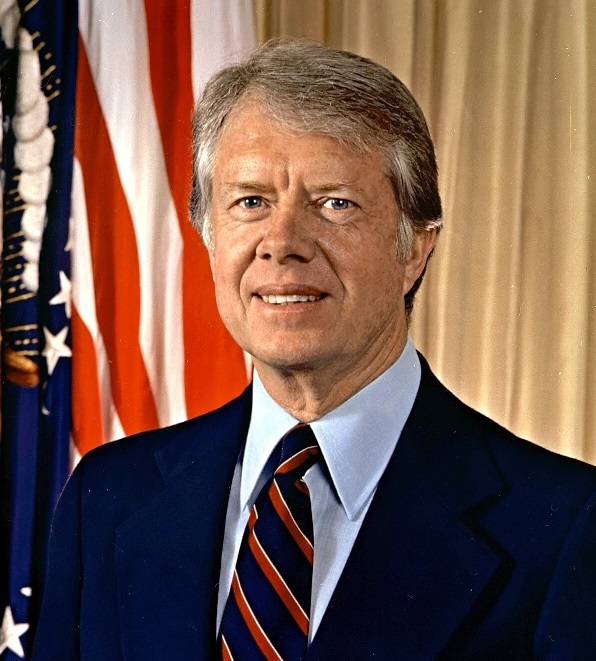
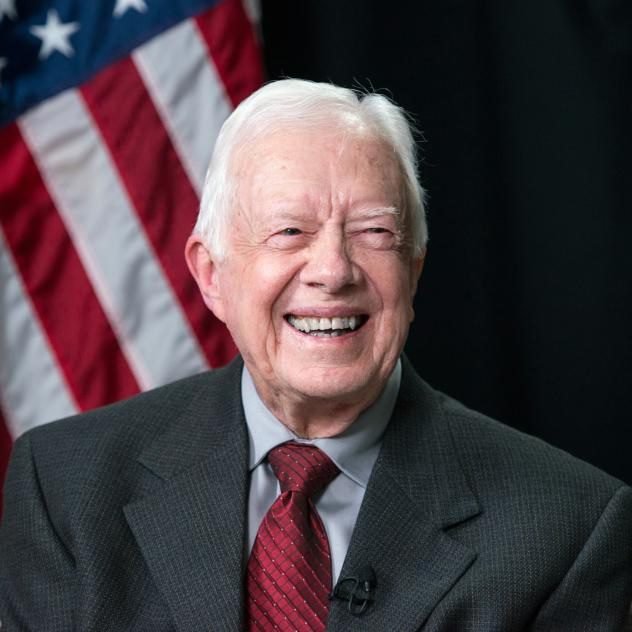
Jimmy Carter’s life—a remarkable journey spanning a century—is a testament to the profound impact of dedication, faith, and service. Born James Earl Carter Jr. on October 1, 1924, in Plains, Georgia, his journey began in the small farming town and nearby community of Archery. Raised by James Earl Carter Sr., a farmer and businessman, and Lillian Gordy Carter, a registered nurse, young Jimmy would lead an extraordinary life defined by humility and an unyielding commitment to the betterment of humanity.
Carter’s early years were marked by academic and naval success. Educated in the public schools of Plains, he pursued higher education at Georgia Southwestern College, Georgia Institute of Technology, and the United States Naval Academy, where he earned a B.S. in 1946. As a submariner in the Navy, Carter served with distinction, rising to the rank of lieutenant and playing a pivotal role in the emerging nuclear submarine program. Under the guidance of Admiral Hyman Rickover, he took graduate coursework in reactor technology and nuclear physics at Union College.
In 1946, Carter married Rosalynn Smith, a partnership that would define much of his life. When his father passed away in 1953, Carter returned to Plains to manage the family farms and their seed and farm
Photo courtesy Maranatha Baptist Church – Jimmy & Rosalynn Carter
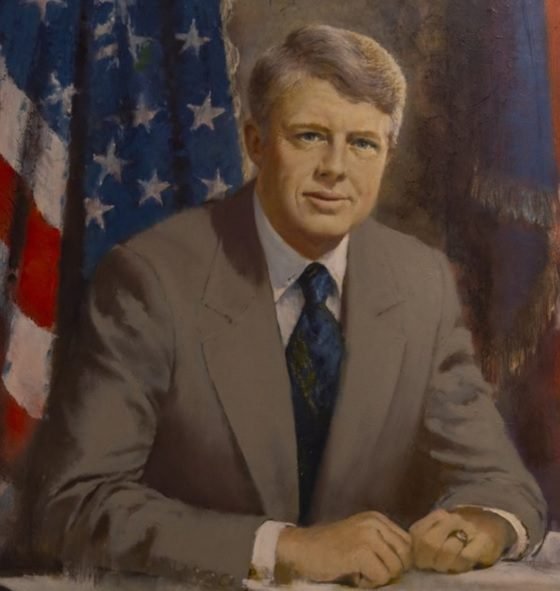
supply business. It was here that he began his political career, serving on community boards and eventually winning a seat in the Georgia Senate in 1962. Despite an initial gubernatorial defeat in 1966, Carter persevered, becoming Georgia’s 76th governor in 1971. His national political career was launched with his announcement of candidacy for the U.S. presidency in 1974. He was elected as the 39th president in 1976, serving from January 20, 1977, to January 20, 1981.
As president, Carter championed environmental conservation, setting aside more land for national parks and wildlife refuges than any of his predecessors. He was a pioneer in energy conservation, advocating for reduced reliance on foreign oil and alternative energy sources, symbolized by the installation of solar panels on the White House roof. His administration also established the Department of Energy, emphasizing the importance of sustainability long before it became a global priority.
Post-presidency, Carter dedicated his life to humanitarian efforts. In 1982, he founded The Carter Center in Atlanta, a nonpartisan institution addressing public policy issues, promoting democracy, and eradicating diseases such as Guinea worm disease. His work with Habitat for Humanity—building homes for impoverished families worldwide—further solidified his legacy of compassion. Recognized with the Nobel Peace Prize in 2002, Carter joined the ranks of Theodore Roosevelt, Woodrow Wilson, and Barack Obama as the only U.S. presidents to receive the honor.
Photo Courtesy of the Carter Center
The Carters’ partnership extended to their shared advocacy for mental health. Rosalynn chaired The Carter Center’s Mental Health Task Force and hosted annual symposia to address critical issues in the field. Together, they demonstrated the power of collaborative leadership rooted in their shared values and commitment to service.
A prolific author, Carter wrote over 30 books on topics ranging from politics to poetry, faith, and human rights. Despite his global influence, he remained deeply connected to his roots, teaching Sunday school for over 40 years at Maranatha Baptist Church in Plains. His Christian faith was a cornerstone of his life, shaping his moral and ethical compass and inspiring countless others.
Carter’s life was a “dash” filled with purpose—from humble beginnings as a peanut farmer to his presidency and beyond. He concluded each Sunday school lesson with a challenge: perform one good deed for someone else. This simple yet profound message encapsulated his belief in the power of kindness to change the world.
Courtesy – National Governors Association
On December 29, 2024, Jimmy Carter completed his dash at the age of 100. His legacy endures through the countless lives he touched, the causes he championed, and the enduring message of love and service he imparted. Indeed, the dash in Jimmy Carter’s life symbolizes a life well-lived, defined by unwavering dedication to making the world a better place.
New Year’s Resolutions have been a tradition for over 4,000 years, but often fail due to unrealistic goals and lack of planning. Experts suggest setting smaller goals, creating detailed plans, and seeking accountability for success.
By Milton Kirby | Atlanta, GA | December 29, 2024
As January 1st approaches, millions of Americans prepare to start 2025 with New Year’s resolutions. This tradition of self-improvement dates back more than 4,000 years to the Babylonians, who celebrated the New Year in March with the Akitu festival. They pledged to their gods to repay debts and return borrowed items, laying the foundation for modern resolutions.
The Challenge of Resolutions
Despite their popularity, New Year’s resolutions often falter. A recent poll revealed that around 52% of resolutions are abandoned by March. Common reasons for failure include setting unrealistic goals, lacking a concrete plan, and losing motivation. Experts suggest setting smaller, achievable goals, finding accountability partners, and creating detailed plans to improve success rates.
A Historical Perspective
The Babylonians were among the first to mark the New Year with resolutions, but their year began in mid-March. During their 12-day religious festival, they crowned a new king or reaffirmed loyalty to the reigning one and made promises to their gods. Similarly, the Romans shifted their New Year to January 1st in 46 B.C., honoring Janus, the two-faced god who looked to the past and the future. Sacrifices and resolutions for good behavior marked the occasion.
By the 18th century, Christians adopted the practice as a time to reflect and set goals for personal growth. The phrase “New Year’s resolution” first appeared in print in 1813 and has since become a cultural staple.
The Most Popular Resolutions
Year after year, health-related goals top the list of resolutions, including eating healthier, exercising more, and losing weight. Saving money and reducing stress are also common themes. For instance:
In 2020, 44% of Americans resolved to eat healthier, alongside similar percentages in the UK and Poland.
In 2019, over half of Americans aimed to exercise more (59%), eat healthier (54%), and lose weight (48%).
A 2017 Stockholm University study found that 70% of resolutions focused on physical health, followed by self-improvement (10%) and psychological health (5%).
Expert Insights
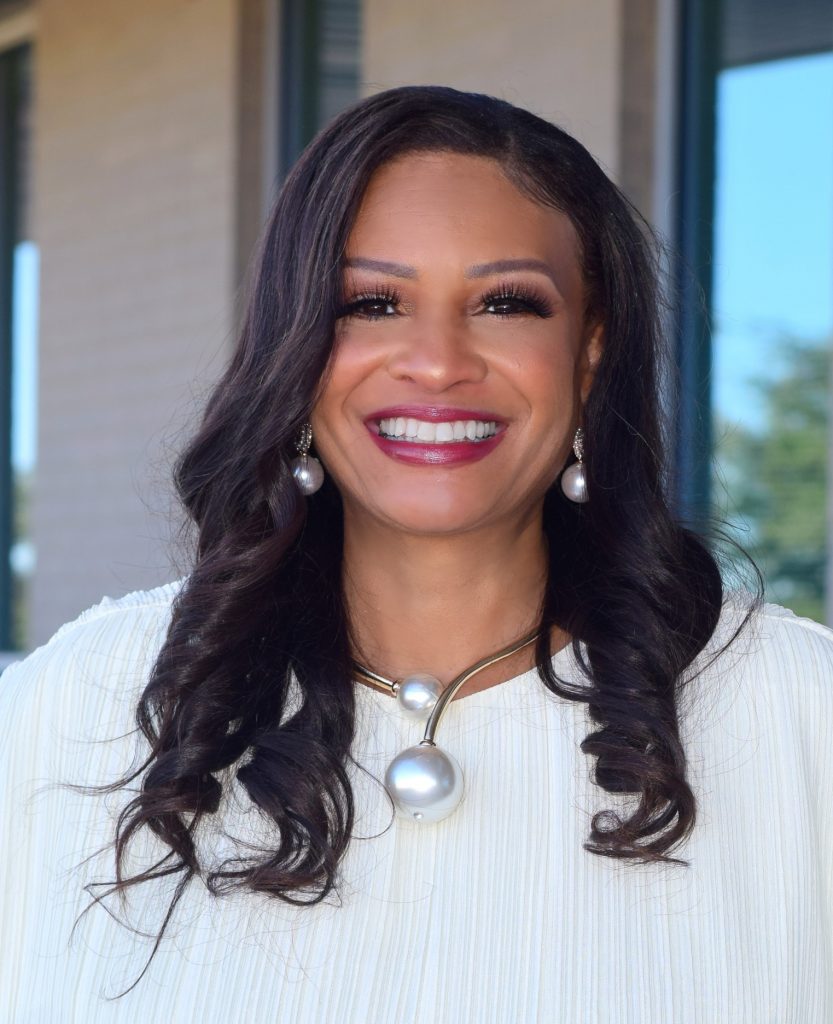
Dr. Lawana Gladney, a Dallas, TX-based Success Psychologist, advises setting “intentions” rather than vague resolutions. “Success requires a clear goal, a detailed plan, and consistent execution,” she says.
Photo Courtesy Dr Lawana Gladney
Dr. Gladney helps clients establish realistic goals and actionable steps. For example, if one resolves to stay connected to family, then we have to have a plan and schedule to make the phone calls and make the trips to see the family. It is all about the goal, the plan, and the steps to execute the plan.
Dr. Gladney, a Ph.D. in Instructional Psychology and Technology specializing in human behavior and the brain’s role in behavioral change, has been practicing for over two decades. For more information about Dr. Gladney or to schedule an appointment, she can be reached at her website and across the following social media platforms: Facebook, Instagram, and LinkedIn.
Dr. Nancy J. Lewis, an Atlanta-based leadership coach, emphasizes the importance of accountability. . “Resolutions often fail because they are too generic,” she explains. Dr. Lewis has guided countless individuals to achieve their goals by fostering discipline and consistency.
Photo courtesy Dr Nancy J Lewis
Setting specific goals with tactical actions and having an accountability partner significantly improves the chances of success.
Dr. Lewis is a transformational management and leadership development trainer and strategist who helps organizations leverage generations, talent, people, and processes to positively impact the bottom line. Dr. Lewis has authored multiple books. She is accessible via email at nancy@progressivetechniquesinc.com, her website, LinkedIn, and by telephone at (770) 964-5533.
A Success Story
Katie Allison, a 34-year-old mother, serves as an inspiration. After giving birth to her first child in 2017, she set a New Year’s resolution to lose 75 pounds. Within six months, she reached her goal weight of 145 pounds through daily gym visits, a sugar-free and reduced carbohydrate diet, no red meat, no dairy, and a disciplined routine and meal plan. Katie’s commitment has helped her maintain a healthy lifestyle for five years. Now pregnant with her second child, Katie plans to resume her fitness routine as soon as medically cleared.
Katie Allison lost 75 pounds in six months after her January 1, 2019, New Year’s Resolution
Tips for Success
Experts recommend the following strategies to stick to resolutions:
· Set realistic goals: Break down larger objectives into smaller, achievable steps.
· Create a detailed plan: Outline specific actions and timelines.
· Track progress: Regularly measure success to stay motivated.
· Seek accountability: Work with a coach or partner to stay on track.
Whether you call them resolutions or intentions, the key to success lies in thoughtful planning, discipline, and a commitment to change. The New Year can be a time for meaningful transformation with these strategies.
I-285 Express Lanes Project: GDOT proposes new express lanes to reduce congestion, improve mobility, and enhance regional connectivity, with projected travel time reductions of up to 39% and toll-based pricing for market-based traffic management.
By Milton Kirby | Atlanta, GA – December 12, 2024
The Georgia Department of Transportation (GDOT) is holding a series of public meetings to inform residents and gather input on the proposed I-285 Express Lanes projects. These projects, part of GDOT’s Major Mobility Investment Program (MMIP). The MMIP is a grouping of projects expected to yield considerable reductions in congestion along key freight and passenger corridors. The projects are expected to significantly improve mobility along the heavily congested I-285 corridor, including the Top End, Eastside, and Westside segments.
Addressing Congestion
According to GDOT, the northern stretch of I-285 is among the most traveled and congested highways in the United States, with over 240,000 vehicles traversing it daily. Meanwhile, the Eastside and Westside sections each see nearly 200,000 vehicles daily. To address this, GDOT plans to construct two new barrier-separated express lanes alongside the existing general-purpose lanes in both directions. These express lanes are designed to offer drivers a choice to by-pass traffic congestion and provide more reliable trip times. The express lanes will be toll roads which will utilize market-based pricing to reflect real-time congestion. The new are projected to reduce travel times by up to 39% for express lane users and over 8% for those in general-purpose lanes.
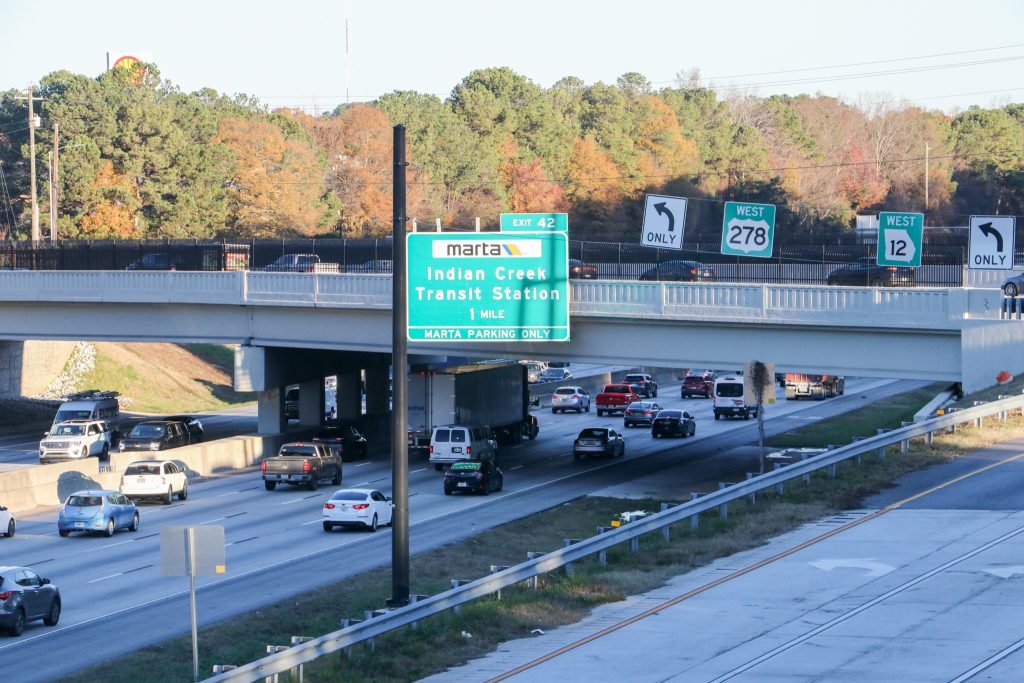
Photo by Milton Kirby | I-285 northbound @ Covington Highway in DeKalb County, GA – morning rush
All drivers will be able to use the optional express lanes, by registering and obtaining a Peach Pass regardless of the number of passengers traveling. Transit vehicles and state registered vanpools will be able to utilize the express lanes without paying a toll.
Transit Integration and Regional Connectivity
In parallel, MARTA is conducting a planning study to optimize transit connectivity along I-285. The I-285 Express Lanes Transit Study will explore how these lanes can enhance regional mobility and provide equitable transportation options. The study will focus on:
Identifying infrastructure enhancements, including ramps and station locations, to support transit access.
Developing operations plans for new express lanes transit services.
Ensuring equitable access to transportation, particularly for underserved communities.
The study will assess the corridor’s capacity to connect individuals to employment clusters, healthcare facilities, and other key destinations as part of the broader transit initiative. Population and job growth projections in the study area are 42% and 33%, respectively, by 2050. This projected growth underscores the urgency of these infrastructure improvements.
MARTA is accepting public comment from November 13 – December 18, 2024 on their website.
Other Public Engagement and Environmental Considerations
To foster community involvement, GDOT held a Public Hearing Open House (PHOH) series in July 2024, which included both in-person and virtual sessions to gather input regarding the environmental impact. Residents were invited to comment on the Draft Environmental Impact Statement (EIS), Mitigation Plan, and design concepts. Additional hearings are expected as the environmental studies progress. Federal regulations require an environmental impact study for any project utilizing federal funds.
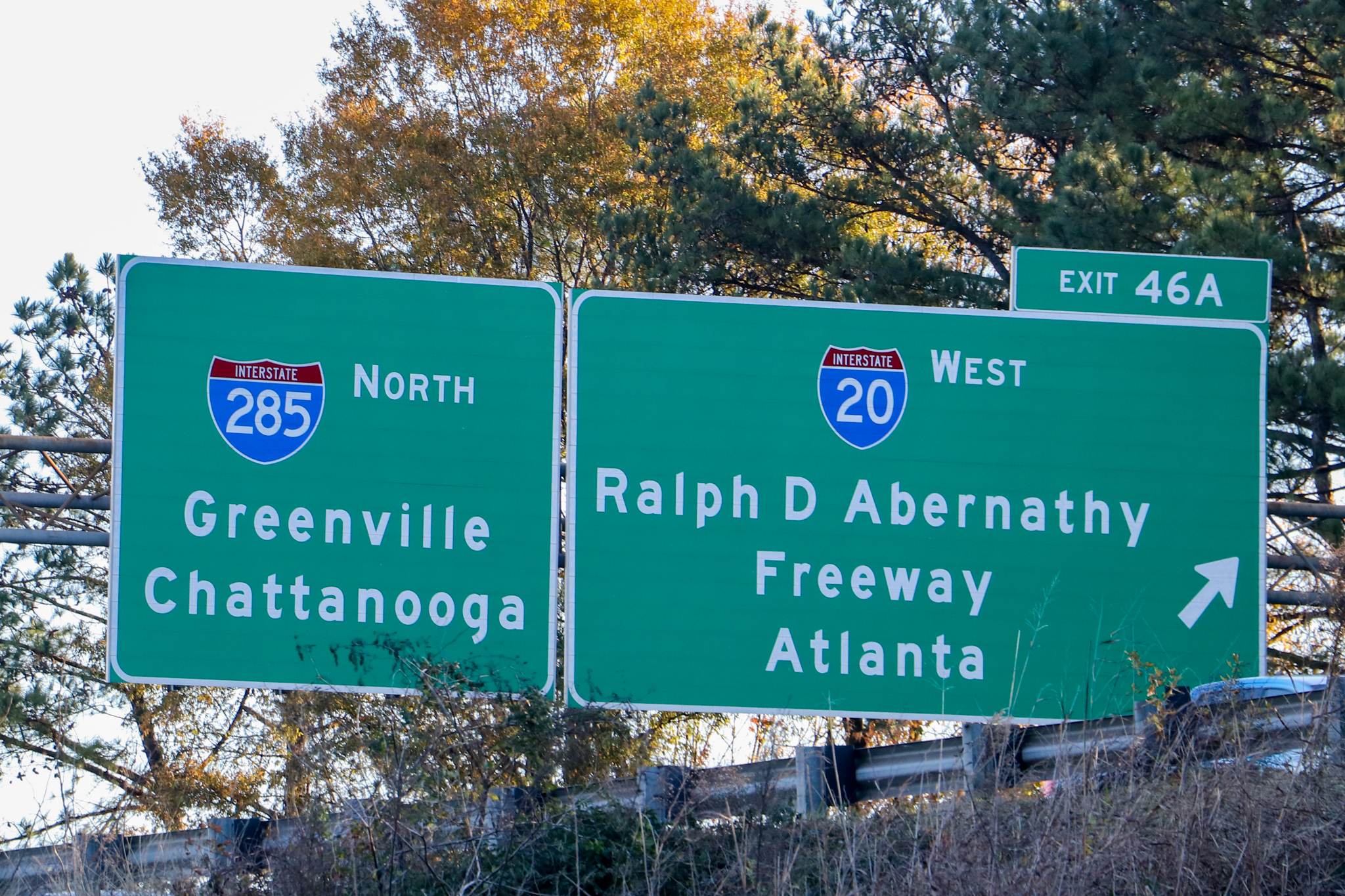
Photo by Milton Kirby | Fly over construction @ I-285 & I-20 in DeKalb County, GA
Project Timeline and Benefits
The I-285 Top End Express Lanes project will be executed in three phases: procurement, design, and construction. Some segments will be at-grade, while others will feature elevated lanes. GDOT estimates that the lanes will enhance travel reliability, provide free access for transit vehicles and vanpools, and support economic growth by connecting consumers to businesses and workers to jobs.
GDOT has also partnered with the private sector to design, construct, finance, operate, and maintain the lanes, with toll revenue funding their operations.
Learn More
GDOT has made additional resources available, including a video gallery detailing the I-285 Top End Express Lanes proposals. Residents can monitor the GDOT website for further updates and attend upcoming public meetings.
These projects promise to alleviate traffic congestion, enhance regional connectivity, and support equitable transit solutions across metro Atlanta, setting the stage for sustainable growth and improved quality of life.
Discover Kingston, GA: Nestled in Bartow County, this charming town boasts a rich history, small-town charm, and a strong sense of community, featuring historical sites, events, and a vibrant atmosphere.
Kingston, GA – June 22, 2024
Where is Kingston, GA
Nestled approximately 13 miles northwest of Cartersville in Bartow County, Kingston, Georgia, is a town that embodies the charm of small-town life while boasting a rich historical tapestry. According to the 2022 census, Kingston’s population stood at 742, reflecting its close-knit community atmosphere.
Events and Attractions
Kingston hosts a variety of community events that draw residents and visitors alike. Among the notable events are the Spring Fling, Trunk or Treat, the Festival of Trees, and the Christmas Parade. Additionally, the Atlanta Steeplechase is a highlight, attracting equestrian enthusiasts from across the region. The CounterPoint Music Festival is a highlight, drawing music fans from miles around.
Historical Significance
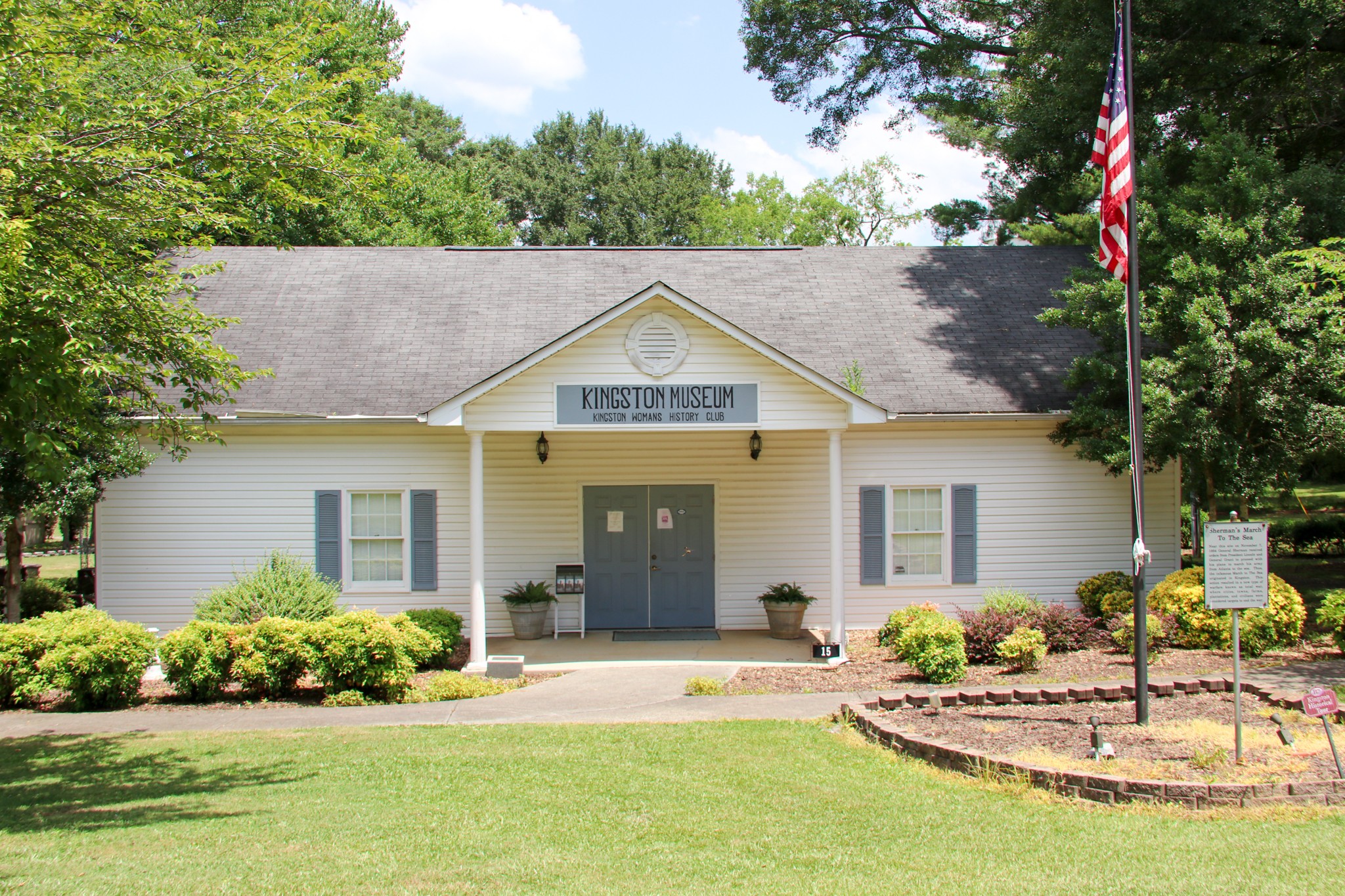
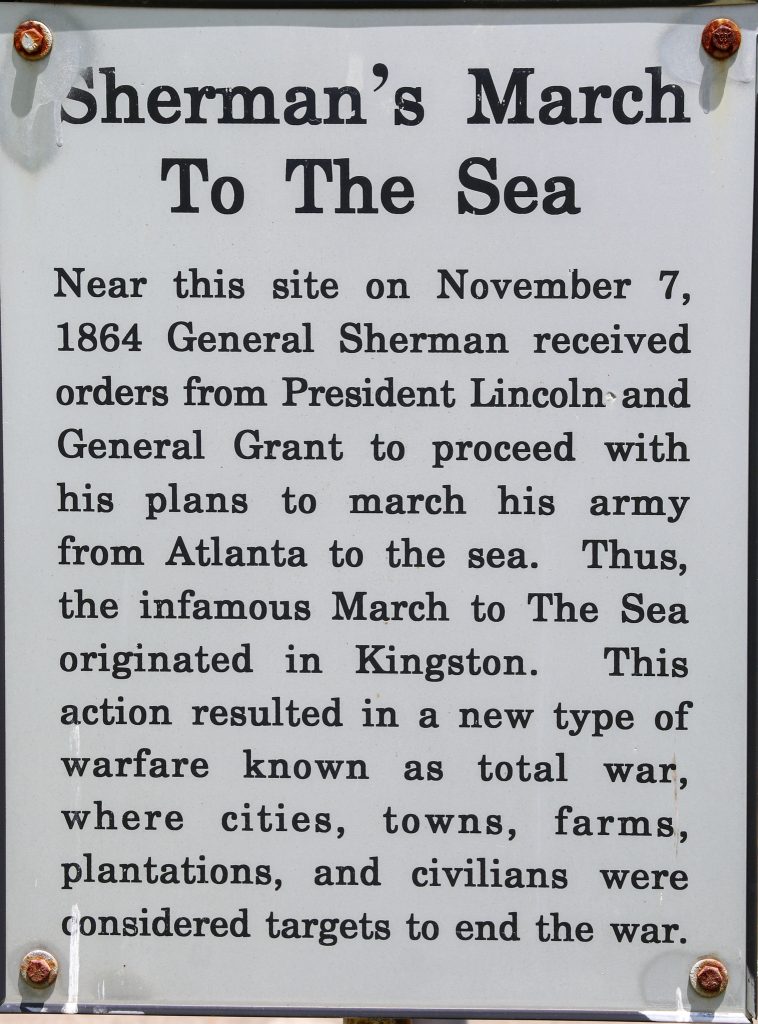
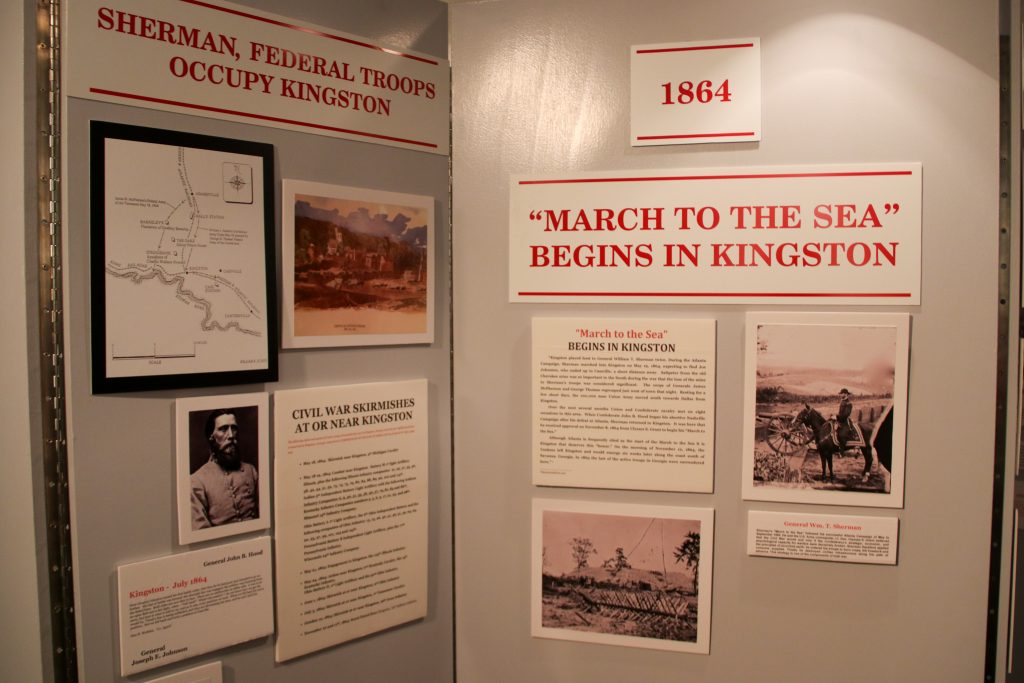
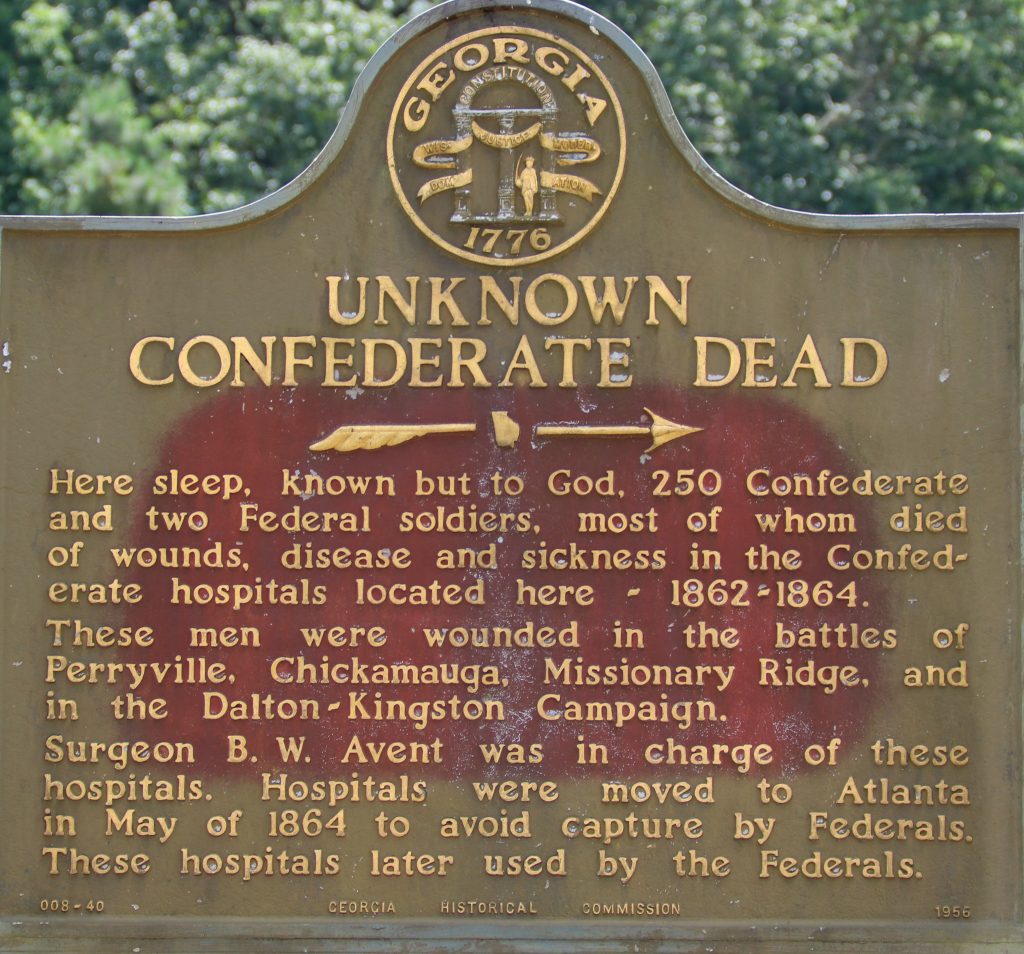
One of Georgia’s most historic towns, Kingston played a pivotal role during the Civil War. It delayed the infamous Great Locomotive Chase and provided aid to 100,000 wounded soldiers at the first Confederate Wayside Home. The town’s historical importance is preserved and celebrated at the Kingston History Museum.
Honoring Heritage
Kingston proudly honors its connection to First Lady Michelle Obama through a monument dedicated to her great-great-great-grandmother, Melvinia Shields. This monument, located at Queens Chapel Methodist Church, serves as a poignant reminder of the town’s deep-rooted connections to American history. Inside the Kingston History Museum, a wall-mounted tribute to Michelle Obama stands as a testament to her ancestry and the town’s enduring legacy.
Birthplace of Baseball Legend
Kingston is also the birthplace of Herbert Albert “Rap” Dixon, a celebrated figure in Negro League Baseball. The town commemorates Dixon with a dedicated corner monument, including a life-sized cardboard representation, highlighting his significant contributions to the sport.
Economy and Lifestyle
Kingston’s economy thrives on small businesses, agriculture, and tourism driven by its historical sites. This economic foundation supports a peaceful, small-town lifestyle, making Kingston a haven for those seeking a blend of history and community.
Overall, Kingston, Georgia, is a town steeped in history with a strong sense of community and a commitment to preserving its heritage. Its events, monuments, and historical landmarks offer a glimpse into the past while fostering a vibrant and welcoming environment for all.
Baseball Legend Willie Mays Passes Away: Willie Mays, a Hall of Famer and baseball icon, passed away at 93. His legacy as a pioneer, icon, and gentleman of the game will forever be cherished by fans and players alike.
Atlanta, GA – June 19, 2024
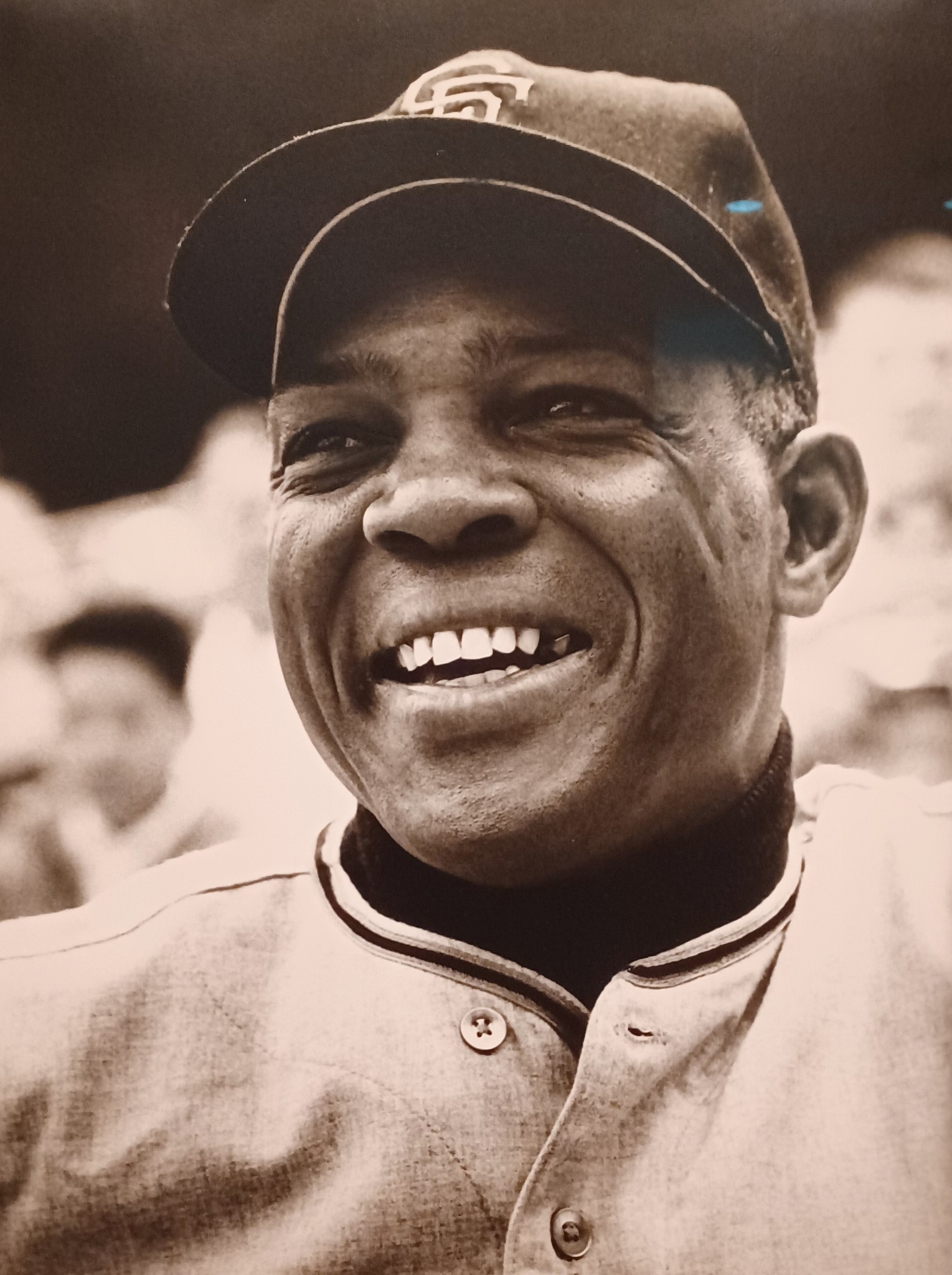
Willie Howard Mays, a titan of baseball whose Major League career spanned decades and impact transcended the sport itself, passed away peacefully at home, as confirmed by his son Michael Mays, in a statement released by the San Francisco Giants.
Born in Westfield, Alabama, on May 6, 1931, to Ann and Willie Howard Mays, Sr., Willie Mays began his illustrious baseball journey at a remarkably young age. By the time he was 15, Mays was already making a name for himself playing with the Birmingham Black Barons in the Negro Leagues.
Commissioner of Baseball Robert D. Manfred, Jr. expressed the sentiments of the entire baseball community, stating, “All of Major League Baseball is in mourning today as we are gathered at the very ballpark where a career and a legacy like no other began.” He was referring to the game scheduled for Thursday, June 20, 2024 between the San Francisco Giants and St. Louis Cardinals at Birmingham’s Rickwood Field, a tribute to Mays’ incomparable career.
Mays’ contributions to the game were vast and enduring. He emerged as a star with the New York Giants and later the San Francisco Giants, winning the National League most valuable player (MVP) in 1954 and leading his team to a World Series victory with his iconic “Catch” in the Polo Grounds. Mays earned numerous accolades throughout his career, including 24 All-Star selections, 12 Gold Glove Awards, and two MVP titles. In 2015, he was rightfully honored as one of the game’s greatest living players. He was awarded the Presidential Medal of Freedom later that year.
At the time of his passing, Willie Mays held the distinction of being the oldest living Hall of Famer, a title he inherited in 2021 upon the death of Tommy Lasorda. Shortstop Luis Aparicio, aged 90, now holds that honor.
Mays’ impact extended beyond statistics and awards; he helped redefine the role of center fielders, making it one of the game’s most glamorous positions alongside contemporaries like Mickey Mantle and Duke Snider. His prowess as a power hitter and base-stealer set new standards, becoming the first player to exceed 300 home runs and 300 stolen bases in 1969.
Willie Mays’ legacy as a pioneer, icon, and gentleman of the game will forever be cherished by fans and players alike. His influence on baseball and society at large remains indelible, a testament to his enduring greatness.