EU beer and winemakers fear business will dry up under Trump’s tariffs

US President Trump’s tariffs threat sparks fear in Europe’s drinks industry, with wine and spirits producers warning of devastating impact on jobs and exports, potentially crippling key markets.


Alcohol producers are reeling after the US president threatened retaliation against EU whiskey tariffs, leaving a key export market ‘dead in the water’

By David Chazan, Tom Kington, Isambard Wilkinson, Bruno Warfield | Friday, March 14, 2025

From picturesque vineyards that produce Côte de Beaune fit for Manhattan supper soirées to Belgian breweries whose beers delight blue-collar Americans, one question is on the minds of Europe’s drinks industry: how do we survive Trump’s tariffs?

Fear is rising that the president’s trade war will have a devastating impact and many have expressed fury at Brussels over what they perceive as a failure to accommodate Trump’s demands or, worse, a hostility towards the president that has exacerbated the situation.

With the president declaring that he would hit European alcohol exports with tariffs of up to 200 per cent, we meet the manufacturers who are on the front line of an existential fight they neither wanted nor expected.

Battle will take a lot of bottle

Thiébault Huber had a simple message for a teetotal president who has taken aim at wine and champagne. “Trump ought to relax and have a glass of burgundy to calm himself down,” said the head of the winemakers’ confederation in the region that produces what many people regard to be the world’s greatest wines.

However, he had little sympathy for Brussels bureaucrats, who he accused of starting the transatlantic war of words. Trump’s threat came after the European Commission said it would impose a 50 per cent surcharge on US whiskey imports in response to tariffs on steel and aluminium. “The European Commission shouldn’t have retaliated like this,” Huber said.

“We met a huge number of MEPs before they took the decision to increase the charge on imported bourbon. We told them not to do it, that the reaction from the US would be terrible, but despite all our warnings, here we are, threatened by tariffs that will annihilate the wine and spirits trade.”

Nicolas Ozanam of the Federation of French Wine and Spirits Exporters agreed. “We’ve been telling the European Commission for months that targeting American bourbon and whiskey serves no purpose,” he said. “No one wins from trade wars, they’re idiotic. Business will dry up completely.”

Burgundy exports nearly a quarter of its wines to the US but Huber said vintners were working on increasing their sales to other parts of the world. “Demand is rising in a lot of African countries, as it is in eastern European countries too. Asia is still an attractive market and Scandinavia is very active,” he said.

However, Christine Sévillano, head of the Federation of Independent Champagne Producers, warned that finding new markets was time-consuming and expensive. “It can take years to develop a market in a particular country. If we have to redirect our investment into other countries, it will be very costly,” she said.

France’s wine and spirits industry is one of its biggest employers. Hundreds of thousands of jobs could be jeopardised by disruption to trade with the US, which is the sector’s biggest export market, worth €3.8 billion a year.

Time to fortify the spirits

Until recent developments with the Diet Coke-drinking president, the sherry producers of southern Spain had been primarily focused on the drought that had left them fearing for crops.

The prospect of tariffs had a chilling effect on companies such as Barbadillo, for whom the US market represents a great hope for the future of its best wines. “It would be disastrous for business,” said Tim Holt, the international area director of the company, which is based in Sanlucar de Barrameda. He said the tariffs would leave one of his principal export markets “dead in the water”.

Fear has gripped wine businesses across Spain, particularly in the rioja and cava-producing regions of the north. Over the border in Portugal too, port and madeira are reeling from the possible impact.

“[It] would clearly and effectively remove Spanish wines and European wines in general from the entire US market,” said José Luis Benítez, director-general of the Spanish Wine Federation (FEV). Wine exports from Spain to the US reached a total value of 390 million euros last year. For cava producers, such as Cordoniu and Freixenet, the US accounts for 10 per cent of total sales.

The US market is important for Barbadillo sherry as an outlet for its premium wines. “I have just come back from a visit and there is a great appetite for premium sherry across the generations,” Holt said. “The US has huge potential for sherry and tariffs would destroy that.”

Feud over beer gets bitter

Benjamin Franklin, the founding father of the United States, knew a good pint when he saw one, once memorably noting: “Beer is proof that God loves us and wants us to be happy.”

The Americans who drink some 80 million litres of Belgian beer every year would agree. Their thirst is not limited to relatively upmarket offerings, with large quantities of cheap, mass-produced Dutch lager, such as Heineken, consumed.

Alain De Laet of Belgium’s Brouwerij Huyghe makes the famous Delirium Tremens beer, which has an intimidating alcohol content of 8.5 per cent, and carries the symbol of pink elephant. “We are immediately sending our entire stock of Delirium, two months’ production, to the US,” he told Het Laatste Nieuws. “About twenty containers, good for about 300,000 litres of Delirium in bottles, barrels and cans, will leave next week.

“Almost a quarter of our turnover comes from America. If Trump continues, our Delirium will no longer be saleable there.”

Dolf van den Brink, chief executive of Heineken, one of the biggest brewers in the world, criticised the uncertainty triggered by Trump’s announcement. “A trade war is in no one’s interest,” he said, stressing that companies can “stand up to the American trade whims together”.

He added: “We are the beer men and women. We are always a bit optimistic.”

Not so lovely bubbly

In recent years the Italians who grow grapes for prosecco have expanded to cover a planting area between Venice and the Alps. Many farmers have abandoned arable crops to switch to grapes as the sparkling wine appeared set to conquer the world. The boom times, however, may be over.

Trump’s tariffs may halt the sparkling wine’s triumphant conquest of the US. After prosecco’s invasion of the UK, North America has been the next target for north Italian producers, who have seen US sales soar by 51 per cent in the last four years.

“It would be absolutely unsustainable, it would ruin all the efforts we have made in the US to create a market and culture for our wines,” the prosecco producer Elvira Maria Bortolomiol told La Repubblica.

The 124 million bottles of prosecco sold in the US in 2024, for which American drinkers paid $1.86 billion, accounted for 19 percent of the entire Italian production of 660 million bottles last year.

Federica Boffa, who produces high-priced barolos, was defiant, claiming that American lovers of the wine would rebel against the US government. “This could be a boomerang — the Americans love our wines and I don’t believe they will keep quiet and swap Italian or French wines for a Napa Valley chardonnay or cabernet,” she told La Stampa.

Trump Golf Weekends’ Cost To Taxpayers Hits $18.2 Million

Donald Trump has spent over $18 million in taxpayer money on golfing since his second term began, playing at his Florida courses on 13 occasions out of 48 days in office. This spending could surpass the $151.5 million spent during his first term, raising concerns about the associated costs and security measures.


Donald Trump has played golf at his own courses in Florida on six of the seven weekends since his second term began.

By S. V. Date | Washington, DC | March 8, 2025

Donald Trump’s insistence on playing golf at his Florida courses has now cost American taxpayers more than $18 million since he regained the presidency, setting him on a pace to exceed the $151.5 million he spent in his first term, according to a HuffPost analysis.

On Saturday, Trump is playing golf for the 13th day of his 48 in office. It was his 10th day playing at his course in West Palm Beach, across the Intracoastal Waterway from his Mar-a-Lago country club home and adjacent to the Palm Beach County Jail.

He spent another three days at his course in Doral, just east of the main runways at Miami International Airport.

According to a 2019 Government Accountability Office report examining the first four trips Trump took to Mar-a-Lago during his first administration, each one costs $3,383,250 — a sum based on 2017 dollars that is likely higher now.

Trump and his entourage fly down on Air Force One while the military brings down the vehicles for his motorcade on C-17 transports. Because Mar-a-Lago, in Palm Beach, straddles the width of the barrier island, police boats with machine guns mounted on the bows patrol the Intracoastal while a Coast Guard vessel is stationed off the beach in the Atlantic. Additional costs include law enforcement and explosive-sniffing dogs.

On his first trip after retaking office to California, Nevada, and, ultimately, his Doral golf resort, reporters aboard Air Force One asked Trump if he would be playing golf on that trip. “No. I don’t think so. I’m busy,” he said.

Two days later, a Fox News reporter posted photos of him playing golf at his Doral course.

Al Green Accepts Consequences for Speech Disruption – Says He Will Do It Again

During President Trump’s address on March 4, 2025, Congressman Al Green protested proposed cuts to Social Security and Medicare, leading to his censure by the House. Despite backlash, Green emphasized the need to protect these programs and vowed to file articles of impeachment against Trump, asserting the importance of advocating for the underserved.

By Milton Kirby | Atlanta, GA | March 9, 2025

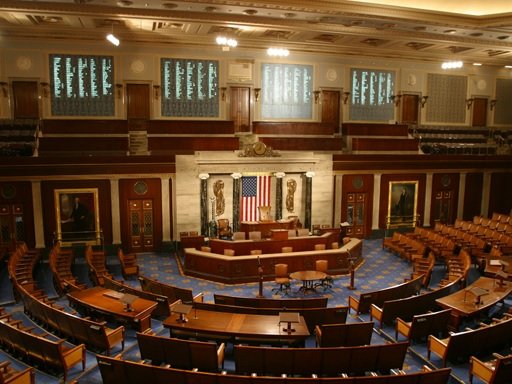
In a dramatic moment during President Donald Trump’s address to a Joint Session of Congress on March 4, 2025, Representative Al Green (D-TX) interrupted the speech in protest of proposed cuts to Social Security, Medicare, and Medicaid. His actions led to a formal censure by the House of Representatives, highlighting tensions between Democrats over how to counter the new administration’s policies.

A Bold Protest in the House Chamber

As President Trump stepped up to the podium, Rep. Green stood on the House floor and loudly objected to the president’s assertion of a mandate to cut Medicaid following the November 5, 2024, elections. Using his cane for emphasis, Green directed his remarks toward the president, saying, “You don’t have a mandate to cut Medicare, and you need to raise the cap on Social Security.”

Courtesy – Al Green

Green’s protest was met with immediate backlash. Speaker Mike Johnson (R-LA) demanded decorum and asked Green to take his seat. When he refused, he was escorted from the chamber by Capitol Police. The congressman later expressed no regrets, saying, “I did what I did because I don’t want people to believe he has a mandate to cut Medicaid. We have to protect Social Security, Medicare, and Medicaid. They are the foundation of our safety net.”

A Divided House Votes to Censure Green

Two days later, the House voted 224-198 to censure Green, with ten Democrats siding with Republicans in the reprimand. The vote underscores divisions within the Democratic Party over how to resist Trump’s agenda. Freshman Rep. Shomari Figures (D-AL) and Green himself voted “present.”
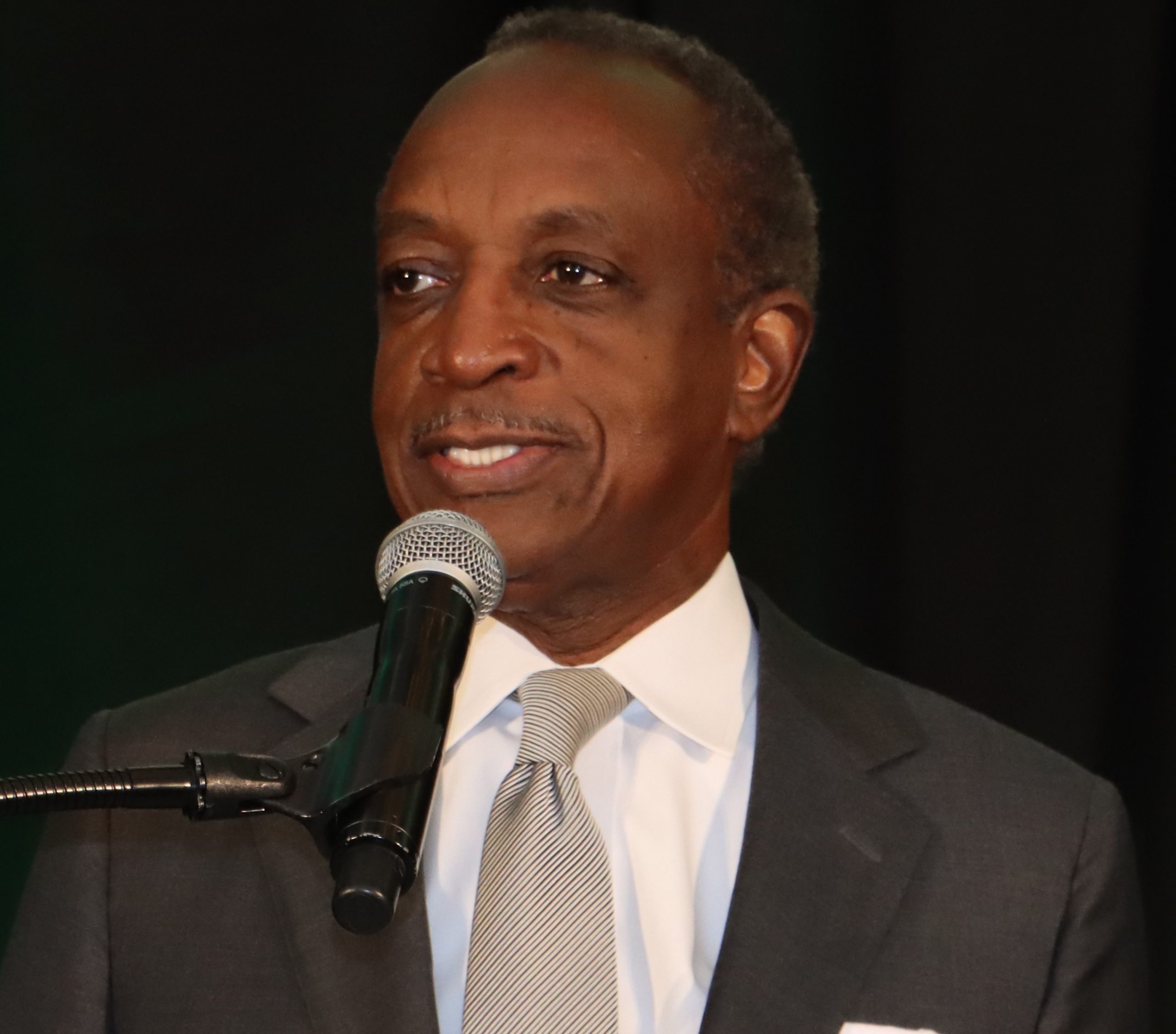
As Speaker Johnson announced the censure, Green and a group of Democratic colleagues responded by singing the gospel anthem “We Shall Overcome,” a gesture that angered Republican lawmakers and forced Johnson to call for a recess to restore order.

While censure is a rare and serious rebuke, it does not carry immediate punitive consequences. However, the conservative House Freedom Caucus members have signaled plans to strip Green of his committee assignments in the coming weeks.

A Legacy of Civil Rights Activism

Born in New Orleans, Louisiana, Green’s activism is deeply rooted in his upbringing and education. He attended Florida A&M University, Howard University, Texas Southern University, and Tuskegee University without earning an undergraduate degree. He later entered the Thurgood Marshall School of Law and earned his Juris Doctorate in 1973. He has long championed civil rights and social justice, serving Texas’ 9th Congressional District since 2001. As a law student, he earned awards in Federal Procedure and Conflicts.

Green compared his protest to the actions of the late Congressman John Lewis, with whom he was once jailed during civil rights demonstrations. “If you get in the way, you break the rules, you have to be ready to suffer the consequences,” Green said, referencing Lewis’s philosophy of “good trouble.” As a veteran civil rights advocate, he has fought for those in society whose voices, too often, are not heard.

A Stand for Social Security and Medicare

Green’s protest stemmed from concerns over potential cuts to entitlement programs. He has long advocated for raising the Social Security tax cap—currently set at $176,100—to ensure wealthier Americans contribute more to the system. Around 2035 the Social Security Trust Fund will face serious short falls.

Green opposes raising the retirement age, citing its disproportionate impact on Black men, who have a shorter average lifespan. “Raising the age would make Black men donors rather than beneficiaries of Social Security,” he explained.

Despite the censure, Green remains defiant. “I assume there is some effort to sanction me,” he said. “I will accept whatever the punishment is, but I would do it again. This is a matter of conscience.”

Moving Forward: Green’s Next Steps

In addition to continuing his advocacy for Social Security and Medicare protections, Green intends to follow through on a promise to file articles of impeachment against President Trump. “This president is causing harm to society,” he declared, reaffirming his commitment to holding Trump accountable.

While Green’s censure marks a rare rebuke for a protest during a presidential address, similar disruptions have occurred in the past. Notably, Reps. Marjorie Taylor Greene (R-GA) and Lauren Boebert (R-CO) heckled President Joe Biden during his addresses, and Rep. Joe Wilson (R-SC) infamously shouted “You lie!” during President Barack Obama’s 2009 speech. However, Green is the only member in recent years to face formal censure for such actions.

As the fallout continues, Rep. Green remains resolute. “It is more important to stand alone than not stand at all,” he said. “I’m standing for those who can’t stand for themselves.”

“Justice Denied: Supreme Court Declares Black Americans Have No Rights”

The Dred Scott v. Sandford case, culminating in a Supreme Court ruling on March 6, 1857, denied freedom to Dred Scott and ruled African Americans could not be U.S. citizens. This decision invalidated the Missouri Compromise and intensified national tensions over slavery, fueling the path to the Civil War and inspiring the abolitionist movement.


By Milton Kirby | Atlanta, GA | March 6, 2025

One of the most significant legal battles in American history unfolded in St. Louis’ Old Courthouse, where Dred Scott and his wife, Harriet, fought for their freedom from enslavement. The landmark Supreme Court decision in Dred Scott v. Sandford (1857) not only denied their freedom but also ruled that African Americans could not be U.S. citizens and that Congress had no authority to prohibit slavery in federal territories. This ruling invalidated the Missouri Compromise of 1820 and pushed the nation closer to the Civil War.

Dred Scott’s Journey to the Courtroom

Dred Scott was born into enslavement in Virginia around 1799 and later moved with his enslavers, the Blow family, to St. Louis in 1830. Financial difficulties forced the Blows to sell Scott to Dr. John Emerson, a military surgeon. Scott accompanied Emerson to free territories—Illinois and the Wisconsin Territory—where slavery was prohibited under the Missouri Compromise.

During this time, Scott married Harriet Robinson, who was also enslaved. The couple had two daughters, Eliza and Lizzie. After Dr. Emerson died in 1843, his widow, Irene Emerson, continued to profit from their forced labor, hiring them out to other families.

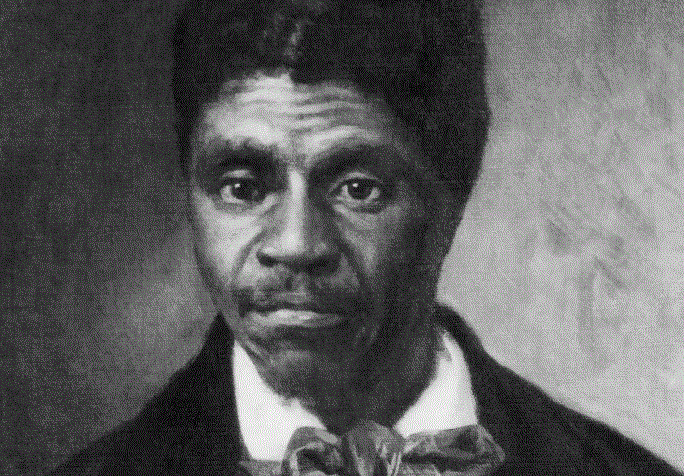
Courtesy – Britannica – Dred Scott

In 1846, Scott took legal action, suing Irene Emerson for his freedom. The case, filed in the Old Courthouse, was based on the legal precedent that an enslaved person who had lived in a free territory was entitled to freedom. With the support of abolitionist allies and financial backing from the Blow family, Scott embarked on an eleven-year legal battle that would reach the highest Court in the land.

The Supreme Court’s Ruling and Its Fallout

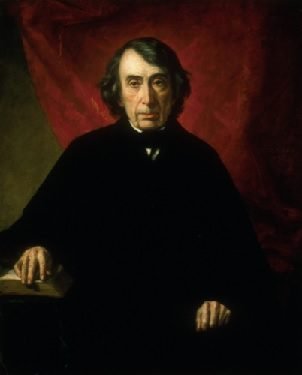
On March 6, 1857, the U.S. Supreme Court ruled 7-2 against Scott. The Court, led by Chief Justice Roger B. Taney, declared that African Americans, whether free or enslaved, could not be U.S. citizens and therefore had no right to sue in Federal Court. Moreover, the ruling struck down the Missouri Compromise, stating that Congress had no power to prohibit slavery in U.S. territories.

The Collection of the Supreme Court of the United States (Artist: George P.A. Healy)

Taney actually freed the enslaved people that he had inherited; however, he believed that the Federal government had no right to limit slavery. He mistakenly thought he could save the Union when he ruled that the Framers of the Constitution believed enslaved people were so inferior that they possessed no legal rights.

Chief Justice Taney held the Missouri Compromise unconstitutional, claiming that as property, enslaved people were protected under Article V.  In addition to this unpopular opinion, Taney became even more disliked when he challenged President Lincoln’s constitutional authority to apply certain emergency measures during the Civil War. Lincoln saw him as an enemy and even defied one of Taney’s judicial decisions. Despite his critics, Taney served until he died on October 12, 1864, at the age of 87, after being Chief Justice for 28 years.

This decision deepened the nation’s divide over slavery, further fueling tensions that would lead to the Civil War. Though Scott lost his case, his courage in seeking justice contributed to the broader movement for abolition.

The Missouri Compromise and Its Repeal

Scott’s case directly challenged the Missouri Compromise (also known as the Compromise of 1820) which was, Federal legislation of the United States that balanced northern states’ desires to prevent slavery in the country with those of southern states to expand it. It admitted Missouri as a slave state and Maine as a free state and declared a policy of prohibiting slavery in the remaining Louisiana Purchase lands north of the 36th parallel. The 16th United States Congress passed the legislation on March 3, 1820, and President James Monroe signed it into law on March 6, 1820.

The Missouri Compromise was a critical effort to prevent the nation from fracturing over slavery, but it was repealed in 1854 by the Kansas-Nebraska Act, which allowed territories to decide the issue of slavery through popular sovereignty. The Supreme Court’s ruling in Dred Scott v. Sandford further dismantled any legal barriers to slavery’s expansion, emboldening pro-slavery factions and enraging abolitionists.

Legacy of the Dred Scott Case

Though the Supreme Court denied Scott’s plea for freedom, his case became a turning point in American history. The ruling heightened national tensions and galvanized anti-slavery forces, accelerating the path to the American Civil War. In 1857, Scott and his family were eventually freed by Taylor Blow, a member of his original enslaver’s family. Tragically, Scott died just a year later.

Dred and Harriet Scott’s determination to fight for their freedom stands as a testament to the resilience of those who resisted enslavement. Their struggle helped shape the national debate over slavery and ultimately contributed to the Union’s commitment to ending the institution once and for all.

The Union won the American Civil War. The war effectively ended in April 1865 when Confederate General Robert E. Lee surrendered his troops to Union General Ulysses S. Grant at Appomattox Court House in Virginia.

Fulton County: An Economic, Cultural, and Educational Hub for Georgia


By Milton Kirby | Atlanta, GA | February 19, 2025

According to Board of Commissioners Chairman Robb Pitts in his annual State of the County address, Fulton County continues to thrive as a cornerstone of Georgia’s economy, education, and cultural life. Delivered on February 18, 2025, the address highlighted the county’s impressive achievements across various sectors and outlined a bold vision for the future.

Photo by Milton Kirby Robb Pitts

A Leader in Education and Workforce Development

Home to 1.2 million residents, Fulton County serves as an educational hub, with 136,000 students enrolled in Fulton County Schools and Atlanta Public Schools. Additionally, 120,000 students attend higher education institutions, including the county’s renowned Historically Black Colleges and Universities (HBCUs) such as Spelman College, Morehouse College, Morris Brown College, Interdenominational Theological Center Morehouse School of Medicine, and Clark Atlanta University.

Another accolade in education is that Dr. Mike Looney, Superintendent for Fulton County Schools, was named Georgia’s Superintendent of the Year for 2025, an honor bestowed by the Georgia School Boards Association and the Georgia School Superintendents Association.

Economic Powerhouse and Business Hub

Fulton County continues to be the economic engine of metro Atlanta. One-third of all wages paid in the metropolitan area are earned in Fulton County. According to Site Selection Magazine, the county also boasts the highest concentration of Fortune 500 companies in the nation, ranking fourth among U.S. counties. Delta Airlines, Georgia’s largest employer, is headquartered in the county.

The county’s economic strength extends to the arts, Georgia’s most significant public contributor to cultural programs. With over 200 parks, nature preserves, and walking trails, Fulton County provides a high quality of life for residents and visitors alike.

Sports, Culture, and Global Events

Fulton County is home to Atlanta’s professional sports teams, including the Hawks (NBA), Atlanta Dream (WNBA), Atlanta Falcons (NFL), United (MLS), and the Atlanta Fire (professional cricket). Additionally, there are ongoing efforts to bring a professional hockey franchise to the area.

The county will play a significant role on the global stage, hosting eight matches during the 2026 FIFA World Cup.

In November 2024, media worldwide reported on Fulton County’s elections from the newly constructed, state-of-the-art Elections Center, which consolidated all election activities under one roof. Secretary of State Brad Raffensperger praised the county for conducting a flawless election.

Investments in Infrastructure and Public Services

Fulton County has made significant strides in infrastructure, particularly in water and sewer management. The recently completed $350 million Big Creek Water Treatment Facility represents one of the most significant infrastructure projects in county history, and an additional $500 million facility is planned for the City of South Fulton.

Healthcare access is also improving, with the launch of the Fulton County Health and Human Services Campus in Alpharetta, which provides public health, behavioral health, senior services, and developmental disability support. A similar facility is in the planning stages for South Fulton. Additionally, a Mental Health Crisis Center opened on Metropolitan Parkway in October 2024, a collaboration between Fulton County, the State of Georgia, and Grady Hospital.

Advertisement

Cybersecurity and Government Resilience

One year after a cyberattack by the international crime ring LockBit, Fulton County has emerged stronger and more secure. Despite the attack shutting down government systems, county officials developed alternative solutions to maintain essential services. No ransom payments were made to the crime ring.

The attack on Fulton County and others prompted new legislation that now prevents the use of taxpayer funds to pay ransoms to cybercriminals, serving as a deterrent for future attacks.

A Vision for Continued Growth

The State of the County event was hosted by the Council for Quality Growth, an advocacy organization that represents the interests of developers, contractors, engineers, planners, and other stakeholders in metro Atlanta’s growth and development. Chairman Pitts reaffirmed the county’s commitment to fostering economic prosperity while ensuring the well-being of all residents.

As Fulton County continues to expand and innovate, its status as Georgia’s economic, cultural, and educational hub remains unchallenged, setting a standard for progress in the region and beyond.


The Dash in Jimmy Carter’s Life

A remarkable journey spanning a century, marked by dedication, faith, and service. He served as the 39th US President, championed environmental conservation, and dedicated his post-presidency to humanitarian efforts.

By Milton Kirby | Atlanta, GA – January 2, 2025

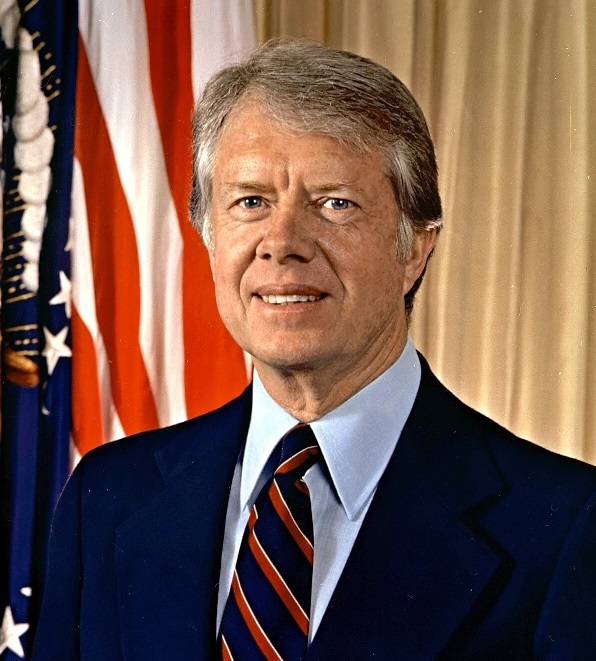
Jimmy Carter’s life—a remarkable journey spanning a century—is a testament to the profound impact of dedication, faith, and service. Born James Earl Carter Jr. on October 1, 1924, in Plains, Georgia, his journey began in the small farming town and nearby community of Archery. Raised by James Earl Carter Sr., a farmer and businessman, and Lillian Gordy Carter, a registered nurse, young Jimmy would lead an extraordinary life defined by humility and an unyielding commitment to the betterment of humanity.

Carter’s early years were marked by academic and naval success. Educated in the public schools of Plains, he pursued higher education at Georgia Southwestern College, Georgia Institute of Technology, and the United States Naval Academy, where he earned a B.S. in 1946. As a submariner in the Navy, Carter served with distinction, rising to the rank of lieutenant and playing a pivotal role in the emerging nuclear submarine program. Under the guidance of Admiral Hyman Rickover, he took graduate coursework in reactor technology and nuclear physics at Union College.

In 1946, Carter married Rosalynn Smith, a partnership that would define much of his life. When his father passed away in 1953, Carter returned to Plains to manage the family farms and their seed and farm

Photo courtesy Maranatha Baptist Church – Jimmy & Rosalynn Carter

supply business. It was here that he began his political career, serving on community boards and eventually winning a seat in the Georgia Senate in 1962. Despite an initial gubernatorial defeat in 1966, Carter persevered, becoming Georgia’s 76th governor in 1971. His national political career was launched with his announcement of candidacy for the U.S. presidency in 1974. He was elected as the 39th president in 1976, serving from January 20, 1977, to January 20, 1981.

As president, Carter championed environmental conservation, setting aside more land for national parks and wildlife refuges than any of his predecessors. He was a pioneer in energy conservation, advocating for reduced reliance on foreign oil and alternative energy sources, symbolized by the installation of solar panels on the White House roof. His administration also established the Department of Energy, emphasizing the importance of sustainability long before it became a global priority.

Post-presidency, Carter dedicated his life to humanitarian efforts. In 1982, he founded The Carter Center in Atlanta, a nonpartisan institution addressing public policy issues, promoting democracy, and eradicating diseases such as Guinea worm disease. His work with Habitat for Humanity—building homes for impoverished families worldwide—further solidified his legacy of compassion. Recognized with the Nobel Peace Prize in 2002, Carter joined the ranks of Theodore Roosevelt, Woodrow Wilson, and Barack Obama as the only U.S. presidents to receive the honor.

Photo Courtesy of the Carter Center

The Carters’ partnership extended to their shared advocacy for mental health. Rosalynn chaired The Carter Center’s Mental Health Task Force and hosted annual symposia to address critical issues in the field. Together, they demonstrated the power of collaborative leadership rooted in their shared values and commitment to service.

A prolific author, Carter wrote over 30 books on topics ranging from politics to poetry, faith, and human rights. Despite his global influence, he remained deeply connected to his roots, teaching Sunday school for over 40 years at Maranatha Baptist Church in Plains. His Christian faith was a cornerstone of his life, shaping his moral and ethical compass and inspiring countless others.

Carter’s life was a “dash” filled with purpose—from humble beginnings as a peanut farmer to his presidency and beyond. He concluded each Sunday school lesson with a challenge: perform one good deed for someone else. This simple yet profound message encapsulated his belief in the power of kindness to change the world.

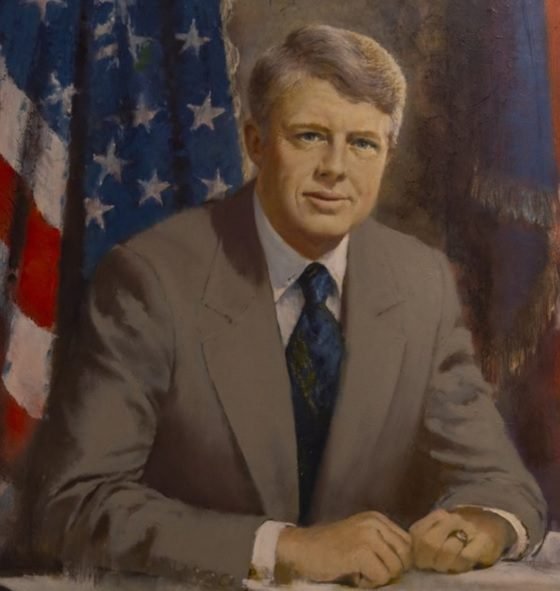
Courtesy – National Governors Association

On December 29, 2024, Jimmy Carter completed his dash at the age of 100. His legacy endures through the countless lives he touched, the causes he championed, and the enduring message of love and service he imparted. Indeed, the dash in Jimmy Carter’s life symbolizes a life well-lived, defined by unwavering dedication to making the world a better place.


DeKalb County’s First African American Woman CEO Brings Past Leaders Together for Historic Dialogue

Lorraine Cochran-Johnson will be sworn in as DeKalb County’s sixth CEO on January 10, 2025, marking a historic milestone as the first African American woman to hold the position.


By Milton Kirby | Atlanta, GA December 22, 2024

Lorraine Cochran-Johnson will be sworn in as the sixth Chief Executive Officer (CEO) of DeKalb County, Georgia, on January 10, 2025. She will mark a historic milestone as the first African American woman to hold the position. This momentous occasion highlights a significant chapter in DeKalb County’s governance history, showcasing its evolution and progress over the decades.

A Journey of Dedication and Public Service

Cochran-Johnson’s rise to leadership is rooted in her extensive background in public administration and community engagement. Originally from Greenville, Alabama, and an eighteen-year resident of DeKalb County, GA, she attended Troy University, where she earned a Bachelor of Science degree in Political Science and Criminal Justice. Her academic journey continued at Auburn University, where she received a Master of Public Administration with a concentration in Economic Development and Grant Writing. She later attended John Marshall Law School, further broadening her expertise.

Before entering politics, Cochran-Johnson held various roles emphasizing public service and community development. Her active involvement in civic organizations across DeKalb County helped her gain an in-depth understanding of the challenges faced by its residents. In 2017, she was elected to represent District 7 on the Board of Commissioners, which includes areas such as Stonecrest and Lithonia. Her tenure as commissioner brought innovative ideas and transformative leadership to the district.

Celebrating Leadership: A Panel with Past CEOs

As part of her inaugural activities, Cochran-Johnson will moderate a panel discussion featuring four of DeKalb County’s previous CEOs: Liane Levetan, Vernon Jones, Burrell Ellis, and Michael Thurmond. This historic gathering will reflect on the county’s past challenges and achievements while setting the stage for its future. The panel will honor Manuel Maloof, DeKalb County’s first CEO, who served from 1984 to 1992 and passed away in 2004.

DeKalb County: A Unique Governance Model

DeKalb County is Georgia’s fourth-most populous county and boasts the highest population density in the Atlanta metropolitan area. Its transition to a CEO-led government in 1981 marked a pivotal shift in its governance structure, distinguishing it from other Georgia counties. The CEO model was designed to centralize leadership and streamline decision-making, addressing inefficiencies under the previous commission-led system.

Under this governance framework, the CEO serves as the county’s chief executive, responsible for day-to-day operations, appointing department heads, and proposing budgets. Meanwhile, the Board of Commissioners retains legislative authority, approving ordinances, budgets, and policies. This balance aims to foster accountability and efficient administration.

A Legacy of Leadership

DeKalb County’s CEO position has been instrumental in shaping its governance and growth. Each CEO brought distinct strengths and faced unique challenges during their tenure:

  • Manuel Maloof (1984–1992): As the inaugural CEO, Maloof centralized governance and prioritized infrastructure improvements. His tenure set the foundation for DeKalb’s transformation into a bustling suburban community.
  • Liane Levetan (1993–2000): The first woman to serve as CEO, Levetan championed environmental preservation, economic growth, and inclusivity in leadership. Her omnipresence set the tone for strong executive leadership at the helm of county government. 
  • Vernon Jones (2001–2008): The first African American CEO, Jones emphasized infrastructure development and greenspace expansion. He championed DeKalb County’s emergence as a metropolitan epicenter. 
  • Burrell Ellis (2009–2016):  Ellis worked to restore the county’s fiscal stability in the aftermath of the Great Recession, emphasizing government reorganization, community engagement, and laying the foundation for renewed economic growth through water and sewer system reconstruction. His ONE DeKalb initiative was renowned as a model for civic engagement. 
  • Lee May (Interim, 2013–2016): Appointed following Ellis’ suspension, May worked to restore trust and stability during a turbulent period.
  • Michael Thurmond (2017–present): Thurmond’s leadership has been characterized by fiscal responsibility, infrastructure improvements, and a focus on public safety.

The Evolution of DeKalb County’s Governance

DeKalb County’s adoption of the CEO model was a response to its rapid growth and urbanization during the late 20th century. This change was adopted to address the county’s increasing complexity by creating a centralized executive role. Voter approval in a 1981 referendum signaled strong public support for the modernization of its governance.

Key reasons for this transition included:

  1. Improved Accountability: The CEO model centralized decision-making, providing clear leadership and accountability.
  2. Administrative Efficiency: Streamlined operations reduced inefficiencies in managing the county’s growing population and services.
  3. Adaptation to Urban Growth: The shift reflected DeKalb’s evolution from a rural area to a major suburban hub within the Atlanta metropolitan region.
  4. Public Support: Voters recognized the need for a more robust governance structure to address emerging challenges.
  5. Spotlight on Leadership: Past CEOs’ Achievements and Challenges

Manuel Maloof (1984–1992)

As DeKalb’s first CEO, Manuel Maloof played a pivotal role in defining the position’s responsibilities. His leadership focused on modernizing governance, investing in public infrastructure, and advocating for community needs. While balancing growth and resident concerns, Maloof laid the groundwork for DeKalb’s future development. He championed initiatives to streamline the permitting process for small businesses and fostered partnerships between the government and local entrepreneurs.

Photo Courtesy Atlanta Magazine – Manuel Maloof

Maloof is remembered as a leader who brought accountability, growth, and a personal touch to DeKalb County’s government. His work established DeKalb as a model for suburban governance in Georgia and the broader Southeast. Maloof’s influence extended beyond politics through his ownership and work at Manuel’s Tavern, cementing his place as a beloved figure in Atlanta’s civic life.

One of Maloof’s quotes: “Leadership isn’t about sitting behind a desk. It’s about rolling up your sleeves and solving real problems for real people.”

Liane Levetan (1993–2000)

Liane Levetan broke barriers as the first female CEO of DeKalb County. Her tenure emphasized environmental preservation, balanced development, and inclusivity. Signature initiatives included expanding parks, promoting recycling programs, and advocating for transit-oriented development. Her leadership inspired future generations of women in politics.

Levetan’s emphasis on green space preservation and environmental sustainability left a lasting impact on the county’s landscape. Her administration set a precedent for diversity and inclusion in DeKalb County governance.

Expansion of the Mason Mill Park and improvements to its facilities, including trails and picnic areas. The creation of the PATH trail system, connecting neighborhoods and parks with multi-use trails, was a major milestone.

Photo Courtesy of Liane Levetan

Her tireless efforts have ensured that Arabia Mountain will be a focal point for conservation and recreation for years to come. Located in southeast DeKalb County, it is a granite outcrop similar to Stone Mountain surrounded by diverse ecosystems, including forests, wetlands, and lakes. She quipped, “Arabia Mountain isn’t just a place—it’s a legacy. Preserving it ensures future generations can experience its wonder.”

Levetan personally participated in trail-blazing events, often walking alongside community volunteers to mark potential trail routes. She was known to say:

Levetan quoted on being the first female CEO: “Breaking barriers is never easy, but every step forward creates a path for others. I’m proud to be the first woman in this role, but I look forward to the day when it’s no longer remarkable.”

Vernon Jones (2001–2008)

One of the main highlights of Jones’ administration was his focus on economic development and improving the infrastructure of DeKalb County. He sought to attract businesses, improve housing, and revitalize the county’s commercial areas. Under his leadership, several major projects aimed at boosting the county’s economy were initiated, including the development of new commercial properties, industrial sites, and improved transportation systems.

Photo Courtesy Vernon Jones

Jones was instrumental in advocating for improved infrastructure in DeKalb, including the expansion and modernization of roads, public transportation services, and the county’s water and sewer systems. He focused on improving traffic flow, which had become a significant concern as the county’s population grew.

CEO Jones prioritized public safety, increasing funding for police and fire services. He also worked to modernize emergency services, including the establishment of new fire stations and improvements to police equipment and training programs.

Jones created several community engagement programs focused on youth development, senior services, and improving the quality of life for residents. His administration introduced initiatives such as the DeKalb Summer Youth Employment Program, which provided job opportunities and training for young people in the county.

Mr. Jones also worked to improve the environmental conditions in DeKalb County. This included efforts to improve waste management and increase recycling programs. He also promoted green space preservation and conservation efforts.

Vernon Jones focused on infrastructure improvements and economic development. Despite notable achievements, including public safety enhancements and community engagement programs.

Burrell Ellis (2009–2016)

Burrell Ellis was elected CEO (Chief Executive Officer) of DeKalb County in 2008. He took office in January 2009. Prior to serving as CEO, Ellis had a history of public service, having served as a member of the DeKalb County Commission from 2000 to 2008, representing District 5.

Photo By Milton Kirby – Burrell Ellis

Like many other local governments, DeKalb County faced significant fiscal challenges during Ellis’ tenure as CEO. These included the effects of the Great Recession, which made budgeting more challenging. Ellis worked to manage the county’s budget through a combination of cost-cutting measures and increased revenue efforts.

Ellis focused on improving the county’s government’s efficiency and accountability. He introduced initiatives to reduce waste and fraud in county departments.

CEO Ellis prioritized public safety by focusing on expanding police services and addressing high crime rates in certain areas of the county. He advocated for additional resources for law enforcement agencies and emergency services

Ellis’ administration prioritized fiscal management and government reform during a challenging economic period. However, legal troubles dampened his accomplishments, culminating in a conviction that was later reversed on appeal.

As a result of the Georgia Supreme Court ruling, Ellis was reimbursed more than a million dollars in legal fees. He also received back pay that covered his suspension period and he completed the remaining time of his term in office.

His tenure highlighted the complexities of balancing governance, public trust, and fiscal responsibility.

Michael Thurmond (2017–present)

Michael Thurmond’s Leadership brought stability to DeKalb County after a tumultuous period. His focus on fiscal responsibility, infrastructure revitalization, and public safety has been widely praised. Thurmond’s collaborative approach has strengthened community trust and positioned the county for continued growth.

Photo by Milton Kirby – Michael Thurmond

DeKalb County will close the 2024 fiscal year with a $150 million rainy day fund, a major turnaround from the $27 million deficit the county faced in 2017 when Thurmond took office. Thurmond launched a financial recovery plan upon taking office, and his administration has worked with county leaders to erase the deficit and build up a substantial reserve.

Looking Ahead: Cochran-Johnson’s Vision

As DeKalb County’s newly elected CEO, Lorraine Cochran-Johnson aims to build on the successes of her predecessors while addressing the county’s evolving needs. Her background in public administration and commitment to community engagement provide a strong foundation for her leadership. By fostering dialogue with past leaders, she seeks to honor DeKalb’s rich history while charting a bold course for its future.

Cochran-Johnson plans to tackle DeKalb’s housing affordability crisis, accelerate infrastructure modernization, and expand programs to support small businesses, all while emphasizing transparency and civic engagement.

Cochran-Johnson’s inauguration marks a new chapter in DeKalb County’s journey, one defined by innovation, inclusivity, and a shared commitment to progress.

Related

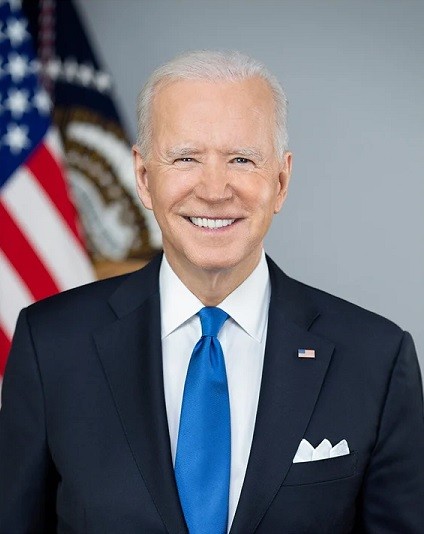
President Biden Announces Clemency for Nearly 1,500 Americans

President Joe Biden grants clemency to nearly 1,500 Americans, the largest single-day grant in modern history, commuting sentences and pardoning individuals convicted of non-violent crimes.

By Milton Kirby | Washington, DC | December 12, 2024

In a historic move, President Joe Biden has granted clemency to nearly 1,500 Americans, the largest single-day grant in modern history. This action includes commuting the sentences of close to 1,500 individuals placed on home confinement during the COVID-19 pandemic and pardoning 39 individuals convicted of non-violent crimes. These individuals have demonstrated successful rehabilitation and a strong commitment to making their communities safer. The White House said, “the 1,500 people had been serving long prison sentences that would have been shorter under today’s laws and practices.”

A Historic Day for Clemency

This unprecedented act builds on President Biden’s commitment to criminal justice reform, aiming to reunite families, strengthen communities, and help individuals reintegrate into society. At this point in his presidency, Biden has issued more commutations than any of his recent predecessors. Notably, he is the first president to grant categorical pardons for simple marijuana possession and for certain LGBTQI+ service members convicted due to their sexual orientation.

Who Received Clemency?

The individuals granted clemency today include:

  • A decorated military veteran and pilot who helps church members with health challenges and strenuous tasks.
  • A nurse who led emergency response efforts during natural disasters and spearheaded COVID-19 vaccination campaigns.
  • An addiction counselor who volunteers to mentor young people, helping them avoid destructive behaviors and gang involvement.

As President Biden has often stated, the United States is a nation of second chances. Through clemency, he seeks to advance equal justice under the law and remedy the harms caused by outdated practices.

Commutations and Pardons in Detail

The nearly 1,500 individuals receiving sentence commutations have been serving time on home confinement under the CARES Act for at least one year. They have shown their commitment to rehabilitation by securing employment, pursuing education, and reintegrating into their communities. The 39 individuals granted pardons were convicted of non-violent crimes, including drug offenses, and have since turned their lives around. These recipients are parents, veterans, healthcare professionals, teachers, and advocates who use their experiences to inspire others.

President Biden’s Clemency Record

President Biden has consistently used his clemency power to address injustices and provide second chances. Key clemency actions throughout his administration include:

  • April 2022: Granted clemency to individuals with drug-related offenses and those on CARES Act home confinement, including three pardons and 75 commutations.
  • December 2022: Pardoned six individuals with drug- and alcohol-related offenses.
  • April 2023: Issued 31 commutations to individuals on CARES Act home confinement.
  • December 2023 & April 2024: Pardoned 11 individuals and commuted 16 sentences for non-violent drug offenses.

These actions have positively transformed lives by addressing barriers such as housing, employment, education, and healthcare often faced by those with federal convictions.

Categorical Clemency Actions

In addition to individual clemency, President Biden has taken bold steps with categorical clemency:

  • October 2022: Issued a full pardon for simple possession of marijuana.
  • December 2023: Expanded marijuana-related pardons to include attempted possession and use offenses.
  • June 2024: Granted categorical pardons to former service members convicted of offenses based on consensual, private conduct related to their sexual orientation between 1951 and 2013.

These systemic actions have inspired states like Maryland and Massachusetts to follow suit, granting categorical clemency for marijuana convictions and helping individuals rebuild their lives.

Moving Forward

While today’s announcement marks significant progress, President Biden’s work is far from over. The administration will continue reviewing clemency petitions to advance equity, justice, and public safety. By promoting rehabilitation and reentry, the President reaffirms his belief in second chances and the transformative power of justice reform.

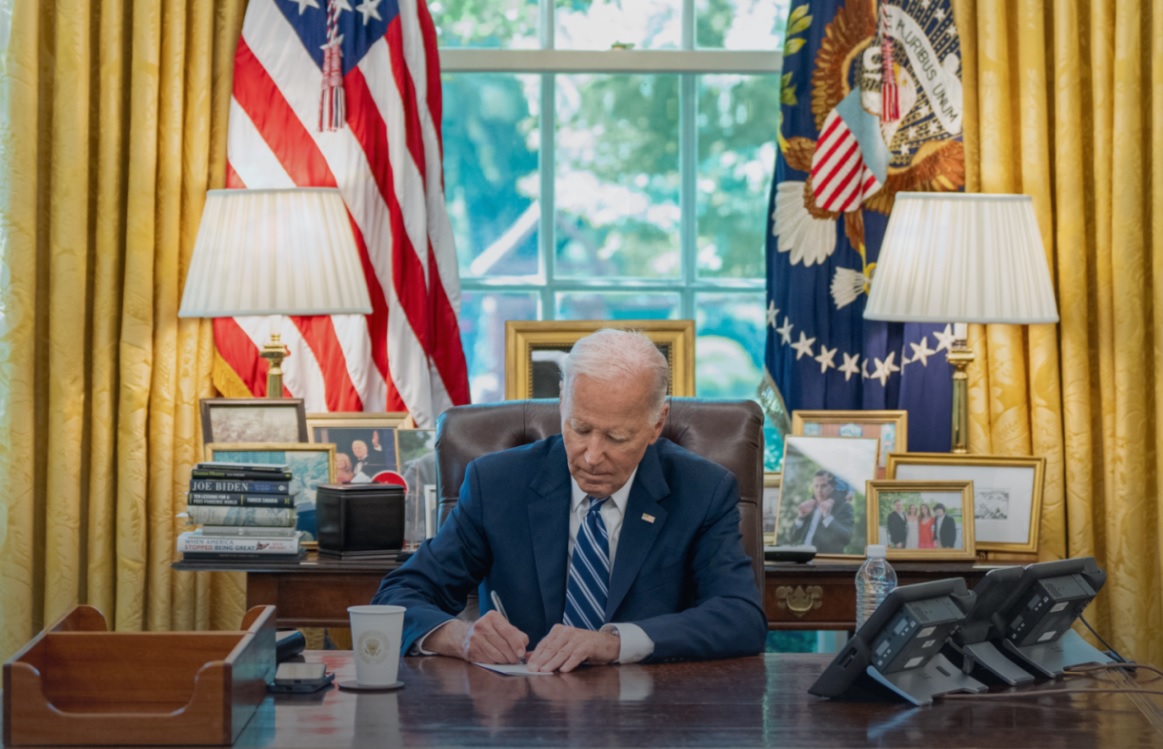
President Biden marks historic 40th Black female judge confirmed to federal bench

President Biden’s historic 40th Black female judge, Tiffany Rene Johnson, was confirmed to the federal bench, tying the record for most Black lifetime judges confirmed during a presidency.

By Gerren Keith Gaynor – TheGrio | December 10, 2024

President Joe Biden marked yet another historic moment for his administration in his final days in office on Monday when the U.S. Senate confirmed his 40th Black female judge to the federal bench.

As part of an effort to seat as many federal judges before President-elect Donald Trump returns to the White House on Jan. 20, the Senate confirmed Tiffany Rene Johnson to serve on the Northern District of Georgia. Judge Johnson is only the third Black woman to serve a lifetime appointment on the court. Johnson’s confirmation also ties the record for the most Black lifetime judges (62) confirmed during a presidency. 

According to data tracked by The Leadership Conference on Civil and Human Rights, President Biden’s appointment of 62 Black lifetime judges is the highest in a single term. During his one term in office, President Jimmy Carter appointed 37 Black lifetime judges, as did President Bill Clinton during his first term. Over the course of their two terms in office, President Barack Obama and Clinton each appointed 62 Black judges.

During his first term, President Trump appointed only two Black women out of 234 judges to the federal bench, which is less than 1% of his appointments. Trump nominated no Black judges to federal circuit courts.

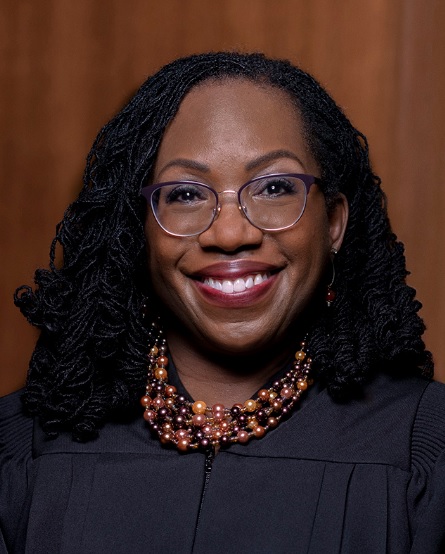
Since taking office, President Biden has vowed to reshape the federal judiciary to reflect America’s diversity. His most historic and notable appointment was Justice Ketanji Brown Jackson, who was confirmed as the first Black woman to serve on the U.S. Supreme Court in April 2022. 

Courtesy Supreme Court Ketanji Brown Jackson

Biden has appointed several “first” Black judges across the nation’s district courts and courts of appeals, including Tiffany Cunningham, the first Black judge to serve on the U.S. Court of Appeals for the Federal Circuit; Dana Douglas, the first Black woman to serve on the U.S. Court of Appeals for the Fifth Circuit; and Jerry Edwards, Jr., the first Black judge to serve on U.S. District Court for the Western District of Louisiana.

In addition to this record appointment, the Leadership Conference also noted that among President Biden’s Black female judicial selections, more than half of them bring what advocates celebrate as important professional experiences to the federal bench as former civil rights lawyers and public defenders.

The steady appointments from President Biden (and confirmations by the Senate) are seen as necessary in his final 41 days in the Oval Office, not only to fulfill his goal of transforming the federal judiciary but also to preserve his legislative legacy. Many of his policies — and those enacted by President Trump in his second term — could be challenged in the courts in the coming months and years. The ideological bent of federal judges will undoubtedly have major implications.

Loretta Green, 89, Wears Her Poll Tax Certificate as a Badge of Perseverance

Loretta Green’s Story: At 89, Loretta Green has been voting since 1960 and has a poll tax exemption certificate, symbolizing her resilience in the fight for voting rights, which she continues to advocate for today.

By Milton Kirby – Atlanta, GA – November 6, 2024

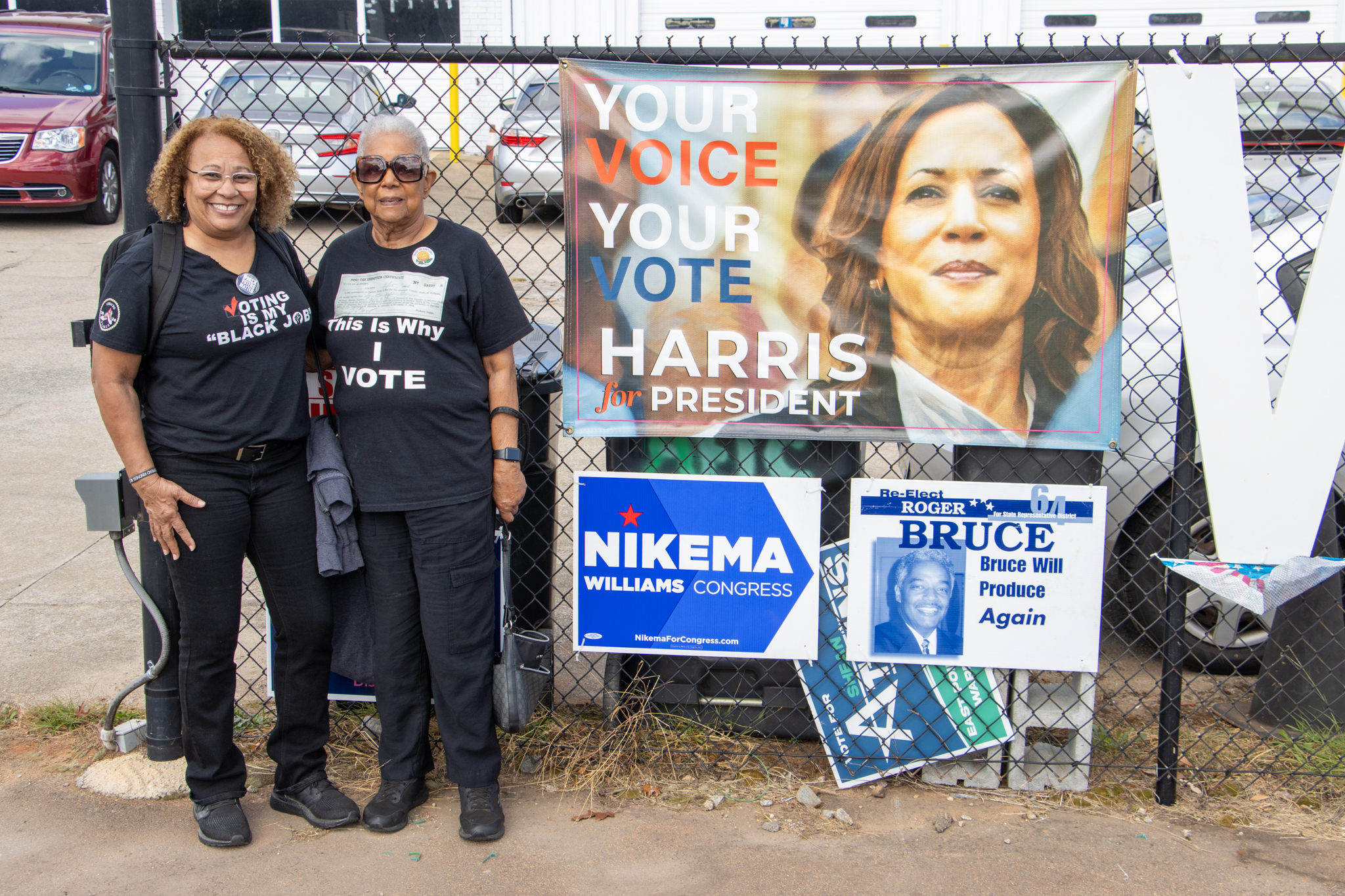
At 89 years old, Loretta Green, originally from Mobile, Alabama, and now an Atlanta resident has been casting her ballot since 1960—and she has a poll tax exemption certificate to prove it. For Green, this certificate is more than a document; it’s a testament to the resilience of voting rights. She knocked on doors this Election Day, rallying support for Vice President Kamala Harris and encouraging registered voters to make their voices heard.

Green’s journey in voter advocacy spans decades, rooted in a history of discrimination and unyielding perseverance. After the Civil War and throughout Reconstruction, Southern states enacted laws designed to curtail the voting rights of newly freed Black citizens. Chief among these barriers was the poll tax—a fee that, though small, effectively barred countless Black and poor White citizens from the ballot box.

The tax, ranging from $1 to $2 (roughly $20 to $40 today), was required annually, and voters often had to show proof of past payments to remain eligible. This and other discriminatory tactics sought to undermine the Fifteenth Amendment’s promise of voting rights, carefully crafted to avoid federal intervention while systematically disenfranchising African Americans.

This unjust barrier persisted until the mid-20th century when the civil rights movement brought national attention to voting rights. Although the Supreme Court initially upheld poll taxes in Breedlove v. Suttles in 1937, the tide turned with ratifying the 24th Amendment in 1964, which abolished poll taxes in federal elections. Two years later, the Supreme Court further ruled in Harper v. Virginia Board of Elections that poll taxes in all elections, state and local, were unconstitutional—ushering in an era of more inclusive democracy.

Ms. Green has attended countless voter rallies over the years, proudly displaying her poll tax exemption certificate as a reminder of past obstacles and the progress achieved. For Green, this certificate is a powerful symbol of the struggle and the triumph in the long fight for equal voting rights. She continues to inspire her community this Election Day, sharing her story as a reminder of the sacrifices made to secure the right to vote for all Americans.

Exit mobile version