Warnock Leads Effort to End Racial Bias in Black Home Appraisals

Senator Warnock’s bill fights appraisal bias in Black neighborhoods, aiming to protect home values, ensure fairness, and help families build generational wealth.


Senator’s new bill gives families tools to protect home value and build wealth

By Milton Kirby | Washington, D.C. | July 23, 2025

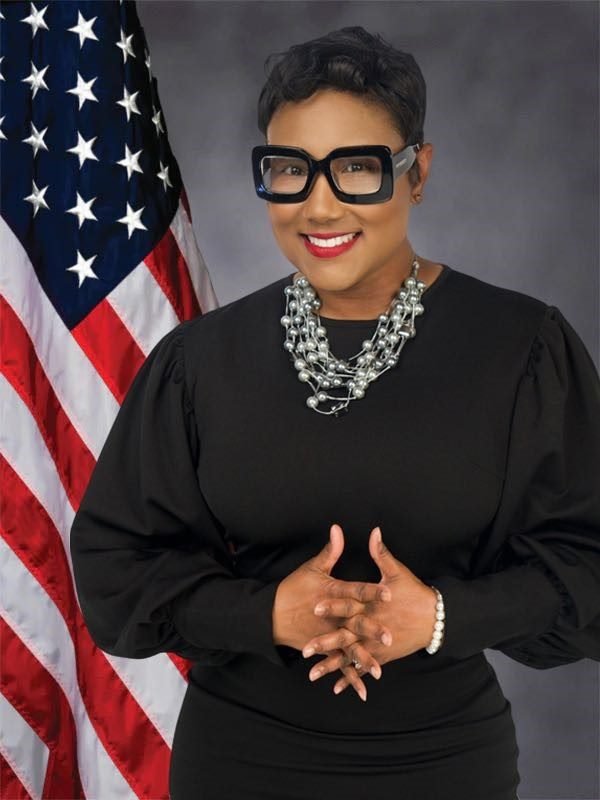
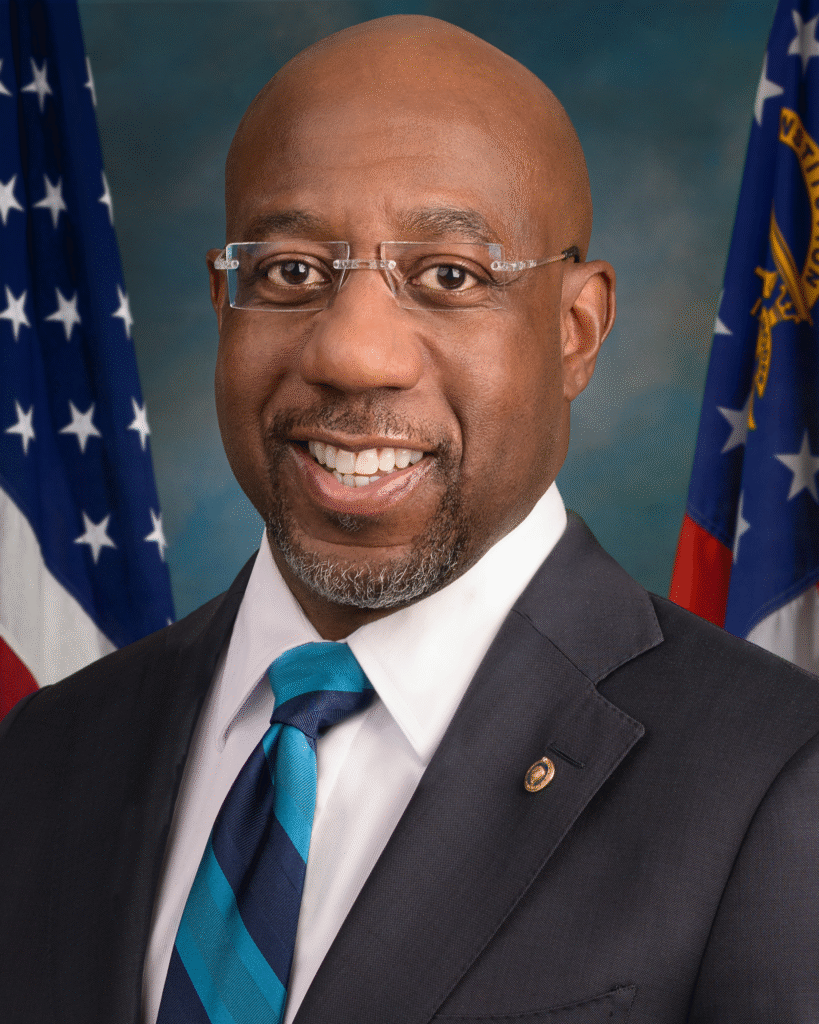
Senator Reverend Raphael Warnock is taking a strong stand against unfair home appraisals. On Tuesday, he introduced the Appraisal Modernization Act, a bill that would give families more power to fight bias that lowers their home’s value.

Courtesy Senator Raphael Warnock

For many Americans, their home is their most significant source of wealth. However, the urgency of the issue is underscored by research from Brookings, which shows that homes in Black neighborhoods are worth about 21% to 23% less than similar homes in non-Black areas.

“Home valuations are a big part of building generational wealth,” said Senator Warnock. “This bill helps families protect that value and gives them new tools to fight back against bias.”

 What the Bill Will Do

The Appraisal Modernization Act would make the home appraisal process fairer. It would:

  • Require the Federal Housing Finance Agency (FHFA) to publish an online database of property-level appraisal data
  • Let consumers appeal an unfair appraisal or request a second one
  • Make sure those appeals are treated the same across the country

These changes aim to protect families, increase fairness, and shine a light on bias.

Backlash After Trump Shuts Down Bias Task Force

The need for the bill became even more urgent last week. The Trump administration announced it would end the federal task force that was working to remove racial bias from the home appraisal system.

Senator Warnock said his bill would help fill that gap by building new systems of transparency and fairness into law.

Supported by Senators and Experts Nationwide

Senator Warnock is not alone. The bill is backed by Senators:

  • Angela Alsobrooks (D-MD)
  • Lisa Blunt Rochester (D-DE)
  • Cory Booker (D-NJ)
  • Andy Kim (D-NJ)
  • Elizabeth Warren (D-MA)

Senator Booker said, “The color of your skin should not decide the value of your home.”

Housing experts agree. Nikitra Bailey from the National Fair Housing Alliance said the bill gives families and lenders better data to make fair decisions.

Laura Arce from UnidosUS said, “The race or ethnicity of a homeowner should not affect the value of their home. This bill makes the process fairer for everyone.”

Why It Matters for Georgia and the Nation

Homeownership is one of the best ways to build wealth in America. However, racial bias in the appraisal system has been a significant barrier, preventing many Black and Latino families from growing that wealth. The introduction of this bill could potentially change that.

Today, White families hold $1.3 million in average wealth. Black families have only $211,000, and Latino families hold $227,000 on average. The difference is often tied to the value of their homes.

“This bill is about fairness and opportunity,” Warnock said. “Every family deserves to know that their hard work and home investment are treated with respect.”

Part of a Bigger Plan

This bill is part of a larger housing plan Warnock introduced in March 2025. As a member of the Senate Banking Committee, he has supported:

  • $80 million for affordable housing in Georgia
  • Funding to build 10,000 new housing units
  • Support for the Yes In My Backyard (YIMBY) grant program
  • $275 million in grants to fight homelessness
  • Laws to repair low-income housing and make homeownership fairer

As someone who grew up in public housing in Savannah, Warnock knows the impact of having a safe, stable home.

Experts Say Data Will Help Everyone

The Housing Policy Council and the National Association of Mortgage Brokers both support the bill. They say the public database will improve how home values are measured and make the market more fair for lenders, buyers, and appraisers.

Andrew Pizor of the National Consumer Law Center said, “This law helps people protect their home equity and fix decades of unfair treatment in the appraisal system.”

What Happens Next?

The bill will now go through review in the Senate. If passed, it could reshape how homes are appraised in Georgia and across the country.

“This is about leadership and fairness,” Warnock said. “We can’t build generational wealth if bias is baked into the system. This bill is a step forward.”

Legislation Fact Sheet                                 Appraisal Modernization Act 

For updates or to support the bill, visit warnock.senate.gov or call your local housing advocacy group.

Please consider supporting open, independent journalism – no contribution is too small!


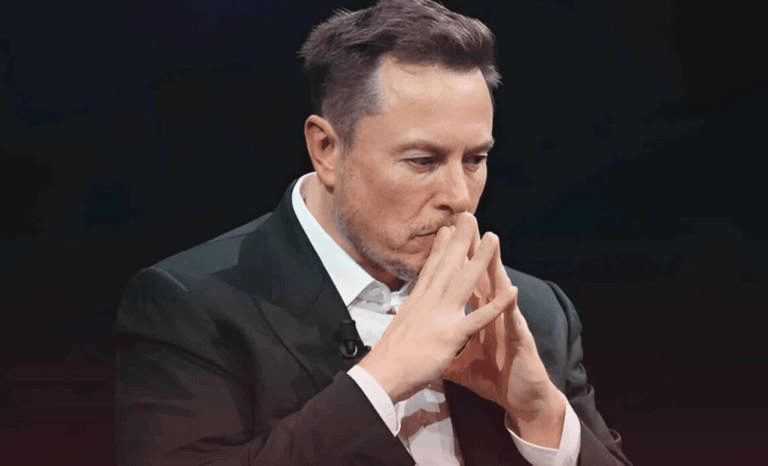
Elon Musk Fired 6,000 USDA Workers — The U.S. Is Now Confronting a Threat from Invasive Species and Financial Fallout


By Arezki Amiri |  Dalily Galaxy | July 16, 2025

In February 2025, the U.S. Department of Agriculture (USDA) became the focal point of a high-stakes controversy that has set alarm bells ringing across the nation. At the center of it all? A dramatic reduction in workforce—6,000 employees, to be exact.

While the news of mass layoffs typically doesn’t make for front-page headlines, the ripple effects of this particular decision have sent shockwaves far beyond Washington D.C. What’s more, these layoffs are starting to have very real, and potentially dangerous, consequences for U.S. agriculturefood security, and the economy. But what exactly has been cut, and why does it matter?

A Severe Cut to Expertise: What’s Been Lost?

According to Wired, the USDA wasn’t just shedding staff. These weren’t your typical office workers. The agency has let go of highly trained individuals – inspectorsentomologistsdisease-sniffing dog trainers—many of whom had specialized knowledge and years of experience. These professionals were critical in safeguarding the nation’s food supply, ensuring agricultural imports were free from pests and diseases that could devastate crops.

Take the National Dog Detection Training Center, for example. This was a place where beagles and Labradors were trained to detect invasive specieslike the Giant African land snail, a mollusk that poses a serious threat to Florida’s agricultural industries. As one former employee pointed out, the loss of even one such dog—and the expertise behind its training—could make the difference between catching a pest at the border or watching it infest American farms. The impact isn’t just theoretical. It’s happening right now.

It’s All About the Port Crisis

When you consider the sheer volume of goods flowing through U.S. ports, the role of the USDA’s inspection staff becomes clear. Ports like Los Angeles and Miami handle millions of tons of goods each year, much of it agricultural. With 6,000 USDA staff cuts, including a sharp reduction in the Plant Protection and Quarantine teams, the fallout is immediate. In some cases, ports lost as much as 35% of their inspection workforce, significantly slowing the process of screening incoming imports.

What does that mean for the average American consumer? Simply put, more risk. Less inspection means more food could spoil on arrival, or worse, dangerous pests might slip through the cracks. These aren’t just theoretical threats; invasive species like the Asian longhorn beetle and spotted lanternfly could have catastrophic consequences for U.S. agriculture. The already fragile food supply chain is now at even greater risk, creating a perfect storm of supply disruptions and economic consequences.

Higher Prices, Less Food

The economic implications of these cuts are already becoming apparent. Supply chain disruptions are never good for prices, and fewer inspections mean that food could be left to rot while it waits for clearance at the ports. Experts warn that these delays will likely lead to higher grocery prices—especially in smaller towns and rural communities that are more vulnerable to supply chain disruptions.

But the problem doesn’t stop with food. Shipping containers, which are supposed to quickly move between ports, are now sitting idle. The backlog means these containers aren’t being reused quickly enough for other goods, creating further bottlenecks in the global supply chain. These ripples are already being felt in other sectors, too, as delays in one area inevitably cause ripple effects elsewhere.

A Legal and Political Tug-of-War

As the disruption continues, legal battles have begun over the fate of the fired employees. While two federal judges have ruled that some workers should be reinstated, the Trump administration has made it clear that it will fight these rulings. White House press secretary Karoline Leavitt even described the decisions as “absurd and unconstitutional.”

At this point, it seems like the case is as much about political ideology as it is about the practical implications of the cuts. For now, USDA employees remain in limbo, unsure whether their reinstatement will be more than just a fleeting hope. Meanwhile, the clock is ticking—and the consequences for U.S. agriculture grow more severe by the day.

What’s Next for U.S. Agriculture?

This situation is about much more than just one government initiative. The USDA cuts raise important questions about the future of U.S. agricultural security. As invasive species become a more significant threat, and food security teeters on the edge, the impact of these layoffs will reverberate far beyond food prices.

We’re witnessing a delicate balancing act between government efficiency and public safety—and the consequences of getting it wrong could be catastrophic. Whether these cuts will ultimately be reversed or stand as a testament to a new era of government efficiency remains to be seen. One thing is certain: the stakes are incredibly high.

Please consider supporting open, independent journalism – no contribution is too small!
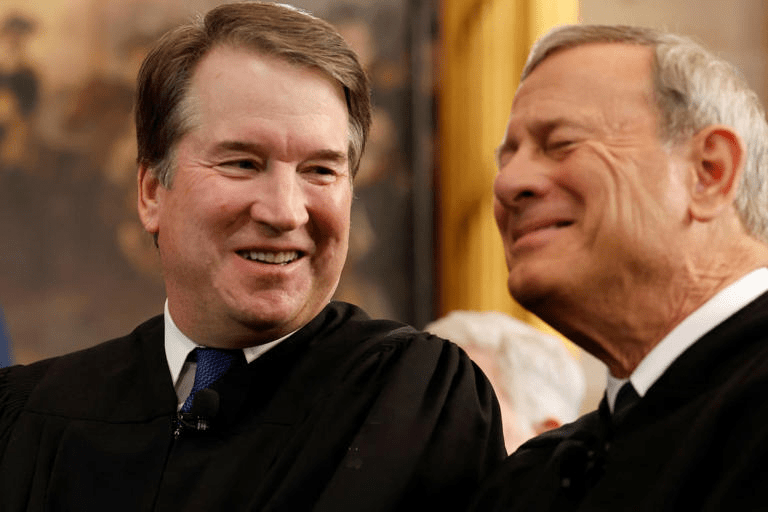
‘Pay attention’: Supreme Court justice gives dire warning about ‘state of our democracy’

Justice Ketanji Brown Jackson urges Americans to “pay attention” amid growing concerns over democracy, referencing controversial Supreme Court rulings and unchecked executive power.


By Carl Gibson | Washington, DC | July 11, 2025

Recently, Supreme Court Justice Ketanji Brown Jackson was asked what keeps her up at night. While she didn’t directly name President Donald Trump, she heavily referenced his administration in her remarks.

Courtesy US Supreme Court Ketanji Brown Jackson, Associate Justice,

The Daily Beast reported Thursday that Jackson — who was appointed to the Supreme Court by former President Joe Biden in 2022 – urged her fellow Americans during a question-and-answer session at the Indianapolis Bar Association to be vigilant about what their government was doing. Jackson’s remarks came in response to a question from moderator Jane Magnus-Stinson, who is a senior U.S. District Judge for the Southern District of Indiana, about what keeps her up at night.

“I would say the state of our democracy,” Justice Jackson said. “I am really very interested in getting people to focus and to invest and to pay attention to what is happening in our country and in our government.”

Though she didn’t elaborate further, Jackson’s comments come after a particularly contentious Supreme Court term. The 6-3 conservative supermajority (which includes three Trump appointees) handed down multiple decisions drastically expanding executive power while curtailing the power of institutions tasked with checking it — including the courts themselves.

Among the most controversial decisions includes the Trump v. Casa case, in which the Court’s conservatives stripped lower courts of the ability to issue nationwide injunctions blocking illegal executive orders from going into effect. That decision was the result of litigation brought against Trump’s day one executive order ending birthright citizenship – which is guaranteed by the 14th Amendment to the U.S. Constitution — for the American-born children of undocumented immigrants.

The majority opinion in Trump v. Casa, which was authored by Trump-appointed Justice Amy Coney Barrett, left the door open for groups of states to obtain relief for their particular jurisdictions, including if they unite in litigation as one class. This means that in states with Democratic attorneys general that have sued to stop Trump’s birthright citizenship order, there would be two classes of citizens (should the Democratic attorneys general ultimately prevail) depending on whether a child of undocumented immigrants is born in a state that won those protections.

Toward the end of the 2024-2025 term, Jackson tore into her colleagues for being captive to “moneyed interests.” Without naming any specific names, the liberal jurist used her dissent in the Diamond Alternative Energy v. Environmental Protection Agency decision (which sided against federal regulations over the fossil fuel industry) to slam her colleagues for “being overly sympathetic to corporate interests.”

Please consider supporting open, independent journalism – no contribution is too small!

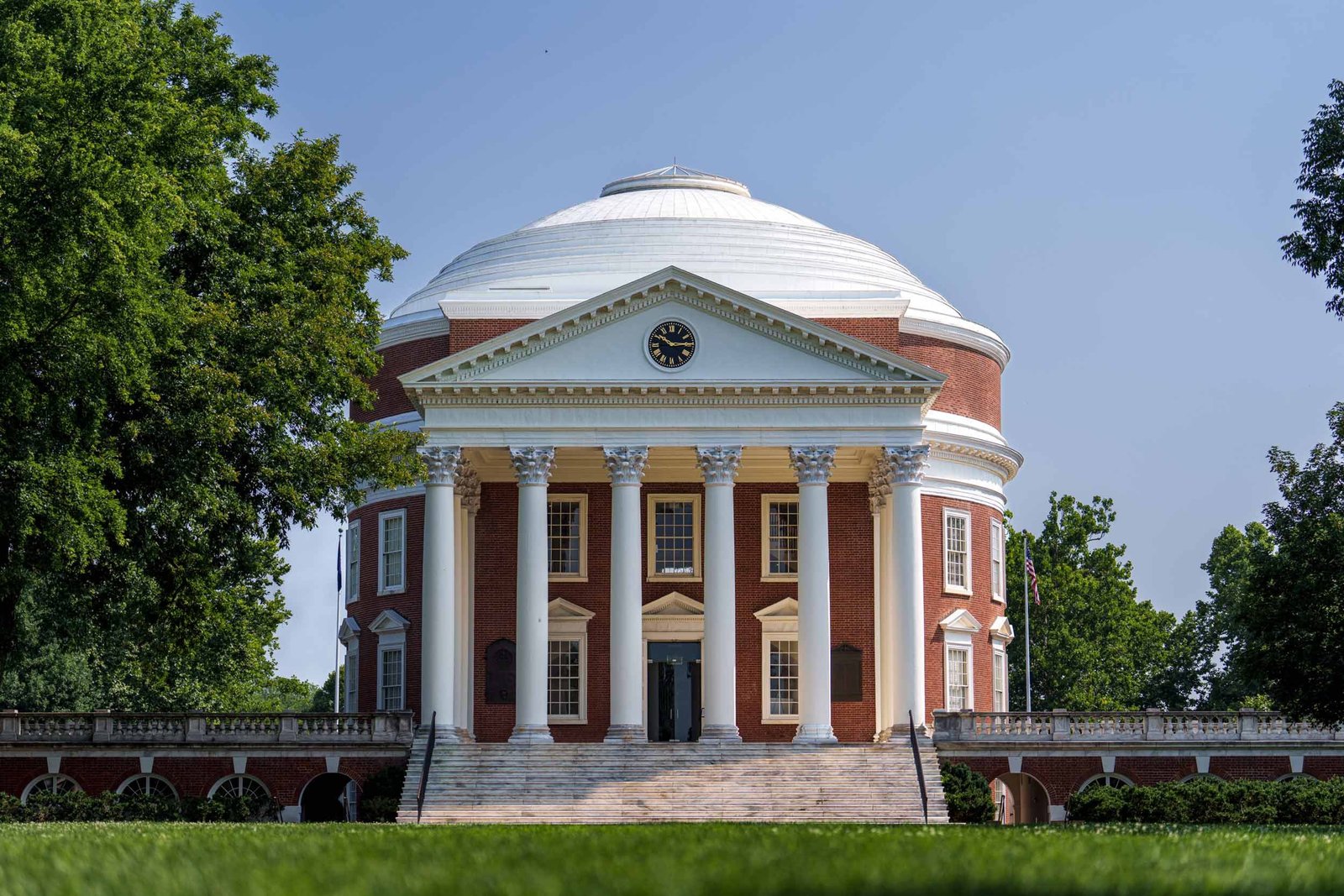
UVA President Resigns to Protect Students, Jobs from Trump’s Threat of Cuts

UVA President Jim Ryan resigns amid Trump administration pressure over DEI policies, raising alarms about political interference in higher education leadership and academic freedom.


By Milton Kirby | Richmond, VA | July 1, 2025

In an unprecedented clash between federal authority and academic independence, University of Virginia President James E. Ryan resigned Friday following what officials described as direct political pressure from President Donald Trump’s administration. The resignation comes amid a federal investigation into the university’s diversity, equity, and inclusion (DEI) efforts.

Virginia Sen. Mark Warner called the resignation “outrageous” during a Sunday appearance on CBS’s Face the Nation. He accused the Trump administration of using the Department of Justice (DOJ) and Department of Education (DOE) as political weapons to dismantle DEI initiatives and force leadership changes at prominent universities.

“This is the most outrageous action this crowd has taken on education,” Warner said. “Jim Ryan had done a very good job. He just completed a major capital campaign. He should not have been forced out.”

According to Warner, UVA received an “explicit” warning from the administration that if Ryan did not resign by a specified deadline, the university would face sweeping federal funding cuts. These included slashed research grants, loss of student financial aid, and revoked international student visas.

Ryan, who had planned to step down next year, ultimately accelerated his departure to shield the UVA community from fallout.

“To make a long story short, I am inclined to fight for what I believe in… But I cannot make a unilateral decision to fight the federal government in order to save my own job,” Ryan wrote in a heartfelt resignation letter Ryan wrote in a heartfelt resignation letter. “To do so would… appear selfish and self-centered to the hundreds of employees who would lose their jobs… and the hundreds of students who could lose financial aid or have their visas withheld.”

Jim Ryan

A Sudden Resignation, a Lasting Impact

The federal investigation into UVA is part of a broader campaign by the Trump administration to dismantle DEI programs in education. Though UVA’s Board of Visitors voted to dissolve its Office for Diversity, Equity, and Inclusion in March, DOJ officials reportedly accused the university of failing to go far enough. A June 17 letter from the department, according to The New York Times, reiterated that the university was still out of compliance.

Ryan’s resignation marks the first time a sitting university president has stepped down under direct federal pressure tied to financial threats. Higher education leaders say the move sets a dangerous precedent.

“This is a dark day for the University of Virginia and a dark day for higher education,” said Ted Mitchell, president of the American Council on Education. “It’s clear the administration is not done and will use every tool it can make or invent to exert its will over higher education.”

Community Reactions

UVA’s Board of Visitors accepted Ryan’s resignation and activated its Continuity of Operations Plan. Executive Vice President and Chief Operating Officer Jennifer “J.J.” Wagner Davis will serve as acting president while a nationwide search for a permanent successor begins.

“Jim Ryan has been an extraordinary president,” said outgoing Rector Robert Hardie. “He has led our institution to unprecedented heights, always doing so with grace and humility… UVA has forever been changed for the better as a result of Jim’s exceptional leadership.”

Ryan’s tenure since 2018 was marked by major institutional growth, including the creation of the School of Data Science, a new performing arts center, and expanded financial aid for Virginia families. He was also instrumental in launching the Karsh Institute of Democracy and a new campus in Northern Virginia.

Warner and fellow Virginia Sen. Tim Kaine released a joint statement calling the DOJ’s demand for Ryan’s resignation “outrageous” and a “mistake that hurts Virginia’s future.”

National Consequences

The Trump administration’s move is part of a broader federal campaign to eliminate DEI practices nationwide. The administration has simultaneously threatened funding for Harvard, Columbia, and other elite universities over race-conscious admissions and hiring.

Critics argue that these moves signal the erosion of higher education’s independence from federal politics.

“There’s grave danger to the quality and future of higher education if these kinds of decisions become a function of the federal government,” said Armand Alacbay of the American Council of Trustees and Alumni.

Peter McDonough, general counsel for the American Council on Education, noted that federal law prohibits the government from micromanaging educational institutions. But the Trump administration has increasingly blurred the lines between political pressure and lawful oversight.

“If universities now have to align with whoever won the last presidential election, that’s a worry,” McDonough said.

A Historic Presidency Ends

Ryan, a first-generation college student who earned his law degree from UVA, had earned widespread respect among students, faculty, and alumni. His final message reflected both sorrow and resolve.

“This was an excruciatingly difficult decision, and I am heartbroken to be leaving this way,” he wrote. “But I could not in good conscience cause any real and direct harm to my colleagues and our students in order to preserve my own position.”

His departure underscores the high stakes battle over academic freedom, public governance, and the future of higher education under renewed federal scrutiny.

Please consider supporting open, independent journalism – no contribution is too small!
UVA President Resigns to Protect Students, Jobs from Trump’s Threat of Cuts

UVA President Jim Ryan resigns amid Trump administration pressure over DEI policies, raising alarms about political interference in higher education leadership and academic freedom.


By Milton Kirby | Richmond, VA | July 1, 2025

In an unprecedented clash between federal authority and academic independence, University of Virginia President James E. Ryan resigned Friday following what officials described as direct political pressure from President Donald Trump’s administration. The resignation comes amid a federal investigation into the university’s diversity, equity, and inclusion (DEI) efforts.

Virginia Sen. Mark Warner called the resignation “outrageous” during a Sunday appearance on CBS’s Face the Nation. He accused the Trump administration of using the Department of Justice (DOJ) and Department of Education (DOE) as political weapons to dismantle DEI initiatives and force leadership changes at prominent universities.

“This is the most outrageous action this crowd has taken on education,” Warner said. “Jim Ryan had done a very good job. He just completed a major capital campaign. He should not have been forced out.”

According to Warner, UVA received an “explicit” warning from the administration that if Ryan did not resign by a specified deadline, the university would face sweeping federal funding cuts. These included slashed research grants, loss of student financial aid, and revoked international student visas.

Ryan, who had planned to step down next year, ultimately accelerated his departure to shield the UVA community from fallout.

“To make a long story short, I am inclined to fight for what I believe in… But I cannot make a unilateral decision to fight the federal government in order to save my own job,” Ryan wrote in a heartfelt resignation letter Ryan wrote in a heartfelt resignation letter. “To do so would… appear selfish and self-centered to the hundreds of employees who would lose their jobs… and the hundreds of students who could lose financial aid or have their visas withheld.”

Jim Ryan

A Sudden Resignation, a Lasting Impact

The federal investigation into UVA is part of a broader campaign by the Trump administration to dismantle DEI programs in education. Though UVA’s Board of Visitors voted to dissolve its Office for Diversity, Equity, and Inclusion in March, DOJ officials reportedly accused the university of failing to go far enough. A June 17 letter from the department, according to The New York Times, reiterated that the university was still out of compliance.

Ryan’s resignation marks the first time a sitting university president has stepped down under direct federal pressure tied to financial threats. Higher education leaders say the move sets a dangerous precedent.

“This is a dark day for the University of Virginia and a dark day for higher education,” said Ted Mitchell, president of the American Council on Education. “It’s clear the administration is not done and will use every tool it can make or invent to exert its will over higher education.”

Community Reactions

UVA’s Board of Visitors accepted Ryan’s resignation and activated its Continuity of Operations Plan. Executive Vice President and Chief Operating Officer Jennifer “J.J.” Wagner Davis will serve as acting president while a nationwide search for a permanent successor begins.

“Jim Ryan has been an extraordinary president,” said outgoing Rector Robert Hardie. “He has led our institution to unprecedented heights, always doing so with grace and humility… UVA has forever been changed for the better as a result of Jim’s exceptional leadership.”

Ryan’s tenure since 2018 was marked by major institutional growth, including the creation of the School of Data Science, a new performing arts center, and expanded financial aid for Virginia families. He was also instrumental in launching the Karsh Institute of Democracy and a new campus in Northern Virginia.

Warner and fellow Virginia Sen. Tim Kaine released a joint statement calling the DOJ’s demand for Ryan’s resignation “outrageous” and a “mistake that hurts Virginia’s future.”

National Consequences

The Trump administration’s move is part of a broader federal campaign to eliminate DEI practices nationwide. The administration has simultaneously threatened funding for Harvard, Columbia, and other elite universities over race-conscious admissions and hiring.

Critics argue that these moves signal the erosion of higher education’s independence from federal politics.

“There’s grave danger to the quality and future of higher education if these kinds of decisions become a function of the federal government,” said Armand Alacbay of the American Council of Trustees and Alumni.

Peter McDonough, general counsel for the American Council on Education, noted that federal law prohibits the government from micromanaging educational institutions. But the Trump administration has increasingly blurred the lines between political pressure and lawful oversight.

“If universities now have to align with whoever won the last presidential election, that’s a worry,” McDonough said.

A Historic Presidency Ends

Ryan, a first-generation college student who earned his law degree from UVA, had earned widespread respect among students, faculty, and alumni. His final message reflected both sorrow and resolve.

“This was an excruciatingly difficult decision, and I am heartbroken to be leaving this way,” he wrote. “But I could not in good conscience cause any real and direct harm to my colleagues and our students in order to preserve my own position.”

His departure underscores the high stakes battle over academic freedom, public governance, and the future of higher education under renewed federal scrutiny.

Please consider supporting open, independent journalism – no contribution is too small!

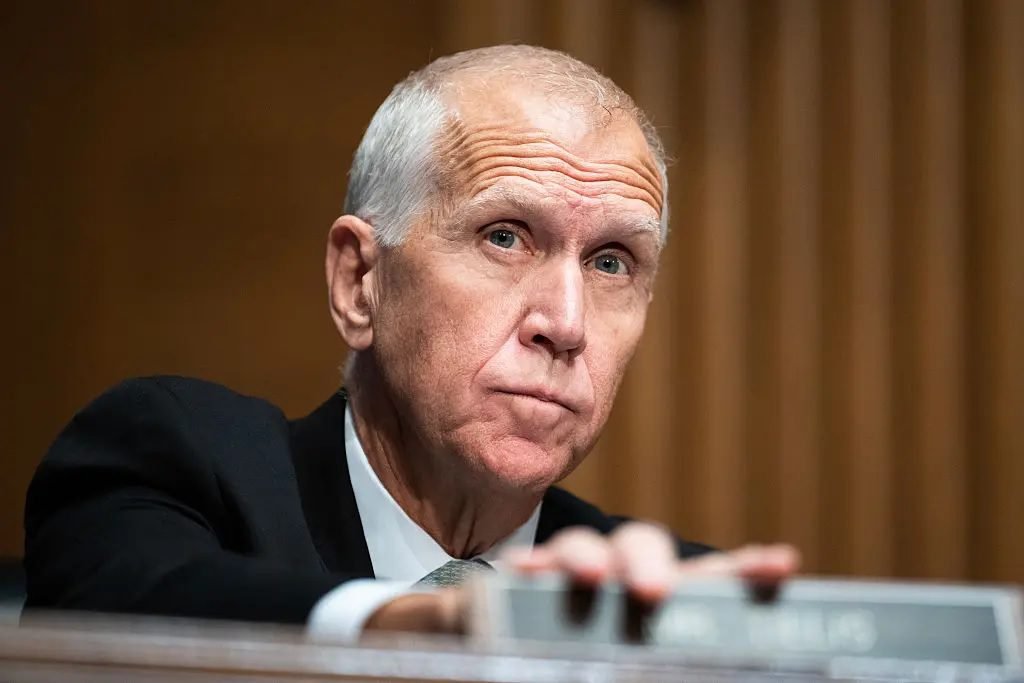
Moderate NC Senator Thom Tillis Succumbs to Pressure from Trump

North Carolina Sen. Thom Tillis won’t seek reelection in 2026 after Trump-backed threats, setting up a high-stakes GOP primary and Senate battleground showdown.


By Milton Kirby | Charlotte, NC | June 30, 2025

Sen. Thom Tillis will not seek reelection in 2026. The North Carolina Republican made the surprise announcement on Sunday, following increasing pressure from President Donald Trump.

Tillis, 64, said the decision came after deep reflection. “It’s not a hard choice,” he said, choosing family time over “six more years of political theatre.” This personal sacrifice resonates with many who understand the importance of family and personal time.

But the timing raised eyebrows. Just days earlier, Tillis voted against Trump’s flagship domestic bill, the One Big Beautiful Bill Act (OBBB). Trump lashed out online, branding Tillis “a talker and complainer, NOT A DOER!”

The president also said “numerous people” were lining up to challenge Tillis in a GOP primary. “Great news!” Trump posted after Tillis stepped aside.

Privately, Tillis had long wrestled with whether to run. He told friends he wanted space from Trump and support from GOP leaders—neither materialized.

His vote against the OBBB bill, which included Medicaid cuts and controversial tax provisions, became a turning point. He warned colleagues the bill would cost him his seat in a swing state like North Carolina.

It was reported by several news agencies that Trump personally called Tillis Friday urging support. When Tillis held firm and voted no, Trump began publicly attacking him.

By Sunday, Tillis had moved up his retirement timeline. “Leaders who value bipartisanship and independent thinking are becoming endangered,” he said.

His departure sets off a crowded Republican primary. Rep. Pat Harrigan is a likely candidate. Lara Trump, the president’s daughter-in-law, is “strongly considering” a run.

GOP figures such as Rep. Tim Moore, Rep. Greg Murphy, Rep. Richard Hudson, and RNC Chair Michael Whatley are also eyeing the seat.

Sen. Tim Scott (R-SC), head of the Senate GOP campaign arm, downplayed Tillis’ exit. “That streak will continue in 2026,” he said, referring to GOP control of North Carolina’s Senate seats.

Democrats see a major opportunity. Former Rep. Wiley Nickel has launched a campaign. But national leaders are urging former Gov. Roy Cooper to run. This potential for change in the upcoming election brings a sense of hope to the political landscape.

Cooper is expected to make a decision this summer. If he enters, he will likely clear the field.

The Cook Political Report shifted the race to “Toss Up” after the announcement. With control of the Senate on the line, Democrats hope to flip the seat, potentially altering the balance of power in the Senate.

Democratic Senatorial Campaign Committee spokesperson Maeve Coyle called Tillis’ retirement “another blow to Republicans,” saying the Medicaid cuts were too toxic to defend.

Tillis joins Rep. Don Bacon (R-NE) as the second Republican moderate to retire this week. Both cited frustration with rising partisanship.

His retirement also gives him new freedom. “I look forward to calling the balls and strikes as I see them,” he said, promising to finish his term with integrity.

Tillis first won the seat in 2014. A former state House speaker, he survived two close races and was once seen as a rising GOP star.

But his moderate streak—and support for bipartisan infrastructure and gun safety bills—earned him enemies on the right.

Now, in what is often referred to as ‘Trump’s GOP’, there is little room for dissent. And Thom Tillis, seeing no clear path forward within this political climate, decided to step aside.

Please consider supporting open, independent journalism – no contribution is too small!

How Much Did Trump’s Strikes Damage Iran?

Despite bold claims of obliteration, U.S. airstrikes on Iran’s nuclear facilities face scrutiny as experts warn true damage and uranium status remain uncertain.


By Olivier Knox | US News | June 25, 2025

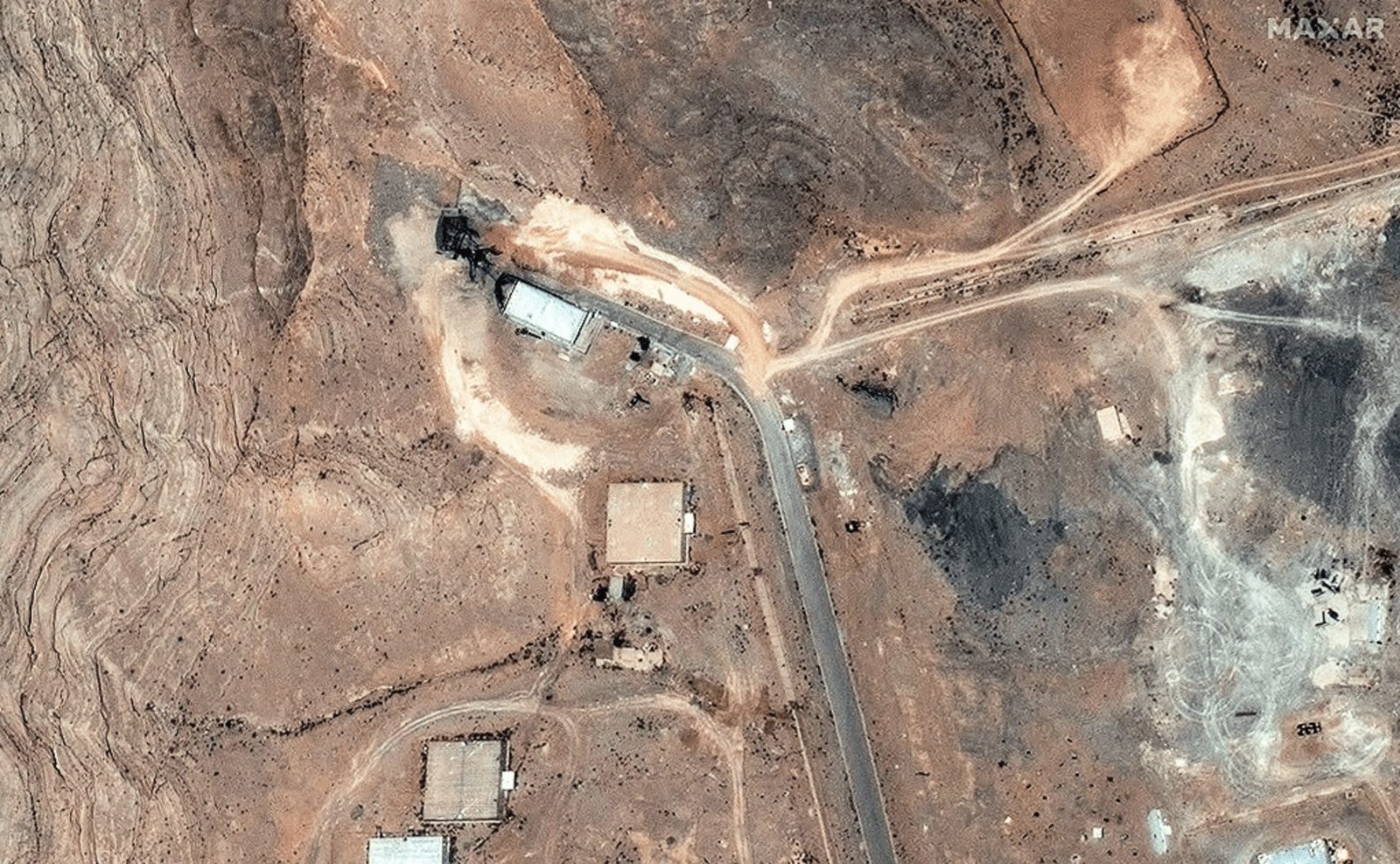
U.S. warplanes and Tomahawk missiles hit the targets they meant to hit. The stealth bombers then exited Iranian airspace with no losses. Day-after satellite imagery suggested significant damage – it’s not all obvious because one of the sites is burrowed into a mountain.

The United Nations nuclear watchdog agency, the International Atomic Energy Agency, said that even if American bombs did not reach all the way into Iran’s underground facilities, “given the explosive payload utilized, and the extreme vibration-sensitive nature of centrifuges, very significant damage is expected to have occurred.”

•           The U.S. strikes came after an Israeli campaign targeting top Iranian nuclear scientists, reportedly killing at least 14 of them. Israel also systematically went after the SPND, which is basically a military research and development arm of the Iranian military and is thought to oversee the country’s nuclear program.

On a deeper level, we’re left with a lot of questions: What’s the state of Iran’s nuclear and missile programs? Did Iranian stockpiles of enriched uranium survive? Can the Iranians rebuild? Will they choose to do so? Did the strikes ruin chances of negotiations between Washington and Tehran?

On the last one, Trump said on the sidelines of a NATO summit in The Hague that he expected talks to resume next week.

‘OBLITERATED.’ Or Maybe Not?

In remarks to the nation from the White House, Trump quickly declared the strikes had “completely and fully obliterated” Iran’s principal sites for uranium enrichment – a process central to building an atomic weapon.

Gen. Dan Caine, the chairman of the Joint Chiefs of Staff, said the Iranian facilities had suffered “extremely severe damage and destruction” and that it would take time to assess the actual results.

Defense Secretary Pete Hegseth declared “our bombing campaign obliterated Iran’s ability to create nuclear weapons.”

On Tuesday, The New York Times and other outlets reported that a preliminary, classified Defense Intelligence Agency assessment found that the weekend strikes only set back Iran’s nuclear program by a few months, citing officials familiar with the DIA’s findings.

•           According to the DIA report, the strikes sealed off the entrances to two of the three principal targets but did not collapse their underground operations.

•           The assessment also said Iran moved much of its stockpile of enriched uranium before the strikes. “Some of that may have been moved to secret nuclear sites maintained by Iran,” the Times said.

•           U.S. officials pointedly noted that the DIA’s findings were “low confidence.”

•           The White House promptly denounced “fake news.” And Trump condemned CNN, MSNBC and The New York Times as “scum.”

But appearing on ABC’s “This Week” on Sunday, Vice President JD Vance had implicitly acknowledged that some amount of Iran’s uranium stocks was unaccounted for.

“We’re going to work in the coming weeks to ensure that we do something with that fuel,” Vance said. “And that’s one of the things that we’re going to have conversations with the Iranians about.”

The ‘BDA’

Get ready to hear a lot more pundits and officials refer to “the BDA.” That’s “battle-damage assessment.”

To understand the road from here, I reached out to Eric Edelman, a diplomat by training who has served in senior positions at the departments of State and Defense, and is someone I have known for years.

“BDA is always tricky and first reports are not usually reliable,” Eric cautions. But, he says, “‘obliterated’ is not a term that any serious military or intel(ligence) analyst would use.”

“It may be a few weeks or more before people will be able to come to reasonable judgment about how effective the Israeli and U.S. bombing has been on degrading the Iranian program,” Eric says, while noting that experts think Iran’s atomic ambitions have been severely set back.

•           A comprehensive BDA will include MASINT (measurement and signature intelligence) to assess damage to Iran’s Fordo site, dug into a mountain. The word Eric used is “subsidence,” which I did not know. It’s basically “how much a given stretch of land caved in.”

•           There will also be COMINT (communications intelligence, like intercepted phone calls), SIGINT (signals intelligence, any intercepted electronic messaging).

“The proliferation of open-source intelligence seems to have turned everybody and their brother into an expert but there are a lot of variables at play here and assessments are always tinged with a range of uncertainties,” Eric says.

So now, we wait.

Please consider supporting open, independent journalism – no contribution is too small!
Trump Allies Rage as Nobel Nomination Is Withdrawn

Donald Trump Jr. blasts Nobel Committee for racism, slamming its decision to honor Obama while denying Trump the Peace Prize despite recent ceasefire efforts.

By Milton Kirby | Atlanta, GA | June 25, 2025

Donald Trump Jr. set off a contentious debate on Tuesday, accusing the Nobel Peace Prize Committee of racism. His scathing remarks, questioning the Committee’s decision to honor former President Barack Obama while overlooking his father, Donald Trump, sparked a heated discussion.

“Affirmative action is when Barack Obama gets the Nobel Peace Prize instead of Donald Trump,” Trump Jr. posted on X, formerly Twitter, sparking instant backlash and reigniting a long-standing partisan grudge over the international award.

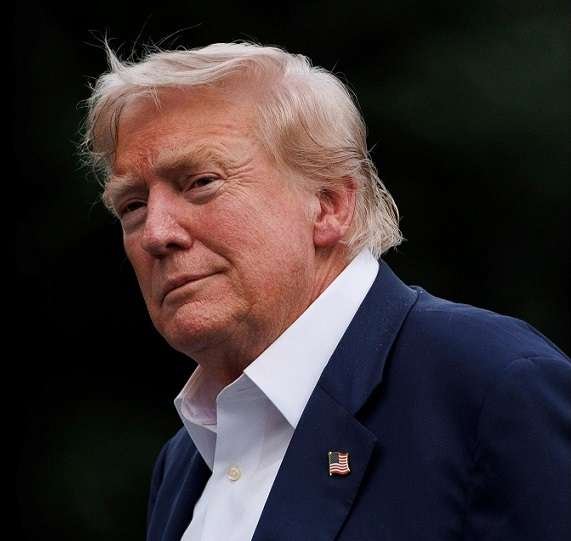
President Donald Trump on the South Lawn of the White House in Washington D.C. on Saturday Photo/Jose LuisIS Magana

The comments came the same day Rep. Buddy Carter (R-Ga.) nominated Trump for the 2026 Nobel Peace Prize, citing his recent diplomatic efforts to broker a ceasefire between Israel and Iran. “In recognition of his extraordinary and historic role,” Carter wrote in a letter to the Norwegian Nobel Committee, “President Trump deserves this honor.”

Carter’s nomination adds to a growing list of Nobel bids on Trump’s behalf, following similar proposals for his roles in the Abraham Accords, Serbia-Kosovo relations, and various international talks. However, this one came with a twist: it was dropped just as another nomination was being pulled.

Oleksandr Merezhko, a senior Ukrainian lawmaker who nominated Trump last year for his proposed resolution of the War in Ukraine, told Newsweek on Tuesday that he had formally withdrawn his nomination. Merezhko, head of Ukraine’s parliamentary foreign affairs committee, said he had “lost any sort of faith and belief” in Trump’s peacemaking abilities.

“Trump promised a swift resolution to the conflict. That hasn’t happened,” Merezhko explained. “Instead, attention has shifted away from Ukraine entirely.”

Trump, who returned to the White House in January, entered office pledging to end Europe’s largest armed conflict since World War II within 24 hours. Six months later, the War grinds on, and hopes for a negotiated settlement have largely faded. Though the administration has redirected diplomatic energy toward the Middle East, critics point to recent U.S. airstrikes in Iran as contradictory to the “peacemaker” image his supporters are trying to project.

Nonetheless, Pakistan recently backed a nomination of Trump for his role in facilitating a temporary ceasefire between India and Pakistan. His allies argue the breadth of his international engagement—despite the controversies—should qualify him for Nobel consideration. 

A History of Nominations, Not Awards

The fight over Trump’s Nobel legitimacy has been building for more than a decade. Obama received the Peace Prize in 2009, just months into his presidency, a decision that was controversial even among his supporters. The Nobel Committee said the prize was awarded for Obama’s “extraordinary efforts to strengthen international diplomacy and cooperation between peoples,” but even Obama remarked that he was “surprised and deeply humbled.”

Republicans weren’t just surprised—they were furious. Since then, right-wing politicians and media figures have pushed hard for Trump to receive the same honor. He’s been nominated nearly every year since 2018:

  • In 2018 and 2020, for diplomatic overtures in North Korea and elsewhere.
  • Three times in 2021—twice for the Abraham Accords between Israel and several Gulf nations and once for brokering a trade deal between Serbia and Kosovo.
  • Again in 2024, for the same accomplishments.

With Trump now back in office as the 45th and 47th president, his camp has been even more vocal. This spring’s ceasefire in the Middle East between Iran and Israel offered the latest opportunity. Rep. Carter seized it—promptly submitting his nomination before any GOP rivals could.

The move may also serve Carter’s political interests. The congressman is a declared candidate for the U.S. Senate seat currently held by Democrat Jon Ossoff. Securing Trump’s endorsement could be crucial in a GOP primary that may include prominent challengers like Georgia Insurance Commissioner John King.

Carter is no stranger to MAGA theatrics. Earlier this year, he introduced a satirical bill proposing that Trump be authorized to buy Greenland and rename it “Red, White, and Blueland.” 

Political Theater Meets International Recognition

Critics argue that Nobel Peace Prize nominations have become little more than political tools, citing the ease with which they can be submitted. Any national legislator, university professor, or organization leader can nominate someone for the prize by submitting a formal letter. And while hundreds of nominations are submitted annually, the vast majority never receive serious consideration.

“The fact that someone can nominate Trump doesn’t mean he’s close to winning,” one Nobel historian noted. “Nor does it reflect a consensus about the value of his actions.”

Still, the Trump camp sees a double standard.

“They gave Obama the Peace Prize before he even did anything,” Trump Jr. raged on social media. “My father literally brokered peace in the Middle East, and they ignored him. What else do you call that besides racism?”

That assertion is widely disputed. Historians and peace scholars argue that the committee’s decision to honor Obama may have been aspirational but was rooted in a different era—post-Iraq War, post-Bush presidency—when multilateralism and diplomacy were seen as urgent correctives.

In contrast, Trump’s diplomacy often comes wrapped in saber-rattling rhetoric. It is interwoven with military actions—such as his controversial decision to launch airstrikes on Iranian nuclear sites last week. While hailed by some for putting pressure on Tehran, the attacks raised concerns about further destabilizing the region.

What Comes Next?

The 2026 Nobel Peace Prize will be announced in October. Whether Trump’s latest nomination makes the shortlist is anyone’s guess. The committee does not publicly comment on nominations for 50 years, and speculation usually arises only after leaks.

One thing, however, is certain: Trump’s supporters, including his son and allies like Rep. Carter, will continue pressing the case. Their underlying goal may be less about the Nobel Prize and more about reinforcing the image of Trump as a global leader—regardless of whether that vision aligns with global reality.

Please consider supporting open, independent journalism – no contribution is too small!

Alvin Bragg, Manhattan prosecutor who took on Trump, wins Democratic primary in bid for second term

Manhattan DA Alvin Bragg wins Democratic primary, advancing to face GOP challenger amid high-profile Trump and Weinstein prosecutions and growing national spotlight on criminal justice.

By Jennifer Pelts | Associated Press | June 24, 2025

 Manhattan District Attorney Alvin Bragg, the prosecutor who oversaw the historic hush-money case against President Donald Trump, won Tuesday’s Democratic primary as he seeks reelection.

Bragg defeated Patrick Timmins — a litigator, law professor and former Bronx assistant district attorney — to advance to November’s general election. About 70% of registered Manhattan voters are Democrats.

The first-term incumbent will face Republican Maud Maron, who was a public defender for decades and previously ran for Congress and NYC’s City Council as a Democrat.

Bragg has long been one of the nation’s most prominent prosecutors, spotlighted in TV’s “Law & Order” and other shows. The DA directs about 600 attorneys in one of the biggest local prosecutors’ offices in the U.S.

He raised the office’s profile still further by bringing the hush-money case. His predecessor, fellow Democrat Cyrus R. Vance Jr., spent years investigating various Trump dealings but didn’t procure an indictment.

Bragg decided to focus on how and why porn actor Stormy Daniels was paid $130,000 to clam up about her claims of a 2006 sexual encounter with the married Trump. The payment was made, through the then-candidate’s personal attorney, weeks before the 2016 presidential election. Trump’s company records logged the money as a legal expense.

Trump denied any wrongdoing and any sexual involvement with Daniels. But a jury last year found him guilty of 33 felony counts of falsifying business records, the first-ever felony conviction of a former — and now again — U.S. commander in chief.

rump is appealing the verdict. The Republican president has long derided the case as a political “witch hunt,” and he has kept lambasting Bragg by social media as recently as March.

Bragg, 51, was a civil rights lawyer, federal prosecutor and top deputy to New York’s attorney general before becoming DA. Raised in Harlem and educated at Harvard, he’s the first Black person to hold the post.

His tenure had a rocky start. Days after taking office in 2022, he issued a memo telling staffers not to prosecute some types of cases, nor seek bail or prison time in some others. After criticism from the police commissioner and others, Bragg apologized for creating “confusion” and said his office wasn’t easing up on serious cases.

The matter continued to animate his critics. Trump repeatedly branded Bragg “soft on crime,” and Timmins said on his campaign site homepage that the memo “has brought about increased crime and a perception of chaos in the subway and on our streets.”

Timmins — who has raised about $154,000 to Bragg’s $2.2 million since January 2022 — also pledged to do more to staunch subway crime, keep cases from getting dismissed for failure to meet legal deadlines, and prioritize hate crimes, among other things.

Bragg’s campaign emphasized his efforts to fight gun violence, help sexual assault survivors, prosecute hate crimes and go after bad landlords and exploitative bosses, among other priorities.

His office, meanwhile, has been enmeshed in a string of high-profile cases in recent months.

The office is using a post-9/11 terrorism law to prosecute UnitedHealthcare CEO killing suspect Luigi Mangione, lost a homicide trial against Marine veteran and Republican cause célèbre Daniel Penny in a case that stirred debate about subway safety and self-defense, and retried former movie mogul Harvey Weinstein on sex crimes charges.

Mangione, Penny and Weinstein all pleaded not guilty.

Bragg unexpectedly inherited the Vance-era Weinstein case after an appeals court ordered a new trial. In a jumbled outcome, jurors this month convicted Weinstein on one top charge, acquitted him of another and didn’t reach a verdict on a third, lower-level charge — which Bragg aims to bring to trial a third time.

Please consider supporting open, independent journalism – no contribution is too small!
6 Unknowns After Trump Strikes Iran

Trump’s strike on Iran raises global stakes, questioning nuclear impact, retaliation, diplomacy, U.S. war powers, and MAGA unity in a potential turning point for his presidency.

By Olivier Knox | US News | June 23, 2025

President Donald Trump went all in this weekend on the biggest gamble of his second term: A direct military strike on Iran, aimed at destroying – or at least setting back – that country’s nuclear program. Here are six questions the historic attack raises.

1. How Effective Was It?

Trump says the American strikes “completely and totally obliterated” Iran’s main facilities for uranium enrichment – the process of making fuel potent enough for nuclear bombs.

But neither Defense Secretary Pete Hegseth nor Gen. Dan Caine, the chairman of the joint chiefs of staff, would say whether Iran retained the ability to make a nuclear weapon. Caine said the Iranian facilities had suffered “extremely severe damage and destruction” and that it would take time to assess the actual results. That’s not just a Pentagon job: The International Atomic Energy Agency, should it gain access to the sites, could also weigh in.

2. Does Iran Retaliate?

The American strikes, like the Israeli attacks that preceded them, came at a time when Iran is historically weak. Most of its regional proxies – Hamas in Gaza, Hezbollah in Lebanon – have been bloodied, raising doubts about their ability to retaliate on Tehran’s behalf.

But the roughly 40,000 U.S. military personnel on the ground in the region could still face threats from Iran-aligned militias in Syria and Iraq, as well as the Houthis in Yemen, who withstood a U.S. military campaign earlier this year.

On Monday, Iran said it had fired a volley of missiles at the al-Udeid Air Base in Qatar, home to thousands of U.S. troops. Qatar said its air defenses intercepted the rockets. There were no reports of deaths or injuries.

Iran’s parliament has approved a measure endorsing the closure of the Strait of Hormuz, a choke point for international trade, according to Iranian state media. If Tehran successfully shuts it down, it could lead to higher gas prices and disrupted supply chains in Europe and the United States.

In the past, American decisionmakers told me they worried about Iranian retaliation in the form of terrorist attacks. That’s a huge question mark here – and it would sharply escalate the conflict.

3. Are the U.S.-Iran Talks Dead?

Did the U.S. attack kill off prospects of nuclear negotiations with Iran? Or did it create the conditions for coercive diplomacy?

Asked whether diplomacy was still an option, Iranian Foreign Minister Abbas Araghchi told reporters in Istanbul: “This is not the case right now.”

In the aftermath of the strikes, senior American officials played down the prospects the attack was just the start of a broader military campaign – while retaining that as an option.

“This is most certainly not open-ended,” Hegseth said.

But the enemy gets a vote. And American warnings of, “If they hit back, we’ll hit back harder” makes this open-ended.

4. What Will Russia and China Do?

Russia and China were central to the diplomacy that yielded a nuclear deal with Iran under President Barack Obama. Trump ripped it up, saying he would quickly get a better deal. He did not, which is part of what got the world to the current volatile moment.

Iran’s foreign minister headed to Moscow on Monday to seek help from Russian President Vladimir Putin, Reuters reported. It was not immediately clear what sort of assistance Tehran wants.

China has condemned the attacks. So did Putin. But the real question is if they object enough to take practical action.

5. Is Congress Out of The ‘War’ Conversation?

Every White House I have covered – from the last days of President Bill Clinton onward – has had a testy relationship with Congress when it comes to which branch of government decides whether, when and how young Americans will be hurled into military conflict abroad.

The Constitution vests Congress with the power to declare war or authorize the use of military force. It also declares that the president is commander in chief of the armed forces.

I have not yet seen a formal administration notification to Congress laying out the legal justification for striking Iran. What will they formally invoke?

But Trump is hardly the first president to sideline Congress in matters of war. More on that in tomorrow’s newsletter.

6. Will MAGA Fissure?

After condemning his predecessors’ “forever wars” and repudiating the neocon blueprint that led to open-ended interventions in the Middle East, Trump has now delivered the neocon dream project: A military attack to try to neuter Tehran’s nuclear program and possibly precipitate regime change.

Some of his most fervent supporters had warned in the run up to this weekend’s strikes that this would amount to an “unforgivable betrayal” of his voters.

Will the movement fissure? Probably not. Trump has proved time and time again that Republicans may kvetch a bit but will eventually line up behind him.

Please consider supporting open, independent journalism – no contribution is too small!

Exit mobile version