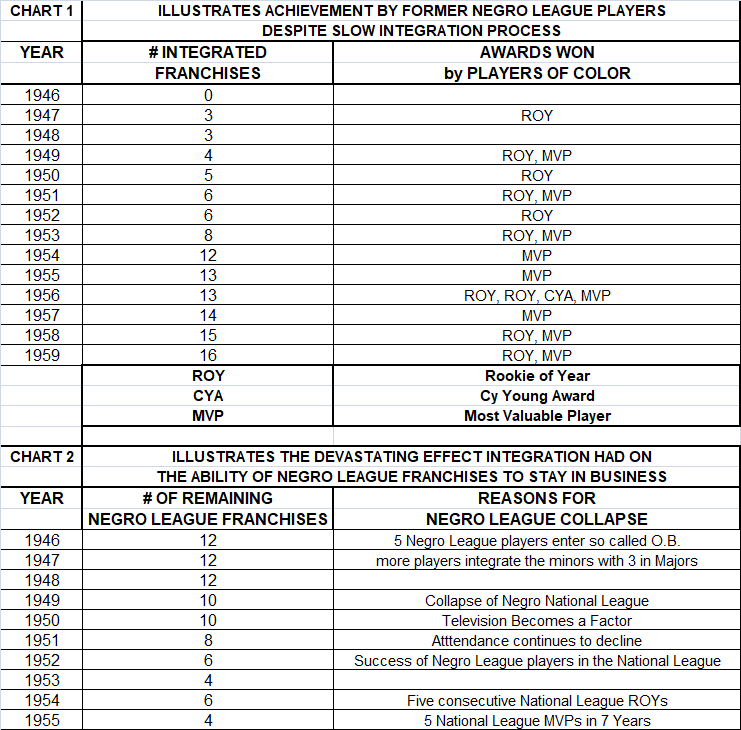
A few weeks ago, I asked readers: What manager has been named to the Baseball Hall of Fame for Negro League performance? Nobody offered a guess, so I gave everybody credit because just like umpires, second baseman, right fielders, and true left fielders — there are no managers in the Hall for Negro League play. To be clear, 24 of the 37 Negro League Hall of Famers did manage but none of them are in for that role.
This begs the question – which Negro League managers do deserve – like John McGraw, Connie Mack, or Ned Hanlon – induction in Cooperstown.
My favorite Negro League Hall of Fame Managerial Candidates:
#5 Frank Duncan, jr – true baseball lifer … guided the Kansas City Monarchs to a World Series win as a rookie manager in 1942 … 86 games over .500 … captured another pennant after the war in ’46. Managed five Hall of Famers. Ranked 59th most eligible candidate in the 42 for ’21 poll.
#4 Frank Warfield – a favorite of mine but not a first ballot candidate … among his strengths: his career record is 84 games over .500, with three pennants (with two different franchises) and a 1925 World Series title with the Hilldale Club. Manage 8 Hall of Famers. Ranked 56th in the 42 for ’21.
SLAM DUNKS:
#3 Dave Malarcher – perhaps a stronger candidate as a third baseman … succeeded Rube Foster as American Giant manager during the ’26 season; stabilized the team capturing 2nd half flag, defeating the Monarchs in the playoff before winning the World Series over Atlantic City. Repeated in ’27 over those same Atlantic City Bacharach Giants. Won a 3rd pennant in ’32. Managed 4 Hall of Famers. 22nd in the 42 for ’21 poll.
#2 Candy Jim Taylor – 13th in the 42 for ’21 poll (although 3rd in his family behind Hall of Famer Ben Taylor and 11th place C.I. Taylor) … managed more games in Negro League play than all other managers … like Connie Mack, Candy Jim had a losing record but did capture two World Series and three pennants … managed 14 Hall of Famers
#1 Vic Harris has the best winning percentage of any Major League manager with more than 370 games in the dugout … Only three managers (McGraw, Mack, McCarthy) during the Segregated Era have won more than his seven pennants. He is ranked 6th in the 42 for ’21 poll and has managed 15 Hall of Fame players.
All three of those Harris, Taylor and Malarcher should have been in the National Baseball Hall of Fame years ago.
Others deserving consideration: Quincey Trouppe, Felton Snow, Grant Johnson, C.I. Taylor, John Reese, Jose Maria Fernandez, Dizzy Dimukes, Piper Davis, and Winfield Welch. Many of these also should be considered as executives (Taylor) and/or players (Johnson, Trouppe, Davis). I guess my main point would be the Hall of Fame has some work to do in honoring Negro League players in general and Managers specifically.
The Shadowball Significa Question of the Week: Who was the first African American pitcher to toss a no hitter in Major League baseball? I will accept two answers for this question for reasons that will be obvious next column – dateline April 14th, 2nd Tuesday of the month. Send your answer and any comments on the Negro Leagues to shadowball@truthseekersjournal.com or Shadow Ball, 3904 N Druid Hills Rd, Ste 179, Decatur, GA 30033
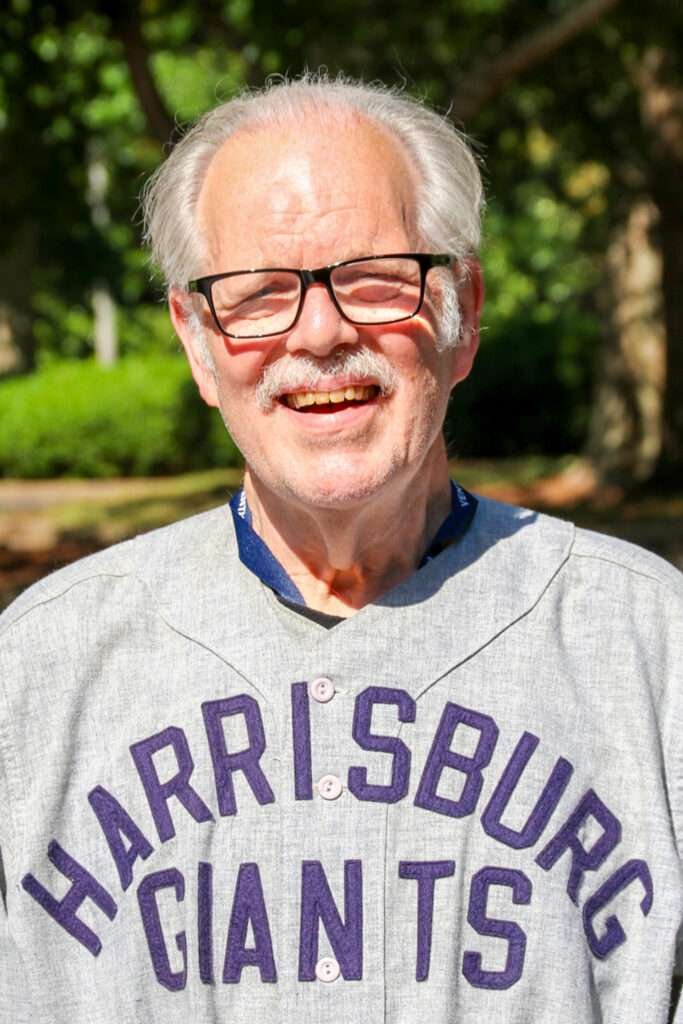
Ted Knorr
Last week’s The Shadowball Significa Question of the Week: Who was Major League slugger Barry Bonds Godfather? No one offered a guess, but it was another five tool outfielder Willie Mays. I hope some more folks offer a guess to this week’s Significa question above.
Ted Knorr is a Negro League baseball historian, longtime member of the Society for American Baseball Research’s Negro League Committee, and founder of the Jerry Malloy Negro League Conference and several local Negro League Commemorative Nights in central Pennsylvania.
By Florita Bell Griffin, Ph.D. | Houston, TX | March 24, 2026
Optimization is usually presented as improvement. Processes become faster. Costs are reduced. Outputs become more consistent. From a technical perspective, optimization appears neutral, even beneficial. It is framed as refinement rather than change.
Yet many people experience optimization differently. Instead of feeling helped, they feel diminished. Something familiar disappears. Interactions become thinner. Choice narrows. What was once flexible becomes rigid. Optimization begins to feel like loss. This reaction is often dismissed as sentimentality or resistance. In reality, it is a response to missing context.
Optimization works by isolating variables. It simplifies complexity so that systems can be measured, tuned, and controlled. In doing so, it necessarily strips away elements that are harder to quantify: judgment, nuance, exception, and local knowledge. These elements are not remembered unless they are explicitly preserved. When they disappear, people notice.
Consider a workplace that optimizes workflows to eliminate inefficiency. Tasks are standardized. Timelines tighten. Decision paths are clarified. Productivity increases. Yet employees feel less trusted. Their discretion shrinks. Work becomes predictable but less meaningful. What has been optimized is output. What has been lost is agency.
The same pattern appears in consumer systems. A service streamlines its interface to reduce steps. Defaults are chosen automatically. Recommendations replace exploration. The experience becomes easier, yet also narrower. Users reach outcomes more quickly, but they lose the sense of navigating on their own terms. Optimization has removed friction, but it has also removed participation.
Loss emerges when optimization forgets what the system once accommodated. Early versions of systems often include space for improvisation. Users adapt tools to fit their needs. Workarounds emerge. Informal practices develop. These are signals of human engagement, not inefficiency. When optimization erases them, it erases evidence of how people actually live with systems.
Context explains why this matters. Context carries meaning across time. It holds the reasons certain choices existed, why exceptions were allowed, and how people compensated for system limitations. When optimization proceeds without carrying this context forward, it creates discontinuity. The system may improve internally while becoming less inhabitable externally.
This is especially visible to people with experience. They remember what the system used to allow. They recognize when flexibility has been replaced by constraint. They understand that what appears cleaner on paper can feel harsher in practice. Their response is not nostalgia. It is pattern recognition.
Optimization also changes how systems treat difference. Variability is often treated as noise to be eliminated. Edge cases become burdens. Diversity of use becomes inefficiency. Over time, systems optimize toward the average while marginalizing those who fall outside it. The system performs well for many while quietly excluding some.
Consider an automated eligibility system designed to speed up approvals. Clear rules reduce processing time. Decisions become consistent. Yet applicants with non-standard circumstances struggle to fit. Appeals are difficult. Explanations are limited. The system optimizes for throughput while losing the ability to respond humanely to complexity. For those affected, optimization feels like erasure.
Context restores balance. Systems that retain context recognize why variation exists. They preserve space for exception. They document rationale alongside rules. They allow optimization to proceed without flattening lived reality. Context ensures that improvement does not require forgetting.
Loss is felt when people no longer recognize themselves in the system. When familiar ways of working vanish without explanation. When judgment is replaced by enforcement. When speed replaces consideration. These shifts accumulate quietly, creating distance between system and user.
Optimization without context accelerates this distance. It privileges internal coherence over external meaning. It improves metrics while weakening trust. Over time, systems become harder to live with even as they become easier to measure.
This does not mean optimization should stop. It means optimization should remember. Systems must carry forward the context that made earlier versions workable. They must treat human adaptation as information, not inefficiency. They must recognize that not everything valuable can be optimized away.
Context is what allows systems to evolve without hollowing out. It anchors improvement to purpose. It preserves continuity between what a system does and why it exists. Without it, optimization feels subtractive.
When optimization includes context, improvement feels supportive. Change remains intelligible. People stay oriented. Loss is avoided not by preserving the past unchanged, but by carrying forward what mattered.
In an era of accelerating automation and data-driven decision-making, this distinction becomes critical. Systems that optimize without context will continue to function while alienating those they serve. Systems that optimize with context retain legitimacy.
Optimization is powerful. Context makes it humane.
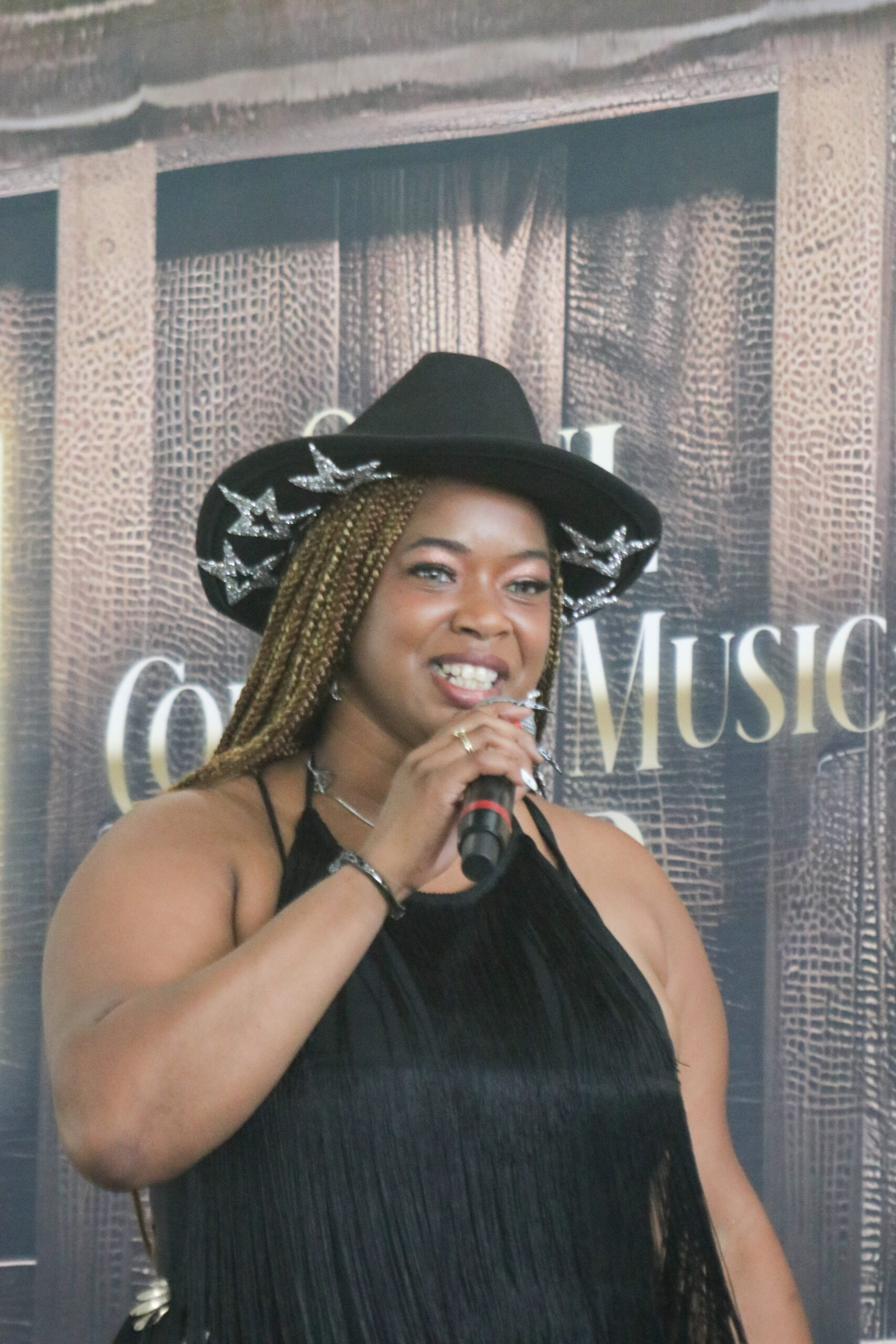
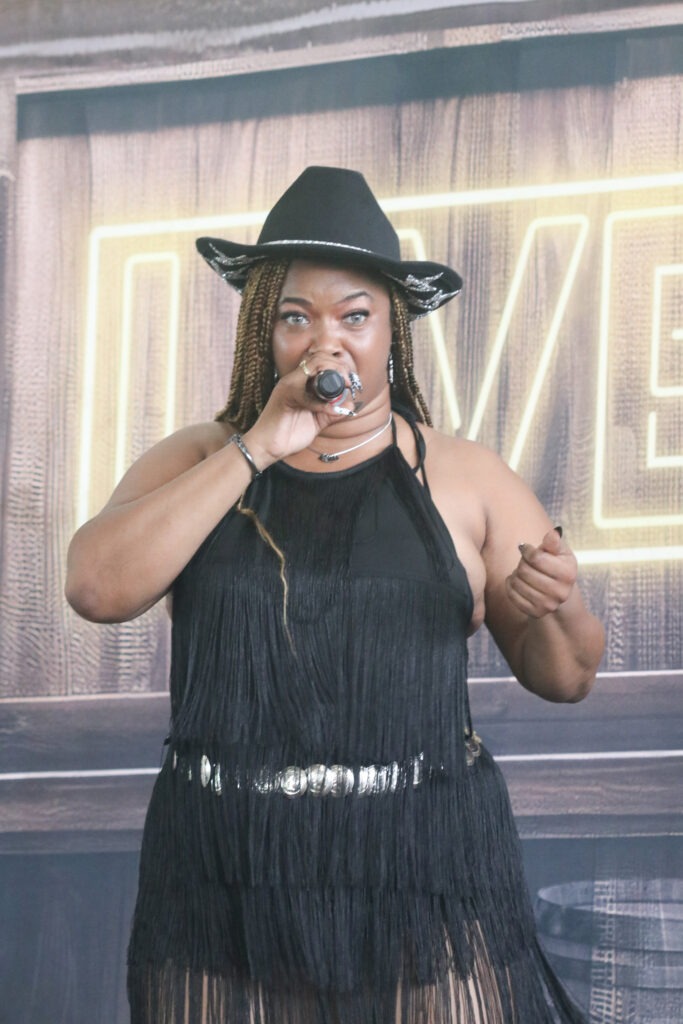
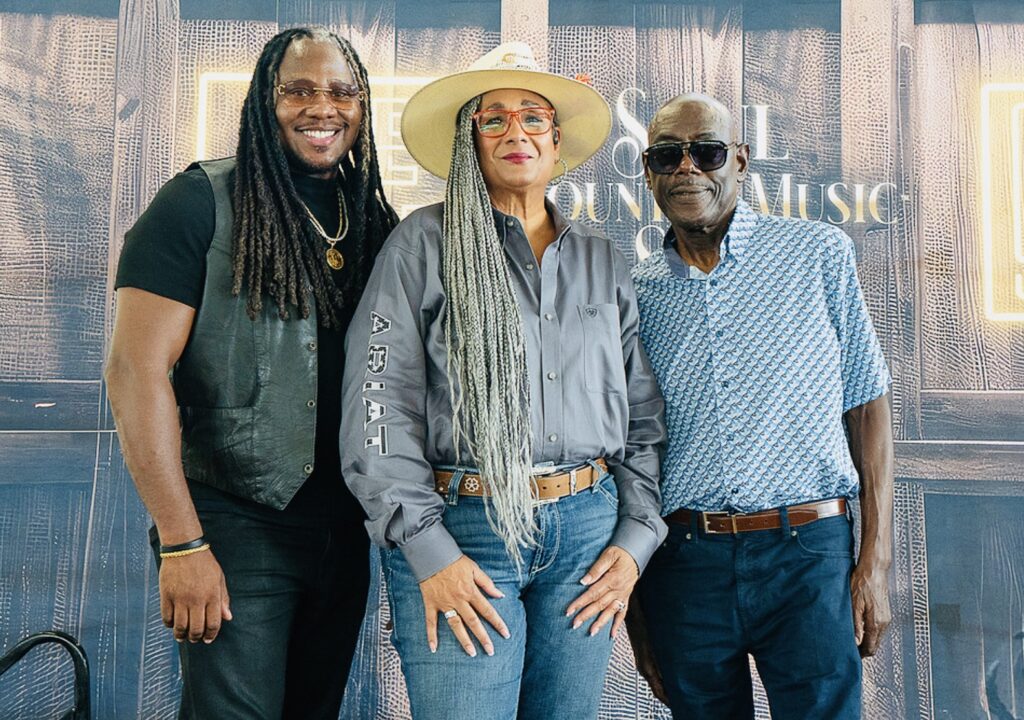
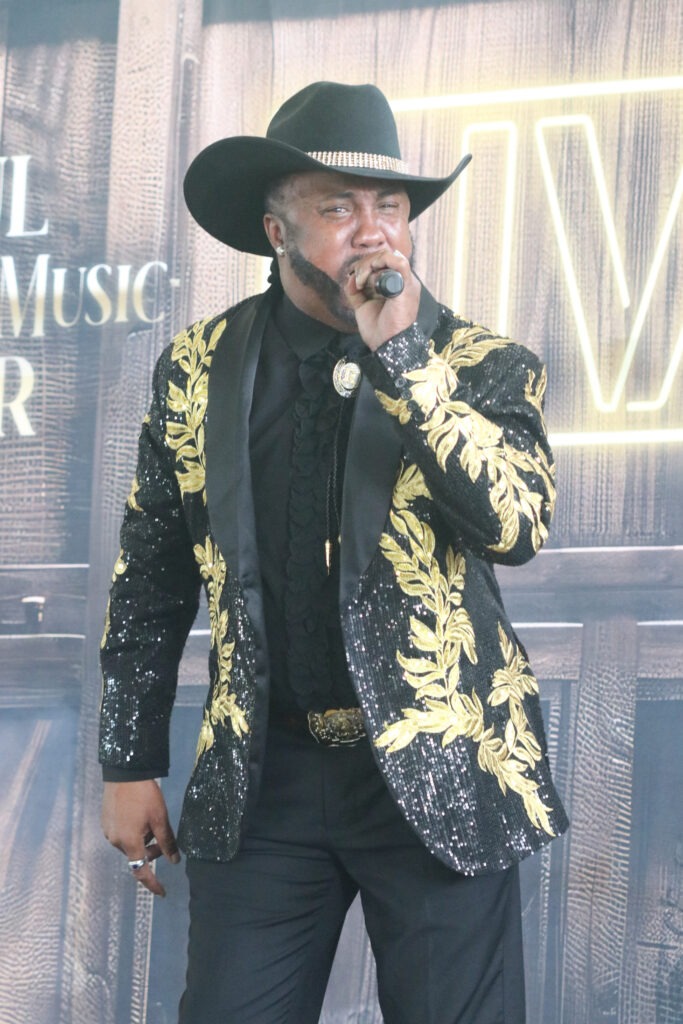
Howard Johnson, BPIR head judge, shapes Soul Country by listening for authenticity, guiding emerging artists, and preserving Black musical and Western cultural traditions.
The Judge Who Hears What Others Miss: Howard Johnson and the Soul of Soul Country Music Star
By Milton Kirby | Atlanta, GA | March 24, 2026
At the Bill Pickett Invitational Rodeo, where heritage and innovation ride side by side, Howard Johnson is more than a judge, he is a careful listener, weighing not just sound, but story, spirit, and the deeper truth behind each performance.
Photo courtesy of BPIR
To most rodeo fans, he is the steady presence behind the judges’ table. But Johnson’s story stretches far beyond the arena dirt.
Long before he was evaluating rising artists, Johnson was lending his voice to the soundtrack of Black cinema, performing three of the male singing voices in the iconic The Five Heartbeats.
“Three quarters of the building don’t know my other life besides being a cowboy,” he said with a laugh. “I’ve been blessed, truly.” Blessed and shaped by a lifetime of music, history, and a deep sense of responsibility to the next generation.
What Soul Country Really Means
When asked what he looks for in a Soul Country Music Star, Johnson’s answer is immediate.
“It’s right in the title – the soul and the country,” he said. “I don’t want anybody who sounds like Charley Pride or Vince Gill or Garth Brooks. I want someone who sounds like us.”
For Johnson, “us” is not a genre. It is a cultural fingerprint, an instinctive blend of gospel, blues, R&B, and lived Black experience.
He points to Ray Charles, Al Green, and the gospel quartets of his youth as proof that the line between soul and country has always been thin.
“Take an early Al Green song, remove the B3 organ, add a steel pedal, you’ve basically got country,” he said. “We’ve always been there.”
Hearing What Others Miss
Johnson doesn’t just judge talent; he listens for what others overlook.
Two artists, now winners of consecutive seasons, stand as proof of that instinct: Kirk Jay and Nathaniel Dansby.
Kirk Jay, the Season One (2024) winner, impressed Johnson with his writing and presence. “He’s an incredible writer,” Johnson said. “He had the playing, the soul, and that youthful enthusiasm.”
Nathaniel Dansby, who would go on to win Season Two (2025), took a very different path.
In his first audition, other judges scored him low. Johnson was stunned.
“I asked them, ‘What are you listening for?’ Because I heard something special,” he said. “I had him in the 90s. Others had him under 50.”
Dansby nearly walked away from music after that moment.
When he returned the following year — frustrated but determined — Johnson pulled him aside.
“Don’t quit,” he told him. “Come back.”
He did — and delivered a performance that ultimately led to his Season Two victory.
“Your encouragement is what brought me back,” Dansby later told him.
Moments like that define Johnson’s approach.
“You’re dealing with people in the infancy of their talent,” he said. “Who am I to tear that down?”
He is not just judging talent; he is helping it find its footing.
A Childhood That Shaped a Judge
Johnson’s reluctance to crush a dream comes from a painful memory.
At nine years old, singing in a Miami church, he was told he was “too Black.”
He cried the entire ride home. His father, enraged, attempted to turn the car around with a gun in hand. His mother stopped him.
“That moment never left me,” Johnson said. “It shaped how I treat people who are just starting.”
It is why he refuses to judge with cruelty. It is why he listens for possibility, not perfection.
Photo courtesy of BPIR – Howard Johnson
From Mailman Dreams to a No. 1 Hit
Johnson’s own career began by accident.
At 19, he had taken the civil service exam and planned to become a mailman. Singing was something he expected to do only in church.
But a dare from a friend changed everything.
In a Miami park, he hit a high note from Earth, Wind & Fire’s “Mighty Mighty” that he didn’t know he had.
Two weeks later, he was discovered. Six months later, he had a No. 1 pop hit – So Fine.
“I wasn’t supposed to be singing secular music,” he said. “But that moment changed my life.”
The Blueprint and the Power of the Audience
Johnson believes the music industry’s secrets are not secrets at all.
“The easiest thing to write is a hit song,” he said. “There are thousands of hit records before you. Look at the blueprint.”
Marketing, distribution, radio, and visibility the formulas already exist. But in Johnson’s view, the real power has always rested with the audience. “The people pick the hits,” he said.
For artists coming through Soul Country Music Star, that truth matters. It means success is not reserved for those with industry access alone, but for those who can connect.
The BPIR as Cultural Restoration
Johnson sees the Bill Pickett Invitational Rodeo as more than entertainment. It is a living archive of Black Western history.
He speaks of the origins of the word “cowboy,” born from white ranchers refusing to call Black cattle hands “men.” He speaks of language, history, and identity and how those stories shape the present.
“There are a lot of knowledgeable people around this rodeo,” he said. “It’s a family.”
Through the BPIR, Johnson found not just a platform, but a deeper connection to a history that continues to unfold.
AI, Creativity, and What Machines Can’t Touch
Johnson is clear-eyed about artificial intelligence. He uses it for business planning, but not for music.
“There’s an emotional element AI will always miss,” he said. “Some of the AI music is incredible, but the human part is missing.” He believes that for artists grounded in truth, songwriting will endure.
A Call for Investment in Black Institutions
Johnson’s critique of corporate America is direct.
Black consumers are among the top spenders in major industries, yet those same companies rarely invest in Black communities or cultural institutions.
“Have you ever seen a Nike center in a Black community?” he asked. “Why hasn’t someone said, ‘Let’s invest in something like the Bill Pickett Foundation?’”
He points to the rodeo’s community work; hospital visits, youth programs, and cultural education as deserving of broader support.
No More Single Leaders, Only Collective Power
When asked whether Black America needs another singular leader, Johnson shook his head. “No, we don’t,” he said. “We need us.” He warns against movements built around one figure, pointing to history as a reminder of how fragile that model can be. But collective movement, he believes, is different. When people move together, the impact is lasting.
A Legacy That Cannot Be Contained
Johnson’s pride in Black innovation is boundless.
He speaks of breakthroughs in sports, science, and culture contributions often overlooked, yet foundational.
“They have a reason to be afraid,” he said. “Anything we touch sports, science, whatever, they have to change the rules.”
From Tiger Woods to Stephen Curry, he sees a pattern: excellence that reshapes the landscape.
The Conversation Ends, but the Work Continues
As the interview concluded, Johnson apologized for talking so much.
But his words were not digressions, they were direction.
“It shows what the umbrella could be,” he said. “What I bring to it. How I make the selections I make.” In his voice in his history, his convictions, and his belief in Black artistry lies the heartbeat of Soul Country Music Star itself.
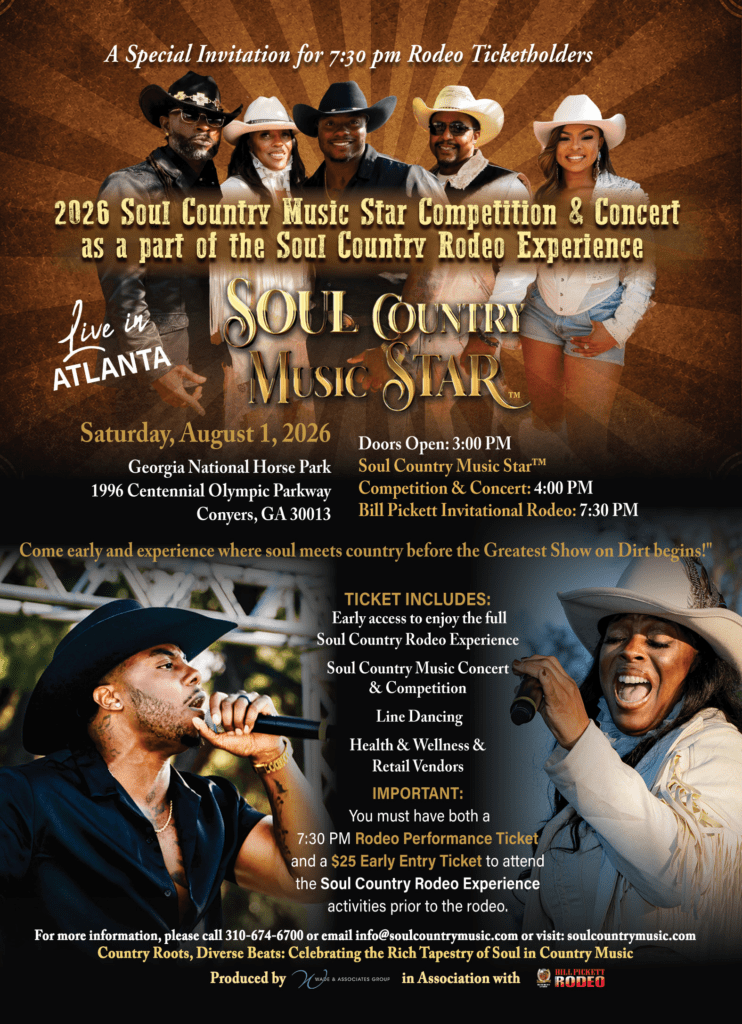
Country Roots, Diverse Beats: Celebrating the Rich Tapestry of Soul in Country Music.
Agricenter International Showplace Theater – 7777 Walnut Grove Rd, Memphis, TN
Bill Pickett Invitational Rodeo
Music Competition – Friday, April 10, 2026 | 7:00 pm 8:00 pm Competition
BPIR Rodeo – Saturday, April 11, 2026 | 1:30 pm or 7:30 pm
Upcoming in the TSJ series – Inside the Bill Pickett Invitational Rodeo
— Kirk Jay: The Sound of Country Soul at the Rodeo — Nathaniel Dansby (Mr. Bowleggs) : The Sound of Country Soul at the Rodeo — Rodeo for Kids’ Sake and the Next Generation
Atlanta’s Civil and Human Rights Center offers a powerful journey through America’s past, confronting injustice, honoring resilience, and challenging visitors to reflect and act
By Milton Kirby | Atlanta, GA | March 22, 2026
Two white women stood still, silent, and visibly shaken.
They had just stepped out of the “Broken Promises: Reconstruction” exhibit at the National Center for Civil and Human Rights. What they had seen—lynchings, merciless beatings, and the systematic unraveling of freedom—had left them searching for words.
That moment captures the power of the Center—a place where history is not simply displayed, but felt.
“Does history remind those who would try to erase it of their sordid past?” the exhibit seems to ask. For many who walk through these doors, the answer is a sobering yes.
Broken Promises and the Legacy of Reconstruction
Inside, visitors encounter a sweeping narrative of American history—one that refuses to look away from its darkest chapters.
The “Broken Promises” gallery examines Reconstruction, a period when newly freed Black Americans briefly gained political and social ground before those freedoms were violently stripped away. The exhibit forces visitors to confront a recurring pattern in American history: progress followed by backlash. Progress followed by backlash… Progress followed by backlash…
Photo by Milton Kirby – Freedom Riders Mugshots
From walls lined with mugshots of jailed Freedom Riders to the intimate, handwritten sermons in A Committed Life: The Morehouse College Dr. Martin Luther King, Jr. Collection, the Center functions as both a treasure trove of artifacts and a mirror to the soul of a nation.
In “A Committed Life,” Dr. King emerges not just as an icon, but as a man navigating pressure, faith, and responsibility with unwavering conviction.
A Modern Expansion for Ancient Truths
Following a $58 million renovation completed in late 2025, the Center expanded by 24,000 square feet, adding two new wings and six galleries including the Norfolk Southern-sponsored “Freedom Room.”
The goal is clear: engage a new generation through immersive, interactive learning.
But while the building is new, the stories remain raw. The expansion deepens the exploration of the “machinery of Jim Crow” and the resilience of those who dismantled it.
Mary Turner: A Story the Nation Tried to Forget
Perhaps no exhibit is more gut-wrenching than the memorial to Mary Turner.
In 1918, a white mob in Brooks County, Georgia, murdered 21-year-old Turner, a Black woman eight months pregnant after she threatened to seek justice following the lynching of her husband.
The brutality is difficult to comprehend. Turner was hung by her ankles, set on fire, mutilated, and shot hundreds of times. Her unborn baby was cut from her body and killed. Her killers were never punished.
While the Equal Justice Initiative records at least 4,075 Black Americans lynched in the South between 1877 and 1950, Turner’s death remains a singular wound.
Her death became a national flashpoint. It helped galvanize anti-lynching activism and build support for federal legislation. The Emmett Till Antilynching Act was signed into law by President Joe Biden on March 29, 2022. This historic legislation officially made lynching a federal hate crime in the United States, punishable by up to 30 years in prison. It passed the House on February 28, 2022, and the Senate on March 7, 2022 more than 100 years after Mary Turner’s gruesome death.
Even today, the tension remains. A memorial plaque erected in 2010 was riddled with bullets within a year. A simple steel cross now stands in its place—a quiet testament to a broken promise.
Confronting the Legacy
The Center’s impact is often measured in silence.
One visitor, a woman in her thirties who asked to remain anonymous, described feeling “mortified” when reflecting on the actions of her ancestors. She said the experience has changed how she moves through the world—choosing to step away from conversations where racism surfaces.
The Center does not assign guilt. But it does demand reflection.
Reclaiming History Through Art
In Reclaiming History, the Center highlights Black Southern artists from the 1980s who carried the spirit of the Civil Rights Movement into a new era.
Through paint, sculpture, and mixed media, they confronted police brutality, voter suppression, and the lingering weight of Jim Crow.
Some works speak plainly. Others whisper through abstraction. All are rooted in resilience.
The message is clear: art is not just witness, it is catalyst.
Beyond the Museum Walls
The Center is not static. It is a living institution.
Programs like Truth on the Rocks, Cup of Truth, and Reel Truth transform the space into a forum for dialogue, culture, and community:
Truth on the Rocks blends nightlife with history through music, cocktails, and after-hours access
Cup of Truth creates intimate conversations with artists and community leaders
Reel Truth uses film to explore overlooked stories and spark discussion
Photo by Milton Kirby – Center for Civil and Human Rights
A New Era of Partnership and Access
In 2025, Norfolk Southern pledged $500,000 to support the Center’s expansion, reinforcing its role as a national hub for civil and human rights education.
To expand access, the Center is also participating in Bank of America’s Museums on Us program, offering free admission on the first full weekend of each month to eligible cardholders.
A Space for Reflection—and Accountability
The National Center for Civil and Human Rights is more than a museum.
It is a mirror. It is a memory. It is a movement. It is where history refuses to be erased. It is where truth lives.
Why It Matters Now
At a time when debates over how history is taught continue to intensify, the Center stands as a counterpoint.
It insists that history cannot be erased without consequence.
It reminds visitors that the past is not distant—it is embedded in the present.
And it challenges each person who walks through its doors to leave not just informed—but transformed.
Truth Seekers Journal thrives because of readers like you. Join us in sustaining independent voices.
Clayton County reports crime reductions, housing investments, and economic growth as Chairwoman Alieka Anderson-Henry outlines priorities during the 2026 State of the County address.
By Milton Kirby | College Park, GA | March 19, 2026
Clayton County leaders laid out a vision of growth, stability, and continued investment Wednesday as Chairwoman Dr. Alieka Anderson-Henry delivered her second State of the County address before a sold-out crowd of more than 450 attendees.
The event, hosted by the Council for Quality Growth at the Georgia International Convention Center, brought together business leaders, elected officials, and residents to hear updates on public safety, economic development, housing, and infrastructure.
Anderson-Henry framed Clayton County as a rising hub in metro Atlanta, calling it both a “global gateway” and a place of expanding opportunity.
“Clayton County is not just where planes land,” she said. “It is where possibility lands.”
Public Safety Improvements Highlighted
Among the most notable updates were gains in public safety. The county reported a 17% reduction in overall crime and a 30% drop in vehicular fatalities over the past year.
Officials also highlighted the launch of a Whole Blood Program through Clayton County Fire & Emergency Services, allowing first responders to administer blood transfusions in the field—an initiative still rare nationwide.
In addition, the Police Department expanded its Co-Responder Mental Health Initiative, pairing officers with mental health professionals to respond to crisis calls.
Economic Development and Small Business Support
Clayton County’s economic strategy centered on both large-scale investment and grassroots support.
The county distributed $5 million in federal ARPA funding to more than 300 small businesses and nonprofits, while also securing a $224 million expansion from TOTO USA in Morrow.
Leaders also pointed to regional recognition, including the Atlanta Regional Commission’s Visionary Planning Award for the Tara Boulevard Livable Centers Initiative, a project aimed at transforming a key commercial corridor.
Housing, Infrastructure, and Smart Growth
Housing emerged as a central priority moving forward. Anderson-Henry announced a new Clayton County Housing Plan and a multi-department Housing Task Force focused on expanding attainable housing and homeownership.
The county has already deployed more than $6.2 million in HUD funding to support housing stability and has begun a comprehensive zoning rewrite to guide future development.
Infrastructure investments included resurfacing nearly 19 miles of roadway, expanding parks and trail systems, and advancing sustainability projects such as solar installations and electric vehicle infrastructure.
Resilience efforts, including the Flint River Flood Mitigation Project, were also highlighted as part of long-term planning.
Workforce and Governance Initiatives
County leaders emphasized workforce development through partnerships with Clayton State University, expanded GED and vocational training programs, and workforce events that attracted more than 1,000 participants.
On the governance side, Anderson-Henry stressed transparency and fiscal discipline, noting efforts to modernize procurement, improve budget communication, and strengthen oversight.
Voter-approved initiatives—including the 2027 SPLOST expected to generate more than $412 million—are expected to fund future capital improvements.
A County Still in Motion
Despite the progress, Anderson-Henry made clear the work is ongoing.
“We are proud—but we are not finished,” she said, pointing to continued priorities in housing, economic development, and community investment.
She closed by emphasizing Clayton County’s evolving identity—not just as a transportation hub anchored by Hartsfield-Jackson, but as a place of long-term opportunity and growth.
“Clayton County is not just a place you pass through,” she said. “It is a place you build in, grow in, and live in.”
Atlanta’s West Midtown will once again serve as a hub for connection, conversation, and celebration as Tee It Up for Women hosts its 3rd Annual Tee Up Meet Up on Thursday, March 26.
The event, scheduled from 5:00 p.m. to 7:30 p.m. at The Back Nine Golf, blends golf, networking, and Women’s History Month recognition into a single evening designed to bring professionals and enthusiasts together.
Organizers say the annual gathering has grown into more than a social event. It has become a platform where corporate leaders, entrepreneurs, and community members meet, exchange ideas, and build relationships in a relaxed but intentional setting.
“This is about creating access and opportunity in spaces where relationships matter,” organizers noted in the event release. “Golf has long been a place where business gets done — this event ensures women are fully part of that conversation.”
A Featured Voice Behind Atlanta’s Global Stage
This year’s featured guest speaker, Bev Carey, brings a global perspective rooted in decades of high-level event strategy and execution.
Currently serving as Atlanta’s FIFA World Cup Host City Director, Carey plays a central role in preparing the city for one of the largest sporting events in the world. Her work spans operational readiness, logistics coordination, and stakeholder integration all critical to ensuring Atlanta delivers on the global stage.
Through her firm, Carey Communications, she has spent more than 20 years managing complex projects across sports, entertainment, nonprofit, and technology sectors. Her experience includes Olympic and Paralympic planning, large-scale live event production, and crisis management strategy.
Her recent appearance as a lead panelist at Mercedes-Benz Stadium underscores her leadership in shaping Atlanta’s preparations for the 2026 FIFA World Cup.
At Tee Up Meet Up, attendees will hear firsthand how those experiences translate into leadership, innovation, and opportunity particularly for women navigating traditionally male-dominated industries.
Networking, Play, and a Unique Atlanta Twist
The evening includes a mix of structured and casual engagement. Attendees will enjoy golf bay play, a putting challenge, appetizers, and drinks while connecting with fellow professionals and sponsors.
But the experience doesn’t end when the golf clubs are put away.
Participants are invited to continue the evening just steps away at American Axes, where a one-hour bonus axe-throwing session will extend the networking experience.
The event’s design reflects a broader trend in Atlanta’s professional scene — blending business development with experiential environments that encourage authentic interaction.
How to Attend
For registration details, sponsorship opportunities, or additional information, readers are encouraged to contact the event organizer directly:
Bill Pickett Rodeo leader Margo Wade-LaDrew launches Soul Country Music Stars, creating national opportunities for Black country artists and reshaping the genre’s cultural narrative.
THE ARCHITECT OF SOUL COUNTRY MUSIC STAR
How Margo Wade‑LaDrew Helped Reimagine the Black West
By Milton Kirby | Atlanta, GA| March 17, 2026
When cable technician Shannon Whitaker stepped into Margo Wade‑LaDrew’s living room in Baldwin Hills, California he didn’t pause for the television or the equipment he’d come to repair. His eyes locked onto a jacket draped across a chair, unmistakably embroidered with the crest of the Bill Pickett Invitational Rodeo.
“I went when I was nine,” he said, suddenly grinning like a child. He was forty‑eight now. The memory had lived inside him for nearly four decades.
Moments like this follow Margo everywhere. They are reminders — unplanned, unscripted of the cultural force she has helped shape. For nearly thirty years, she has been one of the quiet architects behind the Bill Pickett Invitational Rodeo (BPIR), the nation’s only touring Black rodeo association and the spiritual home of Black Western culture. And in recent years, she has become the visionary behind its newest cultural branch: Soul Country Music Star, a platform designed to restore Black presence in a genre Black people helped create.
To understand how she arrived here at the intersection of rodeo, music, fashion, philanthropy, and cultural preservation you have to start long before the arena lights, long before the crowds, long before the sound of a banjo or the thunder of hooves.
You have to start in Richmond, Virginia.
Photo courtesy BPIR – Margo Wade-LeDrew
A Childhood of Work and Responsibility
Born in 1961, Margo Wade grew up in a household shaped by both love and hardship. When she was twelve, her mother began cycling in and out of hospitals with schizophrenia. The responsibility of raising two younger brothers fell to Margo and her sister while their father worked long hours to keep the family afloat.
“I’ve worked all my life,” she says, not as complaint but as fact.
By fourteen, she had a job in a Richmond hospital. By ten, she had already been knocking on doors selling flower seeds and Christmas cards. She didn’t know it then, but she was learning the skills that would define her adult life: how to connect with people, how to read a room, how to sell, and how to build trust.
Her first dream was to become a flight attendant. But life had other plans — plans that would take her into the heart of Black beauty culture, Black media, and eventually, Black Western history.
The Black Institutions That Formed Her
In her twenties, Margo entered the beauty industry, modeling in Richmond before moving to Chicago then the epicenter of Black haircare. She worked temp jobs until she landed at Johnson Publishing Company, the powerhouse behind Ebony and Jet. There, she became a merchandiser, then a sales rep, then a national sales manager.
Johnson Publishing didn’t outsource creativity. They held internal think tanks where Black professionals brainstormed campaigns, promotions, and strategies. It was a training ground in cultural authorship a place where Black people shaped how Black people were seen.
From there, she moved through World of Curls, Dark & Lovely, Magic Shave, Bronner Brothers — a constellation of Black-owned companies that defined Black aesthetics for generations. She learned event planning, sponsorships, branding, and community outreach. She learned how to build programs from scratch.
And then she stepped into the NAACP Image Awards, where she wrote her first bid for services without ever having written one before and won. For six years, she helped produce one of the most important cultural events in Black America.
She didn’t know it yet, but all of this was preparing her for the moment she would walk into the Burbank Equestrian Center in 1996 and see something that would change her life.
The Revelation: Discovering Black Cowboys
She had gone to volunteer for a friend. She expected a community event. She did not expect to see Black cowboys and cowgirls — not in California, not in the 1990s, not in a world where Westerns had erased them.
“I had never seen Black cowboys before,” she says. “I didn’t even know there was a traveling Black rodeo.”
The Bill Pickett Invitational Rodeo was celebrating its tenth anniversary that year. Founded by promoter Lou Vason in 1984, it was the first and only touring Black rodeo in the country. It had been built from scratch, city by city, without internet, without mainstream support, without recognition.
Margo was stunned. She was also hooked.
When her friend left for a job at BET, she asked Margo and another colleague to take over her role. They didn’t know rodeo culture. They didn’t know sponsorship strategy for Western sports. They didn’t know the logistics of animals, arenas, or ticketing.
But they learned. And Margo stayed.
For the next twenty years, she worked alongside Lou Vason, traveling from city to city, counting tickets in hotel rooms until 3 a.m., building relationships with cowboys, cowgirls, families, and communities. She watched the rodeo grow from a grassroots operation into a cultural institution.
And she watched Lou a legendary Black music promoter tie entertainment to the rodeo because he understood something essential: Black people would come for the culture, not just the competition.
That insight would later become the seed of Soul Country Music Star.
Sidebar – What Is Soul Country Music?
Soul Country Music, as envisioned through the Bill Pickett Invitational Rodeo’s Soul Country Music Star competition, blends the storytelling structure of country music with the emotional force, vocal texture, and lived experience long rooted in Black musical traditions. The concept pushes back against the narrow way country music has often been marketed and remembered. It creates room for artists who may sound country, soul, gospel, blues, or genre-crossing, but who still carry the themes of struggle, family, faith, place, love, and resilience that define country storytelling. For Margo Wade-LaDrew, the idea is not about inventing something new from scratch. It is about naming, elevating, and investing in a tradition that has always existed.
The Leadership Era: Black Women Take the Reins
When Lou Vason became ill in the early 2010s, his wife, Valeria Howard Vason, began traveling more, learning the books, the logistics, the operations. When Lou passed in 2015, she stepped fully into leadership becoming the first Black woman to run a national rodeo.
Margo became her right hand.
Together, they modernized the organization:
expanded the tour
secured major sponsors
built the BPIR Foundation
created grant programs
partnered with Crown Royal, Toyota
brought BPIR to television for the first time in 2021
returned to Fort Worth’s historic Cowtown Coliseum
grew the Fort Worth stop to ten sold‑out performances
became Hollywood’s go‑to rodeo for authenticity
They did all this with a tiny staff. No salaries for leadership. No corporate infrastructure. Just commitment, cross‑training, and a belief that the rodeo mattered.
And then came the idea Margo had been carrying for a decade.
The Birth of Soul Country Music Star
For years, Margo had watched Black country artists show up at BPIR with guitars in hand, hoping for a chance to perform. They had no platform. No industry support. No place to belong.
She and her husband, Lawrence LeDrew, talked often about creating something for them — a showcase, a competition, a cultural home.
After Lou’s passing, she kept bringing it up.
Finally, Valeria said, “Stop talking about it and just do it.”
And she did.
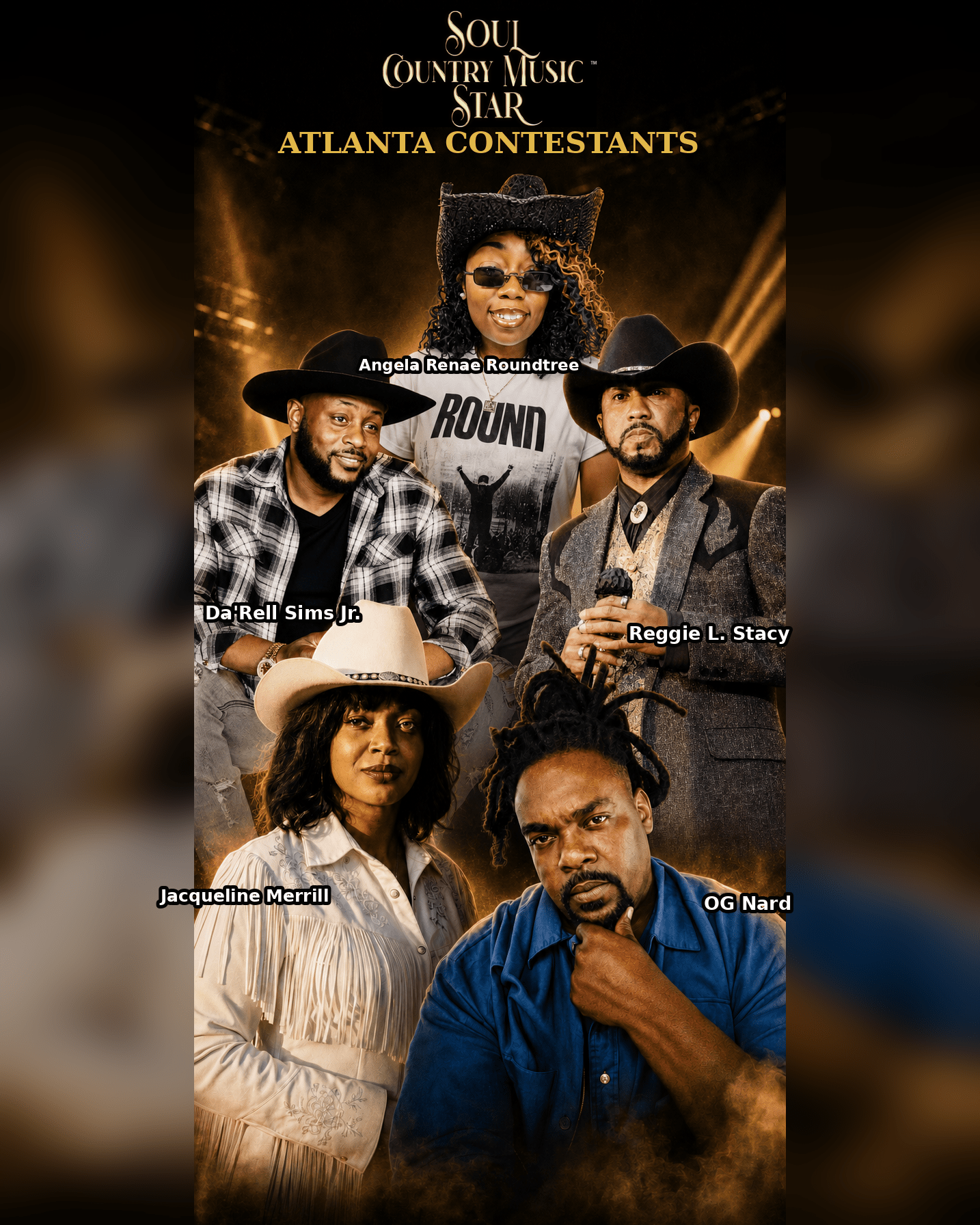
In June 2024, during BPIR’s 40th anniversary, Soul Country Music Star launched. It was a tribute to Lou Vason’s entertainment legacy, to Valeria’s belief in the idea, and to the artists who had been waiting for a door to open.
The program quickly grew:
60–70 artists have come through
six finalists per city
two winners so far
$10,000 prize
winners travel with the rodeo
artists perform halftime and pre‑show
BPIR promotes their music
artists sell merch at the rodeo
mentorship in branding, booking, and performance
Suddenly, the world was paying attention to Black country music. Soul Country Music Star was no longer a niche idea it was part of a national cultural moment.
Photo courtesy BPIR – Soul Country Music Star
The Cultural Lineage: Restoring What Was Always Ours
Margo is clear about the history:
The banjo is African.
The harmonica was central to early Black country and blues.
DeFord Bailey was the first Black star of the Grand Ole Opry — and they hid his race.
Linda Martell was the first commercially successful Black female country artist — and the industry pushed her out.
Charley Pride broke barriers but was treated as an exception.
Ray Charles reshaped country music by adding soul.
“Country music is ours,” she says. “We’ve always been there.”
Soul Country Music Stars is not a novelty. It is a restoration.
The Rodeo as a Cultural Homeplace
Ask Margo why BPIR matters, and she won’t talk about prize money or logistics. She’ll talk about:
the seven‑year‑old boy who whispered, “I see Black cowboys”
the woman who begged for tickets with a childhood photo
the families who plan reunions around the rodeo
the fourth and fifth generation children growing up in the stands
the music, the clowns, the announcers, the rope tricks
Howard Johnson singing Lift Every Voice in the dirt
the Black flag flying beside the American flag
BPIR is a place where Black people see themselves — past, present, and future.
The Legacy She Wants to Leave
When asked what she wants future generations to remember, Margo doesn’t hesitate.
“That the Bill Pickett Invitational Rodeo cared,” she says. “That we opened doors. That we loved our community enough to keep going.”
She wants BPIR in museums. She wants the traveling museum to become permanent. She wants the documentary finished. She wants the nighttime drama about a Black family running a rodeo to be televised.
And she wants The Greatest Show on Dirt — the story of BPIR — on the big screen.
She has already begun the work.
A Cultural Architect for the Next Generation
Margo Wade‑LaDrew’s life is a blueprint of Black cultural stewardship:
a childhood of responsibility
a career in Black-owned institutions
two decades shaping the rodeo under Lou Vason
a leadership era defined by Black women
a foundation built on grants, scholarships, and community
a music platform restoring Black country’s rightful place
a commitment to legacy, memory, and cultural truth
She is not simply preserving history. She is expanding it.
And somewhere in Greater Los Angeles, California, cable technician Shannon Whitaker is telling someone about the day he walked into a house, saw a jacket, and remembered the first time he saw a Black cowboy. That is the legacy she is building — one memory at a time.
Country Roots, Diverse Beats: Celebrating the Rich Tapestry of Soul in Country Music.
Agricenter International Showplace Theater – 7777 Walnut Grove Rd, Memphis, TN
Bill Pickett Invitational Rodeo
Music Competition – Friday, April 10, 2026 | 7:00 pm 8:00 pm Competition
BPIR Rodeo – Saturday, April 11, 2026 | 1:30 pm or 7:30 pm
Upcoming in the TSJ series – Inside the Bill Pickett Invitational Rodeo
Part 3 — Kirk Jay: The Sound of Country Soul at the Rodeo Part 4 — Nathaniel Dansby (Mr. Bowleggs) : The Sound of Country Soul at the Rodeo Part 5 — Rodeo for Kids’ Sake and the Next Generation
“We have a system of justice in this country that treats you much better if you’re rich and guilty than if you’re poor and innocent. Wealth, not culpability, shapes outcomes.”
Bryan Stevenson, Esq. (Founder of the Equal Justice Initiative and Legacy Museum in Montgomery, AL)
In this quote, attorney Bryan Stevenson should have included that white skin privilege also shapes outcomes. If life were fair and American democracy real for every citizen, PFC Robert Scott, and the sixty-two other soldiers who were killed in Vietnam on September 11, 1968, would be somewhere enjoying their families and racist, insurrectionist, misogynist, bully, conman, vote-stealing felon Donald Trump would be on his way either to prison or the pimps Players Ball Convention. He would not be residing in the White House! Perhaps that’s a major problem, calling it the White House and not the Peoples’ House.
In the picture next to the caricature of Trump in his grifting family is the picture of the gravestone of 19-Year-Old African American PFC Robert Lee Scott from Redwood, Mississippi. Robert began his tour of duty on August 28, 1968. Just fifteen days later, on September 11th, one day before his twentieth birthday – he was killed in Quang Tin Province, 9,133 miles from the Ballground Plantation in Redwood where he had grown up. Meanwhile, five-times draft-dodging Donald “Bone Spurs” Trump decades later ascends to the presidency – not once, but TWICE!
After fifty-eight years, I can still remember my daddy coming into the dilapidated shack we called home in Redwood, Mississippi, and delivering the heartbreaking news to Mama:
“Darlin’, Pat and Minnie’s boy got killed in ’Nam.”
I wrote another article about Robert in The Truth Seekers Journal on September 24, 2024, the link is below:
Former Georgia State Senator and Senate Majority Leader Charles W. Walker Sr. once stood as one of the most powerful Black political figures in Georgia. He was a trailblazer who rose from rural Georgia’s poverty and relocated to Augusta to become the first African American Senate Majority Leader since Reconstruction. He built influence not only in politics, but as a businessman and publisher of the Augusta Focus, a free newspaper serving the Black community.
Then came his orchestrated fall.
In 2005, Walker was indicted on federal charges including mail fraud, tax evasion, and conspiracy. Prosecutors claimed he inflated circulation numbers in his FREE newspaper to increase advertising revenue. How can a guestimate of how many people read a free newspaper be criminal? Though notably, he was not convicted on the scholarship-related charges.
Charles Walker served eight years of a ten-year sentence in prison while the nation’s homemade virus, Donald Trump, is serving his second term as president of the United States of Ameri-KKK.
But even before the verdict of Walker, questions of justice were already hanging in the air.
During jury selection, Walker’s defense raised a challenge under Batson v. Kentucky, arguing that prosecutors were systematically striking Black jurors. In a case involving a high-profile Black leader in the Deep South, the racial makeup of the jury was no small matter. It was everything. The prosecution offered so-called “race-neutral” explanations, and the court allowed the jury to stand. But the deeper question lingered: was justice being administered or engineered?
The contradictions only deepen from there.
Richard S. Thompson – the republican U.S. Attorney who led aggressive investigations targeting Walker and other Democratic leaders was later convicted himself. He went to prison for stalking a former girlfriend and repeatedly violating restraining orders. The prosecutor became the criminal. Surprisingly, and unlike Trump and many of his government appointees, he did not get away with his abuse of women.
And then there is John Jay Fitzgerald Johnson, known as Grandmaster Jay. He was in Louisville, Kentucky, in 2020 as part of nationwide protests following the unlawful police killing of Breonna Taylor. Leading members of the Not Fucking Around Coalition (NFAC), he stood in armed protest exercising the same Second Amendment rights so often celebrated in other contexts. Yet, during a nighttime demonstration, he was accused of pointing a rifle toward federal agents. No shots were fired. No one was injured. Still, he was prosecuted, convicted, and sent to prison for seven years.
His case underscores a troubling reality: protest in America is not experienced equally. When Black leadership shows up organized, armed, and unapologetic, the response is swift, severe, and unforgiving – raising profound questions about who is protected by the Constitution and who is punished under it.
Now place these realities alongside Donald J. Trump.
Trump – a twice-impeached president and convicted felon who faced multiple cases tied to his efforts of an insurrection to overturn the 2020 election. Yet case after case has been delayed, weakened, or dropped – including the case in Fulton County, Georgia, where evidence showed he pressured officials to “find votes” in an attempt to overturn the will of the people. Now, in a stunning display of audacity, he is seeking to have Fulton County reimburse him for his legal fees, despite the overwhelming evidence surrounding his conduct.
This is not just irony. It is the history of Ameri-KKK.
Walker was imprisoned for financial misconduct. Thompson, who prosecuted him, was later imprisoned for his own crimes. Grandmaster Jay was imprisoned in a case where no physical harm occurred. Yet Trump and the January 6th insurrectionists, whose actions struck at the very foundation of American democracy, have evaded accountability and received pardons for their illegal actions. And, in Trump’s case, returned to power as president.
What emerges is not coincidence. It is a pattern. It is a pattern of who is pursued and who is punished and protected. And even before the verdicts are handed down and oftentimes before the trial even begins, the question is already in the room: Who gets to sit on the jury, who gets prosecuted, and who gets away even though there is a preponderance of evidence of their guilt? Because in today’s America, it is not just justice that is on trial – it is democracy itself. And the most dangerous force of all is not just the man at the center of it, but the legion of supporters who excuse it, defend it, and enable it.
Instead, a kakistocracy has emerged – led by a shameless, criminal “old orange demented pimp” and his dangerous sycophants, sustained by a movement that has become an infectious, exhaustive, and deadly virus on American democracy. If life were fair – it’s not – and justice truly applied to all – again, not – Trump would be in prison, sitting on the lap of P. Diddy, getting his hair braided by R. Kelly, and a pedicure from Ghislaine Maxwell.
In the words of famed artist, Kendrick Lamar, “They Not Like Us!”
This column exists for only one purpose and that is to answer your questions on Negro League baseball history. To that end, I need your help … if you are reading this column and enjoy it and want it to continue and you don’t already know everything about Negro League history … then please submit a question on any aspect of Negro League history. Your questions are the lifeblood of Shadow Ball—they shape where we go next.
– players, teams, events, and more – and, in so doing, you will direct where this column goes moving forward. Your participation is important and appreciated. The very existence of this column depends on you. Submit your questions to shadowball@truthseekersjournal.com.
Last week’s Shadow Ball Significa question: Last week’s Shadowball Significa Question of the Week: What manager has been named to the Baseball Hall of Fame for Negro League performance?
Since no one submitted the correct answer, everyone gets credit for being correct since there, in the 55 years since the Baseball Hall of Fame began inducting Negro Leaguers no Negro Leaguer has been inducted as a manager. Hence, this week’s topic. Last week I opined that there should be between 58 (i.e., 30 additional) and 80 (or 52 more than at present) Negro League players in the Hall. This week, as a follow up I thought I should suggest who a few of those players – and others – should be. Below I list two candidates (and their overall rank in the 42 for ’21 poll) for each category:
3rd Baseman John Beckwith (4) Oliver Marcelle (18)
Shortstop Dick Lundy (7) Home Run Johnson (8)
Outfielder Rap Dixon (1) Wild Bill Wright (23)
The Shadowball Significa Question of the Week: What Negro League player was Barry Bonds Godfather? Send your answer and any comments on Negro League topics to shadowball@truthseekersjournal.com or Shadow Ball, 3904 N Druid Hills Rd, Ste 179, Decatur, GA 30033
Ted Knorr
Ted Knorr is a Negro League baseball historian, longtime member of the Society for American Baseball Research’s Negro League Committee, and founder of the Jerry Malloy Negro League Conference and several local Negro League Commemorative Nights in central Pennsylvania. You can send questions for Knorr on Negro League topics as well as your answers to the week’s Significa question to shadowball@truthseekersjournal.com or Shadow Ball, 3904 N Druid Hills Rd, Ste 179, Decatur, GA 30033
Support open, independent journalism—your contribution helps us tell the stories that matter most.
By Florita Bell Griffin, Ph.D. | Houston, TX | March 17, 2026
Control is often mistaken for stability. When systems behave predictably, when rules are clear, and when outcomes can be enforced, it feels as though risk has been reduced. Control offers reassurance. It creates the impression that uncertainty has been managed. Yet control and stability are not the same thing.
Control narrows possibility. Stability absorbs variation. Systems that rely heavily on control may appear orderly, but they often become brittle. They perform well under expected conditions while struggling when reality deviates. Over time, what felt safe begins to feel fragile.
This distinction becomes visible after people have lived through enough disruptions to recognize patterns. They have seen tightly controlled systems fail suddenly. They have watched rules multiply as exceptions increase. They understand that control does not eliminate uncertainty. It merely postpones its appearance.
Early in a system’s life, control can be effective. Scope is limited. Conditions are known. Decisions are centralized. As systems grow, however, complexity increases. Dependencies multiply. External forces exert pressure. Control mechanisms that once worked begin to strain. More rules are added. More monitoring is introduced. More enforcement is required. The system becomes harder to manage precisely because it is being managed too tightly.
Consider an organization that responds to inconsistency by adding layers of approval. Processes become standardized. Authority is clarified. Deviations are reduced. Initially, performance improves. Errors decline. Yet over time, decision-making slows. People stop exercising judgment. When unexpected situations arise, the organization struggles to respond because adaptation has been trained out of the system. Control has replaced learning.
The same pattern appears in technology. Systems designed to minimize error often rely on rigid constraints. Inputs are tightly validated. Outputs are strictly governed. Behavior is limited to predefined pathways. Under normal conditions, the system performs reliably. Under novel conditions, it fails abruptly. Control has reduced variability, but it has also reduced resilience.
People with experience recognize this tension instinctively. They have learned that safety does not come from eliminating uncertainty, but from being able to respond to it. They understand that systems must be able to bend without breaking. Control that prevents deviation may look strong, but it often hides weakness.
Control also changes how responsibility is distributed. In highly controlled systems, accountability shifts upward. Decisions are made by those who design the rules rather than those closest to the situation. Over time, this disconnect grows. People stop feeling responsible for outcomes because they no longer feel empowered to influence them. Compliance replaces ownership.
This dynamic creates a false sense of security. Metrics improve. Variance decreases. Reports look clean. Yet the system’s capacity to absorb surprise diminishes. When disruption arrives, it overwhelms structures that have been optimized for predictability rather than adaptability.
Consider a public system that enforces strict eligibility criteria to ensure fairness. Rules are clear. Decisions are consistent. Processing is efficient. Yet individuals with complex circumstances fall through gaps. Exceptions are difficult to accommodate. Appeals are slow. The system appears fair, but it struggles to respond humanely to reality. Control has simplified administration while complicating lived experience.
Control feels safer because it creates clarity. It reduces ambiguity. It promises order. What it cannot do is prepare a system for conditions it has never encountered. Stability requires something different. It requires the ability to integrate new information, revise assumptions, and respond proportionally to change.
Systems that achieve stability do so by maintaining internal coherence rather than external enforcement. They preserve context. They allow for judgment. They recognize that variation carries information. Instead of suppressing deviation, they learn from it. Stability emerges from alignment, not constraint.
This distinction matters as systems become increasingly automated. Automated control scales easily. Rules can be enforced instantly and uniformly. Yet automation also amplifies brittleness. When systems operate at speed without interpretive capacity, errors propagate quickly. Control becomes amplification rather than protection.
People who sense this are often labeled cautious or resistant. In reality, they are responding to experience. They have seen control mechanisms fail quietly before collapsing dramatically. They understand that systems designed only to prevent deviation eventually lose the ability to respond intelligently.
Stability requires continuity across change. It depends on the system’s ability to remember why rules exist, not just enforce them. It relies on preserving relationships between intent, action, and outcome. Control alone cannot do this.
When systems mistake control for safety, they optimize for the wrong condition. They reduce visible risk while increasing hidden vulnerability. They feel secure until they are tested. When they are tested, they fail in ways that surprise those who trusted them most.
True safety comes from systems that remain intelligible as they evolve. Systems that can explain their own behavior. Systems that can adapt without losing coherence. These systems may appear less controlled on the surface, but they endure because they remain aligned with reality.

Control will always have a role. It defines boundaries. It establishes norms. It protects against known threats. Stability, however, emerges from something deeper. It arises when systems are designed to carry meaning forward as conditions change.
When control is mistaken for safety, systems grow rigid. When stability is designed intentionally, systems remain alive.