Runoff Set to Decide Who Replaces Marjorie Taylor Greene in Georgia’s 14th Congressional District

Northwest Georgia voters will decide April 7 between Republican Clay Fuller and Democrat Shawn Harris in a runoff to replace former Rep. Marjorie Taylor Greene.

By Milton Kirby | Rome, GA | March 16, 2026

Voters in northwest Georgia will return to the polls on April 7 to decide who will replace former U.S. Rep. Marjorie Taylor Greene after a crowded special election failed to produce a majority winner.

The race has narrowed to two candidates: Democrat Shawn Harris and Republican Clay Fuller, who finished first and second respectively in the March 10 special election.

Harris led the field with 37.3% of the vote (43,241), while Fuller secured 34.9% (40,388), setting up a runoff after neither candidate crossed the 50% threshold required under Georgia law. The winner will serve the remainder of Greene’s congressional term, which runs through December 31, 2027.

A Seat Opened by Political Fallout

The special election was triggered after Greene resigned earlier this year following a highly public split with Donald Trump.

Greene had once been one of Trump’s most visible allies, frequently appearing at rallies and promoting his claims of election interference. But tensions grew after the two clashed over issues including health care costs, U.S. policy toward Israel’s war in Gaza, and the release of files tied to the Jeffrey Epstein investigation.

Her departure opened a rare vacancy in Georgia’s 14th Congressional District, one of the most reliably Republican districts in the state. Trump carried the district by 37 percentage points in the 2024 presidential election, underscoring the steep challenge Democrats typically face there.

Photo courtesy of Harris campaign – Shawn Harris

Harris Builds an Unusual Coalition

Harris, a Polk County cattle farmer and retired brigadier general, entered the race emphasizing coalition politics in a district dominated by conservative voters.

During a campaign rally in Rome attended by Pete Buttigieg, Harris urged supporters to look beyond party labels.

“The way we’re going to win is simple,” Harris told the crowd. “More excited Democrats knocking on doors, independents flipping our way, and Republicans that the Republican Party has left behind voting for me.”

Harris has framed his campaign as a moderate alternative capable of representing the entire district. He has also placed a strong focus on veterans, noting that roughly 40,000 veterans live in the district.

“This Democrat is a moderate and I will represent everyone in the district,” Harris said.

He has argued that the economy remains the top concern among voters, adding that tensions related to the ongoing conflict with Iran have intensified economic anxieties.

Harris previously ran against Greene in 2024. Although he lost that race, he received more votes than any Democratic candidate in the district in more than a decade.

Fuller Leans on Trump’s Endorsement

Fuller, the district attorney for northwest Georgia’s Lookout Mountain Judicial Circuit, has leaned heavily on his endorsement from Trump as he heads into the runoff.

Speaking after the first-round results were announced, Fuller described the outcome as an encouraging sign for Republicans.

“We know that the endorsement from President Trump made a difference in this race, and we’re going to go and win it,” Fuller said. “It’s time that the Republican vote unites and gets a representative to Capitol Hill as soon as possible.”

Fuller serves as the top prosecutor for a four-county judicial circuit in northwest Georgia, where he has tried cases involving murder, rape, and armed robbery, securing life sentences in several jury trials. He has also argued criminal appeals before the Supreme Court of Georgia and the Georgia Court of Appeals.

In addition to his legal career, Fuller is a lieutenant colonel and deputy staff judge advocate in the Air National Guard. In 2024 he deployed to operations centers in South Carolina and Qatar supporting U.S. Central Command missions in the Middle East.

Fuller also served as a White House Fellow from 2018 to 2019, working in the Office of the Vice President and the Department of Defense on issues including opioid policy and support for POW/MIA families.

Raised in the North Georgia mountains, Fuller attended Emory University before earning a master’s degree in public administration from Cornell University and a law degree from Southern Methodist University.

A Test of Political Strength in Northwest Georgia

The runoff now presents a political contrast between a Trump-aligned Republican prosecutor and a retired Army general attempting to assemble a cross-party coalition in one of Georgia’s most conservative regions.

Although the district’s voting history favors Republicans, Harris argues that voter frustration with national politics has created an opening. “Yes, it’s ruby red,” Harris said after the initial results. “It won’t turn blue, but it’ll definitely turn pink.”

For Republicans, the contest is also a test of Trump’s continued influence inside the party after the dramatic political split that led to Greene’s resignation.

For voters in the mountains and rural counties of northwest Georgia, the April runoff will determine who represents them in Washington for the next year and a half — and whether the district continues its deep-red tradition or edges toward a more competitive political future.


Sidebar: Why Georgia Requires a 50% Majority in Elections

Georgia election law requires a candidate to receive more than 50 percent of the vote to win most statewide and federal elections outright. If no candidate reaches that threshold, the top twovote-getters advance to a runoff election.

The rule was adopted in the 1960s as part of broader election reforms intended to ensure that winning candidates have majority support rather than simply finishing first in a crowded field.

Runoffs are especially common in special elections, where many candidates from both parties often appear on the same ballot. In these contests, voters choose among all candidates at once rather than through separate party primaries.

If no candidate reaches the majority threshold in the first round, the runoff typically held several weeks later gives voters a final choice between the top two finishers.

Georgia is one of the few states that still regularly uses runoff elections. The system has produced several nationally watched contests in recent years, including the 2021 U.S. Senate runoffs that ultimately shifted control of the Senate in Washington.

In Georgia’s 14th Congressional District, the April 7 runoff between Shawn Harris and Clay Fuller will determine who completes the remainder of Marjorie Taylor Greene’s term in Congress.

Related articles

A Farmer, a General, a Democrat: Shawn Harris Enters Georgia’s 14th District Race

Late-Night Votes and Narrow Defeats: How Georgia’s Crossover Day Reshaped Taxes, Elections, and Public Safety

Charter School Funding and Tax Relief Dominate Pre-Crossover Debate

Support open, independent journalism your contribution helps us tell the stories that matter most.

DeKalb Opens Arts DeKalb, Marking a New Era for Culture, Community, and Creativity

DeKalb County officially launched Arts DeKalb, unveiling a new Briarcliff arts campus and a countywide push to make culture more visible and accessible.

By Milton Kirby | Decatur, GA | March 15, 2026

The evening started with the melodic voices of the DeKalb School of the Arts. Up second was the amazing guitar and vocals of Eugene Owens. Then there was dinner, anchored by gumbo and clam chowder for the palate. The twelve cities located in the county were not left out. Each received a fiberglass bull or heifer. Last, but certainly not least, came the magical violin of Brooke Alford.

That was how DeKalb County chose to introduce Arts DeKalb on Thursday, March 12, 2026 — not with a dry government announcement, but with music, symbolism, and a clear message that the arts are being placed closer to the center of county life.

The evening also spoke to the visual senses. County officials placed original works by local artists on each table as centerpieces, while additional artwork lined the walls throughout the venue. The result was a room that did not just talk about art it surrounded guests with it.

Led by CEO Lorraine Cochran-Johnson and the DeKalb County Board of Commissioners, the county officially launched the reconstituted DeKalb Council for the Arts and unveiled its permanent home, a 23,000-square-foot arts campus on Briarcliff Road.

For county leaders, the evening was about more than opening a building. It was about announcing a new cultural direction.

A New Home for Creativity

The new Arts DeKalb headquarters sits in the former Metro City Church property, now repurposed as a county hub for arts programming, public art, and cultural development.

The property was acquired for $7.5 million. DeKalb County contributed $4.5 million, while Callanwolde Fine Arts Center provided the remaining $3 million through a larger $9.5 million capital campaign. The arrangement doubles Callanwolde’s usable space and extends its partnership with the county through 2064.

Photo by Milton Kirby – Unidentified arts lovers watch the performance.

“This is a formal, strategic framework to elevate creativity, expand opportunity, and ensure that arts and culture remain central to reimagining DeKalb,” Cochran-Johnson said.

That phrase — reimagining DeKalb — has appeared often in county policy language. On Thursday night, officials tried to give it a physical form.

A Mission With Countywide Reach

Arts DeKalb launches under the theme, “Celebrating Creativity. Elevating Culture. Connecting DeKalb.”

Its mission is broad but clear: build thriving communities through the arts, support artists and arts organizations, advocate for arts education and funding, and promote cultural vitality across all 12 cities in DeKalb County.

That countywide reach was underscored during the event when each city received a fiberglass bull or heifer as part of the county’s expanding public art initiative.

The symbolism was hard to miss. The county was not presenting arts investment as something reserved for galleries, elites, or one side of town. It was presenting it as a shared civic project.

New Leadership for a New Chapter

The county also introduced Stephanie Raines as the new Director of Arts and Cultural Affairs.

Raines was selected from a pool of more than 200 applicants. She comes to DeKalb from Athens-Clarke County, where she oversaw visual, performing, and public art programming tied to the Lyndon House Arts Center, the Morton Theatre, Athens Creative Theatre, the East Athens Educational Dance Center, and the county’s public art program.

She brings both academic training and practical experience, with degrees in photography and art history and a master’s degree in arts administration.

Her hiring signals that DeKalb wants experienced leadership, not just ceremonial energy, as Arts DeKalb begins its work.

Oversight, Funding, and Accountability

County officials also introduced the Arts DeKalb oversight board, which will help guide the initiative and manage the rollout of its first $500,000 in funding under the county’s DeKalb Reimagined initiative.

The board includes:

Charlene Fang, District 1, Appointee…………………………………………..Lauren Kiefer, Super District 6, Appointee
Kyle Williams, District 2, Appointee…………………………………………….Delores Burgess, Super District 7, Appointee Kamille Gilmore, District 3, Appointee……………………………………….Jan Selman, CEO’s Appointee
Melanie Hammet, District 4, Appointee…………………………………….Gale Walldorff, CEO’s Appointee
Rahn Mayo, District 5, Appointee    

Their work will include overseeing public art installations, strategic grants for artists and nonprofits, and efforts to maintain transparency and equity as the initiative expands.

Andrew Keenan, Executive Director, Callanwolde Fine Arts Center, summed up the economic case for the investment in simple terms. “When arts move into an area, the area starts to grow and flourish,” Keenan said.

Photo by Milton Kirby Brook Alford The Artist of the Violin

A Strong Night for Local Talent

The launch also served as a showcase for the kind of local and regional talent Arts DeKalb says it wants to support. The DeKalb School of the Arts Chorale opened the evening with a polished performance that reminded the audience why the school remains one of the county’s strongest artistic pipelines. The ensemble is nationally recognized and recently earned the Gold Mickey at Festival Disney in Orlando, the top choir award across divisions.

Students are now preparing for the GHSA State Literary Championships on March 14 and March 21.

Eugene Owens followed with a soulful performance that matched the evening’s celebratory tone. Owens is a multi-instrumentalist, vocalist, writer, composer, and producer whose work centers on themes of self-belief and personal growth.

Then came Brooke Alford, known professionally as “The Artist of the Violin,” whose smooth contemporary jazz style gave the night one of its most memorable moments. Her performance filled the room with the kind of emotion that official speeches often try to describe but cannot create on their own.

Programs Already Taking Shape

County leaders also announced several new cultural programs tied to Arts DeKalb’s rollout.

Among them are Art Stroll, a quarterly series featuring galleries, artist studios, and murals across the county; the DeKalb Arts Pavilion at the Yellow Daisy Festival at Stone Mountain Park; DeKalb Jazz Fest, a countywide concert series planned for October; FACE 2: The DeKalb Experience, which DeKalb will host in 2026 in partnership with Fulton County; and FUR + Ball: The Bridgerton Experience, a themed fundraiser blending fashion, philanthropy, and pet-friendly runway moments.

Taken together, the programs suggest that Arts DeKalb is being built not just as an office or agency, but as a public-facing brand with events that can draw residents into a broader county arts identity.

A Cultural Turning Point

What began as a proposal in October 2025 has now become a real institution with a building, leadership, funding, a governing board, and a calendar of programs.

In a message shared during the event, Cochran-Johnson said the arts help shape vibrant communities by inspiring creativity, bringing people together, and reflecting the stories and cultures that make a place unique.

Photo by Milton Kirby Heifer for the cities

That may sound like familiar civic language. But on Thursday night, DeKalb leaders backed it with land, money, planning, and public ceremony.

For artists, musicians, students, and cultural organizations across the county, the message was clear.

The arts are no longer being treated as decoration.

They are being treated as part of DeKalb’s future.

Related articles

DeKalb Reimagined: CEO Lorraine Cochran-Johnson Charts New Path Forward

Boots on the Ground: CEO Lorraine Cochran-Johnson Sets a Bold Pace in DeKalb County

Memorial Day Weekend in Atlanta: Jazz Festival Returns for 49th Year

Atlanta Jazz Festival 2025: A Free Memorial Day Celebration of Music, Art, and Culture

Support open, independent journalism—your contribution helps us tell the stories that matter most.

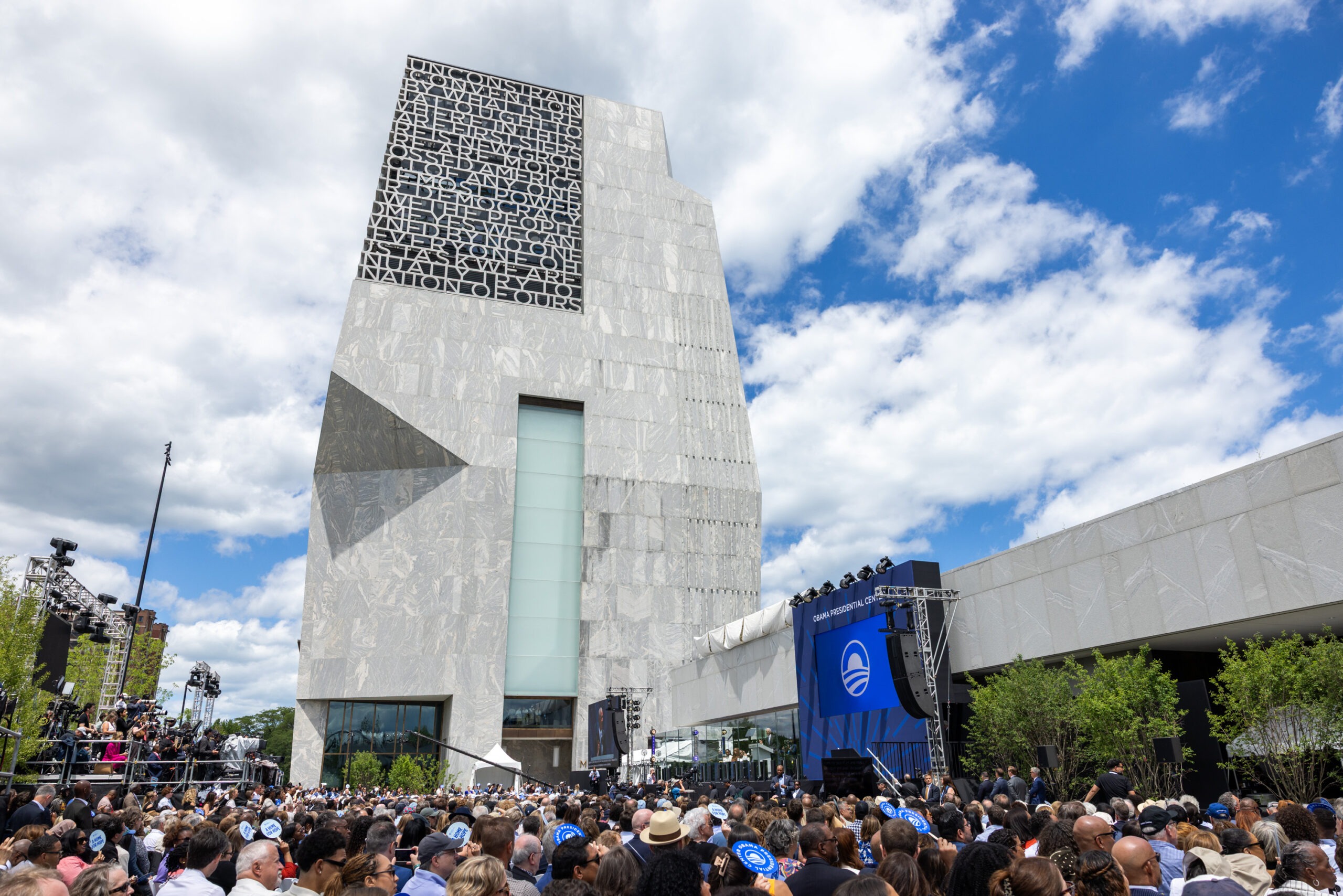
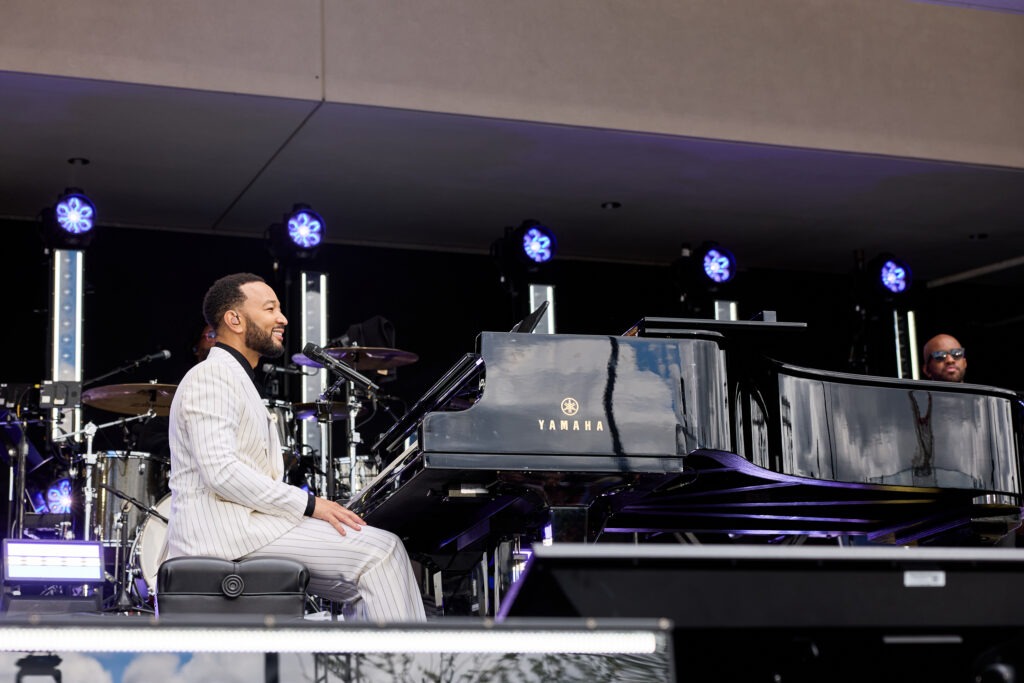
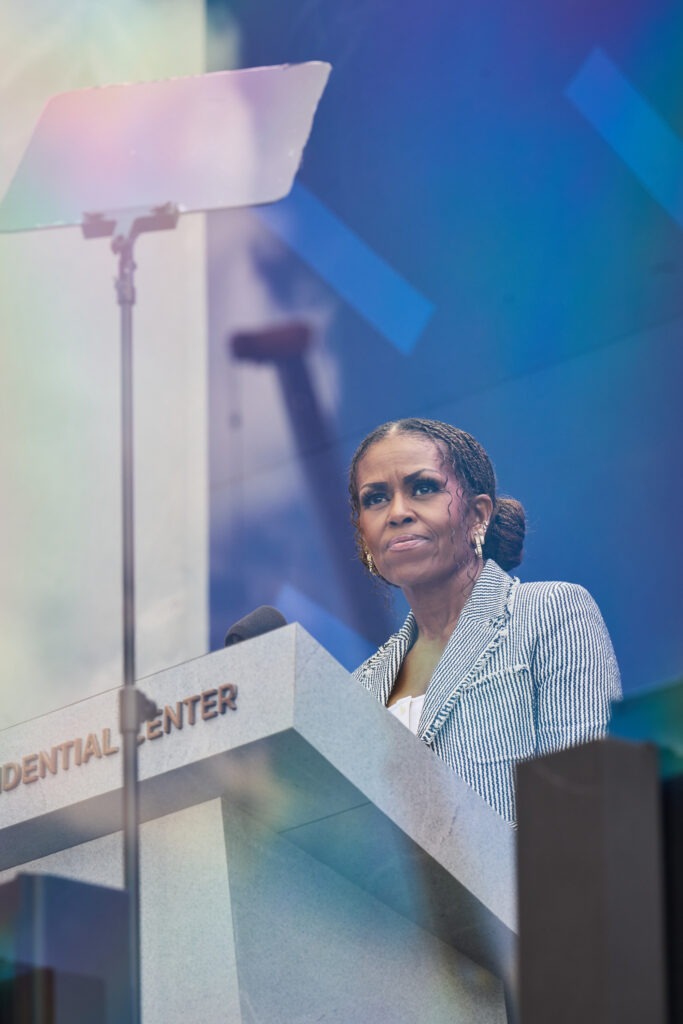
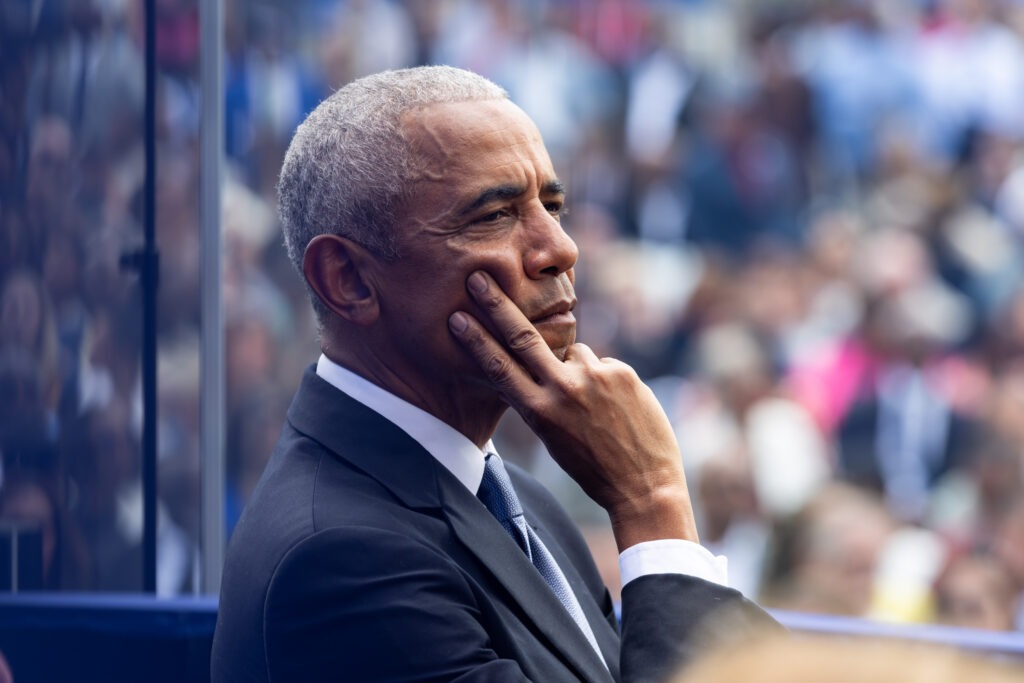
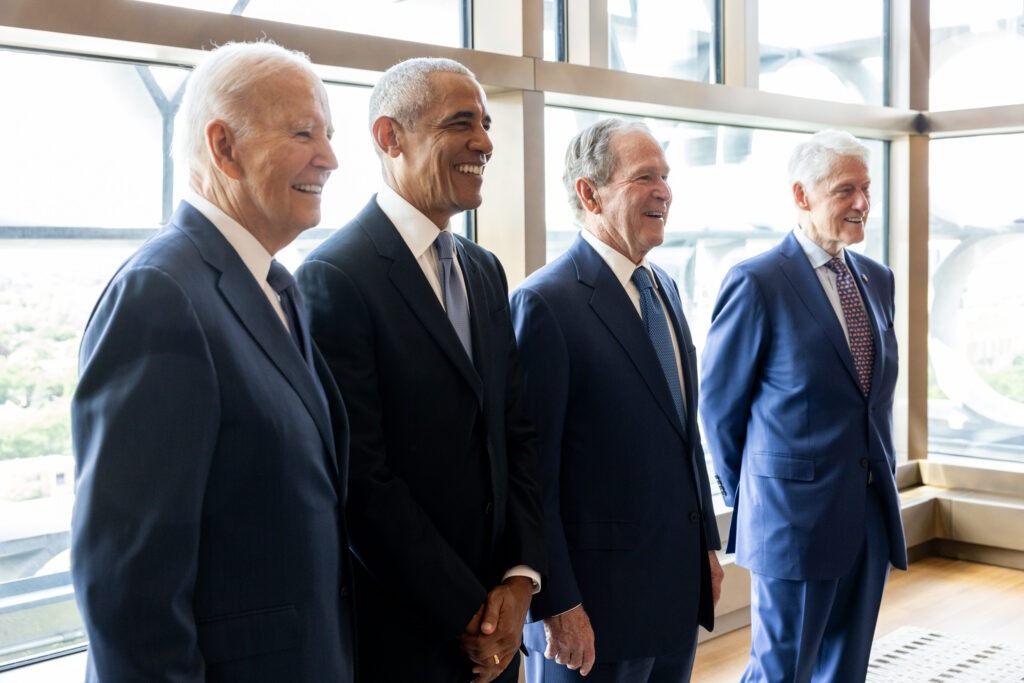
Obama Presidential Center to Open June 19 with Four-Day Celebration on Chicago’s South Side

The Obama Presidential Center will open June 19, 2026 in Chicago with four days of celebrations, public events, and a civic campus designed to inspire future changemakers.

By Milton Kirby | Chicago, IL | March 11, 2026

The long-awaited Obama Presidential Center will officially open to the public in June with four days of celebrations designed to highlight civic engagement, culture, and community on Chicago’s South Side.

The Obama Foundation announced that the grand opening festivities will run June 18 through June 21, 2026, beginning with a global dedication ceremony and continuing with public celebrations, performances, and family-friendly activities across the new 19.3-acre campus.

The opening marks a historic milestone for the presidential center created to preserve the legacy of Barack Obama while also serving as a living civic campus focused on leadership, community engagement, and democratic participation.

“This is not a monument to the past,” Obama said in a video announcing the opening. “It is a living destination for people who refuse to accept the status quo.”

Four Days of Celebration

The opening events begin Thursday, June 18, with a dedication ceremony at John Lewis Plaza, named for the late civil rights leader and longtime congressman John Lewis. The ceremony will be livestreamed globally and will include performances by international artists and remarks from prominent leaders.

The campus will then open fully to the public on Friday, June 19, allowing visitors to explore the museum and public spaces for the first time.

Community celebrations will continue on June 20 and June 21, featuring live music, art, food vendors, storytelling, and activities across the campus grounds in Chicago’s historic Jackson Park.

The opening weekend will also include special gatherings for volunteers, supporters, alumni of Obama-era programs, and young leaders connected to the Foundation’s initiatives.

A Campus Built Around Public Access

Unlike many presidential libraries, the Obama Presidential Center was designed as an open civic campus rather than a traditional archive-focused facility.

Most of the campus will be free and open to the public, including outdoor spaces and several community-oriented facilities.

Visitors will be able to explore:

  • The Forum, a building dedicated to public programming and events
  • A new branch of the Chicago Public Library
  • An accessible playground for children
  • Public art installations across the campus
  • Landscaped park spaces and walking paths connecting to nearby lagoons and the Museum of Science and Industry

Additional features include the Women’s Garden, Great Lawn, Eleanor Roosevelt Fruit and Vegetable Garden, picnic areas, and a wetland walking trail.

Visitors will also be able to dine at a café and restaurant on campus and shop at the center’s retail store.

Museum Tickets Coming This Spring

While most of the campus will be free, admission to the Obama Presidential Center Museum will require a timed entry ticket.

Tickets will go on sale in spring 2026, with prices expected to align with other major Chicago cultural institutions. The Foundation says the museum will include discounts and designated free days for Illinois residents.

A Symbol of “Hope and Change”

The announcement of the opening date was made on March 7, the anniversary of the historic Selma voting rights marches that helped shape the modern civil rights movement.

During the 50th anniversary commemoration of those marches, Obama delivered one of his most widely remembered speeches, calling on Americans to continue what he described as the “glorious task” of improving the nation.

Those words now appear engraved on the exterior of the museum building.

Valerie Jarrett said the center is intended to inspire visitors to take that mission into their own communities.

“We have always believed in the power of ordinary people to come together to make extraordinary change,” Jarrett said. “The opening of the Obama Presidential Center will be a beacon of hope to the world.”

More Than a Presidential Library

Unlike traditional presidential libraries managed by the National Archives and Records Administration, the Obama Presidential Center will be operated by the Obama Foundation as a community-focused civic institution.

Foundation leaders say the center will host year-round programs, leadership initiatives, and public discussions aimed at strengthening democracy and empowering the next generation of changemakers.

“The Obama Presidential Center is about the everyday people who make our democracy work,” Jarrett said.

For many supporters, the June opening represents more than the unveiling of a new cultural destination. It is the culmination of more than a decade of planning and construction tied to the legacy of the nation’s first Black president and the community that helped shape his rise.

A National Destination with Local Roots

When the gates open in June, the center is expected to draw visitors from around the world to Chicago’s South Side — a neighborhood that played a defining role in Obama’s early career as a community organizer.

The Foundation says the campus is designed to reflect that history while looking toward the future.

As Obama said in announcing the opening:

“If you feel that something better awaits and you’re willing to work for it, this is your invitation to join us.”

Support open, independent journalism—your contribution helps us tell the stories that matter most.

Atlanta Launches Human Rights Plan Ahead of 2026 FIFA World Cup

Atlanta launches ATL26 Human Rights Action Plan ahead of the 2026 FIFA World Cup, outlining worker protections, housing initiatives, and community safeguards tied to the global tournament.

Milton Kirby | Atlanta, GA | March 11, 2026

Atlanta leaders say hosting the world’s largest sporting event must reflect the city’s long tradition of civil and human rights leadership.

This week, the City of Atlanta publicly launched the ATL26 Human Rights Action Plan, a framework designed to protect workers, safeguard vulnerable communities, and ensure that the global spotlight of the World Cup leaves lasting benefits for Atlanta residents.

The initiative, led by the Mayor’s Office of One Atlanta, was formally adopted by the Atlanta City Council through Resolution 26-R-3106. City officials say the plan will guide how Atlanta prepares for the 2026 FIFA World Cup, when matches will be played at Mercedes-Benz Stadium.

“Atlanta has a legacy of leading the conscience of the nation for civil and human rights,” said Andre Dickens. “The ATL26 Human Rights Action Plan reflects the city’s values and decades of the unforgotten voices of the greatest civil rights leaders in history who called Atlanta home.”

City leaders say the plan is built on a simple principle: the World Cup should happen with Atlanta, not to Atlanta.”

Officials say that philosophy guided months of planning and community engagement aimed at making sure the event strengthens neighborhoods rather than placing additional burdens on them.

Community Voices Help Shape the Plan

The Human Rights Action Plan was developed through an extensive public process that included more than 75 hours of community engagement and participation from more than 25 organizations.

Those discussions included labor leaders, disability advocates, immigrant-serving nonprofits, faith groups, youth organizations, anti-human-trafficking coalitions, and residents across the city.

Multiple city departments participated in the effort, including the Mayor’s Office of Violence Reduction, the Mayor’s Office of International and Immigrant Affairs, the Department of Emergency Preparedness, the Department of Innovation and Performance, and the Atlanta Department of Labor and Employment Services.

Candace Stanciel, Atlanta’s Chief Impact Officer who led the effort, said community voices were central to the plan’s development.

“This Action Plan was built through partnership,” Stanciel said. “Their voices shaped every section of this document, and their continued partnership will be essential to its success.”

Four Pillars of the Plan

The framework addresses a wide range of issues that can arise when cities host major global events.

Officials organized the plan around four major pillars.

The first pillar, Inclusion and Safeguarding, focuses on protecting vulnerable populations. Initiatives include preventing human trafficking, supporting unsheltered residents, expanding language access, protecting children, and ensuring accessibility for people with disabilities.

The second pillar, Workers’ Rights, establishes labor standards for World Cup-related jobs coordinated by the city. Officials say a $17.50 hourly minimum wage will serve as the baseline for those positions, alongside protections for safe workplaces and wage theft prevention.

The third pillar, Access to Remedy, creates a unified grievance reporting portal in partnership with FIFA and strengthens the Atlanta Human Relations Commission as the city’s primary anti-discrimination mechanism.

The fourth pillar, Accountability and Monitoring, commits the city to quarterly public progress reports and a comprehensive human rights impact report within six months after the tournament concludes.

Why Cities Now Create Human Rights Plans

Human rights action plans have become increasingly common as cities prepare to host global sporting events.

In recent years, international sports governing bodies have encouraged host cities to adopt formal frameworks designed to prevent problems that have emerged around previous mega-events, including worker exploitation, displacement of residents, trafficking risks, and limits on civil liberties.

By identifying risks early and establishing safeguards in advance, cities aim to ensure that global sporting celebrations benefit local communities rather than harming them.

Atlanta officials say the ATL26 plan reflects those lessons while building on the city’s longstanding role in the American civil rights movement.

A Legacy Beyond the Final Match

Beyond event preparation, the plan outlines eight “Legacy Impact Initiatives designed to deliver long-term benefits to Atlanta residents.

Among them:

• A human rights resource network connecting more than 15 partner organizations
• Youth leadership programs expected to serve more than 200 young people
• Career exposure opportunities in the sports industry
• A citywide accessibility readiness guide for major events
• Efforts to support 500 permanent supportive housing units and help 2,000 households find housing
• Anti-human-trafficking training for more than 1,000 individuals
• FIFA-connected Pride programming providing health and legal resources
• Expanded outreach and training through the Human Relations Commission

City officials say the effort is meant to ensure that when the final whistle blows in 2026, Atlanta will be stronger than before the tournament began.

“This Action Plan is both a commitment to the standards we believe every host city should uphold,” the city said in its announcement, “and an invitation to make the 2026 World Cup a model for how global sporting events can advance fairness, justice, and shared humanity.”


Sidebar

Atlanta and the Olympics: What the 1996 Games Teach Us About Hosting Global Events

When Atlanta hosted the 1996 Summer Olympics, the city stepped onto the global stage in a way it never had before.

For two weeks in July 1996, millions of visitors and television viewers saw Atlanta as the capital of the New South  a city of economic growth, cultural influence, and civil rights history.

The Olympics brought major benefits. They helped create Centennial Olympic Park, accelerated downtown redevelopment, expanded tourism, and helped reshape Atlanta’s international reputation.

But the Games also revealed the challenges large global events can create.

Housing advocates raised concerns about displacement of low-income residents as redevelopment accelerated. Civil liberties groups also criticized aggressive security policies and the removal of unhoused residents from parts of downtown during preparations for the Games.

Those lessons are part of why cities today often develop formal human rights frameworks when hosting global sporting events.

Atlanta’s ATL26 Human Rights Action Plan, tied to the 2026 FIFA World Cup, reflects that evolution. City leaders say the goal is to ensure that when the world returns to Atlanta in 2026, the benefits of the event will extend beyond the stadium and into the communities that call the city home.

Related articles

MARTA Interim CEO Charts Course for Safer, Faster, More Reliable Transit Ahead of World Cup

MARTA Appoints Jonathan Hunt Interim GM/CEO as Transit Prepares for World Cup

MARTA Expands Service for July 5 FIFA World Cup Match

Atlanta Pauses Construction for Fourth of July, Ramps Up FIFA World Cup Prep

Truth Seekers Journal thrives because of readers like you. Join us in sustaining independent voices.


CFPB Steps Back from Regulating Buy Now, Pay Later — Consumers Face New Risks

The CFPB’s decision to step back from regulating Buy Now, Pay Later services could leave millions of Americans with fewer protections as BNPL use continues to surge.

Milton Kirby | Atlanta, GA | March 11, 2026

Millions of Americans now use Buy Now, Pay Later (BNPL) services to spread the cost of everyday purchases. But a regulatory shift by the Consumer Financial Protection Bureau is raising new questions about how much protection consumers will have when problems arise.

On May 6, 2025, the CFPB announced it would no longer prioritize enforcing a rule that treated BNPL services similarly to credit cards. The agency also signaled it may rescind the rule entirely.

While the announcement initially drew limited national attention, its consequences are beginning to surface as more households rely on installment payment platforms such as Klarna, Afterpay, and Affirm.

These services promise convenience: consumers can split a purchase into several smaller payments, often four installments with no interest. Retailers promote the option heavily at checkout, especially for online purchases.

But consumer advocates warn that without strong oversight, the model carries risks.

“With the CFPB stepping back, consumers are more exposed than ever especially when something goes wrong.”

Previously, the CFPB had moved toward regulating BNPL services more like traditional credit cards. That approach would have required clearer billing disclosures, stronger dispute rights when purchases go wrong, and standardized rules for fees and collections.

The agency’s decision to step back leaves uncertainty about how those protections will be applied going forward.

If a purchase arrives damaged, if a refund is delayed, or if a billing error occurs, consumers may face a more complicated path to resolving the issue than they would with a traditional credit card.

The CFPB said it is shifting resources toward protecting servicemembers, veterans, and small businesses — priorities the agency considers urgent. However, the move also creates a regulatory gap in one of the fastest-growing segments of consumer finance.

BNPL’s Rapid Growth

Even though the CFPB announcement came nearly a year ago, its relevance continues to grow.

Buy Now, Pay Later usage has expanded rapidly, particularly among younger consumers and families facing rising costs for housing, food, and transportation. Retailers are increasingly promoting installment options during checkout, encouraging shoppers to divide purchases into smaller payments.

For many consumers, the appeal is simple: smaller payments feel easier to manage than a single large charge.

But financial counselors warn that juggling several small installment plans at once can quickly add up. Multiple BNPL purchases — each with its own payment schedule — may strain household budgets.

Complaints about billing errors, refund delays, and late fees have also increased as the industry grows.

Without the standardized protections that apply to credit cards, some consumers may find it more difficult to dispute charges or resolve transaction problems.

How the CFPB Works

The Consumer Financial Protection Bureau was created by Congress in 2010 following the financial crisis to protect consumers in the financial marketplace.

The agency regulates products such as mortgages, credit cards, and student loans, and it has increasingly examined emerging financial tools like BNPL services.

Several features of the CFPB’s structure help explain how policy changes occur:

Independent but Executive: The bureau operates independently but remains part of the executive branch.
Single Director: It is led by a director appointed by the president and confirmed by the Senate. Following the Supreme Court’s ruling in Seila Law LLC v. Consumer Financial Protection Bureau (2020), the president can remove the director at will.
Independent Funding: The CFPB receives funding through the Federal Reserve System rather than through congressional appropriations.
Broad Authority: The agency enforces federal consumer financial laws and supervises both banks and non-bank lenders.

Because of this structure, the bureau’s regulatory priorities can shift when presidential administrations change.

What Consumers Should Know

Financial experts emphasize that BNPL services may feel different from traditional loans, but they still carry obligations.

Payments are typically scheduled automatically through debit cards or bank withdrawals. Missing a payment can trigger late fees, and some companies may report missed payments to credit bureaus.

For consumers already managing multiple subscriptions, credit cards, and bills, installment plans can create additional complexity.

With fewer federal guardrails in place, financial responsibility increasingly falls on the individual shopper.

TSJ will continue monitoring how federal regulators, lenders, and retailers shape the future of Buy Now, Pay Later financing — and what it means for families trying to stretch every dollar in an unpredictable economy.


Sidebar

Five Things Consumers Should Watch When Using BNPL

  1. Missed or Late Payments
    BNPL apps often auto-debit accounts. If funds are not available, late fees can accumulate quickly.
  2. Billing Disputes
    Resolving problems such as damaged goods or delayed refunds may take longer without standardized protections.
  3. Unexpected Fees
    Some providers may introduce or increase fees if regulatory pressure decreases.
  4. Credit Score Effects
    Not all BNPL companies report payments the same way. A missed payment could affect credit unexpectedly.
  5. Multiple Plans at Once
    Several small “pay-in-four” loans can quickly become difficult to track and manage.

Related articles

Predatory Lending Claims Move Forward: TitleMax Loses Bid to Dismiss NC Case

How to Avoid Credit Card Late Fees After a Court Threw Out a Proposed Cap

Senate Votes to Overturn Overdraft Fee Cap, Undermining Key Consumer Protections

Truth Seekers Journal thrives because of readers like you. Join us in sustaining independent voices.

Inside the Bill Pickett Invitational Rodeo — Part 1

Valeria Howard Cunningham reflects on 42 years of the Bill Pickett Invitational Rodeo, preserving Black cowboy history while inspiring youth and building community nationwide.

The Legacy of the Bill Pickett Invitational Rodeo: Valeria Howard Cunningham on History, Community, and the Future of Black Cowboys

Milton Kirby | Atlanta, GA | March 10, 2026

A little boy walked into the arena in Memphis dressed like a cowboy from head to toe, boots, jeans, a large buckle, a western shirt, and a hat. He was about seven years old.

Like many children entering a rodeo arena for the first time, he wrinkled his nose at the smell of the animals. Then he stepped closer to the arena rail. He stopped in his tracks. Hands on his hips, eyes wide, he stared at the riders preparing to compete. “I can’t believe this,” he said. “There are real Black cowboys and cowgirls.”

Standing nearby was Valeria Howard Cunningham, the longtime leader of the Bill Pickett Invitational Rodeo. She watched the moment unfold and felt tears come to her eyes. “For me,” she later said, “that moment spoke volumes.”

For more than four decades, moments like that have defined the mission of the Bill Pickett Invitational Rodeo not simply as a sporting event, but as a living classroom where history, culture, and community meet.

In a recent interview with The Truth Seekers Journal, Howard reflected on the journey that has taken the rodeo from modest beginnings to sold-out arenas across the country, and on the people and purpose that have sustained it for more than 42 years.

Overcoming Fear and Breaking Barriers

Cunningham does not pretend the journey was easy. Taking the reins of a national rodeo organization as a Black woman came with uncertainty and pressure. “You know, that was scary within itself,” Cunningham said. “Being a woman, being a Black woman, trying to run an African American rodeo association. Were people ready for that?”

There were moments of doubt. But Cunningham said she was never alone. She remembers the circle of women who stood beside her, believing in the vision and pushing her forward when the responsibility felt overwhelming. “I had Black women surrounding me who had my back,” she said. “They assured me they would be standing beside me.” That support system became one of the foundations of the rodeo’s success. Howard quickly points out that the Bill Pickett Invitational Rodeo has always been a team effort.

Among those who helped shape the organization are longtime partners like national sponsorship director, Margo Wade-LaDrew, who is ready to step in and take the reins if need be, Acynthia Villery, Social Media Director, and the first African American female professional rodeo announcer, public relations director Michelle Johnson, and a network of coordinators, volunteers, and rodeo professionals across the country.

“I was surrounded by incredibly talented women,” Cunningham said. “They guided me on the things I didn’t know.”

From Empty Seats to Sold-Out Arenas

When the Bill Pickett Invitational Rodeo first began touring, success looked very different. In the early days, simply filling a few seats felt like a victory. “We started just hoping to see some people in the seats,” Cunningham said. Today, many arenas are filled to capacity. The growth did not happen by accident. Cunningham credits the rodeo’s competitors, the cowboys and cowgirls who travel across the country. They compete in events that require extraordinary skill, discipline, and courage.

BPIR courtesy photo – Valeria Howard Cunningham, President and CEO of the Bill Pickett Invitational Rodeo

“The Black cowboys and cowgirls that are part of the Bill Pickett Invitational Rodeo are professionals,” she said. “People come because they want to see great competition.” But competition alone is not enough.

Cunningham believes audiences deserve excellence when they buy a ticket. “If you’re going to produce a show,” she said, “you must respect your audience and make sure they get the best experience possible.”

The True Culture of Black Cowboys

Cunningham is passionate about correcting misunderstandings about Black cowboy culture. Too often, she says, people reduce the culture to modern trail rides or social gatherings. But the real tradition runs much deeper.

“Black cowboy culture is about people who love the animals, love the sport, and take pride in being the best at what they do,” she said. At a Bill Pickett rodeo, spectators see that culture up close.

They see barrel racers flying around the arena at full speed. They see bull riders climb onto two-ton animals. These animals can throw a rider in seconds. They see steer wrestlers launch themselves from horses in a test of strength and timing.

Every event carries risk. Every competitor carries pride. And every ride connects today’s riders to generations of Black cowboys who helped shape the American West.

The Business Behind the Show

Behind the excitement of the arena is a complex operation. Producing a rodeo requires moving livestock, equipment, competitors, and staff across multiple states. Venue decisions alone can determine whether an event is financially successful.

Cunningham remembers one expensive lesson from decades ago. During an indoor rodeo in Philadelphia, the organization paid $50,000 just to bring dirt into the arena and then remove it afterward. “That’s when I said we’re not in the dirt business,” Cunningham said. Experiences like that shaped the organization’s strategy.

Cunningham said she is careful to choose venues that allow the rodeo to keep ticket prices affordable. “Our community has to be able to participate,” she said. “That’s the reason we do what we do.”

Investing in the Next Generation

For Cunningham, the rodeo’s mission extends far beyond competition. She credits her upbringing for that outlook. “My mother raised me to believe that when people give to you, you must give back,” she said.

That philosophy led to the creation of the Bill Pickett Invitational Rodeo Foundation, which provides scholarships, community programs, and youth outreach. Young riders are also part of the show itself.

The rodeo features Pee-Wee divisions for children as young as 5. There are also junior competitions that allow young riders to develop their skills. “These kids invest time and effort,” Cunningham said. “When they do something positive, we should showcase it.”

Rodeo for Kids’ Sake

One of the rodeo’s most impactful programs is called Rodeo for Kids’ Sake.

Each year in Memphis, thousands of elementary and middle school students attend a special Friday morning rodeo designed just for them. Before the competition begins, students receive a history lesson about Black cowboys and cowgirls who played important roles in the development of the American West. Teachers can also download curriculum workbooks. These workbooks connect rodeo history to lessons in reading, math, and art.

BPIR Courtesy photo – Valeria Howard Cunningham

About 4,000 students attend the Memphis program each year. For many of them, it is the first time they have ever heard about Black cowboys. Sometimes, it is the first time they have ever seen one. Cunningham still remembers the moment that little boy in Memphis stopped and stared at the arena. “I can’t believe this,” he said. “There are real Black cowboys and cowgirls,” Cunningham said. She could only stand there and cry. In that instant, she understood the true reach of the rodeo. “It means they see themselves,” she said.

A Legacy Built by Community

Cunningham experienced another powerful moment during the rodeo’s 40th anniversary celebration in Oakland. Standing at the top of the arena entrance, she watched families stream through the doors. Parents pushed strollers. Children held hands. Elderly guests arrived in wheelchairs. “It didn’t matter if you were a newborn or a senior,” she said. “Everyone was coming to share the experience.”

One man stopped her and shared his story. He had attended the rodeo every year since childhood. Now he was bringing his own children and his mother. “That’s when I realized the span of the Bill Pickett Invitational Rodeo,” Cunningham said.

Looking Toward the Future

Now in its 42nd year, the rodeo continues to grow.

Alongside the competition, the organization has launched Soul Country Rodeo Weekend. This event pairs the rodeo with a national music competition to discover emerging country music talent. But Cunningham says the future of the rodeo ultimately belongs to the next generation. “We’re preparing the next school of leaders,” she said. These are leaders who will carry the Bill Pickett legacy forward. They are the leaders who will keep telling the story. And they will make sure the next little boy who walks into a rodeo arena can still look out at the dirt, the horses, and the riders and say with wonder: “There are real Black cowboys and cowgirls.”


Agricenter International Showplace Theater – 7777 Walnut Grove Rd, Memphis, TN

Bill Pickett Invitational Rodeo

Music Competition – Friday, April 10, 2026 | 7:00 pm 8:00 pm Competition

 BPIR Rodeo – Saturday, April 11, 2026 | 1:30 pm or 7:30 pm


Event Tickets and additional information


Country Roots, Diverse Beats: Celebrating the Rich Tapestry of Soul in Country Music.

Upcoming in the TSJ series – Inside the Bill Pickett Invitational Rodeo

Part 2 — Margo Wade LaDrew: Building the Rodeo Brand
Part 3 — Kirk Jay: The Sound of Country Soul at the Rodeo
Part 4 — Nathaniel Dansby (Mr. Bowleggs) : The Sound of Country Soul at the Rodeo
Part 5 — Rodeo for Kids’ Sake and the Next Generation

Related articles

Bill Pickett Invitational Rodeo Names 2025 Champions After a Year of Grow and New Partnerships and a Powerful Legacy

Bill Pickett Invitational Rodeo National Finals Nominated for USA TODAY’s Best Rodeo Award

Bill Pickett Invitational Rodeo Celebrates 40 Years of Tradition and Excellence

Martin Luther King, Jr. African-American Rodeo of Champions Thrills Denver Audience

Truth Seekers Journal thrives because of readers like you. Join us in sustaining independent voices.
Why Optimization Erases Meaning

By Florita Bell Griffin, Ph.D | Houston, TX | March 10, 2026

Optimization promises improvement. It offers clarity, efficiency, and measurable gain. When systems are optimized, waste is reduced, processes are streamlined, and performance improves against defined criteria. Optimization feels rational. It feels responsible. It feels like progress. But optimization carries a hidden cost.

Optimization requires a target. Something must be selected, measured, and prioritized. In choosing what to optimize, systems also choose what to ignore. Over time, this selection shapes behavior more powerfully than intent. What is measured survives. What is not measured fades. This is how meaning begins to erode.

Meaning lives in relationships, context, and purpose. It is not always efficient. It does not always scale cleanly. It often resists precise measurement. When systems optimize aggressively, they tend to simplify these complexities into proxies. Performance indicators replace judgment. Metrics replace understanding. Outputs replace outcomes.

At first, the change appears beneficial. Systems become faster. Costs decrease. Variability narrows. Success becomes easier to demonstrate. Reports look better. Decision-making feels more confident. The system appears healthier. Yet beneath this surface improvement, something subtle is lost.

Consider a system designed to serve people. Early on, success is defined broadly. Outcomes are evaluated qualitatively. Context matters. Judgment is valued. As the system grows, leaders seek consistency and accountability. Metrics are introduced to track performance. Targets are set. Optimization follows.

Gradually, behavior shifts. People begin to optimize for the metric rather than the mission. Effort is redirected toward what is counted. What cannot be counted receives less attention. The system becomes very good at hitting targets while becoming less effective at fulfilling its original purpose. This is not corruption. It is adaptation.

Optimization teaches systems how to behave. When incentives are clear, systems respond accordingly. Meaning erodes not because it is rejected, but because it is no longer reinforced.

This pattern appears across domains. In education, standardized testing optimizes for measurable outcomes. Teaching adapts to the test. Learning narrows. Curiosity declines. Students succeed according to the metric while missing deeper understanding. The system performs well while failing its broader purpose.

In technology, optimization often prioritizes engagement, speed, or scale. Interfaces are refined to reduce friction. Algorithms are tuned to maximize response. Over time, systems become excellent at capturing attention while losing sight of user well-being. Meaningful interaction gives way to optimized interaction.

Optimization also affects how systems interpret success. When performance improves, questioning stops. Metrics validate decisions. Confidence grows. Yet the system’s definition of success may have drifted far from its original intent. Because optimization reinforces itself, this drift is rarely noticed until consequences appear.

People with experience recognize this dynamic. They have seen systems optimized into irrelevance. They have watched institutions become efficient at producing outputs no longer aligned with reality. Their skepticism is not opposition to improvement. It is awareness of how easily optimization replaces understanding.

Optimization narrows vision. It rewards repeatable behavior. It discourages exploration. Over time, systems lose their ability to recognize signals outside their optimization frame. They become blind to emerging conditions. They respond well to what they expect and poorly to what they do not.

This loss of perception is critical. Systems optimized for known conditions struggle when environments change. Because meaning has been reduced to metrics, adaptation becomes difficult. The system does not know what to preserve when conditions shift. It knows only how to optimize.

Consider a public service optimized for efficiency. Processing times decrease. Costs are controlled. Success is defined narrowly. Yet people with complex needs struggle to receive help. Exceptions become burdens. The system achieves its efficiency goals while failing those it was meant to serve.

Meaning erodes quietly because optimization does not announce its tradeoffs. Each improvement appears justified. Each metric seems reasonable. The cumulative effect is rarely examined. Only later does it become clear that the system no longer reflects its purpose.

This erosion affects trust. When people sense that systems are optimized rather than aligned, they disengage. They comply without commitment. They learn how to navigate rules rather than participate meaningfully. The system functions, but connection dissolves.

Optimization also alters decision-making. When success is defined numerically, leaders rely on dashboards rather than dialogue. Models replace conversation. Confidence increases while understanding decreases. Decisions become harder to challenge because they are backed by data, even when the data reflects a narrowed view.

Meaning cannot be optimized directly. It must be carried. It requires systems to preserve context, intent, and relationship as they evolve. This preservation demands restraint. It requires resisting the urge to reduce everything to what can be measured.

This does not mean rejecting optimization. Optimization has value. It improves execution. It reduces waste. It supports scale. The danger lies in allowing optimization to become the governing principle rather than a supporting one.

Systems that endure treat optimization as a tool, not a compass. They ask not only whether performance has improved, but whether purpose remains intact. They examine what has been lost alongside what has been gained.

People sense when systems have crossed this line. They feel processed rather than served. They experience efficiency without care. They notice when interactions feel hollow despite being smooth. These reactions are signals, not resistance.

Meaning returns when systems re-anchor to intent. When they explain themselves. When they allow judgment to complement metrics. When they remember why they exist, not just how they operate.

Optimization erases meaning when it becomes the goal rather than the method. Systems remain functional, sometimes impressively so, while becoming increasingly empty. Recognizing this pattern allows correction before purpose disappears entirely.

Systems that preserve meaning do not abandon optimization. They place it in context. They ensure that efficiency serves understanding rather than replacing it. In doing so, they remain capable of change without losing themselves.

Meaning is what allows systems to endure beyond their metrics.

© 2026 Truth Seekers Journal. Published with permission from the author. All rights reserved.

Truth Seekers Journal thrives because of readers like you. Join us in sustaining independent voices.

SHADOW BALL: Learning More About Negro League History

March 10, 2026

One of my main passions in Negro League baseball research is endeavoring to assist the National Baseball Hall of Fame & Museum to have better representation of Negro League “players” in their plaque gallery. Currently there are 28 Negro League “players” inducted in the Hall of Fame and 137 players inducted who had played in the traditional Major Leagues (as defined by MLB as “major” in 1969) prior to April 15, 1947. (I should note that only 125 of those players fully earned their plaques during MLB’s Segregated Era, 1876-1946)

The National Baseball Hall of Fame and Museum is a 501(c)3 not‑for‑profit educational institution, dedicated to preserving history, honoring excellence, and connecting generations. The question becomes does a 5 to one ratio properly “preserve (the) history” of baseball prior to 1947. Does having only 18% of all players prior to ’47 adequately educate the public on the National Pastime’s history?

Consider the following background facts:

  • Oral history is full of Major League players, including Ty Cobb, Babe Ruth, and Honus Wagner (the first three inducted in the Baseball Hall of Fame), who extoled the talents of Negro League players.
  • Despite Commissioner Landis doing his best to ban Major League teams from playing Negro League teams … hundreds of games between “so called “Major League and “so called” Negro League teams were played and, as historians and accountants will do, records were kept. I have seen a half dozen or so such composite accounts and the Negro League teams have the edge in every one of them.
  • On December 16, 2020, “Commissioner of Baseball Robert D. Manfred, Jr. announced that Major League Baseball is correcting a longtime oversight in the game’s history by officially elevating the Negro Leagues to “Major League” status.” Designating 7 Negro Leagues – Negro National League, Eastern Colored League, American Negro League, East-West League, Negro Southern League, Negro National League II, Negro American League – as Major.
  •  On May 29, 2024, MLB officially absorbed select Negro League records. Amazingly and interestingly, they show virtually identical slash lines for the two sides of the ML color line. Now, this would not have a lot of probative value if not for the other supportive facts in this litany.
  • Jackie Robinson and Roy Campanella were the first two players inducted in the Hall of Fame having debuted in the NL/AL after ’46. Including that pair, just about 41% of all Hall of Famers debuting in either the AL or NL since then are players who would not have been permitted to play prior to the reintegration of the game.
  • In 2025, just under 41% of major league opening day rosters were players who would not have been permitted to play prior to the integration of the game. Keep in mind, unlike pre 1947 a significant amount of baseball talent is siphoned off by the National Football League or National Basketball Association.
  • As for the National Baseball Hall of Fame & Museum it also has done spectacular work in telling both the history (and quality) of the Negro Leagues in every corner of the museum except the plaque gallery. In 2024, a Black baseball initiative was unveiled which included a new exhibit ‘The Souls of the Game: Voices of Black Baseball’; unveiling of a new Hank Aaron statue titled “Keep Swinging”; creation of a webpage called ‘We Play’ geared to 8 to 12 year olds which tells the story of Black baseball and its role in the Civil Rights movement; in addition additional educational outreach programs for older students are delivered to classrooms across the country; the Hall of Fame East-West Classic: A Tribute to the Negro Leagues All-Star Game (sadly this spectacular event was not continued annually – it is never too late; during ’24 the Hall began a collaboration with Dr. Geral Early, Washington University of Saint Louis, on a book published in 2025 “Play Harder” which sheds light on the early Black influence on baseball … for me, the year was capped when the Hall of Fame invited SABR’s Negro League Research Committee to hold its annual Jerry Malloy Conference in the Hall of Fame.  

Surely, Negro League players must have made up more than 18% of the best players prior to 1947.

It is time for Hall to answer Major League Baseball’s action of ’20 and ’24 by bringing the Hall of Honor UpToDate by inducting all deserving Negro League baseball players with all deliberate speed. Not two this year, none the next, and then another, then another two … already most of the players are gone and at such pace even the historians and ancestors will be gone.

Last week’s Shadow Ball Significa question:  Submitted by Shadow Ball fan, Will Clark): The 1969 New York Mets had a player (a key one at that) whose stepfather played in the Negro Leagues. Name the player and the Negro Leaguer who was his stepfather. The 1969 New York Mets player was Donn Clendenon. He was a key contributor and 1969 World Series MVP. Clendenon’s stepfather was Nish Williams Nish Williams raised him, mentored him, and shaped his athletic discipline. Clendenon often credited Williams with instilling the work ethic that carried him through his MLB career and ultimately helped power the Miracle Mets to their championship. Both Clendenon (2005) and Williams (1968) are deceased.

The Shadow ball Significa Question of the Week: What manager has been named to the Baseball Hall of Fame for Negro League performance? Send your answer and any comments on this issue’s Shadow Ball to  shadowball@truthseekersjournal.com or Shadow Ball, 3904 N Druid Hills Rd, Ste 179, Decatur, GA 30033

Ted Knorr

Ted Knorr is a Negro League baseball historian, longtime member of the Society for American Baseball Research’s Negro League Committee, and founder of the Jerry Malloy Negro League Conference and several local Negro League Commemorative Nights in central Pennsylvania. You can send questions for Knorr on Negro League topics as well as your answers to the week’s Significa question to  shadowball@truthseekersjournal.com or Shadow Ball, 3904 N Druid Hills Rd, Ste 179, Decatur, GA 30033

Support open, independent journalism—your contribution helps us tell the stories that matter most.

America Needs an Intervention: A 12-Step Program for Its Addiction to Racism, Violence, Misogyny, Inequality, and Greed

America faces deep-rooted addictions to racism, violence, misogyny, inequality, and greed. True greatness demands an honest national intervention, structural reform, and a courageous commitment to truth and justice.

By Lola Renegade | March 10, 2026

America will never be great until (S)he checks itself into rehab.

For generations, this nation has wrapped itself in the language of exceptionalism—the land of opportunity, the beacon of freedom, the greatest country in the world, blah, blah, blah, etc. But myths are powerful narcotics. They dull the pain of truth. They allow a nation to avoid confronting the damage it has done and continues to do—to others and to itself.

Strip away the mythology and the reality becomes unavoidable: America is a nation struggling with longstanding addictions—racism, violence, misogyny, inequality, and greed. These are not temporary lapses in judgment. They are structural and systemic habits, embedded in institutions, culture, and political life since the country’s violent and genocidal birth.

Like every addiction, these habits have consequences. And like every addiction, they will persist until the addict admits there is a problem.

America has experienced moments of greatness but has never been genuinely great. There have been flashes of moral clarity—Reconstruction, the New Deal,  the Civil Rights Movement, notable first-time elections of President Barack Obama, Vice President Kamala Harris and other people of color—periods when the country briefly attempted to live up to its highest ideals. But those moments have often been followed by backlash, denial, retreat, and violence. 

The truth is uncomfortable but unavoidable: greatness has never been America’s permanent condition. At best, it has been an aspiration.

Now the country stands at another crossroads.

The rise of Trumpism and his cult of MAGA (Make America Great Again) did not invent America’s demons; it exposed them. It pulled the curtain back on forces that had always existed but were often somewhat politely ignored, especially by the so-called mainstream media. Racial resentment, authoritarian impulses, contempt for democratic norms, and an open hostility toward women, immigrants, countries of color, and marginalized communities were no longer whispered—they were amplified from podiums and television screens.

Trumpism became less a political movement than a mirror reflecting unresolved truths about the nation itself.

And the reflection is not flattering, it is downright ugly as homemade sin because that is what it is.

To understand the depth of America’s addiction, one must begin with its historical foundation. The nation was born through the displacement and destruction of Indigenous peoples and built in large part through the forced labor of enslaved Africans. The Confederacy—an armed rebellion fought to preserve slavery—lost the Civil War but never fully lost the violent cultural war that followed.

Its symbols remain scattered across the American landscape: statues, flags, and monuments that celebrate a rebellion against democracy itself. These artifacts are not simply relics of history. They are declarations of whose history matters and whose suffering can be ignored.

Trumpism breathed new life into these symbols. The refusal to unequivocally condemn white supremacists, the defense of Confederate monuments, and the rhetorical flirtation with authoritarian nationalism revealed how unfinished America’s reckoning with its past truly remains.

But acknowledging the past is only the first step. Recovery requires transformation. In the language of addiction recovery, healing begins with admission.

Step One: Admit the problem.
America must acknowledge that racism, misogyny, inequality, and greed are not isolated incidents—they are systemic and structural forces woven into the nation’s political and economic fabric. This is best explained by Professor Tricia Rose, Ph.D.   https://www.youtube.com/watch?v=X3KsVRkbnn4

 Step Two: Educate honestly.

A nation cannot heal from a history it refuses to teach. Honest education about slavery, colonialism, and structural inequality is not divisive—it is necessary.

Step Three: Demand accountability.
Policies that target vulnerable populations—such as the so-called Muslim ban, family separations at the border, attacks on diversity initiatives, and efforts to erase the contributions of people of color from public narratives—illustrate how political power can be used to reinforce inequality.

Step Four: Confront the mythology.
Confederate symbols and historical distortions must be confronted, not romanticized. Nations mature when they confront their past honestly.

Step Five: Rebuild empathy.
Democracy cannot function without the ability to recognize one another’s humanity.

Step Six: Reform institutions.
Systems that perpetuate racial and gender inequality—from criminal justice to economic policy—must be fundamentally reexamined.

Step Seven: Address economic inequality.
Extreme disparities of wealth undermine democracy itself. When policy consistently favors the affluent, the social contract begins to collapse.

Step Eight: Restore public trust.
Trust cannot be demanded; it must be earned through transparency, fairness, and accountability.

Step Nine: Build coalitions for justice.
Progress has always required alliances across race, gender, and class.

Step Ten: Elevate art, culture, and truth.
Artistic expression and cultural dialogue help societies confront their deepest wounds.

Step Eleven: Reengage with the world responsibly.
Isolationism and militarized nationalism weaken moral leadership. Global cooperation strengthens it.

Step Twelve: Commit to vigilance.
Recovery is never permanent. It requires continuous effort and moral courage.

None of this will be easy. Addicts resist intervention. They deny the severity of their condition. They lash out at those who attempt to help them confront it. Nations behave no differently.

But the alternative to intervention is decline.

When societies refuse to confront injustice, inequality deepens. When greed overrides the common good, democracy erodes. When violence becomes normalized, the social fabric begins to rot.
America stands at a moment that demands honesty. The nation can continue clinging to comforting myths about its past, or it can finally confront the contradictions that have haunted it since its founding.

Rehabilitation is possible. But only if the country is willing to do the hardest thing of all: Tell the truth about itself. Until then, the slogan of greatness will remain just that—a slogan.

Because greatness is not something a nation proclaims. It is something a nation proves.
Warnock, Ossoff Secure $531 Million in Hurricane Helene Relief for Georgia Farmers

By Milton Kirby | Washington, DC | March 9, 2026

Georgia farmers who suffered devastating losses during Hurricane Helene are set to receive more than $531 million in federal disaster relief, according to an announcement from U.S. Senators Raphael Warnock and Jon Ossoff.

The funding will be distributed through the Georgia Hurricane Helene Block Grant Program, a federal relief initiative designed to help farmers, ranchers, and foresters recover from one of the most destructive storms to hit Georgia’s agricultural economy in recent history.

The relief comes nearly two years after Hurricane Helene tore across large portions of South and East-Central Georgia, leaving widespread destruction across farms, forests, and rural infrastructure.

“This announcement is welcome news for the Georgia producers and farmers that have been forced to wait far too long for this desperately needed relief,” Warnock said. “I’m glad to see that the application for these block grants will open in the coming weeks.”

Ossoff emphasized that Congress approved disaster funding shortly after the storm but said the process of getting the money to farmers has taken longer than expected.

“Less than 90 days after Hurricane Helene devastated Georgia agriculture, Senator Warnock and I passed disaster funding for Georgia farmers,” Ossoff said. “Now, over a year late, USDA is finally getting those funds to Georgia farmers. I am glad Georgia farmers are getting the help they’ve long deserved.”

Billions in Agricultural Losses

Hurricane Helene inflicted massive damage across Georgia’s agriculture and forestry sectors.

According to state and federal estimates:

  • Roughly one-third of Georgia’s pecan and cotton crops were destroyed
  • More than 100 poultry houses were damaged or wiped out
  • Approximately 1.5 million acres of timber were damaged or destroyed

Altogether, the storm caused an estimated $5.5 billion in total agricultural losses, making it one of the costliest disasters in Georgia farming history.

Beyond the economic devastation, the human toll was also severe. More than 250 people lost their lives nationwide, including 37 Georgians, as the storm moved through the region.

Who Can Apply for the Relief

The block grant program will help producers recover losses across a wide range of agricultural operations.

Eligible producers may seek assistance for damages affecting:

  • Timber
  • Farm infrastructure
  • Poultry operations
  • Beef and dairy cattle
  • Milk and dairy feed losses
  • Pecans and blueberries
  • Citrus crops
  • Nursery operations
  • Plasticulture systems
  • Bare ground farming practices

Applications will be administered through the Georgia Department of Agriculture.

The application window will open March 16, 2026, and remain available for six weeks, closing April 27, 2026.

Bipartisan Push for Relief

Warnock and Ossoff both credited bipartisan advocacy for helping secure the funding.

In March 2025, Warnock led a bipartisan group of lawmakers urging the United States Department of Agriculture to accelerate disaster assistance for Georgia farmers. Members of the Georgia congressional delegation joined the effort as pressure mounted from agricultural groups and rural communities still recovering from the storm.

Warnock, who serves on the Senate Agriculture Committee, has repeatedly pushed for stronger federal support for farmers dealing with extreme weather events.

Georgia’s agricultural sector — one of the state’s largest economic engines — continues to face increasing risks from hurricanes, drought, and other climate-driven disasters that can wipe out crops and infrastructure in a single season.

A Long Road to Recovery

For many farmers, the new funding represents a critical step toward rebuilding operations damaged during Helene.

Farmers across South Georgia reported losing entire orchards, poultry facilities, and timber stands that took decades to grow.

While the new federal relief will not fully replace the estimated billions lost, agricultural leaders say it will provide much-needed capital to help farmers stabilize their operations and prepare for future planting seasons.

For rural communities whose economies depend on agriculture and forestry, the funding could also help preserve jobs, stabilize local businesses, and keep family farms operating after one of the most damaging storms in recent memory.


SIDEBAR: Hurricane Helene’s Impact on Georgia Agriculture

When Hurricane Helene swept through Georgia, it left one of the most damaging agricultural disasters in the state’s modern history.

The storm’s powerful winds, heavy rain, and flooding devastated farms, forests, and rural infrastructure across South and East-Central Georgia, regions where agriculture is the backbone of many local economies.

State and federal assessments estimate that the storm caused approximately $5.5 billion in total agricultural losses across Georgia.

Key Impacts

Crop Destruction
Helene wiped out or severely damaged large portions of Georgia’s specialty crops. Nearly one-third of the state’s pecan and cotton crops were destroyed, while blueberry and citrus growers also reported widespread losses.

Timber Losses
Georgia is the nation’s leading timber-producing state, and the storm struck some of its most heavily forested regions. Roughly 1.5 million acres of timber were damaged or destroyed, representing years — and in many cases decades — of lost growth.

Poultry Industry Damage
The storm also hit Georgia’s massive poultry sector. More than 100 poultry houses were damaged or destroyed, disrupting one of the state’s most important agricultural industries.

Farm Infrastructure
Beyond crops and livestock, farmers reported losses to irrigation systems, fencing, barns, tractors, storage buildings, and other critical infrastructure needed to operate their farms.

Long-Term Effects

Agricultural disasters can take years to recover from.
Unlike row crops that can be replanted quickly, pecan orchards and timber stands may take decades to fully recover.

The federal block grant program announced by Senators Raphael Warnock and Jon Ossoff aims to help farmers rebuild operations and stabilize rural economies that depend on agriculture.

For many Georgia producers, the funding represents a critical step toward recovery after one of the most destructive storms to hit the state’s farming sector.

Related Articles

Warnock Pushes Bipartisan Plan to Stop Private Equity from Buying Up Single-Family Homes

Warnock Leads Bipartisan Push to Speed Up Transit Projects, Cut Red Tape Across Georgia

Warnock, Ossoff Announce $300 Million to Close Georgia’s Digital Divide

Warnock Leads Effort to End Racial Bias in Black Home Appraisals

From Pecans to Hospitals: Warnock Highlights Tariff and Health Care Struggles in Georgia

No contribution is too small. Support us today and help keep truth accessible for all.

Exit mobile version