
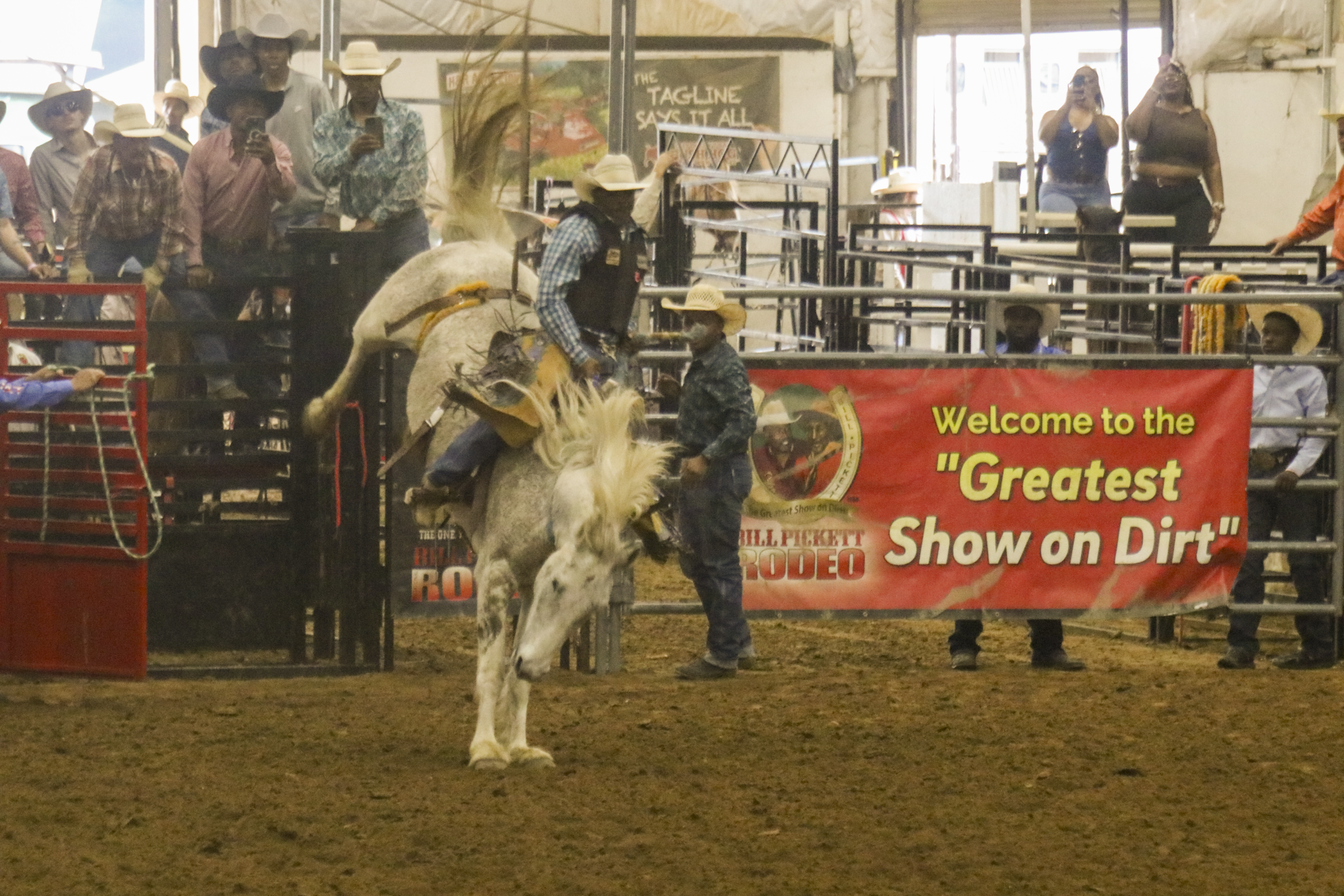
The Greatest Show on Dirt: How the Bill Pickett Invitational Rodeo Brings Legacy, Community, and Culture to Life
By Milton Kirby | Memphis, TN | May 5, 2026
The Bill Pickett Invitational Rodeo bills itself as “the greatest show on dirt.”
Spend a weekend with the BPIR family from the early morning “For Kidz Sake” rodeo to the Saturday night main event – and you understand why.
A great rodeo doesn’t just happen. It’s built piece by piece, decision by decision, tradition by tradition. It begins with the land beneath your boots and ends with the people who carry the legacy forward.
Memphis offered the perfect stage.
Choosing the Right Ground: The Agricenter Advantage
The Agricenter International in Memphis, Tennessee, is more than a venue it’s a 1,000‑acre ecosystem of agriculture, research, education, and community. Developed in 1979 and launched fully in 1984, it stands today as the world’s largest urban farm. A farmer’s market, expo center, theater, test fields it’s a place where land and learning meet.
For BPIR, the Agricenter provided something essential: space, infrastructure, and soil.
A rodeo lives or dies by its dirt.
I didn’t fully understand that until champion rider Tim Walker broke it down for me. Standing beside the arena rail, he pointed to the rich brown surface not dusty, not slick, just right.
“That’s good dirt,” he said. “Perfect moisture. The animals can run, turn, and stop without slipping. And the riders can trust the ground.”
I had never thought of dirt as a safety feature, a performance enhancer, a silent partner in the show. But in Memphis, the dirt was as ready as the riders.
Vendors, Vibes, and the Village That Makes a Rodeo Work
A successful rodeo is also a marketplace — a curated ecosystem of food, merchandise, and culture.
At the Agricenter, food concessions were handled exclusively by Yancey, per contract with the venue. But BPIR had the freedom to bring in its own merchandisers hat vendors, apparel sellers, artisans, and entrepreneurs who understand the rhythm of a Black rodeo crowd.
Their booths stayed busy all weekend.
People weren’t just buying souvenirs — they were buying identity, memory, and belonging.
A BPIR hat isn’t just a hat.
It’s a declaration: I was here. I’m part of this.

For Kidz Sake: The Heartbeat of the Weekend
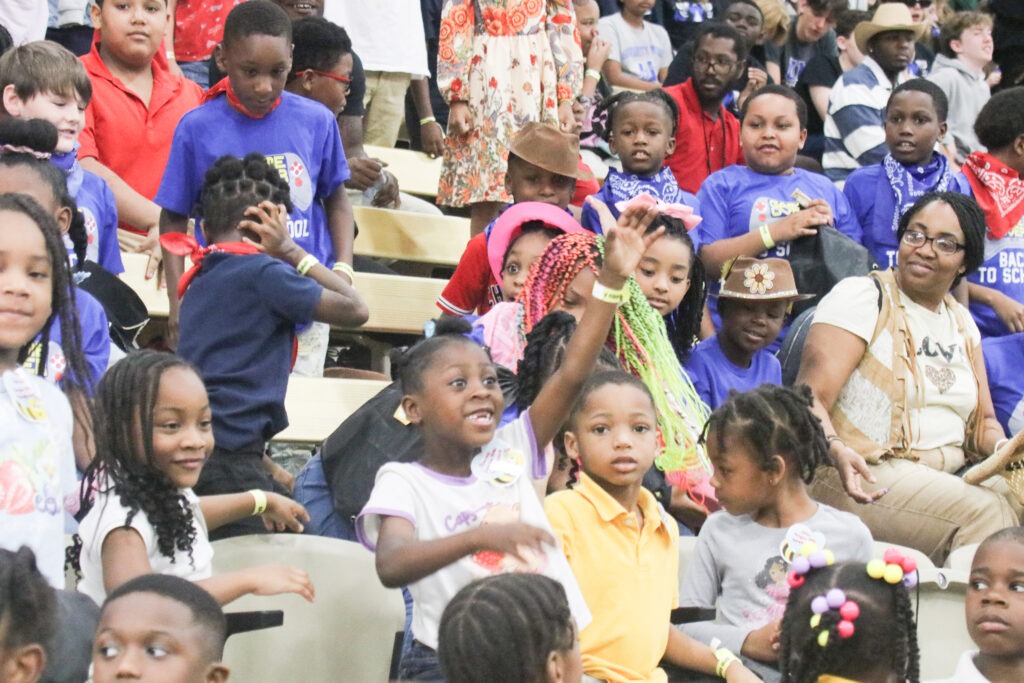
Friday morning belonged to the children.
The Rodeo for Kidz Sake program is one of BPIR’s most powerful contributions to cultural preservation. Nearly 4,000 students filled the arena, many seeing a horse up close for the first time, many learning a history they had never encountered before.
They watched, they cheered, they asked questions.
They saw themselves reflected in the arena dirt.
The energy was different — softer, brighter, full of wonder.
But by Saturday night, the tone shifted.
Saturday Night: All the Way Live
When the doors opened at 6 p.m., the crowd poured in, boots, hats, fringe, denim, and confidence. Some looked like they could ride in the show themselves. The arena buzzed with anticipation, laughter, and the unmistakable electricity of a Memphis Saturday night.
This was the BPIR at full power — the legacy, the culture, the competition, the community.
The pee wee riders brought heart.
The champion riders brought fire.
The crowd brought soul.
And woven through it all was the leadership that keeps the legacy alive.
A Producer with Vision: Valeria Howard Cunningham
BPIR Producer and CEO Valeria Howard Cunningham has done something rare: she has preserved the traditions of the Lu Vason rodeo while allowing the team to innovate, expand, and evolve.
Under her leadership, BPIR has remained rooted in history while embracing new cultural expressions — including the Soul Country Music Stars, a showcase that blends Black country artistry with the rodeo’s vibrant atmosphere.
Valeria’s gift is balance.
She protects the legacy while opening the door to the future.
Soul Country Music Stars: A New Sound on Old Dirt
The Soul Country Music Stars competition added a fresh layer to the Memphis stop — a reminder that Black country music is not a trend but a continuation of a long, under‑recognized lineage.
The artists brought storytelling, grit, and melody to the arena.
Their performances echoed the same themes the rodeo embodies: resilience, heritage, and pride.
It wasn’t an add‑on.
It was a natural extension of the culture BPIR has always celebrated.
Champion Riders and Pee Wee Dreams
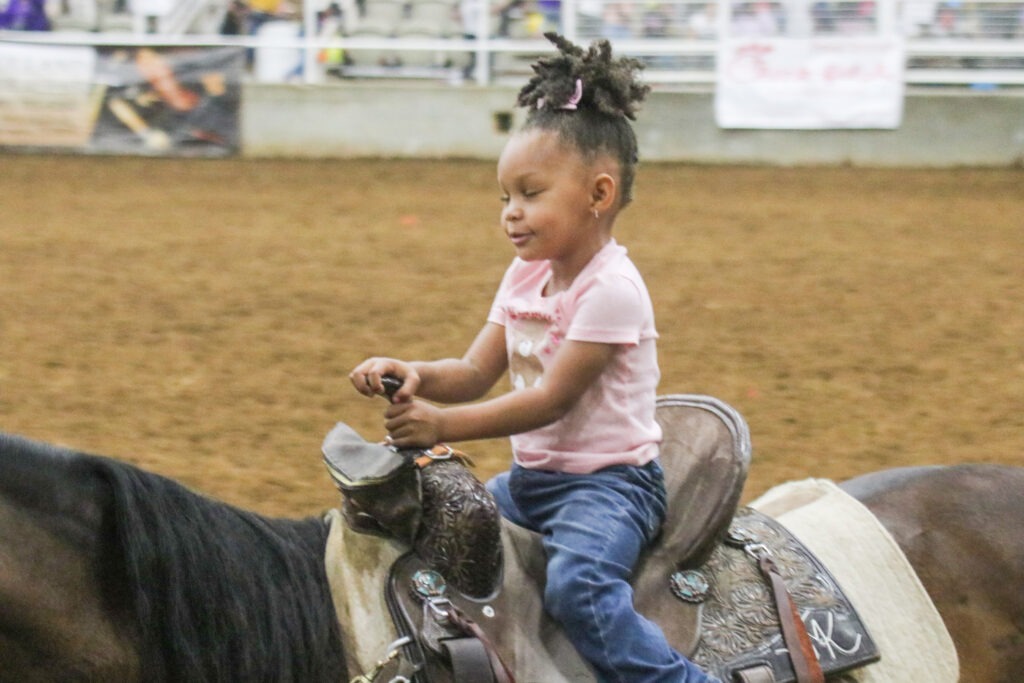
From the seasoned champions to the smallest pee wee riders, the arena became a stage for courage.
The champions rode with precision and swagger — the kind that comes from years of training, bruises, and victories. Their presence reminded the crowd that Black excellence in rodeo is not nostalgia; it’s now.
The pee wee riders, meanwhile, brought heart.
Their determination, their nerves, their joy — it all signaled that the legacy is safe.
BPIR is not just preserving history.
It is cultivating tomorrow.
And just beyond the spotlight, working in the shadows of the arena, another group carried a legacy of their own — one built on courage, instinct, and sacrifice.
The Clowns: The Unsung Guardians of the Arena
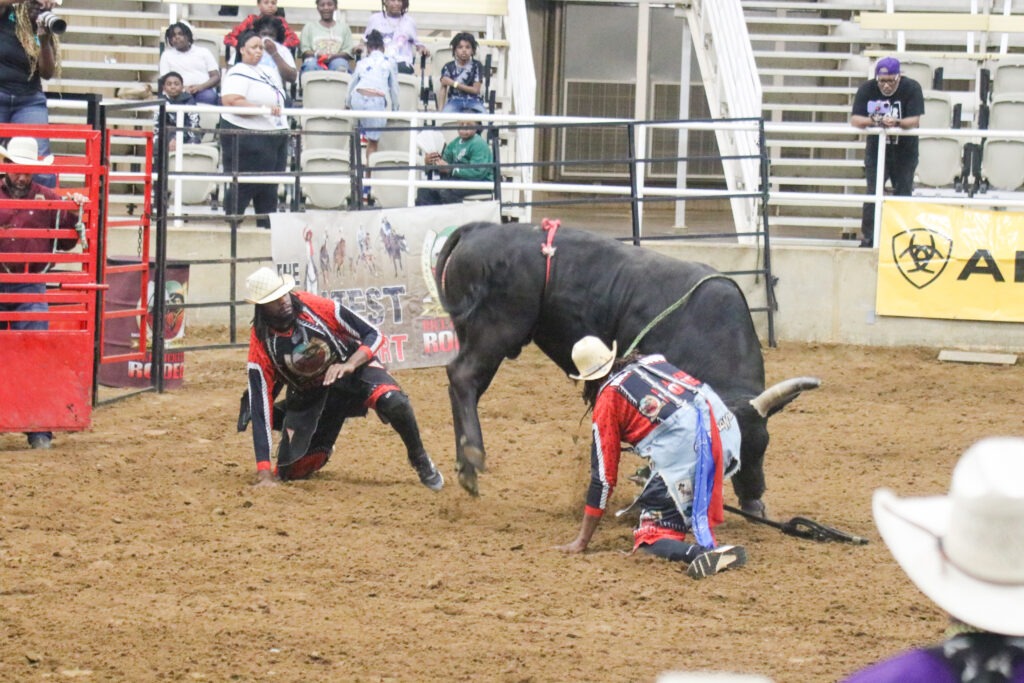
Most fans come to a rodeo to see the riders, the bulls, the broncs, the speed, the grit. But there is a group whose work is so essential, so dangerous, and so deeply woven into the fabric of rodeo culture that the show could not exist without them: the rodeo clowns — or, as they are known today, the bullfighters and barrelmen.
Their story stretches back more than a century.
In the early 1900s, rodeo clowns were hired mainly to entertain the crowd between events. But when Brahma bull riding exploded in popularity in the 1920s and ’30s, everything changed. The job evolved from slapstick humor to life‑saving precision. One moment they were making the crowd laugh; the next, they were stepping between a fallen rider and a thousand pounds of fury.
Originally, one person did it all — the comedy, the distraction, the protection.
Today, the role has split into two specialized professions:
- Bullfighters, the elite athletes whose job is to draw the bull’s attention away from a rider in danger
- Barrelmen, the comedic performers who entertain the crowd and provide an additional layer of protection inside the arena
Their work is not just theatrical. It is tactical.
They read a bull’s body language the way a musician reads sheet music anticipating the next move before it happens. They wear bright, loose‑fitting clothing designed to tear away, with protective gear hidden underneath. They expose themselves to danger so others can walk away.
And at the Bill Pickett Invitational Rodeo, their presence carries a deeper meaning.
Valeria Howard Cunningham notes that BPIR was the first — and remains the only — traveling Black‑owned rodeo to feature professional arena entertainers. In a sport where Black contributions have often been erased or minimized, BPIR’s commitment to showcasing Black excellence extends even to the people whose job is to run toward danger.
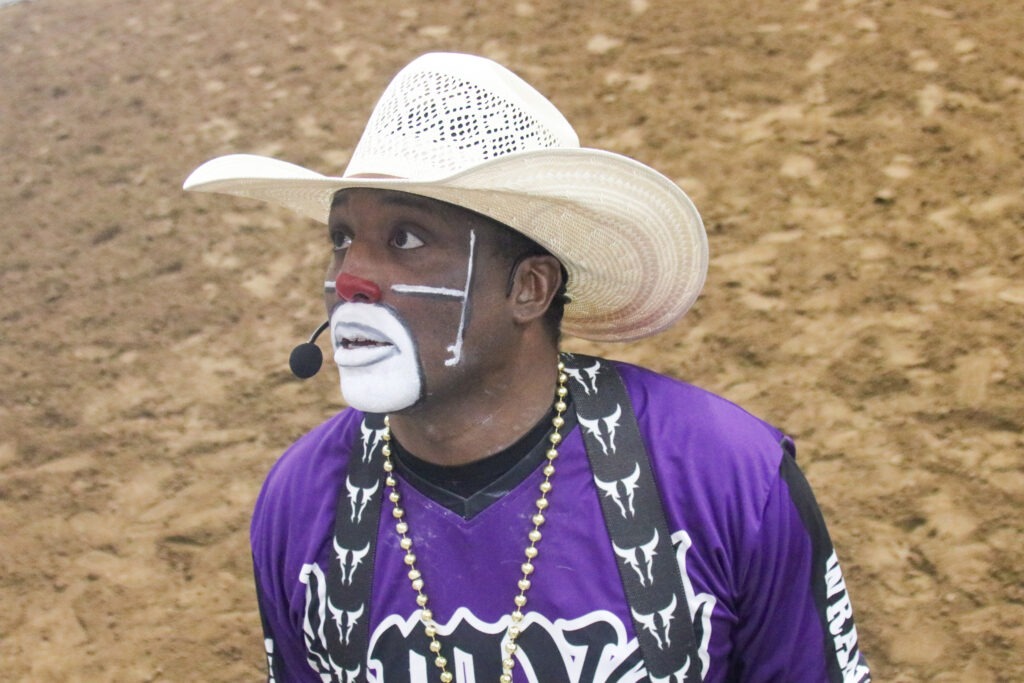
Their courage fits the theme that runs through every corner of this series:
Every detail carries weight. Every decision honors the past while shaping the future.
Just as the dirt tells a story, so do the clowns — a story of evolution, protection, and the unseen labor that keeps the greatest show on dirt alive.
A Legacy That Lives in the Details
What makes the Bill Pickett Invitational Rodeo the greatest show on dirt is the attention to detail.
It’s the intentionality.
The right venue.
The right dirt.
The right vendors.
The right programs for youth.
The right blend of tradition and innovation.
The right leadership.
The right community.
Every detail carries weight.
Closing: The Story the Dirt Tells
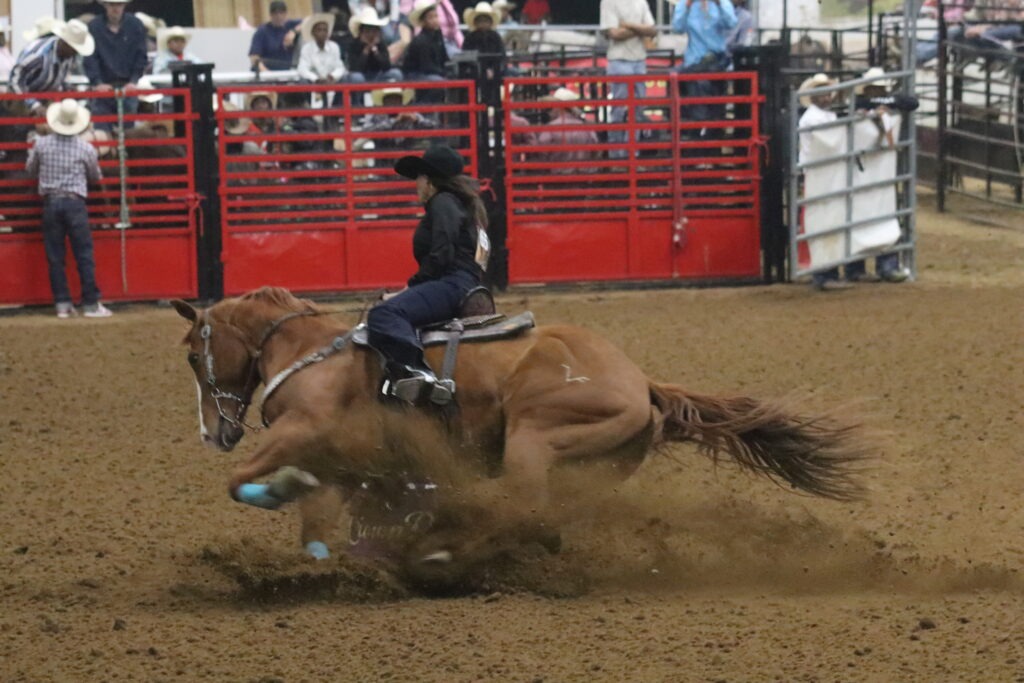
When the last rider leaves the arena and the dust settles, the dirt tells the story.
It holds the hoofprints of bulls and horses.
It holds the footprints of pee wee riders and champions.
It holds the echoes of children cheering, families laughing, and communities gathering.
It holds the legacy of Bill Pickett — and the vision of those who carry his name forward.
The greatest show on dirt is not just a rodeo.
It is a cultural inheritance.
A living archive.
A celebration of who we are and who we’re becoming.
And Memphis — with its perfect dirt, its vibrant crowd, its music, its children, and its champions — proved once again that the legacy is alive, growing, and riding strong.
EDITOR’S NOTE: Closing the Series
When I began this series, I thought I was documenting a rodeo.
What I discovered was a living institution — a community, a culture, a family, and a legacy that stretches far beyond the arena rails.
Over these weeks, I’ve watched children see themselves in the saddle for the first time. I’ve stood beside champion riders who carry decades of history in their posture and their pride. I’ve listened to artists who are reshaping the sound of country music. I’ve walked the dirt, talked with the producers, and witnessed the quiet, intentional work that makes the Bill Pickett Invitational Rodeo more than a show.
It is a preservation of memory.
It is a celebration of identity shaped in the arena and carried beyond it.
It is a commitment to the future.
From the “For Kidz Sake” rodeo to the Soul Country Music Stars, from the pee wee riders to the veterans of the sport, from the perfect dirt to the perfect vision — every piece of this series has revealed a truth:
The BPIR is not just honoring the legacy of Black cowboys and cowgirls.It is actively building the next generation of them.
And as I close this chapter, I’m reminded of something I felt — not heard — while standing in the Memphis arena: that the dust, the music, the laughter, the hoofbeats, and the voices all carry the same message.
We are still here.
We are still riding.
And the story continues.
— Milton Kirby
Truth Seekers Journal
Related articles
Inside the Bill Pickett Invitational Rodeo — Part 6
Inside the Bill Pickett Invitational Rodeo — Part 5
Inside the Bill Pickett Invitational Rodeo — Part 4
Inside the Bill Pickett Invitational Rodeo — Part 3
Inside the Bill Pickett Invitational Rodeo — Part 2
Inside the Bill Pickett Invitational Rodeo — Part 1
Bill Pickett Invitational Rodeo National Finals Nominated for USA TODAY’s Best Rodeo Award
Bill Pickett Invitational Rodeo Celebrates 40 Years of Tradition and Excellence
Martin Luther King, Jr. African-American Rodeo of Champions Thrills Denver Audience
Truth Seekers Journal thrives because of readers like you. Join us in sustaining independent voices.