Milton Kirby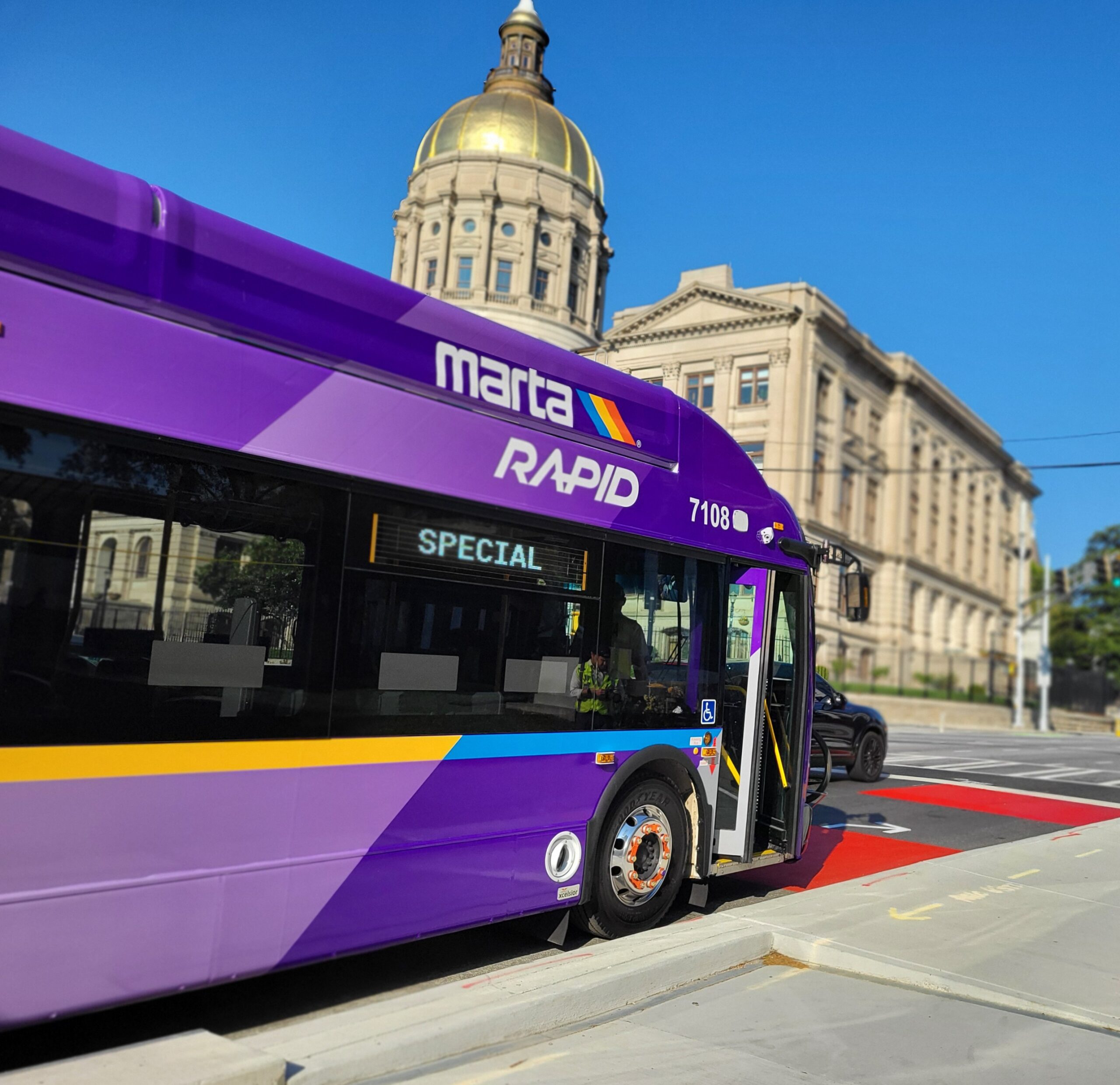
By Milton Kirby | Atlanta, Georgia | April 18, 2026
Atlanta’s transit system reached a milestone Saturday with the launch of the first phase of the Rapid A-Line, the region’s first bus rapid transit corridor operated by Metropolitan Atlanta Rapid Transit Authority (MARTA).
The new five-mile route connects Downtown Atlanta to key neighborhoods, including Capitol Gateway, Summerhill, Peoplestown, and the BeltLine’s Southside Trail. Riders can also transfer to MARTA’s rail system at Five Points, Georgia State, and Garnett stations.
The Rapid A-Line begins service as part of MARTA’s broader NextGen Bus Network redesign, a systemwide effort aimed at improving frequency, reliability, and access across metro Atlanta.
A Phased Opening with Immediate Service
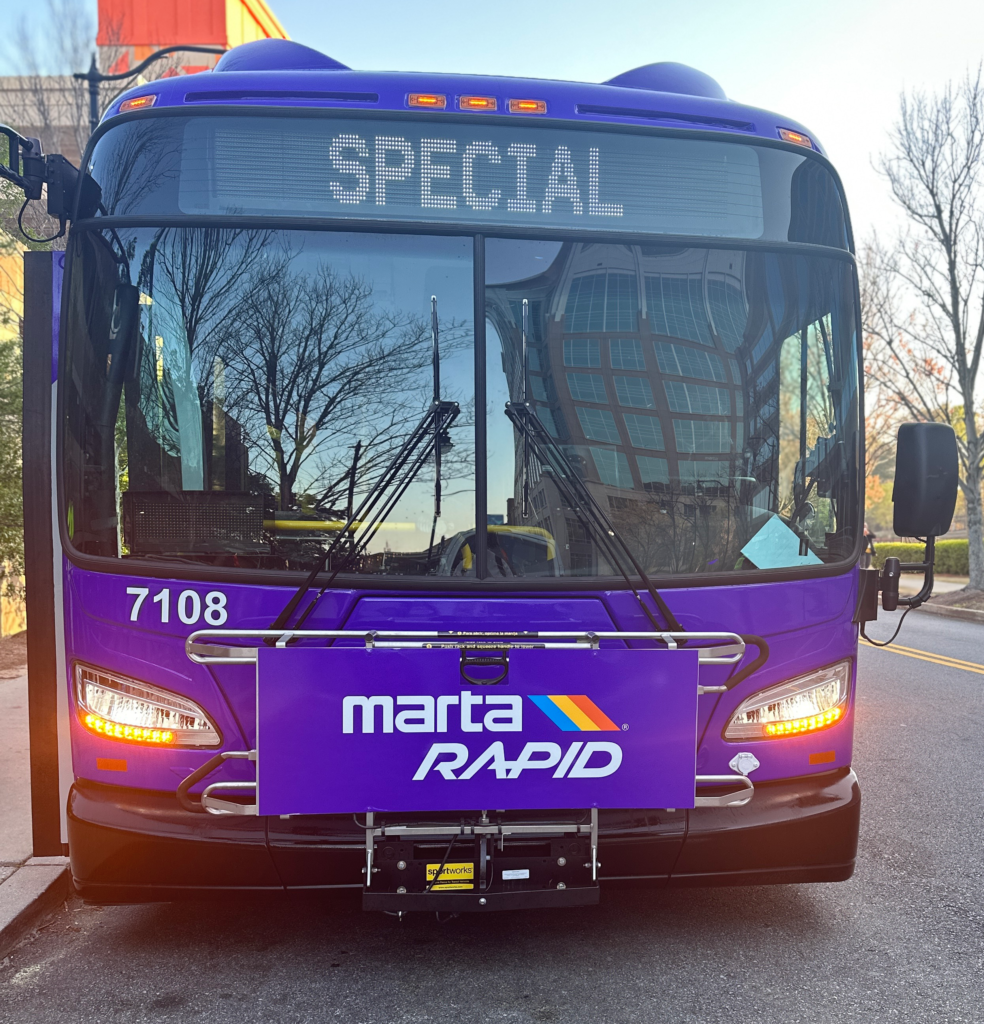
Phase One service began April 18 with buses running daily from 5 a.m. to 1 a.m. The line currently operates using 40-foot compressed natural gas (CNG) buses branded for the Rapid A-Line.
While the system is designed to deliver rail-like features, some elements will roll out in stages. Off-board fare payment at stations is scheduled to begin May 2, along with additional amenities such as real-time arrival information.
In areas where construction is complete, buses travel in dedicated red lanes reserved strictly for transit and emergency vehicles. At several major intersections—including Martin Luther King Jr. Drive at Forsyth Street and Hank Aaron Drive at Haygood Avenue—buses receive signal priority, allowing them to move through traffic more efficiently.
Where construction is still ongoing, riders will use temporary stops located near future station sites. These stops are currently fare-free to accommodate the phased rollout.
Connecting Communities and Key Destinations
The Rapid A-Line is designed to improve connectivity between downtown and fast-growing neighborhoods south of the city center. The route links residential communities with major destinations such as the Georgia State University Convocation Center and the expanding BeltLine corridor.
Transit officials say the project represents a shift toward faster, more reliable bus service that mirrors many of the benefits traditionally associated with rail.
Delays and Challenges Along the Way
Despite the milestone, the project has faced hurdles. During construction, crews encountered unexpected underground infrastructure that slowed progress. In addition, a battery recall affecting the New Flyer electric buses originally planned for the route forced MARTA to adjust its rollout strategy.
Those challenges led to the decision to launch the line in phases. Full completion of all bus rapid transit stations is now expected in Phase Two, scheduled for fall 2026.
What Drivers Need to Know
MARTA is urging drivers to pay close attention along the corridor. Red bus-only lanes are restricted to transit vehicles and emergency responders, with no driving or parking permitted.
Motorists are also advised to follow traffic signals carefully at intersections where buses receive priority and to allow buses to clear before proceeding.
A Step Toward the Future
The Rapid A-Line marks Atlanta’s first true entry into bus rapid transit, a model used in cities nationwide to deliver faster service without the cost of rail expansion. As MARTA continues to build out its NextGen Bus Network, transit leaders say the A-Line will serve as a blueprint for future corridors aimed at improving mobility across the region.
Related
The Better Breeze rollout represents one of the most significant fare system upgrades in MARTA’s history, aligning Atlanta with other major transit systems that have shifted toward contactless payments.
But the transition also raises practical concerns—especially for riders who rely on cash or may not yet have access to updated cards. With the May 2 deadline approaching, transit officials are urging riders to act now to avoid disruptions.
Customers can find more information, including instructional videos in English and Spanish, through MARTA’s website, social media channels, or customer service line.
Related articles
MARTA Launches “Better Breeze” Fare System, Begins Five-Week Transition Period
New Year, New MARTA: 2026 Upgrades Aim to Boost Safety, Reliability, and the Rider Experience
MARTA rolls out Big Changes with New Fare System Upgrades
MARTA Unwraps the Holidays with Free Rides, Festive Buses, and Gifts for Riders
From Tokens to Tap-to-Pay: MARTA Unveils Better Breeze
World-Class Transit for World-Class Soccer: MARTA Steps Up
MARTA rolls out Big Changes with New Fare System Upgrades
MARTA Unwraps the Holidays with Free Rides, Festive Buses, and Gifts for Riders
MARTA Rolls Out an Outkast Tribute Across Atlanta
MARTA Completes Garnett Station Platform Renovation
From Tokens to Tap-to-Pay: MARTA Unveils Better Breeze
MARTA to Close Five Points Peachtree Entrance as Next Phase of Transformation Begins
Truth Seekers Journal thrives because of readers like you. Join us in sustaining independent voices.