A Letter from the Publisher: Investing in the Truth

To our readers and neighbors,

When we launched The Truth Seekers Journal (TSJ), our mission was simple: to restore trust in local journalism by focusing on verified facts, transparency, and the stories that truly shape our community.

Today, I am proud to share that the “pulse” of this journal is stronger than ever. This past week, we reached a significant turning point in our growth. Our page views have tripled, and most importantly, our Returning Visits have grown by over 1,000%. This tells me that TSJ isn’t just a site you stumble upon. It is becoming a trusted resource you rely on.

National Recognition

I am also honored to announce that The Truth Seekers Journal has been awarded a prestigious rural reporting grant from Grist, following a highly competitive national selection process. Grist is a national leader in environmental and justice journalism.

Furthermore, to ensure we maintain the highest ethical standards, we have been formally accepted as members of the Society of Professional Journalists (SPJ), the Online News Association (ONA), the National Association of Black Journalists (NABJ), and the Atlanta Press Club. These affiliations are our “gold standard” promise to you that our reporting is independent, ethical, and professional.

Expanding Our Expertise

Growth isn’t just about numbers; it’s about the depth of the stories we can tell. I am thrilled to highlight two key pillars of our expanded editorial team:

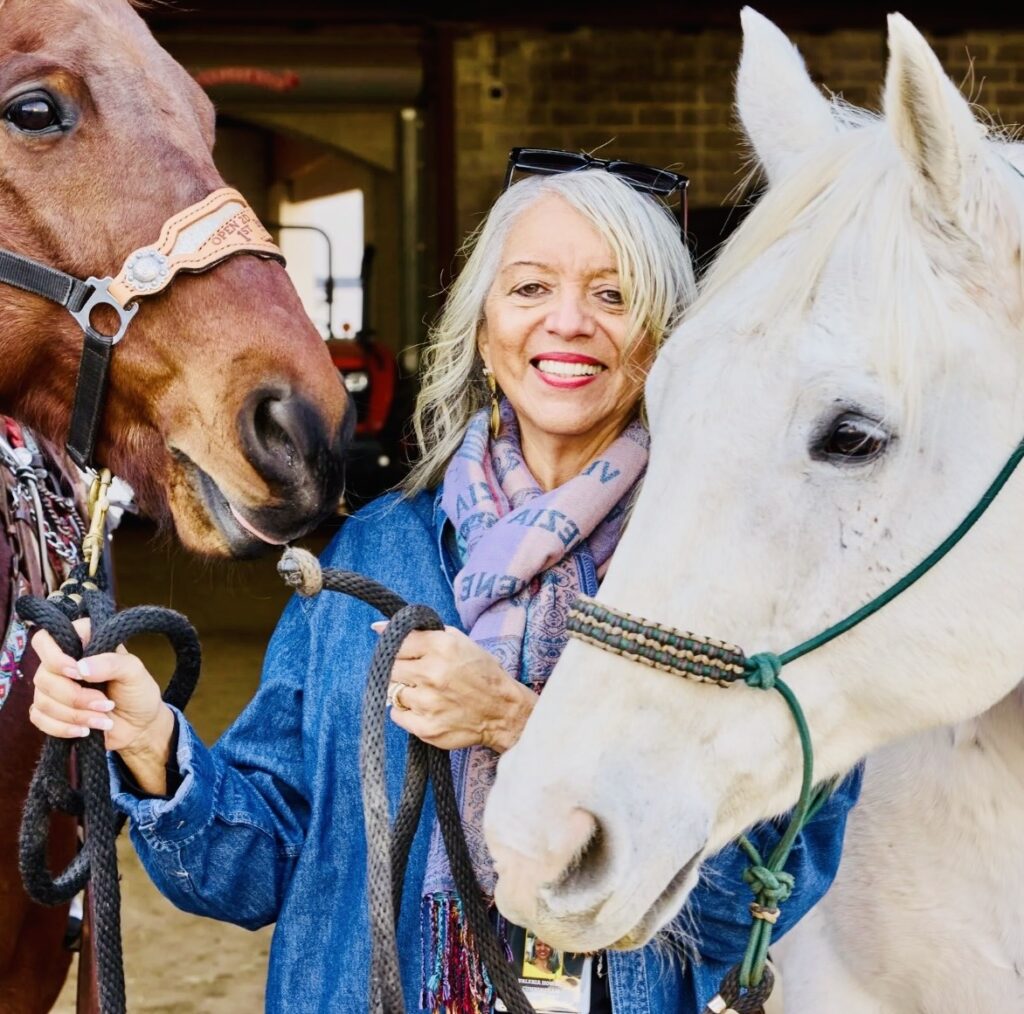
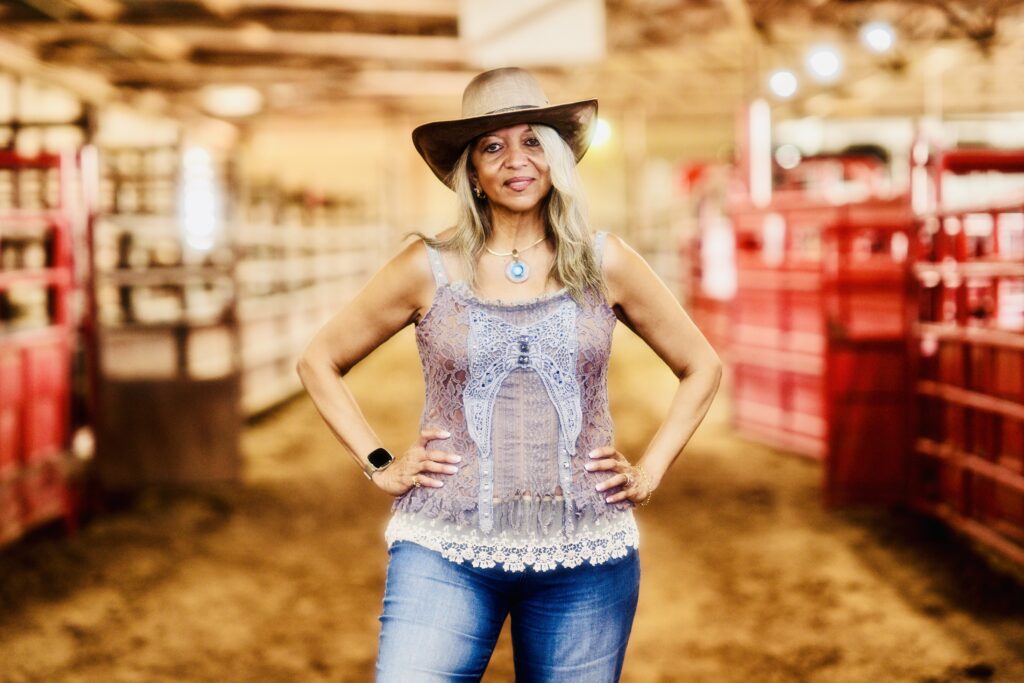
  • Dr. Florita Bell Griffin has joined us as a Contributing Writer and Systems Analyst. Dr. Griffin will lead our coverage in the AI, Science, and Technology sectors. Her expertise allows us to move beyond the headlines, providing our readers with deep-dive analysis on how emerging technologies and infrastructure projects impact our local economy and daily lives..
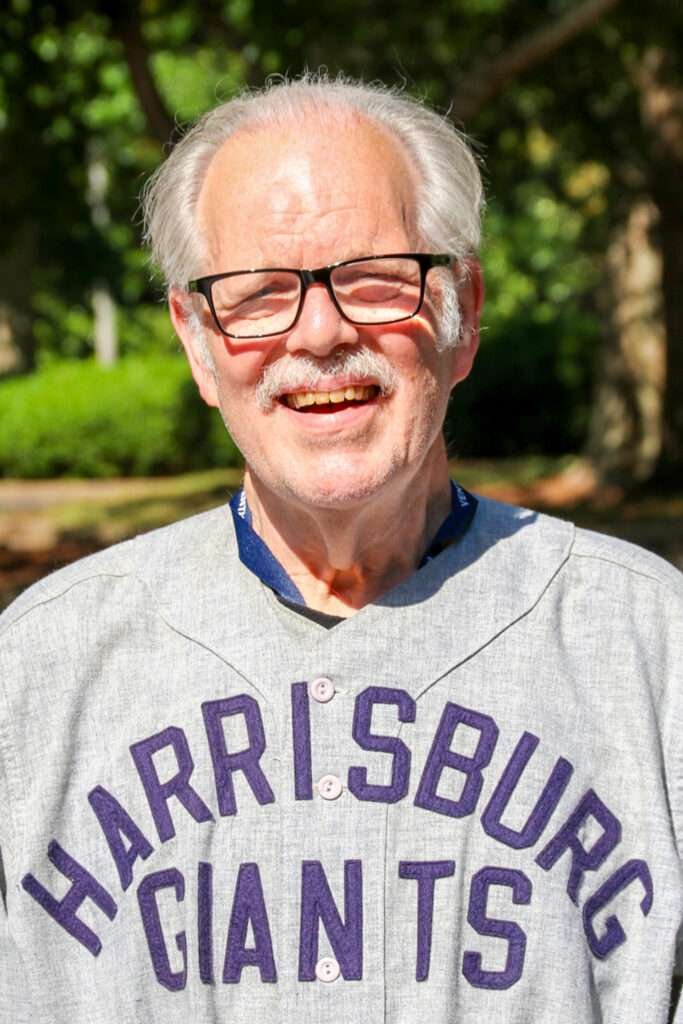
  • Ted Knorr, our resident historian, continues to bridge the gap between our past and present through his twice-monthly column, “Shadow Ball: Learning More About Negro League History.” Many of you have already engaged with Ted by submitting questions and sharing family stories, making “Shadow Ball” a true cornerstone of our community dialogue.

The Road Ahead

We are no longer just a news site; we are a growing civic institution. Whether we are investigating DeKalb data centers or documenting the rich history of the South, our goal remains the same: to give you the information you need to understand your community and shape your future.

Thank you for being the most important part of this journey. We are just getting started.

In Truth,

Milton Kirby

Founder & Publisher, The Truth Seekers Journal

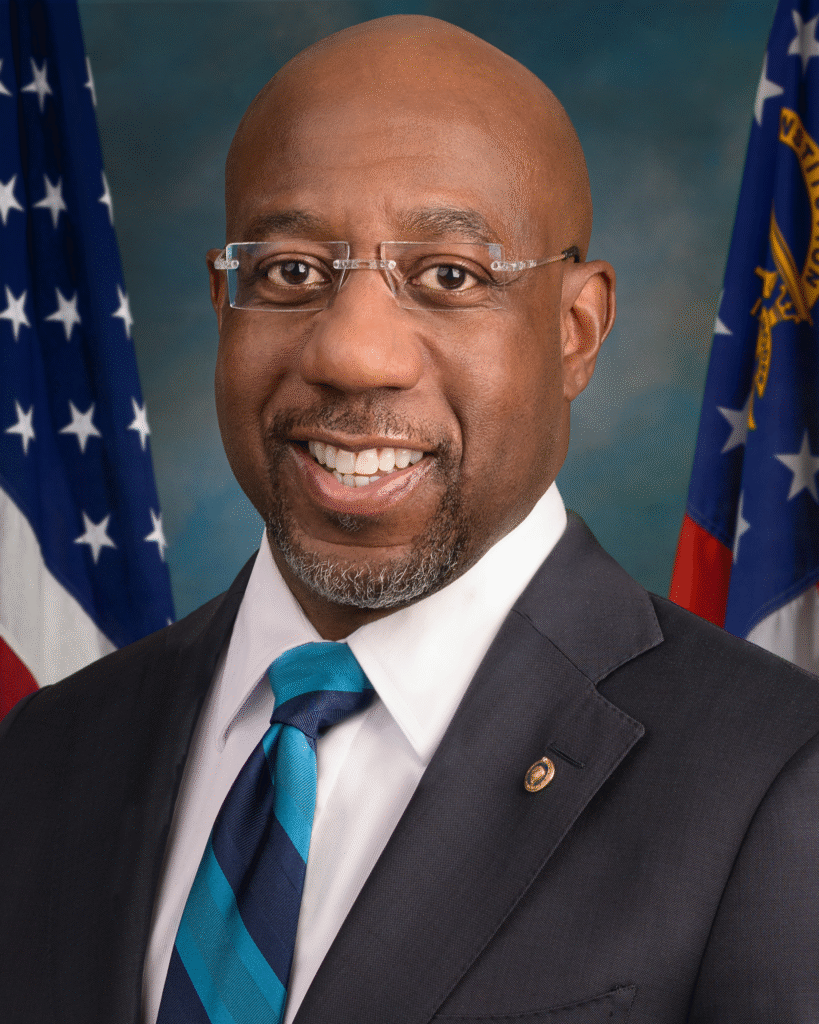
Warnock Forces Release of $192M in Delayed Federal Aid for Helene Recovery

Sen. Raphael Warnock secures $192 million in delayed Hurricane Helene relief, pushing total recovered Georgia disaster funds past $500 million amid reimbursement disputes.

By Milton Kirby | Washington, D.C. | January 28, 2026

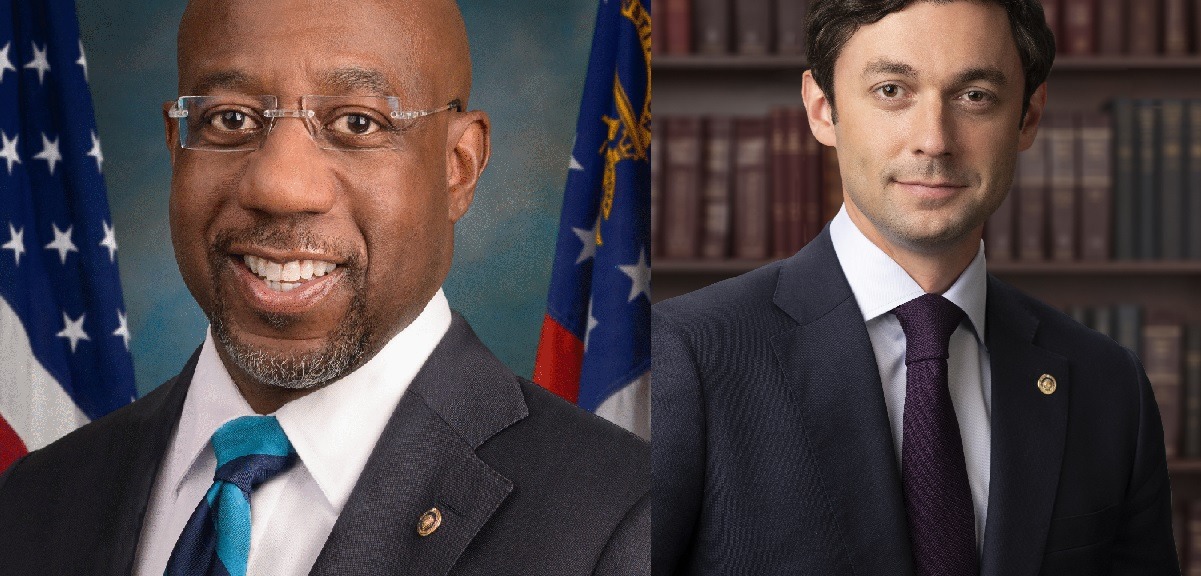
U.S. Senator Reverend Raphael Warnock announced Tuesday that he has secured an additional $192 million in federal disaster relief funding owed to Georgia communities recovering from Hurricane Helene, marking the latest installment in a months-long effort to force the release of delayed reimbursements.

The funds were released by the Federal Emergency Management Agency (FEMA) after sustained pressure from Warnock’s office, as counties across Georgia particularly in rural areas faced mounting financial strain and the prospect of lawsuits from contractors seeking payment for completed recovery work.

The announcement follows a December 2025 release of $300 million in outstanding Helene payments that Warnock also helped unlock, bringing the total recovered funds to more than $500 million in recent months.

“I am thrilled to announce I have secured an additional $192 million in federal funding owed to Georgia communities recovering from Hurricane Helene,” Warnock said. “Hurricanes and natural disasters are not political; they do not care if you voted red or blue. Georgia counties and cities went right to work recovering from Helene’s destruction with the understanding the federal government would fulfill its promises.”

Warnock emphasized that the fight is not over. In September 2025, he released a report finding that nearly $500 million in promised federal disaster funding remained unpaid. Follow-up reviews later increased that figure to as much as $600 million, raising alarms about the financial exposure of local governments forced to front recovery costs.

The funding stems from a 2024 disaster recovery bill championed by Warnock, designed to reimburse counties and state agencies for emergency work performed after Helene. Despite bipartisan congressional support, Warnock’s office says the delivery of funds was slowed by administrative breakdowns and bureaucratic delays within the Trump Administration.

Among the largest recipients in the latest reimbursement round is the Georgia Department of Transportation, which received $78.3 million. Counties receiving funding include Columbia County ($16.6 million), Emanuel County ($11.3 million), Jefferson County ($10.4 million), Burke County ($6.6 million), and Coffee County ($4.7 million), among others.

Warnock said he will continue pressing federal agencies until Georgia receives every dollar it was promised. “It should not have gotten to this point,” he said. “I will continue fighting until Georgia’s communities especially rural Georgia get every cent they are owed.”

Related Articles

Warnock Leads Bipartisan Push to Speed Up Transit Projects, Cut Red Tape Across Georgia

Warnock, Ossoff Announce $300 Million to Close Georgia’s Digital Divide

Warnock Leads Effort to End Racial Bias in Black Home Appraisals

From Pecans to Hospitals: Warnock Highlights Tariff and Health Care Struggles in Georgia

No contribution is too small. Support us today and help keep truth accessible for all.

From D.C. to Dubai: The Rise of a Global AI Governance Leader

Aliyana Isom is named Global Lead for Security Professionals in AI Governance by WiAIG, marking a milestone in ethical, secure, and inclusive global AI leadership.

By Milton Kirby | Washington, D.C. | January 28, 2026

At 10:00 a.m. Tuesday morning at Dulles International Airport, Aliyana Isom boarded a plane bound for Dubai. The destination is more than a city. It’s a signal. In a matter of hours, she will moderate a global leadership panel at the January 31, 2026 Corporate Women Summit, bringing culture, accountability, and governance into a room where decisions ripple across borders.

That flight marks a milestone. Isom has been named Global Lead for Security Professionals in AI Governance by Women in AI Governance (WiAIG) a role that places her at the center of one of the most consequential conversations shaping technology’s future.

A Role That Signals Trust

This trust underpins WiAIG’s appointment. Their decision recognizes more than résumé lines: it’s confidence in Isom’s ability to translate risk into policy, and policy into practice. As Global Lead, she will grow and support a worldwide community of security practitioners working to ensure AI systems are built and governed with trust at their core.

Security professionals are essential to AI governance because artificial intelligence systems must protect confidentiality, preserve integrity, and remain resilient from design through deployment. Isom’s mandate is to align security risk management with ethical, legal, and operational frameworks so organizations can adopt AI responsibly without sacrificing public trust.

Roots and Resolve

Isom’s path to global leadership is grounded in service and systems. A proud U.S. Air Force veteran and former Senior Cybersecurity Program Manager at Nike, she has spent her career navigating invisible infrastructures that shape real lives.

“I realized it when I saw how invisible systems could directly affect real people’s lives,” Isom says. “Someone had to be accountable for that power.”

Working close to innovation clarified the stakes. “AI can scale harm quickly if governance isn’t built in from the start,” she explains. Mentors trusted her with complexity. Communities reminded her that her voice mattered even when she was the only one in the room.

Making Sense of AI Governance

At its core, AI governance is a framework of policies, procedures, and ethical standards that ensure AI is developed and used responsibly. It addresses bias, privacy, security threats, and accountability—balancing innovation with safety.

Trust, Isom argues, comes from controls, transparency, and accountability especially when systems fail. Governance is not about slowing innovation; it is about building guardrails early so damage does not have to be repaired later..

Representation and Responsibility

Stepping into this role as a Black woman in tech governance carries weight and purpose. “My presence expands what leadership can look like in these spaces,” Isom says. From her community, she carries resilience, discernment, and an awareness that decisions made in global rooms affect people far beyond those in the room.

To young women watching, her message is direct: “You do not need permission to lead. Preparation and competence will open doors.”

Dubai: Leadership in Action

In Dubai, Isom will moderate a session at the Corporate Women Summit from 11:15 a.m. to 12:00 p.m. titled “From the Office Cubicle to Navigating Foreign Territories.” The panel explores what it takes to succeed in a new country, including understanding cultural nuances and building networks from scratch.

She will guide a conversation with Tatjana Markovic, Paulina Mercader, Sophie McBaiden, and Donna Forte-Regis, leaders whose experiences navigating unfamiliar systems mirror the same challenges facing global AI governance.

Cross-cultural leadership, Isom notes, requires the same discipline as governing artificial intelligence: the ability to assess risk in unfamiliar environments, build trust across differences, and design systems that remain accountable even when contexts change.

“The practitioners who are responsible when theory meets reality are often missing from global conversations,” Isom says. In Dubai, she brings those voices forward, grounding dialogue in outcomes rather than abstraction.

The Vision Ahead

Looking ahead, Isom is focused on building a safer AI future, stronger global standards, inclusive leadership pipelines, and systems that protect communities rather than exploit them.

“Responsible AI must be explainable, auditable, and challengeable,” she says. “Innovation can move fast, but trust has to move faster.”

As the plane descends and the heat of Dubai rises, Isom’s journey comes into focus. This is more than her career advancing; it is about bringing accountability and purpose to the forefront of global technology leadership.

This article was first published in The Truth Seekers Journal.

Related articles

How Urban Planning Taught Me to Build Continuity into Intelligent Systems

What is Autolore?

Truth Seekers Journal Welcomes Dr. Florita Bell Griffin as Contributing Writer and Systems Analyst

The Future Works Here: ICRA 2025 Highlights Robotics Jobs and Education

Truth Seekers Journal thrives because of readers like you. Join us in sustaining independent voices.
ARTIST PROFILE: Yovel Riches

By Milton Kirby | Truth Seekers Journal | Artist Profiles Series

Yovel Riches (born Virginia Rodriguez) did not set out simply to succeed in sales. She set out to redeem it.

Writing and publishing under the name Yovel Riches—a pen name that is also her corporate and creative identity—Rodriguez stands at the intersection of entrepreneurship, ethics, and personal transformation. She is the author of I AM, In the Becoming! 28 Days of Healing a reflective work rooted in faith, resilience, and self-discovery, and the founder of Yovel Riches Industries, a company built to restore trust in an industry she once watched become tainted and mistrusted.

From Survival to Purpose

“I was once a young woman, unsure of the answers and far from perfect,” Rodriguez writes. “I didn’t have it all figured out, nor did I pretend to. But deep within, I knew there was more to me than the circumstances I had been born into.”

That belief—quiet, persistent, and rooted in faith—became the throughline of her life’s work.

With more than 23 years of experience in sales, Rodriguez witnessed firsthand how aggressive tactics and opaque practices eroded confidence between businesses and the people meant to serve them. Rather than walk away, she chose to rebuild the model entirely, launching Yovel Riches, LLC with a mission grounded in transparency, advocacy, and restoration.

The name Yovel comes from the Hebrew transliteration of “Jubilee,” symbolizing renewal, release, and financial restoration—principles that anchor both her business philosophy and her personal journey.

A Record of Results—and Responsibility

Rodriguez’s success is not theoretical. Her professional track record includes helping scale and sell a company for $308 million to Tilman Fertitta, owner of the Houston Rockets. Yet she is quick to redirect the spotlight.

Her guiding principle is simple and unwavering:
“What you do for others, God will do for you.”

At Yovel Riches Industries, the focus is on small and medium-sized businesses—the backbone of local economies and communities. Rodriguez recognizes that the first five years of a business are often the most fragile. Entrepreneurs may have vision and skill, but face gaps in operations, compliance, financial management, and strategic planning. Her work exists to bridge those gaps with clarity and care.

Services with Soul

Yovel Riches Industries offers a suite of relationship-driven services designed to protect and empower business owners:

  • Credit Card Processing
    Transparent, ethical, relationship-based processing that prioritizes trust and sustainable growth.
  • Business Capital Loans
    Tailored funding solutions for businesses at every stage, guided by strategy rather than pressure.
  • Sales Development
    Professional guidance to elevate sales operations and long-term growth strategies.
  • Consultations
    Personalized, 100% free assessments rooted in Rodriguez’s experience as a serial entrepreneur and industry expert.

Each offering reflects the same philosophy: when businesses are protected and guided, entire communities flourish.

The Artist Behind the Enterprise

As Yovel Riches, Rodriguez’s artistic voice is inseparable from her entrepreneurial mission. I AM, In the Becoming! 28 Days of Healing is not a departure from her business work—it is its spiritual companion. The book traces the internal work required to move beyond trauma, limitation, and scarcity into purpose and alignment.

Her story is not one of overnight success, but of intentional becoming—faith meeting discipline, experience meeting service.

In redefining sales, Virginia Rodriguez has also redefined success itself: not as accumulation, but as restoration. Not as dominance, but as stewardship. And not as arrival, but as a continual, faithful becoming.

To get your copy of the book:

Amazon

Related video

Yovel Riches in Her Own Words

Related articles

Artist Profile: Lisa Maydwell

Artist Profile: 1 Way Street

Artist Profile: Ntumba

Support open, independent journalism—your contribution helps us tell the stories that matter most.

Sisters by Choice: Ten Years, Ten Women, One Bond

By Milton Kirby | Atlanta, GA | January 27, 2026

Laughter spilled out of the room before the door ever opened. Plates clinked. Voices overlapped. Someone called out a name, and there were cheers. It was a December gathering, hosted just days after Christmas, and it looked like joy – easy, practiced, and familiar.

Tammy was the first to arrive, carrying a three-tier hors d’oeuvre tray. It was intentional. She had another family event to attend and wanted to be sure she was present and did not miss too much. On that particular day, Trakita, Candy’s cousin, was the last to arrive. No one would say that was her MO. They did agree that she is always vibrant and lively, to put it mildly

This December gathering was not a reunion. It was a ritual.

For ten years, ten women have shown up for one another, again and again, across birthdays, trips, losses, and life’s turning points. In a time when friendships often fade under the weight of schedules and responsibilities, their bond has only grown stronger.

Candy started it all with a call to some friends

How It Started

It began simply, with Candy. She invited a small circle of women Erica F. and Erica B. she met through real estate, and Tamela then there was Tammy. They shared work, shared ambition, and shared conversations that stretched beyond business.

An invitation to Tracey led to another. Erica F. invited her mother, Angie. Steady and wise, Angie naturally became the group’s matriarch.

Kim joined through an invitation that felt almost inevitable. LaToya, “the go-to-girl, for all things finance,” rounded out the circle. Melody (Jaz), the youngest, was welcomed with a unanimous nod.

What could have become a loose association became something deliberate instead. They decided early on that everyone mattered, and no one would be left out.

The Rituals That Hold Them Together

Birthdays are sacred. Every woman, every birthday, is celebrated. No exceptions.

Then came the trips vacations. Miami stands out as a recent highlight. Sun, shared rooms, tight schedules, and plenty of laughter were the order of the week.

Traveling together revealed quirks and differences that everyday gatherings never expose. Some moments tested patience. Others deepened trust. A few friendships shifted. Some grew even closer.

Holidays became another anchor. Christmas gatherings. New Year’s plans. Rotating hosts. Group chats that never quite go silent. Showing up became the discipline that kept the circle intact.

Then there is Sunday Funday, hosted by Erica F. It is a bonding experience where laughter comes easily, and sometimes a football game breaks out.

The Glue

Ask what keeps them together, and the answer comes back quickly and without hesitation: “I know these ladies have my back.”

Trust is the foundation. They bring work problems to the group and leave with clarity. They talk through issues at home. They argue, but they do not abandon one another.

Candy recalls the moment she truly understood the depth of the bond when she lost her mother subsequently lost a sister, and brother.

The group did not just send messages, came. They brought food. They filled empty chairs. They offered shoulders to lean on and, when words were unnecessary, they sat in silence.

“That’s when the love really came out,” she said. “In ways I never imagined.”

A Chosen Family

The women represent every season of life: married, single, widowed, cohabitating, and searching. Every category is covered. What unites them is not circumstance, but intention.

Each of these ladies is self-made. Each brings something different to the table. And together, they form what many of them now call family.

Their confidence has grown because they belong to something steady. Their resilience is stronger because they do not face life alone.

L to R LaToya, Candy, Tammy, Erica B, Tamela, Kim, Angie, Jaz, Erica F

Why It Matters

Their story speaks to something larger than ten women in one room. In an age of isolation, their circle is a reminder of the human need for community.

Trakita lively & vibrant was last to arrive at the December gathering

Women’s circles, formal and informal, have existed across cultures and generations, offering support, wisdom, and survival.

Their lesson is simple but powerful: friendships do not last by accident. They last because people choose them.

Looking Ahead

As the December gathering wound down, the ladies pulled their coats on, and hugs lingered a little longer than necessary. Talk turned to what comes next: another birthday, another trip, another holiday together.

“This is for life,” one woman said quietly.

Ten years in, the sisters by choice aren’t just surviving. They are thriving and already building the next chapter.

Thank you for reading The Truth Seekers Journal. Subscribe, share, and support independent community journalism.

Shadow Ball: Learning More About Negro League History

January 27, 2026

Dear Shadow Ball: “Who was the last Negro Leaguer to play in MLB?”
Will Clark, Hackensack, NJ

 … this column exists for only one purpose and that is to answer your questions on Negro League baseball history. To that end, I need your help … if you are reading this column and enjoy it and want it to continue and you don’t already know everything about Negro League history … then please submit a question on any aspect of Negro League history. Your questions are the lifeblood of Shadow Ball—they shape where we go next.

 – players, teams, events, and more – and, in so doing, you will direct where this column goes moving forward. Your participation is important and appreciated. The very existence of this column depends on you. Submit your questions to shadowball@truthseekersjournal.com.

Dear Will: If by play one means debut, according to baseball-reference, the answer is Ike Brown who briefly played for the Kansas City Monarchs in the early sixties before beginning a lengthy stay in the Detroit Tigers system, including four years in the AAA International League, finally debuting with the parent club on June 17, 1969 thereby becoming the last player from the Negro Leagues to break in to MLB.

Ironically, at the time of Brown’s debut only one former Negro Leaguer was active – Hank Aaron who had just two months earlier broke Babe Ruth’s career home run record with a round tripper off Al Downing on April 8, 1974. Hammerin’ Hank would play his MLB final game on October 3, 1976, becoming the last Negro Leaguer to play in MLB.

Late in that 1976 season the Chicago White Sox, under the forever showman Bill Veeck, utilized 52 year old Minnie Minoso, a Negro League All Star third baseman in the 40s, as a designated hitter in three games all preceding Aaron’s finale but four years later Minoso would appear as a pinch hitter on October 5, 1980 in his last appearance in the bigs (and Bill Veeck’s last game as an owner.)

Thus, the last former Negro Leaguer to debut in the Majors is Ike Brown, the last to play regularly is Hank Aaron and the last to appear in any role – gimmicky or otherwise – is Minnie Minoso.

Last week’s Shadow Ball Significa question: Which Negro League team introduced night baseball five years before Major League Baseball adopted it? No one submitted the correct answer, but I will give it because we have a guest with a significa question this week. The Kansas City Monarchs first played night baseball in 1930, using J.L. Wilkinson’s pioneering portable lighting system, the first of its kind.

The Shadow Ball Significa Question of the Week (submitted by Shadowball fan, Will Clark): A Hall of Fame Negro League slugger had a nephew who sang with, and co-founded, a legendary R&B vocal group of the 1940’s and 1950’s. Name that slugger.

Ted Knorr

Ted Knorr is a Negro League baseball historian, longtime member of the Society for American Baseball Research’s Negro League Committee, and founder of the Jerry Malloy Negro League Conference and several local Negro League Commemorative Nights in central Pennsylvania. You can send questions for Knorr on Negro League topics as well as your answers to the week’s Significa question to shadowball@truthseekersjournal.com or Shadow Ball, 3904 N Druid Hills Rd, Ste 179, Decatur, GA 30033.

Truth Seekers Journal thrives because of readers like you. Join us in sustaining independent voices.
What Riders Need to Know About MARTA’s Sunday Weather Plan

MARTA will run reduced rail, lifeline bus, and Mobility service Sunday, Jan. 25, due to forecasted winter weather. Most bus routes will be suspended.

By Milton Kirby | Atlanta, GA | January 24, 2026

The Metropolitan Atlanta Rapid Transit Authority (MARTA) will operate on a reduced schedule Sunday, January 25, as severe winter weather is forecast across metro Atlanta.

Under the agency’s inclement weather service plan, rail service, select lifeline bus routes, and MARTA Mobility paratransit service will continue running, while most regular bus routes will be suspended. Officials cautioned that service could be further reduced or halted if road and weather conditions deteriorate.

“MARTA will continue to share real-time service updates across all customer-facing platforms as conditions evolve,” the agency said in a statement.

Rail service

Rail service will begin at 6 a.m., with trains arriving every 20 minutes. Out-of-service trains will operate continuously to prevent track icing.

North/South lines

  • Red Line: North Springs to Lindbergh Center
  • Gold Line: Doraville to Airport

East/West lines

  • Green Line: Bankhead to Vine City
  • Blue Line: Indian Creek to H.E. Holmes

Streetcar service will begin at 8:21 a.m. on a regular Sunday schedule, operating with shuttle vans.

Lifeline bus routes only

Only designated lifeline bus routes will operate beginning in the 5 a.m. hour. These routes provide direct access to major medical facilities and emergency rooms. All other bus routes will be suspended.

Operating routes and frequencies include:

  • Route 6 – Clifton Road/Emory (45 minutes)
  • Route 8 – North Druid Hills (30 minutes)
  • Route 19 – Clairmont/W. Howard Avenue (40 minutes)
  • Route 40 – Peachtree Street/Downtown (45 minutes)
  • Route 107 – Glenwood (30 minutes)
  • Route 110 – Peachtree Road/Buckhead (20 minutes)
  • Route 111 – Snapfinger Woods (40 minutes)
  • Route 123 – Church Street (60 minutes)
  • Route 185 – Alpharetta (40 minutes)
  • Route 196 – Upper Riverdale (30 minutes)

MARTA Mobility service

MARTA Mobility will operate within three-quarters of a mile of rail stations and the active lifeline bus routes, as road conditions allow.

  • Pre-booked medically necessary trips will be honored when safe
  • All subscription trips are canceled
  • Only next-day reservations will be accepted
  • Reservations Call Center opens at 9:30 a.m.

Customer services and information

Reduced Fare and Lost & Found offices will be closed Sunday.

The Customer Information Call Center will operate from 8 a.m. to 7 p.m. for routing and scheduling questions at 404-848-5000.

Riders are encouraged to monitor itsmarta.com, the MARTA On the Go app, and @MARTAservice and @MARTAtransit on social media for real-time updates.

Related articles

New Year, New MARTA: 2026 Upgrades Aim to Boost Safety, Reliability, and the Rider Experience

MARTA rolls out Big Changes with New Fare System Upgrades

MARTA Unwraps the Holidays with Free Rides, Festive Buses, and Gifts for Riders

From Tokens to Tap-to-Pay: MARTA Unveils Better Breeze

World-Class Transit for World-Class Soccer: MARTA Steps Up

MARTA rolls out Big Changes with New Fare System Upgrades

MARTA Unwraps the Holidays with Free Rides, Festive Buses, and Gifts for Riders

MARTA Rolls Out an Outkast Tribute Across Atlanta

MARTA Completes Garnett Station Platform Renovation

From Tokens to Tap-to-Pay: MARTA Unveils Better Breeze

MARTA to Close Five Points Peachtree Entrance as Next Phase of Transformation Begins

Support open, independent journalism—your contribution helps us tell the stories that matter most.

Brett Kavanaugh raises impeachment question in Trump Federal Reserve case

Why It Matters

The justices are contemplating a case that deals with the president’s removal of an independent official and what counts as “for cause.” An attorney representing Cook, former U.S. Solicitor General Paul Clement, tells the court that impeachment, a form of removal of an official, is “the ultimate backup” in a hypothetical situation that Justice Samuel Alito presented to him.

During arguments, several justices questioned whether President Donald Trump has the authority to fire a sitting Fed governor over allegations of mortgage fraud that Cook denies. Earlier in the hearing, Justice Brett Kavanaugh warned that allowing Cook’s dismissal could “weaken, if not shatter, the independence of the Federal Reserve.”

What To Know

Following Justice Samuel Alito’s hypothetical question, “how about if, after the person assumes office, videos are disclosed in which the officeholder is expressing deep admiration for Hitler or for the Klan?” Clement, responded “that’s an official that would be impeached in a heartbeat.”

Amid the back and forth among other justices as well, Clement reiterated that his “backup to the backup” is “impeachment.” Kavanaugh then jumped in stating, “We got an argument in the past that impeachment doesn’t cover private conduct. You obviously disagree with that then?”

Clement responded, “Well, I certainly see, but this actually kind of makes the point about judicial review, right?”

Kavanaugh said, “I’m not saying I agree with that, by the way. It’s been—it’s been argued.”

Cook’s attorney then said, “What I absolutely agree with is the Walter Nixon case says that there’s no judicial review of the impeachment determination in the end. So whatever the House and the Senate ultimately determine, I mean, they can make constitutional law, too and they can determine whether private conduct is or is not out.”

The back and forth continued with Clement bringing up “INM,” referring to inefficiency, neglect of duty, or malfeasance, which comes from the Federal Trade Commission Act. He told the Court, “the reason I want to spend at least a moment answering some of the hard hypos is not because I’m a masochist. It’s just because those are—have got to be the answers under INM.”

Kavanaugh responded, “your answer is that those are funneled to the impeachment process?” to which Clement responded “that’s right,” continuing on that “INM has worked for 150 years. And I think it would continue to work. It hasn’t proven a problem in practice.”

Why Did Trump Fire Lisa Cook From the Federal Reserve Board of Governors?

Trump moved to remove Cook from the Federal Reserve Board, citing allegations that she committed mortgage fraud in 2021, before she joined the central bank. The administration argues that Cook improperly claimed two properties as primary residences, potentially securing more favorable loan terms. Trump’s legal team has said the allegations amount to misconduct sufficient to justify her dismissal, though Cook has not been charged with any crime. Critics have questioned whether the effort reflects a broader attempt by Trump to exert greater control over the independent central bank and influence interest rate policy.

Key takeaways

  • Impeachment as Backstop: Justice Brett Kavanaugh questioned whether impeachment is a realistic safeguard for removing independent officials, with attorney Paul Clement calling it the “ultimate backup” for misconduct or controversial behavior.
  • Trump vs. Lisa Cook: President Trump attempted to remove Fed Governor Lisa Cook over alleged mortgage fraud, raising concerns about Federal Reserve independence and presidential authority to fire governors.
  • About Lisa Cook: Cook is the first Black woman on the Fed Board, an economist focused on labor markets, economic inequality, and innovation, helping set U.S. monetary policy insulated from political pressure.

Who Is Lisa Cook? What to Know

(AP Photo/Mark Schiefelbein)

Cook is a Federal Reserve governor and the first Black woman to serve on the Fed’s Board of Governors. An economist by training, she was confirmed to the board in 2022 after previously serving as a professor at Michigan State University and holding roles focused on economic research and policy.

Cook’s work has centered on labor markets, economic inequality and innovation. As one of seven governors, she helps set U.S. monetary policy, including interest rates, in a role designed to be insulated from political pressure.

What People Are Saying

The Supreme Court justices, writing in a separate case last year: “The Federal Reserve is a uniquely structured, quasi-private entity that follows in the distinct historical tradition of the First and Second Banks of the United States.”

Justice Sonia Sotomayor, speaking Wednesday: “This whole case is irregular, starting with the Truth Social notice…But that’s where we are.”

White House spokesman Kush Desai previously told The Associated Press: “President Trump lawfully removed Lisa Cook for cause from the Federal Reserve Board of Governors. We look forward to ultimate victory after presenting our oral arguments before the Supreme Court in January.”

What Happens Next

The justices finished oral arguments on Wednesday and are expected to rule on the case at a later date.

This article was written by Mandy Taheri.

No contribution is too small. Support us today and help keep truth accessible for all.

How Urban Planning Taught Me to Build Continuity into Intelligent Systems

AutoLore™ is a continuity architecture that preserves coherence, lineage, and accountability in intelligent systems, governing context before AI interpretation, generation, or action occurs.

By Florita Bell Griffin, Ph.D | Houston, TX | January 23, 2026

I first encountered the problem that would later become AutoLore while creating an AI-generated art collection in 2023 titled “All We Need Is Love”, a 77-piece body of work honoring the contributions of African American men across every U.S. state and territory, paired with images referencing African ceremonial mask traditions to honor ancestral origins. The project carried personal weight long before it became technical. I had long recognized the absence of continuity in Black culture as an intentional infliction—history fragmented, lineage disrupted, context erased or compressed. This collection emerged as a corrective act, an effort to hold presence, contribution, and dignity together across geography and time.

As the work developed, a persistent pattern surfaced. The system repeatedly rendered African American men through a narrow visual range, compressing skin tone, facial variation, and presence into a single flattened representation. Iteration revealed deeper inconsistencies as well—misalignments absent when the same tools portrayed other cultures. Extended testing clarified the issue with precision. Knowledge existed in fragments, yet coherence across history, representation, and context failed to carry forward. The system struggled to sustain identity across variation. That realization redirected my attention toward continuity as a governing condition, examined through the same analytical lens I had long used to understand cities, infrastructure, and long-horizon systems. A single question emerged, linking cultural memory, intelligent systems, and urban science: how systems evolve while retaining themselves.

From the beginning of my professional formation, I learned to recognize failure as structural before it becomes visible. Urban planning shows that breakdowns arise through ungoverned assumptions as conditions shift. A transportation network can operate while quietly undermining land use. A zoning decision can appear sensible at a local scale while destabilizing an entire region over time. Systems drift long before they fracture.

Urban and regional science deepened this way of seeing. It oriented my thinking toward flows rather than objects—flows of people, capital, information, movement, and power. Stability emerges through alignment rather than optimization alone. When flows exceed the structures meant to contain them, continuity erodes even as performance improves. That insight endured.

Most importantly, my discipline taught me to treat identity, sequence, and authority as foundational variables. Regions depend on boundaries. Systems rely on sequence. Cities operate through layered authority across jurisdictions. When identity blurs, when sequence fractures, or when authority shifts quietly, fragmentation follows even while individual actors remain capable and sincere.

I carried that understanding forward as I continued examining intelligent systems through creative practice.

Midway through this exploration, I initiated a second experiment. “Sisters Across Borders” became a 60-piece global collection portraying women whose faces blended African descent with another culture, each work representing a different country. This project allowed real-time application of emerging insights. Continuity principles shaped data preparation, representation logic, and contextual framing. At the same time, the African American cultural thread remained active. The lessons from All We Need Is Love carried forward rather than closing behind me. The contrast between the two collections revealed something critical. When continuity was deliberately prepared and carried, the system retained coherence across variation. When continuity remained implicit, fragmentation resurfaced.

What I observed felt familiar.

Intelligent systems were becoming more capable, more autonomous, and more interconnected. As they retrained, migrated, integrated, and evolved, coherence diminished over time. Operation continued. Performance increased. Yet continuity thinned. Identity shifted toward inference rather than enforcement. Lineage yielded to overwriting. Context leaned toward reconstruction rather than preservation. Authority drifted quietly between components.

The industry described these conditions as drift, forgetting, instability, or degradation. I recognized them as symptoms. I had witnessed the same patterns in cities, regions, and infrastructure systems. The cause remained structural.

Continuity was absent as an architectural condition.

In urban planning, systems never infer continuity for themselves. Continuity is designed. Lineage is preserved. Boundaries are defined. Transitions are governed. Sequence is respected. Authority is established. Growth and change follow afterward. Intelligent systems were being asked to reverse this order—to learn their way into coherence without a stable frame.

AutoLore emerged from the realization that continuity must exist before intelligence expresses itself. When continuity depends on interpretation, learning, or retrospective analysis, fragility follows under change. As conditions shift, the system must guess who it is, what applies, and which authority governs the present moment.

That condition reflects vulnerability rather than intelligence.

The first step involved recognizing that raw events create unstable inputs. In cities, raw activity never serves as planning truth. Contextualization gives events meaning. Sequence situates them. Lineage connects them. Applicability clarifies relevance. AutoLore applies the same principle to intelligent systems. Events are prepared into continuity-ready representations that carry identity relevance, contextual scope, lineage relationships, and transition awareness forward explicitly. Continuity becomes structured rather than inferred.

Preparation alone remains insufficient. In planning, design without governance collapses under pressure. AutoLore therefore treats continuity as something actively governed. Identity, provenance, sequence, scope, authority, and persistence bind together into continuity states that exist independently of models, applications, or platforms. Continuity retains authority across upgrades, replacements, migrations, and distributed environments because it belongs to the architecture rather than the implementation.

A further issue soon became clear—one planners understand well. Without clear authority, governance dissolves. Cities fragment when jurisdiction blurs. Systems bypass rules when precedence remains unclear. AutoLore addresses this through continuity supremacy: continuity established as an authoritative system property that holds precedence over execution. Continuity is traversed before action. Authority persists even as systems pause, transfer, or operate in parallel.

This way of thinking emerged through a discipline built to design environments that evolve without collapse. Urban planning and regional science shaped how identity endures across time, how change remains governed while progress continues, and how failure emerges when structure remains implicit.

AutoLore expresses that discipline in a new domain.

I developed AutoLore by giving intelligent systems what cities require to endure: continuity prepared, governed, and upheld as an architectural responsibility. The work began in practice before it became architecture, and it continues wherever systems are asked to carry identity, context, and authority forward through change.

AutoLore™ is a proprietary continuity architecture of ARC Communications, LLC. The AutoLore™ architecture and its associated subsystems are patent pending. All rights reserved.

Adapted for Truth Seekers Journal from research originally published by ARC Communications, LLC.

For correspondence: arccommunications@arc-culturalart.com

©2026 ARC Communications, LLC. All rights reserved.

Related articles

Truth Seekers Journal Welcomes Dr. Forita Bell Griffin as Contributing Writer and Systems Analyst

“What Is AutoLore?”

Truth Seekers Journal thrives because of readers like you. Join us in sustaining independent voices.

Hardee’s Returns to NASCAR, Becomes Official QSR and Primary Sponsor of Bubba Wallace’s No. 23

By Milton Kirby | Daytona Beach, FL | January 22, 2026

Hardee’s is back in NASCAR in a big way.

The iconic American fast‑food brand has signed a multiyear agreement to become the Official Quick Service Restaurant of NASCAR, while also joining 23XI Racing as a primary sponsor of Bubba Wallace and the No. 23 Toyota Camry XSE.

The move represents one of the most notable heritage‑brand returns in recent NASCAR history and arrives at a moment when the sport is eager to reset after a turbulent offseason.

Hardee’s branding will appear throughout the season on Wallace’s firesuit, team uniforms, and equipment, with the No. 23 Hardee’s car set to debut at Martinsville Speedway this spring. The partnership also fills a long‑vacant category: Hardee’s becomes the first official NASCAR QSR in more than 15 years, a slot left open since Checkers/Rally’s exited in 2008.

A Heritage Brand Comes Home

For longtime fans, Hardee’s return is more than a sponsorship it’s a callback to an era when the brand was synonymous with winning. During the 1980s and 1990s, Hardee’s‑backed teams collected 12 NASCAR Cup Series victories with Hall of Fame drivers Bobby Allison, Cale Yarborough, Alan Kulwicki, and Dale Jarrett.

Allison delivered three wins in the No. 28 Hardee’s car in 1981, including the Coca‑Cola 600. Yarborough added nine victories, highlighted by back‑to‑back Daytona 500 triumphs in 1983 and 1984.

Now, as NASCAR courts legacy brands seeking multigenerational reach, Hardee’s return fits squarely into the sport’s push to reconnect with its roots.

“Hardee’s is an American classic with deep roots in our sport,” said NASCAR Chief Commercial Officer Craig Stimmel. “Its return represents more than a new partnership it symbolizes the power and appeal of NASCAR’s heritage.”

Why 23XI, Why Now

Hardee’s arrival also reshapes the sponsorship landscape at 23XI Racing.
The brand steps in as McDonald’s quietly exits the team — a shift that became clear when the Golden Arches were absent from recent car renderings tied to the team’s expanded partnership with Xfinity.

Hardee’s will serve as a primary sponsor for Wallace at select races beginning with Martinsville, while Xfinity remains the dominant presence on the No. 23 throughout the season, including the Daytona 500.

The timing is notable. The agreement lands just months after NASCAR and 23XI Racing resolved their high‑profile antitrust dispute, a case Truth Seekers Journal has covered extensively from the damages sought by 23XI and Front Row Motorsports to the permanent charter resolution and the broader implications for team equity and sponsorship stability.

Industry sources said Hardee’s evaluated multiple teams before selecting 23XI, ultimately offering commitments slightly above $1 million annually. The deal, brokered by Hardee’s media agency PMG, includes trackside activations, digital campaigns, and integration with NASCAR’s My Rewards loyalty ecosystem.

For Wallace, the partnership carries both personal and professional weight.

“NASCAR is built on legacy, and Hardee’s has been part of some of the most iconic moments in our sport’s history,” Wallace said. “Fans know the Hardee’s paint schemes of the past, and I’m excited to help create some new memories.”

A Signal Beyond Sponsorship

Beyond the branding, Hardee’s return sends a broader message about the sport’s direction.
NASCAR Holdings and 23XI Racing collaborated closely to bring the brand back a sign that the two sides have maintained a functional working relationship following last year’s antitrust litigation.

Had the case gone to trial, 23XI Racing and Front Row Motorsports were seeking $365 million in damages. Instead, the dispute concluded with NASCAR granting both teams permanent charters a resolution analysts estimate to be worth tens to hundreds of millions of dollars, not including substantial legal costs.

Against that backdrop, Hardee’s re‑entry is being viewed inside the industry as a tangible step toward renewed stability and a signal that major brands are once again comfortable making long‑term investments in the sport.

Looking Ahead

Hardee’s parent company, CKE Restaurants Holdings, also operates Carl’s Jr., with more than 3,800 restaurants across the U.S. and internationally. Company officials say the NASCAR partnership will emphasize fan engagement, community outreach, and celebrating the sport’s past while fueling its future.

For NASCAR, 23XI Racing, and Bubba Wallace, the partnership represents something increasingly rare in modern motorsports: a heritage brand not just returning — but reclaiming a central place on the grid.

Related articles

23XI, NASCAR and Front Row Strike Deal to Strengthen Team Equity and Gro

Michael Jordan’s 23XI Racing Scores Major Win in NASCAR Antitrust Fight

History is Made: Bubba Wallace Becomes the First Black NASCAR Driver to Win on the Indianapolis Oval

Truth Seekers Journal thrives because of readers like you. Join us in sustaining independent voices.
Exit mobile version