Milton Kirby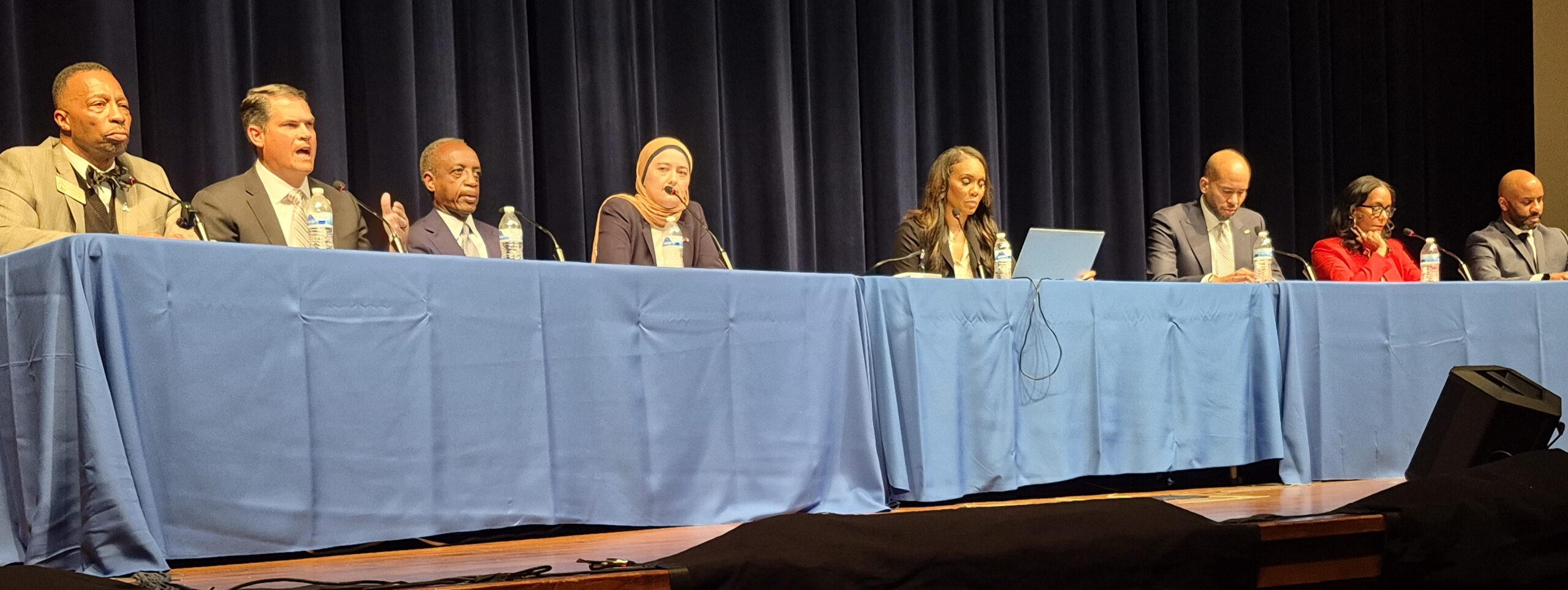
Milton Kirby | Chamblee, Georgia | February 23, 2026
On a cool February evening inside the auditorium at Chamblee High School, seven Democratic candidates stepped onto the stage with one shared promise: to reshape the future of a state at a political crossroads. Their styles varied some polished, some fiery, some pastoral but the urgency in the room was unmistakable. Georgia is changing, and each candidate came prepared to argue that they are the one who understands that change best. What emerged from the forum, and from their published platforms, is a portrait of a party wrestling with both its identity and its opportunity. The candidates agree on the broad strokes expanding Medicaid, lowering the cost of living, strengthening education but diverge sharply on how bold Georgia must be to meet the moment.
A Shared Foundation: Medicaid, Wages, and Affordability
All seven candidates support expanding Medicaid. All speak about lowering the cost of living. All frame education as central to Georgia’s economic future.
But the similarities begin to diverge once the details surface.
Keisha Lance Bottoms: Crisis-Tested Leadership
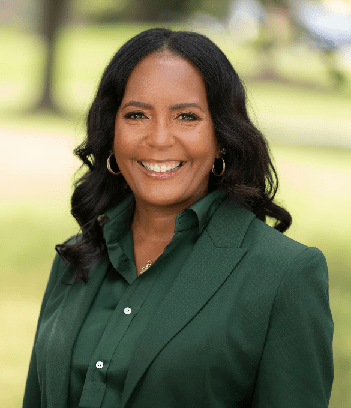
Bottoms leans heavily on her executive experience as Atlanta’s mayor during COVID-19 and the 2020 protests. She describes herself as “crisis-tested.”
Her platform calls for:
- Medicaid expansion
- Eliminating the state income tax for teachers
- Cracking down on corporate landlords
- Free technical and community college
Her pitch blends practical governance with moral urgency. She frequently frames her candidacy as restoring stability in uncertain times.
Olu Brown: Values-Driven Governance
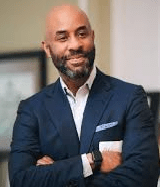
Brown, a former pastor, frames policy through faith and community values. He speaks often about compassion and responsibility.
His priorities include:
- Healthcare access as economic stability
- Strong reproductive rights protections
- Raising educator wages
- Strengthening rural outreach
At the DeKalb forum, Brown said Georgia students must be trained to “compete with the rest of the world,” not simply prepared to be citizens of Georgia.
Geoff Duncan: The Party Switch and the Moderation Case
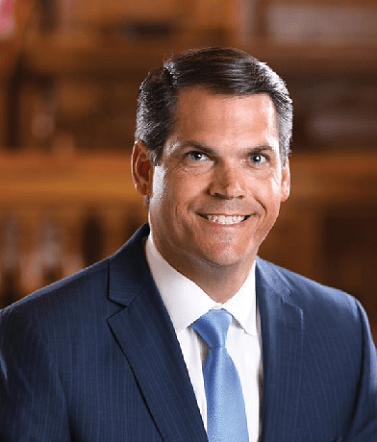
Duncan’s candidacy is the most unconventional. A former Republican lieutenant governor, he switched parties in August 2025 and now runs as a Democrat, framing his campaign as a rejection of political extremism.
His platform emphasizes:
- Lower childcare costs
- Rural hospital stabilization
- Bipartisan economic moderation
- Lower overall cost of living
Duncan often references moral language, urging voters to reject division and rediscover a politics grounded in “love thy neighbor.”
Jason Esteves: The Education Governor
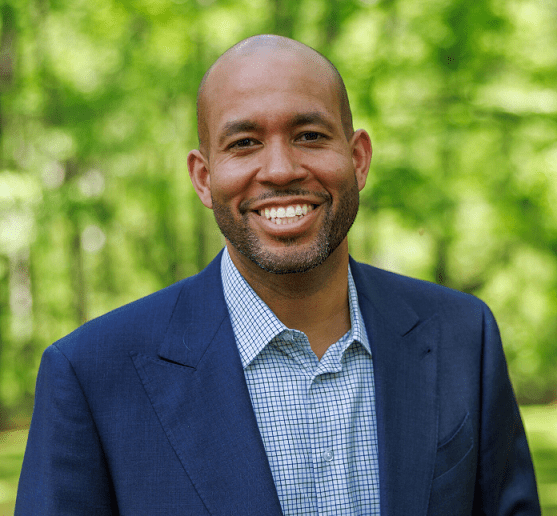
Esteves officially launched his “Education Governor” platform just days before the forum.
His plan includes:
- Universal childcare for 3- and 4-year-olds
- Major K–12 investments
- Medicaid expansion
- Renter protections
- A small business loan fund targeting Black-owned businesses
Esteves frames childcare as economic policy. In his view, if families cannot afford care, they cannot fully participate in the workforce.
Derrick Jackson: A $20 Minimum Wage
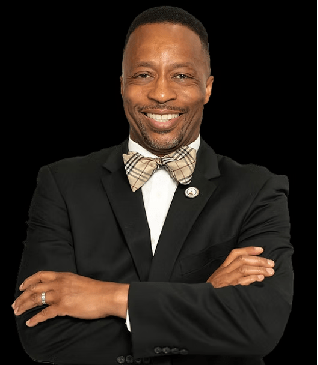
Jackson is the only candidate explicitly calling for a $20 minimum wage.
He pairs that with:
- Tax exemptions for teachers, nurses, seniors, and veterans
- Medicaid expansion
- Support for Black farmers and small businesses
- Rural hospital protection
Jackson frequently emphasizes his 42 years of leadership experience in the military and legislature. His campaign message centers on working-class uplift.
Ruwa Romman: The Progressive Disruptor
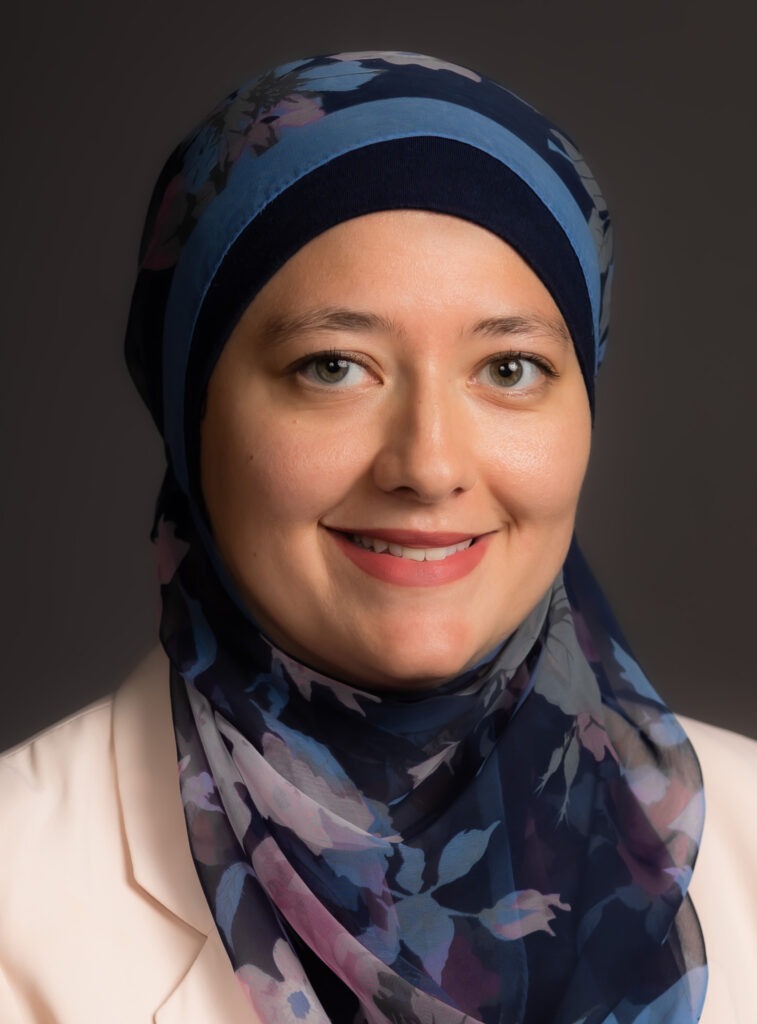
Romman offers the most explicitly progressive platform in the field.
Her proposals include:
- Raising the minimum wage
- Taking homes back from corporate landlords
- Reopening rural hospitals
- Creating a research hub to fund healthcare systems
- Pressing pause on data centers to lower utility costs
Her campaign is rooted in organizing and structural reform. She presents herself as an outsider prepared to challenge entrenched systems.
Mike Thurmond: The Steady Hand
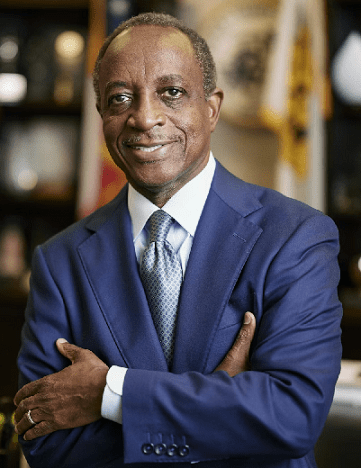
Thurmond’s candidacy rests on long public service and a reputation for turning around struggling institutions, from the state Labor Department to DeKalb County government.
His platform emphasizes:
- Rethinking Georgia’s regressive sales tax structure
- Lower grocery, rent, and healthcare costs
- Statewide healthcare equity
- Unity over ideology
Rather than positioning himself as the most progressive or the most moderate, Thurmond leans into competence and experience.
The Real Debate: How Bold Should Georgia Be?
The forum revealed less disagreement about direction and more disagreement about scale.
Should Georgia move incrementally or structurally?
Should reform be targeted or sweeping?
Should Democrats lean into progressive energy or moderate appeal?
Together, the seven candidates offer voters a rare thing: a competitive primary where experience, ideology, and identity collide in meaningful ways.
The question for Democrats is not whether they have options.
It is which vision best matches the Georgia they believe is emerging.
Support open, independent journalism—your contribution helps us tell the stories that matter most.