
By Ted Knorr | Memphis, TN | July 8, 2026
This week’s Shadow Ball focuses on my June 18-20 trip to Memphis for the 26th Society for American Baseball Research (SABR) Jerry Malloy Negro League Conference. Since its founding in 1998, this conference has remained the highlight of my baseball year. This year was no exception. In fact, it was one of the very best.
My Memphis experience began moments after stepping off the Amtrak train on June 18. I chose to walk the mile and a quarter to the conference hotel rather than call a cab or Uber. As anyone who has traveled to Memphis by train knows, one of the first historic landmarks encountered is the National Civil Rights Museum, housed at the former Lorraine Motel, where the Rev. Dr. Martin Luther King Jr. was assassinated in 1968.

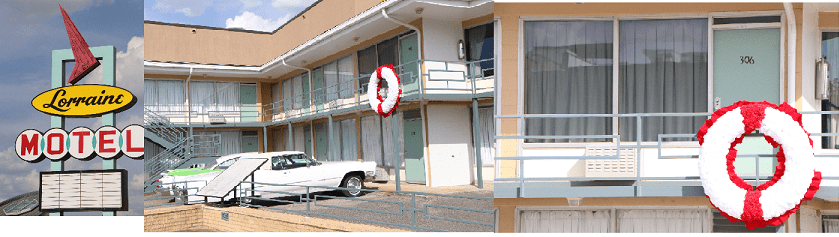
Dr. King had traveled to Memphis to support 1,300 Black sanitation workers who were striking after years of dangerous working conditions, poverty-level wages, and the city’s refusal to recognize their union. It was for such a noble cause that he met his death on April 4, 1968, while standing on the Lorraine Motel balcony.
As the familiar façade emerged through the Memphis morning mist, I stopped my walk and sat quietly in prayer for several minutes, reflecting on the events of that tragic day. It was a powerful reminder that history often feels much closer when standing where it happened.
By the time I arrived at the hotel, the conference’s opening session was already underway. The Educational Forum traditionally begins each Jerry Malloy Negro League Conference by bringing together visiting researchers and local educators to discuss ways of integrating the study of the Negro Leagues into K-12 and higher education history curricula. Anyone who teaches or lectures on Negro League history, regardless of the audience, can always find valuable ideas and techniques during these sessions.
After lunch, attendees boarded an inspiring bus tour of several civil rights and baseball sites that echoed the emotions of my morning walk through downtown Memphis. Stops included the Lorraine Motel, Mason Temple, where Dr. King delivered his final speech, “I’ve Been to the Mountaintop,” Martin Stadium, business locations associated with Memphis baseball entrepreneurs, and finally Clayborn Temple, headquarters of the 1968 sanitation workers’ strike and the birthplace of the “I AM A MAN” movement.
The greatest surprise came at Clayborn Temple, where attendees learned that the church’s damaged condition was not simply the result of age. Much of the destruction was caused by a devastating arson fire in March 2025. It served as a sobering reminder that preserving history remains an ongoing responsibility. As Robert Frost wrote, “Miles to go before we sleep.”
Later that afternoon, we watched the outstanding 1996 documentary Black Diamonds Blues City, which beautifully captured the intersection of community, race relations, politics, music, and Negro League baseball in Memphis. Following dinner, conference attendees gathered for a meet-and-greet at the Ernest Withers Photography Museum in the heart of Beale Street. My morning walk, the documentary, and the evening stroll through Beale Street together created a fitting foundation for the next two days of the conference.
Friday featured the centerpiece of every Jerry Malloy Negro League Conference. Nine Negro League researchers presented their latest work during a series of thirty-minute presentations covering subjects that ranged from player biographies and race relations to home run research, ballpark histories, and even poetry.
One of the highlights was a moving panel discussion featuring family members of Negro League greats Frank Duncan Jr., Frank Duncan III, Johnny Wright, and Larry Brown. Their personal stories reminded us that Negro League history is more than statistics and championships. It is also about families preserving the memories of remarkable men whose contributions deserve continued recognition.
After a full day of intellectual stimulation, attendees enjoyed an evening picnic before heading to AutoZone Park to watch the Memphis Redbirds, providing the perfect close to another memorable conference day.
My own contribution this year was a presentation examining Rap Dixon’s season in Japan, along with announcing the results of our annual attendee poll identifying the next ten Negro League players, managers, and pioneers who deserve induction into the National Baseball Hall of Fame.
The top ten vote-getters, all of whom have deserved induction for many years, were Cannonball Dick Redding, Rap Dixon, Vic Harris, Dick Lundy, Newt Allen, John Donaldson, Grant Johnson, George Scales, John Beckwith, and Candy Jim Taylor. An additional 36 candidates also received votes.
Inspired by everything we experienced in Memphis, SABR’s Negro League Committee should continue advocating for justice in Cooperstown. Why not begin by inducting these ten deserving players, managers, and pioneers when Negro League candidates become eligible again in December 2027?
The conference concluded Saturday with nine additional research presentations, the always-entertaining baseball Significa contest, and the annual awards banquet.
As I reflect on this year’s conference, I keep returning to the lessons Memphis teaches.
From slavery to the Civil Rights Movement, America’s racial history is on full display throughout the city. Yet Memphis also reminds visitors that the work of preserving history is never complete.
The same can be said of Cooperstown.
Throughout the National Baseball Hall of Fame, visitors find Negro League history woven into exhibits on nearly every floor, in countless displays, and throughout the museum. Yet the Hall of Fame plaque gallery tells a different story. There, 137 players whose Major League careers began during baseball’s segregation era have plaques, while only 28 Negro League players and executives have been inducted over the past two decades.
Just as there remains important work to be done in our society, there is also important work to be done in Cooperstown.
The Hall of Fame has an opportunity to continue correcting baseball’s historical record. It should begin by seriously considering the recommendation that emerged from this year’s conference and electing Redding, Dixon, Harris, Lundy, Allen, Donaldson, Johnson, Scales, Beckwith, and Taylor when Negro League candidates are next considered in December 2027.
Last Week’s Shadow Ball Significa Question of the Week
What Negro League pennant-winning team played its home games at Dick Kent’s Ballyard?
The answer is the St. Louis Stars, who won the Negro National League pennants in 1928, 1930, and 1931 while playing their home games at Stars Park, also known as Dick Kent’s Ballyard.
No one submitted the correct answer.
This Week’s Shadow Ball Significa Question of the Week
When was the last year that any Negro League players were inducted into the National Baseball Hall of Fame? Please identify at least one player inducted that year.
Send your answer, along with your comments about the Negro Leagues, to shadowball@truthseekersjournal.com or mail them to:
Shadow Ball
3904 N. Druid Hills Road, Suite 179
Decatur, GA 30033
About the Author

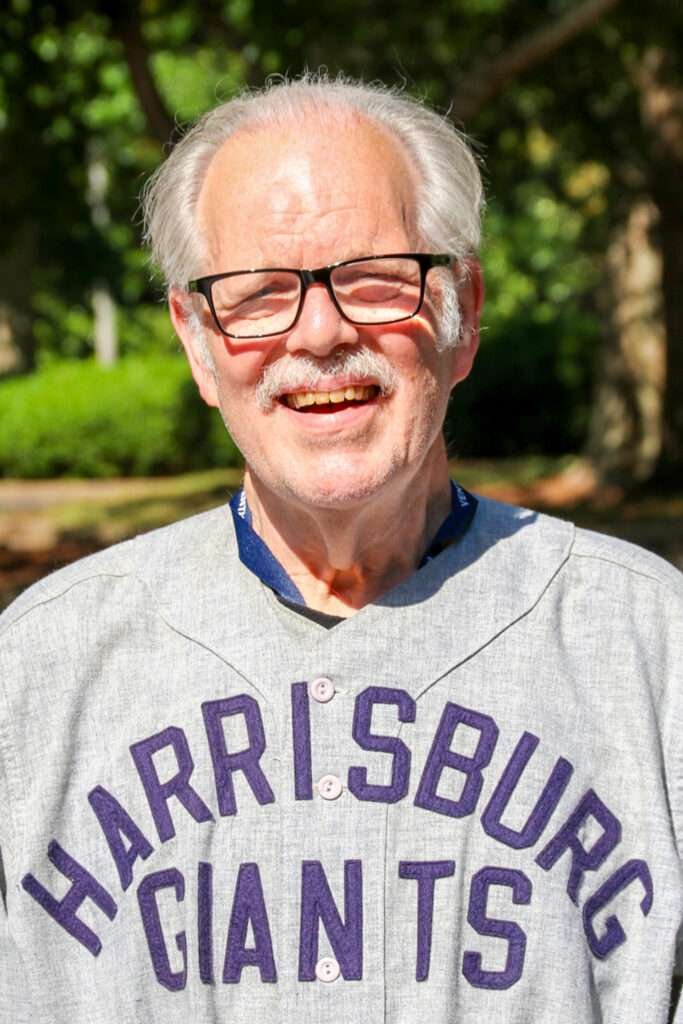
Ted Knorr is a respected Negro League baseball historian, a longtime member of SABR’s Negro Leagues Committee, and the founder of the Jerry Malloy Negro League Conference. He has also organized numerous Negro League Commemorative Nights throughout central Pennsylvania.
Beyond his research and organizational work, Ted is a sought-after speaker at sporting events, community programs, family gatherings, and educational forums, where he brings Negro League history to life. His deep knowledge of the players, teams, and the cultural significance of Black baseball has made him a trusted voice for audiences seeking to better understand the enduring legacy of the Negro Leagues.
Please consider supporting open, independent journalism, no contribution is too small!