By Milton Kirby | Atlanta, GA | March 7, 2026
The joke surfaces almost every time a large group of lawyers gathers: if Georgia has a “State Bar,” does that mean the state also has an official tavern?
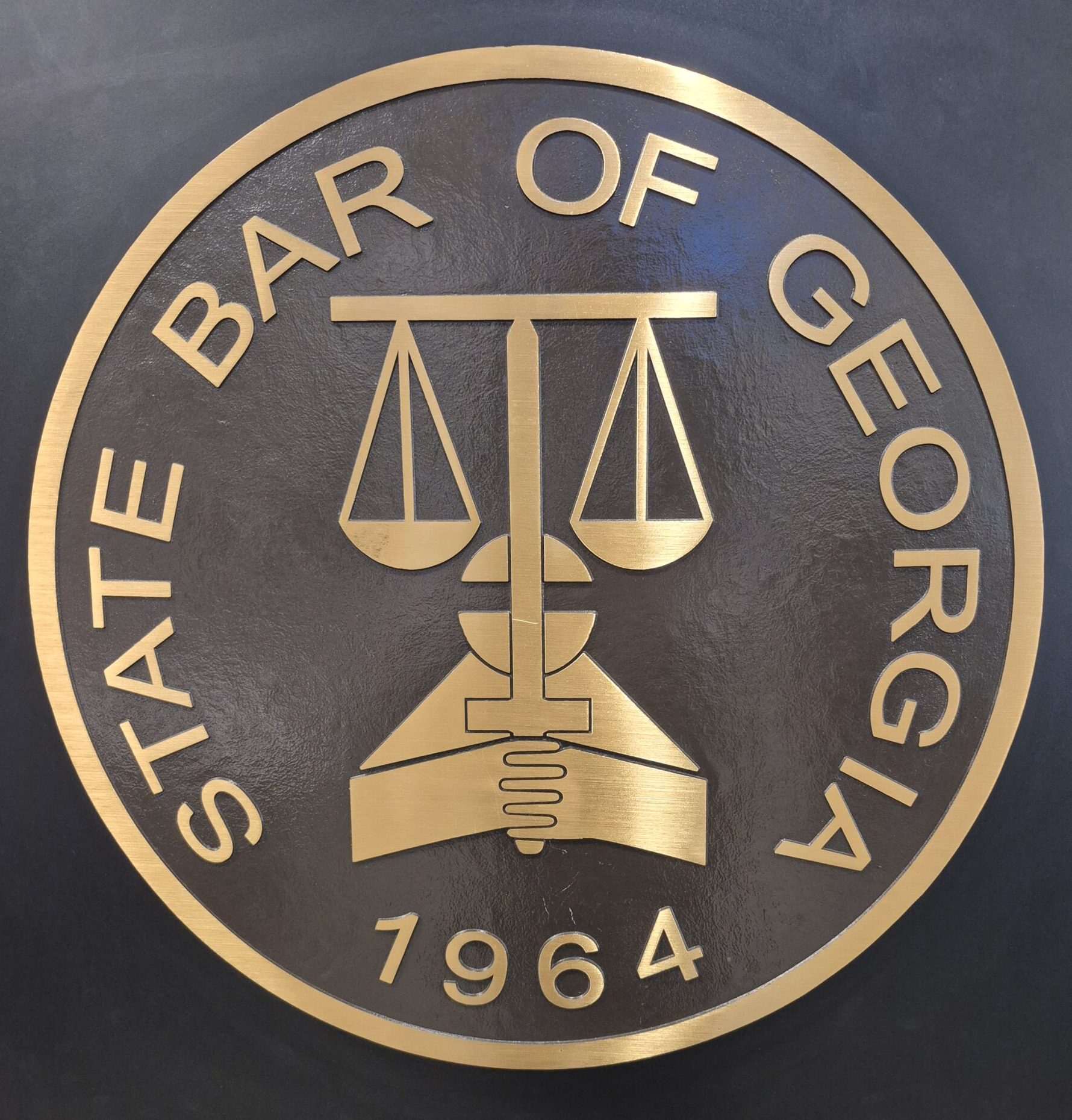
Inside the headquarters of the State Bar of Georgia at 104 Marietta Street NW in downtown Atlanta, the answer quickly becomes clear.
The State Bar is not a social club, and it is certainly not a bar in the traditional sense. It is the institution that determines who may legally practice law in Georgia and the body responsible for disciplining those who violate professional rules.
That reality was on display last month as judges, attorneys and journalists gathered for the 35th Georgia Bar, Media & Judiciary Conference, an annual forum designed to improve communication between the legal profession and the press.
For The Truth Seekers Journal, the conference offered a closer look at one of the most influential and often misunderstood institutions in Georgia’s justice system.
Inside the Conference Discussions
Participants described the discussions as detailed, transparent and highly engaging, particularly around the challenges journalists face when covering courts and government institutions.
One session focused heavily on Freedom of Information practices, offering reporters practical guidance on how to navigate overloaded agencies and obtain public records necessary for investigative reporting.
Panelists shared strategies for overcoming bureaucratic delays, understanding legal limits on disclosure, and ensuring journalists can still access the information required to do their jobs.
Another panel titled “The New Ecology of College Sports” examined the rapidly evolving world of Name, Image and Likeness (NIL) compensation for college athletes. Speakers discussed the enormous financial changes reshaping college athletics, where some players now receive substantial endorsement deals while others earn little or nothing raising new questions about fairness and competitive balance.
Safety in the field was also addressed during a session called “Navigating Immigration Reporting,” which offered practical advice to journalists covering sensitive immigration stories while protecting themselves and their sources.
Kirby arrived late and missed the opening session titled “Beating the Rap,” but said the conversations he attended reflected the conference’s broader purpose: strengthening understanding between lawyers, judges and journalists responsible for explaining the justice system to the public.
A Mandatory Bar
Georgia operates as what legal scholars call a unified or integrated bar state.
Unlike voluntary bar associations in places such as New York or Illinois, membership in the State Bar of Georgia is not optional. The organization operates under the supervision of the Supreme Court of Georgia, which oversees the legal profession statewide.
If a lawyer wants to represent clients, appear in court, or even hold themselves out as an attorney in Georgia, they must be an active member in good standing.
Failure to pay dues or meet professional requirements such as continuing legal education can result in suspension. Once suspended, an attorney cannot represent clients, provide legal advice or practice law in any capacity.
Attempting to do so constitutes the unauthorized practice of law, a violation that can carry civil penalties and, in some cases, criminal consequences.
Different Paths Within the Profession
Not every member of the Bar is actively practicing law in a courtroom. Attorneys can maintain several different membership statuses depending on their career stage.
• Active: Fully authorized to practice law and required to complete continuing legal education.
• Inactive: Lawyers who maintain their license but are not practicing and cannot provide legal advice.
• Emeritus or Retired: Veteran attorneys who have stepped away from active practice but remain connected to the profession.
These distinctions matter. In a mandatory bar state like Georgia, an inactive or retired attorney cannot casually offer legal advice to friends, churches or community groups.
Regulation and Discipline
The State Bar currently serves more than 50,000 attorneys across Georgia.
Through its Office of the General Counsel, the Bar investigates grievances filed by clients and members of the public. If an investigation finds probable cause that an attorney violated the Georgia Rules of Professional Conduct, the case may be prosecuted before the Georgia Supreme Court.
Sanctions can range from private reprimands to suspension or permanent disbarment.
Public Services for Georgians
The Bar also operates programs designed to help the public navigate legal problems.
The Client Assistance Program (CAP) serves as a first point of contact for many residents experiencing issues with an attorney. CAP helps resolve communication breakdowns, billing disputes and other conflicts before they escalate into formal disciplinary complaints.
The Bar also offers fee arbitration, allowing disputes over legal fees to be resolved without going to court.
Through the Pro Bono Resource Center and partnerships with GeorgiaLegalAid.org, attorneys are connected with opportunities to provide free civil legal assistance to low-income Georgians.
Major CLE Changes Begin in 2026
Significant changes to Georgia’s continuing legal education requirements take effect January 1, 2026.
Under a new order from the Supreme Court of Georgia, the state will move from an annual CLE reporting system to a biennial compliance period.
Lawyers will now complete 18 CLE hours every two years, including three hours of ethics and two hours of professionalism training. The previous “trial hours” requirement for trial lawyers has been eliminated.
Attorneys with 40 years of active membership without suspension or disbarment will qualify for a CLE exemption beginning with the next compliance cycle.
Technology and the Future of Law
Artificial intelligence is also reshaping the legal profession.
AI tools are increasingly used for document review, legal research and contract analysis. While these technologies promise efficiency, they also raise new questions about transparency, accountability and the role of human judgment in legal practice.
Supporting the Legal Community
The Bar has also developed programs focused on professional wellbeing.
The Center for Lawyer Wellbeing promotes mental health resources and professional support for attorneys. Programs such as SOLACE, Support of Lawyers/Legal Personnel All Concern Encouraged provide non-monetary assistance to members of the legal community experiencing serious illness or major life events.
Not the Bar Exam
A common misconception is that the State Bar administers the bar exam.
That responsibility actually belongs to the Office of Bar Admissions, which determines who qualifies to enter the profession. The State Bar regulates lawyers once they have been admitted.
Education Beyond the Courtroom
The Bar’s influence extends into classrooms through its Law-Related Education program, which provides resources for K-12 teachers to incorporate legal concepts into civics education.
Programs such as Journey Through Justice help students understand legal rights, responsibilities and the role courts play in a democratic society.
Why This Matters to Everyday Georgians
For most residents, the State Bar may feel distant from daily life. But its role becomes important the moment someone hires or has trouble with a lawyer.
If an attorney stops returning calls, refuses to release a client’s file or fails to explain billing practices, the Client Assistance Program can help mediate communication before the problem escalates.
In more serious cases involving ethical violations, the Bar investigates grievances and can recommend disciplinary action ranging from reprimands to disbarment.
Trust and Accountability
In a time when public trust in institutions is frequently tested, the work of the State Bar operates largely out of the spotlight but carries significant consequences.
The organization helps ensure that the lawyers who represent clients, argue cases and influence court outcomes follow professional and ethical standards. For Georgians navigating the legal system, that oversight helps safeguard the integrity of the courts and the fairness of the process.
Support open, independent journalism—your contribution helps us tell the stories that matter most.