When we launched The Truth Seekers Journal (TSJ), our mission was simple: to restore trust in local journalism by focusing on verified facts, transparency, and the stories that truly shape our community.
Today, I am proud to share that the “pulse” of this journal is stronger than ever. This past week, we reached a significant turning point in our growth. Our page views have tripled, and most importantly, our Returning Visits have grown by over 1,000%. This tells me that TSJ isn’t just a site you stumble upon. It is becoming a trusted resource you rely on.
National Recognition
I am also honored to announce that The Truth Seekers Journal has been awarded a prestigious rural reporting grant from Grist, following a highly competitive national selection process. Grist is a national leader in environmental and justice journalism.
Furthermore, to ensure we maintain the highest ethical standards, we have been formally accepted as members of the Society of Professional Journalists (SPJ), the Online News Association (ONA), the National Association of Black Journalists (NABJ), and the Atlanta Press Club. These affiliations are our “gold standard” promise to you that our reporting is independent, ethical, and professional.
Expanding Our Expertise
Growth isn’t just about numbers; it’s about the depth of the stories we can tell. I am thrilled to highlight two key pillars of our expanded editorial team:
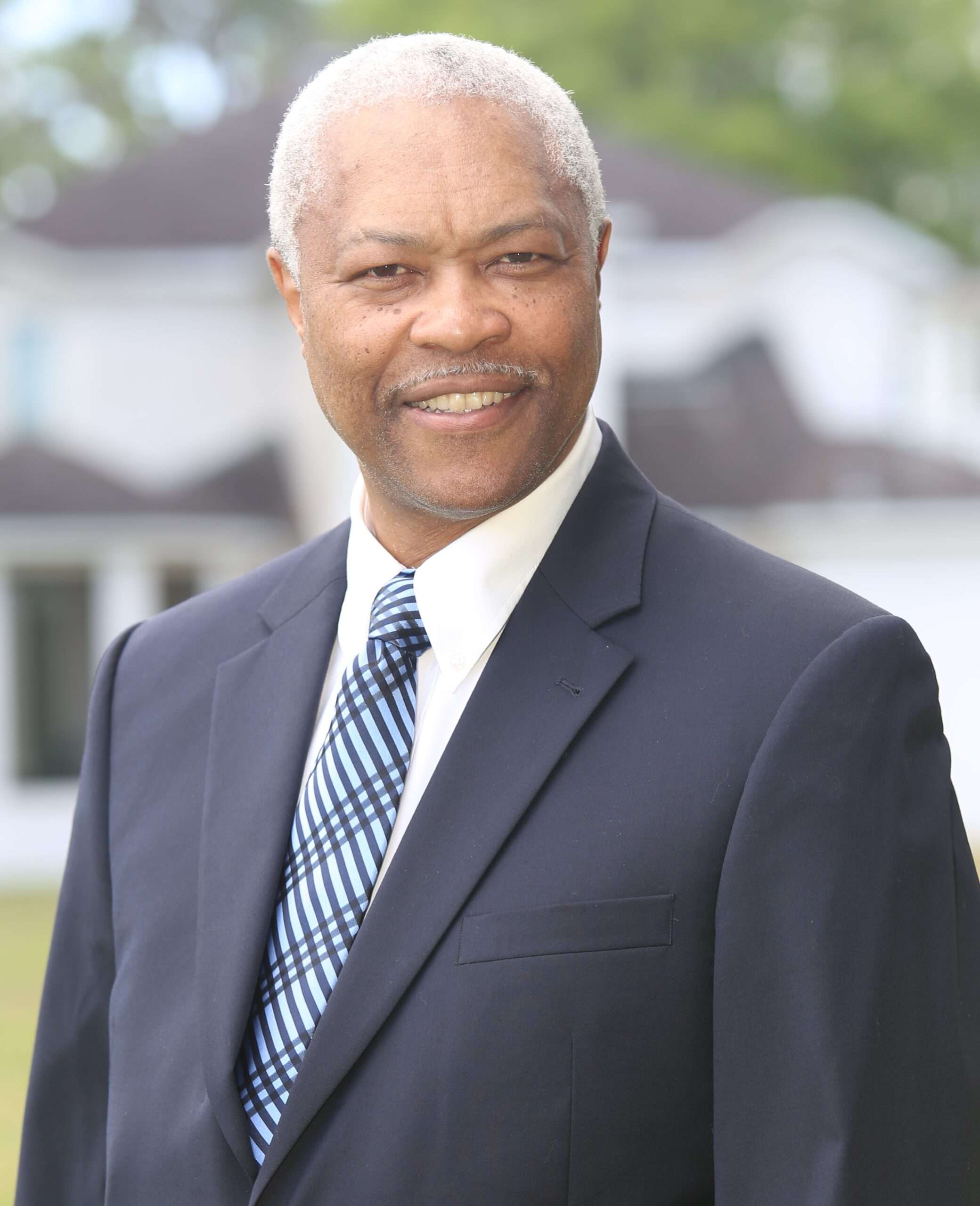
Dr. Florita Bell Griffin has joined us as a Contributing Writer and Systems Analyst. Dr. Griffin will lead our coverage in the AI, Science, and Technology sectors. Her expertise allows us to move beyond the headlines, providing our readers with deep-dive analysis on how emerging technologies and infrastructure projects impact our local economy and daily lives..
Ted Knorr, our resident historian, continues to bridge the gap between our past and present through his twice-monthly column, “Shadow Ball: Learning More About Negro League History.” Many of you have already engaged with Ted by submitting questions and sharing family stories, making “Shadow Ball” a true cornerstone of our community dialogue.
The Road Ahead
We are no longer just a news site; we are a growing civic institution. Whether we are investigating DeKalb data centers or documenting the rich history of the South, our goal remains the same: to give you the information you need to understand your community and shape your future.
Thank you for being the most important part of this journey. We are just getting started.
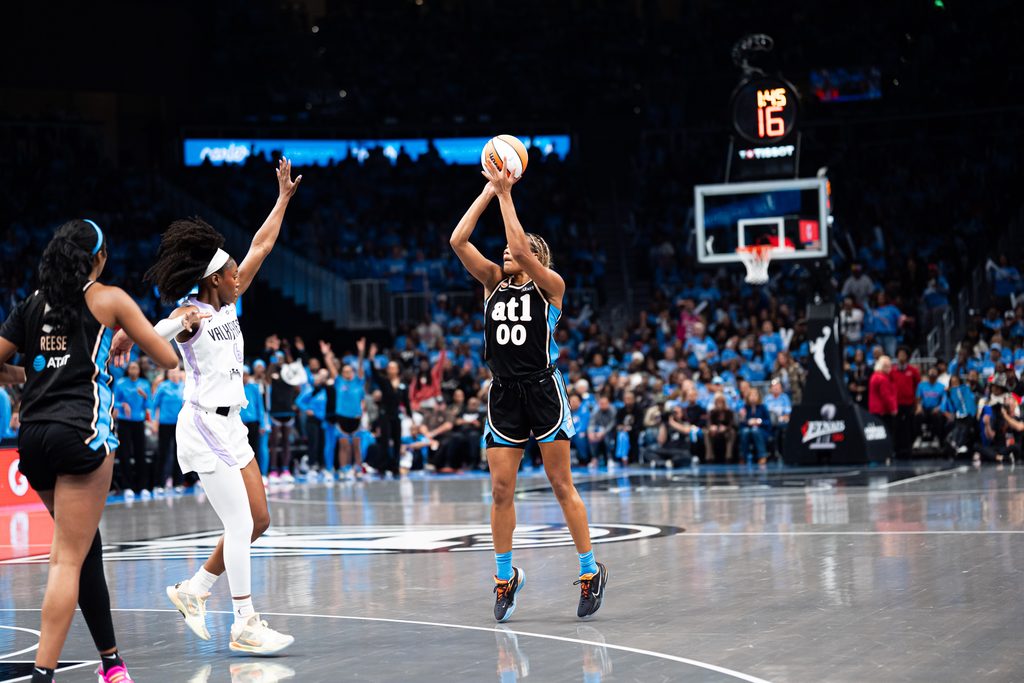
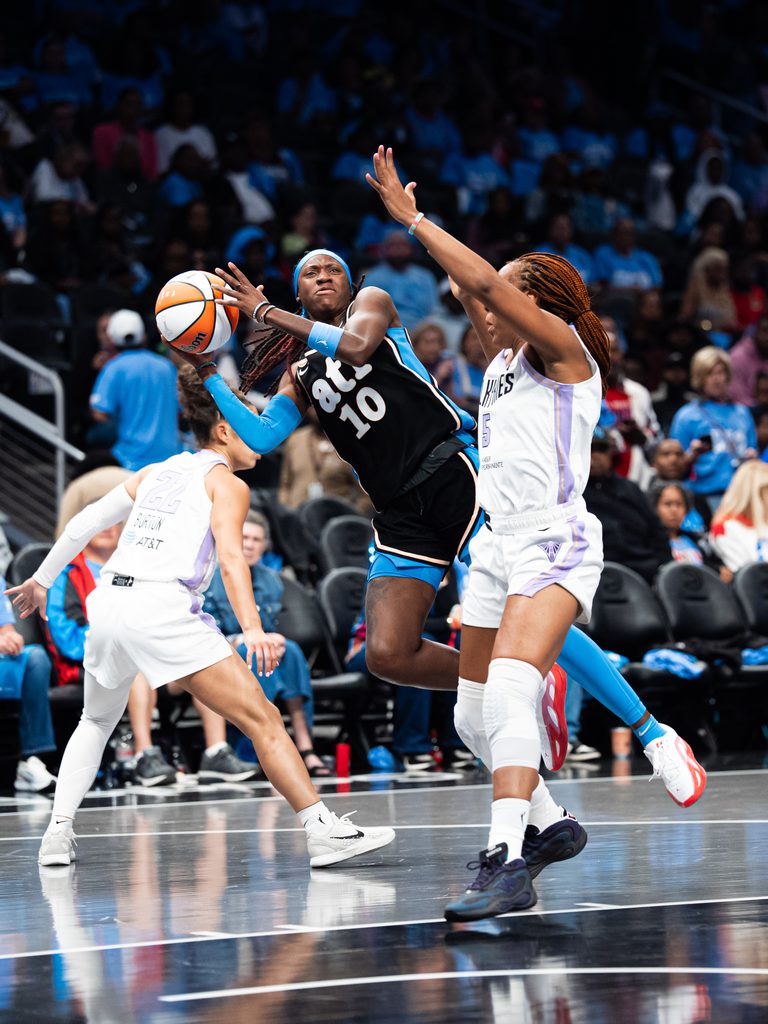
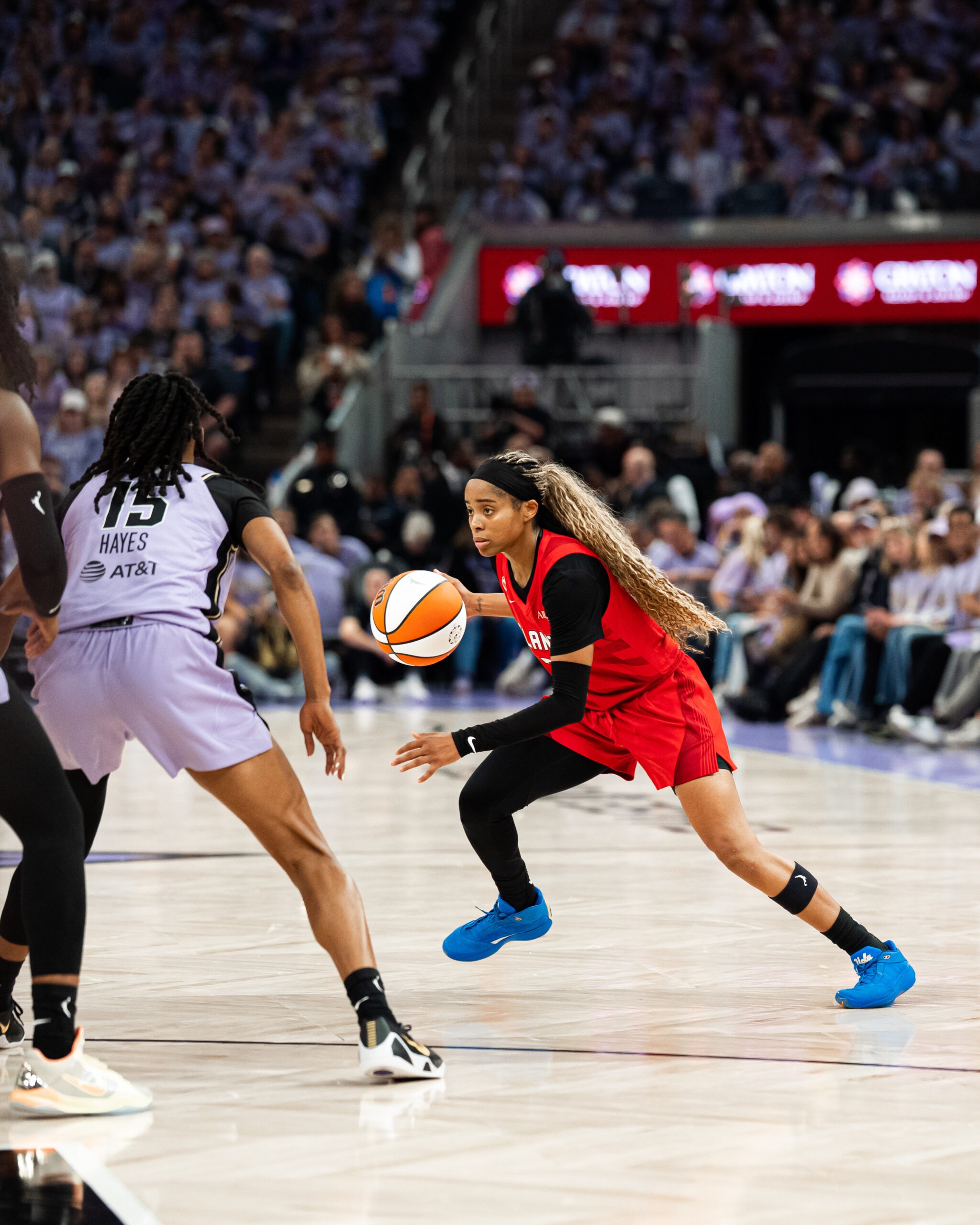
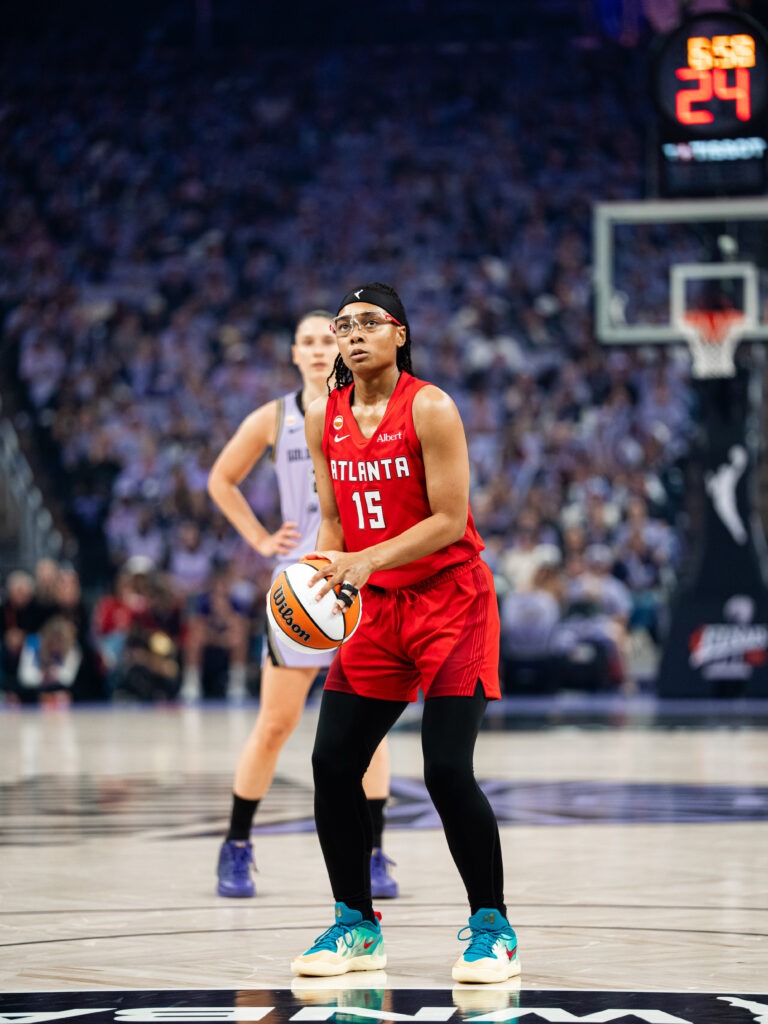
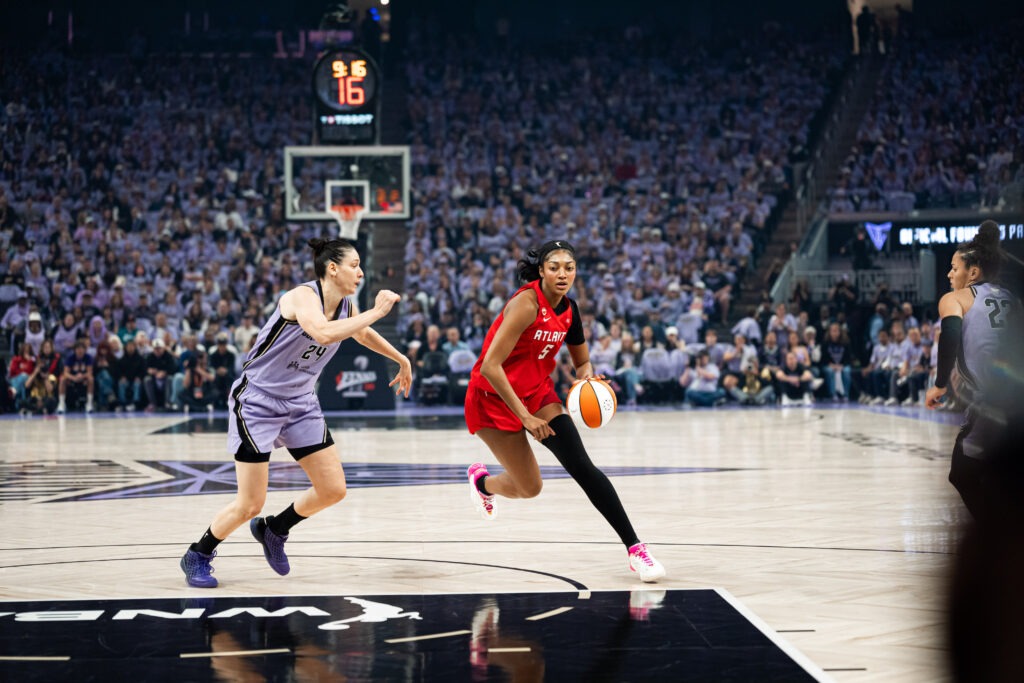
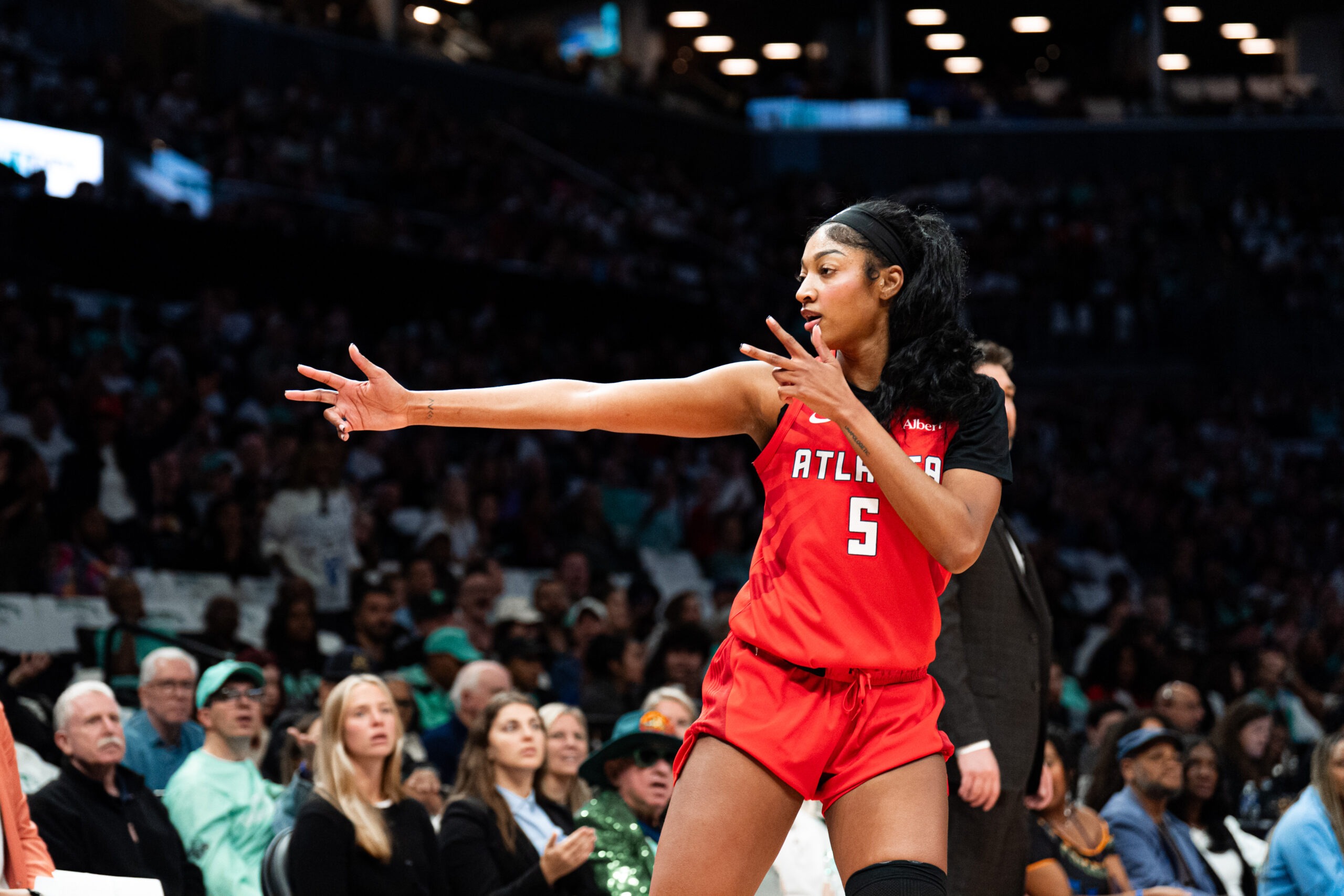
Atlanta Dream defeats Golden State 97-71 to take a 2-1 WNBA Finals lead as Angel Reese and Rhyne Howard deliver historic performances in Atlanta.
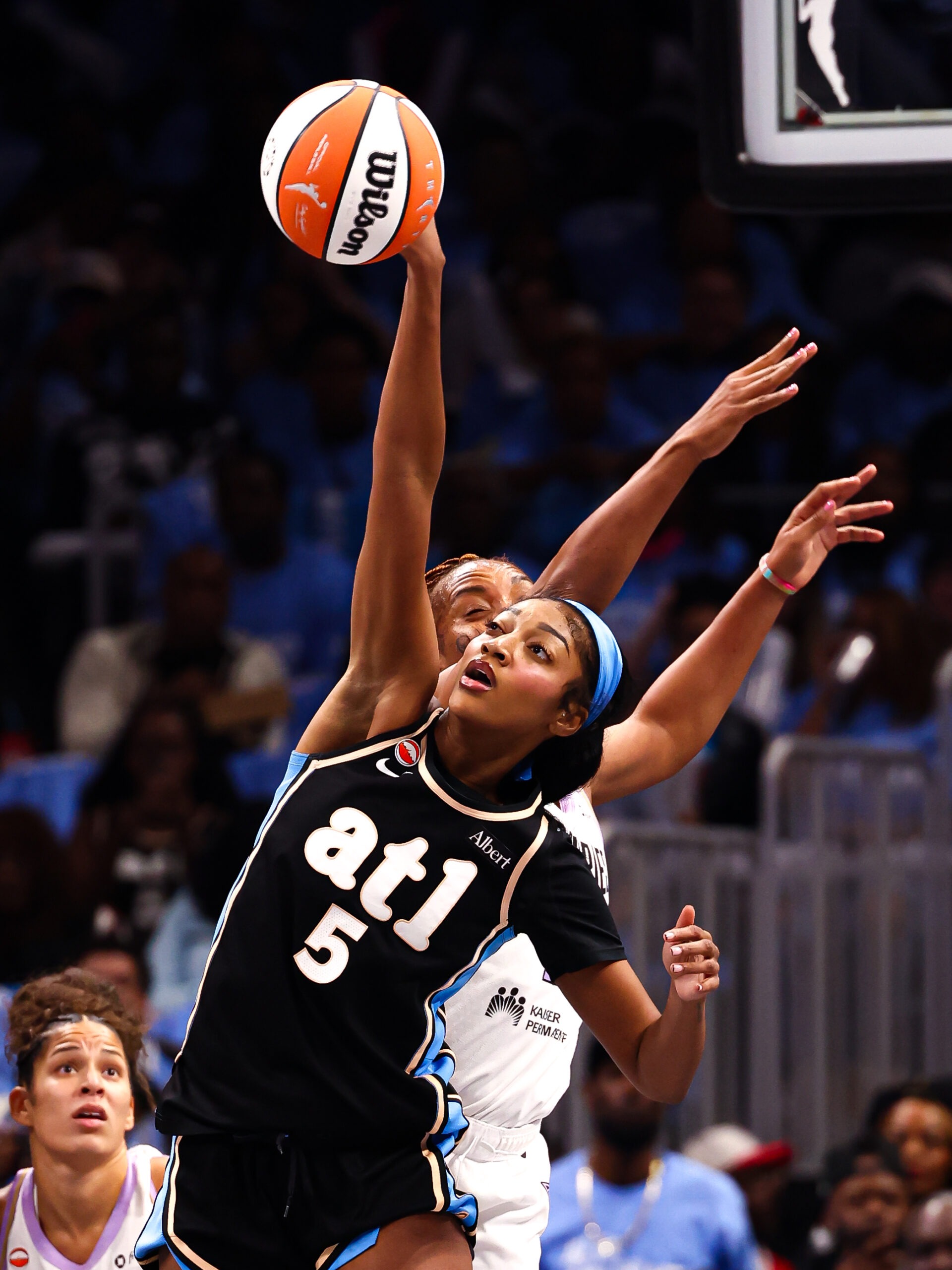
Angel Reese makes more Finals history as Atlanta’s defense overwhelms Golden State before a sold-out crowd at State Farm Arena.
By Milton Kirby | Atlanta, GA | October 22, 2026
The Atlanta Dream are two victories away from their first WNBA championship.
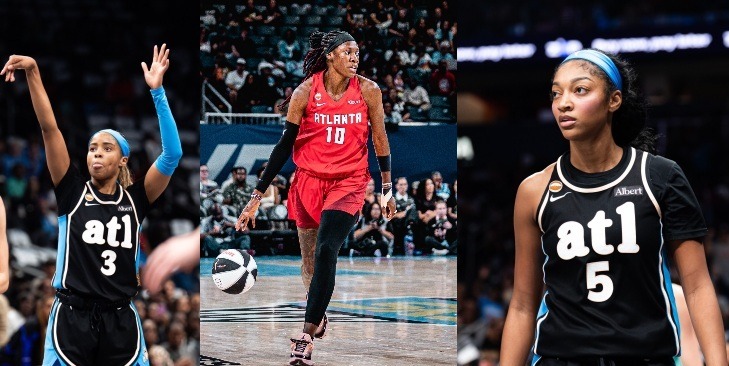
Behind another dominant performance from Angel Reese, record-setting defense from Rhyne Howard and a decisive second-half surge, Atlanta defeated the Golden State Valkyries 97-71 Wednesday night at State Farm Arena to take a 2-1 lead in the best-of-seven WNBA Finals.
The 97 points established a new franchise record for the most points scored by the Dream in a Finals game.
For a team that entered this championship series without a single Finals victory in its history, Atlanta has now won two consecutive games by double digits.
Reese led the Dream with 21 points, 12 rebounds, three assists and three steals, continuing a remarkable postseason run that has placed her among the youngest players to achieve several WNBA Finals milestones.
Howard added 16 points, four assists and five steals, becoming the first player in WNBA Finals history to record at least five steals in consecutive championship games.
Atlanta’s defense held Golden State to 34.8 percent shooting and forced 17 turnovers, converting those mistakes into 22 points.
The Dream shot 49.3 percent from the field and outscored the Valkyries 51-31 in the second half.
But the story was about more than statistics.
It was also about a sold-out Atlanta crowd that turned State Farm Arena into a celebration of women’s basketball and a franchise moving closer to its first championship.
Reese Continues Historic Finals Performance
Reese has emerged as one of the defining players of the championship series.
After recording 14 points and 12 rebounds in Game 1 and 30 points and 16 rebounds in Game 2, she delivered another double-double Wednesday night.
Her 21-point, 12-rebound performance made her the youngest player in WNBA history to record double-doubles in three consecutive Finals games.
She also became the youngest player to score at least 20 points and collect at least 10 rebounds in consecutive Finals games.
Her contributions extended beyond scoring and rebounding. Reese’s defensive pressure, ability to run the floor and leadership helped Atlanta regain control when Golden State threatened to take over in the third quarter.
“Angel shows up in every game,” teammate Naz Hillmon said. “She brings her teammates along, and that’s exactly what happened today.”
Reese credited the home crowd for helping energize the team.
“Our fans showed up in every single possession,” Reese said. “I thought Ballhalla was loud, but Atlanta, y’all came out … Saturday, y’all better run it back.”
Third-Quarter Surge Changes the Game
Atlanta opened the game with suffocating defense.
Golden State did not score until a free throw with 5:07 remaining in the first quarter. The Dream built a 23-15 lead before the Valkyries began finding their offensive rhythm.
By halftime, Atlanta held a narrow 46-40 advantage.
Golden State came out aggressively in the third quarter, eventually tying the game at 49 with 7:45 remaining.
For a moment, the momentum appeared to be shifting.
Dream head coach Karl Smesko considered calling a timeout but noticed his players communicating with one another about their mistakes and how to correct them.
He allowed them to work through the situation.
The decision paid off.
Atlanta responded with an 8-0 run, highlighted by Reese grabbing a defensive rebound and driving the length of the court for a layup that brought the crowd to its feet.
Golden State managed to narrow the margin again, but Atlanta answered with another offensive surge.
DeWanna Bonner connected from three-point range, Isobel Borlase scored inside, and the Dream’s defense continued creating opportunities.
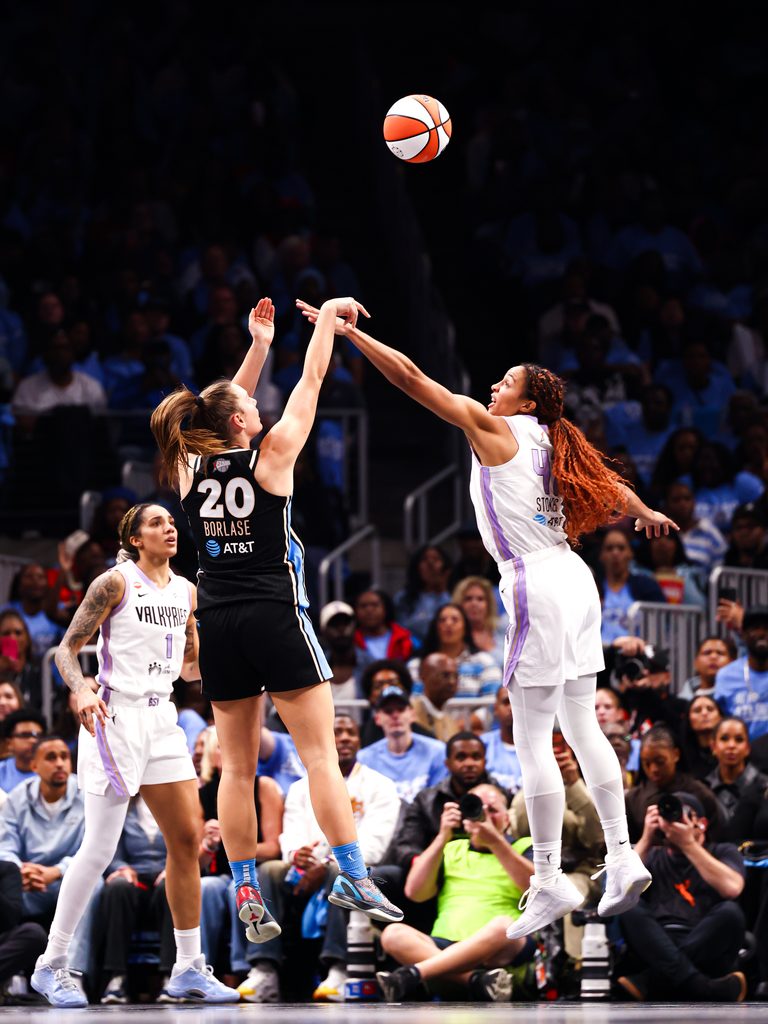
Borlase and Howard blocked shots on consecutive possessions, drawing another roar from the crowd.
Atlanta closed the third quarter with a 12-2 run, building a 71-57 lead entering the final period.
“We want to be the best third quarter team coming out at halftime because I think that takes their confidence,” Reese said. “It puts them away.”
She acknowledged that Atlanta’s start to the period had been far from ideal.
“We didn’t start great in the third quarter, at all, but we definitely finished it well,” Reese said.
Howard Makes Defensive History
Howard’s performance added another milestone to Atlanta’s championship run.
With five steals Wednesday, she became the first player in WNBA Finals history to record at least five steals in consecutive games.
The achievement followed her six-steal performance in Game 2, when Atlanta defeated Golden State 79-65 to earn the franchise’s first Finals victory.
Howard’s defensive activity repeatedly disrupted the Valkyries’ offense, creating turnovers and opportunities for the Dream to score in transition.
She also contributed 16 points, four rebounds, four assists and one blocked shot.
Her 11th point of the game moved her into third place on Atlanta’s all-time postseason scoring list.
The defensive effort reflected the identity Atlanta developed throughout the regular season, when Howard, Reese and Jordin Canada finished first, third and second, respectively, in the WNBA in steals per game.
All three recently earned All-Defensive Team honors, with Reese and Howard named to the First Team and Canada selected to the Second Team.
Their ability to pressure opponents has become one of Atlanta’s greatest strengths.
A Complete Team Effort
Although Reese and Howard produced the headline performances, Atlanta received important contributions throughout its lineup.
Hillmon scored 15 points, while rookie Isobel Borlase added 12 points, five rebounds, two assists and a blocked shot.
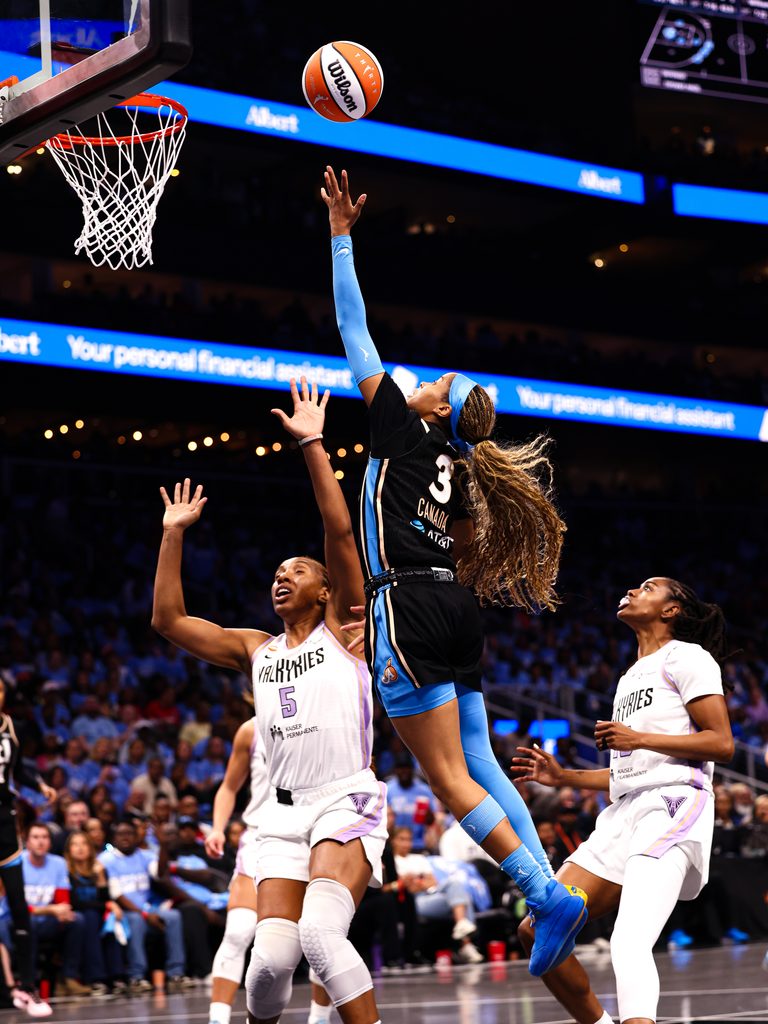
Canada finished with 10 points, six rebounds and eight assists, helping direct Atlanta’s offense while contributing to the team’s defensive pressure.
Canada also became the Dream’s all-time postseason assists leader after recording her fifth assist of the night.
Borlase continued building her own postseason résumé. She moved into third place in franchise history for postseason assists by a rookie, tied the franchise rookie postseason scoring record and became the team’s rookie postseason rebounding leader.
Allisha Gray contributed eight points and six assists, while veteran DeWanna Bonner added seven points and four rebounds.
Atlanta’s starting lineup of Canada, Gray, Howard, Hillmon and Reese improved to 5-1 in the postseason.
The balanced production allowed the Dream to maintain their intensity even as Golden State attempted to adjust its defense.
Atlanta Pulls Away in Fourth Quarter
The Dream carried their third-quarter momentum into the final period.
Howard’s defensive pressure continued to create problems for Golden State. After recording another steal and drawing a foul while attempting a layup, she converted two free throws to extend Atlanta’s lead to 80-60.
The Valkyries could not mount another comeback.
Atlanta continued to attack offensively while limiting Golden State’s scoring opportunities.
The Dream scored 26 points in the fourth quarter, compared with 14 for the Valkyries.
By the final minutes, the outcome was no longer in doubt.
Atlanta had turned a six-point halftime advantage into a 26-point victory.
A City Embraces Its Championship Contender
Wednesday’s victory carried special meaning for a franchise making its first WNBA Finals appearance since 2013.
The Dream previously reached the championship series in 2010, 2011 and 2013 but were swept in all three appearances.
Atlanta lost Game 1 of this year’s Finals, extending its championship-game losing streak to 10.
The Dream ended that streak Monday in San Francisco with a 79-65 victory.
Two nights later, Atlanta delivered another convincing performance, this time before its home fans.
The sold-out State Farm Arena crowd provided a backdrop for a franchise that has spent years working to return to the WNBA’s biggest stage.
The Dream now have an opportunity to move within one victory of a championship when the series resumes Saturday in Atlanta.
Game 4 is scheduled for October 24 at 1 p.m. Eastern.
Despite the excitement surrounding his team’s performance, Smesko reminded everyone that the championship remains unfinished.
“We’re only halfway home,” Smesko said. “We have two wins. We need two more.”
For the Atlanta Dream, the journey from a franchise without a Finals victory to a team leading the championship series has been remarkable.
But the ultimate prize remains ahead. Atlanta is two victories away from becoming a WNBA champion for the first time.
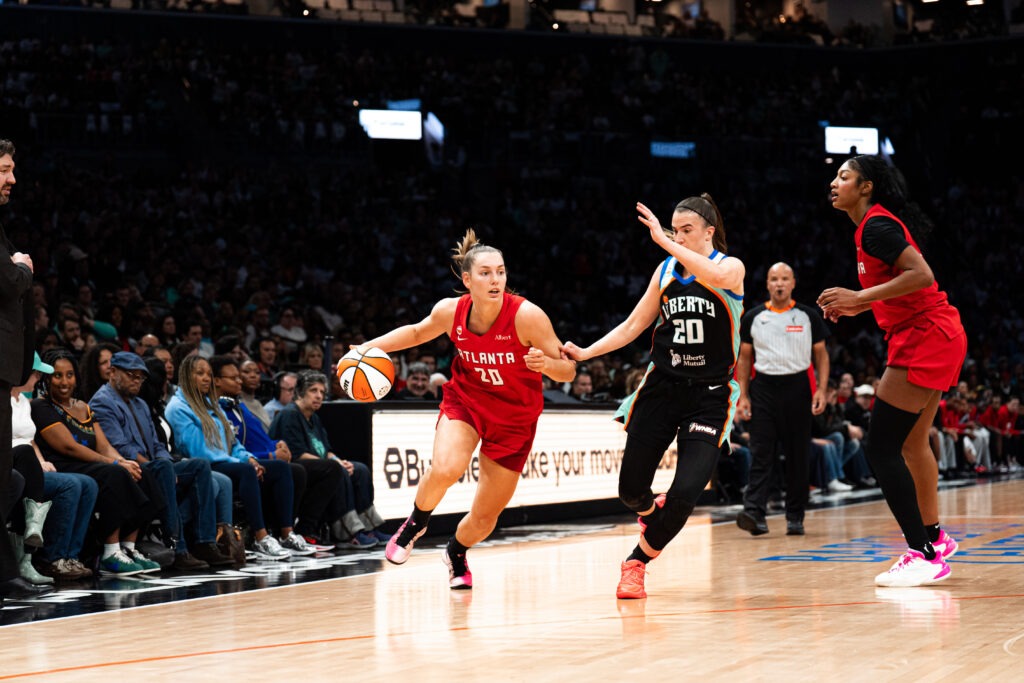
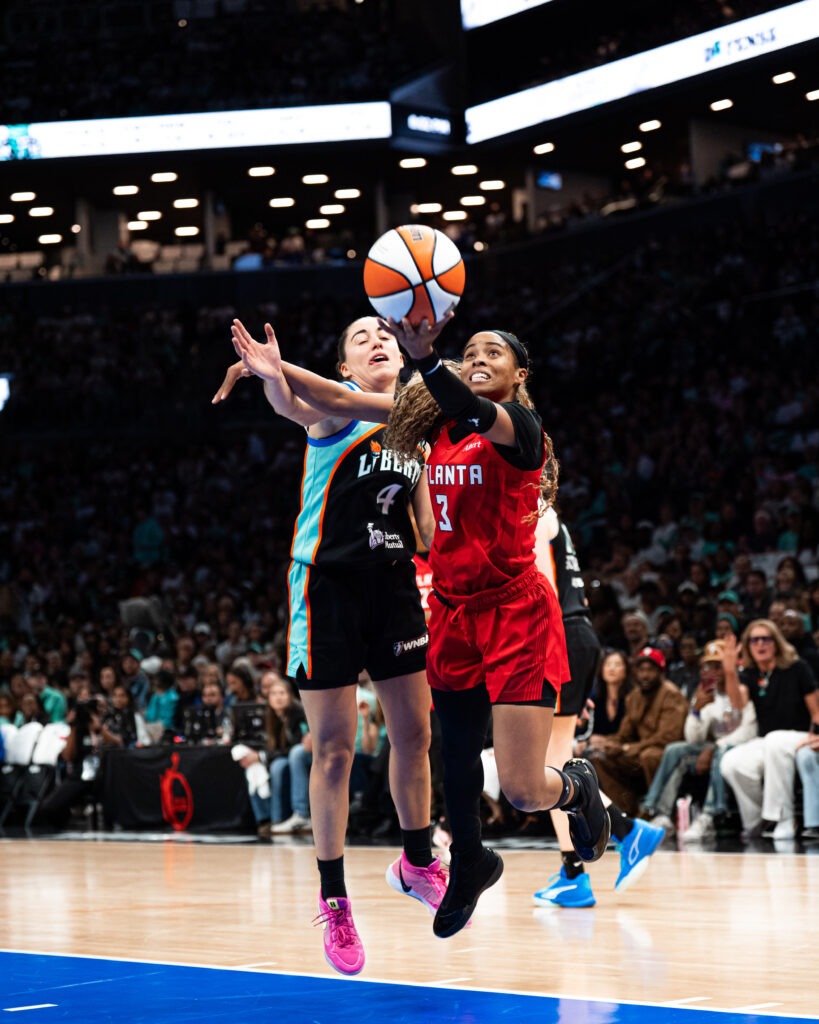
WNBA Finals game against the Golden State Valkyries all photos courtesy of the Atlanta Dream (Casey Sykes)
Truth Seekers Journal thrives because of readers like you. Join us in sustaining independent voices.
Mayor Andre Dickens appoints Doug Voss permanent parks commissioner as Atlanta improves national park rankings, expands youth programs and strengthens access to neighborhood greenspaces.
After 15 years with the City, Voss takes permanent leadership of Atlanta’s parks and recreation system as national rankings improve and youth programs grow.
By Milton Kirby | Atlanta, GA | October 21, 2026
Mayor Andre Dickens has appointed Doug Voss as permanent commissioner of Atlanta’s Department of Parks and Recreation, placing a longtime city official in charge of efforts to improve neighborhood parks, expand recreation programs and increase access to greenspaces.
Voss, who has served as interim commissioner, assumes the permanent position following a national search and a multi-stage selection process. His appointment, announced October 19, is effective immediately.
The decision comes as Atlanta reports improvements in its national parks ranking and increased participation in recreation programs for young people.
“Doug knows this Department, the people who work here and the communities we serve,” Dickens said in announcing the appointment.
“Our parks, greenspaces and recreation centers are an important part of our neighborhoods, and one of our Administration’s missions is to ensure every resident has access to safe, quality spaces and programs.”
The mayor said Voss understands the importance of directing investments toward communities throughout Atlanta.
Fifteen Years of City Service
Voss joined the City of Atlanta in 2011 and has held several leadership positions within the Department of Parks and Recreation, including director, deputy commissioner and interim commissioner.
His responsibilities have included park operations, recreational programming, natural resource management and improvements to public spaces.
Voss previously served as deputy commissioner under Justin Cutler, who became commissioner in August 2022 and announced his departure in May 2026.
After Cutler’s departure, Voss assumed interim leadership of the department before being selected for the permanent position.
His experience includes helping advance Atlanta’s Park Ranger program, strengthening the department’s Natural Resources team and supporting efforts to acquire land for additional greenspace.
These responsibilities are central to the city’s efforts to maintain existing parks while creating new recreational opportunities.
Atlanta Climbs in National Park Rankings
One measure of Atlanta’s progress is its standing in the Trust for Public Land’s annual ParkScore rankings.
In 2026, Atlanta moved from 21st to 18th nationally, according to the city.
The ParkScore system evaluates the park systems of the nation’s 100 most populous cities using measures that include park access, acreage, investment, amenities and equity.
Atlanta’s improvement reflects continued investment in public parks, recreational facilities and access to greenspace.
However, the ranking also raises an important question for city leaders: How can Atlanta ensure that improvements reach neighborhoods where residents have historically had fewer recreational resources?
A city’s overall ranking does not necessarily mean every neighborhood enjoys the same access to well-maintained parks and facilities.
For Voss, maintaining Atlanta’s progress while addressing differences in neighborhood access will remain an important part of the department’s mission.
Recreation Programs Reach Thousands
Beyond maintaining parks, the department provides recreation programs for children, teenagers, adults and seniors.
One of its largest initiatives is Camp Best Friends, which served more than 4,000 young people and seniors across 17 locations in 2026.
The city reported that teen participation increased 52 percent over the previous year.
That growth suggests increased interest in programs designed to provide structured activities, recreation and opportunities for young people to connect with their communities.
Recreation centers also serve as gathering places where residents can participate in sports, fitness activities and other community programs.
For working families, accessible recreation programs can provide important opportunities for children and teenagers outside the classroom.
For older adults, these facilities can offer opportunities for physical activity, social interaction and community engagement.
Protecting Atlanta’s Greenspaces
Another responsibility facing Voss is protecting Atlanta’s natural areas while responding to continued development and population growth.
The department oversees public parks, recreation centers and other facilities throughout the city.
Its work includes maintaining existing properties, improving recreational amenities and supporting the acquisition of land for future parks.
Atlanta’s greenspaces serve several purposes beyond recreation. Trees and natural areas can help reduce summer heat, absorb stormwater and provide habitat for wildlife.
Parks also give residents places to exercise, gather with neighbors and spend time outdoors.
These benefits make access to quality parks an important part of neighborhood health and quality of life.
The city’s stated goal is to provide equitable access to recreational, natural and cultural experiences that improve the health, happiness and well-being of Atlanta residents.
Achieving that goal requires more than opening new parks. It also involves maintaining facilities, ensuring public safety and providing programs that residents can afford and use.
What Comes Next
With his permanent appointment, Voss will continue overseeing the department’s daily operations while helping guide future investments in parks and recreation.
His priorities will include maintaining public spaces, supporting recreation programs, protecting natural resources and improving access to parks across Atlanta.
The appointment also provides leadership continuity at a time when the city is working to expand recreational opportunities and improve its national standing.
For Atlanta residents, the success of those efforts will ultimately be measured closer to home.
A well-maintained neighborhood park, a safe playground, an accessible recreation center or a summer program that gives a teenager a positive place to spend time can have a direct impact on daily life.
Voss inherits a department that has reported measurable progress in several areas.
His challenge now is to build on that progress and help ensure Atlanta’s investment in parks and recreation benefits residents across the city. For more information about city parks, facilities and programs, visit the Atlanta Department of Parks and Recreation
Truth Seekers Journal thrives because of readers like you. Join us in sustaining independent voices.
Atlanta Dream earns its first WNBA Finals victory, defeating Golden State 79-65 behind Angel Reese’s historic performance and Rhyne Howard’s record-setting defense.
Angel Reese scores 30 points, Rhyne Howard records six steals as Atlanta ends its Finals losing streak and evens championship series.
By Milton Kirby | San Francisco, CA | October 20, 2026
The Atlanta Dream made franchise history Monday night, earning their first-ever WNBA Finals victory with a commanding 79-65 win over the Golden State Valkyries at Chase Center.
Behind a dominant performance from Angel Reese and a relentless defensive effort, Atlanta evened the best-of-seven championship series at one game apiece while taking home-court advantage away from Golden State.
Reese delivered one of the most memorable performances in Finals history, finishing with 30 points, 16 rebounds, three assists and two blocked shots. The 24-year-old forward became the youngest player in WNBA history to record at least 30 points and 15 rebounds in a Finals game.
But the victory represented something even bigger for the Dream. It ended a long and frustrating chapter in the franchise’s history.
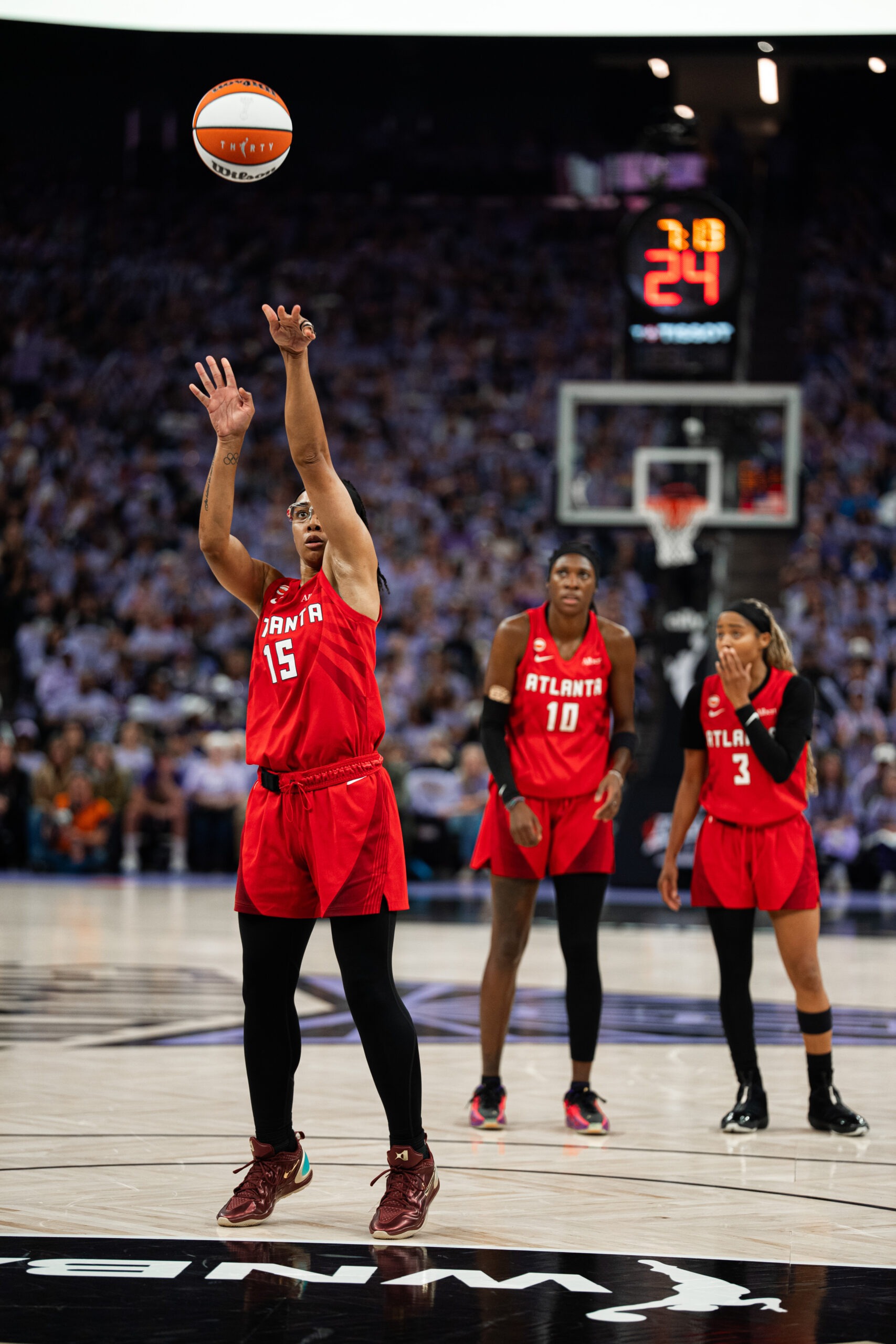
Alisha Gray – Courtesy photo (Steven Burroughs)
Ending a 10-Game Finals Losing Streak
Before Monday night, Atlanta had never won a WNBA Finals game.
The Dream reached the championship series in 2010, 2011 and 2013 but were swept in all three appearances. Atlanta lost to the Seattle Storm in 2010 and the Minnesota Lynx in both 2011 and 2013.
Those nine consecutive losses became 10 when Golden State defeated Atlanta 68-64 in Saturday’s Game 1.
Monday’s victory finally ended that streak.
For a franchise that has spent years trying to return to the league’s biggest stage, the win was more than a statistical milestone. It demonstrated that Atlanta could compete for a championship and win under the pressure of the Finals.
The Dream now return home with the series tied and an opportunity to take their first lead in a WNBA championship series.
Reese Responds with Historic Performance
After going scoreless in the second half of Game 1, Reese approached Monday’s contest with a different level of determination.
She scored 30 points on 10-of-16 shooting and dominated the boards with 16 rebounds. Her performance placed her alongside Breanna Stewart and Jonquel Jones as the only players to record at least 30 points and 15 rebounds in a WNBA Finals game.
Reese also joined a select group of six players in WNBA postseason history to accomplish the feat.
Following the game, Reese acknowledged that she had expected more from herself in the series opener.
“I let my team down last game, not really contributing as much as I could in the second half,” Reese said.
Her response in Game 2 left little doubt about her determination to make an impact.
Dream head coach Karl Smesko said he recognized Reese’s focus before the game.
“I like this look,” Smesko recalled telling her.
He later described her performance as exceptional on both ends of the court.
Reese’s impact extended beyond scoring. Her rebounding, physical presence and defensive effort helped Atlanta control the second half and prevent Golden State from mounting a comeback.
Angel Reese drives to the basket – Courtesy photo (Steven Burroughs)
Defense Changes the Game
While Reese led the offense, Atlanta’s defense provided the foundation for the victory.
The Dream held Golden State to just 34.4 percent shooting from the field and forced 19 turnovers, converting those mistakes into 24 points.
Rhyne Howard established a WNBA Finals record with six steals, disrupting passing lanes and creating opportunities for Atlanta to score in transition.
The Dream finished with 14 steals as a team and scored 19 fast-break points.
Atlanta’s defensive pressure also limited Golden State’s opportunities from beyond the arc. The Valkyries made just seven of their 24 three-point attempts.
The contrast with Game 1 was significant.
On Saturday, Atlanta struggled offensively in the fourth quarter, scoring only eight points and allowing Golden State to erase a late deficit.
This time, the Dream maintained their intensity and refused to surrender control.
A Second-Half Turning Point
The first half was closely contested.
Atlanta carried a narrow 39-37 advantage into halftime despite foul trouble involving Reese and Howard.
The Dream began to separate themselves in the third quarter.
Although Atlanta struggled with its shooting during the period, the team made all 12 of its free-throw attempts and tightened its defense.
Golden State managed only four field goals in 15 attempts during the quarter, allowing Atlanta to build a 60-46 lead entering the fourth.
The Dream continued to apply pressure in the final period.
Early free throws pushed Atlanta’s advantage to 18 points. Golden State never reduced the deficit below 14 points during the fourth quarter.
Unlike Game 1, Atlanta finished the game with the same determination it displayed while building the lead.
A Complete Team Effort
Reese’s historic night was supported by contributions throughout the Dream lineup.
Allisha Gray scored 18 points and collected five rebounds, providing another dependable scoring option.
Jordin Canada delivered an all-around performance with 13 points, 10 assists and seven rebounds. Her ability to direct the offense and create scoring opportunities helped Atlanta maintain its rhythm.
DeWanna Bonner added nine points and four steals, contributing to the defensive pressure that frustrated Golden State throughout the evening.
Howard, despite foul trouble that limited her offensive production to five points, remained a major factor with her record-setting defensive performance.
For Golden State, Gabby Williams led the team with 14 points but struggled with her shooting, making only three of 15 attempts.
The Valkyries, who had won Game 1 behind a strong fourth-quarter comeback, were unable to generate the same offensive momentum against Atlanta’s defense.
Atlanta Comes Home with Momentum
The series now shifts to Atlanta for Game 3 on Wednesday, October 21.
The next two games are scheduled for State Farm Arena, home of the NBA’s Atlanta Hawks, allowing a larger crowd to attend than the Dream’s regular home venue, Gateway Center Arena.
The move gives Atlanta an opportunity to build on its historic victory in front of thousands of hometown supporters.
The Dream have already accomplished something no previous Atlanta team managed in the WNBA Finals.
But the players understand that one victory does not secure a championship.
After the game, Reese emphasized that the milestone represented progress rather than the finish line.
“It’s just a start,” she said.
For Atlanta, the victory marked the end of a 10-game Finals losing streak and the beginning of a new opportunity.
The Dream are no longer searching for their first Finals win. They are now competing for their first WNBA championship
Truth Seekers Journal thrives because of readers like you. Join us in sustaining independent voices.
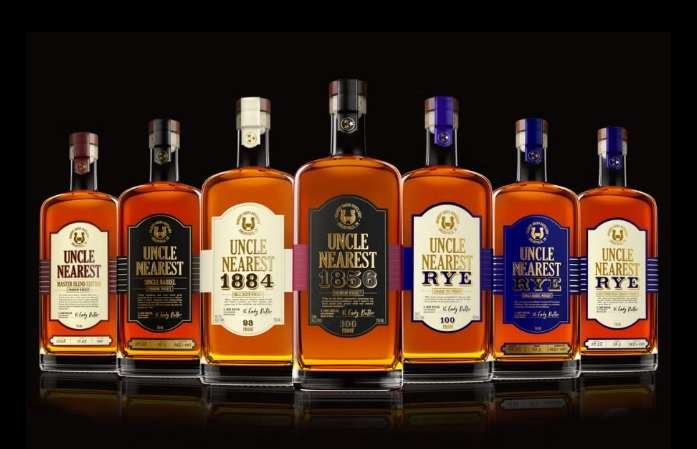
Uncle Nearest faces a possible sale as founder Fawn Weaver challenges the receivership and a federal judge considers whether to halt the proposed transaction.
By Milton Kirby | Atlanta, GA | October 19, 2026
The future of Uncle Nearest Premium Whiskey is entering a critical stage as a court-appointed receiver moves closer to a possible sale of the celebrated whiskey brand and its Tennessee distillery.
U.S. District Judge Charles E. Atchley Jr. has ordered expedited legal responses to a request from company founder Fawn Weaver, who is seeking to prevent the sale of substantially all the company’s assets while her appeal of the receivership remains pending.
The latest developments follow months of legal disputes involving Uncle Nearest, its lender, Farm Credit Mid-America, and receiver Phillip G. Young Jr., who now controls the company’s operations.
At stake is the future of one of America’s most recognizable Black-founded whiskey brands, its creditors, employees, shareholders, and the legacy of Nathan “Nearest” Green, whose contributions to American whiskey-making inspired the company.
Three Potential Buyers in Discussions
In an October 9 report, Young disclosed that negotiations were continuing with three prospective purchasers interested in acquiring Uncle Nearest’s assets.
The receiver indicated that an asset purchase agreement could be reached soon.
According to court filings describing the proposed transaction, the receiver is considering placing the principal companies under his control into Chapter 11 bankruptcy after reaching a purchase agreement.
Such a filing could allow the proposed transaction to proceed under Section 363 of the U.S. Bankruptcy Code, which permits court-supervised asset sales.
However, negotiations do not guarantee a completed sale. The identities of the potential purchasers, the proposed purchase price, and the final terms have not been publicly established in the records reviewed for this article.
Weaver Seeks to Prevent Sale During Appeal
On October 15, Weaver asked the federal court to prohibit the receiver, Farm Credit, and other parties from completing a sale of substantially all the relevant assets while her appeal proceeds before the U.S. Court of Appeals for the Sixth Circuit.
Her request would not necessarily stop negotiations with potential buyers. Instead, it seeks to prevent a major transaction from being completed before the appellate court can consider her challenge.
Weaver argues that a completed sale could cause harm that would be difficult to reverse if she later prevails.
Judge Atchley did not immediately grant the requested injunction. Instead, he directed Farm Credit and the receiver to respond by noon Eastern time on October 19, with Weaver’s reply due by 5 p.m. on October 21.
The judge questioned the urgency of the request, noting that Weaver waited six days after the receiver’s October 9 report before seeking a ruling within approximately 25 hours.
The October 15 order did not approve a sale, halt a sale, or decide the merits of Weaver’s request.
Founders Removed From Company Operations
The legal dispute has already resulted in significant changes to Uncle Nearest’s leadership.
In his fourth quarterly report, filed July 10, Young disclosed that he had terminated Fawn Weaver’s employment effective June 1 and ended Keith Weaver’s involvement in company operations.
The receiver attributed the decision in part to ongoing litigation and its effects on employees, vendors, distributors, and the management of the business.
Young reported that operations had become smoother following the founders’ departure.
The Weavers have continued challenging the receivership through legal proceedings.
The removal of the founders from daily operations underscores the extent of the receiver’s authority as he evaluates the company’s financial condition and potential sale.
Court Previously Rejected Bankruptcy Filings
The latest dispute follows an August 17 decision in which Judge Atchley affirmed the dismissal of Chapter 11 bankruptcy petitions filed by Weaver on behalf of three Uncle Nearest-related companies.
Those entities included Uncle Nearest Inc., Nearest Green Distillery Inc., and Uncle Nearest Real Estate Holdings LLC.
The court concluded that Weaver lacked authority to initiate those proceedings after management control had been transferred under the receivership order.
The ruling did not authorize a sale of the business. It addressed the authority to file the earlier bankruptcy petitions.
The current dispute presents a different question: whether a major asset sale should be restricted while Weaver’s appeal of the receivership continues.
A Separate Fight Over Grant Sidney
Weaver has also asked the court to release Grant Sidney Inc., her holding company, from receivership.
In an October 14 motion, she argued that Grant Sidney needs independent authority to protect its ownership and financial interests.
The filing referenced an earlier assessment by the receiver suggesting that permanent receivership over the holding company might not be necessary.
The motion also raises questions involving arrangements intended to benefit descendants of Nathan “Nearest” Green.
Those matters remain disputed and have not been resolved by the court.
More Than a Whiskey Brand
Uncle Nearest was founded to recognize the contributions of Nathan Green, an enslaved man who became known for his whiskey-making expertise and his connection to Jack Daniel.
The company helped bring national attention to an important but often overlooked part of American whiskey history.
Under Fawn Weaver’s leadership, Uncle Nearest developed into a nationally recognized premium spirits brand and established a distillery and visitor destination in Shelbyville, Tennessee.
Its growth represented a significant achievement in an industry where Black ownership and leadership have historically been limited.
The possibility of a sale now raises questions about who will control the brand, its facilities, and the presentation of Green’s legacy.
A new owner could acquire valuable operating assets and trademarks, but the final scope of any transaction would depend on the purchase agreement and required court approvals.
Creditors and Shareholders Face Uncertainty
The receivership stems from litigation involving Farm Credit Mid-America and the company’s financial obligations.
The receiver is responsible for managing the assets under court supervision while addressing the company’s financial difficulties.
A potential sale could generate funds for creditors. However, the amount available for distribution would depend on the purchase price, transaction expenses, secured obligations, and other claims.
Existing shareholders could face substantial losses if the value of the company’s assets is insufficient to satisfy its liabilities.
The ultimate financial outcome remains uncertain.
What Happens Next?
The immediate focus is on Judge Atchley’s consideration of Weaver’s request for an injunction.
The receiver and Farm Credit were directed to submit their responses by October 19. Weaver’s reply is due October 21.
Meanwhile, the receiver may continue discussions with prospective purchasers.
Any subsequent Chapter 11 filing or proposed asset sale would involve additional legal proceedings.
For the Weavers, the question is whether their continuing challenges can preserve an opportunity to influence the company’s future.
For creditors, employees, and distributors, the concern is whether the business can remain viable and meet its financial obligations.
For the broader community, the dispute raises another question: How will the historical mission that helped establish Uncle Nearest be preserved if the company changes hands?
The next court decision could help determine whether the company moves closer to a sale or faces additional restrictions while its legal challenges continue.
For now, Uncle Nearest remains under court-appointed management, with its future ownership unresolved.
Editor’s Note: As of publication, The Truth Seekers Journal was unable to independently confirm whether the court-ordered October 19 filing deadlines were met. We will continue monitoring the proceedings and provide updates as additional court records become available.
Truth Seekers Journal thrives because of readers like you. Join us in sustaining independent voices.
Atlanta Dream falls 68-64 to Golden State in WNBA Finals opener despite strong performances from Allisha Gray, Angel Reese and Rhyne Howard on Saturday.
Allisha Gray scores 19 points, Angel Reese records double-double as Dream fall 68-64 in first Finals appearance since 2013.
By Milton Kirby | San Francisco, CA | October 18, 2026
The Atlanta Dream were minutes away from opening their return to the WNBA Finals with a victory Saturday night. Instead, a late scoring drought and Golden State’s relentless defense turned a five-point fourth-quarter lead into a 68-64 loss at Chase Center.
Atlanta, making its first Finals appearance since 2013, struggled to find the basket when it mattered most. The Dream made just one field goal over the final 7 minutes and 16 seconds and missed three three-point attempts in the final minute.
The loss snapped Atlanta’s five-game postseason winning streak and extended the franchise’s winless record in WNBA Finals games to 0-10.
Allisha Gray, returning from a hand injury that sidelined her for part of the semifinals, led Atlanta with 19 points and six rebounds. Angel Reese added 14 points and 12 rebounds, while Rhyne Howard finished with 12 points, seven rebounds and four assists.
“We had a couple of good looks, they just didn’t go down for us,” Dream head coach Karl Smesko said.
A Strong Start for Atlanta
The Dream opened the game with the confidence of a team that had won five consecutive playoff games.
Reese set the tone in the first quarter, scoring 11 points on 5-of-6 shooting. Her work around the basket helped Atlanta build a 22-14 advantage after the opening 10 minutes.
The Dream appeared comfortable attacking Golden State’s defense, finding opportunities inside and controlling the early pace.
But the momentum changed in the second quarter.
Golden State scored 28 points in the period, making 11 of 16 field-goal attempts. Much of the damage came inside the lane, where the Valkyries repeatedly found scoring opportunities.
Atlanta, meanwhile, made just four of 13 shots during the quarter.
By halftime, Golden State had erased the eight-point deficit and taken a 42-39 lead.
“We need to maintain how we want to play for all four quarters,” Smesko said.
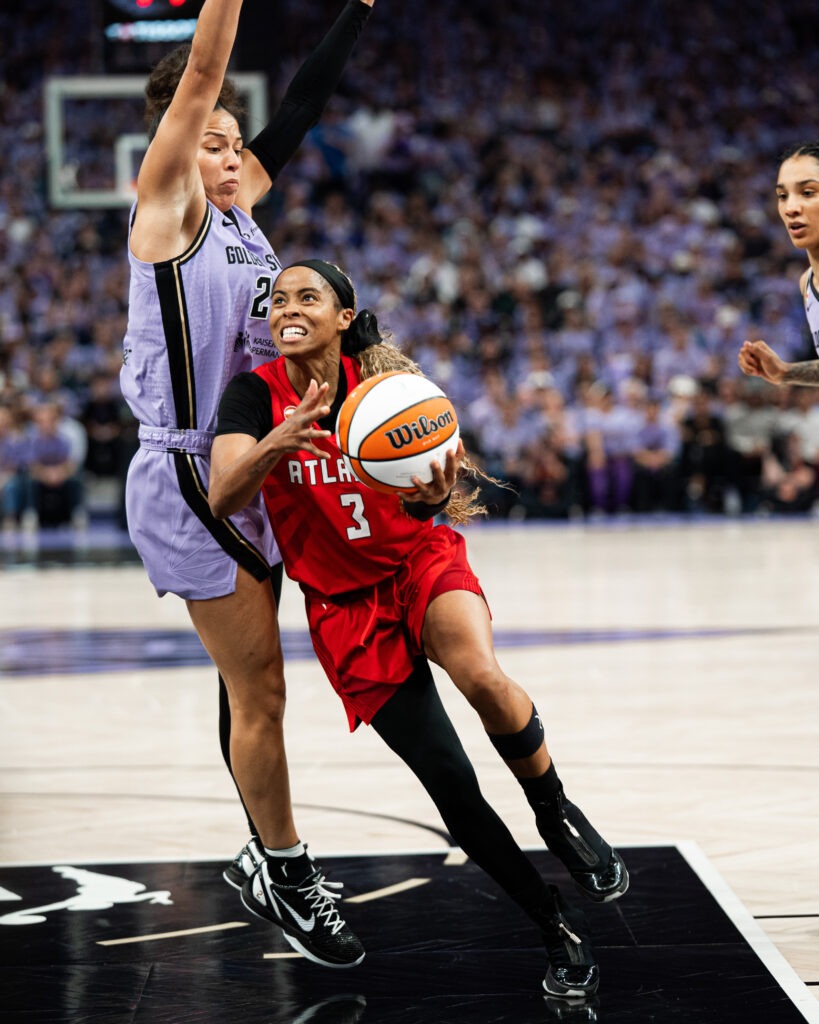
Jordin Canada drives to basket – Courtesy photo
Dream Regain Control After Halftime
Atlanta responded with one of its strongest defensive stretches of the postseason.
The Dream held Golden State to just nine points in the third quarter, limiting the Valkyries to 4-of-25 shooting from the field.
Atlanta made six of its 12 shots during the period and reclaimed the lead, entering the fourth quarter ahead 56-51.
The performance continued a pattern established during the playoffs, when the Dream repeatedly used strong third quarters to take control of games.
Atlanta’s defensive pressure disrupted Golden State’s offense and forced difficult shots.
The Dream appeared positioned to secure the franchise’s first Finals victory.
But Golden State had one more comeback.
Final Minutes Decide the Game
The Valkyries gradually reduced Atlanta’s lead during the fourth quarter.
Kiah Stokes scored on a tip-in with 4:45 remaining, cutting the Dream’s advantage to 60-59.
Atlanta maintained a narrow lead until the final two minutes, when missed opportunities began to accumulate.
After Gray missed a difficult layup, Reese was called for a foul that sent Golden State’s Gabby Williams to the free-throw line.
Williams made both attempts, giving the Valkyries a 65-64 lead with 1:18 remaining.
Howard missed a three-point attempt on Atlanta’s next possession. Golden State collected the rebound, but the Dream forced a turnover that Reese recovered.
Jordin Canada drove into the lane before passing to Naz Hillmon, whose three-point attempt missed.
Reese was then called for a foul while battling for the offensive rebound.
Stokes made one of two free throws, extending Golden State’s lead to 66-64 with 23.8 seconds remaining.
Atlanta still had an opportunity to tie or take the lead.
Howard was unable to get past her defender and passed to Gray, whose long three-point attempt missed.
The Dream fouled Williams, who converted both free throws with 4.1 seconds left to secure Golden State’s four-point victory.
“When we have an opportunity to finish a game, we’ve just got to do it,” Smesko said.
Defense Dominates Both Teams
Although Golden State entered the series with the league’s top-ranked defense, Atlanta’s defensive performance was equally impressive for much of the game.
The Dream held the Valkyries to 32.1 percent shooting from the field.
Williams was the only Golden State player to score more than eight points, finishing with a game-high 26.
Atlanta, however, shot just 32.8 percent overall.
The Dream were effective at the free-throw line, converting 85.7 percent of their attempts, but struggled to generate consistent scoring opportunities during the closing minutes.
Reese recorded her second double-double of the postseason, adding two steals and one blocked shot to her 14 points and 12 rebounds.
Howard contributed two blocked shots and a steal, while Canada finished with eight points, seven assists, five rebounds and two steals.
Canada also moved into second place on Atlanta’s all-time postseason assists list.
Howard climbed to fifth on the franchise’s postseason scoring list after scoring her fifth point of the game.
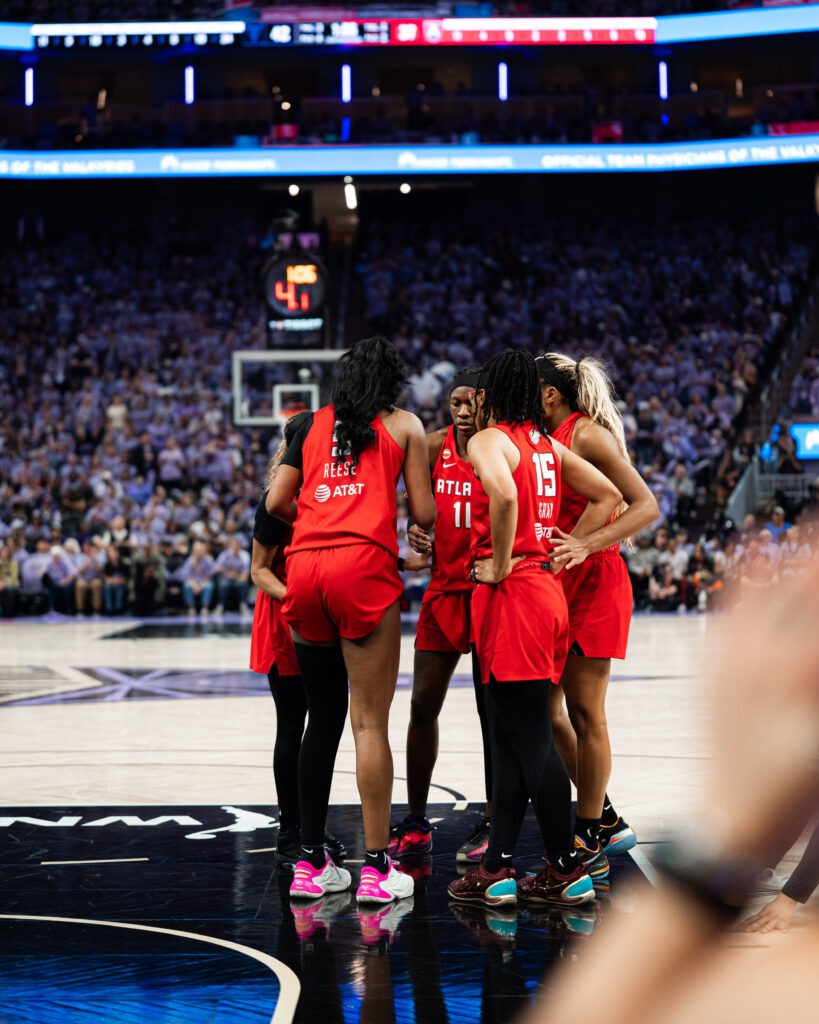
Atlanta Dream huddle during game 1 WNBA finals – Courtesy photo
A Familiar Finals Disappointment
The defeat carried additional historical significance for Atlanta.
The Dream previously reached the WNBA Finals in 2010, 2011 and 2013 but were swept in each appearance.
Atlanta lost to the Seattle Storm in 2010 and the Minnesota Lynx in both 2011 and 2013.
Saturday’s defeat extended that streak to 10 consecutive Finals losses.
Yet this Atlanta team has already demonstrated its ability to recover from difficult performances.
The Dream entered the championship series after sweeping the New York Liberty in the semifinals, earning their first trip to the Finals in 13 years.
The opening loss also provided a clear picture of what Atlanta must improve to compete for the championship.
The Dream will need more consistent scoring, particularly late in games, while maintaining the defensive intensity that helped them build leads in the first and third quarters.
Game 2 of the best-of-seven series is scheduled for Monday, October 19, at Chase Center.
Atlanta will have another opportunity to earn the franchise’s first Finals victory before the series moves to Atlanta.
For Smesko and the Dream, the message after Game 1 was straightforward: creating opportunities is important, but finishing games is what wins championships.
Truth Seekers Journal thrives because of readers like you. Join us in sustaining independent voices.
By Milton Kirby | Clarkston, GA | October 17, 2026
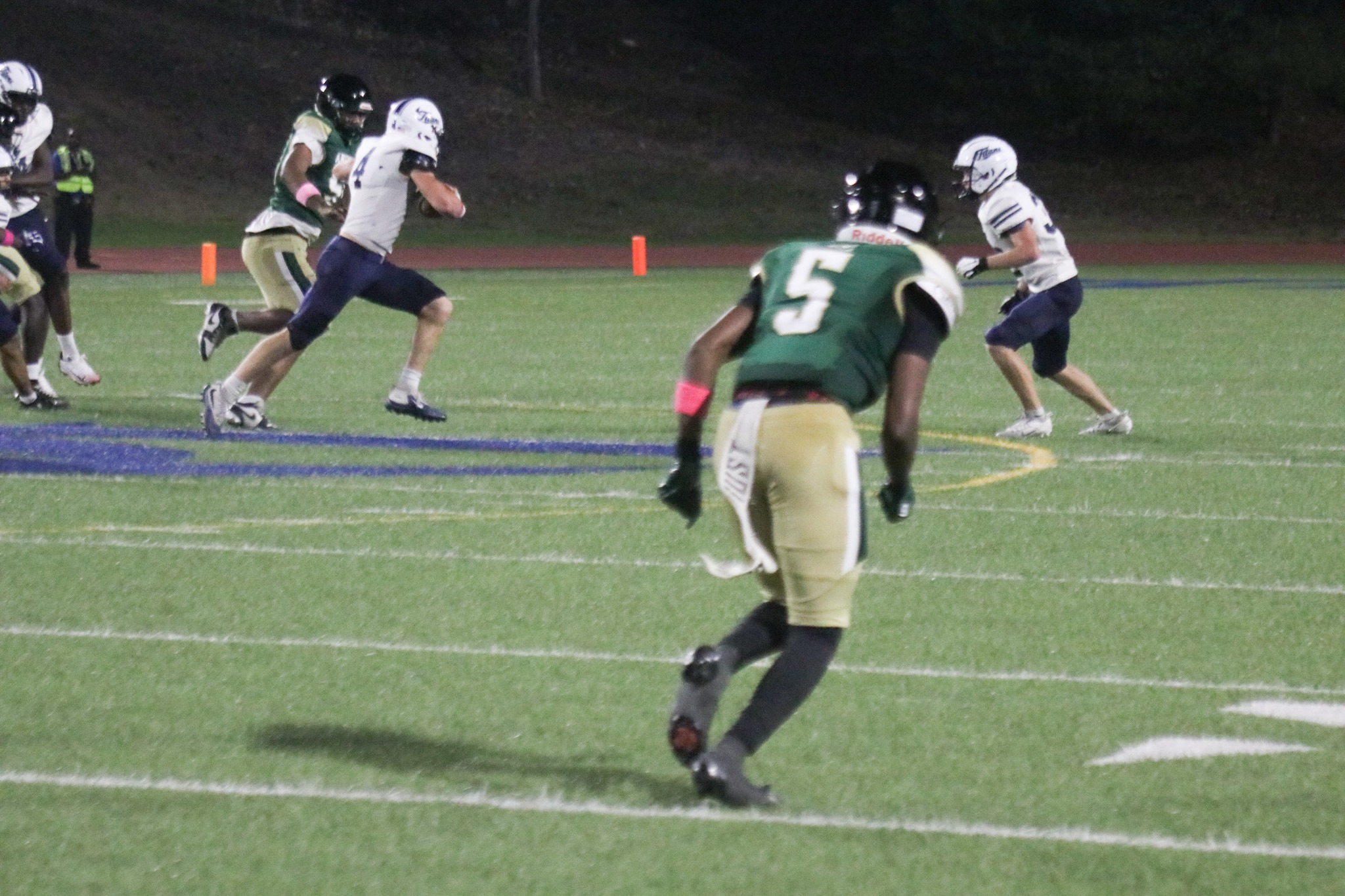
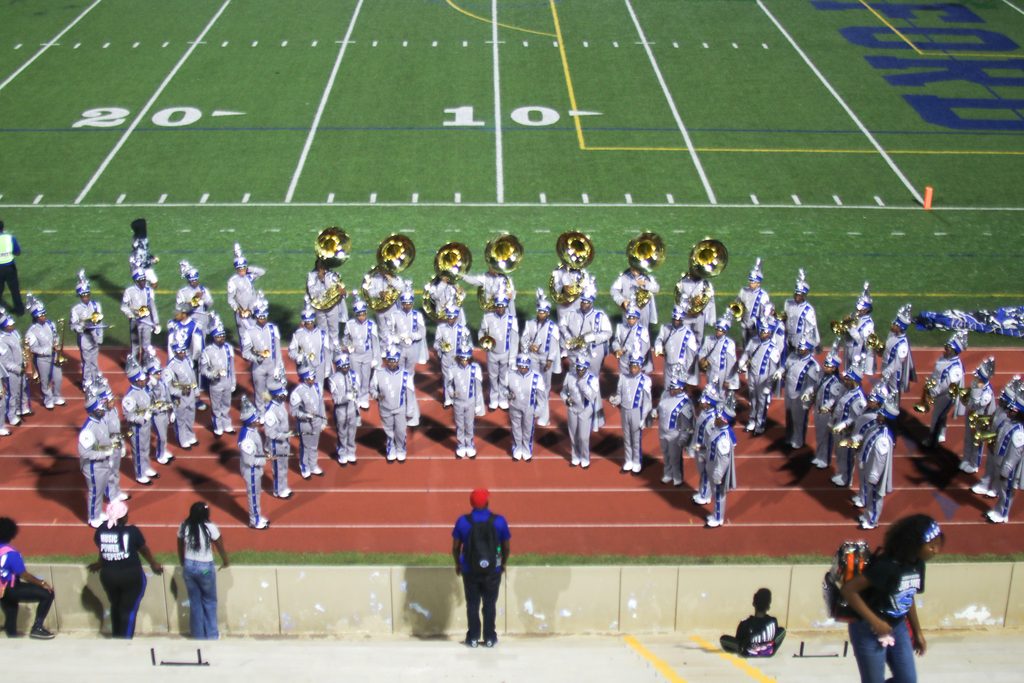
Photo Gallery: Clarkston High School vs. Northview High School
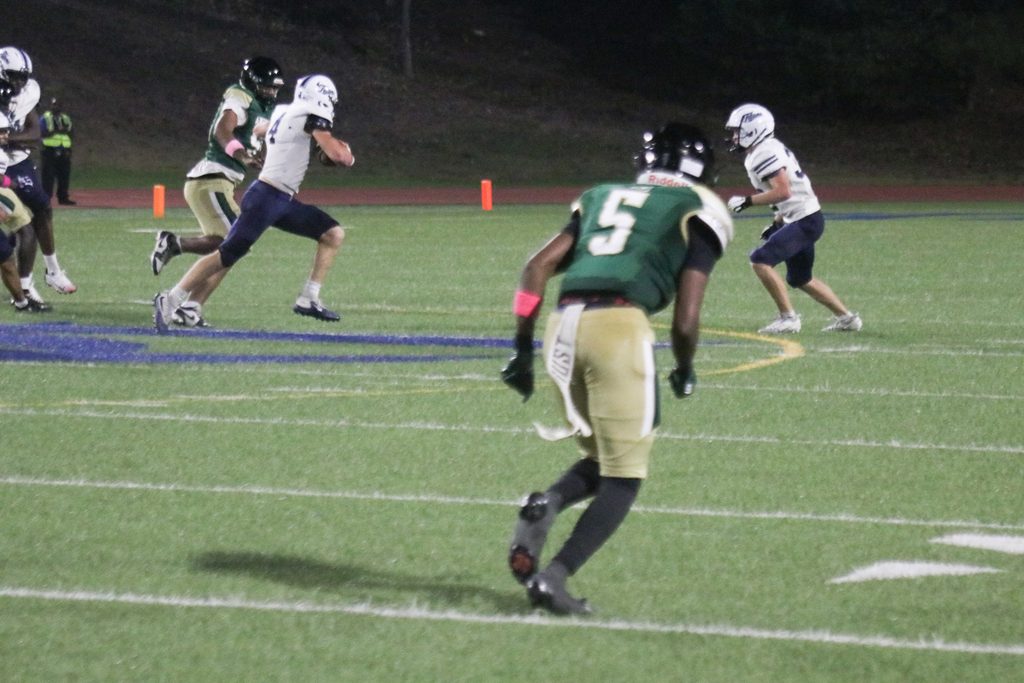
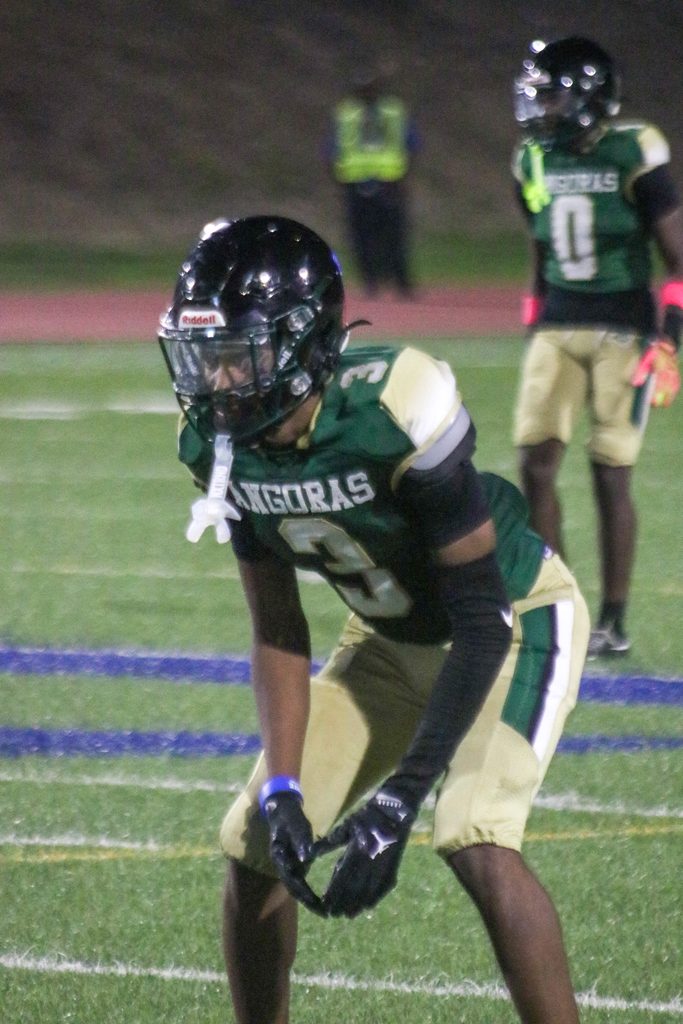
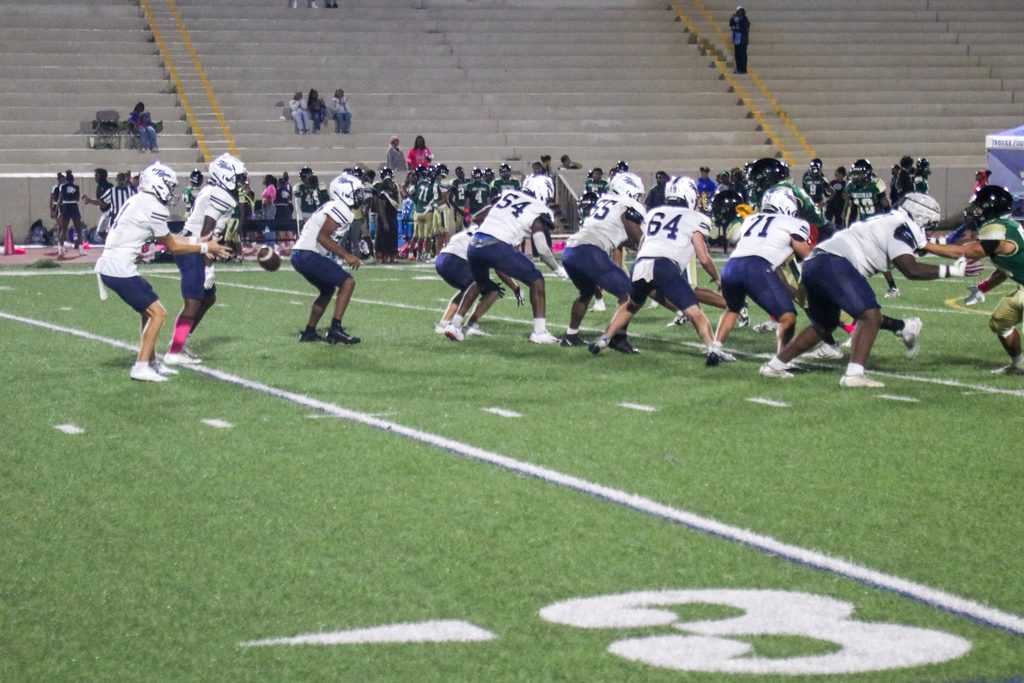
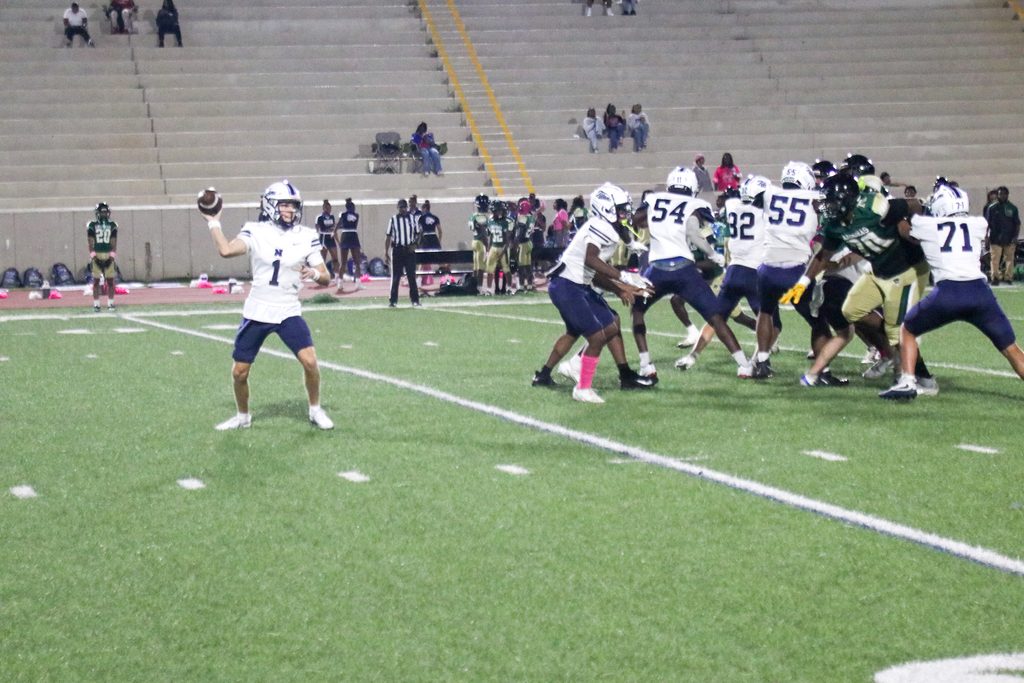
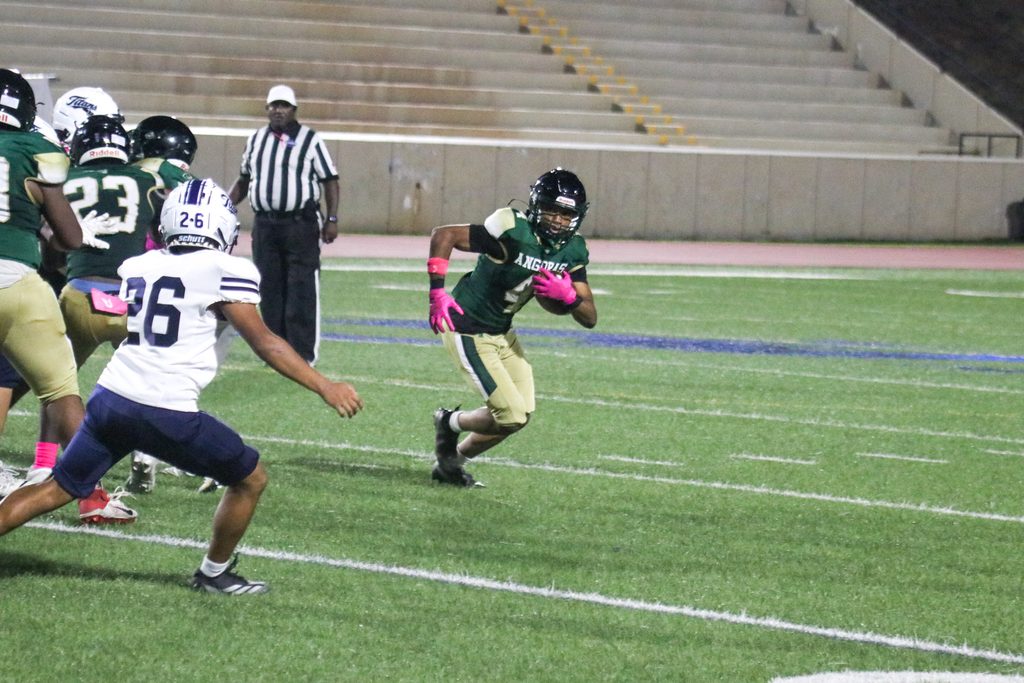
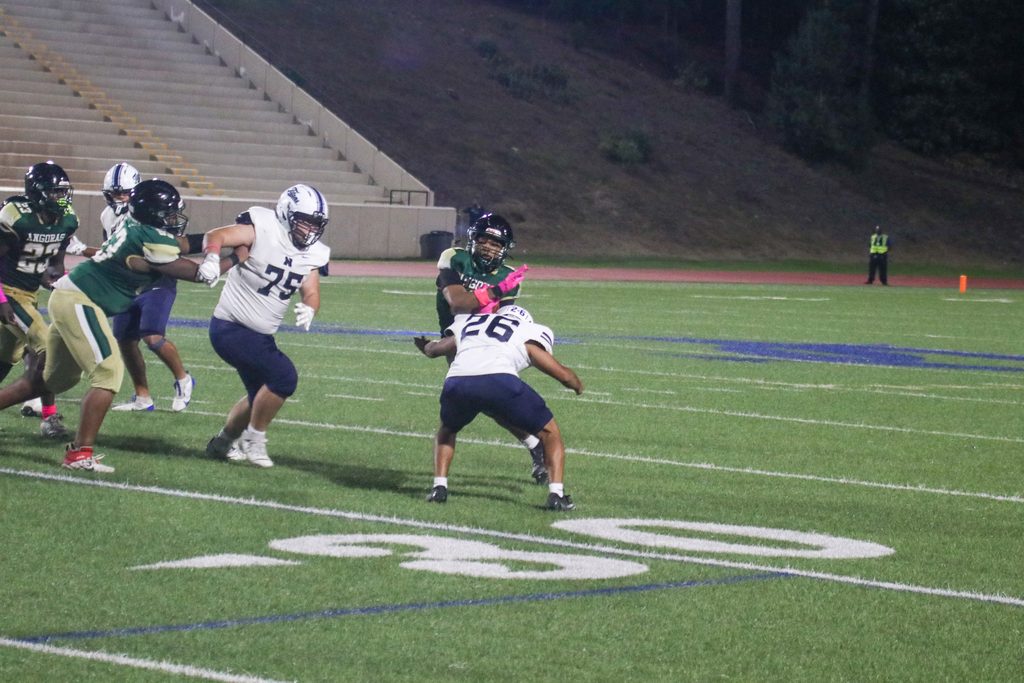
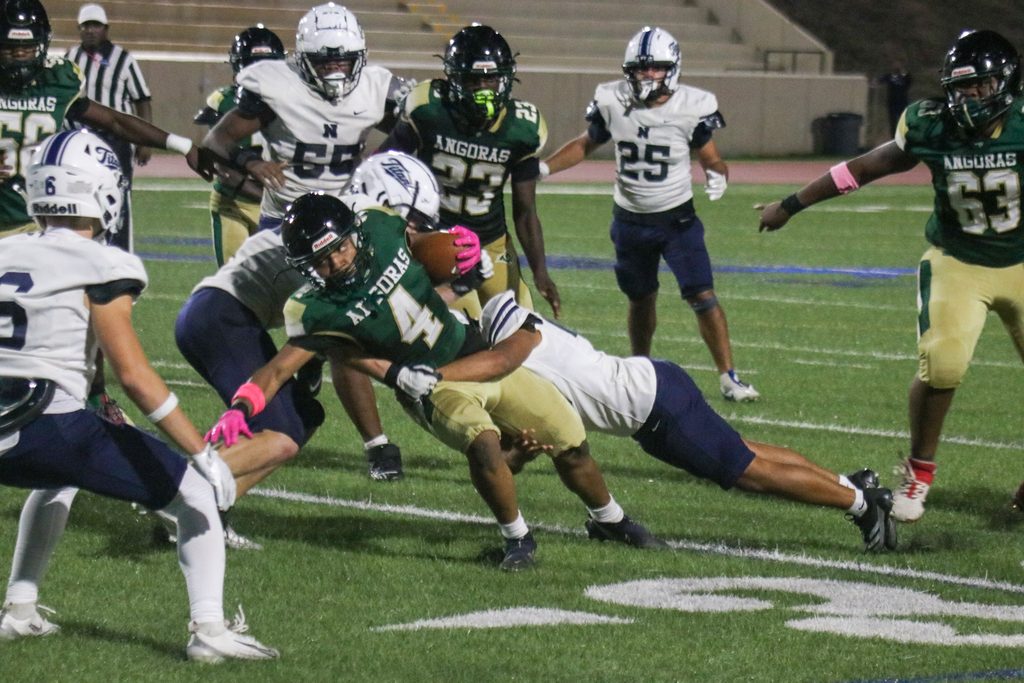
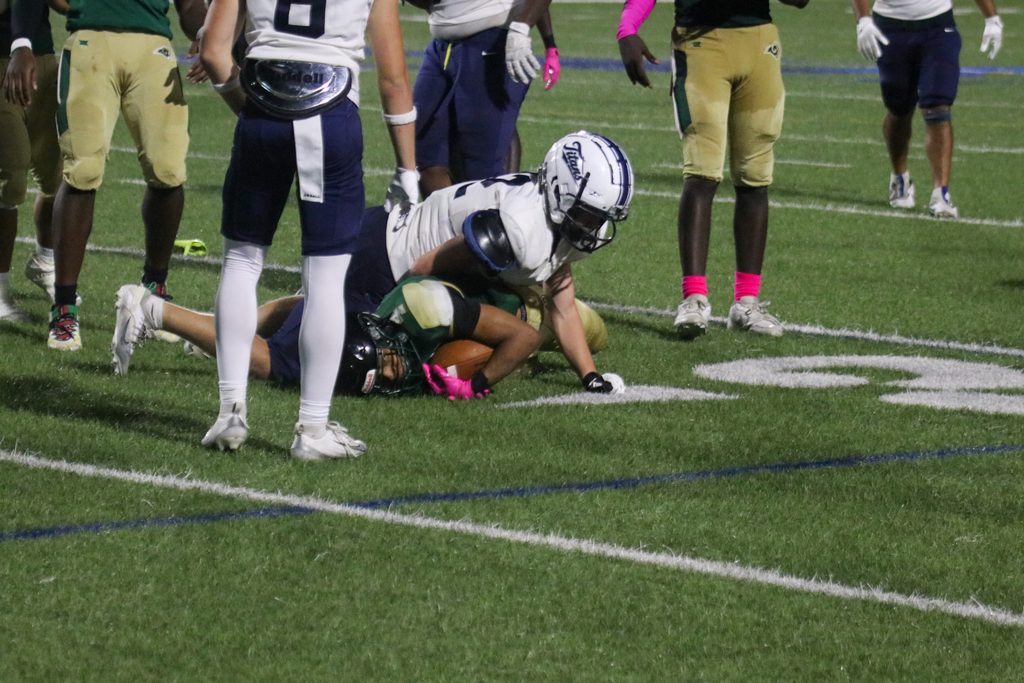
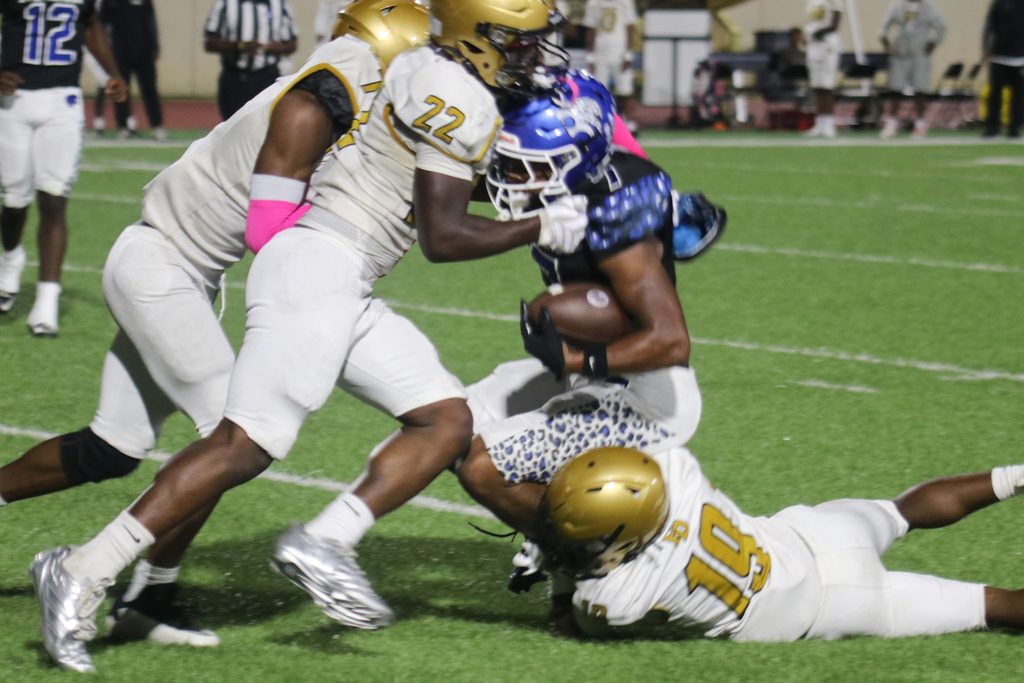
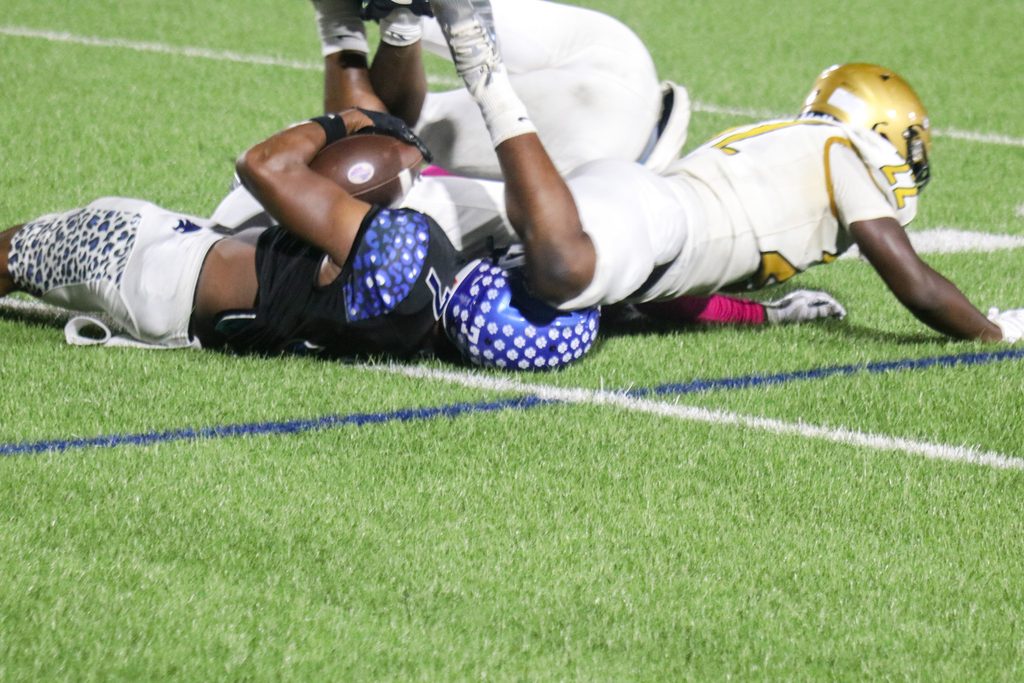
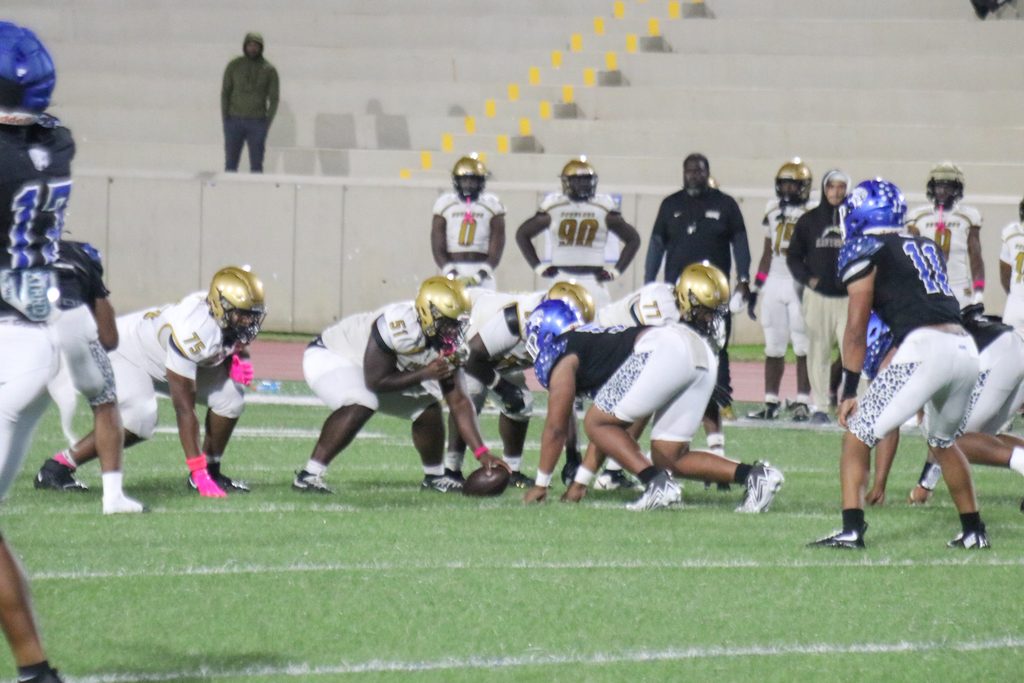
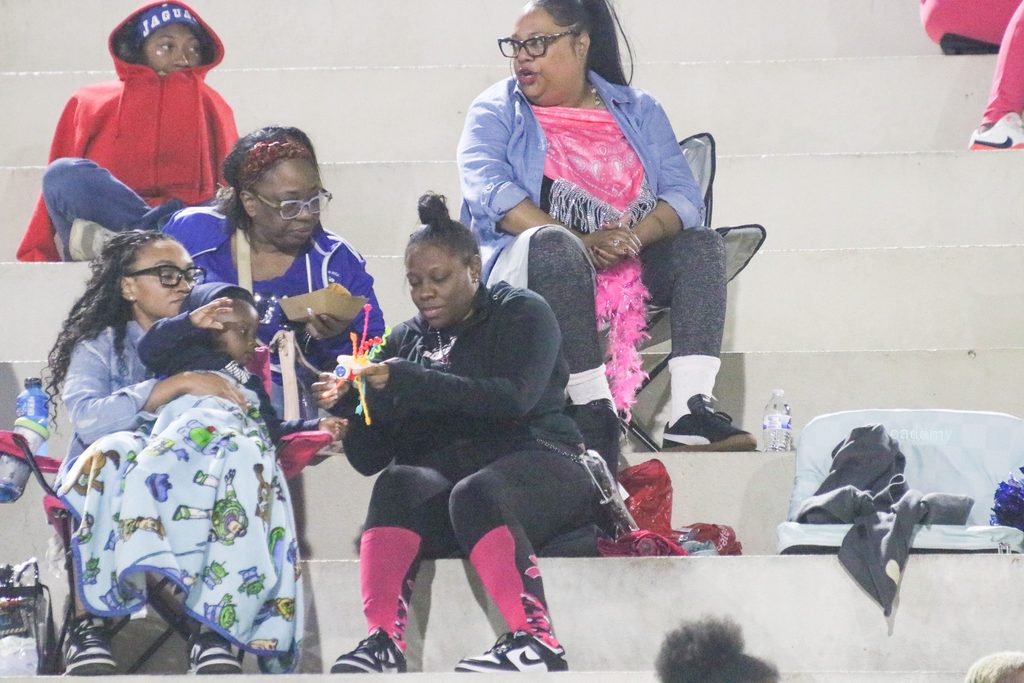
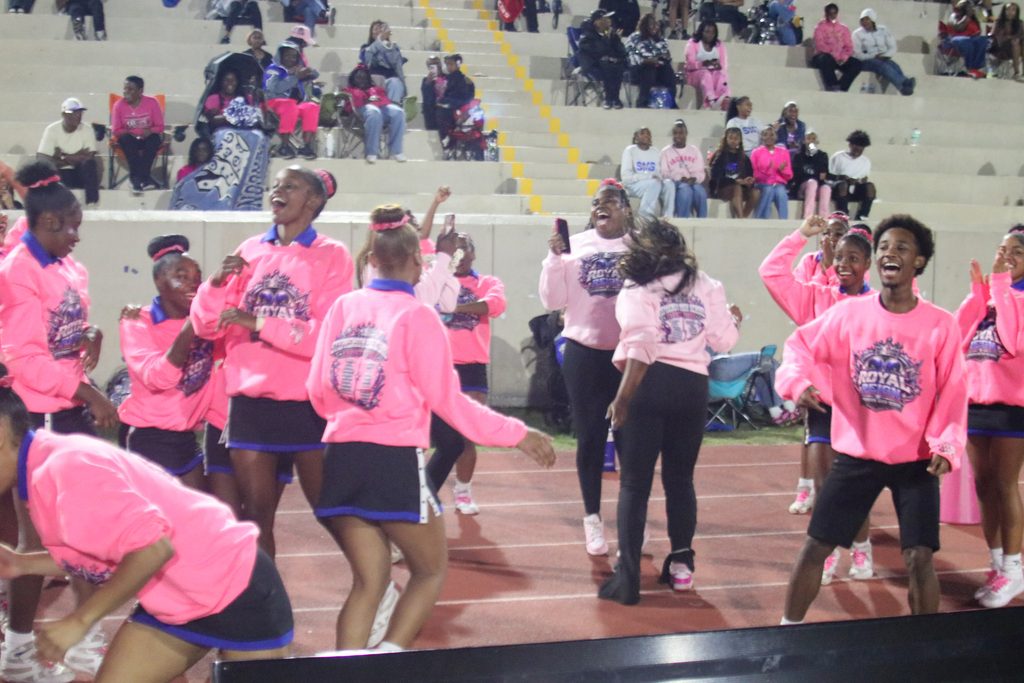
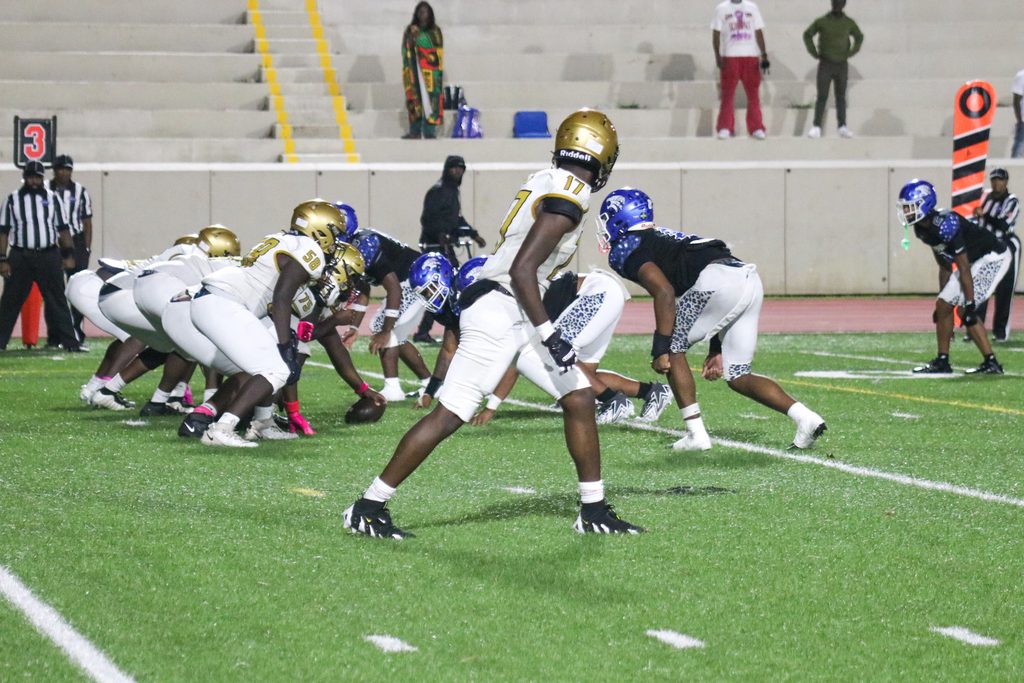
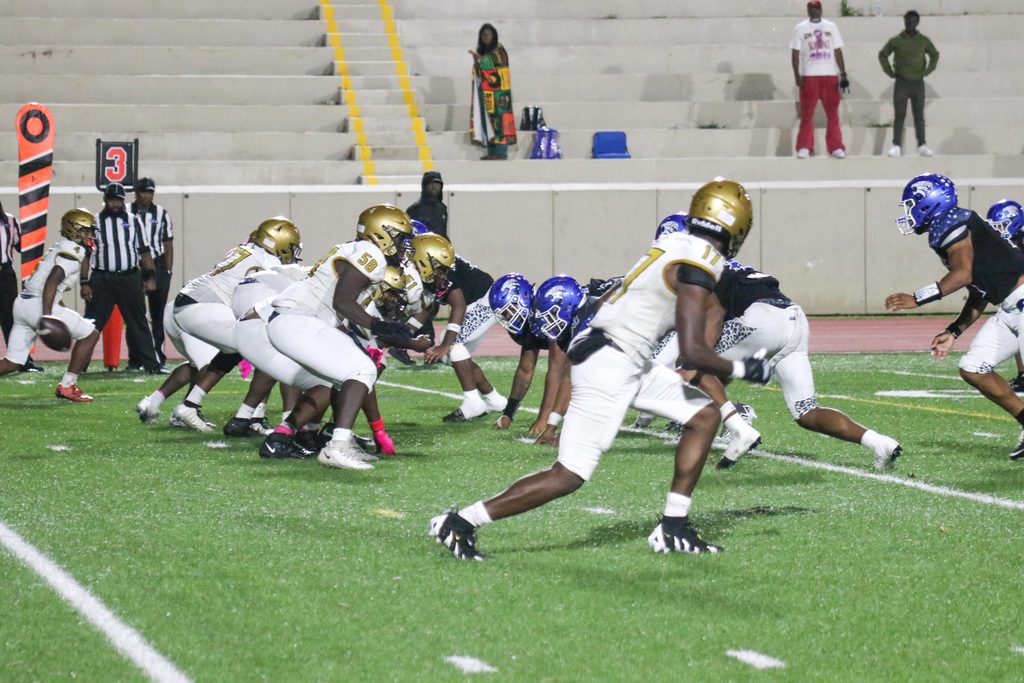
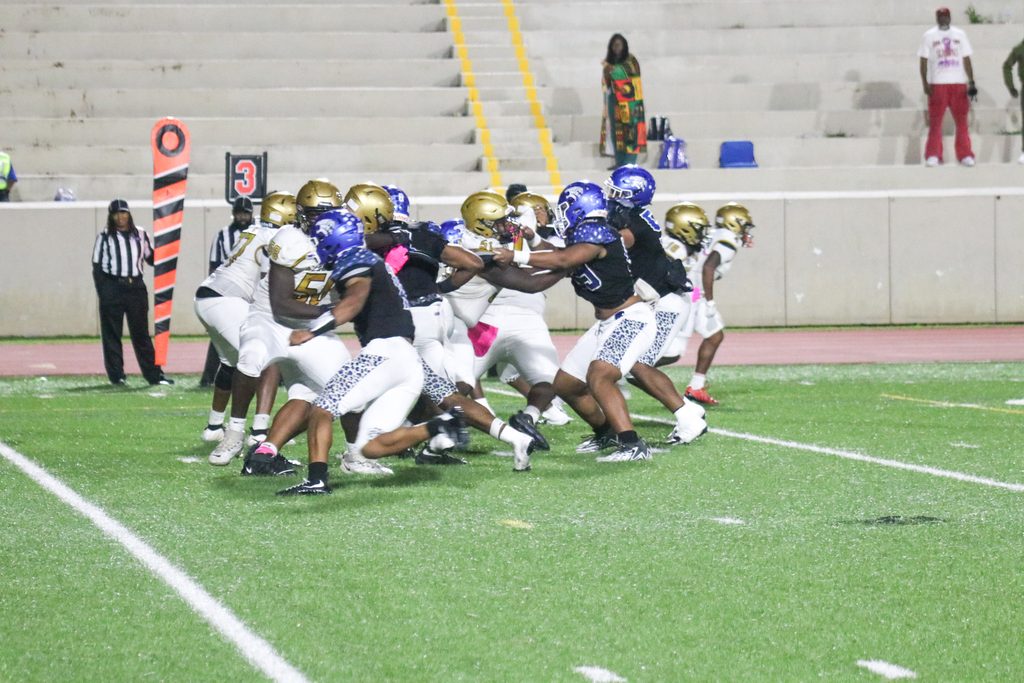
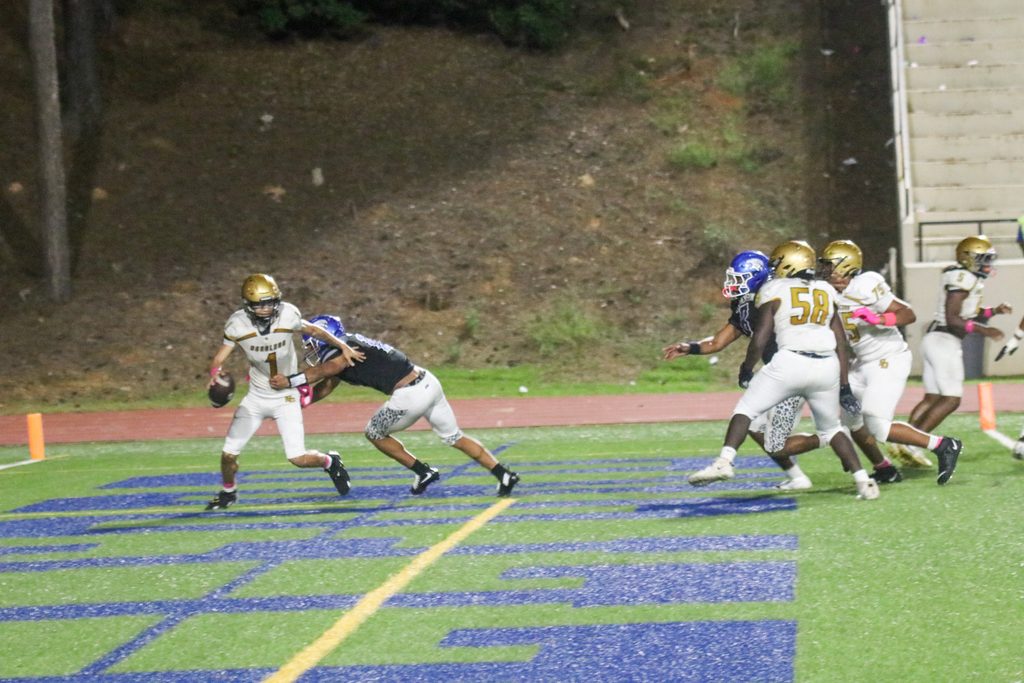
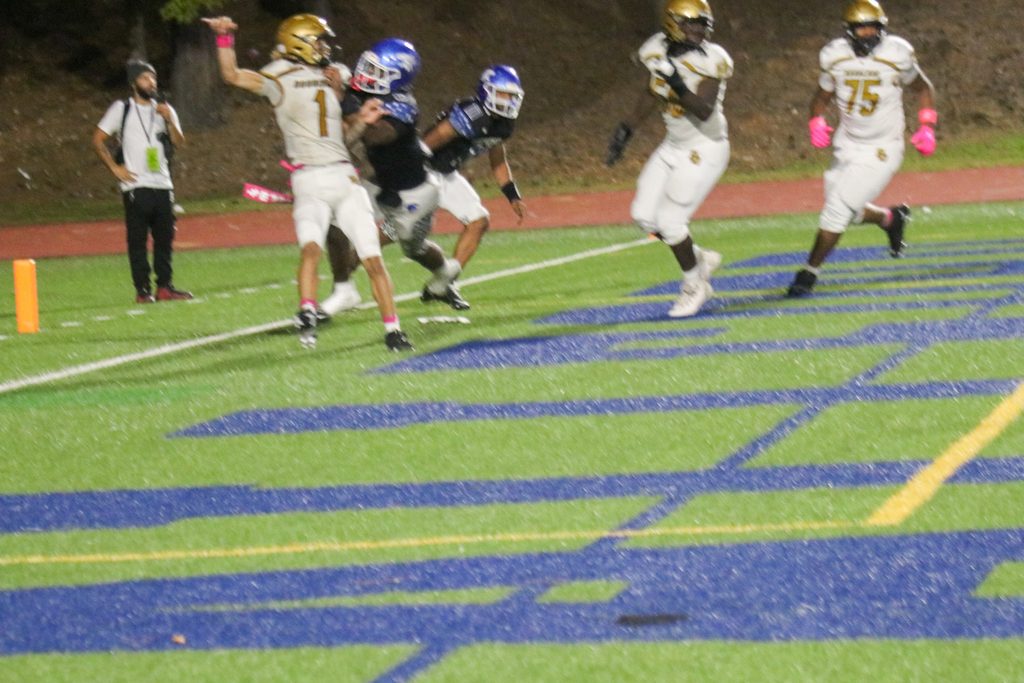
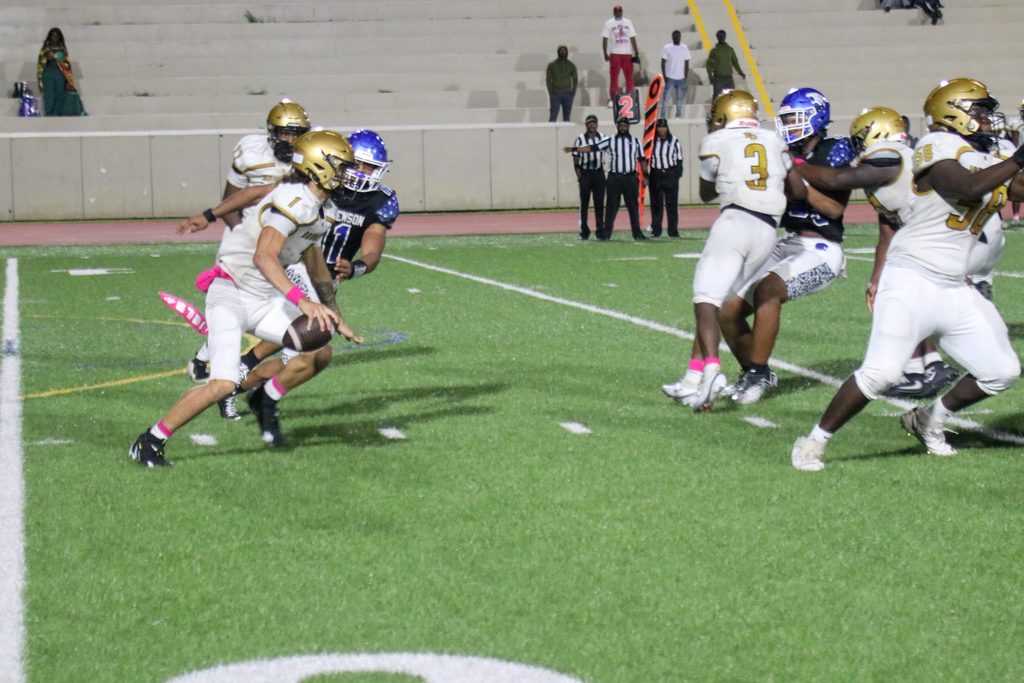
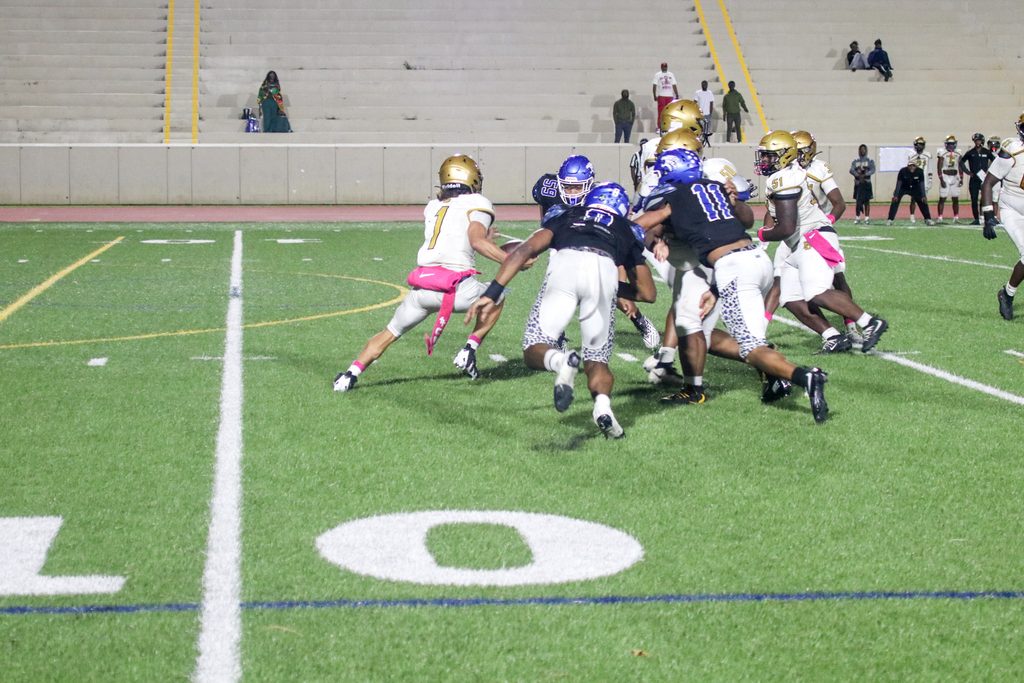
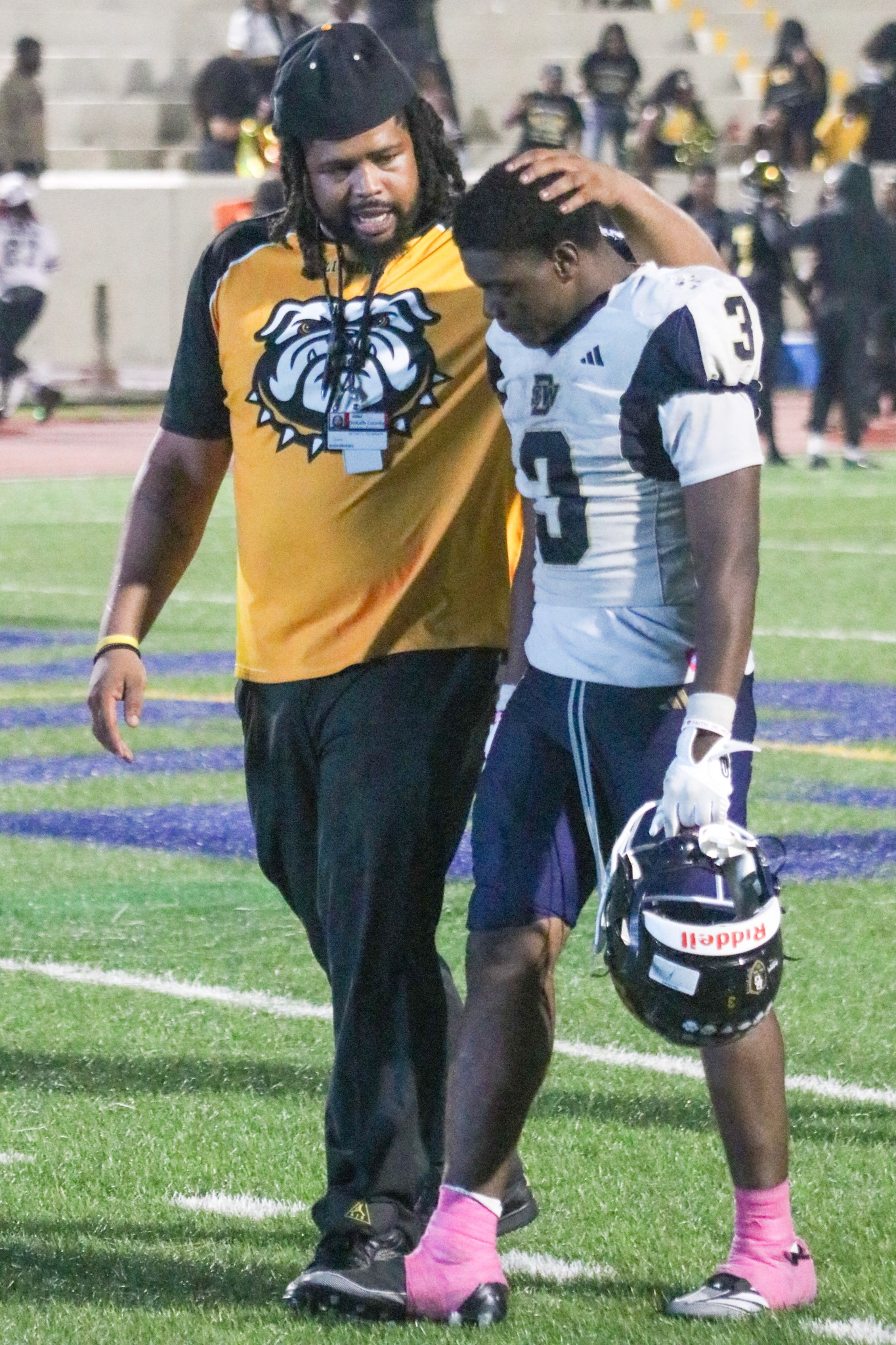
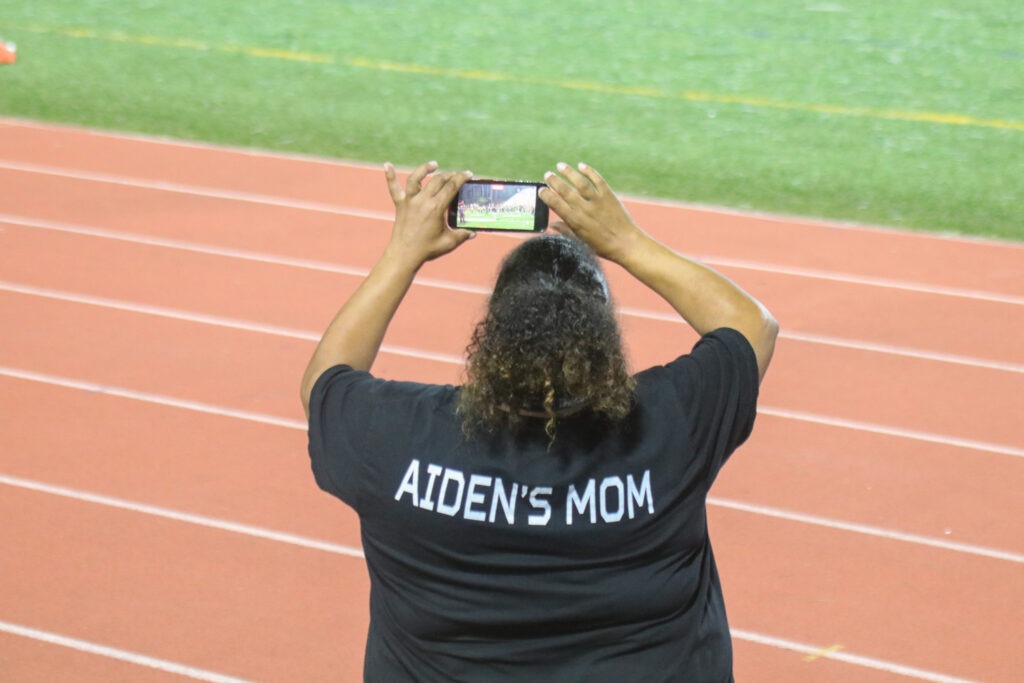
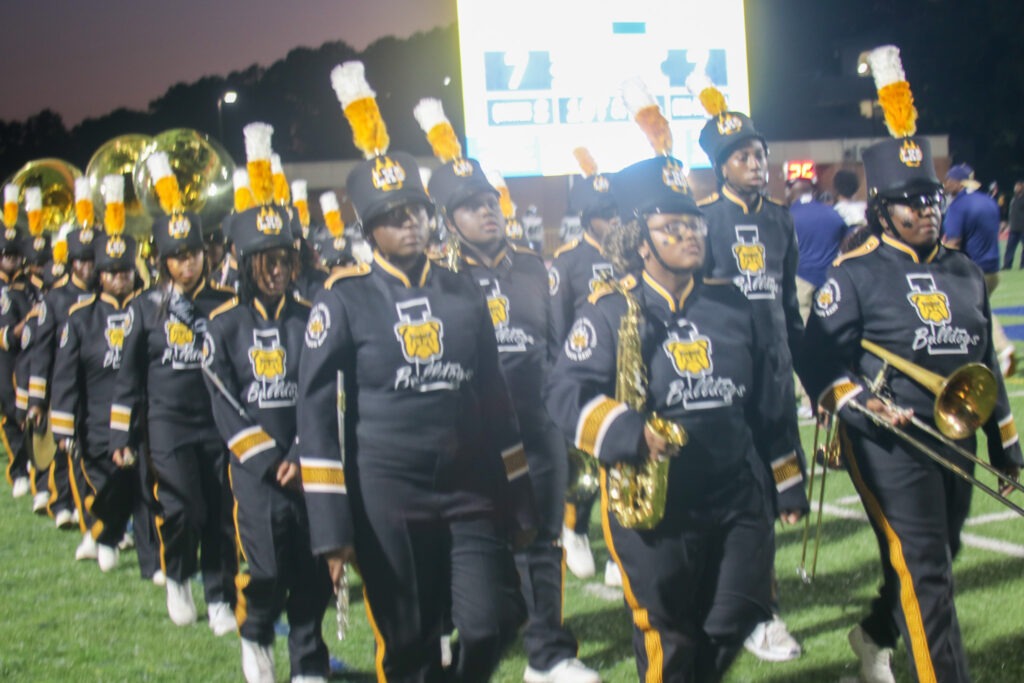
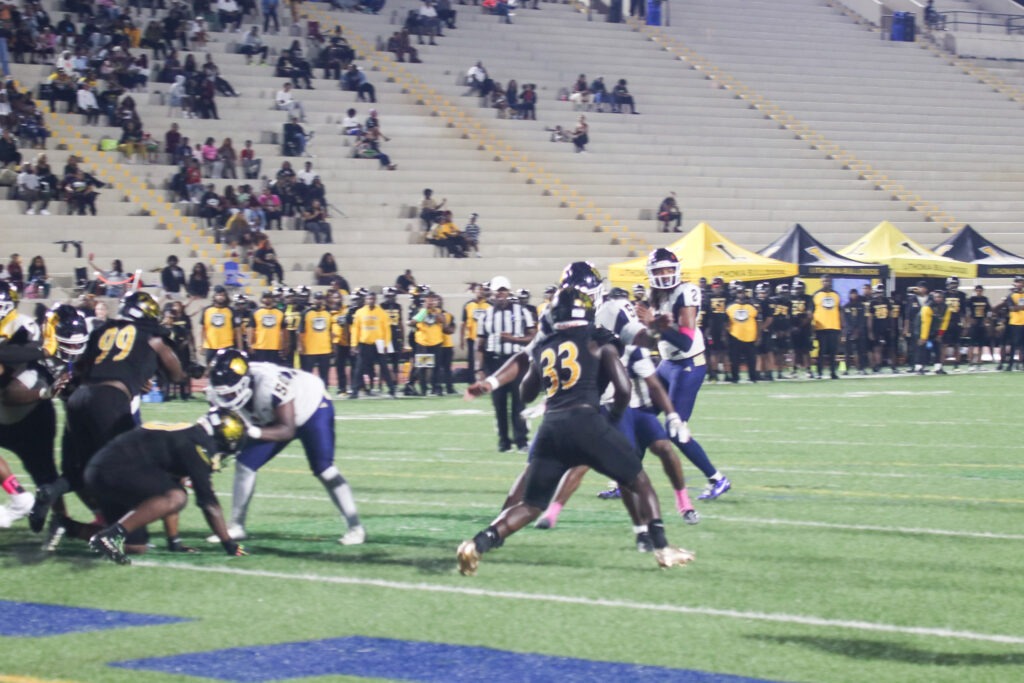
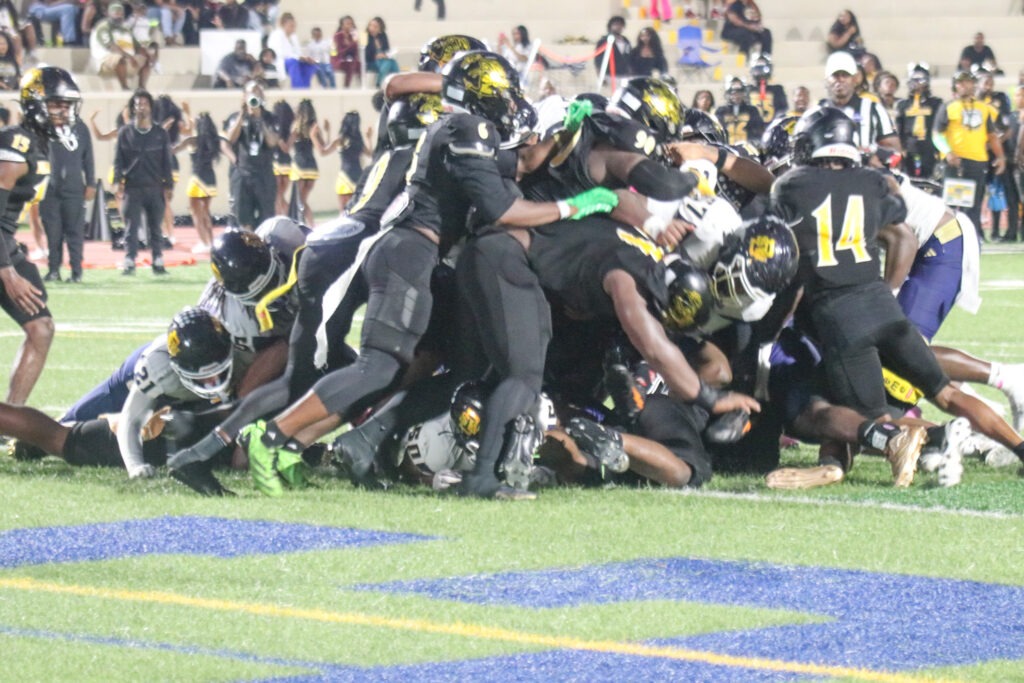
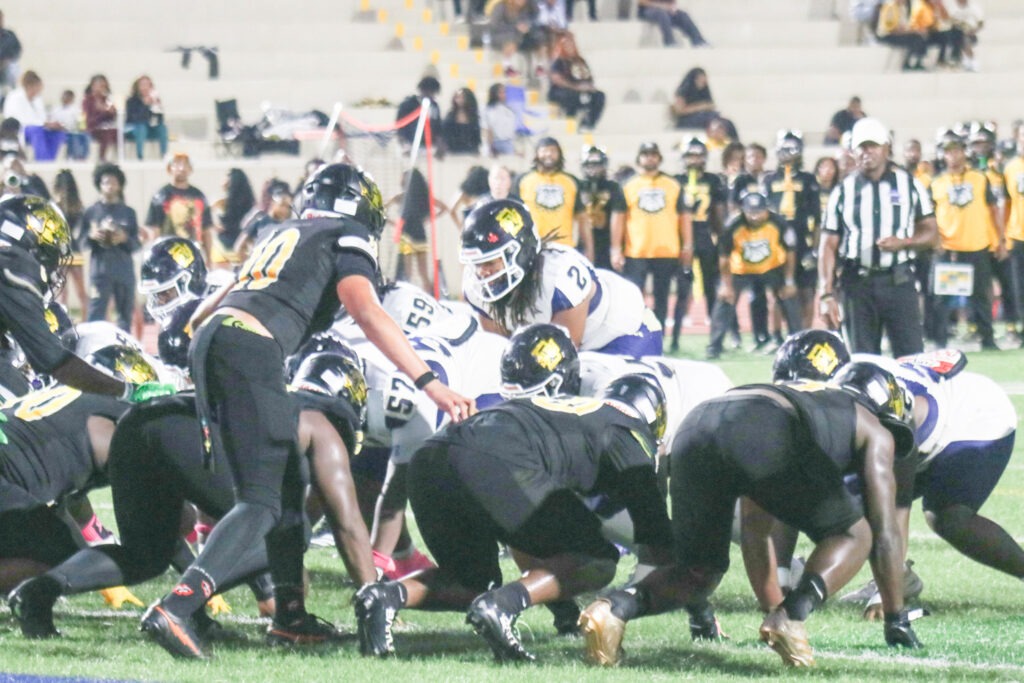
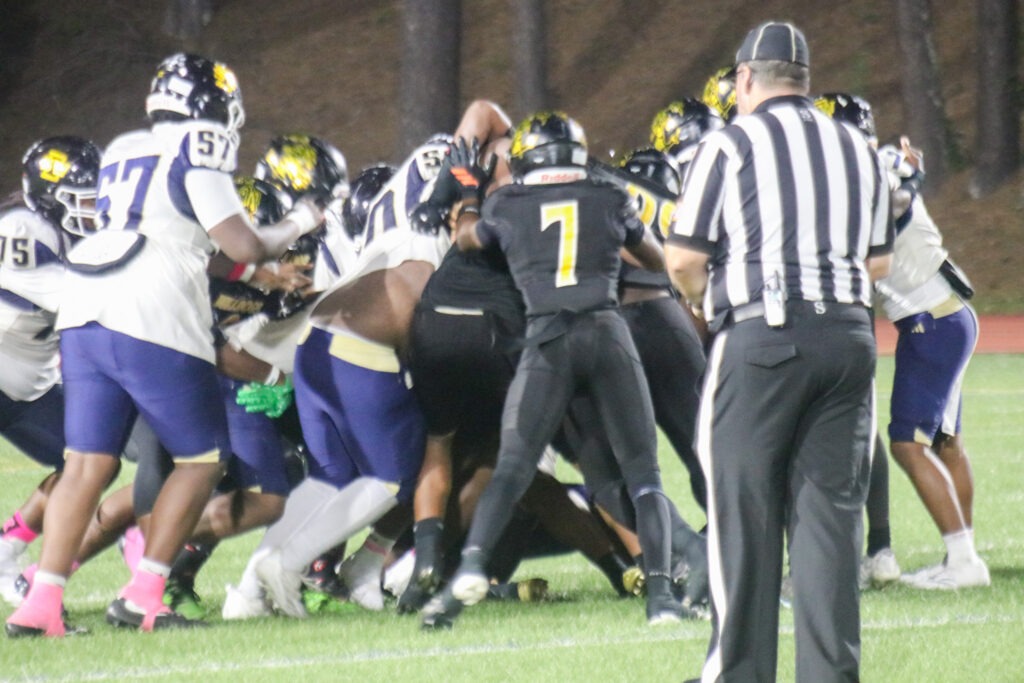
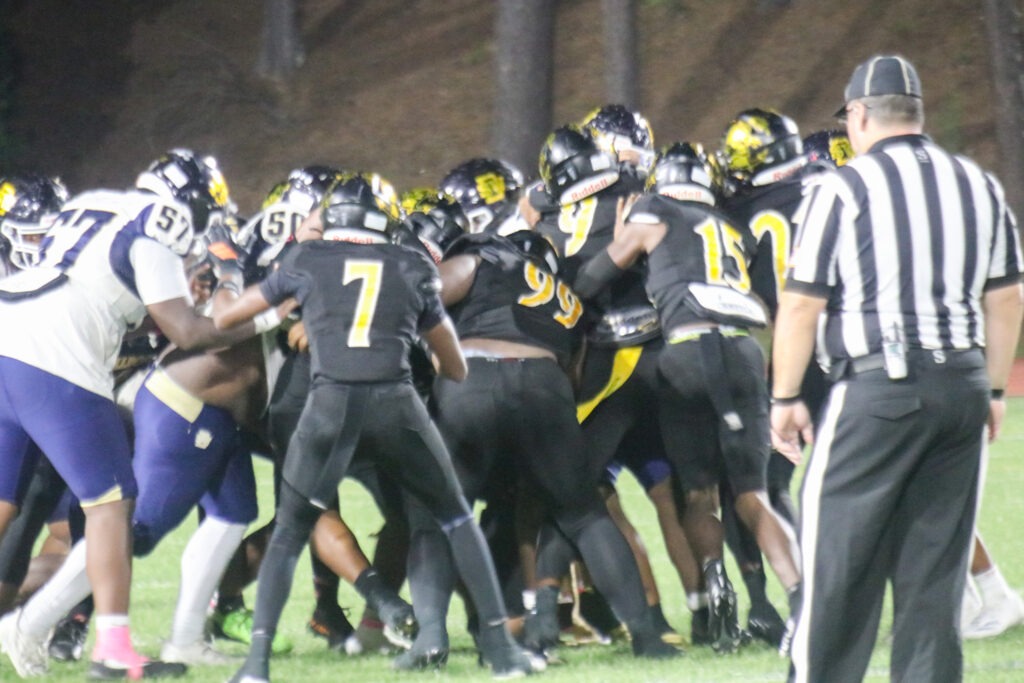
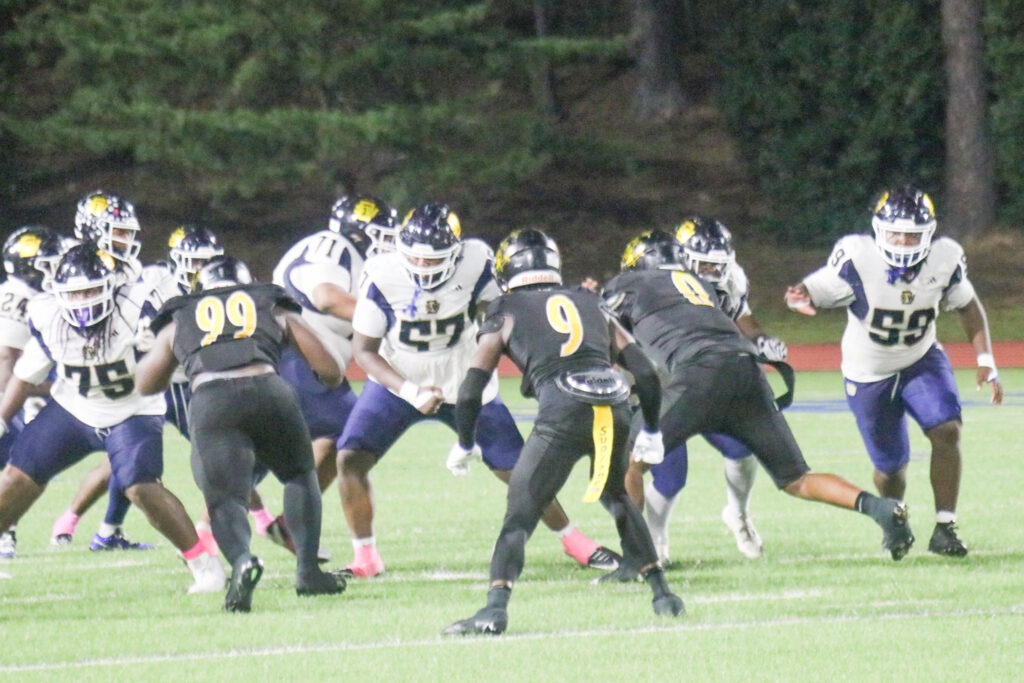
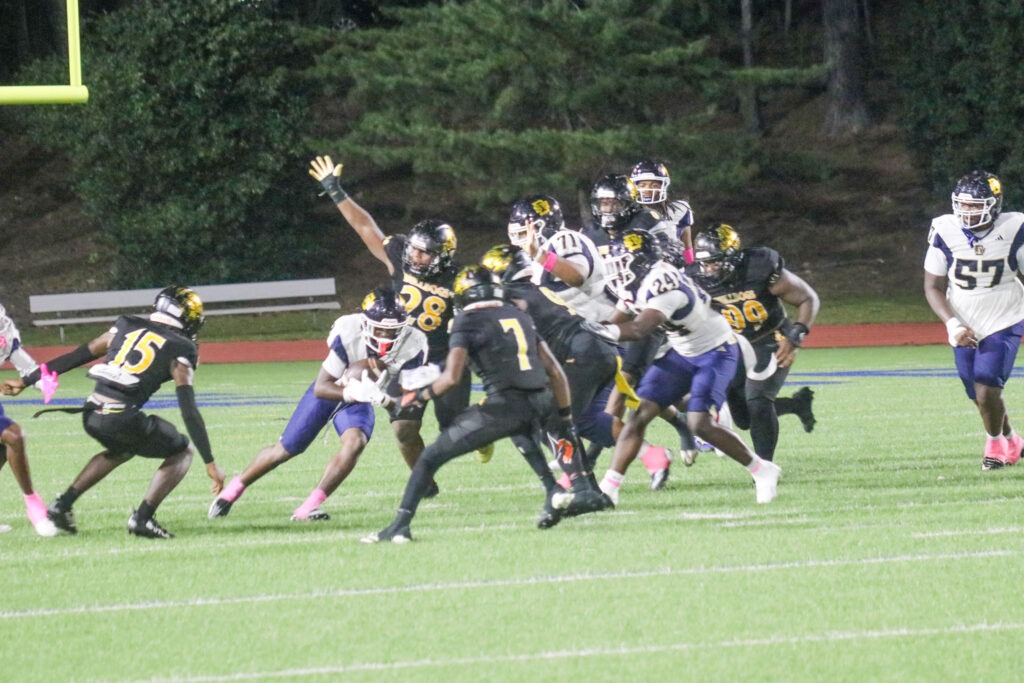
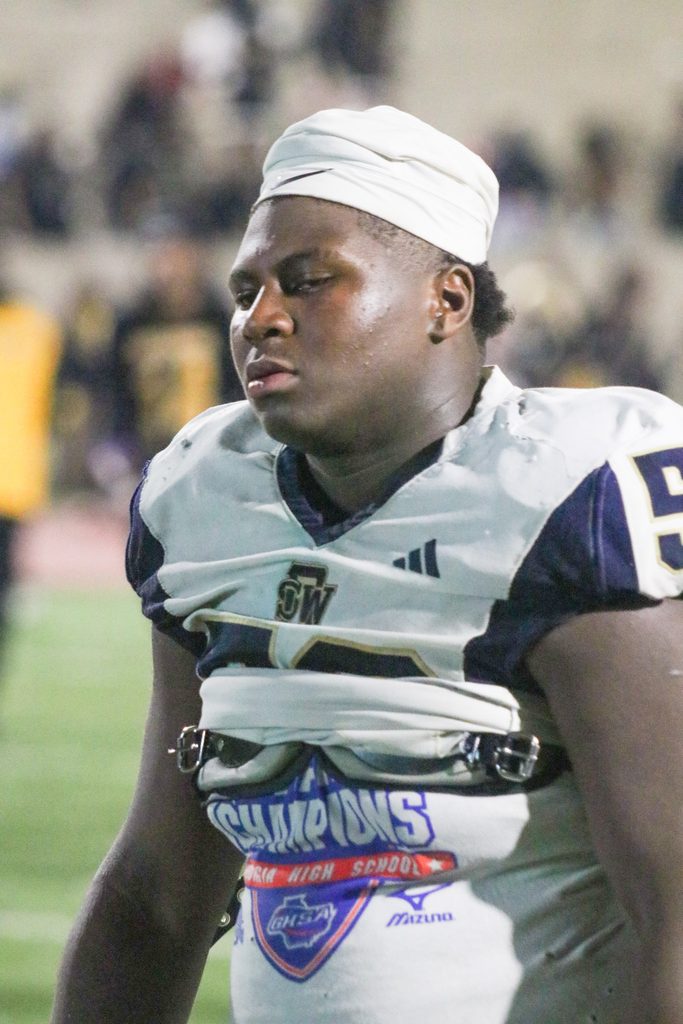
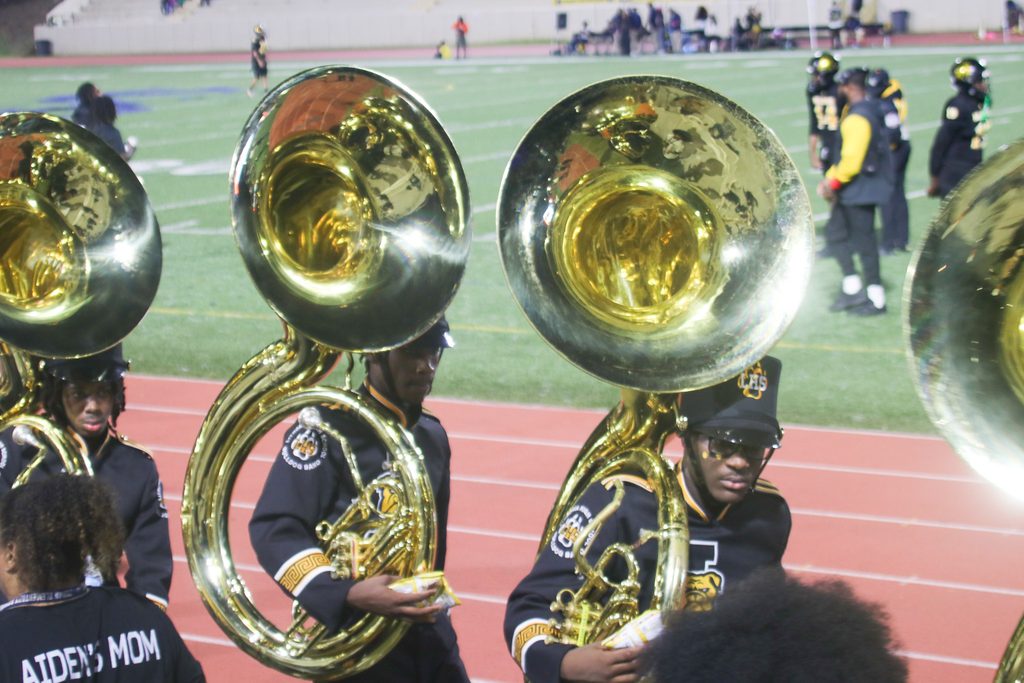
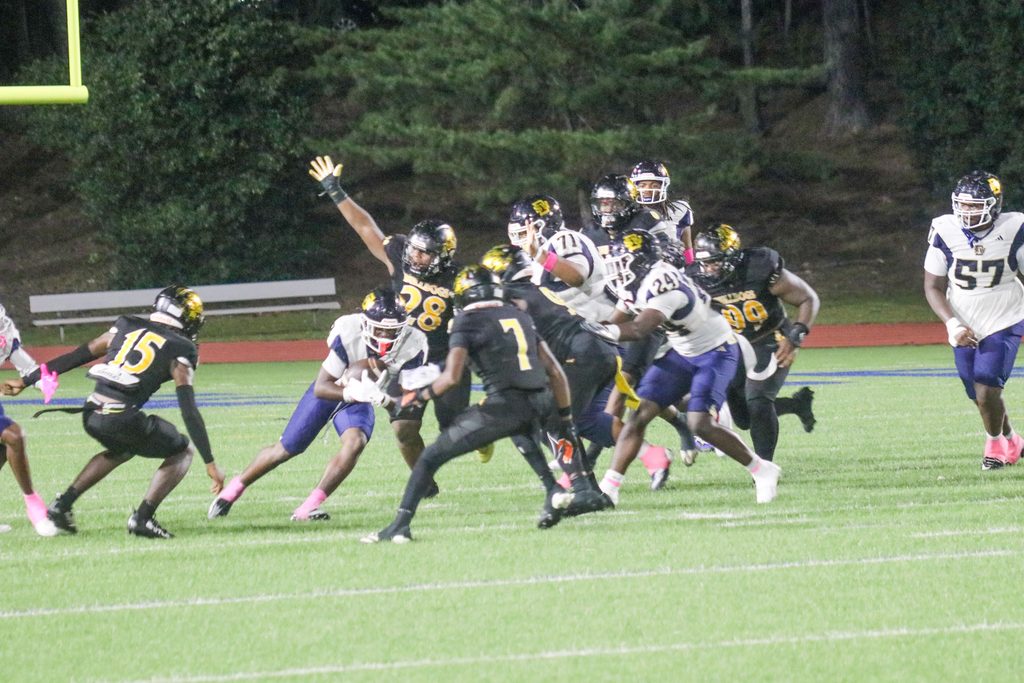
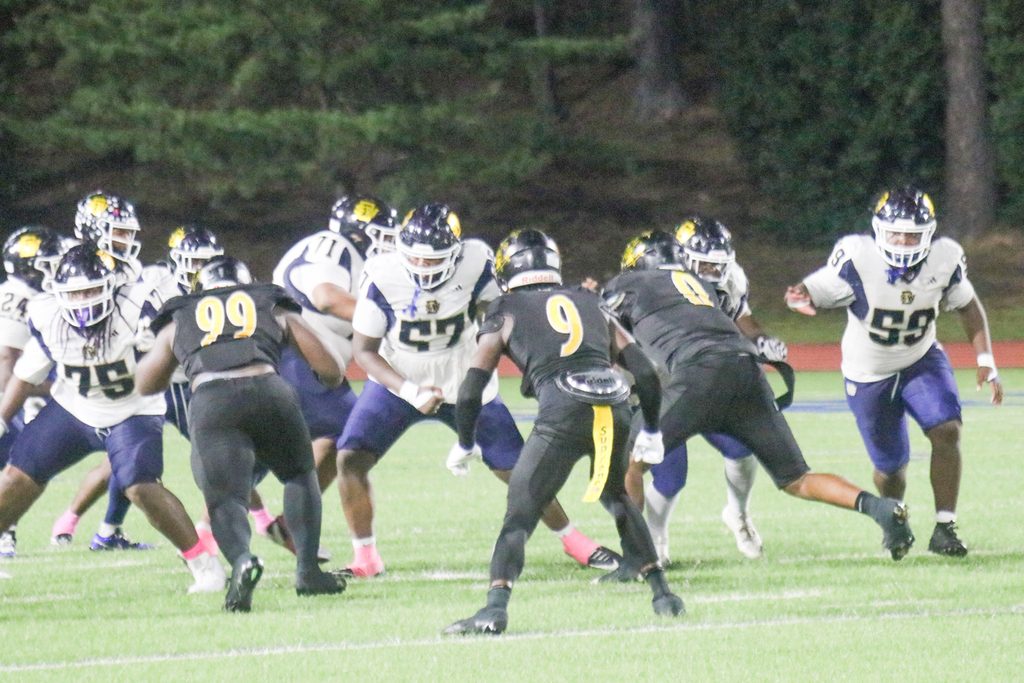
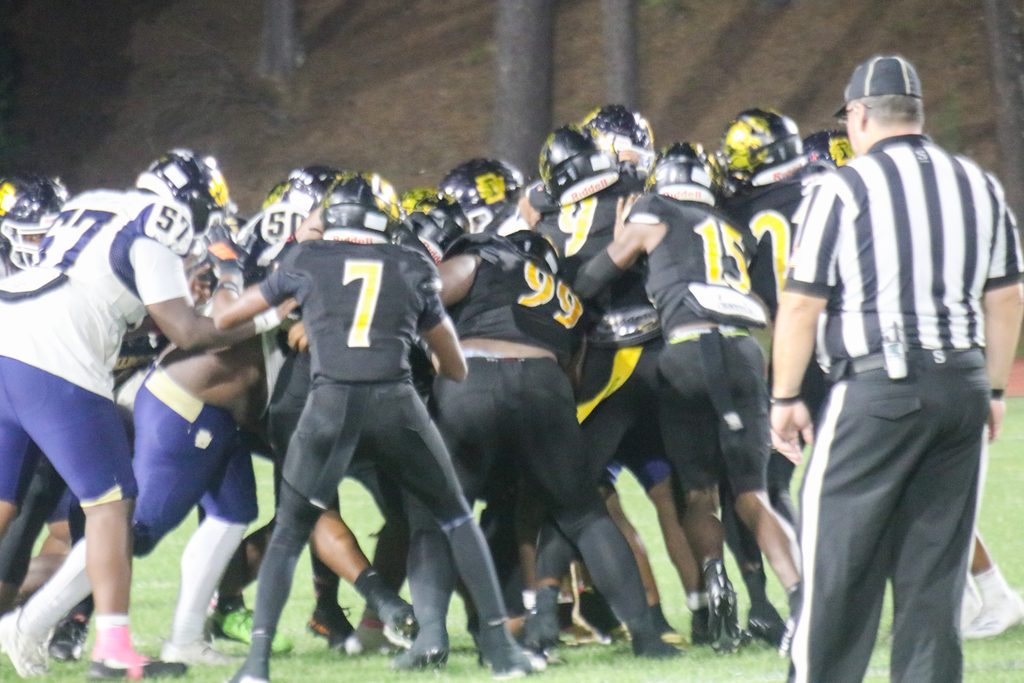
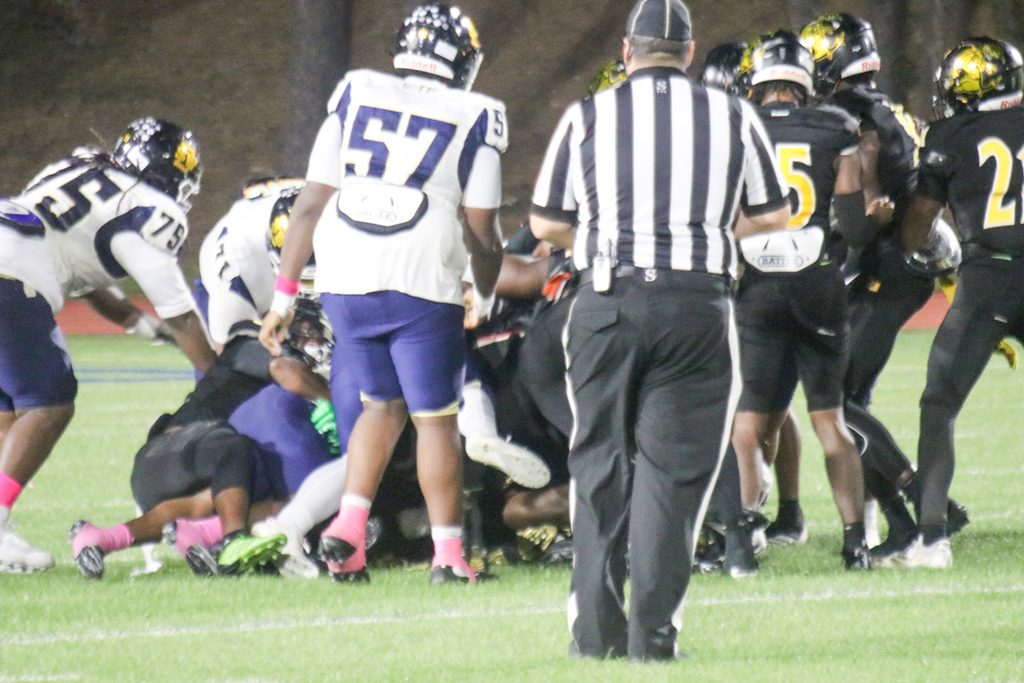
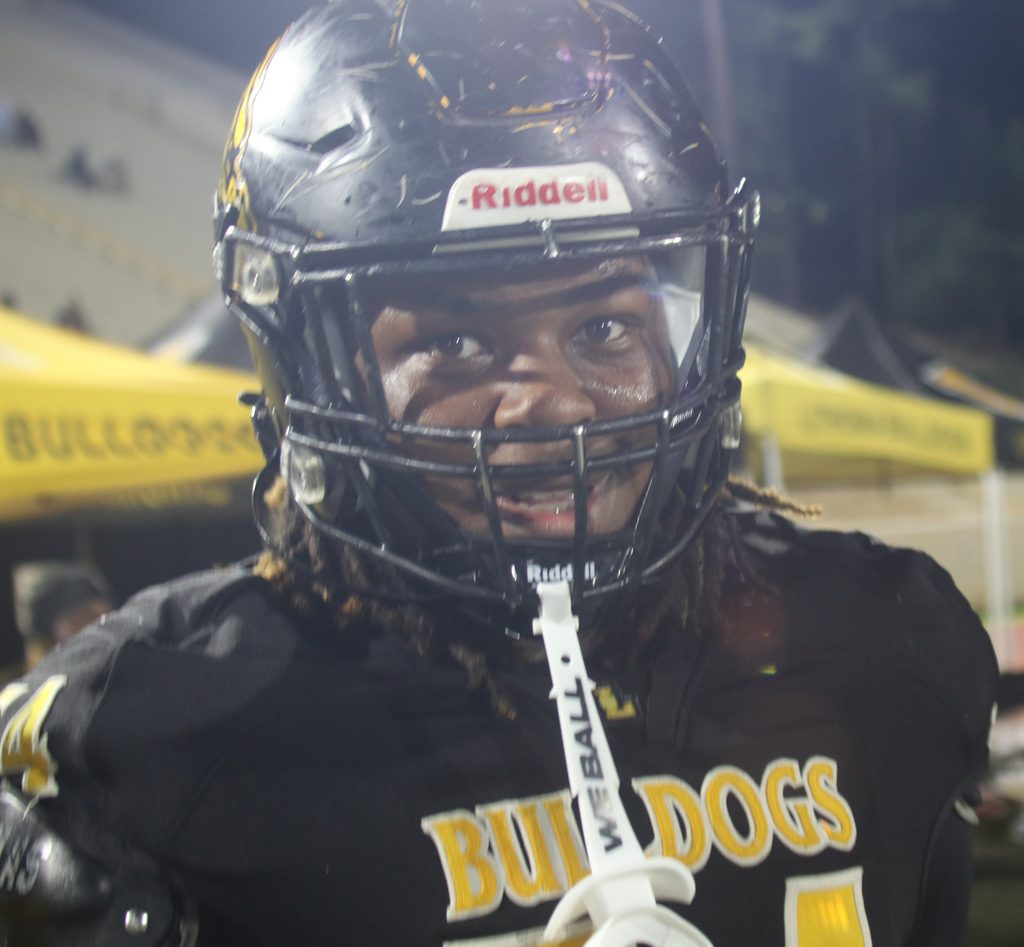
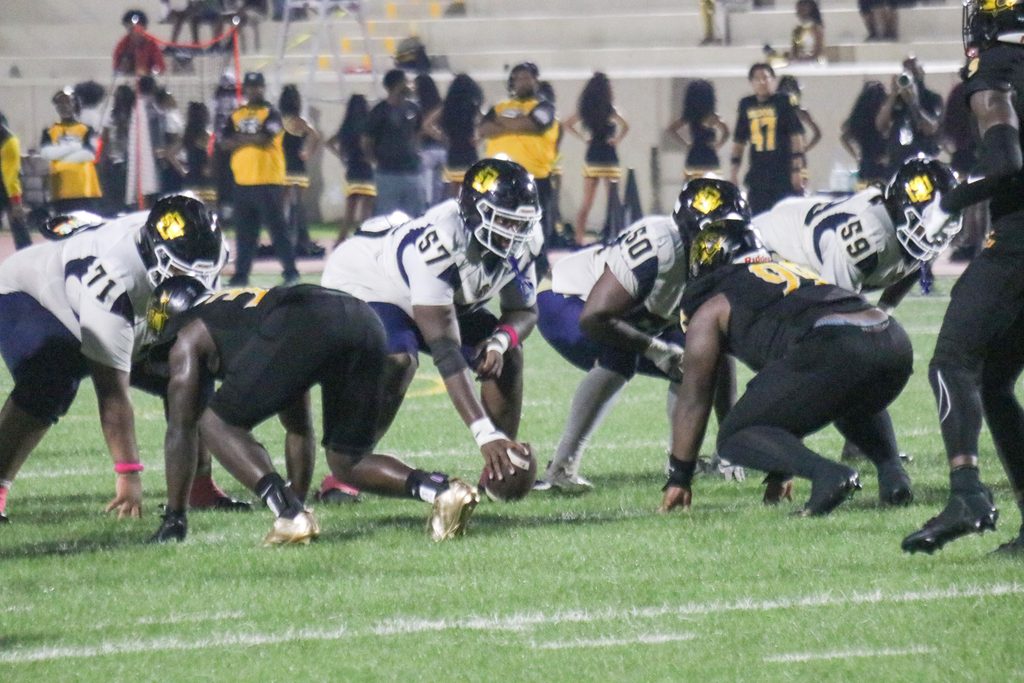
The Truth Seekers Journal continues its coverage of DeKalb County high school athletics with photographs from the Friday, October 16, 2026, matchup between Northview and Clarkston. The gallery captures action from the field as well as the energy surrounding the game, including students, families, cheerleaders, marching band members, and supporters from both schools.
Final Score: Northview – Titans 46 Clarkston – Angoras 6
By Milton Kirby | Clarkston, GA | October 17, 2026
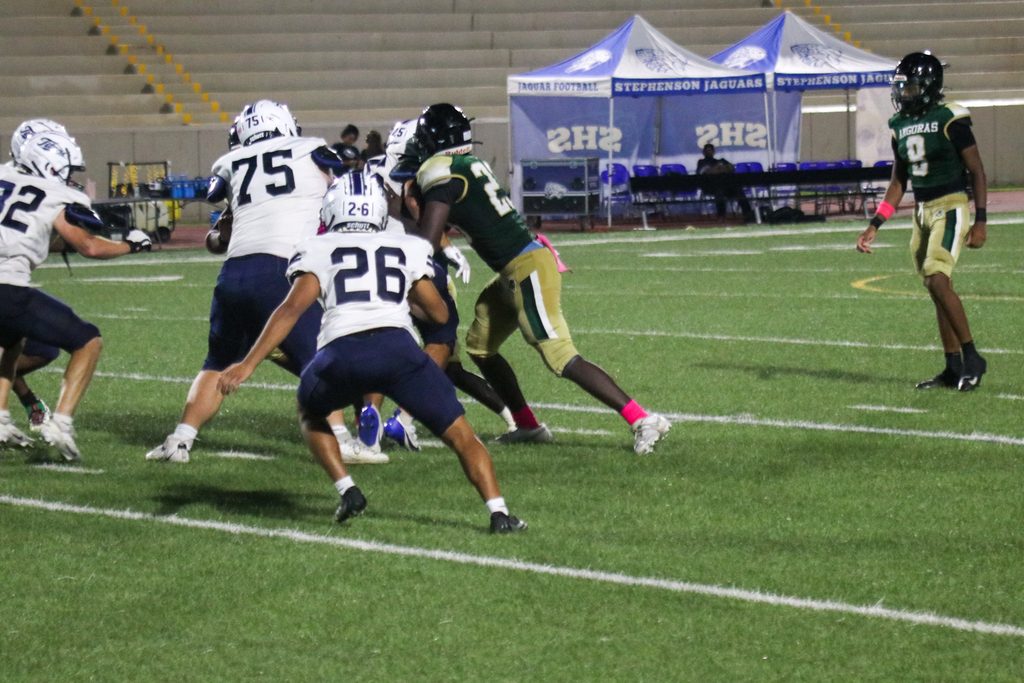
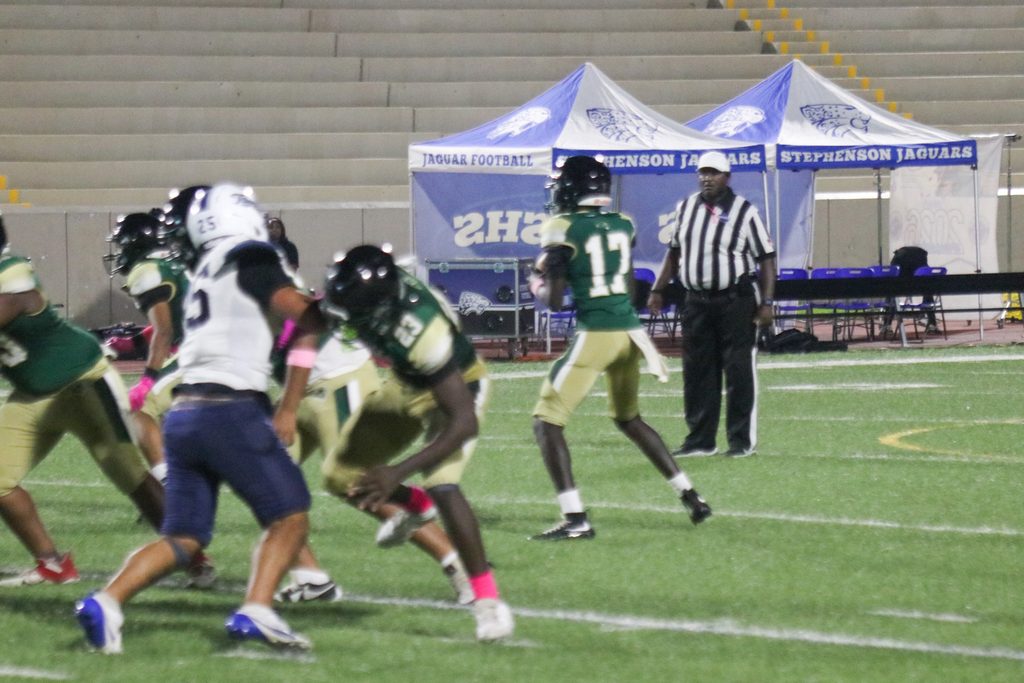
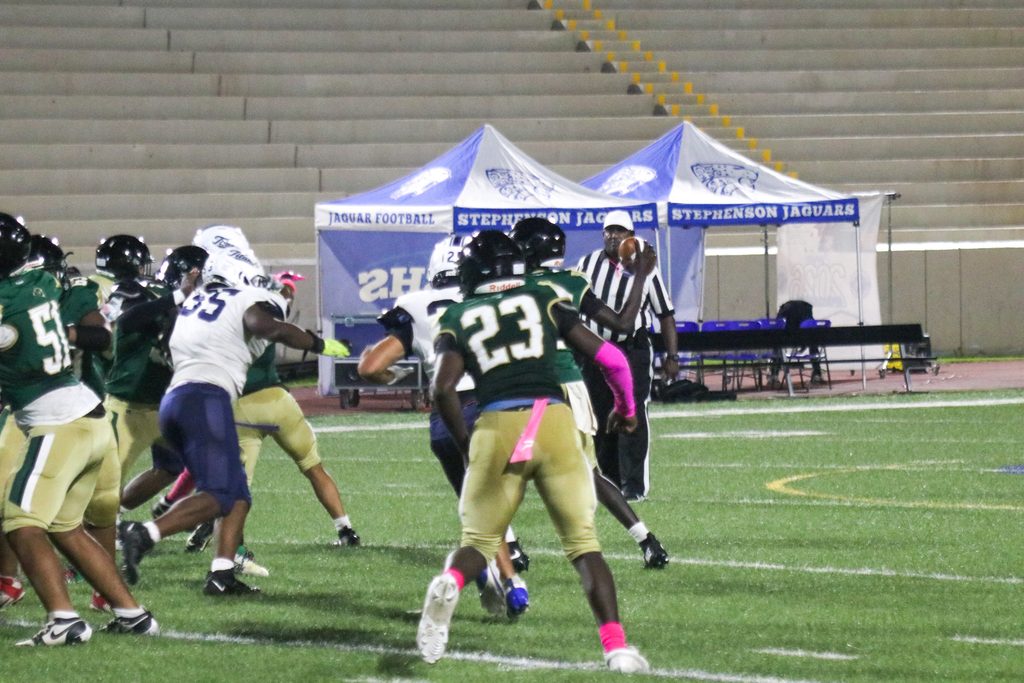
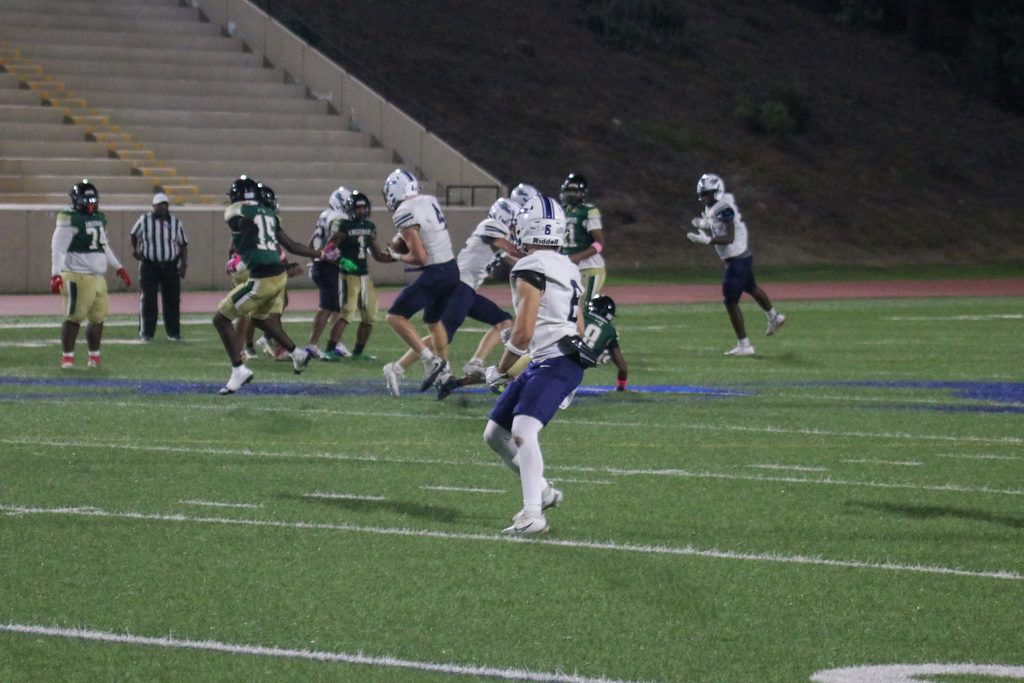
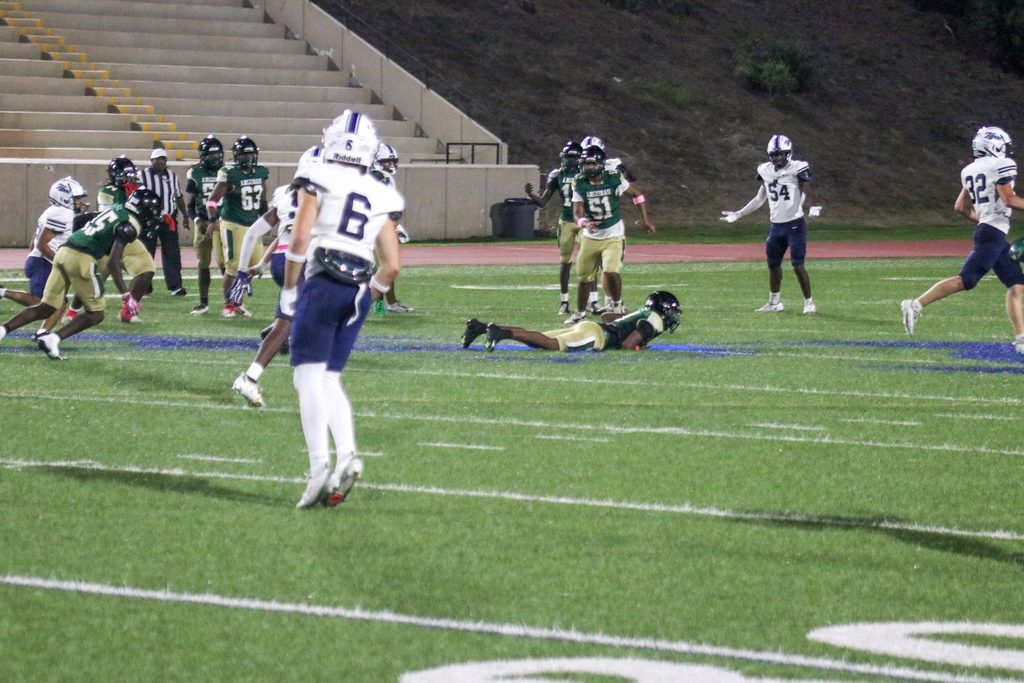
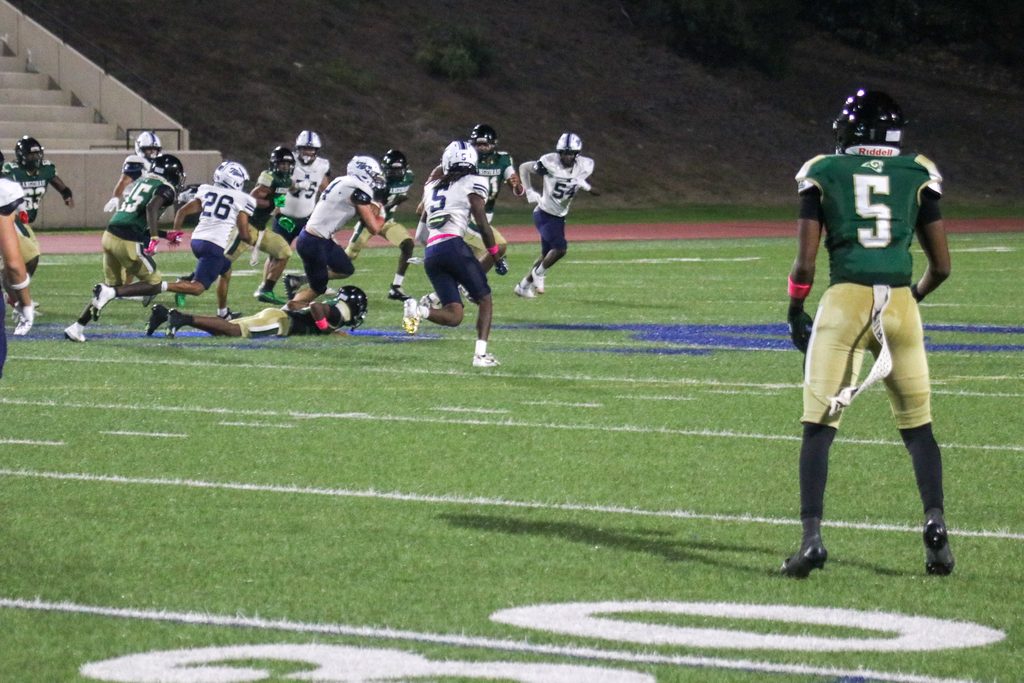
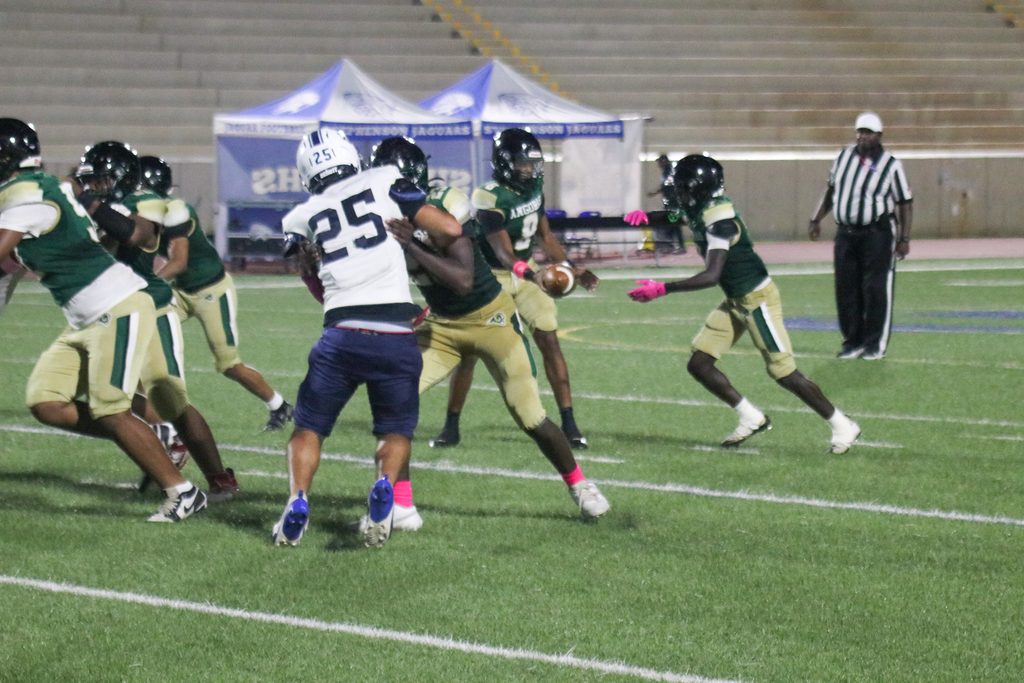
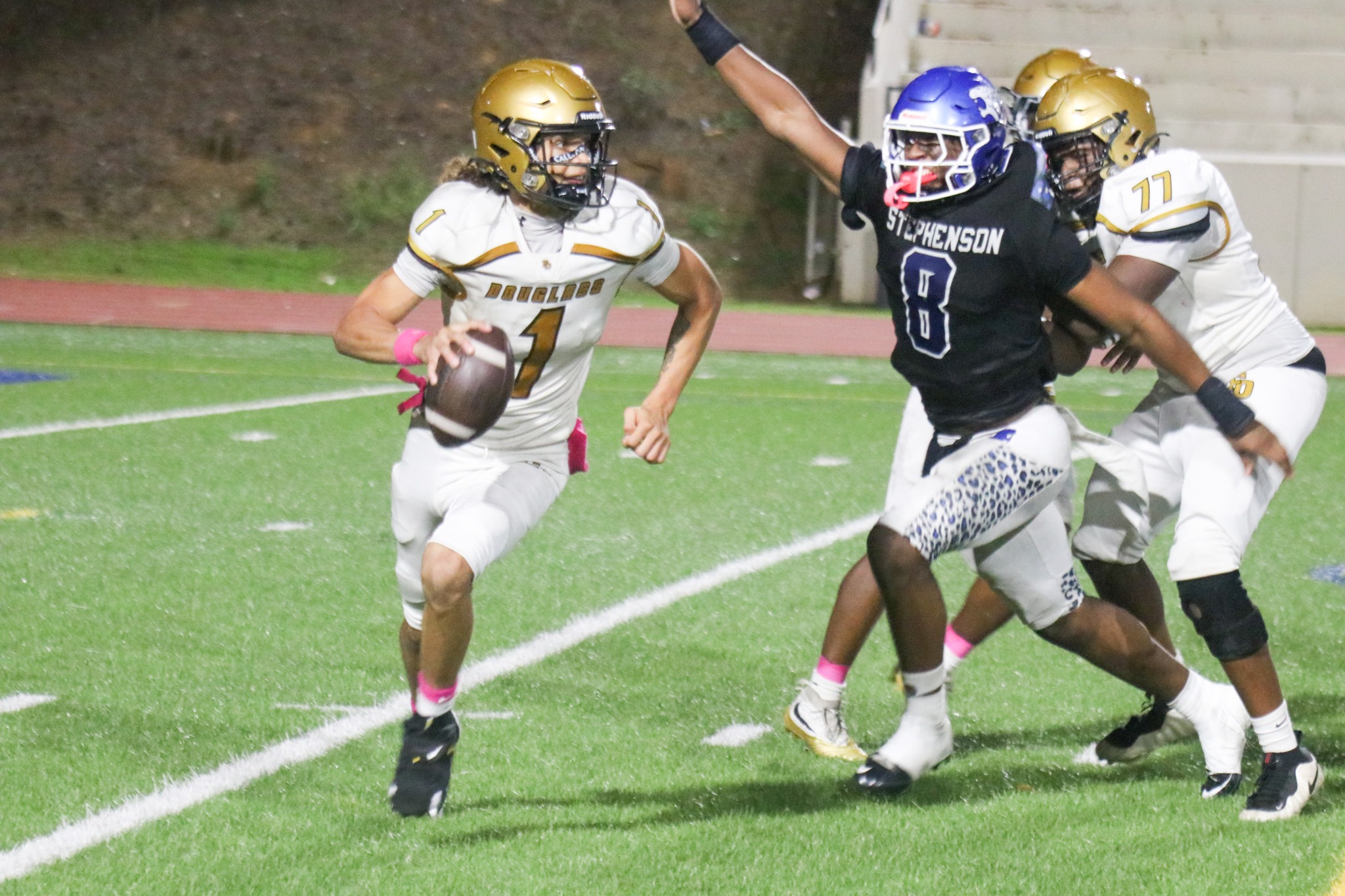
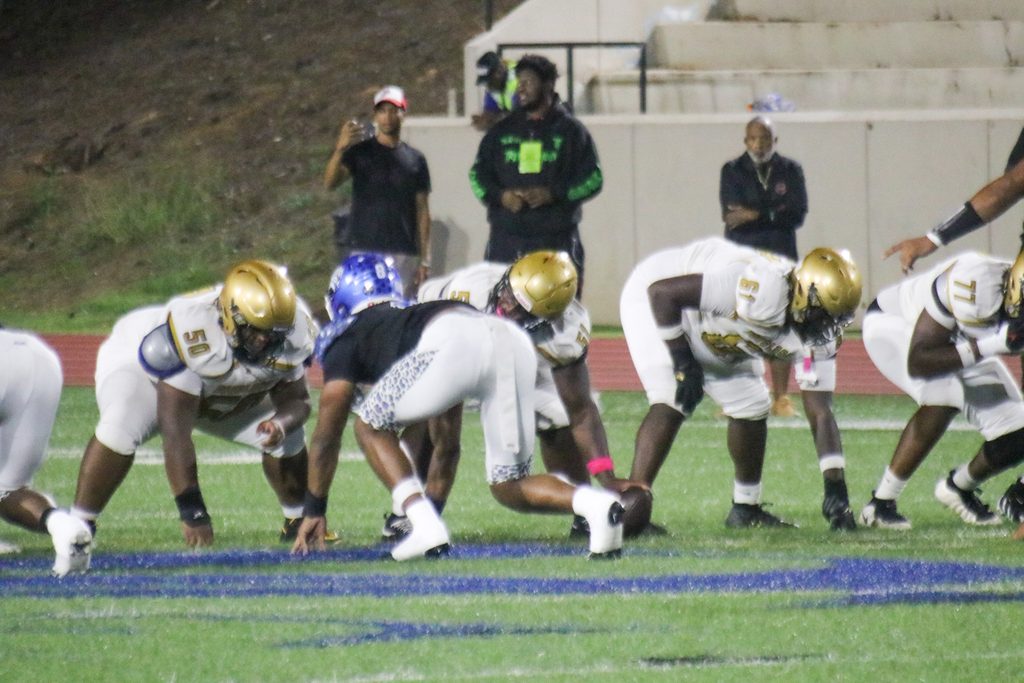
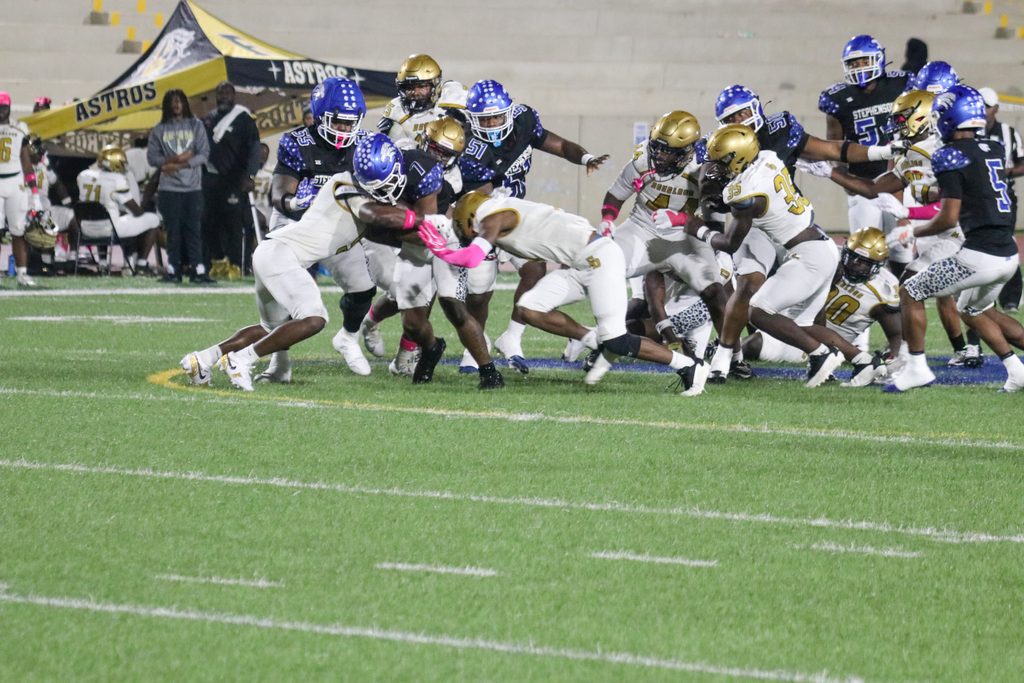
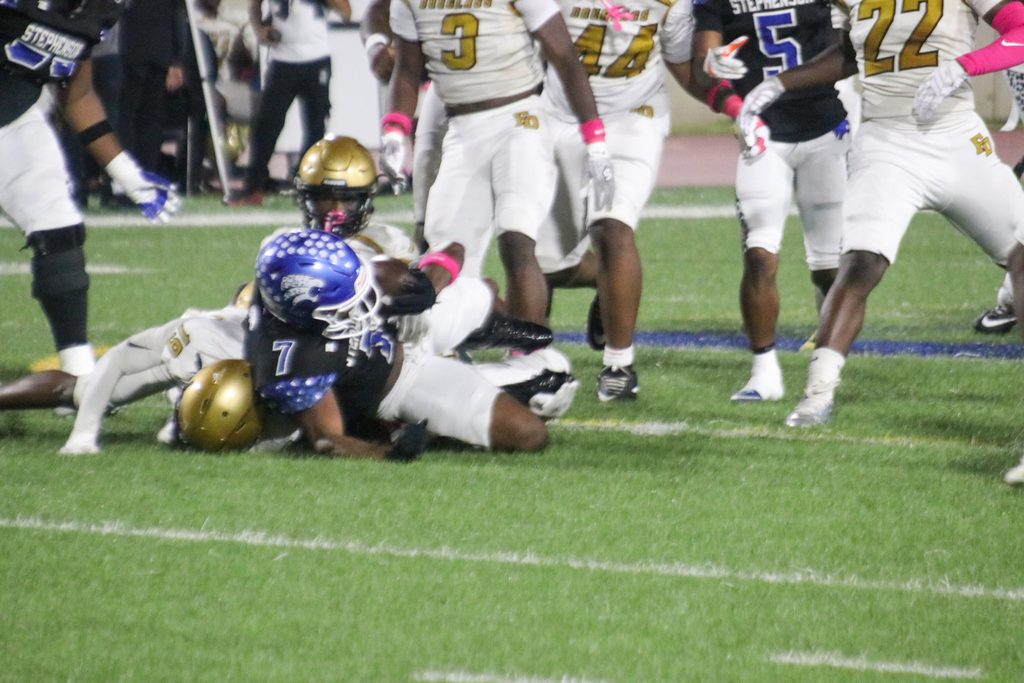
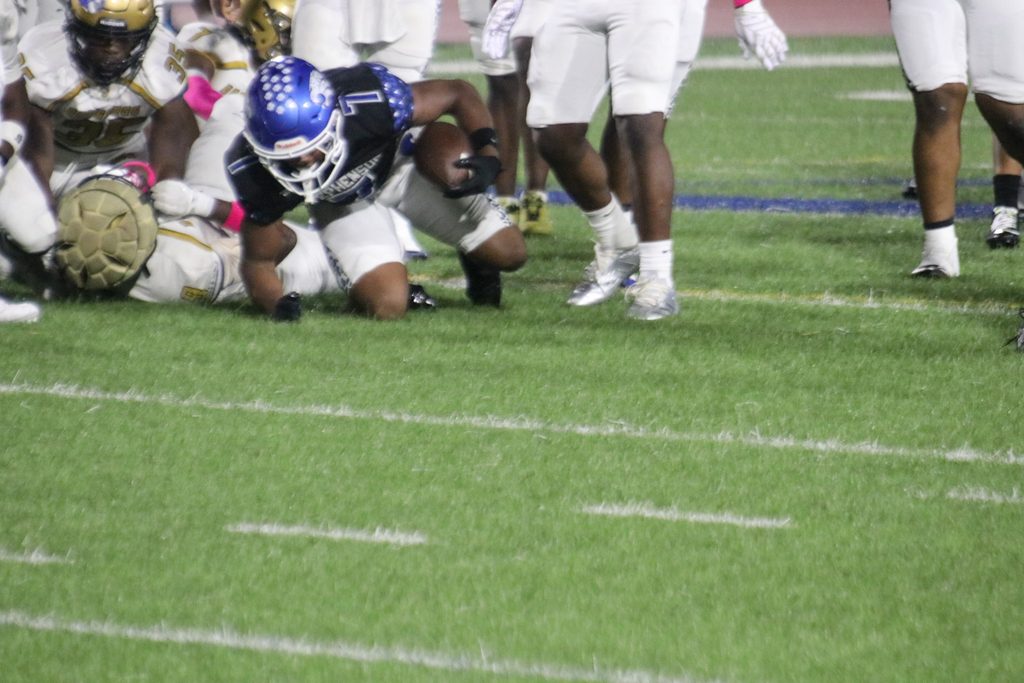
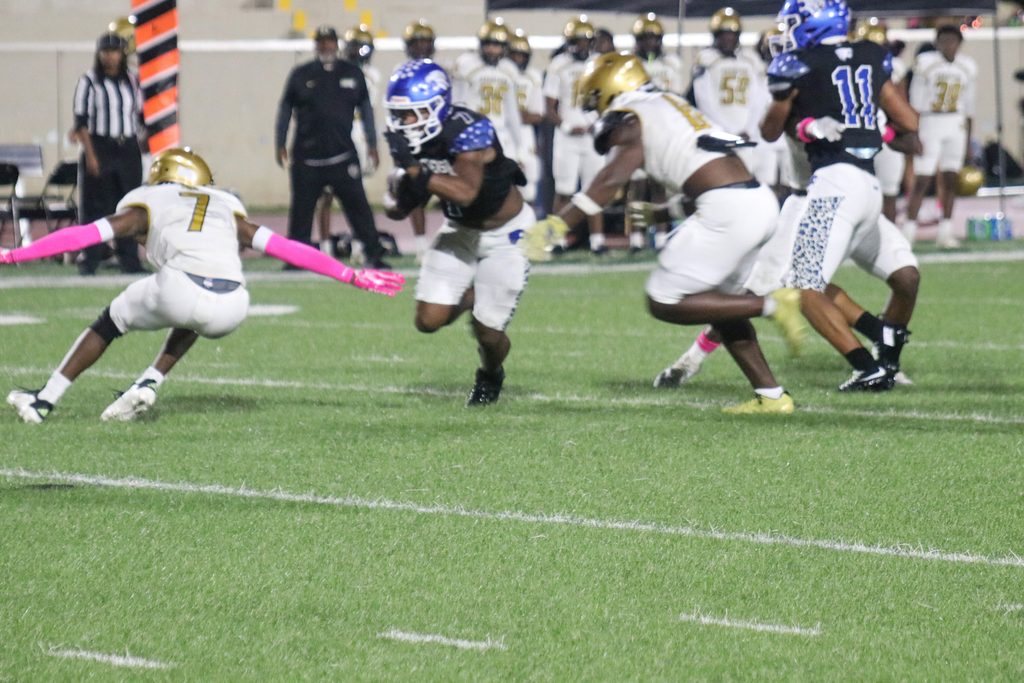
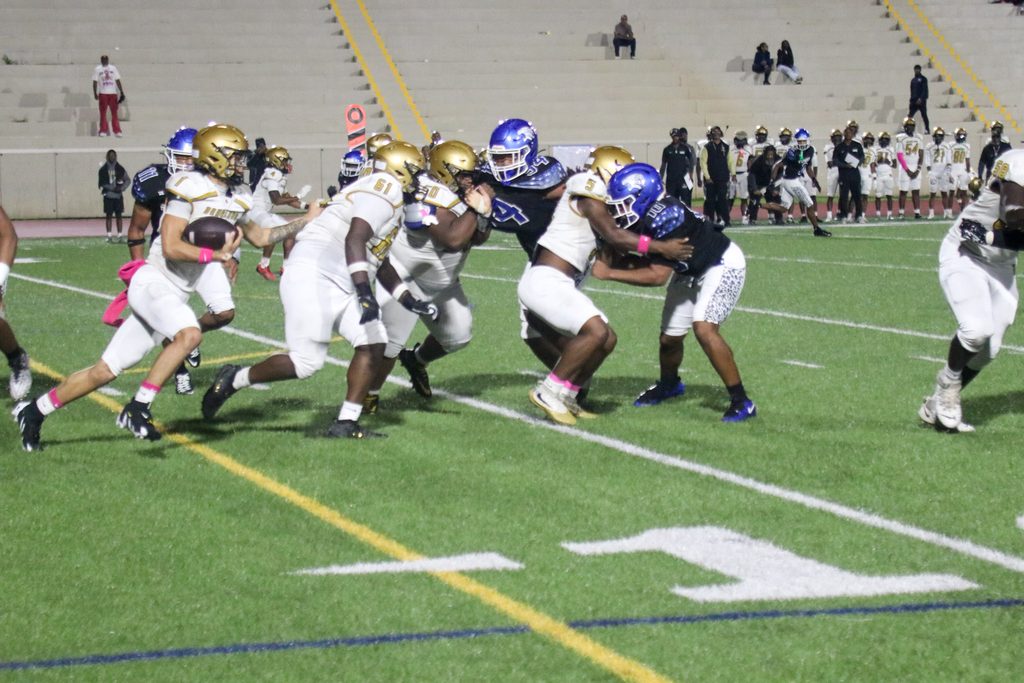
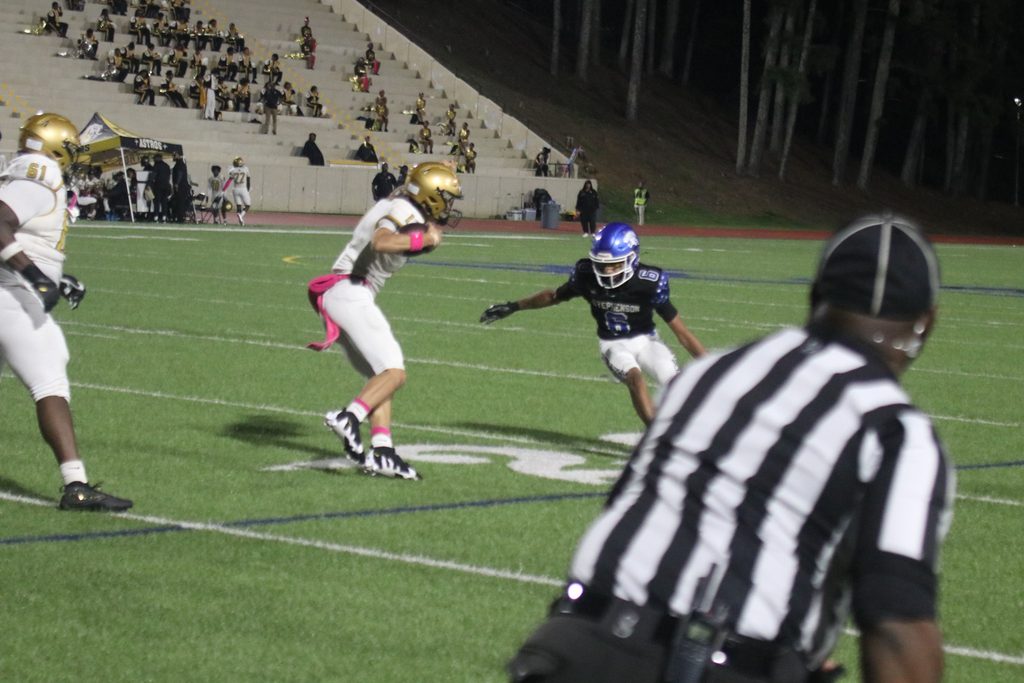
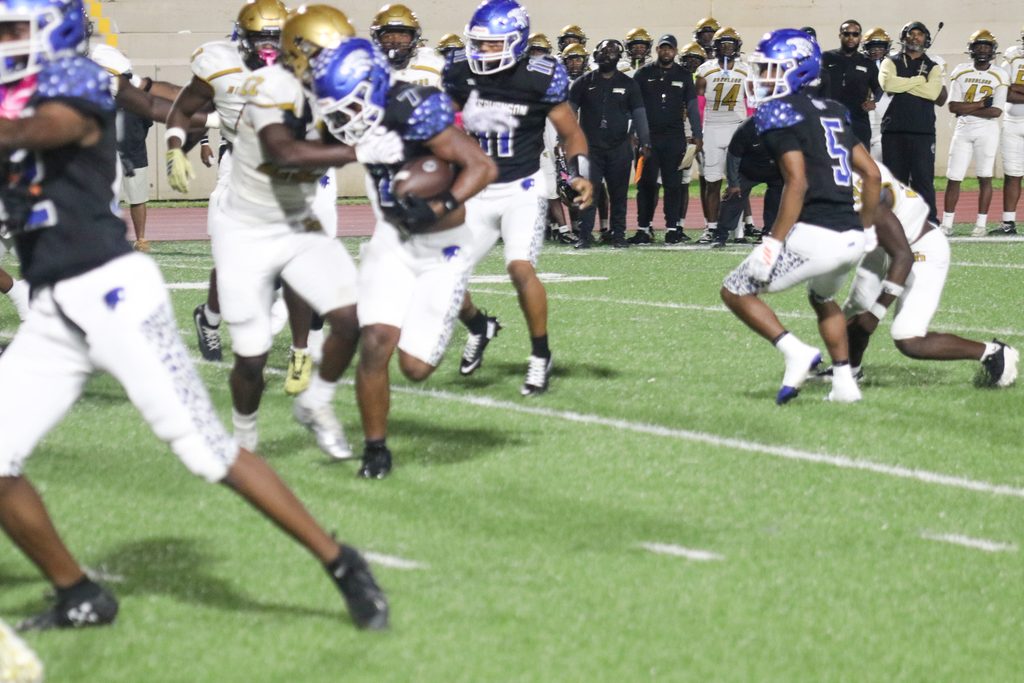
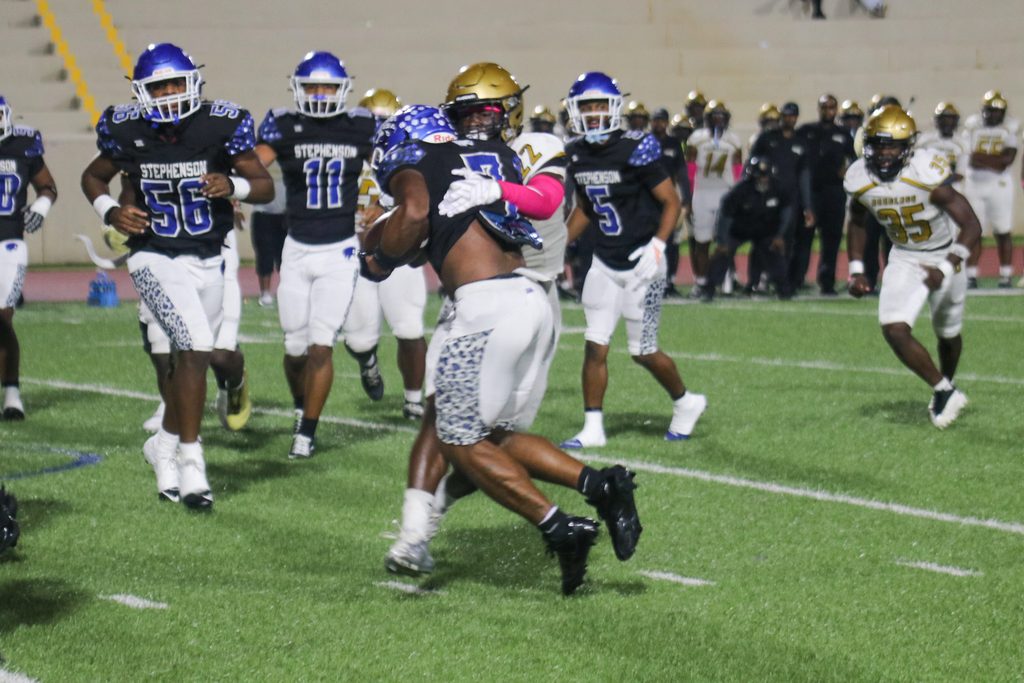
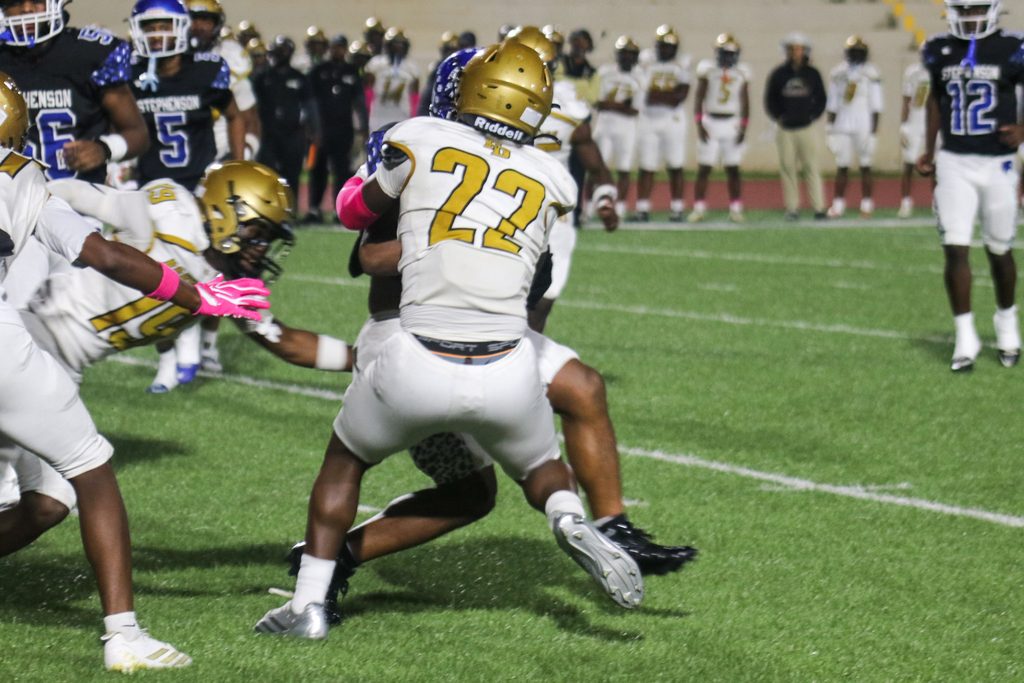
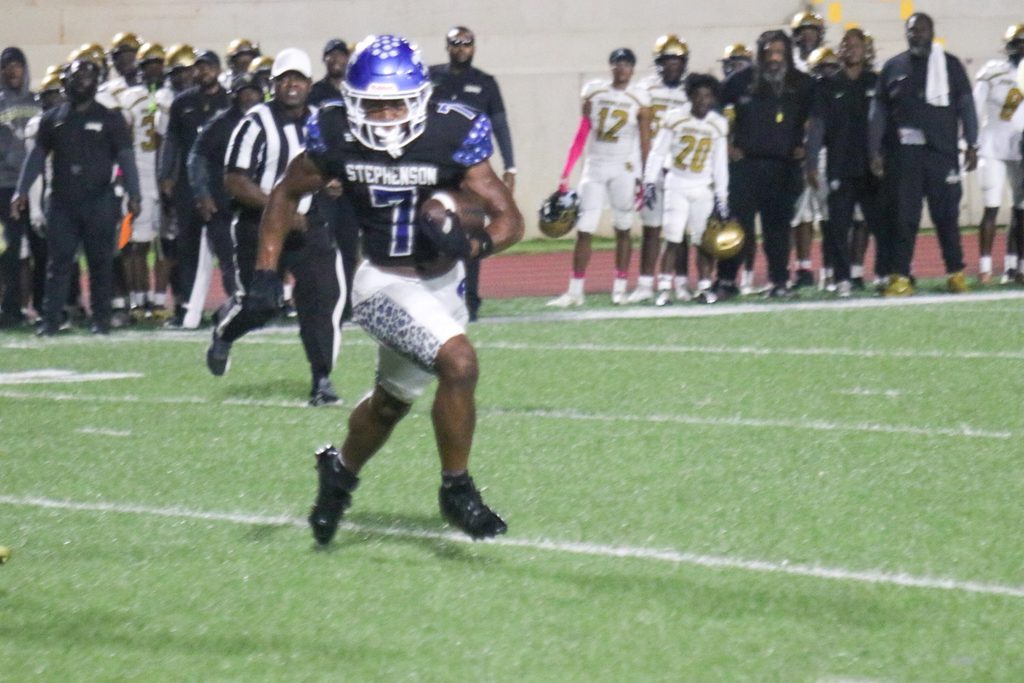
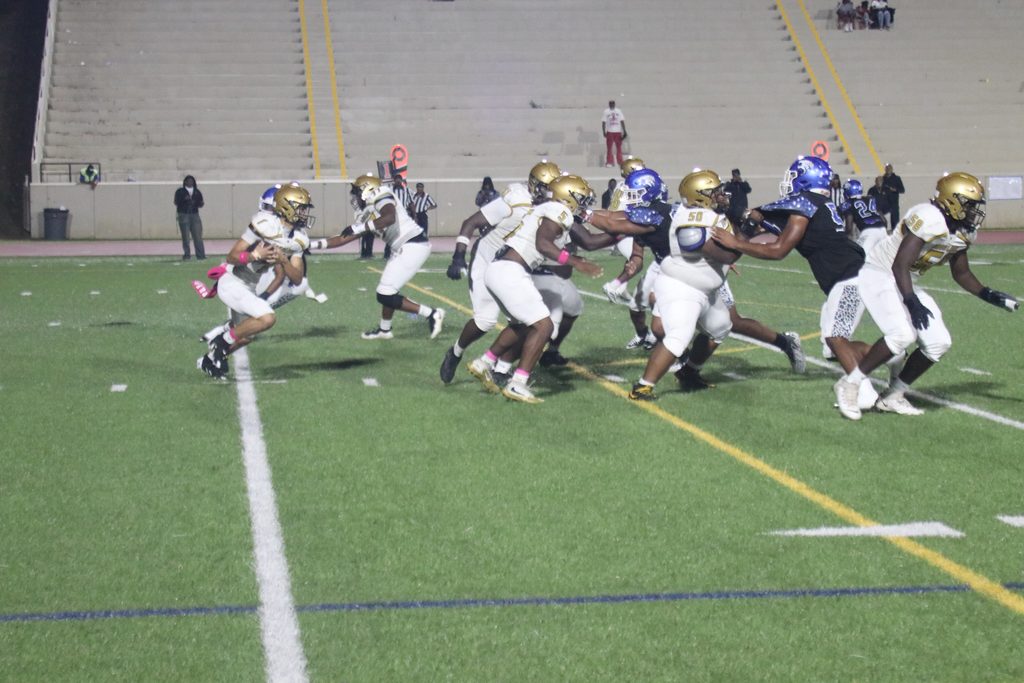
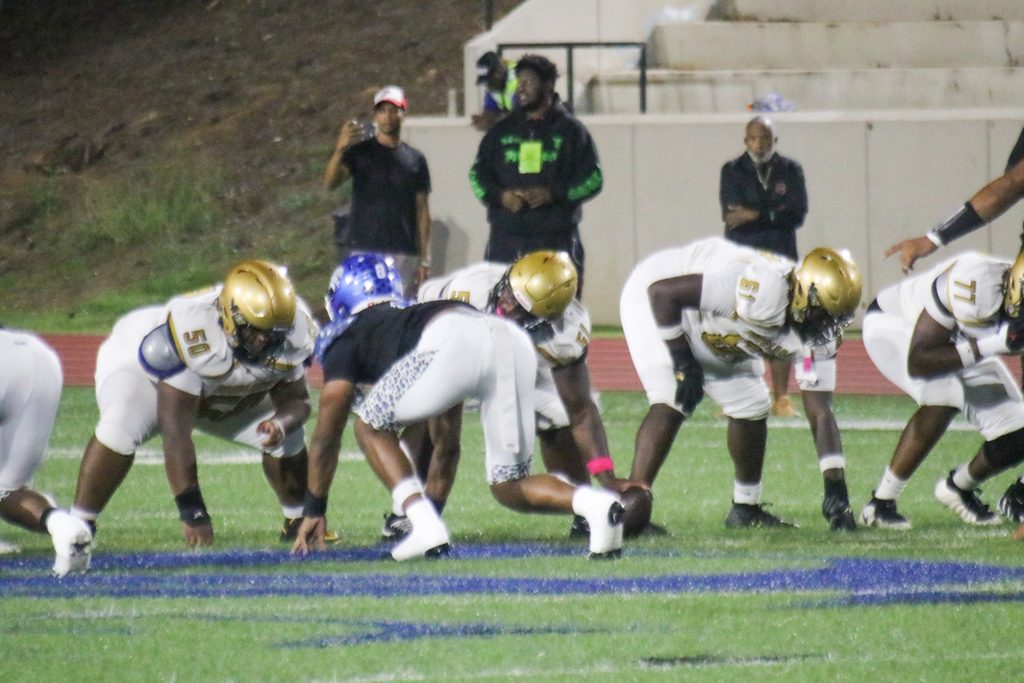
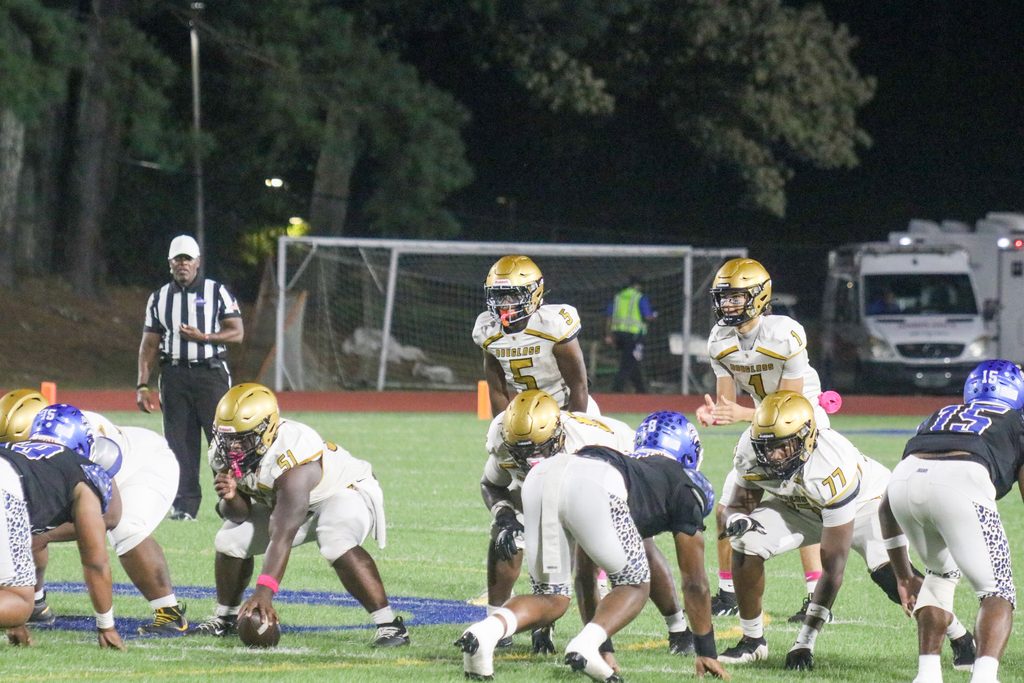
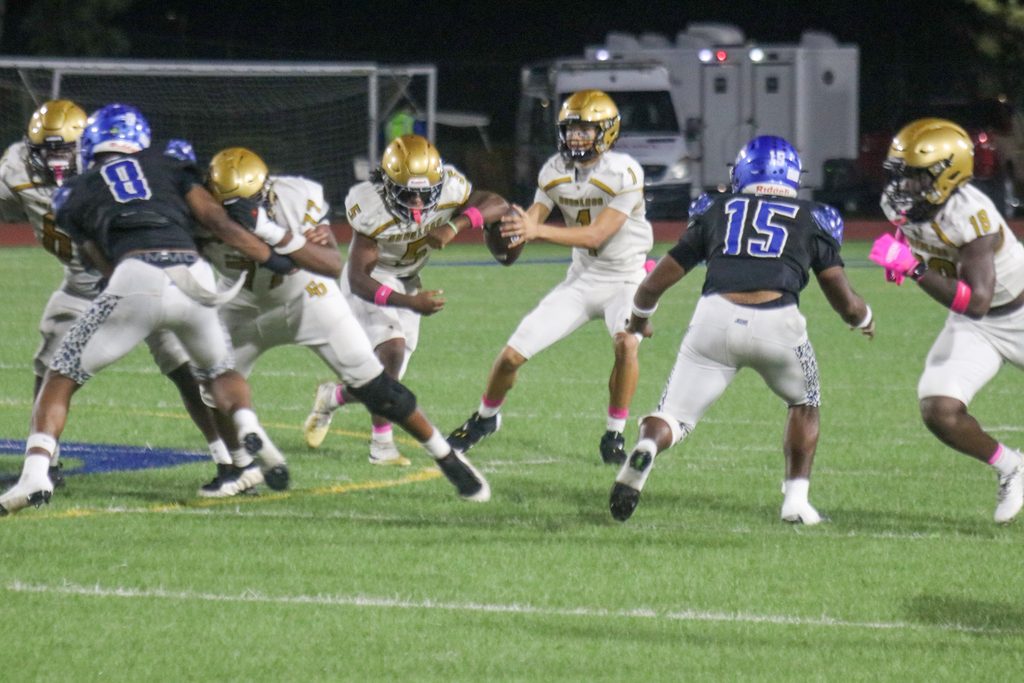
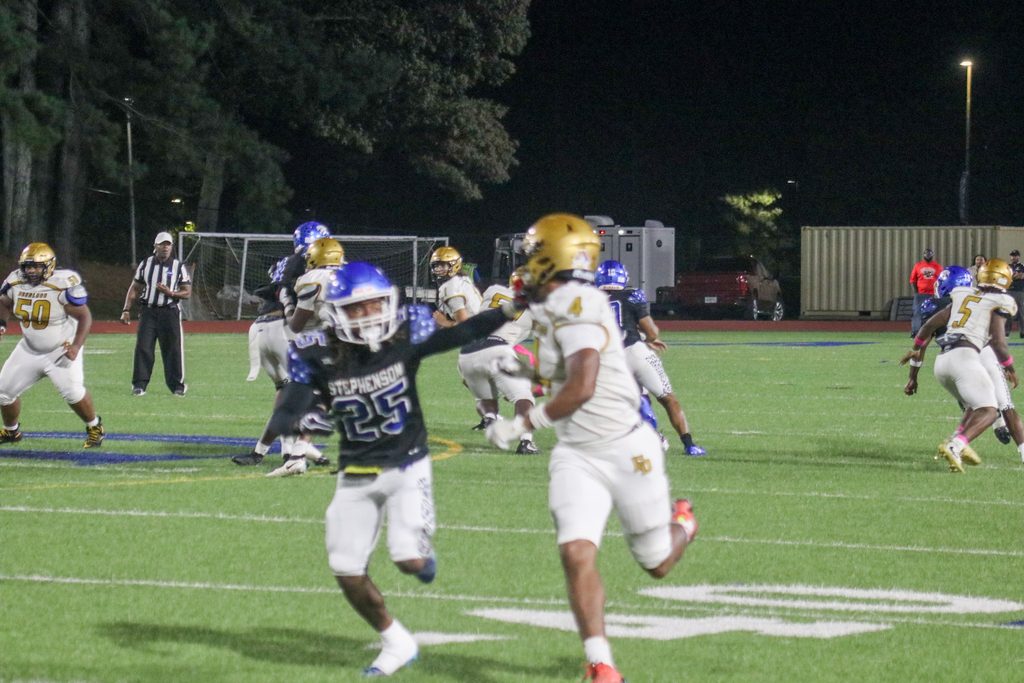
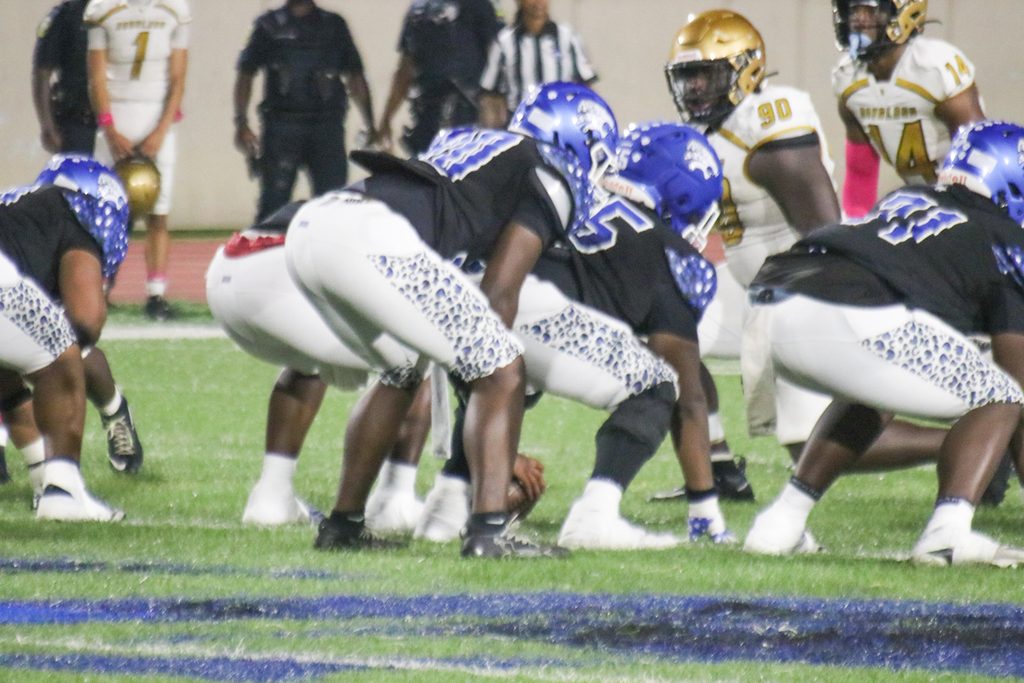
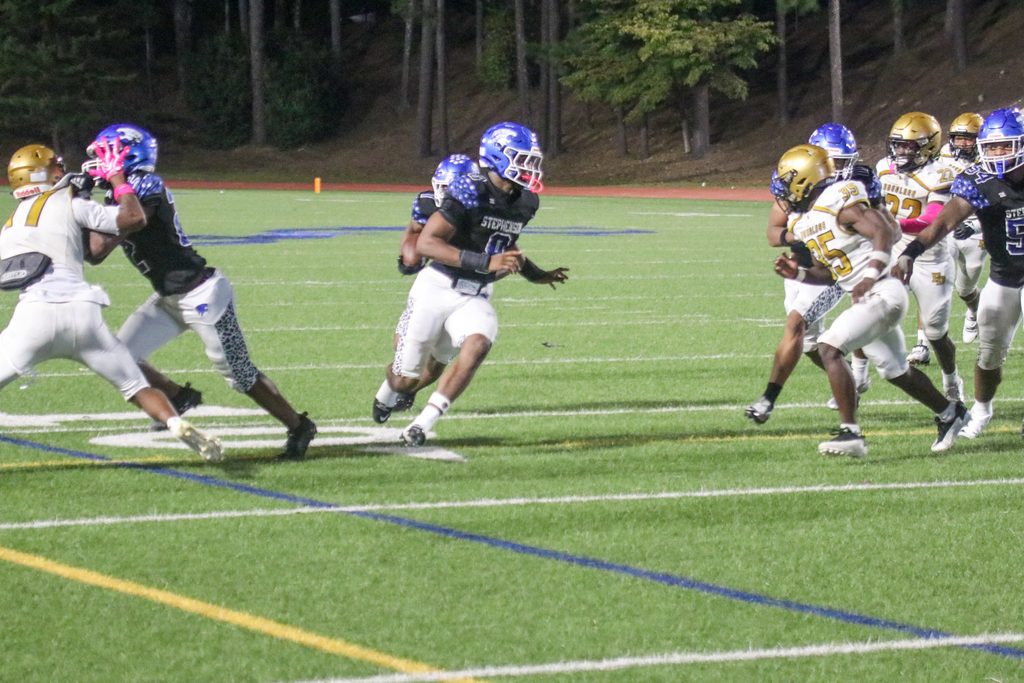
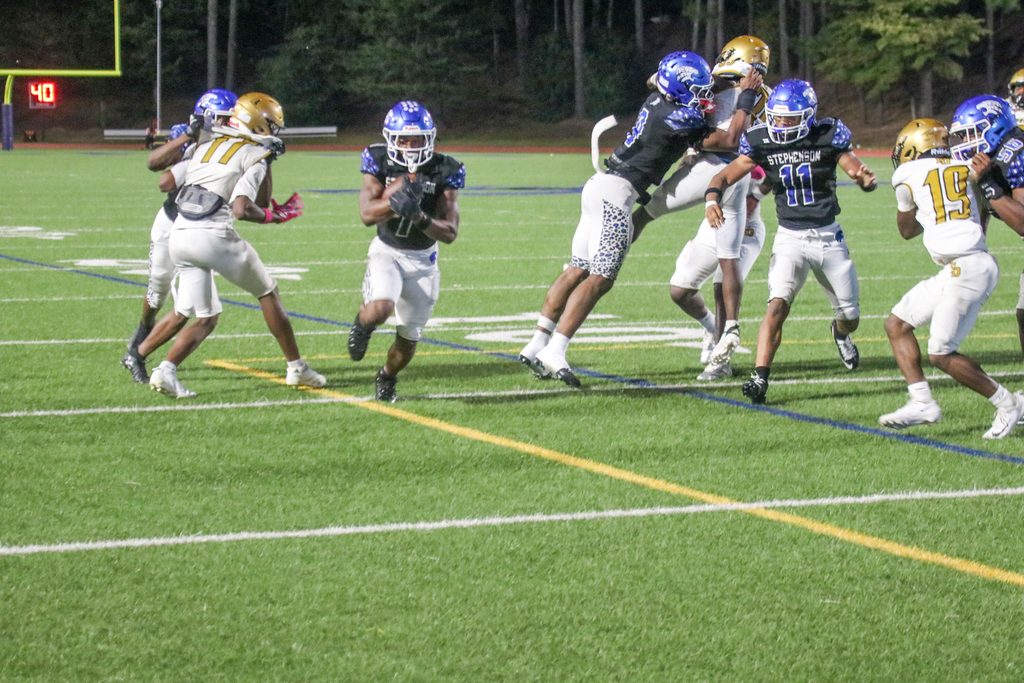
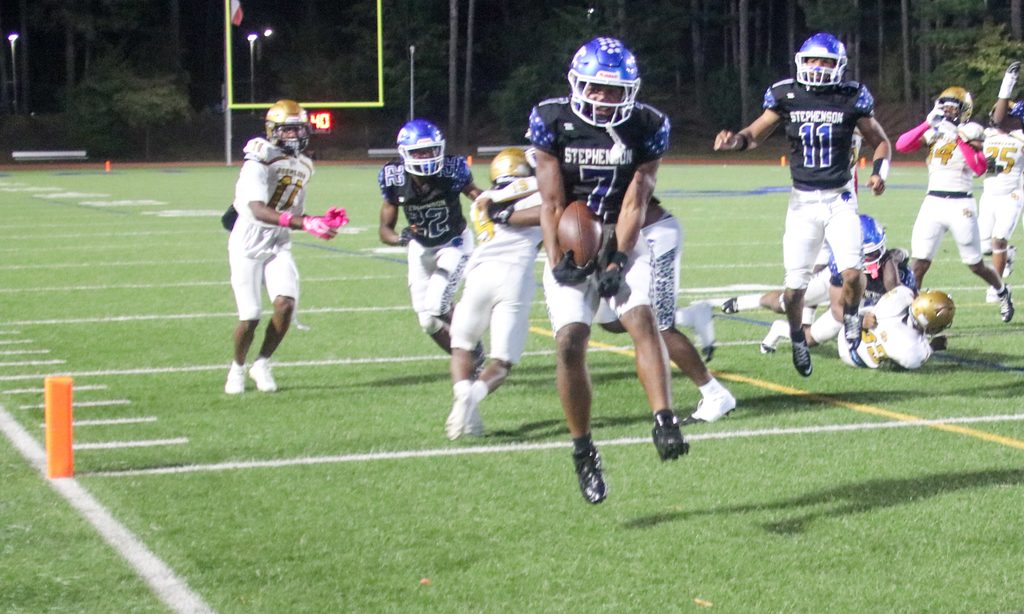
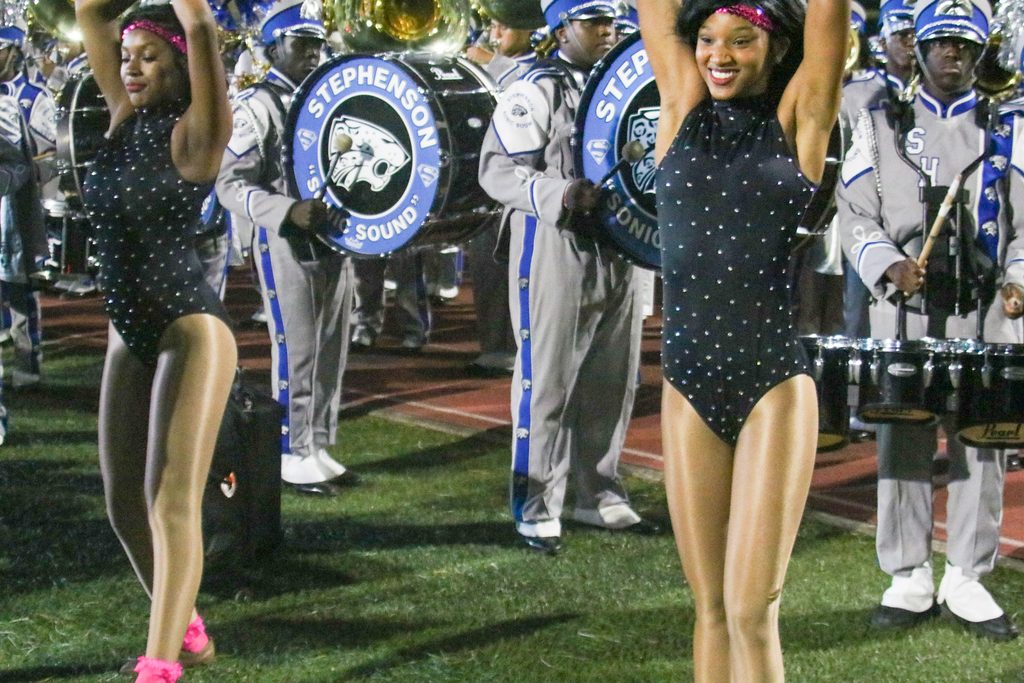
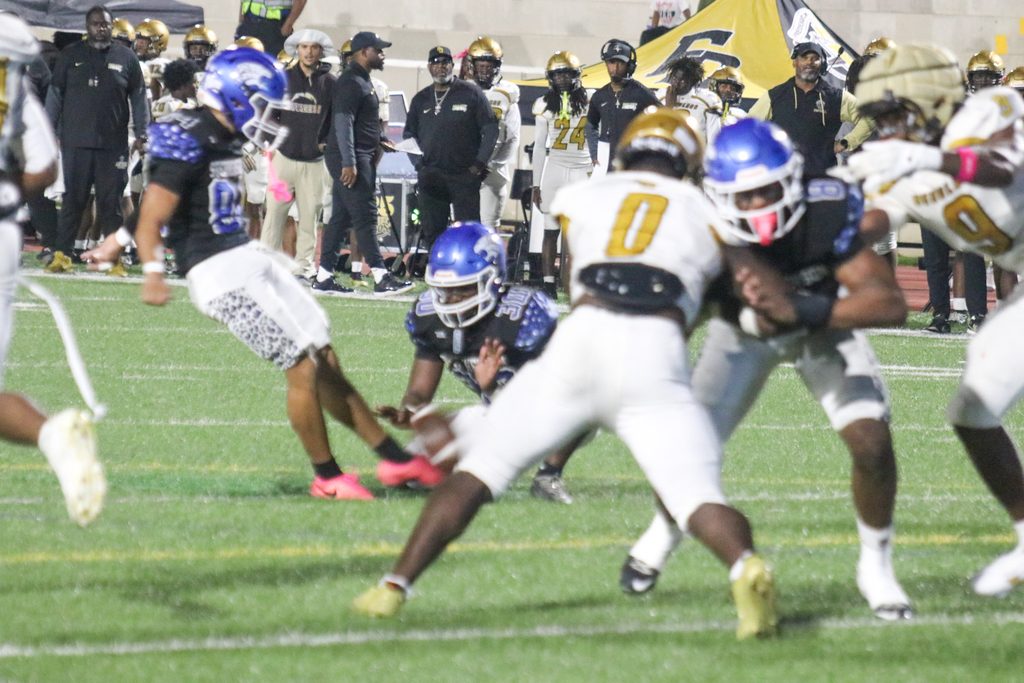
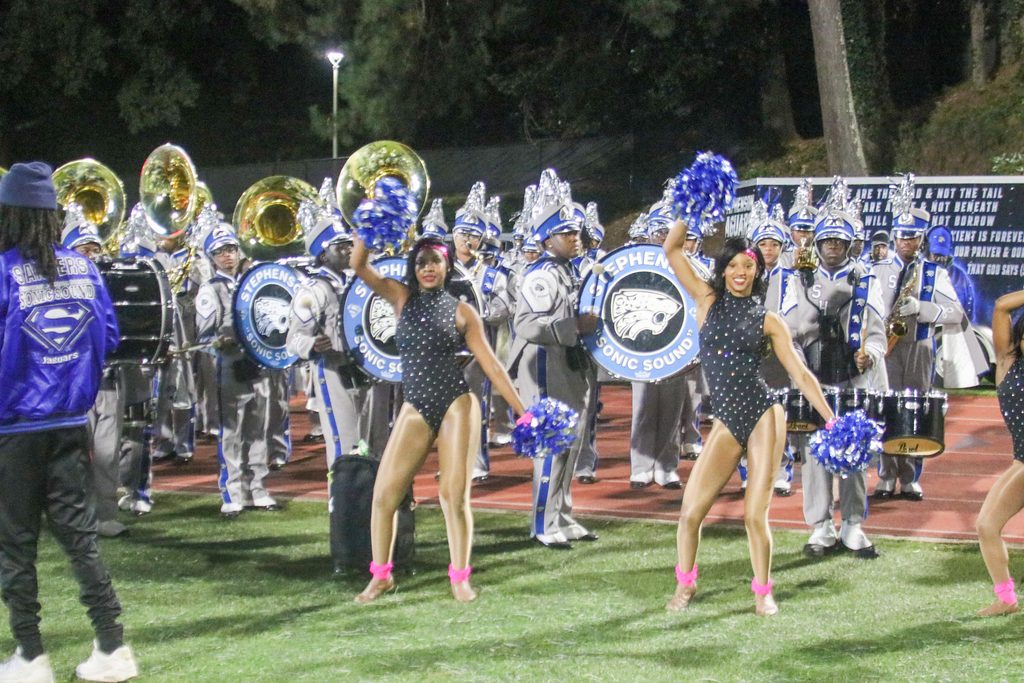
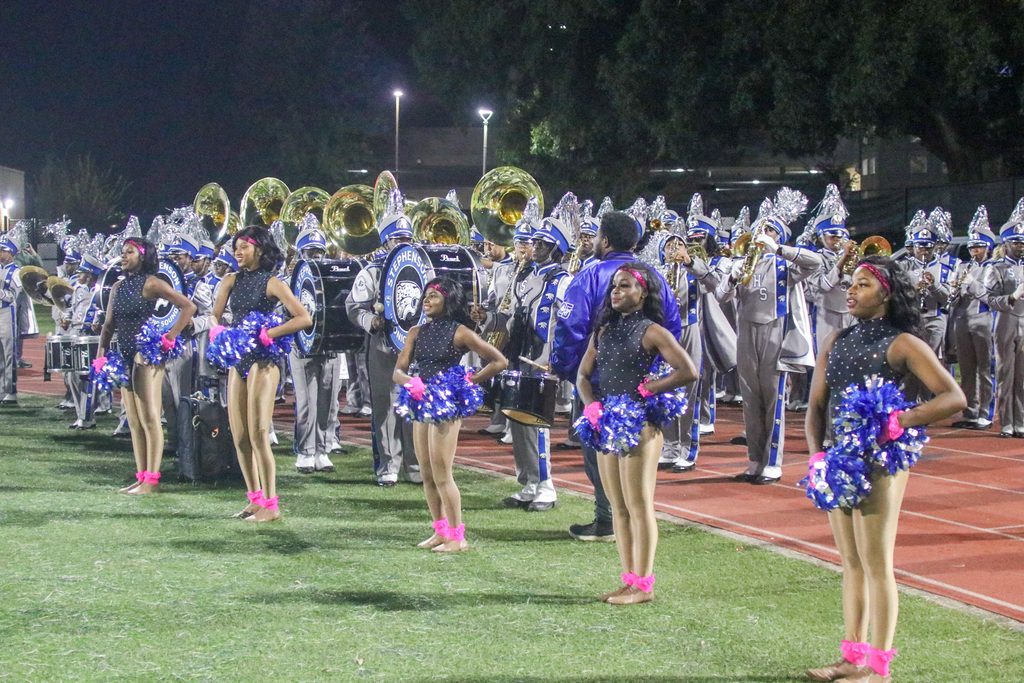
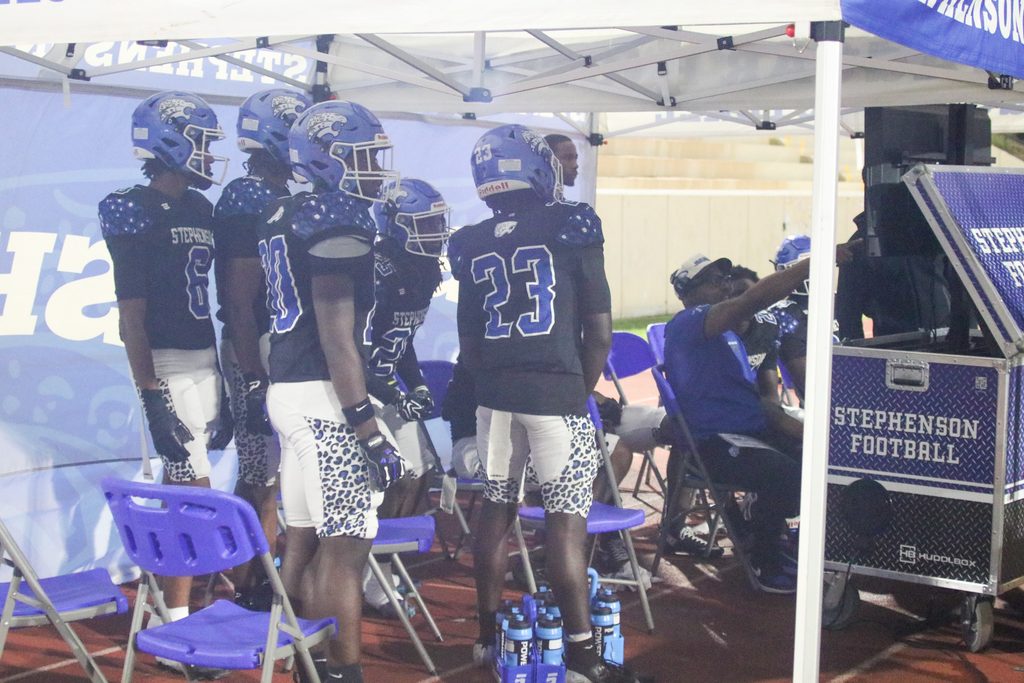
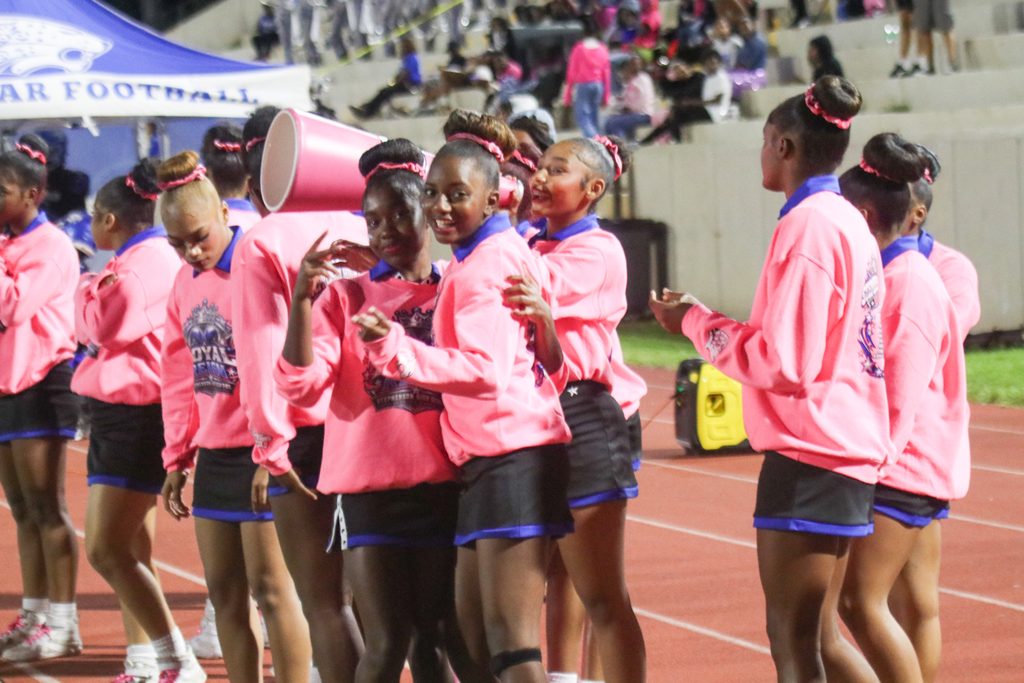
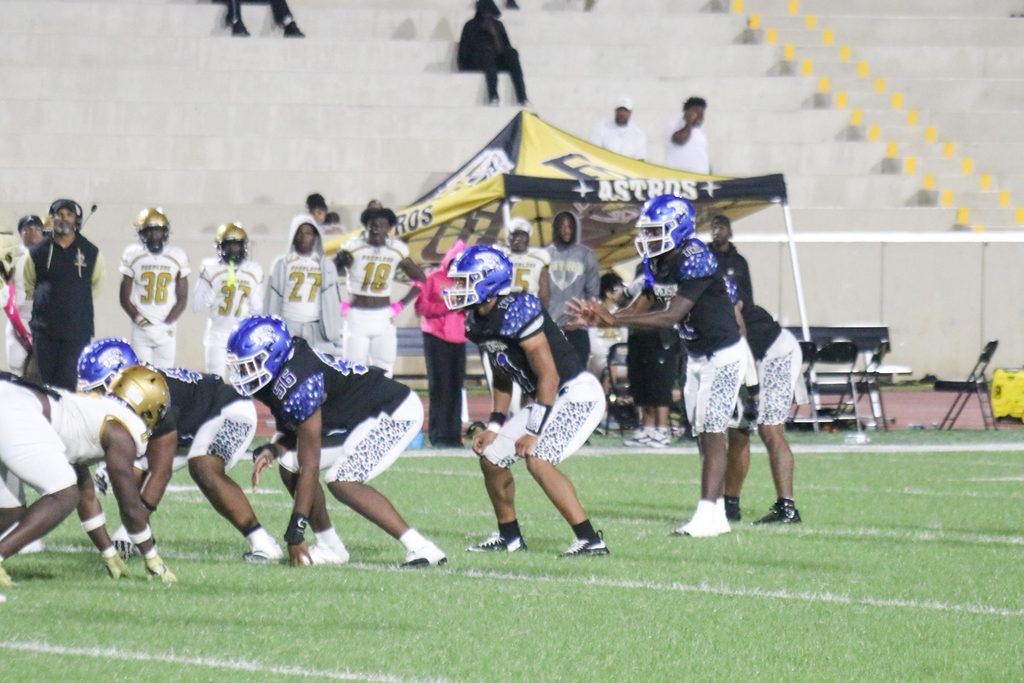
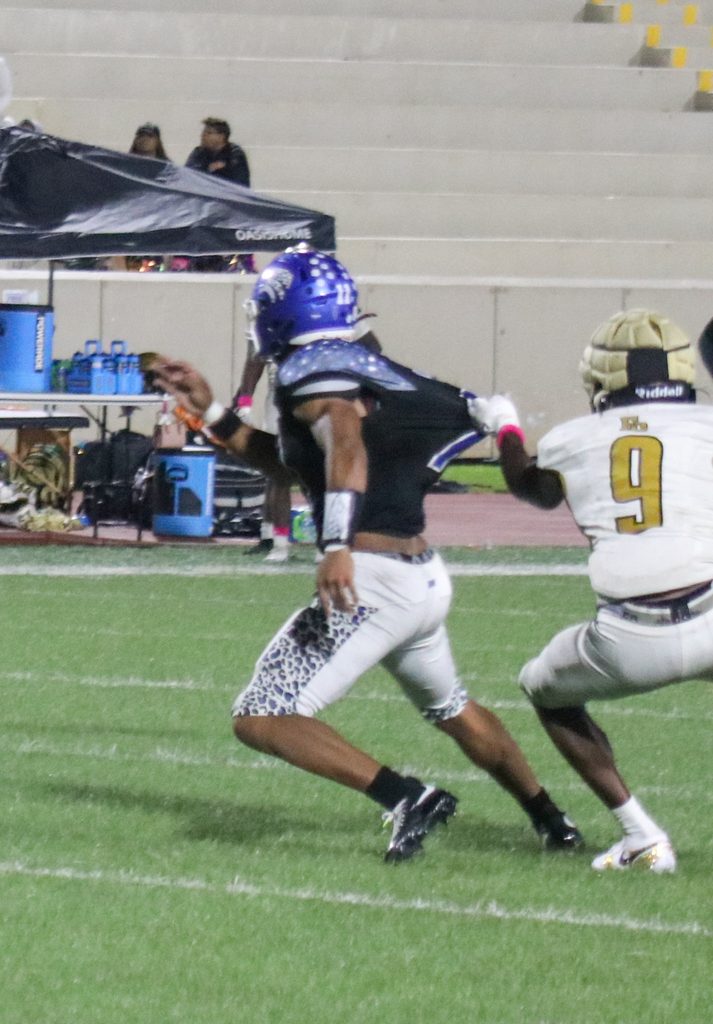
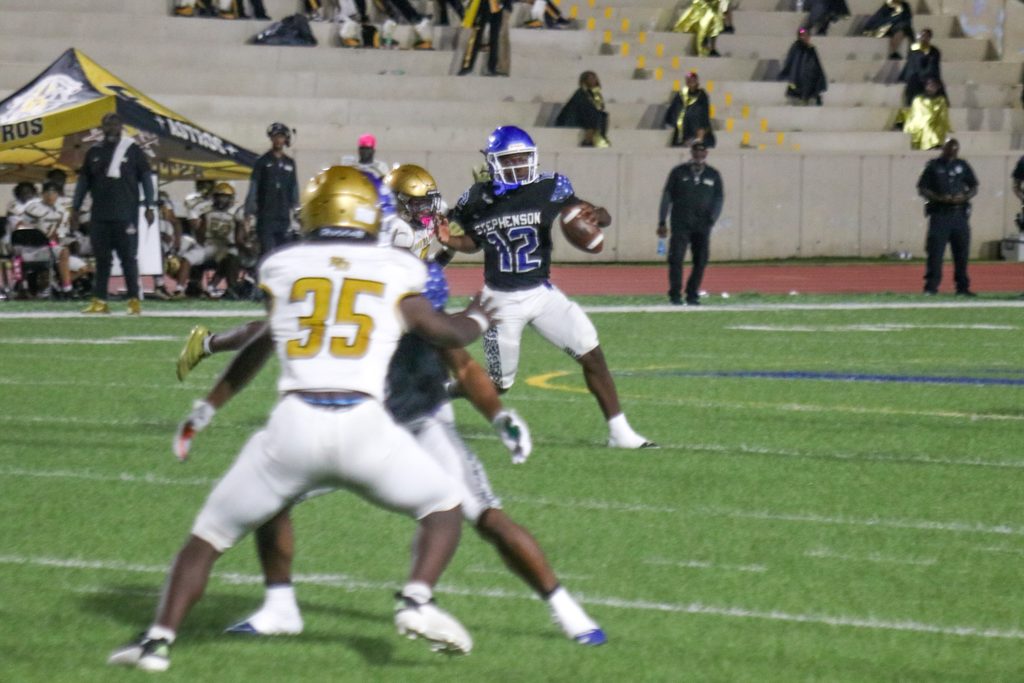
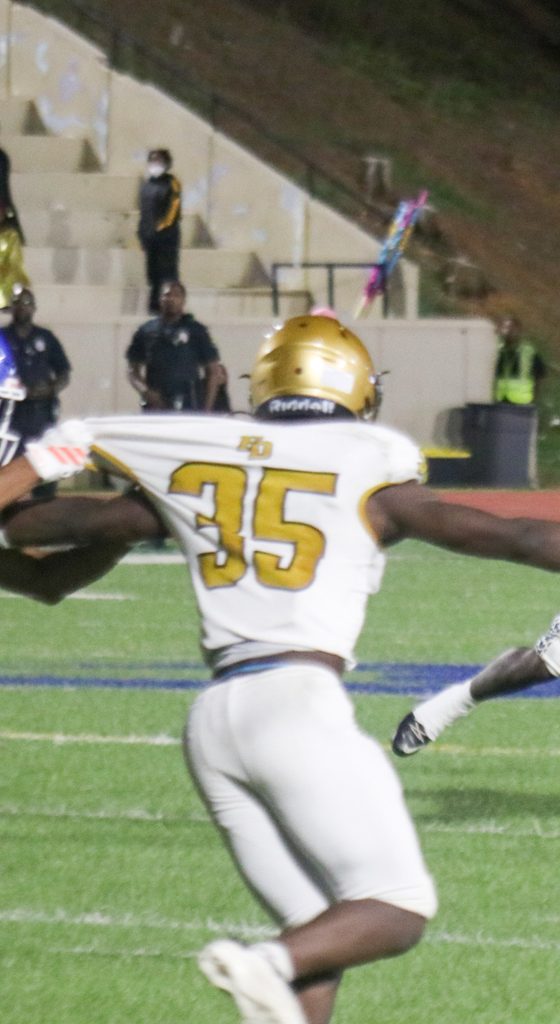
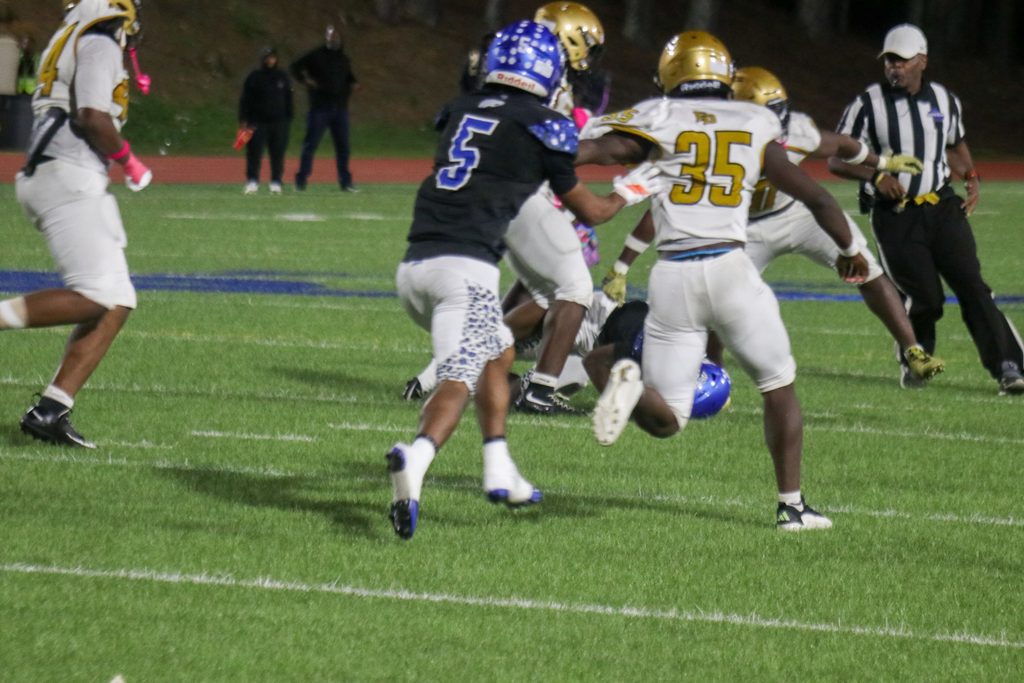
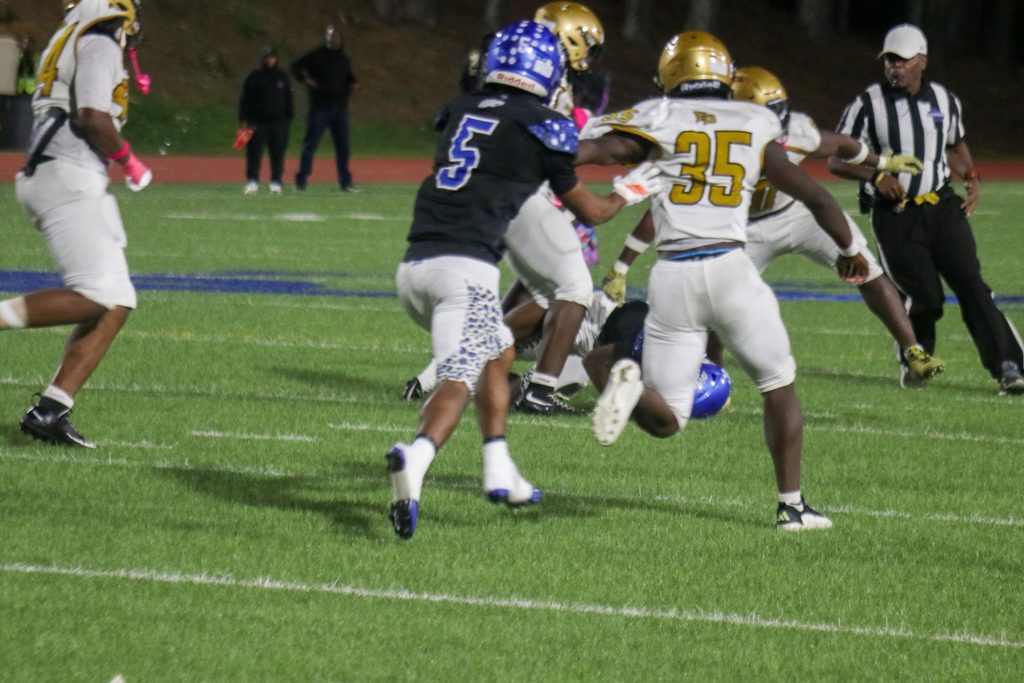
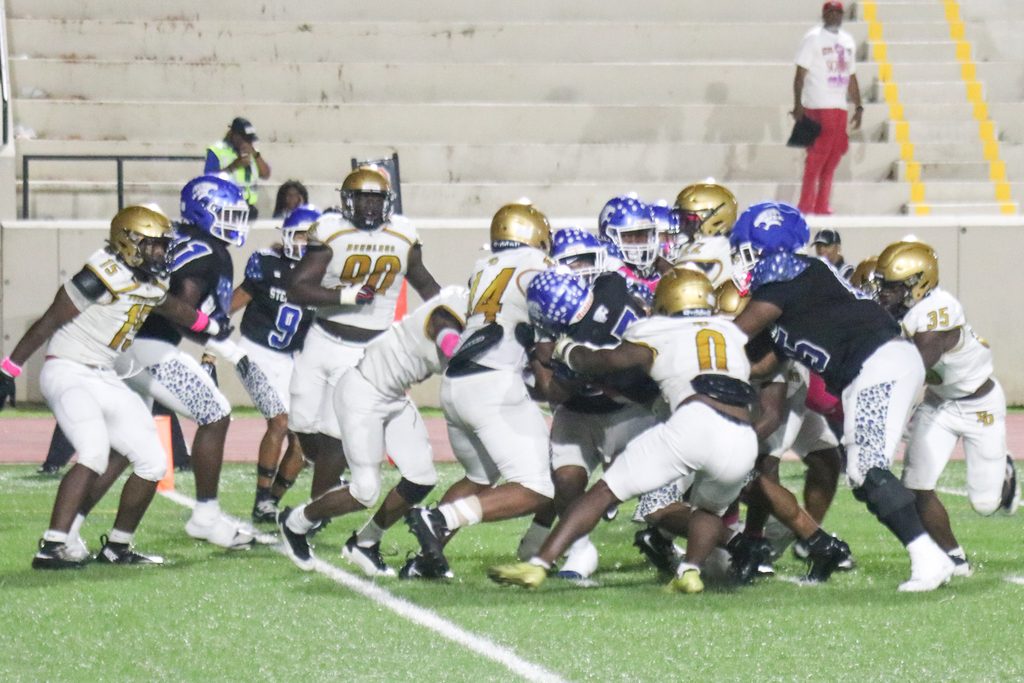
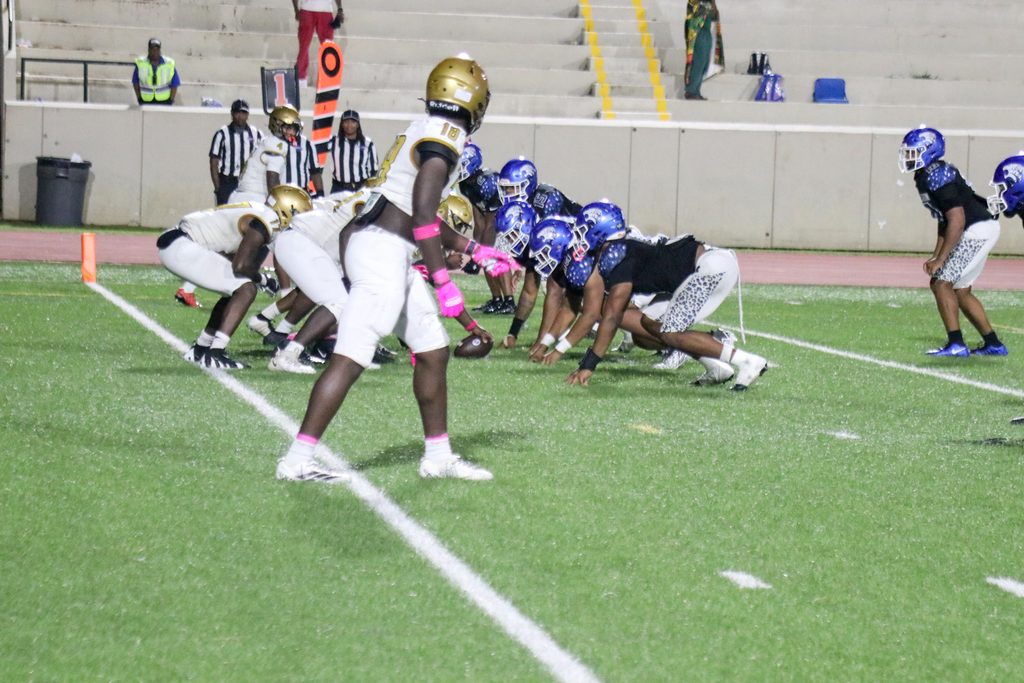
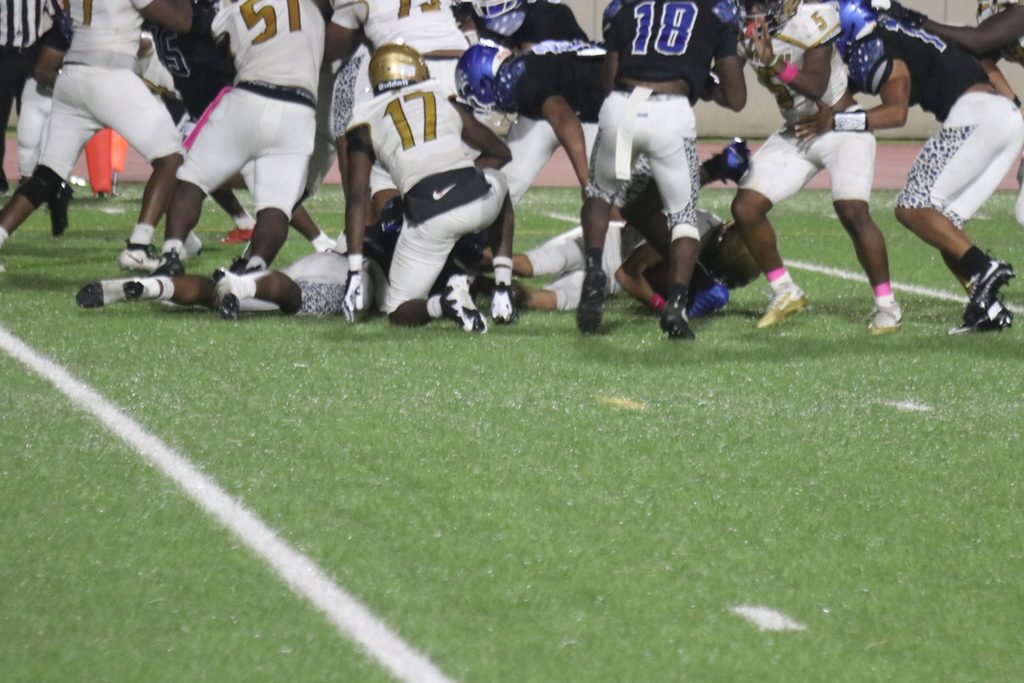
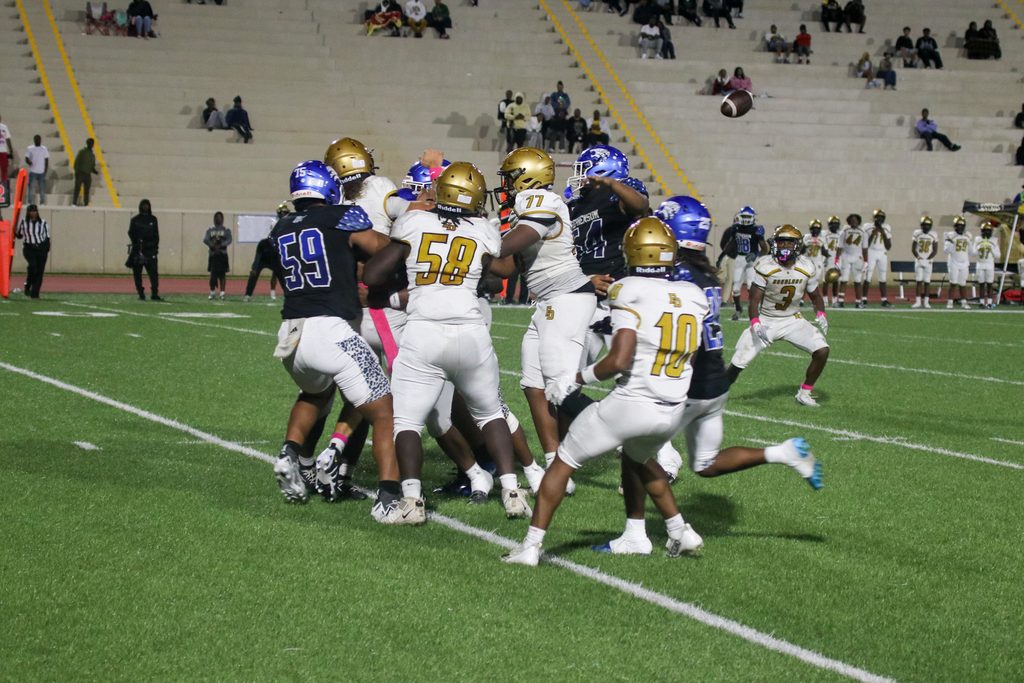
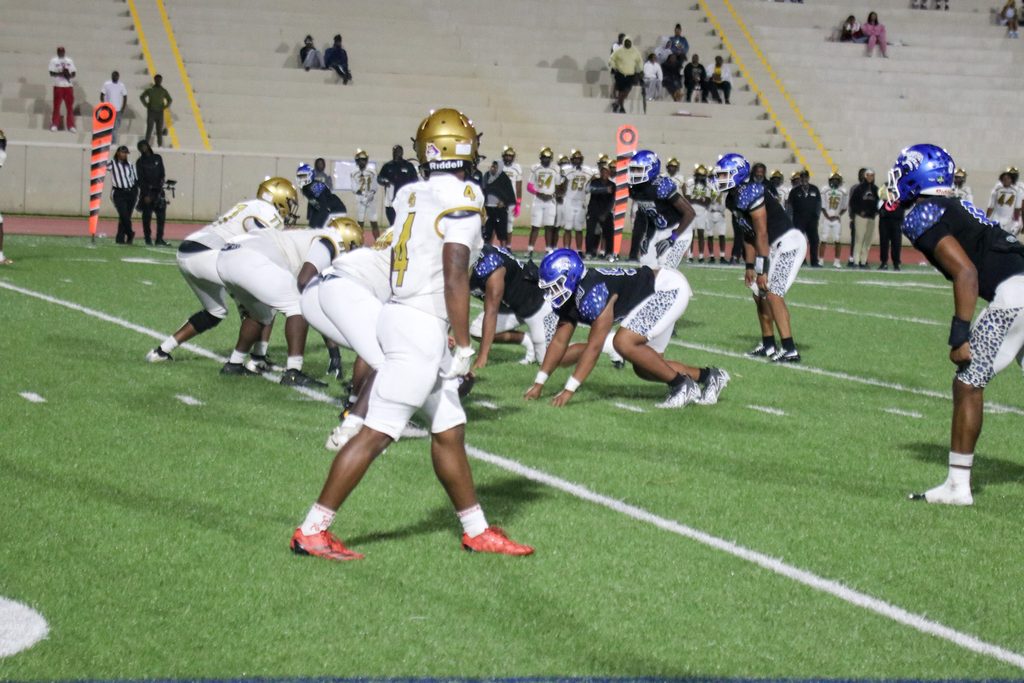
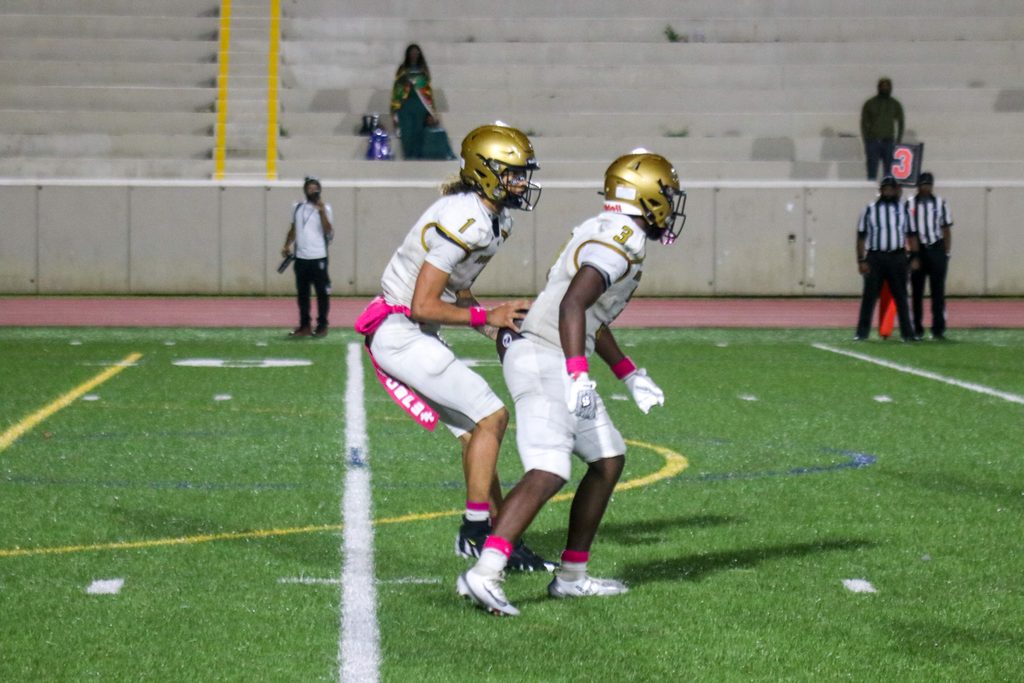
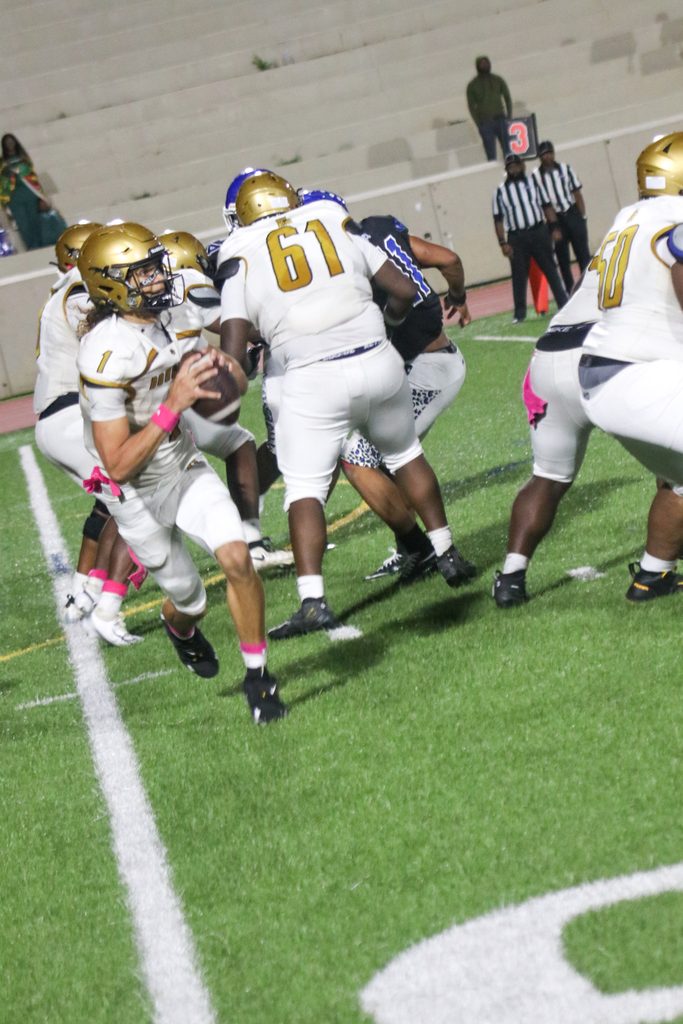
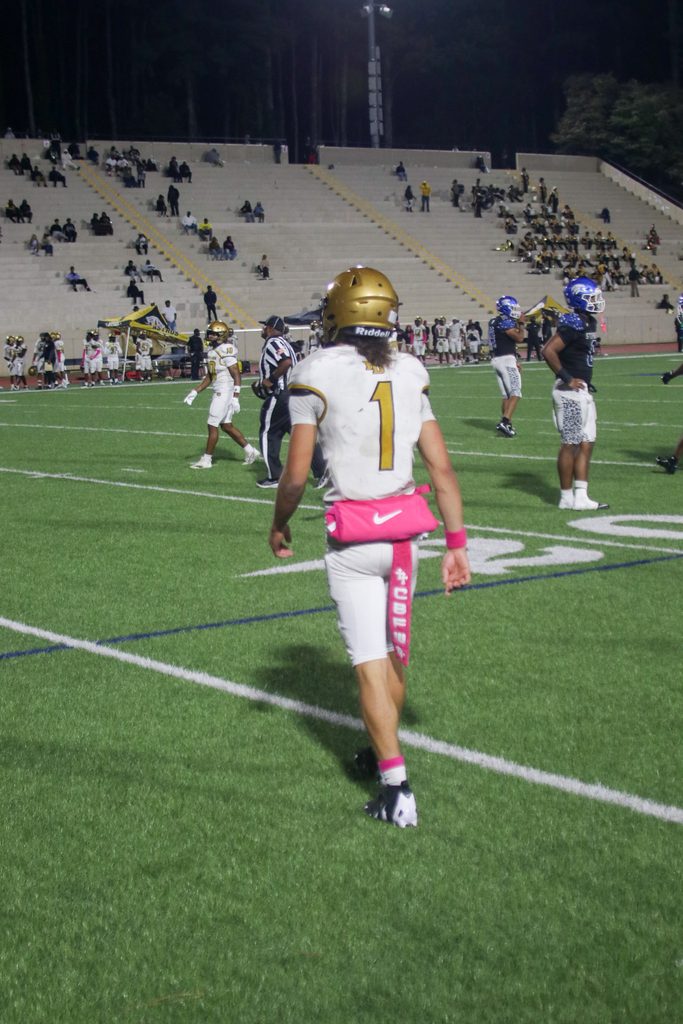
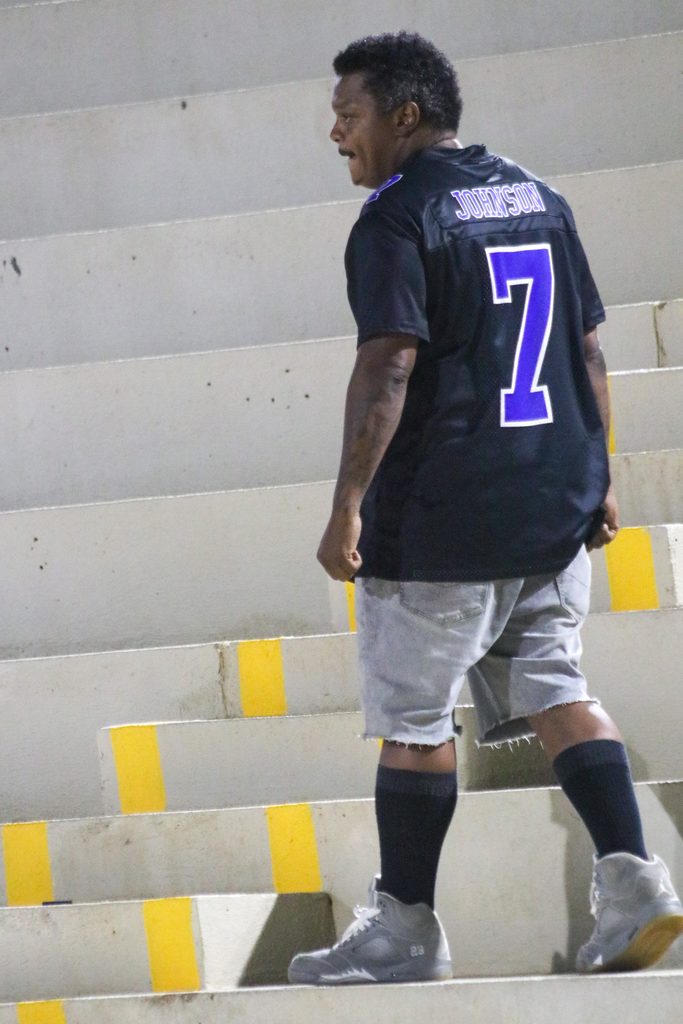
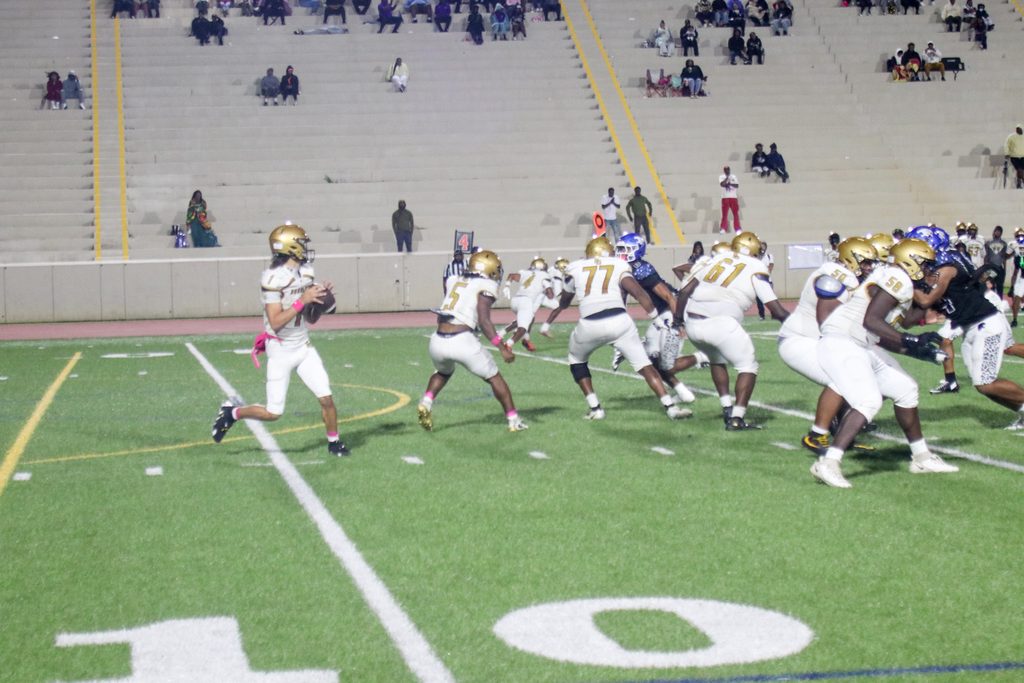
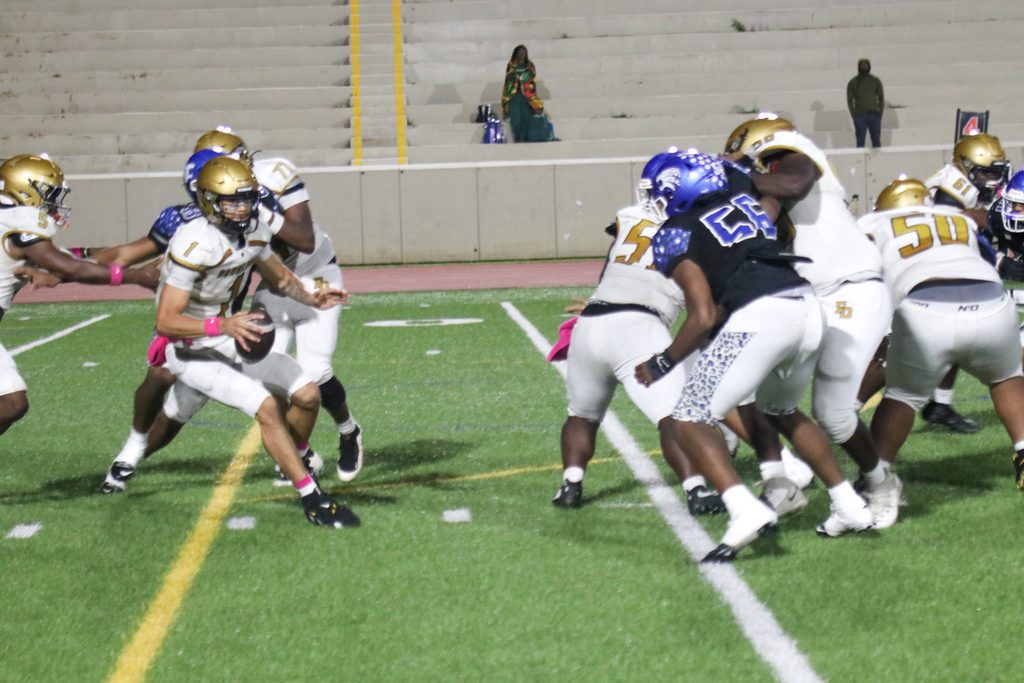
Photo Gallery: Stephenson High School vs. Frederick Douglas High School
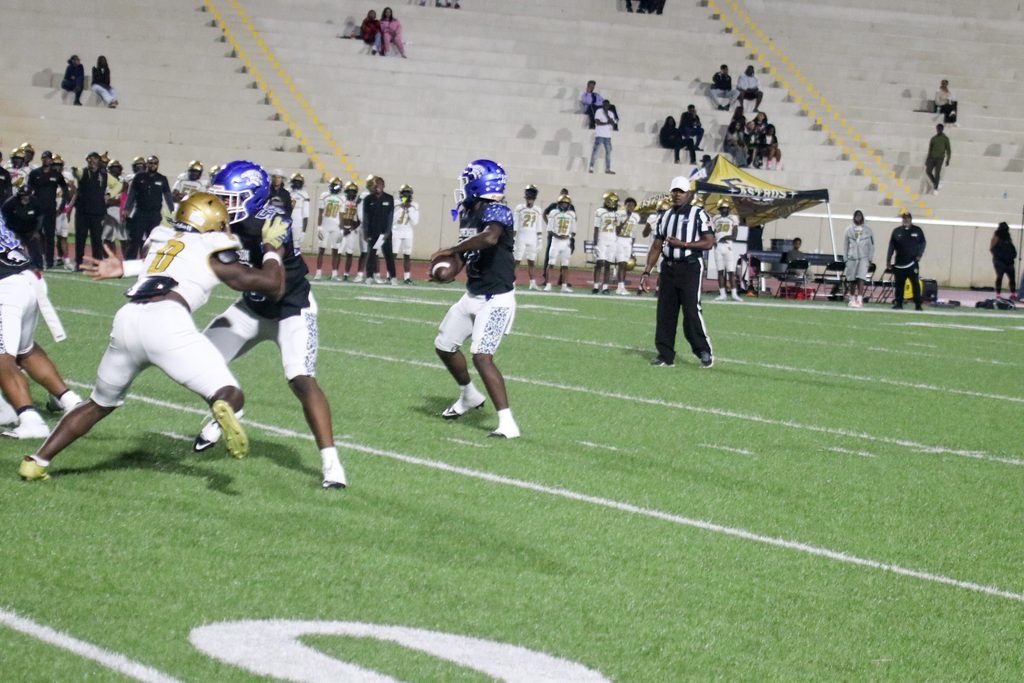
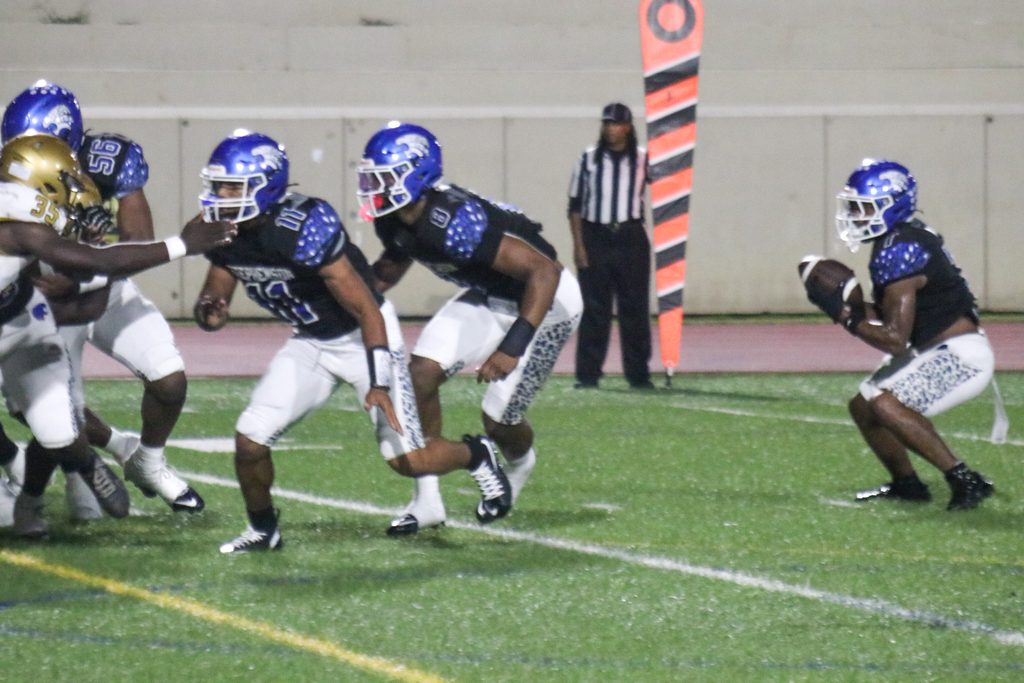
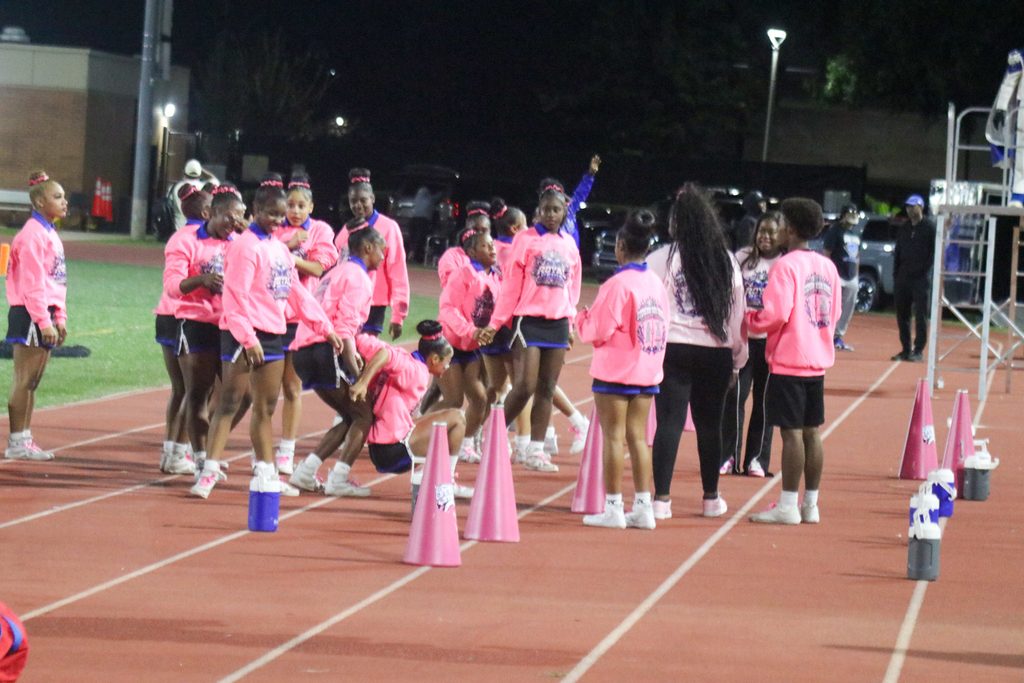
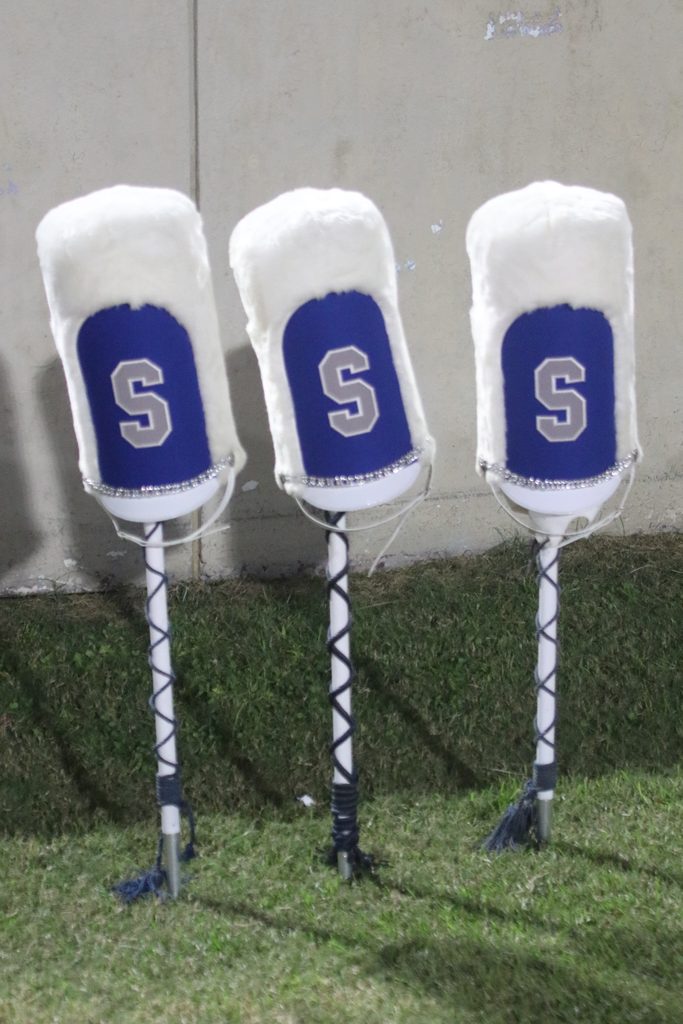
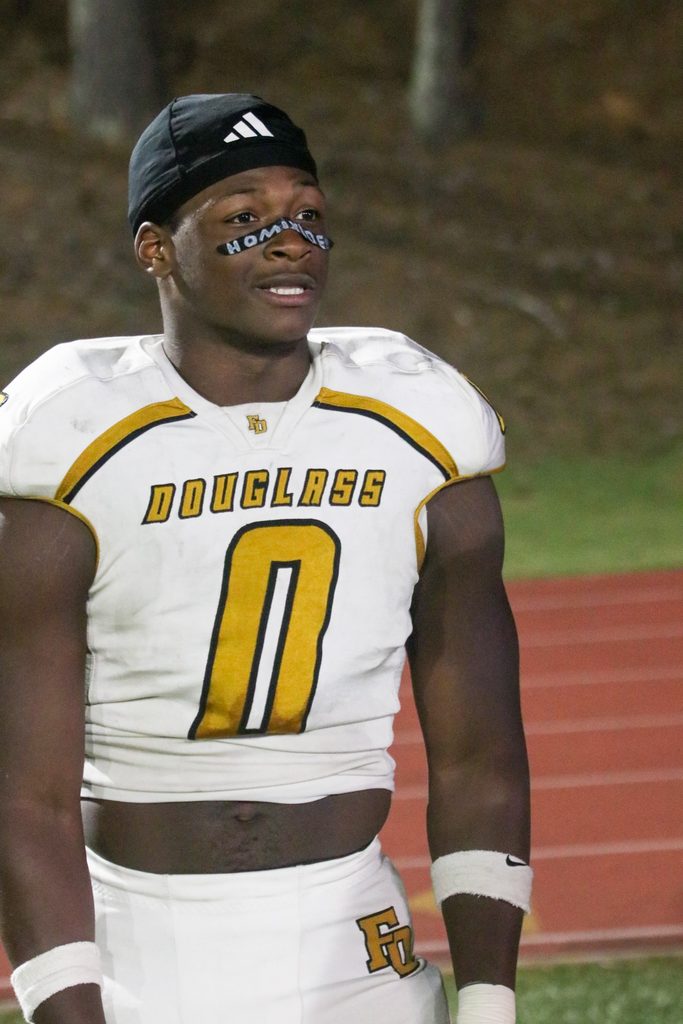
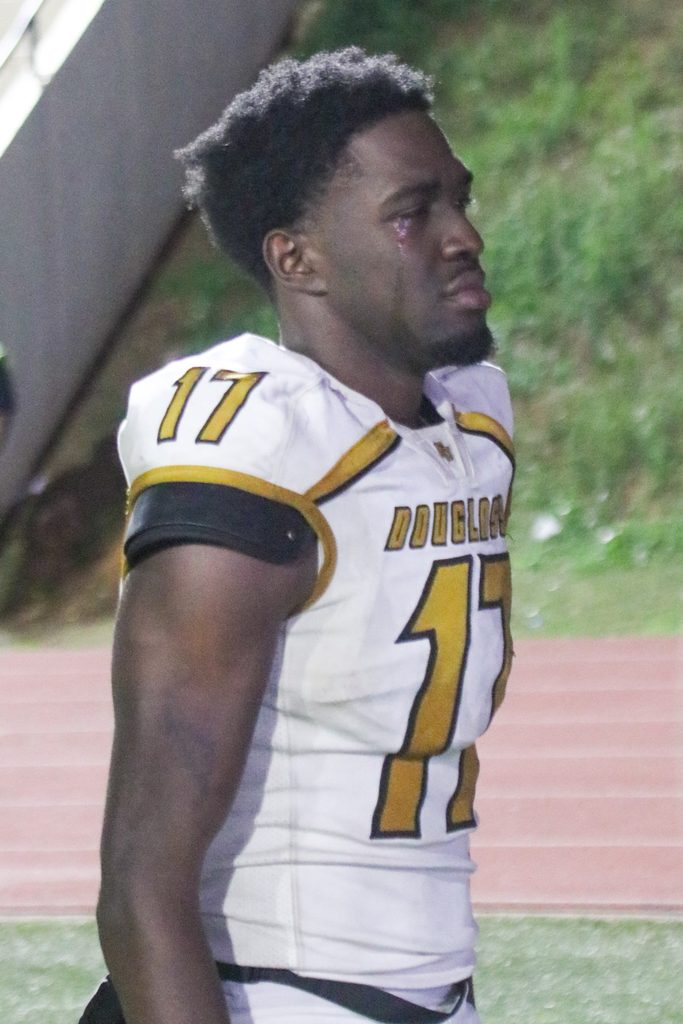
The Truth Seekers Journal continues its coverage of DeKalb County high school athletics with photographs from the Friday, October 16, 2026, matchup between Frederick Douglas and Stephenson. The gallery captures action from the field as well as the energy surrounding the game, including students, families, cheerleaders, marching band members, and supporters from both schools.
Final Score: Stephenson – Jaguars 7 Frederick Douglas – Astros 6
Truth Seekers Journal thrives because of readers like you. Join us in sustaining independent voices.
By Milton Kirby | DeKalb County, GA | October 16, 2026
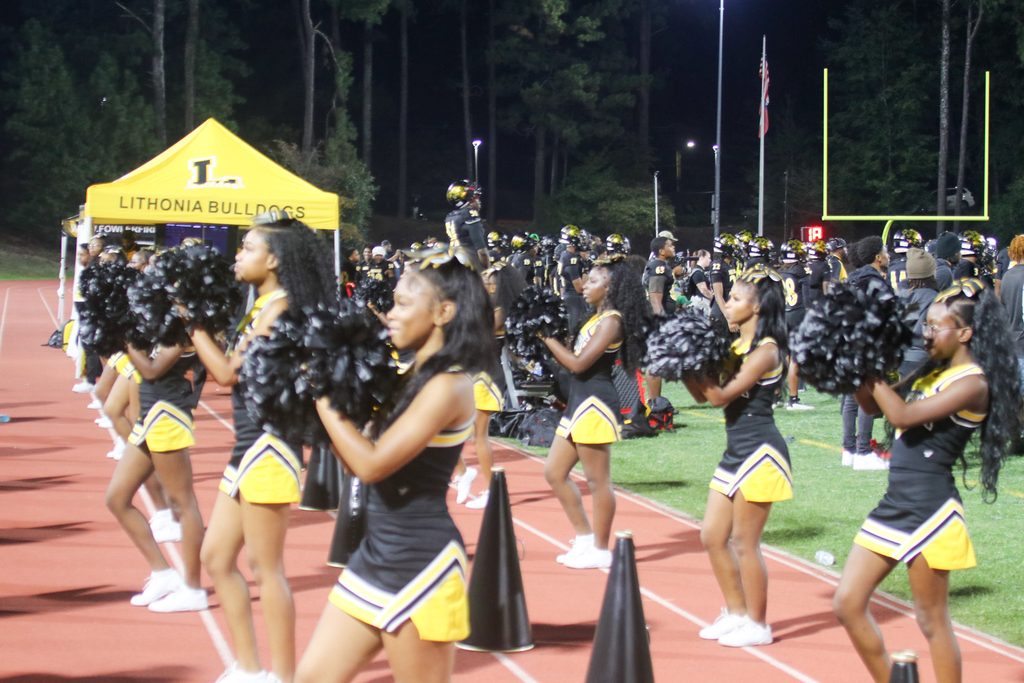
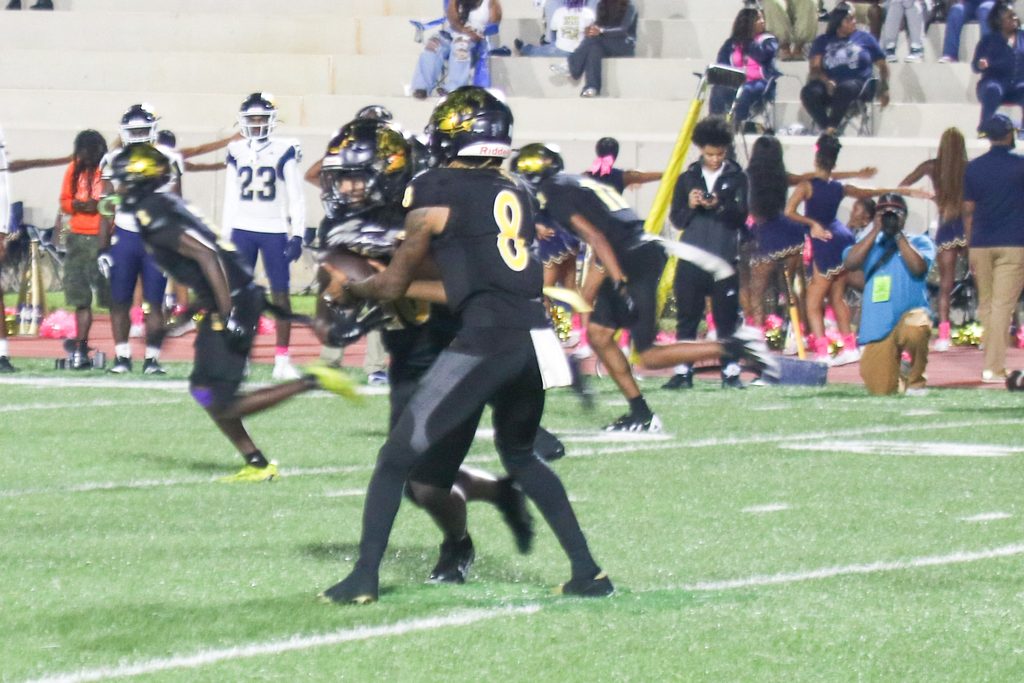
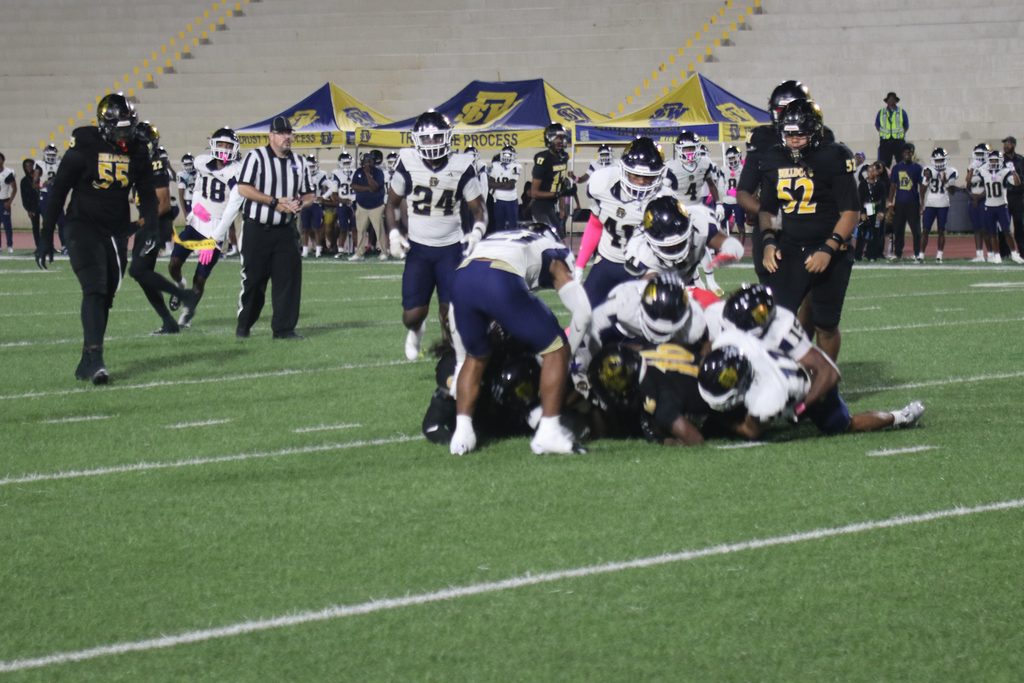
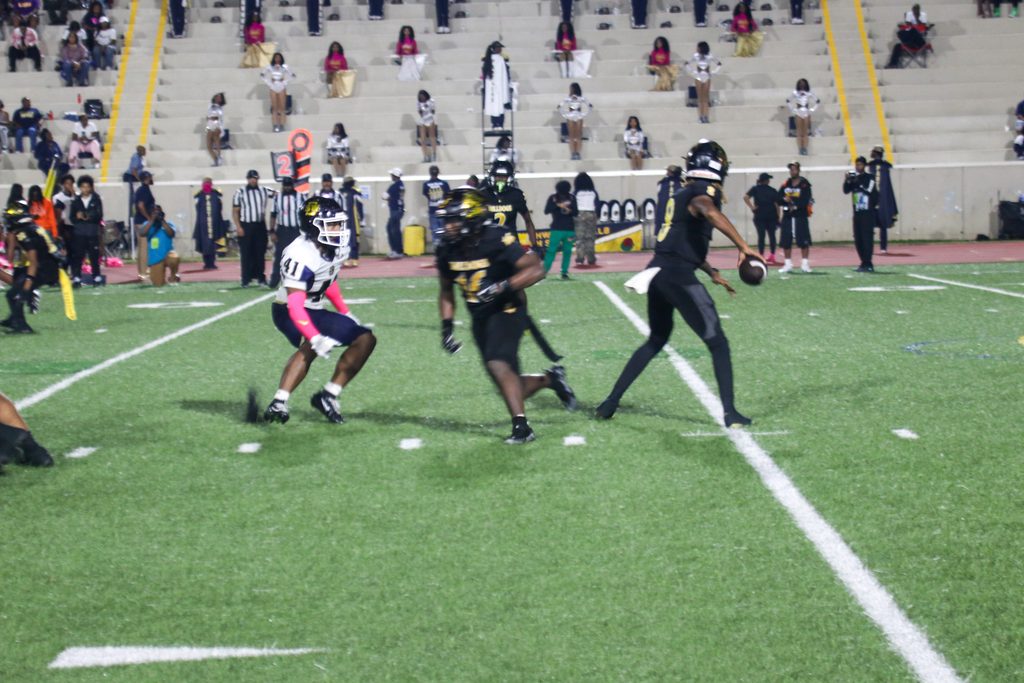
The Truth Seekers Journal (TSJ) is expanding its sports coverage to DeKalb County high schools, bringing game photography, athletic stories, and school spirit to readers across the community.
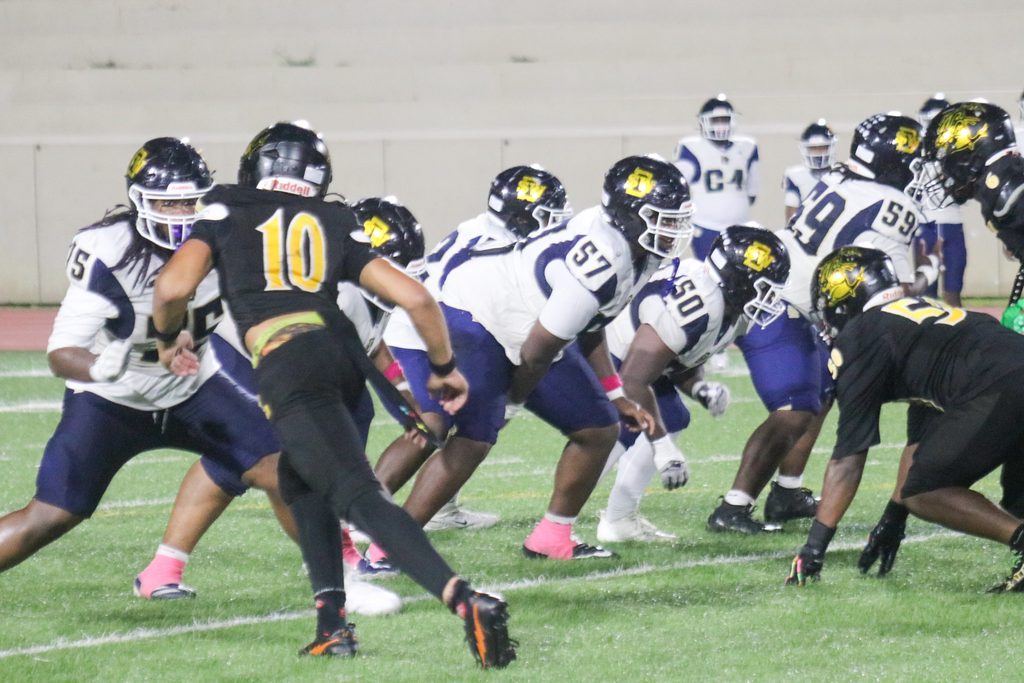
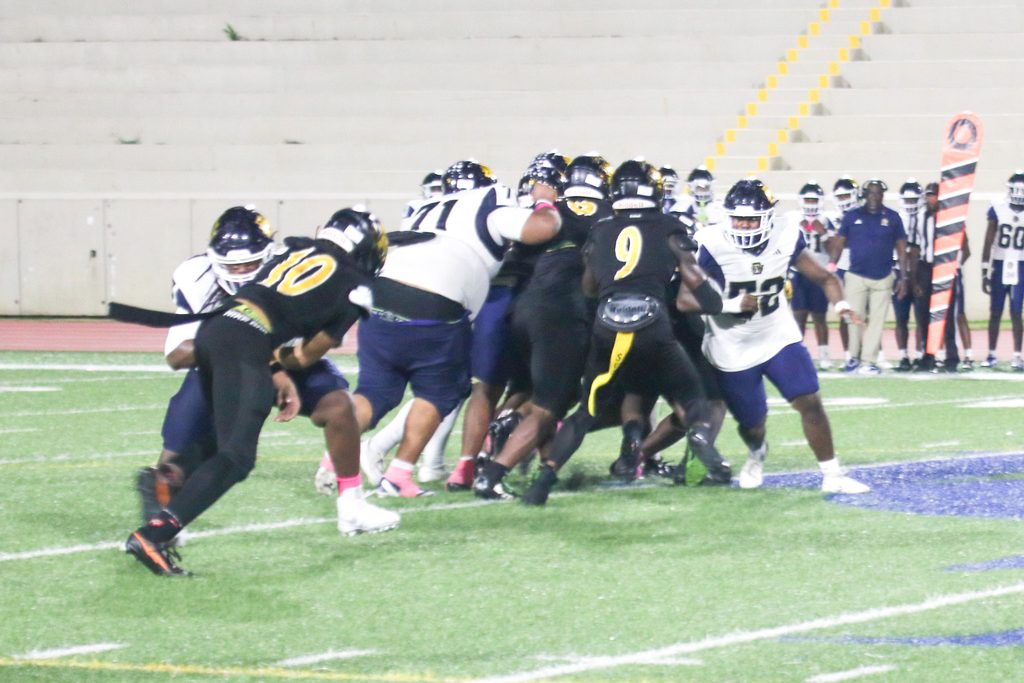
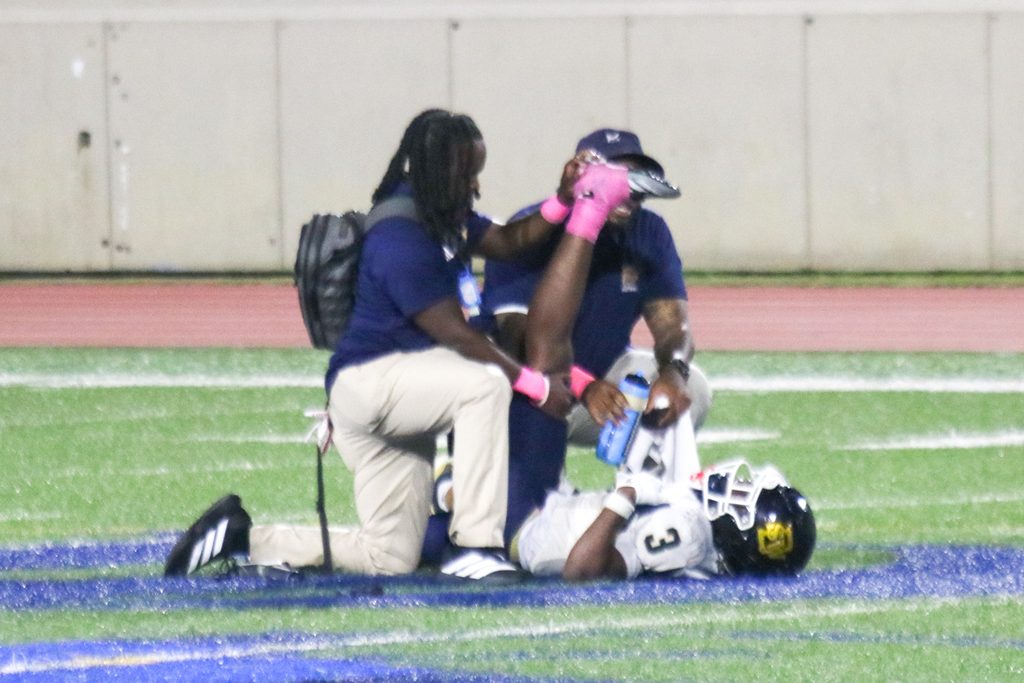
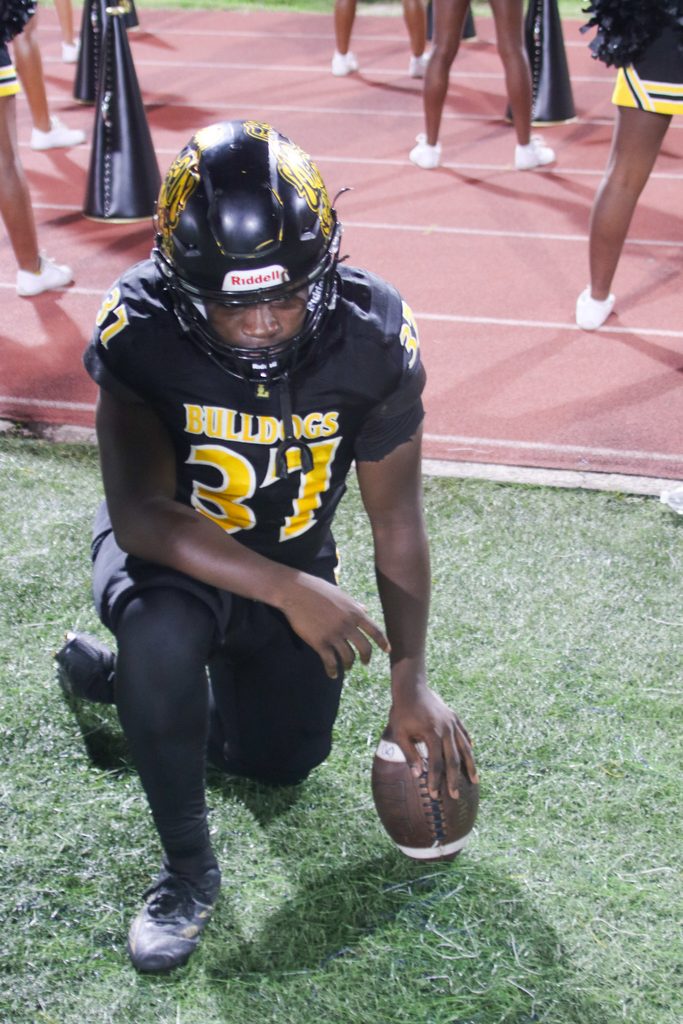
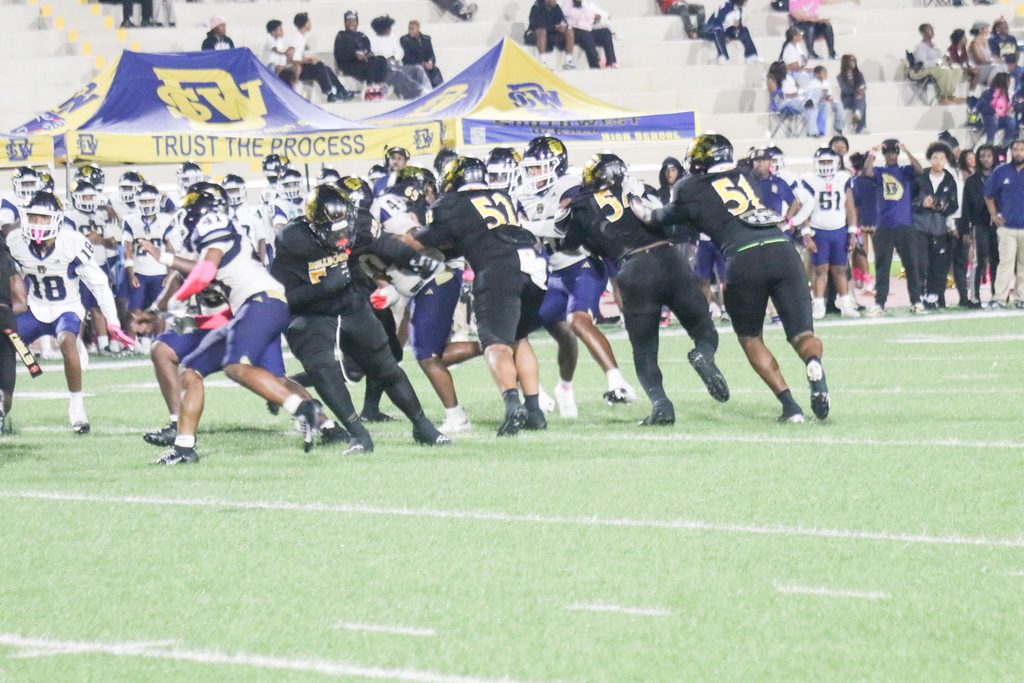
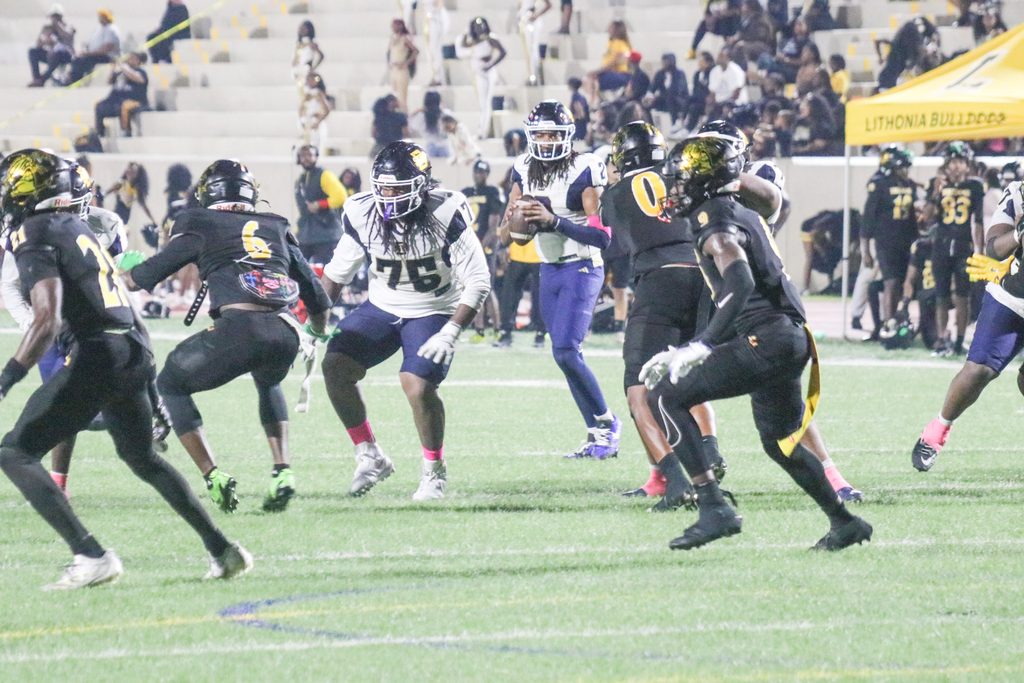
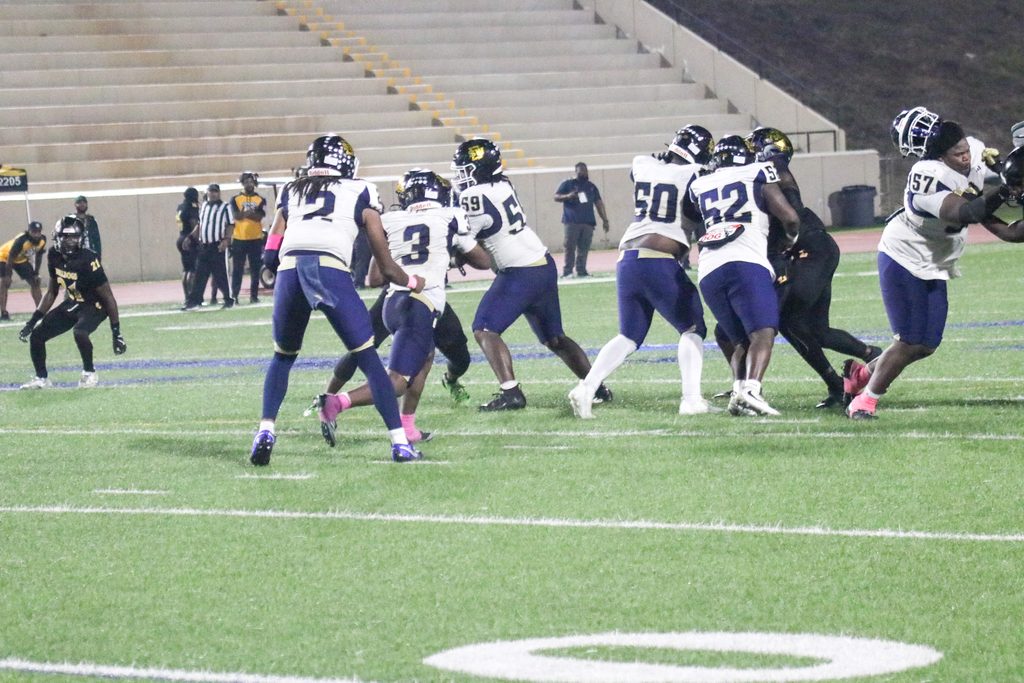
The new High School Sports section begins with photographic coverage of Thursday night’s football game between Lithonia High School and Southwest DeKalb High School.
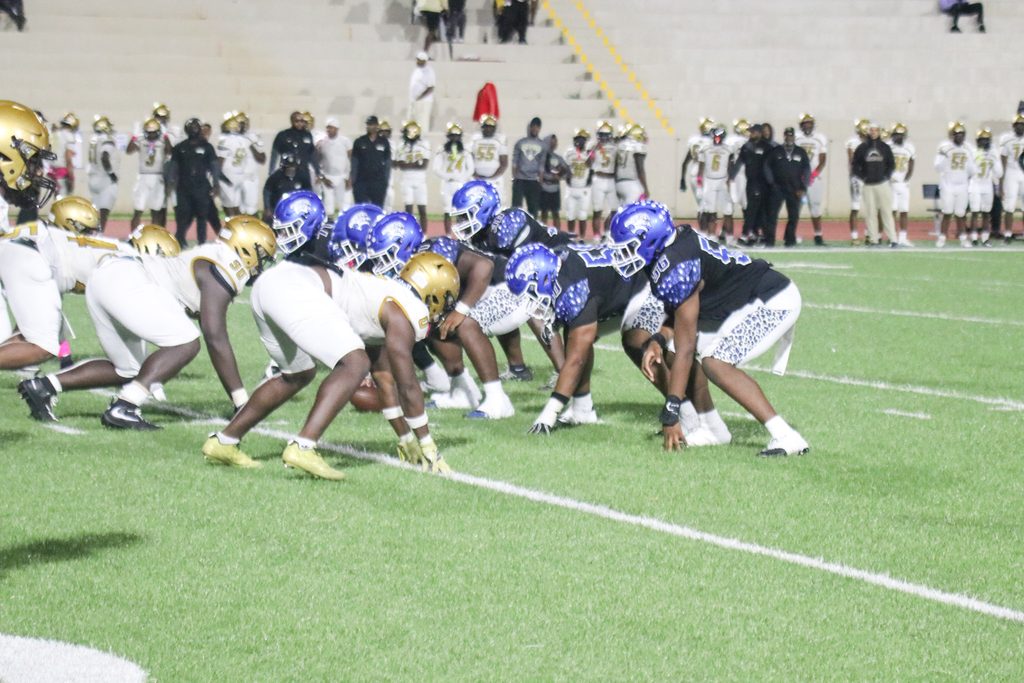
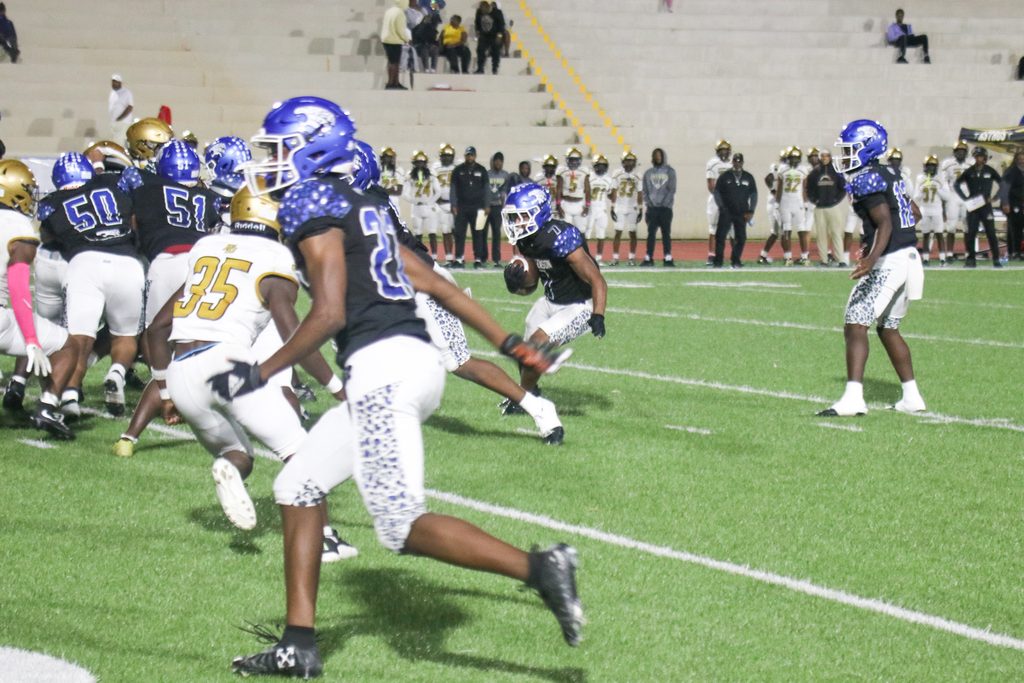
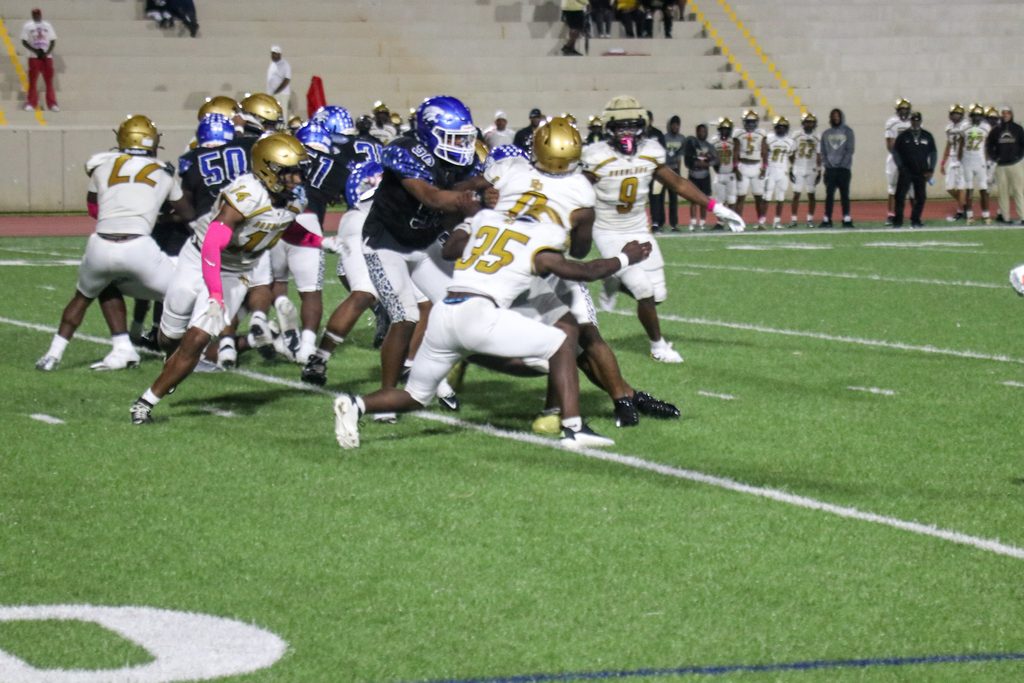
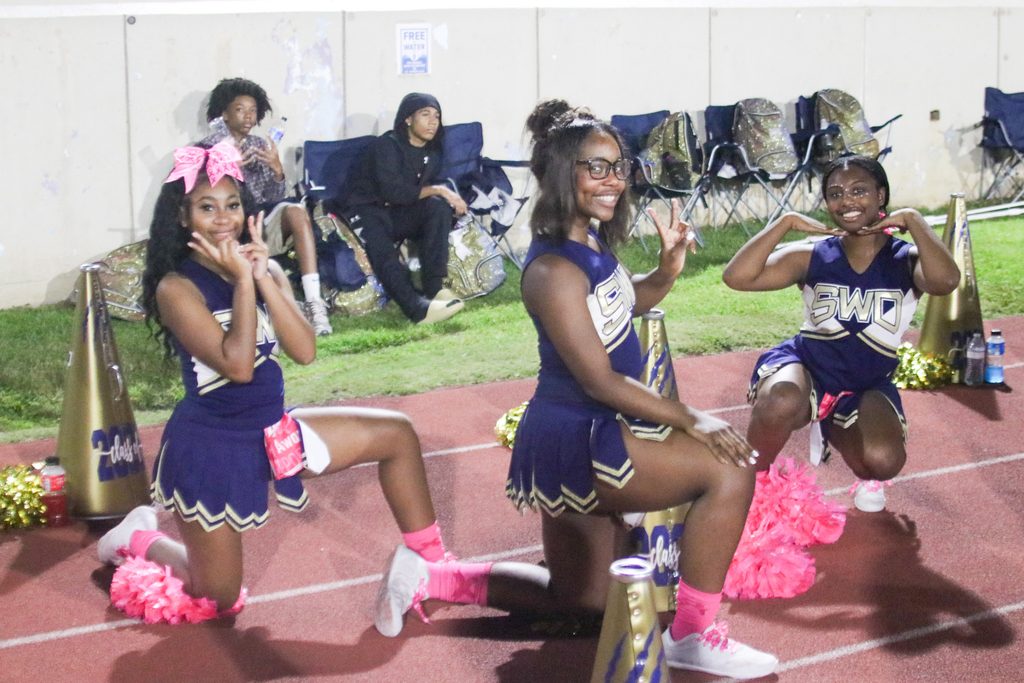
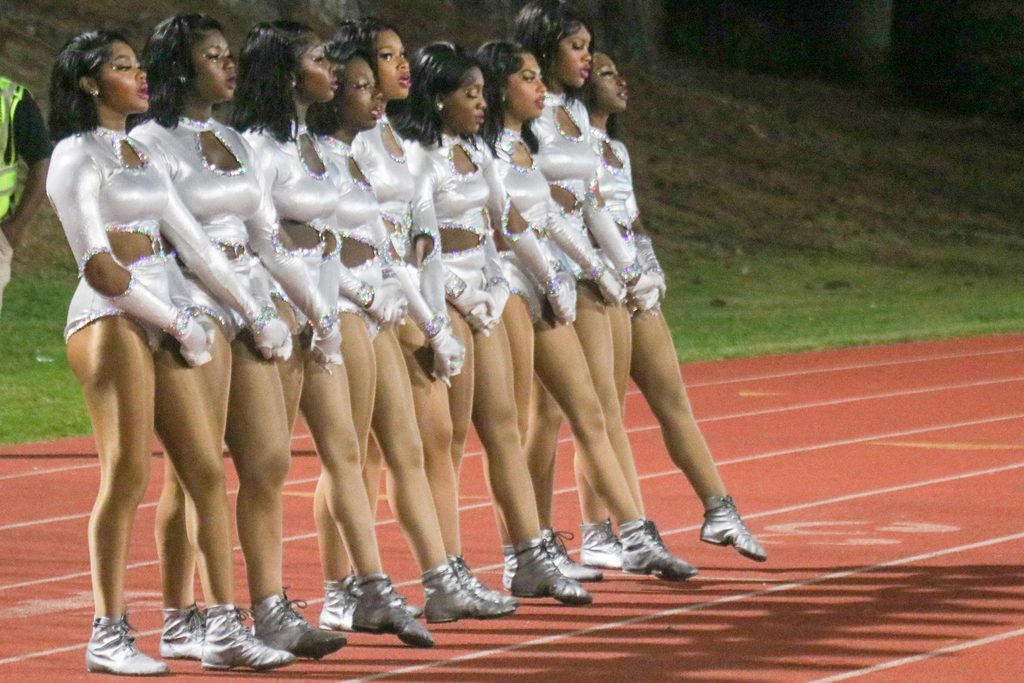
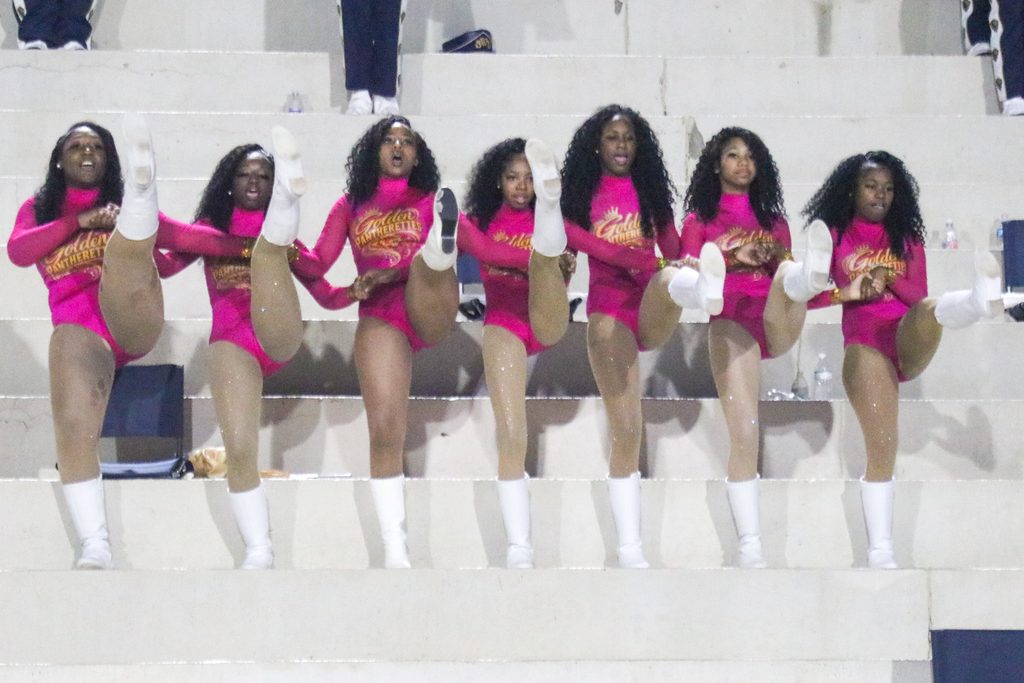
The photographs capture the action on the field and some of the activities surrounding the game, including marching bands, majorettes, cheerleaders, and fans.
For TSJ, the initiative is about more than football scores and game highlights. It is about recognizing student-athletes, celebrating school communities, and giving families another way to share in the accomplishments of young people.
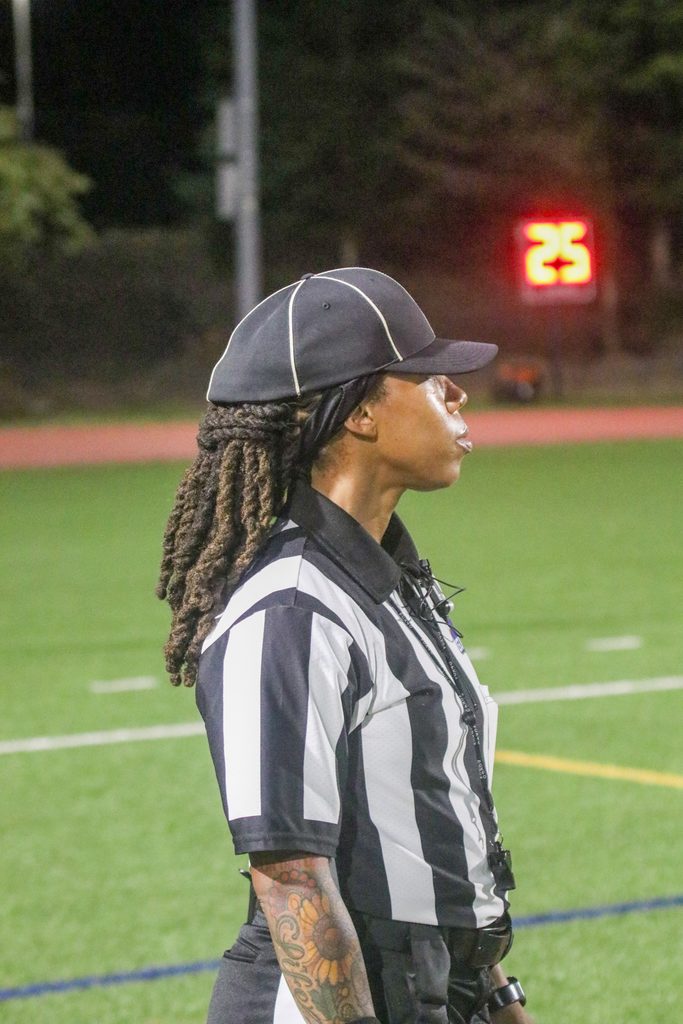
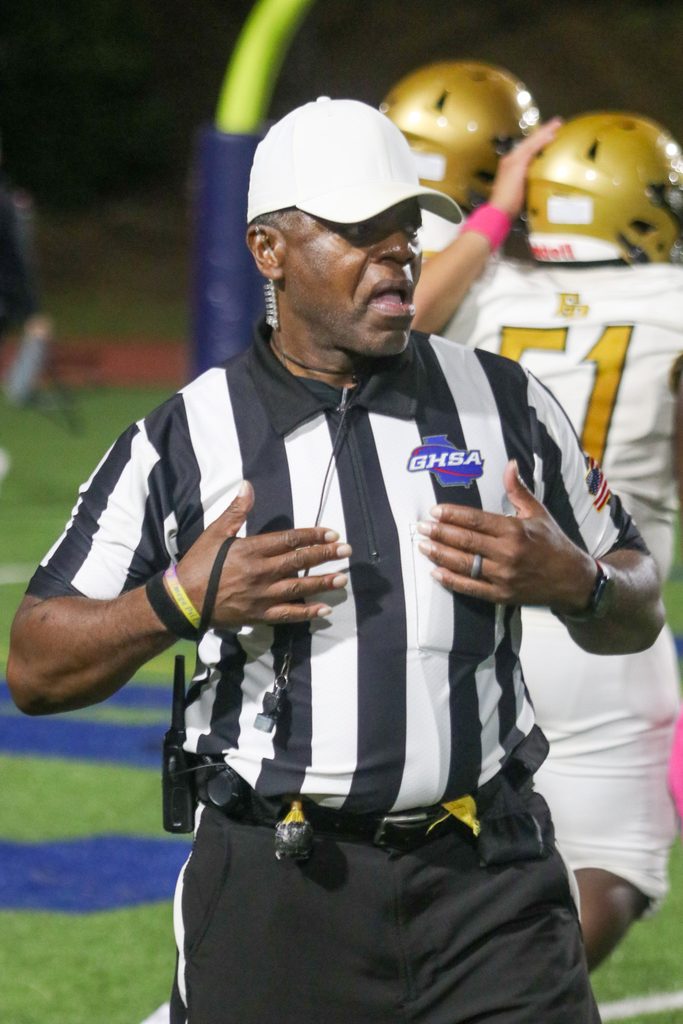
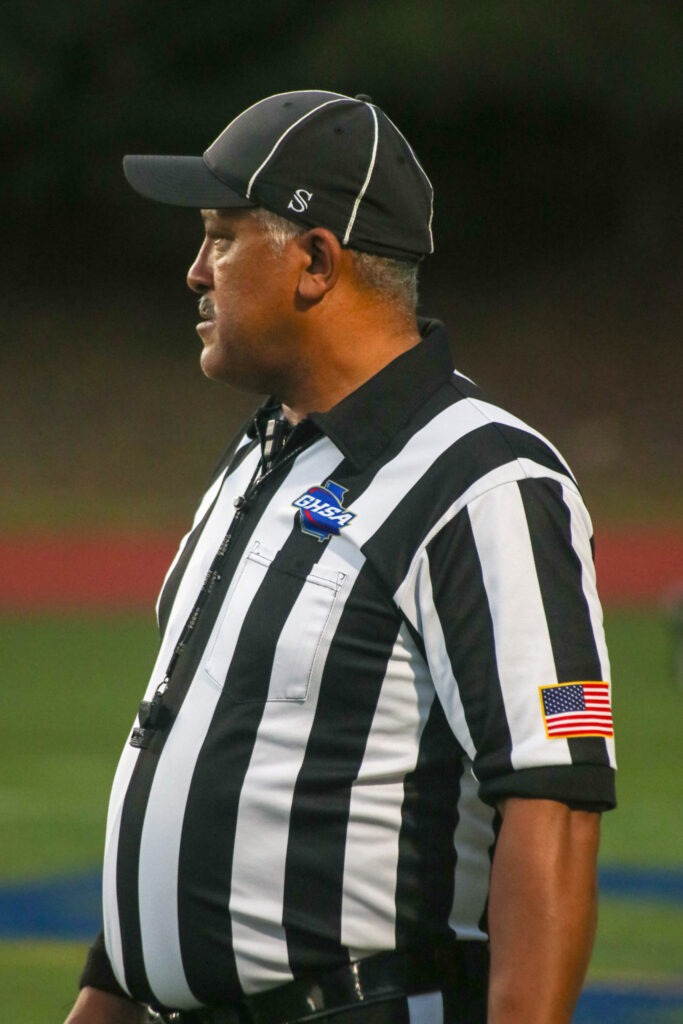
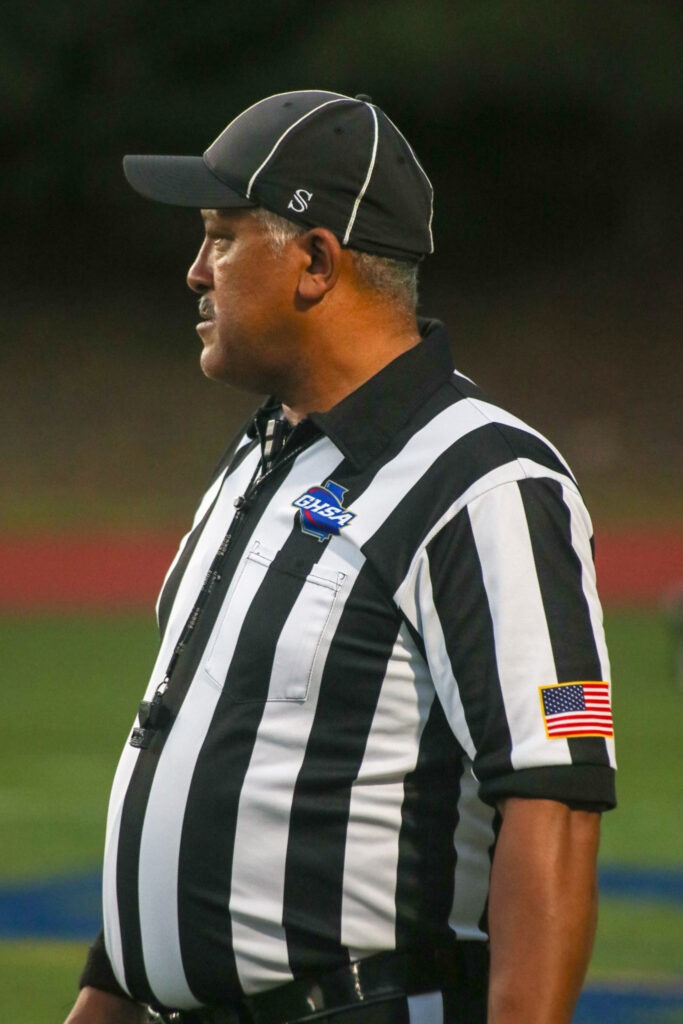
Southwest DeKalb vs Lithonia official (Milton Kirby)
More Than a Game
High school sporting events bring together students, parents, grandparents, teachers, coaches, alumni, and neighborhood residents.
While the athletes compete on the field, marching bands, majorettes, cheerleaders, and other student groups contribute to the traditions that make these events memorable.
TSJ plans to document those experiences through photographs and stories that families can revisit and share.
Photographs published in the High School Sports galleries will be available for families to download free of charge for personal, noncommercial use.
Creating Opportunities for Student Journalists
As the initiative develops, TSJ hopes to work with participating schools to provide opportunities for students interested in journalism, sports writing, photography, and digital media.
The long-term goal is to introduce student contributors to the fundamentals of reporting, interviewing, photography, and responsible publishing.
Student-produced stories and photographs would be reviewed by TSJ before publication.
The initiative will begin on a limited basis, with opportunities to expand as relationships with schools and community supporters develop.
Southwest DeKalb vs Lithonia (Milton Kirby)
Community Support Will Be Important
TSJ plans to explore community sponsorships and grant opportunities to help sustain the coverage and support future student journalism activities.
The publication’s goal is to make its high school sports photographs accessible to families without charging for personal downloads.
A First Look at Lithonia and Southwest DeKalb
The opening photo collection features scenes from the October 15 football matchup between Lithonia and Southwest DeKalb.
TSJ has requested official game statistics and summaries from the coaching staffs and plans to publish additional game coverage when the information is received and verified.
Readers are invited to explore the photographs, share the coverage with family and friends, and follow The Truth Seekers Journal on Instagram for additional game-day images.
The Truth Seekers Journal welcomes inquiries from schools, students, coaches, and community organizations interested in participating in or supporting its High School Sports coverage.
Truth Seekers Journal thrives because of readers like you. Join us in sustaining independent voices.
Angel Reese, Rhyne Howard and Jordin Canada earn 2026 WNBA All-Defensive honors after leading the Atlanta Dream to a historic defensive season.
Three Dream players earn All-Defensive Team recognition after anchoring one of the league’s toughest defenses during the 2026 season.
By Milton Kirby | Atlanta, GA | October 16, 2026
The Atlanta Dream’s defense has been one of the driving forces behind the team’s remarkable 2026 season. Now, three of the players responsible for that success have earned recognition among the WNBA’s best defenders.
Angel Reese and Rhyne Howard were named to the 2026 WNBA All-Defensive First Team, while Jordin Canada earned Second Team honors, the league announced October 15.
The selections mark just the second time in franchise history that Atlanta has placed two players on the All-Defensive First Team. It is also the third time three Dream players have received All-Defensive honors in the same season.
But one statistic makes this year’s recognition particularly noteworthy.
Reese, Howard and Canada became the first three teammates in WNBA history to finish a season ranked first, second and third in steals per game.
Howard led the league with 2.3 steals per game, followed by Canada at 1.9 and Reese at 1.8.
Together, the trio averaged six steals per game, helping establish Atlanta as one of the league’s most disruptive defensive teams.
Reese Adds Another Historic Honor
For Reese, the First Team selection adds to an already impressive list of accomplishments.
The 24-year-old forward was named the 2026 WNBA Defensive Player of the Year, becoming the first player in Atlanta Dream history to receive the award.
Her All-Defensive First Team selection is also the first of her career.
Reese led the league in defensive win shares at 3.4, a statistic that estimates how much a player’s defensive performance contributes to team victories.
She also ranked fourth in defensive rating at 100.0 and finished the regular season with 32 blocked shots.
Perhaps the most revealing statistic was Atlanta’s performance when Reese was on the court.
According to the Dream, the team allowed 7.9 fewer points per 100 possessions with Reese playing, the largest defensive difference among Atlanta’s rotation players.
Her presence around the basket, ability to secure rebounds and willingness to challenge opposing players helped shape the Dream’s defensive identity.
Howard Establishes Herself Among League’s Best
Howard’s selection represents another step in her development as one of the WNBA’s premier two-way players.
After earning All-Defensive Second Team recognition in 2025, Howard moved up to the First Team in 2026.
She led the league with 2.3 steals per game and established a new Atlanta Dream single-season franchise record for steals.
Howard also ranked third in the WNBA in defensive win shares at 3.2 and 15th in total blocked shots with 39.
Her ability to defend on the perimeter, disrupt passing lanes and challenge shots has made her especially valuable to Atlanta.
Although Howard is widely recognized for her scoring ability, her defensive contributions have become an equally important part of her game.
That versatility allows the Dream to pressure opposing guards while maintaining the size and athleticism needed to defend multiple positions.
Canada Continues Her Defensive Excellence
For Canada, the recognition reinforces a reputation she has built throughout her WNBA career.
The veteran guard earned her third All-Defensive Team selection, adding a Second Team honor to two previous First Team selections.
Canada finished second in the league with 1.9 steals per game and ranked ninth in defensive win shares at 2.6.
Her defensive value begins with pressure on opposing ball handlers.
Canada’s quickness, anticipation and ability to force opponents into difficult decisions often create opportunities for her teammates.
She also helps turn defensive stops into fast-break scoring opportunities, an important part of Atlanta’s offensive approach.
Together with Howard and Reese, Canada gives the Dream three defenders capable of changing the direction of a game without scoring a basket.
Defense Becomes Atlanta’s Calling Card
The individual honors reflect a broader team achievement.
Atlanta finished the regular season among the WNBA’s top three teams in defensive rating at 103.5 points allowed per 100 possessions.
The Dream also led the league in points scored off turnovers, averaging 18.1 per game.
Equally important, Atlanta allowed opponents just 6.9 fast-break points per game, the lowest average in the league.
That combination illustrates the balance of the team’s defensive approach.
The Dream pressure opponents into mistakes while limiting opportunities for opposing teams to score in transition.
Atlanta also placed three players among the WNBA’s top 10 in defensive win shares, with Reese first, Howard third and Canada ninth.
Those results reflect a defensive system built around individual talent, communication and teamwork.
Recognition Comes During Historic Championship Run
The awards arrive during one of the most significant seasons in Atlanta Dream history.
On Monday, October 19, Atlanta defeated the Golden State Valkyries 79-65 in Game 2 of the WNBA Finals, earning the franchise’s first victory in a championship series.
The win ended a 10-game Finals losing streak dating to Atlanta’s previous championship appearances in 2010, 2011 and 2013.
Reese led the way with 30 points and 16 rebounds, while the Dream’s defensive pressure helped hold Golden State to 34.4 percent shooting.
The performance demonstrated how the defensive strengths recognized by the league have carried into the postseason.
Atlanta now has an opportunity to build on that success as the championship series moves to State Farm Arena.
For Reese, Howard and Canada, the All-Defensive honors recognize individual excellence.
For the Dream, they confirm something opponents have experienced throughout the season: Atlanta’s defense is not simply a supporting part of its success.
It is one of the reasons the team is competing for its first WNBA championship.
Truth Seekers Journal thrives because of readers like you. Join us in sustaining independent voices.
French photographer Cyril Bailleul brings Black cowboy history to Normandy through photographs celebrating the Bill Pickett Invitational Rodeo, family traditions, and African American heritage.
An unexpected encounter with the Bill Pickett Invitational Rodeo became a photographic journey connecting Black Western heritage, family, and civil rights
By Milton Kirby | Atlanta, GA | October 13, 2026
In 2012, French photographer Cyril Bailleul arrived at a rodeo outside Atlanta expecting to see the cowboys he had known from American movies.
Instead, he discovered a part of American history he never knew existed.
His mother-in-law had surprised him with tickets to the Bill Pickett Invitational Rodeo (BPIR). Bailleul had been fascinated by American culture since his first visit to the United States in 2007. He wanted to experience the motels, drive-in theaters, and cowboys he had seen on screen.
Cyril Bailleul
But when he and his family approached the rodeo arena, something immediately caught his attention.
The crowd was overwhelmingly African American.
In a written statement accompanying his upcoming photography exhibition in France, Bailleul recalled that he had not known Black cowboys existed.
What began as a family outing became a journey of discovery that has continued for more than a decade.
This October, Bailleul’s exhibition, In the Footsteps of Bill Pickett – American Cowgirls & Cowboys, will be presented at Château de Pontécoulant in Normandy as part of Equidays, a regional celebration of horses and equestrian culture.
The exhibition introduces French audiences to the people, traditions, and overlooked history of Black cowboys and cowgirls in America.
Discovering the Cowboys Hollywood Overlooked
During an October 12 interview with The Truth Seekers Journal, Bailleul recalled that his first rodeo experience was unlike anything he expected.
Instead of finding only rugged competitors and dangerous sporting events, he encountered families, children, and a welcoming community.
Spectators sitting nearby explained the rules of the competition.
He enjoyed the rodeo but left wanting to know more about the people and the history behind it.
As he began researching, Bailleul learned that Black cowboys had played an important role in developing the American West.
Historians commonly estimate that roughly one in four cowboys working the cattle trails after the Civil War was African American. Many were formerly enslaved people who found opportunities working with horses and cattle.
Yet Hollywood Westerns largely excluded Black cowboys, helping create an image of the American frontier that failed to reflect its diversity.
Established by the late Lu Vason, BPIR was created to celebrate the contributions of Black cowboys and cowgirls and provide a national platform for African American rodeo competitors.
Today, under the leadership of Valeria Howard Cunningham, the rodeo continues that mission while emphasizing families, education, and community engagement.
For Bailleul, BPIR represents something much larger than competition.
Throwing a Lasso – BPIR Atlanta, GA 2018 (Cyril Bailleul)
Portraits Tell a Different Story
Unlike many rodeo photographers, Bailleul does not concentrate primarily on bucking bulls, racing horses, or dramatic action inside the arena.
He prefers portraits.
During our interview, I asked why so much of his photography focuses on the people surrounding the competition rather than the sporting events themselves.
Bailleul explained that he enjoys watching the action but finds greater meaning in conversations, personal details, and moments before and after the competition.
He walks around the rodeo grounds observing people, their clothing, expressions, and interactions.
Sometimes he asks someone to remain exactly where they are while he captures a photograph.
His approach reveals the pride, dignity, and personal connections that help define the rodeo community.
One photograph he particularly values show three generations of cowgirls: a grandmother, mother, and daughter.
The image captures more than a family resemblance. It reflects how Black Western traditions are passed from one generation to another.
Bailleul’s relationships with rodeo participants have also deepened over time. He returns with prints for people he previously photographed and looks forward to reconnecting with familiar faces.
For him, the project is as much about friendships and learning as it is about creating photographs.
History Within History
Bailleul’s photographs of Black cowboys and cowgirls have previously appeared at cultural and equestrian venues in Normandy.
In September and October 2020, his work was exhibited at the Pôle International du Cheval Longines in Deauville, during the period of the American Film Festival.
In 2021, his photographs were presented at Château de Thury-Harcourt as part of Equidays Calvados.
Now, in 2026, Equidays is again bringing his work to French audiences, this time at Château de Pontécoulant in southern Calvados, near Suisse Normande.
Bufalo Soldier Atlanta, GA 2021 (Cyril Bailleul)
The setting holds special meaning for Bailleul. The château’s history dates to the 14th century, placing photographs of African American Western heritage inside a centuries-old French landmark.
In his exhibition statement, Bailleul describes the opportunity as displaying “History within History.”
The setting creates an unexpected meeting between European heritage and a chapter of American history that many visitors may know little about.
Bailleul has deliberately chosen not to identify his subjects as Black in the exhibition’s title. He wants visitors to experience something similar to his own discovery in Atlanta.
They arrive expecting American cowboys. The photographs invite them to reconsider what that image means.
From Rodeo Heritage to Civil Rights
The exhibition also includes photographs connecting Black Western traditions with contemporary civic participation.
On January 4, 2021, Bailleul photographed riders associated with the Atlanta Saddle Club during the Ride for Change demonstration encouraging participation in Georgia’s U.S. Senate runoff elections.
The riders traveled from the Georgia Capitol toward the National Center for Civil and Human Rights.
Two photographs from that event hold particular meaning for Bailleul.
One depicts a Buffalo Soldier, recalling the African American soldiers who served in the U.S. Army after the Civil War.
Displayed in the château’s armory, the photograph connects military service, the expansion of the American West, and the struggle for equal citizenship.
Deja Atlanta, GA 2021 (Cyril Bailleul)
Another photograph features a young woman named Deja, raising her fist while seated on horseback near the Georgia Capitol.
Her image closes the exhibition in the château’s Blue Room.
For Bailleul, Deja represents a younger generation committed to education, activism, and social change.
She also represents the important role women play in a culture often portrayed as predominantly male.
Together, the photographs show that Black Western heritage is not confined to the past. It remains connected to contemporary American life.
Photography as a Bridge Between Cultures
Bailleul’s interest in cultural understanding extends far beyond the rodeo.
His professional experiences have included photography associated with UNESCO and work in Senegal, Mali, Burkina Faso, and other countries.
Those travels helped shape his appreciation for the ways history, identity, and culture intersect.
During our interview, he repeatedly emphasized the importance of approaching unfamiliar communities with curiosity and respect.
He hopes his photographs will encourage visitors to learn more about Black cowboys, challenge their assumptions, and perhaps experience a rodeo themselves.
That philosophy also explains why he continues returning to BPIR.
He hopes eventually to follow the rodeo to additional American cities, photograph more participants, and document new aspects of their lives.
But his greatest interest remains the people he encounters and the relationships that develop.
A Journey Dedicated to His Father
There is a personal story behind the exhibition’s historical message.
Bailleul’s father often told him there was no such thing as chance.
Yet the photographer’s journey has been filled with unexpected encounters.
His marriage connected him to an American family. A gift from his mother-in-law introduced him to the Bill Pickett Invitational Rodeo. His curiosity led him to learn about Black Western history and build lasting friendships.
Now those experiences have brought his photographs to a centuries-old château in Normandy.
Bailleul has dedicated the exhibition to his father.
For a photographer who once searched for the cowboys he remembered from Hollywood, the journey has revealed something far more meaningful.
The American West was never the story of one group of people.
And through Bailleul’s photographs, another part of that history is finding its way into view.
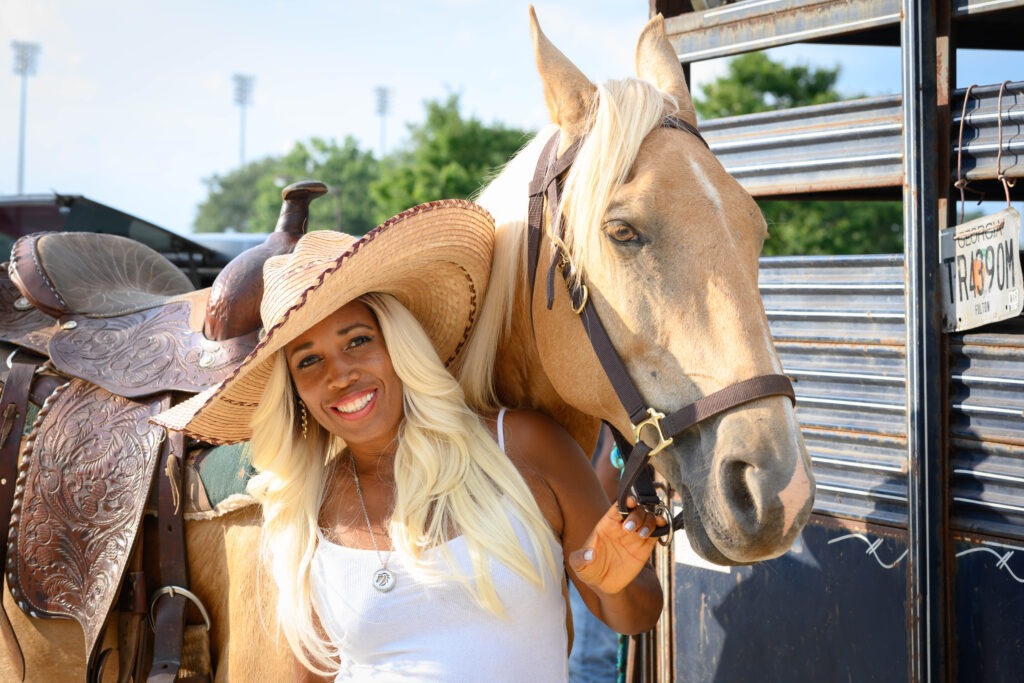
Michelle and Her Horse, Corona – BPIR Atlanta, GA 2019 (Cyril Bailleul)
Exhibition Information
In the Footsteps of Bill Pickett – American Cowgirls & Cowboys
Château de Pontécoulant, Calvados, Normandy, France
October 17, 18, 20 and 21, 2026
2:30–5:30 p.m. | Free admission
Presented during Equidays 2026.
Truth Seekers Journal thrives because of readers like you. Join us in sustaining independent voices.
President Trump shared a fabricated Denzel Washington endorsement, raising questions about misinformation, celebrity influence, social media credibility, and the responsibility of public officials to verify.
By Milton Kirby | Atlanta, GA | October 13, 2026
President Donald Trump shared a glowing endorsement attributed to Academy Award-winning actor Denzel Washington on social media Monday, October 12.
There was one problem.
Washington never said it.
The fabricated quotation portrayed Washington as a devoted Trump supporter who praised the president’s courage, intelligence, and commitment to America. Trump shared a screenshot of the claim on Truth Social, bringing the false endorsement to a much larger audience.
The incident raises a question that extends beyond celebrity politics: What happens when the president of the United States shares information that has already been identified as false?
A Celebrity Endorsement That Never Happened
The controversy began with a post on X from an account called Red Eagle Updates on Saturday, October 10. The post claimed Washington had described Trump as exceptionally brave, intelligent, and devoted to the country.
The fabricated statement also portrayed Washington as calling Trump a close friend and declaring himself a committed supporter of the president.
The post invited readers to respond to a question: “Do you agree with Denzel? YES or NO?”
Trump shared a screenshot of the message on Truth Social on Monday morning.
However, the fact-checking organization Snopes had already investigated the quotation on October 10 and found no credible evidence that Washington had ever made the statement.
The Washington Post subsequently contacted Washington’s representatives. Alan Nierob, president of PMK Entertainment, confirmed that the statement was fabricated.
“Not real,” Nierob told the newspaper. “No idea where it came from.”
The White House did not respond to The Washington Post’s request for comment.
A Familiar Pattern Involving Washington
This was not the first time Washington’s name had been attached to a fabricated political endorsement.
In 2016, a false story circulated claiming that the actor supported Trump’s presidential campaign. Other misleading statements attributed to Washington appeared in subsequent years.
In 2021, FactCheck.org investigated another social media claim suggesting that Washington had abandoned the Democratic Party to support Trump. Washington’s representative described that story as a fabrication.
The latest false endorsement also contained language previously attributed to actor Matthew McConaughey and Rolling Stones singer Mick Jagger.
The repetition illustrates how fabricated quotations can circulate for years, sometimes with little more than a change in the celebrity’s name.
Celebrity endorsements can carry influence because familiar names attract attention and may lend credibility to political messages. A statement attributed to a respected actor, athlete, or musician can reach audiences who might otherwise pay little attention to political commentary.
That helps explain why fabricated endorsements continue to circulate.
Washington has generally avoided making prominent partisan endorsements. Federal Election Commission records show that he previously contributed to Democratic presidential candidates Barack Obama and Hillary Clinton. Those donations, however, do not establish his current political preferences.
When False Information Reaches the White House
False celebrity endorsements are not new. Social media platforms have long provided opportunities for misleading statements, altered images, and fabricated quotations to spread rapidly.
What makes this incident significant is who shared the information.
A claim no longer needs to be true to gain attention. It can spread when a widely followed account shares it, regardless of whether the underlying information has been verified.
When inaccurate information moves from an ordinary social media account to the president’s platform, it can gain visibility and an appearance of credibility that it otherwise might not receive.
The Denzel Washington incident also was not an isolated example of Trump sharing an invented quotation.
In May 2026, Trump circulated a statement falsely attributed to Republican Sen. John Kennedy of Louisiana. The quotation concerned former President Barack Obama and the Affordable Care Act. Kennedy confirmed that he had not made the statement.
CNN has also documented a 2019 incident in which Trump shared a fabricated quotation attributed to former President Ronald Reagan.
These incidents raise concerns about how information is verified before being distributed by public officials.
There is an important distinction between deliberately creating false information and sharing something without recognizing that it is false.
In the Washington case, the available reporting establishes that Trump shared a fabricated endorsement. It does not establish whether he knew the quotation was false when he posted it.
That distinction matters. So does the responsibility to verify information before passing it along.
The Broader Challenge of Misinformation
The Washington incident comes at a time when Americans are confronting increasingly sophisticated forms of misleading online content.
Fabricated quotations can be created in seconds. Images can be altered to suggest that events occurred when they did not. Artificial intelligence can generate realistic-looking photographs, videos, and audio recordings that make false claims more difficult to identify.
There is no verified evidence that AI was used to create the Washington quotation.
The larger problem is that information can spread widely before its accuracy is established.
Whether misinformation benefits Republicans or Democrats, the consequences extend beyond party politics. Repeated exposure to false claims can undermine confidence in legitimate information sources and make it more difficult for citizens to distinguish verified reporting from political messaging.
For Washington, the latest incident is another example of his name being used to communicate a political position that he did not publicly express.
For the public, it is a reminder that a recognizable name attached to a quotation does not make the quotation authentic.
The Responsibility to Verify
Journalists have a professional obligation to check quotations, identify sources, and correct errors. Those standards are essential to maintaining public trust.
Public officials face a similar expectation when communicating with the people they represent.
The speed of social media does not eliminate the need for accuracy. In fact, the ability to reach millions of people almost instantly makes verification even more important.
Readers also have a role to play.
Before accepting a surprising quotation, particularly one involving politics, they can look for an original interview, video, speech, or statement from the person involved. Established news organizations and independent fact-checkers can provide additional context.
A screenshot is not proof that a statement is authentic. Neither is the number of times it has been shared.
More Than a False Endorsement
The fabricated Denzel Washington endorsement may appear to be a relatively small incident compared with the major policy debates and international challenges facing the country.
But its significance goes beyond whether a Hollywood actor supports a particular president.
It demonstrates how easily an invented statement can move from an online account into a much larger public conversation, even after fact-checkers have questioned its authenticity.
The central issue is not whether Washington supports Trump, another political figure, or no candidate at all. Those are decisions Washington is entitled to make and express for himself.
The issue is whether Americans can rely on information shared by people in positions of public trust.
In this case, the reported evidence establishes that the endorsement was fabricated and that the president shared it.
The larger question is what standards of verification the public should expect from its leaders.
Truth Seekers Journal thrives because of readers like you. Join us in sustaining independent voices.
Before beginning today’s essay, I want to take a little time to thank readers of this twice-monthly column. I’ve been told it is one of the most read features in The Truth Seekers Journal. For your time and loyalty, I thank you and let you know that I very much appreciate your readership. Further, I’d be remiss if I didn’t take the time to remind you that this column exists for only one purpose and that is to answer your questions on Negro League baseball history. Your questions are the lifeblood of Shadow Ball—they shape where we go next. So, your participation is important. Send questions, comments, or Significa answers to Shadowball@truthseekersjournal.comor to Shadow Ball, 3904 N Druid Hills Rd, Ste 179, Decatur, GA 30033. As much as I appreciate your taking the time to read the column, I’d like it even more if you exchanged your thoughts, questions, areas of interest.
Now, not being a writer I have few original thoughts … this is why I need reader questions so I have something to write about … on occasion, thankfully, serendipity steps in … such was the case on October 9th when Kevin Jognson did what he does every day … marking the birth or death anniversary of a Negro Leaguer in a Facebook post. October 9, 2026, turned out to be the 131st birthday of Saint Louis Star outfielder Branch Russell. I knew he was a member of one of the best outfields in Negro League history The Stars outfield, 1925-29, included left fielder Frog Redus, Hall of Fame centerfielder Cool Papa Bell and Branch Russell in right.
No right fielder played more games in rightfield than Branch Russell (under the Seamheads Data Base Negro Leagues filter). Russell hit .308 over his career with an OPS+ of 117 (meaning he was 17% better hitter than average). He was an average fielder with a better than average arm.
After retiring from baseball, Russell worked as a supervisor in the Saint Louis Parks and Recreation for 17 years with a focus on youth baseball. The late James A. Riley provides that nugget in his Biographical Encyclopedia of the Negro Baseball Leagues. For Russell’s life before baseball, we get some clues in the Seamheads statistical database where it reveals Russell’s burial in Jefferson Barracks National Cemetery and from the fact that he doesn’t break into the Major Leagues until age 26.
Neither proves anything but they do direct a search to military experience. To fill in those blanks I turned to the writing of Ellen Knight writing in Daily Times Chronicle, Winchester, MA, 2018; Paul D. White in his Lost in Left Field, Substack, 2025; and Connie Nisinger who published a short bio with a gravesite picture in Find A Grave website. Based on those three sources Branch Russell had an 8-year career in the U.S. Army during which he ran track and played baseball for the famous 25th Infantry Wreckers. He also served during World War I along the Mexican border.
Branch Russell is a fitting example of what makes all of us among the last victims of the segregation of baseball prior to the integration of the game in April 1947.
Last Week’s Shadow Ball Significa Question of the Week
In 1937, Monte Irvin joined the Newark Eagles under an assumed name. What was it? In 1942, Larry Doby joined the Newark Eagles under an assumed name — what was it? Will Clark, Shadow Ball’s top trivia, provided Jimmy Nelson as Monte Irvin’s assumed name. No one provided Larry Doby’s assumed name which was Larry Walker.
This Week’s Shadow Ball Significa Questions of the Week
“What yet to be inducted Hall of Fame caliber Negro League shortstop was nicknamed “King Richard”?
Ted Knorr
Ted Knorr is a Negro League baseball historian, longtime member of the Society for American Baseball Research’s Negro League Committee, and founder of the Jerry Malloy Negro League Conference and several local Negro League Commemorative Nights in central Pennsylvania.
Beyond his research and organizing work, Ted is frequently invited to speak at sporting events, community programs, family gatherings, and educational forums, where he brings Negro League history to life. His deep knowledge of the players, teams, and cultural impact of Black baseball has made him a trusted voice for audiences who want to understand the legacy and significance of the Negro Leagues.
Send questions or Significa answers to shadowball@truthseekersjournal.com or Shadow Ball, 3904 N Druid Hills Rd, Ste 179, Decatur, GA 30033.
Support open, independent journalism, your contribution helps us tell the stories that matter most.
As artificial intelligence reshapes childhood, parents and grandparents must help children balance learning, creativity, privacy, critical thinking, and healthy relationships with technology and others.
By Florita Bell Griffin, Ph.D. | Houston, TX | October 13, 2026
Children growing up today may never remember a world without artificial intelligence. They can already ask AI to explain homework, create pictures, write stories, answer questions, suggest games, translate languages, produce music, and carry on conversations. For adults who grew up with encyclopedias, libraries, handwritten school reports, and early search engines, the change can be difficult to fully appreciate. For a child, asking a machine for an immediate personalized answer may soon feel as ordinary as asking Google does today.
This creates extraordinary educational possibilities. A child struggling with fractions can ask for the idea to be explained in another way. A student who does not understand a paragraph in a textbook can request a simpler explanation. A young person curious about dinosaurs, astronomy, African history, architecture, agriculture, music, or robotics can continue asking questions as long as curiosity lasts. AI can respond without embarrassment, impatience, or the pressure some children feel when they are afraid of asking what they think is a “stupid” question.
For students with different learning needs, this can be especially valuable. One child may understand a concept best through an example. Another may need a step-by-step explanation. Someone learning English may want unfamiliar words translated. A student with reading difficulties may benefit from a simpler version of complicated material. When used thoughtfully, AI can provide a level of individual assistance that teachers and parents may not always have time to provide immediately.
The concern begins when assistance replaces learning. A child can now ask AI to write an essay, solve a homework assignment, answer questions, create a book report, or prepare a presentation. The work may look excellent even though the student has learned very little. A beautifully written essay is not evidence that the student understands how to develop an idea, organize an argument, examine evidence, or express an original thought.
Parents and grandparents therefore need to help children understand the difference between using AI to learn and using AI to escape learning. Asking, “Can you explain this math problem another way?” supports understanding. Asking, “Give me the answer so I can turn it in,” usually does not. Asking for feedback on a paragraph the student wrote can improve writing. Asking AI to write the entire assignment may prevent the child from developing the skill the assignment was intended to teach. The technology is the same. The purpose makes the difference.
Children also need to know that AI can be wrong. This may be one of the most important lessons adults can teach. AI often communicates in polished, confident language. A young person may naturally assume that an answer presented so clearly must be correct. Yet AI can misunderstand a question, provide outdated information, invent details, or state something inaccurately.
Adults can turn these mistakes into lessons. Ask a child to verify an AI answer using a textbook, reliable website, or another trustworthy source. Ask, “How do we know this is true?” Encourage the child to identify where the information came from. This develops a habit of verification that will be useful far beyond AI.
Children also need to understand that not everything online represents a real person or real event. AI-generated images, voices, videos, influencers, and social-media accounts are becoming more convincing. A child may encounter a realistic image of something that never happened or communicate with an account operated partly or entirely by software. Media literacy now requires more than knowing that photographs can be edited. Young people must understand that complete digital realities can be manufactured.
Privacy deserves equal attention. Children and teenagers may speak casually with AI because conversation feels personal. They may share their names, schools, locations, family details, fears, friendships, or personal problems without thinking about how digital information is handled. Parents should teach children that an AI conversation is still an interaction with a computer system. Personal information deserves the same care it would receive elsewhere online.
The issue becomes more complicated with AI companions. Some systems are designed to converse over long periods, respond emotionally, remember preferences, and behave like supportive friends. A young person who feels lonely or misunderstood may form a strong attachment to such a system. The interaction may provide comfort, but the child should understand what the relationship actually is.
An AI system can simulate interest and empathy through language. It does not experience friendship as another human being does. It does not share a childhood, have feelings, carry responsibility for the child’s welfare, or participate in the real community surrounding that young person. Children should not be taught that every emotional response generated by a machine represents an emotional experience inside the machine.
This does not mean parents need to prohibit every AI tool. Complete prohibition may leave children less prepared for technology they will encounter throughout education, employment, and adult life. Guided use is likely to be more effective. Parents and grandparents can explore AI with children, ask questions together, compare answers, and discuss what the system does well and where it fails.
Adults can also encourage children to use AI creatively without allowing it to consume creativity. A child might write a story first and then ask AI for ideas about how to improve it. Someone interested in art can create original drawings and also experiment with image-generation tools. A student planning a science project can brainstorm with AI but still design and understand the project independently.
Children should continue having experiences that do not involve intelligent assistance. They should read books without immediately requesting summaries, solve problems before asking for answers, draw pictures from imagination, play outdoors, talk with other people, build things, make mistakes, become bored, and figure out what to do next. Boredom itself can be productive because it forces the mind to invent.
The ability to work through frustration is also important. Learning often involves moments when the answer is not immediately available. If AI removes every difficult step, children may lose opportunities to develop persistence. There is value in struggling with a problem for a while before receiving help.
Schools and families will continue debating appropriate rules, but one principle can remain simple: children should know what they themselves are capable of doing. If AI completes every difficult intellectual task, a student may receive good grades without developing confidence in his or her own abilities.
Parents and grandparents have an important role because AI literacy is not merely a school subject. It involves values, judgment, privacy, honesty, relationships, and understanding when technology should be used at all.
The children growing up today will likely interact with increasingly capable artificial intelligence throughout their lives. Knowing how to operate those systems will probably become easy. Knowing when to question them, when to verify them, when to turn them off, and when another human being matters more may prove much more important.
We are not simply teaching children how to use a new technology. We are helping them decide what kind of relationship they will have with intelligent machines. If adults teach curiosity without dependence, openness without gullibility, and technological skill without surrendering independent thought, AI can become a powerful educational tool while the child remains firmly at the center of the learning.
Atlanta Dream sweep New York Liberty 85-83, advancing to their first WNBA Finals since 2013 behind standout performances from Angel Reese and Rhyne Howard.
Reese and Howard lead Atlanta’s offense, while Bonner’s late rebound and free throws seal an 85-83 victory in Brooklyn.
By Milton Kirby | Brooklyn, NY | October 10, 2026
The Atlanta Dream are going back to the WNBA Finals.
Thirteen years after their last appearance in the championship series, the Dream defeated the New York Liberty 85-83 Friday night at Barclays Center, completing a three-game sweep and earning another opportunity to pursue the first WNBA title in franchise history.
Atlanta’s fourth trip to the Finals came after a tense game that was not decided until the closing seconds. The Dream built a 12-point lead, watched New York fight back, and then relied on defense and two free throws from DeWanna Bonner to secure the victory.
“We put a lot of work in for this moment,” Angel Reese said following the game. “We can’t shy away from knowing that.”
Reese led Atlanta with 22 points and nine rebounds. Rhyne Howard added 21 points, while Jordin Canada finished with 19 points and 11 assists. Bonner recorded 13 points and 13 rebounds, and Isobel Borlase contributed 10 points off the bench.
Five players scored in double figures as Atlanta advanced without injured leading scorer Allisha Gray and Brionna Jones.
The Dream will face the Golden State Valkyries in the best-of-seven WNBA Finals beginning October 17.
Bonner Makes the Final Plays Count
The final minute captured the determination that carried Atlanta through the series.
With approximately one minute remaining, the Dream held an 83-79 lead. New York’s Jonquel Jones scored inside to reduce the advantage to two points.
Atlanta then committed a turnover, giving the Liberty another opportunity.
Following a timeout with fewer than 18 seconds remaining, New York put the ball in Breanna Stewart’s hands.
Stewart drove toward the basket and attempted a contested layup that would have tied the game.
The shot missed.
Bonner grabbed the rebound and was fouled.
With 6.2 seconds left, she stepped to the free-throw line and made both attempts, pushing Atlanta’s lead to 85-81.
Stewart scored on a putback as time expired, but the final basket only narrowed the margin.
The Dream had survived, 85-83.
“We feel really great that we were able to make the last couple of plays,” head coach Karl Smesko said. “I’m really proud of the way our players competed, pulled together, and held on to win.”
The victory completed Atlanta’s sweep of a New York team that had entered the playoffs hoping to return to the championship round.
Isobel Borlase drives on Sabrina Ionescu’s during Atlanta Dream vs NY Liberty game 3 (Courtesy photo)
Atlanta Establishes an Early Advantage
The Dream opened the game with the confidence of a team carrying a 2-0 series lead.
Howard scored 11 points in the first quarter. Reese added 10, including two three-pointers, while Canada directed the offense with five early assists.
Atlanta led 25-18 after the opening period.
The second quarter became more physical as the Liberty attempted to slow the Dream’s offense.
New York closed the gap to one point late in the half, but Reese scored Atlanta’s final four points before intermission.
The Dream led 44-39 at halftime.
Atlanta opened the third quarter with seven unanswered points, extending its lead to 51-39.
For a moment, the Dream appeared ready to pull away.
New York responded with a 16-4 run that erased the advantage and shifted momentum toward the home team.
Canada helped keep Atlanta in the game, scoring nine consecutive Dream points during a critical stretch.
Still, the Liberty entered the fourth quarter leading 68-66.
Atlanta had lost its double-digit lead and now needed another comeback of its own.
Jordin Canada drives to basket on Marine Fauthoux during Atlanta Dream vs NY Liberty game 3 (Courtesy photo)
A Fourth Quarter of Defensive Stops
New York extended its advantage early in the fourth quarter, but Atlanta answered with eight consecutive points to move ahead 75-71 with 4:55 remaining.
During that stretch, the Dream held the Liberty without a field goal for more than six minutes.
The teams continued trading baskets and defensive stops as the clock moved toward the final minute.
Neither side could establish a comfortable advantage.
Atlanta eventually moved ahead 83-79 before New York made its final push.
The decisive possession belonged to Bonner, whose defensive rebound and free throws ensured the Liberty would not get another opportunity to tie the game.
The Dream made 22 of 24 free throws, including their final 20 attempts, finishing at 91.7 percent from the line.
In a game decided by two points, those opportunities mattered.
Five Players Help Carry the Dream
Friday’s victory reflected the depth that has become an important part of Atlanta’s postseason success.
Reese scored at least 20 points for the second consecutive game. Her 10-point first quarter was the first double-digit quarter of her playoff career.
Howard recorded her second 20-point game of the postseason, helping Atlanta establish its early advantage.
Canada’s 19 points and 11 assists gave her a fourth career postseason double-double. Her nine consecutive points in the third quarter helped prevent New York from taking complete control.
Bonner’s 13-point, 13-rebound performance demonstrated the value of experience in a close playoff game.
Her final rebound and two free throws were the most important moments of her evening.
Borlase contributed 10 points and two steals off the bench.
The Dream’s balanced attack helped offset the absence of Gray, who remained sidelined with a hand injury, and Jones, who was also unavailable.
For New York, Stewart and Jonquel Jones scored 26 points apiece, but the Liberty could not extend the series.
Thirteen Years Between Finals Appearances
Atlanta’s return to the Finals carries special significance for a franchise that has come close to a championship but has never claimed the title.
The Dream first reached the WNBA Finals in 2010, losing to the Seattle Storm.
They returned in 2011, falling to the Minnesota Lynx, and made another appearance in 2013, again losing to Minnesota.
Each championship series ended in a three-game sweep.
Since then, Atlanta has experienced roster changes, coaching transitions, and seasons in which reaching the playoffs was itself a challenge.
The current team has now moved beyond those earlier disappointments to earn another opportunity.
This postseason run also reflects the work of a new group of players, including Reese, Howard, Canada, Hillmon, Bonner, and Borlase, along with Smesko’s coaching staff.
The Dream have advanced through the playoffs without a loss.
Their latest victory came on the road against a Liberty team featuring experienced championship players.
For Atlanta’s basketball community, the result ends a 13-year absence from the WNBA’s biggest stage.
The Championship Challenge Awaits
The Dream will meet the Golden State Valkyries, who completed their own semifinal sweep with an overtime victory over the Las Vegas Aces.
Golden State will have home-court advantage when the best-of-seven Finals begin Saturday, October 17, at Chase Center in San Francisco.
Both franchises are seeking their first WNBA championship.
Atlanta’s players can celebrate reaching a destination that has eluded the franchise since 2013.
But Reese made clear that the team has not reached its ultimate goal.
“The job isn’t done,” she said. “Happy where we are right now. We’re not satisfied.”
The Dream needed one more victory when they left State Farm Arena Wednesday night.
They earned it Friday in Brooklyn.
Now they need four more to become WNBA champions.
Statistical sidebar
WNBA SEMIFINALS · GAME 3
Atlanta Dream 85, New York Liberty 83
Series result
3–0
Finals appearance
4th
Attendance
17,991
Dream player
PTS
REB
AST
Angel Reese
22
9
3
Rhyne Howard
21
2
—
Jordin Canada
19
3
11
DeWanna Bonner
13
13
1
Isobel Borlase
10
2
1
Free throws
22 of 24 (91.7%)
Lead changes
7
New York leaders
Stewart & Jones: 26 each
Next game
Oct. 17 vs. Golden State
Statistics: WNBA official game report.
Truth Seekers Journal thrives because of readers like you. Join us in sustaining independent voices.
Atlanta Dream defeat New York Liberty 101-98 in overtime, taking a 2-0 series lead behind Angel Reese, Jordin Canada, and a thrilling finish.
Reese and Canada lead Atlanta past New York as a dramatic finish and an electric State Farm Arena crowd bring the Dream closer to a championship appearance.
By Milton Kirby | Atlanta, GA | October 8, 2026
The Atlanta Dream are one victory away from playing for the WNBA championship.
Behind 23 points each from Angel Reese and Jordin Canada, the Dream survived a thrilling 101-98 overtime battle against the New York Liberty Wednesday night at State Farm Arena, taking a 2-0 lead in their best-of-five semifinal series.
It was a game filled with fouls, lead changes, clutch baskets, and moments that kept fans on their feet until the final buzzer.
Atlanta overcame a 35-point performance from New York’s Breanna Stewart, several late Liberty rallies, and the absence of injured leading scorer Allisha Gray.
“I think our team always rises to the occasion,” Reese said. “Our team is always fearless. We stayed together and played together, and that’s how we won it.”
No team in WNBA history has overcome a 2-0 deficit in a best-of-five playoff series. Atlanta will have its first opportunity to close out New York on Friday, when the series moves to the Liberty’s home court.
A Physical First Half Gives Way to a Thriller
The game was physical from the opening minutes, with officials calling 29 personal fouls in the first half alone.
Howard was whistled for four fouls before halftime, while Reese, Stewart, and New York’s Leonie Fiebich each collected three.
Stewart carried much of New York’s offense, scoring 25 points in the opening two quarters. Despite her performance, Atlanta took a 56-54 lead into halftime.
The Dream countered with balanced scoring.
By the middle of the third quarter, all five Atlanta starters had reached double figures. Rookie Isobel Borlase then connected on consecutive three-pointers, becoming the sixth Dream player to score at least 10 points.
Her shooting helped Atlanta build an eight-point advantage before New York narrowed the margin.
The Dream entered the fourth quarter leading 75-74.
Neither team was prepared to give ground.
A Shot That Wouldn’t Fall
With Atlanta leading by three and 31.2 seconds remaining in regulation, New York called timeout.
Stewart took the ball, drove past Reese, and scored a layup to cut the Dream’s lead to 86-85 with 26 seconds left.
Reese was fouled and calmly made both free throws, restoring Atlanta’s three-point advantage with 14.5 seconds remaining.
New York answered again.
Marine Fauthoux came off a screen and buried a three-pointer to tie the game at 88 with 10.3 seconds on the clock.
Atlanta had one final opportunity to win in regulation.
Howard drove into the lane and released a running jumper. The ball rolled around the circumference of the rim, appeared to pause, and then slipped out.
The crowd had to wait.
The game was going to overtime.
Hillmon Delivers When It Matters Most
Dream head coach Karl Smesko told his players to focus on being the better team over the final five minutes.
Veteran DeWanna Bonner reminded her teammates that the first team to score in overtime often wins.
Atlanta scored first, but the Liberty continued to respond.
A three-pointer by Jonquel Jones gave New York a 96-93 lead with 2:01 remaining, its first advantage since the second quarter.
Canada and Reese helped Atlanta regain the lead before Stewart drove through the lane for another basket, putting New York ahead 98-97 with 33 seconds remaining.
Then came the play that decided the game.
Howard controlled the ball near the top of the three-point arc. As the Liberty defense focused on her, Naz Hillmon slipped behind the defenders and cut toward the basket.
Howard delivered the pass.
Hillmon finished the layup.
Atlanta led 99-98 with 20.8 seconds remaining.
“It was great teamwork,” Smesko said.
The Dream’s defense then pressured Sabrina Ionescu into a difficult cross-court pass that sailed out of bounds.
Reese was fouled and converted two more free throws, extending Atlanta’s lead to 101-98.
Stewart’s final attempt missed.
After a physical game and a tense overtime finish, Atlanta finally had its victory.
A City Shows Up for Its Dream
The excitement surrounding the Dream extended well beyond the basketball court.
State Farm Arena welcomed 9,574 fans for a playoff contest that drew elected officials, entertainers, longtime supporters, and basketball enthusiasts eager to witness a potentially historic moment for the franchise.
Before the game, the Dream placed rally towels on every seat. Throughout the evening, fans waved them, cheered, and responded to nearly every basket.
Atlanta Mayor Andre Dickens was seated near center court, where he was repeatedly seen enthusiastically cheering for the home team.
Former Atlanta Mayor Keisha Lance Bottoms, a Democratic candidate for Georgia governor, was also in attendance, wearing a red suit and joining the crowd in supporting the Dream.
Atlanta rapper and actor T.I., whose given name is Clifford Joseph Harris Jr., was among the notable attendees. Wearing a black Magic City sweatshirt, he joined other entertainment figures courtside.
Kirsten Potts of Douglasville, GA has already purchased 2027 season tickets (Milton Kirby)
The evening also featured an appearance by Atlanta entertainer Belly Gang Kushington, reflecting the connection between the city’s music community and its professional basketball team.
But the strongest voices came from the fans who have followed the Dream’s journey.
“The energy was there. Everyone showed up,” said Alexis Woodley. “Let’s finish it on Friday.”
Kirstie Potts traveled from Douglasville to support the Dream. She has signed up for a 27/7 Atlanta Dream season-ticket package and counts Bonner among her favorite players.
Potts believes Atlanta can win the championship.
“The Dream will go all the way,” she said.
She also had a message for fans who have yet to experience a Dream game in person.
“They are missing out. You gotta come out and support our team. This is the home team. You gotta be here, show up because they are showing out.”
Annie Edmonds, who attends games regularly but is not a season-ticket holder, has watched the franchise’s support grow.
“Attendance has been growing over the last few years,” Edmonds said. “They have the team to win the championship.”
For those who filled the arena, Wednesday’s victory was more than another playoff win. It was an opportunity to see their team move closer to a championship appearance.
A Team Effort Without Its Leading Scorer
Although Reese and Canada led the Dream with 23 points apiece, Atlanta’s victory reflected contributions throughout the lineup.
Howard scored 18 points, Hillmon added 12, Borlase finished with 11, and Bonner contributed 10.
Canada also handed out eight assists, while Hillmon collected eight rebounds and five assists.
Reese scored six of Atlanta’s 13 overtime points.
Smesko singled out Hillmon for the work that does not always attract attention.
“She does so much dirty work for us,” he said. “The defense was just exceptional. The extra possessions were exceptional. She played a ton of minutes and just was fantastic today.”
Her game-winning layup was the most visible contribution, but her rebounding, defense, and willingness to do the difficult work helped Atlanta withstand New York’s challenges.
The Dream also made the most of their defensive opportunities, forcing 17 turnovers and converting them into 28 points.
Angel Reese during game 2 – Courtesy photo
One Victory Remains
Atlanta will travel to New York for Game 3 on Friday with an opportunity to end the series and advance to the championship round.
The Dream have demonstrated that they can win without their leading scorer, withstand an exceptional performance by an opposing star, and execute under pressure when every possession matters.
Still, New York has no intention of conceding.
“The series isn’t over,” Liberty coach Chris DeMarco said.
Reese offered a similar reminder that the Dream cannot afford to look ahead.
“New York is a really good team,” she said. “As long as we continue to be who we are, continue to do the things that have gotten us here, and stick together, I think we will be fine.”
For the thousands of fans who waved their towels, cheered through overtime, and celebrated one of the Dream’s most dramatic playoff victories, the possibility of a WNBA championship appearance has moved closer.
Atlanta needs one more win.
Statistical sidebar — By the Numbers
WNBA SEMIFINALS · GAME 2
Atlanta Dream 101, New York Liberty 98 (OT)
Series lead
2–0
Attendance
9,574
Lead changes
17
Dream player
PTS
REB
AST
Angel Reese
23
7
2
Jordin Canada
23
5
8
Rhyne Howard
18
7
4
Naz Hillmon
12
8
5
Isobel Borlase
11
4
—
DeWanna Bonner
10
4
3
Three-point shooting
40%
Free-throw shooting
91.3%
Turnovers forced
17
Points off turnovers
28
Individual milestones: Canada reached 100 postseason assists; Howard surpassed 200 playoff points and moved into fourth place on Atlanta’s postseason steals list.
Truth Seekers Journal thrives because of readers like you. Join us in sustaining independent voices.
DeKalb County launches Resilient DeKalb, a long-term strategy addressing infrastructure, energy, tree canopy and economic resilience while targeting net-zero county operations by 2040.
By Milton Kirby | Decatur, GA | October 6, 2026
A storm can arrive in a matter of hours.
A power outage can last for days.
Extreme heat can push temperatures to dangerous levels, while flooding can overwhelm streets and neighborhoods with little warning.
DeKalb County officials call those events shocks.
But some of the problems that determine how well a community withstands an emergency develop much more slowly.
Aging buildings. Rising utility bills. Lost tree canopy. Deferred maintenance. Household energy costs that leave families with less financial room when something goes wrong.
DeKalb calls those stresses.
A new countywide initiative called Resilient DeKalb is designed to address both.
Supported by DeKalb County Chief Executive Officer Lorraine Cochran-Johnson and led by Chief Resilience Officer Liza Milagro, Resilient DeKalb brings energy, water, buildings, transportation, tree canopy, workforce development and other areas under a long-term strategy aimed at making county operations and communities better able to withstand disruption.
Its goal is ambitious: move DeKalb County operations toward net-zero emissions by 2040 while strengthening the systems residents rely on every day.
The initiative carries the theme: “Reimagine. Regenerate. Restore.”
But underneath the branding is a larger question.
How does a county prepare not only for the emergency it can see coming, but also for the everyday pressures that make recovery harder when the emergency arrives?
Resilience Before the Emergency
At its core, resilience is about preparation.
But under DeKalb’s approach, preparation does not begin when a storm appears in the forecast.
A county building that wastes energy costs taxpayers money every day.
A neighborhood that has lost tree canopy can become hotter during the summer before an extreme heat event arrives.
Deferred maintenance can eventually turn an ordinary repair into an emergency.
Families already struggling with high utility bills may have fewer resources available when a prolonged outage or other disruption occurs.
That is why operational efficiency is central to the county’s approach.
“Every dollar taken out of a utility bill is a dollar available when conditions turn,” the initiative’s planning materials state.
The argument is straightforward: efficiency can reduce everyday operating costs while creating additional financial capacity when something unexpected happens.
In that sense, Resilient DeKalb is attempting to define resilience as more than emergency preparedness or environmental policy.
It is also about how the county manages money, buildings, infrastructure and other resources before the emergency arrives.
A Roadmap to 2040
Resilient DeKalb is the county’s first coordinated resilience program and is organized around the 2040 Resilient Management Plan.
The plan serves as a roadmap for projects involving environmental stewardship, operational efficiency, infrastructure, economic sustainability and community well-being.
Its long-range goal is net-zero county operations by 2040.
The work is organized through a series of themed “flagships,” each beginning with “Re.”
They include ReNew for energy, ReFlow for water, ReBuild for buildings, ReForest for tree canopy, ReSkill for workforce development and ReInvest for financing.
Other areas address emissions, waste, materials, mobility, electric-vehicle charging and storage, equity and health.
Together, the framework illustrates how broadly DeKalb is defining resilience.
A resilience project could involve solar energy or LED streetlights.
It could involve water systems, electric-vehicle infrastructure or a county building in need of improvements.
It could also involve workforce training or efforts aimed at making environmental and economic investments more accessible across the county.
The plan is intended to track projects from planning through implementation.
But a long-range plan is not the same thing as a completed project.
Some initiatives remain in development, and funding, schedules, baseline measurements and approval by the Board of Commissioners will help determine which proposals move forward and how quickly residents see results.
12,000 Trees — and the Cost of Planting Them
One of the most tangible examples is ReForest DeKalb.
The plan calls for planting at least 1,000 trees annually for 12 years, creating a goal of 12,000 additional trees across DeKalb County.
Tree canopy provides more than aesthetics.
Trees can reduce summer surface temperatures, slow stormwater before it reaches drainage systems and help filter air along heavily traveled corridors.
But ReForest also demonstrates the financial challenge of turning a long-term goal into reality.
The program is expected to draw on the DeKalb County Tree Fund, which receives money under the county’s tree ordinance for planting and tree care, along with philanthropic contributions and other program revenue.
Since 2018, the Tree Fund has received $1,282,696 and invested $440,170 in planting and tree care, according to information provided with the resilience plan. That leaves a reported balance of $842,526.
At the same time, planting costs are increasing.
The price of a 15-gallon tree is expected to rise from $300 to $375 for the 2026-27 planting season, with another increase proposed for the following season.
That means the same amount of money will buy fewer trees.
The math illustrates one of the central challenges facing the entire resilience plan.
Setting a goal is one step.
Paying for it year after year is another.
Milagro Takes the Lead
Responsibility for turning the broader vision into measurable projects falls largely to DeKalb’s Office of Resilience and Milagro, the county’s first Chief Resilience Officer.
Milagro brings more than 15 years of experience in sustainability, resilience, climate initiatives and environmental programs across the public and private sectors.
Before joining DeKalb County, she held leadership positions at Hartsfield-Jackson Atlanta International Airport, worked with the Georgia House of Representatives and served with international sustainability organizations.
Her experience at Hartsfield-Jackson is particularly relevant to her new assignment.
An airport operates much like a small city, with buildings, transportation systems, energy demands, waste streams, infrastructure and millions of people moving through it.
At Hartsfield-Jackson, Milagro created the #GreeningATL initiative. According to DeKalb County, programs developed during her tenure helped the airport achieve a 58 percent waste-diversion rate and redirect more than one million meals to families in need.
Her work also included energy performance, emissions reduction, renewable energy and infrastructure planning.
Now the scale is different.
Instead of applying those principles to an airport, Milagro is helping apply them across a county of neighborhoods, government buildings, roads, utilities and public services.
She presented the 2040 Resilient Management Plan to the DeKalb County Board of Commissioners’ Committee of the Whole on Sept. 10.
One Name, an Important Distinction
The name Resilient DeKalb predates the current countywide rollout.
Earlier in 2026, Commissioner Ted Terry introduced an initiative under the Resilient DeKalb name that grew from work associated with the DeKalb Green New Deal.
That effort emphasized environmental justice, sustainable land use, utility protections and community participation.
The countywide program now being advanced through the Office of the CEO and Office of Resilience reaches more directly into county government operations and infrastructure while also incorporating environmental, economic and equity goals.
The relationship between those efforts deserves clarification as the new program develops.
That distinction matters because residents trying to follow Resilient DeKalb should be able to understand who is responsible for individual projects, where funding comes from and which proposals have received county approval.
Resilient DeKalb
From Vision to Results
Resilient DeKalb presents an expansive vision.
The harder work comes next.
Over the coming years, residents will have ways to judge whether that vision is becoming reality.
How many trees actually get planted?
How much money does DeKalb save through energy efficiency?
Which county buildings are upgraded?
How much do those improvements cost?
Where will new infrastructure be located?
Who receives workforce training?
Which neighborhoods receive investments first?
And how will the county pay for it?
Those questions are particularly important for a plan extending to 2040.
Administrations will change. Commissioners will change. Economic conditions will change. Technology will change.
The resilience plan will have to survive those changes if its long-term goals are to be reached.
That may ultimately be the most meaningful test of Resilient DeKalb.
A storm, flood, heat wave or prolonged outage will eventually test the county’s physical systems.
Long before that happens, however, budgets, implementation decisions and measurable results will test the plan itself.
Resilience is difficult to measure when nothing has gone wrong.
Its value becomes clearer when something does.
DeKalb County’s premise is that the work required to withstand that moment should begin long before it arrives.
Truth Seekers Journal thrives because of readers like you. Join us in sustaining independent voices.