Arthur M. Blank Family Foundation Commits $50 Million to Atlanta’s HBCUs

Arthur M. Blank Family Foundation will invest $50 million over 10 years to help nearly 10,000 Atlanta HBCU students complete degrees through need-based “gap scholarships.”

By Milton Kirby | Atlanta, GA | October 13, 2025

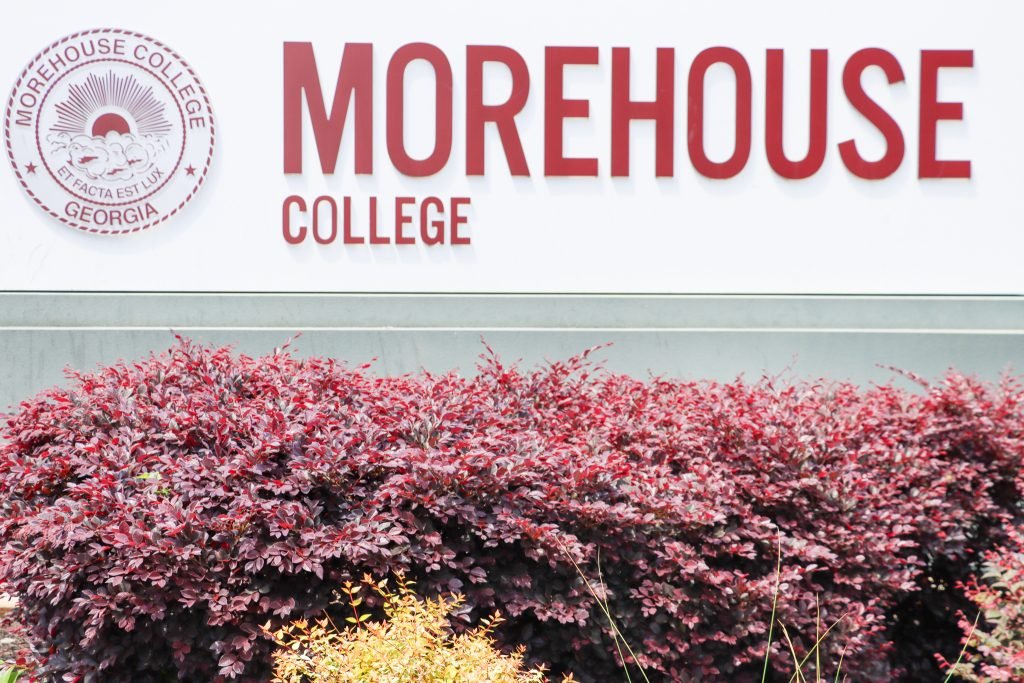
(AMBFF) will invest $50 million over the next decade to provide scholarships for students at Clark Atlanta University, Morehouse College, Morris Brown College, and Spelman College — all members of the Atlanta University Center Consortium.

The initiative, beginning in 2026, aims to close financial gaps that often prevent students from completing their degrees. The foundation estimates the funding will help nearly 10,000 students earn their diplomas over the next ten years.

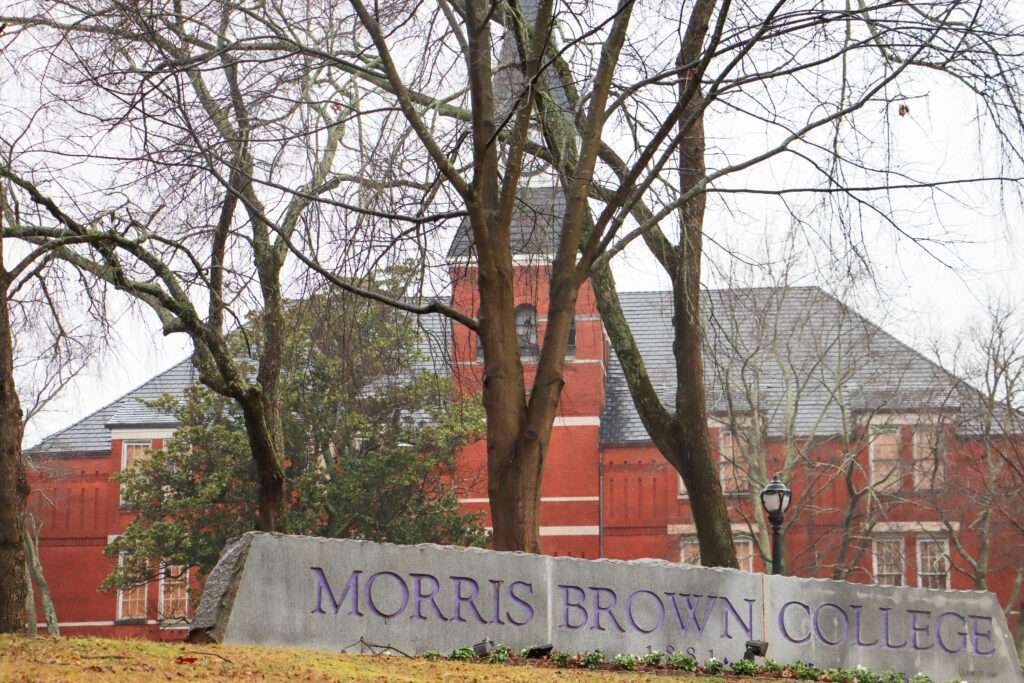
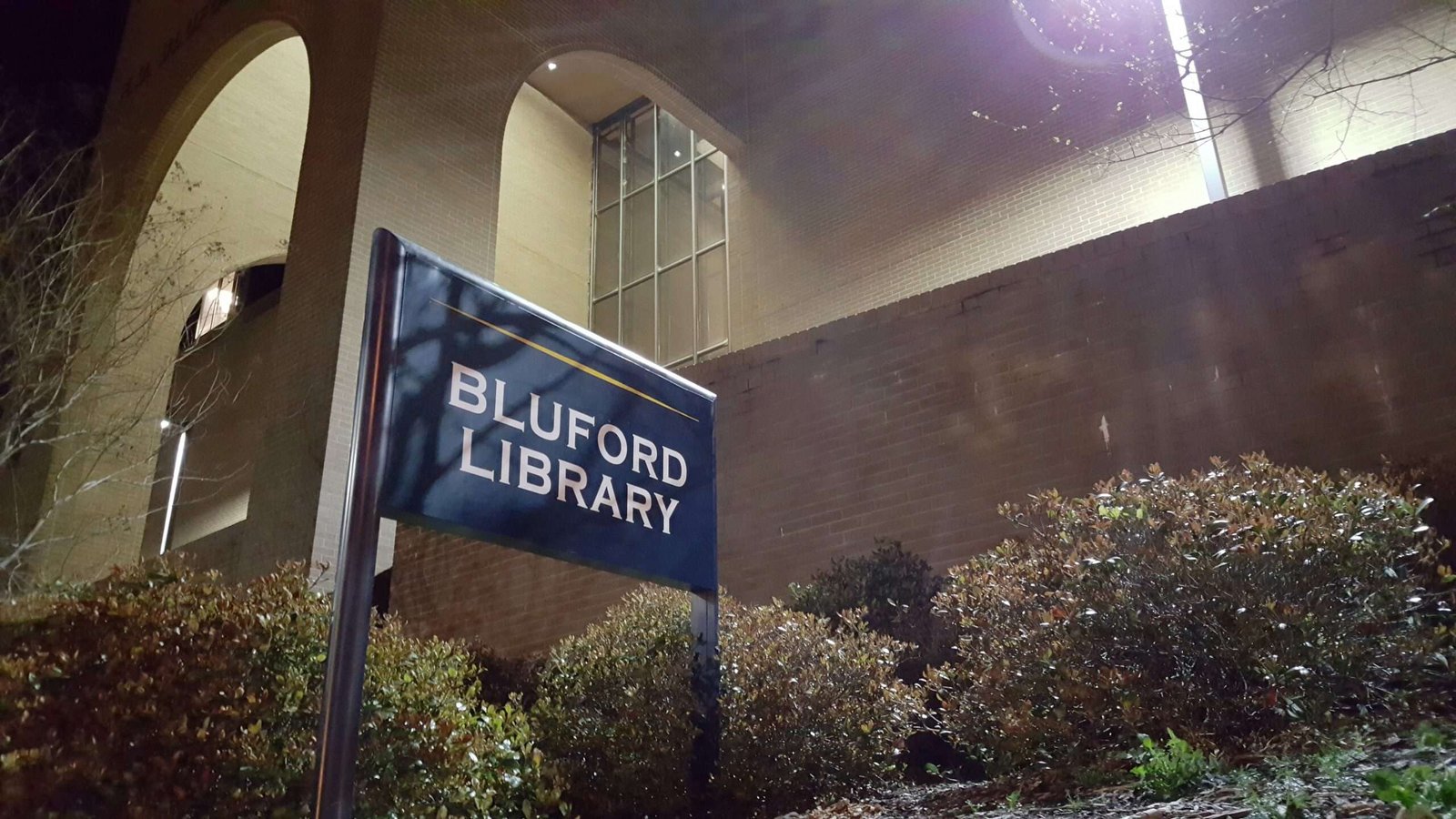
Photo by Milton Kirby Morris Brown College

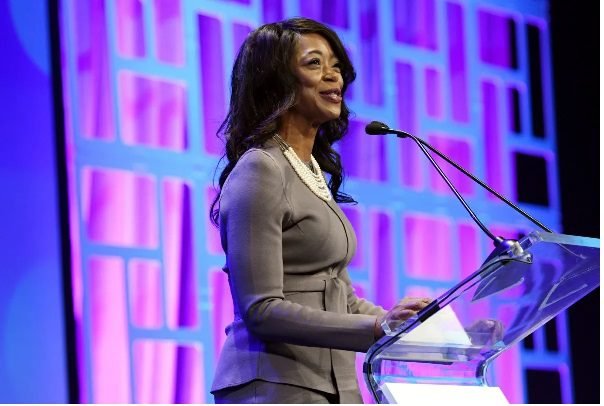
“These grants are a material investment in hope,” said Fay Twersky, president of the foundation. “Our goal is to help more students earn their degrees, launch successful careers, and become alumni who give back — creating a cycle of opportunity that benefits young people and communities across the nation.”

Closing the Financial Gap

Each of the four institutions will distribute the funds independently. Clark Atlanta, Morehouse, and Spelman are expected to receive about $16 million each, while Morris Brown, which currently enrolls about 350 students, will receive a smaller share.

Scholarship awards will range from $500 to $10,000, depending on financial need. The funds will primarily support juniors and seniors in good academic standing who have exhausted all other sources of aid, including federal Pell Grants, state programs, and loans.


A Legacy of Giving

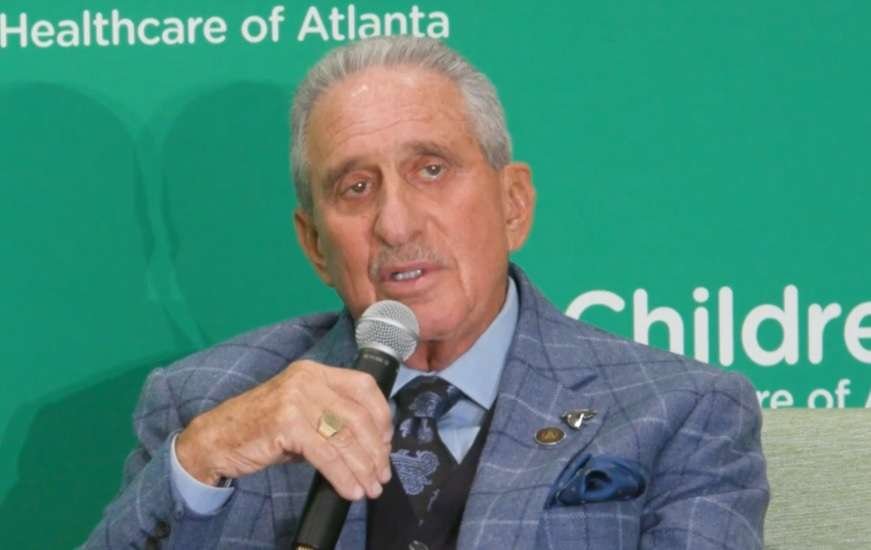
Founded in 1995 by Arthur M. Blank, co-founder of The Home Depot and owner of the Atlanta FalconsandAtlanta United, the foundation has donated more than $1.5 billion to date. Blank, who has signed The Giving Pledge and holds a net worth of more than $11 billion, has long focused his philanthropy on education, health, and community development.

Past contributions to historically Black colleges and universities (HBCUs) include$10 million for the Arthur M. Blank Innovation Lab at Spelman College; $6 million to improve athletic fields at Clark Atlanta, Albany State University, Miles College, and Savannah State University; $3 million to help Morris Brown digitize a hospitality credential; and $400,000 for Morehouse College’s golf program and new football helmets at both Clark Atlanta and Morehouse.

Broad Economic and Social Impact

According to the foundation, Atlanta’s HBCUs collectively contribute more than $1 billion annually to the region’s economy and outperform other institutions in helping students from lower-income families move into higher-income brackets.

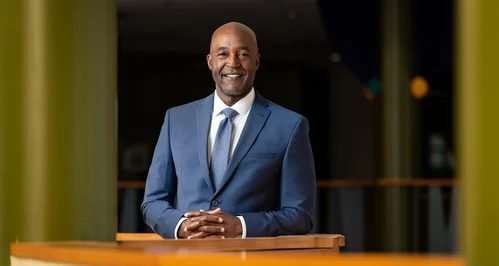
“This monumental investment will empower our students to remain focused on their academic studies and ensure that their talent, ambition, hard work, and integrity — not financial hardship — will determine their futures,” said Dr. F. DuBois Bowman, president of Morehouse College.

Rooted in Values

Blank traces his philanthropic philosophy to his mother, Molly Blank, who taught him the Jewish principle of tikkun olam — repairing the world through kindness. “You only pass through life once, so make it count,” she often told him — words that continue to shape the foundation’s mission.

The Arthur M. Blank Family Foundation, headquartered in Atlanta, supports initiatives across Georgia and Montana, as well as programs for veterans, mental health, democracy, youth development, and environmental sustainability. Its leadership reaffirmed in 2023 a commitment to accelerate philanthropy over the next decade to address urgent social challenges.

Through strategic giving and community engagement, the foundation continues to embody its founder’s guiding principle: repair the world, one opportunity at a time.

Related stories

Children’s Healthcare of Atlanta Celebrates Opening of $1.5 Billion Arthur M. Blank Hospital

Arthur M. Blank Family Foundation donating $50M to Black Atlanta colleges

Morehouse Picks Alumnus and National Scholar to Write Its Next Chapter

Please consider supporting open, independent journalism – no contribution is too small!

North Carolina A&T Reaches Historic Enrollment of 15,275: Growth Powers Greensboro, Defines HBCU Excellence

North Carolina A&T sets a record with 15,275 students, reinforcing its role as America’s largest HBCU and a cultural, economic, and alumni powerhouse worldwide.


By Milton Kirby | Greensboro, NC | September 17, 2025

Enrollment Growth

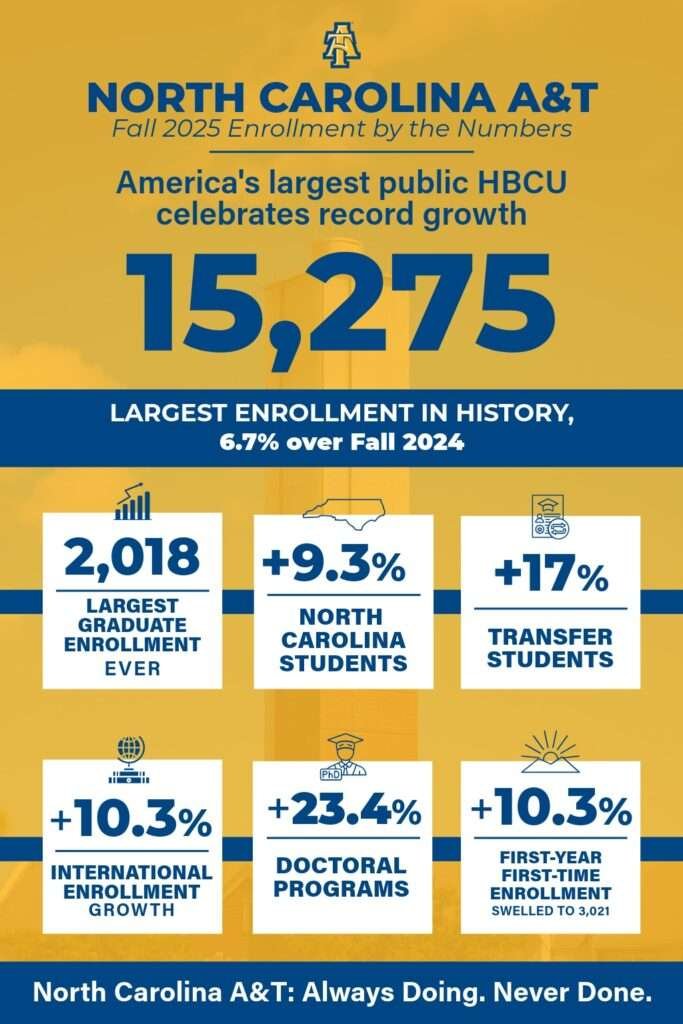
North Carolina Agricultural and Technical State University has once again made history. This fall, the Greensboro-based institution surpassed the 15,000-student mark for the first time, enrolling 15,275 students, a nearly 1,000-student increase over last year. That jump of 6.7% represents the single most significant one-year gain in A&T’s long history.

For the 12th consecutive year, A&T holds the title of the largest public historically Black college or university (HBCU) in the nation. And for the fourth year in a row, it stands as the largest HBCU that America has ever produced.

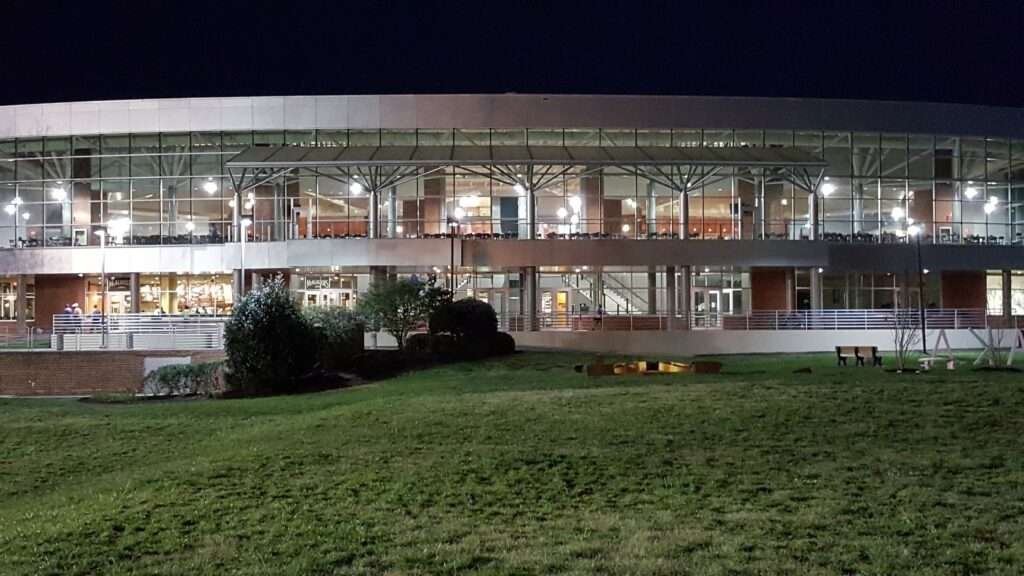
Photo by Milton Kirby NC A&T Williams Cafeteria

“The 2025-26 student body reaffirms our commitment to the people of North Carolina, our national appeal and impact as an exponential, doctoral research HBCU, and the promise that North Carolina A&T holds for students around the world,” said Chancellor James R. Martin II. “We embrace the opportunity to prepare them for a world undergoing seismic knowledge and technology shifts and to guide their development as individuals, ready for lives of achievement and meaning.”

This surge not only reflects national interest in HBCUs but also the powerful draw of A&T’s academic programs, competitive outcomes, and a cultural experience deeply rooted in community and legacy.


Academic Excellence and Student Profile

The university welcomed an entering class of 3,021 first-year students this fall. Their academic credentials tell a story of rising standards and rising demand. The average GPA for the entering class stands at 3.7, while out-of-state freshmen arrived with an impressive 3.93 average GPA. Students came from 36 states plus Washington, D.C., further evidence of A&T’s reach.

NC A&T Enrollment Stats

Once enrolled, students can look forward to opportunities that rival — and often surpass — those of much larger and more established institutions. A&T hosts some of the largest career fairs in America, connecting students with leading employers. Ten years after graduation, an A&T degree pays off. Forbes reports that bachelor’s degree earners from the university enjoy a median salary of $112,000 — second in the University of North Carolina system.


Graduate and Transfer Expansion

This year also marked a watershed moment for graduate education at A&T. For the first time in its history, the Graduate College enrolled more than 2,000 students. The headcount of 2,018 reflects 11.2% growth over last year. Within that, doctoral enrollment surged to 702 students, a 23.4% increase.

The university’s expansion of new master’s and doctoral programs over the past five years is paying clear dividends, both in enrollment and in advancing A&T’s reputation as a research institution.

Transfer students also added to the momentum. 814 new transfers enrolled this fall, a 17% increase. As A&T’s freshman admissions become more competitive, pathways through community colleges and other universities have become vital. These transfers strengthen the student body and underscore A&T’s role as a welcoming, upward-mobility institution.

The university also posted its best-ever freshman-to-sophomore retention rate: 81%. That metric shows more students are not only enrolling but staying and succeeding at A&T.


International and Geographic Reach

Unlike many universities grappling with declining international enrollment, A&T’s global reach is growing. The university enrolled nearly 1,000 international students this fall, a 10.3% increase from last year. Nearly half hail from African nations, underscoring A&T’s global appeal and connections to the African diaspora.

Geographic diversity is also striking. Students come from 97 of North Carolina’s 100 counties, 43 states, and 103 foreign nations. That breadth of representation ensures A&T’s classrooms reflect not just the state’s demographics but also the wider world.

“As interest in A&T continues to grow, our team of enrollment professionals remains dedicated to finding the best and brightest students from North Carolina and beyond for the class of 2030,” said Joseph Montgomery, associate vice provost for Enrollment Management. “We will continue to review all applicants carefully, intentionally, and through a comprehensive, holistic process that aims to identify students who will excel at A&T and become future leaders.”


Economic Impact on Greensboro and North Carolina

The enrollment milestone is not just a number on a spreadsheet; it represents a powerful economic engine for Greensboro, Guilford County, and the state of North Carolina. With over 15,000 students, 2,600 degrees awarded annually, and 65,000 living alumni, A&T stands as one of the region’s most significant contributors to workforce development.

The university’s College of Engineering produces more Black engineers than any other campus in America. Its College of Agricultural and Environmental Sciences leads in producing African American agriculture graduates. Nursing, kinesiology, education, and business programs feed directly into critical industries across the state.

The local impact is also visible during signature cultural moments like Homecoming, famously dubbed “The Greatest Homecoming on Earth” (GHOE). In 2024, GHOE drew over 130,000 attendees, with an estimated $11.3 million economic impact on the Greensboro area. Hotels, restaurants, transportation, and small businesses feel the surge. For many, A&T Homecoming is both a cultural anchor and a financial lifeline.

Daily, students pump dollars into housing, food, and retail. Faculty and staff add stability to Greensboro’s middle class. And A&T’s growing research enterprise — over $78 million annually in academic and scientific research — fuels partnerships with industry and government.


Cultural Significance and the Aggie Spirit

A&T is more than a university. It is a cultural force rooted in history, pride, and resilience. Founded in 1891 as the Agricultural and Mechanical College for the Colored Race, A&T was established under the Morrill Act to provide educational opportunities to people of color who were excluded from other land-grant institutions.

That mission has never faded. From the A&T Four — Ezell Blair (Jibreel Khazan), Joseph McNeil, Franklin McCain, and David Richmond — who ignited the 1960 Greensboro sit-ins, to today’s graduates entering fields in technology, medicine, and public service, Aggies have always stood at the forefront of change.

The phrase “Aggie Pride” is more than a chant at football games. It embodies a community ethos — that success is shared, and that each student carries the hopes of those who came before.


Alumni Legacy and Global Footprint

The university’s alumni footprint stretches far beyond North Carolina. More than 65,000 Aggies are active in business, science, politics, the arts, and community service worldwide.

Among the most notable: Dr. Ronald McNair, the astronaut and physicist who lost his life in the Challenger disaster but left a legacy of courage and scholarship; Rev. Jesse Jackson, civil rights leader and two-time presidential candidate; and Chief Justice Henry Frye, the first African American to serve as chief justice of the North Carolina Supreme Court.

But beyond the famous names, there are countless others: engineers designing next-generation infrastructure, teachers leading classrooms, nurses on the frontlines of care, and entrepreneurs driving small-business growth. The A&T alumni network represents not just success stories, but a living testament to the power of access, opportunity, and determination.


Looking Ahead

As A&T marks this milestone, challenges remain. Housing for a growing student population will need investment. Faculty recruitment and retention must keep pace with enrollment growth. And while graduation rates and retention are improving, the push for even higher student success will continue.

Yet the trajectory is clear. North Carolina A&T is not just growing — it is thriving. In a higher education landscape marked by declining enrollments nationwide, A&T’s expansion underscores the enduring relevance of HBCUs and the unique blend of academic excellence, cultural identity, and community commitment they offer.

“This is our 12th consecutive year of growth, and we continue to be humbled and grateful for the faith that our students place in us to prepare them for lives of meaning and success,” Chancellor Martin said. “North Carolina A&T is setting a national standard as a land-grant HBCU and model for what it means to be a public university in this new millennium.”

As Greensboro celebrates its hometown university’s success, Aggies everywhere — from North Carolina to Nairobi — will see this enrollment milestone not as an end point but as a launching pad. The numbers are historic, yes. But the true measure of A&T’s success lies in the lives its students and alumni continue to shape, and in the pride that echoes, year after year, across generations.

Related articles

MacKenzie Scott Gift to Howard University

MacKenzie Scott Gift to NC A&T State University

MacKenzie Scott Gift to Alabama State University

MacKenzie Scott Gift to Prairie View A&M University

MacKenzie Scott Gift to Bowie State University

MacKenzie Scott Gift to Philander Smith University

Please consider supporting open, independent journalism – no contribution is too small!

Should Black Students Choose College or Trades?

By Quintessa Williams | Word in Black | September 17, 2025

For generations, Black families and their children have viewed a college degree as the ticket to upward mobility, financial security, and success. Then the pandemic happened, and Black college enrollment slumped, before slightly rebounding in recent years.

However, a growing number of Black high-school graduates — alarmed by skyrocketing college costs, stagnant wages for degree-holders, and the Trump administration’s crackdowns on student debt — are seeing trade-school education as a better investment than a four-year bachelor’s degree. Recent data from the National Clearinghouse indicate that Black student enrollment at trade schools has increased overall, particularly among Black men.

“What I actually hear Black students saying right now is, ‘I want to have autonomy. I want to have a choice,” Dr. Alaina Harper, executive director of the nonprofit OneGoal, tells Word In Black. “And I want every option after high school to be available to me.”

Is a College Degree Still Worth It?

Although Black undergraduate enrollment declined sharply over the last decade, new reports show a slight uptick, with enrollment at four-year schools rising more than 10% since spring 2024. 

Recent economic reports also suggest that college degrees still offer significant financial benefits. A 2024 study by the Federal Reserve Bank of New York found that, on average, earning a college degree boosts a person’s annual income by about 12.5% compared to someone without one. Additionally, researchers noted that college graduates tend to earn higher median salaries compared to those with only a high school diploma.

Photo by Milton Kirby Atlanta Technical College

In recent years, however, the value of a college degree has come under scrutiny.

Tuition alone can reach six figures, even for state schools, with no guarantee of a job after graduation. Trump-era cutbacks on federal financial aid — and reports of degree-holders sinking under the weight of student loan debt — has some students thinking college is out of reach. 

On the other hand, trade schools and community college certificate programs typically cost far less than an undergraduate degree, most take just a few years to complete, and jobs are plentiful in high-demand fields, such as dental hygiene and computer technology. 

It’s no surprise, then, that National Clearinghouse data shows trade school enrollment jumped 20% since 2020 — the largest spike in a decade. At North American Trade Schools in Baltimore, Maryland, for example, 74% of the students are Black — with Black men making up more than 70%.

Harper says the decision to pursue college should align with a student’s individual goals and visions for the future: “I truly do believe that a four-year college pathway is the most reliable opportunity for some Black students in some careers,” she says. “But I also think there are lots of other options like trade or credentialing programs — and lots of two-year schools where you can pair those two things together.”

What’s at Stake for Black High Schoolers

As more Black high school students opt out of the traditional college track, Harper cautions that counselors should spend more time with students to understand their goals, so that they do not feel forced into one pathway because another feels out of reach.

“Students need to know they’re not giving something up by choosing a trade,” she says. “But we have to make sure they are actually choosing.”

For Harper, that also includes addressing the financial realities Black students often face. According to a 2023 Federal Reserve Board of Governors report, white families on average hold 6.2 times more wealth than Black families. That typically means Black families are less able to afford resources to help their children get into college, such as admissions test preparation courses and private tutors. 

While Harper urges that postsecondary decisions should be rooted in aspiration and not just affordability — until systems catch up — the cost of college could quietly narrow Black students’ choices, especially those balancing school and other financial responsibilities.

“When we think about how to support academic achievement for Black students, it’s not just about test scores,” Harper adds. “It’s about helping students make informed decisions about their future. That clarity and sense of purpose can be the difference between disengagement and motivation in high school.”

Every Single Pathway is a Career Pathway

Harper says the solution lies in redefining what counts as a “successful” outcome for Black students — and ensuring that all pathways are treated with dignity, investment, and opportunity.

“We have to normalize that every single student is on a career pathway,” she says. “College is one of them. Trade is another. Apprenticeship is another. What matters is that we support them all the way through.”

That means schools and policymakers, Harper says, must stop treating college and career readiness as mutually exclusive. Adding that students should be exposed to both, with real-world mentorship, data-driven advising, and culturally relevant guidance that centers their lives and goals.

“If a student chooses college, we should champion them. If they choose trade, we should champion them. And if they’re not sure yet, we need to give them time, space, and tools to figure it out. The future our students want isn’t either/or. It’s both/and. Our job is to make sure no door is closed to them.”

Please consider supporting open, independent journalism – no contribution is too small!

Drastic Pell Grant Changes Now Law—HBCUs and Low-Income Students Brace for the Next Phase

Trump’s education law cuts Pell Grants, tightening rules and shrinking awards. HBCUs and low-income students brace for higher hurdles as oversight battles shift to states.

By Milton Kirby | Washington, DC | September 2, 2025

On the Fourth of July, as fireworks lit the sky, President Trump signed a sweeping education bill that could dim the futures of millions of American students. Buried in its pages are changes to the Pell Grant program — a 50-year lifeline for students from low-income families.

Every year, more than seven million students rely on Pell Grants to help cover tuition, housing, books, and food. For many, Pell is the difference between walking onto a college campus or walking away from the dream of higher education. Now, with cuts enacted, that dream is under threat — and no group feels the pressure more than the nation’s historically Black colleges and universities (HBCUs).

What the Law Changes

The new law rewrites parts of Pell eligibility starting July 1, 2026. Some changes expand access; others tighten the belt.

  • Aid overlap: Students who receive other grants — state aid, institutional scholarships, or private awards — that fully cover the cost of attendance will lose Pell eligibility. That means “full-ride” athletes, many of them from low-income families, will miss out on support for everyday living costs.
  • Income and assets: Students with a Student Aid Index (SAI) double the maximum Pell award will also be cut off. Supporters call it a fairness tweak; critics see it as punishing students whose families look wealthier on paper than they really are.
  • Foreign income counts: Families with income abroad will see it added into Pell calculations.
  • Family protections return: Small businesses, family farms, and now family fisheries are again shielded from aid calculations, undoing an earlier change that penalized them.

At the same time, Pell eligibility expands to cover very-short-term training programs — eight to fifteen weeks long — giving students a path to credentials in high-demand trades. But without data reporting or accountability built into the law, some fear shady operators will swoop in to grab federal money without delivering real value.

The Cut That Hurts Most

The law sets the stage for a $9 billion reduction in Pell funding. Beginning with the 2026–27 academic year, the maximum grant will fall from $7,395 to $5,710. Students must complete 30 credit hours annually — 15 a semester — to receive the full award. Those who attend part-time, often working parents or adult learners, will receive smaller grants or none at all.

Community colleges could be hit hardest. Many of their students juggle jobs, childcare, and school. Twelve credits a semester has long been considered full-time. Now, under the new rule, it won’t be enough.

“Students who can’t carry a full load will be shut out entirely,” warned one higher-ed advocate.

HBCUs on the Front Lines

For HBCUs, where Pell recipients make up the majority of students, the stakes could not be higher.

Tuskegee University President Mark A. Brown told senators that Pell cuts would force students to borrow more — or not enroll at all. “Today, Pell Grants cover only 31 percent of average public college costs, compared to 79 percent in 1975,” he said. “Cutting further puts college out of reach for millions.”

The warning comes as HBCUs face another blow: more than $140 million in federal grants have been canceled since March, including awards for research and scholarships at Hampton, Howard, Tennessee State, Florida A&M, and Morehouse. For campuses already under-resourced, this one-two punch — canceled research dollars and shrinking Pell support — threatens both institutional stability and student opportunity.

“Pell cuts would be devastating,” said Lodriguez V. Murray of the United Negro College Fund. “Instead of cutting, we should be doubling Pell. Lawmakers who wrote this bill are out of touch with reality.”

The Bigger Picture

Pell is not just a number in the federal budget. It is woven into the stories of first-generation students who show up at campuses with more hope than savings. Roughly 61 percent of recipients come from families earning less than $30,000. About 20 percent are parents themselves.

At community colleges, Pell helps single mothers cover daycare while finishing nursing degrees. At HBCUs, Pell has opened doors for generations of Black students locked out of wealth-building opportunities by systemic racism. Since its creation, Pell has supported more than 80 million low-income families.

Cutting the program now, analysts say, is a step backward. Katherine Meyer at Brookings called it a “retreat from the federal role in higher education” that will leave states and families scrambling. “Without robust federal funding, the end result will be fewer opportunities for the lowest-income students.”

Stopgaps and Shortfalls

To keep the program afloat, lawmakers added $10.5 billion in mandatory funding for FY2026. But this is a temporary patch. Because Pell is funded through a mix of annual appropriations and mandatory money, shortfalls happen regularly. Analysts argue the only real fix is to move Pell entirely to the mandatory side of the budget, with automatic adjustments based on enrollment. Until then, the program will lurch from one funding crisis to the next.

Signed Into Law — What Comes Next

On July 1, the Senate narrowly passed the reconciliation package — with Vice President J.D. Vance casting the tie-breaking vote. The House approved the Senate’s version two days later, and President Trump signed it into law on July 4.

That means the Pell changes are now part of law. The next battles will focus on implementation and oversight. The Department of Education faces a tight deadline to enforce the new eligibility rules by 2026. With staffing cuts underway, states may have to step in with stronger consumer protections to ensure quality outcomes, especially for fast-track training programs.

Meanwhile, advocates are preparing the next front: pushing future Congresses to restore or expand Pell. Already, Democrats and higher-ed groups are drafting proposals to revisit the maximum award and eligibility definitions in the next budget cycle. Civil rights groups are also weighing legal challenges, arguing that the changes disproportionately harm Black, Latino, and low-income students.

In other words, the law may have passed — but the debate over Pell’s future is far from over.

Why It Matters

For half a century, Pell Grants have embodied America’s promise: that college should be within reach for anyone willing to work for it. Cuts now would betray that promise, slamming shut doors of opportunity just when the country needs more trained workers, more teachers, more nurses, more innovators.

And for HBCUs — institutions born in struggle and sustained by faith in education’s power to transform lives — the stakes are even higher. Pell is not just financial aid. It is survival.

Please consider supporting open, independent journalism – no contribution is too small!

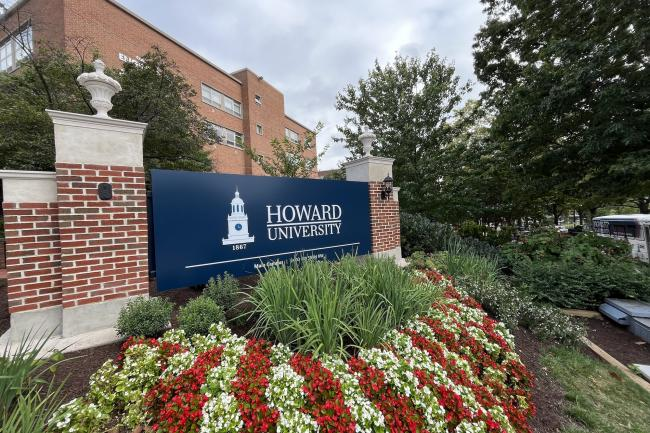
Howard University President Ben Vinson III to Step Down After Two Years

Howard University President Ben Vinson III will step down on August 31 after less than two years. Former President Wayne Frederick returns as interim leader during the transition.


By Milton Kirby | Washington, D.C. | August 22, 2025

Howard University announced Friday that President Ben Vinson III will step down on August 31, less than two years into his tenure as the school’s 18th president. His departure comes just days into the start of the fall semester at the historically Black university in Washington, D.C.

Vinson, who assumed office in September 2023, said in a statement that he intends to spend more time with his family while continuing his research.

“Over the course of my tenure as president, I have worked with unwavering commitment to advance the strategic vision I believe best serves the future of this institution, including in the areas of AI, data science and analytics, and global and diasporic engagement,” Vinson said. “My foremost priority has always been the well-being and success of this community, and I remain committed to ensuring a smooth and constructive transition.”

The university’s Board of Trustees praised Vinson’s leadership while announcing that Wayne A. I. Frederick, the school’s former president, will come out of retirement to serve as interim president beginning September 1.

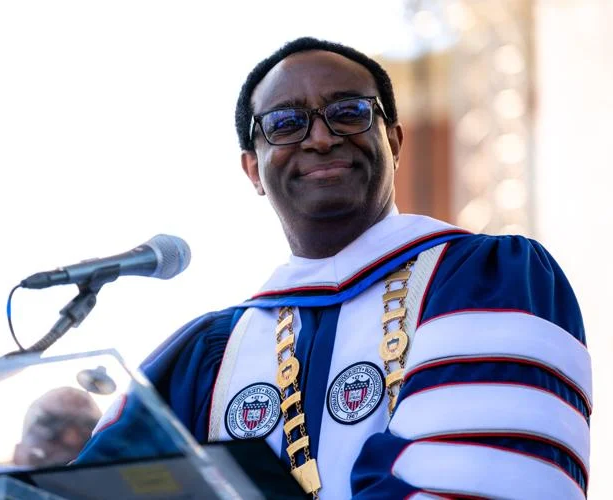
Courtesy Howard University – President Ben Vinson

“On behalf of the Howard University Board of Trustees, we extend our sincere gratitude to Dr. Vinson for his service and leadership,” said board chair Leslie D. Hale. “Given our focus and commitment, the board has selected an interim president who is uniquely equipped to serve the university during this time of transition.”

Frederick previously served as Howard’s 17th president from 2014 to 2023, a period marked by record fundraising, campus modernization, and expansion of student support services. His deep ties to Howard include three degrees from the university. The board said his return would ensure “stability, continuity, and continued progress” as Howard undergoes a nationwide search for its 19th president.

Vinson’s departure is one of the shortest presidencies in the school’s 158-year history. The university did not provide a reason beyond his personal statement, but the change comes as Howard faces several challenges. Recent reporting by the student newspaper, The Hilltop, highlighted frustrations over student account billing errors and limited housing availability. Meanwhile, federal funding battles have placed Howard under financial pressure, with recent attempts to cut the university’s congressional appropriation by tens of millions of dollars. These challenges have put a strain on the university’s leadership and resources.

At the same time, Howard has celebrated historic achievements. In February, the university became the first HBCU to earn Carnegie’s coveted Research One classification, a prestigious designation that reflects its significant growth in research spending and doctoral programs. Enrollment has also surged, topping nearly 15,000 students last fall—up from fewer than 10,000 in 2019.

Despite the sudden leadership transition, Howard officials stressed that the university’s mission remains firm. “Together with our community, we are unwavering in our commitment to build on the university’s positive momentum and accelerate its upward trajectory,” Hale said. This reassurance underscores the continuity of Howard’s values and goals.

Frederick will serve until a permanent successor is selected following a nationwide search.

Related articles

MacKenzie Scott Gift to Howard University

MacKenzie Scott Gift to NC A&T State University

MacKenzie Scott Gift to Alabama State University

MacKenzie Scott Gift to Prairie View A&M University

MacKenzie Scott Gift to Bowie State University

MacKenzie Scott Gift to Philander Smith University

MARTA and Page Turners Host “Reading and Riding” Family Day at Decatur Station

MARTA and Page Turners host Reading and Riding Family Day at Decatur Station with author Derrick Barnes, free books, music, comic-making, and kids’ prizes.


By Milton Kirby | Decatur, GA | July 28, 2025

In a joyful celebration of literacy, learning, and community, the Metropolitan Atlanta Rapid Transit Authority (MARTA) has teamed up with Page Turners Make Great Learners to host “Reading and Riding Family Day” on Saturday, August 2. The free event, taking place at the east entrance plaza of Decatur Station from 10 a.m. to 1 p.m., promises an engaging experience for children and families just in time for the back-to-school season.

Designed to foster imagination and encourage early childhood literacy, the family-focused gathering blends books, music, creative expression, and community engagement—all centered around the theme of “Reading and Riding.”

 Derrick Barnes Headlines the Day

Award-winning children’s author Derrick Barnes headlines the event with a live reading from his latest book, I Got You – A Brother’s Promise. Known for uplifting Black youth through powerful, affirming stories, Barnes is expected to draw a crowd of eager young readers. The first 100 families in attendance will receive a free copy of the book, with the opportunity to have it personally signed by the author.

 Local Vendors, Celebrity Guests, and Hands-On Fun

The local, independent bookstore Brave and Kind Book Shop will also be on site, offering additional children’s titles for purchase and encouraging families to build their home libraries.

Photo by Milton Kirby Bunnie Hilliard Brave & Kind Bookshop owner

Adding a hometown celebrity flair, Atlanta recording artist Trinidad James is slated to make a special appearance. As part of his “Reflections Sundays” initiative, he will lead a mindfulness moment to help children center themselves and prepare for a successful school year.

No summer event is complete without a cool treat—MokiPops, a local family-owned business, will provide free popsicles to kids in attendance.


Creativity in Motion

Young creatives can also dive into storytelling with Georgia Public Broadcasting (GPB), which will offer a “Create Your Own Comic Book” station. This hands-on activity allows children to write and illustrate their adventures, combining literacy with artistic expression.

Adding to the excitement, MARTA staff will host a prize wheel featuring fun back-to-school giveaways, including custom Breeze cards. A live DJ will keep the energy up with music throughout the event.


Community Collaboration for Student Success

The event reflects MARTA’s broader commitment to education and family-friendly service initiatives. “We are proud to partner with Page Turners Make Great Learners to bring this exciting, literacy-focused event to our Decatur community,” said a MARTA spokesperson.

“Reading and Riding is all about creating positive experiences for young riders and encouraging them to view public transportation as a place for learning and growth.”

Page Turners Make Great Learners, an Atlanta-based nonprofit, has long focused on providing engaging reading opportunities and author interactions to boost literacy outcomes among underserved youth. Partnering with MARTA adds a new dimension—connecting education to everyday experiences like riding transit.

 Event Details

What: Reading and Riding Family Day

When: Saturday, August 2, 2025 | 10 a.m. – 1 p.m.

Where: Decatur Station (East Entrance, Plaza adjacent to Church St.)

Address: 400 Church St., Decatur, GA 30030

Cost: Free

For more information, visit itsmarta.com.

Related articles

MARTA rolls out Big Changes with New Fare System Upgrades

MARTA Unwraps the Holidays with Free Rides, Festive Buses, and Gifts for Riders

MARTA Rolls Out an Outkast Tribute Across Atlanta

MARTA Completes Garnett Station Platform Renovation

From Tokens to Tap-to-Pay: MARTA Unveils Better Breeze

MARTA to Close Five Points Peachtree Entrance as Next Phase of Transformation Begins

MARTA Interim CEO Charts Course for Safer, Faster, More Reliable Transit Ahead of World Cup

Atlanta Beltline Nears 2030 Completion with Big Progress and Bigger GoalsWorld-Class Transit for World-Class Soccer: MARTA Steps Up

Please consider supporting open, independent journalism – no contribution is too small!

10 Steps to Building Lasting Wealth


By Rashonda Tate | July 5, 2025

When the conversation turns to freedom, it often stops at civil rights and voting power. However, true freedom includes financial liberation—the ability to make choices without being burdened by debt, paycheck-to-paycheck cycles, or generational disadvantage.

For Black families, the wealth gap remains a significant barrier. According to the Federal Reserve, the median wealth of Black households is $24,000, compared to $188,000 for white households.

That story does not have to be the final chapter.

Financial freedom is not about luck. It is about intention, strategy, and education. Whether you’re starting from scratch or looking to advance, here are 10 steps to take control of your money, reclaim your power, and build lasting wealth.

1. Know Your Numbers

You cannot change what you do not measure. Start by listing your income, monthly expenses, debts, and savings. Use tools like Mint, YNAB (You Need A Budget), or an Excel worksheet to get the full picture. Don’t be afraid of what you find—clarity is power.

“When I finally wrote everything down, I realized I was not broke—I was just unorganized,” said Houston entrepreneur Tiffany Jackson.

2. Create a Budget That Respects Your Life

Budgeting does not mean deprivation—it means direction. Set a monthly budget that includes necessities, savings, debt repayment, and joy. The 50/30/20 rule (50% needs, 30% wants, 20% savings/debt) is a good start, but customize it for your situation.

3. Build an Emergency Fund

Life happens. A blown tire, medical bill, or job loss shouldn’t wipe you out. Aim to save three to six months of expenses, starting with a goal of $500 and building from there. Automate your savings so you don’t have to think about it.

4. Eliminate High-Interest Debt

Credit card debt is a wealth killer. Use the snowball method (pay off smallest debts first) or the avalanche method (tackle highest interest rates first). Whichever you choose, be consistent. Every dollar you pay off is a dollar you reclaim.

5. Protect Your Credit Score

Your credit score affects everything from home loans to insurance rates. Pay bills on time, keep credit utilization under 30%, and avoid opening too many new accounts. Apps like Credit Karma or Experian Boost can help you monitor your progress.

6. Learn to Invest (Yes, You Can)

Black families have historically been left out of investment opportunities. It’s time to change that. Start with a Roth IRA, 401(k), or low-cost index funds. You don’t need to be rich to invest—just consistent. Compound interest is the real benefit.

7. Buy (or Keep) Property If You Can

Homeownership is still a major wealth builder, especially when property values increase. Programs like NACA (Neighborhood Assistance Corporation of America), FHA loans, and local grants can help first-time buyers.

Ownership also includes protecting inherited property and avoiding land loss.

“Too many Black families lose the home grandma worked for because the paperwork was not right,” said real estate attorney Kristie Kin. “Make sure the deed is clear and the heirs understand the value.”

8. Teach the Next Generation

Financial literacy isn’t just for adults. Talk to your children and teens about saving, budgeting, and ownership. Open custodial savings accounts, introduce them to investing early, and model the habits you want them to repeat.

9. Find a Financial Accountability Partner

You don’t have to go it alone. Whether it’s a trusted friend, family member, or financial coach, share your goals and check in monthly. Black wealth is community wealth—don’t be afraid to lean on your village.

10. Leave a Legacy, Not Just Money

Wealth is more than a dollar amount. It’s insurance. It’s estate planning. It’s a will that protects your children. Meet with a Black estate attorney or planner and ensure your assets are clearly designated. Don’t let probate courts decide your family’s future.

Financial freedom is not a destination—it’s a practice. Start where you are. Build as you go. And remember: We are not just consumers. We are creators, builders, and owners.

“Black wealth is a revolutionary act,” said financial educator Dominique Broadway.
“And it is one we can achieve—one step at a time.”

Please consider supporting open, independent journalism – no contribution is too small!

UVA President Resigns to Protect Students, Jobs from Trump’s Threat of Cuts

UVA President Jim Ryan resigns amid Trump administration pressure over DEI policies, raising alarms about political interference in higher education leadership and academic freedom.


By Milton Kirby | Richmond, VA | July 1, 2025

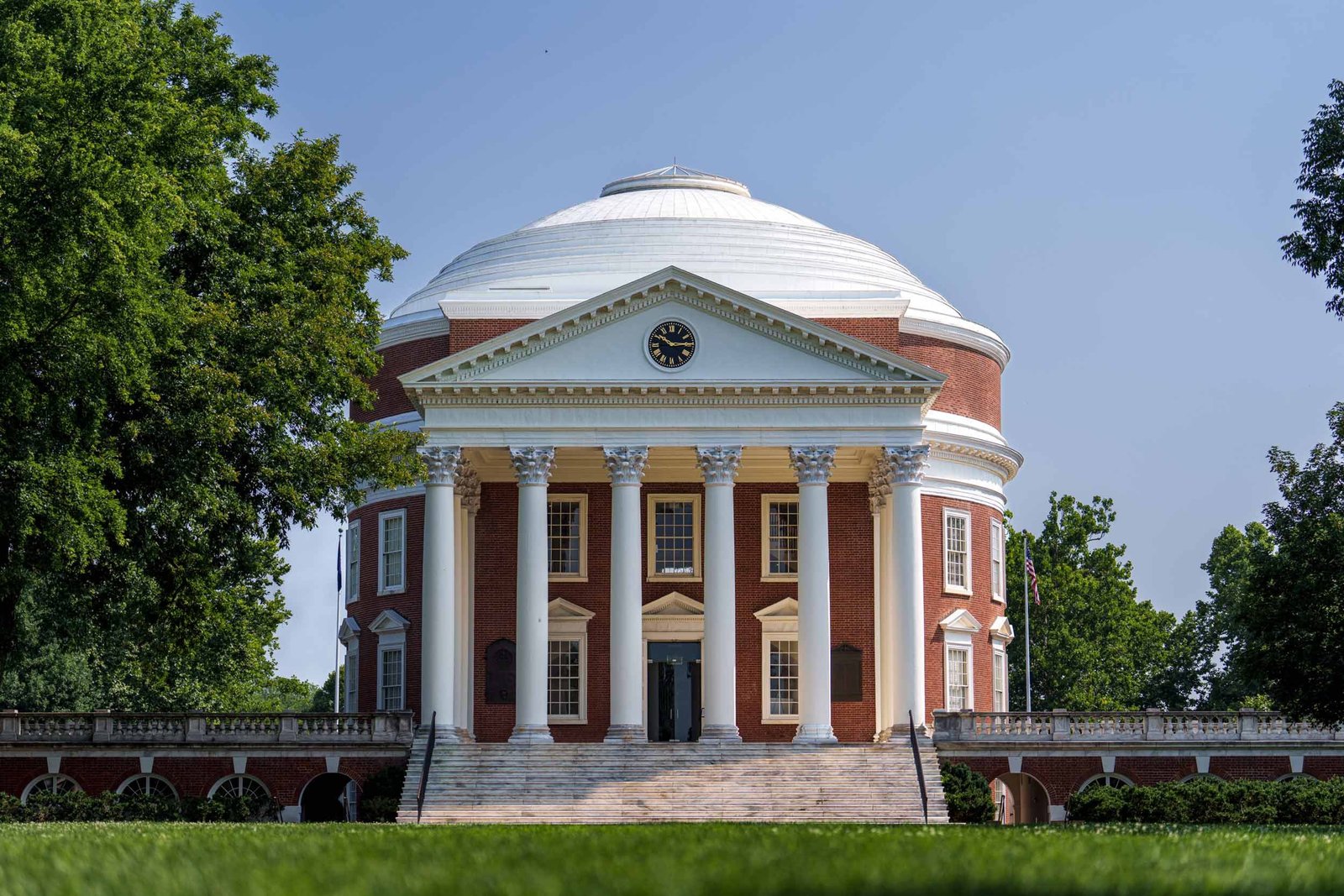
In an unprecedented clash between federal authority and academic independence, University of Virginia President James E. Ryan resigned Friday following what officials described as direct political pressure from President Donald Trump’s administration. The resignation comes amid a federal investigation into the university’s diversity, equity, and inclusion (DEI) efforts.

Virginia Sen. Mark Warner called the resignation “outrageous” during a Sunday appearance on CBS’s Face the Nation. He accused the Trump administration of using the Department of Justice (DOJ) and Department of Education (DOE) as political weapons to dismantle DEI initiatives and force leadership changes at prominent universities.

“This is the most outrageous action this crowd has taken on education,” Warner said. “Jim Ryan had done a very good job. He just completed a major capital campaign. He should not have been forced out.”

According to Warner, UVA received an “explicit” warning from the administration that if Ryan did not resign by a specified deadline, the university would face sweeping federal funding cuts. These included slashed research grants, loss of student financial aid, and revoked international student visas.

Ryan, who had planned to step down next year, ultimately accelerated his departure to shield the UVA community from fallout.

“To make a long story short, I am inclined to fight for what I believe in… But I cannot make a unilateral decision to fight the federal government in order to save my own job,” Ryan wrote in a heartfelt resignation letter Ryan wrote in a heartfelt resignation letter. “To do so would… appear selfish and self-centered to the hundreds of employees who would lose their jobs… and the hundreds of students who could lose financial aid or have their visas withheld.”

Jim Ryan

A Sudden Resignation, a Lasting Impact

The federal investigation into UVA is part of a broader campaign by the Trump administration to dismantle DEI programs in education. Though UVA’s Board of Visitors voted to dissolve its Office for Diversity, Equity, and Inclusion in March, DOJ officials reportedly accused the university of failing to go far enough. A June 17 letter from the department, according to The New York Times, reiterated that the university was still out of compliance.

Ryan’s resignation marks the first time a sitting university president has stepped down under direct federal pressure tied to financial threats. Higher education leaders say the move sets a dangerous precedent.

“This is a dark day for the University of Virginia and a dark day for higher education,” said Ted Mitchell, president of the American Council on Education. “It’s clear the administration is not done and will use every tool it can make or invent to exert its will over higher education.”

Community Reactions

UVA’s Board of Visitors accepted Ryan’s resignation and activated its Continuity of Operations Plan. Executive Vice President and Chief Operating Officer Jennifer “J.J.” Wagner Davis will serve as acting president while a nationwide search for a permanent successor begins.

“Jim Ryan has been an extraordinary president,” said outgoing Rector Robert Hardie. “He has led our institution to unprecedented heights, always doing so with grace and humility… UVA has forever been changed for the better as a result of Jim’s exceptional leadership.”

Ryan’s tenure since 2018 was marked by major institutional growth, including the creation of the School of Data Science, a new performing arts center, and expanded financial aid for Virginia families. He was also instrumental in launching the Karsh Institute of Democracy and a new campus in Northern Virginia.

Warner and fellow Virginia Sen. Tim Kaine released a joint statement calling the DOJ’s demand for Ryan’s resignation “outrageous” and a “mistake that hurts Virginia’s future.”

National Consequences

The Trump administration’s move is part of a broader federal campaign to eliminate DEI practices nationwide. The administration has simultaneously threatened funding for Harvard, Columbia, and other elite universities over race-conscious admissions and hiring.

Critics argue that these moves signal the erosion of higher education’s independence from federal politics.

“There’s grave danger to the quality and future of higher education if these kinds of decisions become a function of the federal government,” said Armand Alacbay of the American Council of Trustees and Alumni.

Peter McDonough, general counsel for the American Council on Education, noted that federal law prohibits the government from micromanaging educational institutions. But the Trump administration has increasingly blurred the lines between political pressure and lawful oversight.

“If universities now have to align with whoever won the last presidential election, that’s a worry,” McDonough said.

A Historic Presidency Ends

Ryan, a first-generation college student who earned his law degree from UVA, had earned widespread respect among students, faculty, and alumni. His final message reflected both sorrow and resolve.

“This was an excruciatingly difficult decision, and I am heartbroken to be leaving this way,” he wrote. “But I could not in good conscience cause any real and direct harm to my colleagues and our students in order to preserve my own position.”

His departure underscores the high stakes battle over academic freedom, public governance, and the future of higher education under renewed federal scrutiny.

Please consider supporting open, independent journalism – no contribution is too small!

Despite Pushback From Students and Alumni, DeSantis Ally Picked to Lead FAMU

“Discover expert tips, proven strategies, and essential tools to boost website traffic, increase conversions, and improve your SEO rankings with our comprehensive digital marketing guide.

Many in the Florida A&M community don’t believe that Marva Johnson has the experience needed to lead the storied institution

By Brandon TensleyAallyah Wright and Ja’Caiya Y. Stephens | May 16, 2025

The Florida A&M University Board of Trustees on Friday picked Marva Johnson as the school’s 13th president in an 8-4 vote. Her selection is subject to confirmation by the 17-member Florida Board of Governors, which oversees the state’s public university system.

This decision comes as a blow to many students and alumni. Over the past week, they mounted fierce opposition to Johnson’s candidacy, arguing that the current group vice president of state government affairs at Charter Communications lacks the experience needed to lead the state’s flagship historically Black school.

These tensions bubbled over at a moment when other HBCUs across the South are struggling to find leadership that enjoys the confidence of their respective communities.

“We shouldn’t be seen as a training ground for someone who doesn’t have any academic experience,” Gregg Bishop, who takes pride in his alma mater, told Capital B. “Yes, she may have business experience, but for us, it’s academics first.”

Johnson hasn’t responded to Capital B’s request for comment.

FAMU stands out as the first HBCU to offer its students a nationally accredited journalism program. The school is also one of the top producers of Black graduates with doctoral degrees in science and engineering and sits in the top five of the Black land-grant universities that generate the most annual economic impact for their graduates. FAMU has been the highest-ranked public HBCU for six consecutive years.

From its academic rigor to its campus culture, FAMU is “unmatched,” Bishop added. Plus, the school accepted him — a former college dropout with a 1.9 grade point average. After working in the tech industry for seven years, he returned to college, graduating from FAMU in 2005 with a bachelor’s degree in business administration.

“I have a special love for FAMU because FAMU gave me the opportunity to get my bachelor’s degree. Then, I went to Florida State University and got my master’s degree. Because of that, I was able to have over a decade-long career in government in New York City,” said Bishop, a member of FAMU’s School of Journalism and Graphic Communication Board of Visitors.

An ally of Florida Gov. Ron DeSantis, Johnson was one of four people in the running to be the university’s next leader.

While some worry that she’ll push DeSantis’ anti-diversity agenda, the biggest concern, according to Bishop, is that she won’t last long in the position, a situation that would only fuel instability. The university’s next president, he argued, ought to be selected based not on political ties but on commitment to the FAMU community.

The three other people who were being considered were Donald Palm, FAMU’s executive vice president and chief operating officer; Gerald Hector, the University of Central Florida’s senior vice president for administration and finance; and Rondall Allen, the University of Maryland Eastern Shore’s provost and vice president for academic affairs.

FAMU’s National Alumni Association endorsed Palm as its preferred candidate.

Students and alumni were speaking out because they wanted to make sure that the people in charge of hiring think long and hard about protecting the university’s future, Erica Stallworth, a 2002 FAMU graduate, told Capital B.

“I’m a second-generation HBCU graduate, and I’m proud to be a Rattler,” she said, referring to the school’s mascot. “We need someone who understands — and wants to understand — our culture.”

“More than just a school”

Others in the FAMU community share Bishop and Stallworth’s concerns.

Elijah Hooks, a political science major, started a petition that’s received more than 12,000 signatures. The document describes Johnson, because of her ties to DeSantis, as someone who is out of step with a school that values “teaching our full history” and who would be “learning on the job.”

“To me, FAMU represents the epitome of Black excellence,” Hooks, the co-chair of the grassroots coalition FAMU Deserves Better, told Capital B. “It’s a place where we cultivate Black leaders across every field — from health and engineering, to politics and the arts.”

For Hooks and many of his peers, having a president who embodies these ideals is non-negotiable. The person in this role is “more than a figurehead,” he said — they also “set the tone” for the rest of the school.

Though Johnson previously served on the Florida State Board of Education, her experience is rooted in K-12 policy and corporate governance. She also was an elector for Donald Trump in 2020, and has been appointed to several state positions by Republican governors.

Like Bishop, Stallworth, and Hooks, Hannah Kirby, a broadcast journalism major, believes that the next FAMU president should be someone who understands student life at the university, which she calls her “dream school.”

“Undergraduate students are the heart and soul of this campus,” she told Capital B. “If the president doesn’t understand or support students, that’s a recipe for disaster.”

After attending the open forums for the presidential finalists, Kirby said that Johnson’s lack of academic leadership experience stood out to her.

“Going from lobbying to running a university is a huge leap,” she said. “FAMU is more than just a school. It is a cultural institution that shapes communities.”

One of the university’s most famous alumni, the producer Will Packer, also has denounced Johnson. He said in a video he posted on Instagram, “Right this very minute, a group of activist Republicans is trying to put in the highest position of power someone who is solidly and objectively unqualified for it.”

Packer, whose credits include the 2017 movie Girls Trip, posted the video following a roiling town hall last week. FAMU alumni, boosters, and others criticized Johnson as a “political plant” and threw their support behind Palm.

“What we cannot allow is a hostile takeover by someone who is aligned with a party that has loudly and proudly espoused ideologies that attack diversity and diverse institutions, attacked equitable economics, and attacked inclusive principles — the exact pillars that institutions like FAMU were built upon,” Packer, who didn’t respond to Capital B’s request for comment, said in the video.

Alan Levine, the vice chair of the Florida Board of Governors, criticized the backlash to Johnson, calling it “unfair, uninformed, and not helpful to the process.”

“It’s odd to me that an organized effort is underway to target a candidate before she has been given an opportunity to be interviewed by the Board of Trustees in an open forum,” he told the Tallahassee Democrat last week.

“The Board of Trustees should focus on the qualities of their candidates, and decide which candidate they believe they, as a board, will be able to partner with to deliver the results the BOG, legislature, governor, and most importantly, students expect,” Levine added.

A problem beyond Florida

FAMU isn’t the only HBCU scrambling to find qualified leadership.

At the beginning of the month, Marcus Thompson suddenly resigned as the president of Mississippi’s Jackson State University. The school has had nine presidents over the past 15 years, and alumni — and Gov. Tate Reeves — are demanding greater transparency in its search and vetting process.

Meanwhile, in March, Georgia’s Albany State University named Robert Scott as its next president. But this announcement followed a contentious period: Earlier this year, alumni and their supporters collected more than 900 signatures to make clear that they didn’t want Lawrence Drake, who was the university’s interim president, to assume a permanent role. The petitioners argued that Drake, who worked at the Coca-Cola Co. for 21 years, wasn’t qualified.

Together, these developments underscore the wider leadership challenges facing HBCUs.

In a letter, Florida’s state NAACP chapter expressed “profound concern” about Johnson’s being included in the pool of candidates and threatened to “take all appropriate advocacy and legal actions” over the selection process.

Deveron Gibbons, the chair of the presidential search committee, has defended the process and the qualifications of all four candidates.

The committee “has conducted a transparent, inclusive process and identified four exceptional candidates to move forward,” Gibbons, who’s also the vice chair of FAMU’s Board of Trustees, said in a statement. “Each brings a strong record of leadership.”

Bishop wants others to get involved in their alumni associations, donate to their universities, and boost their civic engagement in everything from parent–teacher associations to state politics. 

He predicts that alumni and students will continue to speak out against Johnson.

“She worked in the private sector. She should be the next CEO of a company, not the next CEO of a university,” Bishop said. “What you’re hearing from the alumni community is that to have someone with zero experience shepherd one of the flagship universities of Florida … it’s concerning.”

Please consider supporting open, independent journalism – no contribution is too small!

Brown v. Board of Education: The Supreme Court Ruling That Changed America

Briggs v. Elliott helped end school segregation. Discover the personal sacrifice of the Briggs family in the landmark Brown v. Board decision.


By Milton Kirby | Atlanta, GA | May 31, 2025

On May 17, 1954, the United States Supreme Court issued a landmark decision that would forever alter the course of American history. In a unanimous ruling, the Court declared that racial segregation in public schools was unconstitutional, bringing an end to the legal foundation of the “separate but equal” doctrine that had stood for nearly 60 years since Plessy v. Ferguson.

The case, officially titled Brown v. Board of Education of Topeka, was one of the most significant legal victories of the Civil Rights Movement. It addressed whether separating children in public schools based on race violated the Equal Protection Clause of the Fourteenth Amendment. Chief Justice Earl Warren delivered the opinion of the Court, stating clearly:

Separate educational facilities are inherently unequal.

This decision did more than desegregate schools. It marked a pivotal moment in the nation’s struggle for racial justice and paved the way for future civil rights legislation, including the landmark Civil Rights Act of 1964.

A Case that Began in Topeka—and Beyond

Although the case was named after Oliver Brown, a Black parent in Topeka, Kansas, it represented a group of lawsuits from across the country. Brown had tried to enroll his daughter in a nearby white elementary school. Brown and other parents sued the Topeka Board of Education when she was denied.

But Topeka was not alone. Brown v. Board was a consolidation of five separate cases from different states:

  1. Brown v. Board of Education of Topeka, Kansas
  2. Briggs v. Elliott – South Carolina
  3. Davis v. County School Board of Prince Edward County – Virginia
  4. Gebhart v. Belton – Delaware
  5. Bolling v. Sharpe – Washington, D.C.

South Carolina’s Briggs v. Elliott was the earliest filed and arguably the most courageous. It originated in Clarendon County, where Black parents, led by Rev. J.A. DeLaine, challenged the appalling disparities between Black and white schools. At the time, Black children in Clarendon County attended schools with no buses, crumbling buildings, outdated books, and underpaid teachers, despite tax dollars funding white schools at nearly ten times the rate.

When their petitions for equal resources were ignored, the case became a direct challenge to segregation. The lead plaintiff was Harry Briggs, a gas station attendant, and the defendant was R.W. Elliott, chairman of the county’s school board.

According to Nate Briggs, son of Harry Briggs, Sr., “participation in the case took a terrible toll on the family. So much so, that Harry Briggs, Sr. had to move his family away from Summerton, South Carolina, for their safety and to find steady work. The personal cost of standing up for justice was high—but it was a sacrifice that helped move the nation forward.”

Though the federal Court ruled against them, one judge, J. Waties Waring, issued a powerful dissent, calling segregation inherently unequal. His words laid the intellectual groundwork for what would soon become national law.

The Man Who Argued the Case: Thurgood Marshall

Thurgood Marshall, the brilliant attorney who served as chief counsel for the NAACP Legal Defense and Educational Fund, stood at the center of this legal battle. Marshall, who was 45 during the Brown arguments, had already established a reputation for himself by fighting segregation in cases such as Sweatt v. Painter and Smith v. Allwright.

Marshall was born on July 2, 1908, in Baltimore, Maryland. After being denied admission to the University of Maryland Law School due to segregation, he attended Howard University School of Law, where he graduated first in his class. By the time of Brown, he had already argued numerous cases before the Supreme Court and would go on to argue a total of 32 cases, winning 29.

His victory in Brown was more than a professional achievement. It was a decisive blow against legalized racism, and it positioned him to become the first African American U.S. Supreme Court Justice in 1967.

After the Ruling: Resistance and Reform

While the decision was celebrated across much of the country, its implementation was met with fierce resistance, especially in the South. Some states openly defied the ruling. Others delayed desegregation through legal maneuvers or token compliance.

Recognizing the challenge, the Court issued a follow-up decision in Brown II on May 31, 1955, instructing states to carry out desegregation “with all deliberate speed.” Still, progress was slow. Many Black students and families continued to face threats, intimidation, and legal battles in the years that followed.

Despite the resistance, the decision in Brown v. Board became a moral and legal cornerstone of the Civil Rights Movement. It led to increased momentum for equality, energized grassroots activism, and showed that the highest Court in the land was willing to challenge systemic racism.

Legacy

Today, more than 70 years later, Brown v. Board of Education remains a symbol of hope, courage, and constitutional justice. It reminds us of the power of the law to correct injustice—and the power of ordinary people, like the Briggs family and Rev. DeLaine, to change the course of a nation.

The decision did not eradicate racism or inequality, but it signaled that the Constitution could be a tool for progress. It also proved that when legal strategy, moral clarity, and community courage come together, history can be rewritten.

Brown v. Board was not just a court case. It was a national awakening…

Please consider supporting open, independent journalism – no contribution is too small!

Exit mobile version