DeKalb County to Host Major Job Fair with 500+ Openings Across Departments

DeKalb County hosts July 10 job fair with over 500 openings, including 250 public safety roles. On-site interviews and same-day offers available. Register now.

By Milton Kirby | Decatur, GA | June 25, 2025

DeKalb County is opening its doors to job seekers with a countywide job fair scheduled for Thursday, July 10, 2025, from 9:00 a.m. to 1:00 p.m. at Georgia Piedmont Technical College, located at 495 N. Indian Creek Drive in Clarkston, GA.

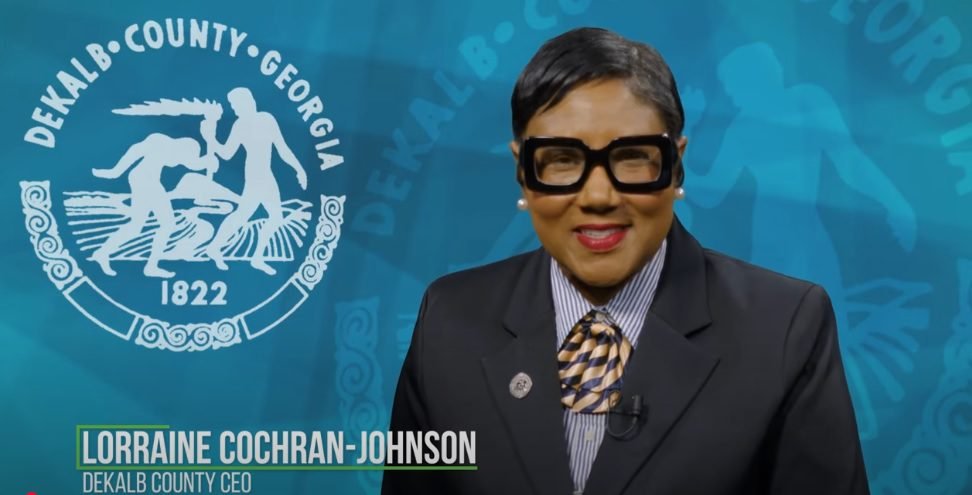
DeKalb County CEO Lorraine Cochran-Johnson announced the hiring event on Wednesday, emphasizing its importance as part of her administration’s commitment to reshaping the county’s future. “This job fair is one of the ways we’re re-imagining DeKalb,” she said. “It is one of the ways we are investing in people and helping them thrive.”

The county currently has more than 500 positions available across various departments. Of those, 250 vacancies are in public safety roles, including positions in police, fire, and emergency services. County representatives will conduct on-site interviews and same-day job offers may be extended to qualified candidates.

The hiring event is a tangible reflection of our broader workforce development strategy, a key focus outlined during Cochran-Johnson’s recent State of the County address. This strategy is our commitment to making DeKalb a model of community-focused governance and innovation, ensuring a bright future for our workforce.

DeKalb County’s government careers page highlights a workplace culture focused on “collaboration, teamwork, and achievement” and welcomes applicants to a workforce that is “diversified and inclusive.” The site is updated weekly with the latest job vacancies, and residents are encouraged to join the DeKalb talent community to stay informed about new opportunities.

Job seekers are encouraged to explore opportunities in various fields, including engineering, sanitation, public safety, customer service, parks and recreation, finance, and public health.

The job fair is a free and inclusive event, open to all members of the public. While registration is required, it’s a simple step to secure a spot and gain early access to job postings and interview information.

Hot Jobs Available Now

  • Police Officers & Firefighters
  • Sanitation Drivers & Technicians
  • Administrative Support Specialists
  • Facilities & Grounds Maintenance Staff
  • Engineers & Project Managers
  • Health Inspectors & Environmental Specialists

The DeKalb County jobs website is updated weekly, and interested candidates can join the county’s talent community to stay informed about future vacancies.

For more information or to register, visit the DeKalb County Job Fair Registration Page. Don’t miss this opportunity to connect with potential employers and explore exciting career opportunities in DeKalb County!

Please consider supporting open, independent journalism – no contribution is too small!

Alvin Bragg, Manhattan prosecutor who took on Trump, wins Democratic primary in bid for second term

Manhattan DA Alvin Bragg wins Democratic primary, advancing to face GOP challenger amid high-profile Trump and Weinstein prosecutions and growing national spotlight on criminal justice.

By Jennifer Pelts | Associated Press | June 24, 2025

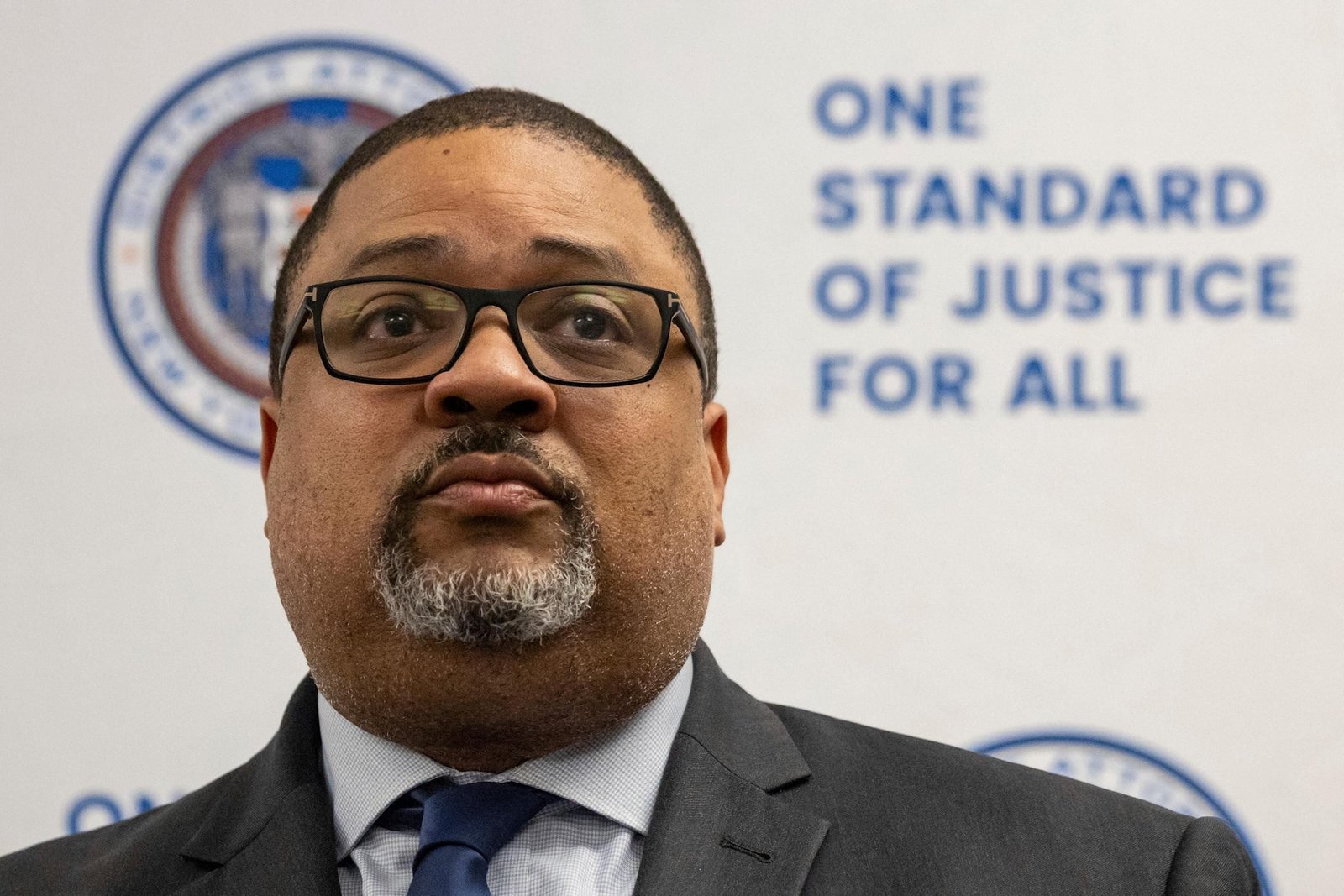
 Manhattan District Attorney Alvin Bragg, the prosecutor who oversaw the historic hush-money case against President Donald Trump, won Tuesday’s Democratic primary as he seeks reelection.

Bragg defeated Patrick Timmins — a litigator, law professor and former Bronx assistant district attorney — to advance to November’s general election. About 70% of registered Manhattan voters are Democrats.

The first-term incumbent will face Republican Maud Maron, who was a public defender for decades and previously ran for Congress and NYC’s City Council as a Democrat.

Bragg has long been one of the nation’s most prominent prosecutors, spotlighted in TV’s “Law & Order” and other shows. The DA directs about 600 attorneys in one of the biggest local prosecutors’ offices in the U.S.

He raised the office’s profile still further by bringing the hush-money case. His predecessor, fellow Democrat Cyrus R. Vance Jr., spent years investigating various Trump dealings but didn’t procure an indictment.

Bragg decided to focus on how and why porn actor Stormy Daniels was paid $130,000 to clam up about her claims of a 2006 sexual encounter with the married Trump. The payment was made, through the then-candidate’s personal attorney, weeks before the 2016 presidential election. Trump’s company records logged the money as a legal expense.

Trump denied any wrongdoing and any sexual involvement with Daniels. But a jury last year found him guilty of 33 felony counts of falsifying business records, the first-ever felony conviction of a former — and now again — U.S. commander in chief.

rump is appealing the verdict. The Republican president has long derided the case as a political “witch hunt,” and he has kept lambasting Bragg by social media as recently as March.

Bragg, 51, was a civil rights lawyer, federal prosecutor and top deputy to New York’s attorney general before becoming DA. Raised in Harlem and educated at Harvard, he’s the first Black person to hold the post.

His tenure had a rocky start. Days after taking office in 2022, he issued a memo telling staffers not to prosecute some types of cases, nor seek bail or prison time in some others. After criticism from the police commissioner and others, Bragg apologized for creating “confusion” and said his office wasn’t easing up on serious cases.

The matter continued to animate his critics. Trump repeatedly branded Bragg “soft on crime,” and Timmins said on his campaign site homepage that the memo “has brought about increased crime and a perception of chaos in the subway and on our streets.”

Timmins — who has raised about $154,000 to Bragg’s $2.2 million since January 2022 — also pledged to do more to staunch subway crime, keep cases from getting dismissed for failure to meet legal deadlines, and prioritize hate crimes, among other things.

Bragg’s campaign emphasized his efforts to fight gun violence, help sexual assault survivors, prosecute hate crimes and go after bad landlords and exploitative bosses, among other priorities.

His office, meanwhile, has been enmeshed in a string of high-profile cases in recent months.

The office is using a post-9/11 terrorism law to prosecute UnitedHealthcare CEO killing suspect Luigi Mangione, lost a homicide trial against Marine veteran and Republican cause célèbre Daniel Penny in a case that stirred debate about subway safety and self-defense, and retried former movie mogul Harvey Weinstein on sex crimes charges.

Mangione, Penny and Weinstein all pleaded not guilty.

Bragg unexpectedly inherited the Vance-era Weinstein case after an appeals court ordered a new trial. In a jumbled outcome, jurors this month convicted Weinstein on one top charge, acquitted him of another and didn’t reach a verdict on a third, lower-level charge — which Bragg aims to bring to trial a third time.

Please consider supporting open, independent journalism – no contribution is too small!

6 Unknowns After Trump Strikes Iran

Trump’s strike on Iran raises global stakes, questioning nuclear impact, retaliation, diplomacy, U.S. war powers, and MAGA unity in a potential turning point for his presidency.

By Olivier Knox | US News | June 23, 2025

President Donald Trump went all in this weekend on the biggest gamble of his second term: A direct military strike on Iran, aimed at destroying – or at least setting back – that country’s nuclear program. Here are six questions the historic attack raises.

1. How Effective Was It?

Trump says the American strikes “completely and totally obliterated” Iran’s main facilities for uranium enrichment – the process of making fuel potent enough for nuclear bombs.

But neither Defense Secretary Pete Hegseth nor Gen. Dan Caine, the chairman of the joint chiefs of staff, would say whether Iran retained the ability to make a nuclear weapon. Caine said the Iranian facilities had suffered “extremely severe damage and destruction” and that it would take time to assess the actual results. That’s not just a Pentagon job: The International Atomic Energy Agency, should it gain access to the sites, could also weigh in.

2. Does Iran Retaliate?

The American strikes, like the Israeli attacks that preceded them, came at a time when Iran is historically weak. Most of its regional proxies – Hamas in Gaza, Hezbollah in Lebanon – have been bloodied, raising doubts about their ability to retaliate on Tehran’s behalf.

But the roughly 40,000 U.S. military personnel on the ground in the region could still face threats from Iran-aligned militias in Syria and Iraq, as well as the Houthis in Yemen, who withstood a U.S. military campaign earlier this year.

On Monday, Iran said it had fired a volley of missiles at the al-Udeid Air Base in Qatar, home to thousands of U.S. troops. Qatar said its air defenses intercepted the rockets. There were no reports of deaths or injuries.

Iran’s parliament has approved a measure endorsing the closure of the Strait of Hormuz, a choke point for international trade, according to Iranian state media. If Tehran successfully shuts it down, it could lead to higher gas prices and disrupted supply chains in Europe and the United States.

In the past, American decisionmakers told me they worried about Iranian retaliation in the form of terrorist attacks. That’s a huge question mark here – and it would sharply escalate the conflict.

3. Are the U.S.-Iran Talks Dead?

Did the U.S. attack kill off prospects of nuclear negotiations with Iran? Or did it create the conditions for coercive diplomacy?

Asked whether diplomacy was still an option, Iranian Foreign Minister Abbas Araghchi told reporters in Istanbul: “This is not the case right now.”

In the aftermath of the strikes, senior American officials played down the prospects the attack was just the start of a broader military campaign – while retaining that as an option.

“This is most certainly not open-ended,” Hegseth said.

But the enemy gets a vote. And American warnings of, “If they hit back, we’ll hit back harder” makes this open-ended.

4. What Will Russia and China Do?

Russia and China were central to the diplomacy that yielded a nuclear deal with Iran under President Barack Obama. Trump ripped it up, saying he would quickly get a better deal. He did not, which is part of what got the world to the current volatile moment.

Iran’s foreign minister headed to Moscow on Monday to seek help from Russian President Vladimir Putin, Reuters reported. It was not immediately clear what sort of assistance Tehran wants.

China has condemned the attacks. So did Putin. But the real question is if they object enough to take practical action.

5. Is Congress Out of The ‘War’ Conversation?

Every White House I have covered – from the last days of President Bill Clinton onward – has had a testy relationship with Congress when it comes to which branch of government decides whether, when and how young Americans will be hurled into military conflict abroad.

The Constitution vests Congress with the power to declare war or authorize the use of military force. It also declares that the president is commander in chief of the armed forces.

I have not yet seen a formal administration notification to Congress laying out the legal justification for striking Iran. What will they formally invoke?

But Trump is hardly the first president to sideline Congress in matters of war. More on that in tomorrow’s newsletter.

6. Will MAGA Fissure?

After condemning his predecessors’ “forever wars” and repudiating the neocon blueprint that led to open-ended interventions in the Middle East, Trump has now delivered the neocon dream project: A military attack to try to neuter Tehran’s nuclear program and possibly precipitate regime change.

Some of his most fervent supporters had warned in the run up to this weekend’s strikes that this would amount to an “unforgivable betrayal” of his voters.

Will the movement fissure? Probably not. Trump has proved time and time again that Republicans may kvetch a bit but will eventually line up behind him.

Please consider supporting open, independent journalism – no contribution is too small!

Village at Legacy to Deliver Community-Focused Housing at Legacy Park

Village at Legacy brings 132 affordable apartments to Decatur’s Legacy Park, offering low-income families modern housing, green space, and community-focused amenities in two phases.


132 new units to serve low-income families in two-phase community development

By Milton Kirby | Decatur, GA | June 20, 2025

A new chapter in affordable housing is unfolding in Decatur, Georgia. The Decatur Housing Authority (DHA), in partnership with the City of Decatur and nonprofit developer Preserving Affordable Housing, Inc. (PAHI), has broken ground on the Village at Legacy Apartments—a two-phase development that will ultimately provide 132 affordable housing units for low-income families within the scenic Legacy Park.

Located on the former United Methodist Children’s Home property—77 acres purchased by the city in 2017—Legacy Park was master planned through a robust community engagement process. The plan included a clear vision for affordable housing, which is now becoming a reality in the South Housing Village through this public-private collaboration.

A Vision for Inclusive Growth 

“The Village at Legacy is more than just housing—it’s a step toward inclusive growth, equity, and community-building in Decatur,” said Doug Faust, Executive Director of the Decatur Housing Authority. “We’re proud to partner with the City and PAHI to create a neighborhood where families of all income levels can thrive.”

Each of the two construction phases comprises 66 units, resulting in a total of 132 units upon completion. Phase I is expected to wrap up in summer 2025, while Phase II will break ground later this year and open in late summer 2026.

The development features a mix of duplexes, townhomes, and garden-style apartments, offering one-, two-, and three-bedroom floor plans ranging from 660 to over 1,200 square feet. Monthly rents will vary between $1,000 and $2,000 depending on unit size, with income qualifications required. Residents must demonstrate a gross monthly household income of at least 2.5 times the rent, or roughly between $2,500 and $5,000.

Courtesy Village at Legacy

Community-Centered Design 

The Village at Legacy is designed to do more than just meet housing needs. It’s built to nurture community.

A centrally located clubhouse will include a business center, art room, and teen lounge. Outdoor amenities, including a barbecue pavilion, green space, and raised garden beds, will provide residents with areas for relaxation and gathering. The grounds also feature pet-friendly walking trails and easy access to Legacy Park’s nature trails and open fields.

DHA will provide on-site management and a resident experience coordinator to facilitate support services. A dedicated maintenance team will ensure timely service requests and upkeep.

“This project combines affordable housing with lifestyle amenities and thoughtful design,” said a PAHI spokesperson. “It shows what’s possible when we reimagine affordable housing as an asset that strengthens neighborhoods.” 

Strategic Investment

The Village at Legacy was made possible through a mix of local and state investment. Both phases are supported by Low Income Housing Tax Credits (LIHTC) awarded by the Georgia Department of Community Affairs. Equity and debt funding for Phase I is provided by Hudson Housing Capital, Advantage Capital, and Bank of America. Additional support is provided by the City of Decatur and DHA.

In a long-term ground lease, the City of Decatur retains ownership of the land, ensuring long-term affordability and stewardship over the site’s future. 

A Desirable Location

Legacy Park is situated just minutes from Decatur Square, offering convenient access to top schools, healthcare services, and major employers. Nearby institutions include Emory University, Agnes Scott College, and Winnona Park Elementary. Job opportunities are plentiful with employers like Emory Healthcare, Delta Air Lines, and Davis Manufacturing within commuting distance.

Residents can also enjoy local dining favorites such as Kimball House and The Iberian Pig, or explore the Fernbank Museum of Natural History and Georgia Aquarium. Retail options range from boutique shops to big-box stores, and transit is easily accessible via South Columbia Drive (GA-155), East College Avenue (US-278), and I-285. 

Welcoming Home for All

Each apartment includes modern kitchens, spacious living areas, and washer-dryer connections. Select units feature private balconies or patios. The apartments are designed with comfort and convenience in mind, and our pet-friendly policy means that four-legged companions are also welcome.

Leasing is currently underway for Phase I, with move-ins expected to begin later this summer.

For more information or to schedule a tour, visit www.villageatlegacy.com, call (404) 270-2151, or email info@villageatlegacy.com.

Please consider supporting open, independent journalism – no contribution is too small!

‘Forgiveness is between him and God:’ Families reflect on decade since Charleston church massacre

“When President Obama sang ‘Amazing Grace,’ we wept. Not just for loss, but for a nation still bleeding from racism, violence, and unhealed wounds of history.”


By Deborah Barfield Berry | USA Today | June 16, 2025

Melvin Graham sat on the right of the arena with other families and listened as Barack Obama read the names of the nine churchgoers who were killed by a White supremacist at Emanuel AME Church in Charleston.

He heard Obama call the name of his younger sister, Cynthia Graham Hurd.

That was emotional enough. But at one point, the president broke out singing “Amazing Grace.’’ Pastors, families, choir members joined in.

“That’s one of those moments when you just wanted to break out and cry,’’ said Graham, who had heard and sung the hymn plenty of times over the years. “Not in the context of having lost a loved one.’’

The shooting 10 years ago at Emanuel AME Church, a historic Black church also known as “Mother Emanuel,” shocked the nation. Members− including Cynthia, a librarian − were at Bible study that June 17 evening when a White man they had welcomed shot nine of them to death. Five others survived.

Some family members called Obama’s presence days later at a funeral service and his rendition of the hymn a poignant moment as the country grappled with the horror of people gunned down at church.

“Even though this happened to Black people in a church … It felt like that sent a message of ‘This could happen to anybody,’ ” said the Rev. Sharon Risher, whose mother, Ethel Lee Lance, was among the Emanuel Nine. “The sympathy from the country was overwhelming.”

The nation was also gripped by some of the families publicly forgiving the shooter. But in the decade since the massacre, the families and others have been troubled by other deadly attacks against people because of their race, ethnicity or faith. And while they continue to demand justice for loved ones they lost, they also call for more efforts to prevent gun violence and tamp down on divisiveness plaguing the country. Families and community leaders hope commemorating the 10th anniversary will lead to more action.

To mark the anniversary, Mother Emanuel will host a series of events, including a service June 17, during what it called “Acts of Amazing Grace Month.’’

The Graham family held a memorial service June 12 for Cynthia at the church, followed by a town hall, ”The Way Forward,” to discuss efforts to heal and take action a decade later.

“It is a moment for us to move from mourning to commemoration,’’ Tonya Matthews, president and CEO of the International African American Museum in Charleston, told USA TODAY. “But that move comes with the real responsibility, and we’ve got to ask: So, what now? We have a moral obligation to do more than remember that moment – we must learn from it and use those lessons of history to inform our future.’’

‘Move from mourning to commemoration’

Across Charleston, there are monuments and tributes to honor the Emanuel Nine, including wooden benches inscribed with their names at a park near the church.

More: ‘We’ve slipped into forgetfulness’: Charleston church shooting survivors demand gun control

There are also scholarships, foundations and memorial gardens named in their honor. A library has been renamed the Cynthia Graham Hurd/St. Andrews Library.

Construction is underway for the Emanuel Nine Memorial at the church. Church officials hope it will provide a space to help with healing.

“They’re being memorialized and they’re being remembered,’’ said Graham, adding that racial attacks still happen. “But we have to put a stop to this.’’

‘Someone is going to act on the lie – again’

Attacks against people because of their faith, race or ethnicity have continued since the shooting at Mother Emanuel. In 2022, 10 Black shoppers were killed by a White supremacist at a grocery store in Buffalo, New York.

Communities have condemned such attacks, but overt racist rhetoric, including against immigrants, has ramped up, said Holly Fisher-Hickman, a history professor at Bowie State University in Maryland.

Beyond Trump administration policies, such as travel bans including from African countries and challenges to birthright citizenship, people are more vocal about attacking other communities, she said.

“It’s worse,” Fisher-Hickman said. “Now we have someone who is blatantly saying it’s OK to do what you feel.”

Graham said national leaders should take the lead to condemn divisive rhetoric. He hopes the commemorations remind people of the harm that can come from it.

“The undercurrent for this to happen is right there,’’ Graham said. “Someone is going to believe the lie and someone is going to act on the lie – again.’’

‘Forgiveness is between him and God’

Risher was as surprised as anyone when some family members, including her own, told Dylann Roof at a court hearing soon after the shooting that they forgave him.

“They just felt compelled, and the words just came out of their mouths,” said Risher, who believes God intervened.

She called the public forgiveness significant because it “set the tone of what was going to go on in Charleston.”

The community rallied.

It took Risher, who also lost a childhood friend and two cousins in the church shooting, more time to forgive. “I’m like, ‘Oh, hell no,’’ she said.

It was two years later during a sermon at an interfaith service in Virginia before Risher said she was moved to publicly forgive Roof.

“God allowed me to work it out in my own time,” said Risher, author of “For Such a Time as This: Hope and Forgiveness after the Charleston Massacre.”

Over the past decade, she has been an advocate for gun violence prevention and abolishing the death penalty.

Last month, families of the Emanuel Nine joined a Zoom call with a victim’s advocate to get an update on Roof’s appeals.

Roof, who was 21 at the time of the shooting, was one of three prisoners on federal death row who were not granted commutations on their sentences by President Joe Biden last December.

Historically, the African American community has given grace to others, Fisher-Hickman said. But some today don’t feel that way.

“Now people are saying, ‘I’m not giving any more grace. Grace has run out,’’ she said.

Though some families of the Emanuel Nine have expressed forgiveness, not everyone has.

Forgiveness is between him and God,’’ Graham said.

“You can’t execute my sister and say, ‘Forgive me,”’ he said. “He planned the day, the time and the moment of my sister’s death.’’

Instead, he said, the family is pressing for lawmakers to adopt stricter gun laws and keep the memory of the Emanuel Nine alive. Graham’s brother, Malcolm, recently released a book, “The Way Forward: Keeping the Faith and Doing the Work Amid Hatred and Violence.’’

“We don’t want to be the angry Black family,” Melvin Graham said. “But we have to stand up for what’s right.’’

Remembering their names

The Rev. Clementa Pickney, 41, senior pastor at Mother Emanuel and state senator

The Rev. Sharonda Coleman-Singleton, 45, associate pastor, high school coach

Cynthia Graham Hurd, 54, longtime librarian, branch manager

Susie Jackson, 87, church trustee, member of the choir

Ethel Lee Lance, 70, sexton, longtime member of Mother Emanuel

DePayne Middleton-Doctor, 49, minister at the church, admissions coordinator, singer

Tywanza Sanders, 26, recent college graduate, aspiring rapper

Daniel Simmons Sr., 74, retired pastor, Army veteran, Purple Heart recipient

Myra Thompson, 59, teacher, counselor, church trustee

NextGen Bus Network Set to Transform Atlanta Transit

MARTA adopts $1.55B FY 2026 budget, funding safety, new trains, a better fare system, and expanded projects without raising fares.

Biggest Changes Since Authority Was Founded

By Milton Kirby | Atlanta, GA | June 12, 2025

The MARTA Board of Directors has approved a bold redesign of the region’s entire bus system. Called the NextGen Bus Network, it’s the most significant overhaul since MARTA began.

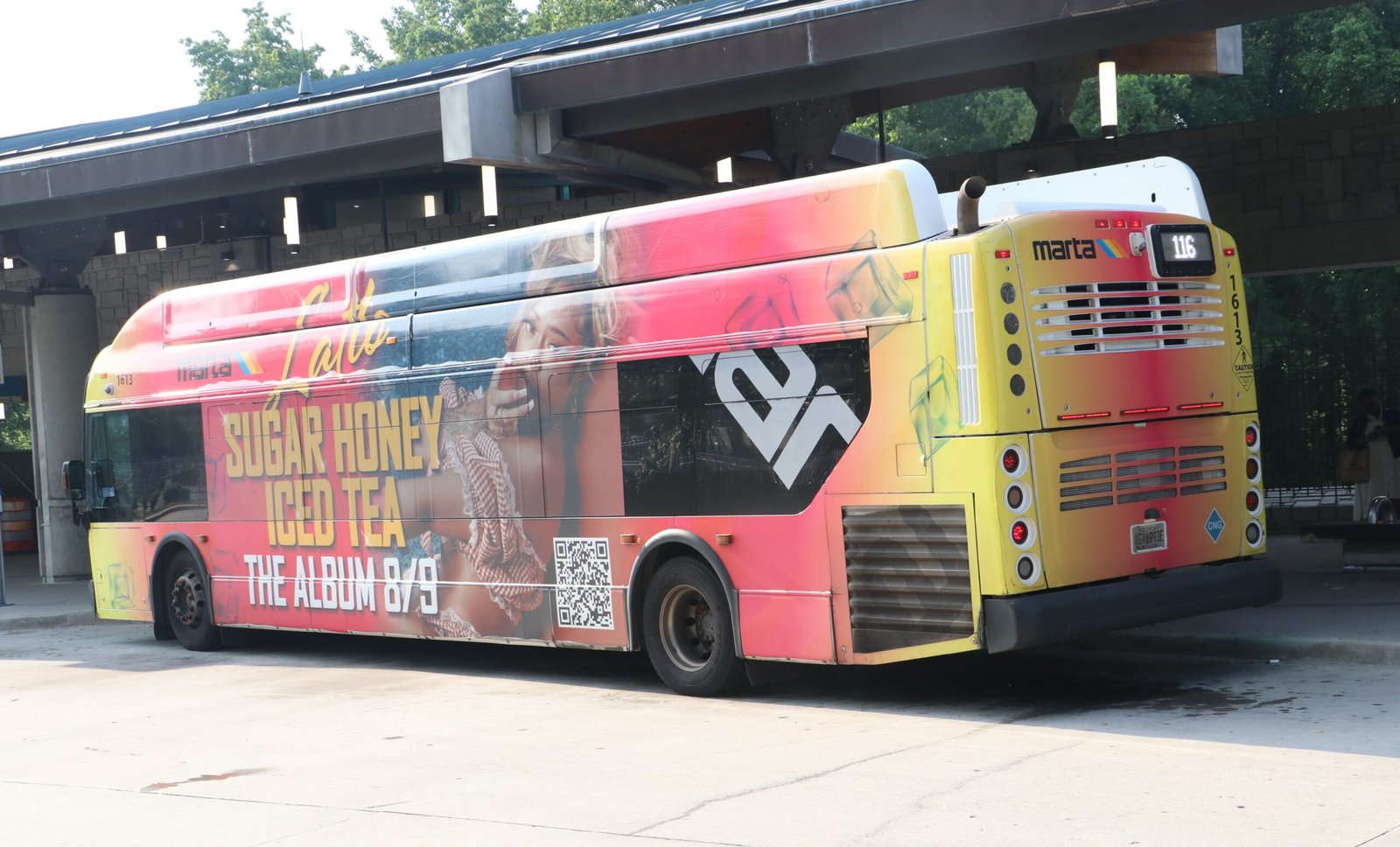
The new plan, set to launch in late 2025, promises to revolutionize bus service across metro Atlanta. It’s designed to be faster, simpler, and more reliable, with over 100 routes restructured to serve a larger number of people and better connect them to jobs, hospitals, and grocery stores.

“This is a major step toward a more equitable and rider-focused transit system,” said MARTA CEO Collie Greenwood. “It’s built from the voices of the people we serve.”

Key Changes

  • Frequent service routes will increase from 5 to 17.
  • The 20-minute service will be expanded to 11 routes.
  • Twelve new on-demand zones will be added for flexible trips.
  • Every route will run seven days a week.
  • Bus routes will be simplified from 113 to 81.
  • Riders will benefit from more frequent, reliable, and easier-to-understand service.

MARTA says the new plan will triple the number of people with access to frequent service—defined as buses arriving every 15 minutes or less. More people will live near transit that runs every 30 minutes or better.

Who Benefits?

The redesign is a testament to MARTA’s commitment to equity, ensuring that all residents, regardless of their location or income, have access to improved transit services.

  • +6% more people will live near a MARTA bus stop.
  • +11% increase in minority residents near transit.
  • +7% increase in low-income residents served.
  • +22% more jobs reachable within 60 minutes.
  • +31% more hospitals reachable in an hour.

The plan also makes it easier to transfer between routes. New transfer points will feature scheduled connections and upgraded stops.

Built on Public Feedback

The plan took four years of planning. MARTA held more than 60 public meetings and gathered over 15,000 survey responses. Community voices played a key role, especially from low-income and minority neighborhoods.

What’s Next?

With the board’s final approval, MARTA will now begin to prepare for the official launch in late 2025.

To learn more and view new route maps, visit martanextgenbusnetwork.com

Related articles

MARTA rolls out Big Changes with New Fare System Upgrades

MARTA Unwraps the Holidays with Free Rides, Festive Buses, and Gifts for Riders

MARTA Rolls Out an Outkast Tribute Across Atlanta

MARTA Completes Garnett Station Platform Renovation

From Tokens to Tap-to-Pay: MARTA Unveils Better Breeze

MARTA to Close Five Points Peachtree Entrance as Next Phase of Transformation Begins

MARTA Interim CEO Charts Course for Safer, Faster, More Reliable Transit Ahead of World Cup

Atlanta Beltline Nears 2030 Completion with Big Progress and Bigger GoalsWorld-Class Transit for World-Class Soccer: MARTA Steps Up

Please consider supporting open, independent journalism – no contribution is too small!

MARTA Approves Budget Focused on Rider Experience, Infrastructure Upgrades

MARTA adopts $1.55B FY 2026 budget, funding safety, new trains, a better fare system, and expanded projects without raising fares.


System Investments Move Forward Without Fare Increase

By Milton Kirby | Atlanta, GA | June 12, 2025

The Metropolitan Atlanta Rapid Transit Authority (MARTA) Board of Directors has adopted a balanced $1.55 billion Fiscal Year 2026 budget that maintains steady fares and funds major infrastructure upgrades focused on safety, cleanliness, and reliability.

This milestone, marking MARTA’s 14th consecutive balanced budget, not only reaffirms its top-tier credit ratings—AAA and AA+—but also underscores the agency’s unwavering fiscal responsibility in the face of rising operational costs. This achievement should instill confidence in our stakeholders and the public about MARTA’s financial stability.

“We had to tighten our belt this year, but we remain committed to growing ridership and making good on commitments to our jurisdictional partners,” said MARTA Board Chair Jennifer Ide. “By keeping safe, clean, and reliable as our north star, we were able to focus on necessary system improvements while remaining good stewards of public money.”

The FY 2026 plan includes $652 million in operating funds and $901.8 million in capital funding. MARTA General Manager and CEO Collie Greenwood emphasized the transformative nature of the coming year.

“The next fiscal year will be one of incredible improvement, with systemwide once-in-a-generation investments that ensure a safer, cleaner, more reliable MARTA,” Greenwood said. “Customers will see new state-of-the-art railcars, a better, more flexible Breeze system, and an entirely redesigned bus network that increases service frequency.”

Major Investments Rolling Out

Key budget items include:

  • $115 million for new trains, with the first set to enter service this fiscal year.
  • $104 million to implement a next-generation fare system.
  • Nearly $50 million for MARTA’s Station Rehabilitation Program, which upgrades safety and customer experience at all 38 stations.

MARTA’s capital projects span multiple jurisdictions and neighborhoods. In Atlanta, the agency is advancing construction on the Rapid A-Line through Summerhill and the transformation of the dramatic Five Points Station. Projects such as the Bankhead Station platform extension and the Cleveland/Metropolitan Avenue Arterial Rapid Transit (ART) are also in development.

In Clayton County, the investment will support Southlake and SR54 Rapid lines, as well as the Clayton County Operations and Multipurpose Facility and a Justice Center transit hub.

Budget Breakdown

A significant portion of MARTA’s funding comes from local sales tax revenue, projected to exceed $400 million in FY 2026. Farebox revenue and federal assistance comprise the following most significant sources, totaling $155 million.

The operating budget covers a 3% salary increase for non-represented employees and honors all collective bargaining agreements. Rising healthcare and pension costs are also accounted for, and a net reduction of 191 positions—mostly unfilled—helps control expenses without impacting service delivery

.

Looking Ahead

MARTA’s redesigned bus network and new railcars are poised to reshape the rider experience. The enhanced Breeze fare system will offer more flexibility and convenience. Leaders say these improvements are designed not only to modernize MARTA’s infrastructure but also to restore and grow ridership.

To view the full FY 2026 Operating and Capital Budgets, visit itsmarta.com.

Related articles

MARTA rolls out Big Changes with New Fare System Upgrades

MARTA Unwraps the Holidays with Free Rides, Festive Buses, and Gifts for Riders

MARTA Rolls Out an Outkast Tribute Across Atlanta

MARTA Completes Garnett Station Platform Renovation

From Tokens to Tap-to-Pay: MARTA Unveils Better Breeze

MARTA to Close Five Points Peachtree Entrance as Next Phase of Transformation Begins

MARTA Interim CEO Charts Course for Safer, Faster, More Reliable Transit Ahead of World Cup

Atlanta Beltline Nears 2030 Completion with Big Progress and Bigger GoalsWorld-Class Transit for World-Class Soccer: MARTA Steps Up

Please consider supporting open, independent journalism – no contribution is too small!

From Tupelo to the World: Elvis Presley’s Birthplace Preserves His Legacy

Elvis Presley Birthplace Museum in Tupelo honors the King’s humble roots, rich musical heritage, and the fans who keep his legacy alive.


By Milton Kirby | Tupelo, MS | June 12, 2025

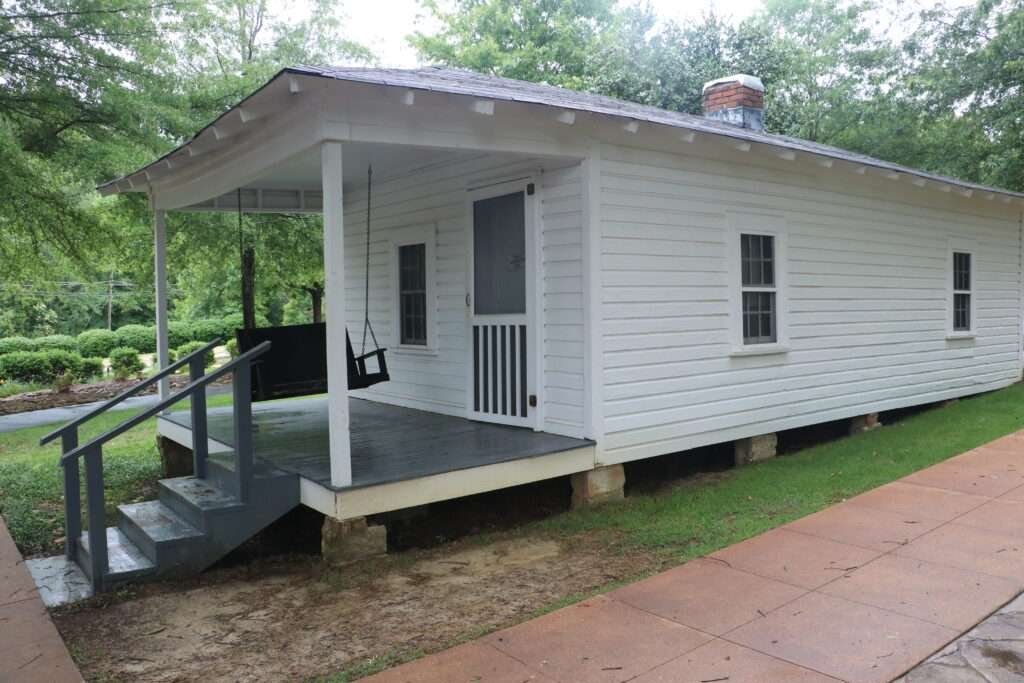
In a modest two-room shotgun house built in 1934 by Vernon Presley with just $180, the King of Rock’ n Roll, Elvis Aaron Presley, was born on January 8, 1935, in East Tupelo. Nearly a century later, the Elvis Presley Birthplace Museum stands as a globally recognized tribute to the musical legend who never forgot his roots preserving his legacy for generations to come.

From Poverty to Legacy

Life was difficult for the Presley family. Vernon and Gladys Presley, Elvis’s parents, struggled to make ends meet and eventually lost their home due to nonpayment of the loan. The family relocated several times around Tupelo before moving to Memphis when Elvis was 13.

Yet it was in Tupelo that Elvis’s musical identity began to take shape. He attended the Assembly of God Church, where he was first exposed to Southern gospel. He also lived near the Shake Rag community home to blues musicians and Black gospel music that influenced his unique musical style. It was in the Country radio programs added to the fusion of sound that would one day revolutionize the music world.

Honoring the Boy Who Dreamed Big

Today, visitors to the Elvis Presley Birthplace, Museum, Chapel, and Park can walk the same paths Elvis once roamed. The 15-acre campus welcomes over 100,000 visitors annually, offering an immersive experience anchored by Elvis’s childhood home, the relocated church where he worshipped, and stunning life-size statues that symbolize his journey.

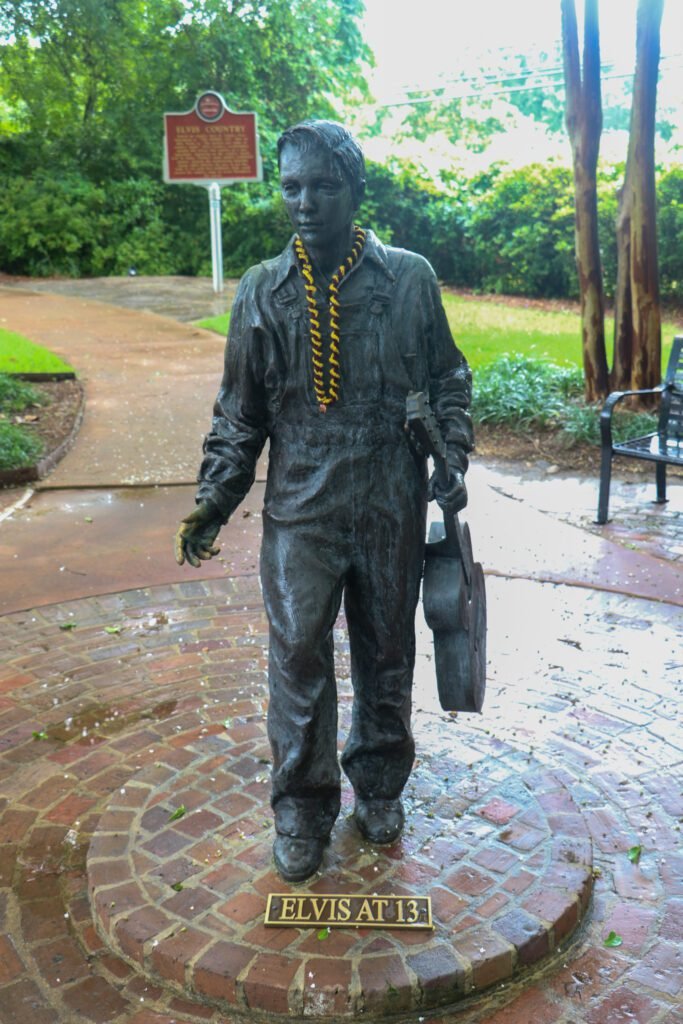
One of the museum’s most beloved landmarks is the bronze statue of 13-year-old Elvis, sculpted at the suggestion of Irish fans Maurice and Maureen Colgan. The statue, crafted from historical photos, portrays Elvis in oversized overalls and plain shoes, representing the modesty of his upbringing. Positioned between the church and museum, the statue’s placement reflects Elvis’s deep spiritual roots and the material world he would later enter as a superstar.

Nearby, atop the Tupelo Overlook, a powerful art installation known as “BECOMING” features two Elvis statues—”Elvis the Boy” and “Elvis the Entertainer”—each facing west toward Tupelo. The path leading to them zigzags, a visual metaphor for the winding, complex journey Elvis walked on his way to icon status.

A Tribute Model: David Lee

The 1970s-era Elvis statue unveiled in 2015 carries a special connection to David Lee, a world-renowned Elvis tribute artist from Birmingham, Alabama. Lee served as the model for the sculpture and played a key role in securing $1 million in government funding to expand the museum.

A two-time world champion and the 2015 Ultimate Elvis titleholder from Elvis Presley Enterprises, Lee has performed across the U.S., Canada, Mexico, and international waters. His authentic performances and gospel roots have made him a favorite among fans and festival-goers alike. His contributions to Tupelo’s Elvis legacy include receiving the Key to the City, having his name engraved at the base of the statue in Fair Park, and being the first performer at the museum’s 120-seat auditorium in 2013.

“Elvis is gone and irreplaceable,” Lee said, “but my tribute hopes to do him justice.”

Living History on Display

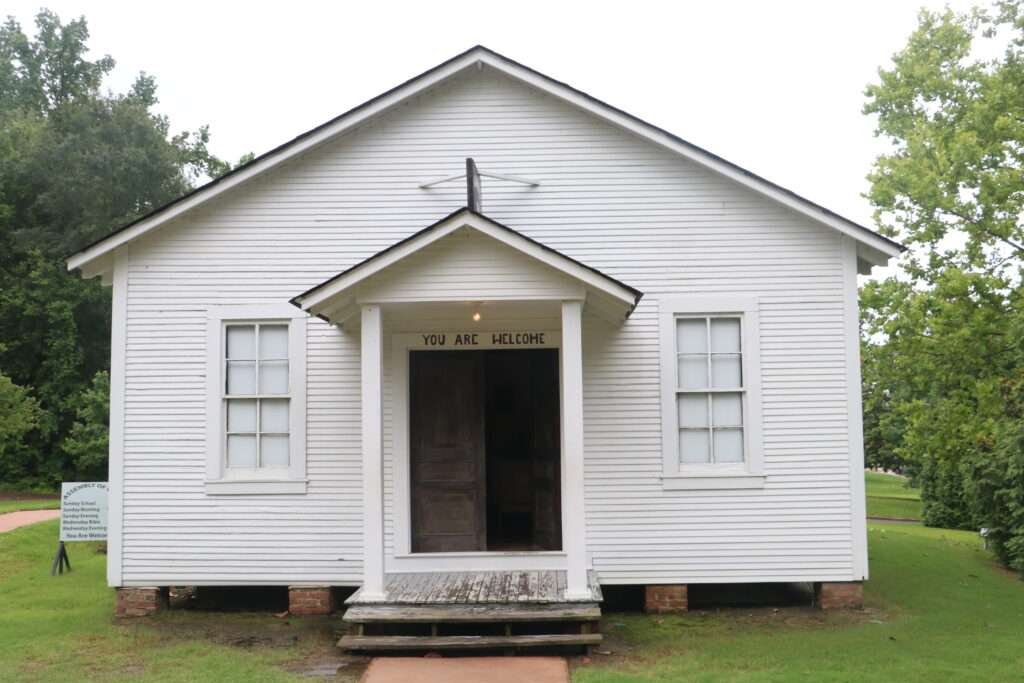
The Assembly of God Church—where a young Elvis learned to play his first chords—has been preserved and moved to the Birthplace grounds. Visitors can experience a 1940s-style Pentecostal service through multimedia displays that include singing, preaching, and praise-filled worship. It was here, under the guidance of Brother Frank Smith, that Elvis learned to play “Ole Shep” with just three chords: D, A, and E.

Photo by Milton Kirby – Elvis Presley’s Childhood Church

The Elvis Presley Center, under the leadership of Executive Director Roy Turner and Associate Director Rhonda Lamb, continues to expand. The $6.5 million complex includes the birthplace home, museum, chapel, theater, event center, and scenic trails where visitors can reflect on the King’s journey.

A City’s Pride

Tupelo embraces Elvis’s legacy at every turn. From decorative guitars on street corners to murals and events, the City celebrates its native son with pride and purpose. Mr. Henry Dodge, retired chair of the board of directors, described the winding path from the museum to the statue as symbolic of Elvis’s climb from poverty to global fame.

“Elvis dreamed a dream from this very soil,” said one local visitor. “Now the world walks where he once walked.”

A Lasting Connection

For fans of Elvis Presley, the museum is more than a tourist attraction—it’s a pilgrimage site. It’s a place to experience the humble beginnings of a boy who went on to become a world icon. A place to honor music’s power to transcend barriers. And a place to celebrate a legacy rooted deeply in Mississippi soil.

Related videos

Betty Garrison shares her experience at the 2025 Elvis Presley Festival

The Horn Family at the 2025 Elvis Presley Festival

Photo Gallery

Please consider supporting open, independent journalism – no contribution is too small!

Georgia-Born, Globally Respected: America’s First Black Catholic Bishop, Ordained 150 Years Ago

Bishop James A. Healy, America’s first Black Catholic bishop, was ordained 150 years ago. His life shaped U.S. Catholicism through service, education, and advocacy.

By Milton Kirby | Atlanta, GA | June 10, 2025

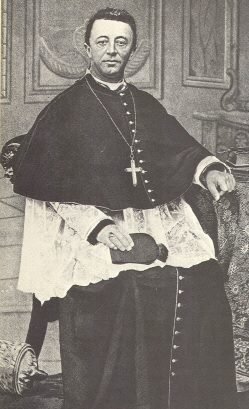
On June 10, 1854, James Augustine Healy was ordained as a Catholic priest in Paris. Precisely 150 years ago, he became the first known Black Catholic bishop in the United States.

Born into slavery in Jones County, Georgia, on April 6, 1830, Healy was the son of Irish immigrant Michael Healy and Mary Eliza Smith, a mixed-race enslaved woman. Under Georgia law, the Healy children were considered enslaved from birth. Despite their father’s wealth, they were denied the opportunity to receive an education in the South.

Bishop James A. Healy

To change that, Michael Healy sent James and his siblings north. James began his education at a Quaker school on Long Island, then continued his studies in New Jersey.

The family’s lives changed forever when Bishop John Fitzpatrick of Boston helped place the boys at the newly founded College of the Holy Cross in Massachusetts.

At Holy Cross, James thrived. He was named valedictorian of the first graduating class in 1849. He went on to earn a master’s degree and later studied for the priesthood in Montreal and Paris. On June 10, 1854, he was ordained at the Cathedral of Notre Dame.

Healy returned to Boston, where his talents and faith earned him several leadership roles. He served as assistant pastor, chancellor, and rector of the Cathedral of the Holy Cross. He helped start homes for orphans and destitute children and stood up for the Catholic Church in debates over taxes and civil service.

In 1875, Pope Pius IX appointed Healy as Bishop of Portland, Maine. For the next 25 years, he led the diocese, which included all of Maine and New Hampshire. During his time as bishop, Healy oversaw the creation of 60 new churches, 68 missions, 18 convents, and 18 schools. The Catholic population nearly doubled under his leadership.

Healy became known as “the children’s bishop” for his deep concern for orphans, widows, and the poor. He helped found homes for girls and children affected by the Civil War. He even bought part of an island to use as a vacation spot for orphans, where he often visited and played with the youngest ones.

Healy was also a strong voice in national Catholic matters. He attended the Third Plenary Council of Baltimore and helped launch the Catholic University of America. Though he was quietly proud of his Black heritage, he did not promote it publicly. He often faced discrimination, especially in the South, but continued to serve with humility and grace.

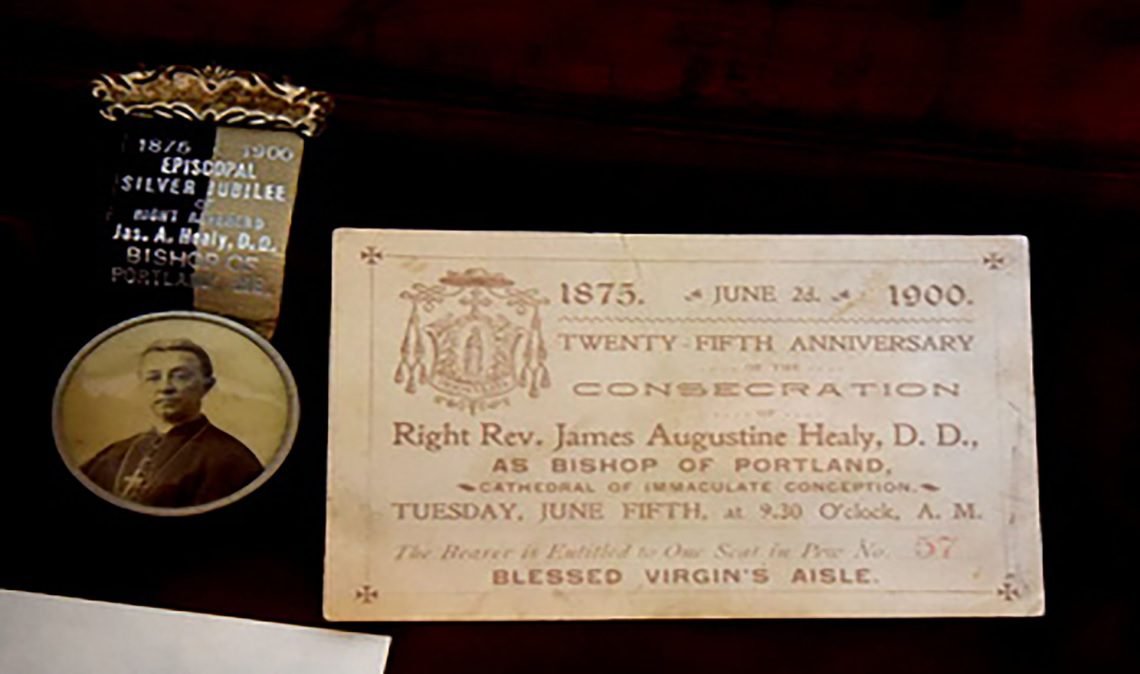
Despite illness, Healy celebrated 25 years as bishop in 1900. He died later that year on August 5. He had asked not to be buried in the cathedral crypt. Instead, he was laid to rest in Calvary Cemetery in South Portland under a simple Celtic cross.

Holy Cross, Healy’s alma mater, has honored his legacy with the Bishop Healy Committee, which supports diversity and inclusion. The Archdiocese of Boston also created an award in his name to honor dedicated Black parishioners.

James A. Healy’s life was a story of faith, perseverance, and quiet strength. Though born into slavery, he rose to one of the highest roles in the Catholic Church. He worked tirelessly for the poor, stood firm in his convictions, and left behind a legacy that continues to inspire 150 years later.

Please consider supporting open, independent journalism – no contribution is too small!

City Leaders Help Atlantans Start Fresh at Justice Fair

Atlanta leaders launch new expungement initiative to help residents remove old charges, access jobs, and build brighter futures ahead of June 7 community fair.


By Milton Kirby | June 9, 2025 | Atlanta, GA

Atlantans filled the C.T. Martin Natatorium and Recreation Center on Saturday, June 7th for a powerful and emotional community event focused on second chances.

The Record Restriction and Resource Fair, held June 7, brought together city officials, court leaders, attorneys, and community organizations to help eligible residents clear their criminal records and connect with critical resources. The event was hosted by the Atlanta City Council, the Fulton County District Attorney’s Office, the Fulton County Superior Court, and the Clerk of Superior Court.

Lines formed early as people arrived seeking answers, hope, and a path forward.

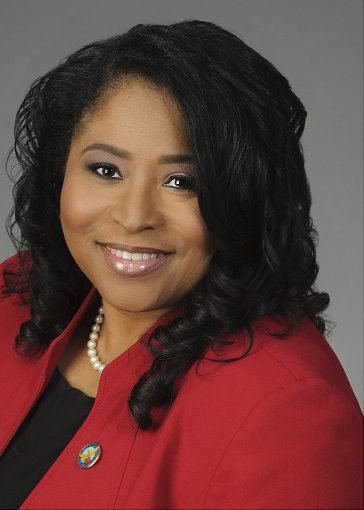
“We saw mothers, veterans, students—people from all walks of life,” said Atlanta City Councilmember Andrea Boone, who helped organize the event. “They showed up because they want to move forward. And we are here to support them.”

Photo courtesy – Andrea Boone

Residents were able to speak directly with legal professionals to find out if their records qualified for restriction or expungement under Georgia law. For many, it was their first chance to initiate a process often hindered by cost, confusion, or a lack of access.

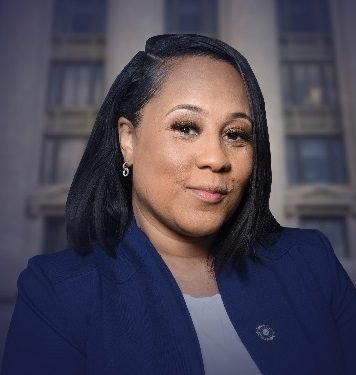
District Attorney Fani Willis called the turnout a testament to the community’s desire for fairness.

“A mistake from years ago shouldn’t block someone from getting a job today,” Willis said. “Saturday was about making the justice system work for the people, not against them.”

In addition to legal help, attendees connected with employers, reentry programs, mental health services, and nonprofit organizations focused on long-term stability and personal growth. Organizers reported that nearly 400 people passed through the doors during the event.

Superior Court Judge Thomas A. Cox Jr., who was on hand to greet attendees and answer questions, said the fair “brought dignity and hope to people who often feel invisible.”

Photo courtesy Fani Willis

According to the Georgia Justice Project, nearly 40% of Georgians have a criminal record, yet many charges are eligible for restriction or expungement under current law—especially those that were dismissed or occurred many years ago. But without legal help, most don’t know where to start.

“This is the kind of outreach that changes lives,” said Superior Court Clerk Ché Alexander. “We didn’t just give out forms. We gave people real steps toward a new future.”

Saturday’s event was just one piece of a larger initiative aimed at breaking down systemic barriers that prevent people from accessing jobs, housing, and education. The effort reflects a growing recognition among city and county leaders that criminal records—particularly for nonviolent, dated, or dismissed charges—should not be lifelong punishments.

Participants left with more than just paperwork. They left with job leads, support contacts, and, in many cases, a new sense of possibility.

“This was a lifeline,” said one attendee, who asked not to be named. “I didn’t think anyone cared. But today proved they do.”

Organizers say they plan to host additional fairs in other parts of the city later this year.

We’re just getting started,” Boone said. “Every person who walked through that door mattered. And we’re going to keep showing up for them.”

Please consider supporting open, independent journalism – no contribution is too small!

Exit mobile version