One of the last surviving Tuskegee Airmen remembers struggle for recognition amid Trump’s DEI purge

Tuskegee Airmen Legacy Under Threat: Despite efforts to honor their memory, Black Air Force unit’s history is being erased under President Trump’s executive order, sparking bipartisan outrage and outrage from surviving airmen.

By Mead Gruver and Thomas Peipert | Aurora, CO (AP) | March 23, 2025

With members of a trailblazing Black Air Force unit passing away at advanced ages, efforts to remain true to their memory carry on despite sometimes confusing orders from President Donald Trump as he purges federal diversity, equity and inclusion programs.

Col. James H. Harvey III, 101, is among the last few airmen and support crew who proved that a Black unit — the 332nd Fighter Group of the Tuskegee Airmen — could fight as well as any other in World War II and the years after.

Col James H Harvey III (AP)

He went on to become the first Black jet fighter pilot in Korean airspace during the Korean War, and a decorated one after 126 missions. He was one of four Tuskegee Airmen who won the first U.S. Air Force Gunnery Meet in 1949, a forerunner of today’s U.S. Navy “Top Gun” school.

“They said we didn’t have any ability to operate aircraft or operate heavy machinery. We were inferior to the white man. We were nothing,” Harvey said. “So we showed them.”

Shortly after Trump’s January inauguration, the Air Force removed new recruit training courses that included videos of the Tuskegee Airmen.

The removal drew bipartisan outrage and the White House’s ire over what Defense Secretary Pete Hegseth described as “malicious implementation” of Trump’s executive order.

The Air Force quickly reversed course.

Announcing the reversal, Air Force Chief of Staff Gen. David Allvin said in a statement that the initial removal was because the service, like other agencies, had to move swiftly to comply with Trump’s executive order with “no equivocation, no slow-rolling, no foot-dragging.”

The videos were shown to troops as part of DEI courses taken during basic military training. Some photos of Tuskegee Airmen were also among tens of thousands of images in a Pentagon database flagged for removal.

“I thought there was progress in that area, but evidently there isn’t,” said Harvey, who blamed Trump for contributing to what he sees as worsening prejudice in the U.S.

“I’ll tell him to his face. No problem,” he said. “I’ll tell him, ‘You’re a racist,’ and see what he has to say about that. What can they do to me? Just kill me, that’s all.”

The Tuskegee Airmen unit was established in 1941 as the 99th Pursuit Squadron based at the Tuskegee Institute in Alabama. The 99th became the 332nd Fighter Group, which by war’s end destroyed or damaged more than 400 enemy aircraft in North Africa and Europe during the war and sank a German destroyer in action.

Of the 992 Tuskegee Airmen trained as pilots starting in 1942, 335 were deployed, 66 were killed in action and 32 who were shot down became war prisoners.

In 1949, two months after the airmen’s gunnery meet victory in the propeller-driven class, the U.S. Air Force integrated Black and white troops and the Tuskegee Airmen were absorbed into other units.

It took the Air Force almost half a century to recognize 332nd’s last achievement: Its success in aerial bombing and shooting proficiency in the gunnery meet at what is now Nellis Air Force Base in Nevada.

For decades, the winners were listed as “unknown” and their trophy was missing.

“We won them all,” Harvey said. “We weren’t supposed to win anything because of the color of our skin.”

Harvey trained during World War II but was not deployed to combat before the war ended. In Korea, he flew the F-80 Shooting Star jet fighter and earned medals including the Distinguished Flying Cross.

He retired as a lieutenant colonel in 1965 and received an honorary promotion to colonel in 2023.

Trump in 2020 promoted another of the last surviving Tuskegee Airmen, Charles McGee, to brigadier general. McGee died in 2022 at age 102.

Harvey still regards the Air Force Gunnery Meet as his biggest accomplishment, one the Air Force finally recognized in 1993.

Their missing trophy was found in a museum storeroom not long after.

“We were good, and they couldn’t take it away from us,” Harvey said. “We were good. And I’ll repeat it until I die.”

Silent Strength: Extraordinary Women in the Margins of History

Learn about the remarkable stories of 20 trailblazing women who broke barriers in science, art, aviation, and more, shaping history and inspiring future generations with their courage and determination.


By Milton Kirby | Atlanta, GA | March 23, 2025

As Women’s History Month comes to a close, the Truth Seekers Journal is proud to highlight a remarkable group of lesser-known women who have made extraordinary contributions to our world.

Women have long been the backbone of progress in this nation—and across the globe—often driving change, innovation, and justice without receiving the recognition they deserve. In this special feature, we aim to shine a light on these unsung sheroes whose legacies have shaped history, even if their names are not widely known.

Whether this is your first time learning about them or a welcomed reminder, we hope these stories inspire reflection, admiration, and continued curiosity.

We also invite you to join the celebration: share the names and stories of extraordinary women who have impacted your life or community. Scroll to the end of the article and add your tribute in the comments section—let’s continue writing women’s history together.

1. Alice Augusta Ball (1892–1916)

Alice Augusta Ball was a pioneering African American chemist whose groundbreaking work in the early 20th century provided the first effective treatment for leprosy. Born in Seattle, Ball earned dual bachelor’s degrees in pharmaceutical chemistry and pharmacy before becoming the first woman and first African American to earn a master’s degree from the University of Hawaii. At just 23, she developed the “Ball Method,” which chemically modified chaulmoogra oil to make it injectable and more easily absorbed by the body. This treatment brought hope to thousands suffering from Hansen’s disease until the 1940s.

Tragically, Ball died before she could publish her findings, and her work was initially credited to a male colleague. It wasn’t until years later that Dr. Harry Hollmann acknowledged her contributions publicly. Today, she is recognized as a chemist far ahead of her time—likely the first African American published in the Journal of the American Chemical Society. Her legacy is honored with plaques, a university medal, and a day named in her honor in Hawaii.


2. Faith Ringgold (1930–2024)

Faith Ringgold was a visionary African American artist and author known for fusing quilting with storytelling to explore themes of race, gender, and civil rights. Born in Harlem, Ringgold was deeply influenced by the Harlem Renaissance and earned both her bachelor’s and master’s degrees from City College of New York. Initially trained as a painter, she later embraced multimedia, becoming best known for her story quilts, which gave voice to Black American experiences through textiles.

Ringgold was a bold advocate for Black artists, often challenging museums on their exclusionary practices. Her art resides in major institutions like the Guggenheim and the Met. She also authored and illustrated children’s books, using them to instill pride and cultural knowledge in young readers. Ringgold’s vibrant art and tireless activism transformed American visual culture and elevated fiber arts to a powerful political medium.


3. Bessie Stringfield (1911–1993)

Known as the “Motorcycle Queen of Miami,” Bessie Stringfield shattered stereotypes by becoming a solo long-distance motorcyclist in the 1930s and 1940s. Born in Jamaica and raised in the United States, she learned to ride a motorcycle at 16 and set off on eight solo trips across the country, navigating racism and sexism along the way. She often disguised herself as a man and slept on her bike when motels denied her entry due to her race.

During World War II, she served as a civilian dispatch rider for the U.S. Army, completing rigorous military training. Stringfield later became a nurse and founded a motorcycle club in Florida. A fearless trailblazer, she was inducted into the Motorcycle Hall of Fame in 2002. Her legacy lives on in every rider who defies expectations to chase their passion.


4. Dr. Marie Maynard Daly (1921–2003)

Marie Maynard Daly was the first African American woman in the United States to earn a Ph.D. in chemistry, achieving the milestone at Columbia University in 1947. Her groundbreaking research helped identify the link between high blood pressure and clogged arteries, contributing vital insights into cardiovascular health. She also conducted key studies on proteins and cellular chemistry.

Born in Queens, New York, Daly was inspired by her scientist father and the book Microbe Hunters. She later became a dedicated mentor, establishing programs to support minority students in STEM. Daly’s brilliance opened doors not only in science but in higher education, leaving a legacy of intellectual excellence and equity in science.


5. Dr. Valerie L. Thomas (b. 1943)

Valerie Thomas is a physicist, inventor, and former NASA scientist best known for inventing the illusion transmitter, a device that laid the groundwork for modern 3D imaging. Despite facing racial and gender barriers, she graduated with a degree in physics from Morgan State University in 1964 and joined NASA shortly thereafter.

At NASA, she helped develop satellite image-processing systems, including for the Landsat program, and led projects that monitored global crop health. In 1980, she patented the illusion transmitter. Her work continues to influence visual technology in science and entertainment. Thomas is a trailblazer in tech innovation, proving the power of Black women in STEM.


6. Bessie Coleman (1892–1926)

Bessie Coleman soared beyond the barriers of race and gender to become the first African American and Native American woman to earn a pilot’s license. Born to a family of sharecroppers in Texas, Coleman worked in cotton fields and saved money while attending beauty school in Chicago. When no American flight school would accept her, she learned French and traveled to Paris, where she earned her license from the Fédération Aéronautique Internationale in 1921.

Returning to the U.S. as a media sensation, Coleman performed daring aerial stunts at air shows and inspired African Americans to pursue aviation. Nicknamed “Queen Bess,” she dreamed of opening a flight school for Black students. Though her life was tragically cut short in a plane crash at age 34, her courage and ambition blazed a trail for future generations of aviators. Today, aviation schools, streets, and scholarships bear her name in tribute.


7. Willa Brown (1906–1992)

Willa Brown was a dynamic aviator, civil rights activist, and educator who broke barriers in both aviation and politics. In 1938, she became the first African American woman in the U.S. to earn a commercial pilot’s license. A Chicago-based teacher turned pilot, she later co-founded the Coffey School of Aeronautics with Cornelius Coffey. Their school trained hundreds of Black aviators, including over 200 Tuskegee Airmen and instructors.

Brown also made history as the first Black woman to run for U.S. Congress (Illinois, 1946) and as the first African American officer in the Civil Air Patrol. Through advocacy and leadership, she helped integrate military flight training programs. Brown’s work helped change the face of aviation and demonstrated the power of community-based education and activism in reshaping opportunity.


8. Ann Lowe (1898–1981)

Ann Lowe was a trailblazing African American fashion designer whose exquisite gowns graced America’s high society for over five decades. Born in Alabama to a lineage of dressmakers, Lowe learned the craft from her mother and grandmother. After attending design school in New York—where she was segregated from her classmates—she opened her own salons and became the go-to designer for the nation’s wealthiest families.

Lowe’s most famous creation was Jacqueline Bouvier’s wedding gown for her 1953 marriage to John F. Kennedy. Though her name was omitted from news reports at the time, Lowe’s legacy has since been reclaimed. Despite being underpaid and often uncredited, her work exemplified couture elegance and artistic precision. As the first Black woman to own a salon on Madison Avenue, Lowe left a lasting mark on American fashion.


9. Betye Saar (b. 1926)

Betye Saar is a groundbreaking visual artist whose assemblages challenge racist stereotypes and elevate personal and ancestral memory into fine art. Born in Los Angeles, Saar studied design at UCLA and began her artistic journey with printmaking. After seeing an exhibition of Joseph Cornell’s work in 1967, she shifted toward assemblage, using found objects to explore themes of Black identity, spirituality, and empowerment.

Her 1972 piece The Liberation of Aunt Jemima transformed a derogatory “mammy” caricature into a revolutionary symbol, wielding a rifle and a grenade. Saar’s art became central to the Black Arts Movement and Black feminist art, and her work remains in major museums like the MoMA and the Los Angeles County Museum of Art. With her evocative storytelling and fierce reclamation of imagery, Saar continues to influence generations of artists.


10. Henrietta Lacks (1920–1951)

Henrietta Lacks was a young mother whose cancer cells, taken without her knowledge or consent, became one of the most important tools in modern medicine. Born in Virginia and treated for cervical cancer at Johns Hopkins in 1951, her biopsied cells—later known as HeLa cells—were the first human cells to reproduce indefinitely in the lab. Her cells fueled scientific breakthroughs including the polio vaccine, cancer treatments, and even space research.

Lacks died at 31, unaware of the vast scientific impact her cells would have. Her family only learned of the HeLa cells’ existence decades later. The ethical questions surrounding her case sparked national conversations about medical consent and patients’ rights. Today, Lacks is honored globally, her legacy a reminder of the Black body’s historical exploitation—and its immeasurable contributions to science.


11. Claudette Colvin (b. 1939)

At just 15 years old, Claudette Colvin refused to give up her seat to a white passenger on a segregated bus in Montgomery, Alabama—nine months before Rosa Parks made history with a similar act. On March 2, 1955, Colvin was arrested for her defiance. Though young and pregnant at the time, she went on to become a key plaintiff in Browder v. Gayle, the landmark Supreme Court case that struck down bus segregation laws in Alabama.

Colvin’s story was initially suppressed by civil rights leaders concerned with respectability politics, but her courage was undeniable. In recent years, her contributions have received long-overdue recognition. A retired nurse’s aide, she remains a living symbol of youthful defiance and the power of ordinary people to spark extraordinary change.


12. Barbara Hillary (1931–2019)

Barbara Hillary shattered expectations and made history as the first known Black woman to reach both the North and South Poles—after surviving cancer twice and taking up exploration in her 70s. Born and raised in Harlem, she worked as a nurse for 55 years and earned degrees in gerontology. After surviving lung cancer, which reduced her lung capacity, she was inspired to travel to the Arctic and began training in cross-country skiing and survival skills.

In 2007, at age 75, she reached the North Pole. Four years later, at 79, she stood on the South Pole. Her bold spirit defied stereotypes about age, race, and physical ability. Later in life, she became an advocate for environmental justice and climate awareness. Barbara Hillary’s legacy is a powerful reminder that it’s never too late to dream, explore, and inspire.


13. MaVynee Betsch (“The Beach Lady”) (1935–2005)

MaVynee Betsch, affectionately known as “The Beach Lady,” was a classically trained opera singer who gave up her wealth to become an environmental activist and fierce protector of American Beach—a historic African American beach community in Florida. Born into one of the South’s most prominent Black families, Betsch studied at Oberlin Conservatory and performed opera in Europe for over a decade.

After a cancer diagnosis in the 1970s, she redirected her life toward preserving the legacy and environment of American Beach, founded by her grandfather, Abraham Lincoln Lewis. Betsch gave away her entire fortune to environmental causes and became a fixture on the beach, educating visitors about its cultural and ecological significance. Her passion, eccentric style, and unwavering dedication earned her posthumous recognition as a humanitarian and environmental hero.


14. Maggie Lena Walker (1864–1934)

Maggie Lena Walker was a visionary businesswoman and activist who became the first African American woman to charter and serve as president of a bank in the United States. Born in Richmond, Virginia, during the Reconstruction era, Walker rose from modest beginnings to lead the Independent Order of St. Luke, a Black fraternal organization that provided social services and financial support to African Americans.

In 1903, she founded the St. Luke Penny Savings Bank to empower the Black community through financial independence. Under her leadership, the bank enabled hundreds of Black families to buy homes. Walker was also a champion of education, women’s rights, and racial justice. Despite becoming paralyzed later in life, she continued her activism from a wheelchair. Her legacy endures as a model of resilience, leadership, and Black economic empowerment.


15. Octavia Butler (1947–2006)

Octavia E. Butler revolutionized science fiction by centering Black protagonists and tackling themes of race, gender, power, and survival in futuristic worlds. Born in Pasadena, California, Butler battled dyslexia and social isolation as a child but found refuge in books and writing. She earned a degree from Pasadena City College and studied at UCLA before attending the Clarion Science Fiction Writers’ Workshop, where she launched her career.

Her novels—including Kindred, Parable of the Sower, and the Patternist series—blended speculative fiction with social critique, laying the foundation for Afrofuturism. Butler became the first African American woman to gain prominence in sci-fi and the first sci-fi writer to win a MacArthur “Genius” Grant. Her haunting, prophetic narratives continue to resonate, offering both warning and hope about the future. Octavia Butler didn’t just write herself into science fiction—she transformed the genre.


16. Fannie Lou Hamer (1917–1977)

Fannie Lou Hamer was a fearless civil rights leader whose voice—both literal and symbolic—galvanized a movement for racial and economic justice in the Jim Crow South. Born the 20th child of Mississippi sharecroppers, Hamer began picking cotton at age six and left school by 12 to support her family. She spent decades toiling on plantations, where she also served as a timekeeper due to her literacy—an early sign of her leadership.

In 1962, after being fired for trying to register to vote, Hamer became an organizer for the Student Non-Violent Coordinating Committee (SNCC). Her outspokenness and moral clarity brought national attention, especially when she co-founded the Mississippi Freedom Democratic Party (MFDP) to challenge the all-white state delegation at the 1964 Democratic National Convention. Her televised testimony detailing voter suppression and police brutality—delivered with unflinching honesty—shocked the nation.

Though denied political representation, Hamer continued to fight for justice through grassroots economics. She launched the Freedom Farm Cooperative and a “pig bank” to help Black families achieve food and land security. Despite constant physical threats and health complications from a forced hysterectomy, she never stopped advocating. Before her death in 1977, she helped found the National Women’s Political Caucus. Nearly five decades later, she was awarded the Presidential Medal of Freedom posthumously. Her words still echo today: “I’m sick and tired of being sick and tired.”


17. Miriam Benjamin (1861–1947)

Miriam Benjamin was a trailblazing inventor and educator who became the second African American woman in U.S. history to receive a patent. Born in Charleston, South Carolina, in 1861, Benjamin moved with her family to Boston where she attended the Girl’s High School, graduating in 1881. She began her professional life as a schoolteacher in Jacksonville, Florida, and later pursued studies at Howard University Medical School and earned legal training—eventually working as a government clerk in Washington, D.C.

In 1888, Benjamin secured a patent for her invention, the Gong and Signal Chair for Hotels. Her innovation allowed guests to discreetly summon attendants by pressing a button, triggering a bell and raising a visible signal behind the chair. Designed to reduce the need for waitstaff, the chair emphasized comfort and quiet, making it an attractive feature for hotels and government buildings. Benjamin even lobbied for its use in the U.S. House of Representatives, where a similar system was later installed. Her concept directly influenced the modern airplane call button and helped revolutionize customer service signaling.

Benjamin’s multifaceted career—as an inventor, teacher, medical student, and aspiring lawyer—reflected both her brilliance and resilience in the face of social and institutional barriers. Though her name is not widely known today, her contributions remain embedded in the very technology we still use.


18. Zora Neale Hurston (1891–1960)

Zora Neale Hurston was a literary icon and pioneering anthropologist whose work gave voice to the richness of Black Southern culture. Born in Notasulga, Alabama, and raised in the all-Black town of Eatonville, Florida, Hurston was shaped by her vibrant community and the oral traditions that flourished there. After earning her associate’s degree at Howard University—where she co-founded the school newspaper—Hurston won a scholarship to Barnard College. There, she became the first Black student and studied under famed anthropologist Franz Boas.

Hurston traveled extensively through the American South and the Caribbean, documenting folklore, spiritual practices, and oral histories of Black communities. Her anthropological work informed her fiction, which was rooted in authentic dialect and rich cultural detail. Her most celebrated novel, Their Eyes Were Watching God (1937), tells the story of Janie Crawford, a Black woman seeking autonomy and self-realization—defying both literary norms and societal expectations.

Though Hurston struggled financially throughout her life and died in relative obscurity, her legacy was revived by Black feminist writers like Alice Walker in the 1970s. Today, she is recognized as one of the foremost American writers of the 20th century, with a body of work that continues to influence literature, anthropology, and cultural studies. Zora Neale Hurston captured the soul of Black life—and ensured it would never be forgotten.


19. Mae Carol Jemison (b. 1956)

Mae Carol Jemison made history in 1992 as the first Black woman to travel into space, serving as a mission specialist aboard the Space Shuttle Endeavour. A true polymath—physician, engineer, dancer, and educator—Jemison shattered stereotypes and redefined what was possible for women in science and technology.

Born in Decatur, Alabama, and raised in Chicago, Jemison was a curious child who loved science and aspired to reach the stars. She entered Stanford University at just 16 years old, earning degrees in chemical engineering and African and African-American studies. She went on to receive her medical degree from Cornell University and worked with the Peace Corps in Liberia and Sierra Leone, providing medical care, managing health systems, and contributing to vaccine research with the CDC.

Inspired by the space flights of Sally Ride and Guion Bluford, Jemison applied to NASA in 1985 and was accepted in 1987. Her mission aboard Endeavour in 1992 included conducting bone cell research in microgravity. Jemison brought cultural symbols with her into orbit, including a West African statuette and a flag from the Alpha Kappa Alpha sorority, celebrating both science and heritage.

After leaving NASA in 1993, Jemison founded her own technology consulting firm and launched the 100 Year Starship project—an ambitious initiative to make interstellar travel possible within the next century. She also became an advocate for STEM education, especially for girls and students of color, and authored several children’s books. A lifelong dancer, Jemison even appeared in an episode of Star Trek: The Next Generation, fulfilling a dream inspired by Nichelle Nichols’ role as Lieutenant Uhura.

With multiple honorary doctorates and inductions into both the National Women’s Hall of Fame and the International Space Hall of Fame, Mae Jemison remains a powerful symbol of Black excellence, curiosity, and the limitless reach of human potential.


20. Dr. Mildred Fay Jefferson (1926–2010)

Dr. Mildred Fay Jefferson broke barriers in medicine and public advocacy, becoming the first African American woman to graduate from Harvard Medical School in 1951. She also became the first woman to graduate from Harvard in surgery, the first woman employed as a general surgeon at Boston University Medical Center, and the first woman admitted to the prestigious Boston Surgical Society.

Born in Pittsburg, Texas, Jefferson was a gifted student, entering college at 15 and eventually earning degrees from Texas College and Tufts University before making history at Harvard. Her medical expertise and commanding intellect made her a pioneer in surgery during an era when both her race and gender presented steep obstacles.

In the 1970s, Jefferson became a prominent figure in the right-to-life movement. She co-founded the Massachusetts Citizens for Life (MCFL) and later the Right to Life Crusade, Inc., serving as its founding president. Her articulate opposition to abortion rights earned her national attention, and she served as a board member and delegate to the National Right to Life Committee (NRTLC). Throughout her life, she was known for fusing her medical knowledge with passionate public advocacy, often speaking out on moral and ethical dimensions of healthcare.

Dr. Jefferson’s legacy is complex, encompassing groundbreaking medical achievements and decades of activism. Whether in the operating room or on the national stage, she defied expectations and left a lasting imprint on American medicine and political discourse.

A Five-Minute Walk to Recreation and Solitude

DeKalb County, Georgia, boasts 113 parks and 10 recreational centers, offering residents diverse opportunities for fitness, leisure, and cultural engagement, fostering a strong sense of community and well-being.


By Milton Kirby | Atlanta, GA | March 18, 2025

DeKalb County, Georgia, is home to an extensive network of parks, recreational centers, and performing arts facilities, offering its residents a diverse range of opportunities for fitness, leisure, and cultural engagement. With 113 parks spanning 1,728.5 acres, the county ensures that nearly every neighborhood can access green spaces, many within walking distance of the neighbors they serve, fostering a strong sense of community and well-being.

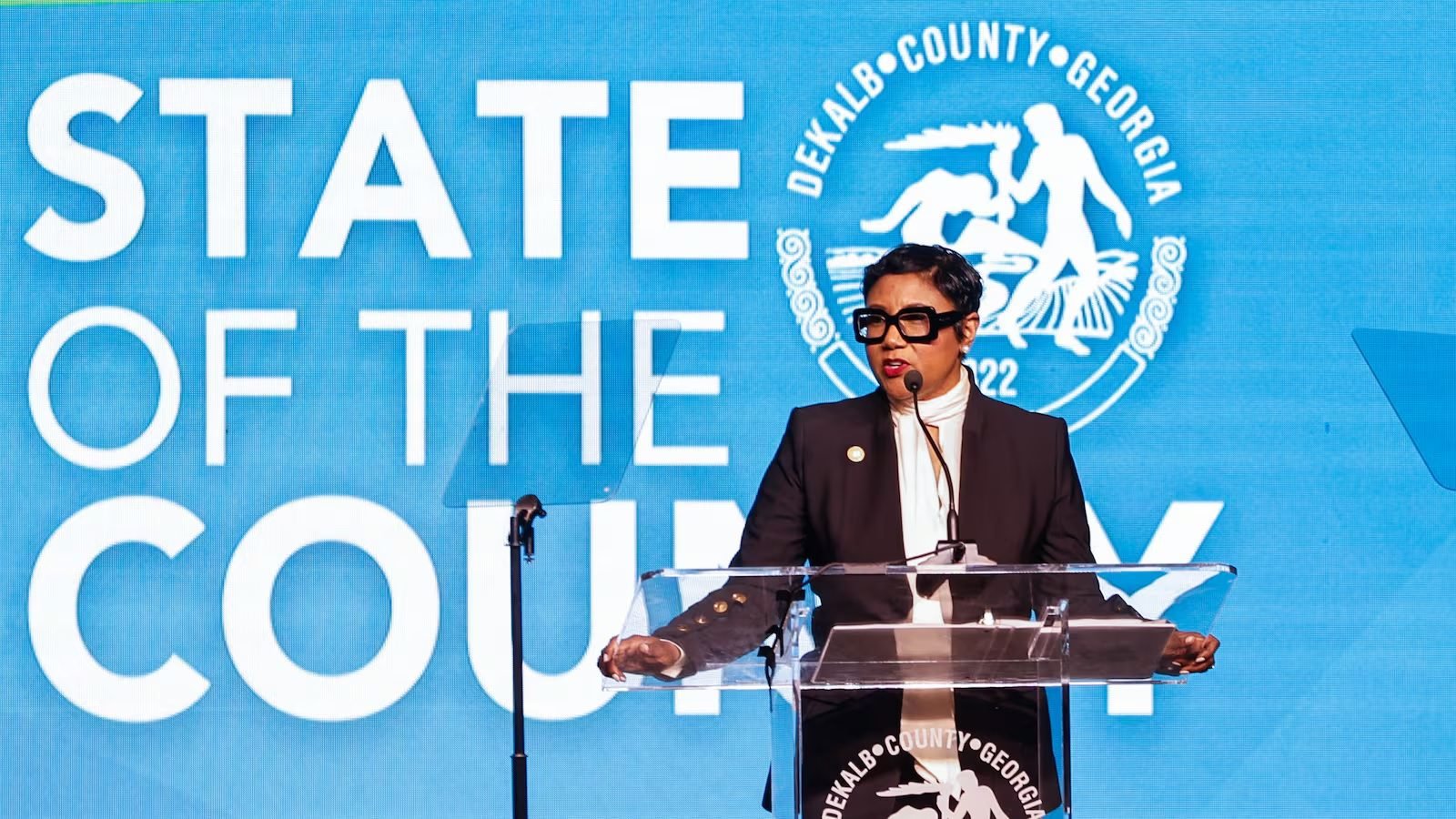
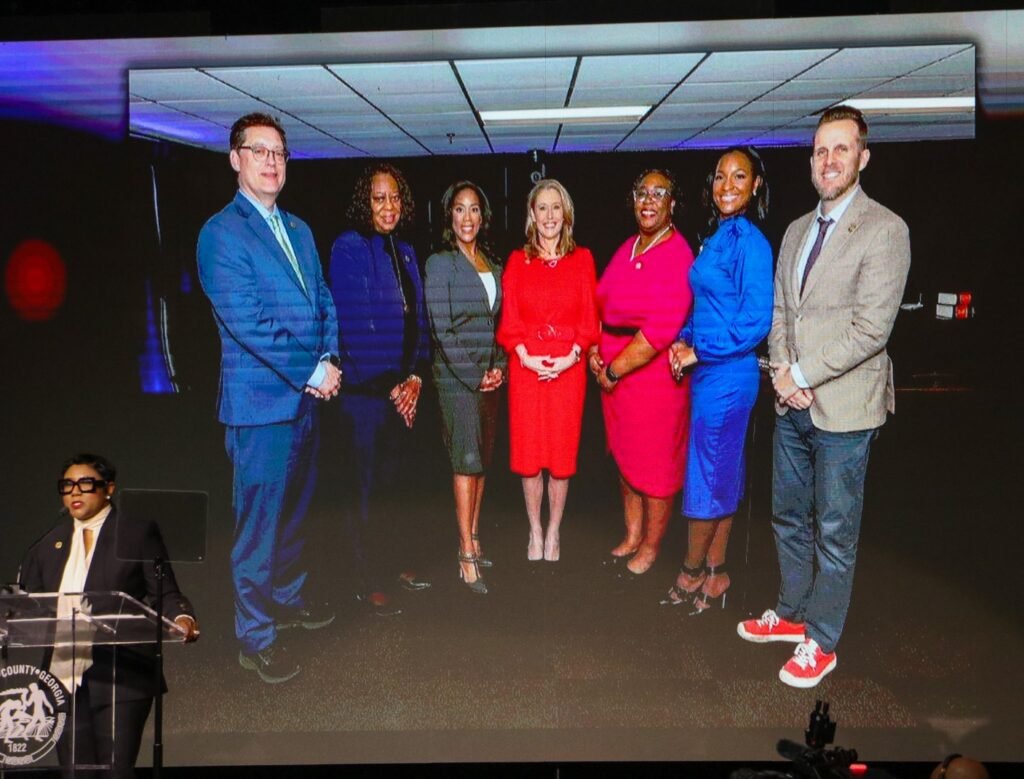
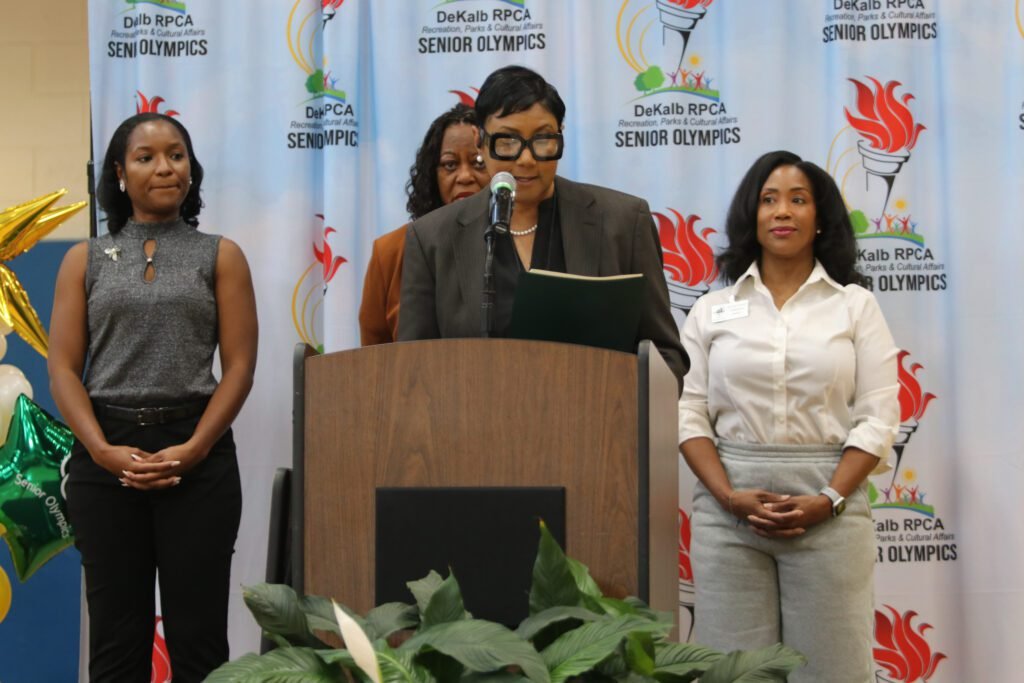
Michelle Long Spears D-2 – DeKalb Park Ranger M. Hritz

Neighborhood Parks and Walkable Recreation

Many of DeKalb’s parks are easily accessible on foot via sidewalks and bike paths, making outdoor recreation an effortless part of daily life. These small, walkable neighborhood parks provide a tranquil escape for residents seeking solitude, exercise, or social gatherings. Larger parks, such as Sugar Creek Golf Course (310 acres), Mystery Valley Golf Course (265 acres), and Wade Walker Park (176 acres), offer extensive facilities for sports, golf, and outdoor activities.

A Commitment to Community Well-Being

Under the leadership of Chuck Ellis, Director of DeKalb County’s Recreation, Parks, and Cultural Affairs Department, the county continues to enhance the quality of life for its residents.

“It is our job to create an opportunity for a better quality of life for the communities of DeKalb County through people, parks, programs, and partnerships,” Ellis states. “We encourage all members of the community to join us in promoting active and healthy lifestyles through participation in parks and recreational activities.”

Photo by Milton Kirby Pendergrast Park Play Ground

The department’s mission is to connect communities with exceptional parks, top-tier recreation facilities, and cross-generational programs designed to encourage physical activity and social engagement. Their work is guided by the DeKalb County Recreation, Parks, and Cultural Affairs Citizens Advisory Board, an 11-member body providing direction and oversight.

Recreational Centers and Facilities

DeKalb County boasts ten state-of-the-art recreational centers, each with multipurpose halls, classrooms, dining rooms, fitness areas, game rooms, and locker facilities. Many centers also feature 30′ x 75′ saltwater lap pools, which provide specialized fitness programs aimed at improving agility, balance, and coordination—especially for senior citizens. All facilities are ADA-compliant, ensuring accessibility for individuals with disabilities.

DeKalb County Recreation Centers:

Youth Sports and Community Engagement

The county’s recreational programs extend beyond facilities, offering a variety of youth sports and instructional clinics. From track and field to specialized training programs, DeKalb County encourages young residents to develop lifelong athletic skills while promoting mental and psychological well-being.

How to Register

Parents can sign up their children for youth sports programs through the county’s website or by contacting Sports Coordinator S.L. Summerour at slsummerour@dekalbcountyga.gov.

Upcoming Sports Programs

  • Spring Track and Field: This event is open to participants ages 5 to 14. Registration starts February 1 and ends March 1, with four scheduled track meets.

Pavilion Rentals and Community Events

For those looking to host gatherings, DeKalb County offers pavilion rentals for family outings, reunions, and celebrations. The county provides well-maintained spaces for leisure and social events, with reservations available online.

Pavilion Rental Fees

  • Small pavilions: $100 (accommodates up to 50 people)
  • Large pavilions: $150 (accommodates up to 100 people)
  • Out-of-county residents: Additional $30 surcharge

For reservations, visit DeKalb County Pavilion Reservations.

A Future of Recreation and Cultural Enrichment

DeKalb County’s vast park system, high-quality recreational facilities, and cultural programs play a vital role in fostering a healthy, active, and connected community. Whether it’s a five-minute walk to a neighborhood park, a youth sports program, or a cultural arts event, residents have endless opportunities to enjoy the best that DeKalb County has to offer.

For further inquiries, contact DeKalb Parks and Recreation at dekalbparks@dekalbcountyga.gov.

Selma’s Bloody Sunday makes 60 years – An estimated 15,000 mark the solemn day that changed America – minus Republicans

60th Anniversary of Selma to Montgomery March: Thousands Gather to Honor Foot Soldiers and Fight for Voting Rights. Inspirational speeches and reflections on the past, present, and future of American equality and justice were shared by prominent leaders and a 7th-grade foot soldier from 1965.


By Christopher Young

Where to even begin? So many in our country want to erase the truth. They are employing a sinful revisionist history. How in God’s world can they look in the mirror? The sacrifice of the foot soldiers on March 7, 1965, cannot and will never be erased, revised, or forgotten. Thank God for television. The whole world saw the vicious and bloody assaults at the hands of white Alabama State Troopers and others, upon innocent non-violent African-American marchers seeking the equality inherent in the right to vote. It is American history that the march from Selma to Montgomery (March 7-25, 1965) galvanized American’s support for the Voting Rights Act of 1965. The Edmund Pettus Bridge – a bridge named after a Confederate Brigadier General, Grand Dragon of the Alabama Ku Klux Klan, and U.S. Senator – will forever be remembered.

By Christopher Young – Edmund Pettus Bridge

Sixty years later, on Sunday, March 9, 2025, under overcast skies with just an occasional drop or two of rain, an estimated 15,000 people gathered to remember that historic day and those foot soldiers – their unyielding determination and courage playing out in a racist America – remembering the price that is never ever marked as ‘paid-in-full’ in our country.

On Sunday, there was no massive security operation, no metal detectors to pass through, no snipers on rooftops adjacent to the foot of the bridge where long speeches are normally provided during Democratic administrations. When there is no president or vice president in attendance, all those things go by the wayside where the bridge crosses the mighty Alabama River in the town of Selma, Alabama. A town with a population of 17,971 per the 2020 Census, where 81.2% of population are African American, and 28.3% live in poverty. 

The mood on the bridge this year expressed the full-range of emotions of We the People – from tears of joy to tears of anguish that the fight is never finished. Scores of faces were lined with seriousness, reverence, determination and awe – akin to a pilgrimage. By guesstimate, a solid 20% of marchers were age 21 and below. 

By Christopher Young – Alabama-Troopers-Shuford-James

This year there were some speeches on the other side of the bridge. Reverend Jesse Jackson was pushed in a wheelchair. Reverend Al Sharpton is always there. Others included NAACP President Derrick Johnson, National Urban League President Marc Morial, President of the National Coalition on Black Civic Participation Dr. Melanie L. Campbell, Selma Mayor James Perkins, Jr., Alabama Representative Terri Sewell (Selma native), House Minority Leader Hakeem Jeffries, Representative Maxine Waters, Rev. Senator Raphael G. Warnock, Alabama 2nd District Rep.

Shomari Figures, D-Mobile, reminded that “in two years we can make liars out of all those people who say we don’t vote,” Dr. Benjamin J. Chavis, Jr. – president & CEO of the National Newspaper Publishers Association, i.e. The Black Press, Bobby Henry – chairman of the Board of The Black Press, Reverend Mark Thompson – NNPA’s Global Digital Transformation director, and Kentucky Governor Andy Beshear, a Democrat, who spoke in favor of DEI, “…sixty years ago marchers were met by an Alabama governor full of hate and ignorance…I believe that diversity is a strength and never a weakness. I know we’ve got a lot more marching to go. If you’ll have me, I’ll be there every step of the way…”

“No Justice – No Peace” call and response was heard often, and a group of young people – Black Men & Women Live, from Atlanta, Georgia, chanted, “I am a link in this chain, and it will not break here.” Singing was heard throughout Broad Street leading up to the bridge, and included, We Shall Overcome and Ain’t Gonna Let Nobody Turn Me Around.

The Mississippi Link newspaper was privileged to meet with Reverend Dave Fulford (pictured above), a foot soldier still in the 7th grade and at the back of line with the other children on March 7, 1965, in one of his offices a couple miles from the bridge, just 90 minutes before he was due at the foot of the bridge to be part of the first wave to cross this year. He stressed the importance of education and hard work. He rose through the ranks at IBM to supervise projects in numerous countries. After retiring, he moved back to Alabama and started a non-profit – Blackbelt & Central Alabama Housing Authority that helps low-income families, seniors and veterans with housing issues, repairs, food, and health information. He continues service as executive director.

By Christopher Young – Dr.-Benjamin-J.-Chavis-Jr.-Reverend-Mark-Thompson

Additionally, he serves as pastor of Camden Mission Seven Day Adventist Church in Camden, Alabama.

Reverend Fulford shared some of his family and educational background and values. “We were taught as children to respect our country and stand up for what is right, liberty, and that all men are created equal. The other foot soldiers gave me a reason to live. We have lost our way as a country. Even here in Selma…black on black crime…we sacrificed so much and were living in deplorable housing…the leadership is appalling when you see what could be done and is not being done.”

What will you say to the readers of The Mississippi Link newspaper about these times we are in now after you have given everything in you to push forward and now, we are being pushed backward? “When I see what’s going on, I’m praying ‘Lord please help America to get back on track.’ One thing, in our nation, I believe in the Constitution, the Bill of Rights, and everything that we stood for as a country is now being changed. 

“The removal of DEI is awful…IBM saw the value of it…when I see what’s going on in America today, I just ask God to please help America to go back to when all men were created equal. Many people are losing their jobs, and grants. I write a lot of grants. That’s what I do for housing, and I don’t know what’s going to happen, so I just say Lord please help America, and the last thing I’ll say – one of our most powerful weapons that we have as Americans is vote, vote, vote. One person, one vote, is a powerful weapon.”

Dr. Bobbie J. Little – A Teacher First

Dr. Bobbie Jeanne Little: A Lifetime of Service and Education Discover the inspiring story of Dr. Bobbie Jeanne Little, a dedicated educator and advocate for youth and families, with a 45-year career in education and community service.


By Milton Kirby | Wadesboro, NC | March 17, 2025

Rarely do individuals discover their passion and calling early enough to allow it to be a part of their lifelong journey, but Dr. Bobbie Little did.

It is not often that the things, people, and places that I write about include my own personal experiences, thoughts, and emotions. This piece is different. Dr. Little is my sister. I remember vividly, as if it were yesterday, when she walked, no, she marched down the aisle with the kind of glee that you might see in the eyes of a six-year-old on Christmas morning to marry one of my five brothers in 1977.

Photo by Milton Kirby – Bobbie Little

Some years later, their ways parted. Even to this day, she remains a sister to the rest of us, and more importantly, she continues to be a thoughtful, generous, and caring daughter to my 94-year-old mother.

Over the years Bobbie and I have monitored each other’s careers, ups and downs, successes and failures. But somehow, along the way I lost track of some of her accomplishments. Could it be because my own work started to take more of my time and energy? Did I become a less concerned and loving brother? Or maybe, my subscription to the Anson Record expired and I did not notice for several years.

There has to be an explanation. Let’s hope that the journey we are taking today will help us discover some of her accomplishments and accolades, which I lost track of.

In my collection of memorabilia, I found the following: Thursday, April 9, 1987, from the Anson Record and The Messenger and Intelligencer, Bobbie Little Kirby Outstanding Young Woman of America For 1986. She was selected in recognition of her outstanding ability, accomplishments, and service to the community. Wednesday, July 31, 1996, Kirby will be the assistant principal in Mt. Gilead. Bobbie Little Kirby accepted a position with the Montgomery County School System at the West Middle School. In 2003, Leadership Anson graduated a new class; Bobbie was one of the 12 graduates of the seventh Leadership Anson class. Saturday, September 13, 2003, The National Association of University Women Wadesboro Branch, Honors Bobbie Jeanne Little as Woman of the Year 2003. This was an exceptionally special occasion as I joined her sister Georgia and her nieces in delivering our own tributes to Bobbie at this momentous occasion. Wednesday, May 26, 2004, Bobbie Little earns an education doctorate. Her dissertation, “Factors Relating to the Achievement Gap In Selected North Carolina Rural Elementary Schools.”

I frequently hear people say of someone else and, from time to time, themselves that they got “emotional.” I am still unclear on what that means. As someone who has lived more than half of my life, I am not embarrassed to say that as I worked on this piece, tears constantly dripped from my eyes. Each tear represented a time that Bobbie made me or someone else laugh or feel encouraged and cared for.

Dr. Little’s interest in the betterment of others showed through practically everything she touched, including her doctorate dissertation. She was concerned about student achievement in elementary schools in Anson County. She researched the problem and has worked tirelessly to remedy the achievement gaps.

When you read Dr. Little’s official bio, you see the following: “Dr. Bobbie Jeanne Little is the daughter of the late Richard and Esther Rorie Little of Wadesboro, NC, and was born and raised in the Ruby Orchards area of Lilesville, NC. She has served 45 years as an educator and advocator for youth and families. She began her educational career as a Reading Tutor at McRae School in Morven, NC and then as a bus driver and teacher assistant at T.W. Bennett Elementary School in Lilesville, NC. Furthering her studies, as she worked, she would earn a certification enabling her to serve as a teacher and assistant principal in Anson County Schools. She served as principal in Montgomery County and Wake County. Later, she was Director of Education for the Central Region of North Carolina’s Department of Juvenile Justice and Delinquency Prevention, she retired after 33 years of service to the State of NC.”

After retiring from the State of North Carolina, she began a new career as a college professor and clinical supervisor of student teachers in the Department of Education at Shaw University. She worked there for 10.5 years. While working at Shaw University, she also served as an adjunct professor at the University of North Carolina at Pembroke, supervising student teachers. At opportune times, Dr. Little taught at Richmond Community College, South Piedmont Community College, and Wake Technical Community Colleges as an evening adjunct faculty member.  Even though she has had an illustrious career and decades of service, she has agreed to return to Shaw University in the Fall of 2025.”

The view of Dr. Little, as she is known and called by most of her colleagues, is something like this. She is known for developing phenomenal relationships with parents and empowering them to be actively involved in their children’s education. One of her philosophies can be summed up as “For Children’s Sake.” While teaching in public schools, she often taught students who were not the highest academic achievers. However, overall, her students showed significant growth from the beginning of the year to the end of the year. When asked about this, she attributes much of this success to building relationships and communication between parents and stakeholders.

She truly believes that more learning will occur when students know that educators care about and believe in them. She believes that relationships built on compassion and trust will produce massive positive outcomes for all. While she was a classroom teacher, her firm and fair classroom management and leadership skills were recognized by her colleagues. She was encouraged to begin her studies in school administration.

Dr. Little did not go to college directly out of high school. She raised a daughter who eventually followed in her footsteps into education; she cared for both of her ailing parents until their subsequent passing. No, Bobbie’s educational journey was not typical, but the way countless others have achieved their educational success.

Mr. Michael Freeman – Retired superintendent Anson County, NC schools

As fate would have it, she worked during the day and attended college classes at night and on the weekends. She earned her Bachelor’s and Master’s in Education degrees from the University of North Carolina at Pembroke, her Education Specialist (Ed.S.), and Doctor of Education (Ed.D.) degrees from the University of North Carolina at Charlotte, and continuing education credit hours from the University of North Carolina at Chapel Hill through Principal Executive Programs.

Bobbie considers herself “a teacher first” in whatever capacity she serves. In her 40-plus years of service, she has received numerous honors and awards, including All-State School Board recognition for outstanding service to the education of North Carolina’s Children. Her fellow board members nominated her to serve on the North Carolina School Board Association’s Legislative Committee. She was appointed as Commissioner of the North Carolina Principal Fellows Program in 2024.

Dr. Little has also found time to serve on the boards of the State Employee Credit Union, Anson Regional Medical Services, Anson County Zoning Board, Anson County 4-H Youth Promises, Closing the Achievement Advisory Board, and Anson County Juvenile Crime Prevention Council. She is serving her fourth term on the Anson County School Board, where she has served as chairman and vice chairman.

On March 30, 2012, Dr. Little became the first African American and first female in Anson County to receive the North Carolina Order of the Long Leaf Pine Award for service from Governor Beverly Purdue. Since its creation in 1963, the Long Leaf Pine Award has been presented to honor persons with a proven record of service to the State of North Carolina or some other notable achievement and to others as a gesture of friendship and goodwill. Upon being named to The Order of the Long Leaf Pine, the honoree receives a certificate by which the Governor confers upon the recipient “…the rank of Ambassador Extraordinary privileged to enjoy fully all rights granted to members of this exalted order.

Bobbie has been recognized and honored by the North Carolina School Board Association, H.O.L.L.A. (Community Impact Award), National Association of University Women (NAUW) for service from the branch, sectional, and national levels, Governor’s Volunteer Award, and churches in the community. She is a member of Anson Women’s League, Linkon Chapter #564 Order of the Eastern Star, PHA, Lifetime Member of NAACP, and Golden Life Member of Union County Alumnae Chapter, Delta Sigma Theta Sorority, Inc.

Christina Rose former student of Dr. Little

In her spare time, she enjoys reading, fitness walking, traveling, and golf. When she is faced with challenging tasks, she finds solace on the golf course and fitness walking. She is a member of the Ladies Professional Golf Association-Amateurs, Sandhills and Charlotte Chapters, Carolina Golf Association, and the Seven Lakes Women’s Golf Association.

She does motivational speaking for programs serving youth during summer programs and other times. 

Did I mention that Bobbie has a forgiving heart of gold? In 1977, Bobbie bestowed upon me the honor of capturing her wedding day on film. I borrowed a large format camera from the high school photography instructor. I had only used the box-shaped Mamiya once before. I managed to find all the angles and did not miss a special moment during the wedding ceremony.  I soon ran out of film. Then I pulled out my Petri 35mm for the reminder of the ceremony. When the film was developed, I did not have one picture on the large format camera, I had loaded the film incorrectly. I did manage to get a few good shots with my Petri. I was forgiven.

It has been said that “imitation is the sincerest form of flattery.” Bobbie’s daughter watched her life journey and decided follow and imitate. Kimelon, is a graduate of UNC-Pembroke and UNC-Chapel Hill. She received certifications from Pfeiffer University and Gardner Webb University. She is employed by the Wake County Public School System in the Curriculum, Instruction, and Assessment Department serving over 40 elementary schools. She is pursuing doctoral studies currently.  Prior to this position, she taught in Anson, Durham, and Wake County Public Schools.

Webster defines a “living legend” as a person who is famous while still living for doing something extremely well.

Webster defines “famous” as widely known, honored for achievement, excellent, or first-rate.

Dr. Bobbie J. Little, my sister and a teacher first.

No Retirement For Me

Jonathan Clements reflects on the life changes driven by his terminal cancer diagnosis at age 61. Despite his prior focus on frugality and saving for retirement, he now prioritizes enjoying daily life, simplifying finances, and ensuring his family’s financial security. His philosophy embraces making meaningful memories while managing his health challenges.


I Saved And Planned For A Long One. Then I Heard From My Doctor.

By Jonathan Clements

This won’t come as a big surprise: Dying makes you look at the world in a different way—the world of money included. Among friends and family, I’m known for hard work and self-discipline. I spent almost two decades at The Wall Street Journal, churning out personal finance columns every week. I saved so diligently that I could have retired at age 51, but instead opted to write books and launch a personal finance website. My self-control extends to exercise: I’ve run or bicycled pretty much every day since 1995.

Courtesy –  Jonathan Clements

What was my reward for this life of industry, frugality and clean living? In May 2024, at age 61, I got an out-of-the-blue diagnosis of cancer, the result of a defective gene. The cancer had metastasized from my lung to my chest, liver and brain. My oncologist said I might have a year to live. I’m hoping for a tad longer because my body has responded well to treatment. Still, it’s only a matter of time before cancer gets the upper hand.

In the meantime, I find myself wandering through life with a different mindset from almost everybody else. How so? Here are 19 ways that my thinking and my finances have been transformed by my diagnosis.

1. I spent nearly my entire adult life saving like crazy so I could retire in comfort—and yet, faced with my terminal illness, I have no plans to retire. Instead, I want to keep doing what I’ve been doing for years: getting up early, making coffee, exercising, writing and editing, napping after lunch, taking an afternoon walk, enjoying an evening glass of wine. These are the things that bring me pleasure each day, and I have no desire to stop now.

2. Do I regret my decades of frugality, including previously living for 20 years in a modest house I never much liked? Far from it. The money I saved won’t go toward my retirement, but it still bought me a lot of happiness—because it allowed me to avoid financial worries for much of my adult life.

3. I could spend with reckless abandon now, but my old frugality persists. My partner, Elaine, and I had been living together for four years and were already engaged when I got my diagnosis. We married four days later, partly because she won’t qualify for Social Security survivor benefits unless I’m still alive nine months after our wedding. Since then, we’ve taken a few special trips, and we have a few more planned. But I’ll only open up my wallet so far. You won’t find me paying $5,000 to fly business class to Europe.

4. Never an enthusiastic shopper, I’m now even less inclined to buy new things. Last fall, Elaine insisted I purchase new shoes for my son’s December 2024 wedding. I wear those shoes whenever I get the chance—because it’s the only way I could justify the cost.

5. Gifting has become a top financial goal. One reason I’m not spending like crazy: I want to make sure I bequeath a healthy sum to Elaine and my two children, now in their 30s, from my previous marriage. I also made some financial gifts right away, including writing large checks to my kids and funding 529 college savings plans for my two grandsons.

6. I’ve long invested aggressively, keeping 80 percent or more of my portfolio in stock-index funds. Now that I know it’s likely I won’t live more than another year or two, I’m even more aggressive. Why? I’m no longer investing for my retirement. Instead, I’m investing for my heirs, and their time horizon is far longer than mine.

7. Because old age is no longer in the cards, all kinds of issues are off the table. I don’t have to fret over future long-term care costs, or whether to choose original Medicare or Medicare Advantage, or how to minimize my retirement tax bill. Instead, my top priority is making sure everything is in good shape for my heirs.

8. As of my 62nd birthday in January of this year, I could have applied for Social Security. But I won’t. My goal is to get Elaine a healthy stream of Social Security benefits. After much research—including a consultation with the developer of opensocialsecurity.com, a free Social Security strategy calculator—I figured out that in our situation, I should skip claiming. Instead, Elaine will claim survivor benefits based on my earnings record when I die. Once she turns 70, she’ll swap to a benefit based on her own record.

9. I thought my financial affairs were well organized. I was kidding myself. I’ve spent months shredding old tax returns, ripping up investment statements and organizing what remains. I fear that if I don’t throw out unneeded paperwork, my family will think it’s important—and I will have bequeathed them unnecessary confusion.

10. There’s always more to throw away. I’ve moved four times since 2011, shedding possessions on each occasion. Yet I keep finding more things to toss or give away. My 13 years of downsizing have taught me to be ruthless. The fact is, there’s nothing that I’ve unloaded over the past 13 years that I wish I could have back.

11. For years, I’ve been carting around a box of old mail: notes from old girlfriends, Christmas cards from 1986, letters I got while at college. Mixed in there was some really bad poetry I wrote. Did I carefully review everything in the box? Hardly. I tore up most items after a quick glance and added them to the recycling bin. Am I glad my kids will never see all this stuff? You bet.

12. My finances were pretty simple, but I’ve been simplifying them even more. I’ve closed two of my four credit cards, liquidated a small IRA I inherited from my father, and folded a solo Roth 401(k) into my Roth IRA. All this is a whole lot easier for me to do now than it will be after my death, when family members will have to produce death certificates and prove they have the authority to act.

13. I’ve added Elaine to my various insurance policies and made her the joint account holder on my two checking accounts. One of those checking accounts is debited for all utilities—gas, water, electricity, inter-net, cell phones—so it’ll be easy for her to take over the household finances.

14. Two days after I was diagnosed with cancer, I sat down with Elaine and my children to walk them through my estate plan. I quickly realized one conversation wouldn’t be enough. Stuff that was second nature to a financial nerd like me was baffling to them—things like the difference between traditional and Roth IRAs and what a “step-up in cost basis” means. Since then, I’ve fielded countless questions from Elaine and my kids.

15. Even as I tidy up my affairs, I’m also getting the house fixed up, including taking on a two-month bathroom remodeling project. I’ve learned that this is an affliction that often hits men confronting their mortality: They want to make sure all is in good order for their spouse or partner.

16. Time has always been more valuable than money, and never more so than right now. I want to devote each day to the things that I really care about, while minimizing annoyances. What if contractors or customer service reps are being unresponsive? If necessary, I’ll play the C card, telling them I don’t have long to live. Yes, it’s surprisingly effective.

17. As news of my cancer has spread, I’ve been inundated with countless messages. If I read every book about cancer that’s been recommended to me or agreed to meet with everybody who wanted to visit, I’d have no time for the things that matter to me. The good news: When a dying man says “No,” people tend to listen.

18. I still want to make a difference in the lives of others. That’s why I continue to write and edit every day. In return, I end each day feeling fulfilled and with that pleasant sense of progress that makes me happy.

19. I refuse to feel angry about my bad luck or despondent over the years I’ll never enjoy. Instead, I’m determined to make the most of each day. I’ve long thought happiness has three key ingredients: a sense of financial security, time with family and friends, and doing work I love. My diagnosis has made me even more focused on those three things.

Every few months, I have a brain MRI and a body scan to see whether the cancer has spread. Every three weeks, I get blood drawn, which may offer a warning sign of trouble. Someday—maybe next month, maybe next year—the results won’t be in my favor.

Until then, Elaine and I will continue to make plans for the four or five months that lie ahead, but no more than that. It’s the frugality thing again. We can cancel hotel rooms and rental cars without penalty. But changing airline tickets and cruises can be costly. And I sure don’t want to be confronted by both death and cancellation fees.

Jonathan Clements is the founder of www.HumbleDollar.com and the former personal finance columnist for The Wall Street Journal.

“Justice Denied: Supreme Court Declares Black Americans Have No Rights”

The Dred Scott v. Sandford case, culminating in a Supreme Court ruling on March 6, 1857, denied freedom to Dred Scott and ruled African Americans could not be U.S. citizens. This decision invalidated the Missouri Compromise and intensified national tensions over slavery, fueling the path to the Civil War and inspiring the abolitionist movement.


By Milton Kirby | Atlanta, GA | March 6, 2025

One of the most significant legal battles in American history unfolded in St. Louis’ Old Courthouse, where Dred Scott and his wife, Harriet, fought for their freedom from enslavement. The landmark Supreme Court decision in Dred Scott v. Sandford (1857) not only denied their freedom but also ruled that African Americans could not be U.S. citizens and that Congress had no authority to prohibit slavery in federal territories. This ruling invalidated the Missouri Compromise of 1820 and pushed the nation closer to the Civil War.

Dred Scott’s Journey to the Courtroom

Dred Scott was born into enslavement in Virginia around 1799 and later moved with his enslavers, the Blow family, to St. Louis in 1830. Financial difficulties forced the Blows to sell Scott to Dr. John Emerson, a military surgeon. Scott accompanied Emerson to free territories—Illinois and the Wisconsin Territory—where slavery was prohibited under the Missouri Compromise.

During this time, Scott married Harriet Robinson, who was also enslaved. The couple had two daughters, Eliza and Lizzie. After Dr. Emerson died in 1843, his widow, Irene Emerson, continued to profit from their forced labor, hiring them out to other families.

Courtesy – Britannica – Dred Scott

In 1846, Scott took legal action, suing Irene Emerson for his freedom. The case, filed in the Old Courthouse, was based on the legal precedent that an enslaved person who had lived in a free territory was entitled to freedom. With the support of abolitionist allies and financial backing from the Blow family, Scott embarked on an eleven-year legal battle that would reach the highest Court in the land.

The Supreme Court’s Ruling and Its Fallout

On March 6, 1857, the U.S. Supreme Court ruled 7-2 against Scott. The Court, led by Chief Justice Roger B. Taney, declared that African Americans, whether free or enslaved, could not be U.S. citizens and therefore had no right to sue in Federal Court. Moreover, the ruling struck down the Missouri Compromise, stating that Congress had no power to prohibit slavery in U.S. territories.

The Collection of the Supreme Court of the United States (Artist: George P.A. Healy)

Taney actually freed the enslaved people that he had inherited; however, he believed that the Federal government had no right to limit slavery. He mistakenly thought he could save the Union when he ruled that the Framers of the Constitution believed enslaved people were so inferior that they possessed no legal rights.

Chief Justice Taney held the Missouri Compromise unconstitutional, claiming that as property, enslaved people were protected under Article V.  In addition to this unpopular opinion, Taney became even more disliked when he challenged President Lincoln’s constitutional authority to apply certain emergency measures during the Civil War. Lincoln saw him as an enemy and even defied one of Taney’s judicial decisions. Despite his critics, Taney served until he died on October 12, 1864, at the age of 87, after being Chief Justice for 28 years.

This decision deepened the nation’s divide over slavery, further fueling tensions that would lead to the Civil War. Though Scott lost his case, his courage in seeking justice contributed to the broader movement for abolition.

The Missouri Compromise and Its Repeal

Scott’s case directly challenged the Missouri Compromise (also known as the Compromise of 1820) which was, Federal legislation of the United States that balanced northern states’ desires to prevent slavery in the country with those of southern states to expand it. It admitted Missouri as a slave state and Maine as a free state and declared a policy of prohibiting slavery in the remaining Louisiana Purchase lands north of the 36th parallel. The 16th United States Congress passed the legislation on March 3, 1820, and President James Monroe signed it into law on March 6, 1820.

The Missouri Compromise was a critical effort to prevent the nation from fracturing over slavery, but it was repealed in 1854 by the Kansas-Nebraska Act, which allowed territories to decide the issue of slavery through popular sovereignty. The Supreme Court’s ruling in Dred Scott v. Sandford further dismantled any legal barriers to slavery’s expansion, emboldening pro-slavery factions and enraging abolitionists.

Legacy of the Dred Scott Case

Though the Supreme Court denied Scott’s plea for freedom, his case became a turning point in American history. The ruling heightened national tensions and galvanized anti-slavery forces, accelerating the path to the American Civil War. In 1857, Scott and his family were eventually freed by Taylor Blow, a member of his original enslaver’s family. Tragically, Scott died just a year later.

Dred and Harriet Scott’s determination to fight for their freedom stands as a testament to the resilience of those who resisted enslavement. Their struggle helped shape the national debate over slavery and ultimately contributed to the Union’s commitment to ending the institution once and for all.

The Union won the American Civil War. The war effectively ended in April 1865 when Confederate General Robert E. Lee surrendered his troops to Union General Ulysses S. Grant at Appomattox Court House in Virginia.

Fulton County: An Economic, Cultural, and Educational Hub for Georgia


By Milton Kirby | Atlanta, GA | February 19, 2025

According to Board of Commissioners Chairman Robb Pitts in his annual State of the County address, Fulton County continues to thrive as a cornerstone of Georgia’s economy, education, and cultural life. Delivered on February 18, 2025, the address highlighted the county’s impressive achievements across various sectors and outlined a bold vision for the future.

Photo by Milton Kirby Robb Pitts

A Leader in Education and Workforce Development

Home to 1.2 million residents, Fulton County serves as an educational hub, with 136,000 students enrolled in Fulton County Schools and Atlanta Public Schools. Additionally, 120,000 students attend higher education institutions, including the county’s renowned Historically Black Colleges and Universities (HBCUs) such as Spelman College, Morehouse College, Morris Brown College, Interdenominational Theological Center Morehouse School of Medicine, and Clark Atlanta University.

Another accolade in education is that Dr. Mike Looney, Superintendent for Fulton County Schools, was named Georgia’s Superintendent of the Year for 2025, an honor bestowed by the Georgia School Boards Association and the Georgia School Superintendents Association.

Economic Powerhouse and Business Hub

Fulton County continues to be the economic engine of metro Atlanta. One-third of all wages paid in the metropolitan area are earned in Fulton County. According to Site Selection Magazine, the county also boasts the highest concentration of Fortune 500 companies in the nation, ranking fourth among U.S. counties. Delta Airlines, Georgia’s largest employer, is headquartered in the county.

The county’s economic strength extends to the arts, Georgia’s most significant public contributor to cultural programs. With over 200 parks, nature preserves, and walking trails, Fulton County provides a high quality of life for residents and visitors alike.

Sports, Culture, and Global Events

Fulton County is home to Atlanta’s professional sports teams, including the Hawks (NBA), Atlanta Dream (WNBA), Atlanta Falcons (NFL), United (MLS), and the Atlanta Fire (professional cricket). Additionally, there are ongoing efforts to bring a professional hockey franchise to the area.

The county will play a significant role on the global stage, hosting eight matches during the 2026 FIFA World Cup.

In November 2024, media worldwide reported on Fulton County’s elections from the newly constructed, state-of-the-art Elections Center, which consolidated all election activities under one roof. Secretary of State Brad Raffensperger praised the county for conducting a flawless election.

Investments in Infrastructure and Public Services

Fulton County has made significant strides in infrastructure, particularly in water and sewer management. The recently completed $350 million Big Creek Water Treatment Facility represents one of the most significant infrastructure projects in county history, and an additional $500 million facility is planned for the City of South Fulton.

Healthcare access is also improving, with the launch of the Fulton County Health and Human Services Campus in Alpharetta, which provides public health, behavioral health, senior services, and developmental disability support. A similar facility is in the planning stages for South Fulton. Additionally, a Mental Health Crisis Center opened on Metropolitan Parkway in October 2024, a collaboration between Fulton County, the State of Georgia, and Grady Hospital.

Advertisement

Cybersecurity and Government Resilience

One year after a cyberattack by the international crime ring LockBit, Fulton County has emerged stronger and more secure. Despite the attack shutting down government systems, county officials developed alternative solutions to maintain essential services. No ransom payments were made to the crime ring.

The attack on Fulton County and others prompted new legislation that now prevents the use of taxpayer funds to pay ransoms to cybercriminals, serving as a deterrent for future attacks.

A Vision for Continued Growth

The State of the County event was hosted by the Council for Quality Growth, an advocacy organization that represents the interests of developers, contractors, engineers, planners, and other stakeholders in metro Atlanta’s growth and development. Chairman Pitts reaffirmed the county’s commitment to fostering economic prosperity while ensuring the well-being of all residents.

As Fulton County continues to expand and innovate, its status as Georgia’s economic, cultural, and educational hub remains unchallenged, setting a standard for progress in the region and beyond.


Corporate America Abandons DE&I, But Black-Owned Brands Are the Future

While corporations retreat, Black entrepreneurs continue to build, innovate, and thrive. According to NBC Select, over three million Black-owned brands are in the U.S., spanning every industry imaginable.


By Stacy M. Brown | NNPA Newswire Senior National Correspondent |@StacyBrownMedia

While corporations retreat, Black entrepreneurs continue to build, innovate, and thrive. According to NBC Select, over three million Black-owned brands are in the U.S., spanning every industry imaginable. As corporate America abandons its DE&I commitments, the power shifts to conscious consumers who invest in businesses that uplift and sustain marginalized communities.

Here are just a few standout Black-owned brands leading the charge:

Clothing & Accessories

  • Telfar – The brand that revolutionized luxury fashion with its motto: “Not for you—for everyone.”
  • Hanifa – A trailblazing womenswear brand founded by Anifa Mvuemba, known for its stunning digital fashion shows.
  • Pyer Moss – Founded by Kerby Jean-Raymond, this label merges activism and high fashion.
  • Grayscale – A streetwear brand bringing bold aesthetics and social commentary to the forefront.
  • Sassy Jones – A standout accessories brand built on bold, unapologetic self-expression.

Beauty & Skincare

  • Fenty Beauty – Rihanna’s globally inclusive beauty empire that set a new standard for shade diversity.
  • Mented Cosmetics – Beauty products created specifically for deeper skin tones.
  • The Lip Bar – A Black-woman-owned brand disrupting the beauty industry with bold, non-toxic lipstick shades.
  • Pattern Beauty – Founded by Tracee Ellis Ross, specializing in products for textured hair.
  • Alikay Naturals – Natural haircare products with a devoted following.

Home & Lifestyle

  • Estelle Colored Glass – Hand-blown glassware that brings Black excellence to fine dining.
  • Jungalow – A home décor brand from designer Justina Blakeney, blending culture and bohemian flair.
  • Linoto – Luxury linen bedding made with sustainability in mind.
  • Yowie – A modern design studio curating unique home goods from independent artists.

Food & Beverage

  • Partake Foods – A Black-owned snack company offering allergen-friendly cookies and treats.
  • McBride Sisters Wine Collection – The largest Black-owned wine company in the U.S., run by two sisters redefining the industry.
  • Uncle Nearest Whiskey – Honoring Nathan “Nearest” Green, the Black distiller behind Jack Daniel’s original recipe.
  • Capital City Mambo Sauce – The D.C. favorite taking over the condiment industry.

Meanwhile, corporate America’s performative commitment to diversity, equity, and inclusion (DE&I) is unraveling at an alarming rate. In the years following the murder of George Floyd, corporations made bold promises to support marginalized communities, pledging billions in investments to level the playing field. But as the political landscape shifts and accountability wanes, those commitments are being discarded. A staggering number of major corporations have scaled back or eliminated DE&I programs: Amazon, Target, Amtrak, Goldman Sachs, Disney, Deloitte, PBS, Google, Pepsi, General Motors (GM), GE, Intel, PayPal, Chipotle, Comcast, Accenture, The Smithsonian Institution, the FBI, Meta, Walmart, Boeing, Molson Coors, Ford Motor Co., Harley-Davidson, and John Deere have all abandoned or severely reduced their diversity efforts. The very companies that once paraded their commitment to racial equity in multimillion-dollar ad campaigns are now quietly erasing those initiatives from their bottom lines.

Not everyone is staying silent. Dr. Jamal Bryant, the influential pastor of New Birth Missionary Baptist Church in metro Atlanta, is leading a 40-day economic fast—or boycott—of Target in direct response to the retailer’s decision to phase out its DE&I initiatives. Target, headquartered in Minneapolis—the city where George Floyd was murdered in 2020—originally pledged $2 billion in investments toward Black-owned businesses. That commitment was due in December 2025, but on January 24, Target announced it would end its DE&I efforts, effectively abandoning that financial commitment. Bryant, appearing on the Black Press’ Let It Be Known news program, condemned the move. “After the murder of George Floyd, they made a $2 billion commitment to invest in Black businesses,” he said. “When they pulled out of the DE&I agreement in January, they also canceled that $2 billion commitment.”

Target is just the beginning. Bryant calls for 100,000 people to halt their spending at the retail giant as a direct challenge to corporate America’s retreat from racial equity. “Black people spend $12 million a day at Target,” he said. “Because of how many dollars are spent there and the absence of commitment to our community, we are focusing on Target first.” The boycott, designed to coincide with Lent, aims to leverage Black economic power to hold corporations accountable. Within just one week, 50,000 people had already signed the petition at targetfast.org, signaling the growing momentum behind the movement.

Advertisement

Bryant’s demands go beyond reinstating DE&I. “White women are the number one beneficiary of DE&I,” he noted. “What I am asking for is a quarter of a billion dollars to be invested in Black banks so that our Black businesses can scale.” He also called for Target to partner with HBCUs by integrating their business departments into its supply chain infrastructure. Meanwhile, the National Newspaper Publishers Association (NNPA)—the nation’s largest Black-owned media organization—has announced its own national public education and selective buying campaign in response to corporate America’s retreat from DE&I. “We are the trusted voice of Black America, and we will not be silent or nonresponsive to the rapid rise of renewed Jim Crow racist policies in corporate America,” said NNPA Chairman Bobby R. Henry Sr.

NNPA President and CEO Dr. Benjamin F. Chavis Jr. reinforced the need for financial realignment. “Black Americans spend $2 trillion annually. We must evaluate and realign to question why we continue to spend our money with companies that do not respect us. These contradictions will not go unchallenged.” In response, Bryant has partnered with Ron Busby, president and CEO of the U.S. Black Chambers, to provide consumers with a directory of 300,000 Black-owned businesses. “You can’t tell people what not to do without showing them what to do,” Bryant said. “If you’re not going to Target or Walmart but need essentials like toilet paper, soap, or detergent, we’ll show you where to get them and reinvest in Black businesses.”

And the impact of the boycott is already felt. Since Black consumers began boycotting Target, the company’s stock has dropped by $11, Bryant noted. Stockholders are now suing Target due to the adverse effects of the boycott on its stock value. Bryant said the question is no longer whether corporate America will keep its promises—it’s clear that it won’t. He said the same companies that plastered Black squares on social media and made grand statements about inclusion are now proving where their true priorities lie. “America has shown us time and time again: if it doesn’t make dollars, it doesn’t make sense,” Bryant stated.

Making Positive Thinking and Self-talk a Priority in 2025

One goal to consider for 2025 is to learn effective ways to manage stress and implement positive thinking and self-talk.


By Cheri Bennett | Rockingham, NC | February 18, 2025

How are you stepping into 2025? Are you strolling with a pep in your step and a positive attitude, or are you dragging into the new year with negative thoughts and feelings? Research has shown that feelings of optimism and pessimism can affect our health more than we realize. One goal to consider for 2025 is to learn effective ways to manage stress and implement positive thinking and self-talk.

What is self-talk? Self-talk consists of those thoughts that endlessly run through our minds. These thoughts happen automatically and can be either negative or positive. Some of the self-talk is based on actual circumstances and is reasonable and logical.

On the other hand, self-talk can be self-created due to a lack of information or understanding on our part. Too much negative self-talk is what is often referred to in today’s popular culture as “getting in your head”. When you reach this point of self-talk, you are now less confident in yourself and your ability to manage the situation before you. This scenario can prevent individuals from reaching their highest potential or even forming positive relationships with others.

Practicing positive self-talk and positive thinking does not mean that a person does not acknowledge unpleasant situations. Instead, they have chosen to acknowledge the unpleasant circumstance positively and productively. They hope for the best outcome. They choose to be optimistic! In our lifetime, we have seen examples of great optimists, maybe some have been in your family. These people manage to maintain positive thinking and self-talk to turn crises into positive outcomes.

According to researchers, there are several health benefits associated with positive thinking. These include:

•        Increased life span

•        Lessened levels of depression

•        Lessened levels of distress and pain

•        Stronger resistance to illnesses

•        Higher quality of psychological and physical well-being

•        Greater cardiovascular health and reduced risk of death from cardiovascular disease and stroke

•        Decreased risk of death from cancer

•        Reduced risk of death from respiratory conditions

•        Decreased risk of death from infections

•        Stronger coping skills during hardships and times of stress

Although research is ongoing as to the specific reasons for these improvements associated with positive thinking and self-talk, one theory is that having a positive outlook enables one to cope better in stressful circumstances. This, in turn, reduces the negative effects of stress on the body.

It’s unclear why people who engage in positive thinking experience these health benefits. One theory is that having a positive view enables you to cope better with stressful situations, which reduces the harmful health effects of stress on your body.

Advertisement

The Connection Between Positive and Optimistic People and Healthy Lifestyle

Stress, environment, and lack of sleep can also affect mood and the ability to think positively. In the new year, strive to find ways to purposely improve in these areas. Additionally, incorporating more physical activity, not smoking, or excessively drinking alcohol are areas of lifestyle that should be examined. Registered Dietician Katey Davidson recommends incorporating foods that are filled with essential vitamins, minerals, and compounds that have the potential to lift our spirits into our diets. These foods include:

  • Dark chocolate – The flavonoids in dark chocolate have been linked to increased serotonin levels which may help alleviate symptoms of depression.
  • Bananas – The tryptophan in bananas is an amino acid that’s a precursor to serotonin. They also contain vitamin B6, which aids in mood regulation.
  • Berries – Strawberries, blueberries, and raspberries are rich in antioxidants. These antioxidants combat oxidative stress, which research has linked to mood disorders.
  • Oily fish – Salmon, mackerel, and sardines contain omega-3 fatty acids. Omega-3 fatty acids have anti-inflammatory properties which can potentially aid in combatting depression.
  • Nuts and seeds – Walnuts, chin seeds, and flaxseeds are also sources of omega-3s.
  • Oats – Oats release energy slowly, preventing the sugar spikes and dips that can impact our mood.
  • Spinach – Spinach is rich in folate. Folate is a B vitamin that helps produce the mood-regulating neurotransmitters, serotonin and dopamine.
  • Avocados – Avocados are also rich in B vitamins and monounsaturated fats. These nutrients are beneficial for neurotransmitters and brain health.
  • Green tea – Filled with amino acid L-theanine, green tea may help promote relaxation. Green tea also provides a gentle caffeine boost to kick-start your thy with alertness and mental clarity. This combination helps you stay alert and clear-headed without the jitters often associated with caffeine alone.
  • Beans – Beans are rich in protein and fiber. They also help to maintain stable blood sugar levels and prevent mood swings.
  • Poultry – Chicken and turkey are excellent sources of an amino acid called tryptophan. This amino acid boosts serotonin production, thus elevating mood.
  • Sweet potatoes – Sweet potatoes contain fiber and complex carbohydrates. This combination helps stabilize blood sugar levels and mood.
Courtesy Cheri Bennett

To help you focus on positive thinking during the new year, start by identifying areas necessary for change, checking your thoughts regularly, being open to humor, following a healthy lifestyle, surrounding yourself with positive people, and practicing positive self-talk.

If you are interested in learning more about health and wellness, contact Cheri Bennett at Cheri_ben-nett@ncsu.edu. The Richmond County Cooperative Extension Office helps provide research-based education and technology to the producers and citizens of this great county The office is located at 123 Caroline St. in Rockingham, NC and can be reached at 910-997-8255 or richmond.ces.ncsu.edu for more information.

Exit mobile version