Lenses, Learning, and Legacy: Highlights from Imaging USA 2025

Imaging USA 2025 in Texas united photographers for top-tier education, gear expos, networking, and business growth—America’s premier photography conference for professionals and creatives alike.


By Milton Kirby | Grapevine, TX, | February 5, 2025

The Professional Photographers of America (PPA) kicked off its flagship annual gathering—Imaging USA—on February 2 at the sprawling Gaylord Texan Resort & Convention Center in Grapevine, just a 30-minute drive from Dallas-Fort Worth International Airport

A Hub of Innovation, Education, and Business

Imaging USA, the nation’s premier photography event, saw a convergence of over 10,000 photographers, from part-time enthusiasts to seasoned professionals. The three-day conference was a testament to the scale and significance of the photography industry.

Photo by Milton Kirby Natalie G. attends to network and hone skills
  • The three-day conference was a treasure trove of educational workshops and classes, offering a wide range of topics from technical lighting and portraiture to marketing, business coaching, and post‑production strategies. The depth and breadth of learning opportunities were unparalleled. A vibrant Expo Hall hosting 130+ exhibitors, offering hands-on gear demos, software showcases, and educational experiences from leading industry brands.

Imaging USA was not just a conference, but a vibrant community of creative minds. The networking opportunities, including the popular Networking Avenue, photowalks led by industry experts, and social events like welcome and closing parties, fostered a sense of connection and collaboration.

This year introduced several standout elements:

  • Keynote speaker, Shola Richards, CEO and Founder of Go Together Global, kicked off the event with a powerful presentation that energized attendees for the year ahead.
  • A revamped International Photographic Competition (IPC) with live audience voting incorporated into real-time judging—a first for Imaging USA
  • Pre‑conference classes from January 30 through February 1, offering in-depth instruction on topics like studio lighting, Photoshop, and niche genres like boudoir and sports photography.
  • The PPA Cares Initiative, focused on sustainability through eco‑friendly signage, donation of leftover materials, and reusable event merchandise..
  • Community hubs like the Stadium Club for school‑sports‑events photographers and a Bridging the Gap Speaker Lounge for business development insight from PPA gap class experts.
  • More Photo Walks, six interactive photo walks sponsored by Fujifilm, Nikon, and VSCO. These free, hands-on experiences allowed participants to practice their photography in real-world settings with a small group of fellow attendees. 

Networking, Parties & Recognitions

Conference attendees indulged in photowalks, model shoots in the stylish Networking Avenue bays, and multiple social occasions—highlighted by a lively Rhinestone Cowboy-themed Welcome Party and a festive Closing Party to wind down and celebrate camaraderie. On Tuesday evening, world-renowned photographer Dan Winters received PPA’s Lifetime Achievement Award, presenting at the Award & Degree Ceremony during IPC Finals.

Community Feedback & Atmosphere

Anecdotal reactions from attendees echoed the sentiment that the experience was impactful. Photographers cited fresh ideas, business insights, and valuable personal connections formed at the conference—even planning future collaborations and sharing successes online.

Internet chatter among attendees, including social media and Reddit posts, hinted at excitement around gear demos, mobile‑versus‑traditional debates, and questions about bridging the gap between creativity and commerce.

Looking Ahead

With Imaging USA 2025 wrapping up, PPA has already announced its future venues: Nashville in 2026, Charlotte in 2027, and a return to Grapevine in 2028. Meanwhile, attendees departed with fresh inspiration, new tools for growing their businesses, and a strong sense of community.

Bottom Line: Imaging USA 2025 was a power-packed photography summit—education, technology, and community all wrapped in a grand Texas backdrop. It offered plenty for artists, entrepreneurs, and gear junkies alike.

Please consider supporting open, independent journalism – no contribution is too small!

Carter G. Woodson – the Father of Black History

Carter Godwin Woodson, known as the Father of Black History, was a pioneering historian, author, journalist, and educator who dedicated his life to documenting and promoting African American history.

By Milton Kirby | Decatur, GA | February 4, 2025

Carter Godwin Woodson, known as the “Father of Black History,” was a pioneering historian, author, journalist, and educator who dedicated his life to documenting and promoting African American history. Born on December 19, 1875, in New Canton, Virginia, Woodson’s work laid the foundation for studying and recognizing Black history in the United States.

A Scholar and Educator

Woodson’s academic career was characterized by tenacity and excellence. He attended Lincoln University in Pennsylvania and Berea College in Kentucky before earning his doctorate from Harvard University, becoming the second African American to do so after W.E.B. Du Bois. He later served as the Dean of the School of Arts and Sciences at Howard University, where he emphasized the value of Black scholarship. Woodson taught in both public and collegiate settings, trained researchers and staff members, and authored numerous books and articles on Black history. From 1919 to 1920, he also served as the Dean of the School of Liberal Arts and Head of the Graduate Faculty at Howard University.

Courtesy Smithsonian

Founding the Study of Black History

In 1915, Woodson founded the Association for the Study of African American Life and History (ASALH) to promote research and education on Black heritage. He also established the Associated Publishers, a company dedicated to publishing works by and about African Americans. From his home in Washington, D.C.’s Shaw neighborhood, he led ASALH’s initiatives and wrote extensively on Black history, including managing The Journal of Negro History (now The Journal of African American History).

Woodson’s efforts to establish African American history as an essential part of the larger American narrative extended beyond his organizations and publications. His work inspired educators nationwide to incorporate Black history into their curricula, and many sought his advice and resources for classroom use.

The Birth of Black History Month

In 1926, Woodson launched Negro History Week to highlight the contributions of Black Americans. He selected the second week of February to coincide with the birthdays of Frederick Douglass (February 14) and Abraham Lincoln (February 12). Over time, this observance gained nationwide recognition and expanded into Black History Month, which was officially designated by the U.S. government in 1976. President Gerald Ford urged Americans to “seize the opportunity to honor the too-often neglected accomplishments of Black Americans.”

A Lasting Legacy

Woodson spent the last 28 years of his life in his Washington, D.C., home, where he continued his research and advocacy until his passing on April 3, 1950, at the age of 74. Recognizing his immense contributions, President Barack Obama designated the Carter G. Woodson Home as a National Historic Site in 2016. Located at 1538 Ninth Street NW, this site is preserved by the National Park Service as a testament to his legacy.

The Importance of the Carter G. Woodson Home

Woodson’s historic home functioned as the headquarters for ASALH and played a crucial role in advancing Black history education. From this location, he:

  • Researched and wrote groundbreaking works on African American history
  • Managed The Journal of Negro History
  • Planned the first Negro History Week, which later evolved into Black History Month
  • Led efforts to promote Black scholarship and education

The Ongoing Celebration of Black History

Today, Black History Month is celebrated in the United States and Canada (February), the United Kingdom (October), and other countries. Each year, ASALH selects a theme for the month, and the 2025 theme, “African Americans and Labor,” highlights Black workers’ contributions to labor movements and industries. Schools, institutions, and organizations continue to honor Woodson’s vision by integrating Black history into their curricula and programs year-round.

Recognizing Woodson’s Impact

Woodson’s dedication to preserving and teaching Black history ensured that African Americans’ achievements would no longer be overlooked. His legacy lives on through the work of ASALH, the continued observance of Black History Month, and the recognition of African American contributions across multiple sectors. Thanks to his efforts, the study of Black history has become an essential part of American education and culture.

As we celebrate Black History Month, we honor Carter G. Woodson’s vision and commitment to historical truth, education, and cultural preservation. His pioneering work remains a cornerstone of African American history and a testament to the power of knowledge in shaping a more inclusive society.

Mentoring and Training

Woodson was a mentor to many up-and-coming historians and scholars, including Alrutheus A. Taylor, Charles H. Wesley, Luther Porter Jackson, Lorenzo Johnston Greene, Rayford W. Logan, Lawrence D. Reddick, and John Hope Franklin. The association’s headquarters—Woodson’s home—served as a training center where these scholars refined their research skills and, in turn, mentored succeeding generations of African American historians. Woodson and ASALH also cultivated important relationships with Black churches, colleges, universities, schools, and community centers nationwide.

Carter G. Woodson Home NHS Temporarily Closed

The Carter G. Woodson Home National Historic Site is currently temporarily closed due to renovation. Please visit the National Park Service website for updates on its reopening.

Brave + Kind Bookshop: Empowering Young Readers

In the heart of Decatur, Georgia, at 722 W. College Ave., Brave and Kind Bookshop is an independent bookstore founded by local mom Bunnie Hilliard.

By Milton Kirby | Decatur, GA | February 2, 2025

In the heart of Decatur, Georgia, at 722 W. College Ave., Brave + Kind Bookshop is an independent bookstore founded by local mom Bunnie Hilliard. This Black-owned, women-led establishment offers a thoughtfully curated selection of diverse and artful stories designed to inspire bravery and kindness. While primarily focused on children and young adults, the shop also features select titles for adults.

Bunnie Hilliard – Talks about bookshop neighbor

One of the unique services offered by Brave + Kind is personalized book bundles. Whether you’re seeking a collection of beautiful nonfiction books, the perfect art and literature combination for a special child, or a starter library for a newborn, the staff will curate, wrap, and arrange for pickup or delivery to suit your needs.

The bookstore also serves as a community hub, hosting various events such as bilingual story times, youth book club meet-ups, and workshops for budding writers. Upcoming events include an Educator’s Night with author Renée Watson discussing “All the Blues in the Sky” on February 7, 2025, and a book launch party with Ibi Zoboi for “(S)kin” on February 20, 2025.

Reflecting on the inspiration behind the bookstore, Hilliard shared, “In 2016, after the election and after two years of feeling unseen and unheard as a mom of two young Black children looking to raise readers, I had a hard time finding books that had main characters or stories that resonated with the people that I was raising or the characters that I wanted to show them.” This realization led her to create a space that celebrates diverse stories, not as a section of the store but as its core essence.

In today’s digital age, there is a debate between eBooks and printed books. eBooks offer advantages such as portability, instant access, adjustable fonts, and built-in dictionaries. They are often more affordable and environmentally friendly, as they don’t require paper or physical storage space.

However, printed books provide a tactile experience that many readers cherish. The physical act of turning pages, the smell of paper, and the visual appeal of a book on a shelf contribute to a unique reading experience. Additionally, reading from a screen can lead to eye strain and may disrupt sleep patterns due to blue light exposure.

Research from Michigan Medicine indicates that reading print books to toddlers fosters higher-quality interactions between parents and children compared to digital books. The study found that traditional print books encourage more frequent and meaningful conversations during reading sessions.

Unlike digital screens, physical books do not emit blue light, which can lead to eye strain and disrupt sleep patterns. The American Optometric Association warns that prolonged screen time can cause digital eye strain, resulting in symptoms like dry eyes, headaches, and blurred vision. Limiting screen exposure, especially before bedtime, can help mitigate these effects.

A meta-analysis published in the Journal of Research in Reading found that reading from paper has a small advantage in reading performance and metacognition over screens. This suggests that individuals may comprehend and retain information better when reading print materials.

Recognizing readers’ evolving preferences, Brave + Kind Bookshop has partnered with Bookshop.org and Libro.FM, online platforms that support local independent bookstores. Through this partnership, customers can purchase physical books and eBooks online, with a portion of the proceeds benefiting Brave + Kind.

When speaking about operating a small business, she noted “One of the things that I am most proud of is that we launched the “The Atlanta Indie Bookshop Crawl.” We contacted every bookstore within a five-mile radius and invited them to be a part of an event whereby customers could visit all independent bookstores in one day.

We created a passport displaying the logos of all participants. The bookshop crawl was launched on small business Saturday. We are up to 30 bookstores now.

Not only is the bookshop a part of the local community, but Hilliard is also an active participant in her trade associations as a member of the American Book Sellers Association and board member of the Southern Independent Booksellers Alliance and has been a member of many independent bookstore associations.

As for the future, Hilliard would like to expand the bookshop and add a café and coffee shop to the bookstore.

For more information, visit their website at braveandkindbooks.com or follow them on Instagram @braveandkindbooks. They can also be reached by phone at 470-440-5714.

The Man with the Camera

Horace Henry, an unexpected photographer, captured pivotal moments at Dr. Martin Luther King Jr.’s first memorial service, leading to his book “One Day in January.” Despite initial setbacks, his photographs are now part of the Smithsonian’s collection, reflecting his passion and perseverance in both photography and music throughout his career.


A Conversation with Horace Henry – Author of One Day In January

By Milton Kirby | Atlanta, GA | January 20, 2025

When Horace Henry talks about that fateful day, his eyes light up, and a warm smile spreads across his face. “It was divine intervention,” he says. Horace had never even considered photography until his brother, Dillard Henry, then serving in the U.S. Air Force in Vietnam, sent him a camera. That single act set the stage for a remarkable journey.

Photo by Milton Kirby

Horace was a music major at Clark College (now Clark Atlanta University) with no plans to pursue photography. But once the Yashica camera arrived, he began carrying it everywhere. Soon, he became known across campus as “The Man with the Camera.”

A Day That Changed Everything

Horace vividly recalls January 15, 1969, the day he attended Dr. Martin Luther King Jr.’s first memorial service at Ebenezer Baptist Church in Atlanta. Armed with his camera and two rolls of film, he set out with a group of friends. Upon arrival, Horace found himself separated from his companions and unexpectedly guided by an older woman to the front of the church. There, he captured history in the making among seasoned journalists and photographers.

“I took two rolls of film—48 exposures—and when the film was developed, I had 43 good shots,” he recounts. For a beginner photographer, it was an extraordinary feat. Horace preserved those negatives, which would later form the foundation of his book, One Day in January: A Collection of Images Taken at Dr. King’s First Memorial Service.


From Palmetto to the Smithsonian

Horace grew up in Palmetto, Georgia, a small town in Fulton County. His family rarely ventured into Atlanta, which felt like worlds away. Despite a modest upbringing, Horace’s determination propelled him into extraordinary opportunities.

In 2011, after publishing his book, Horace contacted the Smithsonian Institution, hoping to donate his collection. Initially met with polite rejection, he persisted, emphasizing that he possessed original negatives of the service. This time, the Smithsonian listened. Dr. Jacquelyn Days Serwer, Chief Curator of the National Museum of African American History and Culture, travelled to Atlanta, GA and personally inspected his photographs.

She told him, “Mr. Henry, the Smithsonian would love to have these photographs.” Today, his images are part of the museum’s permanent collection, preserving a pivotal moment in history.


A Career Beyond the Lens

Photography wasn’t Horace’s only passion. He was also a talented musician, performing with The Chapparrals, a popular band in the 1970s. They shared stages with Sly & The Family Stone, The Hues Corporation, Marvin Gaye, The Ohio Players, and Mandrill, touring iconic venues like Radio City Music Hall.

Still, photography remained a constant in his life. He honed his skills through correspondence courses with the New York Institute of Photography and the Seattle FilmWorks Home Study Course. Still, it was hands-on practice—and many mistakes—that shaped his expertise.


Moments That Mattered

One of Horace’s most cherished photographs captures C.T. Vivian speaking to a young Senator Barack Obama before he became President. The image at Wheat Street Baptist Church represents the trust and access Horace earned over decades of work.

Photo by Milton Kirby – Horace Henry with his photo of C T Vivian advising Barack Obama located at Pascal’s Atlanta

“I felt an incredible sense of honor to be chosen to document that moment,” he recalls.

When asked how he determines what to photograph, Horace emphasizes respect and intuition. “I never photograph people eating with their eyes closed or in unflattering poses,” he says.


Reflections and Legacy

Looking back, Horace credits much of his success to his ability to adapt. Whether directing civil rights leaders for a photo or navigating a music career, his focus was always on capturing moments with integrity.

As for his future, Horace remains committed to telling stories through his lens. “My job as a photographer is to place the piece in front of the audience and allow them to interpret it in their own way.”

From humble beginnings to Smithsonian recognition, Horace Henry’s journey is a testament to the passion, perseverance, and the power of a single photograph to change the world.

Mr. Henry’s original collection can be seen at the Smithsonian National Museum of African American History and Culture at:  One day in January: a collection of images taken at Dr. King’s first memorial service / Horace Henry | Smithsonian Institution

Mr. Henry’s book “One Day in January” – A Collection of Images Taken at Dr. King’s First Memorial Service can be found at: “ONE DAY IN JANUARY” by BY: HORACE HENRY | Blurb Books.

The Lou Walker Senior Center: A Beacon of Learning and Healing in DeKalb County

The Lou Walker Senior Center in DeKalb County, Georgia, opened in 2006, serves as a vital resource for seniors, offering diverse programs and facilities. Named after community advocate Lou Walker, it promotes wellness and education under Ericia King’s leadership. The center reflects a strong community commitment to senior empowerment and accessibility.

By Milton Kirby | Decatur, GA | January 18, 2025

The Lou Walker Senior Center (LWSC) is a cornerstone of community, learning, and healing in DeKalb County, Georgia. Opened in January 2006, this 40,000-square-foot facility was named in honor of Lou Walker, a visionary leader and community activist. Designed for active adults aged 55 and older, the LWSC has become a vital resource for the Stonecrest community, serving 500 to 600 members daily.

A Visionary Legacy: Lou Walker’s Contributions

Lou Walker was a trailblazer in championing economic opportunity and inclusivity. As the founder of the Georgia Black Chamber of Commerce in 1996, he worked tirelessly to uplift minority-owned businesses. His advocacy for quality of life and accessible governance inspired many. Tragically, Walker’s life was cut short in August 2004 due to injuries from a car accident. Despite his untimely passing, his legacy lives on through the LWSC, which embodies his vision of empowerment and service.

A Hub of Activity and Wellness

The Lou Walker Senior Center offers a diverse range of amenities and programs tailored to meet the needs of its members. Facilities include:

  • A therapeutic swimming pool
  • A fully equipped gymnasium
  • A computer lab and resource rooms
  • A full-service kitchen featuring Piccadilly on-site dining
  • A salon and barbershop open to the public
  • Vegetable gardens
  • Classrooms for Lifelong Learning

Members can choose from over 130 classes, including aerobics, technology workshops, cooking lessons, arts and crafts, and digital camera workshops. These programs foster physical health, mental stimulation, and social engagement, ensuring a holistic approach to wellness.

Leadership That Inspires

Under the direction of Ericia King, the LWSC has flourished as a model of excellence in senior services. King, a seasoned professional with over a decade of experience in Aging and Human Services, began her career with DeKalb County in 2007. She joined the LWSC staff in 2017 as Assistant Director before assuming the Director role. Her credentials include a Bachelor of Arts in Business Administration from Stillman College, a Master of Science in Business Management from Troy State University, and a Master of Arts in Clinical Mental Health Counseling from Argosy University. Additionally, King holds a certification in Gerontology from Boston University.

King’s leadership reflects her commitment to creating a safe, inclusive space where seniors can thrive. A motivational speaker and certified facilitator in elder abuse prevention, she has steered the center toward achieving its mission of empowering seniors through education, wellness, and social connections.

A Community-Driven Mission

The Lou Walker Senior Center’s (LWSC) inception stems from a collective commitment to providing a dignified, comfortable haven for seniors in DeKalb County. During former CEO Vernon Jones’ tenure, Mamie M. Randolph, a former State Representative, played a pivotal role by highlighting the need for a modern senior facility to replace existing substandard conditions. Recognizing this urgent need, Ms. Carleen Cumberbatch, a dedicated senior advocate, gathered a group of like-minded seniors to form the grassroots organization DeKalb for Seniors. This group passionately advocated for the construction of a senior center, emphasizing the challenges faced by seniors who had to drive 50 miles round trip to access facilities in Atlanta.

The collaborative efforts of county leadership, community advocates, and grassroots organizers culminated in the establishment of the LWSC, a powerful testament to the strength of community-driven initiatives and shared vision.

Accessibility and Membership

The center welcomes DeKalb County residents aged 55 and older who demonstrate independence and self-care ability. Out-of-county participants can join through the Silver Sneakers program. Membership requires a $120 annual fee and involves completing a medical release, health history form, social worker consultation, and intake session. Members receive an LWSC ID card, granting access to the center’s resources and programs.

A Commitment to Excellence

Accredited by the National Council on Aging, the LWSC upholds the highest standards of service. Its mission extends beyond recreational activities to include education, wellness, and fostering social connections. From fitness classes to technology workshops, the LWSC provides an environment where seniors can learn, heal, and connect.

Photo by Milton Kirby – Lou Walker Senior Center

Hours and Location

Located at 2538 Panola Road in Stonecrest, GA, the center operates Monday through Friday from 8:00 a.m. to 5:00 p.m. Its vibrant community attracts seniors from all walks of life, making it a beacon of hope and inspiration.

Looking Ahead

As the LWSC evolves, it remains a living tribute to Lou Walker’s vision and a vital resource for DeKalb County’s senior population. By adapting to its members’ changing needs, the center ensures that seniors continue to thrive. Whether through fitness classes, technology workshops, or camaraderie with peers, the Lou Walker Senior Center exemplifies the power of community and the enduring legacy of its namesake.

January 15, 1929: A King Was Born

Today marks the anniversary of Dr. Martin Luther King Jr.’s birth. Celebrated for his transformative role in the Civil Rights Movement, he advocated nonviolent resistance, leading notable actions that resulted in significant legislative reforms and enduring social change.


By Milton Kirby | Atlanta, GA   January 15, 2025

Today marks the anniversary of the birth of Dr. Martin Luther King Jr., one of the most transformative figures in American history. Born Michael Luther King on January 15, 1929, in Atlanta, Georgia, he later adopted the name Martin, aligning with his lifelong mission inspired by faith and justice.

Early Life and Education

From a young age, Martin Luther King Jr. displayed remarkable intellect and drive. Skipping the 9th and 12th grades, he entered Morehouse College at just 15 years old and earned a bachelor’s degree in sociology by 19. Despite his precocious achievements, his life was not without hardship. At the age of 12, devastated by the death of his grandmother, he leaped from a second-story window in despair. Thankfully, he survived the fall, and this moment became part of the complex journey that shaped his character and resilience. This event is often mentioned to highlight the emotional struggles he faced in his early years before becoming the renowned leader of the Civil Rights Movement.

Path to Leadership

King’s upbringing in a deeply religious family, with his father and grandfather serving as Baptist ministers, instilled in him a sense of justice and faith. He was exposed to the inequities of segregation from a young age and was taught the value of standing up against injustice.

Martin Luther King Jr. became involved in the Civil Rights Movement through a combination of personal conviction, religious leadership, and circumstances that thrust him into the forefront of the struggle for racial equality.

His academic journey further shaped his thinking. While studying at Morehouse College, Crozer Theological Seminary, and Boston University, he encountered writings on nonviolence, particularly those of Mahatma Gandhi, which deeply influenced his philosophy of peaceful resistance.

In 1954, at the age of 25, King became the pastor of Dexter Avenue Baptist Church in Montgomery, Alabama. It was here that he stepped into the national spotlight, leading the Montgomery Bus Boycott after Rosa Parks’ arrest in 1955. Parks was arrested for refusing to give up her seat on the bus to a white passenger.

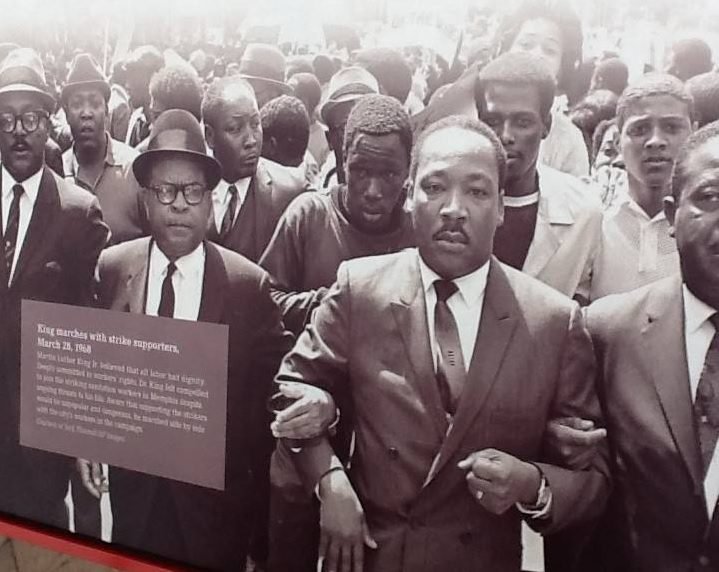
Courtesy – The National Civil Rights Museum

King was chosen as the leader and spokesperson for the newly formed Montgomery Improvement Association due to his strong oratory skills, respected position in the community, and relatively new arrival in Montgomery, which allowed him to avoid being tainted by local political divisions.

The boycott lasted over a year and ended with a Supreme Court decision declaring segregation on public buses unconstitutional. This success brought King national recognition as a leader of the Civil Rights Movement.

The Civil Rights Movement

In 1957, King co-founded the Southern Christian Leadership Conference (SCLC), amplifying his efforts to challenge racial injustice across the South. Through campaigns in Birmingham, Selma, and beyond, King’s nonviolent approach achieved significant victories, including the Civil Rights Act of 1964 and the Voting Rights Act of 1965.

King’s commitment to nonviolent resistance as a means of achieving social and political change was central to his leadership. He believed that love, justice, and moral authority could overcome hate and injustice.

King played pivotal roles in key events, such as the March on Washington in 1963, where he delivered his iconic “I Have a Dream” speech, and the Selma to Montgomery marches in 1965, which led to the passage of the Voting Rights Act.

King’s leadership in the Civil Rights Movement was marked by his ability to inspire and mobilize people through his powerful speeches and unwavering commitment to justice. His efforts led to significant legislative and social changes, including the Civil Rights Act of 1964 and the Voting Rights Act of 1965.

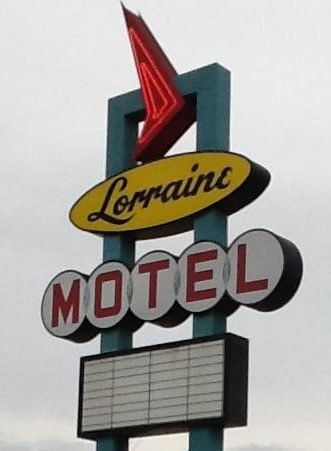
Photo by Milton Kirby – The Lorraine Motel

Dr. Martin Luther King Jr. was assassinated on April 4, 1968, in Memphis, Tennessee. He was shot while standing on the balcony of the Lorraine Motel, where he was staying during a visit to support striking sanitation workers. The tragic event occurred just as King was leading efforts for economic justice and workers’ rights. His death sparked widespread mourning and further galvanized the Civil Rights Movement.

A Legacy Memorialized

The quest to make Martin Luther King Jr.’s birthday a national holiday was primarily championed by Coretta Scott King, Martin Luther King Jr.’s widow, along with other civil rights leaders and activists. After her husband’s assassination in 1968, Coretta Scott King worked tirelessly to ensure that his legacy and contributions to civil rights were officially recognized by the federal government.

In 1979, she and other advocates began a campaign to establish a national holiday in honor of King. This effort gained widespread support over the years, and it was introduced in Congress by Rep. John Conyers and Senator Edward Kennedy.

It wasn’t until 1983 that President Ronald Reagan signed the legislation into law, officially designating Martin Luther King Jr. Day as a national holiday, which was first observed on January 20, 1986. However, it wasn’t immediately recognized by all states; it took several years for all states to adopt the holiday, with South Carolina being the last to officially recognize it in 2000.

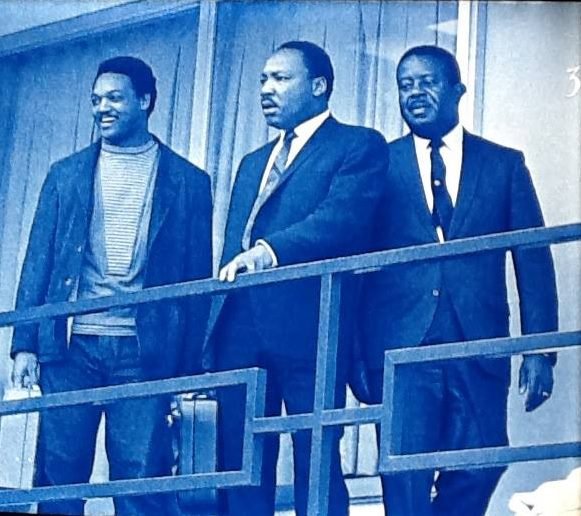
Courtesy National Civil Rights Museum – Jesse Jackson, Martin Luther King, Jr. & Ralph David Abernathy

Family and Legacy

Dr. Martin Luther King Jr. and his wife, Coretta Scott King, had four children:

Yolanda Denise King (1955–2007) – The eldest child, Yolanda was an actress, public speaker, and advocate for social justice.

Martin Luther King III (born 1957) – The eldest son, Martin Luther King III is an activist and community leader, having served as president of the Southern Christian Leadership Conference (SCLC).

Dexter Scott King (1961 – 2024) – The second son, Dexter was an activist and former president of the King Center, an organization dedicated to promoting the principles of nonviolence and advancing civil rights.

Bernice Albertine King (born 1963) – The youngest child, Bernice is an ordained minister and has been a prominent advocate for social justice and human rights. She is currently the CEO of the King Center.

The King Papers Project

During his lifetime, King wrote numerous letters, speeches and sermons. These documents are infamously called “The King Papers.”

The King Papers Project was initiated by the King Center and the Stanford University King Institute, and its goal is to publish a complete and accessible record of Dr. King’s life and contributions.

The project includes several volumes that span Dr. King’s life, beginning from his early years as a student and continuing through his leadership in the civil rights movement and his tragic assassination in 1968. These volumes contain not only his most famous speeches and writings but also personal correspondence, planning documents, and writings that provide insight into his thinking and strategic approach to issues like racism, social justice, and nonviolence.

In addition to the printed volumes, the King Papers also include digitized materials, which are available for public access and research. This collection is invaluable for scholars, educators, and anyone interested in understanding the full scope of Dr. King’s thoughts, actions, and impact on the civil rights movement and beyond.

Exploring His Life and Work

The story of Dr. King’s life can be found and studied a number of museums around the country including but not limited to:

1. The National Civil Rights Museum (Memphis, Tennessee)

  • The National Civil Rights Museum is located at the Lorraine Motel, where Dr. King was assassinated in 1968. The museum offers an extensive collection of artifacts, exhibits, and multimedia presentations documenting the American civil rights movement, including a significant focus on Dr. King’s leadership. Visitors can see items related to his life and activism, including his famous speeches and personal items.

2. The King Center (Atlanta, Georgia)

  • The Martin Luther King Jr. National Historical Park in Atlanta includes the King Center, which was founded by Dr. King’s widow, Coretta Scott King. The King Center houses exhibits about Dr. King’s life, his philosophy of nonviolence, and the broader civil rights movement. The Ebenezer Baptist Church, where Dr. King preached, is also part of the park, and the Freedom Hall within the King Center contains artifacts such as his Nobel Peace Prize.

2. The National Center for Civil and Human Rights (Atlanta, Georgia)

  • The National Center for Civil and Human Rights isone of the most magnificent places to not just learn about the Civil Rights Movement but to actually experience it yourself. Sit at the lunch counter exhibit and see, hear and feel what you may have experienced if you had been a protestor at one of the many sit-ins throughout the South. This museum is home to some of the most dramatic, sobering, and incredibly realistic exhibits on the Civil Rights Era.

3. The Smithsonian National Museum of African American History and Culture (Washington, D.C.)

  • The National Museum of African American History and Culture at the Smithsonian features extensive exhibits on Dr. Martin Luther King Jr. and the civil rights movement. Items from his life, including his Bible, robes, and other personal artifacts, are displayed. His leadership and influence in the movement are detailed through interactive exhibits and multimedia presentations.

4. The Civil Rights Memorial Center (Montgomery, Alabama)

  • The Civil Rights Memorial Center, operated by the Southern Poverty Law Center, commemorates the lives of individuals who died during the Civil Rights Movement, including Dr. King. The Civil Rights Memorial, designed by architect Maya Lin, features a reflective surface inscribed with the names of martyrs, including Dr. King. The museum has exhibits on King’s life, his commitment to nonviolence, and his impact on civil rights.

5. The Alabama State Capitol (Montgomery, Alabama)

  • While not a traditional museum, the Alabama State Capitol is historically significant in the context of the civil rights movement. It was the site of the Selma to Montgomery marches, and there are exhibits within the Capitol and nearby museums that reflect on Dr. King’s leadership during this pivotal moment in history.

6. The Library of Congress (Washington, D.C.)

  • The Library of Congress holds a large collection of materials related to Dr. Martin Luther King Jr., including manuscripts, letters, and papers. The library often showcases exhibitions about his life and work, and many of his speeches and writings are accessible through their online archives.

7. The Detroit Historical Museum (Detroit, Michigan)                                        

  • The Detroit Historical Museum features exhibits about the history of the Civil Rights Movement, including a section dedicated to Dr. Martin Luther King Jr. and his connection to the struggles for equality in Detroit and the broader U.S.

8. The Boston University Mugar Memorial Library (Boston, Massachusetts)

  • The Boston University Mugar Memorial Library holds the Martin Luther King Jr. Papers Project archives. This extensive collection includes Dr. King’s writings, speeches, and letters, which are essential resources for understanding his thoughts.

As we commemorate the life of Dr. Martin Luther King Jr. on what would have been his 96th birthday, his message of love, equality, and nonviolent resistance remains as relevant as ever.

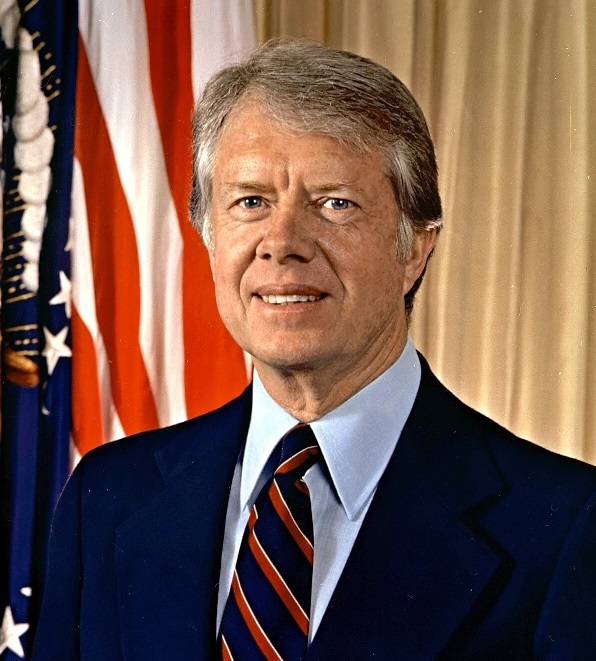
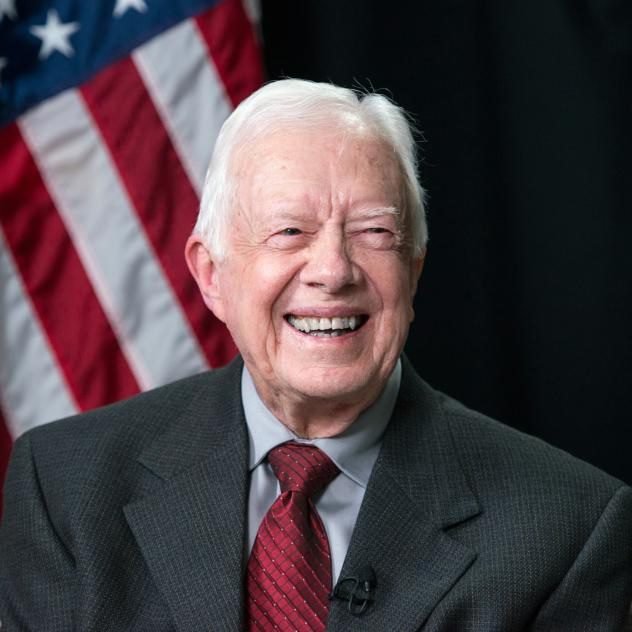
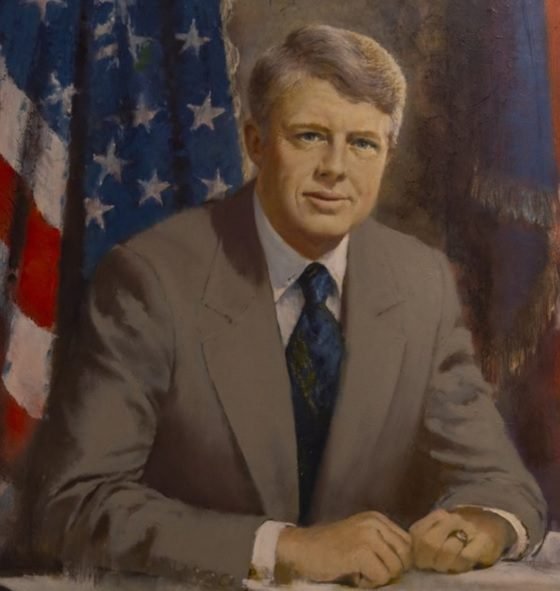
The Dash in Jimmy Carter’s Life

A remarkable journey spanning a century, marked by dedication, faith, and service. He served as the 39th US President, championed environmental conservation, and dedicated his post-presidency to humanitarian efforts.

By Milton Kirby | Atlanta, GA – January 2, 2025

Jimmy Carter’s life—a remarkable journey spanning a century—is a testament to the profound impact of dedication, faith, and service. Born James Earl Carter Jr. on October 1, 1924, in Plains, Georgia, his journey began in the small farming town and nearby community of Archery. Raised by James Earl Carter Sr., a farmer and businessman, and Lillian Gordy Carter, a registered nurse, young Jimmy would lead an extraordinary life defined by humility and an unyielding commitment to the betterment of humanity.

Carter’s early years were marked by academic and naval success. Educated in the public schools of Plains, he pursued higher education at Georgia Southwestern College, Georgia Institute of Technology, and the United States Naval Academy, where he earned a B.S. in 1946. As a submariner in the Navy, Carter served with distinction, rising to the rank of lieutenant and playing a pivotal role in the emerging nuclear submarine program. Under the guidance of Admiral Hyman Rickover, he took graduate coursework in reactor technology and nuclear physics at Union College.

In 1946, Carter married Rosalynn Smith, a partnership that would define much of his life. When his father passed away in 1953, Carter returned to Plains to manage the family farms and their seed and farm

Photo courtesy Maranatha Baptist Church – Jimmy & Rosalynn Carter

supply business. It was here that he began his political career, serving on community boards and eventually winning a seat in the Georgia Senate in 1962. Despite an initial gubernatorial defeat in 1966, Carter persevered, becoming Georgia’s 76th governor in 1971. His national political career was launched with his announcement of candidacy for the U.S. presidency in 1974. He was elected as the 39th president in 1976, serving from January 20, 1977, to January 20, 1981.

As president, Carter championed environmental conservation, setting aside more land for national parks and wildlife refuges than any of his predecessors. He was a pioneer in energy conservation, advocating for reduced reliance on foreign oil and alternative energy sources, symbolized by the installation of solar panels on the White House roof. His administration also established the Department of Energy, emphasizing the importance of sustainability long before it became a global priority.

Post-presidency, Carter dedicated his life to humanitarian efforts. In 1982, he founded The Carter Center in Atlanta, a nonpartisan institution addressing public policy issues, promoting democracy, and eradicating diseases such as Guinea worm disease. His work with Habitat for Humanity—building homes for impoverished families worldwide—further solidified his legacy of compassion. Recognized with the Nobel Peace Prize in 2002, Carter joined the ranks of Theodore Roosevelt, Woodrow Wilson, and Barack Obama as the only U.S. presidents to receive the honor.

Photo Courtesy of the Carter Center

The Carters’ partnership extended to their shared advocacy for mental health. Rosalynn chaired The Carter Center’s Mental Health Task Force and hosted annual symposia to address critical issues in the field. Together, they demonstrated the power of collaborative leadership rooted in their shared values and commitment to service.

A prolific author, Carter wrote over 30 books on topics ranging from politics to poetry, faith, and human rights. Despite his global influence, he remained deeply connected to his roots, teaching Sunday school for over 40 years at Maranatha Baptist Church in Plains. His Christian faith was a cornerstone of his life, shaping his moral and ethical compass and inspiring countless others.

Carter’s life was a “dash” filled with purpose—from humble beginnings as a peanut farmer to his presidency and beyond. He concluded each Sunday school lesson with a challenge: perform one good deed for someone else. This simple yet profound message encapsulated his belief in the power of kindness to change the world.

Courtesy – National Governors Association

On December 29, 2024, Jimmy Carter completed his dash at the age of 100. His legacy endures through the countless lives he touched, the causes he championed, and the enduring message of love and service he imparted. Indeed, the dash in Jimmy Carter’s life symbolizes a life well-lived, defined by unwavering dedication to making the world a better place.


New Year’s Resolutions or New Year’s Intentions

New Year’s Resolutions have been a tradition for over 4,000 years, but often fail due to unrealistic goals and lack of planning. Experts suggest setting smaller goals, creating detailed plans, and seeking accountability for success.

By Milton Kirby | Atlanta, GA | December 29, 2024

As January 1st approaches, millions of Americans prepare to start 2025 with New Year’s resolutions. This tradition of self-improvement dates back more than 4,000 years to the Babylonians, who celebrated the New Year in March with the Akitu festival. They pledged to their gods to repay debts and return borrowed items, laying the foundation for modern resolutions.

The Challenge of Resolutions

Despite their popularity, New Year’s resolutions often falter. A recent poll revealed that around 52% of resolutions are abandoned by March. Common reasons for failure include setting unrealistic goals, lacking a concrete plan, and losing motivation. Experts suggest setting smaller, achievable goals, finding accountability partners, and creating detailed plans to improve success rates.

A Historical Perspective

The Babylonians were among the first to mark the New Year with resolutions, but their year began in mid-March. During their 12-day religious festival, they crowned a new king or reaffirmed loyalty to the reigning one and made promises to their gods. Similarly, the Romans shifted their New Year to January 1st in 46 B.C., honoring Janus, the two-faced god who looked to the past and the future. Sacrifices and resolutions for good behavior marked the occasion.

By the 18th century, Christians adopted the practice as a time to reflect and set goals for personal growth. The phrase “New Year’s resolution” first appeared in print in 1813 and has since become a cultural staple.

The Most Popular Resolutions

Year after year, health-related goals top the list of resolutions, including eating healthier, exercising more, and losing weight. Saving money and reducing stress are also common themes. For instance:

  • In 2020, 44% of Americans resolved to eat healthier, alongside similar percentages in the UK and Poland.
  • In 2019, over half of Americans aimed to exercise more (59%), eat healthier (54%), and lose weight (48%).
  • A 2017 Stockholm University study found that 70% of resolutions focused on physical health, followed by self-improvement (10%) and psychological health (5%).

Expert Insights

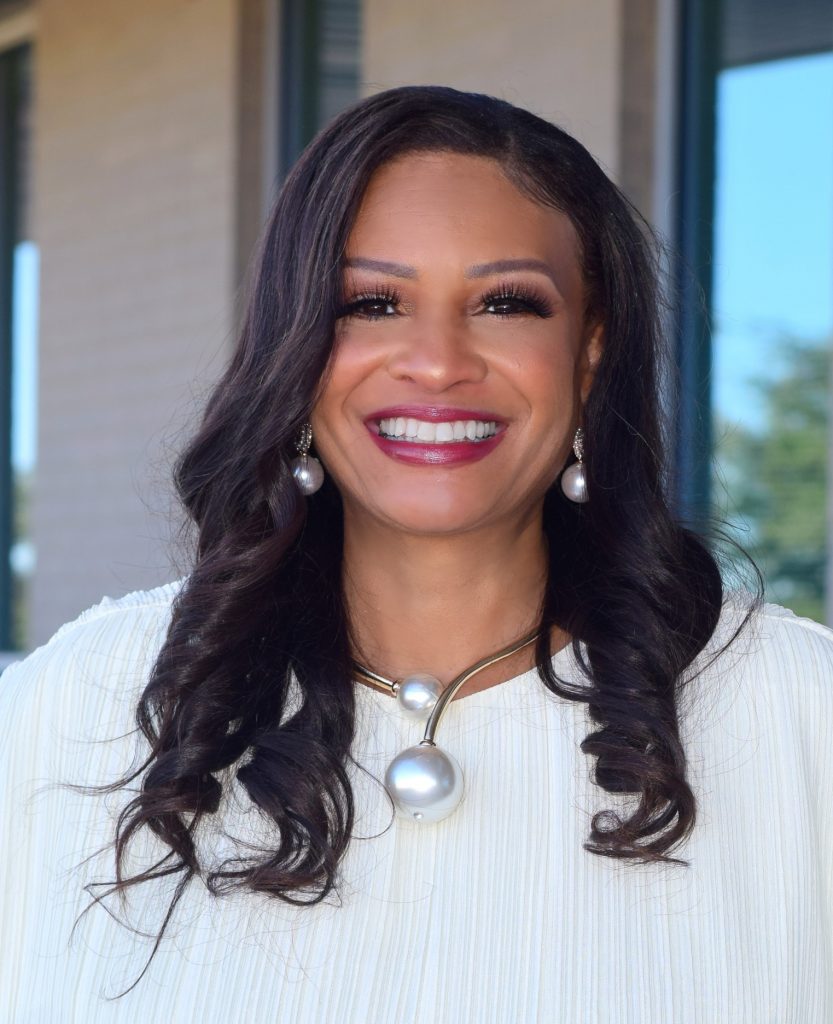
Dr. Lawana Gladney, a Dallas, TX-based Success Psychologist, advises setting “intentions” rather than vague resolutions. “Success requires a clear goal, a detailed plan, and consistent execution,” she says.

Photo Courtesy Dr Lawana Gladney

Dr. Gladney helps clients establish realistic goals and actionable steps. For example, if one resolves to stay connected to family, then we have to have a plan and schedule to make the phone calls and make the trips to see the family. It is all about the goal, the plan, and the steps to execute the plan.

Dr. Gladney, a Ph.D. in Instructional Psychology and Technology specializing in human behavior and the brain’s role in behavioral change, has been practicing for over two decades. For more information about Dr. Gladney or to schedule an appointment, she can be reached at her website and across the following social media platforms: Facebook, Instagram, and LinkedIn.

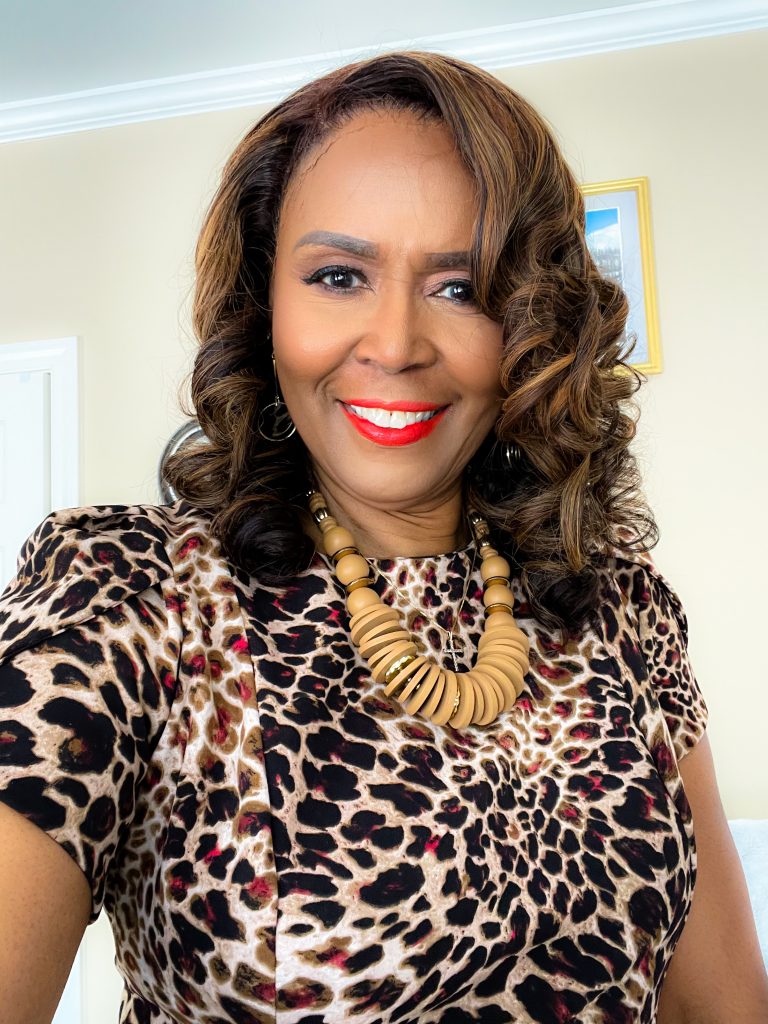
Dr. Nancy J. Lewis, an Atlanta-based leadership coach, emphasizes the importance of accountability. . “Resolutions often fail because they are too generic,” she explains. Dr. Lewis has guided countless individuals to achieve their goals by fostering discipline and consistency.

Photo courtesy Dr Nancy J Lewis

Setting specific goals with tactical actions and having an accountability partner significantly improves the chances of success.

Dr. Lewis is a transformational management and leadership development trainer and strategist who helps organizations leverage generations, talent, people, and processes to positively impact the bottom line. Dr. Lewis has authored multiple books. She is accessible via email at nancy@progressivetechniquesinc.com, her website, LinkedIn, and by telephone at (770) 964-5533.

A Success Story

Katie Allison, a 34-year-old mother, serves as an inspiration. After giving birth to her first child in 2017, she set a New Year’s resolution to lose 75 pounds. Within six months, she reached her goal weight of 145 pounds through daily gym visits, a sugar-free and reduced carbohydrate diet, no red meat, no dairy, and a disciplined routine and meal plan. Katie’s commitment has helped her maintain a healthy lifestyle for five years. Now pregnant with her second child, Katie plans to resume her fitness routine as soon as medically cleared.

Katie Allison lost 75 pounds in six months after her January 1, 2019, New Year’s Resolution


Tips for Success

Experts recommend the following strategies to stick to resolutions:

·         Set realistic goals: Break down larger objectives into smaller, achievable steps.

·         Create a detailed plan: Outline specific actions and timelines.

·         Track progress: Regularly measure success to stay motivated.

·         Seek accountability: Work with a coach or partner to stay on track.

Whether you call them resolutions or intentions, the key to success lies in thoughtful planning, discipline, and a commitment to change. The New Year can be a time for meaningful transformation with these strategies.

Associated Credit Union Foundation Offers $3,500 Scholarships to High School Seniors

The Associated Credit Union (ACU) Foundation offers the Ronald K. Ford Memorial Scholarship, awarding $3,500 to high school seniors who embody Mr. Ford’s commitment to education, sportsmanship, and community service, with a deadline of March 31, 2025.

By Milton Kirby | Atlanta, GA December 24, 2024

The Associated Credit Union (ACU) Foundation is honoring the legacy of Ronald K. Ford, a former member of its Board of Directors, by awarding $3,500 scholarships to exceptional high school seniors. The Ronald K. Ford Memorial Scholarship celebrates Mr. Ford’s 12 years of service on the board, his influential career in education, and his pioneering contributions to the credit union industry.

The scholarship recognizes students who embody Mr. Ford’s commitment to education, sportsmanship, and community service. Abigail, a 2024 scholarship recipient, expressed her gratitude, highlighting how the award has supported her academic and personal goals.

Eligibility Criteria

High school seniors graduating in 2025 are encouraged to apply if they meet the following requirements:

  • Maintain a minimum GPA of 3.0
  • Gain acceptance to an accredited college, university, or technical school
  • Submit all application materials by Monday, March 31, 2025

Application Process

Applicants must submit:

  1. A public link to a 60-second YouTube video addressing one of the following prompts:
    • Describe your most impactful community service activity.
    • Share your favorite academic subject and why it inspires you.
  2. Two reference letters:
    • One from a school official (e.g., coach, counselor, or teacher).
    • One from a non-family member (e.g., employer, friend, or neighbor).
  3. An official high school transcript and a college acceptance letter.

If you are a high school senior passionate about education, innovation, and community service, consider applying for the Ronald K. Ford Memorial Scholarship. This $3,500 award could be your stepping stone to a brighter future. For more details and application instructions, visit the Associated Credit Union Foundation’s website.

Don’t miss your chance—apply by March 31, 2025, and take a step closer to achieving your dreams!

Apply Today

College Costs in Georgia

For those seeking more affordable options, Georgia is home to some of the nation’s most economical colleges. Institutions like Dalton State College ($5,532 annual net price) and Abraham Baldwin Agricultural College ($7,260 annual net price) provide quality education at accessible costs.

Here are some reliable sources to estimate college costs in Georgia:

  1. College Websites – Visit the official websites of individual colleges and universities in Georgia. Most institutions provide detailed information about tuition, fees, room, board, and other expenses.
  2. Georgia Student Finance Commission (GSFC) – The GSFC offers tools and resources for understanding college costs, including information on tuition assistance programs like HOPE and Zell Miller Scholarships on their website.
  3. BestColleges.com – Provides rankings and average annual costs for colleges in Georgia, including public and private institutions. Website: www.bestcolleges.com
  4. College Navigator (NCES) – The National Center for Education Statistics (NCES) offers a tool to search and compare costs for colleges nationwide, including detailed breakdowns for Georgia institutions.
  5. University System of Georgia (USG) – The USG website lists tuition and fee schedules for public colleges and universities in Georgia.
  6. College Board – The College Board’s “Trends in College Pricing” report includes average tuition and fees by state, along with tools to estimate overall college costs.
  7. Scholarship and Financial Aid Platforms – Websites like Fastweb.com and Scholarships.com often include information on estimated college costs and financial aid options.
  8. Consumer-Focused Financial ToolsNerdWallet and CollegeSimply can provide estimates and comparisons of college costs across Georgia.
  9. Websites like Best Colleges can also provide a wealth of information.

Pristine Mobile Mechanic – Quality Service in Your Driveway

owner Don White provides exceptional service, repairing a leaking coolant hose on a 2015 Ford F-150 in under an hour, showcasing his commitment to quality and customer satisfaction.

By Milton Kirby | Atlanta, GA – December 6, 20204

On one of the coldest days of the season, Wednesday, December 4, 2024, in Atlanta, GA, an unexpected automotive problem turned into a discovery of exceptional service. While driving down Northside Drive, I noticed the unmistakable scent of antifreeze. Initially, I assumed it came from another car, but by the time I turned onto 16th Street, steam started to escape from the engine compartment. The steam was coming through the small gaps on the right side of the vehicle where the hood and the fender met to close the engine compartment of my 2015 Ford F-150. The steam confirmed that the smell was coming from my engine and the problem was mine.

Pristine Mobile Mechanic does final check

A quick turn onto a side street and a hasty inspection of the radiator and engine revealed a leaking coolant hose connecting the heater core to the engine. Though the leak wasn’t severe, I knew from experience that it required immediate attention, and the vehicle should not be driven very far. I safely moved to a nearby secure parking garage and searched for a replacement hose. Neither the nearest auto parts store nor the nearest Ford dealer had the part in stock. After several phone calls, I finally found the part at Courtesy Ford in Conyers, GA.

The next step was to locate a mechanic. I encountered steep quotes and long wait times when calling early the following morning. Then, I spoke with Don White, the owner of Pristine Mobile Mechanic (PMM).

Don’s professionalism and transparent price estimate made PMM stand out against the other mobile technicians. For a service call fee of $35 and an estimated repair cost of $150-175, he assured me the job could be done promptly.

True to his word, Don arrived at the scheduled time, quickly confirmed the diagnosis and that I had purchased the right replacement part. With a focus on the job he completed the repair—removing the faulty hose, installing the new one, and refilling the coolant system—all within an hour. A quick test revealed no leaks, and Don was off to his next appointment, leaving me thoroughly impressed.

Don White’s passion for cars began in high school, where he started collecting and repairing vehicles. This interest helped him pay his way through South Carolina State University, where he earned a Bachelor of Science degree in Industrial Engineering. After gaining industry experience at BMW of South and Genuine Parts, Don launched Pristine Mobile Mechanic in 2023.

Since its inception, PMM has serviced over 300 vehicles, building a reputation for reliability and affordability. When asked about expansion, Don emphasized the importance of maintaining quality over rapid expansion. “The quality of my service is paramount to my brand,” he shared, reflecting on his dedication to excellence, specifically citing that he answers the telephone, maintains constant communication, and shows up when agreed.

Pristine Mobile Mechanic installing hose

PMM makes payment seamless by accepting cash, Apple Pay, Cash App, Zelle, and even Bitcoin, ensuring convenience for its clients.

Don White showed me a passion for servicing cars and a commitment to the profession, and he showed himself as a student of the craft. These embody the growing appeal of mobile mechanics, offering car owners convenience and high-quality service wherever they are. PMM is redefining automotive care—one vehicle at a time.

For more information about Pristine Mobile Mechanic and their services, visit their website.

Exit mobile version