Exports, Tariffs, and Tradition, Pecan Farmers Seek Relief in Global Market

Georgia pecan farmers met with Senator Raphael Warnock to discuss tariffs, exports, and resilience as the state leads U.S. production and expands into global markets


By Milton Kirby | Keysville, GA | August 18, 2025

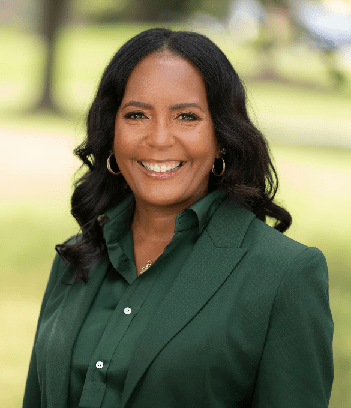
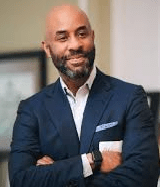
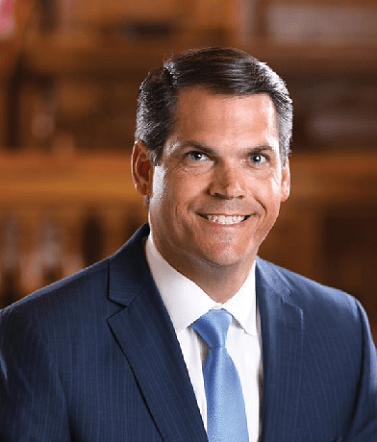
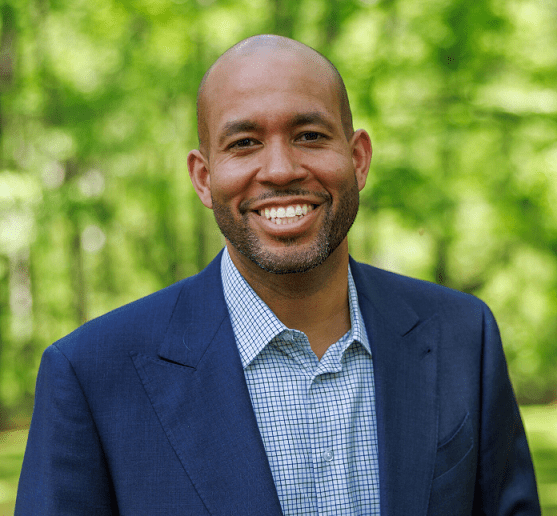
In the rolling orchards of middle and south Georgia, pecan farming is more than a business. It is a heritage rooted in resilience, family, and faith in the land. Saturday, three longtime growers sat down with U.S. Senator Reverend Raphael Warnock to talk about the future of their crop and the pressures of international trade.

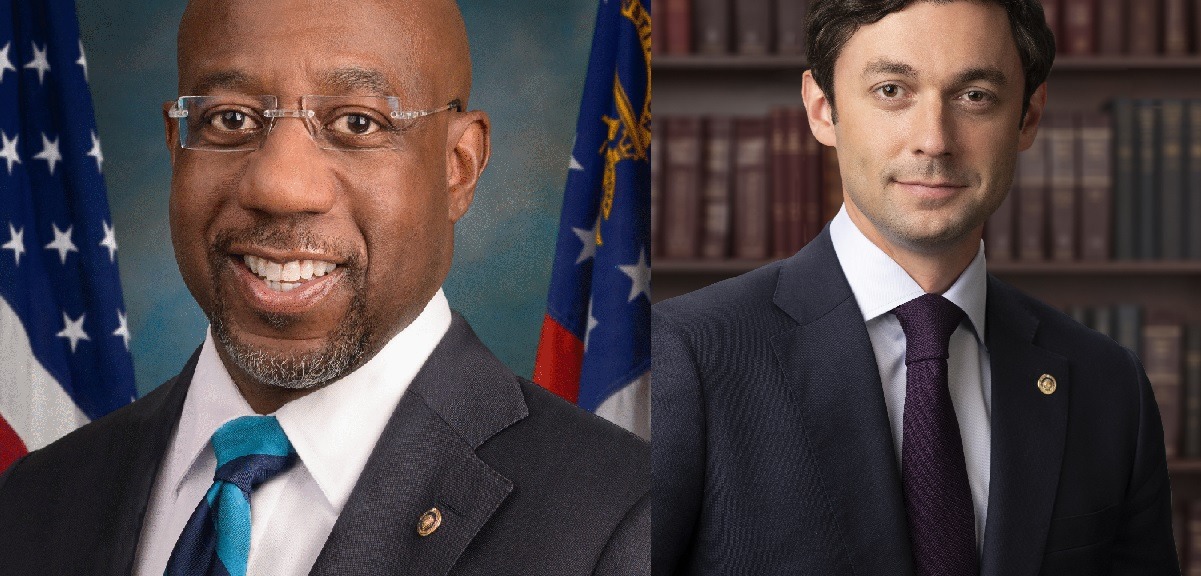
Photo by Milton Kirby – Pecan farmers at the table with Senator Raphael Warnock

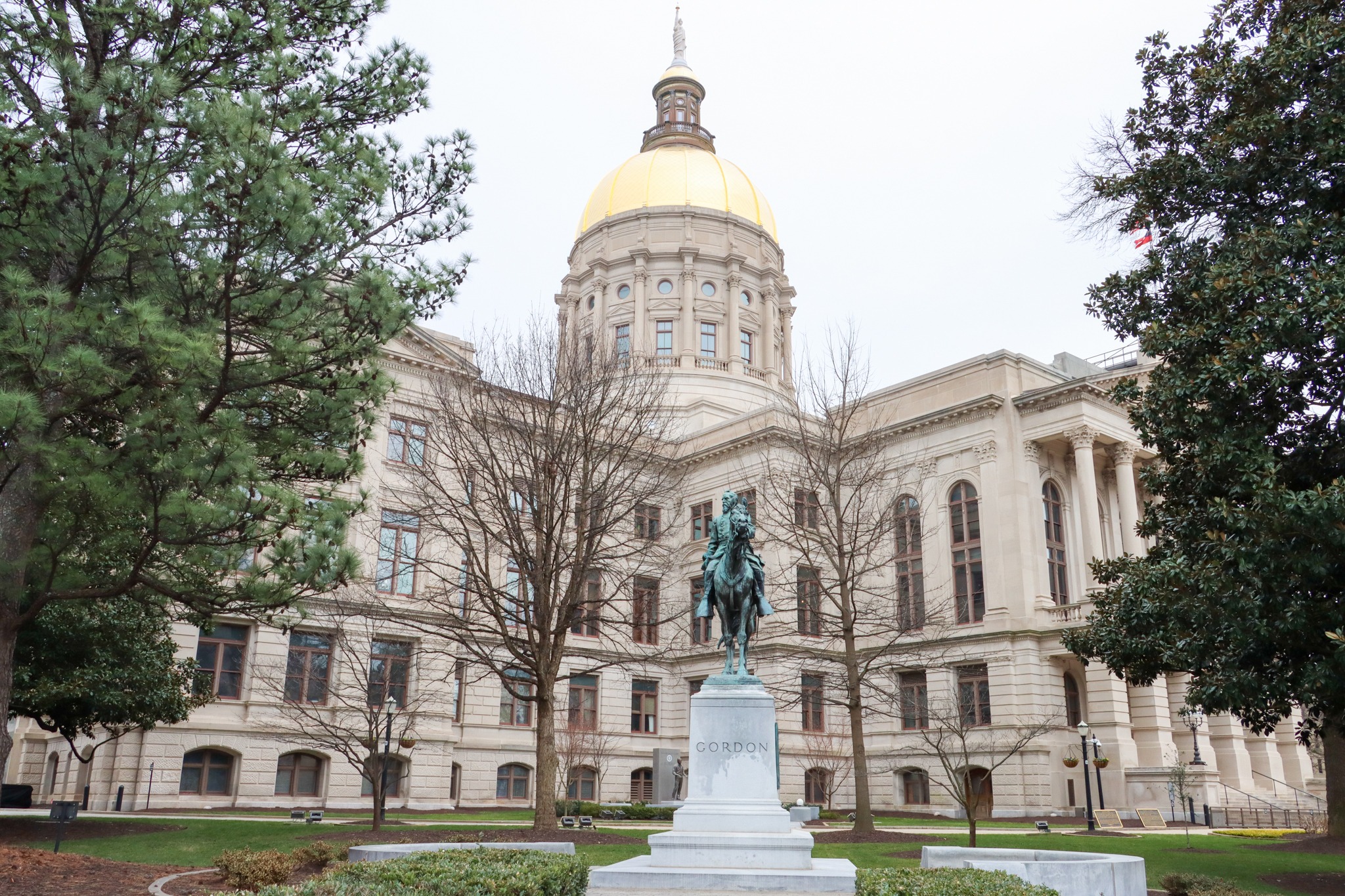
Georgia is the nation’s leading pecan producer, with over 144,000 acres planted across the state. For 17 consecutive years, Georgia has outpaced all others, producing an average of 88 million pounds annually. In strong years, like 2020, output climbed above 142 million pounds. Nearly one-third of the state’s harvest is exported, with the Port of Savannah serving as a major hub for shipments to Asia, Europe, and South America.

A Legacy Crop with Deep Roots

The pecan tree, native to North America, can bear edible nuts for more than 300 years. Commercial planting in Georgia began in the early 1900s, especially in the sandy soils of the southwest. Albany and Dougherty County quickly became known as the “Pecan Capital of the World.”

The crop has endured both natural and economic tests. Hurricane Michael in 2018 wiped out more than 26,000 acres of pecan trees, cutting yields nearly in half. Recovery has been slow, as new trees can take close to a decade to mature. But farmers persevered, and by 2020, Georgia reclaimed its top spot in production, thanks to improved yields and strategic replanting.

Governor Brian Kemp underscored the crop’s importance by declaring the pecan the official state nut in April 2021. Legislation like Senate Bill 222 further spotlighted Georgia Grown products, boosting the visibility of local agriculture.


Farmers at the Table

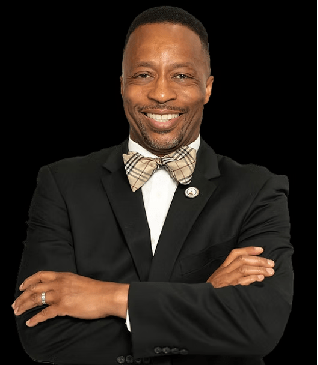
Jeb Barrow

In Keysville, Jeb Barrow runs Three Bee’s Farms, a pecan orchard his family has operated for nearly 130 years. Generations of Barrows have lived through storms and market swings, but recent years have been particularly rough. “Last year I lost around 40% of my crop,” Barrow said. Hurricane Helene damaged three-quarters of his trees, and he has worked steadily to replant. “It takes all of us—farmers here on the ground, support from Washington, and smart trade decisions. That’s what keeps us moving forward.”

Barrow praised Senator Warnock’s willingness to listen. “He’s serious about supporting Georgia agriculture. He didn’t come here to lecture—he came here to sit at the table and hear us out,” he said.

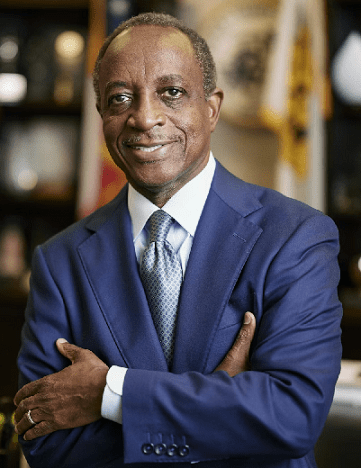
R G Lamar

For R.G. Lamar, pecans have always been a family business. His parents, John and Carol Lamar, started Lamar Pecan Company in Hawkinsville during the late 1970s. At first, the family could not afford large equipment, so much of the work was done by hand. “My dad and my brother built this place through sweat,” Lamar recalled. By 1992, they had constructed a cleaning plant, and by the early 2000s, they were exporting pecans to China.

Today, R.G. and his stepbrother Grant manage more than 2,300 acres. The farm produces over 2.5 million pounds annually, with varieties such as Desirable, Stuart, Schley, and Sumner. Their retail brand, Front Porch Pecans, offers roasted snacks sold on Amazon and in stores across the country. “We believe Georgia pecans can compete anywhere in the world,” Lamar said. “But we need stability in trade policy.”

Sam Pennington

Sam Pennington, who operates Pennington Farms, Inc. in Wrens, emphasized the delicate balance of farming in a global economy. His operation, like many, depends on steady exports to remain profitable. “We know we grow a world-class product,” Pennington said. “But tariffs can close doors overnight. That uncertainty is the hardest part.”


Exports and Tariffs

Georgia’s export market has shown resilience. The Port of Savannah reported a 20% increase in nut exports in 2020 over 2019, a sign of strong international demand. Still, China, once a top buyer, pulled back during the trade disputes of the Trump administration. Farmers and state officials now view India as a promising market to help fill that gap.

Warnock addressed those concerns directly. “I’m not opposed to tariffs,” he told the farmers, “but we need a strategic, thoughtful, coherent approach to trade. A blanket 10% increase in consumer goods doesn’t help farmers or families.”

The senator noted that Congress, not the executive branch, holds constitutional authority over trade policy. “Congress does have the power and the ability to bring some common sense approach to this if it chooses to do so,” he said.


Walking with the Farmers

Warnock said his visit was about more than policy. “It was really important for me to be here in the region today,” he said. “I promised Georgians that I would always walk with them, even while working for them. Our farmers are the best among us. It’s very hard work, with a lot of uncertainty. We should do everything we can to try to lighten that burden.”

As the meeting ended, the farmers returned to their orchards, where new trees take root alongside old ones. For them, the work is as much about legacy as livelihood. And with the backing of policymakers, Georgia’s pecan growers hope to keep the state’s title as the nation’s top producer for generations to come.

Please consider supporting open, independent journalism – no contribution is too small!

‘We Will Be Married Forever’ – Michelle Obama Admits 10 ‘Bad Years’ with Barack but Says Quitting Was Never an Option

Michelle Obama shut down divorce rumors, revealing that even a decade of marital struggle didn’t shake their bond: “We’ll be married forever—bad years and all.”


By Mohar Battacharjee | Published on August 8, 2025

Divorce rumors have been swirling around Michelle and Barack Obama for months now, but time and again, the former first couple shows the world what real married life actually looks like messy moments, tough seasons, yet very much in love with each other.

Speaking on the August 6 episode of her Michelle Obama: The Light Podcast, the former first lady addressed both the whispers about their relationship and the realities of a three-decade-long marriage, reports RadarOnline. Michelle, now 62, didn’t shy away from admitting that even her union with the former president has had rough patches, the kind of years when, as she put it, “you’re struggling to find that connection.”

A lot of people joke about the fact that it’s like, there are 10 years when I didn’t like my husband, right?” she said, referencing her now-famous confession that she “couldn’t stand” Barack for a decade of their nearly 33-year marriage.

Despite that candor, Michelle made one thing absolutely clear: there’s no divorce on the horizon. “We’ve been married for 30 years, and we will be married forever. So, let’s say we live long. It will be 50-plus years. And if 10 of those years were bad, you know, anybody would take those odds,” she explained, noting that the lows are just part of the bigger picture.

Michelle then broke down what she calls “marital math,” a realistic way to look at long-term relationships. “People don’t tend to think in terms of odds and numbers. Of course, you’re going to have years if you add up the days and the hours where you’re struggling to find that connection,” she said. “That is a normal experience. You would have that if you lived with your best friend for 30 years — 10 of those years you would hate each other. But you don’t throw out a relationship or marriage because of a couple of bad years.”

 She also used her own marriage as a cautionary example for younger couples, who she worries often give up too quickly when times get hard. “I think more married couples need to talk more honestly about what marriage really is, because I see too many young people quitting on relationships,” Michelle warned.

For her, the lesson is simple. Long-lasting love isn’t about constant butterflies or perfect harmony. It’s about compromise, resilience, and staying in the fight even when it’s uncomfortable. Without that, she says, people will “end up alone” because they’re unwilling to put in the work.  Her remarks come as the “Divorce of the Century” rumors continue to circulate online, with tabloids speculating about cracks in the Obamas’ marriage. But as Michelle’s latest comments make clear, she and Barack see those rough patches as part of the deal, not a reason to walk away, ever.

Related stories:

Michelle Felt Sparks on the phone with Barack

Michelle: There hasn’t been one moment in our marriage where I thought about quitting my man

Barack and Michelle Obama Break Silence on Divorce Rumors

Please consider supporting open, independent journalism – no contribution is too small!

Michael Thurmond Enters 2026 Georgia Governor’s Race with Focus on Unity and Experience

Michael Thurmond launches 2026 Georgia governor bid, emphasizing experience, Medicaid expansion, education, and coalition-building in a high-stakes race to succeed term-limited Gov. Brian Kemp.


By Milton Kirby | Atlanta, GA | August 9, 2025

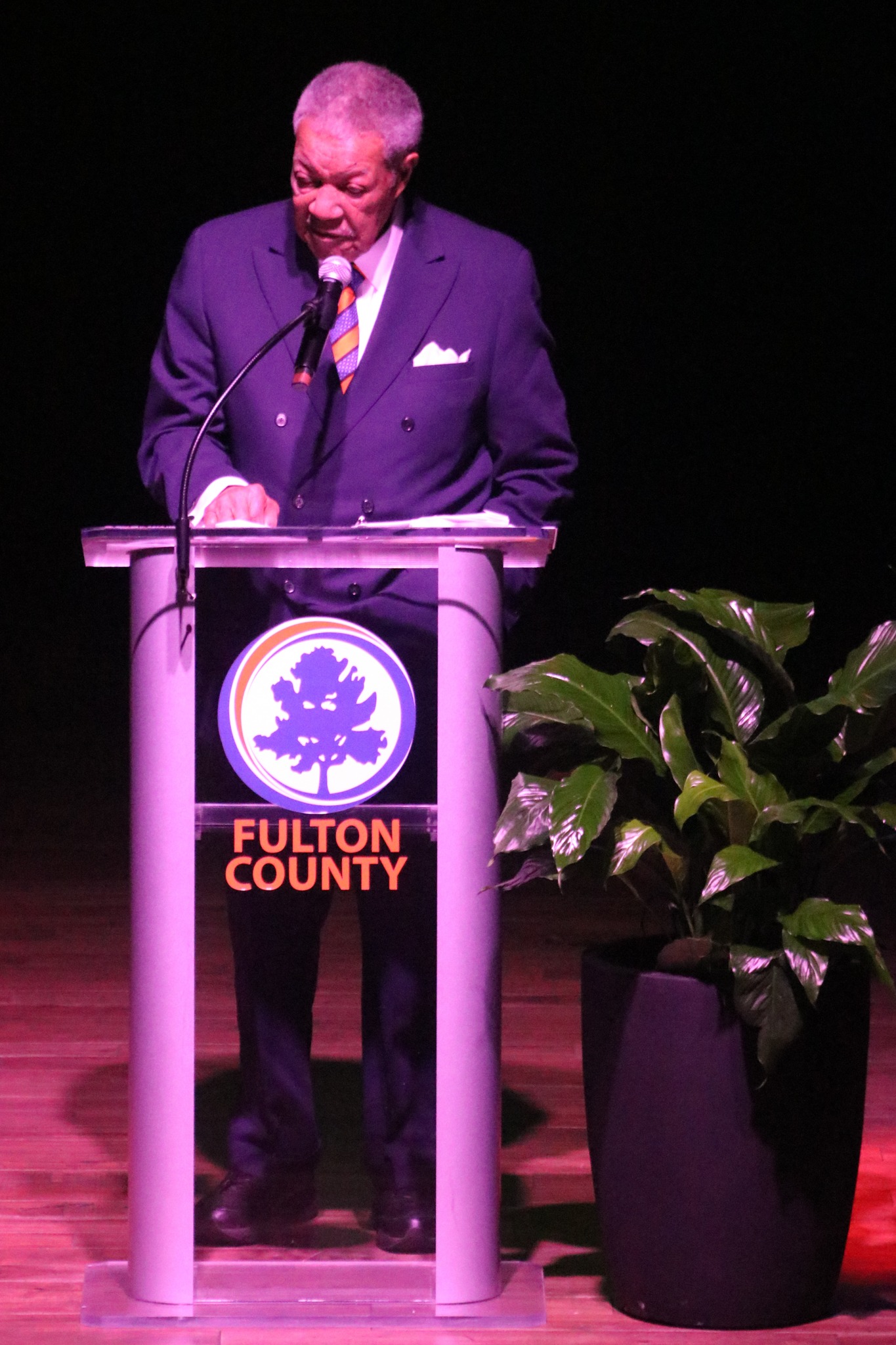
Michael Thurmond, a veteran Georgia politician with decades of public service, officially announced Wednesday that he is running for governor in 2026. The 72-year-old former DeKalb County CEO, state labor commissioner, and state lawmaker framed his campaign as a call for competence, coalition-building, and a break from “hyper-partisan politics.”

“I’m running for Governor to fight for working families, protect and expand access to healthcare, and build an education system that creates multiple pathways to success,” Thurmond said in a statement. “This campaign won’t be about promises, but performance.”

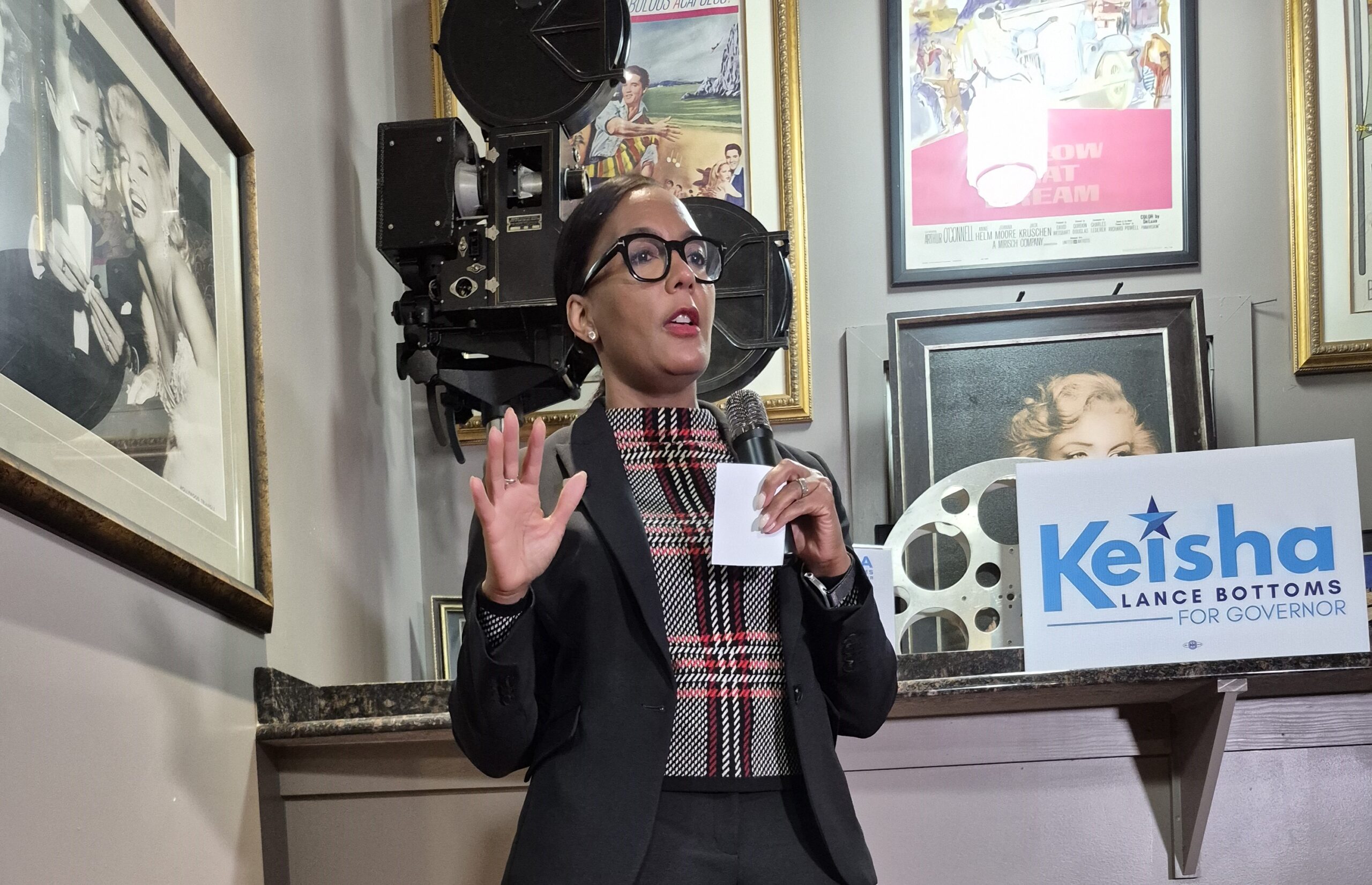
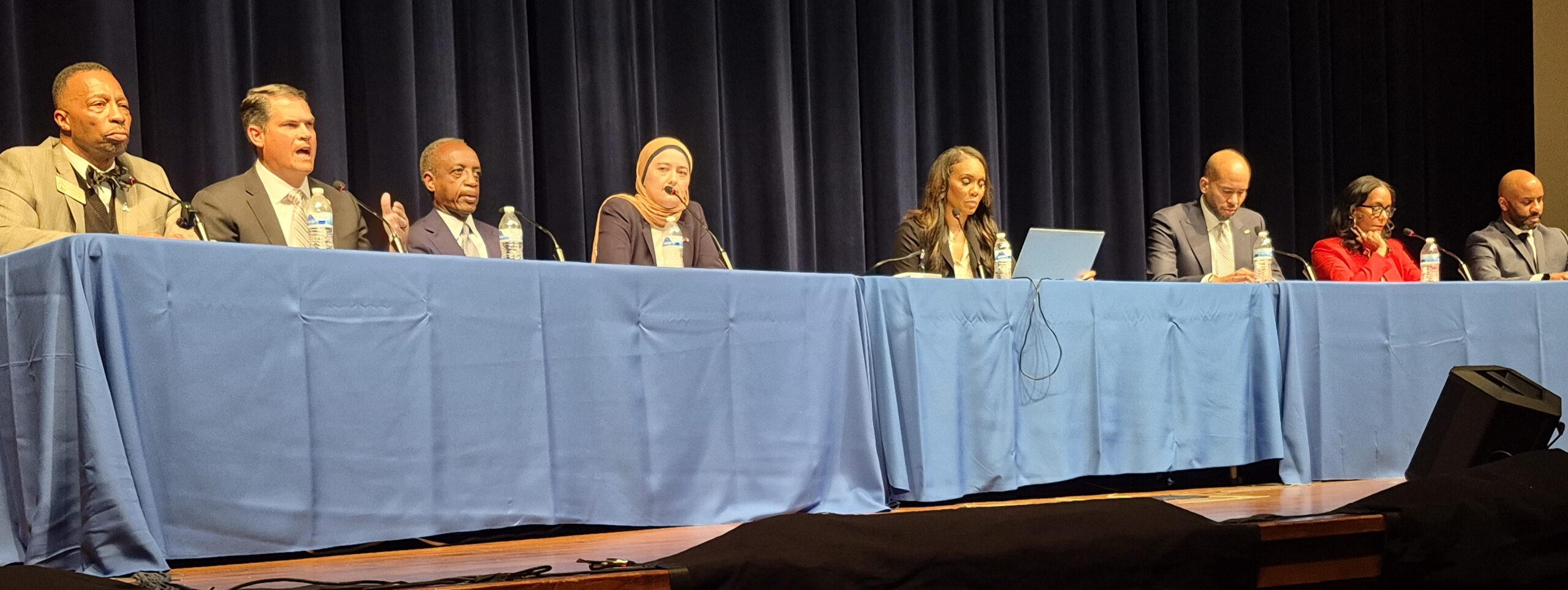
Thurmond enters a Democratic primary already featuring prominent contenders, including former Atlanta Mayor Keisha Lance Bottoms, state Sen. Jason Esteves of Atlanta, and state Rep. Derrick Jackson. The Republican field is led by Lt. Gov. Burt Jones and Attorney General Chris Carr, both of whom are courting conservative voters with positions aligned with former President Donald Trump.

A History of Statewide Wins

Unlike some of his Democratic rivals, Thurmond has won statewide office before—serving three terms as Georgia’s labor commissioner from 1998 to 2010, including during the Great Recession. Earlier in his career, he was the first African American elected to the Georgia General Assembly from Clarke County since Reconstruction. He was later appointed by Gov. Zell Miller to head the state Division of Family and Children Services.

After leaving statewide office, Thurmond became interim superintendent of the DeKalb County School District in 2013, credited with steering the district away from the loss of accreditation. He went on to serve two terms as DeKalb County CEO, leaving office earlier this year due to term limits.

Born the son of a Clarke County sharecropper and grandson of an enslaved man, Thurmond often references his family’s story to highlight economic inequality. In his launch video, he recalled his father working two jobs in the Georgia sun and his own conversations with laid-off auto workers about vanishing livelihoods.

“I knew from a young age that you can work hard as hell and still be poor in America,” Thurmond said. “I had that thought again years later, sitting in a Ford manufacturing plant, talking to three generations of men who were realizing their jobs, retirement, and way of life had disappeared overnight.”

Challenges Ahead

Thurmond’s candidacy comes in a state where Republicans still dominate most statewide races, even as Democrats have won the last two U.S. Senate contests. He will need to overcome rivals with significant fundraising momentum. Both Bottoms and Esteves launched their campaigns months ago and have already raised more than $1 million each. Esteves has lined up endorsements from Atlanta City Council President Doug Shipman, much of the city council, and the Latino Victory Fund. Bottoms is banking on strong support from Black women voters across Georgia.

Thurmond hopes to tap into his DeKalb County base while appealing to moderates and independents. He says he sees opportunity on issues such as Medicaid expansion, improving maternal and infant health outcomes, and enhancing education access.

“Georgia is underachieving,” Thurmond said. “We can do better, but we can’t do better when we are basically imprisoned in this world of hyper-partisan politics.”

Michael Thurmond: A Political Career at a Glance

Age: 72
Hometown: Clarke County, Georgia

Early Life:

  • Son of a sharecropper; grandson of a man born into slavery.
  • First African American elected to the Georgia General Assembly from Clarke County since Reconstruction (1986).

Career Milestones:

  • State Representative (1987–1993): Served three terms during Democratic control of the legislature.
  • Division of Family and Children Services: Appointed director by Gov. Zell Miller.
  • Georgia Labor Commissioner (1998–2010): Won three statewide elections; guided the agency through the Great Recession; one of the few Democrats to win statewide during GOP dominance.
  • Interim Superintendent, DeKalb County Schools (2013–2014): Steered the district away from losing accreditation amid financial and governance crises.
  • CEO, DeKalb County (2017–2025): Two-term county executive; term-limited in 2025.

Political Stance:

  • Moderate Democrat focusing on coalition-building.
  • Advocates Medicaid expansion, education reform, and reducing maternal and infant mortality rates.
  • Calls for an end to “hyper-partisan politics.”

Campaign Notes:

  • Enters a crowded Democratic primary with former Atlanta Mayor Keisha Lance Bottoms, state Sen. Jason Esteves, and state Rep. Derrick Jackson.
  • Will face likely GOP contenders Lt. Gov. Burt Jones and Attorney General Chris Carr in the general election if nominated.
  • Primary scheduled for May 19, 2026; general election on Nov. 3, 2026.

A Different Approach

Political observers say Thurmond’s coalition-building pitch is a gamble in today’s polarized climate. University of Georgia political science professor Audrey Haynes noted that while voters frustrated by political gridlock may welcome his approach, “it remains to be seen if a unifying message can win in a climate where many want their leaders to fight harder for their side.”

Thurmond has pledged to visit communities in all corners of the state and is touting his experience navigating Republican-led legislatures to pass policy. His early campaign materials feature a gospel-tinged rally song urging supporters to “get our boots on the ground” for his candidacy.

With the Democratic primary set for May 19, 2026, and the general election on Nov. 3, the race to succeed term-limited Republican Gov. Brian Kemp is expected to be one of the most closely watched contests in the nation.

Michael Thurmond enters the 2026 Georgia race for governor with a press conference and this video.

Please consider supporting open, independent journalism – no contribution is too small!

Warnock, Ossoff Bring $500M Military Construction Funding Package to Georgia

Senator Raphael Warnock secures over $500M in bipartisan military funding, Georgia’s largest investment since 2010, boosting bases, families, and veterans’ support services.


Senator’s $500M Bipartisan Defense Funding Boosts Bases, Families Across the State

By Milton Kirby | Washington, DC | August 1, 2025

U.S. Senator Raphael Warnock has secured more than $500 million in bipartisan funding for military construction projects across Georgia—marking the state’s largest investment of its kind since 2010. The funding, supported in part by Senator Jon Ossoff, comes from a military construction and veterans affairs appropriations bill and is now headed for reconciliation with the House version before becoming law.

“This is about readiness, dignity, and the people who serve this country,” Senator Warnock said. “We cannot let Washington politics get in the way of delivering this bipartisan funding to Georgia’s military communities, and I will keep fighting until we get this across the finish line.”

Georgia Projects Get Major Boost

The funding includes $127 million for the construction of a new Dexter Elementary School at Fort Benning in Columbus, one of the single largest education-related military projects in recent state history.

Other key investments include:

  • Fort Gillem: $166 million for an evidence storage facility
  • Fort Stewart: $8 million for an aircraft maintenance hangar (design phase) and $45 million for barracks renovations
  • Moody AFB: $17.5 million for a new security forces squadron facility and $3.7 million for an F-35 simulator (design phase)
  • Robins AFB: $28 million for a new aircraft control tower
  • Savannah CRTC: $27 million for a new dining hall and $11.4 million for a C-130 corrosion control facility
  • Dobbins ARB: $3 million for an entry control facility (design phase)
  • Kings Bay Naval Submarine Base: $119 million for a submarine maintenance facility

Investment in Veterans’ Health and Housing

The bill also allocates billions nationally to support veterans, with Georgia standing to benefit significantly. Highlights include:

  • $342 million to expand access to rural health care via transportation and telehealth
  • $3.5 billion for veteran housing assistance programs
  • $18.9 billion for mental health services, including $698 million for suicide prevention
  • $30 million to improve oversight and maintenance of privatized military housing

Longstanding Support for Servicemembers

Warnock’s record on military support includes co-authoring the PACT Act in 2022 to expand veterans’ health care, and introducing multiple bipartisan bills to improve military housing and survivor benefits. Earlier this year, he launched a bipartisan oversight effort demanding better food quality at military dining facilities after troubling reports from Army bases.

“Georgia is a military state, with one in 10 residents connected to the Armed Forces,” Warnock said. “These investments reflect my commitment to making sure they and their families are never forgotten.”

The bill now moves to a conference committee where Senate and House versions will be reconciled before heading to President Biden’s desk.

Please consider supporting open, independent journalism – no contribution is too small!

Warnock Leads Effort to End Racial Bias in Black Home Appraisals

Senator Warnock’s bill fights appraisal bias in Black neighborhoods, aiming to protect home values, ensure fairness, and help families build generational wealth.


Senator’s new bill gives families tools to protect home value and build wealth

By Milton Kirby | Washington, D.C. | July 23, 2025

Senator Reverend Raphael Warnock is taking a strong stand against unfair home appraisals. On Tuesday, he introduced the Appraisal Modernization Act, a bill that would give families more power to fight bias that lowers their home’s value.

Courtesy Senator Raphael Warnock

For many Americans, their home is their most significant source of wealth. However, the urgency of the issue is underscored by research from Brookings, which shows that homes in Black neighborhoods are worth about 21% to 23% less than similar homes in non-Black areas.

“Home valuations are a big part of building generational wealth,” said Senator Warnock. “This bill helps families protect that value and gives them new tools to fight back against bias.”

 What the Bill Will Do

The Appraisal Modernization Act would make the home appraisal process fairer. It would:

  • Require the Federal Housing Finance Agency (FHFA) to publish an online database of property-level appraisal data
  • Let consumers appeal an unfair appraisal or request a second one
  • Make sure those appeals are treated the same across the country

These changes aim to protect families, increase fairness, and shine a light on bias.

Backlash After Trump Shuts Down Bias Task Force

The need for the bill became even more urgent last week. The Trump administration announced it would end the federal task force that was working to remove racial bias from the home appraisal system.

Senator Warnock said his bill would help fill that gap by building new systems of transparency and fairness into law.

Supported by Senators and Experts Nationwide

Senator Warnock is not alone. The bill is backed by Senators:

  • Angela Alsobrooks (D-MD)
  • Lisa Blunt Rochester (D-DE)
  • Cory Booker (D-NJ)
  • Andy Kim (D-NJ)
  • Elizabeth Warren (D-MA)

Senator Booker said, “The color of your skin should not decide the value of your home.”

Housing experts agree. Nikitra Bailey from the National Fair Housing Alliance said the bill gives families and lenders better data to make fair decisions.

Laura Arce from UnidosUS said, “The race or ethnicity of a homeowner should not affect the value of their home. This bill makes the process fairer for everyone.”

Why It Matters for Georgia and the Nation

Homeownership is one of the best ways to build wealth in America. However, racial bias in the appraisal system has been a significant barrier, preventing many Black and Latino families from growing that wealth. The introduction of this bill could potentially change that.

Today, White families hold $1.3 million in average wealth. Black families have only $211,000, and Latino families hold $227,000 on average. The difference is often tied to the value of their homes.

“This bill is about fairness and opportunity,” Warnock said. “Every family deserves to know that their hard work and home investment are treated with respect.”

Part of a Bigger Plan

This bill is part of a larger housing plan Warnock introduced in March 2025. As a member of the Senate Banking Committee, he has supported:

  • $80 million for affordable housing in Georgia
  • Funding to build 10,000 new housing units
  • Support for the Yes In My Backyard (YIMBY) grant program
  • $275 million in grants to fight homelessness
  • Laws to repair low-income housing and make homeownership fairer

As someone who grew up in public housing in Savannah, Warnock knows the impact of having a safe, stable home.

Experts Say Data Will Help Everyone

The Housing Policy Council and the National Association of Mortgage Brokers both support the bill. They say the public database will improve how home values are measured and make the market more fair for lenders, buyers, and appraisers.

Andrew Pizor of the National Consumer Law Center said, “This law helps people protect their home equity and fix decades of unfair treatment in the appraisal system.”

What Happens Next?

The bill will now go through review in the Senate. If passed, it could reshape how homes are appraised in Georgia and across the country.

“This is about leadership and fairness,” Warnock said. “We can’t build generational wealth if bias is baked into the system. This bill is a step forward.”

Legislation Fact Sheet                                 Appraisal Modernization Act 

For updates or to support the bill, visit warnock.senate.gov or call your local housing advocacy group.

Please consider supporting open, independent journalism – no contribution is too small!


Elon Musk Fired 6,000 USDA Workers — The U.S. Is Now Confronting a Threat from Invasive Species and Financial Fallout


By Arezki Amiri |  Dalily Galaxy | July 16, 2025

In February 2025, the U.S. Department of Agriculture (USDA) became the focal point of a high-stakes controversy that has set alarm bells ringing across the nation. At the center of it all? A dramatic reduction in workforce—6,000 employees, to be exact.

While the news of mass layoffs typically doesn’t make for front-page headlines, the ripple effects of this particular decision have sent shockwaves far beyond Washington D.C. What’s more, these layoffs are starting to have very real, and potentially dangerous, consequences for U.S. agriculturefood security, and the economy. But what exactly has been cut, and why does it matter?

A Severe Cut to Expertise: What’s Been Lost?

According to Wired, the USDA wasn’t just shedding staff. These weren’t your typical office workers. The agency has let go of highly trained individuals – inspectorsentomologistsdisease-sniffing dog trainers—many of whom had specialized knowledge and years of experience. These professionals were critical in safeguarding the nation’s food supply, ensuring agricultural imports were free from pests and diseases that could devastate crops.

Take the National Dog Detection Training Center, for example. This was a place where beagles and Labradors were trained to detect invasive specieslike the Giant African land snail, a mollusk that poses a serious threat to Florida’s agricultural industries. As one former employee pointed out, the loss of even one such dog—and the expertise behind its training—could make the difference between catching a pest at the border or watching it infest American farms. The impact isn’t just theoretical. It’s happening right now.

It’s All About the Port Crisis

When you consider the sheer volume of goods flowing through U.S. ports, the role of the USDA’s inspection staff becomes clear. Ports like Los Angeles and Miami handle millions of tons of goods each year, much of it agricultural. With 6,000 USDA staff cuts, including a sharp reduction in the Plant Protection and Quarantine teams, the fallout is immediate. In some cases, ports lost as much as 35% of their inspection workforce, significantly slowing the process of screening incoming imports.

What does that mean for the average American consumer? Simply put, more risk. Less inspection means more food could spoil on arrival, or worse, dangerous pests might slip through the cracks. These aren’t just theoretical threats; invasive species like the Asian longhorn beetle and spotted lanternfly could have catastrophic consequences for U.S. agriculture. The already fragile food supply chain is now at even greater risk, creating a perfect storm of supply disruptions and economic consequences.

Higher Prices, Less Food

The economic implications of these cuts are already becoming apparent. Supply chain disruptions are never good for prices, and fewer inspections mean that food could be left to rot while it waits for clearance at the ports. Experts warn that these delays will likely lead to higher grocery prices—especially in smaller towns and rural communities that are more vulnerable to supply chain disruptions.

But the problem doesn’t stop with food. Shipping containers, which are supposed to quickly move between ports, are now sitting idle. The backlog means these containers aren’t being reused quickly enough for other goods, creating further bottlenecks in the global supply chain. These ripples are already being felt in other sectors, too, as delays in one area inevitably cause ripple effects elsewhere.

A Legal and Political Tug-of-War

As the disruption continues, legal battles have begun over the fate of the fired employees. While two federal judges have ruled that some workers should be reinstated, the Trump administration has made it clear that it will fight these rulings. White House press secretary Karoline Leavitt even described the decisions as “absurd and unconstitutional.”

At this point, it seems like the case is as much about political ideology as it is about the practical implications of the cuts. For now, USDA employees remain in limbo, unsure whether their reinstatement will be more than just a fleeting hope. Meanwhile, the clock is ticking—and the consequences for U.S. agriculture grow more severe by the day.

What’s Next for U.S. Agriculture?

This situation is about much more than just one government initiative. The USDA cuts raise important questions about the future of U.S. agricultural security. As invasive species become a more significant threat, and food security teeters on the edge, the impact of these layoffs will reverberate far beyond food prices.

We’re witnessing a delicate balancing act between government efficiency and public safety—and the consequences of getting it wrong could be catastrophic. Whether these cuts will ultimately be reversed or stand as a testament to a new era of government efficiency remains to be seen. One thing is certain: the stakes are incredibly high.

Please consider supporting open, independent journalism – no contribution is too small!

‘Pay attention’: Supreme Court justice gives dire warning about ‘state of our democracy’

Justice Ketanji Brown Jackson urges Americans to “pay attention” amid growing concerns over democracy, referencing controversial Supreme Court rulings and unchecked executive power.


By Carl Gibson | Washington, DC | July 11, 2025

Recently, Supreme Court Justice Ketanji Brown Jackson was asked what keeps her up at night. While she didn’t directly name President Donald Trump, she heavily referenced his administration in her remarks.

Courtesy US Supreme Court Ketanji Brown Jackson, Associate Justice,

The Daily Beast reported Thursday that Jackson — who was appointed to the Supreme Court by former President Joe Biden in 2022 – urged her fellow Americans during a question-and-answer session at the Indianapolis Bar Association to be vigilant about what their government was doing. Jackson’s remarks came in response to a question from moderator Jane Magnus-Stinson, who is a senior U.S. District Judge for the Southern District of Indiana, about what keeps her up at night.

“I would say the state of our democracy,” Justice Jackson said. “I am really very interested in getting people to focus and to invest and to pay attention to what is happening in our country and in our government.”

Though she didn’t elaborate further, Jackson’s comments come after a particularly contentious Supreme Court term. The 6-3 conservative supermajority (which includes three Trump appointees) handed down multiple decisions drastically expanding executive power while curtailing the power of institutions tasked with checking it — including the courts themselves.

Among the most controversial decisions includes the Trump v. Casa case, in which the Court’s conservatives stripped lower courts of the ability to issue nationwide injunctions blocking illegal executive orders from going into effect. That decision was the result of litigation brought against Trump’s day one executive order ending birthright citizenship – which is guaranteed by the 14th Amendment to the U.S. Constitution — for the American-born children of undocumented immigrants.

The majority opinion in Trump v. Casa, which was authored by Trump-appointed Justice Amy Coney Barrett, left the door open for groups of states to obtain relief for their particular jurisdictions, including if they unite in litigation as one class. This means that in states with Democratic attorneys general that have sued to stop Trump’s birthright citizenship order, there would be two classes of citizens (should the Democratic attorneys general ultimately prevail) depending on whether a child of undocumented immigrants is born in a state that won those protections.

Toward the end of the 2024-2025 term, Jackson tore into her colleagues for being captive to “moneyed interests.” Without naming any specific names, the liberal jurist used her dissent in the Diamond Alternative Energy v. Environmental Protection Agency decision (which sided against federal regulations over the fossil fuel industry) to slam her colleagues for “being overly sympathetic to corporate interests.”

Please consider supporting open, independent journalism – no contribution is too small!

UVA President Resigns to Protect Students, Jobs from Trump’s Threat of Cuts

UVA President Jim Ryan resigns amid Trump administration pressure over DEI policies, raising alarms about political interference in higher education leadership and academic freedom.


By Milton Kirby | Richmond, VA | July 1, 2025

In an unprecedented clash between federal authority and academic independence, University of Virginia President James E. Ryan resigned Friday following what officials described as direct political pressure from President Donald Trump’s administration. The resignation comes amid a federal investigation into the university’s diversity, equity, and inclusion (DEI) efforts.

Virginia Sen. Mark Warner called the resignation “outrageous” during a Sunday appearance on CBS’s Face the Nation. He accused the Trump administration of using the Department of Justice (DOJ) and Department of Education (DOE) as political weapons to dismantle DEI initiatives and force leadership changes at prominent universities.

“This is the most outrageous action this crowd has taken on education,” Warner said. “Jim Ryan had done a very good job. He just completed a major capital campaign. He should not have been forced out.”

According to Warner, UVA received an “explicit” warning from the administration that if Ryan did not resign by a specified deadline, the university would face sweeping federal funding cuts. These included slashed research grants, loss of student financial aid, and revoked international student visas.

Ryan, who had planned to step down next year, ultimately accelerated his departure to shield the UVA community from fallout.

“To make a long story short, I am inclined to fight for what I believe in… But I cannot make a unilateral decision to fight the federal government in order to save my own job,” Ryan wrote in a heartfelt resignation letter Ryan wrote in a heartfelt resignation letter. “To do so would… appear selfish and self-centered to the hundreds of employees who would lose their jobs… and the hundreds of students who could lose financial aid or have their visas withheld.”

Jim Ryan

A Sudden Resignation, a Lasting Impact

The federal investigation into UVA is part of a broader campaign by the Trump administration to dismantle DEI programs in education. Though UVA’s Board of Visitors voted to dissolve its Office for Diversity, Equity, and Inclusion in March, DOJ officials reportedly accused the university of failing to go far enough. A June 17 letter from the department, according to The New York Times, reiterated that the university was still out of compliance.

Ryan’s resignation marks the first time a sitting university president has stepped down under direct federal pressure tied to financial threats. Higher education leaders say the move sets a dangerous precedent.

“This is a dark day for the University of Virginia and a dark day for higher education,” said Ted Mitchell, president of the American Council on Education. “It’s clear the administration is not done and will use every tool it can make or invent to exert its will over higher education.”

Community Reactions

UVA’s Board of Visitors accepted Ryan’s resignation and activated its Continuity of Operations Plan. Executive Vice President and Chief Operating Officer Jennifer “J.J.” Wagner Davis will serve as acting president while a nationwide search for a permanent successor begins.

“Jim Ryan has been an extraordinary president,” said outgoing Rector Robert Hardie. “He has led our institution to unprecedented heights, always doing so with grace and humility… UVA has forever been changed for the better as a result of Jim’s exceptional leadership.”

Ryan’s tenure since 2018 was marked by major institutional growth, including the creation of the School of Data Science, a new performing arts center, and expanded financial aid for Virginia families. He was also instrumental in launching the Karsh Institute of Democracy and a new campus in Northern Virginia.

Warner and fellow Virginia Sen. Tim Kaine released a joint statement calling the DOJ’s demand for Ryan’s resignation “outrageous” and a “mistake that hurts Virginia’s future.”

National Consequences

The Trump administration’s move is part of a broader federal campaign to eliminate DEI practices nationwide. The administration has simultaneously threatened funding for Harvard, Columbia, and other elite universities over race-conscious admissions and hiring.

Critics argue that these moves signal the erosion of higher education’s independence from federal politics.

“There’s grave danger to the quality and future of higher education if these kinds of decisions become a function of the federal government,” said Armand Alacbay of the American Council of Trustees and Alumni.

Peter McDonough, general counsel for the American Council on Education, noted that federal law prohibits the government from micromanaging educational institutions. But the Trump administration has increasingly blurred the lines between political pressure and lawful oversight.

“If universities now have to align with whoever won the last presidential election, that’s a worry,” McDonough said.

A Historic Presidency Ends

Ryan, a first-generation college student who earned his law degree from UVA, had earned widespread respect among students, faculty, and alumni. His final message reflected both sorrow and resolve.

“This was an excruciatingly difficult decision, and I am heartbroken to be leaving this way,” he wrote. “But I could not in good conscience cause any real and direct harm to my colleagues and our students in order to preserve my own position.”

His departure underscores the high stakes battle over academic freedom, public governance, and the future of higher education under renewed federal scrutiny.

Please consider supporting open, independent journalism – no contribution is too small!

Moderate NC Senator Thom Tillis Succumbs to Pressure from Trump

North Carolina Sen. Thom Tillis won’t seek reelection in 2026 after Trump-backed threats, setting up a high-stakes GOP primary and Senate battleground showdown.


By Milton Kirby | Charlotte, NC | June 30, 2025

Sen. Thom Tillis will not seek reelection in 2026. The North Carolina Republican made the surprise announcement on Sunday, following increasing pressure from President Donald Trump.

Tillis, 64, said the decision came after deep reflection. “It’s not a hard choice,” he said, choosing family time over “six more years of political theatre.” This personal sacrifice resonates with many who understand the importance of family and personal time.

But the timing raised eyebrows. Just days earlier, Tillis voted against Trump’s flagship domestic bill, the One Big Beautiful Bill Act (OBBB). Trump lashed out online, branding Tillis “a talker and complainer, NOT A DOER!”

The president also said “numerous people” were lining up to challenge Tillis in a GOP primary. “Great news!” Trump posted after Tillis stepped aside.

Privately, Tillis had long wrestled with whether to run. He told friends he wanted space from Trump and support from GOP leaders—neither materialized.

His vote against the OBBB bill, which included Medicaid cuts and controversial tax provisions, became a turning point. He warned colleagues the bill would cost him his seat in a swing state like North Carolina.

It was reported by several news agencies that Trump personally called Tillis Friday urging support. When Tillis held firm and voted no, Trump began publicly attacking him.

By Sunday, Tillis had moved up his retirement timeline. “Leaders who value bipartisanship and independent thinking are becoming endangered,” he said.

His departure sets off a crowded Republican primary. Rep. Pat Harrigan is a likely candidate. Lara Trump, the president’s daughter-in-law, is “strongly considering” a run.

GOP figures such as Rep. Tim Moore, Rep. Greg Murphy, Rep. Richard Hudson, and RNC Chair Michael Whatley are also eyeing the seat.

Sen. Tim Scott (R-SC), head of the Senate GOP campaign arm, downplayed Tillis’ exit. “That streak will continue in 2026,” he said, referring to GOP control of North Carolina’s Senate seats.

Democrats see a major opportunity. Former Rep. Wiley Nickel has launched a campaign. But national leaders are urging former Gov. Roy Cooper to run. This potential for change in the upcoming election brings a sense of hope to the political landscape.

Cooper is expected to make a decision this summer. If he enters, he will likely clear the field.

The Cook Political Report shifted the race to “Toss Up” after the announcement. With control of the Senate on the line, Democrats hope to flip the seat, potentially altering the balance of power in the Senate.

Democratic Senatorial Campaign Committee spokesperson Maeve Coyle called Tillis’ retirement “another blow to Republicans,” saying the Medicaid cuts were too toxic to defend.

Tillis joins Rep. Don Bacon (R-NE) as the second Republican moderate to retire this week. Both cited frustration with rising partisanship.

His retirement also gives him new freedom. “I look forward to calling the balls and strikes as I see them,” he said, promising to finish his term with integrity.

Tillis first won the seat in 2014. A former state House speaker, he survived two close races and was once seen as a rising GOP star.

But his moderate streak—and support for bipartisan infrastructure and gun safety bills—earned him enemies on the right.

Now, in what is often referred to as ‘Trump’s GOP’, there is little room for dissent. And Thom Tillis, seeing no clear path forward within this political climate, decided to step aside.

Please consider supporting open, independent journalism – no contribution is too small!

How Much Did Trump’s Strikes Damage Iran?

Despite bold claims of obliteration, U.S. airstrikes on Iran’s nuclear facilities face scrutiny as experts warn true damage and uranium status remain uncertain.


By Olivier Knox | US News | June 25, 2025

U.S. warplanes and Tomahawk missiles hit the targets they meant to hit. The stealth bombers then exited Iranian airspace with no losses. Day-after satellite imagery suggested significant damage – it’s not all obvious because one of the sites is burrowed into a mountain.

The United Nations nuclear watchdog agency, the International Atomic Energy Agency, said that even if American bombs did not reach all the way into Iran’s underground facilities, “given the explosive payload utilized, and the extreme vibration-sensitive nature of centrifuges, very significant damage is expected to have occurred.”

•           The U.S. strikes came after an Israeli campaign targeting top Iranian nuclear scientists, reportedly killing at least 14 of them. Israel also systematically went after the SPND, which is basically a military research and development arm of the Iranian military and is thought to oversee the country’s nuclear program.

On a deeper level, we’re left with a lot of questions: What’s the state of Iran’s nuclear and missile programs? Did Iranian stockpiles of enriched uranium survive? Can the Iranians rebuild? Will they choose to do so? Did the strikes ruin chances of negotiations between Washington and Tehran?

On the last one, Trump said on the sidelines of a NATO summit in The Hague that he expected talks to resume next week.

‘OBLITERATED.’ Or Maybe Not?

In remarks to the nation from the White House, Trump quickly declared the strikes had “completely and fully obliterated” Iran’s principal sites for uranium enrichment – a process central to building an atomic weapon.

Gen. Dan Caine, the chairman of the Joint Chiefs of Staff, said the Iranian facilities had suffered “extremely severe damage and destruction” and that it would take time to assess the actual results.

Defense Secretary Pete Hegseth declared “our bombing campaign obliterated Iran’s ability to create nuclear weapons.”

On Tuesday, The New York Times and other outlets reported that a preliminary, classified Defense Intelligence Agency assessment found that the weekend strikes only set back Iran’s nuclear program by a few months, citing officials familiar with the DIA’s findings.

•           According to the DIA report, the strikes sealed off the entrances to two of the three principal targets but did not collapse their underground operations.

•           The assessment also said Iran moved much of its stockpile of enriched uranium before the strikes. “Some of that may have been moved to secret nuclear sites maintained by Iran,” the Times said.

•           U.S. officials pointedly noted that the DIA’s findings were “low confidence.”

•           The White House promptly denounced “fake news.” And Trump condemned CNN, MSNBC and The New York Times as “scum.”

But appearing on ABC’s “This Week” on Sunday, Vice President JD Vance had implicitly acknowledged that some amount of Iran’s uranium stocks was unaccounted for.

“We’re going to work in the coming weeks to ensure that we do something with that fuel,” Vance said. “And that’s one of the things that we’re going to have conversations with the Iranians about.”

The ‘BDA’

Get ready to hear a lot more pundits and officials refer to “the BDA.” That’s “battle-damage assessment.”

To understand the road from here, I reached out to Eric Edelman, a diplomat by training who has served in senior positions at the departments of State and Defense, and is someone I have known for years.

“BDA is always tricky and first reports are not usually reliable,” Eric cautions. But, he says, “‘obliterated’ is not a term that any serious military or intel(ligence) analyst would use.”

“It may be a few weeks or more before people will be able to come to reasonable judgment about how effective the Israeli and U.S. bombing has been on degrading the Iranian program,” Eric says, while noting that experts think Iran’s atomic ambitions have been severely set back.

•           A comprehensive BDA will include MASINT (measurement and signature intelligence) to assess damage to Iran’s Fordo site, dug into a mountain. The word Eric used is “subsidence,” which I did not know. It’s basically “how much a given stretch of land caved in.”

•           There will also be COMINT (communications intelligence, like intercepted phone calls), SIGINT (signals intelligence, any intercepted electronic messaging).

“The proliferation of open-source intelligence seems to have turned everybody and their brother into an expert but there are a lot of variables at play here and assessments are always tinged with a range of uncertainties,” Eric says.

So now, we wait.

Please consider supporting open, independent journalism – no contribution is too small!

Exit mobile version