Florita Bell Griffin, Ph.D.
By Florita Bell Griffin | Houston, TX | July 28, 2026
Artificial intelligence is often discussed as a technical breakthrough, a business race, or a symbol of the future. Those descriptions are part of the picture, but they are too small to explain what is now unfolding. AI has become a public matter because it is entering the ordinary structures of life at scale. It is shaping how people find information, receive recommendations, apply for jobs, interact with institutions, complete schoolwork, manage finances, and move through digital systems that increasingly organize modern existence. For that reason, the most important question is no longer whether AI is impressive. The question is what this technology means for human beings living inside the environments it is beginning to shape.
That is where the human stakes come into view. AI matters because it affects the conditions under which people think, decide, trust, work, learn, and relate to one another. It changes how reality is filtered and presented. It influences what gets attention and what gets buried. It alters the pace of work, the structure of communication, and the meaning of judgment in settings where people once expected human discretion to remain central. These are deep social changes, even when they arrive quietly through ordinary tools and familiar platforms.
Public attention is needed because AI is moving from assistance into influence. In its earlier public image, digital technology was often described as a tool people used when they wanted something. Search for an answer. Send a message. Buy a product. Look up directions. The user acted, and the system responded. AI changes that relationship. Increasingly, systems now anticipate, rank, summarize, recommend, classify, and predict. They do more than wait for human instruction. They help shape what appears to matter before the user even begins deciding.
That shift has major consequences. A recommendation can influence a purchase. A ranking can influence a belief. A generated summary can influence understanding. A predictive score can influence whether someone receives attention, scrutiny, or opportunity. In each case, the machine may appear to be only assisting. In reality, it may already be helping structure the field inside which human judgment occurs. That is why the public should pay attention. The influence of AI often begins long before a final decision is visible.
One of the deepest human stakes involves trust. People live by trust every day. They trust institutions to handle information responsibly, systems to function fairly, professionals to exercise judgment, and public-facing platforms to give usable access to what they need. As AI becomes more integrated into the systems people depend on, that trust is increasingly being placed in tools that are more dynamic, more opaque, and more interpretive than earlier digital systems. A machine does simply retrieve information. It may frame it. It may prioritize one path over another. It may decide what is relevant, what is normal, and what deserves attention.
That changes the texture of daily life. Much of what people now experience as convenience is also a form of invisible mediation. The system helps sort the world before the individual sees it. In some cases that is helpful. It reduces overload and makes complex environments easier to navigate. But it also means that human beings are relying more heavily on systems whose internal assumptions they do understand. Public attention is necessary because trust becomes fragile when influence grows faster than understanding.
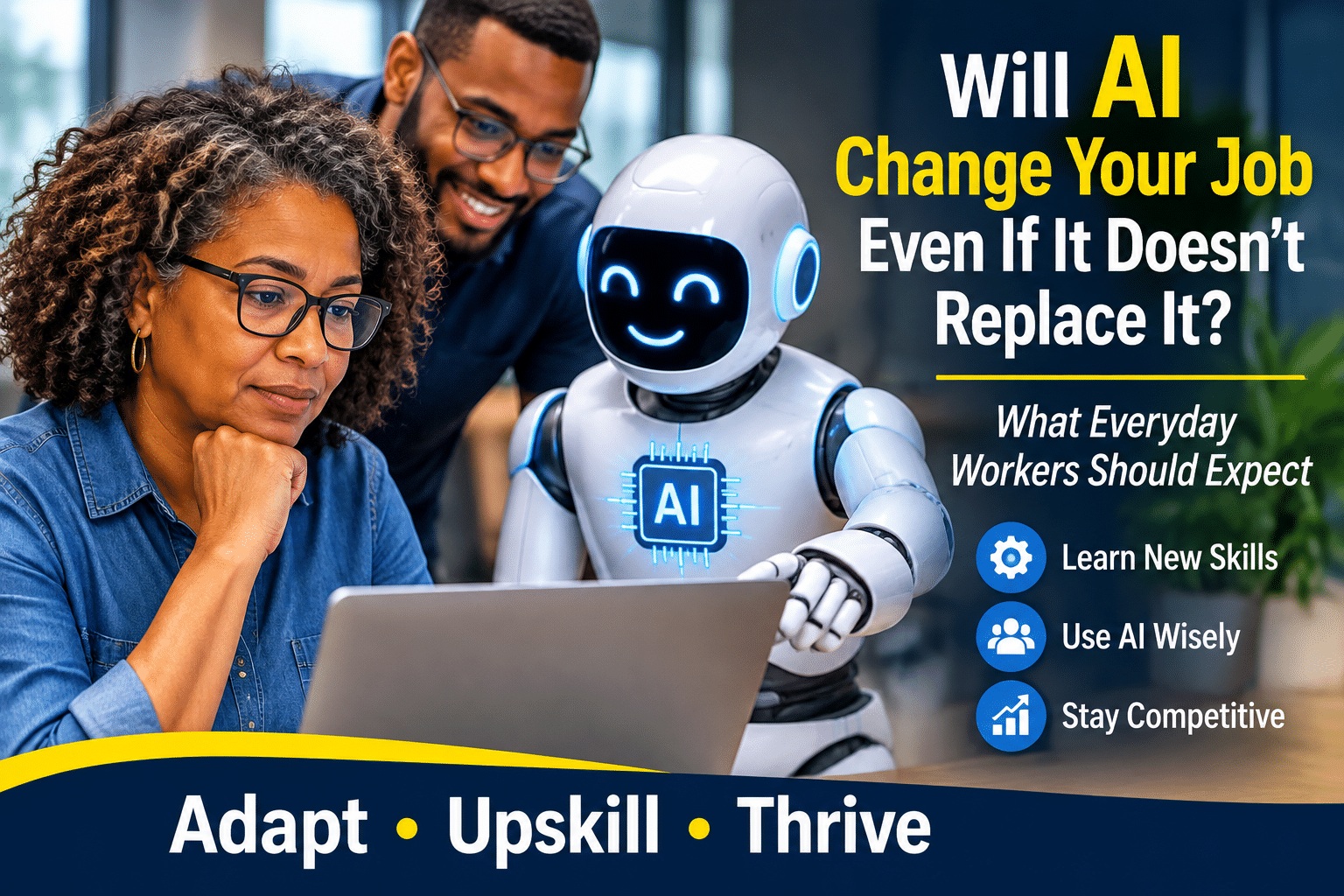
The workplace offers one of the clearest examples of these human stakes. AI can improve productivity, support communication, automate routine tasks, and help people move through information faster. Many workers are already benefiting from those capabilities. At the same time, the introduction of AI into work changes expectations. It can accelerate pace, intensify monitoring, shift evaluation standards, and redefine what counts as acceptable output. Workers may gain assistance while also entering environments where the pressure to produce more, faster, becomes harder to resist. That is a human stake, not just a technical one, because it affects dignity, autonomy, and the lived experience of labor.
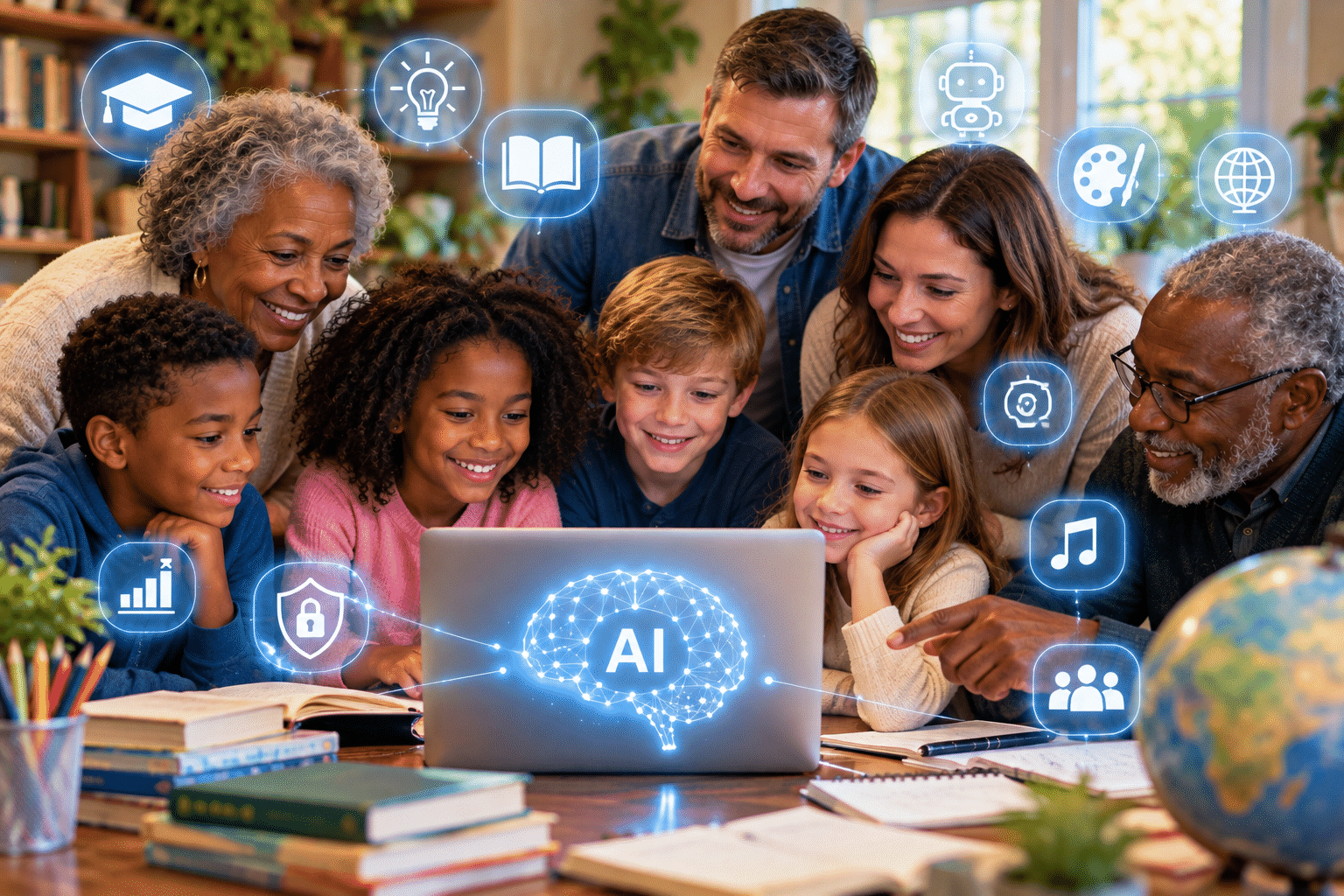
Education raises similar concerns. AI tools can explain material, support students, and widen access to help. Those are important advantages. Yet education is also about forming habits of thought, concentration, authorship, and independent reasoning. When AI enters the learning process too casually, it can blur the line between support and substitution. Students may gain immediate answers while losing some of the struggle through which understanding deepens. Teachers and families must now think carefully about how to preserve intellectual formation in an environment where generated assistance is increasingly easy to access. That is why AI deserves public attention from parents, educators, and communities, not only from technical experts.
The human stakes also extend into emotional and social life. AI is entering communication systems, recommendation engines, entertainment platforms, and digital spaces where people form impressions, sustain relationships, and interpret the world around them. As systems become better at tailoring content, predicting preferences, and shaping what individuals encounter, they begin to influence mood, attention, and perception. That influence may feel subtle because it is woven into ordinary routines. Yet what people repeatedly see, hear, and respond to affects how they feel, what they believe, and how they understand others. A society should pay close attention whenever technologies begin shaping emotional environments at scale.
Another major stake is the preservation of meaningful choice. Many people assume choice exists as long as options appear on the screen. But meaningful choice depends on the conditions under which those options are presented. If recommendations are highly personalized, rankings are behaviorally tuned, prices are dynamically adjusted, and some pathways are elevated while others are quietly hidden, then choice begins to operate inside an engineered environment. People still choose, but the setting in which they choose is being actively structured. Public attention is necessary because freedom can narrow gradually while still appearing intact on the surface.
This is especially serious when AI enters high-impact settings such as healthcare, finance, employment, insurance, public services, and legal or administrative systems. In those environments, machine-guided processes can influence who gets approved, delayed, escalated, reviewed, or denied. Even where humans remain involved, AI may shape what those humans see first, what risks appear significant, or what cases deserve priority. The human stake is obvious: when systems influence access to opportunity, care, safety, and recognition, the public has every reason to ask how those systems work and where accountability remains.
Public attention is also needed because AI can create the appearance of authority very easily. A fluent answer, a calm tone, a polished explanation, and an efficient interface can all make a system seem more trustworthy than it actually is. Human beings are naturally responsive to confidence and coherence. Yet an output can sound persuasive while being incomplete, biased, or contextually wrong. The danger grows when people begin to rely on style as a substitute for reliability. A technology with that level of persuasive power should be a matter of broad public concern.
None of this means AI is only a threat. That framing would be too simple and too careless. AI can support medicine, research, education, accessibility, logistics, communication, and public administration in important ways. It can reduce burdens, widen assistance, and help institutions function more effectively where overload is real. The point is that usefulness does remove seriousness. A technology can be beneficial and still require strong public scrutiny. In fact, the more deeply a system is woven into everyday life, the more necessary that scrutiny becomes.
What public attention should produce is a better quality of civic response. Citizens do need to master the mathematics of machine learning in order to understand what is at stake. They do need clear language, institutional transparency, and the confidence to ask strong questions. Where is AI being used? What role does it play in shaping outcomes? What forms of review and appeal exist? What assumptions are built into the system? Whose interests are being optimized? How is trust being earned? These are public questions because the consequences of AI are public consequences.
The human stakes of AI are therefore larger than the technology itself. They concern what kind of society people want to build around systems that can predict, classify, recommend, and influence behavior at enormous scale. They concern whether convenience will quietly outrun autonomy, whether speed will outrun judgment, and whether fluency will outrun truth. They concern whether human beings will remain meaningfully present in the decisions and environments that shape their lives.
That is why this technology deserves public attention. AI is helping organize modern life in ways that touch work, learning, trust, family, institutions, and individual choice. Its influence is growing through systems people use every day, often without fully seeing how much mediation is already taking place. Public attention is not a sign of fear. It is a sign of seriousness. Whenever a technology begins to shape the terms on which human beings understand, decide, and live, the public has every reason to look closely.
© 2026 Truth Seekers Journal. Published with permission from the author. All rights reserved.
Support open, independent journalism. Your contribution helps us tell the stories that matter most.