From Student to Leader: Elise Durham NABJ’s New Executive Director

Elise Durham named NABJ Executive Director, bringing 30+ years of leadership in journalism, communications, and public service to guide the organization into its next era.


Veteran communicator and longtime NABJ member brings decades of leadership to new role

By Milton Kirby | August 8, 2025 | Cleveland, OH

The National Association of Black Journalists (NABJ) has appointed Elise Durham as its next executive director, marking a pivotal moment in the organization’s leadership as it heads into its next 50 years of advocacy and excellence in journalism.

Elise Durham, a seasoned communications professional with more than three decades of experience in television news, public affairs, and government relations, will assume the role this fall. Her selection follows an extensive nationwide search conducted by the NABJ executive board and an ad hoc executive director search advisory committee. Candidates were evaluated on key metrics critical to navigating the evolving landscape of media and journalism, and Durham emerged as a clear frontrunner, bringing a wealth of experience and expertise to the role.

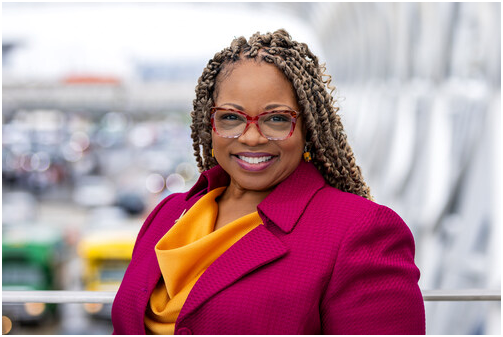
Currently, Durham serves as the Assistant General Manager of Marketing, Communications, and Public Affairs at Hartsfield-Jackson Atlanta International Airport, the busiest airport in the world. There, she has sucessfully managed a multimillion-dollar communications portfolio and leads a team of 30, building partnerships with corporate, community, and strategic stakeholders. She previously served as communications director for Atlanta Mayors Keisha Lance Bottoms and Andre Dickens, and as Executive Director of Strategic Communications at Morehouse College, where she helped raise $120 million in a capital campaign.

Durham’s connection to NABJ runs deep. A member for over 35 years, she has held multiple leadership roles within the organization, including convention program chair, convention chair, and producer of several U.S. presidential candidate forums. She also orchestrated the Founders’ Reception at the National Museum of African American History and Culture in Washington, D.C.

“I am honored and ready to help lead NABJ into its next, most transformative chapter grounded in vision, advocacy, innovation, and love,” Durham said. “I often say that NABJ is the longest love affair I have ever had, and I am excited about what the future will bring.”

Her journey with NABJ began as a student at Florida A&M University, where she participated in the first-ever NABJ Short Course. She remains engaged with her alma mater, serving on the Board of Visitors for the School of Journalism and Graphic Communication.

Durham also brings newsroom experience, having worked at six television stations, including Atlanta’s WSB-TV, where she helped produce two of the nation’s top-rated news programs. She has raised tens of thousands of dollars for scholarships through the Atlanta Association of Black Journalists and currently serves as its Parliamentarian.

NABJ President Ken Lemon expressed confidence in Durham’s ability to build on the organization’s legacy. “The selection of our next executive director now allows the current executive board, which also serves as NABJ’s personnel committee, to fulfill responsibilities they were elected to do,” Lemon said. “That includes ensuring an executive director is in place and empowered to do the business of NABJ as we roll into our next 50 years.”

The transition comes as longtime Executive Director Drew Berry prepares to retire later this year. The NABJ board emphasized the importance of a smooth leadership shift to maintain organizational stability and strong relationships with sponsors and partners—many of whom are attending this year’s convention.

This transition marks a significant moment in NABJ’s history, signaling a new era of leadership and growth.

Berry voiced his enthusiasm for Durham’s selection: “We are thrilled to welcome Elise Durham as NABJ’s next executive director. With a deep understanding of our organizational history and culture, and a proven track record of visionary leadership, she is uniquely positioned and qualified to guide NABJ into its next chapter,” he said. “Serving this extraordinary organization has been the honor of a lifetime. I leave this position proud of what we’ve built together.”

Durham’s appointment signifies both a continuation of NABJ’s mission and a bold step forward, promising renewed energy, strategic growth, and a future rooted in the values that have defined the organization for nearly five decades.

Please consider supporting open, independent journalism – no contribution is too small!

‘Gray Divorce’ Is On The Rise, And Relationship Experts Think This Is Why

Gray divorce is rising—especially after 50—driven by evolving identities, longer lifespans, and shifting norms. Learn how to cope, heal, and rediscover yourself today.


By Jacqueline Tempera | Updated | August 4, 2025

It’s (unfortunately) pretty common for marriages to sour at some point after the sweet white wedding cake is cut. While you might be familiar with the often-referenced statistic that 50 percent of marriages end in divorce, you may not know when those breakups most often happen. Turns out, “gray divorces” (a.k.a. splits after age 50) have more than doubled in recent years.

During this time, legally separating from your spouse became a more socially acceptable and accessible way out of an unhappy marriage, says Brown. As attitudes around divorce shifted, women also gained more rights and financial independence with the passage of Title IX in 1972 and the Equal Credit Opportunity Act in 1974. It’s no coincidence that the divorce revolution happened alongside the women’s liberation movement—and the impact of both events is still felt today. “Women have options they didn’t have before,” says Kelly Cichy, PhD, a human development and family science professor at Kent State University. “Between paid employment and levels of education, there are options to walk away from a marriage that didn’t exist in the past.”

So, some boomers who married young got divorced in the 70s, and are getting divorced again because second marriages tend to be less stable, Brown says. Why? Chalk it all up to experience. “If you’ve divorced once, your norm about marriage and the idea that you have to stay in it ‘till death do us part’ is already a little bit weaker,” adds Cichy.

Additionally, people are living longer—the average life span rose from 70 years old in 1960 to 77.5 years old in 2022, per the CDC. So, the idea of staying in a difficult marriage for decades, especially when you can leave, is less appealing. This is especially true for people over 50, who may be living longer, but in worse health and sometimes involving chronic conditions, per a study in The Journals of Gerontology. Women, in particular, are awakening to the reality that marriage—especially later in life—involves a great deal of caretaking, Cichy says. If you are already unhappy with the quality of your marriage, continuing to deal with your spouse “in sickness and health” is not as enticing.

And, of course, individual humans evolve throughout their lives, which can cause couples to grow apart, and, eventually, call it quits, says Brown. In fact, this is often the main reason for “gray divorce,” rather than a particular event or transgression, like adultery, she adds.

Divorce at any age is difficult, but it can be especially tough if you’re going through it later in life—here’s how to cope.

Experiencing gray divorce creates obstacles that aren’t there earlier in life.

The longer you’re with someone, the more difficult it can be to disentangle yourselves, says Cichy. That’s why gray divorce is sometimes compared to widowhood. “It’s, in a sense, the same feeling of loss when you’ve been with someone [for] 25 to 30 years,” says Cichy. “You have a shared life that will be dramatically altered by your relationship ending, no matter how it does end.”

Plus, the later in life this change happens, the less time you have to recoup the losses of a divorce, emotionally or financially, says Brown. Meanwhile, you may have more difficulty moving on. Younger people tend to bounce back from divorce in a year or two, while it takes older adults more like four years, according to Brown’s research. This can be for many reasons—when you are younger, the dating pool is larger, and just generally speaking, younger people are more adaptable to change. Combine that with the length of time you’ve been with someone, and it can be a harsh shift, says Brown.

There is also the real concern of finances when divorcing, particularly for women. “Women tend to have lower wealth accumulation. Even though [women] are working at higher rates and have higher levels of education, men still outearn women,” says Cichy. The gender pay gap is partly to blame, but other factors also cause financial strain. While women made 76 percent as much as men, they owned 36 percent as much in assets, according to a study in the Oxford University Press. This is because men have more access to opportunities to grow their wealth, and women are more likely to shoulder the economic burden that comes with being a single parent—even if they were previously partnered.

It’s essential to take care of yourself when navigating gray divorce—here’s how.

Build a support system.

Surrounding yourself with friends and family is crucial during this time, says Cichy, because social isolation increases the risk of anxiety, depression, substance abuse, and even memory loss. People with strong social networks also live longer than those who spend a large share of their time alone, says Cichy. Try to set a weekly appointment with friends or family, so you always have something to look forward to. Or, join a local club, fitness studio, or other class to help you find folks with similar interests.

Find a therapist.

Through the divorce process and adjustment to your new life, seeking therapy can be helpful, says Cichy. A therapist can help you identify what went wrong in your marriage and help you heal for your relationship with yourself, as well as future significant others. “Conflict management [and] how we manage stress and anxiety can be discussed in therapy,” she adds.

Therapy can help you rebuild positive reinforcement, which is often lost when you separate from a partner, says Cichy. Positive reinforcement is basically recognition or reflection back when you’ve done a good job. It can help you to feel seen, says Cichy, and oftentimes your spouse fills this role for you in adulthood, picking up where your parents left off. If you are single, it is important to work on ways to build up your own resources to give yourself this love and recognition.

Make a financial plan.

One of the most stressful parts of divorce tends to be navigating finances. Meet with a financial advisor if you have the resources to do so, Cichy says. Or, if you don’t, find free resources online, like the FDIC’s database of educational resources. That way, you have assistance with budgeting, saving, and analysis of your current assets that can help make the transition to supporting yourself easier, she says.

Make a plan for your health care.

It’s vital to appoint a health care proxy, just in case you ever get to a point where you’re unable to make your own choices about your medical care, says Cichy. Many times, this person is your spouse. When you divorce, you must find another person to take on this role, like an adult child, another family member, or a friend.

Also, if you share health insurance with your spouse, that can create another obstacle. If you are of retirement age, you may be able to transition to Medicare, available for those 65 and up. But if you’re not, you’ll likely need to find your own plan, or a new job to fund your medical care, says Cichy.

Consider your future.

Divorce can be anxiety-inducing, to say the least, but it doesn’t have to be all gloom and doom, says Lisa Marie Bobby, PhD, the founder and clinical director of Growing Self Counseling and Coaching in Colorado. This can be an exciting time of renewal and personal freedom because you can finally focus on just yourself (again). “When people come into life transitions, they naturally think, ‘Okay, who am I now? What do I want in this next chapter of my life?’ And maybe it’s not married anymore, which is valid,” says Bobby. “It can be a scary prospect, but for some people, it can be incredibly liberating.”

To begin answering these questions, write out your goals and desired feelings for the next phase of their life on a piece of paper, says Bobby. If you’re interested in learning a new skill, find a local group or class to attend. Want to travel more? Start saving money and pick your next destination. Life can open up after divorce, says Bobby, and the options for growth are limitless.

While gray divorce can certainly be difficult, it’s not without silver linings (pun intended). Choosing yourself is a brave and important decision at any age. Everyone deserves happiness—and you certainly don’t need to be married to achieve that goal.

Meet the Experts: Susan Brown, PhD, is a professor of sociology at Bowling Green State University. Kelly Cichy, PhD, is a human development and family science professor at Kent State University. Lisa Marie Bobby, PhD, is the founder and clinical director of Growing Self Counseling and Coaching in Colorado.

Please consider supporting open, independent journalism – no contribution is too small!

Bridge to the Future: Ted Turner Bridge Reopens After 7-Year Closure, Reconnecting Downtown Atlanta

After seven years closed, the Ted Turner Bridge reopens with major upgrades—reconnecting South Downtown Atlanta and easing congestion ahead of major global events.


By Milton Kirby | Atlanta, GA | August 1, 2025

After seven long years, a major artery in the heart of Atlanta is open once again. City leaders gathered on July 31 to officially reopen the Ted Turner Bridge—formerly known as the Spring Street Bridge—marking a milestone in downtown’s transformation and infrastructure renewal.

With a ceremonial ribbon cutting, Mayor Andre Dickens, Councilmember Jason Dozier, and Atlanta Department of Transportation (ATLDOT) Commissioner Solomon Caviness celebrated the long-awaited reopening of the bridge, which connects Forsyth Street and Ted Turner Drive between Mitchell Street SW and Martin Luther King Jr. Drive SW.

“This was a bold step in the right direction,” said Mayor Dickens. “We’re enhancing our downtown area and making vital upgrades to Atlanta’s infrastructure.”

Photo by Milton Kirby – Mayor Andre Dickens speaks during ribbon cutting ceremony

A New Bridge for a New Era

Originally closed due to severe erosion and aging infrastructure, the Ted Turner Bridge has undergone a complete transformation. Major upgrades include:

  • Rebuilt viaduct and roadway
  • Widened sidewalks and crosswalks
  • New bike lanes and ADA accessibility
  • A new retaining wall and a stronger approach slab
  • Reconstruction of the lower Martin Luther King Jr. Drive section

The bridge, which sits almost adjacent to the Martin Luther King Jr. Federal Building, once forced drivers to detour several blocks to navigate around a single closed block. Now, with wider sidewalks, improved accessibility, and refreshed road surfaces, it provides a smoother and more inclusive journey.

Reconnecting a City

Atlanta Department of Transportation (ATLDOT) Commissioner Solomon Caviness called the bridge “a vital connection” between South Downtown and Atlanta’s entertainment district, including Mercedes-Benz Stadium and the future Centennial Yards development.

“This opening isn’t just about infrastructure—it’s about love for our city,” said Caviness. “Love should look like something. And today, it looks like the Ted Turner Bridge.”

The improvements aim to reduce traffic congestion, especially during peak hours, while supporting pedestrian, bike, and vehicle mobility in one of the city’s most active corridors.

More Than Just a Bridge

The reopening also carries symbolic weight. Officials described the Ted Turner Bridge as a metaphor for the city’s rebirth—“between old bricks and shiny glass,” where Atlanta’s historic character meets its modern skyline.

“Closed for nearly eight years, this bridge now re-weaves Atlanta’s past and future,” said one city official. “It connects locals, first-timers, and long-timers alike—whether they’re walking, biking, or driving—through the heart of our booming downtown.”

The project was made possible through a joint effort by ATLDOT, the Georgia Department of Transportation (GDOT), and the Federal Highway Administration (FHWA).

A City Ready for the World

The reopened bridge will play a crucial role in easing traffic during major upcoming events, including the highly anticipated 2026 FIFA World Cup and the 2028 Super Bowl. This is a moment of excitement and anticipation for our city, as we prepare to showcase our vibrant community to the world.

Stacey Key, a member of the GDOT Board, noted, “These projects are often daunting and take years of planning and execution. But GDOT and ATLDOT are strong partners, preparing the city for one of the most inclusive and widely watched World Cups ever.”

Key added, “The GDOT and ATLDOT are united in ensuring safe and efficient travel across the state and in showcasing Atlanta as not only one of the greatest cities in the nation, but in the world.”

Looking Ahead

From stadium-goers attending an Atlanta Falcons or Atlanta United game to families strolling through downtown or grabbing a bite at Subs & Salads Junction—an area staple for nearly 30 years—the bridge’s reopening brings renewed life to a once-silent corridor.

As Councilmember Jason Dozier summed up at the ceremony, “This is more than a bridge—it’s a reconnection. A reinvestment. A reminder that Atlanta moves forward by coming back together.”

Please consider supporting open, independent journalism – no contribution is too small!

Warnock, Ossoff Bring $500M Military Construction Funding Package to Georgia

Senator Raphael Warnock secures over $500M in bipartisan military funding, Georgia’s largest investment since 2010, boosting bases, families, and veterans’ support services.


Senator’s $500M Bipartisan Defense Funding Boosts Bases, Families Across the State

By Milton Kirby | Washington, DC | August 1, 2025

U.S. Senator Raphael Warnock has secured more than $500 million in bipartisan funding for military construction projects across Georgia—marking the state’s largest investment of its kind since 2010. The funding, supported in part by Senator Jon Ossoff, comes from a military construction and veterans affairs appropriations bill and is now headed for reconciliation with the House version before becoming law.

“This is about readiness, dignity, and the people who serve this country,” Senator Warnock said. “We cannot let Washington politics get in the way of delivering this bipartisan funding to Georgia’s military communities, and I will keep fighting until we get this across the finish line.”

Georgia Projects Get Major Boost

The funding includes $127 million for the construction of a new Dexter Elementary School at Fort Benning in Columbus, one of the single largest education-related military projects in recent state history.

Other key investments include:

  • Fort Gillem: $166 million for an evidence storage facility
  • Fort Stewart: $8 million for an aircraft maintenance hangar (design phase) and $45 million for barracks renovations
  • Moody AFB: $17.5 million for a new security forces squadron facility and $3.7 million for an F-35 simulator (design phase)
  • Robins AFB: $28 million for a new aircraft control tower
  • Savannah CRTC: $27 million for a new dining hall and $11.4 million for a C-130 corrosion control facility
  • Dobbins ARB: $3 million for an entry control facility (design phase)
  • Kings Bay Naval Submarine Base: $119 million for a submarine maintenance facility

Investment in Veterans’ Health and Housing

The bill also allocates billions nationally to support veterans, with Georgia standing to benefit significantly. Highlights include:

  • $342 million to expand access to rural health care via transportation and telehealth
  • $3.5 billion for veteran housing assistance programs
  • $18.9 billion for mental health services, including $698 million for suicide prevention
  • $30 million to improve oversight and maintenance of privatized military housing

Longstanding Support for Servicemembers

Warnock’s record on military support includes co-authoring the PACT Act in 2022 to expand veterans’ health care, and introducing multiple bipartisan bills to improve military housing and survivor benefits. Earlier this year, he launched a bipartisan oversight effort demanding better food quality at military dining facilities after troubling reports from Army bases.

“Georgia is a military state, with one in 10 residents connected to the Armed Forces,” Warnock said. “These investments reflect my commitment to making sure they and their families are never forgotten.”

The bill now moves to a conference committee where Senate and House versions will be reconciled before heading to President Biden’s desk.

Please consider supporting open, independent journalism – no contribution is too small!

MARTA Suspends Streetcar Service for Utility Repairs and Upgrades

MARTA suspends Atlanta Streetcar service starting Sept. 8 for Georgia Power repairs and upgrades. Shuttle vans will run during the three-to-four-month closure.

By Milton Kirby | Atlanta, GA | July 30, 2025

Shuttle Vans Will Replace Streetcars for Three to Four Months

The Metropolitan Atlanta Rapid Transit Authority (MARTA) has announced a crucial suspension of the Atlanta Streetcar service, starting Monday, September 8, 2025. This suspension is necessary to facilitate critical underground utility work and infrastructure upgrades, which will significantly enhance the streetcar system.

Georgia Power will begin emergency repairs to underground electrical lines between Courtland Street and Peachtree Center Avenue. The utility company, in a quest to ensure safety, must excavate the area, which will require a lane closure and make it unsafe for the streetcar to operate alongside active construction.

During this suspension, MARTA will ensure the safety and convenience of its passengers by providing shuttle vans along the streetcar route. These vans will be easily identifiable, as they will be wrapped in streetcar-themed graphics.

“MARTA is working closely with Georgia Power to ensure these urgent repairs are completed safely and efficiently,” said a MARTA spokesperson. “We’re also using this time to enhance the streetcar system and improve the overall rider experience.”

While service is paused, MARTA crews will perform a range of maintenance and upgrades, including:

  • Inspecting and repairing the overhead catenary power system
  • Conducting track maintenance
  • Trimming trees near the line
  • Refurbishing station areas
  • Updating signage and streetcar vehicles
  • Deep cleaning the entire route

These improvements are designed to minimize future disruptions and maintain the safety and quality of MARTA’s streetcar service. The transit authority, with a promise of a better service, will resume streetcar operations once all work is complete and inspections confirm safe operation.

How to Stay Updated

MARTA riders are encouraged to follow @MARTAservice and @MARTAtransit on social media, call 404-848-5000 for updates, or visit MARTA’s official website.

Please consider supporting open, independent journalism – no contribution is too small!


First to Fly: Lisa Leslie Dunked, and Women’s Basketball Took Flight

Lisa Leslie made history with the WNBA’s first dunk on July 30, 2002—redefining women’s basketball and inspiring generations to reach higher than ever before.

By Milton Kirby | July 30, 2025 | Atlanta, GA

On July 30, 2002, Lisa Leslie soared.

In a split second that lasted forever, the Los Angeles Sparks superstar caught a fast break, glided to the rim, and threw down a one-handed dunk against the Miami Sol. With that slam, she became the first woman to dunk in a WNBA game. Twenty-three years later, on this historic anniversary, her leap still represents a seismic shift in women’s sports.

Leslie didn’t just dunk a basketball that day—she shattered perceptions.


The Dunk That Changed Everything

The play was textbook: a long rebound, a pass to midcourt, a couple of dribbles, and a takeoff from just inside the paint. Fans in the arena rose to their feet in disbelief as the 6-foot-5 center delivered the moment many thought they’d never see in the women’s game.

Leslie, never one to showboat, calmly jogged back on defense.

But history had already been made.

“I didn’t go into the game thinking I’d dunk,” Leslie later told reporters. “It just happened. The opportunity came, and I took it.”


From Compton to the Sky

Lisa Deshaun Leslie was born July 7, 1972, in Gardena, California, and raised in nearby Compton by her hardworking mother, Christine. Tall from an early age, Leslie didn’t pick up basketball seriously until junior high. By then, she was already over six feet tall.

She made an early impact. At Morningside High School, she once scored 101 points—in one half. At 16, she led the U.S. Junior National Team in scoring and rebounding at a world tournament in Spain.

Her dominance followed her to USC, where she earned Naismith Player of the Year honors and left as the Pac-10’s all-time leader in points, rebounds, and blocks.

By the time the WNBA launched in 1997, Lisa Leslie was ready-made for the spotlight.


A Spark From Day One

Drafted by the Los Angeles Sparks in the inaugural WNBA draft, Leslie made an immediate impact. She recorded the first double-double in WNBA history during her debut game against the New York Liberty. Over the next decade, she would redefine what it meant to be a dominant center.

Leslie was a three-time WNBA MVP, two-time champion, and eight-time All-Star. She led the Sparks to back-to-back titles in 2001 and 2002 and capped the latter year with that historic dunk, an exclamation point on one of the most iconic seasons in women’s basketball history.

Later that year, she became the first WNBA player to surpass 3,000 career points.


Dunking Barriers, Not Just Basketballs

The image of Leslie dunking reverberated far beyond the court.

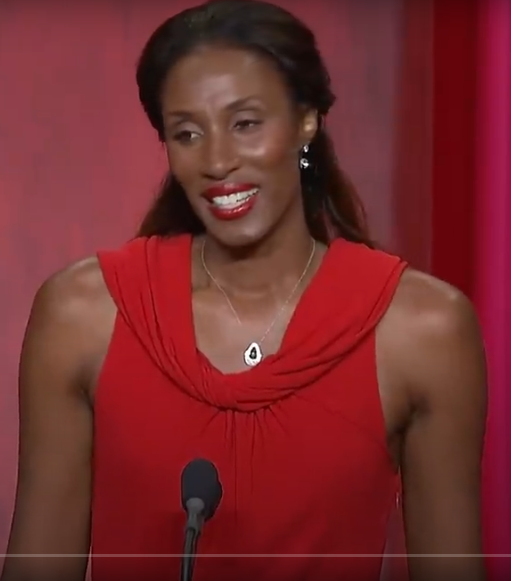
Photo courtesy WNBA Lisa Leslie

For young girls and aspiring athletes, it was a symbol of what was possible.

“She changed the way people talked about women’s basketball,” said Sheryl Swoopes, fellow WNBA legend. “She showed that we weren’t just skilled—we were powerful.”

Leslie wasn’t finished. In 2005, she dunked again, this time at the WNBA All-Star Game. She would eventually become the first player in league history to reach 6,000 points, retire as its all-time leading rebounder, and earn enshrinement in the Naismith Memorial Basketball Hall of Fame in 2015.


Beyond the Hardwood

Leslie’s legacy stretches beyond statistics and slam dunks. She’s also an Olympic icon, winning four gold medals with Team USA between 1996 and 2008. In the 1996 Games, she set a U.S. Olympic record by scoring 35 points in a single game.

Off the court, Leslie built a multi-faceted career. She modeled for high-end fashion houses, earned an MBA, worked in broadcasting, and authored a memoir titled Don’t Let the Lipstick Fool You. She’s appeared in films, television shows, and even video games.

In 2011, Leslie became a part-owner of the Sparks. In 2019, she became head coach of the BIG3 men’s team Triplets—and won a championship in her debut season.

Today, she remains a respected voice in basketball, business, and media, serving as a studio analyst for the Orlando Magic on FanDuel Sports Network Florida.


A Moment That Still Matters

As the WNBA celebrates continued growth in 2025, with record viewership and superstar talent headlined by players like Angel Resse, A’ja Wilson, Caitlin Clark, and Breanna Stewart, the league stands on the foundation built by pioneers like Lisa Leslie.

Her dunk didn’t just make headlines—it made history.

And on this anniversary, it still inspires.

“She dunked for all of us,” said a young Sparks fan attending the team’s commemorative event in Los Angeles. “She made us believe we could fly too.”

Please consider supporting open, independent journalism – no contribution is too small!

DeKalb County Pioneers Long-Term Housing Solution with $8M Investment

DeKalb County invests $8 million in Park 500 to provide housing and services for 60 families transitioning from extended-stay motels to permanent stability.


By Milton Kirby | DeKalb County, GA | July 29, 2025

60 Families to Transition from Motels to Fully Furnished Apartments with Wraparound Services

DeKalb County has taken a bold new step in tackling housing insecurity. On July 22, the Board of Commissioners unanimously approved an $8 million investment in Park 500, a transitional housing development in Stone Mountain that will provide 60 fully furnished, move-in-ready units for families facing homelessness.

The initiative marks the county’s first direct ownership of a housing property and signals a shift from temporary assistance to permanent, transformative support.

“Let me be clear, this is not temporary assistance. What we are creating is a long-term, transformational investment in housing,” said DeKalb County CEO Lorraine Cochran-Johnson.

Located near MARTA bus lines, Park 500’s one-, two-, and three-bedroom apartments will prioritize families currently living in extended-stay motels—many of whom are working parents with children but remain locked out of traditional housing.

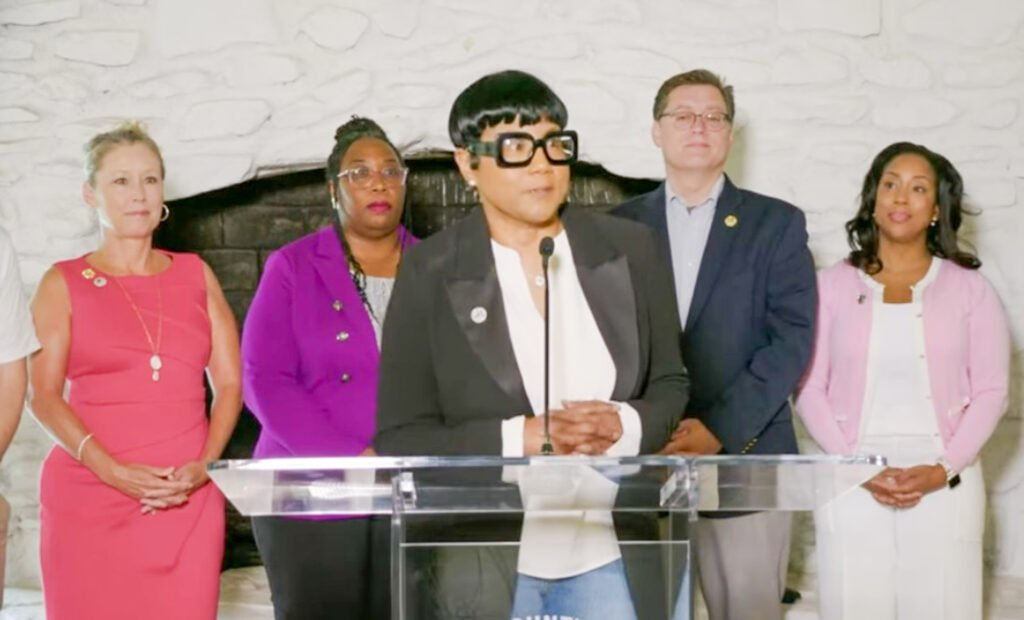
CEO Lorraine Cochran-Johnson announces $8 million investment in housing

“We are transitioning individuals from extended-stay motels into affordable housing and doing it with dignity,” said Cochran-Johnson. “Park 500 will provide job assistance, child care coordination, and case management.”

The complex will be managed in partnership with the Housing Authority of DeKalb County’s Residential Services Corporation, alongside other community-based organizations. The County’s Community Development team will oversee intake and placement services, underscoring the crucial role of the community in this initiative.

Commissioner Chakira Johnson, who represents District 4, where Park 500 is located, called the project “deeply personal.”

“Park 500 is more than housing, it’s healing,” said Johnson. “With wraparound services and community connection, we’re giving our unhoused neighbors the tools to thrive. I’m proud it starts here in District 4.”

Commissioner Ted Terry highlighted the long-term vision behind the county’s direct investment, instilling a sense of security and confidence in the initiative’s sustainability.

“This is a hand up, not just a handout,” said Terry. “Park 500 represents an ownership stake in a perpetual process to address housing insecurity in DeKalb.”

Commissioner Dr. LaDena Bolton also praised the program’s broader impact. “This project is about stability, safety, and restoring hope for families who’ve been left behind. Park 500 is one of many intentional steps toward equity, offering reassurance and hope for the initiative’s impact.

In addition to housing, residents of Park 500 will benefit from job assistance, social services, and coordinated child care. The units will be available to families referred through DeKalb’s Coordinated Entry system, a transparent and fair process that ensures those in most need are given the opportunity.

CEO Cochran-Johnson emphasized the significance of county ownership in the effort. “DeKalb County must be an owner,” she said. “This isn’t just a subsidy—we now hold an ownership interest and are building a reinvestment fund. Today is about leadership, legacy, and community.”

Photo by Milton Kirby – Park 500 – DeKalb County Housing

Any revenue generated by the project will be reinvested to expand access to affordable housing and sustain the support services attached to the program.

Park 500 represents a model that county officials hope to replicate in the future. For now, it offers a lifeline to dozens of families, bringing a vision of permanent housing and community-centered care into reality.

For more information, residents can contact DeKalb Community Development’s Coordinated Entry line at 404-687-3500.

Please consider supporting open, independent journalism – no contribution is too small!

MARTA and Page Turners Host “Reading and Riding” Family Day at Decatur Station

MARTA and Page Turners host Reading and Riding Family Day at Decatur Station with author Derrick Barnes, free books, music, comic-making, and kids’ prizes.


By Milton Kirby | Decatur, GA | July 28, 2025

In a joyful celebration of literacy, learning, and community, the Metropolitan Atlanta Rapid Transit Authority (MARTA) has teamed up with Page Turners Make Great Learners to host “Reading and Riding Family Day” on Saturday, August 2. The free event, taking place at the east entrance plaza of Decatur Station from 10 a.m. to 1 p.m., promises an engaging experience for children and families just in time for the back-to-school season.

Designed to foster imagination and encourage early childhood literacy, the family-focused gathering blends books, music, creative expression, and community engagement—all centered around the theme of “Reading and Riding.”

 Derrick Barnes Headlines the Day

Award-winning children’s author Derrick Barnes headlines the event with a live reading from his latest book, I Got You – A Brother’s Promise. Known for uplifting Black youth through powerful, affirming stories, Barnes is expected to draw a crowd of eager young readers. The first 100 families in attendance will receive a free copy of the book, with the opportunity to have it personally signed by the author.

 Local Vendors, Celebrity Guests, and Hands-On Fun

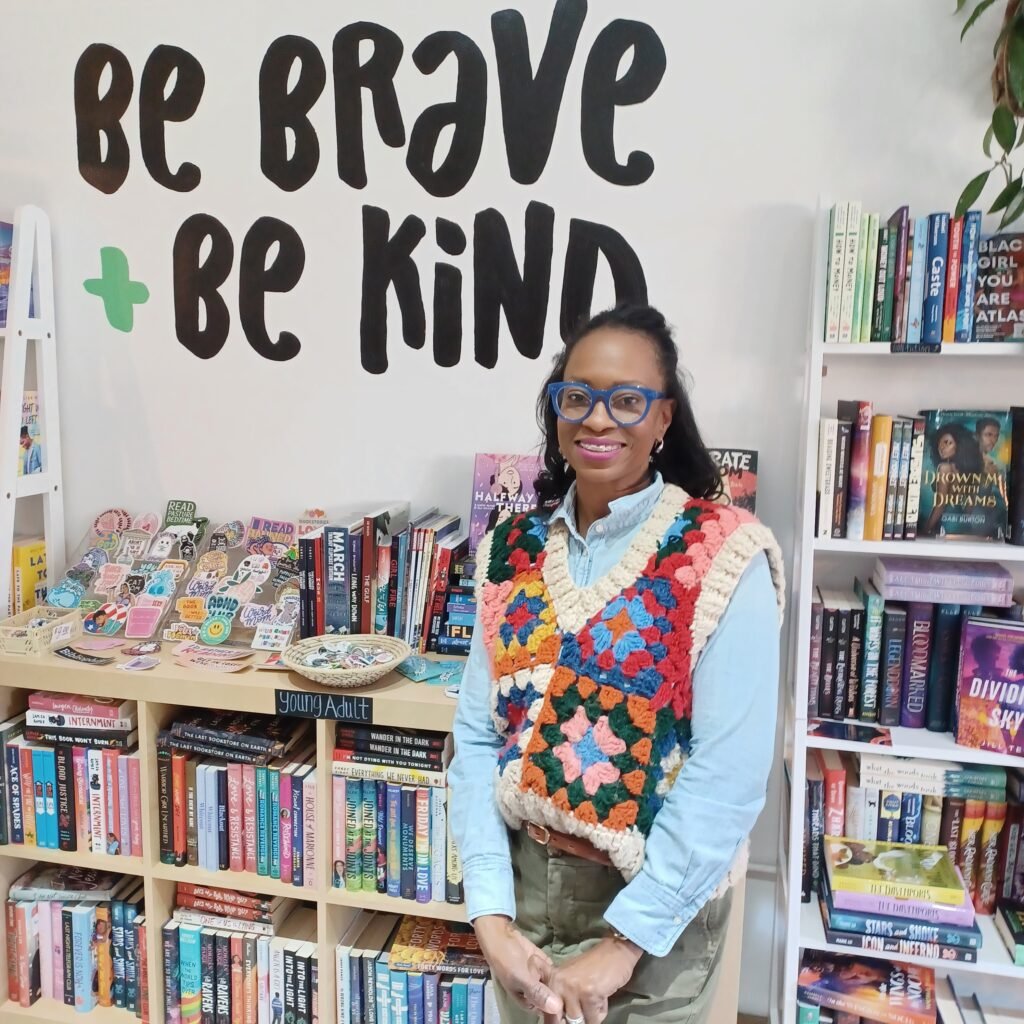
The local, independent bookstore Brave and Kind Book Shop will also be on site, offering additional children’s titles for purchase and encouraging families to build their home libraries.

Photo by Milton Kirby Bunnie Hilliard Brave & Kind Bookshop owner

Adding a hometown celebrity flair, Atlanta recording artist Trinidad James is slated to make a special appearance. As part of his “Reflections Sundays” initiative, he will lead a mindfulness moment to help children center themselves and prepare for a successful school year.

No summer event is complete without a cool treat—MokiPops, a local family-owned business, will provide free popsicles to kids in attendance.


Creativity in Motion

Young creatives can also dive into storytelling with Georgia Public Broadcasting (GPB), which will offer a “Create Your Own Comic Book” station. This hands-on activity allows children to write and illustrate their adventures, combining literacy with artistic expression.

Adding to the excitement, MARTA staff will host a prize wheel featuring fun back-to-school giveaways, including custom Breeze cards. A live DJ will keep the energy up with music throughout the event.


Community Collaboration for Student Success

The event reflects MARTA’s broader commitment to education and family-friendly service initiatives. “We are proud to partner with Page Turners Make Great Learners to bring this exciting, literacy-focused event to our Decatur community,” said a MARTA spokesperson.

“Reading and Riding is all about creating positive experiences for young riders and encouraging them to view public transportation as a place for learning and growth.”

Page Turners Make Great Learners, an Atlanta-based nonprofit, has long focused on providing engaging reading opportunities and author interactions to boost literacy outcomes among underserved youth. Partnering with MARTA adds a new dimension—connecting education to everyday experiences like riding transit.

 Event Details

What: Reading and Riding Family Day

When: Saturday, August 2, 2025 | 10 a.m. – 1 p.m.

Where: Decatur Station (East Entrance, Plaza adjacent to Church St.)

Address: 400 Church St., Decatur, GA 30030

Cost: Free

For more information, visit itsmarta.com.

Related articles

MARTA rolls out Big Changes with New Fare System Upgrades

MARTA Unwraps the Holidays with Free Rides, Festive Buses, and Gifts for Riders

MARTA Rolls Out an Outkast Tribute Across Atlanta

MARTA Completes Garnett Station Platform Renovation

From Tokens to Tap-to-Pay: MARTA Unveils Better Breeze

MARTA to Close Five Points Peachtree Entrance as Next Phase of Transformation Begins

MARTA Interim CEO Charts Course for Safer, Faster, More Reliable Transit Ahead of World Cup

Atlanta Beltline Nears 2030 Completion with Big Progress and Bigger GoalsWorld-Class Transit for World-Class Soccer: MARTA Steps Up

Please consider supporting open, independent journalism – no contribution is too small!

History is Made: Bubba Wallace Becomes the First Black NASCAR Driver to Win on the Indianapolis Oval

Bubba Wallace makes NASCAR history as the first Black driver to win the Brickyard 400 at Indianapolis, earning a playoff spot and inspiring millions.

By Milton Kirby | Indianapolis, IN | July 28, 2025

Bubba Wallace is Black. And now, he’s also a Brickyard 400 champion.

The 31-year-old driver of the No. 23 Toyota Camry for 23XI Racing made history Sunday at Indianapolis Motor Speedway, becoming the first Black driver to win on the famed 2.5-mile oval. With this career-defining victory, Wallace not only snapped a 100-race winless drought but also earned his first crown jewel win — solidifying his place in NASCAR’s history books and punching his ticket to the Cup Series playoffs.

It was a win years in the making.

 A Landmark Victory at the Brickyard

After fending off defending champion Kyle Larson through two tense overtime restarts, Wallace powered across the yard of bricks and into the record books. The moment capped a race filled with drama, strategy, and emotion — including an 18-minute rain delay, looming fuel concerns, and a frenzied final-lap showdown.

“Coming off Turn 4, I knew I was going to get there — unless we ran out of gas,” Wallace said after the win. “To overcome so much and to put these people in Victory Lane, that’s what it’s all about.”

In doing so, Wallace became the first Black driver to win a major event at the Indianapolis Motor Speedway since the track opened in 1909. No Black driver has ever won the Indianapolis 500, and Formula 1’s brief run on the road course never saw a Black winner either.

This wasn’t just a win. It was a cultural milestone.

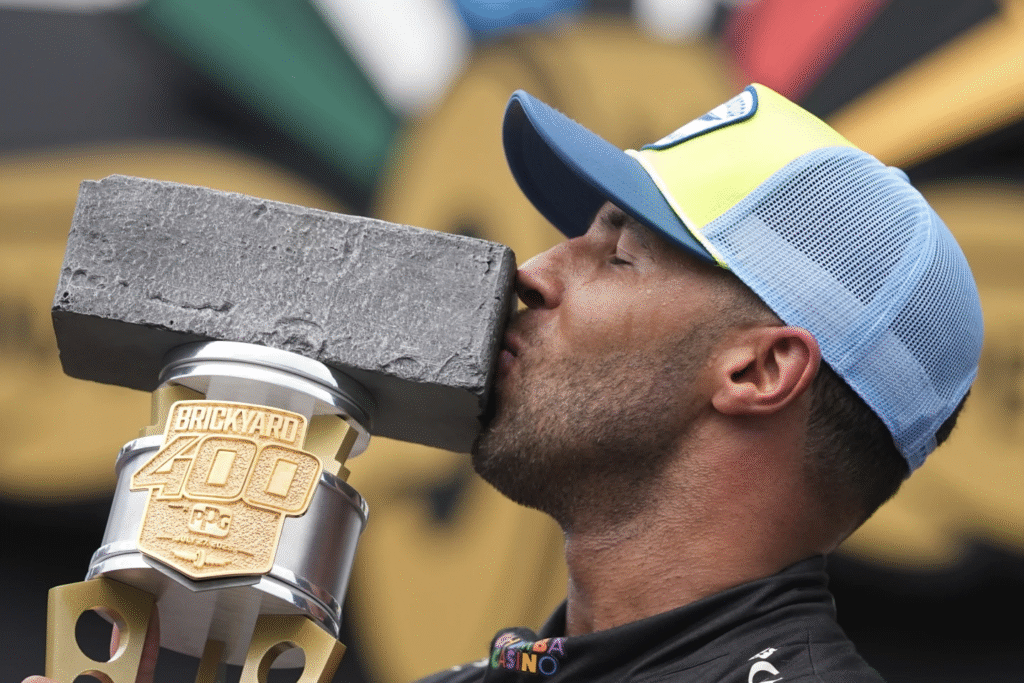
Bubba Wallace during NASCAR Cup Series at Brickyard – Photo AP – Darron Cummings

 The Road to the Brickyard

Born William Darrell Wallace Jr. in Mobile, Alabama, and raised in Concord, North Carolina, Bubba Wallace’s path to stardom was anything but conventional. The son of a Black mother, Desiree, a former collegiate track star and social worker, and a white father, Darrell Sr., who runs an industrial cleaning company, Wallace proudly identifies as a Black American.

His parents made it clear to him early on — and to those around them — that his Blackness was not something to be diluted or ignored.

From age nine, Wallace dominated local circuits, winning 35 of 48 Bandolero races in 2005. He rose quickly through NASCAR’s youth development ladder, competing in the K&N Pro Series East, Xfinity, and Truck Series. In 2013, he became the first Black driver in over 50 years to win a national touring series race, joining the legendary Wendell Scott.

By 2018, Wallace had a full-time ride in the NASCAR Cup Series, piloting the famed No. 43 for Richard Petty Motorsports. But it was his partnership with 23XI Racing — co-owned by NBA legend Michael Jordan and Denny Hamlin — that gave Wallace a more robust platform and faster cars. Sunday’s win proved just how far they’ve come.

 Trials, Critics, and a Turning Point

Despite his talents, Wallace has never had a smooth ride in the garage. His 2020 season was particularly turbulent. A reported noose in his garage at Talladega sparked a federal investigation and polarized the fanbase. Though the FBI ruled it a pull-down rope with no malicious intent, the backlash that followed was swift and personal.

Wallace’s advocacy for racial justice — from championing Black Lives Matter to pushing NASCAR to ban the Confederate flag — put him in the crosshairs of critics. Former President Donald Trump even demanded an apology. Wallace refused. Instead, he doubled down on his principles and leaned into his platform.

He channeled the pain into performance, winning at Talladega in 2021 and Kansas in 2022. But for the last three seasons, Wallace came close without sealing the deal until Sunday.

 Fuel, Faith, and the Finish Line

Wallace had built a 4-second lead late in the race when the skies opened up. A brief rain shower in Turn 1 triggered a red flag with four laps to go. When the race resumed, Wallace had to survive two overtimes, manage tire wear, and pray his fuel would hold out.

“I thought about everything except racing during that red flag,” Wallace admitted. “But once I saw it was Larson behind me, I knew I had to be perfect. He’s the best in the field.”

And he was. Twice, Wallace outpaced Larson on restarts, defending his line and never flinching under pressure. His Chumba Casino-sponsored Camry surged ahead on the final lap, sending fans into a frenzy and his team into tears.

Even Cookie Monster, Sunday’s whimsical grand marshal, could barely contain his excitement.

 The Man Behind the Wheel

Beyond the helmet and fire suit, Bubba Wallace is a husband and a new father. He married Amanda Carter — his high school acquaintance turned longtime partner — on New Year’s Eve 2022. The couple welcomed their first child, a son named Becks Hayden Wallace, in September 2024.

“We waited nine months on this little guy,” Wallace wrote on Instagram. “He’s made it all worth it.”

Their love story, rekindled after college and forged through the chaos of national headlines and racetrack travel, reflects Wallace’s blend of resilience and humility.

“I’m a Christian, I believe in pushing for what’s right,” Wallace once told Esquire. “When you see something unjust, you don’t stay silent.”

It’s that same moral compass that led Wallace to found the Live to Be Different Foundation, dedicated to empowering individuals to be themselves and live authentically.

SIDEBAR: Paving the Way — Wendell Scott and NASCAR’s Drive for Diversity 

Wendell Scott: The Trailblazer

Wendell Scott was the first Black driver to race full-time in NASCAR’s highest level and the first to win a race in what is now the Cup Series. Born in Danville, Virginia, in 1921, Scott overcame racism, sabotage, and financial obstacles to pursue his passion for racing in the Jim Crow South.

He entered NASCAR in 1953 and made history on December 1, 1963, when he won a race in Jacksonville, Florida. Scott crossed the finish line first, but officials initially awarded the trophy to a white driver. Only hours later, Scott was declared the rightful winner. He never received the trophy during his lifetime.

Scott competed in 495 races over 13 years and earned top-ten finishes in nearly 50 of them — all while funding and fixing his cars. He passed away in 1990, and in 2015, he was posthumously inducted into the NASCAR Hall of Fame.

Bubba Wallace has often credited Wendell Scott’s legacy as a source of inspiration. “He made it possible for someone like me to dream of this,” Wallace has said.

Drive for Diversity: Building a New Generation 

Launched in 2004, NASCAR’s Drive for Diversity program aims to recruit and develop minority and female drivers and crew members in a sport that has historically been dominated by white males. The initiative includes:

  • Rev Racing: A team that competes in the ARCA Menards Series and the Advance Auto Parts Weekly Series, serving as the competition arm of Drive for Diversity.
  • Driver Development: Talents such as Bubba Wallace, Daniel Suárez, Rajah Caruth, and Hailie Deegan have all passed through the program.
  • Pit Crew Development: The program also trains aspiring diverse pit crew members for roles on competitive race teams.

NASCAR continues to evolve, but progress hasn’t been easy. Wallace’s win at the Brickyard shows how the seeds planted by Scott — and watered by Drive for Diversity — are beginning to bloom.

“We’re not where we want to be yet,” said Rev Racing’s CEO Max Siegel, “but we’re definitely moving in the right direction.”

 What’s Next?

With his Brickyard 400 win, Wallace has secured a coveted playoff spot. He’ll return to the postseason after missing it in 2024. The momentum couldn’t have come at a better time for 23XI Racing, which is currently embroiled in a legal dispute with NASCAR over team charters.

Bubba Wallace during NASCAR Cup Series at Brickyard – Photo AP – Darron Cummings

“Beating the best means being the best,” Wallace said, reflecting on his battle with Larson. “We were the best today.”

The next stop on the Cup Series tour is Iowa, but Wallace’s focus is already on the playoffs. The garage knows he’s more than a symbol now — he’s a threat.

 A Legacy in the Making

More than just a win, Sunday’s Brickyard triumph was a culmination of grit, growth, and generational change. Wallace didn’t just win a race. He claimed space in a sport that once made Black drivers feel unwelcome. He honored the legacy of Wendell Scott and paved a path for those yet to come.

“This one’s really cool,” Wallace repeated after the race. “To be here, to win here, to do it the way we did — it means everything.”

It meant everything to his fans, too. As Wallace knelt by the bricks with his wife and baby boy, he etched more than rubber into the track — he cemented a legacy.

Please consider supporting open, independent journalism – no contribution is too small!

Warnock Leads Effort to End Racial Bias in Black Home Appraisals

Senator Warnock’s bill fights appraisal bias in Black neighborhoods, aiming to protect home values, ensure fairness, and help families build generational wealth.


Senator’s new bill gives families tools to protect home value and build wealth

By Milton Kirby | Washington, D.C. | July 23, 2025

Senator Reverend Raphael Warnock is taking a strong stand against unfair home appraisals. On Tuesday, he introduced the Appraisal Modernization Act, a bill that would give families more power to fight bias that lowers their home’s value.

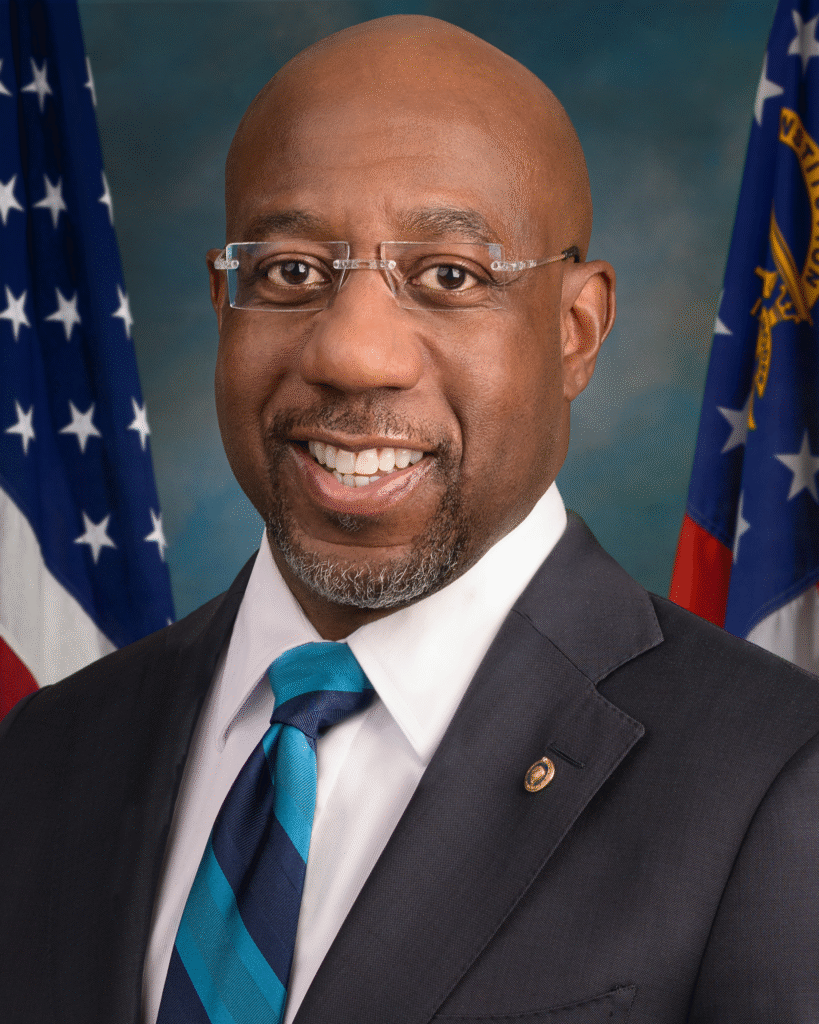
Courtesy Senator Raphael Warnock

For many Americans, their home is their most significant source of wealth. However, the urgency of the issue is underscored by research from Brookings, which shows that homes in Black neighborhoods are worth about 21% to 23% less than similar homes in non-Black areas.

“Home valuations are a big part of building generational wealth,” said Senator Warnock. “This bill helps families protect that value and gives them new tools to fight back against bias.”

 What the Bill Will Do

The Appraisal Modernization Act would make the home appraisal process fairer. It would:

  • Require the Federal Housing Finance Agency (FHFA) to publish an online database of property-level appraisal data
  • Let consumers appeal an unfair appraisal or request a second one
  • Make sure those appeals are treated the same across the country

These changes aim to protect families, increase fairness, and shine a light on bias.

Backlash After Trump Shuts Down Bias Task Force

The need for the bill became even more urgent last week. The Trump administration announced it would end the federal task force that was working to remove racial bias from the home appraisal system.

Senator Warnock said his bill would help fill that gap by building new systems of transparency and fairness into law.

Supported by Senators and Experts Nationwide

Senator Warnock is not alone. The bill is backed by Senators:

  • Angela Alsobrooks (D-MD)
  • Lisa Blunt Rochester (D-DE)
  • Cory Booker (D-NJ)
  • Andy Kim (D-NJ)
  • Elizabeth Warren (D-MA)

Senator Booker said, “The color of your skin should not decide the value of your home.”

Housing experts agree. Nikitra Bailey from the National Fair Housing Alliance said the bill gives families and lenders better data to make fair decisions.

Laura Arce from UnidosUS said, “The race or ethnicity of a homeowner should not affect the value of their home. This bill makes the process fairer for everyone.”

Why It Matters for Georgia and the Nation

Homeownership is one of the best ways to build wealth in America. However, racial bias in the appraisal system has been a significant barrier, preventing many Black and Latino families from growing that wealth. The introduction of this bill could potentially change that.

Today, White families hold $1.3 million in average wealth. Black families have only $211,000, and Latino families hold $227,000 on average. The difference is often tied to the value of their homes.

“This bill is about fairness and opportunity,” Warnock said. “Every family deserves to know that their hard work and home investment are treated with respect.”

Part of a Bigger Plan

This bill is part of a larger housing plan Warnock introduced in March 2025. As a member of the Senate Banking Committee, he has supported:

  • $80 million for affordable housing in Georgia
  • Funding to build 10,000 new housing units
  • Support for the Yes In My Backyard (YIMBY) grant program
  • $275 million in grants to fight homelessness
  • Laws to repair low-income housing and make homeownership fairer

As someone who grew up in public housing in Savannah, Warnock knows the impact of having a safe, stable home.

Experts Say Data Will Help Everyone

The Housing Policy Council and the National Association of Mortgage Brokers both support the bill. They say the public database will improve how home values are measured and make the market more fair for lenders, buyers, and appraisers.

Andrew Pizor of the National Consumer Law Center said, “This law helps people protect their home equity and fix decades of unfair treatment in the appraisal system.”

What Happens Next?

The bill will now go through review in the Senate. If passed, it could reshape how homes are appraised in Georgia and across the country.

“This is about leadership and fairness,” Warnock said. “We can’t build generational wealth if bias is baked into the system. This bill is a step forward.”

Legislation Fact Sheet                                 Appraisal Modernization Act 

For updates or to support the bill, visit warnock.senate.gov or call your local housing advocacy group.

Please consider supporting open, independent journalism – no contribution is too small!


If Wealth Was Evenly Distributed Across the US, How Much Money Would Every Person Have?

If America’s $160.35 trillion in wealth were evenly split, each person would receive about $471,465—revealing stark disparities in today’s economic reality.

By Andrew Lisa | July 14, 2025

According to the Federal Reserve, U.S. households hold $160.35 trillion in combined wealth, which is the value of every American’s assets minus their liabilities.

To say it’s distributed unevenly is too much of an understatement to even qualify as an understatement. The bottom 50% of the country shares less than 3% of that enormous pie, while the most fortunate 10% gorge on nearly all of it.

Here’s a look at how much money each American would have if every person got an equal slice of the country’s wealth.

Next, find out what the economy might look like if net worth was capped at $1 billion.

How Does Just Shy of a Half-Million Bucks Sound? It Depends Who You Ask

According to Google’s Data Commons project, the U.S. is home to roughly 340.11 million people.

If they divvied up the country’s $160.35 trillion jackpot equally, each would have about $471,465. That’s $942,930 per couple. If a couple had two kids, the four of them would be sitting pretty with $1.89 million.

To most in the lower 50%, that probably sounds like a pretty sweet deal. To many in the monied class in the top half, however, a net worth of less than a half-million dollars might as well be a stint in the poorhouse.

Learn More: 4 Secrets of the Truly Wealthy, According To Dave Ramsey

The Haves and Have-Mores Hoard 2/3 of the Pie

Nearly one dollar in three is in the pockets of the top 1%, which owns $49.46 trillion, or 30.8% of America’s combined wealth — but even the 1% has an aristocracy and an underclass.

The heavyweights at the tippy-top of the pyramid in the top 0.1% — about 340,000 people — own $22.14 trillion, or 13.8% of America’s bounty. That leaves the commoners of the 1% — the 99%-99.9% percentile group — to share $27.32 trillion, or 17% of America’s fortune.

Under that are those in the 90%-99% percentile group, who control $58.34 trillion, or 36.4% of the pie. Combined with the 1%, that puts almost exactly two-thirds of America’s wealth in the bank accounts of the top 10%.

90% Share 33% — But They Hardly Share It Equally

Nearly all of the remaining third of America’s wealth — 30.3%, or $48.54 trillion — goes to those in the 50%-90% percentile groups.

That leaves just 2.5%, or $4.01 trillion, for the entire bottom 50% of the country to split. If they split it evenly, which they, of course, do not, that would give each of those 170 million people $23,588.

For context, the 340,000 movers and shakers in the top 0.1% get about $65.12 million each — 2,760 times more.

This article originally appeared on GOBankingRates.comIf Wealth Was Evenly Distributed Across the US, How Much Money Would Every Person Have?

Please consider supporting open, independent journalism – no contribution is too small!

Elon Musk Fired 6,000 USDA Workers — The U.S. Is Now Confronting a Threat from Invasive Species and Financial Fallout


By Arezki Amiri |  Dalily Galaxy | July 16, 2025

In February 2025, the U.S. Department of Agriculture (USDA) became the focal point of a high-stakes controversy that has set alarm bells ringing across the nation. At the center of it all? A dramatic reduction in workforce—6,000 employees, to be exact.

While the news of mass layoffs typically doesn’t make for front-page headlines, the ripple effects of this particular decision have sent shockwaves far beyond Washington D.C. What’s more, these layoffs are starting to have very real, and potentially dangerous, consequences for U.S. agriculturefood security, and the economy. But what exactly has been cut, and why does it matter?

A Severe Cut to Expertise: What’s Been Lost?

According to Wired, the USDA wasn’t just shedding staff. These weren’t your typical office workers. The agency has let go of highly trained individuals – inspectorsentomologistsdisease-sniffing dog trainers—many of whom had specialized knowledge and years of experience. These professionals were critical in safeguarding the nation’s food supply, ensuring agricultural imports were free from pests and diseases that could devastate crops.

Take the National Dog Detection Training Center, for example. This was a place where beagles and Labradors were trained to detect invasive specieslike the Giant African land snail, a mollusk that poses a serious threat to Florida’s agricultural industries. As one former employee pointed out, the loss of even one such dog—and the expertise behind its training—could make the difference between catching a pest at the border or watching it infest American farms. The impact isn’t just theoretical. It’s happening right now.

It’s All About the Port Crisis

When you consider the sheer volume of goods flowing through U.S. ports, the role of the USDA’s inspection staff becomes clear. Ports like Los Angeles and Miami handle millions of tons of goods each year, much of it agricultural. With 6,000 USDA staff cuts, including a sharp reduction in the Plant Protection and Quarantine teams, the fallout is immediate. In some cases, ports lost as much as 35% of their inspection workforce, significantly slowing the process of screening incoming imports.

What does that mean for the average American consumer? Simply put, more risk. Less inspection means more food could spoil on arrival, or worse, dangerous pests might slip through the cracks. These aren’t just theoretical threats; invasive species like the Asian longhorn beetle and spotted lanternfly could have catastrophic consequences for U.S. agriculture. The already fragile food supply chain is now at even greater risk, creating a perfect storm of supply disruptions and economic consequences.

Higher Prices, Less Food

The economic implications of these cuts are already becoming apparent. Supply chain disruptions are never good for prices, and fewer inspections mean that food could be left to rot while it waits for clearance at the ports. Experts warn that these delays will likely lead to higher grocery prices—especially in smaller towns and rural communities that are more vulnerable to supply chain disruptions.

But the problem doesn’t stop with food. Shipping containers, which are supposed to quickly move between ports, are now sitting idle. The backlog means these containers aren’t being reused quickly enough for other goods, creating further bottlenecks in the global supply chain. These ripples are already being felt in other sectors, too, as delays in one area inevitably cause ripple effects elsewhere.

A Legal and Political Tug-of-War

As the disruption continues, legal battles have begun over the fate of the fired employees. While two federal judges have ruled that some workers should be reinstated, the Trump administration has made it clear that it will fight these rulings. White House press secretary Karoline Leavitt even described the decisions as “absurd and unconstitutional.”

At this point, it seems like the case is as much about political ideology as it is about the practical implications of the cuts. For now, USDA employees remain in limbo, unsure whether their reinstatement will be more than just a fleeting hope. Meanwhile, the clock is ticking—and the consequences for U.S. agriculture grow more severe by the day.

What’s Next for U.S. Agriculture?

This situation is about much more than just one government initiative. The USDA cuts raise important questions about the future of U.S. agricultural security. As invasive species become a more significant threat, and food security teeters on the edge, the impact of these layoffs will reverberate far beyond food prices.

We’re witnessing a delicate balancing act between government efficiency and public safety—and the consequences of getting it wrong could be catastrophic. Whether these cuts will ultimately be reversed or stand as a testament to a new era of government efficiency remains to be seen. One thing is certain: the stakes are incredibly high.

Please consider supporting open, independent journalism – no contribution is too small!

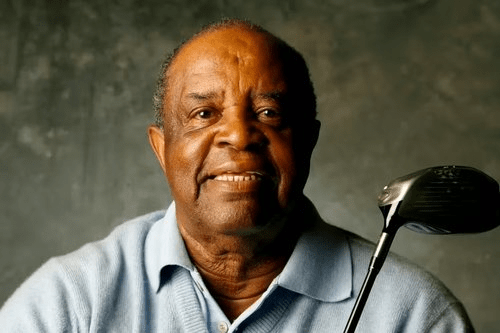
Lee Elder: The Man Who Changed Golf Forever


July 14, 1934 – November 28, 2021

By Milton Kirby | Atlanta, GA | July 14, 2025

On July 14, 1934, in the heart of segregated Dallas, Texas, a boy named Robert Lee Elder was born. He would grow to become one of golf’s most important figures—not because he captured the most trophies, but because he shattered barriers, redefined the game, and walked where others were denied.

A legacy born in hardship, forged in courage, and remembered with honor

Despite not winning the Masters, Lee Elder etched his name in history on April 10, 1975, when he teed off at Augusta National as the first Black golfer to ever compete in the tournament. This moment was a testament to his quiet resilience, athletic excellence, and a lifetime of overcoming obstacles.

Elder’s journey to that fateful day in Augusta was a testament to his unwavering spirit and determination, despite the numerous hurdles he faced. 

Courtesy Baltimore Times – Lee Elder

From Orphaned Youth to Golf Hustler

By age nine, Elder had lost both parents—his father was killed in World War II, and his mother died just three months later. He bounced between homes and cities, ultimately landing in Los Angeles with an aunt. There, Elder frequently cut classes to work as a caddie.  After two years at Manual Arts High School, he dropped out to work as a caddie and around the golf course.

Too poor to afford lessons and unwelcome at many clubs, Elder learned by watching, mimicking, and hustling. He finally played a full 18 holes at age 16. However, a chance encounter with boxing legend Joe Louis and golf pioneer Ted Rhodes provided Elder with something priceless: mentorship.

Under Rhodes, Elder’s skills sharpened, and his dream was crystallized. 

Serving His Country and the Game

Drafted into the U.S. Army in 1959, Elder was stationed at Fort Lewis, Washington, where a golf-loving colonel ensured Elder had access to play. After his discharge in 1961, he joined the United Golf Association Tour—the only professional golf tour available to Black golfers at the time.

There, Elder dominated, winning 18 of 22 straight tournaments. But the pay was meager, and the path to PGA stardom remained blocked by color lines.

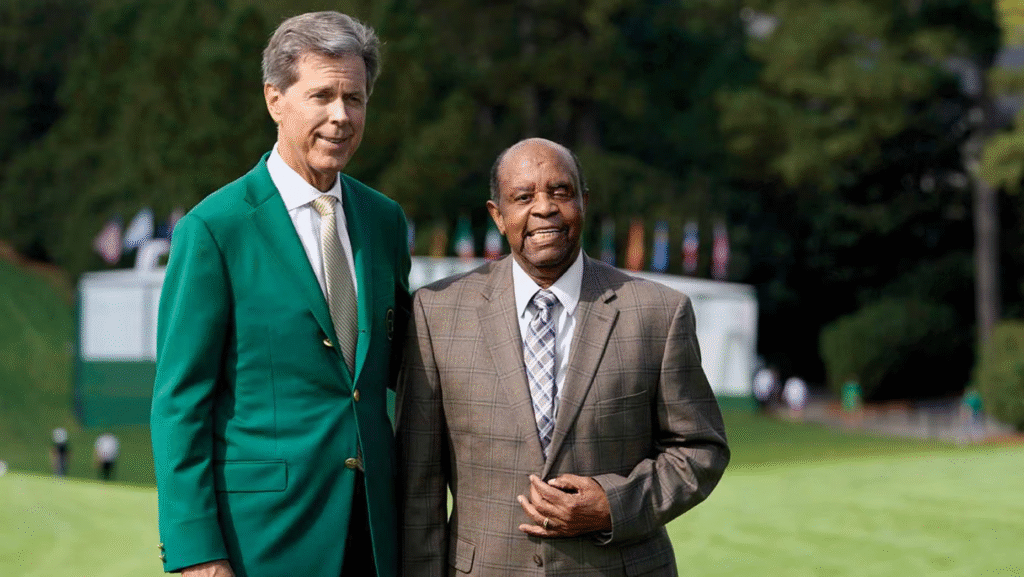
Courtesy Golf Magazine Fred Ridley & Lee Elder

Crashing the PGA and the Augusta Wall

In 1961, the PGA finally lifted its “Caucasian-only” clause. By 1967, Elder had saved enough money to attend qualifying school. He earned his PGA Tour card and never looked back.

In 1974, Elder won the Monsanto Open, earning an invitation to the 1975 Masters and becoming the first Black golfer to be invited.

Despite receiving death threats and being forced to rent multiple homes for safety, Elder walked onto Augusta National’s first tee with grace and strength. He missed the cut but won the moment. As he once recalled, “I started to shake… It changed my life.”

He would go on to play in five more Masters, with his best finish a tie for 17th in 1979. That same year, Elder became the first Black golfer to play in the Ryder Cup.

 Honors, Legacy, and the Road He Paved

Elder’s contributions extended beyond the course. He helped manage Langston Golf Course in Washington, D.C., mentored young minority golfers and helped launch a scholarship fund and women’s golf program at Paine College.

In 2021, Augusta National honored Elder by naming him an honorary starter alongside Jack Nicklaus and Gary Player. That same year, Washington, D.C., proclaimed April 10 “Lee Elder Day.” He passed away just months later, on November 28, 2021, at age 87. 

A Memory That Changed a Sport

Elder’s triumphs weren’t just personal—they opened doors. His pioneering spirit paved the way for future generations, including Tiger Woods, the first Black golfer to win the Masters in 1997, who has credited Elder for his inspiration.

“I’ll never forget the ride down Magnolia Lane,” Elder once said. “Some of the players had told me how it felt, but I wasn’t prepared for it.”

That ride didn’t just change Elder’s life—it changed golf.

Please consider supporting open, independent journalism – no contribution is too small!
50 Stars, One Stage: HBCU Swingman Classic Kicks Off MLB All-Star Week

The 2025 HBCU Swingman Classic in Atlanta showcased 50 elite Black college baseball stars during MLB All-Star Week at Truist Park.


By Milton Kirby | Atlanta, GA | July 12, 2025

The 2025 MLB All-Star Week, a highly anticipated event in the baseball calendar, kicked off in true Southern style on Friday, July 11, with the HBCU Swingman Classic at Truist Park. This game, a significant part of the week’s festivities, brought 50 top student-athletes from Historically Black Colleges and Universities (HBCUs) to the big stage, giving them a national spotlight and showcasing the rich talent pool of HBCU baseball players.

A Game Full of Smiles and Showstoppers

The night ended with a 7-4 comeback win for the National League team. Alabama State catcher DeMarkus Smiley drove in the go-ahead run and later scored himself. Jay Campbell of Florida A&M smashed a seventh-inning home run. Kameron Douglas of Alabama State launched a 417-foot homer and struck out two in the final inning.

Courtesy MLB – Jay Campbell

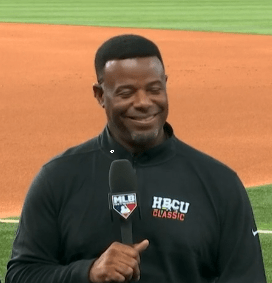
“It’s a lot of fun for the kids,” said Ken Griffey Jr., the Classic’s founder and a constant, smiling presence. The joy and excitement on the field were palpable, creating a connection with the audience.

Legends in the Dugout

Former Braves All-Stars Brian Jordan and David Justice, two highly respected figures in the baseball community, managed the National and American League teams. Their presence and praise for the talent on the field added a significant level of prestige to the event.

“It’s not about us. It’s about giving these kids a shot,” said Justice.

Beyond the Chalk Lines

The Classic was more than a game. It was a vibrant cultural celebration. The Georgia Mass Band brought HBCU flair, the Divine Nine Greek organizations added their unique touch, Avery Sunshine’s rendition of the national anthem was soul-stirring, and the Spelman College Glee Club’s performance of “Lift Every Voice and Sing” Was a powerful moment. Roy Wood Jr. announced, “Play Ball!” and fireworks capped the evening, leaving everyone feeling included and uplifted.

A Night to Remember

Fifty players across 17 HBCU programs were selected. The game aired nationally on MLB Network. Family, scouts, and fans cheered from the stands. The event created lifelong memories and new opportunities.

History of the HBCU Swingman Classic: A Legacy in the Making

The first Classic was held in 2023 in Seattle. It was created by Ken Griffey Jr. and supported by the MLB-MLBPA Youth Development Foundation. It shines a light on HBCU baseball talent, which is often overlooked in professional scouting.

Since its launch, five Swingman alumni have been drafted:

  • Nolan Santos, Bethune-Cookman (2023), Twins
  • Xavier Meachem, NC A&T (2023), Marlins
  • Trey Paige, Delaware State (2023), Cardinals
  • Randy Flores, Alabama State (2023, 2024), Angels
  • Canyon Brown, NC A&T (2024), Royals

2025 Stars to Watch

  • Cardell Thibodeaux (Southern): SWAC Player and Newcomer of the Year. .439 average, .847 slugging.
  • Eric Elliot (Jackson State): SWAC Pitcher of the Year. 108 strikeouts.
  • Andrey Martinez (Bethune-Cookman): SWAC Co-Hitter of the Year. 20 homers. Walk-off in SWAC title game.
  • Elijah Pinckney (Morehouse): First DII player selected. Hit .407. Elite defense.

Future of the Classic

The HBCU Swingman Classic has fast become a pillar of MLB All-Star Week. Each year, more players, schools, and scouts join the ranks. The message remains clear: Black baseball lives thrive and belong in the big leagues.

2025 Rosters: By the Numbers

Bethune-Cookman led with seven players. Alabama State, Jackson State, and Southern each sent six. Players were selected by a panel that included Griffey, MLB, MLBPA, and scouts.

American League

PlayerPositionSchool
Tyler SmithCatcherNorth Carolina A&T
Vinny SaumellCatcherArkansas Pine-Bluff
Jonathan Gonzalez PerezCatcherMaryland Eastern Shore
Andrey MartinezFirst baseBethune-Cookman
Jalon MackSecond baseSouthern
Kylan DuncanSecond baseAlabama A&M
Taj BatesThird baseSouthern
Kade WoodShortstopMississippi Valley State
*KJ WhiteShortstopSouthern
Chenar BrownInflield/Designated HitterGrambling State
Justin JournetteOutfieldNorfolk State
Darryl LeeOutfieldBethune-Cookman
Jordan McCladdieOutfieldJackson State
Jalan JonesOutfieldNorfolk State
*Joseph EichelbergerOutfieldJackson State
Jaylon BurrellOutfieldAlcorn State
Cameron HillOutfieldGrambling State
Eric ElliottLeft-handed pitcherJackson State
Jean Carlos ZambranoRight-handed pitcherBethune-Cookman
Jorhan LaBoyLeft-handed pitcherAlabama State
Garrett WorkmanLeft-handed pitcherFlorida A&M
Esaid PeñaRight-handed pitcherAlabama State
*Jafet MartinezRight-handed pitcherAlabama State
Yoansell DiazRight-handed pitcherBethune-Cookman
Nick LuckettRight-handed pitcherSouthern

National League

PlayerPositionSchool
Broedy PoppellCatcherFlorida A&M
**Irvin EscobarCatcherBethune-Cookman
DeMarckus SmileyCatcherAlabama State
*Juan CruzFirst baseAlabama State
JT TaylorSecond baseNorth Carolina A&T
Daniel MooreSecond baseCoppin State
Jesus VanegasThird baseBethune-Cookman
Elijah PinckneyShortstopMorehouse
*Robert Tate Jr.ShortstopJackson State
Ahmar DonattoInflield/Designated HitterPraire View A&M
Cardell ThibodeauxOutfieldSouthern
Kameron DouglasOutfieldAlabama State
Jacoby RadcliffeOutfieldSouthern
Trey BridgesOutfieldGrambling State
Kelton PhillipsOutfieldTexas Southern
Trey RutledgeOutfieldAlabama A&M
*Jamal RitterOutfieldNorfolk State
Edwin SanchezLeft-handed pitcherBethune-Cookman
Reagan RiveraRight-handed pitcherCoppin State
Diego BarrettRight-handed pitcherNorth Carolina A&T
*Erick GonzalezRight-handed pitcherJackson State
Nkosi DidderRight-handed pitcherJackson State
Kenney FabianRight-handed pitcherArkansas Pine-Bluff
Calvin McClendonLHPTexas Southern
Jay CampbellThird base/Right-handed pitcherFlorida A&M

*Represents second-time attendee **Represents third-time attendee

Courtesy MLB – Ken Griffey Jr Founder Swingman Classic

Looking Ahead

More events are in the works. The Swingman Classic has ties to the Breakthrough Series, Hank Aaron Invitational, Cactus Jack HBCU Classic, and Andre Dawson Classic. Expect to hear more names from this year’s roster called in future MLB Drafts.

The Swingman Classic is not just a game. It’s a movement.

Please consider supporting open, independent journalism – no contribution is too small!

‘Pay attention’: Supreme Court justice gives dire warning about ‘state of our democracy’

Justice Ketanji Brown Jackson urges Americans to “pay attention” amid growing concerns over democracy, referencing controversial Supreme Court rulings and unchecked executive power.


By Carl Gibson | Washington, DC | July 11, 2025

Recently, Supreme Court Justice Ketanji Brown Jackson was asked what keeps her up at night. While she didn’t directly name President Donald Trump, she heavily referenced his administration in her remarks.

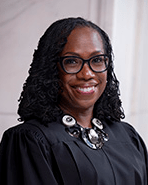
Courtesy US Supreme Court Ketanji Brown Jackson, Associate Justice,

The Daily Beast reported Thursday that Jackson — who was appointed to the Supreme Court by former President Joe Biden in 2022 – urged her fellow Americans during a question-and-answer session at the Indianapolis Bar Association to be vigilant about what their government was doing. Jackson’s remarks came in response to a question from moderator Jane Magnus-Stinson, who is a senior U.S. District Judge for the Southern District of Indiana, about what keeps her up at night.

“I would say the state of our democracy,” Justice Jackson said. “I am really very interested in getting people to focus and to invest and to pay attention to what is happening in our country and in our government.”

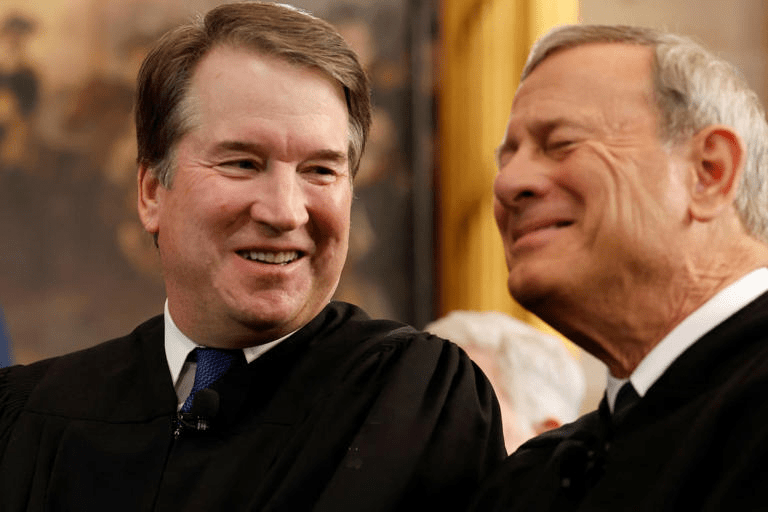
Though she didn’t elaborate further, Jackson’s comments come after a particularly contentious Supreme Court term. The 6-3 conservative supermajority (which includes three Trump appointees) handed down multiple decisions drastically expanding executive power while curtailing the power of institutions tasked with checking it — including the courts themselves.

Among the most controversial decisions includes the Trump v. Casa case, in which the Court’s conservatives stripped lower courts of the ability to issue nationwide injunctions blocking illegal executive orders from going into effect. That decision was the result of litigation brought against Trump’s day one executive order ending birthright citizenship – which is guaranteed by the 14th Amendment to the U.S. Constitution — for the American-born children of undocumented immigrants.

The majority opinion in Trump v. Casa, which was authored by Trump-appointed Justice Amy Coney Barrett, left the door open for groups of states to obtain relief for their particular jurisdictions, including if they unite in litigation as one class. This means that in states with Democratic attorneys general that have sued to stop Trump’s birthright citizenship order, there would be two classes of citizens (should the Democratic attorneys general ultimately prevail) depending on whether a child of undocumented immigrants is born in a state that won those protections.

Toward the end of the 2024-2025 term, Jackson tore into her colleagues for being captive to “moneyed interests.” Without naming any specific names, the liberal jurist used her dissent in the Diamond Alternative Energy v. Environmental Protection Agency decision (which sided against federal regulations over the fossil fuel industry) to slam her colleagues for “being overly sympathetic to corporate interests.”

Please consider supporting open, independent journalism – no contribution is too small!
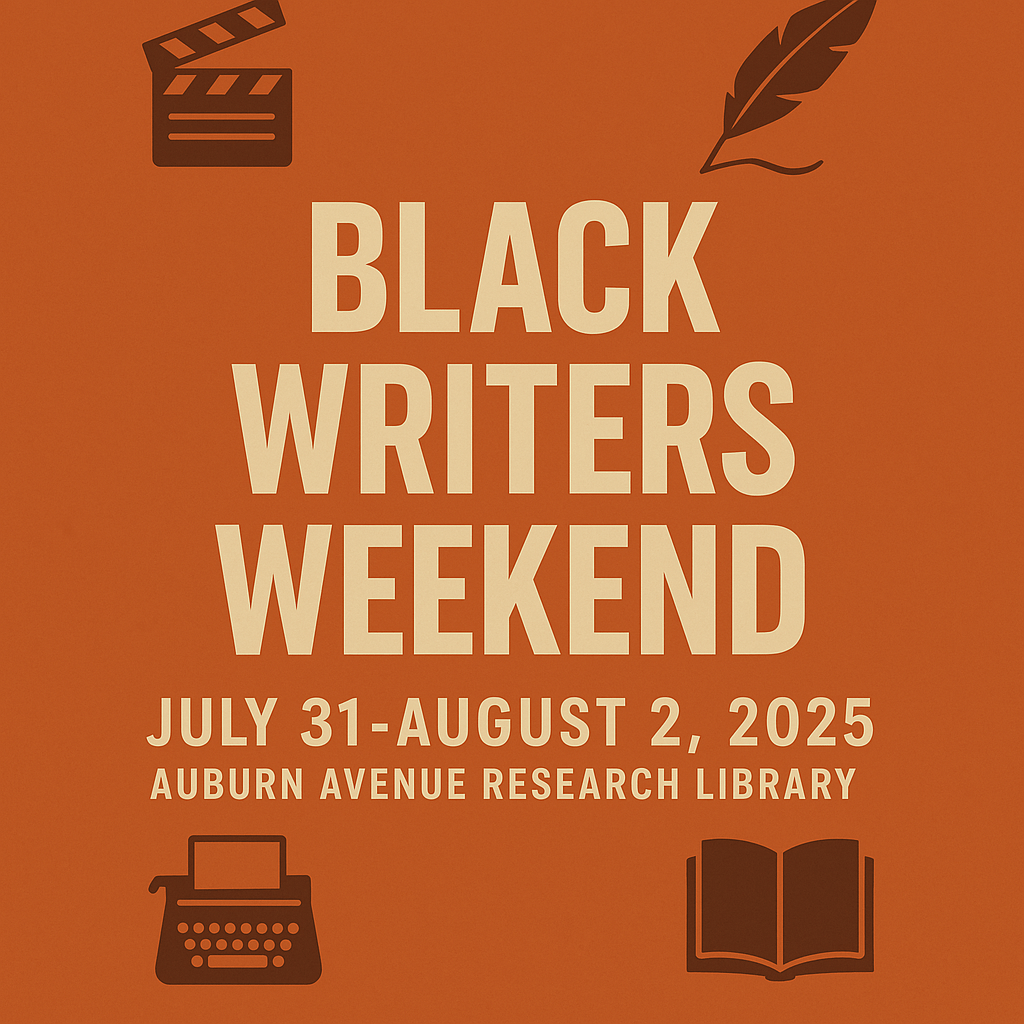
Black Writers Weekend Returns to Atlanta:  Where Stories Ignite and Voices Rise

Black Writers Weekend 2025 in Atlanta celebrates Black authors, screenwriters, and filmmakers with panels, pitch sessions, film screenings, and networking at Auburn Avenue Library.


By Milton Kirby | Atlanta, GA | July 11, 2025

Black Writers Weekend (BWW) is not just a festival, it’s a celebration of Black voices in publishing, film, and television. Returning to Atlanta from July 31 through August 2, this unique event brings together a vibrant community of storytellers, readers, and industry professionals. Hosted at the historic Auburn Avenue Research Library, the 2025 edition promises an unforgettable three-day journey through the power of narrative.

Founded by Tamika Newhouse, an award-winning author and literary entrepreneur, Black Writers Weekend is powered by AAMBC Inc.—the African Americans on the Move Book Club organization she also leads as CEO. BWW is more than just a festival—it’s a cultural movement that elevates underrepresented voices and connects aspiring creatives with opportunities that can reshape their careers.

“Black Writers Weekend is about reclaiming storytelling space and building bridges between artists and the world that needs their voices,” said Newhouse, who also runs Delphine Publications. This pioneering independent press has launched the careers of dozens of journalists.

A Festival for Creatives of Every Kind

BWW 2025 offers an immersive itinerary, from lively Lit Crawls through Atlanta’s arts district to powerful film screenings, live table reads, and literary panels that foster dialogue, inspiration, and community. The weekend’s Film Fest will again feature short films alongside monologues and audio storytelling, providing a critical platform for emerging Black filmmakers and screenwriters.

This year’s Pitch Pit is poised to be a highlight, inviting authors and screenwriters to pitch their projects live to a panel of agents, publishers, and film executives. Participants must present a concept sheet and logline; appointments are granted on a first-come, first-served basis.

“We celebrate diverse narratives and provide space where emerging talent can be seen and heard,” said Newhouse. “Pitch Pit is a launchpad for the next generation of storytellers.”

Speaker Lineup That Reflects Creative Power

The 2025 event will feature a powerhouse speaker lineup, including:

  • Tamika Jamison, Author | Actor | Entrepreneur
  • Melanie Fiona, Filmmaker
  • Ashley Chea, Author | Filmmaker
  • Storm, Podcaster
  • Shalisha Bynoe, Ghostwriter
  • Shai August, Author
  • Ronda Racha Penrice, Author
  • Rian Jenkins, Author
  • Positive B. White, Author
  • Phoenix Williams, Author
  • Nikki Clarke, Author
  • Marcie L. Thomas, Book Club Owner

Past speakers have included luminaries like Tressa Azarel Smallwood, Jill Tew, Connie Morrison, Mark T. Sneed, and James R. Sanders.

Your Stay, Your Story

Festival-goers are encouraged to book accommodations at the VOCO The Darwin – Atlanta Midtown, the official host hotel. Attendees should use group code BWW when reserving rooms at this IHG property, located at 585 Parkway Dr. NE, Atlanta, GA 30308.

Meet the Visionary: Tamika Newhouse

The heartbeat of Black Writers Weekend, Tamika Newhouse has authored multiple novels, launched a successful publishing company, and mentored hundreds of aspiring writers. Her passion for representation has made her a trailblazer in both literature and entrepreneurship. From overcoming barriers in publishing to nurturing new talent, Newhouse embodies the transformative power of storytelling.

“Tamika is the kind of force our industry needs—visionary, determined, and deeply connected to community,” said one past BWW attendee.

Her tireless work has earned her numerous accolades, but her most incredible legacy may be in the doors she continues to open for others.

A Movement Rooted in Purpose

With Atlanta’s cultural roots and historic connection to Black arts and activism, BWW thrives in a city that knows the power of words and images. The festival’s mission aligns with AAMBC’s broader goal: to merge literary excellence with visual storytelling, paving the way for greater visibility, equity, and access in publishing and film.

This year’s theme, “Sharing Our Stories,” reflects the festival’s ongoing commitment to authentic storytelling—from the page to the screen. We invite you to share your unique narrative and be part of this collective celebration of Black storytelling.

Get Involved, Get Inspired

Whether you’re a creator, a fan, or someone searching for their next big idea, Black Writers Weekend welcomes you. We encourage you to get involved, share your passion, and be inspired by the vibrant community of storytellers. Follow @blackwritersweekend on Instagram for updates, behind-the-scenes coverage, and submission details.

The Official Website of Black Writers Weekend

Event Access

Please consider supporting open, independent journalism – no contribution is too small!

This post contains affiliate links, which means a small commission may be earned if a purchase is made through them, at no extra cost to you.

Exit mobile version