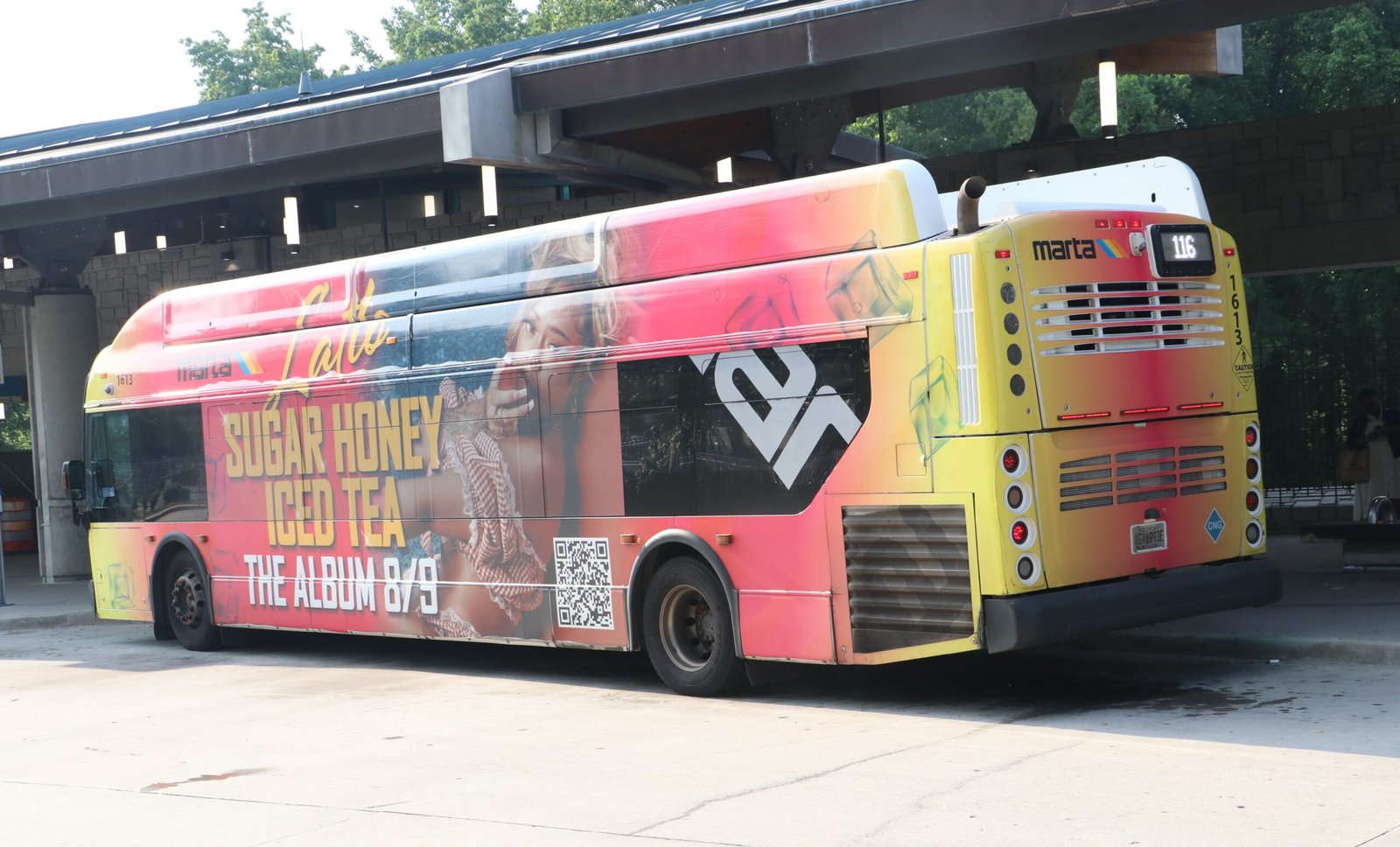
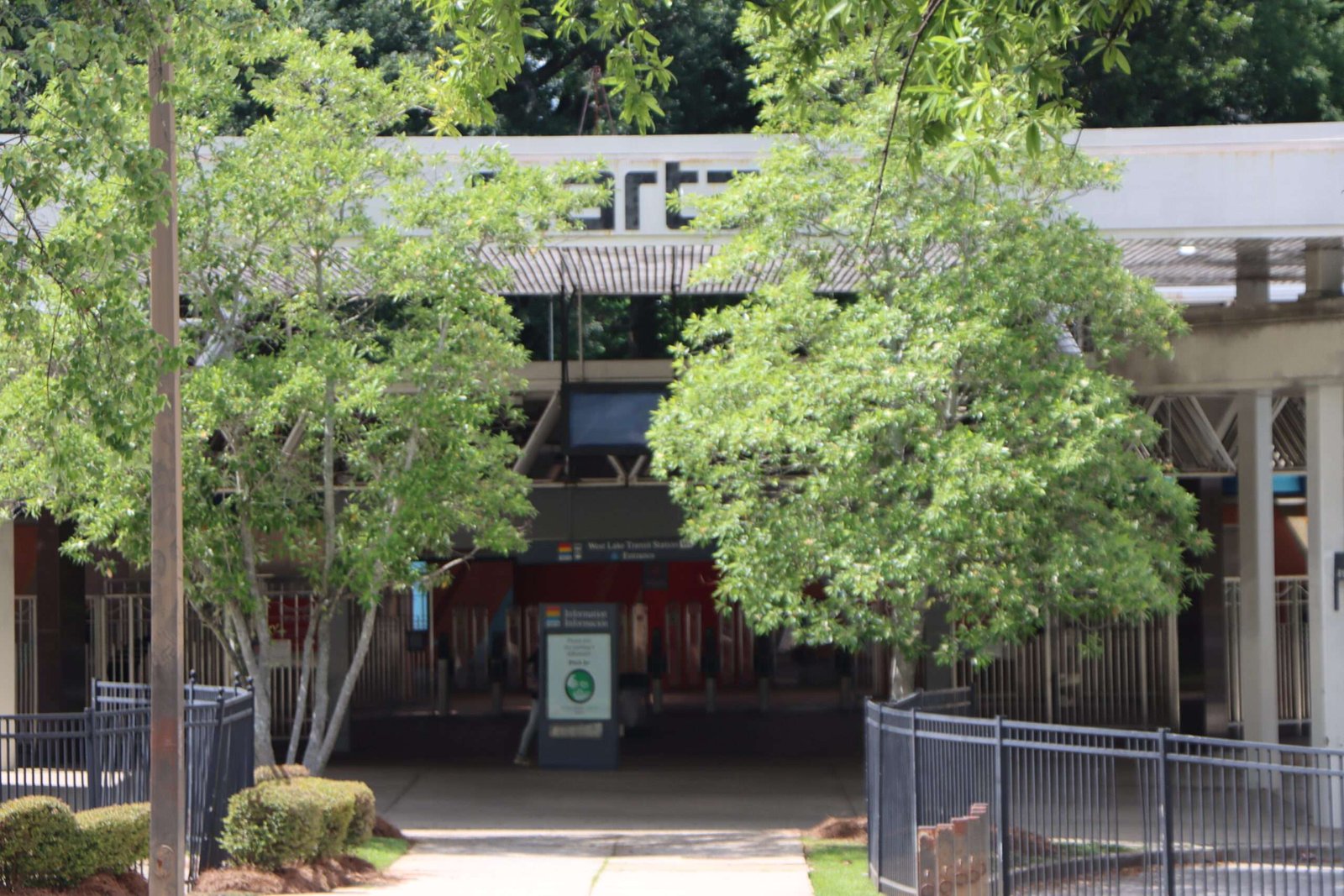
MARTA adds extra service for Beyoncé’s Cowboy Carter Tour in Atlanta. Ride safely and skip traffic with direct access to Mercedes-Benz Stadium via rail.
By Milton Kirby | Atlanta, GA | July 10, 2025
Beyoncé is back in Atlanta—and MARTA is ready to take fans there in style.
With four sold-out shows scheduled at Mercedes-Benz Stadium—Thursday, July 10; Friday, July 11; Sunday, July 13; and Monday, July 14—MARTA is expanding service and increasing support staff to help manage the Beyoncé buzz across the city.
The Metropolitan Atlanta Rapid Transit Authority has announced additional train service before and after each concert, including dedicated shuttle trains running between Five Points and GWCC Stations. MARTA officials say it’s the safest, most convenient way for fans to travel downtown and avoid post-concert gridlock.
Transit Ambassadors will be stationed throughout the system to assist riders, while “Load and Go” teams will help manage large crowds as they board and exit trains. MARTA Police will also be deployed systemwide to ensure a safe and secure ride for everyone.
How to Ride to the Queen:
Take the train to GWCC or Vine City Stations for direct access to Mercedes-Benz Stadium.
Use MARTA’s trip planner to check real-time bus and rail schedules and cancellations.
Download the MARTA On the Go app or follow @MARTAservice on X (formerly Twitter) for real-time updates.
Buy your fare instantly with Breeze Mobile 2.0 to skip long lines.
Use See & Say 2.0 to report any suspicious activity.
Check rail station parking availability before heading out.
SMART public restrooms are available daily from 6 a.m. to 10 p.m. at six major stations, including GWCC.
Construction Advisory: Access to Five Points Station is limited to Peachtree and Forsyth Streets due to ongoing renovations. Restrooms and customer service booths at that station are temporarily closed.
For more information, visit itsmarta.com, call 404-848-5000, or stay connected via @MARTAservice and @MARTAtransit on social media. Fans are encouraged to tag their photos with #LetMARTADrive as they head to the Cowboy Carter Tour.
With MARTA at the wheel, all that’s left to do is put on your silver and boots—because Beyoncé is ready to make Atlanta shine.
Atlanta’s BronzeLens Film Festival returns August 20–24, 2025, showcasing nearly 100 films from 60 countries and honoring groundbreaking storytellers of color in cinema.
By Milton Kirby | Atlanta, GA | July 10, 2025
Atlanta will shine in the global film spotlight once again this August as the 16th Annual BronzeLens Film Festival (BLFF) returns with nearly 100 films from 60 countries, spotlighting stories created by or about people of color. Running from August 20–24, 2025, the festival promises a vibrant blend of screenings, masterclasses, and celebrations, solidifying its reputation as a premier destination for diverse storytelling in cinema.
On Wednesday, July 9, the BronzeLens Film Festival announced its Official Selections for 2025. The lineup features a diverse mix of short narratives, features, documentaries, dance films, student projects, web series, and music videos. These works come from creators across the globe—including Angola, Australia, Botswana, France, Mexico, South Africa, the United States, and more—underscoring the festival’s growing international reach.
Founded in 2009 as a nonprofit organization, BronzeLens was born from a bold vision: to promote Atlanta as a global film mecca for people of color, while creating opportunities for aspiring filmmakers to learn, connect, and grow. The concept was originated by William Pate, President of the Atlanta Convention and Visitors Bureau (ACVB), with Kathleen Bertrand, then ACVB Senior Vice President, tasked with bringing the idea to life. Bertrand conducted a feasibility study, identified a gap in the market, and in 2010 launched the inaugural festival—screening 24 films across four days, supported by panels with industry giants like Will Packer, Rob Hardy, Roger Bobb, and Tirrell Whittley.
That debut also included the first feature film from Ava DuVernay, “I Will Follow,” and soon after, BronzeLens became a founding member of the African-American Film Festival Releasing Movement (AFFRM), now known as ARRAY. This strategic alliance propelled BLFF onto the national stage and cemented its role as a launchpad for visionary Black creatives.
Today, BronzeLens is more than just a festival—it’s a movement. Under the leadership of Executive Producer Kathleen Bertrand and Artistic Director Deidre McDonald, BLFF now operates year-round. Its programming includes the Page to Screen Book Club, children’s initiatives, industry workshops, and an upcoming Facebook Live series spotlighting screenwriters, funded by the City of Atlanta’s Power2Give program.
A major milestone came in 2016 when BronzeLens became an Academy Award® Qualifying Festival in the Short Film category. This means winners of Best Short at BLFF are eligible for Oscar consideration without the typical theatrical release. In 2018, BLFF’s winning short “Wale” made it to the Oscars shortlist—a testament to the festival’s growing influence. The 2024 winner, The Rebel Girls, directed by Felicia D. Henderson, took home Best Short, Best of Festival, and earned Nika King a Best Actress award.
Born For This Mission (Walk Through The Fire) FREEDOM
PATIENCE Rage
Documentary
American Beauty
Bam Bam: The Sister Nancy Story
Beyond The Headlines: The NABJ Journey
Come Together: Art’s Power for Change
Facing the Wind
Following Harry
Guardians of the Flame
Love, Joy & Power: Tools For Liberation
Me Period
Mount Mutombo
Rap Dixon: Beyond Baseball
We Were Here – The Untold Story of Black Africans in Renaissance Europe
When We Free The World
Short Documentary
Beads, Braids & Barrettes
Bloodlines, Mississippi
Even Me 2.0
Exodus
Grounded: Creating Space for Black Peace
Her Fight, His Name: The Story of Gwen Carr and Eric Garner
Hoops, Hopes & Dreams
Howardena Pindell: Inner Circle
Keur Simbara
Say Yes To Destiny
She is Us: The Story of Judge Songhai Armstead
They Call Me Sue
Welcome Home
With Grace
Features
A Kismet Holiday
A Mess of Memories
Can You Stand The Rain
Color Book
Ratchet
Secrets, Scores, and Seduction
The Rhythm & The Blues
International Features
NAWIThe Fisherman
Student Films
Anything Helps THE ENCROACHER
Curtain Call The Interviewee
Desync Washed
Intsikelelo Yamnzi Weekend One
Jean & I
Web Series
Hogtown / Ainsi Va Manu Welcome to the Forties
Short Films
?Enought!
A Beauty Supply In Queens
ADO
An Extraordinary Life
B Is For Bachata
Before You Let Go
Black Ballerina You Should Be a Model
Blackberry Winter
Chronology
Complicated Grief
COURAGE
Don’t Be Late, Myra
Don’t Hang Up
Father Time
Flick
Hard
I Wish I Were Pretty
Issa Date
JULES
LAUNDRY
Love Is Blind: Short Film
Missing Rhythms
Moonluck Wonton
Nothin’ Good & 12th Street
Old Gray Mare
Once Upon A Dime
Project Foster
Red Clay
Ree’s Destiny
Run Like We
SOAR
The Cut
The Golden Boy
The Last Dance
The Off-Brands
The Ohio, Texas Remix
The Performance
The Untying
The Lyricist
Thomasville
Time Is Money
UNCAGED
Unexpected Ties
Waiting
Where The Children Go To Play
While You Were Sleeping
Wi Cyah Stay
Winter PsalmYasodhora
This year’s screenings will take place at the historic Tara Theatre, while the grand awards ceremony will be held at the Ray Charles Performing Arts Center on the campus of Morehouse College. The Thompson Buckhead Hotel returns as the official festival hotel.
Beyond the films, BronzeLens is known for its powerhouse panels and workshops. These sessions offer attendees actionable insights and invaluable industry access.
The highlight of Superstars Weekend is the BronzeLens Women Superstars Honors, held at Georgia State University’s Rialto Center for the Arts. This signature event celebrates Black women who have transformed film and television—whether in front of or behind the camera. Honorees are chosen for their groundbreaking storytelling, cultural impact, and commitment to mentoring the next generation. It’s not only a night of glitz and recognition, but a space where trailblazers and emerging voices build lasting connections.
“We are constantly in awe of the breadth and beauty of stories we receive from around the world,” said McDonald. “BronzeLens is about celebrating the art of filmmaking while building the networks that ensure these stories get told.”
With submissions pouring in from places as far as Botswana, France, Jordan, and Panama, BronzeLens has built a global platform with local roots. Its commitment to education, representation, and innovation continues to position Atlanta as a thriving nexus for diverse storytelling in film.
When the conversation turns to freedom, it often stops at civil rights and voting power. However, true freedom includes financial liberation—the ability to make choices without being burdened by debt, paycheck-to-paycheck cycles, or generational disadvantage.
For Black families, the wealth gap remains a significant barrier. According to the Federal Reserve, the median wealth of Black households is $24,000, compared to $188,000 for white households.
That story does not have to be the final chapter.
Financial freedom is not about luck. It is about intention, strategy, and education. Whether you’re starting from scratch or looking to advance, here are 10 steps to take control of your money, reclaim your power, and build lasting wealth.
1. Know Your Numbers
You cannot change what you do not measure. Start by listing your income, monthly expenses, debts, and savings. Use tools like Mint, YNAB (You Need A Budget), or an Excel worksheet to get the full picture. Don’t be afraid of what you find—clarity is power.
“When I finally wrote everything down, I realized I was not broke—I was just unorganized,” said Houston entrepreneur Tiffany Jackson.
2. Create a Budget That Respects Your Life
Budgeting does not mean deprivation—it means direction. Set a monthly budget that includes necessities, savings, debt repayment, and joy. The 50/30/20 rule (50% needs, 30% wants, 20% savings/debt) is a good start, but customize it for your situation.
3. Build an Emergency Fund
Life happens. A blown tire, medical bill, or job loss shouldn’t wipe you out. Aim to save three to six months of expenses, starting with a goal of $500 and building from there. Automate your savings so you don’t have to think about it.
4. Eliminate High-Interest Debt
Credit card debt is a wealth killer. Use the snowball method (pay off smallest debts first) or the avalanche method (tackle highest interest rates first). Whichever you choose, be consistent. Every dollar you pay off is a dollar you reclaim.
5. Protect Your Credit Score
Your credit score affects everything from home loans to insurance rates. Pay bills on time, keep credit utilization under 30%, and avoid opening too many new accounts. Apps like Credit Karma or Experian Boost can help you monitor your progress.
6. Learn to Invest (Yes, You Can)
Black families have historically been left out of investment opportunities. It’s time to change that. Start with a Roth IRA, 401(k), or low-cost index funds. You don’t need to be rich to invest—just consistent. Compound interest is the real benefit.
7. Buy (or Keep) Property If You Can
Homeownership is still a major wealth builder, especially when property values increase. Programs like NACA (Neighborhood Assistance Corporation of America), FHA loans, and local grants can help first-time buyers.
Ownership also includes protecting inherited property and avoiding land loss.
“Too many Black families lose the home grandma worked for because the paperwork was not right,” said real estate attorney Kristie Kin. “Make sure the deed is clear and the heirs understand the value.”
8. Teach the Next Generation
Financial literacy isn’t just for adults. Talk to your children and teens about saving, budgeting, and ownership. Open custodial savings accounts, introduce them to investing early, and model the habits you want them to repeat.
9. Find a Financial Accountability Partner
You don’t have to go it alone. Whether it’s a trusted friend, family member, or financial coach, share your goals and check in monthly. Black wealth is community wealth—don’t be afraid to lean on your village.
10. Leave a Legacy, Not Just Money
Wealth is more than a dollar amount. It’s insurance. It’s estate planning. It’s a will that protects your children. Meet with a Black estate attorney or planner and ensure your assets are clearly designated. Don’t let probate courts decide your family’s future.
Financial freedom is not a destination—it’s a practice. Start where you are. Build as you go. And remember: We are not just consumers. We are creators, builders, and owners.
“Black wealth is a revolutionary act,” said financial educator Dominique Broadway. “And it is one we can achieve—one step at a time.”
Please consider supporting open, independent journalism – no contribution is too small!
Hellen Obiri and Patrick Kiprop win 2025 Peachtree Road Race as 60,000 runners celebrate July 4th in Atlanta’s iconic 10K under Code Yellow heat.
By Milton Kirby | Atlanta, GA | July 4, 2025
The 56th running of the Atlanta Journal-Constitution Peachtree Road Race got off to a hot and hopeful start Friday morning, with 60,000 runners charging down Peachtree Street under a Code Yellow alert. With the temperature already at 79 degrees by the 6:50 a.m. start time, race organizers were mindful of the extreme heat that halted last year’s event midcourse. But this year, the race ran its full course—with speed, spirit, and star power.
Champions Crowned
In the men’s elite division, Kenya’s Patrick Kiprop made a stunning debut, pulling away early in a bold move that paid off. Kiprop, a five-time All-American distance runner for the Arkansas Razorbacks, left the field behind and never looked back.
The women’s elite division title went to Hellen Obiri, the two-time Boston Marathon champion and three-time Olympic medalist. Obiri surged ahead in the final stretch to secure the win in her Peachtree debut.
In the wheelchair divisions, American athletes once again dominated. Daniel Romanchuk claimed his eighth consecutive win in the men’s race, while Susannah Scaroni celebrated her fourth straight title in the women’s wheelchair race.
Among high schoolers, Bailey Brackett and Riley Comstock took top honors in the girls’ and boys’ divisions, continuing the race’s tradition of highlighting emerging local talent.
Leaders Run With the People
Atlanta Mayor Andre Dickens, a participant himself, praised the event’s world-class atmosphere and strong turnout. “This is more than a race—it’s Atlanta’s Fourth of July tradition,” he said.
Courtesy 11 alive Mayor Andre Dickens
U.S. Senator Raphael Warnock also laced up his shoes for the fifth consecutive year. “This is my fifth Peachtree Road Race since the people of Georgia gave me the honor of representing them in the United States Senate,” he said. “It’s always a lot of fun. It’s the 4th of July, it’s the nation’s birthday, and this day reminds us that in spite of all our differences, we are one people. There is no better representation of that than the Peachtree in Atlanta.”
Warnock added, “One of the highlights for me in this race is just spending time with my neighbors, shaking the hands of the people of this state. I love this city.”
A Course with Heart
One of the race’s most iconic stretches—formerly known as Cardiac Hill—was officially renamed Hope Hill for 2025. The name change honors the Shepherd Center’s 50th anniversary and its legacy of providing hope to patients recovering from spinal cord and brain injuries.
Spectators lined the 6.2-mile route in classic Peachtree fashion, with designated viewing areas drawing thousands of spectators. From Colony Square to 10th and Peachtree, fans brought the noise—and the encouragement—with free thunder sticks and hand clappers distributed along the course.
More Than a Race
As always, the race was more than just a competition; it was a testament to the human spirit. It was a celebration of community. MARTA helped ease transportation for thousands of runners and fans. MarathonFoto’s photographers captured moments of joy and grit throughout the route., with free photo downloads offered to participants.
Atlanta Track Club also kept traditions alive with the beloved Top 1000 mugs, awarded to the top 500 men and 500 women finishers. Age group awards will be mailed out after official results are finalized in the coming weeks.
Athletes in the elite field competed not only for prestige but for serious prize money:
1st place: $12,500
2nd: $7,500
3rd: $5,000
A $5,000 course record bonus was also up for grabs for anyone setting a new event record.
Looking Ahead
Despite the heat warning, 2025’s Peachtree was a complete and successful celebration, a testament to the resilience and determination of our runners, the love and support of our spectators, and the unwavering spirit of our city.
As always, the AJC Peachtree Road Race remains the world’s largest 10K—and one of Atlanta’s proudest traditions, a testament to the city’s spirit and resilience.
Please consider supporting open, independent journalism – no contribution is too small!
To ensure a smooth journey for the anticipated surge in ridership, MARTA will be running additional trains before and after the match. This includes a special pre-game shuttle between Five Points and GWCC/CNN Center Stations, making your travel to the match a breeze.
“This is one of the biggest matches Atlanta has ever hosted, and we want to make sure fans arrive safely, on time, and without hassle,” a MARTA spokesperson said.
What You Need to Know:
Traveling to the Stadium
Riders are encouraged to take MARTA directly to GWCC/CNN Center or Vine City Station, both of which offer convenient access to Mercedes-Benz Stadium.
Due to construction at Five Points Station, entry will be limited to Peachtree and Forsyth Streets. Restrooms and customer service at Five Points are currently closed due to renovations.
Extra Services and Safety
MARTA will deploy Transit Ambassadors and Load and Go teams at key stations and platforms to assist passengers.
MARTA Police officers will be stationed throughout the system to ensure safety and crowd control.
Empower your journey with digital Tools and Travel Tips
Riders are encouraged to download the Breeze Mobile 2.0 app, which allows them to purchase fares directly from their phones, skip the lines at vending machines, and have their tickets ready for inspection, making their journey more convenient and efficient. The MARTA On the Go app and the real-time trip planner offer live service updates, route planning, and cancellation alerts, providing fans with the most up-to-date information to plan their journey and avoid any potential disruptions. Riders can also use the See & Say 2.0 app to report suspicious activity.
Public restrooms are available at 16 MARTA rail stations, including SMART restrooms at GWCC, Decatur, Doraville, East Point, H.E. Holmes, and Lindbergh, open daily from 6 a.m. to 10 p.m.
For real-time alerts, follow @MARTAservice on Twitter. Fans are encouraged to share their MARTA match-day experiences using the hashtag #LetMARTADrive.
To plan your trip, check parking availability, or learn more about service changes, visit www.itsmarta.com or call 404-848-5000.
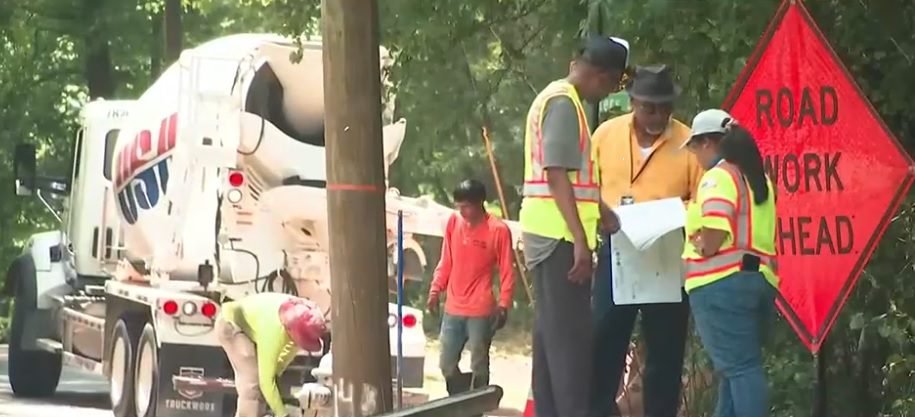
Atlanta pauses construction for July 4 travel, while fast-tracking downtown upgrades ahead of FIFA World Cup 2026 to improve roads, sidewalks, and connectivity.
By Milton Kirby | Atlanta, GA | July 2, 2025
In preparation for holiday travel and the arrival of global visitors next summer, the Atlanta Department of Transportation (ATLDOT) has announced a temporary halt on several construction projects, effective Thursday afternoon. The pause, aimed at easing traffic congestion for Independence Day, will last from noon on Thursday, July 3, through 9 a.m. on Monday, July 7.
ATLDOT Commissioner Solomon Caviness said the move is part of a broader plan to keep residents safe and mobile over the busy holiday weekend while maintaining momentum on critical infrastructure upgrades.
ATL DOT Commissioner – Solomon Caviness, IV
“We want to make sure that our improvements are in line with equity, safety, and mobility,” Caviness said. “And support our Vision Zero initiative to bring fatalities and serious injuries through crashes down to zero by the year 2040.”
The city formed the Atlanta Department of Transportation in 2019 to serve as the central agency for all transportation-related issues. The department acts as a one-stop shop for citizens and outside partners. It was built with dedicated staff pulled from Public Works, City Planning, and Renew Atlanta. ATLDOT is fully equipped to plan, design, build, and maintain the city’s mobility network under the One Atlanta Strategic Transportation Plan.
$120 Million Push to Improve Downtown
The construction moratorium is just a brief pause in a significant, $120 million infrastructure campaign, approved in October 2024, that specifically targets Downtown Atlanta ahead of the 2026 FIFA World Cup.. With an estimated 300,000 visitors expected for eight matches, the city is working diligently to complete a variety of upgrades.
Ongoing efforts include:
20 miles of street resurfacing
11 miles of sidewalk repairs
200 crosswalk restripings
150 new streetlights
80 wheelchair ramps
New signage and wayfinding systems
Many of these projects fall under the city’s Vision Zero Action Plan, a national initiative aimed at eliminating traffic fatalities. Atlanta saw 100 traffic fatalities in 2021; since then, deaths have dropped by 23%, a significant achievement in our ongoing efforts to improve road safety.
“Ahead of next summer, we want to make sure that we have the most presentable downtown and the safest downtown possible,” Caviness emphasized.
MLK & Ted Turner Viaduct to Reopen
Among the marquee projects nearing completion is the MLK and Ted Turner Viaduct Reconnection Project, a long-awaited effort to restore a key passageway linking Atlanta’s government district with the city’s entertainment core.
Initially built in 1922, the viaduct had been closed for years due to major infrastructure failures. Phase one of the restoration was completed in 2022. Phase two began in late 2024. According to Caviness, the final portion of the bridge is expected to reopen to traffic in mid-July.
“It’s an important connector from our Downtown government district over to the entertainment and sports complex,” he said, referring to the area that includes Mercedes-Benz Stadium and State Farm Arena.
Once reopened, the viaduct is expected to improve traffic flow and lay the groundwork for the Centennial Yards development, a sweeping overhaul project meant to reimagine Atlanta’s downtown core.
Atlanta Construction Project
Momentum to Resume Monday
While the moratorium temporarily halts active work zones, Caviness says the department is ready to resume progress first thing Monday morning.
“On Monday, we will continue the work on our resurfacing in the downtown district, which includes over 25 centerline miles of roadway,” Caviness said. “We’re also bringing more than 11 miles of sidewalk improvements to the downtown area.”
The construction freeze serves not only to reduce holiday congestion but also signals the city’s seriousness in addressing both public safety and international visibility ahead of FIFA 2026.
Please consider supporting open, independent journalism – no contribution is too small!
MARTA offers safe, early rail and shuttle service for the 56th AJC Peachtree Road Race. Let MARTA drive you to Atlanta’s biggest running event.
By Milton Kirby | Atlanta, GA | July 2, 2025
As Atlanta gears up for the 56th running of the AJC Peachtree Road Race, the Metropolitan Atlanta Rapid Transit Authority (MARTA) is once again stepping up to deliver fast, reliable, and safe transportation for tens of thousands of participants and spectators.
MARTA encourages everyone heading to the Peachtree Health & Fitness Expo and the July 4 race to leave their cars at home and enjoy the stress-free convenience of public transit handling the traffic.
Expo Hours and Access
The Peachtree Health & Fitness Expo, presented by Publix, kicks off at Lenox Square on Wednesday, July 2, and continues through Thursday, July 3. Located in the Macy’s parking lot, the Expo is where runners will pick up race bibs and gear and enjoy health and wellness vendors.
Expo Schedule:
Wednesday, July 2: 9 a.m. – 6 p.m. (Atlanta Track Club members get early access from 9–10 a.m.)
Thursday, July 3: 7:30 a.m. – 6 p.m. (Peachtree Jr. participants: 7:30–9 a.m.; Atlanta Track Club members: 9–10 a.m.)
Attendees are advised to take MARTA’s Gold Line to Lenox Station, which puts them just steps away from the Expo entrance.
Race Day Transit Details
On Friday, July 4, more than 60,000 runners will fill the streets of Atlanta in the world’s largest 10K. The wheelchair division starts at 6:12 a.m., with the main field beginning at 6:50 a.m..
To accommodate early arrivals, MARTA rail service will begin at 4 a.m. on race day. Riders are urged to use the Gold Line, which provides convenient access to the starting area near Lenox Square.
Post-race travel will be fully supported by bus shuttles running from Piedmont Park and Midtown Station to Lindbergh Center Station, with the last shuttle departing at noon, ensuring a smooth journey home.
From 5 a.m. to 8:30 a.m., pre-race shuttles will connect Lindbergh Center Station to the start line.
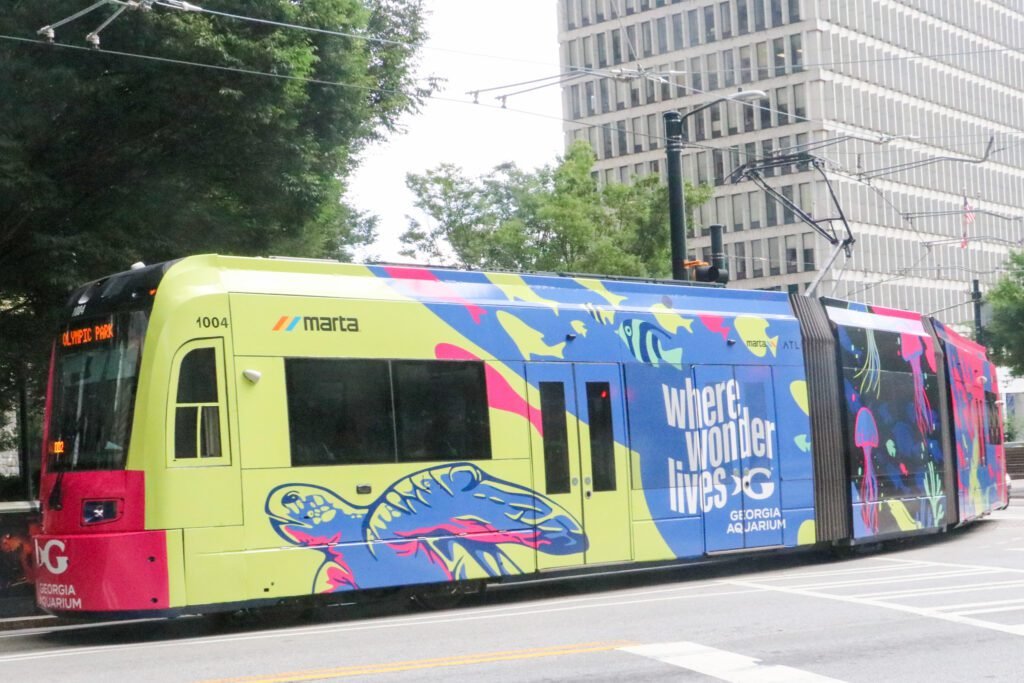
The Atlanta Streetcar will operate extended hours, from 8:15 a.m. to 11:30 p.m., helping participants and fans navigate downtown.
Because many bus routes will be detoured for the event, MARTA urges riders to check updated routes and service changes at www.itsmarta.com.
Photo by Milton Kirby MARTA Streetcar
Helpful Tips for Riders
Download the MARTA On the Go App for real-time updates and alerts.
Use Breeze Mobile 2.0 to purchase fare on your phone and avoid lines at vending machines.
Look for MARTA Transit Ambassadors, who will be stationed throughout the system to help guide race-goers.
Join the celebration on social media by tagging @martatransit and using #LetMARTADrive in your race-day photos.
Whether you’re running, volunteering, or cheering from the sidelines, MARTA is committed to making your Peachtree Road Race experience smooth and stress-free, because we value and appreciate your participation.
DeKalb County boosts regional collaboration, secures Memorial Drive redevelopment, invests in youth public safety, and delivers over $200 million in tax relief for homeowners in 2025.
By Milton Kirby | Decatur, GA | July 1, 2025
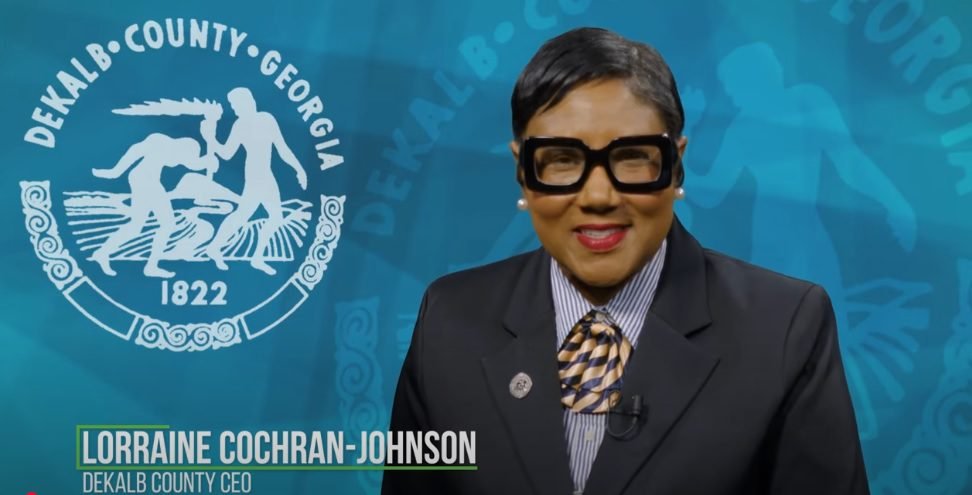
DeKalb County CEO Lorraine Cochran-Johnson hosted her first Metro Atlanta Chairs Meeting this week. The purpose of this meeting was to bring together leaders from the region’s largest counties to tackle shared challenges and spark regional cooperation, particularly in areas such as transportation, affordable housing, infrastructure, economic development, and public safety.
Held in DeKalb County, the quarterly meeting welcomed Chairwoman Nicole Love Hendrickson of Gwinnett County, Chairwoman Dr. Alieka Anderson-Henry of Clayton County, and Chairman Robb Pitts of Fulton County. Cobb County Chairwoman Lisa Cupid was unable to attend but remains an active participant in the five-county coalition representing over half of Georgia’s population.
The leaders focused on key regional issues, including transportation, affordable housing, infrastructure, economic development, and public safety—areas that require cross-county coordination to achieve lasting solutions.
“This meeting allowed us to have productive conversations on how we can work together as a region,” said CEO Cochran-Johnson. “These challenges don’t stop at county lines, and collaboration is key.”
The Metro Atlanta Chairs Meeting rotates among counties, and this marked DeKalb’s first time hosting under Cochran-Johnson’s leadership. She emphasized the importance of unified strategies, shared knowledge, and strong partnerships in addressing complex regional issues.
Investing in the Future: DeKalb Acquires Strategic Property on Memorial Drive
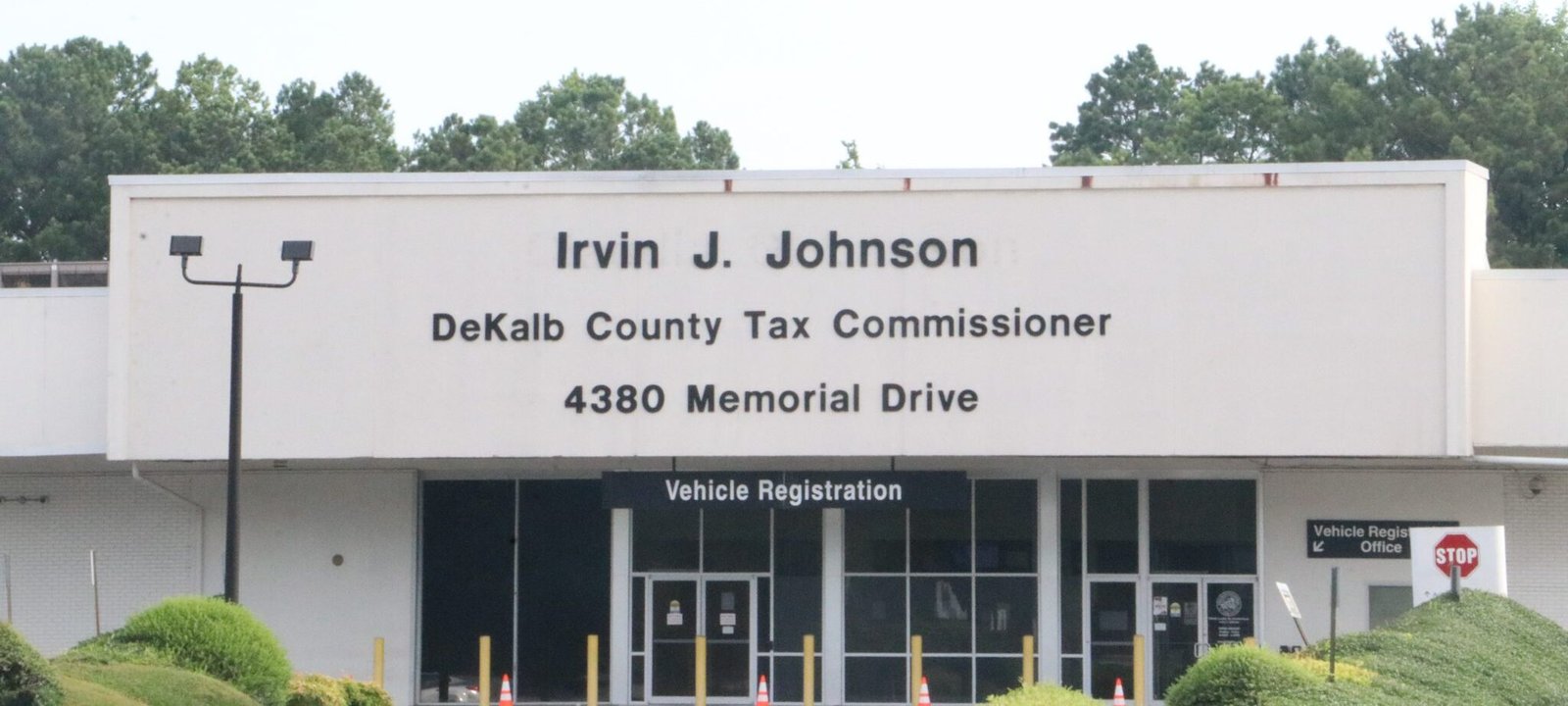
In a bold move to spur redevelopment, DeKalb County has completed the $18.1 million purchase of 4380 Memorial Drive—a 24-acre site with 200,000 square feet of buildings that the county had rented for more than two decades.
“After renting this property for 25 years, DeKalb County now owns it, and that’s a major win for our future,” said Cochran-Johnson. “We’re looking forward to making this site work for the community as part of our long-term commitment to building economic development in DeKalb.”
The site is located near MARTA’s Kensington station, making it a prime location for a transit-oriented, mixed-use development. Jacob Vallo, DeKalb’s new Chief Development Officer and a veteran in metro Atlanta real estate, led the acquisition.
“This land is a transit-oriented development site that serves as a significant opportunity to increase the momentum of the Memorial Drive revitalization,” Vallo said.
The investment in the strategic property on Memorial Drive was financed through a 10-year tax-exempt bond issued by the DeKalb Urban Redevelopment Authority and purchased by Regions Capital Advantage, Inc. These entities played a crucial role in the acquisition, which is expected to accelerate growth in South DeKalb. The county will work with Decide DeKalb to identify a development partner for the site.
Youth Pipeline Initiative Cultivates Next Generation of Public Safety Leaders
DeKalb County Fire Rescue and the DeKalb County School District wrapped up their Youth Public Safety Pipeline initiative with a Family Field Day celebration on June 27. The event marked the conclusion of the weeklong Xplor Lab Public Safety Camp, which offered hands-on experience to more than 50 middle and high school students.
Camp activities included CPR certification, crime scene simulations, fire science, forensics, and emergency response training. The camp culminated in a full-day session at the DeKalb County Fire Academy, where students worked alongside fire and EMS professionals.
“This partnership is about more than careers—it’s about creating purpose, building leadership, and empowering our youth,” said Fire Chief Darnell Fullum. “We are proud to be at the forefront of a transformative approach to recruitment, education, and community impact.”
The initiative builds a strong pipeline for future public safety professionals and reflects DeKalb County’s commitment to youth empowerment and leadership development.
Record-Setting Tax Relief Announced for Homeowners
DeKalb County homeowners will see significant tax savings in 2025, thanks to the county’s Equalized Homestead Option Sales Tax (EHOST) credit, which will provide $206.3 million in property tax relief for residents with homestead exemptions.
“DeKalb County is the only county in the state with a one-penny sales tax that’s dedicated 100 percent to property tax relief,” said Cochran-Johnson. “All residents with a homestead exemption will receive the EHOST credit. Taxpayers have until July 14 to apply.”
Here’s how the credit breaks down:
A $450,000 home will receive $424.23 in savings.
A $300,000 home will receive $275.24 in savings.
The $206.3 million will be distributed as follows:
$193.5 million will be applied to countywide millage rates, including County Operations and the Hospital Fund.
$12.8 million applied to other millage rates for cities or special county services.
The remaining funds will be proportionally distributed to cities and unincorporated areas ased on the tax digest.
The Board of Commissioners is reviewing the proposed resolution to adopt the 2025 millage rates. If passed, this initiative will continue providing historic levels of tax relief to DeKalb County residents.
Please consider supporting open, independent journalism – no contribution is too small!
In the 1950s and 60s in Memphis, Black residents still aspired to participate in city, county, and state leadership. Jim Crow rules were in place. Black consumers patronized the Black-owned Tri-State Bank of Memphis and Universal Life Insurance Company whole life policies provided cash for burials by Memphis Black-owned funeral homes. Memphis’ city owned zoo was open six days a week for white families and one day, Thursdays, for Black patrons. Attractions at the fairgrounds included a roller coaster, merry-go-round and bumper cars, also open for business seven days per week, but Tuesdays were reserved for “Negroes.” There was an exclusive gated community in the center city with an adjacent golf course where only Black men and women in domestic uniforms were tolerated.
I write this because there is a relatively young Black man in Atlanta who proclaims himself a “conservative Republican” who professed to not know of these circumstances, although he also is a Memphis native. As a nine-year-old, it was my request to my mother to go to the zoo ‘one weekend” that revealed to me the depths of white supremacist laws, policies, and practices. As I related my reaction as my mother explained the injustice, his facial expression helped me understand his allegiance to the GOP. He claimed to be unaware of the rules of American apartheid. He has no clue about the depths of white supremacist view of non-whites. He claimed not to know that Memphis Mayor Loeb closed city pools and golf courses in the 60s rather than allow public access for all. He actually believes that in 1957, racism was no longer a barrier in America. My guess is that he has company.
Please consider supporting open, independent journalism – no contribution is too small!
UVA President Jim Ryan resigns amid Trump administration pressure over DEI policies, raising alarms about political interference in higher education leadership and academic freedom.
By Milton Kirby | Richmond, VA | July 1, 2025
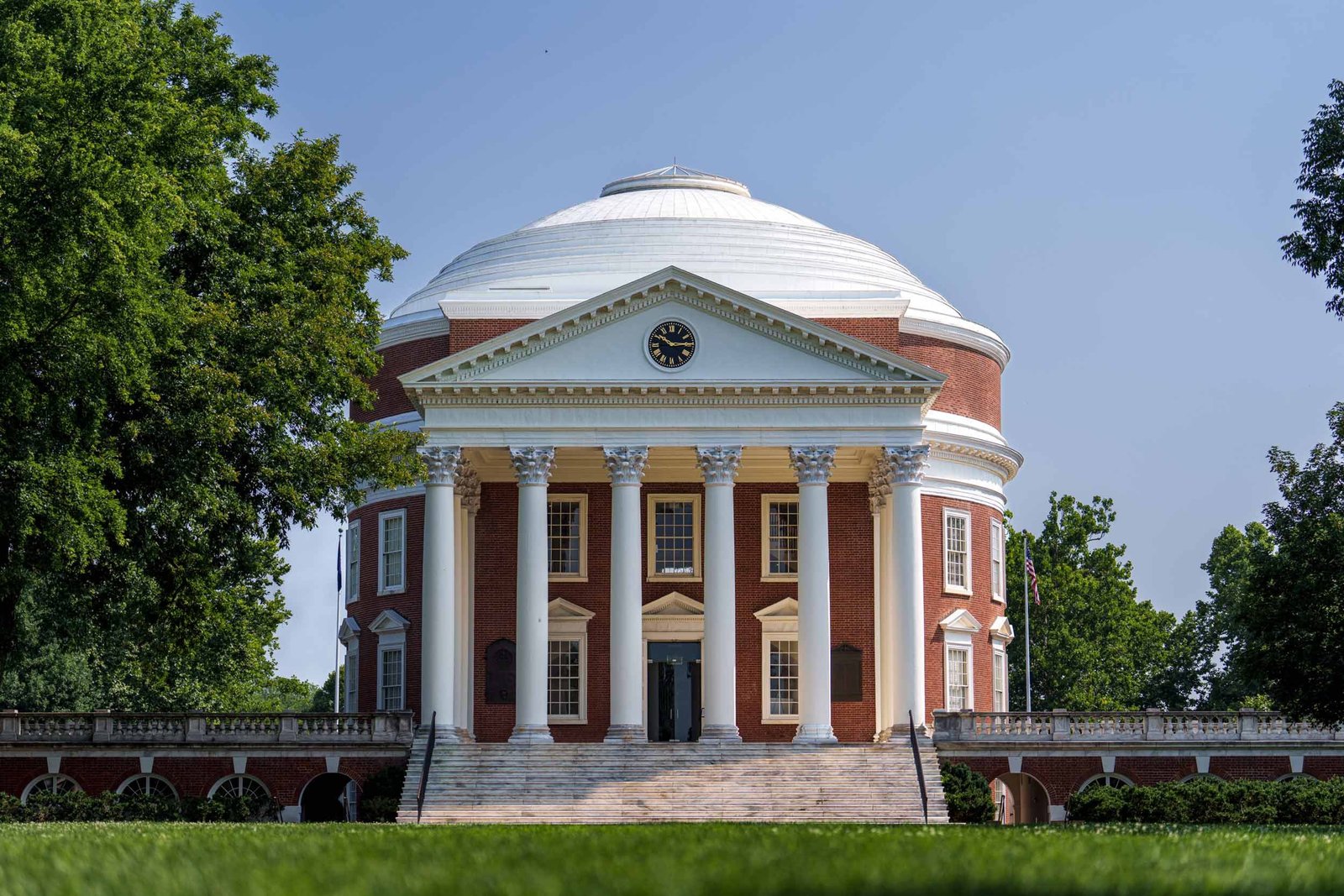
In an unprecedented clash between federal authority and academic independence, University of Virginia President James E. Ryan resigned Friday following what officials described as direct political pressure from President Donald Trump’s administration. The resignation comes amid a federal investigation into the university’s diversity, equity, and inclusion (DEI) efforts.
Virginia Sen. Mark Warner called the resignation “outrageous” during a Sunday appearance on CBS’s Face the Nation. He accused the Trump administration of using the Department of Justice (DOJ) and Department of Education (DOE) as political weapons to dismantle DEI initiatives and force leadership changes at prominent universities.
“This is the most outrageous action this crowd has taken on education,” Warner said. “Jim Ryan had done a very good job. He just completed a major capital campaign. He should not have been forced out.”
According to Warner, UVA received an “explicit” warning from the administration that if Ryan did not resign by a specified deadline, the university would face sweeping federal funding cuts. These included slashed research grants, loss of student financial aid, and revoked international student visas.
Ryan, who had planned to step down next year, ultimately accelerated his departure to shield the UVA community from fallout.
“To make a long story short, I am inclined to fight for what I believe in… But I cannot make a unilateral decision to fight the federal government in order to save my own job,” Ryan wrote in a heartfelt resignation letter Ryan wrote in a heartfelt resignation letter. “To do so would… appear selfish and self-centered to the hundreds of employees who would lose their jobs… and the hundreds of students who could lose financial aid or have their visas withheld.”
Jim Ryan
A Sudden Resignation, a Lasting Impact
The federal investigation into UVA is part of a broader campaign by the Trump administration to dismantle DEI programs in education. Though UVA’s Board of Visitors voted to dissolve its Office for Diversity, Equity, and Inclusion in March, DOJ officials reportedly accused the university of failing to go far enough. A June 17 letter from the department, according to The New York Times, reiterated that the university was still out of compliance.
Ryan’s resignation marks the first time a sitting university president has stepped down under direct federal pressure tied to financial threats. Higher education leaders say the move sets a dangerous precedent.
“This is a dark day for the University of Virginia and a dark day for higher education,” said Ted Mitchell, president of the American Council on Education. “It’s clear the administration is not done and will use every tool it can make or invent to exert its will over higher education.”
Community Reactions
UVA’s Board of Visitors accepted Ryan’s resignation and activated its Continuity of Operations Plan. Executive Vice President and Chief Operating Officer Jennifer “J.J.” Wagner Davis will serve as acting president while a nationwide search for a permanent successor begins.
“Jim Ryan has been an extraordinary president,” said outgoing Rector Robert Hardie. “He has led our institution to unprecedented heights, always doing so with grace and humility… UVA has forever been changed for the better as a result of Jim’s exceptional leadership.”
Ryan’s tenure since 2018 was marked by major institutional growth, including the creation of the School of Data Science, a new performing arts center, and expanded financial aid for Virginia families. He was also instrumental in launching the Karsh Institute of Democracy and a new campus in Northern Virginia.
Warner and fellow Virginia Sen. Tim Kaine released a joint statement calling the DOJ’s demand for Ryan’s resignation “outrageous” and a “mistake that hurts Virginia’s future.”
National Consequences
The Trump administration’s move is part of a broader federal campaign to eliminate DEI practices nationwide. The administration has simultaneously threatened funding for Harvard, Columbia, and other elite universities over race-conscious admissions and hiring.
Critics argue that these moves signal the erosion of higher education’s independence from federal politics.
“There’s grave danger to the quality and future of higher education if these kinds of decisions become a function of the federal government,” said Armand Alacbay of the American Council of Trustees and Alumni.
Peter McDonough, general counsel for the American Council on Education, noted that federal law prohibits the government from micromanaging educational institutions. But the Trump administration has increasingly blurred the lines between political pressure and lawful oversight.
“If universities now have to align with whoever won the last presidential election, that’s a worry,” McDonough said.
A Historic Presidency Ends
Ryan, a first-generation college student who earned his law degree from UVA, had earned widespread respect among students, faculty, and alumni. His final message reflected both sorrow and resolve.
“This was an excruciatingly difficult decision, and I am heartbroken to be leaving this way,” he wrote. “But I could not in good conscience cause any real and direct harm to my colleagues and our students in order to preserve my own position.”
His departure underscores the high stakes battle over academic freedom, public governance, and the future of higher education under renewed federal scrutiny.
Please consider supporting open, independent journalism – no contribution is too small!
UVA President Jim Ryan resigns amid Trump administration pressure over DEI policies, raising alarms about political interference in higher education leadership and academic freedom.
By Milton Kirby | Richmond, VA | July 1, 2025
In an unprecedented clash between federal authority and academic independence, University of Virginia President James E. Ryan resigned Friday following what officials described as direct political pressure from President Donald Trump’s administration. The resignation comes amid a federal investigation into the university’s diversity, equity, and inclusion (DEI) efforts.
Virginia Sen. Mark Warner called the resignation “outrageous” during a Sunday appearance on CBS’s Face the Nation. He accused the Trump administration of using the Department of Justice (DOJ) and Department of Education (DOE) as political weapons to dismantle DEI initiatives and force leadership changes at prominent universities.
“This is the most outrageous action this crowd has taken on education,” Warner said. “Jim Ryan had done a very good job. He just completed a major capital campaign. He should not have been forced out.”
According to Warner, UVA received an “explicit” warning from the administration that if Ryan did not resign by a specified deadline, the university would face sweeping federal funding cuts. These included slashed research grants, loss of student financial aid, and revoked international student visas.
Ryan, who had planned to step down next year, ultimately accelerated his departure to shield the UVA community from fallout.
“To make a long story short, I am inclined to fight for what I believe in… But I cannot make a unilateral decision to fight the federal government in order to save my own job,” Ryan wrote in a heartfelt resignation letter Ryan wrote in a heartfelt resignation letter. “To do so would… appear selfish and self-centered to the hundreds of employees who would lose their jobs… and the hundreds of students who could lose financial aid or have their visas withheld.”
Jim Ryan
A Sudden Resignation, a Lasting Impact
The federal investigation into UVA is part of a broader campaign by the Trump administration to dismantle DEI programs in education. Though UVA’s Board of Visitors voted to dissolve its Office for Diversity, Equity, and Inclusion in March, DOJ officials reportedly accused the university of failing to go far enough. A June 17 letter from the department, according to The New York Times, reiterated that the university was still out of compliance.
Ryan’s resignation marks the first time a sitting university president has stepped down under direct federal pressure tied to financial threats. Higher education leaders say the move sets a dangerous precedent.
“This is a dark day for the University of Virginia and a dark day for higher education,” said Ted Mitchell, president of the American Council on Education. “It’s clear the administration is not done and will use every tool it can make or invent to exert its will over higher education.”
Community Reactions
UVA’s Board of Visitors accepted Ryan’s resignation and activated its Continuity of Operations Plan. Executive Vice President and Chief Operating Officer Jennifer “J.J.” Wagner Davis will serve as acting president while a nationwide search for a permanent successor begins.
“Jim Ryan has been an extraordinary president,” said outgoing Rector Robert Hardie. “He has led our institution to unprecedented heights, always doing so with grace and humility… UVA has forever been changed for the better as a result of Jim’s exceptional leadership.”
Ryan’s tenure since 2018 was marked by major institutional growth, including the creation of the School of Data Science, a new performing arts center, and expanded financial aid for Virginia families. He was also instrumental in launching the Karsh Institute of Democracy and a new campus in Northern Virginia.
Warner and fellow Virginia Sen. Tim Kaine released a joint statement calling the DOJ’s demand for Ryan’s resignation “outrageous” and a “mistake that hurts Virginia’s future.”
National Consequences
The Trump administration’s move is part of a broader federal campaign to eliminate DEI practices nationwide. The administration has simultaneously threatened funding for Harvard, Columbia, and other elite universities over race-conscious admissions and hiring.
Critics argue that these moves signal the erosion of higher education’s independence from federal politics.
“There’s grave danger to the quality and future of higher education if these kinds of decisions become a function of the federal government,” said Armand Alacbay of the American Council of Trustees and Alumni.
Peter McDonough, general counsel for the American Council on Education, noted that federal law prohibits the government from micromanaging educational institutions. But the Trump administration has increasingly blurred the lines between political pressure and lawful oversight.
“If universities now have to align with whoever won the last presidential election, that’s a worry,” McDonough said.
A Historic Presidency Ends
Ryan, a first-generation college student who earned his law degree from UVA, had earned widespread respect among students, faculty, and alumni. His final message reflected both sorrow and resolve.
“This was an excruciatingly difficult decision, and I am heartbroken to be leaving this way,” he wrote. “But I could not in good conscience cause any real and direct harm to my colleagues and our students in order to preserve my own position.”
His departure underscores the high stakes battle over academic freedom, public governance, and the future of higher education under renewed federal scrutiny.
Please consider supporting open, independent journalism – no contribution is too small!
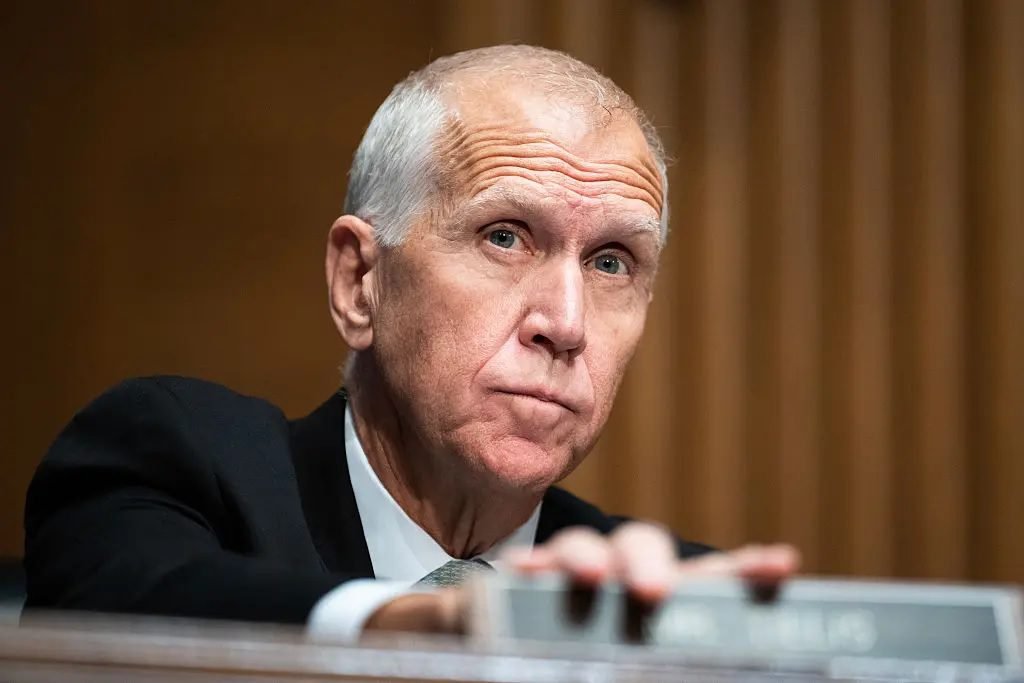
North Carolina Sen. Thom Tillis won’t seek reelection in 2026 after Trump-backed threats, setting up a high-stakes GOP primary and Senate battleground showdown.
By Milton Kirby | Charlotte, NC | June 30, 2025
Sen. Thom Tillis will not seek reelection in 2026. The North Carolina Republican made the surprise announcement on Sunday, following increasing pressure from President Donald Trump.
Tillis, 64, said the decision came after deep reflection. “It’s not a hard choice,” he said, choosing family time over “six more years of political theatre.” This personal sacrifice resonates with many who understand the importance of family and personal time.
But the timing raised eyebrows. Just days earlier, Tillis voted against Trump’s flagship domestic bill, the One Big Beautiful Bill Act (OBBB). Trump lashed out online, branding Tillis “a talker and complainer, NOT A DOER!”
The president also said “numerous people” were lining up to challenge Tillis in a GOP primary. “Great news!” Trump posted after Tillis stepped aside.
Privately, Tillis had long wrestled with whether to run. He told friends he wanted space from Trump and support from GOP leaders—neither materialized.
His vote against the OBBB bill, which included Medicaid cuts and controversial tax provisions, became a turning point. He warned colleagues the bill would cost him his seat in a swing state like North Carolina.
It was reported by several news agencies that Trump personally called Tillis Friday urging support. When Tillis held firm and voted no, Trump began publicly attacking him.
By Sunday, Tillis had moved up his retirement timeline. “Leaders who value bipartisanship and independent thinking are becoming endangered,” he said.
His departure sets off a crowded Republican primary. Rep. Pat Harrigan is a likely candidate. Lara Trump, the president’s daughter-in-law, is “strongly considering” a run.
GOP figures such as Rep. Tim Moore, Rep. Greg Murphy, Rep. Richard Hudson, and RNC Chair Michael Whatley are also eyeing the seat.
Sen. Tim Scott (R-SC), head of the Senate GOP campaign arm, downplayed Tillis’ exit. “That streak will continue in 2026,” he said, referring to GOP control of North Carolina’s Senate seats.
Democrats see a major opportunity. Former Rep. Wiley Nickel has launched a campaign. But national leaders are urging former Gov. Roy Cooper to run. This potential for change in the upcoming election brings a sense of hope to the political landscape.
Cooper is expected to make a decision this summer. If he enters, he will likely clear the field.
The Cook Political Report shifted the race to “Toss Up” after the announcement. With control of the Senate on the line, Democrats hope to flip the seat, potentially altering the balance of power in the Senate.
Democratic Senatorial Campaign Committee spokesperson Maeve Coyle called Tillis’ retirement “another blow to Republicans,” saying the Medicaid cuts were too toxic to defend.
Tillis joins Rep. Don Bacon (R-NE) as the second Republican moderate to retire this week. Both cited frustration with rising partisanship.
His retirement also gives him new freedom. “I look forward to calling the balls and strikes as I see them,” he said, promising to finish his term with integrity.
Tillis first won the seat in 2014. A former state House speaker, he survived two close races and was once seen as a rising GOP star.
But his moderate streak—and support for bipartisan infrastructure and gun safety bills—earned him enemies on the right.
Now, in what is often referred to as ‘Trump’s GOP’, there is little room for dissent. And Thom Tillis, seeing no clear path forward within this political climate, decided to step aside.
Please consider supporting open, independent journalism – no contribution is too small!
Lena Horne broke barriers in Hollywood and civil rights, becoming a trailblazing icon whose courage, music, and legacy continue to inspire generations of Black artists and activists.
By Milton Kirby | Atlanta, GA | June 30, 2025
On what would have been her 108th birthday, the world pauses to honor Lena Horne—a legendary singer, actress, civil rights activist, and one of the most influential Black women in American history. Horne’s career, which spanned over seven decades, was defined not only by her talent and glamour but by her fierce determination to fight against racial injustice and challenge the limits placed on her by society and Hollywood.
Born Lena Mary Calhoun Horne on June 30, 1917, in Brooklyn, New York, she emerged from a lineage of educated and civically engaged African Americans. Her grandmother, an early suffragist and activist, shaped Lena’s worldview. Despite a nomadic and, at times, lonely childhood spent following her mother’s theatrical career across the country, Horne carried the strength of her heritage with her. She left high school at 16 to perform at Harlem’s famed Cotton Club, launching a path that would eventually lead her to become the first Black performer signed to a long-term contract with a major Hollywood studio—Metro-Goldwyn-Mayer (MGM).
While at MGM, Horne appeared in more than 16 films between 1938 and 1978. Yet, due to racism, her roles were often stand-alone musical numbers that could be cut out when films were shown in segregated theaters. She was systematically denied leading roles, and in a cruel twist, even lost the part of Julie LaVerne in the 1951 film “Show Boat” to Ava Gardner, despite previously singing the part in another movie. The role was denied to her because of a ban on interracial relationships onscreen.
Horne never allowed these exclusions to define her. She sued restaurants and theaters for racial discrimination in the late 1940s and joined forces with civil rights leaders like Paul Robeson and Eleanor Roosevelt. Her activism led to blacklisting during the McCarthy era, but Horne never backed down. When the U.S. Army allowed German POWs to sit in front of Black soldiers at a World War II USO performance, she walked off stage and personally financed her own tour to entertain Black troops.
“My identity is very clear to me now. I am a Black woman. I’m free. I don’t have to be a symbol to anybody,” she once said. This powerful statement reflects Lena Horne’s journey of self-definition and pride. Her words continue to inspire others to embrace their own identities with confidence and self-awareness.
Lena Horne
In the 1960s, Horne was a prominent figure in the civil rights movement. She marched in Washington, performed at rallies in the Jim Crow South, and lent her voice and fame to the National Council of Negro Women and the NAACP. Her commitment to the cause was unwavering. When Medgar Evers was assassinated, she had just appeared with him at a rally in Mississippi, a testament to her dedication to the fight for equality.
Her resilience eventually led to triumphs. Horne reinvented herself in the 1980s, dazzling Broadway in the Tony Award-winning one-woman show, Lena Horne: The Lady and Her Music. The show ran for 333 performances and earned her a special Tony Award, as well as two Grammys. It remains the longest-running solo show in Broadway history.
Despite battling multiple sclerosis, a fact she never publicly discussed, Horne lived to be 92. She died in 2010 of heart failure in New York City. Her funeral brought out luminaries like Dionne Warwick, Cicely Tyson, Audra McDonald, and Vanessa Williams—a who’s who of Black excellence shaped in her wake.
Despite the challenges she faced in her career, Horne’s personal life was also marked by resilience and strength. She was a mother and grandmother, and her family was a source of joy and support for her. She had two children, Gail and Edwin, and was later married to white bandleader Lennie Hayton. Their interracial marriage was initially kept secret due to public scrutiny, yet the relationship helped her navigate a treacherous industry with grace and strength.
Lena Horne
Lena Horne’s legacy lives on through her granddaughter Jenny Lumet, a screenwriter who continues to carry on her grandmother’s work. Her name is immortalized in stamps, awards, and most fittingly, the Broadway theater that now bears her name—the Lena Horne Theatre. As the first Black woman to receive this honor, Lena Horne’s enduring impact is a testament to the power of her life and work.
From stormy beginnings to a triumphant, unyielding voice, Lena Horne carved her name into history with elegance and courage. She was not only a fierce activist but also a jazz singer, a movie star, and a patriot. Her performances, both on screen and on stage, were marked by her undeniable talent and grace. Above all, she was a symbol of pride and perseverance, leaving an indelible mark on the arts and civil rights.
Today, on Lena Horne Day, her story continues to inspire artists, activists, and dreamers worldwide. Her legacy, like her music, will never fade.
Please consider supporting open, independent journalism – no contribution is too small!
The Athens Rock Lobsters return October 25 with new coach Garrett Rutledge, fan-favorite mascot Clawdius, and high hopes after a record-breaking debut FPHL season.
By Milton Kirby | Athens, GA | June 27, 2025
In just one whirlwind year, the Athens Rock Lobsters have evolved from a bold idea into a full-fledged professional hockey phenomenon—electrifying The Classic City with thrilling games, a fan-fueled identity, and an unmistakable mascot named Clawdius. With a playoff run in their debut season and a new head coach leading them into Year Two, the Rock Lobsters’ rise has become one of the Federal Prospects Hockey League’s (FPHL) most captivating stories.
Here’s how the crustacean sensation came to be—and where it’s headed next.
A Hometown Team Born Through Community Voice
The vision for Athens’ first professional hockey team started with a radical idea: let the city name the team.
In early 2024, Scott Hull (Executive President of Athens Pro Hockey) and Britton Briley (President of Ghost Brands) launched a citywide naming contest to engage the Athens community in shaping the team’s identity. The response was overwhelming, with over 9,000 name submissions and more than 800 artwork entries pouring in, fueling a passionate campaign across local media, social platforms, and grassroots outreach.
Photo Courtesy Athens Rock Lobsters
After narrowing down the choices, two finalists—Classic City Panic and Athens Rock Lobsters—emerged. But the scales tipped dramatically when legendary Athens-based band The B-52s, whose hit “Rock Lobster” put the city on the map, endorsed the latter. Backed by Crush Malibu Music, their approval sealed the deal.
“The moment the B-52s and Crush Malibu Music endorsed the name, we knew it was a perfect fit,” Hull said. “It captured the music, the culture, and the playfulness of Athens. It wasn’t just a team name—it was Athens.”
The First Coach, the First Schedule, and a Statement Win
On June 27, 2024, the Rock Lobsters announced Steve Martinson as their inaugural head coach. A veteran of the game with a proven record of developing winning teams, Martinson’s hard-nosed coaching style made an immediate impact.
By July 3, 2024, the team released its first season schedule to much fanfare. Their debut campaign promised high-energy clashes, fierce rivalries, and a new brand of hockey at The Classic Center Arena.
The season opener came on October 8, 2024, in Monroe, Louisiana, where the Lobsters stunned the Monroe Moccasins with a commanding 7–2 victory. Garrett Milan netted two goals within the first three minutes, silencing the home crowd and kicking off Athens’ season with confidence.
Photo courtesy Athens Rock Lobsters
Clawdius Arrives and Crustacean Nation Rises
With the season underway, Athens once again turned to its fans—this time, to name the team’s official mascot. On October 8, 2024, the Rock Lobsters launched a Mascot Naming Contest, offering four finalists: Rocky, Bisque, Griff, and Clawdius.
Over 1,400 votes poured in. On October 25, 2024, during the team’s first home game, Clawdius was officially announced as the winning name with 996 votes. His live debut was delayed until January 2025. Still, by the time the red-costumed crustacean skated into Akins Ford Arena, he was already a legend in waiting.
Clawdius became the team’s rallying icon—dancing, flexing, and pumping up the crowd as Crustacean Nation filled “The Tank” with deafening energy game after game.
Making a Splash in the Inaugural Season
The Rock Lobsters’ debut season in the 2024–25 FPHL campaign exceeded all expectations. Led by high-scoring forward Garrett Milan, who notched his 100th point of the season in the regular season finale, the Lobsters finished as one of the league’s top teams.
Photo courtesy Athens Rock Lobsters
That last regular-season game—April 12, 2025, against the Columbus River Dragons—was a signature moment. The Lobsters came from behind to win 5–2, with goals from Milan, Danill Glukharyov, Filip Virgili, Kayson Gallant (netting his 40th of the year), and rookie Hunter Alden, who celebrated his first professional goal in style.
With momentum surging, the Lobsters advanced to the playoffs, drawing Columbus again for the first-round series. Game One was set for April 16 in Columbus, followed by Games Two and Three (if necessary) in Athens. While the postseason run ended earlier than fans hoped, the foundation was firmly set.
A Season That Transcended Hockey
Beyond the scoreboard, the Rock Lobsters forged a deep connection with Athens.
Home games regularly sold out, local businesses partnered on promotions, and fans from as far away as Canada, France, and Switzerland began tuning in to livestreams. The Athens Rock Lobsters became more than a team—they became a movement.
From kids donning foam claws to adults rocking lobster-themed hats, Athens embraced its team in a way few expected from a traditionally football-centric state. Whether cheering in The Tank or watching from home, fans helped turn the Lobsters’ first year into a historic ride.
A New Era: Rutledge Takes the Helm
As the off-season unfolded, the team announced a major change in leadership. On July 1, 2025, the Rock Lobsters will introduce Garrett Rutledge as their new head coach during a special “Tiki Taco Tuesday” event at Live Wire in Downtown Athens.
Rutledge brings a player-first mentality and a relentless drive for excellence. Known for developing young talent and fostering strong locker-room chemistry, he’s seen as the perfect choice to build on Athens’ breakout debut.
“Last year proved that hockey belongs in Athens,” said President Scott Hull. “This year, we’re turning up the volume.”
A Return to the Ice: Season Two Begins October 25
The Rock Lobsters’ second season is set to begin with a bang. Opening Night is Saturday, October 25, 2025, at 7:05 PM in Akins Ford Arena. The full schedule for the 2025–26 season is set to be released soon, but fans are already circling their calendars for this can’t-miss clash.
After a season of sold-out games, unforgettable moments, and a playoff appearance, expectations are sky-high. With Clawdius on the ice, Rutledge behind the bench, and Crustacean Nation in full force, Season Two promises more claws, more chaos, and more community.
Looking Ahead: The Future Is Bright (and Red)
The Athens Rock Lobsters have demonstrated what’s possible when a professional sports team prioritizes community. They didn’t just enter a market—they embraced it, empowered it, and now represent it on the national stage.
As the team looks to build on a landmark first year, one thing is clear: the Rock Lobsters are just getting started. From Monroe to the playoffs, from naming contests to standing ovations, this Athens-based hockey franchise has cracked the code on fan engagement and sports entertainment.
So, raise your claws high, Athens. A new season beckons, and the Tank awaits.
Please consider supporting open, independent journalism – no contribution is too small!
Despite bold claims of obliteration, U.S. airstrikes on Iran’s nuclear facilities face scrutiny as experts warn true damage and uranium status remain uncertain.
By Olivier Knox | US News | June 25, 2025
U.S. warplanes and Tomahawk missiles hit the targets they meant to hit. The stealth bombers then exited Iranian airspace with no losses. Day-after satellite imagery suggested significant damage – it’s not all obvious because one of the sites is burrowed into a mountain.
The United Nations nuclear watchdog agency, the International Atomic Energy Agency, said that even if American bombs did not reach all the way into Iran’s underground facilities, “given the explosive payload utilized, and the extreme vibration-sensitive nature of centrifuges, very significant damage is expected to have occurred.”
• The U.S. strikes came after an Israeli campaign targeting top Iranian nuclear scientists, reportedly killing at least 14 of them. Israel also systematically went after the SPND, which is basically a military research and development arm of the Iranian military and is thought to oversee the country’s nuclear program.
On a deeper level, we’re left with a lot of questions: What’s the state of Iran’s nuclear and missile programs? Did Iranian stockpiles of enriched uranium survive? Can the Iranians rebuild? Will they choose to do so? Did the strikes ruin chances of negotiations between Washington and Tehran?
On the last one, Trump said on the sidelines of a NATO summit in The Hague that he expected talks to resume next week.
‘OBLITERATED.’ Or Maybe Not?
In remarks to the nation from the White House, Trump quickly declared the strikes had “completely and fully obliterated” Iran’s principal sites for uranium enrichment – a process central to building an atomic weapon.
Gen. Dan Caine, the chairman of the Joint Chiefs of Staff, said the Iranian facilities had suffered “extremely severe damage and destruction” and that it would take time to assess the actual results.
Defense Secretary Pete Hegseth declared “our bombing campaign obliterated Iran’s ability to create nuclear weapons.”
On Tuesday, The New York Times and other outlets reported that a preliminary, classified Defense Intelligence Agency assessment found that the weekend strikes only set back Iran’s nuclear program by a few months, citing officials familiar with the DIA’s findings.
• According to the DIA report, the strikes sealed off the entrances to two of the three principal targets but did not collapse their underground operations.
• The assessment also said Iran moved much of its stockpile of enriched uranium before the strikes. “Some of that may have been moved to secret nuclear sites maintained by Iran,” the Times said.
• U.S. officials pointedly noted that the DIA’s findings were “low confidence.”
• The White House promptly denounced “fake news.” And Trump condemned CNN, MSNBC and The New York Times as “scum.”
But appearing on ABC’s “This Week” on Sunday, Vice President JD Vance had implicitly acknowledged that some amount of Iran’s uranium stocks was unaccounted for.
“We’re going to work in the coming weeks to ensure that we do something with that fuel,” Vance said. “And that’s one of the things that we’re going to have conversations with the Iranians about.”
The ‘BDA’
Get ready to hear a lot more pundits and officials refer to “the BDA.” That’s “battle-damage assessment.”
To understand the road from here, I reached out to Eric Edelman, a diplomat by training who has served in senior positions at the departments of State and Defense, and is someone I have known for years.
“BDA is always tricky and first reports are not usually reliable,” Eric cautions. But, he says, “‘obliterated’ is not a term that any serious military or intel(ligence) analyst would use.”
“It may be a few weeks or more before people will be able to come to reasonable judgment about how effective the Israeli and U.S. bombing has been on degrading the Iranian program,” Eric says, while noting that experts think Iran’s atomic ambitions have been severely set back.
• A comprehensive BDA will include MASINT (measurement and signature intelligence) to assess damage to Iran’s Fordo site, dug into a mountain. The word Eric used is “subsidence,” which I did not know. It’s basically “how much a given stretch of land caved in.”
• There will also be COMINT (communications intelligence, like intercepted phone calls), SIGINT (signals intelligence, any intercepted electronic messaging).
“The proliferation of open-source intelligence seems to have turned everybody and their brother into an expert but there are a lot of variables at play here and assessments are always tinged with a range of uncertainties,” Eric says.
So now, we wait.
Please consider supporting open, independent journalism – no contribution is too small!
DeKalb County hosts July 10 job fair with over 500 openings, including 250 public safety roles. On-site interviews and same-day offers available. Register now.
By Milton Kirby | Decatur, GA | June 25, 2025
DeKalb County is opening its doors to job seekers with a countywide job fair scheduled for Thursday, July 10, 2025, from 9:00 a.m. to 1:00 p.m. at Georgia Piedmont Technical College, located at 495 N. Indian Creek Drive in Clarkston, GA.
DeKalb County CEO Lorraine Cochran-Johnson announced the hiring event on Wednesday, emphasizing its importance as part of her administration’s commitment to reshaping the county’s future. “This job fair is one of the ways we’re re-imagining DeKalb,” she said. “It is one of the ways we are investing in people and helping them thrive.”
The county currently has more than 500 positions available across various departments. Of those, 250 vacancies are in public safety roles, including positions in police, fire, and emergency services. County representatives will conduct on-site interviews and same-day job offers may be extended to qualified candidates.
The hiring event is a tangible reflection of our broader workforce development strategy, a key focus outlined during Cochran-Johnson’s recent State of the County address. This strategy is our commitment to making DeKalb a model of community-focused governance and innovation, ensuring a bright future for our workforce.
DeKalb County’s government careers page highlights a workplace culture focused on “collaboration, teamwork, and achievement” and welcomes applicants to a workforce that is “diversified and inclusive.” The site is updated weekly with the latest job vacancies, and residents are encouraged to join the DeKalb talent community to stay informed about new opportunities.
Job seekers are encouraged to explore opportunities in various fields, including engineering, sanitation, public safety, customer service, parks and recreation, finance, and public health.
The job fair is a free and inclusive event, open to all members of the public. While registration is required, it’s a simple step to secure a spot and gain early access to job postings and interview information.
The DeKalb County jobs website is updated weekly, and interested candidates can join the county’s talent community to stay informed about future vacancies.
For more information or to register, visit the DeKalb County Job Fair Registration Page. Don’t miss this opportunity to connect with potential employers and explore exciting career opportunities in DeKalb County!
Please consider supporting open, independent journalism – no contribution is too small!